
Last updated October 9, 2026
Free visual inspection and a written scope of work before any mitigation begins - photos, moisture readings, and drying logs go in your claim file
The scope we write is the scope we bill. Anything new gets shown to you, in writing, before we touch it.
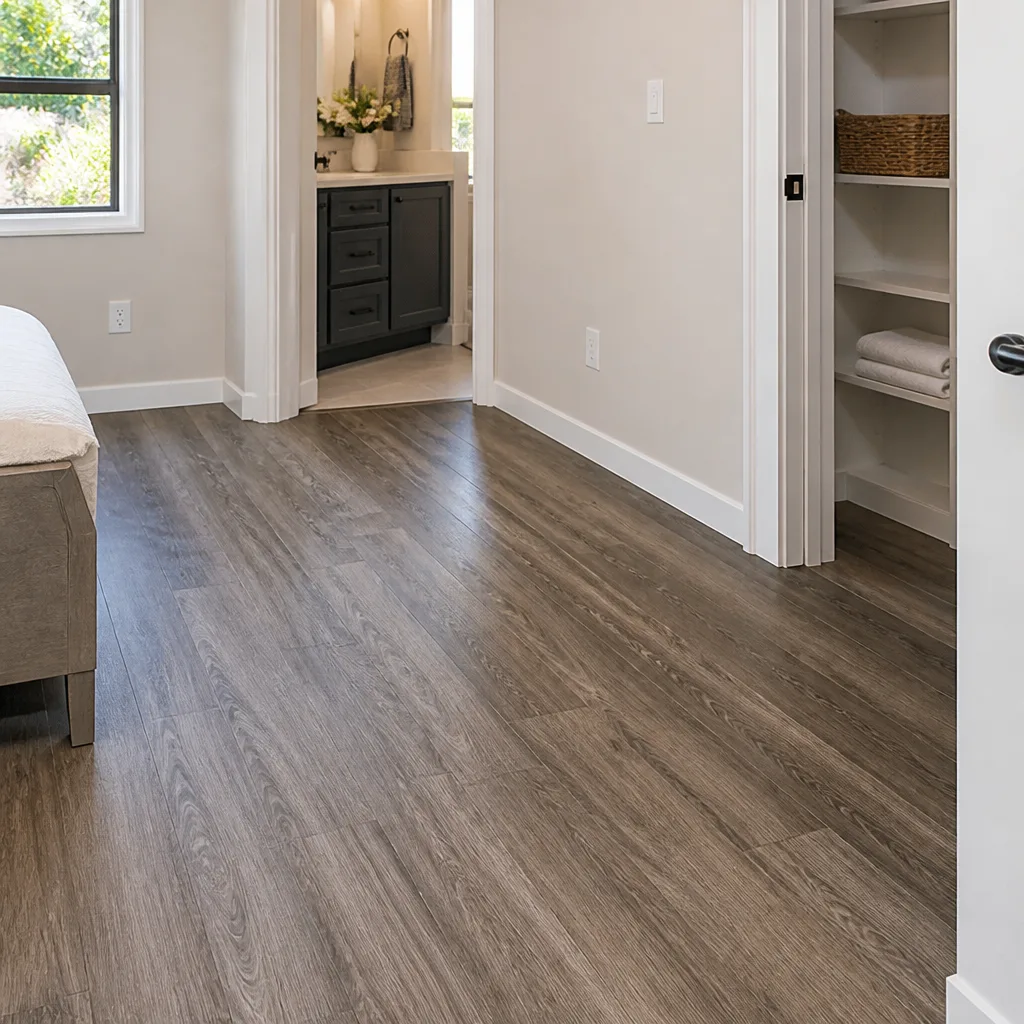
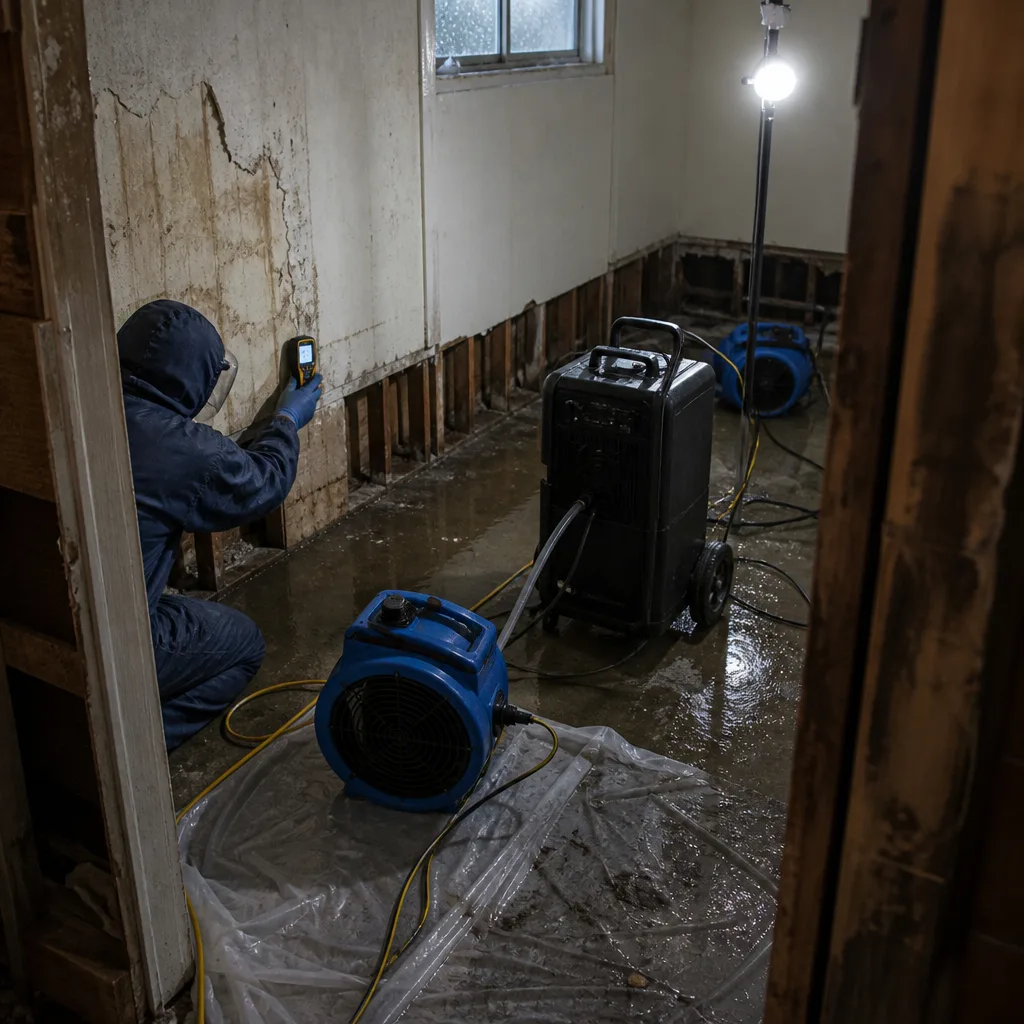 Before
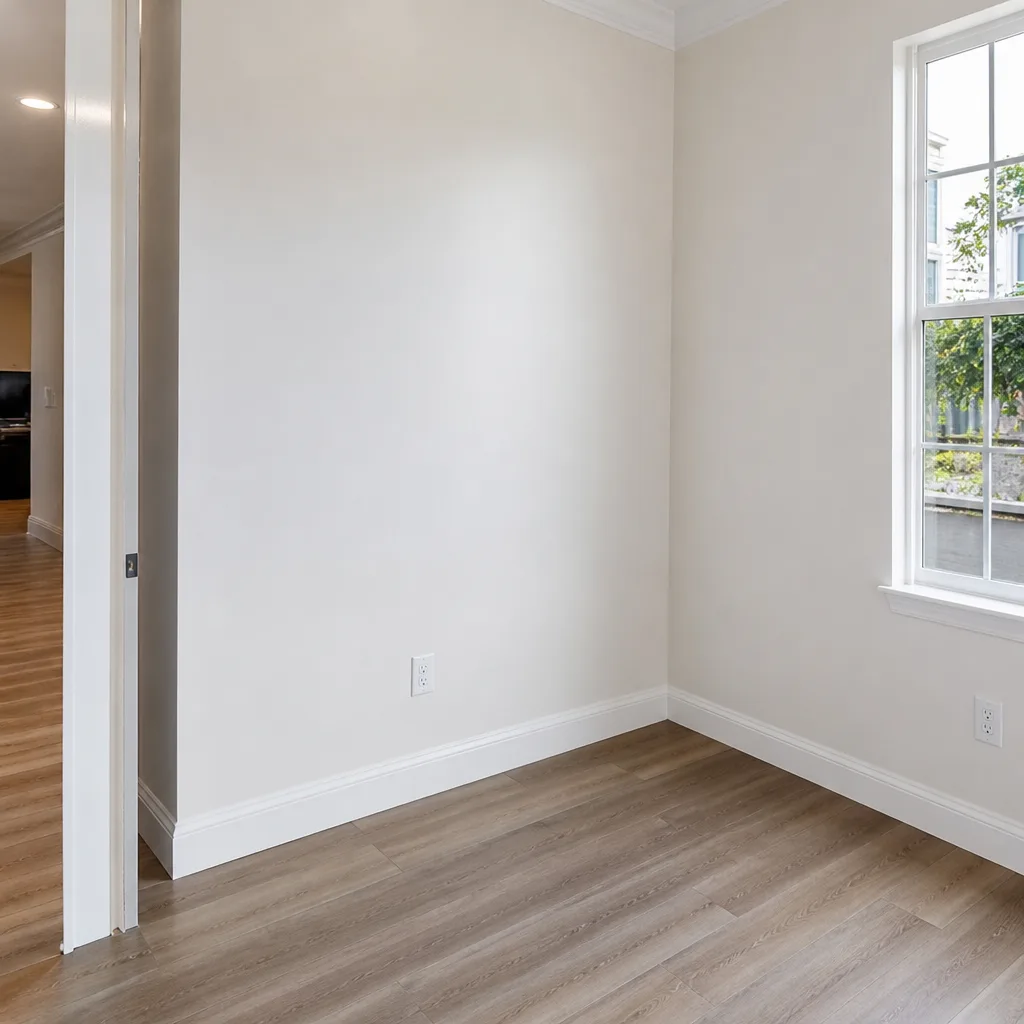 After
After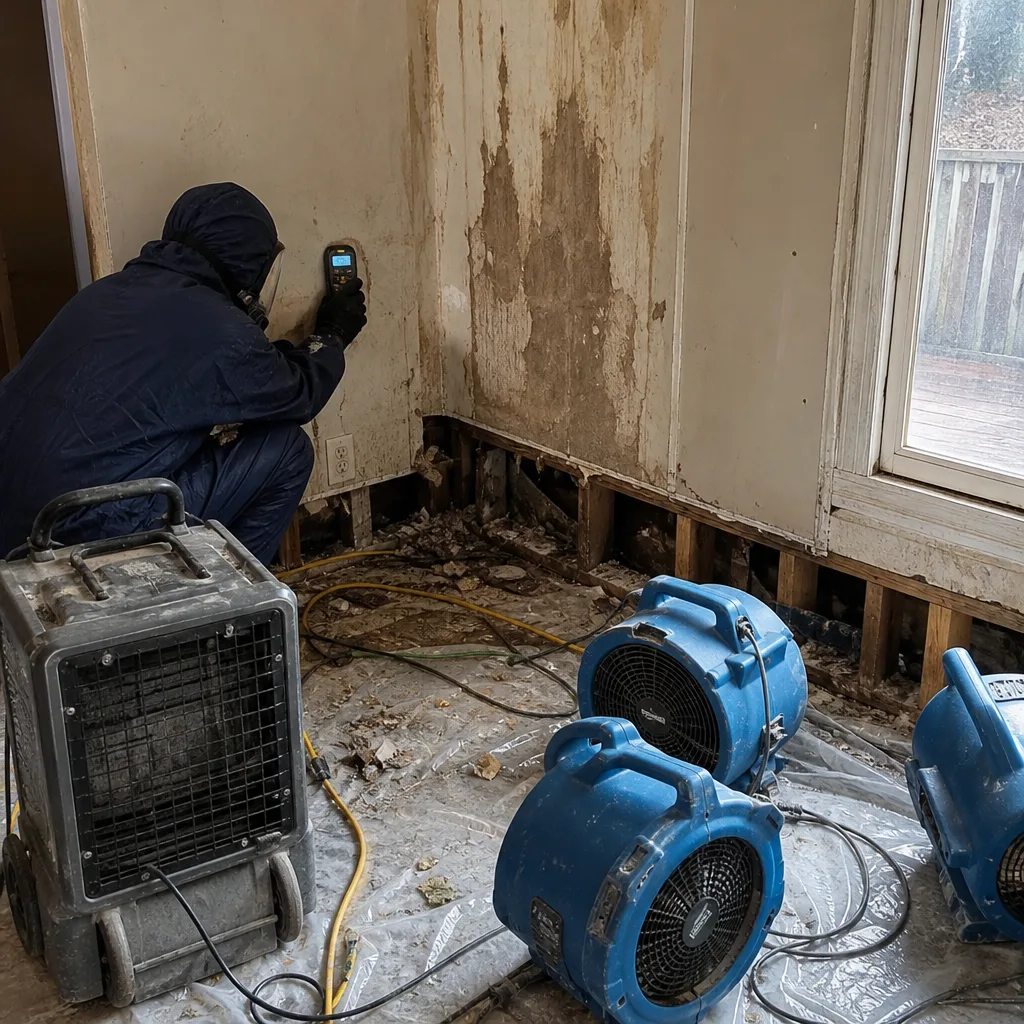 Before
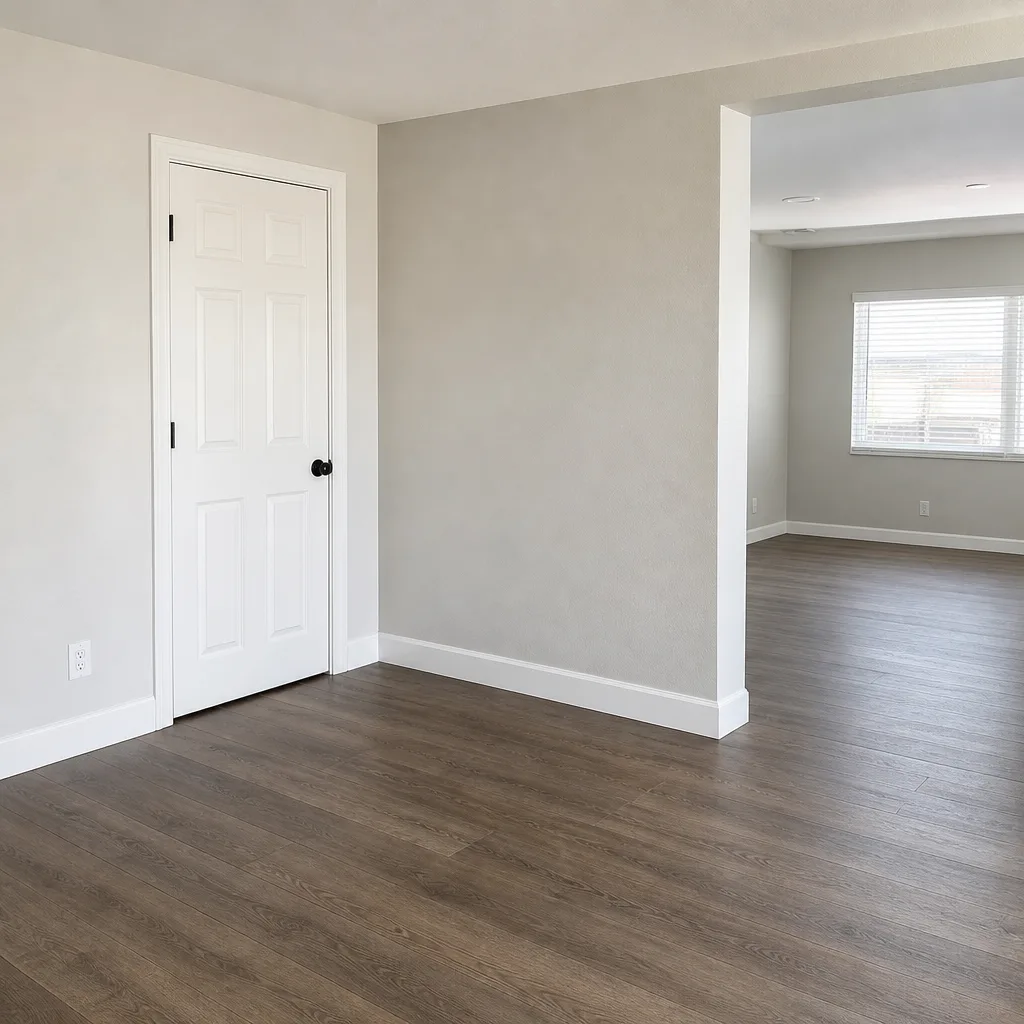 After
After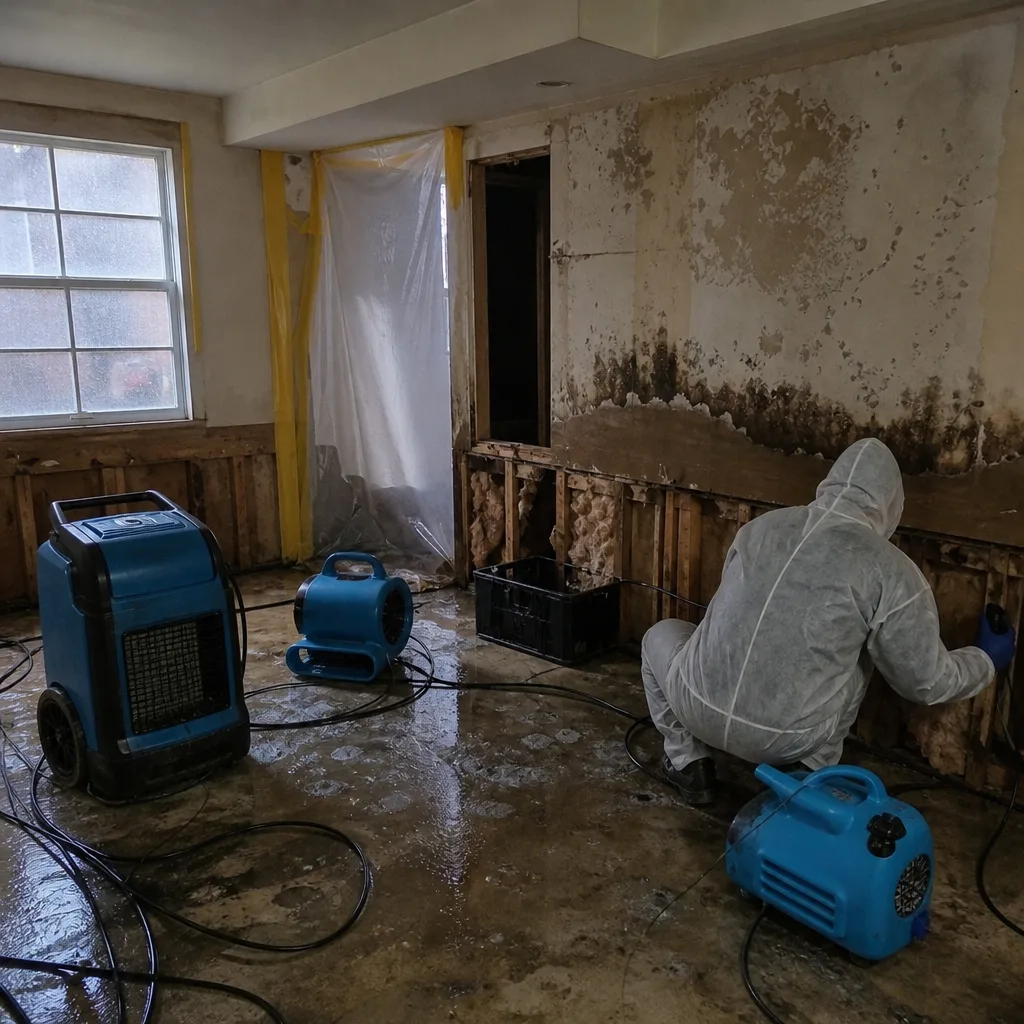 Before
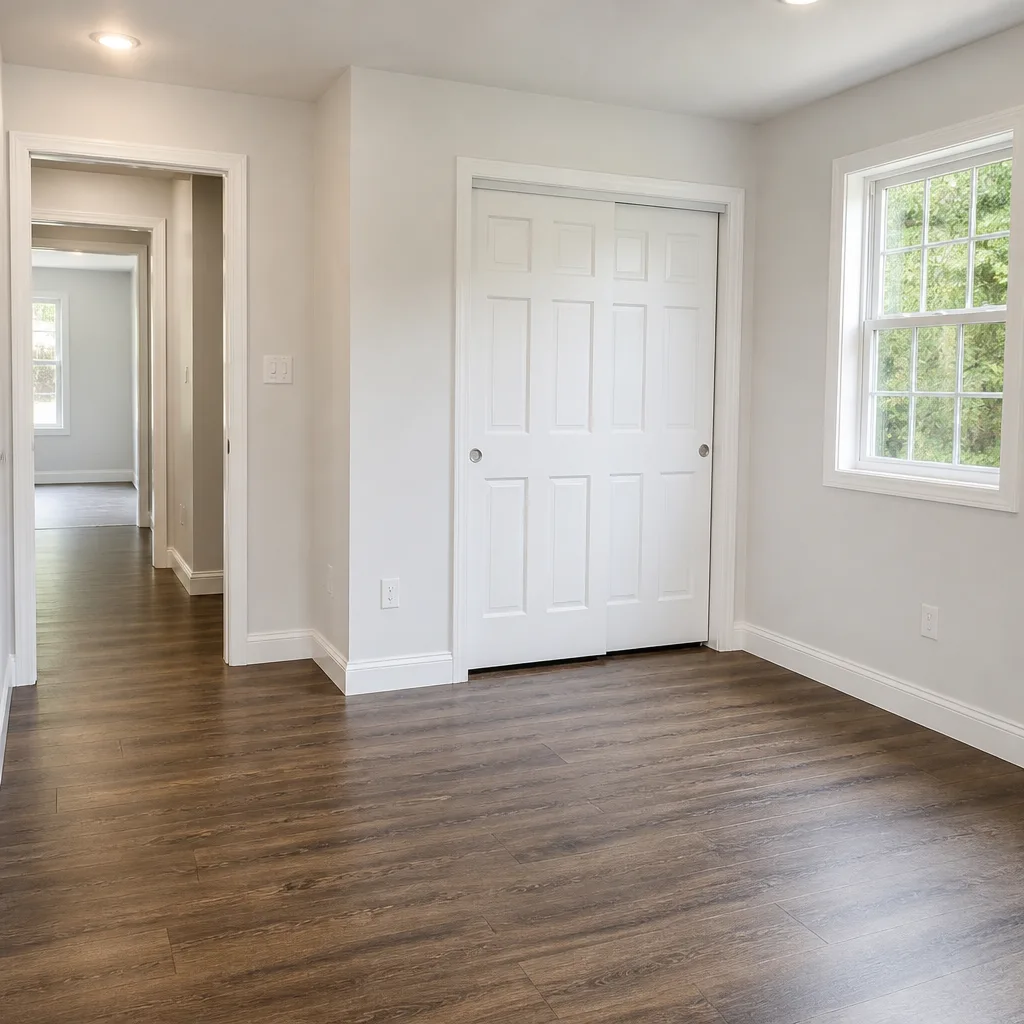 After
AfterHow Long Does Water Damage Restoration Take? Timelines and What to Expect
The industry standard for structural drying is three to five days. But that number assumes the right equipment density, daily moisture readings, and weather cooperation, and in a Los Angeles marine-layer January none of those are guaranteed without active management. Most homeowners don’t realize that “restoration” actually spans two very different phases: the drying phase (days) and the rebuild phase (weeks). This guide explains what drives both timelines, what milestones you should hold your contractor to, and how to spot the difference between a crew working hard and a crew running out the clock. If you’re dealing with water damage right now, our Water Damage Restoration services can help you understand these timelines before you sign anything and put you in control of the whole process.
Quick Answer
How to Hire a Damage Restoration Contractor in Los Angeles: A Step-by-Step Guide can help you evaluate estimates, since water damage restoration typically takes 3 to 5 days for the drying phase in a standard single-room incident, with full restoration including repairs and rebuild taking anywhere from 1 to 6 weeks depending on how much drywall, flooring, and cabinetry was affected. A crew using professional-grade drying equipment and taking daily moisture readings should give you a written day-by-day estimate on the first visit. If a company won’t commit to a range in writing, that’s a red flag, not a sign of thoroughness.
Table of Contents
- The Two Phases: Drying vs. Rebuild
- What Actually Drives Drying Time
- What “Standard” Timelines Really Mean
- The Rebuild Phase Nobody Quotes Upfront
- How to Read the Daily Drying Logs
- What Timeline Transparency Looks Like on a Multi-Day Job
- How Timelines Affect Your Insurance Reimbursement
- Common Mistakes to Avoid
- When to Call a Professional
- Frequently Asked Questions
The Two Phases: Drying vs. Rebuild
Water damage restoration is not one continuous process. It’s two distinct phases with very different timelines, and conflating them is how homeowners end up confused about why “a 4-day job” is entering its third week. Here’s the split:
- Mitigation and drying (typically 3 – 5 days): Water extraction, removal of unsalvageable materials, equipment setup, and the actual structural drying. This is the emergency phase. It starts the day you call and ends when moisture meters read dry.
- Repairs and rebuild (typically 1 – 6 weeks): Replacing drywall, flooring, baseboards, paint, and anything else that was removed. This phase involves permits in some Los Angeles jurisdictions, material ordering, and coordinated subcontractor visits. It does not start until the drying is confirmed complete.
In our experience across Los Angeles, the drying phase is where speed matters most. Every hour of standing water or saturated drywall increases the risk of mold colonization and secondary damage. The rebuild phase is where patience matters most, because cutting corners there means living with warped baseboards and peeling paint a year later. A competent restoration company will give you a written estimate for both phases on day one, even though the rebuild number may be refined after demolition reveals the full scope.
What Actually Drives Drying Time
Drying time is not a guess, and it’s not a fixed number. It’s a calculation based on measurable variables that any trained technician can assess in the first hour on site. Here are the factors that determine whether your home dries in three days or seven:
Material Porosity
Different materials hold and release water at dramatically different rates. Hardwood flooring in a 1920s Los Angeles bungalow can absorb water deep into the grain and take five to seven days to reach an acceptable moisture content, while a concrete slab foundation wicks moisture slowly and can hold it for weeks if not actively dried. Drywall is the fastest to dry but the most likely to be removed entirely, since gypsum loses structural integrity once saturated. Tile over concrete looks dry on the surface and stays wet underneath for days. A competent crew checks the moisture content of each material type separately, not just the room as a whole.
Saturation Depth
A supply-line leak that ran for two hours creates a very different drying scenario than a water heater that failed while you were on vacation for a week. The deeper the water penetrated into subflooring, wall cavities, and sill plates, the longer the drying phase takes. In Los Angeles homes with raised foundations, water often travels under the floor and into crawl spaces that are easy to miss if the crew doesn’t inspect below the surface. Deep saturation requires more equipment, more days, and more moisture readings to confirm the structure is actually dry, not just dry to the touch.
Equipment-to-Square-Footage Ratio
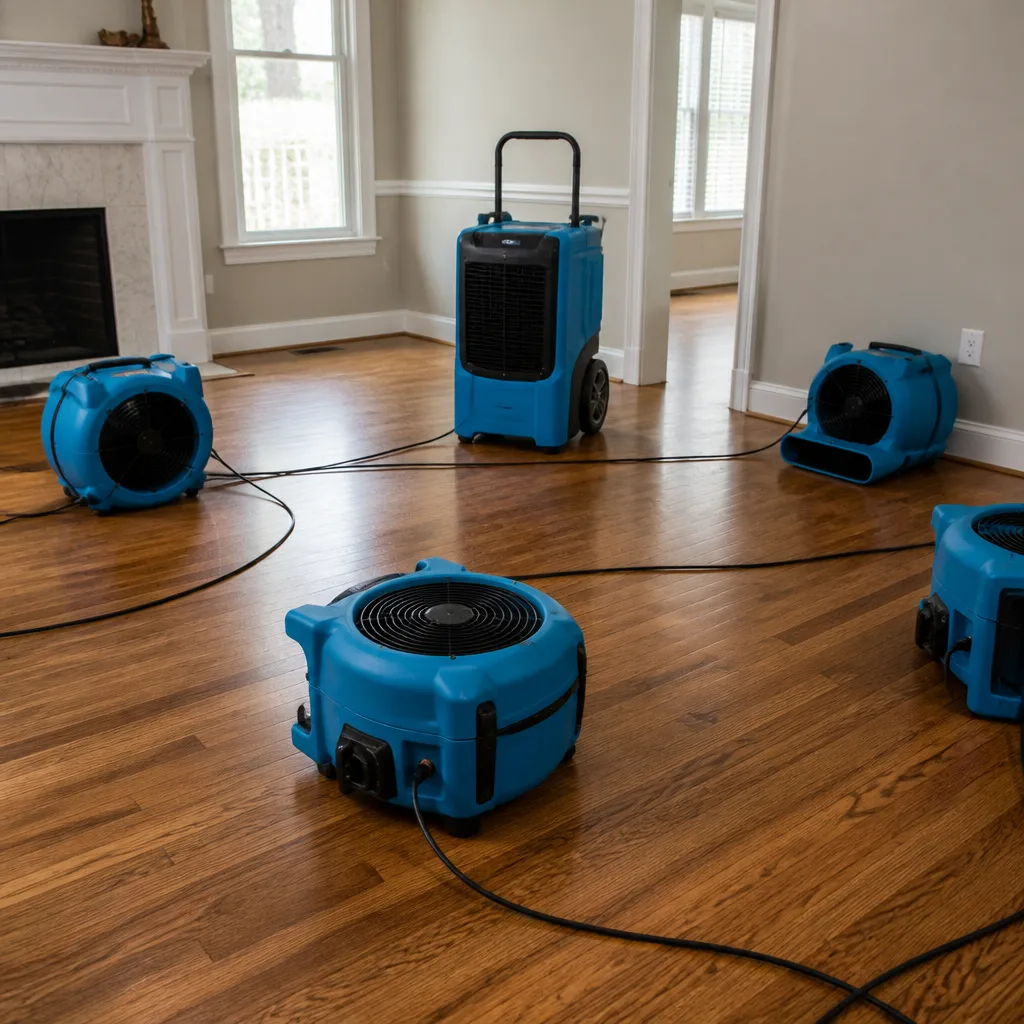
This is the variable most homeowners never think to ask about. Structural drying requires a specific amount of air movement and dehumidification capacity per square foot of affected area, measured in air changes per hour and pints of water removed per day. An under-equipped crew might set up two air movers in a 400-square-foot living room when the job actually calls for six. The room will eventually dry, but it takes twice as long, and every extra day of moisture increases the risk of mold. We deploy professional-grade equipment from brands like Phoenix, XPOWER, and Injectidry under IICRC, RIA, and IFA standards, sized to the actual square footage, not to what fits in the truck.
Ambient Conditions
Los Angeles has a variable climate that most people underestimate. Coastal neighborhoods like Venice and Playa del Rey get marine-layer humidity that slows evaporation, while inland areas like Sherman Oaks or Pasadena can be hot and dry, which speeds drying, but only if the crew adjusts the equipment accordingly. A professional drying setup controls the environment inside the affected area regardless of what’s happening outside. Dehumidifiers pull moisture from the air, air movers push it off surfaces, and the whole system works together. If the weather is humid and a crew just opens windows and points fans at the floor, you’re not getting structural drying. You’re getting a breeze.
What “Standard” Timelines Actually Mean
The phrase “standard drying timeline of three to five days” appears in every restoration marketing brochure in the country. Here’s what it actually means, and what it doesn’t mean:
- Three to five days is the industry median for a single-room, Category 1 water loss (clean water from a supply line or appliance, extracted within hours of discovery). It assumes the correct equipment density, daily moisture readings, and favorable conditions.
- It is not a promise. A multi-room loss, a Category 3 loss (sewage or contaminated water), or deep saturation into hardwood and subfloor can legitimately extend drying to seven to ten days.
- It is never an excuse to stop monitoring. A crew that packs up at exactly 72 hours because “that’s the standard” without taking final moisture readings from multiple locations is cutting corners. We’ve been called into Los Angeles homes where a previous company left after three days, the homeowner assumed it was done, and mold appeared behind the baseboards three weeks later.
The key distinction is between a timeline estimate given on day one and a timeline commitment adjusted based on daily readings. A good company gives you the first. A bad company gives you the second, or worse, gives you neither and just sends invoices. Moisture meters don’t lie. If the readings aren’t at target, the job isn’t done, regardless of what the calendar says.
The Rebuild Phase Nobody Quotes Upfront
Here’s the part of the timeline that catches Los Angeles homeowners by surprise: the drying phase is the fast part. The rebuild phase is where weeks disappear. And most restoration companies quote the drying phase with confidence and then go vague on the rebuild because they know it’s where timelines get uncomfortable. Here’s what actually drives rebuild time:
Permits
Depending on the scope of work and your specific Los Angeles jurisdiction, structural repairs may require permits. Replacing drywall and flooring after a water loss typically doesn’t, but if the damage extends to electrical, plumbing, or structural framing, permits can be required, and Los Angeles Department of Building and Safety processing times vary by neighborhood and workload. A restoration company that does this work regularly knows which scopes trigger permits and factors that into the timeline from day one. One that doesn’t will discover it mid-project and hand you a surprise two-week delay.
Material Lead Times
Matching existing flooring, cabinetry, or period-specific trim in an older Los Angeles home can take days or weeks. Pre-finished hardwood that matches your existing stain may need to be ordered. Custom cabinet doors don’t come off a shelf. Tile from a specific manufacturer can be backordered. A competent restoration company starts sourcing materials during the drying phase, not after it ends, so the rebuild can start immediately when readings hit target. This is the difference between a one-week gap and a three-week gap between phases.
Subcontractor Scheduling
Most restoration companies don’t employ full-time drywall installers, flooring crews, and painters. They coordinate subs, and subs in Los Angeles are busy. A realistic rebuild timeline for a single affected room typically looks like this:
- Days 1 – 2 after drying: Removal of any remaining damaged materials, final scope confirmation, material ordering.
- Days 3 – 5: Framing and drywall replacement, if needed.
- Days 6 – 8: Drywall finishing, texture, and priming.
- Days 9 – 12: Flooring installation.
- Days 13 – 15: Paint, trim, final touches.
That’s a two-to-three-week rebuild for a single room, under ideal conditions, with no permit delays and no material backorders. A whole-home water loss can legitimately take six to eight weeks. The important thing is that this timeline should be given to you in writing, with milestones, before the rebuild starts. Not after you’ve already signed a change order.
How to Read the Daily Drying Logs
Daily drying logs are the single most important document in the restoration process, and most homeowners never see them. A professional restoration crew takes moisture readings from multiple locations every day: affected materials, unaffected materials used as a baseline, and the ambient air inside the containment area. These readings are recorded on a drying log. Here’s how to read one as a homeowner:
- Find the baseline reading. The log should include moisture readings from an unaffected area of the same material type, usually a dry section of wall or floor in another room. This is the target. Affected materials need to come down to within a few percentage points of this baseline.
- Look for daily downward movement. The readings on affected materials should drop every day, even if only slightly. Flat readings for two consecutive days are a red flag that the drying system isn’t working or the equipment setup needs adjustment.
- Check that readings are taken from multiple locations. One reading from the center of the floor is not enough. The log should show readings from the edges, under cabinets, inside wall cavities, and any other location where water might have migrated.
- Confirm the final readings before equipment is removed. The crew should not pack up until every affected material is at or near baseline. If they can’t show you the numbers, the job isn’t verified dry.
A company that gives you access to daily drying logs, or at minimum explains the readings when you ask, is operating with transparency. For more guides & resources on what to expect during restoration, see our blog. A company that gets defensive when you ask to see the numbers is not. At Wendell Water Damage Restoration, we text before-and-after photo updates throughout the drying phase, including moisture readings, so you can see the progress without having to ask. The Relay Standard is built on this: book in a tap, live arrival time, photo updates, price in writing, text invoice. You should expect the same from any restoration company you hire in Los Angeles.
What Timeline Transparency Looks Like on a Multi-Day Job
Water damage restoration is a multi-day service relationship, not a one-time visit. You’re going to have technicians in your home for the better part of a week, and you need to know when they’re coming, what they’re doing, and what it’s costing. Here’s what that should look like, based on the jobs we run across Los Angeles every week:
- Day one: written scope and price. Before any work starts, you get a written estimate with line-item pricing for the mitigation and drying phase, plus an estimated range for rebuild. Not a verbal number. Not a “we’ll figure it out as we go.” This is a core part of our process at Wendell. The price is put in writing before any work starts, and the number on the screen is the number you pay.
- Every visit: live arrival time. You get a specific arrival window you can track, not a vague four-hour estimate. Our technicians are background-checked and uniformed, and you know who’s walking through your door before they get there. The Relay Visibility Guarantee requires it, and so do Los Angeles homeowners who are tired of waiting around.
- Daily: photo updates by text. Before-and-after photos, moisture reading screenshots, and notes on what was done that day. You should be able to follow the job from your phone while you’re at work in Century City or running errands in Silver Lake.
- Milestone check-ins at day three and day five. At these points, the crew should give you a clear status update: on track, ahead of schedule, or factors requiring adjustment. If the timeline is slipping, you should hear it from them, not discover it when you ask why equipment is still running on day eight.
This level of transparency is not standard in the restoration industry. We’ve built our entire operating model around it because we believe the person paying the invoice deserves to know exactly what’s happening in their own home. If the company you’re considering can’t describe their update process in detail, ask yourself what they’re hiding.
How Timelines Affect Your Insurance Reimbursement
Insurance is almost always in the room during a water damage claim, even when nobody says it out loud. And your restoration timeline has a direct impact on what gets reimbursed. Here’s the connection most homeowners miss:
- Daily documentation supports your claim. Insurers reimburse based on documented damage, and daily logs, photos, and written scope changes are the evidence that supports the claim. A restoration company that texts you photo updates is also building your insurance file. A company that doesn’t document is leaving reimbursement money on the table.
- Unexplained delays can be denied. If the drying phase stretches from five days to ten and there’s no documented reason (equipment failure, hidden saturation discovered, weather factors), the insurer may question whether the extended timeline was necessary. Daily logs that show the readings justified the extension are your protection.
- Rebuild scope changes need written documentation. When demolition reveals additional damage, the insurer needs to know before the work happens. We coordinate directly with adjusters on Los Angeles jobs, providing the documentation they need to process supplements without stalling your project.
Timeline transparency isn’t just about your sanity. It’s about getting paid. A restoration company that can show a clean, documented timeline from first call to final invoice is doing your insurance reimbursement a favor. One that runs a sloppy, undocumentable process is creating a coverage gap you’ll have to fight to close.
Common Mistakes to Avoid
- Waiting to call because “it’s just a little water.” Water wicks into drywall, subfloor, and wall cavities within hours. What looks like a small spill can become a multi-room remediation in 48 hours. In Los Angeles, where many homes share walls in multi-unit buildings, your “small” leak can become your neighbor’s problem too.
- Hiring based on the lowest bid without asking about drying equipment. Two air movers and a box fan are not structural drying. Ask what equipment brands the company uses and how they calculate equipment density. We run Phoenix, XPOWER, and Injectidry units sized to the square footage, and we can show you the math.
- Assuming the insurance company’s preferred vendor is your only option. You have the right to choose your own restoration company. Pick one that offers written pricing, documented timelines, and direct adjuster coordination.
- Skipping the final moisture verification. If the crew removes equipment and you never saw a final moisture reading, you don’t actually know the structure is dry. Ask for the numbers. If they can’t produce them, call someone who can.
- Signing a rebuild contract without a written timeline. The rebuild phase is where vague promises become week-long gaps. Get the milestones in writing: material order dates, sub dates, expected completion date, and what happens if they slip.
- Assuming “restoration complete” means the job is done. Drying is one phase. Rebuild is another. Make sure you understand which one you’re being quoted for and what the total timeline looks like before you sign anything.
When to Call a Professional
Water damage is not a DIY situation. If you’ve had a supply line burst, a water heater fail, an appliance leak that soaked into flooring, or any water event that reached drywall or subfloor, you need professional equipment on site within hours, not days. The longer water sits, the deeper it penetrates, and the more expensive the rebuild becomes. If you notice a musty smell, see staining on ceilings or walls, or find warping around baseboards days after a “minor” leak, the water has already moved behind the surfaces where you can’t see it. Wendell Water Damage Restoration offers free estimates in Los Angeles. Call (940) 466-4354 and a live person answers, 24/7, not a voicemail, not a callback queue. We’ll give you a written price before any work starts, and we’ll walk you through the full timeline from drying to rebuild so you know exactly what to expect.
Frequently Asked Questions
For a single room with Category 1 water (clean water from a supply line or appliance) where extraction starts within hours, the drying phase typically takes 3 to 5 days. The rebuild phase, including drywall replacement, flooring, and paint, typically adds another 2 to 3 weeks. Total timeline: approximately 3 to 4 weeks from first call to final walkthrough, assuming no permit delays or material backorders.
A competent company can give you a written day-by-day estimate for the drying phase and a milestone-based timeline for the rebuild, but no honest contractor will guarantee a specific completion date without seeing what’s behind the walls. What they should guarantee is daily communication: daily moisture readings, daily photo updates, and immediate notification if the timeline shifts. If a company guarantees a fixed completion date before demolition, that’s a sales pitch, not an engineering assessment.
Most homeowners insurance policies cover water damage restoration including both the drying phase and the rebuild phase, subject to your deductible and policy limits. The key to full reimbursement is documentation: daily drying logs, photos, and written scope changes. We coordinate directly with adjusters and provide the documentation they need. For more on how this works locally, see our guide to Water Damage Restoration in Los Angeles.
Mold can begin colonizing within 24 to 48 hours in warm, humid conditions, which is why the drying phase must start immediately. If mold is discovered, the affected area needs to be contained and treated with antimicrobial application before drying continues. This can extend the timeline by a few days. If you suspect mold from a previous water event, our Mold Remediation in Los Angeles page explains the full process. Call (940) 466-4354 for a free assessment.
Ask to see the daily drying log. The moisture readings on affected materials should drop every day, approaching the baseline readings from unaffected areas. If readings are flat for two consecutive days, the drying system needs adjustment. A transparent company will show you the numbers. We text moisture reading updates throughout the drying phase, so you always know where you stand without having to ask.
Yes. Coastal neighborhoods like Venice, Santa Monica, and Playa del Rey experience marine-layer humidity that can slow evaporation, especially in the morning hours. Inland areas like the San Fernando Valley are typically hotter and drier, which can speed drying if the equipment setup is correct. A professional crew adjusts dehumidification and air movement based on the ambient conditions at your specific property. For repairs after the drying phase, see Water Damage Repair in Los Angeles.
The Bottom Line
Water damage restoration timelines are not mysterious, and they’re not negotiable by force of personality. Drying takes 3 to 5 days under standard conditions, longer when saturation is deep, materials are porous, or the environment fights the equipment. Rebuild takes weeks, driven by permits, materials, and subcontractor scheduling. The right restoration company gives you written pricing before work starts, live arrival times you can track, daily photo updates, and access to the drying logs that prove the job is actually done. The wrong one gives you vague promises and a final invoice. In Los Angeles, we’ve seen both. Choose the one that puts it in writing. Call (940) 466-4354 for a free estimate and a timeline you can hold us to.
Written by Blake Sorensen, Owner at Wendell Water Damage Restoration, serving Los Angeles since 2006.