
Last updated October 9, 2026
Free visual inspection and a written scope of work before any mitigation begins - photos, moisture readings, and drying logs go in your claim file
The scope we write is the scope we bill. Anything new gets shown to you, in writing, before we touch it.
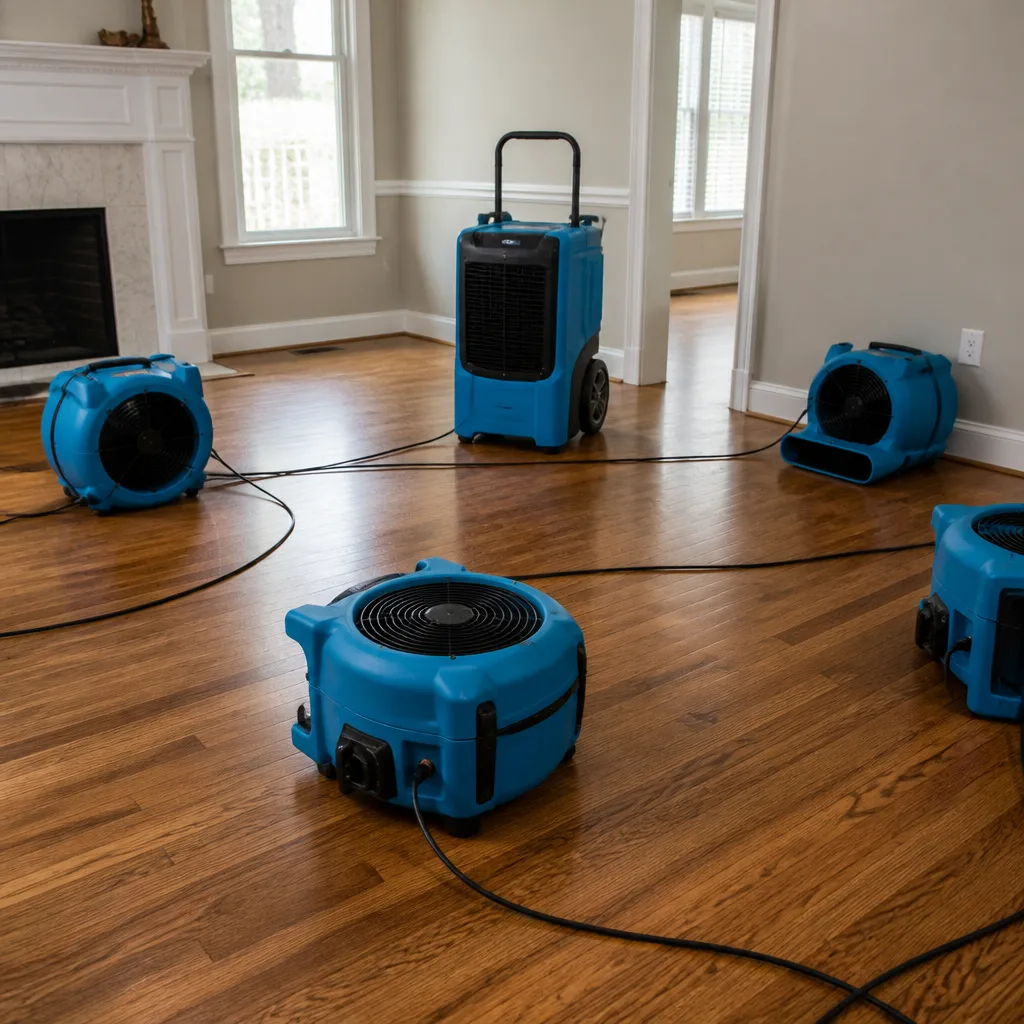
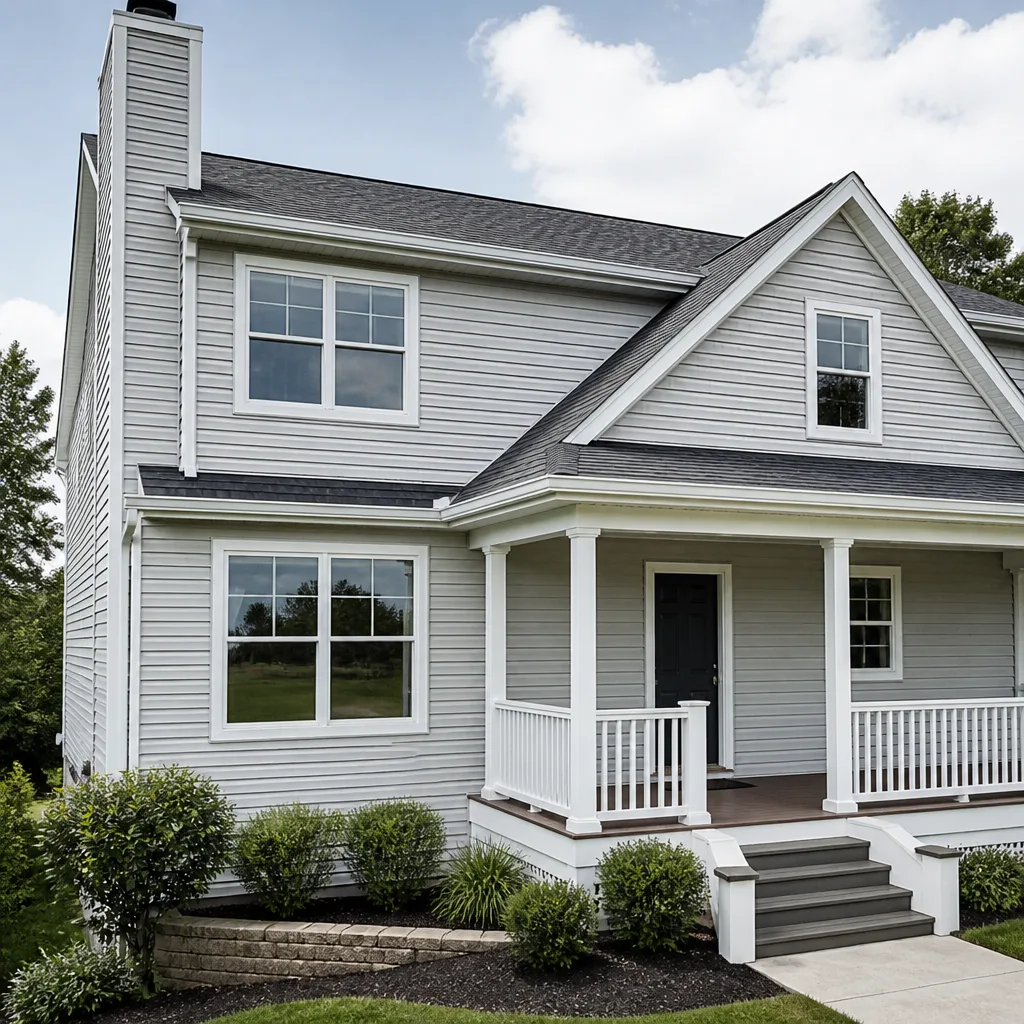
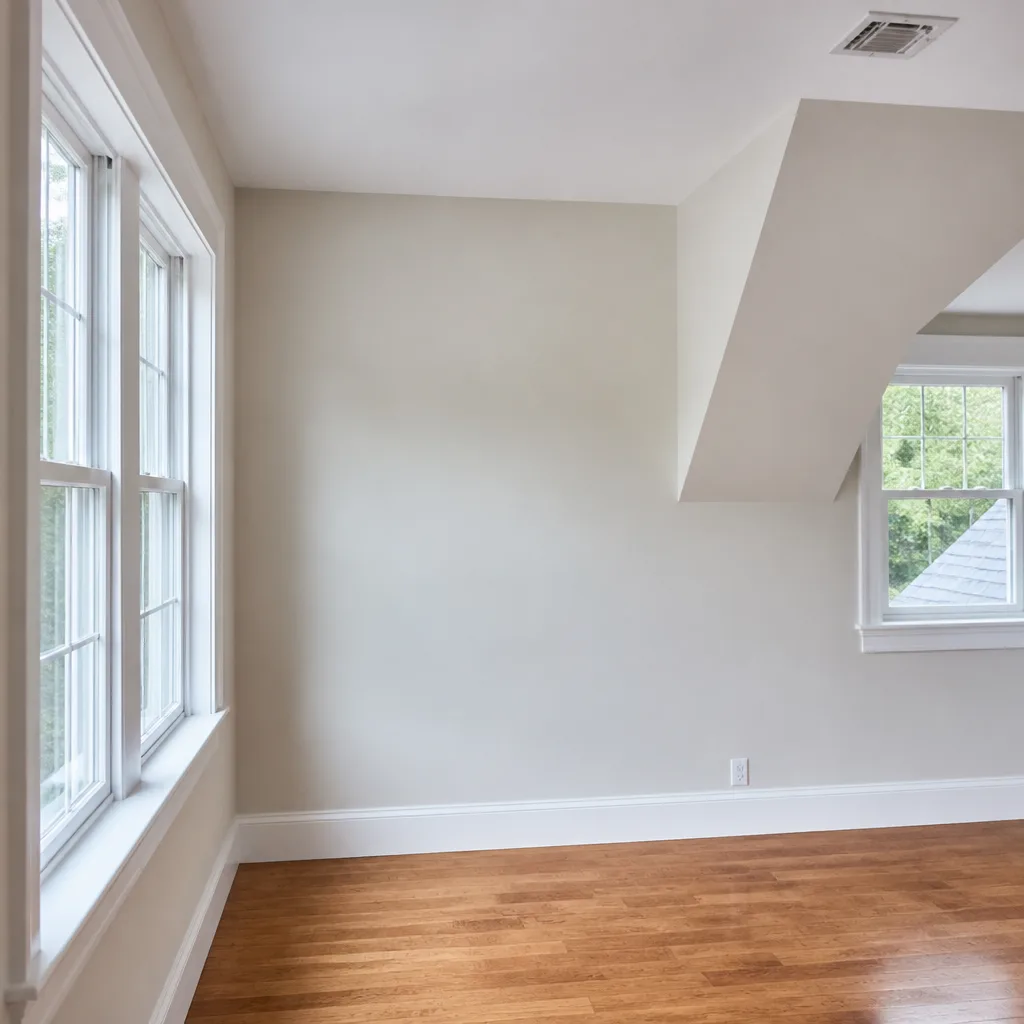

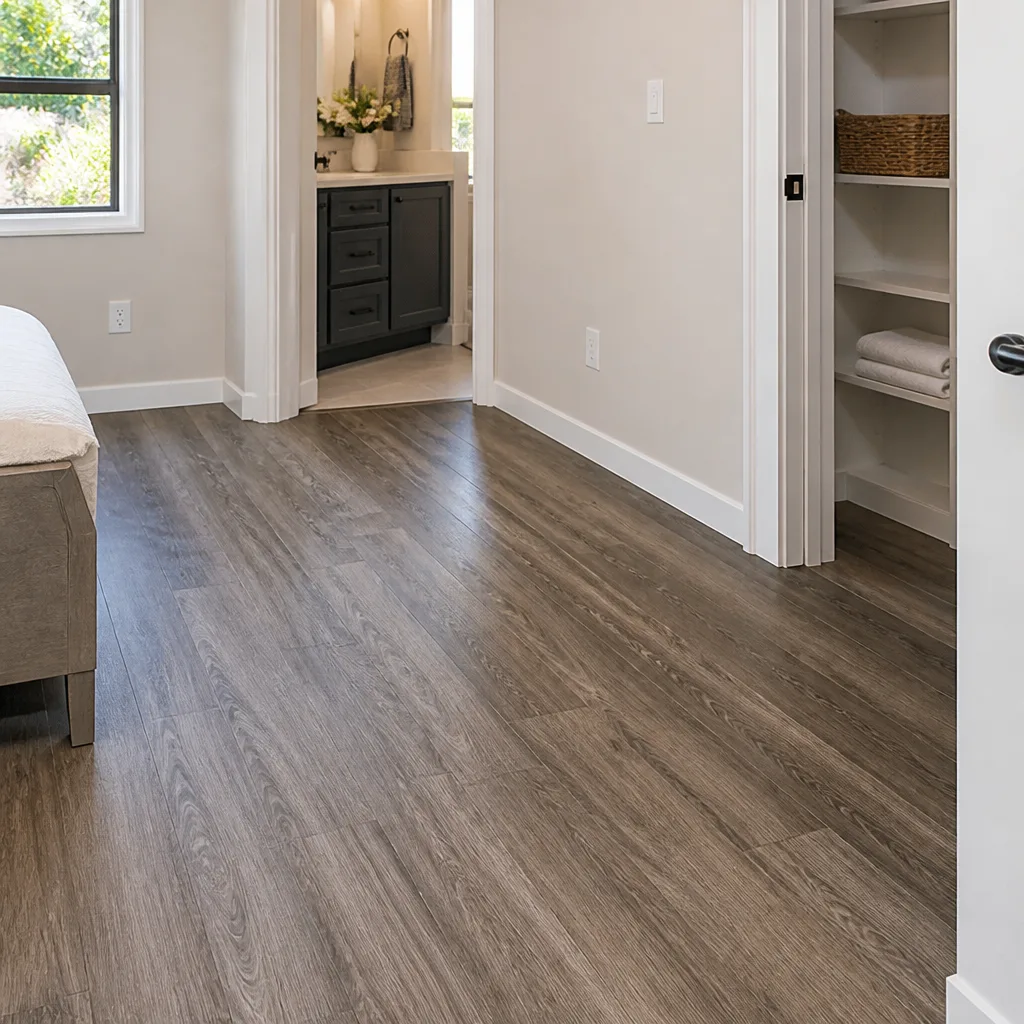

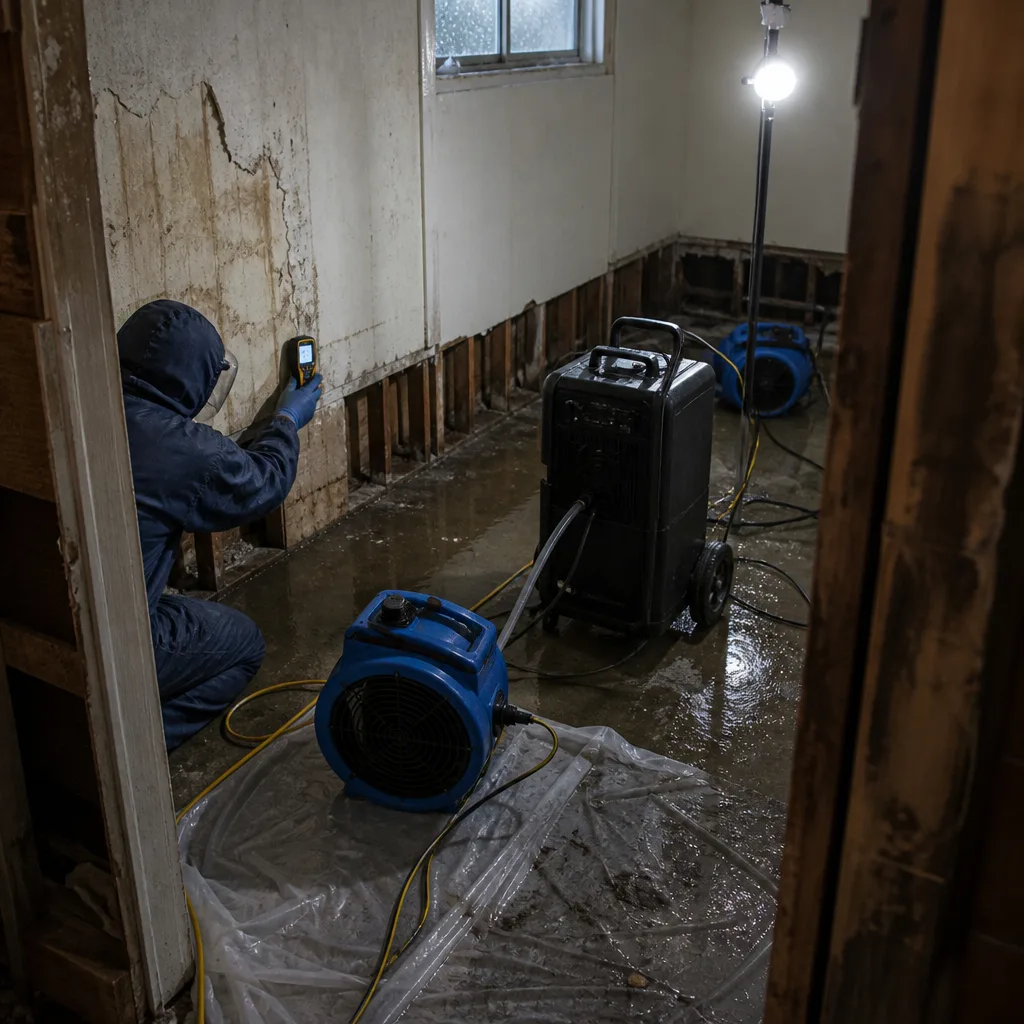 Before
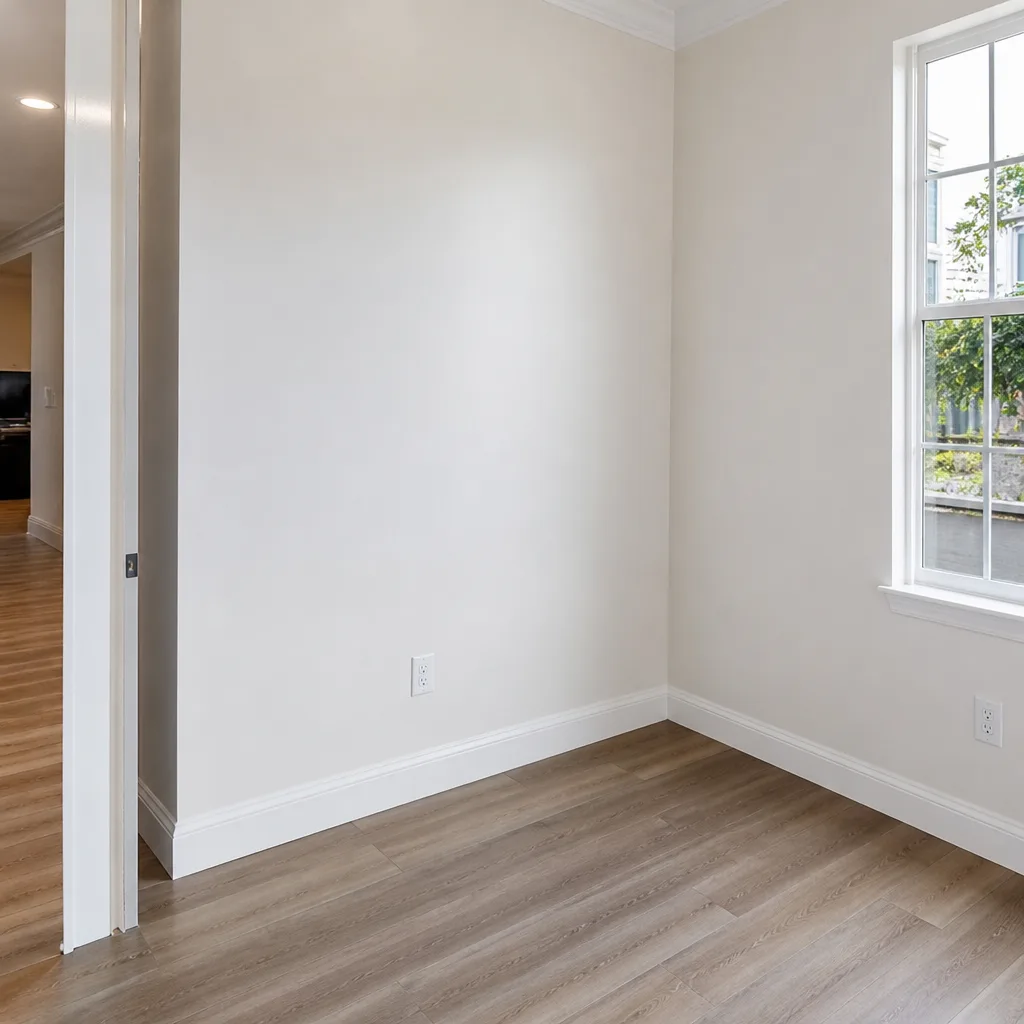 After
After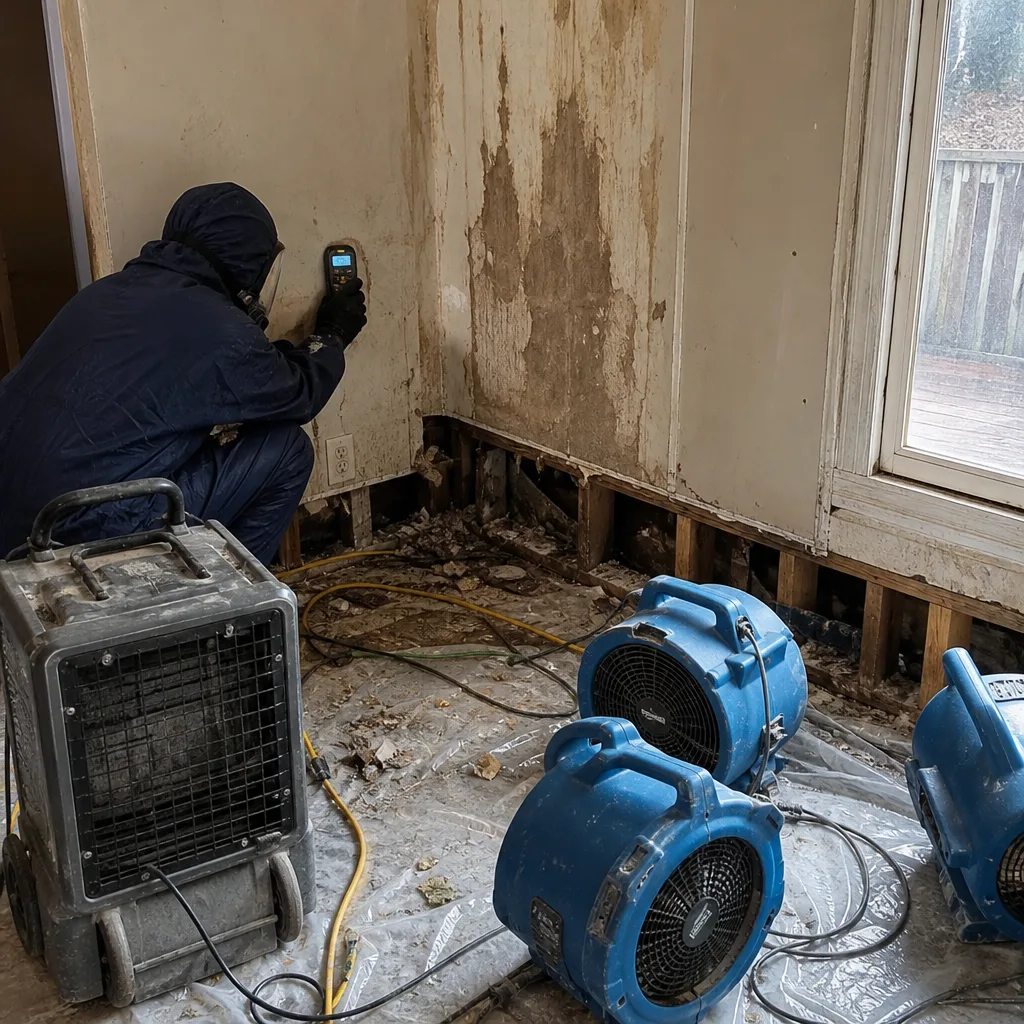 Before
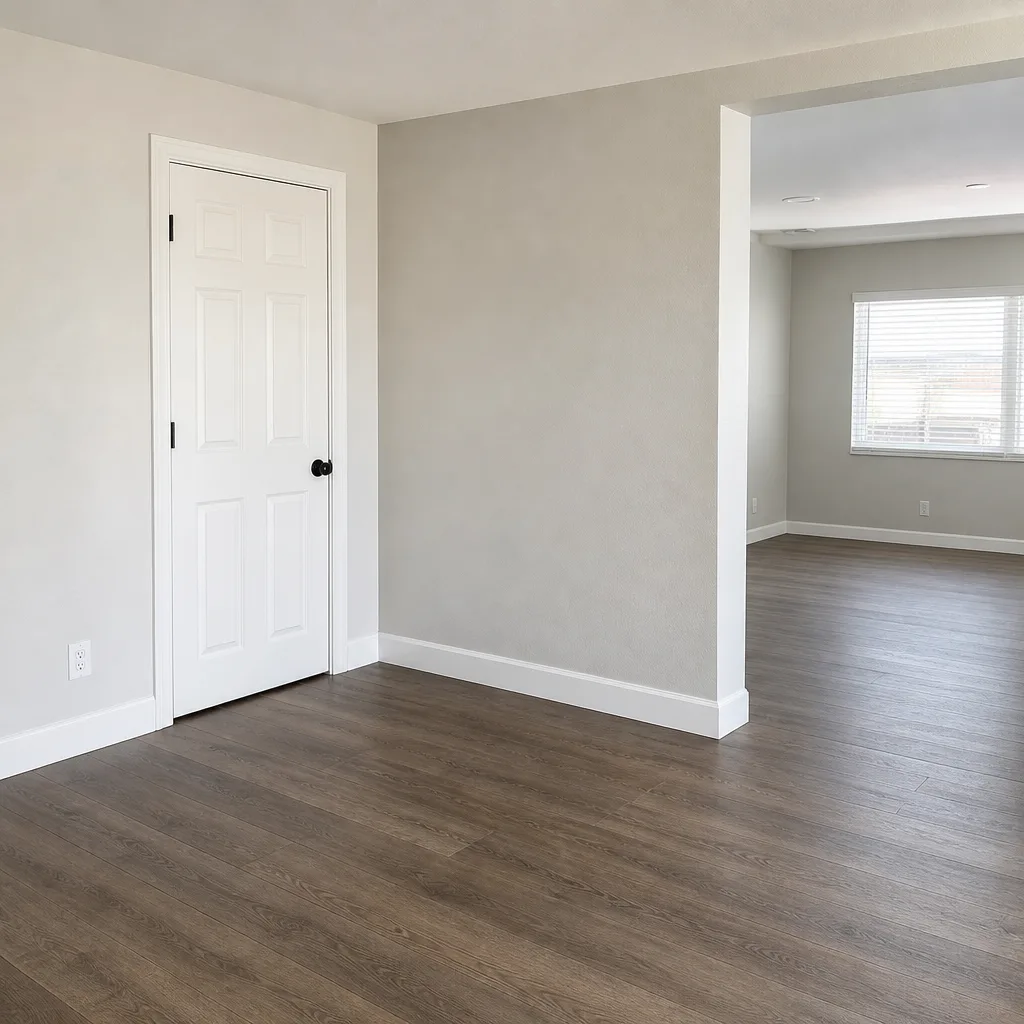 After
After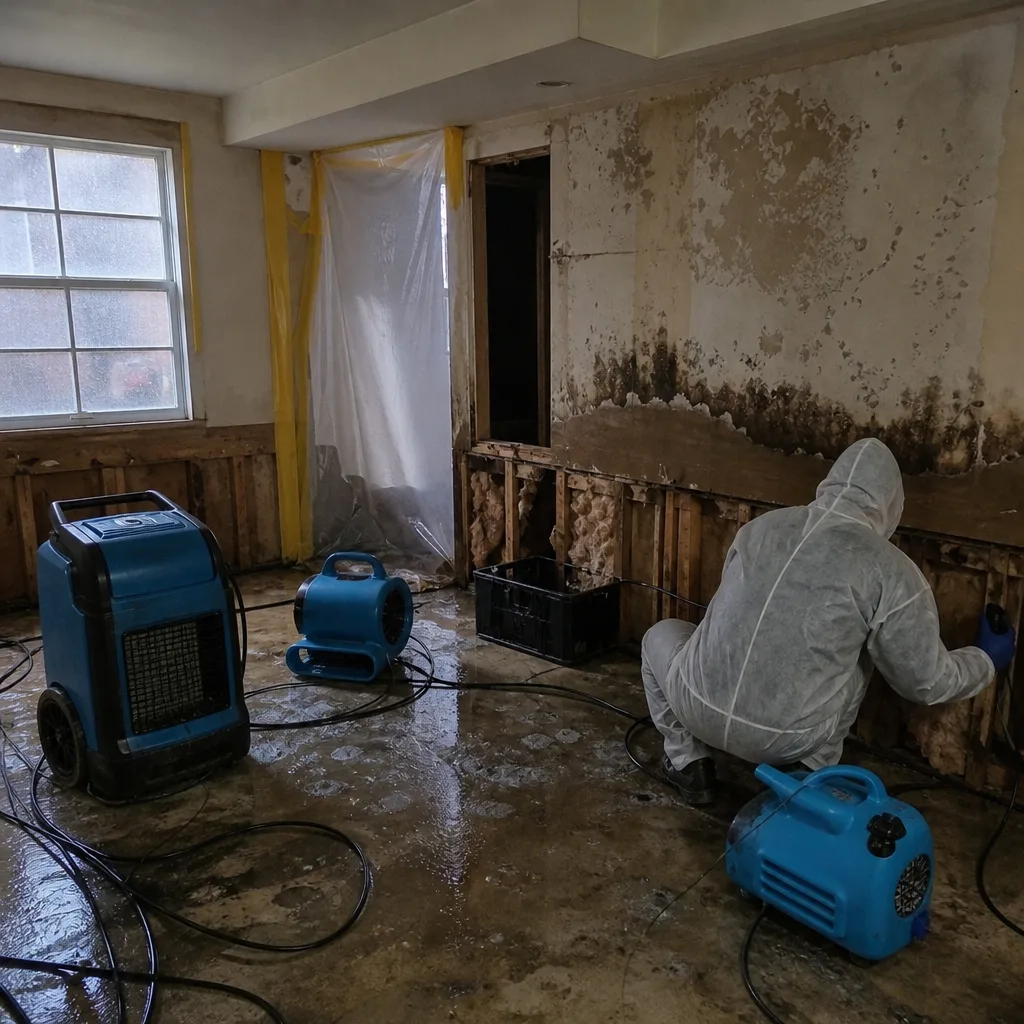 Before
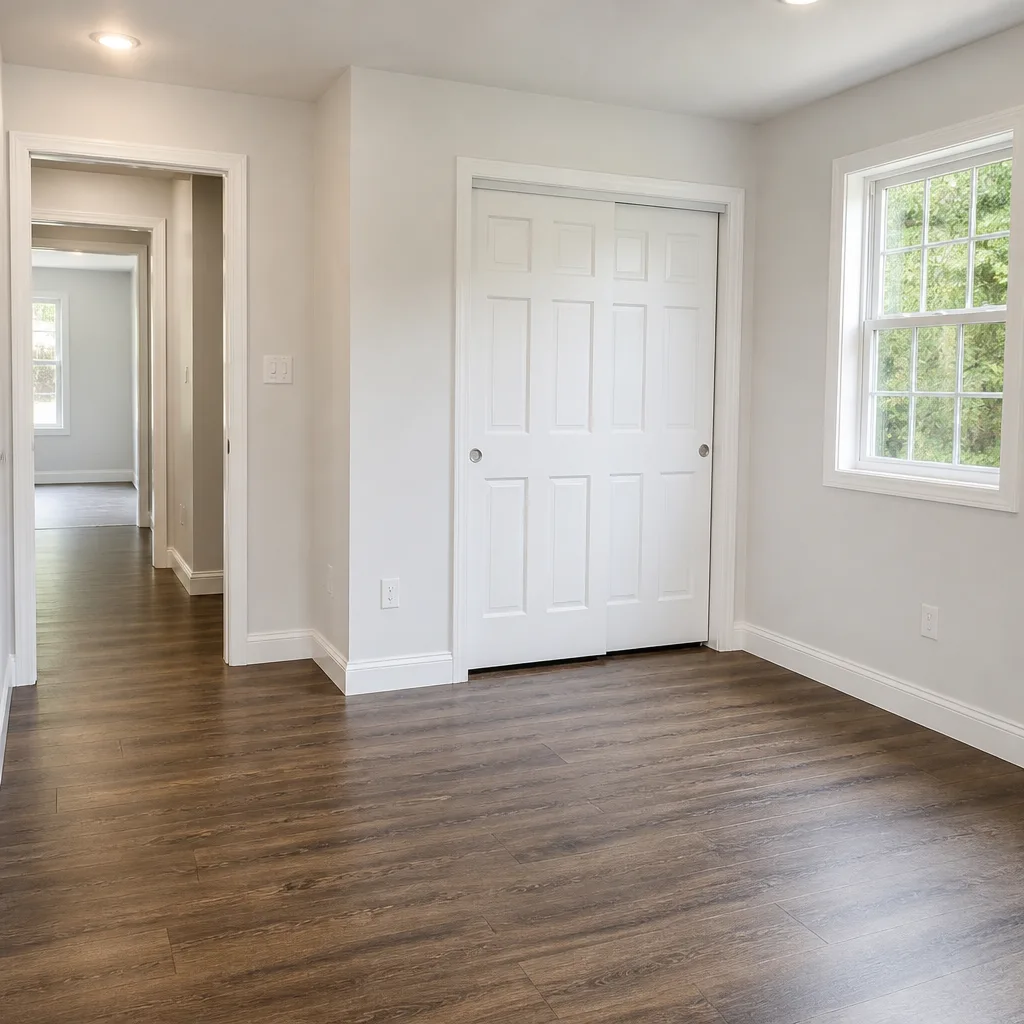 After
AfterMold Remediation Troubleshooting: Common Problems and How to Fix Them
If mold came back within 90 days of a completed remediation, there are only three possible explanations. One: the moisture source was never actually fixed. Two: the containment failed and spores re-entered the space. Three: the clearance test was rushed or misread. What surprises most Los Angeles homeowners is that “the remediation company did a bad job” is almost never the whole story. This guide and our Mold Remediation Warning Signs Every Homeowner Should Know resource give you the framework to figure out which failure occurred, what it looks like, and what the correct next step is.
Quick Answer
Mold returns after remediation for one of three reasons: an unresolved moisture source, a breached containment during the job, or a premature clearance test. The fix depends on which one happened. Diagnose the moisture first, review the post-remediation lab report second, and only then decide whether to invoke a warranty or bring in an independent industrial hygienist.
Table of Contents
- The Moisture Source Was Never Actually Fixed
- Containment Breached: How Spores Re-Enter
- The Clearance Test Was Rushed (Or Misread)
- New Growth vs. Dead Spore Staining
- The Most Commonly Missed Moisture Sources in Los Angeles
- How to Invoke a Remediation Warranty (And Make It Stick)
- When to Get an Independent Industrial Hygienist Opinion
The Moisture Source Was Never Actually Fixed
Here’s the uncomfortable truth we’ve learned in nearly two decades of Mold Remediation services across Los Angeles: mold is a symptom, not a cause. The cause is always water. If the water source is still active, the mold will come back no matter how thorough the removal was. This is not a warranty failure. It’s a diagnostic failure.
Mold needs three things to grow: organic material (drywall, wood, carpet backing), a temperature between about 40 and 100 degrees Fahrenheit, and moisture. Take away the moisture and the mold stops growing within 24 to 48 hours. Leave it and it restarts.
Here’s what this looks like in practice:
- A bathroom exhaust fan that vents into the attic instead of outside. We see this constantly in older Los Angeles homes built before modern building codes required exterior venting. The moisture condenses on attic framing and mold returns in cycles.
- A leaking shower pan that was never tested. The contractor removed visible mold in the drywall but never checked whether water was still seeping through the tile bed. Six weeks later, the new drywall is damp again.
- A plumbing leak behind a wall that was “fixed” by tightening a fitting rather than replacing a failing pipe. The drip slowed for a while, then returned. Los Angeles water pressure, especially in hillside neighborhoods, puts real stress on aging copper and galvanized lines.
- A roof leak that got patched but not properly flashed. The next heavy rain re-wets the same ceiling cavity. In Los Angeles, where rain comes in dramatic bursts after long dry spells, this pattern is particularly common.
Before any mold removal starts, a competent contractor should be able to answer one question in writing: “Where exactly is the water coming from, and what did you do to stop it?” If the answer is vague about the moisture source, the mold will return. Not because the cleaning was inadequate. Because the cause was never addressed.
Containment Breached: How Spores Re-Enter
During proper mold remediation, the work area is sealed behind 6-mil polyethylene sheeting and placed under negative air pressure. That’s not theater. The containment exists so that when workers disturb mold colonies, the millions of spores released into the air don’t travel through the rest of the house. If containment fails, those spores settle into carpet, furniture, and HVAC ductwork. Then, when conditions are right, they grow.
Here’s how containment breaches happen:
- The negative air machine was turned off at night to save power. Without negative pressure, even a well-sealed containment leaks spore-laden air through any gap.
- The HVAC system was never sealed off. If the air handler is in the containment zone and the system keeps running, spores get pulled into the ducts and distributed to every room.
- A door was opened for tool access without proper re-sealing. Foot traffic in and out of a containment is a known contamination vector.
- The containment was torn down before the clearance test passed. This one is distressingly common. A contractor finishes the physical removal, tears down the plastic, and then runs the air test. The test fails because the containment is already gone. But the contractor interprets the result as “the air is fine” and walks away.
The fix for a containment breach is not simply re-cleaning the original area. It’s inspecting the entire home for spore settlement, checking HVAC ducts, and in many cases re-cleaning multiple rooms. This is why the mold remediation process in Los Angeles homes should always include a post-remediation verification that accounts for the whole structure, not just the original work zone.
The Clearance Test Was Rushed (Or Misread)
A legitimate post-remediation clearance test in Los Angeles involves two components: an air sample and a surface sample (usually a tape lift). The air sample is collected inside the treated area and compared against an outdoor baseline sample taken at the same time. The surface sample confirms that the physically removed mold is actually gone from the surface it was growing on.
Here’s what the lab report should show for a true pass:
- Indoor spore counts below outdoor counts for the types of mold that were present. Not “zero mold.” That’s nearly impossible and not the standard.
- No presence of the specific mold species that was identified during the original inspection, especially in the surface sample. If Stachybotrys was the original problem, the tape lift should not show any Stachybotrys on the affected surface.
- Similar indoor and outdoor mold species profiles. If the indoor sample shows a different species mix than the outdoor sample, that suggests indoor amplification is still happening.
Common ways the clearance test gets rushed:
- Air sample taken too soon. Spores remain airborne for 24 to 48 hours after physical removal. An air test taken the same day the containment comes down will read artificially high, or the contractor will run air scrubbers until the test passes and then turn them off, only for spores to settle and be found later.
- No outdoor baseline. Without an outdoor control sample, the lab cannot tell you whether indoor levels are elevated. A report that just says “x spores per cubic meter indoors” with no outdoor comparison is incomplete.
- Surface sample taken from the wrong spot. The tape lift must be taken from the actual surface where mold was growing, after cleaning. If the technician samples a different spot, the test proves nothing about the original problem area.
You have the right to receive the full lab report, not a summary email from the remediation company. The report will come from an independent lab, and it’s yours to keep. Read it. If the species counts don’t line up the way described above, ask questions before accepting the job as complete.
New Growth vs. Dead Spore Staining
Not everything that looks like returning mold is actually returning mold. This distinction saves Los Angeles homeowners thousands of dollars in unnecessary re-remediation. Dead mold spores leave behind a stain. That stain is dark, patchy, and can look exactly like active mold even after the mold itself has been killed and removed. The difference matters because the correct response is completely different.
Here’s how to tell them apart without a lab test:
- Active mold wipes off easily on a clean white cloth or paper towel, leaving a smear. Dead spore staining does not transfer readily. The stain is embedded in the material.
- Active mold has an odor. That musty, earthy smell is microbial volatile organic compounds. Dead spore staining has no odor. If the smell is gone but the stain remains, you may be looking at staining, not growth.
- Active mold grows in a pattern that changes. If the spot is static for two to three weeks, it’s not actively growing. If it’s spreading, that’s growth.
If you determine the spot is dead spore staining, you do not need another full remediation. The correct response is source removal of the stained material (or sealing with an appropriate antimicrobial primer, depending on the surface) and a follow-up surface test. If it’s active growth, you need to return to the moisture question from the first section of this guide.
In our experience serving Los Angeles, we’ve seen many homes where a homeowner was quoted $4,000 to $6,000 for re-remediation when the actual problem was residual staining that never got fully cleaned the first time. Before you pay for another round, figure out which problem you actually have.
The Most Commonly Missed Moisture Sources in Los Angeles
Los Angeles has a specific moisture profile that differs from other major cities. Our wet winters followed by long dry summers create conditions where leaks go unnoticed for months because everything dries out before visible signs appear. Then the first winter rains hit and the mold, dormant but alive in the wall cavity, explodes.
Here are the moisture sources we most frequently find that competitors miss:
- HVAC condensate pans. In Los Angeles, air conditioners run for months at a time. The condensate drain line clogs with algae and mineral buildup, the pan overflows, and water wicks into adjacent drywall. This happens in the attic or in a closet, places nobody checks. By the time mold appears on a ceiling, the pan has been overflowing for weeks.
- Vapor barriers installed wrong-side-out. In a crawl space, the vapor barrier goes on the ground, and it goes with the shiny side up. Installed upside down, it traps moisture between the barrier and the soil, creating a humidity dome that feeds mold in the floor framing above. We’ve found this in homes across Los Angeles, from the Valley to the Westside.
- Slow slab leaks. Copper piping embedded in a concrete slab develops pinhole leaks over time. The water travels through the slab, wets the bottom plate of interior walls, and creates mold inside walls with no visible water damage anywhere. By the time you see a stain on baseboard, the leak has been active for months. Los Angeles homes built in the 1960s and 1970s are particularly vulnerable because the copper installed in that era is now reaching the end of its service life.
- Improperly flashed windows and doors. The first heavy rain after installation is the test. If the flashing was done wrong, water channels into the wall cavity. The homeowner doesn’t see it until mold appears on the interior wall months or years later.
- Unvented bathroom fans. Already mentioned, but worth repeating. A bathroom fan that exhausts into the attic rather than through the roof will feed mold in the attic every single time. This is one of the most common findings in Los Angeles homes built in the 1980s and 1990s, before California’s Title 24 energy code started requiring exterior venting.
If mold returns and the original remediation company cannot identify which of these applies to your home, that’s a red flag. They fixed the symptom without understanding the structure.
How to Invoke a Remediation Warranty (And Make It Stick)
Most reputable mold remediation contractors in Los Angeles offer a written warranty on their work. The 365-Day Done Right Promise at Wendell Water Damage Restoration home is an example: if the job isn’t done right, we make it right, in writing, on every repair. But a warranty is only as strong as the documentation behind it.
Here’s how to invoke a remediation warranty and actually get the re-work done:
- Document everything with photos and dates. When you first notice the return of mold, take dated photos. The more evidence you have, the harder it is for anyone to claim the problem was pre-existing. We send before-and-after photos by text on every job, so our customers have a baseline. Ask any contractor you hire to do the same.
- Pull your original scope of work and the moisture source section. The warranty is a guarantee on the work described in that scope. If the scope says “removed 20 square feet of mold in bathroom and repaired leaking supply line,” and the mold is back in the same bathroom, you have a direct claim. If the mold is now in a different room, the scope is your reference point for the conversation.
- Request a new moisture assessment and written findings. The original contractor should come back out and answer the question: “Where is the moisture coming from now?” If they cannot answer that, ask for a written statement saying as much. That becomes evidence in your favor if the issue escalates.
- Do not sign a release of liability or a new paid scope until the warranty question is resolved. A contractor might try to convert a warranty callback into a new paid service call. If the work is covered, the work is covered.
- If the contractor refuses, get an independent industrial hygienist report (see the next section) and send it to the contractor with a written demand for the re-work under the warranty terms. An IH report carries weight in a way that a homeowner complaint does not.
The companies that stand behind their work in Los Angeles are the ones that make this process straightforward. If invoking a warranty feels like a fight, that tells you what the relationship is worth.
When to Get an Independent Industrial Hygienist Opinion
An industrial hygienist is a professional who assesses environmental hazards, including mold. The critical distinction: a legitimate IH works for you, prepares a report for you, and has no financial interest in whether remediation is needed or who performs it. In Los Angeles, where the mold remediation market is crowded with both excellent and questionable operators, an independent IH report is the closest thing you can get to an unbiased verdict.
Here’s when you need one:
- Mold returned within 90 days of a completed remediation. This is the big one. You have a documented failure. Before you let the original company back in, get an independent assessment of what’s actually happening.
- The original clearance test seems suspicious. If the contractor’s air sample shows very low counts but you can still see and smell mold, get a second opinion from someone who has no relationship with the contractor.
- You’re considering litigation or a formal complaint. An IH report is the document that carries weight with courts, insurance carriers, and the California Contractors State License Board. A homeowner’s complaint alone does not.
- You have health concerns and need to know what specific mold species is present. An IH can order species-level identification that goes beyond the basic air spore count.
To find a certified IH in Los Angeles who isn’t affiliated with a remediation contractor, search for professionals holding the CIH (Certified Industrial Hygienist) designation. The American Industrial Hygiene Association maintains a public roster. Ask directly: “Do you or your firm receive any referral fees or compensation from remediation contractors?” A legitimate IH will answer no and won’t be offended by the question.
Expect to pay $400 to $900 for an independent IH assessment in the Los Angeles market, depending on the size of the home and the number of samples collected. That’s a fraction of what a full re-remediation costs, and it gives you leverage you didn’t have before.
Common Mistakes to Avoid
- Treating the stain like the problem. Dead spore staining doesn’t need re-remediation. Removing and replacing the stained material or sealing it with an antimicrobial primer is enough. Get a surface test to confirm before spending thousands.
- Hiring the same company back without a written diagnosis. If the original remediation failed, demand a written explanation of why before agreeing to any new work. A company that can’t explain the first failure will likely repeat it.
- Relying on a clearance test with no outdoor baseline. That report tells you almost nothing. Demand the full lab report, including the outdoor control sample, before accepting the job as complete.
- Running the HVAC system during remediation. If the system stays on while the containment is active, spores get pulled into the ducts. The system should be sealed or turned off during the job.
- Assuming the warranty covers moisture source failures. Most remediation warranties cover the removal work, not the plumbing, roofing, or structural issues that caused the moisture. Read the scope language carefully.
- Overlooking the crawl space. In Los Angeles, especially in older neighborhoods with raised foundations, the crawl space is the most common overlooked moisture source. A humidity reading in the crawl space above 60% will feed mold in the floor structure even if the visible living areas are dry.
- Waiting to act in the rainy season. Los Angeles gets most of its rain between November and March. If you notice mold returning in October, don’t wait until January to address it. The first heavy rain will accelerate growth exponentially.
When to Call a Professional
Mold is not a project you want to handle with a bottle of bleach and a YouTube tutorial. If the affected area is larger than 10 square feet, if the mold is in your HVAC system, if you have underlying plumbing issues you can’t trace, or if anyone in the household has respiratory conditions or allergies, get a professional involved. The water damage restoration in Los Angeles teams who follow IICRC, RIA, and IFA standards, like Wendell Water Damage Restoration, can diagnose the moisture source, document the work with photos, and provide a written scope before any work begins. If you’re dealing with mold that returned after a previous remediation, don’t guess at the cause. Water damage repair in Los Angeles homes requires expertise in the local housing stock, and the same is true for mold. Wendell Water Damage Restoration offers free estimates in Los Angeles, call (940) 466-4354.
Frequently Asked Questions
Mold returns after remediation because the moisture source wasn’t fixed, the containment was breached during the job, or the clearance test was done too soon or read incorrectly. The first step is to find out which one applies to your situation before paying for any new work.
In the Los Angeles market, mold re-remediation typically ranges from $2,500 to $8,000 depending on the square footage affected, the location of the growth, and whether the moisture source needs additional repair. A smaller bathroom job might run $2,500 to $4,000. A full attic or crawl space with HVAC involvement can exceed $8,000. Get a written price before any work starts so the number doesn’t change at the door.
A properly done mold remediation should last indefinitely as long as the moisture source is fully resolved. There is no “shelf life” on the treatment itself. In Los Angeles, the biggest variable is whether the rainy season introduces new leaks that were dormant during the dry months. Call (940) 466-4354 if you need a professional assessment.
Bleach does not kill mold on porous surfaces like drywall and wood. It bleaches the surface while the roots remain, and the mold comes back. The EPA does not recommend bleach as a mold remediation agent for porous materials. The material needs to be physically removed or professionally treated with appropriate antimicrobial products.
Most standard homeowners policies in California cover mold remediation only when the mold is the result of a covered peril, like a sudden pipe burst or a storm event. Mold from long-term humidity, slow leaks, or lack of maintenance is typically excluded. If your claim involves a sudden event, document everything with photos and work with a contractor who coordinates directly with your adjuster.
Ask for written pricing before any work starts, a written scope of work that identifies the moisture source, and a post-remediation clearance report from an independent lab. Reputable companies, like Wendell Water Damage Restoration, place all three in writing without being asked. Call (940) 466-4354 to speak with a live person, 24/7.
The Bottom Line
Mold that returns after remediation is a diagnosis problem, not a cleaning problem. The three possible causes are an unresolved moisture source, a breached containment, or a premature clearance test. Each has a different fix, and the correct first step is always the same: figure out which one you’re dealing with. Document everything. Demand written answers. Get an independent IH opinion if the original company can’t explain the failure. For more guides & resources, visit our blog. Los Angeles homeowners deserve a remediation that lasts, and that starts with a contractor who puts the moisture diagnosis, the scope of work, and the price in writing before anything else happens.
Written by Blake Sorensen, Owner at Wendell Water Damage Restoration, serving Los Angeles since 2006.