
Last updated October 9, 2026
Free visual inspection and a written scope of work before any mitigation begins - photos, moisture readings, and drying logs go in your claim file
The scope we write is the scope we bill. Anything new gets shown to you, in writing, before we touch it.
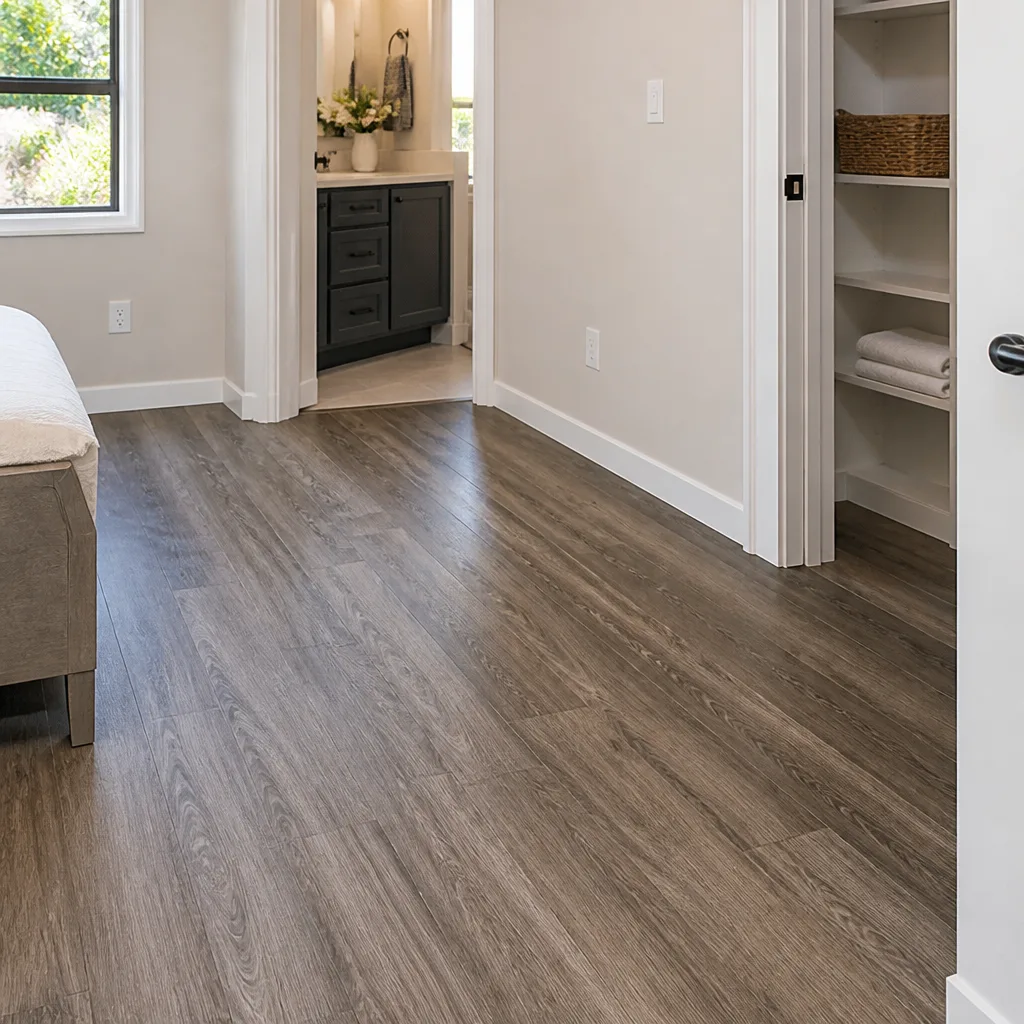

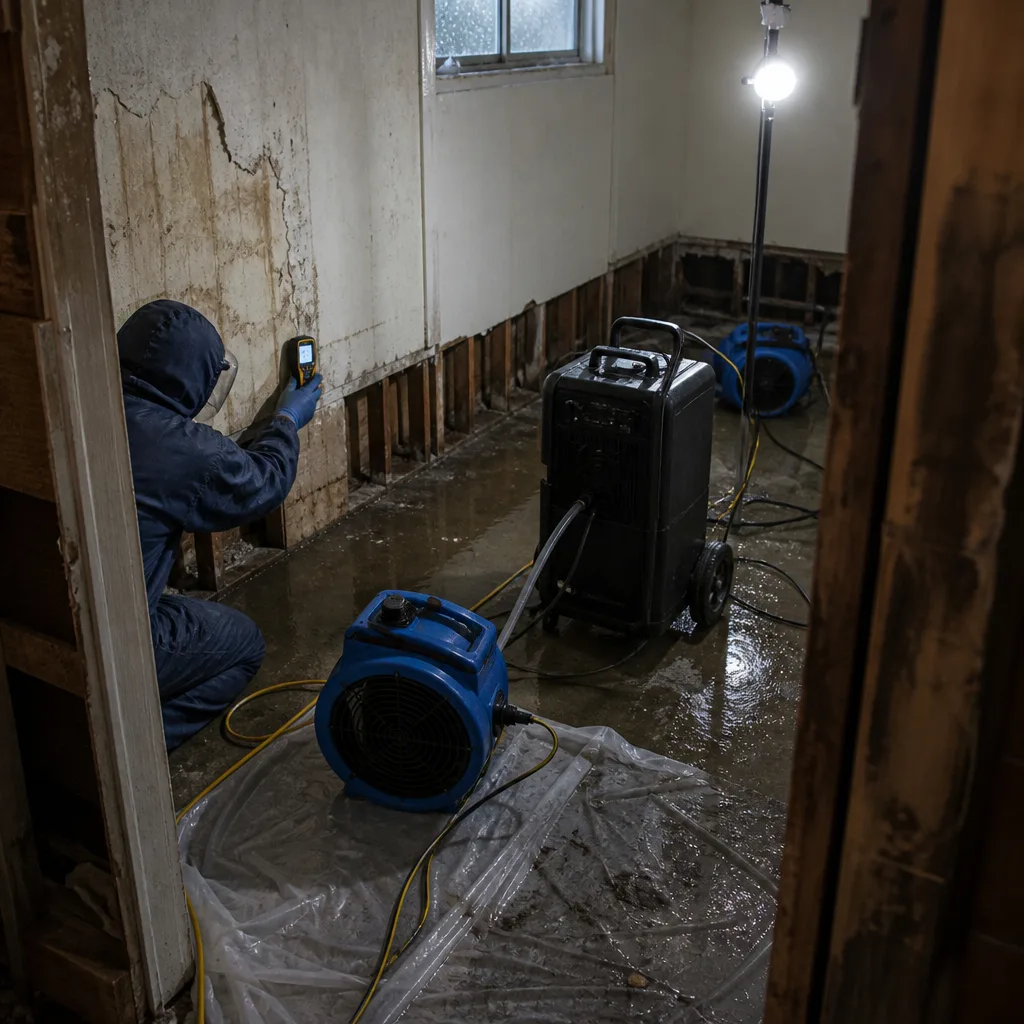 Before
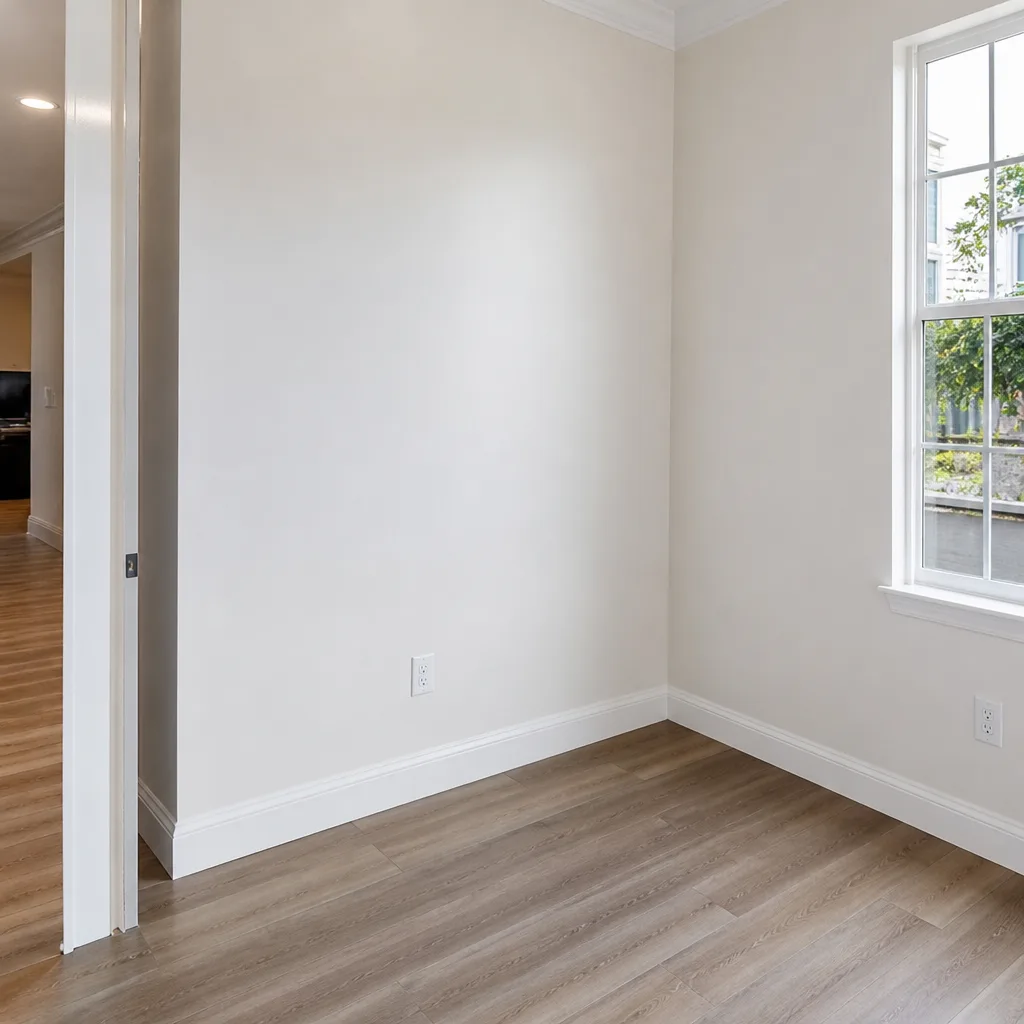 After
After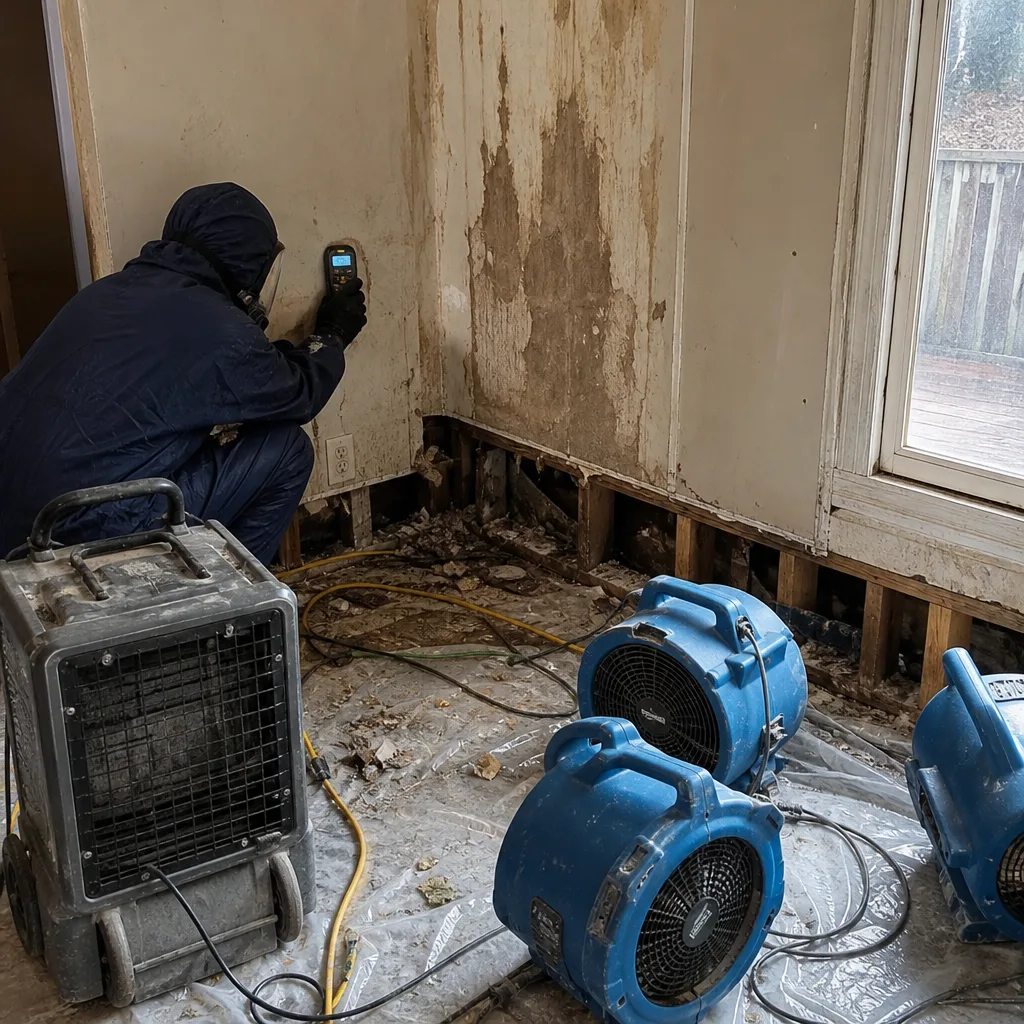 Before
 After
After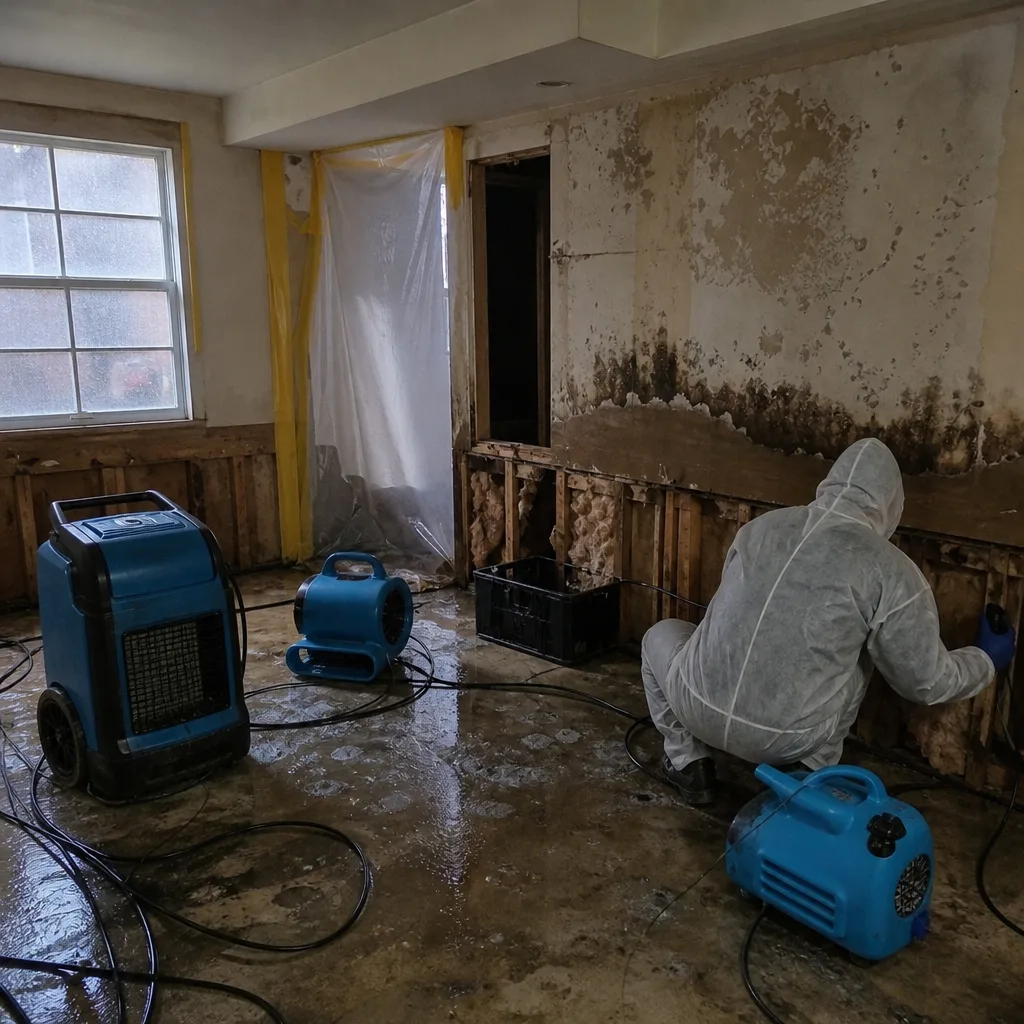 Before
 After
AfterDIY vs Professional Damage Restoration: The Los Angeles Homeowner’s Decision Guide
Renting shop fans from Home Depot and calling it “drying out” is the single most expensive mistake Los Angeles homeowners make after a water event. Not because DIY is always wrong, but because moving air without measuring moisture creates the exact conditions mold needs to colonize inside wall cavities. A flooded laundry room in Sherman Oaks or a slab leak in Silver Lake doesn’t just need airflow. It needs controlled, measured drying that accounts for Los Angeles humidity, building materials, and the water category involved. This guide walks through the DIY vs Professional Water Damage Restoration: What’s Safe to Do Yourself decision framework we use when explaining to a homeowner whether they should tackle a water problem themselves or bring in a professional crew. You’ll learn what actually determines the DIY-vs-pro answer, what California law says about disclosure, and what your insurance company expects before you touch anything.
Quick Answer
DIY vs Professional Water Damage Repair: What’s Safe to Do Yourself is only viable for small, clean-water spills (Category 1, affecting less than roughly 10 square feet of non-porous surface) that you discover within minutes and can dry completely within 24 hours. Everything else in Los Angeles, where stucco, drywall, and slab foundations trap moisture differently than in drier climates, requires professional drying equipment and documentation. The determining factors aren’t skill level. They’re water category, elapsed time, affected materials, and California legal exposure.
Table of Contents
- The Three Variables That Actually Decide DIY vs Pro
- Water Categories Explained: What You’re Dealing With
- Classes of Water Damage: How Far It Spreads
- What DIY Does to Your Insurance Claim
- The Equipment Gap: What DIY Rentals Actually Do vs What’s Required
- California Mold Disclosure Law and Your Resale Value
- The Honest Middle Path: What to Do in the First 30 Minutes
- When to Call a Professional
The Three Variables That Actually Decide DIY vs Pro
Most homeowners approach the DIY question from the wrong angle. They ask, “Am I handy enough?” The right question is: “What’s in the water, how long has it been there, and what did it touch?” Those three variables, water category, elapsed time, and affected materials, determine whether a DIY attempt is a reasonable weekend project or a slow-motion structural and health problem.
In Los Angeles, we see a specific failure pattern. A homeowner discovers a water heater leak on a Saturday morning in their Echo Park bungalow. They mop the visible water, point a box fan at the wall, and by Monday the surface feels dry. Six weeks later, the baseboard starts swelling. Three months later, there’s a musty smell. By then, the moisture has wicked up the drywall and into the stud cavities, and what started as a $500 professional drying job is now a $4,000 tear-out and rebuild. The surface was dry. The wall cavity wasn’t.
Here’s the framework we use when someone asks us whether they can handle it themselves:
- Water category: Clean water from a supply line is very different from sewage or flood water. One is a cleanup project. The other is a contamination event that requires antimicrobial treatment and, sometimes, full removal of affected materials.
- Elapsed time: Clean water becomes dirty water faster than most people realize. After 24 to 48 hours, stagnant water supports bacterial growth regardless of its source. After 48 to 72 hours, mold colonization becomes a real possibility in Los Angeles’s climate.
- Materials affected: Water on tile is a mop job. Water on drywall, hardwood, or carpet with pad is a drying project that requires moisture meters, air movers, and dehumidifiers, not a shop vac and patience.
If all three variables land in your favor, a careful DIY response is defensible. If any one of them doesn’t, the math changes fast.
Water Categories Explained: What You’re Dealing With
The restoration industry classifies water damage into three categories defined by the IICRC’s S500 Standard for Professional Water Damage Restoration. Knowing which category you’re facing is the single fastest way to answer the DIY question.
Category 1: Clean Water. This comes from a sanitary source. A supply line to a sink, an overflowing bathtub with no soap or contaminants, a broken pipe carrying municipal water into your home. If you catch Category 1 water within minutes and it hasn’t sat, the affected materials can usually be dried and kept. This is the only category where DIY is sometimes reasonable.
Category 2: Gray Water. This is water with significant contamination that can cause discomfort or illness if ingested. Washing machine discharge, dishwasher overflow, toilet overflow with no solid waste, aquarium leaks. Gray water requires more than drying. It requires cleaning with antimicrobial products, and any porous material it touched (carpet pad, drywall, upholstery) typically needs to be removed and replaced. DIY gray water cleanup is a mistake. You can’t rent the antimicrobial treatments or the extraction equipment at a consumer rental counter, and you can’t verify the result without professional testing.
Category 3: Black Water. This is grossly contaminated water containing pathogenic agents. Sewage backup, flood water from outside, water from a toilet bowl with waste. Black water is a health hazard. The IICRC protocol requires that technicians wear full personal protective equipment, remove all porous materials the water contacted, and treat the remaining structure with antimicrobial solutions applied at specific dwell times. No homeowner should attempt Category 3 cleanup alone. In Los Angeles, sewage backups in older neighborhoods like West Adams and Eagle Rock, where cast iron pipes are reaching the end of their service life, are a regular call for us.
One thing that surprises Los Angeles homeowners: water doesn’t stay Category 1 forever. A clean-water leak that sits for 48 hours becomes Category 2 by definition, because standing water grows bacteria. Time degrades the category. That’s why elapsed time matters as much as the source.
Classes of Water Damage: How Far It Spreads
After the water category, the second piece of the puzzle is the class of damage, which measures how much water was released and how much of the room or structure it affected. The IICRC defines four classes:
Class 1: Minimal water. Less than 5% of the room’s porous materials are wet, and there’s little or no wet carpet or cushion. This is a small spill or a shallow puddle. If it’s Category 1 and caught immediately, a homeowner with a good shop vac and fans has a chance.
Class 2: Significant water. The water affected the entire room, wet carpet and pad, and wicked up the walls 12 to 24 inches. Moisture has entered structural materials. This requires air movers, dehumidifiers, and moisture meters. Not a DIY job.
Class 3: The greatest amount of water. It came from overhead, soaking the ceiling, walls, insulation, carpet, and subfloor. Think a second-floor supply line burst. Every material in the room is saturated. Professional drying takes three to five days with commercial equipment. DIY is not remotely viable.
Class 4: Specialty drying situations. Water has saturated very low-permeability materials: hardwood floors, concrete, brick, stone, plaster. These materials hold water differently and require specialized drying methods like injection drying or desiccant dehumidification. In Los Angeles, many older homes have plaster walls and hardwood floors over crawl spaces. Class 4 water damage in a 1920s Craftsman in Highland Park is a professional-only job, period.
If you want a shorthand: Class 1 is a puddle. Class 2 is a room. Class 3 is a ceiling-to-floor saturation. Class 4 is water inside materials that don’t want to give it back. Classes 2 through 4 require commercial drying equipment and moisture measurement that consumer rentals simply don’t offer.
What DIY Does to Your Insurance Claim
Here’s a scenario we encounter in Los Angeles regularly. A homeowner’s water heater fails. They call their insurance company first, report the loss, then start moving wet drywall out to the curb themselves before an adjuster ever arrives. Three weeks later, the insurer denies part of the claim because the homeowner removed evidence, or because the DIY drying attempt created secondary damage the policy’s mold exclusion doesn’t cover.
Insurance companies require documentation. If you start a DIY restoration before the damage is thoroughly photographed and the scope is documented by a professional, you risk jeopardizing the claim. The insurer wants to see what was wet, which materials were affected, and what the condition was before any remediation started. Once you remove drywall or discard wet carpet, that evidence is gone.
The sequence matters:
- Mitigate immediately: Stop the source of water. Shut off the supply valve or main. This is your responsibility under most policies’ duty-to-mitigate clause.
- Document everything: Photograph every wet area before you move anything. Wide shots, close-ups, the source of the leak, water lines on walls.
- Report the loss: Call your insurer. Then call a restoration company that documents with moisture meters and thermal imaging before any tear-out begins.
- Let professionals scope the loss: The written scope, with moisture readings and affected-area measurements, is what the adjuster reviews. A credible, detailed scope is the single strongest tool in getting a claim approved for the full amount needed.
At Wendell Water Damage Restoration, we document every job with photos and moisture readings before and after work, and we send before-and-after photo updates by text so you have a record of exactly what was done. That documentation is part of the written price we give you before any work starts, and it’s the kind of evidence adjusters actually accept.
The Equipment Gap: What DIY Rentals Actually Do vs What’s Required
At a consumer rental counter, you can rent a carpet cleaner, a shop vac, some box fans, and maybe a small dehumidifier. None of that equipment meets even the baseline expectations of professional restoration work, and the gap between what’s rented and what’s required is where DIY drying projects fail.
Professional water damage restoration operates under what the trade calls psychrometric drying. That’s the science of measuring and manipulating the air’s moisture level so moisture inside building materials moves out and evaporates at a controlled rate. It’s not just about airflow. It’s about vapor pressure, humidity ratios, and grain depression, which is the measure of how much moisture the air can still absorb. When a technician sets up drying equipment, they calculate how many air movers are needed based on the affected square footage and how many pints of water per day the dehumidifier must remove.
Here’s what the equipment actually does:
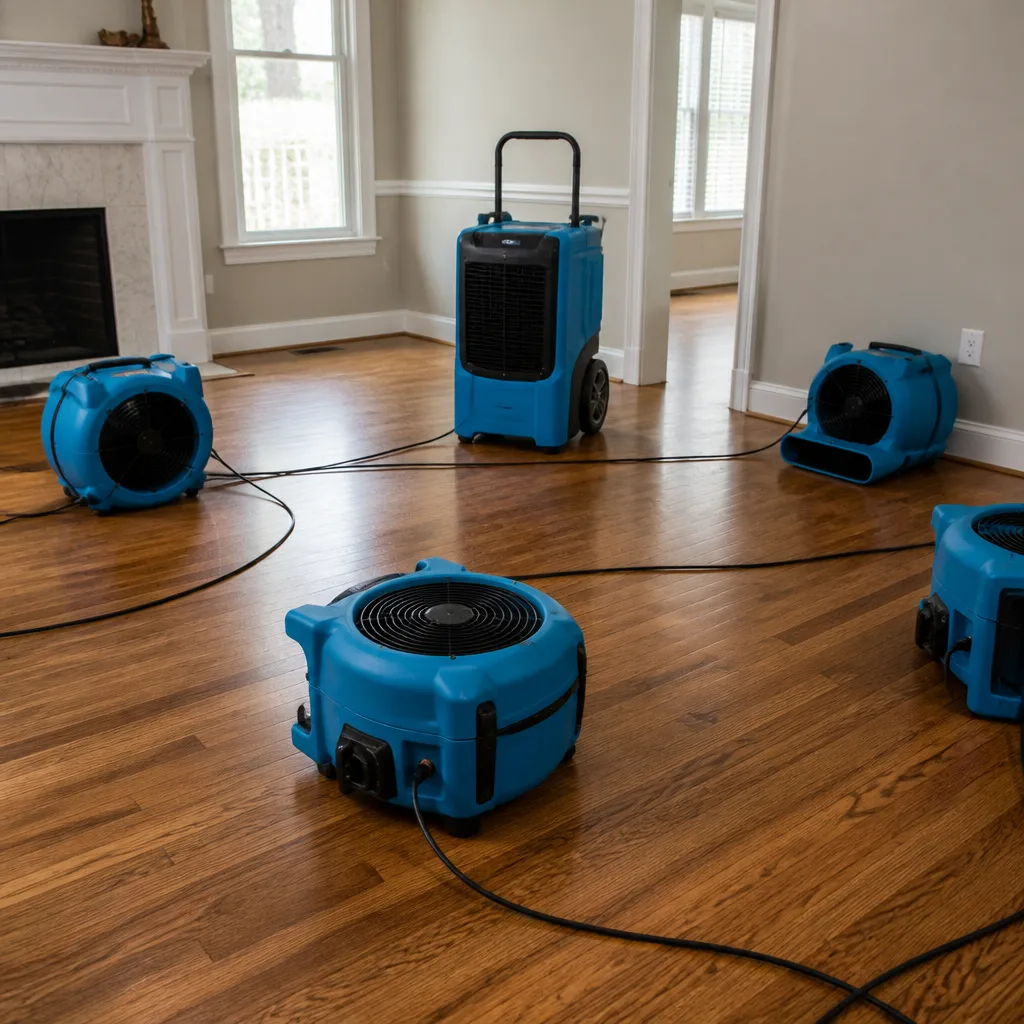
- Commercial air movers: These are not box fans. A professional air mover from brands like Dri-Eaz, Phoenix, XPOWER, or B-Air moves air at a much higher velocity and creates consistent directional airflow across surfaces. Box fans blow air around the room. Air movers force it across wet surfaces. The difference in evaporation rate is several multiples.
- Low-grain refrigerant dehumidifiers: Consumer dehumidifiers pull maybe 20 to 30 pints per day. A commercial unit pulls 70 to 130 pints per day and operates at lower humidity levels. That’s the difference between drying a room in three days and running a machine for three weeks while mold gets comfortable.
- Moisture meters: A professional restoration job starts and ends with moisture measurement. Non-invasive meters read moisture levels inside walls and under flooring. Invasive probes measure inside materials. Without these, you’re guessing. And “feels dry” is not a measurement.
- Injection drying systems: For Class 4 situations like wet hardwood floors or saturated wall cavities, technicians use systems like Injectidry that force dry air into hidden spaces through small holes. No homeowner is renting an injection drying panel from a retail counter.
The equipment brands matter because they’re the same brands used on large commercial loss sites. Wendell deploys equipment from Dri-Eaz, Phoenix, XPOWER, B-Air, and Injectidry under IICRC, RIA, and IFA standards on every job. That’s not branding. It’s the difference between measured drying and hoping for the best.
California Mold Disclosure Law and Your Resale Value
Here’s the part of the DIY decision that almost nobody thinks about until it’s too late. California Civil Code Section 1102 requires sellers to disclose known material facts about a property. That includes the presence of mold, water damage, and water intrusion, if the seller has knowledge of it. An improperly dried water event that later develops mold creates a disclosure obligation that affects resale value.
Once mold is visible, or once it’s detected during a home inspection, you have to disclose it in writing to a prospective buyer. That disclosure changes the negotiation. Buyers ask for remediation credits. Some lenders balk. In a competitive Los Angeles market, a disclosed mold issue or evidence of a poorly remediated water event can cost tens of thousands of dollars at the closing table.
Now connect that to the DIY drying attempt. You mop up a Category 1 leak, run fans for a weekend, and the surface feels dry. No mold is visible, so you believe the problem is solved. But if moisture remained in a wall cavity and mold colonized there, you may not know about it until a buyer’s inspector finds it before escrow closes. At that point, you’re facing a contingency negotiation with a buyer who has all the leverage, and California law requires you to be honest about what you know.
Professional drying with documented moisture readings creates a paper trail. If a question ever arises, you have proof the job was done to a measurable standard. That proof has real financial value in Los Angeles, where home prices make every defect negotiation amplified.
The Honest Middle Path: What to Do in the First 30 Minutes
The DIY vs Professional Mold Remediation: What’s Safe to Do Yourself question doesn’t have to be all or nothing. There are actions you can take immediately, before any professional arrives, that materially reduce the damage without jeopardizing your insurance claim or creating a bigger problem. The key is knowing where the line is.
What to do immediately:
- Stop the water source. Shut off the valve, the fixture, or the main line. If the source is an appliance that can be turned off, turn it off. This is the single most effective action available to you.
- Turn off electricity to affected rooms if there’s any chance water contacted outlets, switches, or wiring. Do this at the breaker panel. Don’t walk through standing water in a room with electrified appliances.
- Document before you move anything. Use your phone camera. Wide shots, close-ups, the source, the extent. Take more photos than you think you need. This is your insurance evidence.
- Remove excess water using a mop, towels, or a shop vac if you own one. This is mitigation, not restoration. Getting standing water off the floor reduces absorption into materials.
- Remove small movable items from the wet area. Furniture, rugs, boxes. Lift them out of the water to dry. Don’t move saturated drywall or carpet yet.
- Call your insurance company and report the loss. Then call a professional restoration company for a documented assessment. In Los Angeles, Wendell Water Damage Restoration answers calls with a live person 24/7, not a voicemail, and we’ll give you a written price before any work starts.
What not to do:
- Don’t tear out drywall or carpet before documentation is complete. Removing evidence makes the insurance claim harder and may void coverage.
- Don’t run box fans at walls for days and assume you’re drying. Unmeasured airflow can actually spread moisture deeper into materials in some situations.
- Don’t apply bleach to visible mold. Bleach is not an effective mold treatment on porous surfaces and can create a worse situation. Professional antimicrobial treatments are specific formulations, not household cleaning products.
- Don’t wait to see if it gets better. Water damage compounds. Every hour of water contact increases absorption, wicking, and the likelihood of secondary damage.
These first 30 minutes are where homeowners make their biggest impact. Beyond that, the professional question needs to be answered honestly.
Common Mistakes to Avoid
- Using fans without dehumidification. Air movers alone just blow humid air around. You need to remove the moisture from the air, or evaporation slows and stops. A fan pointed at a wet wall for a week without a dehumidifier is a mold incubator.
- Assuming “dry to the touch” means dry. Drywall, wood, and concrete can feel dry at the surface while holding dangerous moisture levels inside. Only a moisture meter can tell you the actual reading inside a material.
- Ignoring the water category. Treating gray water like clean water is a health risk. Washing machine overflows and dishwasher leaks require antimicrobial cleaning of affected surfaces, not just drying.
- Starting tear-out before documentation. Ripping out wet drywall before photographing the damage and documenting moisture levels can invalidate the insurance claim. The adjuster needs to see the evidence.
- Waiting to call a professional. The time between water event and professional response is the biggest single predictor of final repair cost. In Los Angeles, a same-day response prevents thousands of dollars in secondary damage.
When to Call a Professional
You should call a professional restoration company the moment any of these conditions is true: the water is Category 2 or 3, the water has been present for more than a few hours, the damage covers more than a small contained area, water entered walls, ceilings, or flooring, or you’re not certain of the water source. If you need to ask whether the water is clean enough, that’s itself an answer. When we arrive at a Los Angeles home, the first thing we do is test the moisture levels, identify the water category, and give the homeowner a written scope of the problem and a written price before any work starts. That assessment is free, and there’s no pressure to proceed. Wendell Water Damage Restoration offers free estimates in Los Angeles – call (940) 466-4354 and a live person will answer, day or night.
Frequently Asked Questions
Water damage restoration in Los Angeles typically ranges from $1,500 to $4,500 for moderate Category 1 or 2 mitigation, while full restorations requiring tear-out and rebuild of drywall and flooring can run from $5,000 to $15,000 or more. Category 3 sewage jobs trend higher because of contamination protocols and material removal. The price depends on the affected square footage, the water category, and how long the water sat before response. Call (940) 466-4354 for an exact quote – estimates are free and the price is put in writing before any work starts.
Water damage doesn’t keep business hours, and neither does Wendell. A live person answers every call, 24/7 – not a voicemail, not a callback queue, not a phone tree. Technicians arrive with a live arrival time you can track, not a vague four-hour window. In most Los Angeles neighborhoods, same-day dispatch is available.
Most standard Los Angeles homeowner’s policies cover sudden and accidental water damage, such as a burst pipe or water heater failure. Gradual leaks and flood damage from outside sources are typically excluded unless you carry separate flood insurance. Wendell documents every job with photos and moisture readings and coordinates directly with your adjuster to help your claim get approved for the full scope needed. Call (940) 466-4354 and we’ll walk you through what your specific situation looks like.
For any water event beyond a small, contained, clean-water spill that you caught immediately, yes, you need commercial drying equipment. Consumer fans and dehumidifiers cannot move air at the velocities or remove moisture at the rates required to dry building materials before mold colonization begins. Measured, professional drying typically takes three to five days with the right equipment. A DIY attempt usually takes several weeks and often leaves hidden moisture behind.
The 365-Day Done Right Promise is Wendell’s written guarantee on every repair. If the work isn’t done right, we make it right – stated in writing on every job. It covers the repair for a full year, and if the repair fails, we come back for a free second visit. No fine print. That guarantee is part of the written price you receive before any work starts.
If you have knowledge of mold or water damage in your home, California Civil Code Section 1102 requires you to disclose it to buyers in writing. An improperly dried DIY water event can develop hidden mold, creating a disclosure obligation you may not even know exists until a buyer’s inspector finds it. Professional restoration with documented moisture readings gives you a paper trail proving the job was done to a measurable standard, which protects your resale position in the Los Angeles market.
The Bottom Line
The DIY decision for water damage in Los Angeles isn’t about how handy you are. It’s about what’s in the water, how long it’s been there, what materials it touched, and what California law will require you to disclose down the road. Small, clean, immediate spills are manageable. Everything else benefits from professional equipment, documented drying, and the insurance paper trail that comes with it. Los Angeles’s housing stock, the region’s climate, and the state’s disclosure requirements all tilt the scale toward professional response. The fastest way to get a direct answer about your specific situation is to call a restoration company that will give you a written price and a live person on the phone. Wendell Water Damage Restoration answers 24/7 at (940) 466-4354. Estimates are free. The number on the screen is the number you pay.
Written by Blake Sorensen, Owner at Wendell Water Damage Restoration, serving Los Angeles since 2006.