
Last updated October 9, 2026
Free visual inspection and a written scope of work before any mitigation begins - photos, moisture readings, and drying logs go in your claim file
The scope we write is the scope we bill. Anything new gets shown to you, in writing, before we touch it.
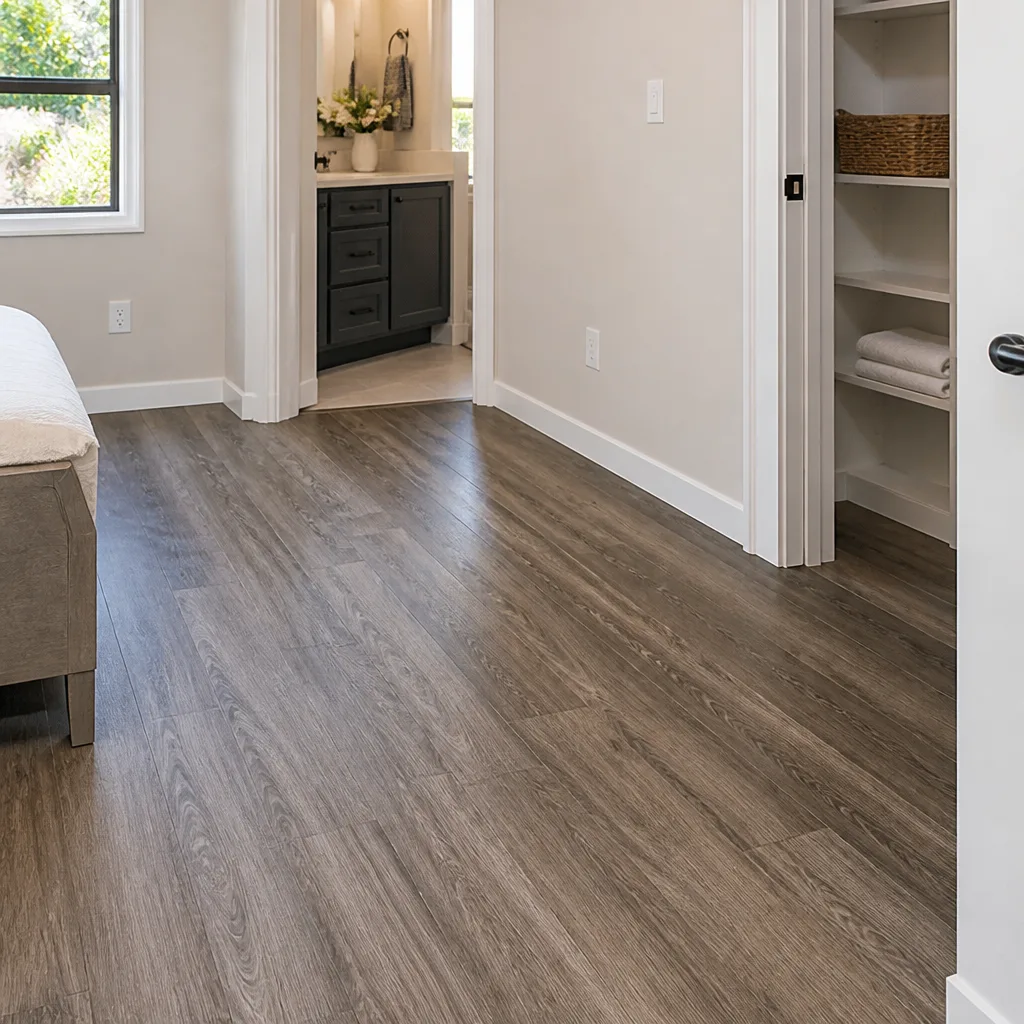

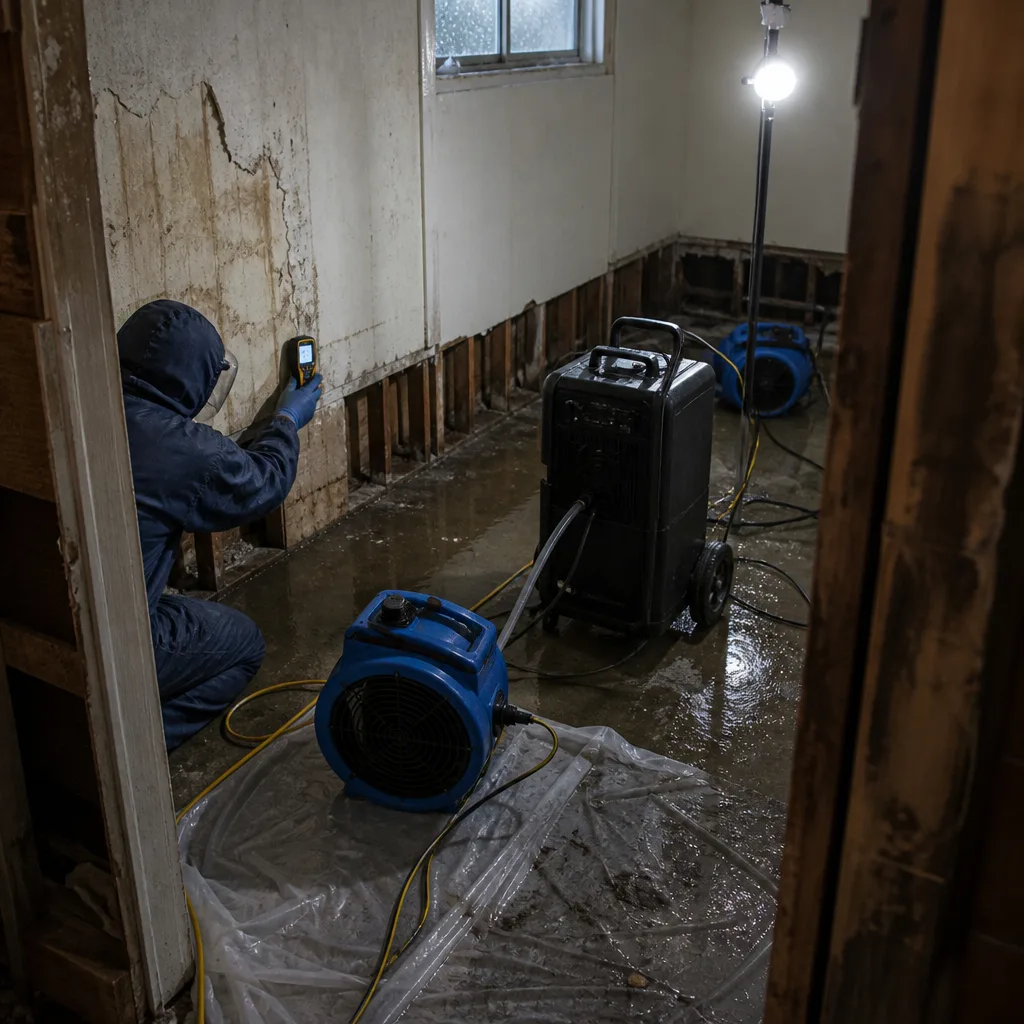 Before
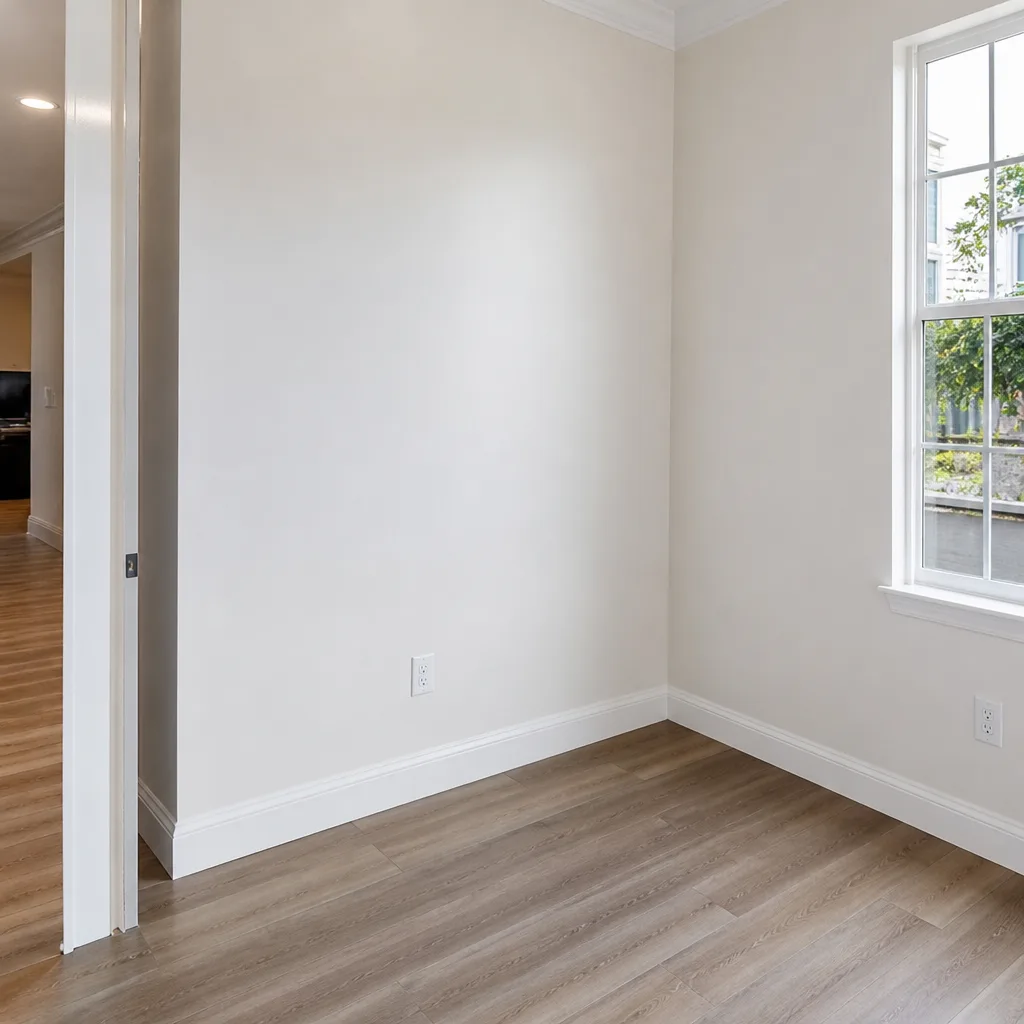 After
After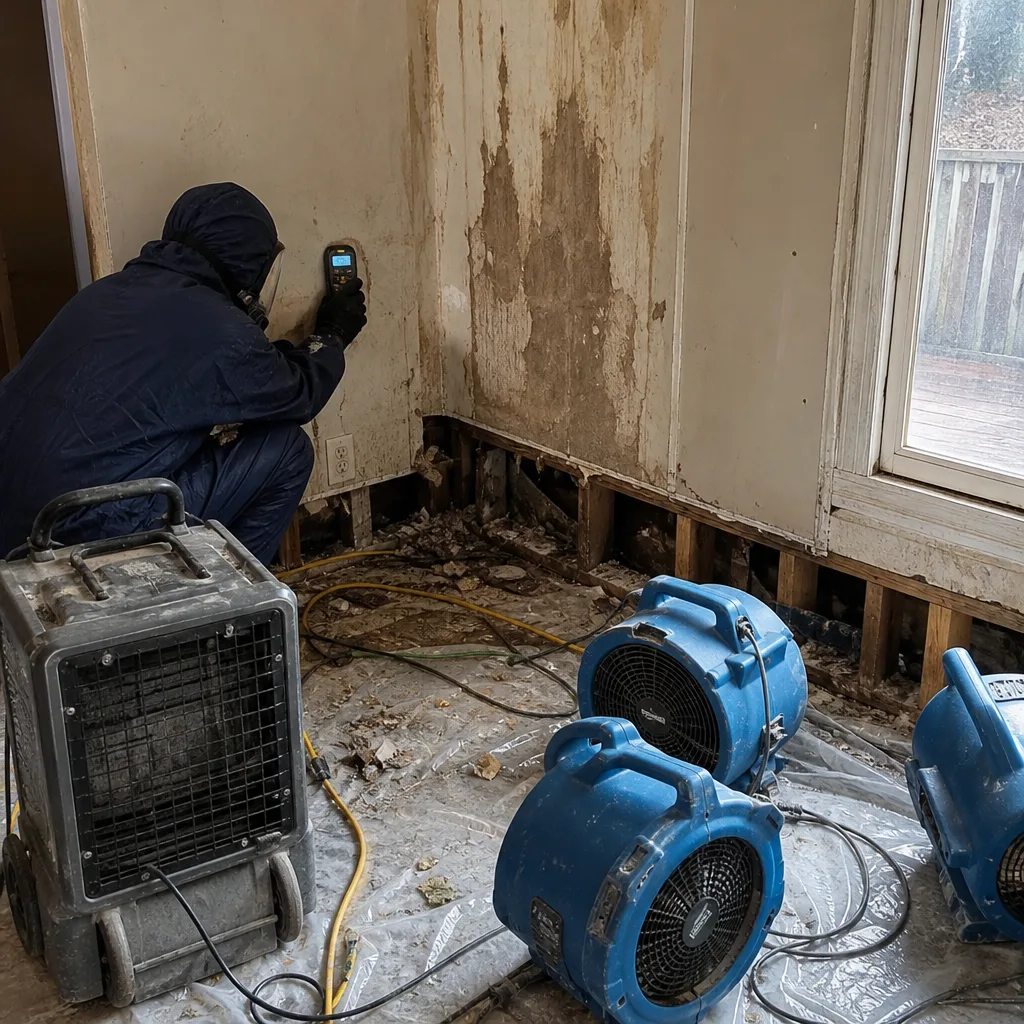 Before
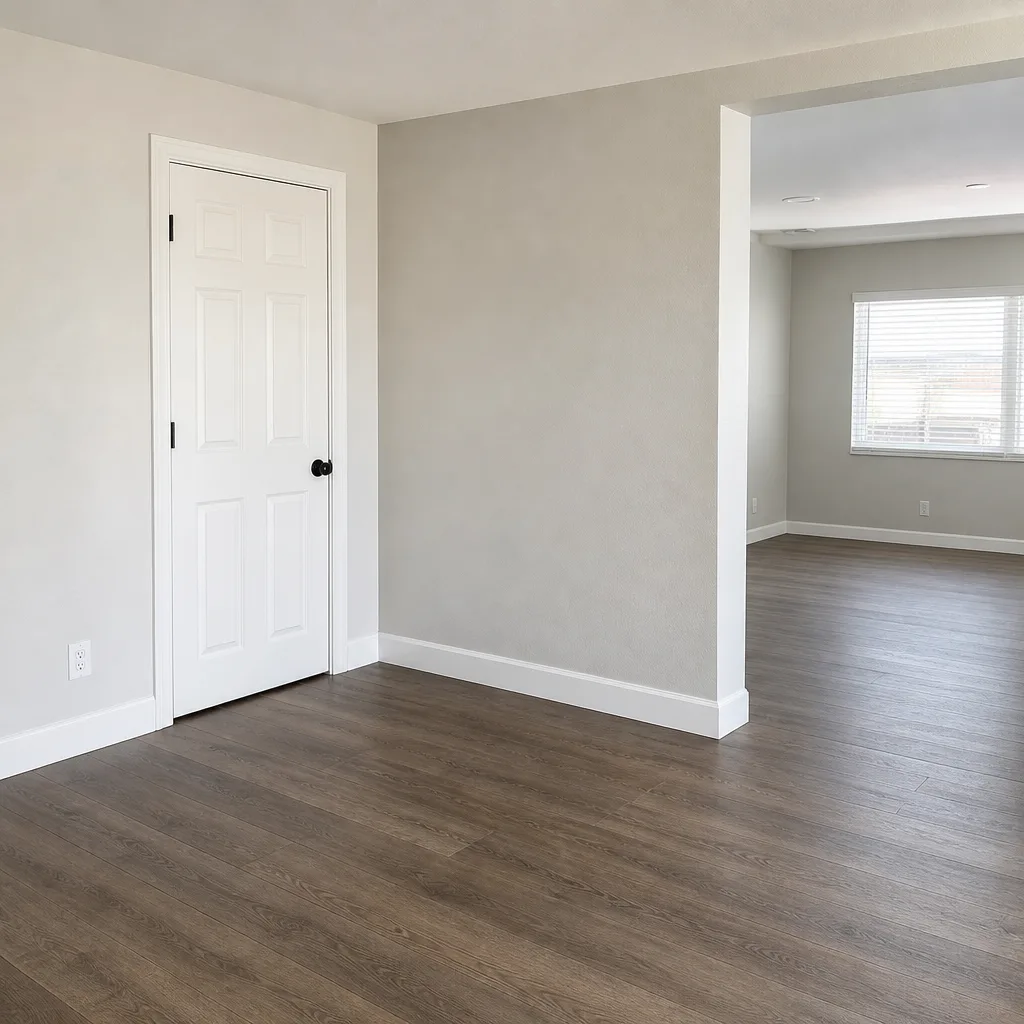 After
After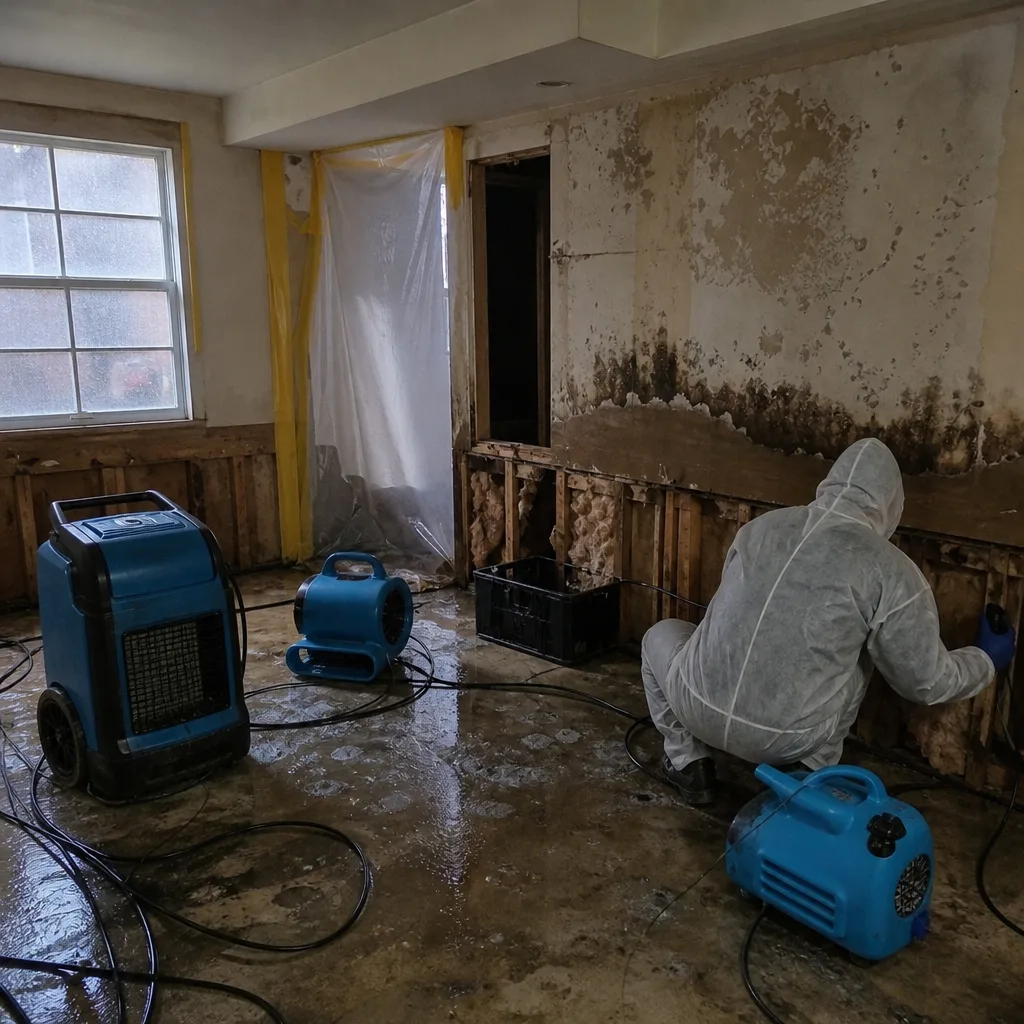 Before
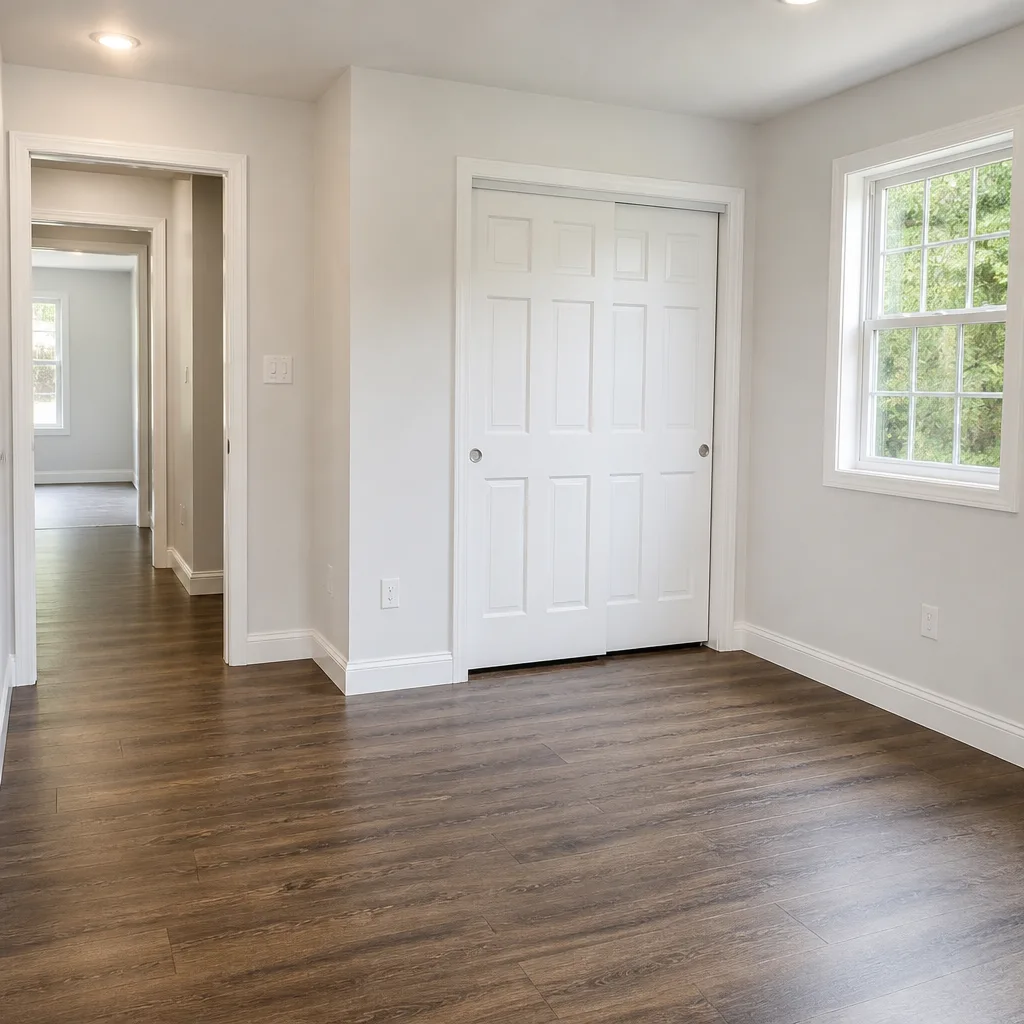 After
AfterDIY vs Professional Water Damage Restoration: What’s Safe to Do Yourself
A shop vac and a rented air mover won’t hurt anything on a clean-water spill you caught in under an hour. But that same setup used on a Category 2 or 3 loss can aerosolize contaminants across your entire house, and “Category 2” includes your dishwasher overflow. Most Los Angeles homeowners we talk to don’t realize the line between “messy cleanup” and “biohazard” is drawn by two things: where the water came from and how long it has been sitting. This guide explains exactly where that line is, what you can safely handle with a mop and patience, and what requires our Water Damage Restoration services with commercial drying equipment, antimicrobial treatment, and documentation your insurance company will actually accept.
Quick Answer
You can safely DIY a Category 1 (clean water) spill that is less than 48 hours old, covers less than roughly 10 square feet, and has not reached drywall, insulation, or subfloor. Everything else, which includes any gray or black water, any water that has soaked structural materials, or any Category 1 water that has sat longer than two days, belongs with a professional restoration company. In Los Angeles, where rental homes built before 1980 often hide asbestos and lead paint behind walls, cutting into wet drywall yourself creates a second, more serious problem.
Table of Contents
- The Three IICRC Water Categories: Where DIY Stops
- The 24-48 Hour Rule: What Actually Changes in a Wet Structure
- Rental Equipment vs Commercial-Grade Machines: Honest Performance Numbers
- DIY and Your Insurance Claim: What Adjusters Look For
- Four Situations Where DIY Voids Coverage or Creates Liability
- What You Can Safely Do Yourself: A Working Checklist
- Los Angeles-Specific Risk Factors Most Guides Miss
- Common Mistakes to Avoid
- When to Call a Professional
- Frequently Asked Questions
- The Bottom Line
The Three IICRC Water Categories: Where DIY Stops
The IICRC, the governing body for restoration standards, classifies water damage into three categories. This classification matters more than how much water is on your floor, because it determines whether you’re dealing with a spill or a health hazard.
Category 1: Clean Water
Clean water comes from a sanitary source: a broken supply line under a sink, a leaking faucet, an overflowed bathtub with no soap or contaminants, a burst pipe carrying municipal water. If you catch Category 1 water quickly, within the first 24 to 48 hours, and it’s confined to tile, concrete, or laminate with no penetration into walls or subfloor, this is genuinely a DIY-possible cleanup. Mop, towels, a wet-dry vac, fans, and time can handle this. The caveat: Category 1 water degrades. After 48 hours, bacteria multiply and it effectively becomes a Category 2 situation even if the source was clean.
Category 2: Gray Water
Gray water contains significant contamination: discharged washing machine water, dishwasher overflow, toilet overflow with urine only, sump pump failures, and aquarium leaks. This is where we see Los Angeles homeowners get into trouble, because a dishwasher overflow doesn’t feel dangerous. It’s water from a kitchen appliance. But Category 2 water contains organic matter that supports rapid microbial growth. It must be extracted, the affected area treated with an antimicrobial agent, and porous materials like carpet pad and drywall that soaked it up must be removed, not dried. DIY cleaning with a mop and fan circulates those contaminants through your air. This category requires professional equipment and protocol. No reasonable exception.
Category 3: Black Water
Black water is grossly contaminated: sewage backups, flooding from rivers or storm surge, standing water that has begun growing visible microbial colonies, and any water that entered your home through a roof leak after passing through insulation, ceiling cavity dust, and whatever lives in an attic. Black water carries pathogens. Full stop. This is never a DIY situation, and in a dense city like Los Angeles, where your sewage line is connected to municipal waste under streets built 70 years ago, a sewer backup requires not just drying but disinfection, removal of contaminated materials, and in many cases, verification testing. The cost of professional Category 3 restoration is real, but the cost of doing it wrong is a home you cannot safely live in.
The 24-48 Hour Rule: What Actually Changes in a Wet Structure
Water damage is time-sensitive for one biological reason: mold spores need roughly 24 to 48 hours of consistent moisture, organic food, and the right temperature to colonize (How Long Does Mold Remediation Take? Timelines and What to Expect). Your drywall is literally paper, which is mold food. Your wood framing is organic. Your carpet pad is a sponge. In Los Angeles, with our warm ambient indoor temperatures most of the year, that 48-hour window is often closer to 30 hours.
Here is what changes in a wet structure after day one:
- Wicking: Water in drywall wicks upward through capillary action, turning a 12-inch wet strip at the base into a 30-inch wet section within a day. The volume of affected material roughly doubles.
- Delamination: The paper face of gypsum board separates from the gypsum core. Once this happens, drying the drywall leaves a structurally compromised panel that looks dry but has lost its integrity and its fire rating.
- Adhesive failure: Vinyl flooring and tile mastic begin releasing. What started as a lift-and-dry situation becomes a demo-and-replace situation.
- Microbial growth: Mold spores present in every home’s air find wet organic material and begin colonizing. This is not visibly obvious for days, which is why professional water damage restoration in Los Angeles includes moisture mapping and psychrometric readings, not just a visual check.
- Saturation of insulation: Fiberglass or cellulose insulation in wall cavities absorbs water, loses its R-value, and becomes a hidden reservoir of moisture that keeps the wall wet long after the surface feels dry.
The practical takeaway: if water has been present more than 48 hours, you are not drying, you are remediating (How Long Does Water Damage Repair Take? Timelines and What to Expect). That is a different job, with different standards, and it requires a professional. Waiting to “see if it dries on its own” is the most expensive mistake you can make in this industry.
Rental Equipment vs Commercial-Grade Machines: Honest Performance Numbers
You can rent an air mover from a hardware store in Los Angeles for somewhere around $30 to $50 a day. You can rent a dehumidifier for another $40 to $70 a day. Here is what those machines will and won’t do, and this is where a lot of DIY advice falls apart.
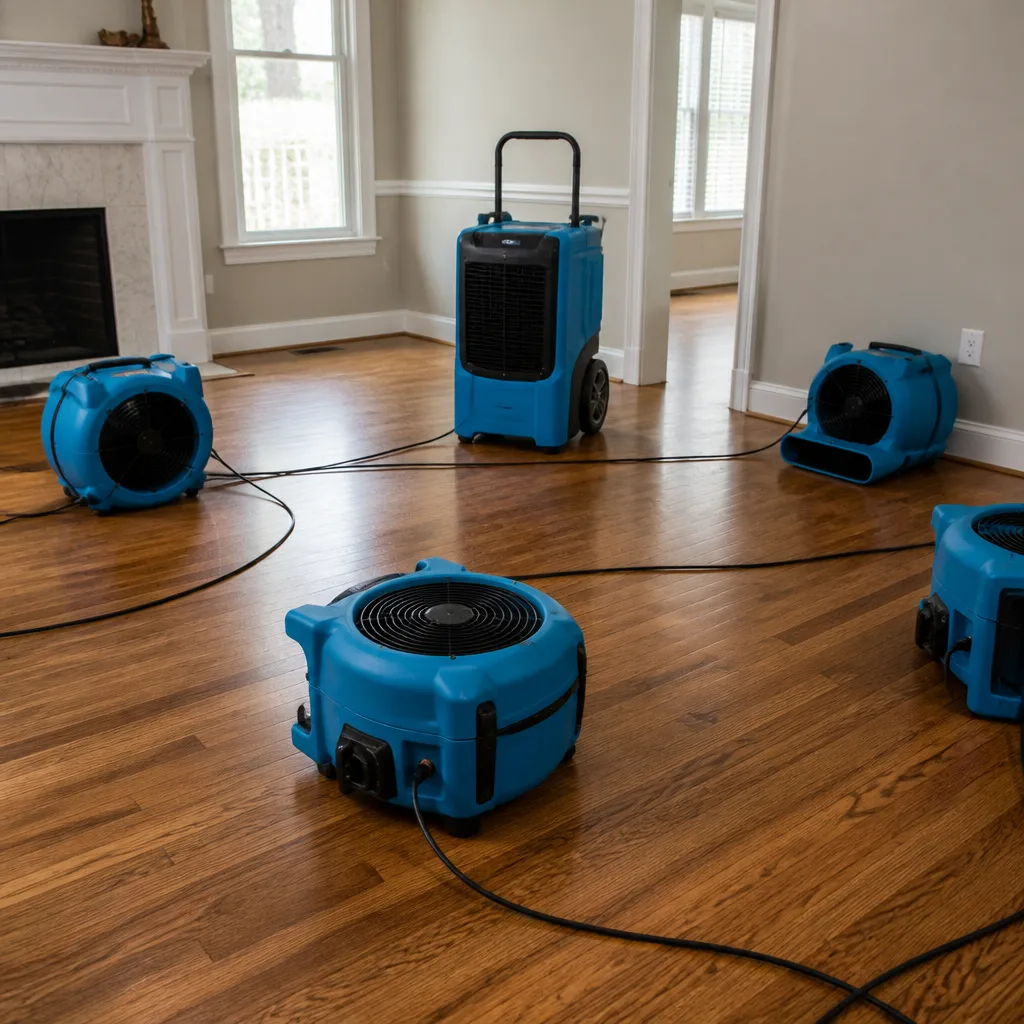
A rental air mover typically moves between 1,200 and 2,000 CFM (cubic feet per minute) of air. That’s enough to dry a damp tile floor. A commercial air mover from a brand like Dri-Eaz or Phoenix moves 2,800 to 3,800 CFM, and it’s designed to be positioned at low angles that push air across surfaces rather than just into the room. The difference in real terms: a rental mover accelerates surface evaporation; a commercial mover creates the kind of airflow that actually draws moisture out of porous materials like subfloor and the bottom edge of drywall. We deploy these machines under IICRC, RIA, and IFA standards, which means we’re not just pointing fans at a puddle. We’re calculating cubic feet of affected space, measuring grains per pound of moisture in the air, and positioning equipment according to a drying plan, not a guess.
Rental dehumidifiers are almost always refrigerant-based units rated for 30 to 50 pints per day at AHAM standards. A Phoenix or XPOWER commercial dehumidifier moves 130 to 200 pints per day. That’s not a modest upgrade. A rental unit running for three days in a closed Los Angeles bedroom will remove 150 pints if you’re lucky. A commercial unit removes that in the first 14 hours. And here’s the part rental equipment cannot overcome: if moisture has penetrated drywall or subfloor, no portable dehumidifier, no matter how large, can reach the moisture trapped inside the wall cavity. You need an Injectidry system or a comparable drying mat system that forces air into the cavity under pressure. That equipment is not available for rent to homeowners.
The honest performance summary: rental equipment works for Category 1 surface water under 30 square feet. It does not work for Category 2 or 3 contamination, and it does not work for structural penetration. If your wet drywall extends more than 3 inches above the baseboard, or if your baseboard is swollen, you need professional equipment.
DIY and Your Insurance Claim: What Adjusters Look For
Insurance adjusters in Los Angeles process hundreds of water damage claims a year. They know what professional documentation looks like, because they have seen thousands of restoration files. What they almost never see, and what they routinely deny or underpay, is a homeowner’s DIY claim with a receipt from Home Depot and some iPhone photos.
Here is what a documented professional water damage restoration file includes, and what your insurer will expect before they pay out on a significant claim:
- Initial moisture mapping: Readings from every affected wall, floor, and ceiling area using moisture meters that record exact moisture content percentages. This documents the scope of damage at day one.
- Category classification: A written determination of water category (1, 2, or 3) and the reasoning behind it. This establishes whether removal and disposal of materials was justified.
- Daily drying logs: Temperature, relative humidity, and specific humidity readings taken every day until the structure is verified dry. This proves the drying process followed IICRC protocol and reached a defensible endpoint.
- Photo documentation: Before, during, and after photos, including thermal imaging or moisture meter display screens. Not blurry phone photos; timestamped, labeled, professional-grade images.
- Material disposal records: A written list of what was removed, why it was removed, and how it was disposed of. In Los Angeles, where local disposal rules apply to contaminated material, this matters.
A homeowner doing DIY restoration almost never produces any of this. What they produce is a receipt for a rented dehumidifier and photos of wet drywall. The adjuster, reasonably, has no way to verify the extent of the loss, the category of the water, or whether the drying was actually sufficient. The result: reduced payout, denied coverage, or a claim reopened weeks later when mold appears because the structure was never actually dry.
This is not a criticism of insurance companies. It’s a documentation gap. If you choose to DIY a water damage cleanup, you assume the documentation burden yourself, and most homeowners don’t know what insurance-grade documentation looks like until after the claim is submitted.
Four Situations Where DIY Voids Coverage or Creates Liability
There are specific scenarios where attempting DIY water damage restoration actively works against you, not just practically but financially and legally. These are the four we discuss most with Los Angeles homeowners.
1. You DIY the cleanup, and mold develops later
Most homeowner policies contain language about reasonable steps to prevent further damage. If a water loss was not professionally dried, and mold develops in the weeks following, the insurer’s position is often that the mold growth is a separate, non-covered event caused by inadequate mitigation. Your failure to dry the structure properly becomes the cause of the mold, and mold remediation is only covered under narrow circumstances on many policies. Professional drying creates a paper trail that protects you.
2. You rent machinery, and the electrical system is compromised
If water has reached outlets, junction boxes, or any electrical components, running rented equipment from that same circuit creates a fire hazard and a liability issue. Licensed restoration technicians in Los Angeles follow protocol around electrical safety, including having power shut down to affected areas before equipment deployment. A homeowner running a rented dehumidifier from a GFCI outlet in a wet room is taking a risk that no professional would accept.
3. You open a wall yourself in a pre-1980 Los Angeles home
This is the Los Angeles-specific one. A significant portion of the city’s housing stock predates 1980, which means textured ceilings and drywall joint compound may contain asbestos, and painted surfaces may contain lead. Cutting into wet drywall without testing first can release asbestos fibers or lead dust into your home, and now you have a contamination event on top of a water event. A restoration company working under IICRC and IFA standards tests for these materials before opening any wall in an older home. DIY wall cutting is not just a water damage issue; it can become an environmental remediation issue with specific California disclosure requirements when you eventually sell.
4. You sell the home within a few years
California real estate disclosure requirements are among the strictest in the country. If you experienced a water damage event and did not remediate it professionally, and you later sell the home, you may be required to disclose the event. A buyer who finds evidence of unremediated water damage, or worse, evidence of active mold, has legal recourse. A professional restoration record shows due diligence. A stack of Home Depot receipts does not. This is not a hypothetical concern. It’s a recurring issue in Los Angeles, where real estate values make post-sale litigation worth pursuing.
What You Can Safely Do Yourself: A Working Checklist
None of this means every water event needs a restoration company. Here is the working checklist we give to Los Angeles homeowners who call asking whether they can handle something themselves. If you can answer yes to every question, DIY is reasonable. If you answer no to any of them, call a professional.
- Is the water Category 1? Clean municipal supply water from a burst pipe, a sink overflow, a bathtub, or a rain leak that came straight through a small roof opening without soaking insulation. If the water touched a drain, an appliance that handles waste, or anything in a toilet, the answer is no.
- Has the water been present less than 24 hours? If not, the clock has already started on microbial growth, and the risk of structural penetration is much higher.
- Is the affected area less than roughly 10 square feet? This is a small bathroom floor, a section of hallway, a closet. Not a living room or a bedroom with carpet and pad.
- Is the water on a non-porous surface? Tile, sealed concrete, vinyl plank without wood underlayment. If it’s on carpet, laminate, or hardwood, the water is already working its way underneath.
- Is the drywall dry? If the baseboard is swollen, if the drywall feels damp more than 3 inches above the floor, if you can press a thumb into the drywall and leave a dent, the answer is no. Water has penetrated the wall cavity.
- Is the electrical system unaffected? No outlets, switches, or fixtures touched the water. If water ran down into an outlet or a switch box, a licensed professional needs to assess it before anything else happens.
- Do you have a way to verify dryness? A moisture meter costs about $30 to $60. Without one, you’re guessing, and guessing wrong is how Category 1 water becomes a mold claim two weeks later.
If you answered yes to all seven, then yes, you can extract the water, run fans for 48 to 72 hours, and verify dryness. If any answer is no, the math changes. The equipment you need, the protocols you need, and the documentation your insurance company will demand are all professional territory. This is the honest line, and it’s the same line we’d give you over the phone. Wendell Water Damage Restoration has answered calls exactly this way since Blake Sorensen founded the company in 2006: a live person picks up, asks the right questions, and tells you the truth even if the truth is, “You can handle this one yourself.” For more guides & resources, explore our blog.
Los Angeles-Specific Risk Factors Most Guides Miss
Water damage restoration in Los Angeles carries specific risks that a generic national guide will never mention. We deal with these daily, and they change the DIY calculus in ways that surprise homeowners.
Pre-1980 construction is everywhere. In neighborhoods like Silver Lake, Echo Park, West Adams, and the older pockets of the San Fernando Valley, a huge share of the housing stock was built before the 1978 ban on lead paint and the partial asbestos phaseouts. Cutting into a wet wall in these areas without testing is an environmental gamble. Los Angeles also has specific demolition and disposal rules for material that tests positive. This is a compliance layer most DIY projects never consider.
Our climate disguises hidden moisture. Los Angeles is dry. That’s good for drying, but it’s also deceptive. A wall that feels dry to the touch on a hot Santa Ana day can still be at 18 to 22 percent moisture content inside the cavity. The dry air pulls surface moisture out quickly, which makes homeowners think the job is done, while hidden moisture remains sealed in the wall. That hidden moisture then condenses in the cooler evening air and keeps the cycle going. Moisture meters catch this. Fingertips don’t.
Slab foundations mean hidden water travel. A large share of Los Angeles homes are built on concrete slabs. Water from a burst pipe under a slab doesn’t pool visibly. It travels through the concrete, wicks up into floor coverings and wall plates, and manifests as warped laminate or cupping hardwood in a room on the other side of the house. By the time you see it, the source has been active for weeks. If your floor is buckling and you haven’t had a visible spill, you likely have a slab leak, and that’s a professional job involving leak detection, extraction, and drying of the entire affected slab area. DIY drying does nothing for water that’s coming from under the foundation.
Your HOA may have documentation rules. If you live in a condominium or townhome in Los Angeles, your HOA’s CC&Rs may require that water damage restoration be performed by a licensed, insured vendor, with documentation submitted to the property management company. This is especially common in buildings with shared walls, where water in a common wall affects multiple units. Doing your own restoration in that context can put you in violation of your HOA agreement and create liability if your actions, or inactions, lead to damage in a neighbor’s unit.
Common Mistakes to Avoid
- Using a household fan and dehumidifier and calling it done. A box fan pointed at a wet carpet dries the top layer and traps moisture beneath. What looks dry after two days can be hiding a wet pad and saturated subfloor. In Los Angeles’s dry air, surface drying happens fast, which makes this mistake especially common here.
- Lifting carpet yourself. Pulling back soaked carpet to “help it dry” usually tears the backing, stretches the fibers, or delaminates the pad in a way that makes reinstallation impossible. You’ve turned a drying job into a replacement job, at your expense.
- Ignoring the baseboards. If baseboards are swollen, water is inside the wall. Painting over swollen baseboards three weeks later doesn’t fix the mold colony behind them. This is one of the most common sources of repeat calls for Mold Remediation in Los Angeles.
- Using bleach as an antimicrobial treatment. Bleach on porous materials like drywall or wood may kill surface spores but does not penetrate to the roots of the colony. IICRC protocol requires specific antimicrobial agents that are registered for the materials being treated and applied at proper dwell times. Bleach also off-gasses and can react with other household chemicals in enclosed spaces.
- Waiting to see if it dries on its own. By the time you see visible mold, the colony has been growing for days. Insurance coverage for mold is narrower than coverage for water. The window to prevent a water claim from becoming a mold claim is measured in hours, not weeks.
- Skipping the moisture verification step. Drying without verifying that the structure reached its drying goal, usually 8 to 12 percent moisture content for wood, is a guess. A $40 moisture meter is the cheapest insurance you’ll ever buy, and the first tool we’d recommend before any DIY drying attempt.
When to Call a Professional
Call a professional if the water is Category 2 or 3, meaning any water from a dishwasher, washing machine, toilet, or outdoor source. Call if water has penetrated drywall, been present more than 48 hours, or covered more than 10 square feet. Call if you live in a pre-1980 Los Angeles home and walls need to be opened. Call if you have a slab leak. Call if your insurer requires professional documentation for settlement. Water Damage Restoration in Los Angeles from Wendell is planned, scoped, documented, and priced in writing before any work starts. The same applies to Water Damage Repair in Los Angeles, which follows drying and verification and is performed under the same IICRC standards. If you’re not sure whether your situation is DIY-possible, Wendell Water Damage Restoration offers free estimates in Los Angeles. Call (940) 466-4354. A live person answers. We’ll tell you honestly whether you can handle it yourself, and if you can’t, we’ll put a written price in your hand before a single tool comes off the truck.
Frequently Asked Questions
You can safely clean water damage yourself if the water is Category 1 (clean, from a sanitary source), has been present less than 24 hours, covers less than 10 square feet, and has not penetrated drywall or subfloor. If the water came from a dishwasher, washing machine, toilet, or outdoor source, or if the baseboard is swollen, it’s a professional job.
You can rent a dehumidifier for Category 1 surface water on non-porous flooring, but rental units extract far less moisture per day than commercial machines and cannot reach water trapped inside wall cavities or under flooring. If water has penetrated structural materials, rental equipment is insufficient regardless of how long you run it. Call (940) 466-4354 for an honest assessment. Estimates are free.
Your insurance may cover the original water damage, but if your DIY attempt fails to fully dry the structure and mold develops, the insurer may treat the mold as a separate event caused by inadequate mitigation and deny that portion of the claim. Professional restoration creates the documentation adjusters need to process a claim fully. Write down what you did, photograph everything, and keep receipts if you do choose to DIY.
Mold can begin colonizing within 24 to 48 hours in warm, moist conditions. In Los Angeles, with warm indoor temperatures common through most of the year, that window is often on the shorter end. This is why professional drying starts with moisture mapping and daily psychrometric readings, so drying is verified, not assumed.
Yes. Dishwasher discharge is classified as Category 2 gray water under IICRC standards, meaning it contains organic matter that supports rapid microbial growth. Cleaning it yourself with a mop and a fan circulates those contaminants through your air. Category 2 water requires extraction, antimicrobial treatment, and removal of soaked porous materials like carpet pad and drywall.
In the Los Angeles market, water damage restoration typically ranges from about $2,500 to $7,500 for a moderate Category 1 or 2 loss, with Category 3 losses and large structural drying running higher. The best way to know is to call (940) 466-4354. Wendell puts the price in writing before any work starts, and that number is the number you pay.
The Bottom Line
The honest line between DIY and professional water damage restoration is not about how handy you are. It’s about the water category and the clock. Category 1 water caught in under 24 hours in a small area on non-porous flooring is a reasonable DIY project with a moisture meter and patience. Everything else, which includes every dishwasher overflow, every toilet overflow, every slab leak, every swollen baseboard, and every wall that needs cutting into, is a professional job with liability and health implications you should not carry alone. In Los Angeles, where the housing stock is older and the disclosure rules are stricter, doing it wrong costs more than doing it right. Wendell Water Damage Restoration home is your starting point if you’re unsure. Call (940) 466-4354, talk to a live person, and get an honest answer.
Written by Blake Sorensen, Owner at Wendell Water Damage Restoration, serving Los Angeles since 2006.