
Last updated October 9, 2026
Free visual inspection and a written scope of work before any mitigation begins - photos, moisture readings, and drying logs go in your claim file
The scope we write is the scope we bill. Anything new gets shown to you, in writing, before we touch it.
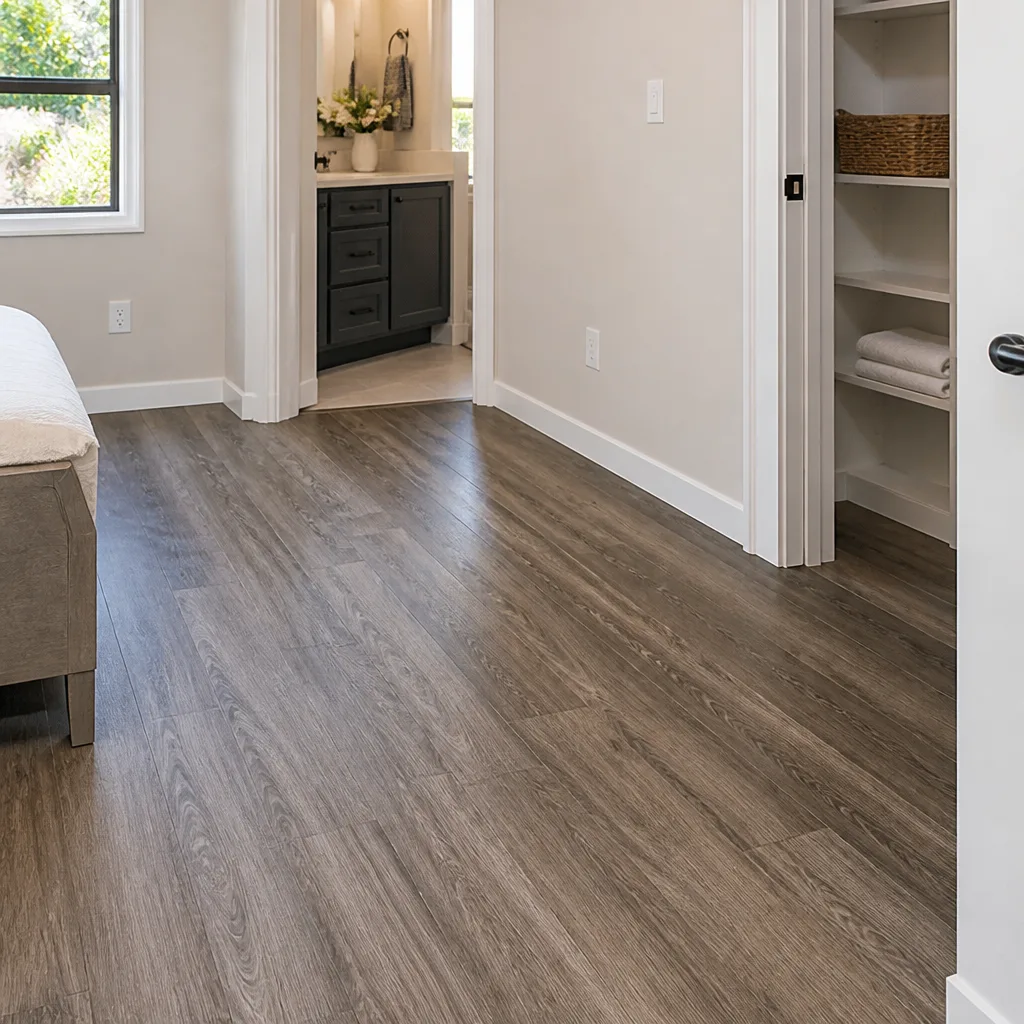
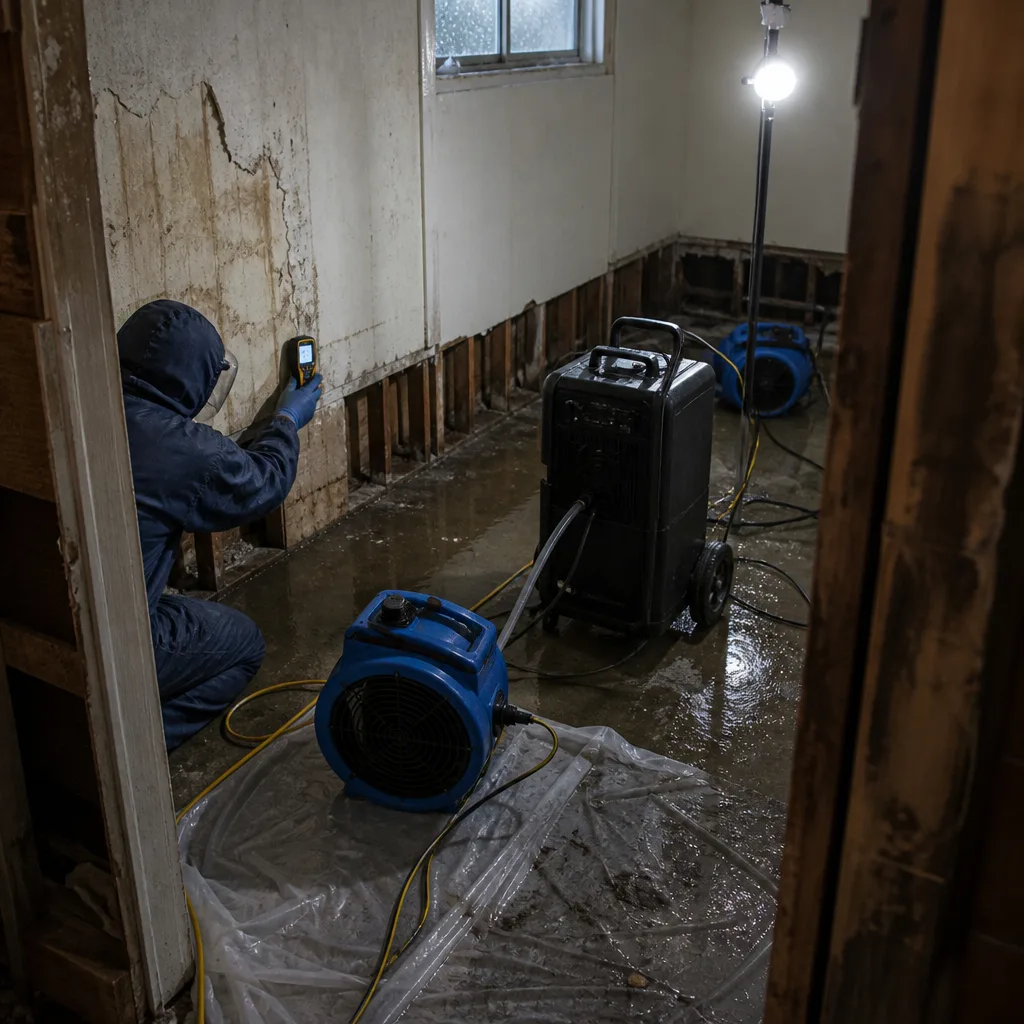 Before
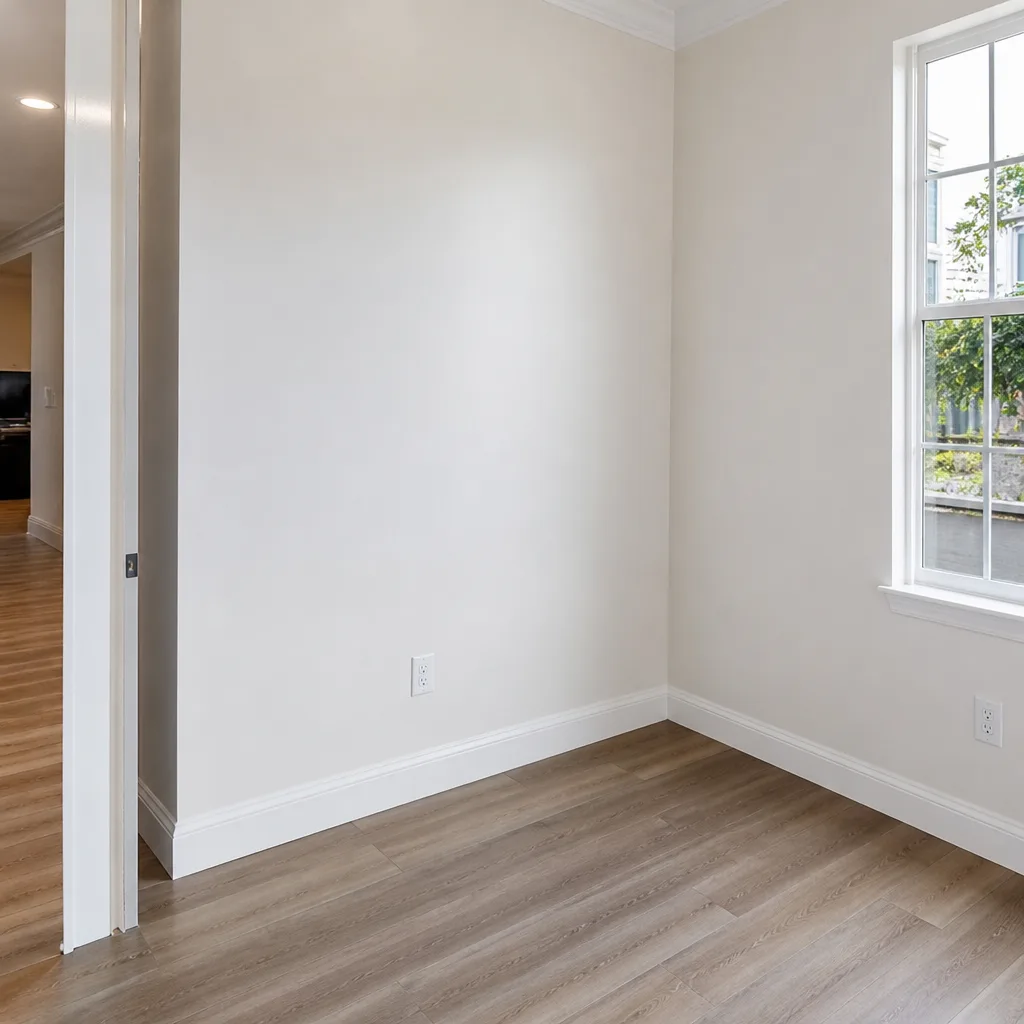 After
After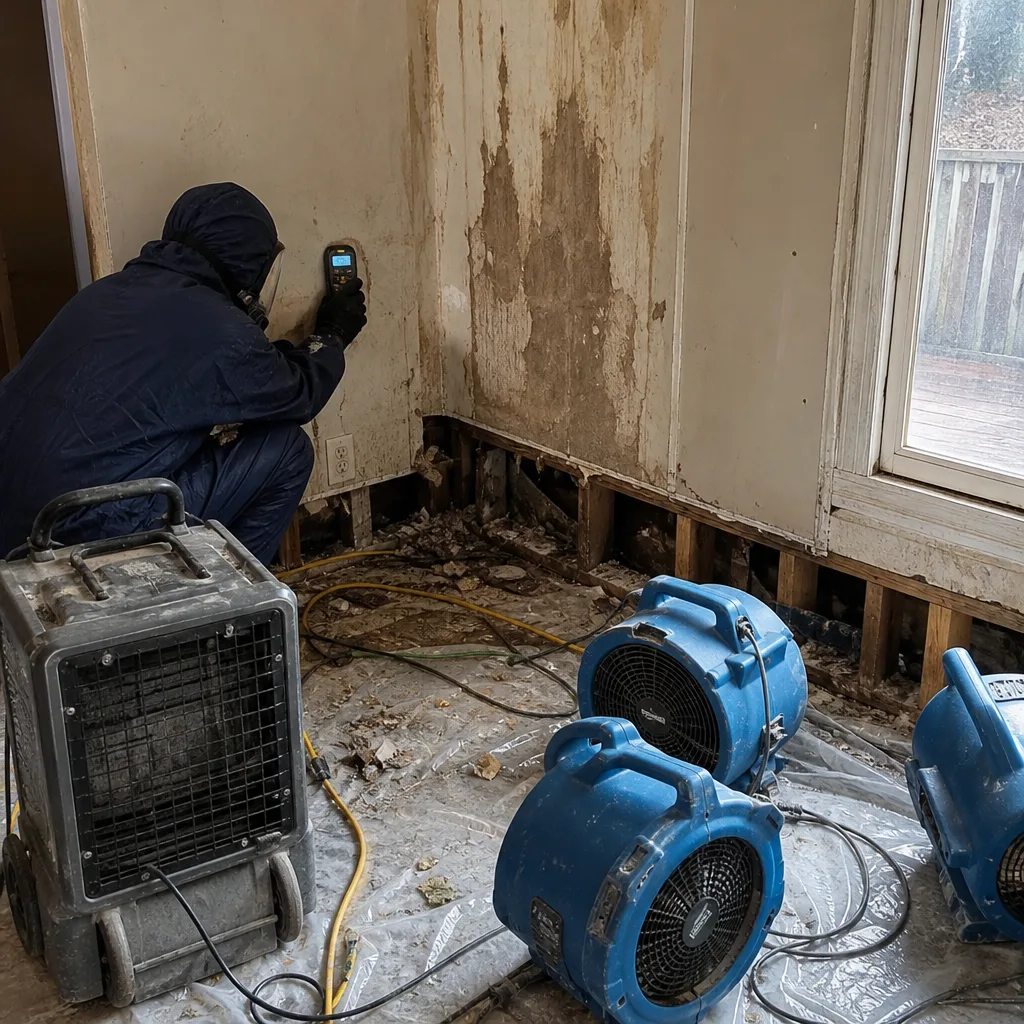 Before
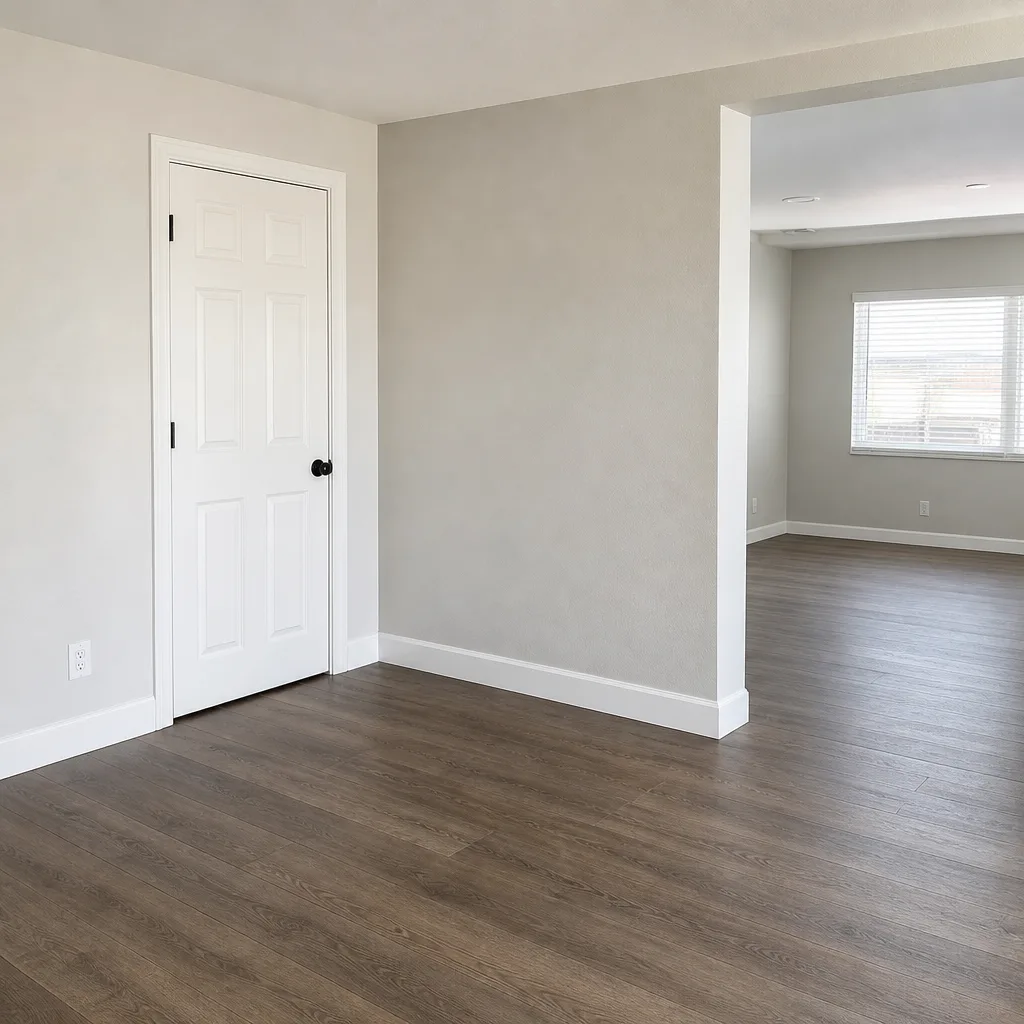 After
After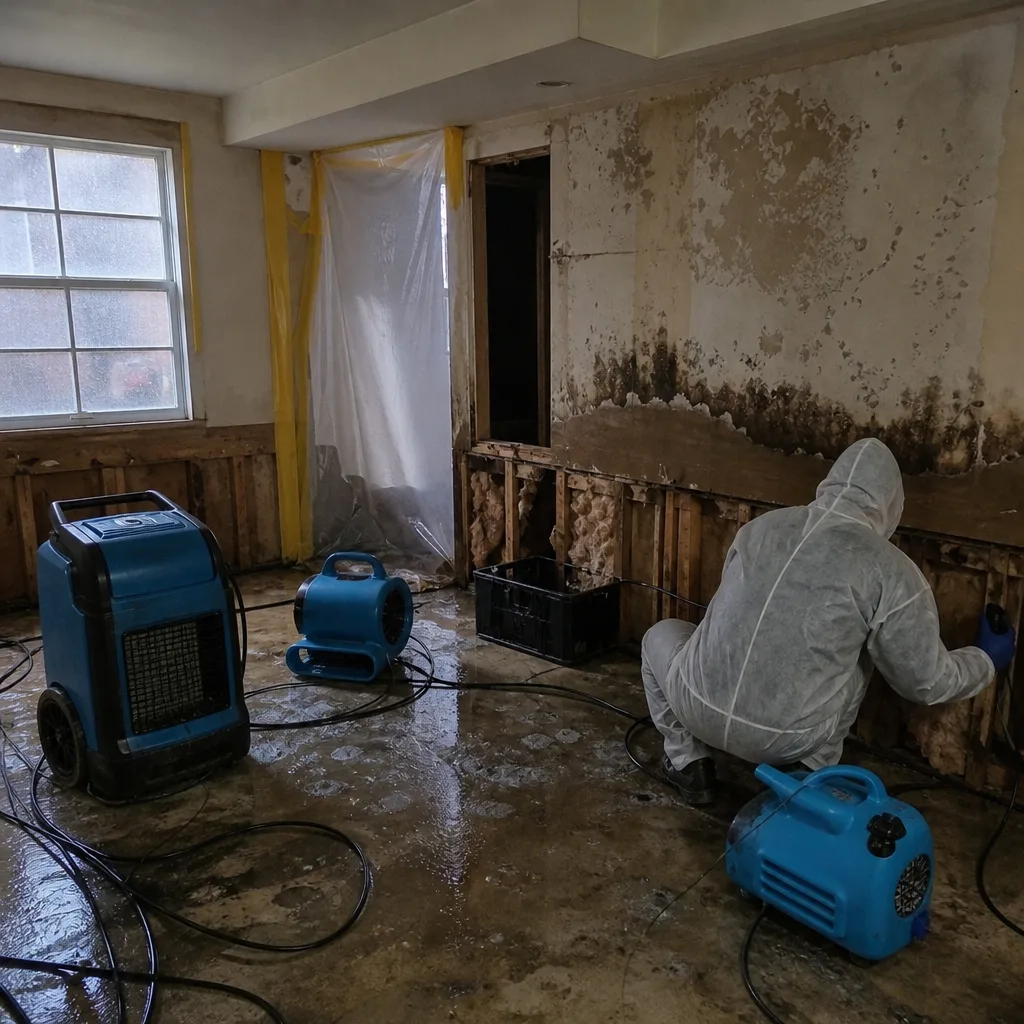 Before
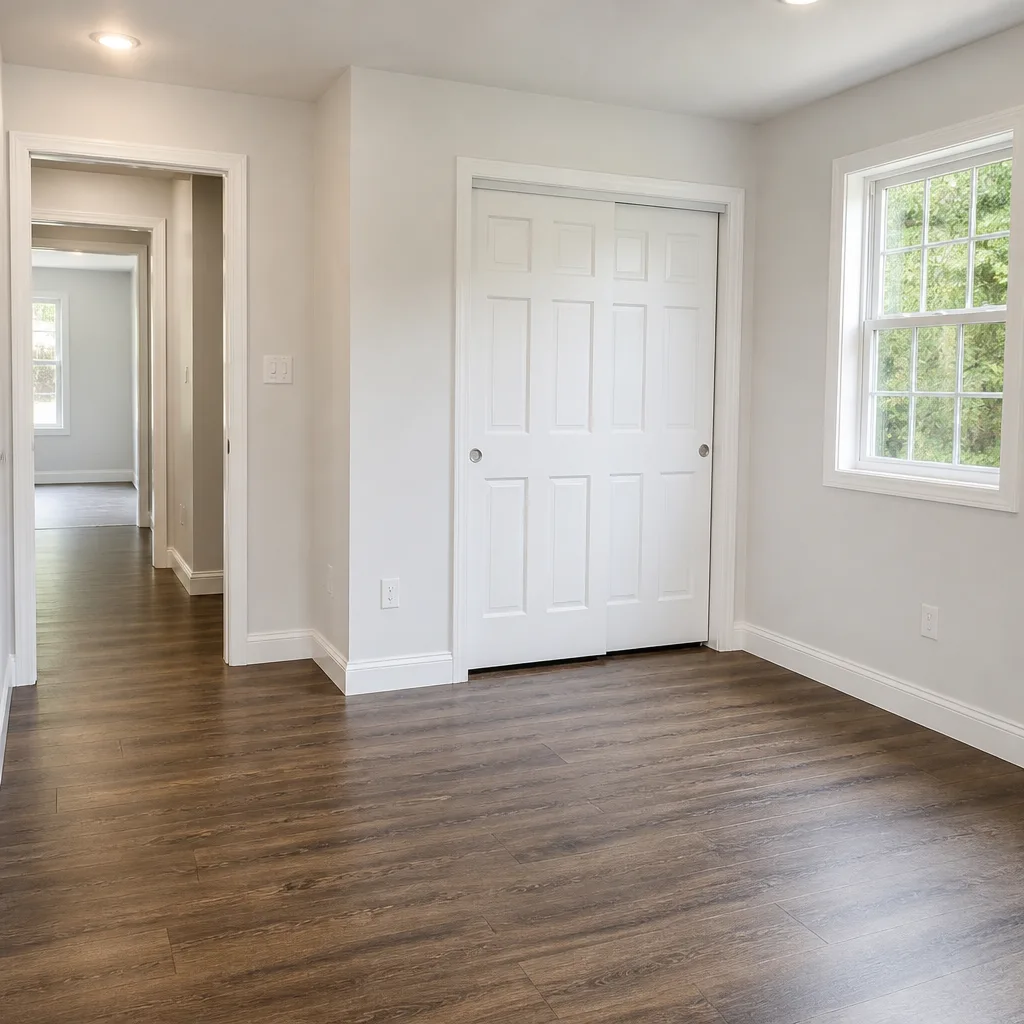 After
AfterDIY vs Professional Water Damage Repair: What’s Safe to Do Yourself
Renting a shop vac and a box fan after a pipe bursts isn’t just ineffective. If the water touched a toilet, a sump, or backed up from a drain, handling it yourself without proper protective gear is an OSHA-level exposure risk. Most Los Angeles homeowners we talk to assume the DIY versus Professional Water Damage Restoration decision comes down to how handy they are. It doesn’t. The category of water determines the rules, not the size of the puddle. This guide walks through exactly what you can safely handle, what you shouldn’t touch, and how to make the call with real numbers instead of guesswork.
Quick Answer
Water Damage Repair DIY is only safe for Category 1 clean water events that cover less than roughly 20 square feet and haven’t sat for more than 24 to 48 hours. Anything involving gray water (Category 2), black water (Category 3), soaked drywall, or water that’s reached flooring cavities needs professional extraction and drying. The category of water, not your skill level, determines where the line is.
Table of Contents
- Understanding IICRC Water Categories: The 30-Second Test
- What’s Genuinely Safe to DIY (Category 1 Only)
- The Point of No Return: When DIY Stops Being Enough
- Why Consumer Dehumidifiers Fall Short (The 1/10th Capacity Problem)
- The Insurance Angle: How DIY Can Cost You the Claim
- The True Cost of DIY vs. a Professional Quote
- Category 2 and Category 3: Why There’s No DIY Version
- How Professionals Actually Dry a Structure
Understanding IICRC Water Categories: The 30-Second Test
The IICRC (Institute of Inspection, Cleaning and Restoration Certification) is the standard-setting body for water damage restoration. Their water category system isn’t industry jargon for insiders. It’s a health-and-safety classification that determines what handling is legally and medically appropriate. Here’s the 30-second test for each category.
Category 1: Clean Water
Water comes from a sanitary source. A broken supply line under the sink, a failed water heater supply connection, a leak from a clean faucet, or rainwater that entered through an open window before touching building materials. This water is safe for informed DIY extraction while it’s still fresh. The clock starts immediately, and in Los Angeles heat, it runs fast. Category 1 water sitting on porous surfaces for 48 to 72 hours degrades into Category 2 as bacteria multiply.
The 30-second test: Would you drink from the source this water came from? If yes, and the puddle is fresh, it’s Category 1.
Category 2: Gray Water
Water that carries significant contamination but not sewage. Sources include dishwasher overflow, washing machine discharge, toilet overflow without solid waste, and aquarium leaks. This water contains microorganisms and nutrients that support rapid bacterial growth. Limited DIY extraction with PPE (gloves, eye protection, waterproof boots) is possible for surface water, but porous materials like carpet pad and drywall that soaked gray water should be removed and replaced, not dried in place.
The 30-second test: Did this water come from anything that drains or discharges? If the answer is yes, you’re in Category 2. Gloves minimum. And don’t run fans that blow droplets into the air you’re breathing.
Category 3: Black Water
Grossly contaminated water. Sewage backups, toilet overflows with solid waste, rising floodwater from outside, and any water that has sat long enough to grow bacteria. This water contains pathogens, bacteria, and potentially parasites. There is no safe DIY category here. None. The danger isn’t just direct contact. It’s aerosolized droplets. Every hour a box fan runs in a black-water room, it’s launching contaminated mist into the air you breathe, coating walls, furniture, and your lungs. This is the OSHA-level exposure risk most homeowners don’t realize exists until someone gets sick.
The 30-second test: Did this water come from a toilet, a drain, outside, or did it sit for more than 72 hours? If yes, call a professional before you touch anything.
What’s Genuinely Safe to DIY (Category 1 Only)
For a fresh Category 1 leak in Los Angeles, there are specific things a homeowner can do before calling in help. These actions genuinely reduce damage and buy time. Here’s the complete list of what’s safe.
- Stop the source immediately. Shut off the water at the fixture valve or the main shutoff. If you don’t know where your main shutoff is, learn it today, before you need it. In Los Angeles homes built before 1980, the main shutoff is often at the front of the house near the hose bib or in a walkway-level meter box.
- Kill the electricity in the affected room at the breaker panel if water has reached outlets, power strips, or appliances. This is a safety step, not a drying step. Water and electricity don’t mix, and wet drywall conducts.
- Extract standing surface water with a wet/dry shop vac. On a tile or concrete floor, this can pull the majority of the water. Pull up edge seams carefully if the flooring is sheet vinyl or linoleum so trapped water can be reached.
- Remove soaked throw rugs and non-valuable textiles and take them outside to dry in the sun. Los Angeles’s dry climate is genuinely helpful here, and a throw rug drying on a sunny patio can often be saved if it’s Category 1.
- Run household fans and open windows to move air across wet surfaces. Evaporation is your friend. What this will NOT do is dry anything below the surface level, which is where the real problem is. More on that in the next section.
None of these steps require specialized training. All of them reduce the total volume of water that can migrate into building materials. What they won’t do is dry a structure. That’s where the DIY comfort zone ends.
The Point of No Return: When DIY Stops Being Enough
Surface water is what you can see. The damage that matters is what you can’t. Water migrates. It follows gravity, capillary action, and the natural wicking of materials. In a Los Angeles house with drywall, that means water in one room has already traveled into the baseplates, under the flooring, and up the wall cavities within hours.
Here’s the exact point where DIY stops being enough:
- Water reached drywall or baseboards. Drywall soaks water like a sponge. Once the bottom edge is wet, water wicks upward inside the wall cavity. Cutting out the wet section and replacing it is technically DIY-possible for a skilled homeowner, but drying the cavity behind it properly is not.
- Water got under flooring. Carpet pad soaks water fast and does not dry in place. Period. Hardwood absorbs moisture and swells. Vinyl plank and laminate trap water underneath, where it sits against the subfloor and grows mold. You cannot see this happening until it’s too late.
- Water sat for more than 24 to 48 hours. At Los Angeles’s average indoor temperature of 70 to 78 degrees, mold can begin colonizing wet porous materials in 24 to 48 hours. This isn’t a remote possibility. It’s a biological schedule.
- Water touched anything electrical. We’re not going to give step-by-step electrical instructions here because DIY electrical work around water is how people get hurt. If outlets, switches, or wiring were submerged or sprayed, shut off the breaker and bring in a pro.
- The water source wasn’t clean. Any Category 2 or Category 3 exposure. We covered this above, but it bears repeating: the category determines the rules.
In our experience with Los Angeles homes, the most common DIY mistake is treating a hidden leak like a surface spill. A homeowner dries the visible puddle, runs a fan for two days, and calls it done. Six weeks later, a musty smell and warped baseboards reveal mold inside the wall. What would have been a one-day professional drying job has become a demo and rebuild.
Why Consumer Dehumidifiers Fall Short (The 1/10th Capacity Problem)
Let’s talk equipment, because this is where the numbers actually help. A standard consumer dehumidifier you’d buy at a hardware store pulls roughly 30 to 50 pints of water per day at saturation conditions. A professional LGR (low-grain refrigerant) dehumidifier, like the Dri-Eaz or Phoenix units we deploy, pulls 130 to 300 pints per day at saturation. That’s 4 to 10 times the water removal capacity, not a marginal improvement.
What this means in real terms for a Los Angeles homeowner:
- Drying days multiply. A wall that an LGR unit dries in 2 to 3 days takes a consumer unit 10 to 20 days. That’s 7 to 17 extra days of elevated moisture inside wall cavities.
- Mold risk compounds. Mold needs roughly 48 hours of sustained moisture to start colonizing. Every extra day beyond that is an exponential increase in spore count, not a linear one.
- Consumer units were designed for ambient humidity control, not structural drying. They lack the airflow and filtration to pull moisture from inside drywall, subfloor, and framing.
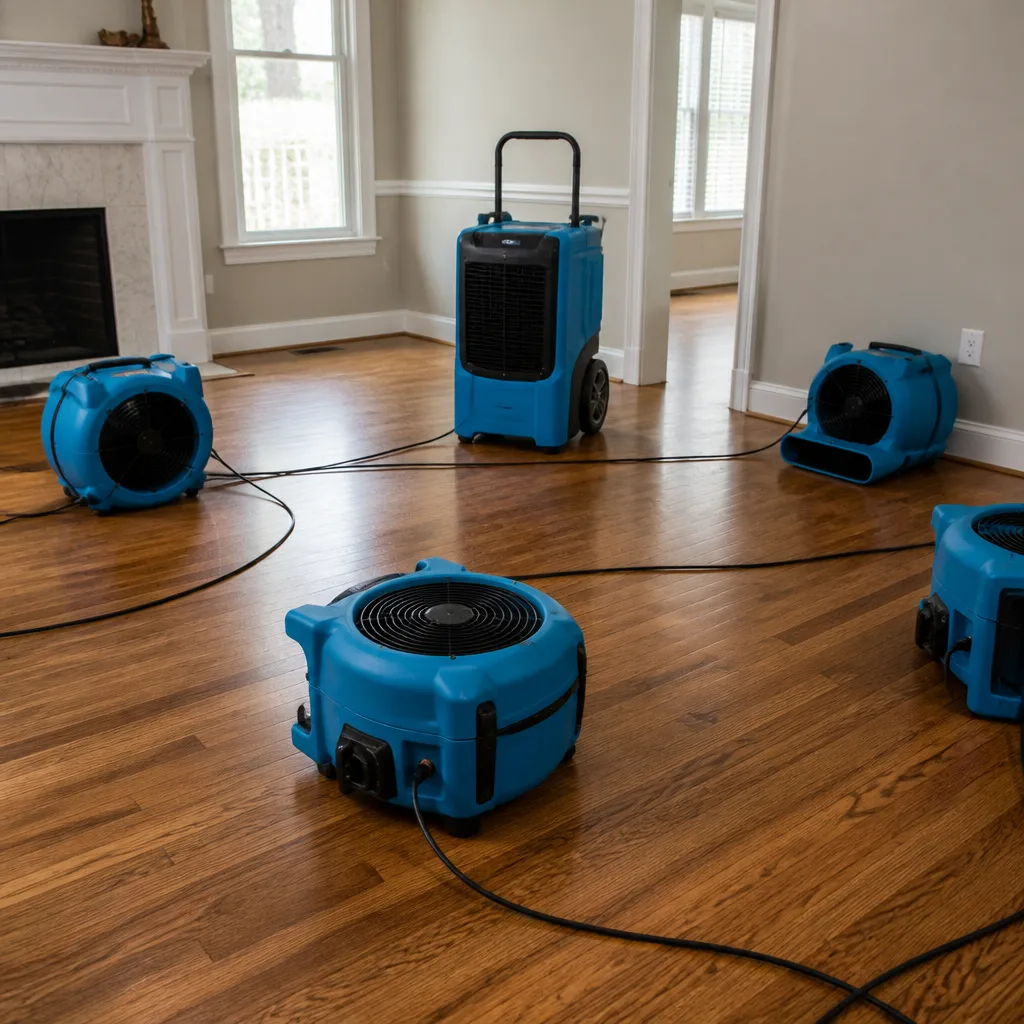
- Professional drying also uses air movers. High-velocity equipment accelerates evaporation at the surface, and the LGR unit captures that moisture. Consumer fans move air. They don’t create the same evaporation pressure, and a consumer dehumidifier can’t keep up with what they do evaporate.
Psychrometric drying means tracking the air’s moisture level so we know when your home is truly dry, not just surface-dry. A homeowner with a shop vac and a box fan can’t measure this. They’re working blind. And when you can’t measure moisture, you’re guessing at when it’s safe to close the wall back up.
The Insurance Angle: How DIY Can Cost You the Claim
Most homeowners insurance policies contain language requiring “prompt and proper mitigation” after a water event. That phrase matters. It means the insurer expects reasonable steps to be taken quickly to stop further damage. It also means the mitigation work has to meet a professional standard of care.
Here’s how DIY attempts can create problems with an adjuster:
- Delayed professional drying looks like neglect. The adjuster sees the water event date and the mitigation date. If a homeowner ran fans for two weeks before calling a pro, the adjuster can argue the extended moisture exposure caused the mold and structural damage, not the original water event. The claim gets reduced or denied.
- Improper drying creates a second loss. If mold grows because the structure wasn’t dried properly, the insurer may classify that as a preventable secondary loss. Many policies exclude or cap mold coverage separately from water damage coverage.
- Missing documentation hurts everyone. Professional restoration companies document the damage with photos, moisture readings, and drying logs. That documentation supports your claim. DIY attempts produce none of it.
- Adjusters have seen unmitigated damage from DIY extraction that pulled up flooring incorrectly or trapped water where it shouldn’t be. That becomes a pre-existing condition argument.
The practical move is to get the professional quote first, even if you’re leaning DIY. The quote tells you what proper mitigation actually costs. You can compare that number against the true cost of doing it yourself, including rental equipment, your time, and the insurance risk you’re carrying. Decide with real numbers in hand.
The True Cost of DIY vs. a Professional Quote
Let’s do the math on a mid-sized Category 1 event in Los Angeles. A supply line fails in a bathroom while you’re at work. Water covers about 80 square feet of tile and soaks into the baseboards and one wall. Here’s what DIY actually costs, all in.
DIY cost breakdown:
- Shop vac rental or purchase: $40 to $120
- Consumer dehumidifier rental (hardware store): $40 to $60 per day, likely needed for 5 to 10 days: $200 to $600
- Box fans or air movers from a rental yard: $20 to $40 per day, 3 to 7 days: $60 to $280
- PPE (gloves, respirator, eye protection): $40 to $90
- Baseboard replacement materials and trim paint: $60 to $150
- Your time (extraction, monitoring, replacement, returns): 8 to 16 hours at whatever your time is worth
- Total out-of-pocket: $400 to $1,240 plus your labor, with no drying verification and no warranty
Professional mitigation for this scenario typically runs $1,500 to $3,500 depending on the affected area and drying time. The professional quote includes commercial LGR dehumidifiers, high-velocity air movers, moisture mapping, daily readings, a written scope, and a guarantee. The gap between DIY and professional is real, but it’s not as wide as most people assume, and the professional option includes what DIY cannot: verification that the structure is actually dry.
At Wendell Water Damage Restoration home, the estimate is free and written before any work starts. That means you can get the real number, compare it against this DIY math, and decide without guessing. That’s the decision tool most people don’t know they’re missing.
Category 2 and Category 3: Why There’s No DIY Version
We’ve covered the water categories. This section is about why the line at Category 1 isn’t a professional preference. It’s a health and safety boundary with specific technical reasons.
For Category 2 (gray water):
- The water carries organic material that feeds bacteria. Surface extraction without proper antimicrobial treatment leaves a residue that continues to grow after the surface looks dry.
- Carpet pad and drywall saturated with gray water should be removed and replaced, not dried in place. Getting this wrong means hiding contamination inside walls.
- Professionals use antimicrobial or biocide applications appropriate to the situation, then verify the area is safe after the application. A homeowner cannot verify this.
For Category 3 (black water):
- This water contains sewage, pathogens, or floodwater contaminants. Direct contact can cause serious illness. Aerosolized droplets from fans can spread contamination to the entire room.
- All affected porous materials should be removed and disposed of. What remains requires professional sanitization with appropriate biocides, and the worker doing that needs protective equipment you don’t have at home.
- Our Water Damage Restoration in Los Angeles work under RIA and IICRC standards treats Category 3 as a contamination event, not a drying event. The scope of work is materially different, and doing it wrong creates a health hazard that persists long after the water is gone.
We get calls from homeowners who spent a weekend trying to dry out a sewage backup with rental fans. By the time they call, the contamination has been spread through the room’s air, onto the walls, into the HVAC system. What would have been a $3,000 professional mitigation a week earlier is now a $12,000 remediation plus an air duct cleaning and potential sickness in the household. The category determines the rules.
How Professionals Actually Dry a Structure
If you’re weighing DIY against a professional, it helps to understand what the professional process actually involves. It’s not a bigger shop vac. It’s a measured, documented, verifiable process. Here’s what we do on a typical Category 1 water event in a Los Angeles home.
- Assessment and moisture mapping. We use moisture meters and thermal imaging to find water that has migrated beyond the visible puddle. The moisture map tells us where to place equipment. Without this step, you’re drying by guesswork.
- Extraction. Commercial extraction tools pull water from carpet, flooring, and surfaces at volumes a shop vac cannot match. Extraction removes the bulk of the water. Drying removes what’s left in the materials.
- Equipment placement. Dri-Eaz LGR dehumidifiers and high-velocity air movers are positioned based on the moisture map, not scattered randomly. The goal is to create a drying chamber where evaporation and dehumidification work together efficiently.
- Daily monitoring. We track moisture readings daily to confirm the structure is drying on schedule. The drying log documents the process for your insurance claim.
- Verification and documentation. When moisture readings confirm the structure has returned to its dry standard, we document the numbers. You get before-and-after photos. The claim file has the data it needs.
This process is what “prompt and proper mitigation” looks like to an insurance adjuster. It’s also what prevents mold-related surprises six weeks later. Our Water Damage Repair in Los Angeles covers the actual repairs that follow the drying process, from drywall replacement to flooring restoration, all under the same written-scope standard.
For mold that has already developed, whether from a past water event or a slow hidden leak, our Mold Remediation in Los Angeles handles the full remediation process under IICRC standards. The earlier water is addressed, the less likely mold becomes part of the story.
Common Mistakes to Avoid
- Treating every puddle the same. A broken supply line and a toilet overflow are completely different events. One is Category 1. The other is Category 2 or 3. Same puddle size, very different handling.
- Running box fans on Category 2 or 3 water. This aerosolizes contaminated droplets and spreads them through the room. If the water came from a drain, toilet, or sump, fans make the problem airborne.
- Using a consumer dehumidifier for structural drying. At 1/10th the extraction capacity of an LGR unit, it extends drying from days to weeks and multiplies mold risk. This is a false economy every time.
- Closing up the wall when the surface feels dry. Surface-dry and structure-dry are different things. Drywall can feel dry on the outside and still hold 25% moisture inside the cavity. That moisture becomes mold.
- Not documenting anything. DIY work produces no drying logs, no moisture readings, no before-and-after photos. If an insurance claim follows, that documentation gap works against you.
- Waiting to call. In Los Angeles’s warm climate, mold starts its biological countdown within 24 to 48 hours of a water event. Every day of delay expands the scope of work.
When to Call a Professional
Call a professional when the water is Category 2 or 3, when water has reached drywall, flooring cavities, or electrical fixtures, when the water has sat for more than 48 hours, or when you can smell something off. Also call if you simply don’t want to gamble your home’s structure and your family’s health on rental equipment and guesswork. Wendell Water Damage Restoration offers free estimates in Los Angeles, call (940) 466-4354. The estimate is written, it costs you nothing, and it gives you the real numbers to compare against the true cost of DIY.
Frequently Asked Questions
You can dry surface water on hard flooring with household fans and a consumer dehumidifier for a fresh Category 1 event, but you cannot dry water that has wicked into drywall, baseboards, or flooring cavities. Consumer dehumidifiers pull 30 to 50 pints per day versus 130 to 300 for professional LGR units, so structural drying takes weeks instead of days, and mold risk compounds throughout that window. For anything beyond a small clean puddle, get a free professional estimate at (940) 466-4354 and compare before you commit to the DIY route.
Use a 30-second test: if the water came from a clean supply source like a broken pipe or faucet and hasn’t sat for more than 48 hours, it’s Category 1; if it came from a dishwasher, washer, or toilet overflow without solid waste, it’s Category 2; if it came from a sewer backup, toilet with solid waste, or outside floodwater, it’s Category 3. Category 1 allows informed DIY extraction, Category 2 allows limited DIY with PPE, and Category 3 means no DIY at all. When in doubt, treat it as the more serious category and call a professional.
Insurance policies require prompt and proper mitigation, and DIY attempts that delay professional drying can give adjusters grounds to reduce or deny a claim, especially if mold or structural damage develops after the initial event. The safest approach is to get a professional estimate and scope in writing first, then let that documentation support your claim. Wendell’s estimates are free and include photo documentation, call (940) 466-4354 to schedule one.
In Los Angeles’s warm indoor temperatures, mold can begin colonizing wet porous materials within 24 to 48 hours of a water event, so how long mold remediation takes depends heavily on how quickly you act. That means every day a DIY drying attempt runs past that window increases the biological load inside the affected materials. If water has been sitting for more than two days, a professional assessment is the responsible move, not a fan rental.
Professional water mitigation in Los Angeles typically ranges from $1,500 to $3,500 for a moderate Category 1 event involving one room with some wall and flooring saturation, with costs scaling based on affected square footage and drying time. Category 3 contamination events cost more because they require material removal, sanitization, and stricter safety protocols. Wendell puts the price in writing before any work starts, call (940) 466-4354 for a free estimate on your specific situation.
A shop vac is genuinely useful for extracting fresh, clean surface water immediately after a Category 1 event, and doing so reduces the amount of water that migrates into building materials. It is not a drying tool, it cannot handle Category 2 or 3 water safely, and it cannot remove water that has already soaked into drywall, carpet pad, or subfloor. Extract what you safely can, then evaluate whether professional drying is needed based on where the water actually went.
The Bottom Line
The DIY-versus-professional decision in water damage isn’t about how handy you are. It’s about water category, affected materials, elapsed time, and documentation. Category 1 surface water on hard flooring with no wall or floor saturation is safely DIY-able with a shop vac and fans. Everything beyond that comes down to risk. And when you add up the rental equipment, the extended drying time, the insurance documentation gap, and the mold that grows while you’re waiting for a consumer dehumidifier to do an LGR unit’s job, the honest math usually favors a professional quote, obtained first, compared against the true cost of DIY, then decided with real numbers. That’s the decision tool Wendell was built around.
Written by Blake Sorensen, Owner at Wendell Water Damage Restoration, serving Los Angeles since 2006.