
Last updated October 9, 2026
Free visual inspection and a written scope of work before any mitigation begins - photos, moisture readings, and drying logs go in your claim file
The scope we write is the scope we bill. Anything new gets shown to you, in writing, before we touch it.
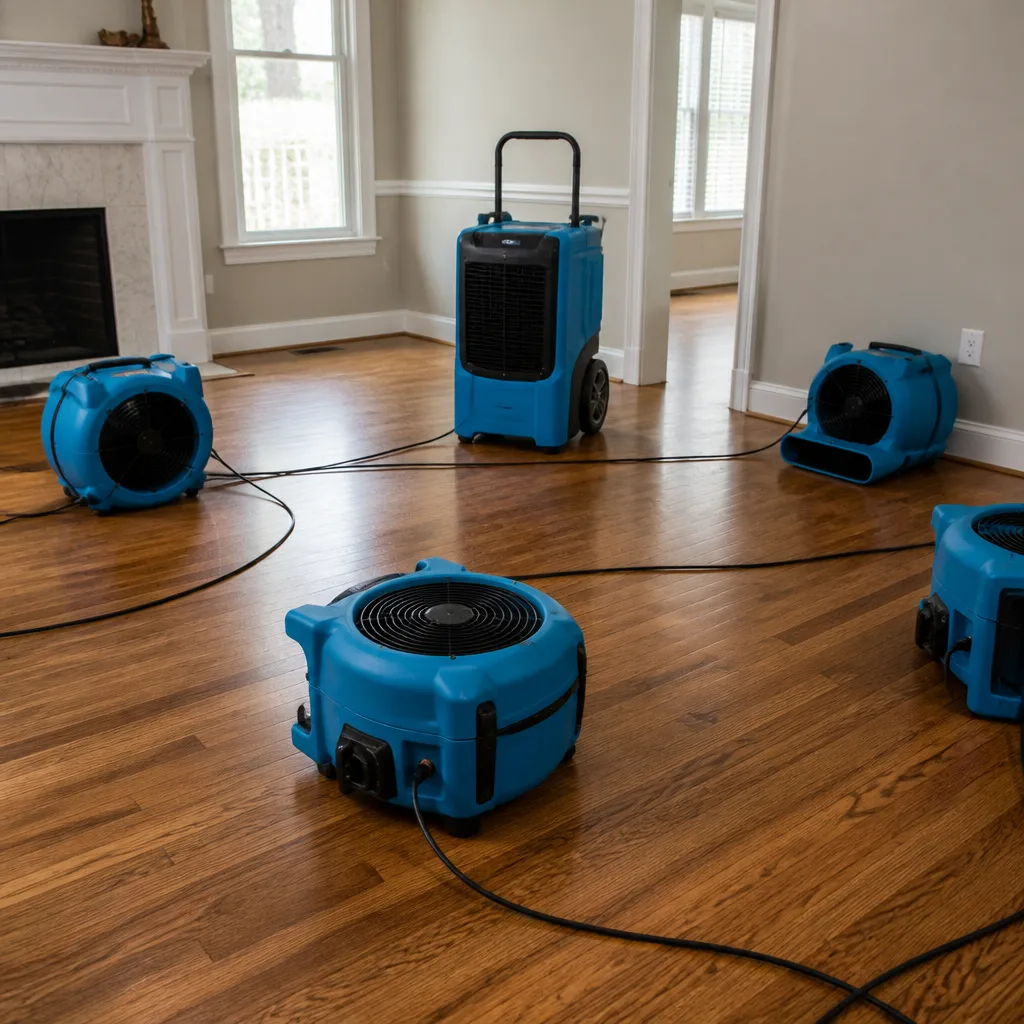



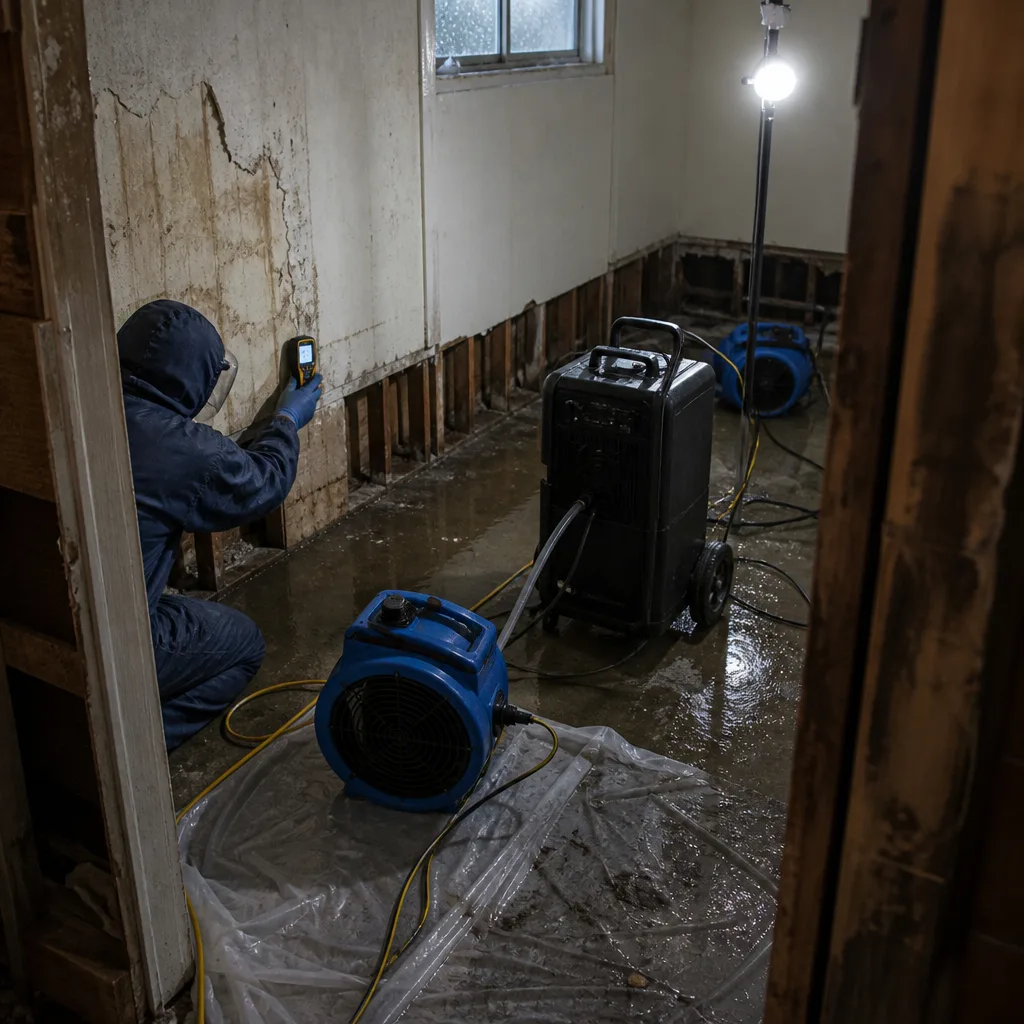 Before
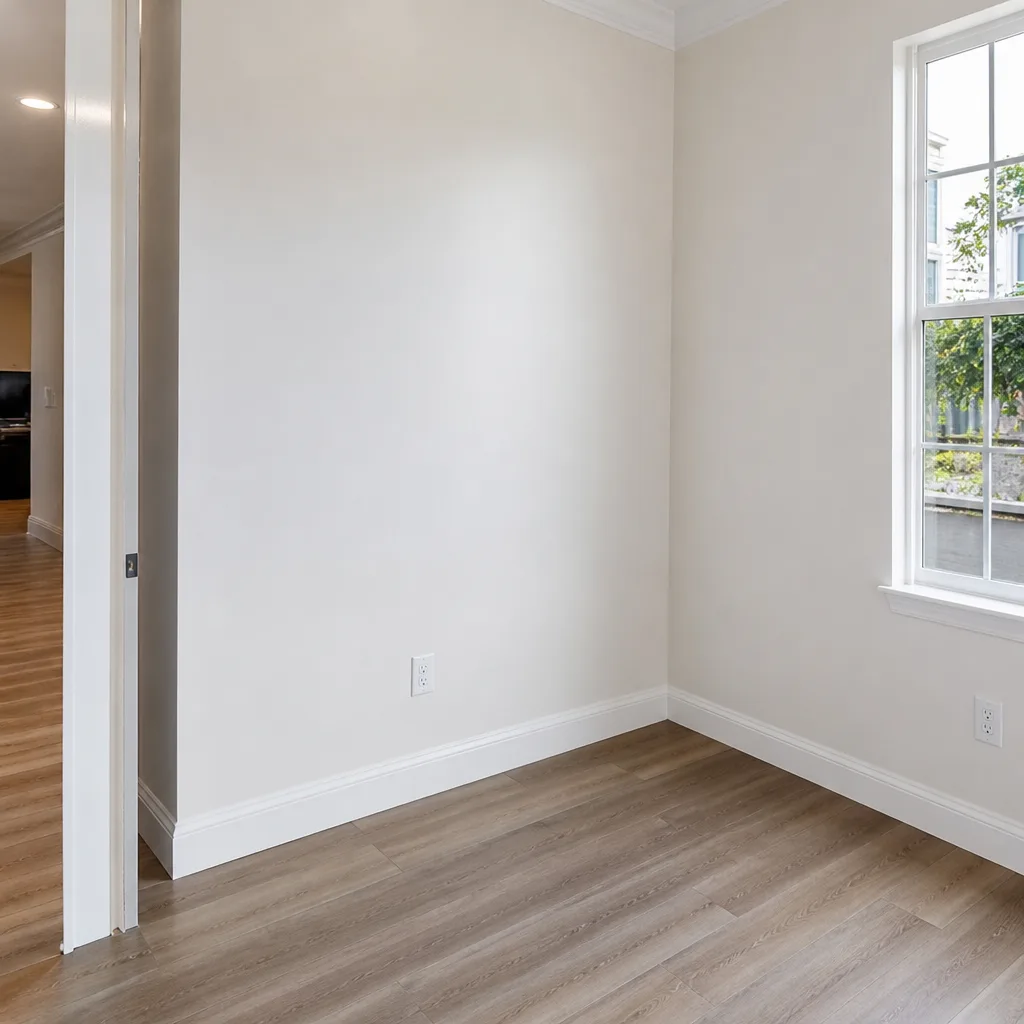 After
After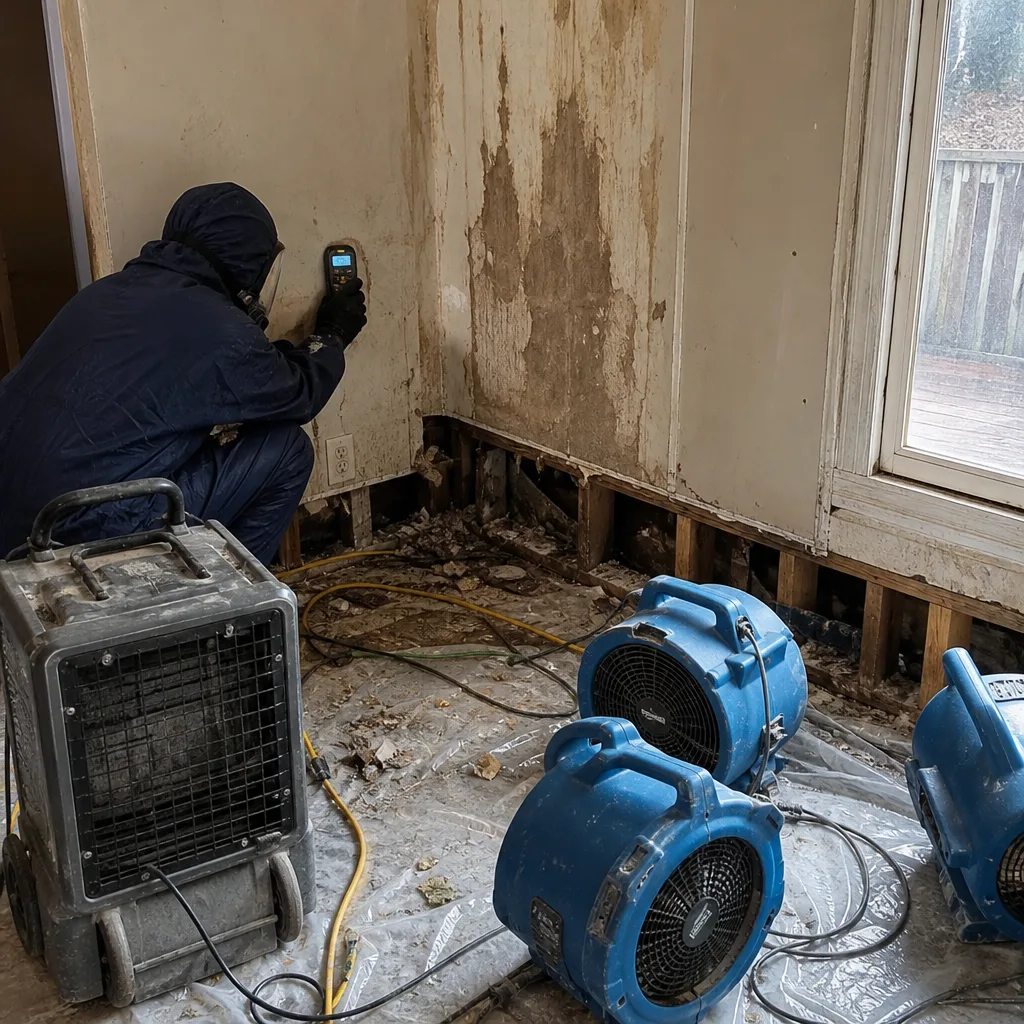 Before
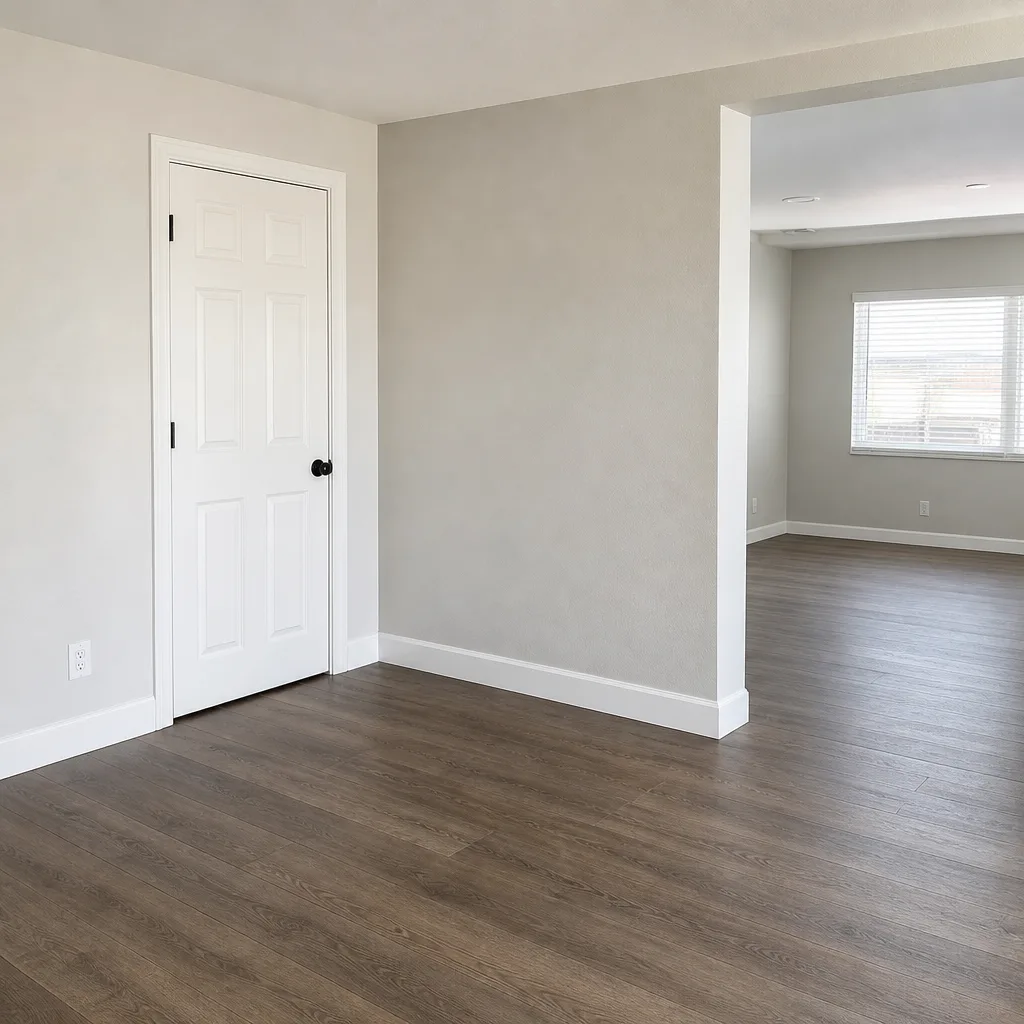 After
After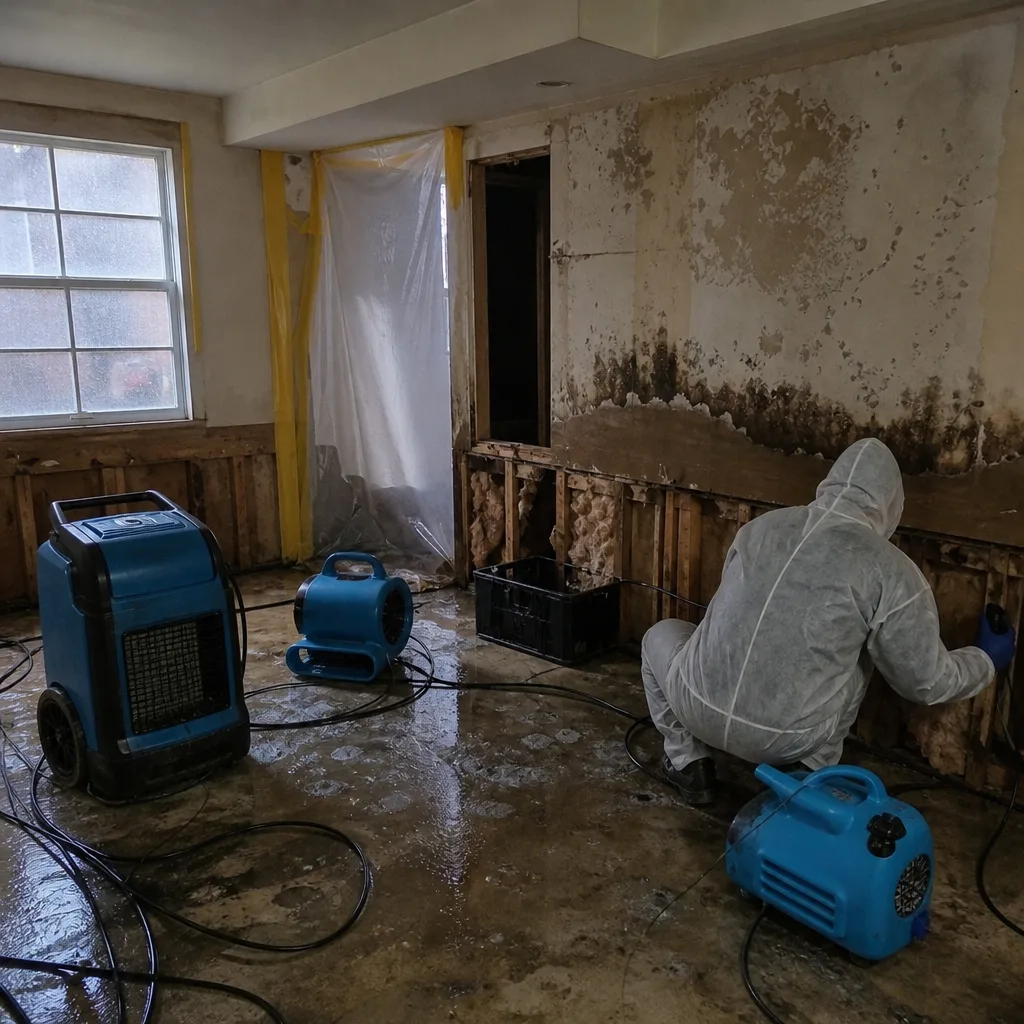 Before
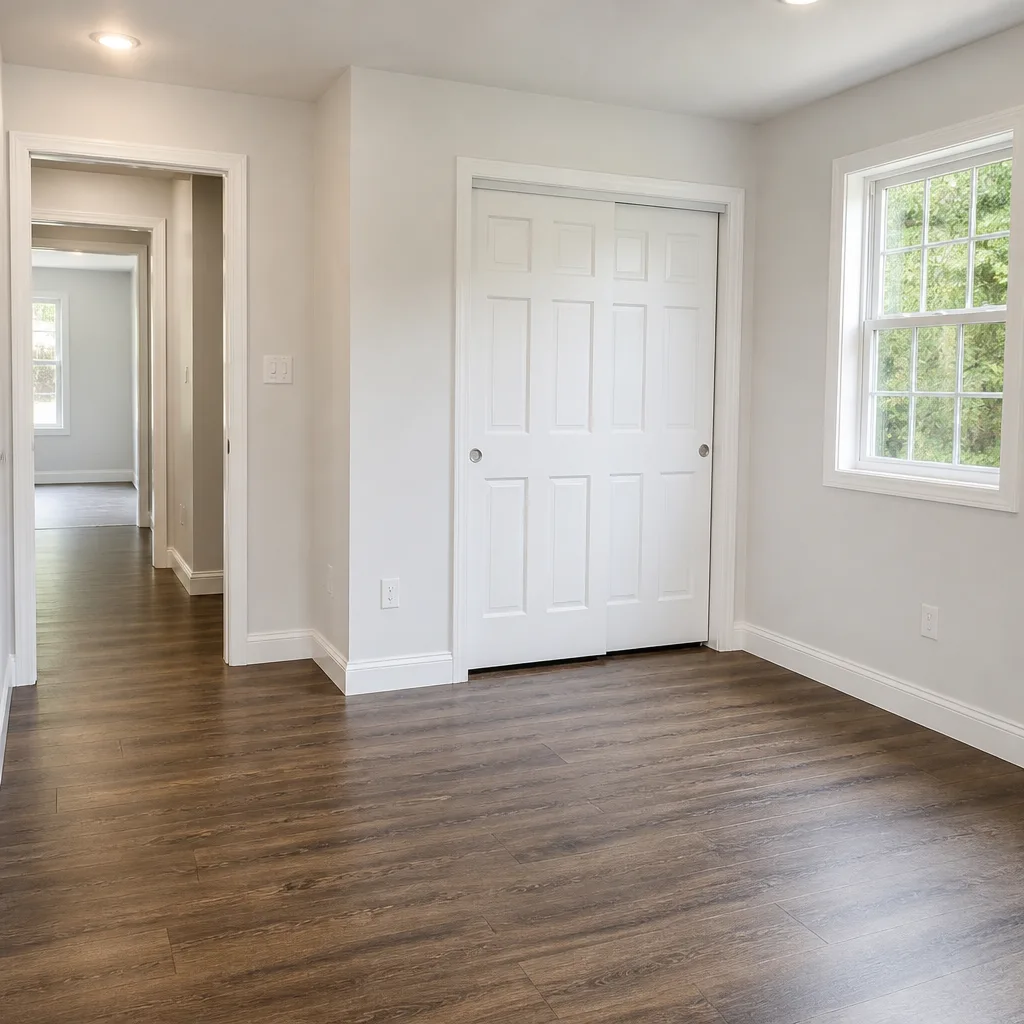 After
AfterDamage Restoration Warning Signs: A Los Angeles Homeowner’s Reference Guide
Here’s a number that should make every Los Angeles homeowner pause: a 2023 insurance industry study found the average water damage claim sat undetected for 11 days before the homeowner noticed anything wrong. Eleven days. That’s the difference between a $400 drying job and a $14,000 mold remediation plus rebuild. The reason isn’t negligence either. It’s that the warning signs in a Los Angeles home don’t look like the warning signs in a Minneapolis home or a Miami home. They hide in our stucco, our plaster, our terrazzo floors, our slab foundations. They smell like canyon air and they look like normal aging. This guide walks you through every sign that’s easy to miss, and tells you exactly which ones need a phone call and which ones you can check yourself. For more guidance on deciding when to DIY and when to call in help, see our DIY vs Professional Water Damage Repair: What’s Safe to Do Yourself.
Quick Answer
The most common water damage warning signs in a Los Angeles home are efflorescence (white chalky residue) blooming on stucco or concrete, a musty smell that gets stronger at night or after rain, unexplained spikes on your water bill, damp or warped flooring on slab foundations, and paint or plaster that bubbles, flakes, or feels cold to the touch. Los Angeles homes hide moisture differently than houses in wetter climates because our building materials – stucco, plaster, and slab-on-grade concrete – wick and trap water rather than draining it.
Table of Contents
- The LA Building Materials That Hide Water Damage
- Efflorescence on Stucco: Not Always “Normal Aging”
- The Five Smell Profiles That Mean Hidden Moisture
- Your Water Bill and Meter: The Leak Detector You Already Own
- How to Confirm Wall Moisture With a $30 Pinless Moisture Meter
- Terrazzo, Tile, and Slab Floors: When Damp Isn’t Condensation
- Self-Inspect vs. Call Now: The Honest Thresholds
The LA Building Materials That Hide Water Damage
Most water damage guides are written generically, as if every house in America is framed the same way and clad in the same siding. Los Angeles is different. Our housing stock leans heavily on three materials that behave in ways generic guides never mention: stucco exteriors, plaster interior walls, and slab-on-grade concrete foundations. Each one hides moisture differently, and each one fails in ways that look like nothing at all until the damage is already significant.
Stucco is porous. It absorbs water slowly, like a sponge with a hard outer crust. When water gets behind stucco – from a failed window flashing, a cracked roofline, or sprinkler overspray – it doesn’t drain away. It sits against the framing and the building paper, trapped by the stucco’s own density. The first visible sign is usually a chalky white bloom on the surface called efflorescence, which most homeowners read as “the house is just getting older.” More on that in the next section.
Plaster interior walls work the same way. Unlike drywall, which crumbles and stains quickly when wet, plaster is cement-based. It holds its shape while absorbing moisture deep into its structure. By the time you see a stain on plaster, the water has usually been sitting behind it for weeks. In our experience with water damage restoration in Los Angeles, plaster homes often need drying equipment run longer than drywall homes because the material holds water so stubbornly.
Slab foundations are the third piece. Most Los Angeles homes sit directly on a concrete slab with no basement and no crawl space. That means any leak in a supply line under the slab, or any groundwater wicking up through the concrete, goes straight into your flooring. Carpet feels damp. Hardwood cups. Laminate swells. Tile stays cool. Homeowners write it off as condensation because Los Angeles does get morning marine layer, but a slab that stays damp for days after the marine layer burns off is not condensation. It’s a leak.
Efflorescence on Stucco: Not Always “Normal Aging”
Efflorescence is that white, chalky, sometimes crusty residue you see blooming on stucco, concrete, and brick. It’s caused by water moving through the material and carrying dissolved salts to the surface. When the water evaporates, the salt stays behind. It’s incredibly common in Los Angeles, especially on older homes in neighborhoods like Silver Lake, Echo Park, and West Adams, and most people have been told it’s just cosmetic. Sometimes that’s true. Sometimes it’s a billboard advertising a leak.
Here’s the distinction. Efflorescence that appears once, cleans off, and never comes back is usually just residual construction moisture or a one-time saturation event that dried out completely. Efflorescence that keeps coming back after you clean it, or that appears in a localized patch below a window or along a roofline, means water is actively moving through that section of wall. The salts are a symptom. The water is the disease.
In Los Angeles, the three most common causes of recurring efflorescence we see are failed stucco flashing at window heads, sprinkler heads spraying directly against the wall, and clogged weep screeds at the base of stucco walls. A weep screed is the metal flashing at the bottom of a stucco wall that allows trapped moisture to drain out. When stucco gets painted over the weep screed or landscapers bury it with soil, water gets trapped at the base of the wall and starts wicking upward. That’s when you see efflorescence forming in a band along the bottom two feet of your exterior walls.
What to do: snap a photo today, clean the area, and check it again in two weeks. If the efflorescence is back, you have active moisture moving through that wall and it’s time to call someone who does water damage repair in Los Angeles to find the source before it rots the framing behind the stucco. A written scope of work with a price in writing before anything starts is non-negotiable on a job like this. You want to know exactly what’s being opened up and what it will cost before the first tool touches the wall.
The Five Smell Profiles That Mean Hidden Moisture
Los Angeles has a lot of smells. Canyon sage, jasmine, car exhaust, the marine layer, damp concrete from morning fog. It’s easy to write off a musty smell in your house as “just LA.” But hidden moisture has a signature, and once you know what to listen for with your nose, you’ll never confuse the two again. Here are the five smell profiles we tell homeowners to pay attention to, and what each one actually means.
- Earthy, like wet soil or a forest floor. This is the classic microbial growth smell. Mold and mildew release volatile organic compounds as they digest organic material, and the smell is earthy because it’s literally the smell of decomposition. In canyon-adjacent neighborhoods like Beachwood Canyon or Laurel Canyon, this gets blamed on the outdoors. But outdoor canyon air doesn’t follow you into the bedroom and get stronger when the door is closed.
- Sharp and sour, like vinegar or old gym clothes. This is bacteria, not mold. When carpet padding or drywall stays wet for days, bacteria flourish. This smell is common under wet carpet on slab floors and behind baseboards after a toilet overflow. If you smell it, the water has been sitting long enough that you’re past drying and into sanitizing territory.
- Dank concrete, like a parking garage after rain. This one is tricky because damp concrete is a normal LA morning smell. The difference is persistence. If the smell lingers all day, gets stronger in one room, or accompanies cool flooring in the middle of August, water is wicking up through your slab or sitting in the wall cavity.
- Sweet and stale, like old books or wet cardboard. This is drywall or plaster at the early stage of saturation. Paper backing on drywall releases this smell before any visible staining appears. It’s an early warning sign that’s easy to miss in older Los Angeles homes with vintage built-ins and heavy drapery.
- Ozone-like, metallic, or like a running electric motor. This is not mold and not bacteria. It’s usually a leaking supply line behind a wall or under a slab, and the moisture is interacting with copper pipes, rebar, or electrical components. This smell is almost always accompanied by a water bill anomaly, which brings us to the next section.
The smell test matters because your nose often finds hidden water before your eyes do. If you smell any of the first four profiles and can’t identify the source within a day or two, a professional mold remediation inspection in Los Angeles is the right next step. Not every musty smell is a full remediation job, but every microbial smell is worth ruling out before it spreads behind walls.
Your Water Bill and Meter: The Leak Detector You Already Own
Every Los Angeles home has a built-in water damage detection system that most homeowners never use: the water meter. Before any visible damage appears, before any smell develops, your meter already knows there’s a leak. A 2023 study from the insurance industry found that homes with monitored water usage caught leaks on average nine days before homes that relied on visible signs alone. Nine days is the difference between drying a wall and rebuilding one.
Here’s the process we walk Los Angeles homeowners through when they call us because their bill spiked or they suspect a hidden leak.
- Find your water meter. In Los Angeles, it’s usually in a concrete box at the property line near the street, sometimes hidden by landscaping. Lift the lid carefully, and don’t be surprised if it’s full of dirt or spiders.
- Turn off every water-using fixture in the house. No running faucets, no dishwasher, no washing machine, no irrigation. Make sure the ice maker isn’t mid-cycle and no toilet is running.
- Check the meter’s leak indicator. Most modern meters have a small triangular or gear-shaped dial called a low-flow indicator. If it’s spinning with everything turned off, you have an active leak somewhere between the meter and your house, or inside your house.
- If the low-flow indicator is still, write down the meter reading and wait 30 minutes. Don’t use any water during this time. Then check the reading again. If it moved, you have a slow leak that only meters in gallons per hour, not gallons per minute.
- Compare your current bill to the same month last year. LADWP bills show your usage history. A 25% or greater jump that can’t be explained by landscaping, pool filling, or house guests means a leak is moving water somewhere you don’t see.
One note for slab homes specifically: a leak in a supply line under the slab often shows up on the meter as a slow, constant draw – maybe 1 to 2 gallons per hour. That’s enough to saturate the soil under your house and start wicking moisture up through the concrete, but not enough to create a visible puddle anywhere. The first sign is usually a warm spot on the floor or a section of tile that’s never fully dry. If your water bill is climbing and you have a persistent warm spot on the floor, you don’t need a plumber’s guess. You need a restoration company that can trace the moisture and tell you exactly where the water is sitting.
How to Confirm Wall Moisture With a $30 Pinless Moisture Meter
You don’t need to open up a wall to know if it’s wet inside. A pinless moisture meter – the kind that looks like a small square or rectangle with a sensor pad on the back – reads moisture through drywall and plaster without punching any holes. They cost $30 to $50 at a hardware store, and they’re the same technology our technicians use during initial assessments, just in a smaller package. Brands like the ones we trust on job sites – the pro-grade units from Dri-Eaz, Phoenix, XPOWER, and B-Air – all make consumer versions or equivalents under different names.
Here’s how to use one to check a suspect wall in your Los Angeles home, step by step.
- Calibrate the meter on a known-dry surface first. Pick a wall in a room that has never had water issues. Take a reading. That’s your baseline. In LA’s dry climate, a healthy interior wall typically reads under 8% on a pinless meter.
- Scan the suspect wall in a grid pattern. Start at the baseboard and work your way up in 12-inch increments, moving across the wall, then vertically. Pinless meters read about 3/4 inch into the material, so you want to cover the entire surface, not just the visible stain.
- Look for zones, not single spots. One slightly elevated reading might be a nail head or a patch of old adhesive. A zone – a band of readings 30% or 40% above your baseline – means moisture is spreading inside the wall cavity.
- Check the same wall on the opposite side. If the wall is wet on the interior side and the exterior side is stucco, you have a wall cavity that’s holding water. If both sides read elevated, the wall is saturated through.
- Mark the perimeter of the wet zone with painter’s tape. This gives you (or a restoration technician) a visual map of where the moisture boundary is, which matters for drying equipment placement.
A reading above 20% on drywall or plaster is a red flag. Anything above 30% is an active water problem. Use these thresholds before you spend $100 on a handyman to “check things out.” A $30 meter gives you more information than a visual inspection ever can, and it gives you the confidence to call a restoration company with a specific, measurable concern instead of a vague “there’s something weird in the wall.” When we do water damage restoration in Los Angeles, every assessment includes documented moisture readings with photo evidence, so you know what we found, where, and what the drying plan is before work starts.
Terrazzo, Tile, and Slab Floors: When Damp Isn’t Condensation
Los Angeles homes from the 1920s through the 1960s often feature terrazzo floors – that beautiful, polished composite stone you see in older multi-unit buildings and mid-century homes from the San Fernando Valley to Long Beach. Terrazzo is also a moisture conductor. It stays cool, it absorbs ambient humidity, and it never looks “wet” the way carpet does. Homeowners with terrazzo floors often describe a vague sense that “the floor always feels a little damp” and write it off as the marine layer or slab construction. But a terrazzo, tile, or polished concrete floor that feels damp after two or three consecutive warm days is wicking water from somewhere.
Here’s what to look for, floor by floor type.
- Terrazzo: Look for dark, matte patches that don’t polish back to shine. Terrazzo is naturally shiny when dry. A dull patch usually means water is moving through the slab underneath and saturating the stone from below.
- Ceramic tile: Check the grout lines near exterior walls and in bathrooms. Grout that’s darkened, crumbly, or showing salt bloom is wicking moisture. Tap with a screwdriver handle – solid grout rings, saturated grout thuds.
- Hardwood on slab: Cupping, crowning, or buckling boards mean the wood is absorbing moisture. In Los Angeles, this is almost always a slab leak or a waterproofing failure, not humidity.
- Laminate or vinyl plank on slab: Seams separating or planks lifting at the edges. Water is pooling between the vinyl and the slab, even if you can’t see it.
- Carpet on slab: Pull up a corner in the suspect room. If the tack strip is rusted, the carpet padding is discolored, or the concrete underneath feels damp to the touch, you have a moisture problem in the slab.
The key distinction in Los Angeles is time. Morning condensation from the marine layer dries by noon. A slab leak doesn’t. If you have a floor that’s damp at 7 a.m. and still damp at 7 p.m., it’s not condensation. It’s a water source under or inside the slab, and it needs professional attention before the moisture spreads to walls and furniture.
Self-Inspect vs. Call Now: The Honest Thresholds
Not every warning sign needs a phone call. We’d rather tell you to save your money and keep an eye on something than send a crew to your house for a non-issue. Here’s our honest breakdown, in our experience inspecting thousands of Los Angeles homes since 2006, of when to self-inspect and when to pick up the phone.
Self-inspect (keep an eye, document it):
- One-time efflorescence that cleans off and doesn’t return in two weeks.
- A musty smell that disappears when you open windows and run a fan, and doesn’t return.
- A single cool tile in a bathroom after a shower, with no discoloration or grout damage.
- Water meter reading that’s stable month over month, with no bill spike.
- Paint peeling in a window frame after a rainstorm, if the area dries and stays dry.
Call now (active damage is happening right now):
- Recurring efflorescence in a localized band on an exterior wall.
- A musty or sour smell that gets worse when doors and windows are closed.
- Water meter showing active flow with all fixtures off.
- Flooring that’s damp at night after a full LA summer day.
- Paint bubbling, plaster flaking, or baseboards swelling in a room with no visible plumbing.
- Any warm spot on a slab floor combined with a rising water bill.
When it’s a call-now situation, the most important thing is speed of response and clarity of price. Water damage doesn’t pause while you compare quotes. In Los Angeles, a live person answering the phone at 2 a.m., a written price before any work starts, and a technician with a live arrival time you can track are the difference between a controlled drying job and a rebuild. Those are not marketing lines. Those are the standards every restoration company should meet, and the ones we built Wendell Water Damage Restoration on from day one.
Common Mistakes to Avoid
- Writing off musty smells as “the canyon” or “old house smell.” Homes in Silver Lake, Echo Park, and the Hollywood Hills do pick up outdoor smells, but a smell that lives in one room, gets stronger at night, or clings to furniture is indoor moisture, not canyon air.
- Painting over efflorescence or water stains. Paint traps moisture and salts, forcing the water deeper into the wall. The stain comes back, usually worse, within a season. Fix the water source first, then paint.
- Using a standard moisture meter on stucco and trusting the reading. Standard pin meters read surface conditions on porous materials. Stucco needs a pinless meter with a deep-read mode, or the reading will show dry when the wall cavity behind it is saturated.
- Ignoring a slow-dripping supply line under the slab because “it’s a plumber problem, not a restoration problem.” The leak is a plumber’s job. The wet slab, saturated drywall, and mold in the wall cavity are restoration. Both need to happen, and the drying needs to start immediately, not after the plumbing is fixed.
- Assuming all mold remediation requires gutting the house. Most Los Angeles mold issues are localized and treatable. But letting a small issue sit for six months because you’re afraid of the cost turns a $600 treatment into a $12,000 rebuild. Get it assessed early, with a written scope and a price in writing.
- Running a box fan on a wet wall and calling it “drying.” A box fan moves surface air. It does not remove moisture from inside a wall cavity. Psychrometric drying (tracking the air’s moisture level so we know when your home is truly dry, not just surface-dry) requires professional equipment and monitoring.
When to Call a Professional
Call a professional when you have confirmation of active water – a moving meter with everything off, a moisture meter reading above 20% in a wall, a floor that stays damp through an LA afternoon, or a smell profile that matches the descriptions above and won’t go away. These are not situations that self-resolve. Water in a wall cavity, under a slab, or behind stucco stays there until someone removes it. The longer it sits, the higher the cost and the larger the claim.
Wendell Water Damage Restoration offers free estimates in Los Angeles, with a live person answering the phone 24/7 and a written price before any work starts. We arrive with a live arrival time you can track, document everything with before-and-after photos by text, and every job includes the 365-Day Done Right Promise in writing. If it’s not done right, we make it right. Call (940) 466-4354 and we’ll talk through what you’re seeing, what it means, and what it will cost to fix – before you commit to anything.
Frequently Asked Questions
The first signs are usually efflorescence on stucco, a musty smell that gets stronger in closed rooms, unexplained water bill increases, damp flooring on slab foundations, and bubbling or flaking paint on plaster walls. Los Angeles building materials hide moisture longer than drywall-heavy homes, so by the time you see a stain, the water has often been present for a week or more. If you’re noticing any of these, call (940) 466-4354 for a free assessment with a written price before any work starts. You can also explore more guides & resources on spotting and handling water damage in LA homes.
Yes, and it happens constantly in Los Angeles. Stucco is a cement-based material that holds its structure while absorbing moisture, so water behind stucco can rot framing and sheathing for months before any exterior sign appears. The first visible indicators are usually interior: peeling paint near windows, musty smells, or elevated moisture meter readings on interior walls adjacent to exterior stucco. If you suspect hidden damage, a professional inspection with documented moisture readings is the right call.
Insurance coverage for water damage depends on the source of the water and your policy’s specific language, but the key to any successful claim is documentation. Photo documentation of the damage, moisture meter readings, and a written scope of work from a restoration company all support your claim. At Wendell, we document every job with before-and-after photos by text and provide a written scope that your adjuster can review directly. Call (940) 466-4354 and we’ll walk you through what your policy is likely to cover based on the source of the water.
Microbial growth begins within 24 to 48 hours of water exposure, and in Los Angeles’s warm climate, that timeline can move faster in the summer. The average claim goes undetected for 11 days, meaning most mold issues are well-established by the time they’re discovered. A Category 1 (clean water) loss becomes a Category 2 or 3 within that window because of microbial growth. If you’ve had water in the house for more than 48 hours, assume microbial activity has started and get it assessed.
Yes. A $30 pinless moisture meter reads moisture through drywall and plaster without any holes, and your LADWP water meter shows active leaks with all fixtures turned off. These two tools catch most hidden leaks before visible damage appears. For anything reading above 20% on a pinless meter, or for any bill spike you can’t explain, call a professional. The estimate is free, and you’ll know exactly what you’re dealing with before any walls are opened.
Wendell Water Damage Restoration answers every call with a live person, 24/7, and dispatches background-checked, uniformed technicians with a live arrival time you can track. Water damage doesn’t keep business hours, and neither does the damage spreading through your walls while you wait. Call (940) 466-4354 and we’ll give you an arrival time, a written price before any work starts, and photo updates by text so you know exactly what’s happening at every step.
The Bottom Line
Water damage in Los Angeles hides in the materials that make our homes unique – stucco, plaster, and slab-on-grade concrete. It masquerades as normal aging, canyon air, and morning condensation. But once you know the five smell profiles, the efflorescence test, and the two tools already at your disposal (your LADWP meter and a $30 pinless moisture meter), you can catch most damage in the early window where drying beats rebuilding. When it’s beyond a self-inspect situation, the right move is speed plus transparency: a company that answers the phone, gives a price in writing, shows up when they say, and documents everything. That’s how we’ve done it since 2006, and it’s how we’ll do it on your house too. Call (940) 466-4354 for a free estimate in Los Angeles. Wendell Water Damage Restoration home.
Written by Blake Sorensen, Owner at Wendell Water Damage Restoration, serving Los Angeles since 2006.