
Last updated October 9, 2026
Free visual inspection and a written scope of work before any mitigation begins - photos, moisture readings, and drying logs go in your claim file
The scope we write is the scope we bill. Anything new gets shown to you, in writing, before we touch it.


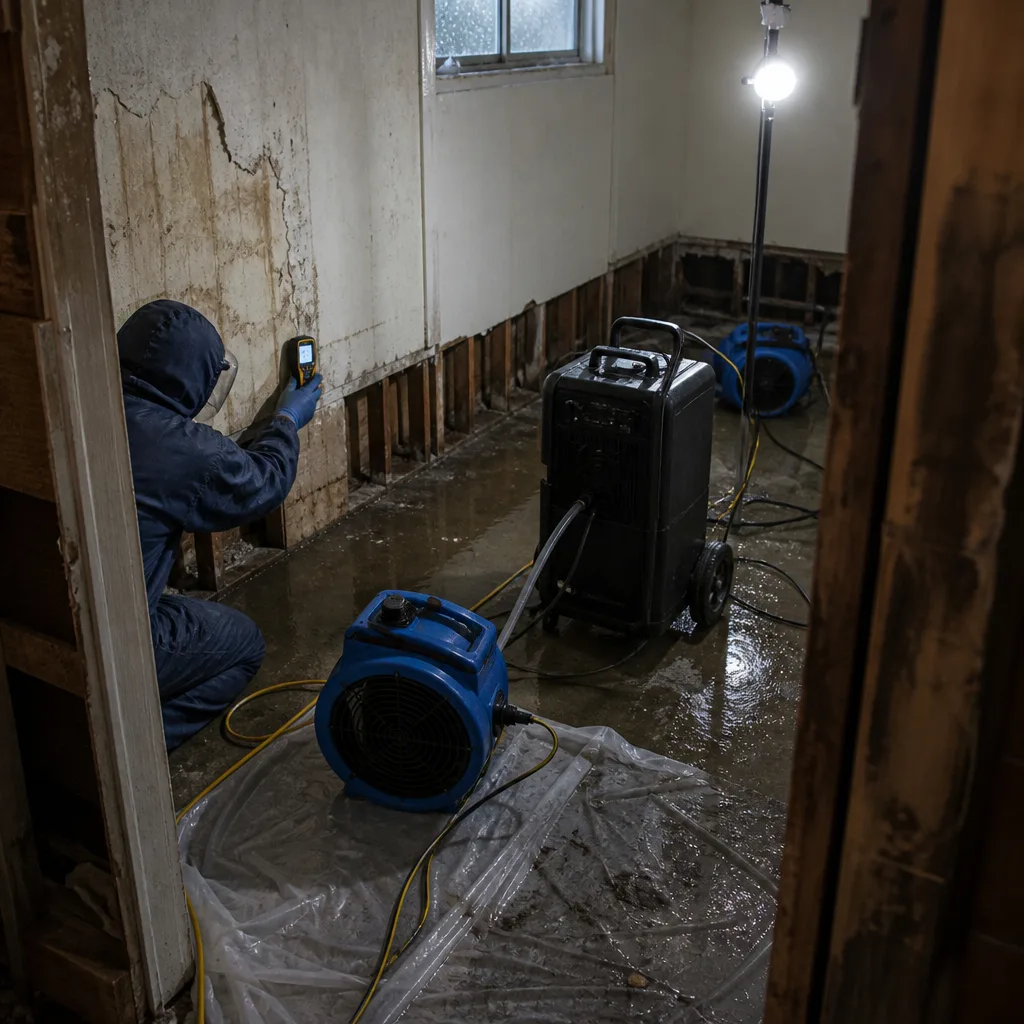 Before
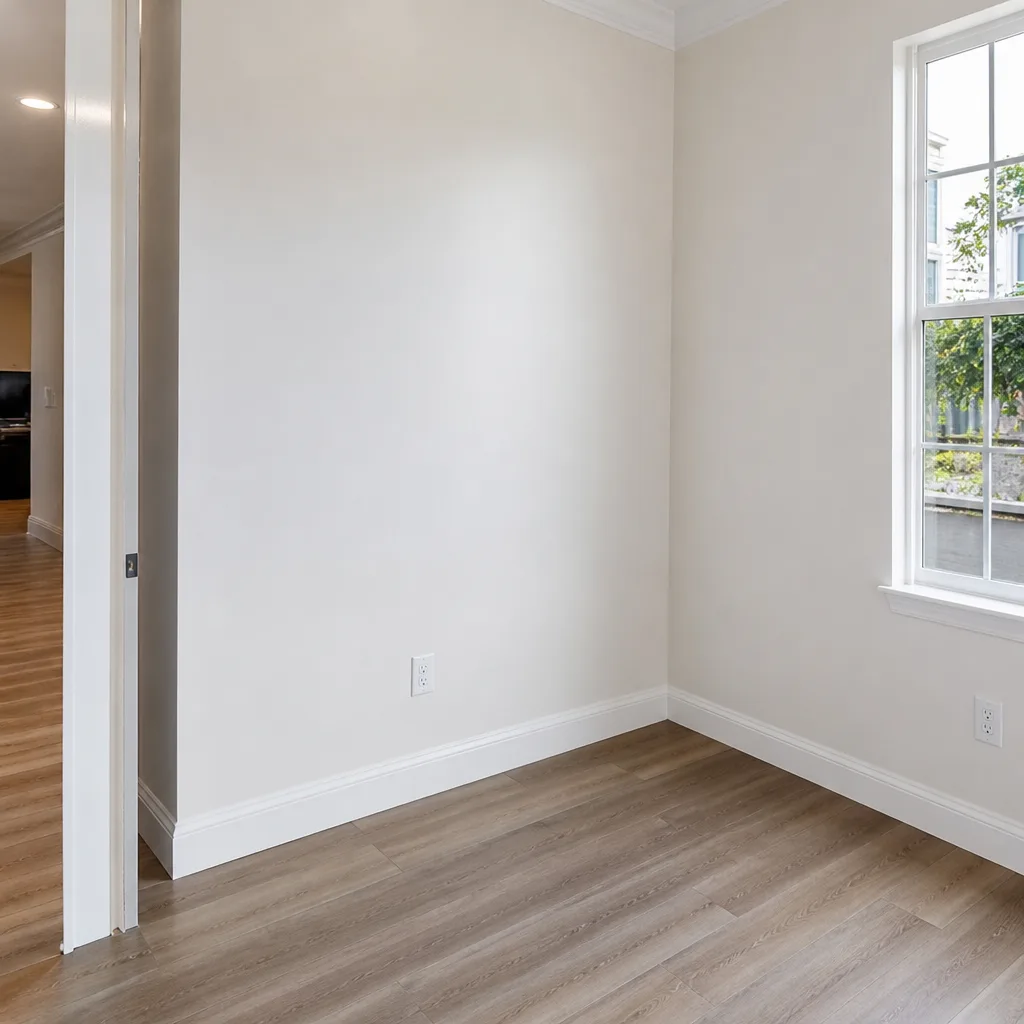 After
After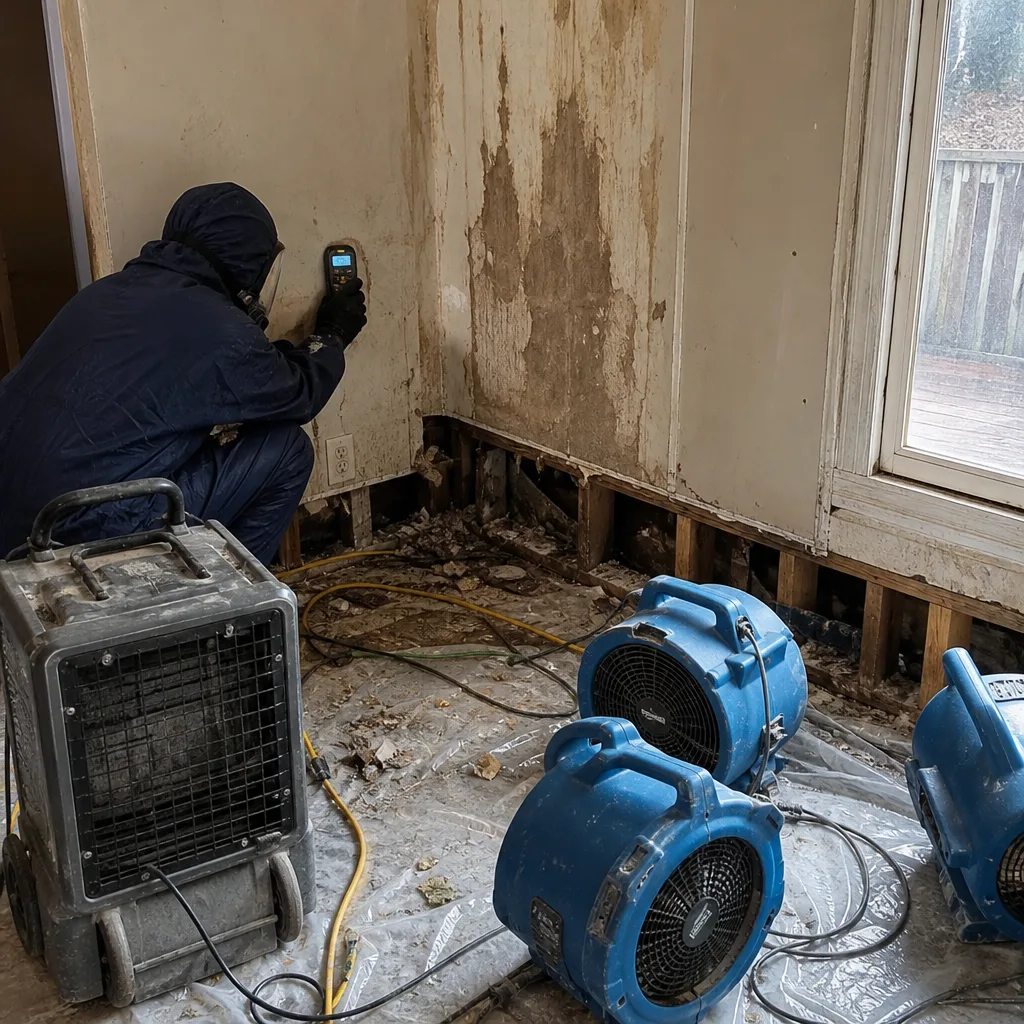 Before
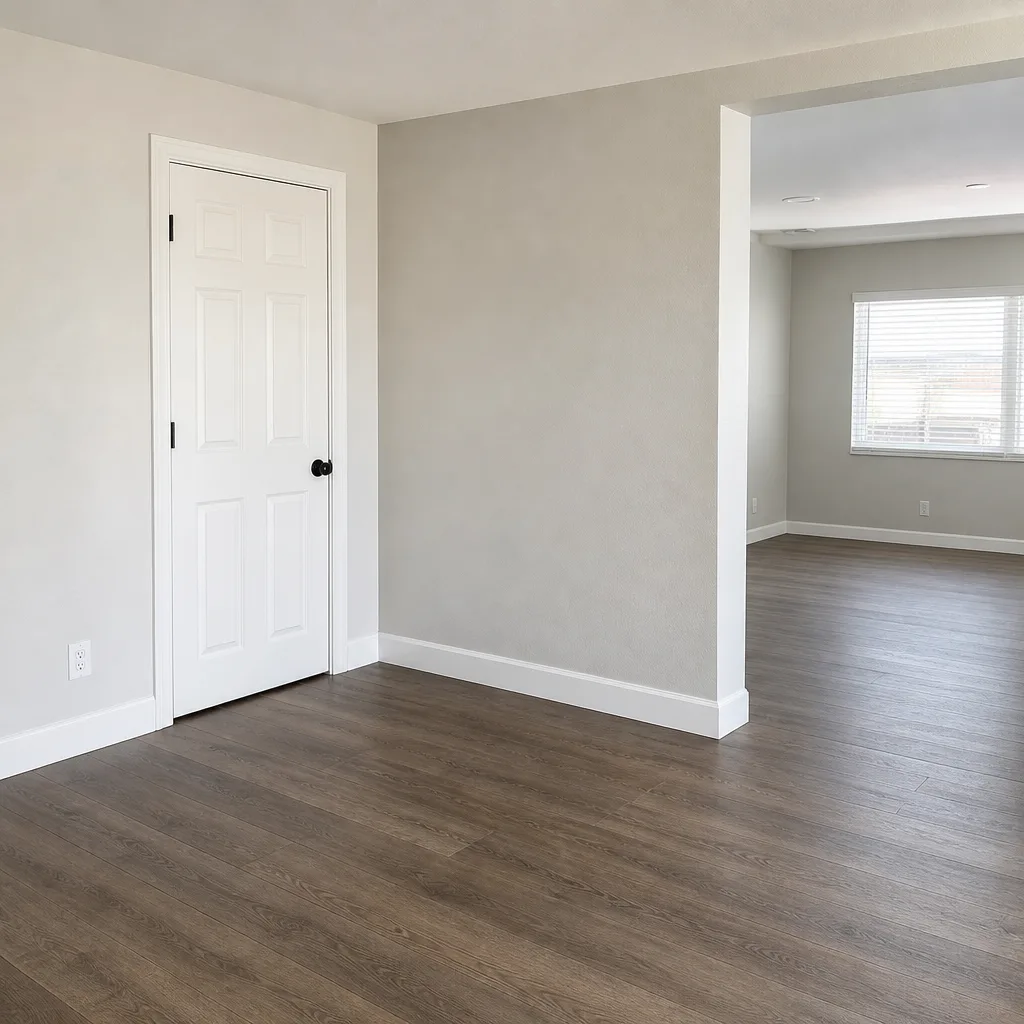 After
After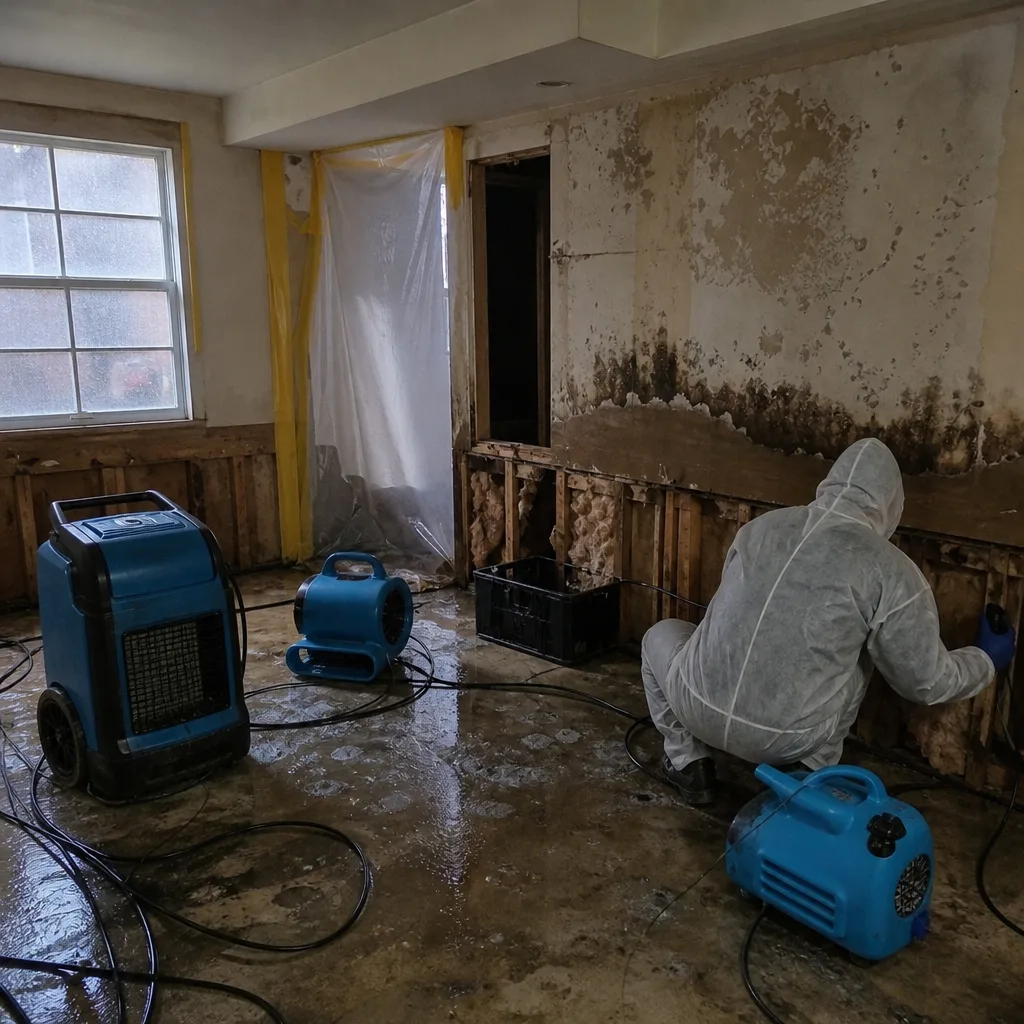 Before
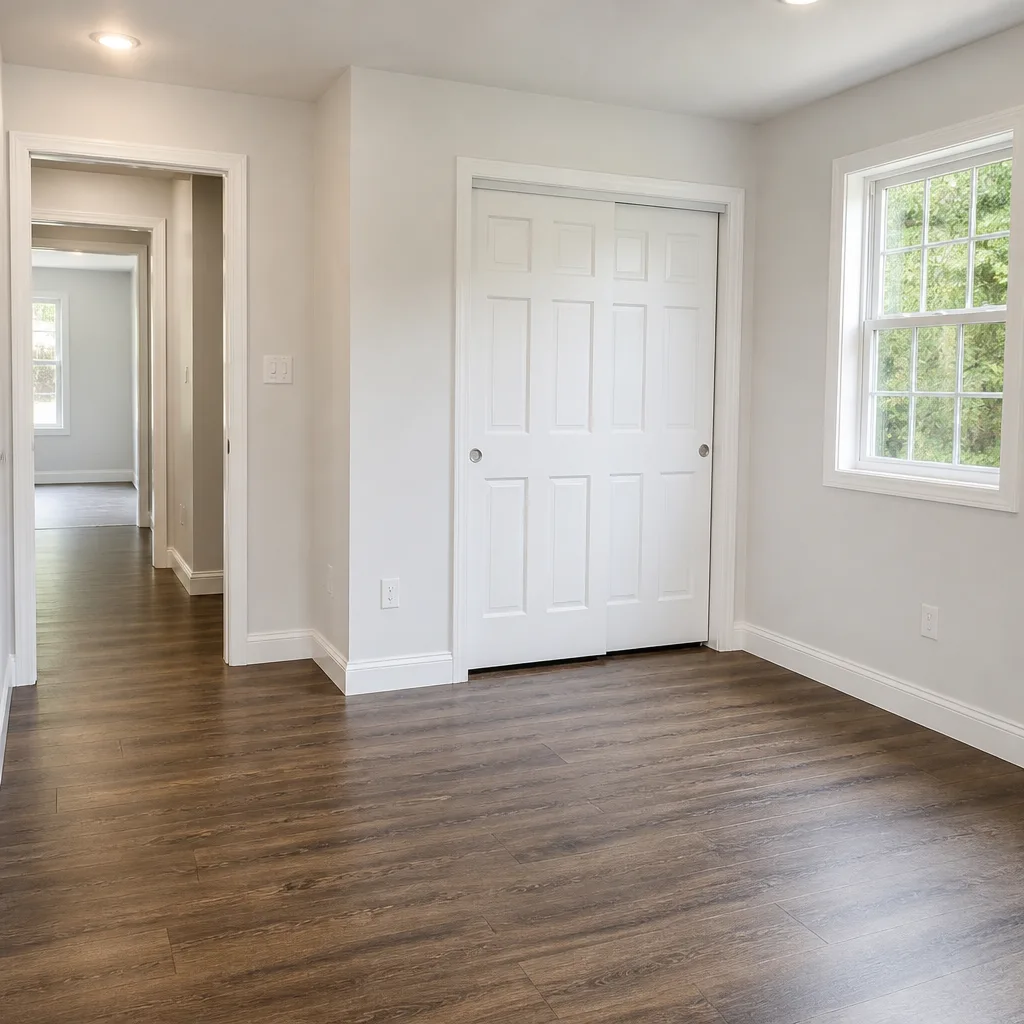 After
AfterDamage Restoration Permits, Codes & Inspections in CA: What You Need to Know
Replacing drywall after water damage sounds cosmetic, but in California it can legally require a building permit the moment it involves any electrical, plumbing, or load-bearing element. In Los Angeles, where much of the housing stock dates to the 1950s and 1960s, that threshold gets crossed constantly. A simple water heater leak can become a permit-triggering repair the second a plumber cuts into a wall to replace a section of corroded pipe. This guide explains which restoration tasks actually require a permit in LA County, who is legally responsible for pulling it, what inspections look like, and how to avoid inheriting an unpermitted repair that surfaces during a home sale.
Quick Answer
In California, restoration work requires a building permit whenever it involves structural changes, electrical wiring, plumbing lines, or HVAC ductwork. Purely cosmetic repairs like painting, trim replacement, or patching drywall that does not conceal mechanical or structural work typically do not. In Los Angeles specifically, any repair that touches load-bearing framing, replaces more than a section of plumbing, or modifies electrical circuits falls under the Los Angeles Municipal Code and needs LADBS sign-off. Mold remediation has a separate regulatory track under California Department of Public Health guidelines, and clearance documentation often matters more than a building permit; see our DIY vs Professional Mold Remediation: What’s Safe to Do Yourself guide for context.
Table of Contents
- When Does Restoration Work Actually Need a Permit in California?
- Los Angeles Municipal Code: Specific Thresholds and Dollar Amounts
- Mold Remediation, CDPH Guidelines, and the Clearance Report Question
- The Permit-Pulling Responsibility Chain: Who Is Liable When Work Is Done Unpermitted?
- How to Pull a Permit in the LADBS Online Portal: Step by Step
- Final Inspection and the Certificate of Completion: Why It Protects Your Resale Value
- How Permits Interact With Your Insurance Claim
- Common Mistakes to Avoid
- When to Call a Professional
- Frequently Asked Questions
- The Bottom Line
When Does Restoration Work Actually Need a Permit in California?
California’s building code draws a bright line between work that is cosmetic and work that changes the building’s structure, systems, or safety envelope. The California Building Code (CBC), adopted statewide and amended locally, requires a permit for any construction, alteration, repair, or demolition that involves structural components, electrical circuits, plumbing lines, or mechanical systems like HVAC. Drywall patch alone? No permit. Drywall patch that covers a newly repaired section of copper supply line? Permit, because the plumbing work behind the drywall is regulated.
Here is where most Los Angeles homeowners get confused. The damage restoration industry often works in a gray zone because the original damage is an emergency. You do not need a permit to extract water, run dehumidifiers, or remove wet drywall as a mitigation measure. You may need one the moment you reconstruct. In our experience handling water damage restoration in Los Angeles, the permit question usually pivots on what was found behind the wall, under the floor, or in the ceiling cavity.
- Always requires a permit: Structural framing repair, foundation work, any change to load-bearing walls, electrical panel work, rewiring circuits, water heater replacement, sewer line replacement, ductwork replacement, window or door opening changes.
- Sometimes requires a permit: Plumbing pipe replacement beyond a short repair section, drywall replacement covering electrical or plumbing work, insulation replacement in exterior walls, bathroom rebuilds that change fixture locations.
- Rarely requires a permit: Painting, baseboard replacement, carpet and pad replacement, patching small drywall holes, replacing cabinet doors, swapping like-for-like light fixtures without wiring changes.
The practical rule: if the repair involves anything you cannot see after the drywall goes back on, ask whether the hidden work is regulated. If it is, the permit is not optional.
Los Angeles Municipal Code: Specific Thresholds and Dollar Amounts
Los Angeles uses the Los Angeles Municipal Code (LAMC) to modify the CBC, and the LADBS (Los Angeles Department of Building and Safety) enforces it. LAMC Section 91.106 covers permit requirements. It does not use a dollar amount as the primary trigger, unlike some unincorporated county jurisdictions that exempt work under a certain valuation. In the City of Los Angeles, the permit trigger is the scope of work, not the price tag. A $600 plumbing repair can require a permit if it involves replacing a section of waste line, while a $6,000 painting job never will.
That said, valuation matters for permit fees. LADBS calculates permit fees based on the declared value of the work. For a typical water damage repair involving drywall replacement, insulation, and a like-for-like plumbing repair, the plan check fee and permit issuance fee often run between $200 and $800 depending on the scope. Electrical permits for panel work or circuit rewiring typically run $150 to $400. Plumbing permits for pipe replacement run $100 to $300. These are project-specific ranges; the LADBS website has a fee calculator that gives exact figures.
- Electrical work: Any modification to a circuit, not just the panel, triggers an electrical permit. Replacing a damaged outlet with the same outlet does not. Moving an outlet six inches because the wall cavity changed does.
- Plumbing work: Replacing a fixture like a toilet or faucet does not require a permit. Replacing any section of supply or drain line does. Water heater replacement always requires a plumbing permit and an inspection.
- Structural work: Any cut into a load-bearing wall, any change to a beam, header, or joist, any repair to sill plates or studs that carry load, requires a structural permit with plans.
- Mechanical work: Ductwork replacement, furnace repair, or relocation of venting requires a mechanical permit. Swapping a furnace filter does not.
Los Angeles neighborhoods with older construction are particularly prone to unpermitted work surfacing. In Atwater Village, Highland Park, and parts of the San Fernando Valley, we see homes built in the 1940s and 1950s where previous owners did their own wiring or plumbing. When water damage opens a wall in those homes, the restoration contractor sometimes has to flag work that was never permitted in the first place, and that complicates the current repair; our Damage Restoration Warning Signs: A Los Angeles Homeowner’s Reference Guide covers how to spot these issues early.
Mold Remediation, CDPH Guidelines, and the Clearance Report Question
Mold remediation sits on a completely different regulatory track than building permits in California. There is no building permit for mold removal itself. What governs mold work is the California Department of Public Health (CDPH) and its 2001 Toxic Mold Protection Act, which established a code of practice for mold assessment and remediation. The CDPH guidelines do not require a building permit for removing moldy drywall or treating fungal growth. What they do specify is how the work should be performed: containment, negative air, HEPA filtration, and anti-microbial treatment.
Here is what Los Angeles homeowners actually need to know. If mold remediation uncovers structural damage, plumbing leaks that caused the mold, or electrical corrosion, then a building permit enters the picture for the repair work. The mold removal itself never triggers a permit. The underlying fix might. Mold remediation in Los Angeles often runs into this in bathrooms and under sinks, where the mold came from a slow plumbing leak that has now damaged the subfloor or the studs behind the wall.
Clearance testing is a separate question. California does not legally require a post-remediation clearance report from a certified industrial hygienist for residential mold work. It is best practice, and many insurance carriers ask for it, but it is not a statute. The CDPH guidelines state that the home should be returned to a condition where indoor mold levels are no higher than outdoor baseline levels. A clearance report from a certified hygienist documenting post-remediation air samples is the most defensible way to prove this. If you are selling the home, that report becomes part of your disclosure file and answers the buyer’s mold question in writing. If you are filing an insurance claim, the report shows the carrier that the remediation was done to professional standard and the claim should be closed as completed.
Blake Sorensen, who runs Wendell Water Damage Restoration home operations in Los Angeles, puts it plainly: get the clearance report even when nobody is asking for it. The $300 to $600 it costs is cheaper than a failed home inspection or a reopened insurance claim a year later.
The Permit-Pulling Responsibility Chain: Who Is Liable When Work Is Done Unpermitted?
The short answer under California law: the property owner is ultimately liable for unpermitted work, regardless of who did it. But the practical chain is more complicated, and knowing it can save you from a legal mess.
When a general contractor performs restoration work, California Business and Professions Code Section 7031 requires that contractor to pull the permits for work they perform. The contractor is the permit applicant, the contractor is the responsible party for callbacks during inspection, and the contractor’s license is on file with LADBS. If a GC does unpermitted work, the Contractors State License Board can discipline the license, and the homeowner can pursue a civil claim.
When a subcontractor does the work, the permit responsibility typically flows through the general contractor, not the sub. A licensed plumbing sub pulling an electrical permit is a red flag. If a plumbing contractor does the work and fails to pull the plumbing permit, they can be cited by LADBS as well as CSLB. But the homeowner remains the party who must answer for unpermitted work when the city inspector finds it during a subsequent inspection, a property sale, or an insurance audit.
What happens if you bought a home with unpermitted restoration work? Los Angeles requires sellers to disclose unpermitted work on the Transfer Disclosure Statement. If the seller fails to disclose and the buyer discovers unpermitted work, the seller can be liable for the cost of bringing the work into compliance, including tearing out drywall to expose the work for inspection. This is why buyers in LA frequently run an LADBS records check before closing. If the records show a permit for the kitchen but the kitchen has new layout elements beyond the permit’s scope, that is a red flag.
If you are doing the restoration as a homeowner and hiring unlicensed labor, the liability is entirely yours, as explained in our DIY vs Professional Damage Restoration: The Los Angeles Homeowner’s Decision Guide. Unlicensed contractors cannot pull permits in California, period. That’s one reason unlicensed work is so dangerous: it is by definition unpermitted, and you inherit every consequence.
How to Pull a Permit in the LADBS Online Portal: Step by Step
LADBS moved most of its permit process online through the e-Permit portal. Here is the actual sequence for a typical restoration project where a contractor is doing the work and the homeowner is the property owner of record.
- Determine the permit type. Visit the LADBS permit type finder. For restoration work, the most common is the “Alteration/Repair” permit for non-structural work like drywall and plumbing repair. Structural work requires a plan check permit with architectural drawings.
- Prepare the documents. For a simple repair permit, LADBS typically wants a scope of work description, a simple floor plan showing the affected area, and photos of the damage. Structural work requires stamped engineering drawings.
- Submit through e-Permit. The contractor or homeowner creates an e-Permit account, fills out the application, attaches documents, and pays the fee online. LADBS typically issues a repair permit in 24 to 48 hours for simple scopes. Plan check permits take 2 to 6 weeks depending on complexity.
- Post the permit. LADBS requires the permit to be posted at the job site, visible from the street or accessible to the inspector.
- Call for inspection at the right stage. Inspection timing is critical. For a wall that was opened for water damage, the inspector must see the rough work before drywall goes back: framing, plumbing, electrical, insulation. If you drywall over it before the inspection, the inspector will require you to tear it out.
- Pass inspection and close the permit. The inspector signs off, LADBS updates the record, and the property’s permit history shows the work as permitted and completed.
What should a restoration company handle on your behalf versus what requires your signature? The permit application requires the property owner’s name and address, but the contractor’s license is the professional credential on file. In practice, a licensed restoration contractor should prepare the scope, file the application, schedule the inspection, and be present when the inspector arrives. The homeowner signs the permit as the owner, and in many cases the inspector will not final-close the permit until the owner’s signature is on record. A good restoration company makes the process invisible; a bad one leaves you to navigate e-Permit alone.
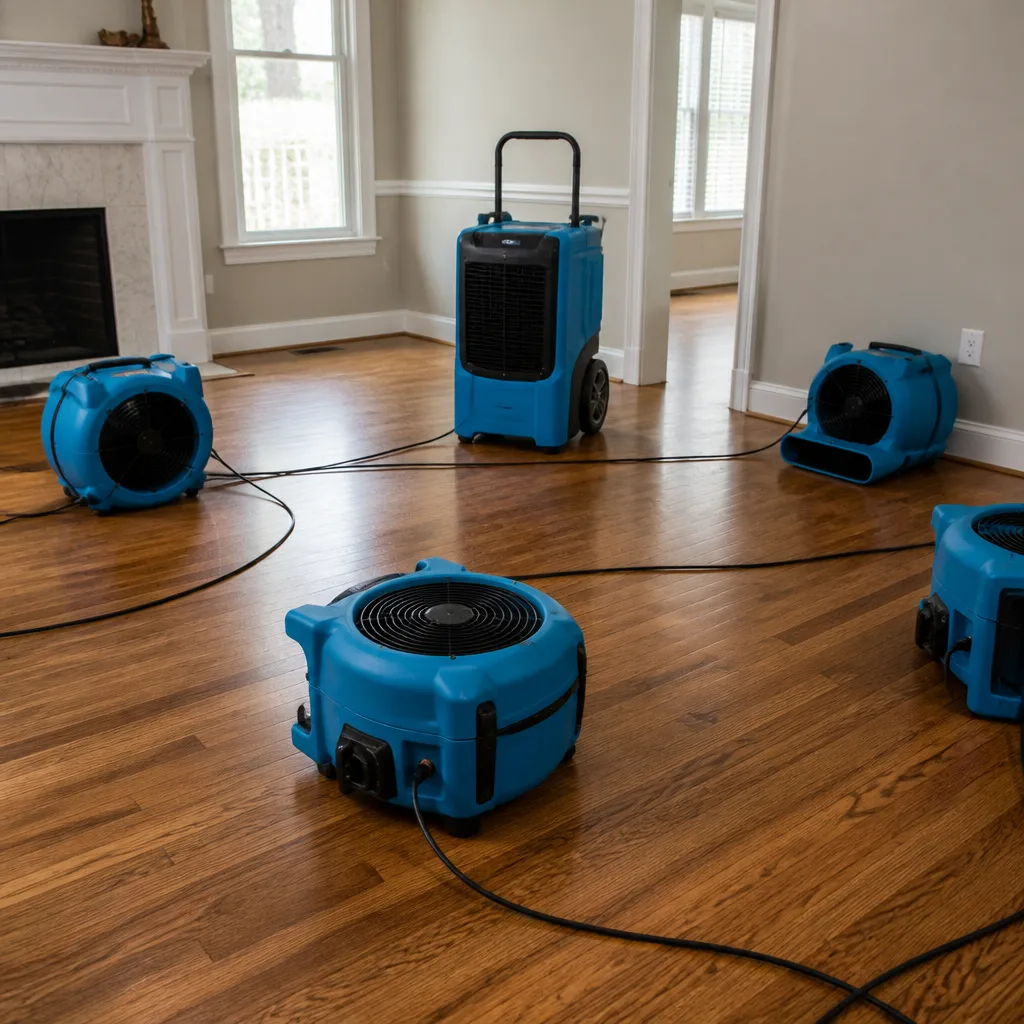
We use professional-grade drying equipment from Dri-Eaz, Phoenix, XPOWER, B-Air, and Injectidry on our water damage jobs, and our technicians know which open-wall repairs require a permit before the first piece of drywall comes off. That knowledge matters in Los Angeles, where inspectors deal with a large volume of restoration work and have seen every unpermitted repair trick there is.
Final Inspection and the Certificate of Completion: Why It Protects Your Resale Value
The final inspection is the step most homeowners skip. The repair looks fine, the paint is dry, the furniture is back in place, and the inspection call never happens. Then the home goes up for sale three years later, the buyer’s inspector or the buyer’s lender pulls LADBS records, sees an open permit or no permit at all, and the sale stalls.
A certificate of completion, also called the final inspection sign-off, is the LADBS document that shows the permitted work was inspected and approved. It serves three specific functions in Los Angeles:
- Resale disclosure. The Transfer Disclosure Statement asks whether any work was done with permits and whether all permits are closed. A certificate of completion is the hard answer to that question.
- Insurance documentation. Carriers want to see that repairs were permitted and inspected before they renew a policy or close a claim. A finaled permit is your paper trail.
- Future permit history. When you apply for a future permit, LADBS checks the property records. Open permits or unresolved code violations can block new permits until resolved.
What happens at final inspection for a typical restoration job: the inspector verifies that the work matches the approved scope, that the rough work was inspected and signed off, that the finished surfaces are complete, and that no code violations are visible. The inspector then signs the job card, the contractor closes the permit with LADBS, and the certificate is issued.
For Los Angeles homeowners, the certificate of completion is the single most underrated document in the restoration process. It costs nothing beyond the permit fee you already paid. It protects the resale value of the home and keeps an insurance record clean. And it ensures that when the next buyer asks “Was this repaired properly?” there is a city document that says yes.
We also recommend keeping the certificate with your closing documents and insurance policy files. If you ever sell, that file becomes part of your seller disclosure, and it will head off the single most common sale-killer in Los Angeles: an unpermitted repair discovered at escrow.
How Permits Interact With Your Insurance Claim
Insurance carriers in California do not require permits for every restoration repair, but they increasingly ask about them on structural and system-level work. If your water damage claim involves a full bathroom rebuild, a kitchen cabinet replacement with plumbing relocation, or any electrical rework, the adjuster will note the permit requirement in the estimate.
Here is the practical reality. If your carrier estimates that permitted work is required and you choose to do the repair unpermitted, you create a problem for yourself on two fronts. First, you carry the legal liability described above. Second, if a subsequent issue arises from that repair, the carrier can argue the work was not done to code and deny the follow-up claim. That is a very real risk in Los Angeles where older homes frequently have secondary damage after the first repair.
Photo documentation matters here. Our process at Wendell Water Damage Restoration includes before and after photos texted to you throughout the job, which we also provide to your adjuster as part of the claim file. When the carrier sees a documented scope of work, permit application if required, rough inspection photos, and a finaled permit, the claim closes faster and without dispute. The carrier’s file shows permitted, inspected, documented work, and there is nothing left to question.
If you are working with a restoration company and the adjuster is coordinating the claim, ask one question: “Who is pulling the permit for this repair?” The answer tells you a lot about how the project will be run.
Common Mistakes to Avoid
- Patching drywall over unpermitted plumbing or electrical work. The inspector will make you open the wall again. This is the most common mistake we see in Los Angeles homes, and it doubles the cost of the repair.
- Assuming a small repair is always exempt. The scope, not the size, triggers the permit. A two-foot section of replaced drain line behind a shower wall requires a plumbing permit even if the visible repair is tiny.
- Trusting an unlicensed contractor who says “we don’t need a permit for this.” Unlicensed contractors cannot pull permits in California. If the person doing the work says a permit is unnecessary, ask them to show you a license first.
- Not calling for the rough inspection before drywall goes back. Once the drywall is up, the inspector cannot verify the work, and you will be opening the wall again. In Los Angeles, this means a re-inspection fee and a delay.
- Failing to close a permit after the work is done. An open permit stays on the LADBS record and will surface during a sale. Closing the permit is a simple step that many homeowners never complete because the contractor disappears.
- Treating mold clearance as optional when selling the home. A $400 clearance report can be the difference between a clean sale and a canceled escrow over a buyer’s mold concern. Get it done and file it.
- Letting the insurance estimate drive the permit decision. The carrier’s estimate may not include permit fees, but that does not mean the work is exempt. Permits are a legal requirement, not an optional line item.
When to Call a Professional
If your water damage repair involves any of the following, call a professional who knows the Los Angeles permit landscape: the damage is behind a wall, under a floor, or in a ceiling cavity with plumbing or electrical lines; the repair touches a load-bearing wall or beam; you are filing an insurance claim and want documentation that stands up to scrutiny; you found mold and are unsure whether the underlying cause needs a permitted repair; or you simply want the permit handled correctly from application to final inspection. Wendell Water Damage Restoration offers free estimates in Los Angeles, call (940) 466-4354, and we will tell you up front whether your repair needs a permit and exactly what it will cost.
Frequently Asked Questions
You do not need a permit for drywall replacement alone. You do need a permit if the drywall replacement covers electrical, plumbing, mechanical, or structural work that was repaired as part of the restoration. In Los Angeles, the LADBS enforces this at the scope level, not the dollar level, so even a small repair behind drywall can trigger a permit.
If you are unsure whether your specific repair requires a permit, call LADBS or have a licensed restoration contractor confirm it before work begins. Call (940) 466-4354 for a free estimate, and we will tell you the permit status of your repair in writing.
You must disclose unpermitted work on the Transfer Disclosure Statement, and failing to do so creates legal liability for the cost of bringing the work into compliance. The buyer’s inspector may flag it, the buyer’s lender may require a retro-permit, or the sale may simply fail. In Los Angeles, unpermitted work is one of the most common reasons home sales fall apart in escrow.
The safest path is to pull the permit before the work is done and get a certificate of completion. That document answers the question permanently. For help working through a permit question on a current restoration project, call (940) 466-4354.
The general contractor is legally responsible for pulling permits under California Business and Professions Code Section 7031 when they perform the work. The subcontractor works under the GC’s permit. The homeowner remains the ultimate responsible party if work is done unpermitted, because the city records tie the permit to the property, not the contractor.
When a homeowner hires an unlicensed person, the liability is entirely the homeowner’s. Always verify the contractor’s license on the CSLB website before work begins. If you need a restoration contractor in Los Angeles who handles the permit process from application to final inspection, call (940) 466-4354.
No, California law does not legally require a post-remediation mold clearance report for residential work. The California Department of Public Health guidelines recommend returning the home to normal indoor mold levels, and a clearance report from a certified industrial hygienist is the standard way to prove that. Many insurance carriers and homebuyers expect the report even when the state does not mandate it.
The cost of a clearance report is minor compared to the cost of a failed home inspection or a disputed insurance claim. For mold work done to CDPH standards with proper documentation, call (940) 466-4354.
For simple repair permits covering non-structural drywall, plumbing, or electrical work, LADBS typically issues the permit within 24 to 48 hours through the e-Permit portal. Plan check permits for structural work take 2 to 6 weeks depending on the scope and LADBS workload. The inspection is then scheduled after the rough work is complete but before drywall covers it.
If you are planning a restoration repair and want a realistic timeline for the permit and inspection, call (940) 466-4354 and we will give you an honest estimate based on your specific scope.
Most homeowner insurance policies include permit fees in the covered repair cost if the permit is required for the work. The permit fee line item appears on the adjuster’s estimate or on the contractor’s invoice as a reimbursable expense. Even if the carrier initially omits it, you can often get it added by providing the permit receipt.
Regardless of whether insurance covers it, the permit is a legal requirement that you cannot skip. A licensed restoration contractor will document the permit fee in the scope of work so the adjuster sees it clearly. For help navigating an insurance restoration claim with permits in Los Angeles, call (940) 466-4354.
The Bottom Line
California restoration permits come down to one question: what is behind the wall. Cosmetic repairs need no permit, but any hidden electrical, plumbing, mechanical, or structural work does, and in Los Angeles that line gets crossed in most water damage repairs. The permit-pulling responsibility belongs to the licensed contractor, but the long-term liability always lands on the homeowner. Pull the permit, call for the rough inspection before drywall goes back, get the certificate of completion, and file it with your home records. That one document is what protects your resale value, your insurance record, and your legal position when the house changes hands. For more guides & resources on navigating Los Angeles restoration permits, see our blog. Los Angeles is full of homes with unpermitted work hiding under fresh paint; the difference between a clean sale and a canceled escrow is whether the paper trail exists.
Written by Blake Sorensen, Owner at Wendell Water Damage Restoration, serving Los Angeles since 2006.