
Last updated October 9, 2026
Free visual inspection and a written scope of work before any mitigation begins - photos, moisture readings, and drying logs go in your claim file
The scope we write is the scope we bill. Anything new gets shown to you, in writing, before we touch it.



 Before
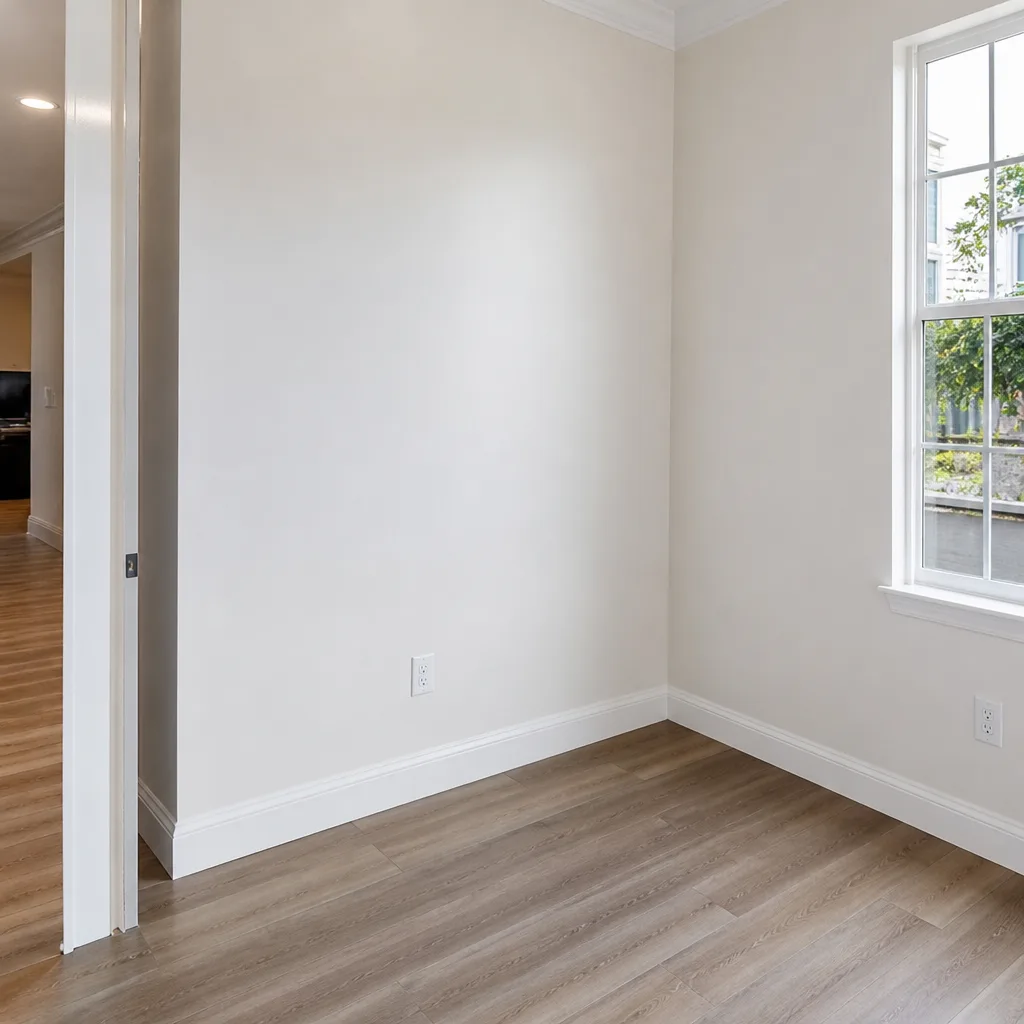 After
After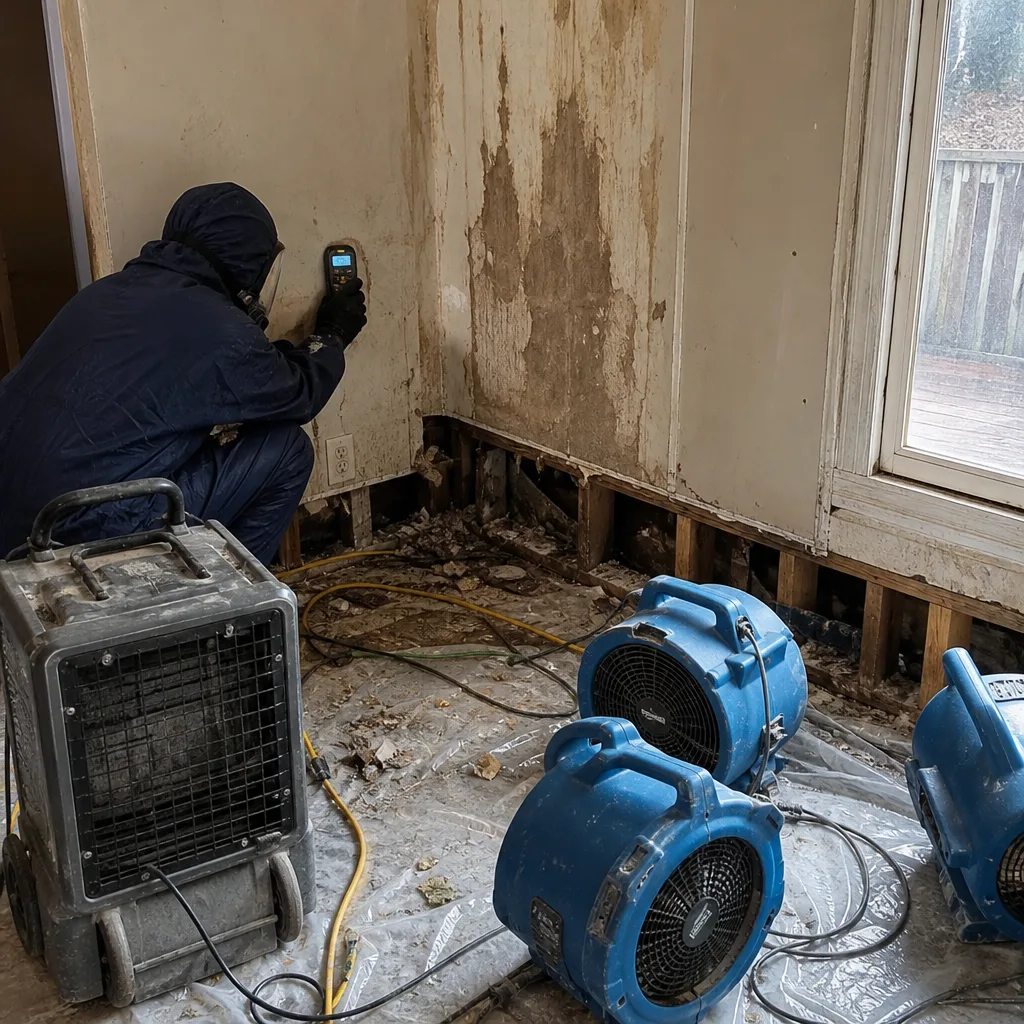 Before
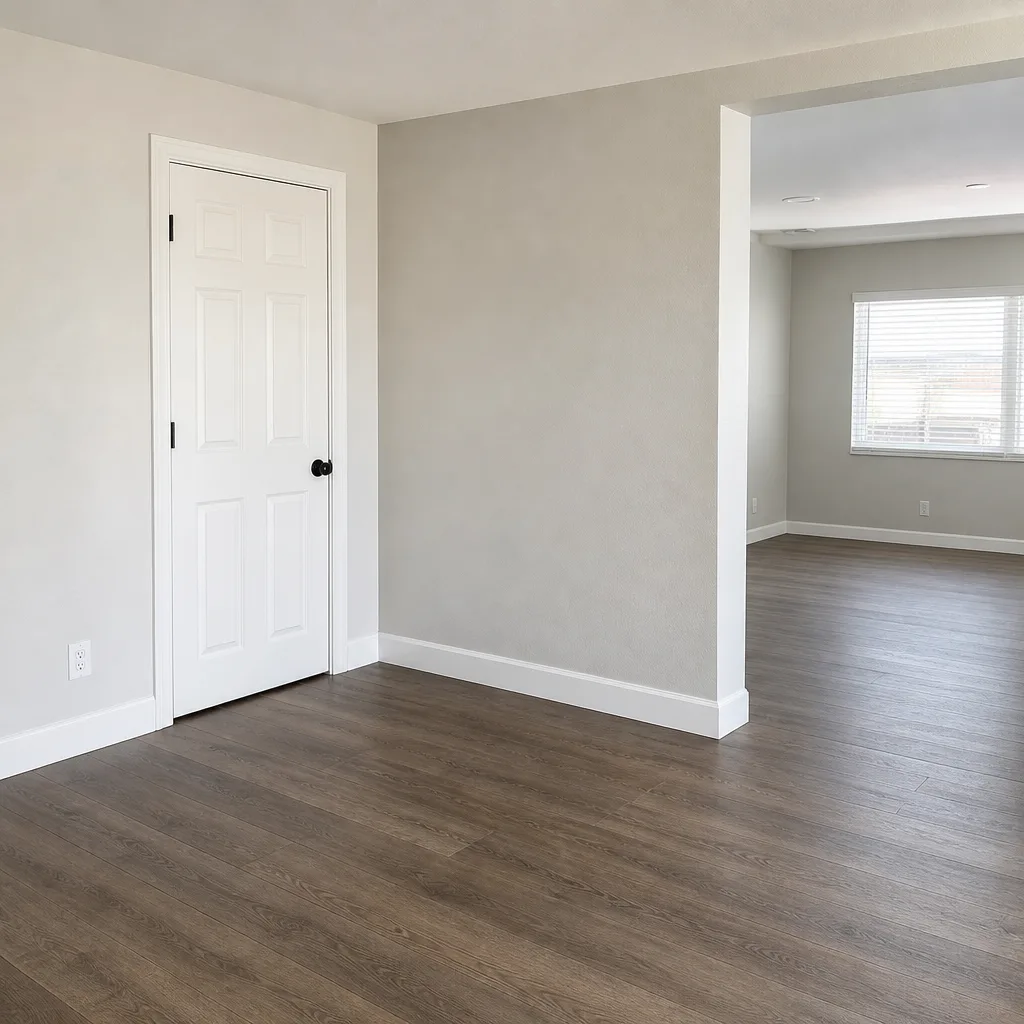 After
After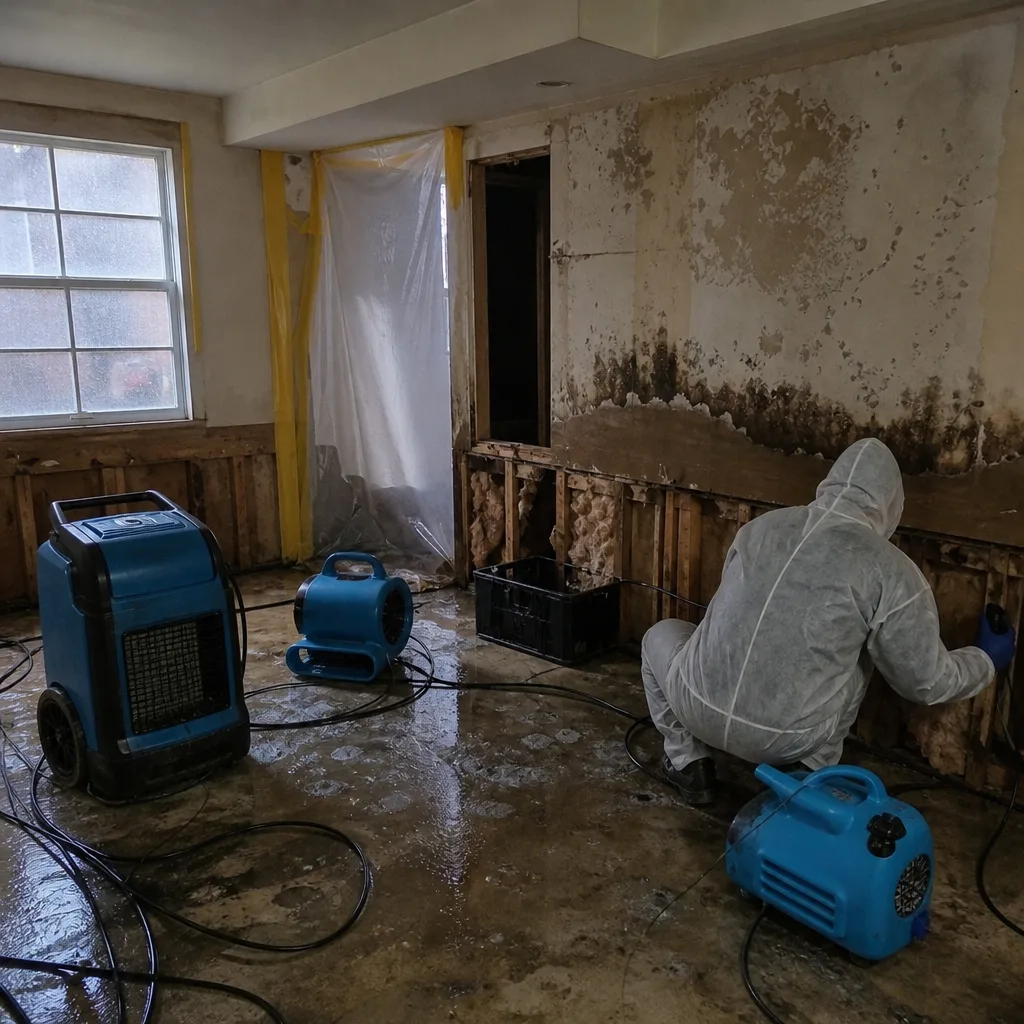 Before
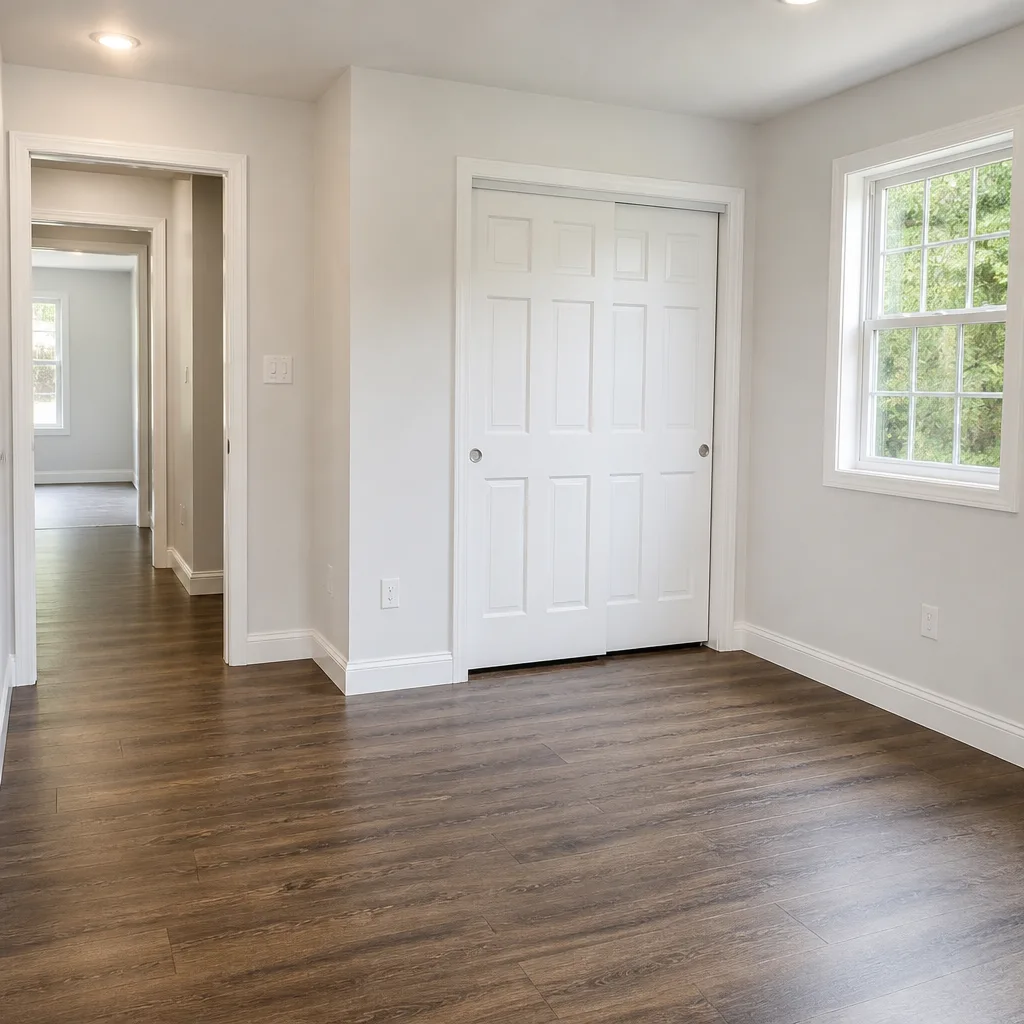 After
AfterDamage Restoration Emergency Preparedness Guide for Los Angeles Homes
Here’s the uncomfortable reality of Los Angeles water damage: the disasters that actually hit us are rarely the ones we prepare for. We plan for earthquakes, and we should. But the far more common call we get starts with an atmospheric river overwhelming a 70-year-old sewer line in Studio City, or a water heater giving out at 2 AM in a Sunland bungalow, or a hillside in Silver Lake redirecting runoff into a crawlspace that’s been dry for decades. This guide, written from the perspective of a Los Angeles restoration company that answers the phone when those nights go wrong, walks you through what to do before the water ever arrives. You’ll learn the first 15 minutes, the shutoffs, the photos, the go/no-go call on safety, and the file that gets a restoration crew moving within hours instead of days.
Quick Answer
Water damage emergency preparedness for Los Angeles homeowners means having a written, one-page plan that covers the five actions to take in the first 15 minutes, knowing where your main water shutoff and LADWP meter are located, documenting damage with specific photos before moving anything, and keeping a vendor-ready file with your insurance policy, pre-vetted contractor contacts, and a clear go/no-go safety checklist that distinguishes clean water from sewage backup.
Table of Contents
- The First 15 Minutes: Five Actions Before You Call Anyone
- How to Find and Shut Off Your Main Water Supply in Los Angeles
- What to Photograph Before Touching Anything: The Insurance-Ready Shot List
- Clean Water vs. Sewage Backup: How to Know When It’s a DIY Cleanup or a Health Hazard
- Building Your Vendor-Ready File: What a Restoration Company Needs to Start in Hours
- The Los Angeles-Specific Risks Most Guides Skip
- Common Mistakes to Avoid
- When to Call a Professional
- Frequently Asked Questions
The First 15 Minutes: Five Actions Before You Call Anyone
The first 15 minutes of a water event in your Los Angeles home determine whether you’re dealing with a $2,000 drying job or a $40,000 rebuild. Panic is the enemy; a checklist is the cure. Print this section and tape it inside a kitchen cabinet. When water is moving, your brain stops processing new information. You need the actions pre-decided.
- Stop the source if it’s safe. If water is coming from a supply line, an appliance, or an overflowing fixture, turn off the nearest shutoff valve. If you can’t find one fast, go straight to the main shutoff, which we cover in detail below. The longer water runs, the worse the damage compounds. Ten minutes of an open supply line can put hundreds of gallons into a home.
- Kill power to affected areas, but only from a dry location. If water is near outlets, appliances, or your electrical panel, cut power at the breaker for that zone. Do not walk through standing water to reach a panel that sits low on a wall. If the panel is wet, or you can’t reach it without stepping in water, call a professional immediately and stay out of the room. Electricity and standing water in a Los Angeles home is a fatal combination we never take lightly.
- Contain what you can without moving anything heavy. Grab towels, blankets, or anything absorbent and create dams around the edges of the affected area. Move small items – shoes, electronics, paper – to higher ground. Do not attempt to move furniture or pull up carpet right now. You’ll disturb evidence and possibly make extraction harder.
- Start photographic documentation immediately. Before you clean a single drop, take wide shots of the room showing the water path, then close-ups of damage. This is the evidence your insurance claim depends on. Section 4 below covers the exact shots we’ve seen adjusters request most often in Los Angeles claims.
- Call your insurance company and a restoration company. This is the one step that can happen while you’re still doing the other four. Most policies require prompt notification. And if you call a restoration company first, they can start documentation and mitigation while you’re still on hold with your adjuster. A live person should answer. If you get a voicemail at 11 PM on a Tuesday, call someone else.
One more thing: don’t wait for the insurance company to approve cleanup before starting mitigation. Los Angeles homes with stucco exteriors and wood framing hold moisture in ways that cause secondary damage fast – warping, mold, and odor set in within 48 to 72 hours. The policy almost always covers reasonable mitigation. Delay is the expensive part.
How to Find and Shut Off Your Main Water Supply in Los Angeles
In our experience, roughly half of Los Angeles homeowners can’t locate their main water shutoff quickly enough when a pipe bursts. This is a solvable $0 problem that saves thousands. Los Angeles housing stock is older than most other major California cities on average – much of it built between 1920 and 1965 – and shutoffs are rarely labeled the way they are in newer tract homes elsewhere.
Here’s what to do this weekend, not during an emergency:
- Find the main shutoff valve inside the house. It’s usually where the main water line enters, often in the garage, under the house in the crawlspace, or in a utility closet near the water heater. Look for a brass valve (ball valve with a lever, or gate valve with a round handle) on the wall or floor where the main line penetrates. In many Los Angeles homes, especially in neighborhoods like Echo Park and Highland Park, the shutoff is behind the water heater or in a recessed wall box that blends into the stucco.
- Find the LADWP meter and curb shutoff. Your water meter sits in a concrete box at or near the property line, usually in the parkway between the sidewalk and the curb. The customer shutoff valve is on the house side of the meter. You’ll need a meter key or a crescent wrench to turn the valve a quarter turn. The LADWP meter is typically in a rectangular concrete lid marked “water.” If grass has grown over it, run your hand along the ground near the curb line until you feel the lid.
- Test both valves now. Turn each one a quarter turn and back, then confirm water stops at a faucet when closed. Valves that haven’t been touched in 20 years seize. Better to discover that on a Saturday afternoon than at 11 PM during a storm. If a valve is stiff, work it back and forth gently. If it won’t budge, call a plumber before you need one under duress.
- Label them. Permanent marker or a plastic tag. Write “MAIN SHUTOFF” and the direction to turn. In an emergency, someone else in your household may need to act. Make it obvious.
- Know your water heater’s shutoff too. If the water heater is the source, you don’t need to kill the whole house. The cold-water supply valve sits on top of the unit, usually on the right side. Turn it clockwise. Then kill the power – gas or electric – at the unit’s dedicated switch or breaker.
One Los Angeles quirk: hillside homes built on piers or stilts often have exposed shutoff valves on the exterior wall or under the deck, and they’re sometimes painted over by well-meaning remodelers. If you live in the Hollywood Hills, Mount Washington, or any hillside community, check the underside of the house now. Do it once, and you never have to think about it again.
What to Photograph Before Touching Anything: The Insurance-Ready Shot List
Insurance adjusters in Los Angeles process hundreds of water claims a month, and the difference between a fully covered claim and a denied one often comes down to photos taken in the first hour. Before you move a single item, you need to document the scene in a specific sequence. This isn’t about being tricky with an adjuster – it’s about giving them the evidence they need to approve your claim fast.
Here’s the shot list we give every customer:
- Wide shots of the entire affected area. Stand in the doorway and shoot the whole room from all four corners, or at minimum, from the two angles that show the full extent of the water path. These establish the scope.
- Medium shots of each affected material. One photo of the wet drywall, one of the soaked carpet, one of the waterline on baseboards. These show what’s damaged specifically.
- Close-ups of water penetration points. If water is coming from a pipe, a roof leak, a window, a foundation crack – photograph the entry point before anything is disturbed. This is often the single most important evidence for coverage.
- Serial and model numbers of damaged appliances. Water heater, washer, dishwasher, anything that failed. The adjuster needs these for valuation. Take a clear photo of the label showing make, model, and serial.
- Standing water depth. Use a coin, a ruler, or any object with a known size placed in the water. This gives the adjuster scale. A photo of a puddle with no reference point is nearly useless.
- The water meter and main shutoff. Photograph the valve position if applicable, and the meter itself. This documents that you took prompt action, which some policies require.
- Every room adjacent to the affected area. Water travels along subfloors and behind walls. Photograph the rooms on the other side of every affected wall. If you later discover secondary damage, these photos establish the boundary.
Use timestamped photos if your phone supports it. And back them up – text them to yourself, upload to a cloud folder, or email them. Phones get dropped in standing water during cleanups more often than you’d think. Once you’ve documented, text the photos to your restoration company in real time. A competent company reviews photos before the crew even dispatches, which means the technicians arrive knowing what equipment to load and what they’re walking into.
Clean Water vs. Sewage Backup: How to Know When It’s a DIY Cleanup or a Health Hazard
Not all water is the same, and the distinction matters more than the amount. The water damage restoration industry categorizes water into three categories, but for a homeowner, the useful question is simpler: can I clean this myself, or is this a health hazard I should not be touching?
Category 1 – Clean water. Water from a broken supply line, an overflowing faucet, or a water heater. It comes from the same system that supplies your drinking water. If caught within 24 to 48 hours and the area is dried properly, a careful DIY cleanup is often feasible. Mop, extract with a wet-dry vacuum, run fans, open windows, and monitor for odor over the next week. But be honest about the limits – clean water that soaks into drywall, insulation, or subfloor for more than 48 hours becomes a mold risk that most homeowners can’t dry properly without professional equipment.
Category 2 – Gray water. Water from washing machines, dishwashers, and sinks. This water contains biological and chemical contaminants but not typically fecal matter. It’s not safe to clean with bare hands, and anything porous it touches – carpet pad, drywall, insulation – should be replaced, not dried. This is where DIY can go wrong quickly. Gray water that sits for more than 48 hours becomes Category 3.
Category 3 – Black water. Sewage, rising floodwater from outside, and any water from a toilet overflow. This is a health hazard. Do not clean this yourself. Sewage backup in Los Angeles is more common during heavy rain events when atmospheric rivers overload the city’s combined sewer infrastructure in older neighborhoods. The indicators are unmistakable: a foul, septic smell; visible solids; dark brown or black color; and often bubbling from floor drains. If you smell or see any of these, evacuate the affected area, keep children and pets out entirely, and call a professional restoration company immediately. Proper Category 3 cleanup requires antimicrobial treatment, specialized personal protective equipment, and disposal protocols you can’t replicate with household cleaning products.
When in doubt, err on the side of treating it as hazardous. The cost of calling a professional for an assessment is a fraction of the medical bills from bacterial exposure, and most restoration companies in Los Angeles offer free estimates.
Building Your Vendor-Ready File: What a Restoration Company Needs to Start in Hours
The single highest-leverage preparation task is a folder – physical, digital, or both – that contains everything a restoration company and insurance adjuster need so that when you call, the work starts immediately. In our experience, homeowners who have this file save one to two days on average versus those who assemble documents while standing in a wet living room.
Here’s what goes in the file:
- Insurance policy declarations page. Not just the company name – the full declarations page showing policy number, coverage limits for water damage, deductible, and any special endorsements or exclusions. This is the first thing a restoration company needs to know how to work with your claim.
- Your insurance agent or broker’s direct contact. Not the 800 number. The direct line or email of the human who handles your policy. Claims move faster when your agent is already copied.
- A pre-vetted restoration company’s phone number. You don’t want to research contractors at 11 PM. Pick one now. Call them on a random Tuesday and ask how their emergency dispatch works, what their pricing structure looks like, and what certifications their technicians hold. The answers tell you everything. Save the number in your phone and write it on the card.
- Your plumber’s direct line. Restoration companies stop the water damage, but a licensed plumber fixes the source – the broken pipe, the failed valve, the water heater. Having both numbers ready means the two trades can coordinate instead of the homeowner playing middleman.
- Photos of your home in pre-damage condition. Walk through every room today and take 30 to 60 second of video, plus still shots of floors, walls, and major appliances. Store them in a cloud folder. These establish pre-loss condition, which is invaluable in negotiating a claim.
- A written inventory of major possessions, especially anything in basements or ground floors. Los Angeles homes don’t have many basements, but the garage and first floor see most water damage. List the big-ticket items with approximate purchase dates and values.
- The one-page emergency card we described in Section 1. Print it. Laminate it. Tape it inside a cabinet. It should include: the five first-15-minute actions, the location of both shutoffs, the restoration company number, the plumber number, and the insurance policy number.
The file itself should live in a cloud folder shareable with your emergency contacts, plus a printed copy in a known location. In a real emergency, your phone battery will die. Your spouse or tenant may be the one making calls. Make it impossible to fail.
The Los Angeles-Specific Risks Most Guides Skip
Generic water damage guides miss half of what actually happens in Los Angeles homes. Our climate, our housing stock, and our infrastructure create failure patterns that don’t show up in national articles. Here are the ones we see repeatedly:
Atmospheric rivers, not just earthquakes. Los Angeles gets most of its annual rainfall in a handful of intense storm events. When an atmospheric river hits, rain falls at rates the city’s drainage wasn’t designed for. The result is street flooding that backs up into homes through floor drains, especially in older neighborhoods where the sewer laterals are 60 to 80 years old and full of root intrusion. A home that’s never flooded in 40 years can flood overnight when the street’s main line can’t take the volume.
Hillside runoff and drainage concentration. Los Angeles neighborhoods built into the Santa Monica Mountains, the Verdugos, and the eastern hills – Studio City hills, Laurel Canyon, Mt. Washington, Tujunga – face a different problem. The natural drainage of the hillside funnels water toward foundations during heavy rain. French drains that were adequate in 1980 are now overwhelmed by more intense rainfall events. The water doesn’t come from a burst pipe; it comes from outside, pooled against a foundation until it finds a way in through a crack or a sill plate.
Older supply lines and corroded galvanized steel. Much of Los Angeles’ mid-century housing stock was built with galvanized steel supply lines, which corrode from the inside out over decades. A line that looked fine in 1965 can be a pinhole leak waiting to burst in 2026. These failures are unpredictable and often catastrophic when they happen behind walls or under slabs.
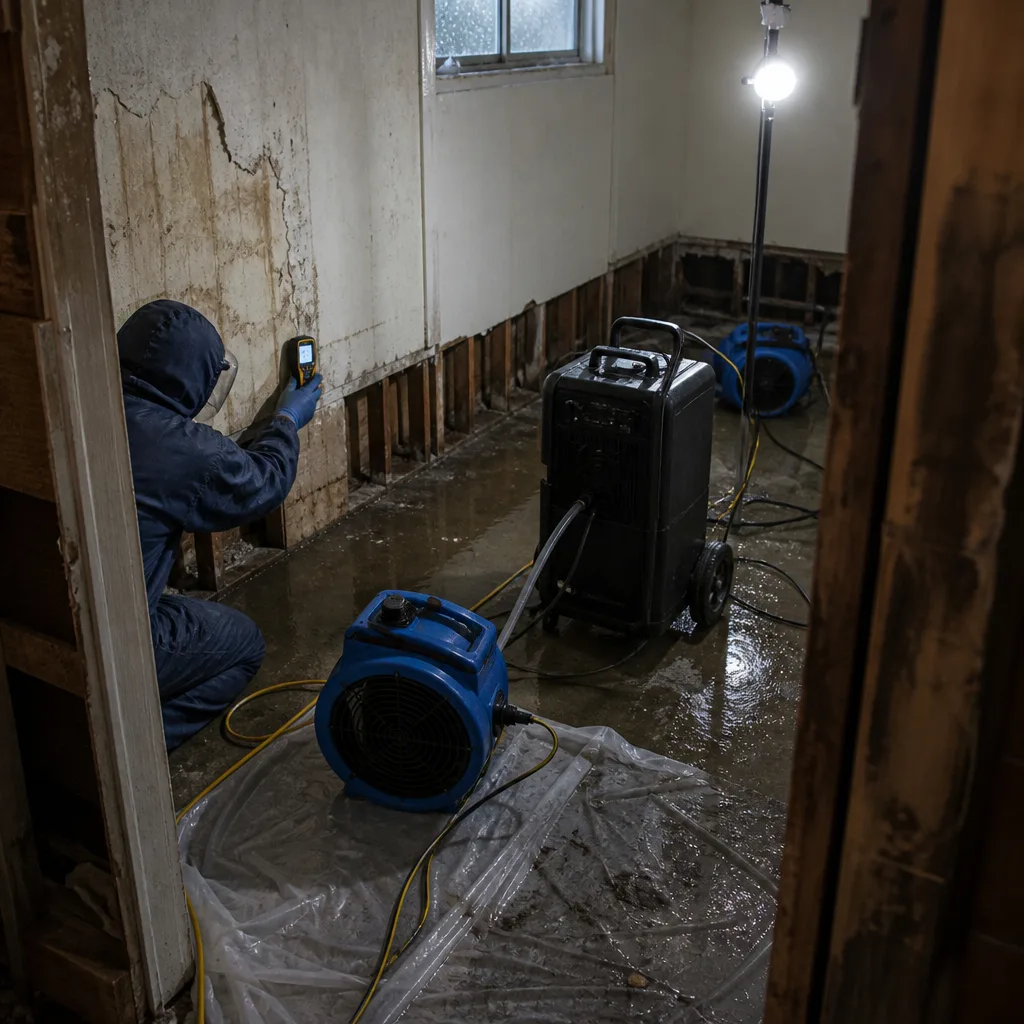
Stucco exteriors that hide moisture. Stucco is great until it’s not. Water that gets behind stucco – from a roof leak, a window flashing failure, or sideways rain during a storm – can sit against the wood framing for months before the damage becomes visible on the inside. By the time you see a stain on the drywall, the structural damage behind it is often substantial. This is why leak investigations in Los Angeles homes often require moisture meters and thermal imaging before the source is even located.
Slab foundations with buried plumbing. A significant percentage of Los Angeles homes sit on concrete slabs where supply lines and drain lines run through or under the slab. When those lines fail, water rises through the concrete and wets the flooring. The signs – warm spots on tile, cracked flooring, a sudden spike in water bills – are subtle and often missed until the damage is extensive. Slab leak detection is specialized work, and Los Angeles restoration companies deal with these calls regularly.
None of these risks mean you should live in fear. They mean preparation should be specific. Know your home’s age, know its materials, know its drainage patterns, and know where the water would go if any of these failure modes happened tomorrow.
Common Mistakes to Avoid
- Waiting to see if it dries on its own. In Los Angeles, where winter humidity is relatively low, homeowners sometimes assume that standing water will just evaporate. Surface water might disappear in a day or two, but the moisture inside drywall, subfloor, and framing will not. What looks dry on the surface can be a mold colony in two weeks. If water touched anything porous and you didn’t extract and dry it properly, the clock is running.
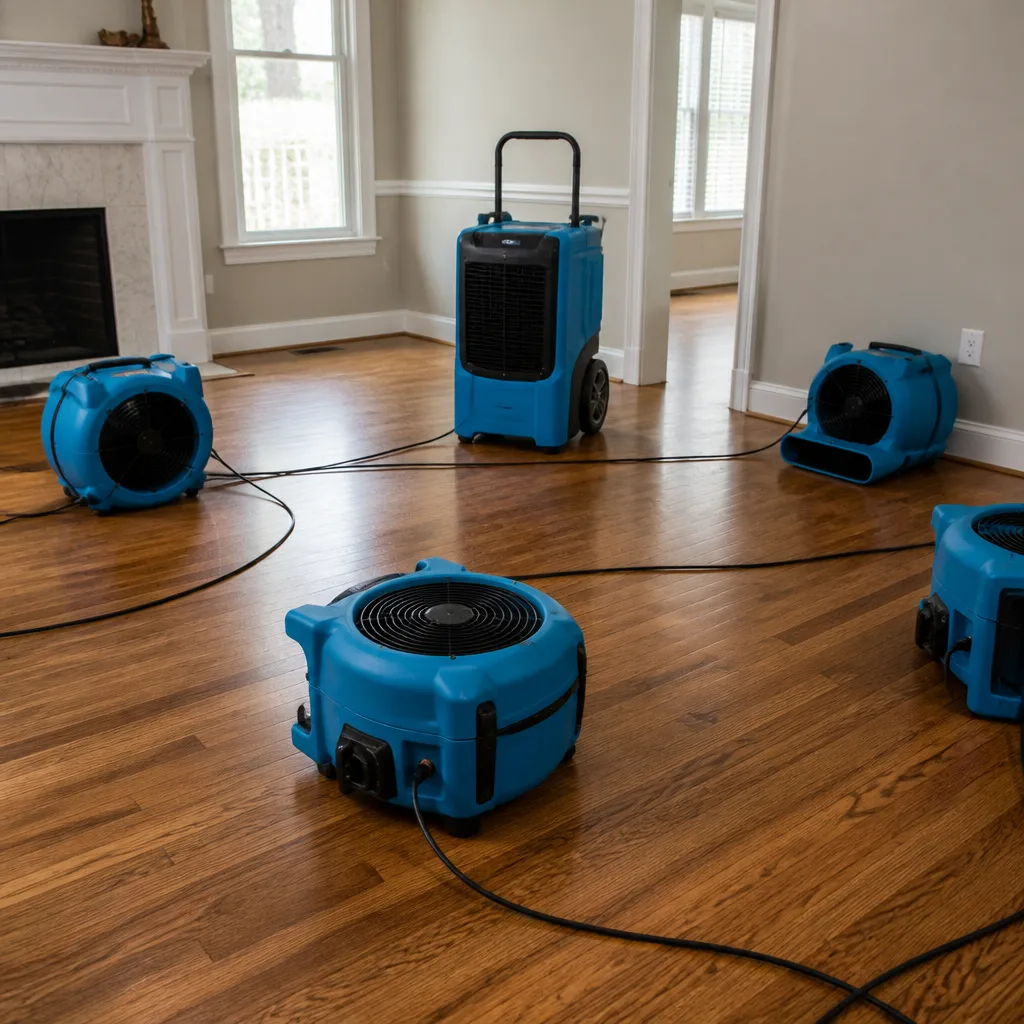
- Using household fans instead of proper drying equipment. A box fan moves air over surfaces, but it doesn’t create the pressure differential or deliver the volume of airflow needed to dry wall cavities, subfloors, and insulation. Professional drying uses equipment like Dri-Eaz and Phoenix air movers and dehumidifiers, plus psychrometric monitoring of the air’s moisture content, to confirm the structure is truly dry, not just surface-dry. In our experience, DIY fan drying extends the timeline by days and leaves moisture behind that fans can’t reach.
- Pulling up carpet and throwing it out before documenting. Yes, the carpet pad is probably ruined. But the adjuster needs to see the damage in place. Ripping everything out before the insurance company documents it can reduce your payout substantially. Take photos first, then remove what needs removing.
- Ignoring the source while cleaning the symptoms. If a leak is still active, cleaning the water is pointless. We’ve seen homeowners spend a full weekend extracting water from a room while a slow leak behind the wall kept feeding it. Find and stop the source first, even if that means calling a plumber before touching a mop.
- Cleaning sewage backup with household bleach and calling it done. Bleach does not make a sewage-contaminated area safe. The contaminants in Category 3 water require professional antimicrobial treatment and the removal of affected porous materials. Attempting a bleach cleanup exposes you to pathogens and leaves the home unsafe for occupancy. This is the most dangerous of the common mistakes we see in Los Angeles during heavy rain events.
- Not having a pre-vetted restoration company’s number saved. The moment you need a restoration company is the worst moment to evaluate one. You’ll be stressed, the house will be wet, and you’ll likely call the first company that appears in search results and sounds good on the phone. Preparing in advance means you’ve already done your research. The best local companies, like Wendell Water Damage Restoration home page shows, maintain 24/7 live-answer lines and can dispatch same-day, but only if you have the number ready.
When to Call a Professional
Here’s the honest threshold: any water event that involves standing water in more than one room, water that has touched drywall or subflooring for more than a few hours, or any water that came from a sewage or exterior flood source. Category 1 spills caught immediately and on hard surfaces only – tile, concrete – are often manageable on your own with thorough extraction and drying. The moment water contacts carpet pad, drywall, insulation, or wood framing, and the moment the water source is anything but clean supply water, you’re usually better served by a professional assessment. Restoration companies use moisture meters, thermal imaging, and professional drying equipment that most homeowners simply don’t have. The assessment itself is often free. Wendell Water Damage Restoration offers free estimates in Los Angeles – call (940) 466-4354. We’ve been doing Water Damage Restoration in Los Angeles since 2006, and we’re always straight with homeowners about what’s actually needed versus what can wait.
Frequently Asked Questions
Structural damage from water begins within 48 to 72 hours in most Los Angeles homes, though the timeline depends on temperature, humidity, and the materials involved. Wood framing begins absorbing moisture immediately upon exposure, and while structural weakening itself takes longer, the conditions that lead to rot and mold growth – which in turn compromise structural integrity – are established within the first few days. In Los Angeles’ mild coastal climate, mold spores germinate on wet drywall and wood within 48 hours in most indoor environments, which is why prompt professional extraction and drying matters so much. For exact guidance on your situation, call (940) 466-4354 and a live person will talk you through it.
Standard homeowners policies in Los Angeles typically cover water damage from sudden, accidental internal events like burst pipes and appliance failures, but not from rising groundwater or exterior flooding, which requires a separate flood insurance policy. Rain that enters through a roof leak or window is usually covered because it’s considered storm damage, but water that enters through the foundation or a floor drain because the street is flooding is often excluded as surface water. The distinction comes down to how and where the water entered, which is why thorough photo documentation of the entry point is so important to your claim. Read your policy’s water damage section now, and have your agent explain any exclusions before storm season hits.
You can dry hard-surface areas with light water exposure yourself, but anything beyond that – saturated carpet pad, wet drywall, or water that penetrated subflooring – requires professional-grade equipment that a hardware store rental can’t match. The difference isn’t the fan’s power alone; it’s the combination of high-volume air movement, true dehumidification designed for structural drying, and ongoing psychrometric readings that track moisture removal from inside materials. Professional crews use equipment from brands like Dri-Eaz, Phoenix, XPOWER, and B-Air, and they know exactly where to place each unit for effective drying. If you’re already seeing watermarks or noticing an odor, call for Water Damage Repair in Los Angeles before the issue compounds.
Mold often shows up as a persistent musty or earthy odor, visible discoloration on walls or ceilings, or in hidden pockets behind baseboards and under flooring, and it can begin growing within 48 hours of water exposure in Los Angeles’ mild climate. If you notice any of these signs after a water event – even a small one – it’s worth having a professional inspection. Mold remediation requires proper containment, air filtration, and removal protocols that go well beyond scrubbing. For a free assessment, visit our Mold Remediation in Los Angeles page or call (940) 466-4354.
Tell them four things: the source of the water (burst pipe, sewage backup, storm intrusion, appliance failure), how long it’s been since the water appeared, what rooms and materials are affected, and whether power is still on to the affected area. These details let the company dispatch the right crew, with the right equipment, on the first visit. A well-run restoration company will also ask whether anyone in the household has health conditions that require extra caution. Have your insurance policy number ready, and if you have photos, offer to text them immediately. The more specific the initial call, the faster the work starts.
In pre-1960s Los Angeles homes, the main shutoff valve is typically located either in the crawlspace near where the main line enters, in a recessed wall box near the water heater, or on the exterior wall near the foundation, often hidden behind landscaping or painted over. The LADWP meter shutoff is separate – it sits at the property line in a concrete box in the parkway, and the customer valve is on the house side of the meter. If you can’t find either one, this guide’s Section 2 walks you through the process. And if you ever need help walking through it over the phone, call us – a live person answers 24/7.
The Bottom Line
Preparedness for water damage in Los Angeles isn’t about stockpiling supplies. It’s about making decisions ahead of time so the emergency doesn’t make them for you. Know your shutoffs and test them annually. Print the first-15-minute card and put it where you’ll see it. Photograph your home in pre-damage condition and store those images in the cloud. Build the vendor-ready file with your insurance policy, plumber, and a restoration company you’ve already vetted. And then stop worrying. The whole point of preparation is that you don’t have to think about it again until the night it matters. For more guides & resources, visit our blog. When that night comes – the atmospheric river, the burst pipe, the sewage backup – you’ll know exactly what to do, and you’ll have the phone number already saved of a company that answers.
Written by Blake Sorensen, Owner at Wendell Water Damage Restoration, serving Los Angeles since 2006.