
Last updated October 9, 2026
Free visual inspection and a written scope of work before any mitigation begins - photos, moisture readings, and drying logs go in your claim file
The scope we write is the scope we bill. Anything new gets shown to you, in writing, before we touch it.
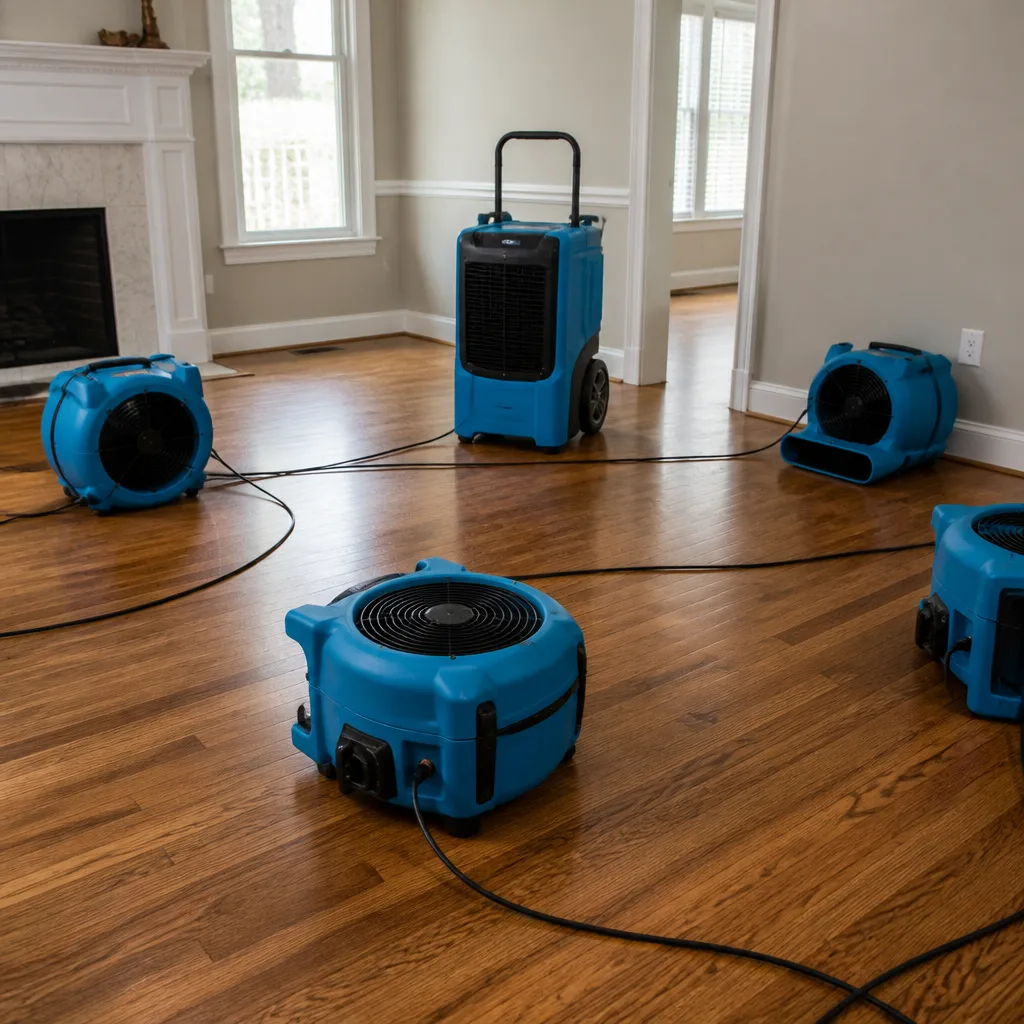
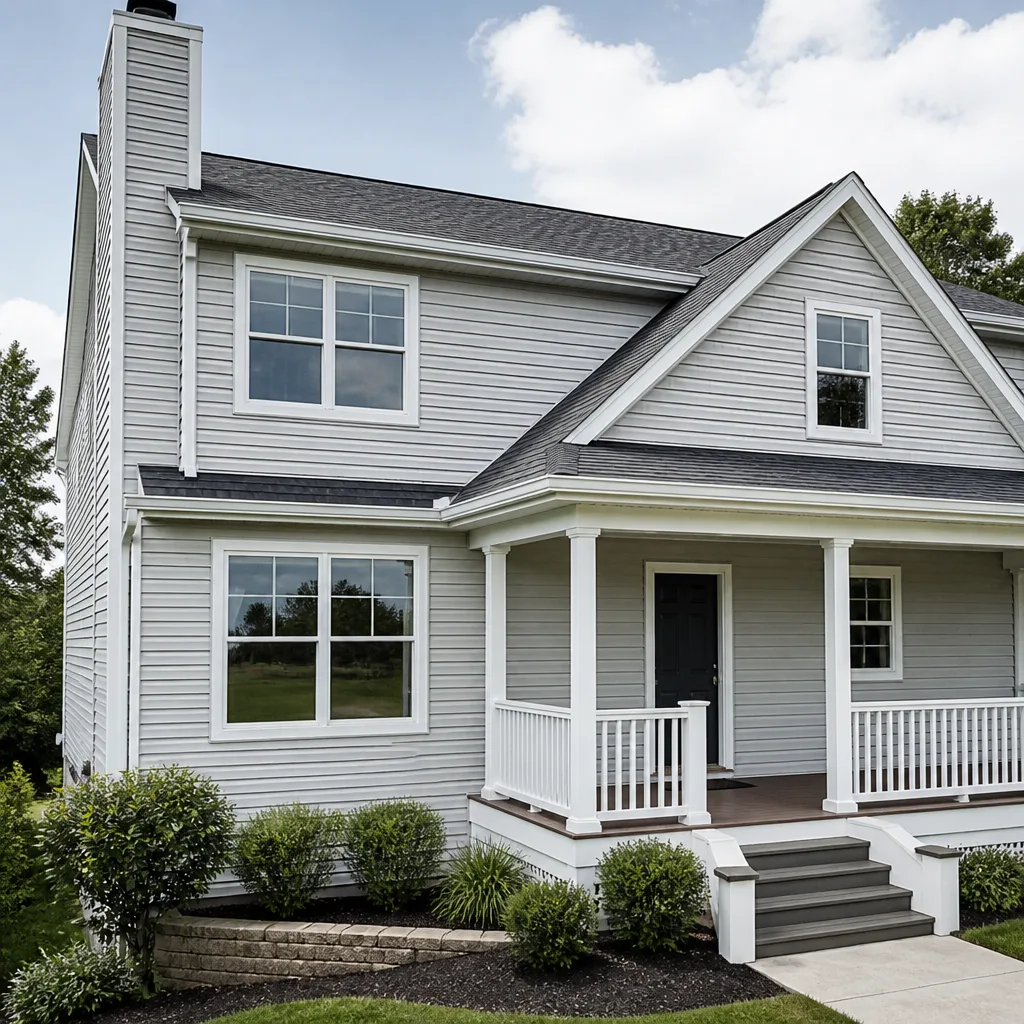
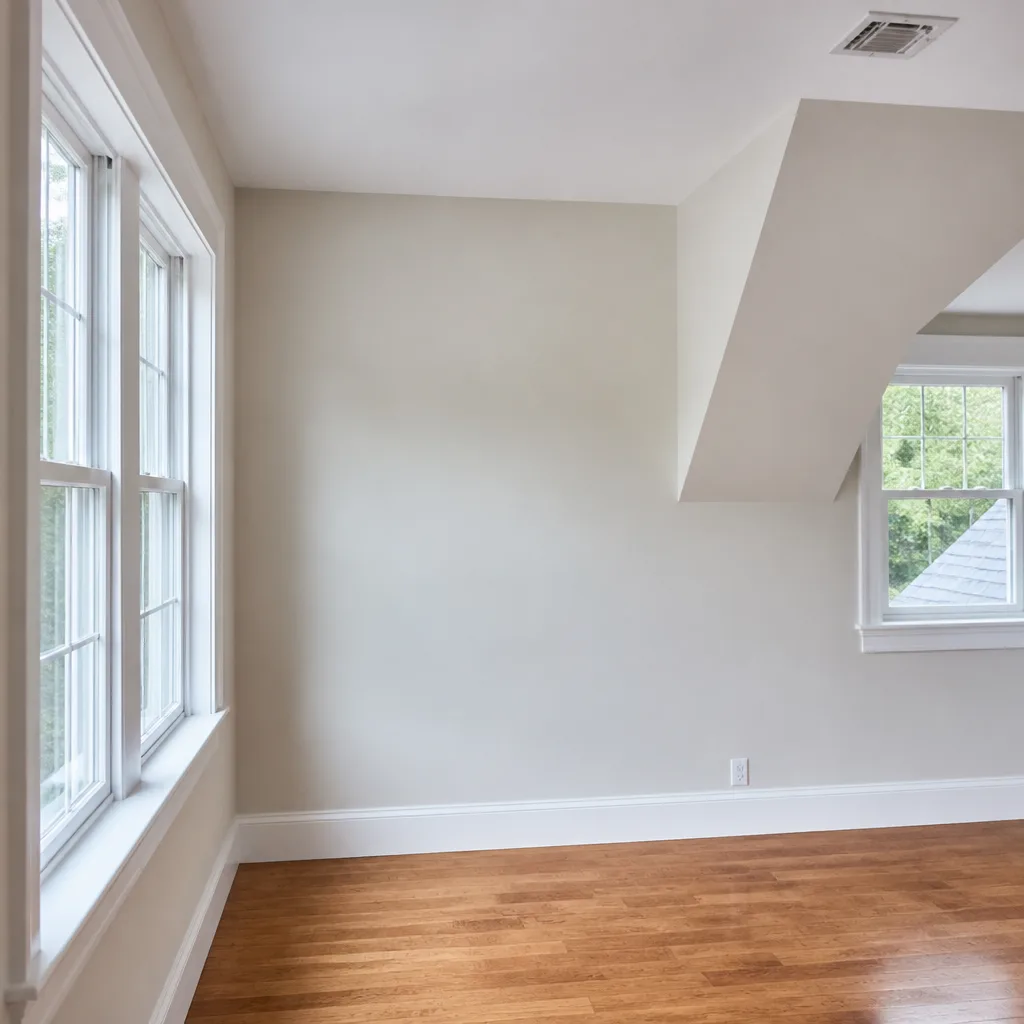
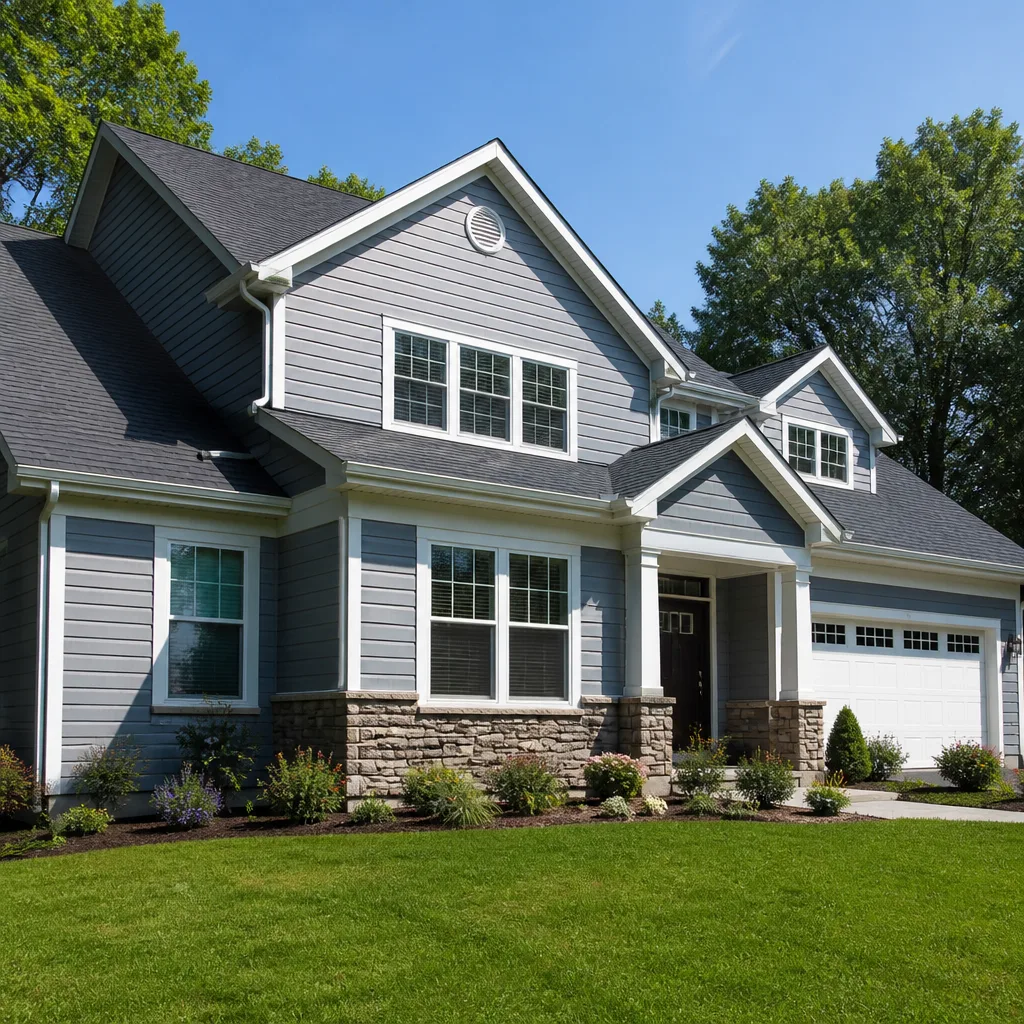
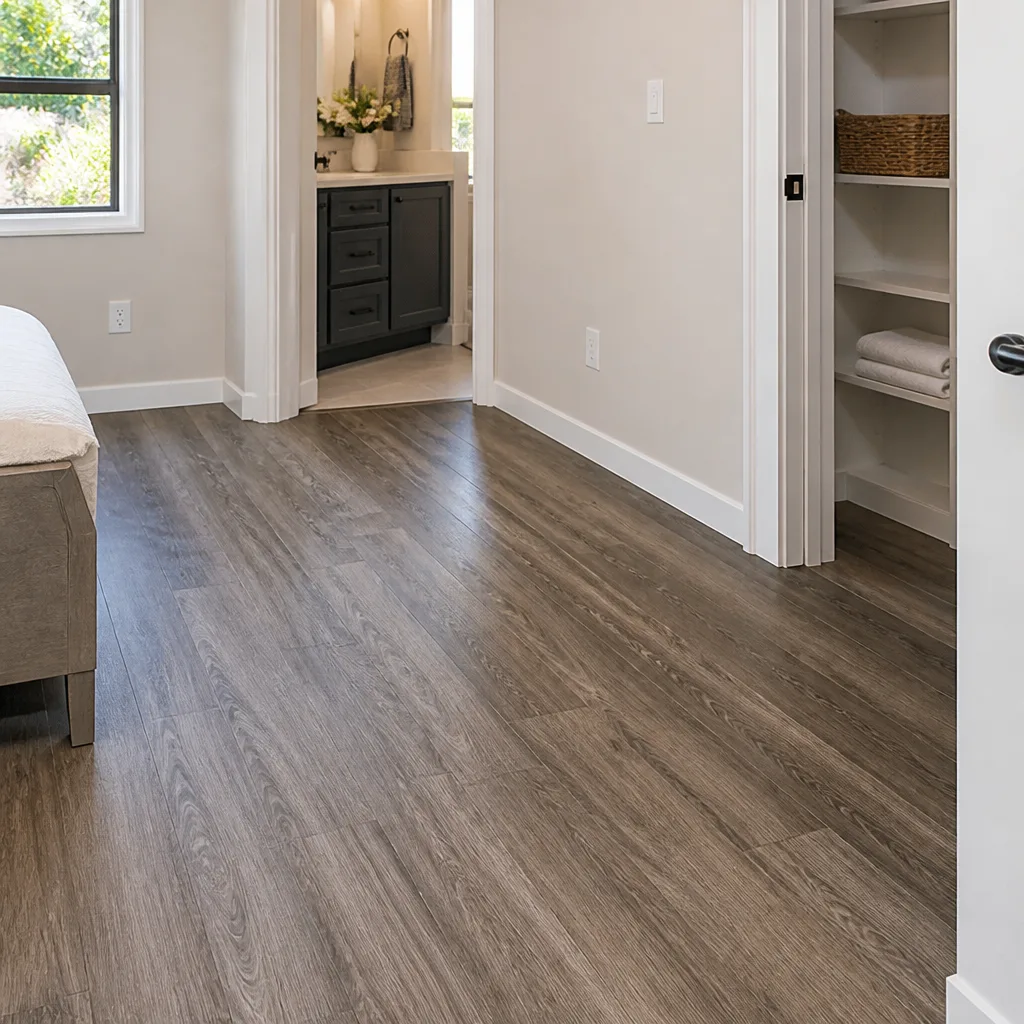
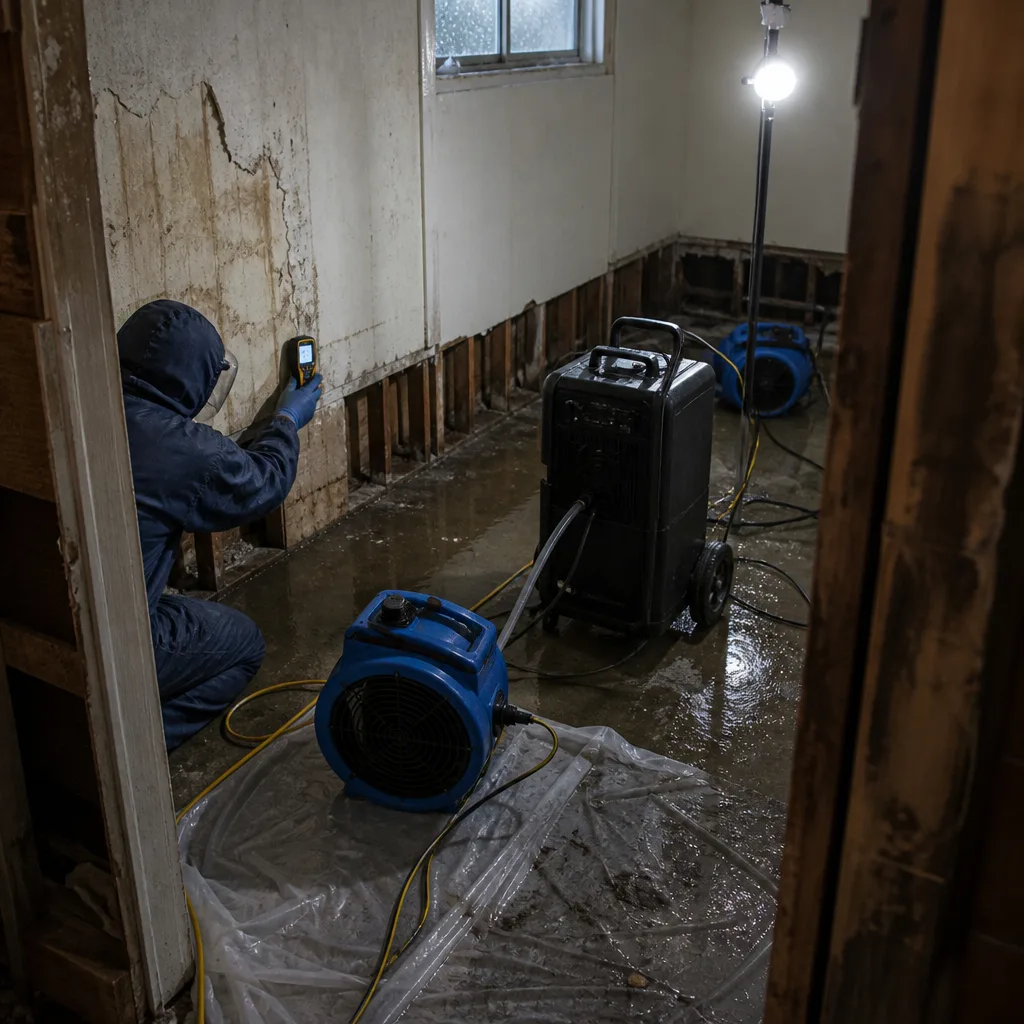 Before
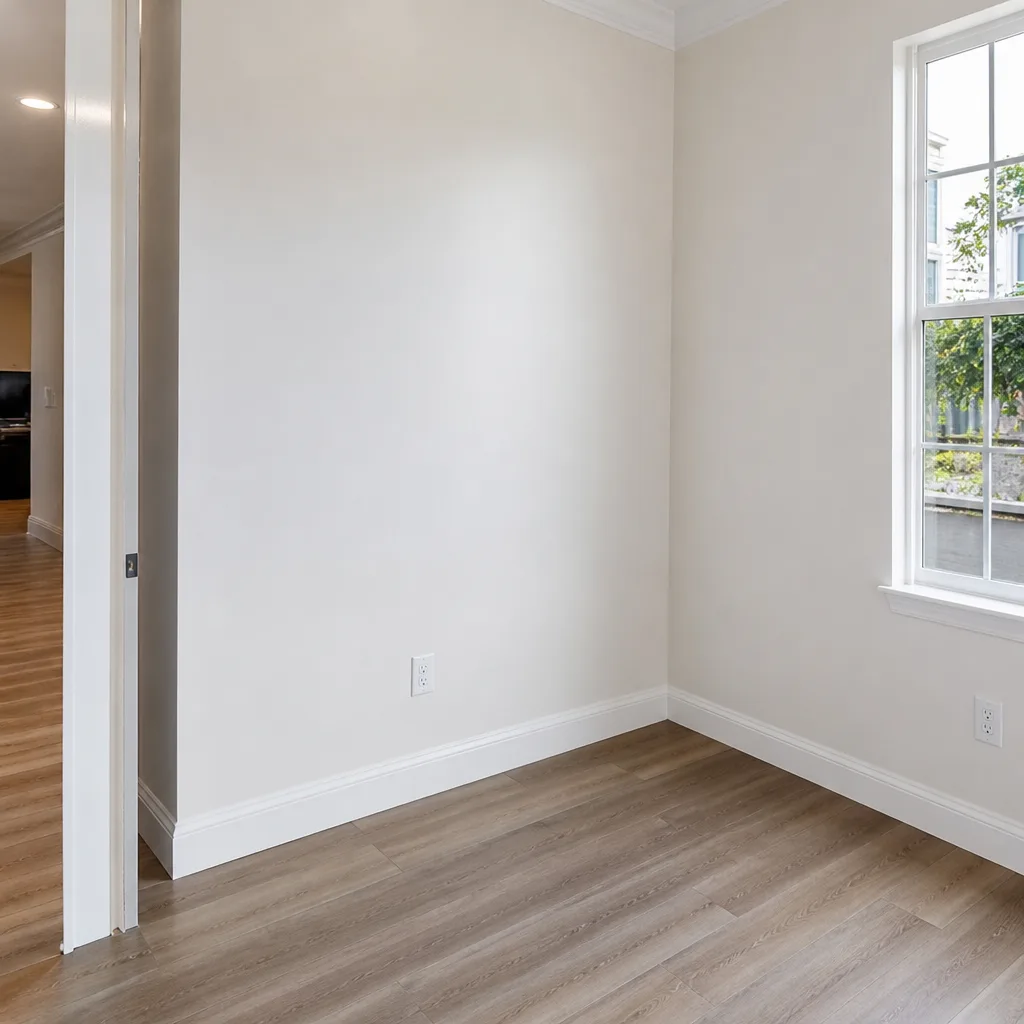 After
After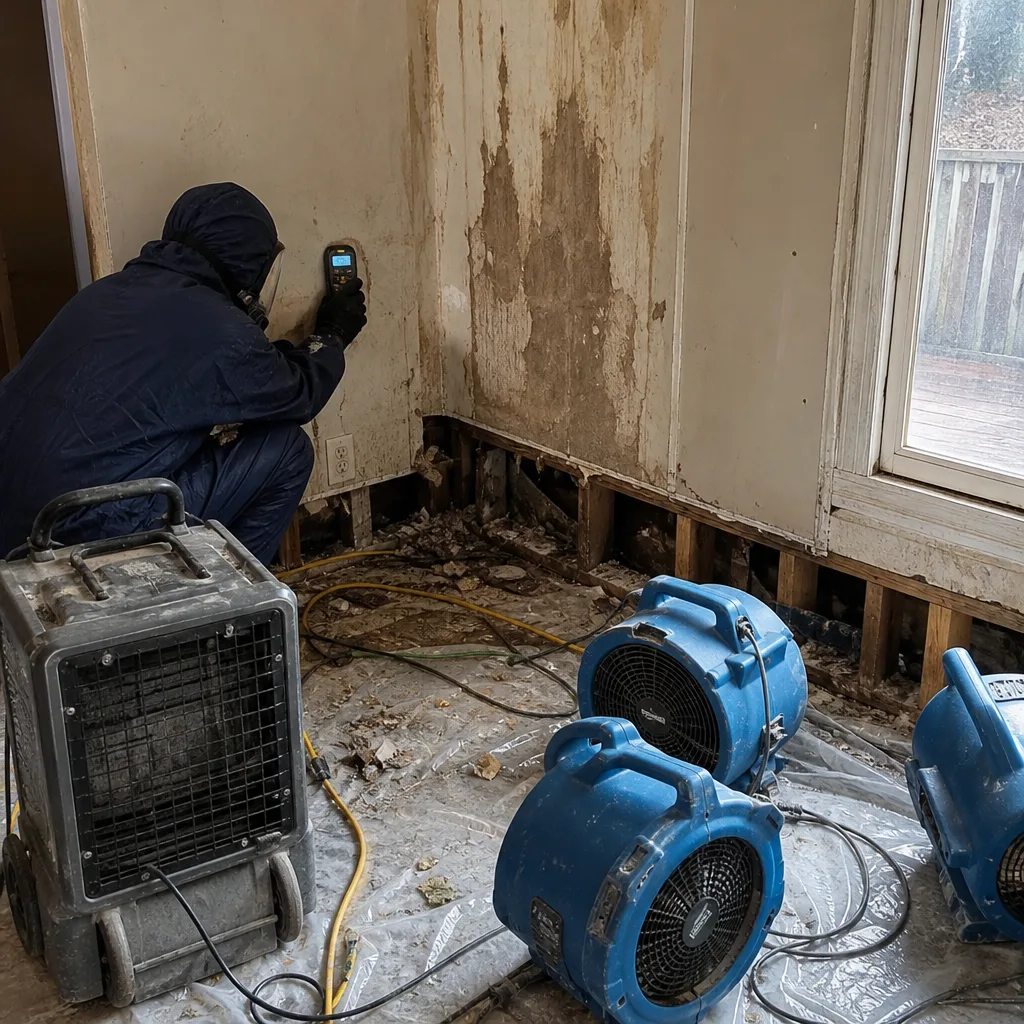 Before
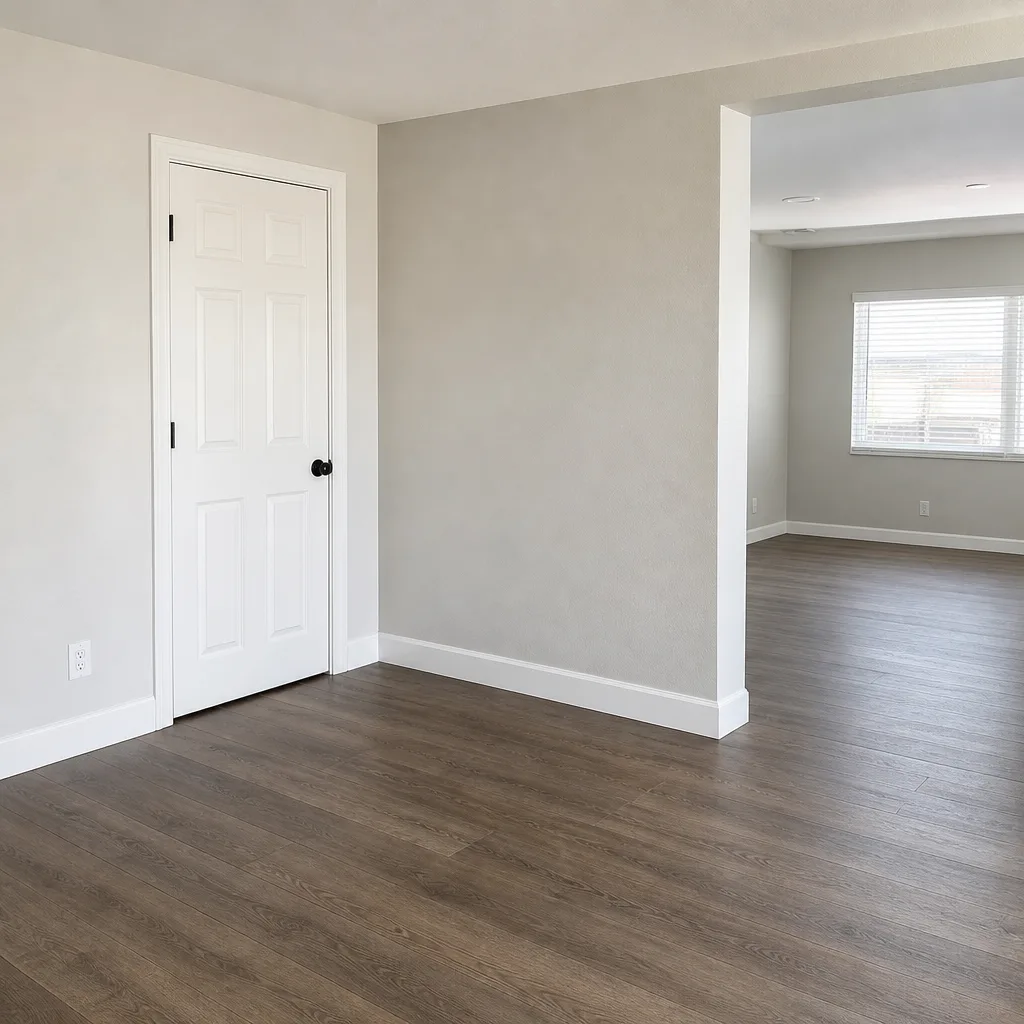 After
After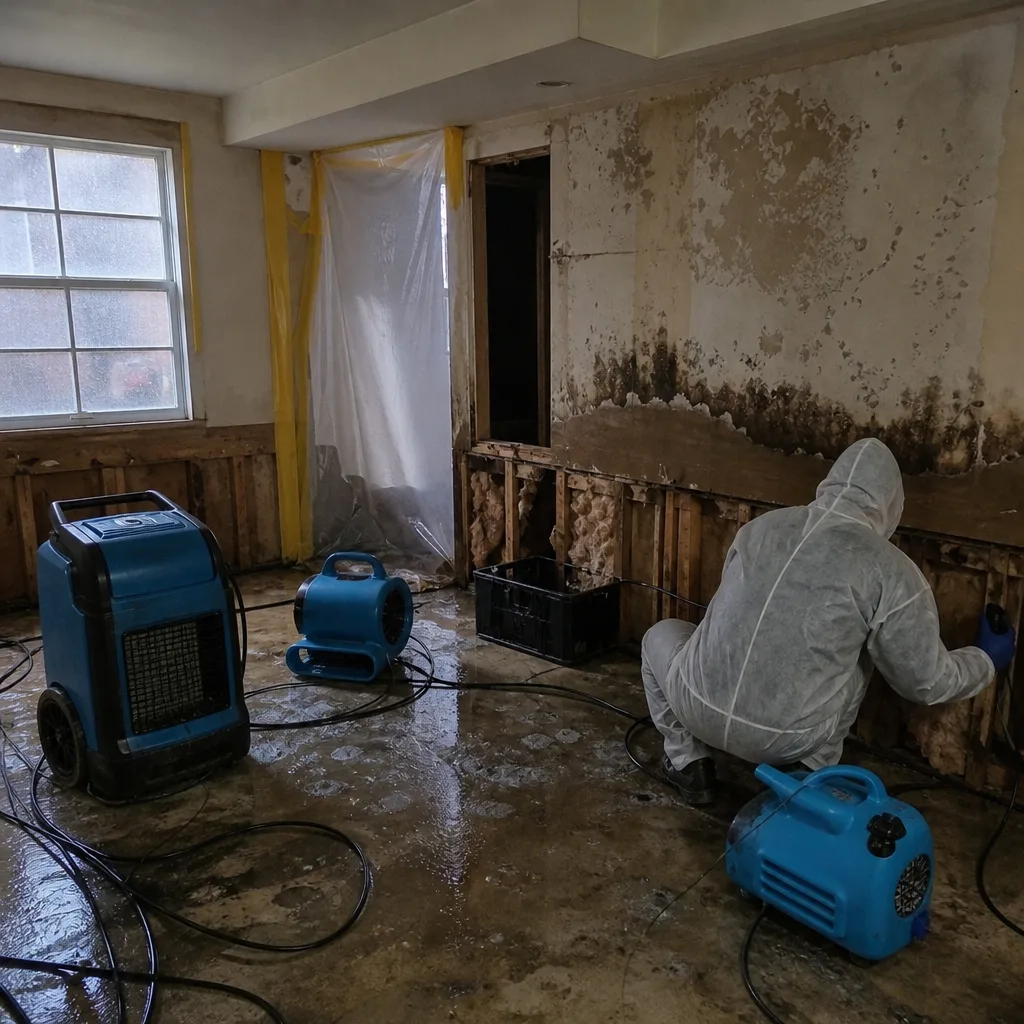 Before
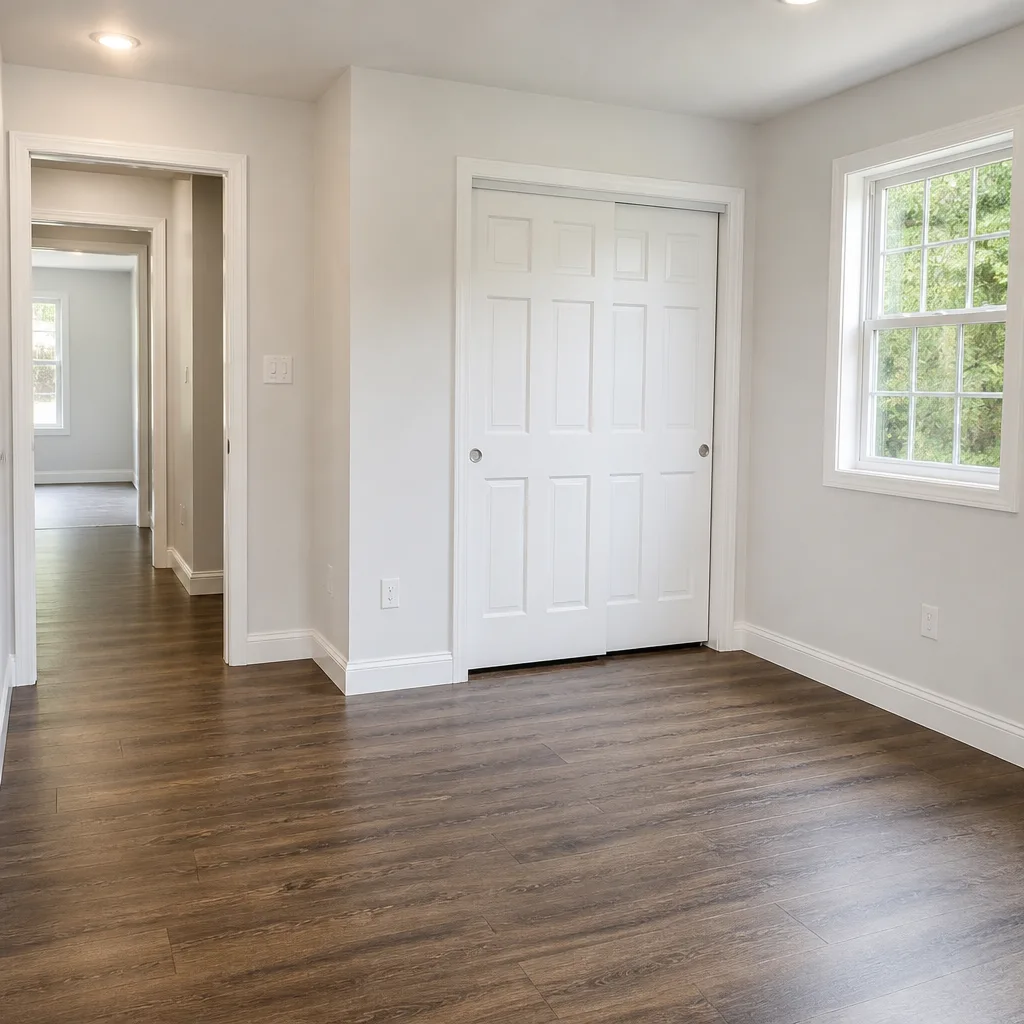 After
AfterDamage Restoration Cost Breakdown: The Los Angeles Homeowner’s Reference for 2026
Water damage restoration jobs in Los Angeles range from $1,200 to over $80,000, and the biggest predictor of where your job lands isn’t the damage itself. It’s whether the first company you called inflated the scope while you were still in panic mode. This guide publishes real 2026 line-item cost ranges for the Los Angeles market so you can evaluate any bid on the spot. You’ll learn what psychrometric drying actually costs per day, how insurance pricing differs from contractor pricing, and why a written estimate before work starts is the single strongest defense against a bloated final invoice.
Quick Answer
Water damage restoration in Los Angeles typically costs between $1,200 and $8,500 for a standard single-room Category 1 or 2 loss in 2026, while whole-home Category 3 (sewage or floodwater) remediation with reconstruction runs $15,000 to $80,000+. The four cost drivers are damage category, affected square footage, materials affected, and whether drying equipment must run for multiple days. A written, itemized estimate agreed to before work starts is the strongest predictor that your final invoice will match the quote.
Table of Contents
- The Los Angeles Restoration Market in 2026: Why Prices Look Different Here
- Category 1, 2, and 3 Water Damage: What Each Actually Costs
- Psychrometric Drying: What Equipment Costs Per Day in LA
- The Four Phases Every Restoration Bid Should Break Out
- Insurance Pricing (Xactimate) vs. Contractor Pricing: How to Negotiate Fairly
- Why a Written, Itemized Estimate Is the Single Biggest Factor in Invoice Accuracy
- What Changed in 2026: LA Labor, Materials, and Permitting Costs
The Los Angeles Restoration Market in 2026: Why Prices Look Different Here
Los Angeles restoration pricing runs 18 to 35 percent higher than the national average, and that gap isn’t arbitrary. Labor rates for IICRC-certified technicians in LA County sit between $65 and $95 per hour in 2026, driven by the same cost-of-living pressures that affect every trade in Southern California. A restoration crew that costs $45 per hour in Phoenix costs $75 per hour here before a single piece of equipment rolls off the truck.
Beyond labor, Los Angeles has specific material and disposal costs that national pricing guides miss. Construction debris hauling from a Westside home costs more than from a San Fernando Valley home because transfer station fees vary by district. Older LA housing stock, particularly in neighborhoods like Hancock Park, Mid-Wilshire, and Eagle Rock, requires restoration materials matched to pre-war construction: plaster repair instead of drywall patch, true dimensional lumber instead of modern nominal sizing, and lead-safe work practices under LA County health rules when pre-1978 surfaces are disturbed. All of that lands on the invoice.
We also see a seasonal pattern unique to the LA basin. When a winter atmospheric river pushes through, restoration demand spikes 300 percent in a week. Equipment rental costs climb as portable extraction units and dehumidifiers get scarce. If your loss happens in one of those windows, expect drying costs to run 20 to 30 percent higher than the same job in a dry August. That’s not price gouging. That’s the reality of a market where every serving company shares the same equipment supply chain. Knowing this before you call helps you separate a fair bid from an inflated one.
If you’re dealing with a current loss, start with Water Damage Restoration in Los Angeles and get a written scope before anyone starts cutting drywall.
Category 1, 2, and 3 Water Damage: What Each Actually Costs
The IICRC classifies water damage into three categories, and that classification drives more of your final price than any other single variable. Here’s what each means in plain language and what it costs in the Los Angeles market in 2026.
Category 1: Clean Water
This is water from a supply line, a failed water heater, or an overflowing sink with no contaminants. A Category 1 loss in a single room typically costs $1,200 to $3,800 including extraction, drying equipment for 3 to 5 days, and minor repairs like baseboard replacement. The same loss contained within 24 hours may cost less; the same loss left unattended for a week becomes a Category 2 or 3 problem and the price climbs accordingly.
Category 2: Gray Water
Gray water carries some contamination: washing machine discharge, dishwasher overflow, or clean water that sat for more than 48 hours and began supporting microbial growth. Category 2 jobs in Los Angeles run $3,000 to $8,500 for a room-scale loss. The added cost comes from antimicrobial treatment (roughly $1.50 to $3.50 per square foot), additional drying time, and more aggressive demolition. Affected carpet and pad almost always get removed rather than saved.
Category 3: Black Water
Black water is sewage, floodwater, or any water containing pathogenic material. This is the costliest category for good reason: contaminated materials must be removed, not dried. A Category 3 loss in a finished basement or crawlspace in Los Angeles typically runs $8,000 to $25,000 for remediation alone, before reconstruction. Whole-home black water events with structural drying, content pack-out, and rebuild commonly land between $30,000 and $80,000+.
The category assignment should be stated in writing on your estimate. If a contractor won’t tell you the category, that’s a signal to ask harder questions or get a second opinion.
Psychrometric Drying: What Equipment Costs Per Day in LA
Psychrometric drying means tracking the air’s moisture level so we know when your home is truly dry, not just surface-dry. The equipment doing that work is not free, and the per-day costs are itemized on any honest invoice. Here’s what you should expect to see in Los Angeles in 2026.
| Equipment Type | Daily Cost Range (LA Market) | Typical Quantity Per Room |
|---|---|---|
| Professional air mover (Dri-Eaz, Phoenix) | $25 to $45 per day per unit | 2 to 4 units |
| Commercial dehumidifier (low-grain refrigerant) | $70 to $110 per day per unit | 1 to 2 units |
| HEPA air scrubber | $60 to $95 per day per unit | 1 unit |
| Desiccant dehumidifier (large losses) | $150 to $300 per day per unit | 1 to 2 units |
| Injectidry floor drying system | $80 to $140 per day per system | 1 system per affected floor area |
A single affected room with wet drywall and wet flooring typically requires 3 to 5 days of drying in the LA climate. Coastal areas like Santa Monica and Playa del Rey dry slower than inland areas like Burbank or Pasadena because ambient humidity sits higher, so expect the drying window to stretch toward the long end if you’re west of the 405. Our team runs IICRC-standard psychrometric monitoring on every job, recording daily moisture readings so the equipment comes out the day the structure is actually dry, not a day or two after.
A properly dried structure costs between $500 and $1,800 in equipment alone for a standard room-scale loss. If a bid shows a round equipment number without itemizing the units and days, ask for that breakdown in writing.
The Four Phases Every Restoration Bid Should Break Out
Most restoration companies bundle their pricing into a single number. That’s where markup hides. A legitimate bid should break out four phases, and here’s what each one should cost in Los Angeles in 2026.
- Emergency mitigation and extraction: $400 to $1,200 for a room-scale loss. This covers the emergency call, water extraction with truck-mounted or portable extraction units, and initial containment. Expect an after-hours premium of 1.5x to 2x for calls between 10pm and 6am.
- Demolition and removal: $2 to $6 per square foot for drywall removal, baseboard removal, carpet and pad removal, and hauling. A 200-square-foot affected area runs $400 to $1,200 just to cut out wet materials. Category 3 losses push toward the high end because disposal fees and safety protocols increase.
- Antimicrobial treatment and drying: $1.50 to $3.50 per square foot for antimicrobial application, plus the equipment costs detailed above. This phase is where reputable companies differ most from cut-rate operations. Skipping or under-applying antimicrobial treatment to save money now means mold remediation later.
- Reconstruction and repair: $8 to $25 per square foot for standard residential rebuild in Los Angeles, including drywall replacement, texture matching, priming, paint, baseboard, and flooring. Custom finishes, older homes, or structural repair push this higher. This is the phase where you should expect a detailed scope with material specifications.
If you need repairs after mitigation, our Water Damage Repair in Los Angeles service always includes a written scope before any work begins.
Insurance Pricing (Xactimate) vs. Contractor Pricing: How to Negotiate Fairly
Insurance carriers in Los Angeles use Xactimate, a software platform that prices restoration work using regional cost data updated monthly. Your contractor may or may not price against Xactimate. Understanding the gap between those two numbers is the most useful leverage a Los Angeles homeowner can have in a restoration negotiation.
Xactimate pricing for Los Angeles in 2026 generally lands 10 to 25 percent below what a top-tier restoration company charges out of pocket. That’s not because contractors are greedy. It’s because Xactimate’s regional cost averaging can’t fully account for LA-specific variables: union labor on commercial-adjacent jobs, older home construction techniques, city-specific disposal fees, and the cost of operating a 24/7 response team in one of the most expensive labor markets in the country.
Here’s how to use that gap fairly:
- Ask your contractor if they work with Xactimate. Many restoration companies in LA write their estimates directly in Xactimate to streamline the insurance process. If they do, you’ll see line items that match your adjuster’s language exactly.
- Request a line-item comparison. If your adjuster disputes a line item, ask your contractor to show the specific cost difference and the reason. Often it’s a legitimate local cost issue (disposal fees, premium materials) that the adjuster’s national average missed.
- Don’t take the lowest bid just because it matches Xactimate. A company that underbids the Xactimate benchmark is usually cutting labor hours, equipment days, or skipping antimicrobial treatment. That’s not savings. That’s deferred cost that becomes a mold problem.
- Document everything for your adjuster. Photo documentation of every phase, itemized equipment logs, and daily moisture readings give your adjuster what they need to approve fair pricing. We send before-and-after photos by text on every job for exactly this reason.
Why a Written, Itemized Estimate Is the Single Biggest Factor in Invoice Accuracy
Here’s a pattern we’ve seen across hundreds of Los Angeles restoration jobs: when a written, itemized estimate is signed before work begins, the final invoice matches the estimate within 5 percent. When work starts on a verbal agreement, the final invoice averages 20 to 40 percent higher than what the homeowner remembers being told.
The reason is structural, not malicious. Restoration work reveals itself. A wall opened up may show damage that wasn’t visible during the initial walkthrough. A floor may require more drying time than the first moisture reading suggested. A legitimately honest contractor can discover new scope mid-job and add it to the invoice. The problem is what happens when there’s no baseline in writing: the “discoveries” are unverifiable, and you’re negotiating from a position of total information asymmetry.
A written estimate changes that dynamic. Here’s what it should include:
- Damage category (1, 2, or 3) stated in writing
- Affected square footage by room
- Equipment list with per-day rates and estimated drying days
- Labor hours by phase
- Material costs by line item
- Disposal and hauling fees
- A process for handling newly discovered damage (written change order, not verbal)
Every Wendell job includes a written price before any work starts. Not a ballpark, not a range, not a “we’ll see how it goes.” A specific number you sign off on. If the repair fails within 365 days, our 365-Day Done Right Promise covers making it right, stated in writing on every job.
What Changed in 2026: LA Labor, Materials, and Permitting Costs
Restoration pricing in Los Angeles moved upward in 2026 for three specific reasons, and knowing them helps you read any bid more accurately.
Labor rates climbed. IICRC-certified technicians are in short supply across Southern California, and the market responded. Hourly technician rates rose roughly 8 percent year over year, from a 2025 average of $60 to $85 up to the current $65 to $95 band. Companies that invest in background-checked, uniformed technicians and ongoing certification training pay at the top of that range, and that cost shows up in the bid. It also means the technician who shows up at your door actually knows how to run a dehumidifier array correctly.
Building materials stayed volatile. Drywall, lumber, and flooring prices stabilized somewhat from the 2023 and 2024 spikes but remain 15 to 20 percent above pre-2020 levels. Specialty materials, particularly true dimensional lumber for older LA homes and custom millwork matching in historic districts, became measurably more expensive in 2026 as supply sources consolidated.
Los Angeles permitting and disposal costs increased modestly. The city adjusted its construction and demolition permits upward in January 2026, and transfer station rates for construction debris climbed about 5 percent. None of these are dramatic single-line items, but on a whole-home restoration they add $800 to $2,500 to the final number. A good estimate will show these as separate line items, not buried in “miscellaneous.”
Common Mistakes to Avoid
- Accepting a verbal estimate. If the number isn’t in writing, it doesn’t exist. A verbal estimate in Los Angeles restoration work is the single most reliable predictor of a final invoice that comes in 30 to 50 percent higher than expected.
- Waiting to call while you “assess the damage.” Water moves through LA construction quickly, especially in slab-on-grade homes where moisture wicks up through drywall. Every 24 hours of delay can add $500 to $1,500 in additional drying and demolition by our observation on real jobs.
- Choosing the cheapest bid without comparing line items. A bid that’s 40 percent below market is not a deal. It’s a company cutting equipment days, skipping antimicrobial treatment, or planning to hit you with change orders once walls are open. Compare phase by phase, not total to total.
- Letting the first company through the door start immediately without a written scope. Panic mode is real, and restoration companies know it. The right response is speed plus documentation. A reputable company can dispatch fast and still put the price in writing before demolition starts.
- Not documenting damage for insurance before demolition begins. Take photos and video of every affected area before any cutting starts. Once materials are removed, your adjuster has no way to verify the original scope. Photo documentation protects your claim.
- Ignoring the drying phase because “the floor feels dry.” Surface-dry and structurally dry are different things. We’ve pulled moisture meters out of floors that felt bone dry to the touch and registered 28 percent moisture content. Skipping proper psychrometric drying in the LA climate, especially in coastal neighborhoods, is how you get mold six months later.
When to Call a Professional
Call a restoration professional the moment water spreads beyond a single contained area, when the water source is a sewage line or floodwater, when water has been sitting for more than 24 hours, or when drywall or flooring is visibly saturated. Electrical contact with standing water is a serious hazard that requires professional assessment before anyone enters the affected area. If you see ceiling sagging, that’s structural risk, and you should evacuate the room and call immediately. Wendell Water Damage Restoration offers free estimates in Los Angeles, call (940) 466-4354 and a live person answers, 24/7. If your loss involves mold growth, see our Mold Remediation in Los Angeles service page for specific remediation pricing and process details. For the full picture on what our team does, visit the Wendell Water Damage Restoration home page.
Frequently Asked Questions
Water damage restoration in Los Angeles typically costs $1,200 to $8,500 for a standard room-scale Category 1 or 2 loss, and $15,000 to $80,000+ for whole-home Category 3 damage with reconstruction. Your actual price depends on damage category, square footage, materials affected, and drying time. Watch for damage restoration warning signs to catch problems early. Call (940) 466-4354 for a written estimate specific to your loss, free of charge.
Homeowners insurance typically covers sudden and accidental water damage, such as a burst supply line or water heater failure, but generally does not cover gradual leaks or flood damage unless you carry separate flood insurance. Your restoration contractor should provide photo documentation and itemized estimates that help your adjuster process the claim. We work directly with adjusters and document every phase with photo evidence by text.
A restoration company with 24/7 live dispatch can typically arrive at your Los Angeles home within 60 to 90 minutes for emergency water extraction, depending on your neighborhood and current demand. Wendell answers every call with a live person around the clock and gives you a trackable arrival time, not a four-hour window. Call (940) 466-4354 and you’ll know exactly when the technician arrives.
Most residential water damage in Los Angeles requires 3 to 5 days of professional drying with air movers and dehumidifiers. Coastal neighborhoods like Santa Monica and Venice dry slower due to higher ambient humidity, while inland areas like Pasadena and Burbank typically hit dry standard faster. Your technician should provide daily moisture readings and remove equipment the day drying goals are met, not after a fixed rental period.
Mitigation is stopping the damage from getting worse: extraction, drying, antimicrobial treatment, and demolition of unsalvageable materials. Restoration is returning your home to pre-loss condition: rebuilding drywall, replacing flooring, repainting. Los Angeles companies often bill these separately, so a complete bid should show both phases itemized rather than bundled into one number.
Los Angeles restoration quotes vary because companies estimate equipment days, labor hours, and materials differently, and some lowball the initial bid expecting change orders to make up the difference. A written, itemized estimate with per-day equipment rates and phase-by-phase breakout is the best comparison tool. The price on the screen should be the price you pay, and if a company won’t commit to that in writing, get another bid.
The Bottom Line
Los Angeles restoration pricing in 2026 ranges from $1,200 to over $80,000 depending on damage category, square footage, and materials affected. The most important number on any bid is not the total, it’s the itemization: four phases broken out, equipment itemized per day, and a written commitment to a change-order process for newly discovered damage. Insurance pricing via Xactimate runs below contractor cash pricing, and that gap is normal in the LA market because regional cost data can’t capture local labor and disposal realities. A written estimate before work starts is the single strongest protection against invoice shock. If you’re facing water damage in Los Angeles, call (940) 466-4354 for a free, written estimate with no work started until you approve the scope.
Written by Blake Sorensen, Owner at Wendell Water Damage Restoration, serving Los Angeles since 2006.