
Last updated October 9, 2026
Free visual inspection and a written scope of work before any mitigation begins - photos, moisture readings, and drying logs go in your claim file
The scope we write is the scope we bill. Anything new gets shown to you, in writing, before we touch it.
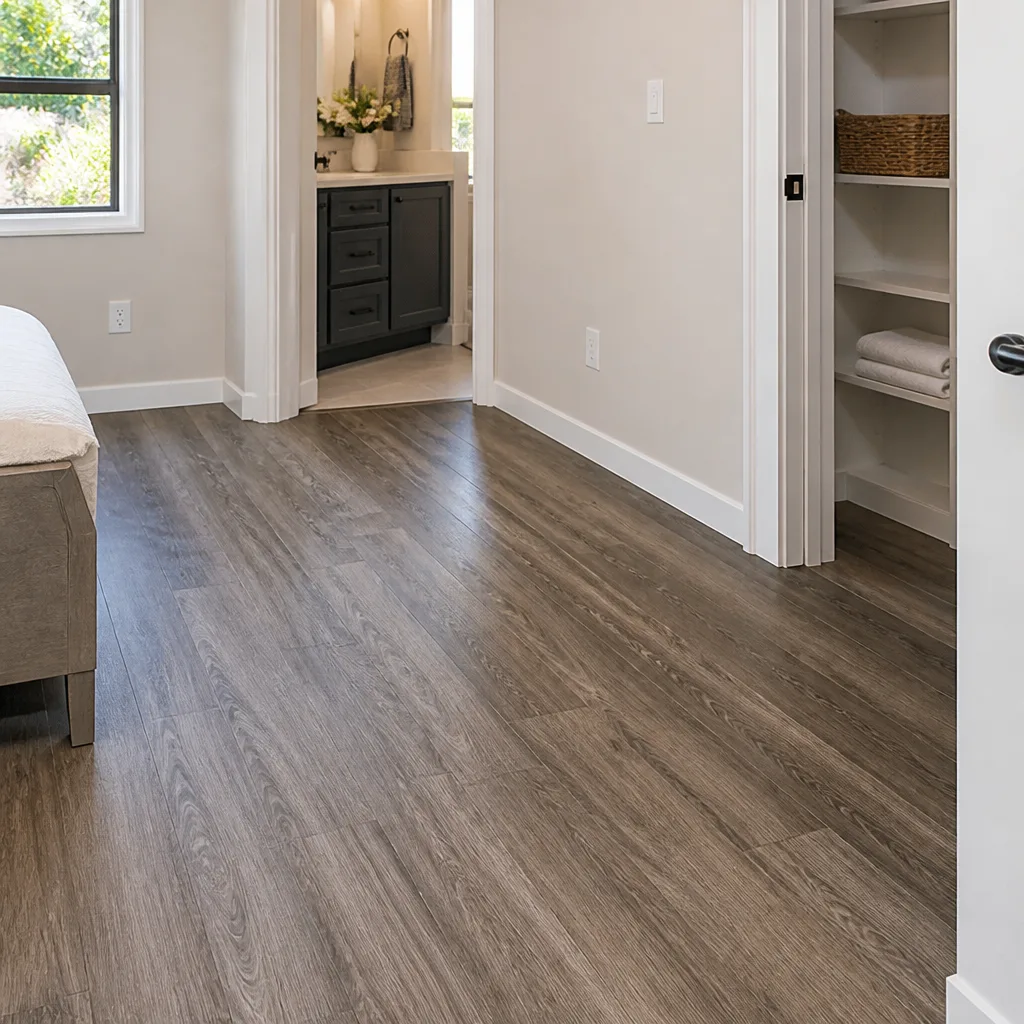
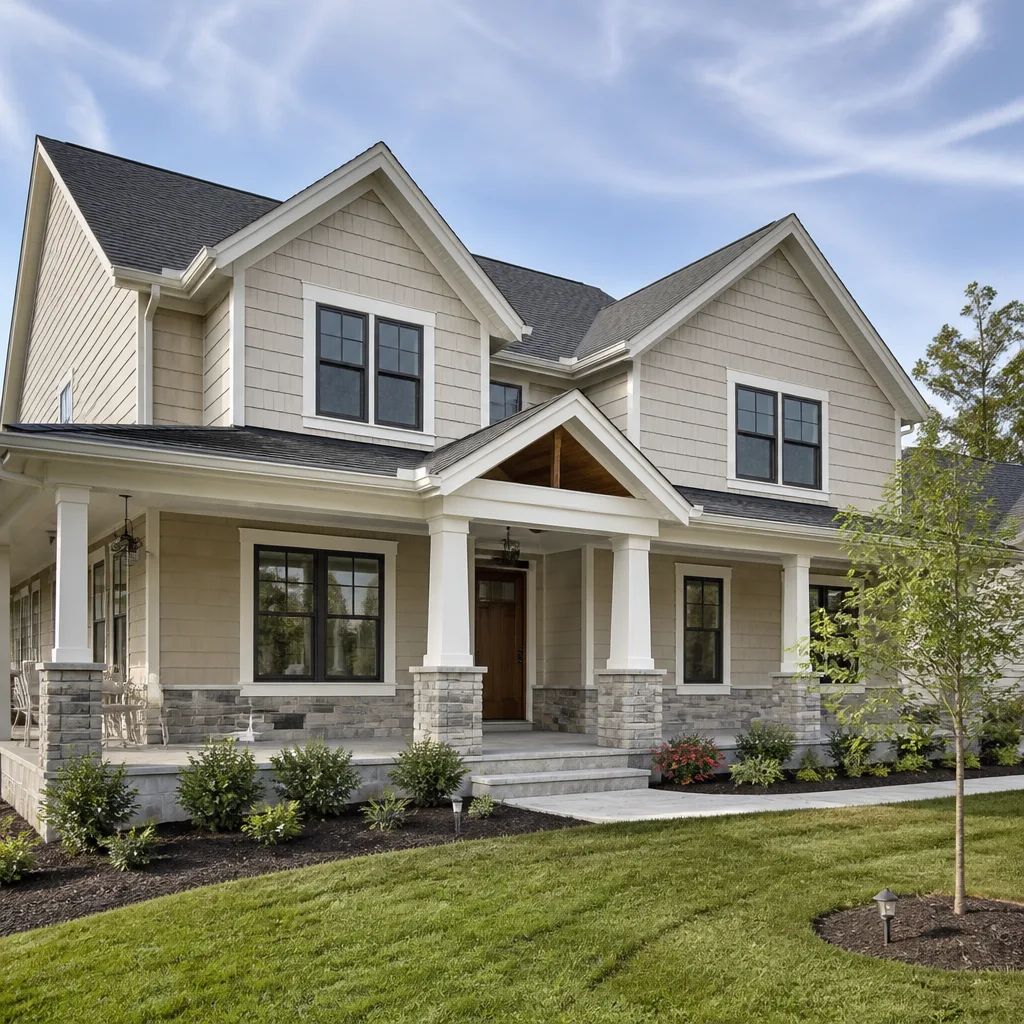
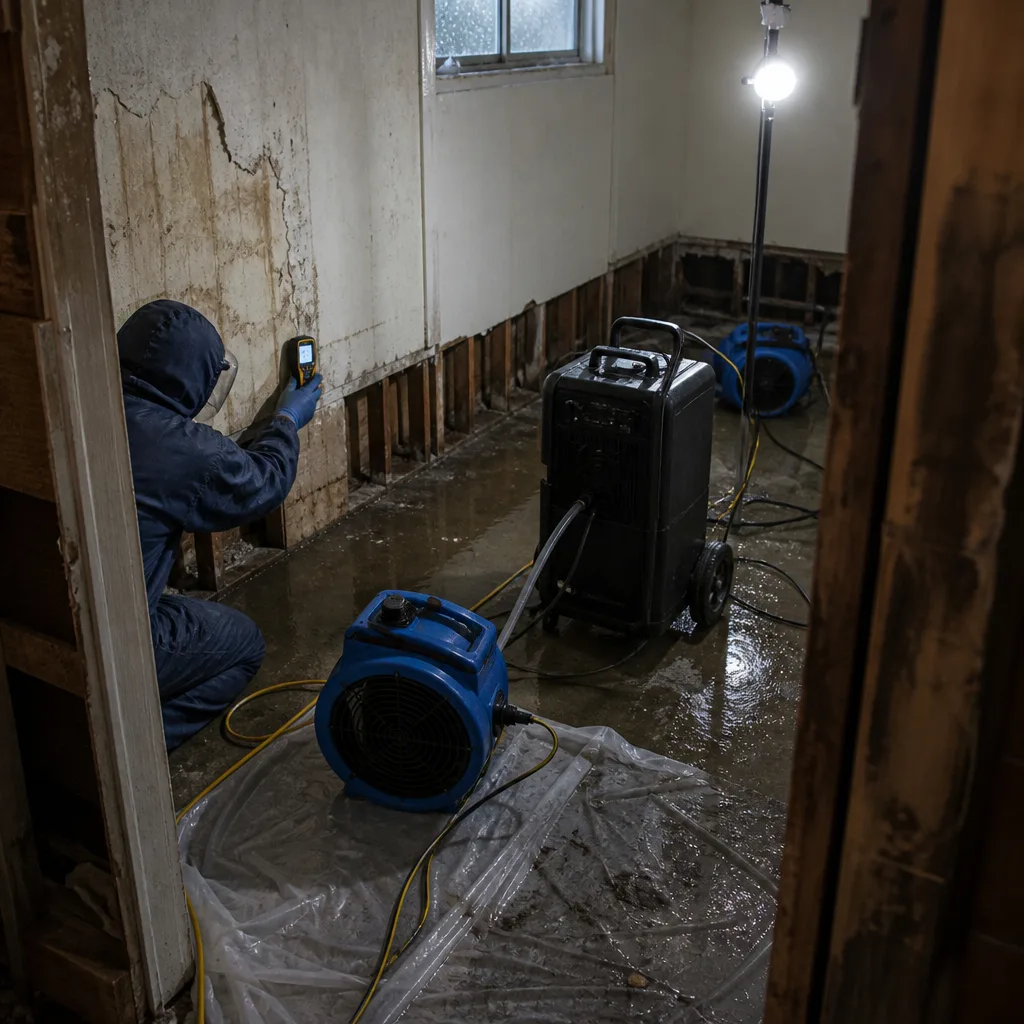 Before
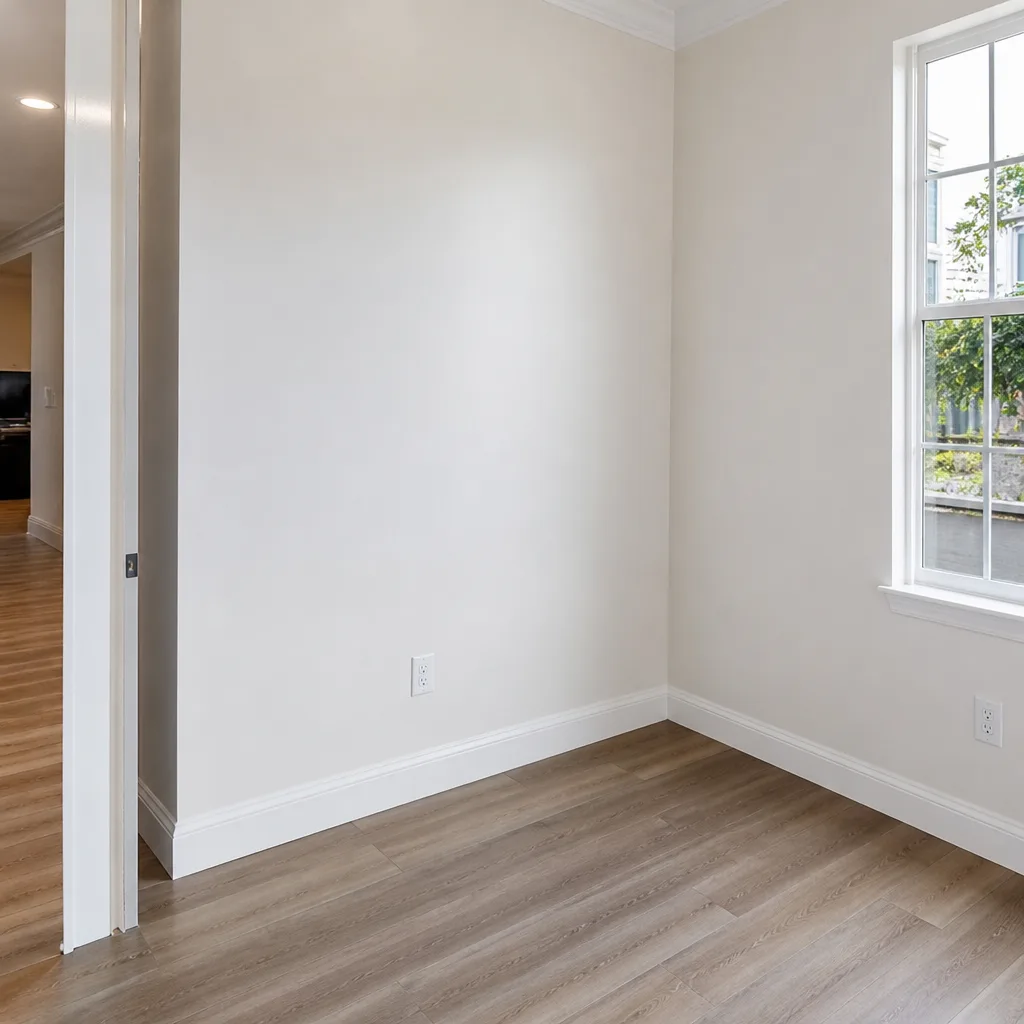 After
After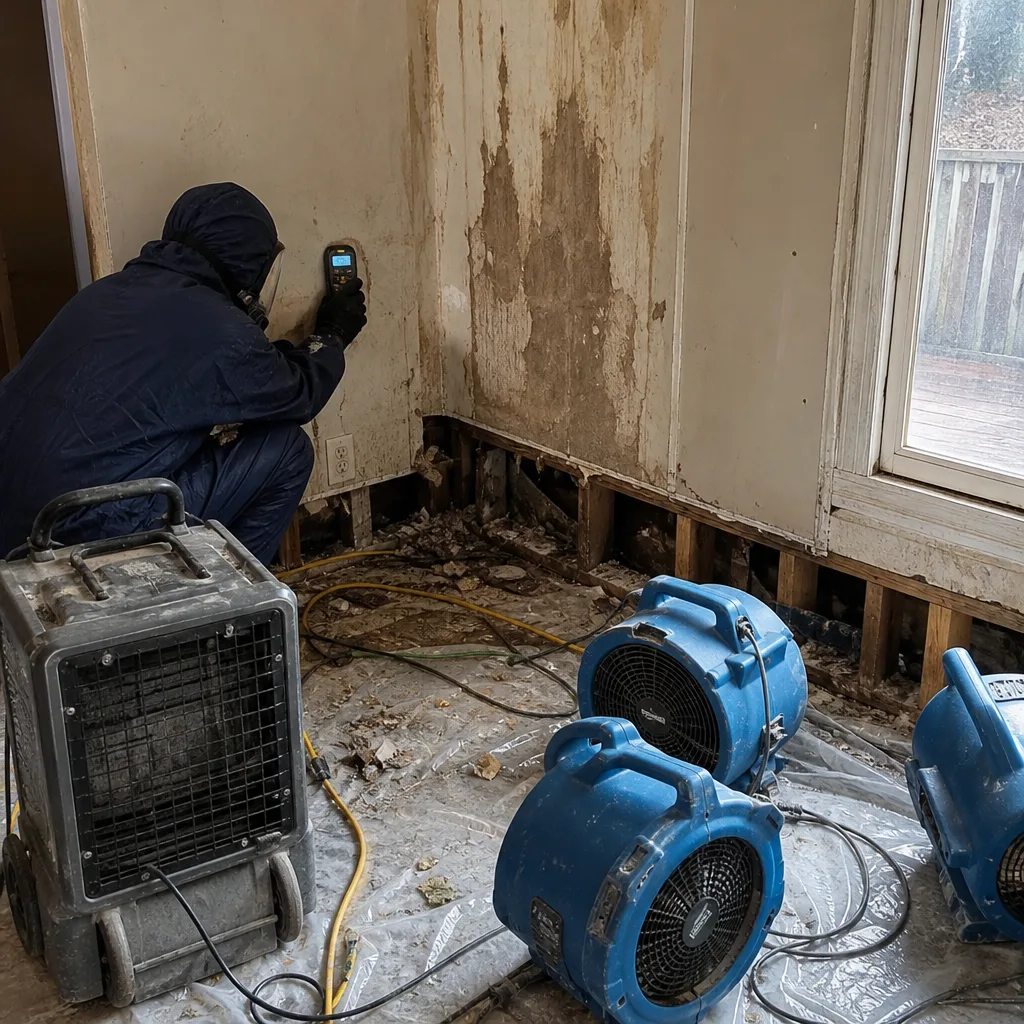 Before
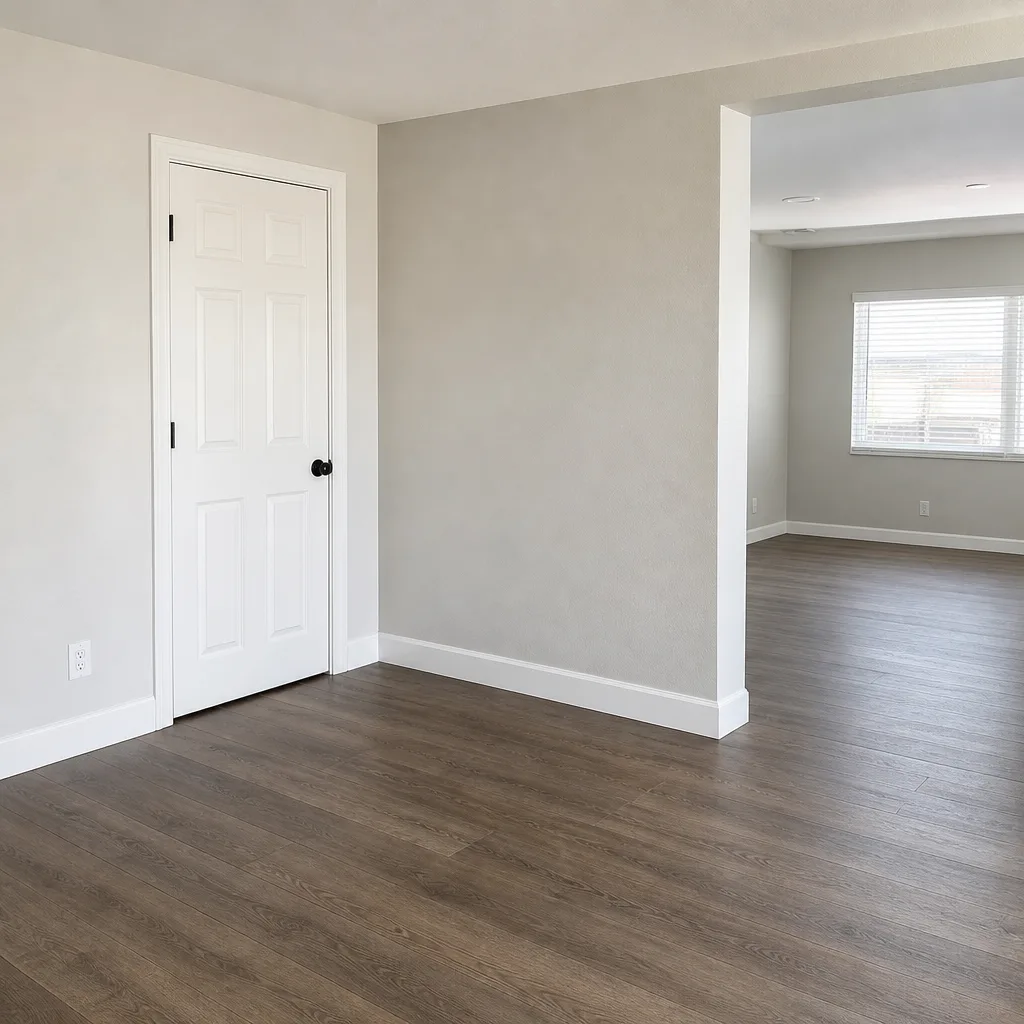 After
After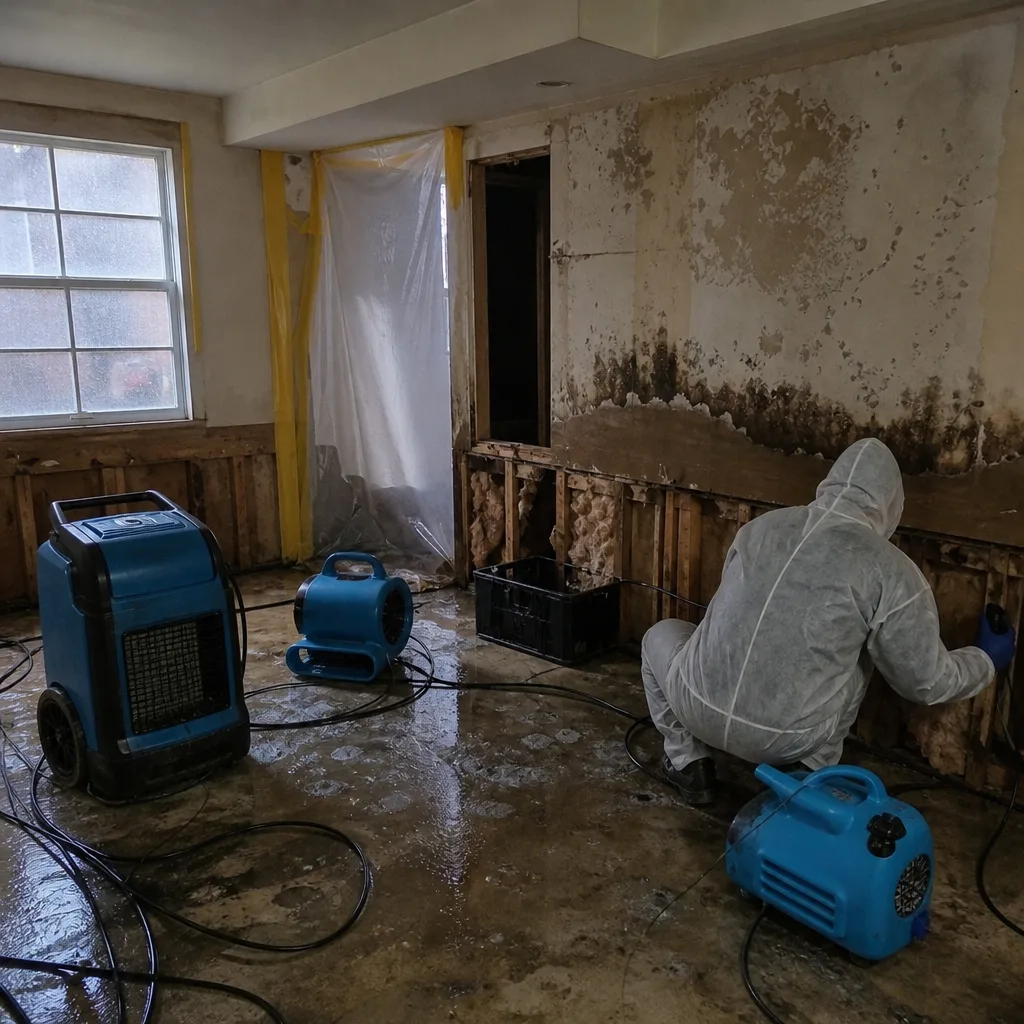 Before
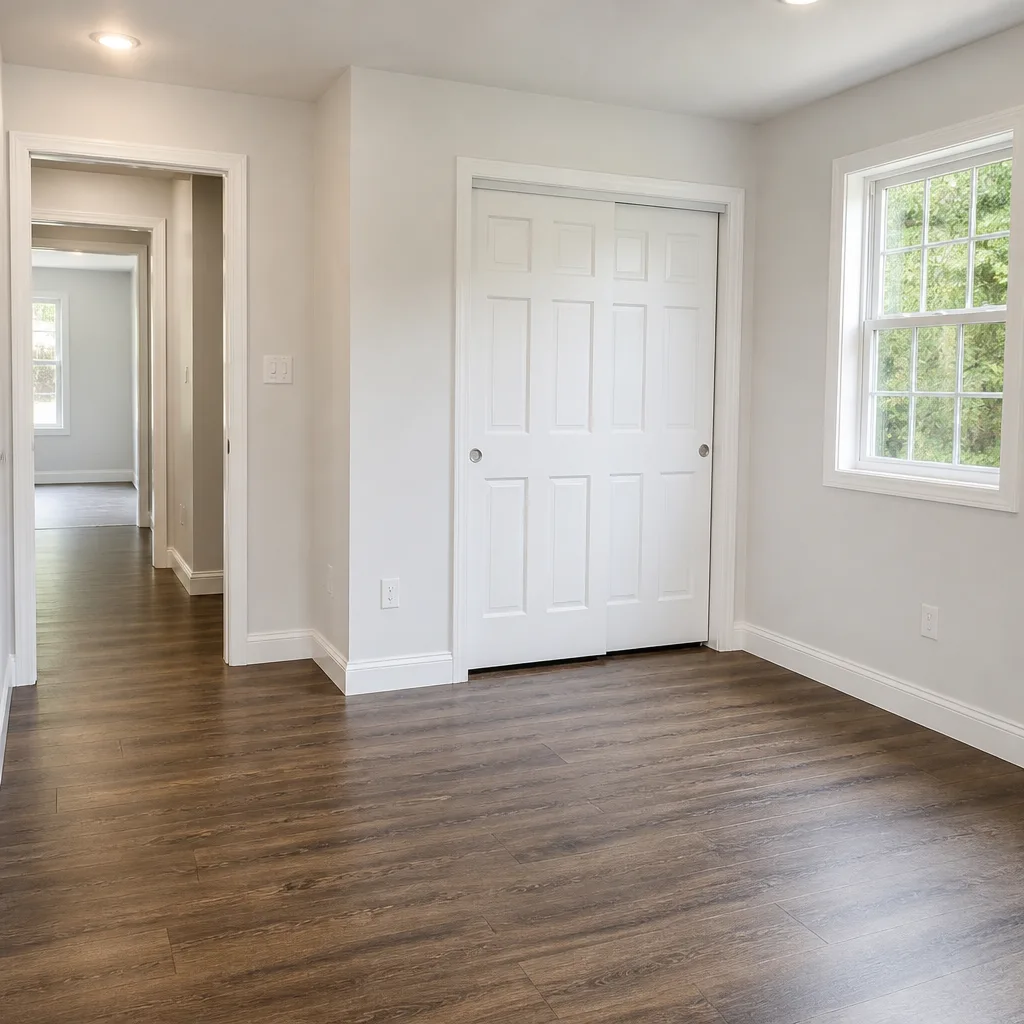 After
AfterThe Complete Guide to Damage Restoration in Los Angeles
Los Angeles has more pre-1980 homes with cast-iron drain stacks than any other major U.S. city. That single fact reshapes how damage restoration actually works here: a “simple” leak in a 1962 Los Angeles home often lives behind plaster walls that have already absorbed decades of undocumented moisture. This guide walks through the real sequence of events, from the moment water hits your floor to the day you get your certificate of completion, and how our city’s building stock, geology, and insurance market change every step along the way. For a deeper dive, see The Complete Water Damage Restoration Guide for Los Angeles Homeowners.
Quick Answer
Damage restoration in Los Angeles follows a three-phase sequence: mitigation (stop the water and stabilize the space), drying (remove trapped moisture to a measurable standard), and repair or rebuild (return the home to pre-loss condition). In Los Angeles, this typically costs $3,500 to $18,000 depending on the source and spread of the water, and takes anywhere from 5 days for a contained leak to 12 weeks for a full rebuild with permits. The fastest way to keep costs down is to start mitigation within the first 24 hours, before mold has a chance to establish. For related guidance, see The Complete Mold Remediation Guide for Los Angeles Homeowners.
Table of Contents
- Why LA’s Climate Makes Drying Deceptive
- The Actual Restoration Sequence (And Who Is Licensed for What)
- How LA’s Older Construction Types Change the Protocol
- Where LADBS Permits Intersect with Restoration
- Insurance in the Room: Documentation That Gets Claims Paid
- What Restoration Actually Costs in Los Angeles
- How to Choose a Restoration Crew Without Getting Oversold
- The Relay Visibility Guarantee in Practice
Why LA’s Climate Makes Drying Deceptive
Most people assume Los Angeles is too dry for moisture problems. And on the surface, that tracks: with average humidity hovering around 50 to 65 percent for much of the year, our air pulls moisture out of wet materials faster than, say, Houston or Miami. But that Mediterranean climate creates a trap. Homeowners and even some restoration crews see dry drywall on the surface and pull the drying equipment too early, while the wall cavity behind it still holds 20 percent moisture content. Surface dryness is not structural dryness.
In restoration terms, we track psychrometric drying, which is the science of measuring the air’s temperature, humidity, and dew point to know when building materials are truly dry, not just surface-dry. A proper crew uses moisture meters on wood framing and drywall and logs those readings daily. Pulling equipment before those numbers hit the target is how you get mold blooms three weeks later, along with a second claim that’s harder to justify to an adjuster. In our experience in Los Angeles, the homes that come to us with “recurring” moisture problems are rarely recurring at all. They were never fully dried the first time.
The Actual Restoration Sequence (And Who Is Licensed for What)
Restoration in Los Angeles is not one job performed by one crew. It is three distinct phases, and different contractors hold different licenses for each. Understanding this protects you from hiring a mitigation-only crew to rebuild your kitchen, or a general contractor to handle mold-contaminated water extraction.
Phase 1: Mitigation (Stop the Source, Stabilize the Space)
Mitigation starts the moment water is discovered. It includes shutting off the water source, extracting standing water, removing saturated materials that cannot be economically dried (like soaked carpet padding or wet drywall below the water line), and setting up containment if the water category is contaminated. In Los Angeles, this phase is almost always an emergency. Sewage backups from the city’s aging sewer laterals are common in older neighborhoods like Silver Lake, Echo Park, and South LA, where cast-iron lines have been in the ground since the Eisenhower administration. Mitigation crews need a C-61/D-64 license from the California Contractors State License Board (CSLB) for non-structural work, or a B license for general contracting if they are doing structural repairs.
Phase 2: Structural Drying
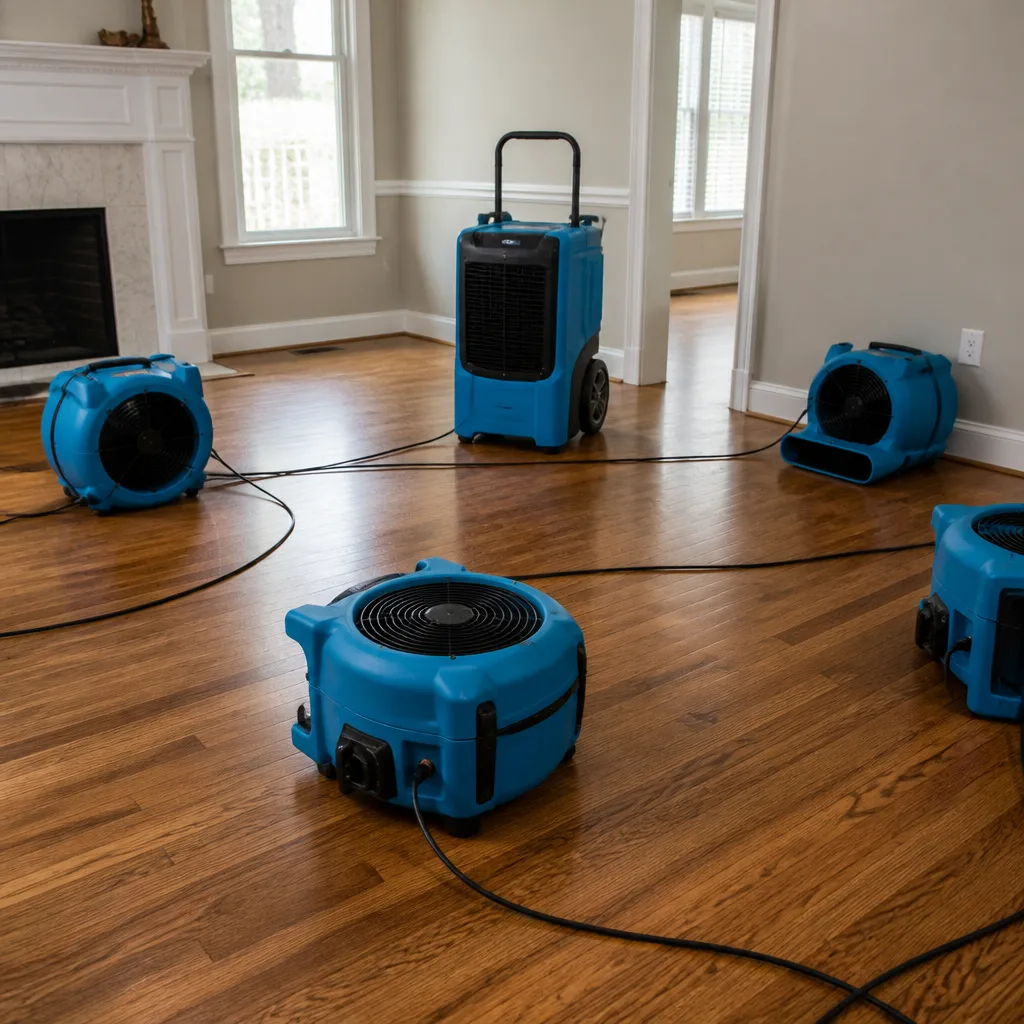
After the source is stopped and the water extracted, the drying phase begins. This is where professional-grade equipment matters: high-velocity air movers from Dri-Eaz, Phoenix, or XPOWER, paired with dehumidifiers that pull gallons of water out of the air per day. In some LA homes, we use Injectidry systems, which force air into enclosed wall cavities and under hardwood floors, spaces a standard air mover will never reach. Drying typically takes 3 to 7 days, but the specific timeline depends on the material type and the amount of water absorbed. A half inch of standing water on a concrete slab in a Venice Beach bungalow dries differently than water that has wicked up the plaster walls of a 1930s Spanish Colonial in Hancock Park.
Phase 3: Repair and Rebuild
Once the structure measures dry by meter readings, reconstruction begins. This includes replacing drywall, reinstalling flooring, painting, and restoring the space to pre-loss condition. In Los Angeles, this phase frequently triggers LADBS permits for electrical, plumbing, or structural work. A B-licensed general contractor handles the rebuild, and in some cases the same company holds all the licenses. In other cases, you will work with a mitigation contractor who then hands the project to a separate rebuild firm. We hold the credentials to manage both phases, which means one point of accountability for the entire sequence.
How LA’s Older Construction Types Change the Protocol
The IICRC S500 is the industry standard for water damage restoration. It establishes the criteria for water classification, drying goals, and equipment placement. But in Los Angeles, applying the S500 without modification leads to failure. The city’s housing stock is unlike any other major metropolitan area in the country, and specific construction types require specific adaptations.
Stucco Exteriors and Vapor Barriers
LA’s Mediterranean and Spanish Colonial homes feature stucco cladding over wood framing. Stucco is porous and holds water longer than most siding materials. A roof leak or window leak that runs behind stucco can saturate the wall cavity for weeks before visible damage appears inside. Standard drying protocols assume a vapor barrier between the cladding and the framing. Many pre-1980 LA homes have no such barrier. That means the drying target must be adjusted lower, and more wall material typically has to be removed to expose the wet cavity to airflow.
Plaster Walls
Plaster is denser than drywall and dries more slowly. It also hides moisture better, because it doesn’t bubble or sag the way drywall does when saturated. In homes in Los Feliz, Pasadena, and West Adams, we see plaster walls with moisture readings above 40 percent that look perfectly intact on the surface. Restoration crews unfamiliar with plaster tend to assume it is fine, skip the wall cavity, and leave behind a breeding ground for mold. Standard S500 drying targets assume gypsum board, which is why a modified protocol, with longer equipment run times and more invasive inspection, is necessary.
Raised Foundations
Many pre-1950 LA homes sit on raised foundations with a crawl space underneath. A supply-line leak under a raised foundation can run for weeks before anyone notices, soaking the subfloor from below. Standard protocols call for drying from the top down. In raised-foundation homes, you often need to apply airflow from the crawl space up through the floor assembly. That requires access cuts and sometimes mechanical ventilation in the crawl space itself, details that a generic restoration crew can miss entirely. This is exactly how a “dried” home develops musty smells a month later, and why the restoration team’s familiarity with local construction makes a measurable difference.
Where LADBS Permits Intersect with Restoration
The Los Angeles Department of Building and Safety (LADBS) governs construction permits in the city, and restoration work often crosses into permit territory without homeowners realizing it. Understanding this matters because unpermitted restoration can create a title problem when you later sell the house, and it can void homeowners insurance coverage if discovered after the fact.
Here is a step-by-step view of how permits typically interact with a Los Angeles restoration project:
- Mitigation rarely requires a permit. Water extraction, demolition of wet drywall, and equipment setup are considered emergency work and do not require LADBS approval. You can proceed immediately.
- Structural repairs trigger a permit. If the water damage compromised wall studs, floor joists, or the roof structure, a permit is mandatory. This is the most common trigger in older LA homes where a long-running leak has rotted framing.
- Plumbing and electrical work trigger a permit. Replacing a section of supply line behind a wall, rewiring outlets that were submerged, or moving a drain line all require LADBS inspection. A licensed plumber or electrician must pull the permit.
- Replacing like-for-like materials often does not. If you are replacing drywall, flooring, or cabinetry with the same materials and no structural changes, no permit is required.
- Mandatory inspections happen at specific stages. For permitted work, LADBS inspectors must sign off on the rough-in stage (before walls close) and the final stage (when work is complete). The restoration timeline must build in these inspection windows, typically 1 to 3 business days each.
The permit process adds 1 to 3 weeks to a restoration timeline, but skipping it creates a larger headache than the delay. In Los Angeles, unpermitted work is one of the most common title defects revealed during escrow, and buyers have learned to ask for permits on any water damage repair history.
Insurance in the Room: Documentation That Gets Claims Paid
Restoration and insurance are inseparable in Los Angeles. Most water damage claims start with a call to the insurance company, then a call to a restoration company. But the order matters, and the documentation matters even more. Insurance adjusters in the Los Angeles market are fielding more claims than ever, and they expect photo evidence for every line item.
The documentation standard that works, and the one we use on every single job, includes:
- Photo documentation at every stage. Before extraction, after extraction, during drying with moisture meter readings visible, and after completion. A claim with 200 photos attached is a claim that gets paid.
- A written scope of work. Before a single tool touches the job, a written scope lists exactly what will be done, what it costs, and what the insurance policy is expected to cover. This protects both you and the restoration company from disputes later.
- Direct adjuster coordination. A restoration company that has experience in the Los Angeles market will communicate directly with your adjuster, answer their questions, and provide the technical justification for each line item. This is the difference between a claim approved in two weeks and one stuck in review for two months.
- A written guarantee. This is where our 365-Day Done Right Promise comes in. Every job we complete includes a written guarantee: if it’s not done right, we make it right. Not a verbal promise. A written one, included on every single repair.
Insurance policies vary by carrier and by Los Angeles neighborhood, even within the same zip code. A homeowner in Brentwood might have a different deductible and coverage structure than a homeowner in Northridge. That’s why the written scope, with a clear split between covered and non-covered items, is the single most important document in the entire restoration process.
What Restoration Actually Costs in Los Angeles
Let’s talk about money. The price tags below are shaped by real Los Angeles market rates, including our higher labor costs, LADBS permit fees, and the specific construction materials used in this city. Every home is different, but these ranges give you a baseline to work from.
| Scope of Work | Typical Cost Range in Los Angeles | Timeline |
|---|---|---|
| Contained kitchen sink leak, dryout only | $2,500 – $5,000 | 4 – 6 days |
| Bathroom supply line leak, dryout + moderate repair | $4,000 – $9,000 | 1 – 3 weeks |
| Whole-room water damage, full mitigation + rebuild | $8,000 – $18,000 | 3 – 6 weeks |
| Sewage backup, sanitization + repair | $6,000 – $15,000 | 2 – 4 weeks |
| Whole-home flood damage, multi-room mitigation + rebuild | $25,000 – $60,000+ | 6 – 12 weeks |
| Mold remediation (contained, per affected room) | $2,000 – $6,000 | 3 – 5 days |
These numbers assume a licensed, insured restoration company doing the work to IICRC standards. They do not include deductible payments, which are between you and your insurance carrier. They also don’t include the cost of temporary housing, which is covered under many policies but varies by carrier. The single most expensive line item in Los Angeles restoration is almost always the rebuild phase, and most of that cost is labor, which runs higher here than in any other California market except the Bay Area. For a full breakdown of water-specific pricing, see our Water Damage Restoration in Los Angeles guide.
How to Choose a Restoration Crew Without Getting Oversold
The restoration industry has a reputation problem, and it’s worst in disaster categories where homeowners are panicked. Some companies will show up, give you a vague estimate, start demolition, and then tell you the cost has doubled because they “found more damage.” A written scope of work, agreed before the first tool is picked up, solves this. The number on the screen is the number you pay.
Here is the evaluation checklist we recommend, written for an LA homeowner:
- Does a live person answer the phone? Water damage does not keep business hours. If you call on a Sunday at 7 p.m. and get a voicemail, keep calling other companies. We answer every call with a live person, 24/7.
- Is the price in writing before work starts? This is non-negotiable. No legitimate restoration company should ask you to authorize work without a written estimate.
- Are the technicians background-checked and uniformed? You should know exactly who is walking through your door before they arrive. A company that sends unmarked vehicles and unidentified workers is cutting corners somewhere.
- Do they follow IICRC, RIA, and IFA standards? These are the three major industry bodies that set restoration protocols. A company that advertises these standards and uses professional equipment from Dri-Eaz, Phoenix, XPOWER, B-Air, and Injectidry is investing in the craft, not just the marketing.
- Is there a written guarantee? Our 365-Day Done Right Promise means exactly what it says: if the repair isn’t done right, we make it right, and it’s stated in writing on every job. If a company cannot put a guarantee in writing, walk away.
- Can they handle insurance documentation? A restoration company that knows how to photograph, scope, and communicate with adjusters will save you thousands in out-of-pocket costs.
For mold-specific work, the stakes are even higher. A bad mold remediation can spread spores through your entire HVAC system and make the problem dramatically worse. For more on that, see our Mold Remediation in Los Angeles guide.
The Relay Visibility Guarantee in Practice
Wendell Water Damage Restoration operates under the Relay Home Co. family, founded in 2006, and every location is independently owned and operated to The Relay Visibility Guarantee. That means the entire restoration process is visible to you in real time, the same way you track a rideshare or a food delivery. Here is what that looks like on a real job in Los Angeles:
- Book in a tap. You call or book online. A live person answers, 24/7. No phone tree, no callback queue.
- Live arrival time. You get a technician arrival time you can track, not a vague four-hour window. The background-checked, uniformed technician arrives when the tracker says they will.
- Written price before work starts. The scope and price are put in writing before any work begins. A digital invoice is texted to you, and you can pay from the link. The number on the screen is the number you pay.
- Before-and-after photos by text. During the job, you receive photo updates at key milestones: initial damage, after extraction, drying progress with moisture readings, and final completion.
- Written guarantee and free second visit. Every job includes the 365-Day Done Right Promise in writing. And if the repair fails, we return for a second visit at no charge.
That is not the standard restoration experience in Los Angeles. Most companies still run on phone tag, four-hour windows, and a final bill that looks different from the initial quote. The Relay Visibility Guarantee exists to change that, one job at a time.
Common Mistakes to Avoid
- Pulling drying equipment too early. LA’s dry air makes surfaces look dry while wall cavities still hold water. If the crew doesn’t take moisture meter readings before pulling equipment, the job isn’t done.
- Assuming a general contractor can handle mitigation. A licensed GC is fine for rebuild, but mitigation requires specialized equipment and IICRC training. Hiring the wrong license for the wrong phase leads to mold and denied claims.
- Skipping the permit on structural repairs. The LADBS permit process adds time, but unpermitted work will surface later during a home sale and can void your insurance coverage.
- Failing to photograph everything before cleanup starts. Your insurance claim depends on documentation. Photos taken before, during, and after mitigation are the difference between a covered claim and a denied one.
- Accepting a verbal estimate instead of a written scope. A written scope is your legal protection. In Los Angeles, where restoration costs run high, a verbal number means nothing when the final invoice arrives.
- Waiting to call because you are not sure the damage is “bad enough.” Water spreads. A small leak behind a Los Angeles plaster wall can saturate the entire cavity within 48 hours. Time is the single most expensive variable in restoration.
- Ignoring the crawl space in a raised-foundation home. If your LA home is pre-1950, the damage may be underneath the floor, not on top of it. A crew that only inspects the visible surfaces will miss the source.
When to Call a Professional
You need a restoration professional if any of these apply: water has been standing for more than a few hours, water has soaked into drywall or plaster, the water source is a sewage backup or contaminated Category 2 or 3 water, you smell mustiness or see visible mold, the water has reached electrical outlets or wiring, or the affected area is larger than one room. These are not DIY situations, and in Los Angeles’s older homes especially, the hidden damage is often worse than the visible damage. A trained technician with the right equipment can assess the full scope in a single visit.
Wendell Water Damage Restoration offers free estimates in Los Angeles. Call (940) 466-4354 and a live person answers, 24/7. We’ll give you a written price before any work starts and walk you through exactly what comes next.
Frequently Asked Questions
A contained leak with no rebuild typically takes 5 to 7 days from mitigation through final drying. A full restoration with rebuild takes 3 to 12 weeks depending on permit inspections, material availability, and the extent of structural damage. The Los Angeles-specific variable is the LADBS permit process, which adds 1 to 3 weeks for permitted work.
Most homeowners policies in California cover sudden and accidental water damage, such as a burst supply line or an overflowed bathtub. They do not cover gradual leaks, slow seepage, or flood damage from external sources. Mold remediation is covered only when it results from a covered water event. Direct adjuster coordination and thorough photo documentation are what get claims approved.
Costs range from about $2,500 for a contained sink leak to $60,000 or more for whole-home flood restoration. The biggest cost driver in Los Angeles is labor, followed by the rebuild phase, which accounts for 60 to 70 percent of most restoration budgets. A written scope before work starts eliminates surprise costs.
No. If the affected materials are dried to IICRC moisture standards within 48 to 72 hours, mold growth is unlikely and remediation is not required. However, in Los Angeles homes with plaster walls and raised foundations, hidden moisture often extends the risk window, and an antimicrobial treatment during the drying phase is a standard precaution. For more detail, see our Mold Remediation in Los Angeles guide.
Mitigation is the emergency phase: stopping the water, extracting standing water, removing unsalvageable materials, and setting up drying equipment. Repair is the rebuild phase: replacing drywall, installing flooring, repainting, and restoring the home to pre-loss condition. In Los Angeles, these phases may require different licenses, and the same company does not always perform both. See our Water Damage Repair in Los Angeles guide for the repair phase in detail.
If the water damage compromised structural framing, electrical wiring, or plumbing lines, LADBS requires a permit and a mandatory inspection. Skipping the permit creates a title defect when you sell the home and can void insurance coverage for the unpermitted work. A restoration company familiar with Los Angeles building codes will tell you upfront whether your job triggers a permit.
The Bottom Line
Damage restoration in Los Angeles is a three-phase process with specific local rules. The city’s Mediterranean climate hides moisture behind deceptive surface dryness. Its aging housing stock, plaster walls, stucco exteriors, and raised foundations require modified IICRC protocols. LADBS permits add weeks to rebuild timelines but skipping them creates worse problems. And the insurance claim only gets paid when the documentation is handled correctly from the first day. Get everything in writing before work starts, ask for a written guarantee, and call a company that answers the phone before you are ready to schedule. For a direct line to the home base of our services, visit the Wendell Water Damage Restoration home page.
Written by Blake Sorensen, Owner at Wendell Water Damage Restoration, serving Los Angeles since 2006.