
Last updated October 9, 2026
Free visual inspection and a written scope of work before any mitigation begins - photos, moisture readings, and drying logs go in your claim file
The scope we write is the scope we bill. Anything new gets shown to you, in writing, before we touch it.
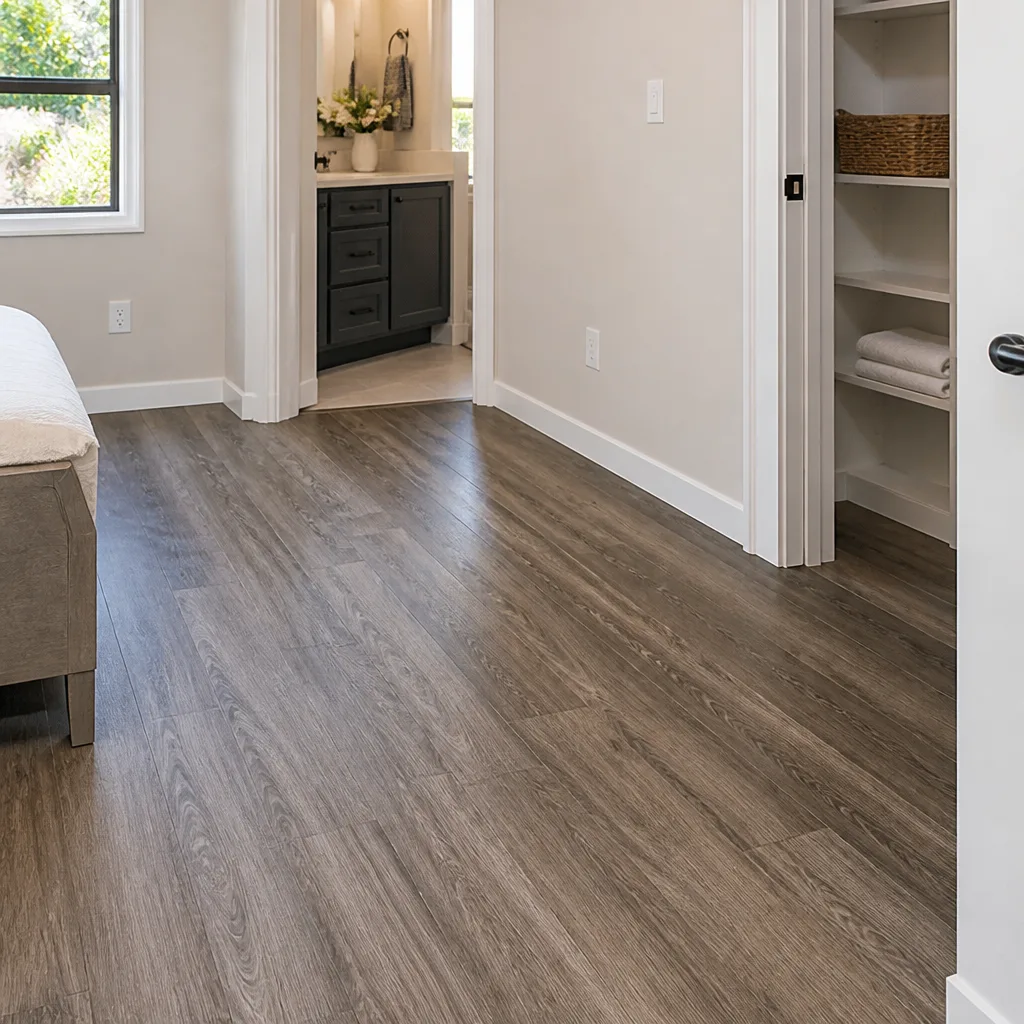
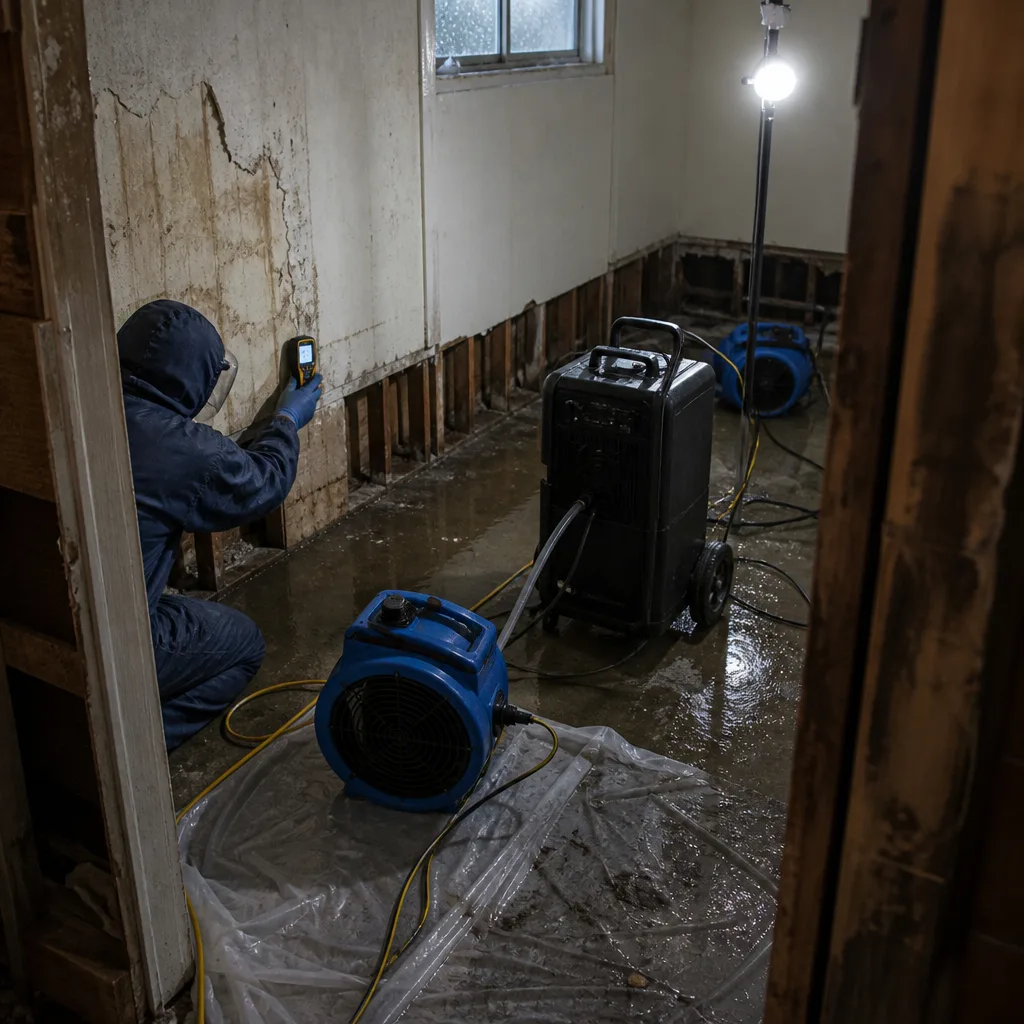 Before
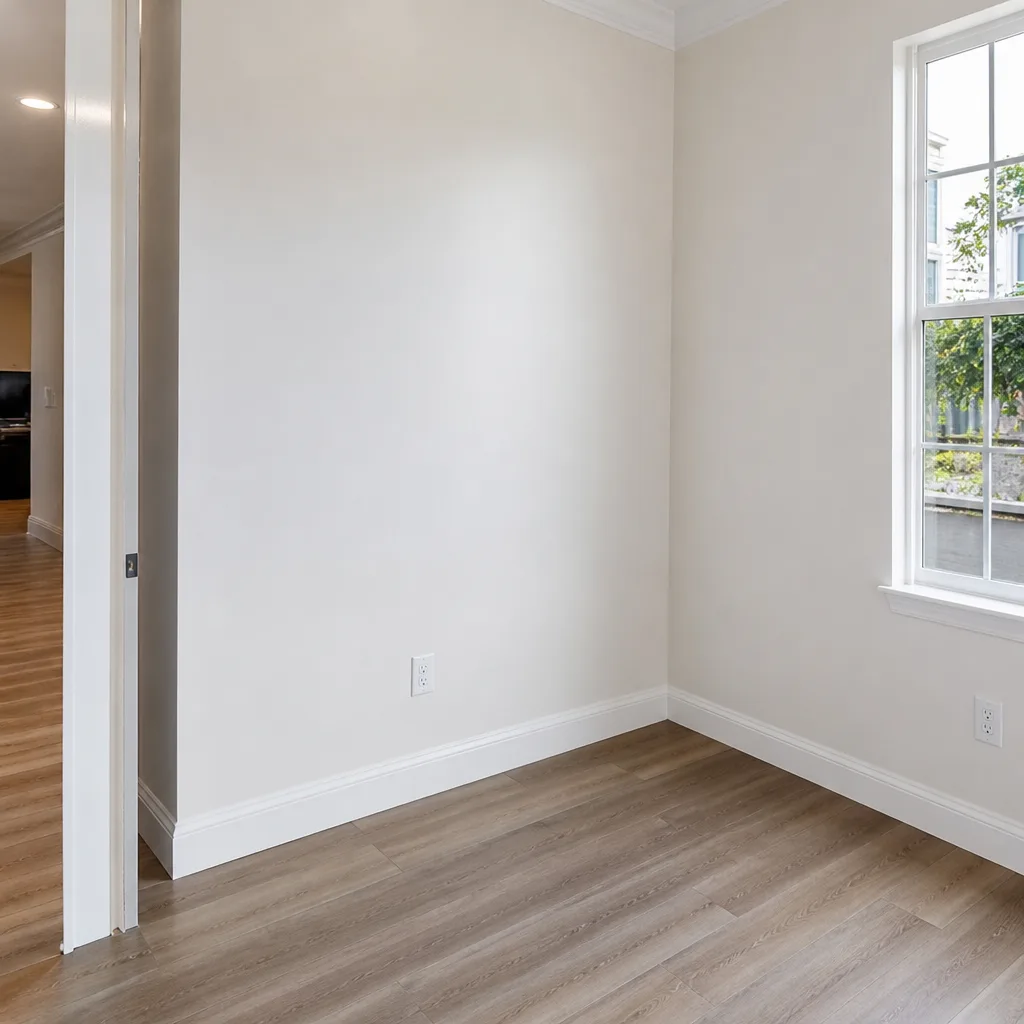 After
After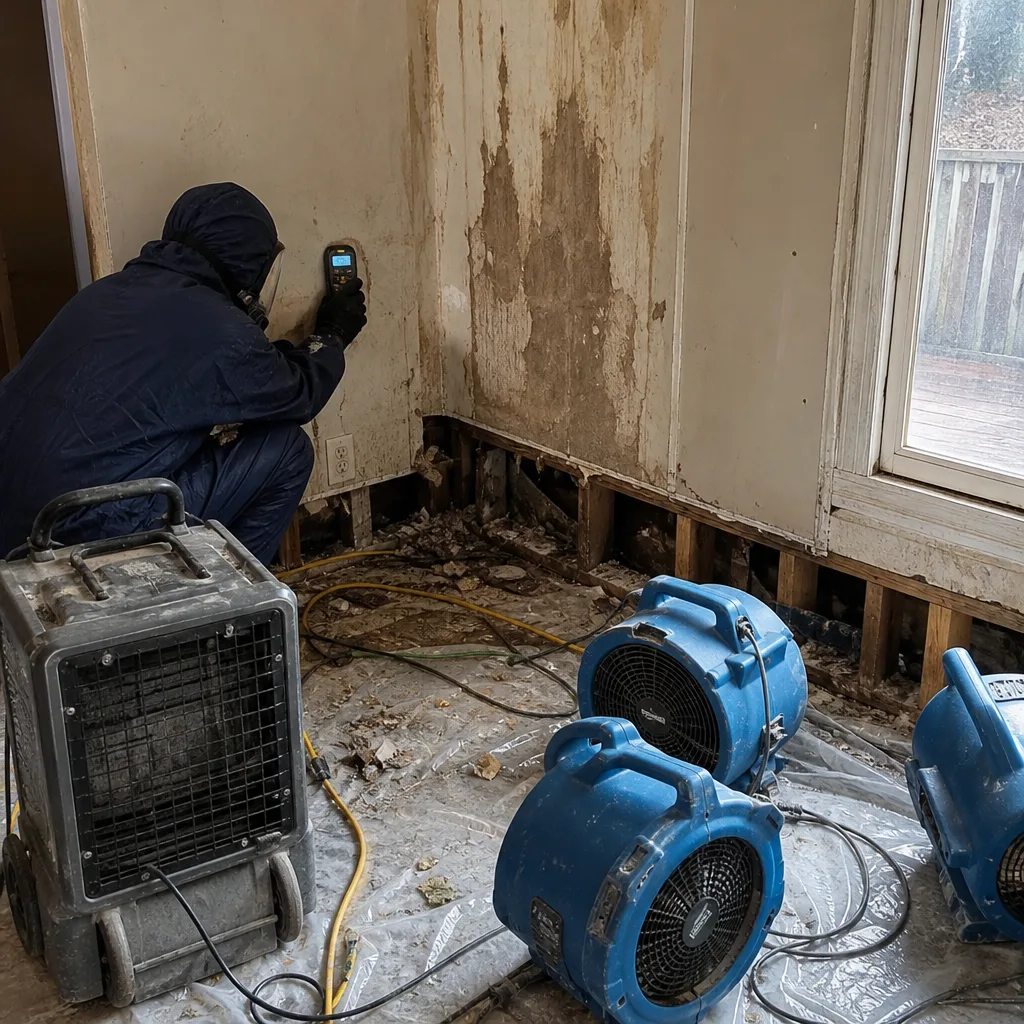 Before
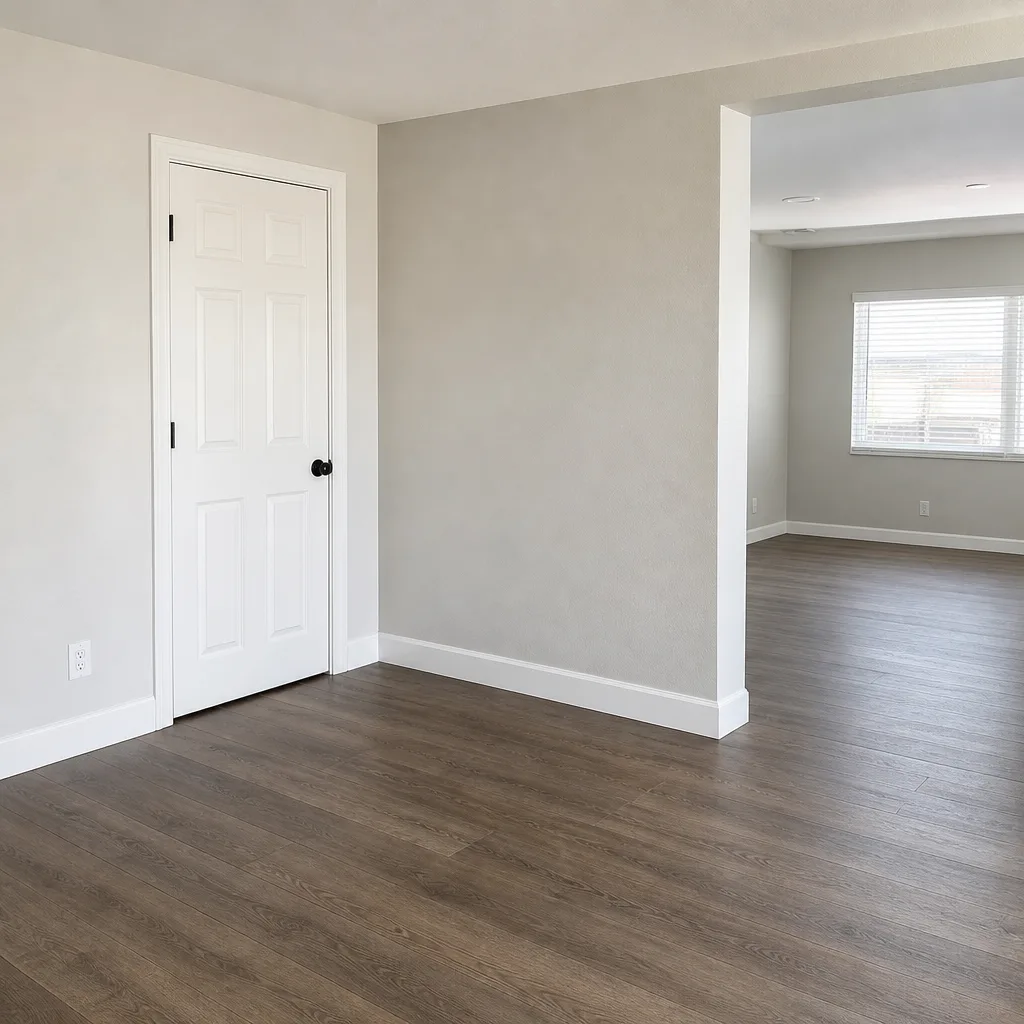 After
After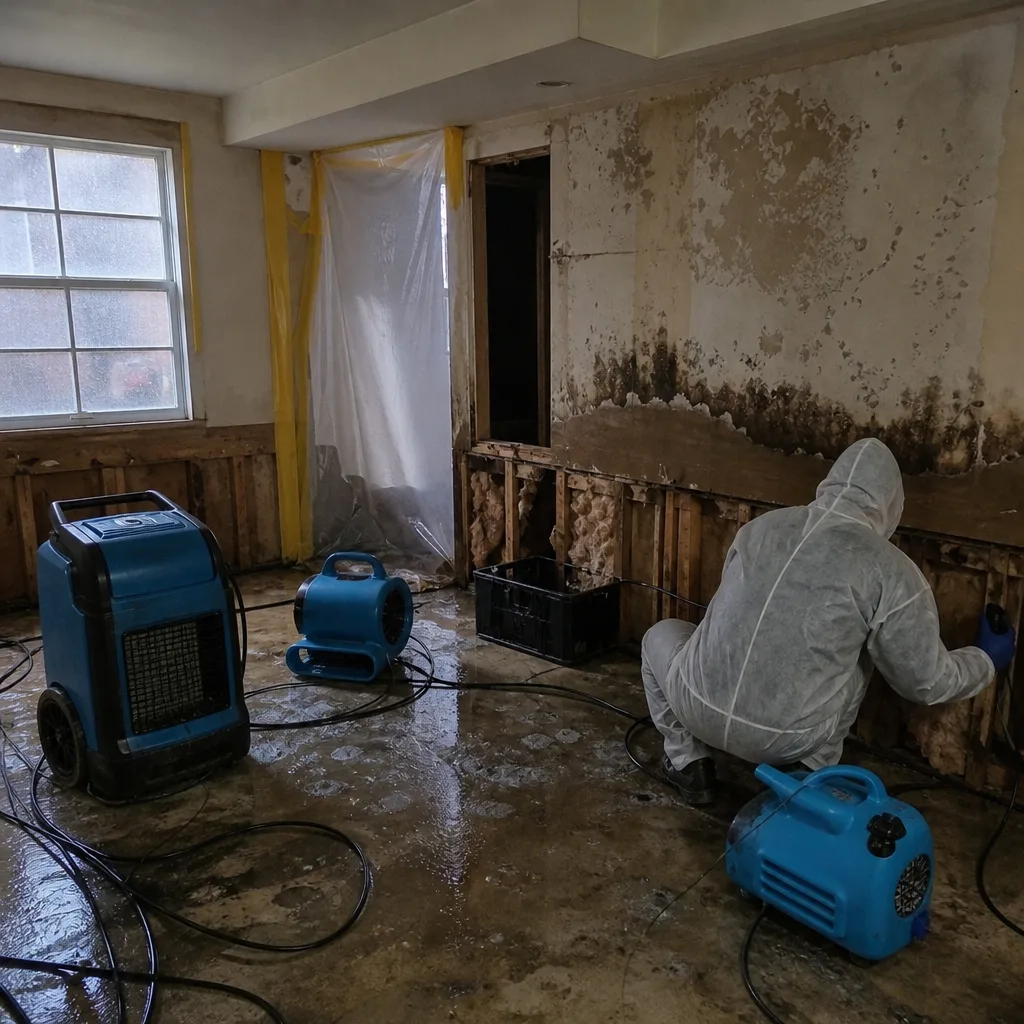 Before
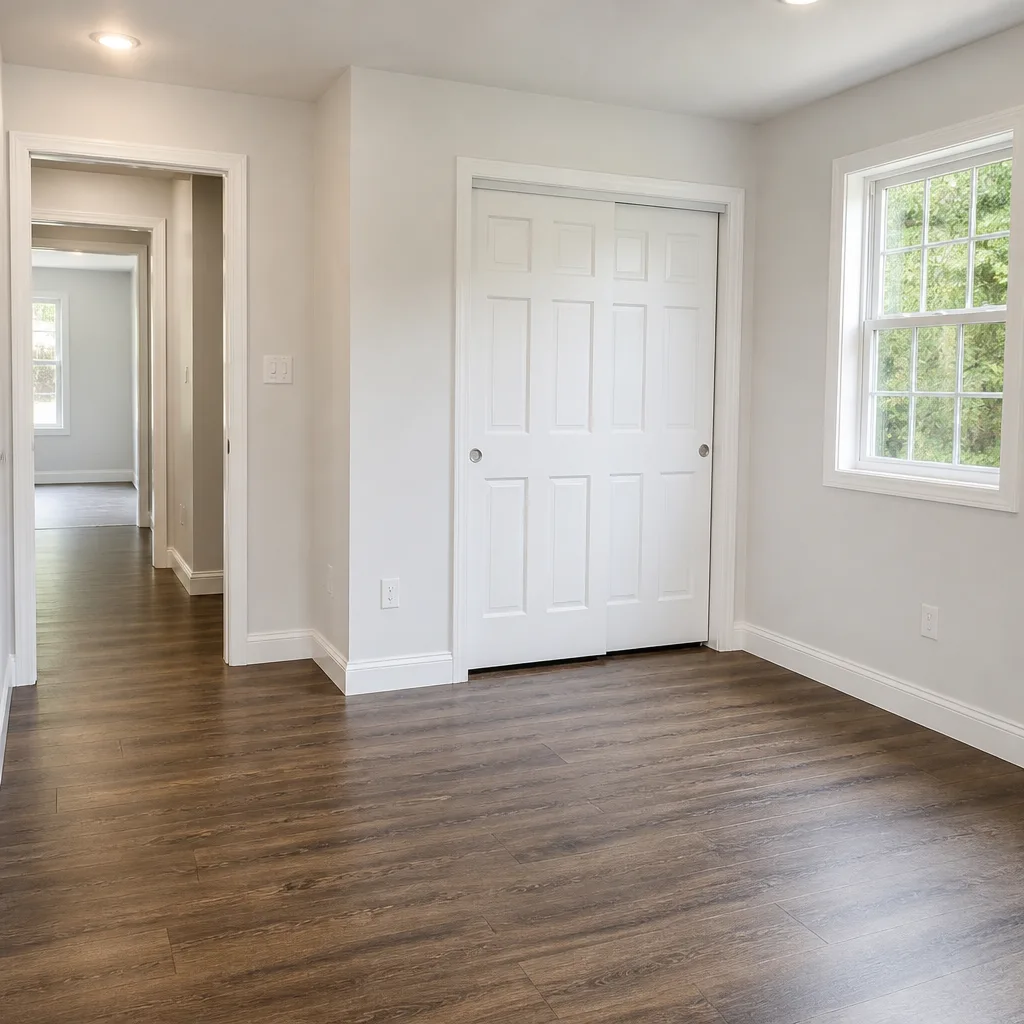 After
AfterHow Long Does Mold Remediation Take? Timelines and What to Expect
Most contractors quote “3 to 5 days” before they’ve even looked at your walls. That range is marketing, not science. The actual timeline depends on whether your drywall is Category 1 water damage (clean water from a supply line) or Category 3 (sewage or floodwater), what type of mold has colonized, and whether the moisture source is actually gone. In Los Angeles, where homes range from 1920s Spanish bungalows in Highland Park to coastal properties in Playa del Rey, these variables shift dramatically. This guide gives you a phase-by-phase clock so you can hold any contractor accountable to a real schedule, not a guess, and you can explore more guides & resources for related topics.
Quick Answer
Mold Remediation services in Los Angeles typically take 3 to 7 days for contained areas under 100 square feet, and 7 to 14 days for larger or multi-room contamination. The timeline breaks down into five phases: inspection and testing (Day 1), containment setup (Day 1-2), physical removal (Days 1-5), HEPA vacuuming and antimicrobial treatment (Days 3-6), and post-clearance air testing (Days 5-14). The single biggest variable is whether the moisture source is fixed before removal starts. If it is not, the clock resets.
Table of Contents
- Phase 1: Inspection and Air Sampling (Day 1)
- Phase 2: Containment Setup (Day 1-2)
- Phase 3: Physical Removal (Day 1-5 Depending on Scope)
- Phase 4: HEPA Vacuuming and Antimicrobial Treatment (Day 3-6)
- Phase 5: Post-Clearance Air Testing (Day 5-14)
- How Substrate Type Changes the Timeline
- The Hidden Timeline Killer: The Moisture Source
- What a Legitimate Containment Setup Looks Like
- Common Mistakes to Avoid
- When to Call a Professional
- Frequently Asked Questions
- The Bottom Line
Phase 1: Inspection and Air Sampling (Day 1)
The first day sets the entire schedule. A qualified inspector should arrive with moisture meters, thermal imaging, and air sampling equipment. They map the affected area, measure moisture content in walls and floors, and collect air samples both inside and outside your home. The outside sample matters because it establishes your home’s baseline spore count. Every indoor sample is compared against that baseline.
In Los Angeles, this step is especially important during summer months. The marine layer that rolls into neighborhoods like Westchester and Mar Vista keeps ambient humidity elevated. Homes built before central AC became standard often run at indoor humidity levels that allow dormant mold spores to reactivate. An inspector who skips air sampling and just “takes a look” is guessing. We never schedule removal without this baseline data because it tells us what we are actually dealing with, not what the visible staining suggests.
Expect this phase to take 1 to 2 hours. Some labs in Los Angeles can return air sample results same-day; others take 24 to 48 hours. A reputable contractor will not start tearing out drywall before these results come back, because the spore type determines the containment protocol.
Phase 2: Containment Setup (Day 1-2)
Containment is the difference between remediation and renovation. If a crew starts cutting out moldy drywall without sealing the area, spores spread through your HVAC system and into rooms that were never contaminated. This is how a 50-square-foot problem becomes a 2,000-square-foot problem. Proper containment for mold remediation in Los Angeles should include:
- 6-mil polyethylene sheeting sealing doorways, vents, and any pass-through areas
- Negative air pressure created by HEPA-filtered air scrubbers exhausting outside
- Sticky floor mats at entry and exit points to catch spores on boots
- HVAC isolation so spores cannot enter the duct system
Setup typically takes 4 to 8 hours. We use XPOWER and B-Air air scrubbers on every Los Angeles job because these units maintain the negative pressure differential IICRC standards require. The air inside the containment area should move in one direction only: into the room, through the scrubber, and out the exhaust. If you can feel air blowing out of the containment area when you stand at the doorway, the pressure is wrong and the containment is compromised.
Phase 3: Physical Removal (Day 1-5 Depending on Scope)
Physical removal is where the bulk of the time goes, and it is where honest contractors and corner-cutters diverge. Mold does not sit on drywall like a stain. It sends root-like structures called hyphae into the gypsum core. Surface cleaning alone leaves those structures intact, and they regrow within weeks once humidity returns.
For Category 1 water intrusion, where the mold is on a small area of drywall and the material is non-porous or semi-porous, removal might be partial. Affected drywall is cut out with a margin of at least 2 feet beyond visible growth, bagged in 6-mil poly inside the containment area, and removed through a sealed exit. For Category 3 contamination, where sewage or floodwater was involved, the removal protocol is more aggressive. Porous materials like carpets, insulation, and upholstered furniture typically cannot be saved and are removed entirely.
What determines whether this takes 1 day or 5? Scope. A single bathroom wall in a Los Angeles condo might be a one-day removal. A crawlspace in Sherman Oaks with mold spreading across multiple joists is a different job entirely. The honest variable is square footage of affected surface area, not square footage of the room. We provide a written phase schedule before any work starts, so you know whether we are on Day 2 of 3 or Day 2 of 7.
Phase 4: HEPA Vacuuming and Antimicrobial Treatment (Day 3-6)
After physical removal, every surface inside the containment area gets HEPA vacuumed. Not a shop vac. Not a broom. HEPA filtration captures 99.97% of particles down to 0.3 microns, which includes most mold spores. This step is non-negotiable because demolition kicks up spores that settled on framing, subfloor, and the backside of remaining drywall.
Next comes antimicrobial treatment. The industry-standard approach is to treat remaining structural materials, like wood framing and concrete, with an EPA-registered antimicrobial. This kills residual spores and prevents recolonization. In our Los Angeles work, we see a lot of stucco exteriors and wood-frame construction that hold moisture against framing lumber longer than drywall surfaces would. Proper treatment buys you time while the structure dries.
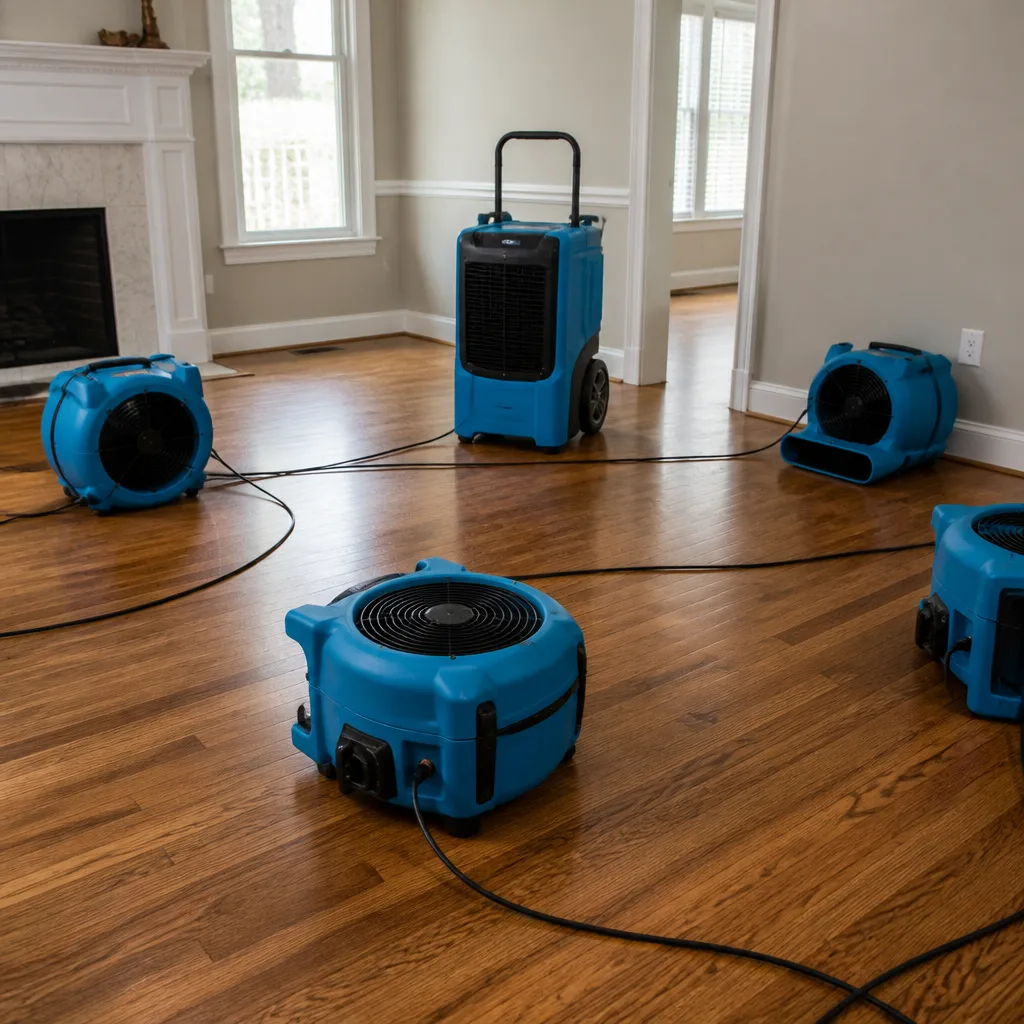
This phase typically adds 1 to 2 days to the timeline, depending on drying requirements. If the area needs structural drying, we deploy professional equipment from Dri-Eaz and Phoenix under IICRC standards. This is psychrometric drying: tracking the air’s moisture content and grain depression so we know when your home is truly dry, not just surface-dry. Skipping this phase or rushing it is how mold comes back.
Phase 5: Post-Clearance Air Testing (Day 5-14)
Post-clearance testing is the step most contractors skip, and it is the industry’s most common shortcut. Here is how that shortcut works: the crew finishes removal, tells you the job is done, and leaves. You have no independent verification that spore counts inside the containment area have returned to baseline. You are taking the contractor’s word for a job you cannot see.
Legitimate post-clearance testing means hiring a third-party industrial hygienist or mold assessor to collect air samples from the remediated area and compare them against the baseline samples taken on Day 1. The area should be dry, dusty-free, and visibly clean. Indoor spore counts should be at or below outdoor baseline levels, and the spore types should match what is normally present outside your Los Angeles home. If the test fails, the job is not done, regardless of what the invoice says.
Some contractors charge extra for this step. Others encourage you to skip it. We include it in our written schedule because a job without post-clearance verification is not a completed remediation. It is a partial cleanup with a warranty risk attached. In our experience, the 365-Day Done Right Promise means something only when there is a test result that proves the job was done right the first time.
How Substrate Type Changes the Timeline
Mold grows on surfaces, and different surfaces respond to remediation on different clocks. Homeowners rarely get told this, which is why one Los Angeles house takes 3 days and an identical-looking house takes 10.
Drywall
Drywall is porous and cellulose-rich, which makes it mold food. Once mold colonizes gypsum board, removal is almost always the answer. The good news: drywall removal is fast. A skilled crew can cut, bag, and remove affected drywall in a single day for most contained rooms. The bad news: if the moisture migrated behind the drywall and into insulation, the job expands.
Wood Framing
Wood framing is also porous, but it is structural and cannot simply be removed. Instead, it gets HEPA vacuumed, sanded if necessary, treated with antimicrobial, and then dried. Drying wood framing takes longer than drying drywall because wood holds moisture in its cellular structure. In Los Angeles’ mild climate, this is easier than in humid regions, but it still adds time. We use Injectidry systems for hard-to-dry cavities and framing that would otherwise hold moisture for weeks.
Concrete
Concrete is non-porous, which sounds like good news, but it can hold moisture at the slab level and feed mold growing on the surface. Concrete also wicks moisture upward from the ground, which is common in Los Angeles homes with slab foundations and older vapor barriers. Treatment on concrete is faster than drywall, but drying a saturated slab can add days to the timeline.
The Hidden Timeline Killer: The Moisture Source
Here is the scenario we see at least once a month in Los Angeles: a homeowner calls about mold in a bathroom ceiling. We inspect, find the mold, and also find a slow leak in the supply line above. The homeowner says, “I will get the plumber out after you finish the mold.” That sequence is backwards. If the water source is still active, the mold will regrow before the antimicrobial dries.
The moisture source has to be fixed before remediation starts, or the clock resets. This means if you have a leaky roof in Los Feliz or a cracked pipe in a crawlspace under a Hancock Park home, that gets addressed first. Sometimes the source is structural: a poorly ventilated bathroom in an older Los Angeles apartment, or a stucco exterior that has been wicking rainwater for years. Those repairs take time, and they should be priced separately from the mold work.
Our written estimate always identifies the moisture source, because a mold quote without a moisture source diagnosis is not a remediation plan. It is a guess with a price tag.
What a Legitimate Containment Setup Looks Like
Walk into your home during remediation and look at the containment area. You should see plastic sheeting that is tight, not sagging. You should hear the air scrubber running. You should see a manometer or a visible pressure differential indicator. Air should flow into the containment area, not out of it.
If the crew is working without containment, or with a loose sheet of plastic stapled to a doorway, the quoted timeline is meaningless. Spores are escaping into your living space while the crew works. The remediation will take longer because the contaminated area is expanding. This is the single fastest way to identify whether you hired the right contractor.
We deploy negative air pressure on every Los Angeles mold job, no exceptions. It is a fixed cost of doing the work correctly. The same is true of HEPA-filtered air scrubbers: we run XPOWER and B-Air units inside containment for the duration of the job, not just during demolition.
Key Takeaways
- Mold remediation is a 5-phase process. Inspection, containment, removal, treatment, and post-clearance testing. Skipping any phase extends the timeline or invalidates the results.
- The moisture source resets the clock. Fix the leak before the mold, not after.
- Containment is non-negotiable. No negative air pressure means the work is spreading mold, not removing it.
- Post-clearance testing is the proof. A contractor who discourages it is hiding something.
- Substrate matters. Drywall comes out fast; wood framing takes longer to dry and treat; concrete holds moisture from below.
Common Mistakes to Avoid
- Accepting a quote before the moisture source is identified. Any contractor who prices mold removal without first finding the water source is pricing a guess. In Los Angeles, that guess is often wrong because stucco exteriors and slab foundations hide moisture in places a visual inspection misses.
- Skipping the post-clearance test to save money. The test costs a few hundred dollars and is the only independent verification you have that the job was done right. A contractor who discourages it is asking you to take their word for a problem you cannot see.
- Believing bleach kills mold. Bleach does not kill mold on porous surfaces like drywall and wood. It bleaches the surface, the hyphae survive, and the mold regrows. This is the most persistent myth in the industry.
- Running the HVAC during remediation. If your air handler pulls air from the work area while the crew is removing mold, spores get distributed through the ducts. The HVAC should be off or isolated during the active removal phase.
- Judging the job by how it looks on Day 3. Mold remediation looks worse before it looks better. Open walls, plastic sheeting, and running equipment are signs of a job being done correctly, not evidence of poor workmanship.
- Hiring a contractor based on the lowest bid. Los Angeles mold remediation pricing varies widely. The lowest bid usually means no containment, no post-clearance testing, and no written phase schedule. You are paying for less work, not better value.
When to Call a Professional
Mold is not a DIY project. If you see visible growth larger than 10 square feet, smell a persistent musty odor you cannot locate, or have had water damage in the past 30 days, call a professional before the colony spreads. If anyone in the home has respiratory issues, asthma, or a compromised immune system, do not wait. The spores that are already airborne are invisible, and the longer they circulate, the worse the indoor air quality becomes. Wendell Water Damage Restoration offers free estimates in Los Angeles. Call (940) 466-4354 and we will send a background-checked technician with a live arrival time you can track.
Frequently Asked Questions
For a contained area under 100 square feet, mold remediation in Los Angeles typically takes 3 to 5 days. That includes inspection, containment setup, physical removal, treatment, and post-clearance testing. If the moisture source is already fixed and the substrate is drywall, the job can be completed in 3 days.
A whole-house mold remediation in Los Angeles takes 7 to 14 days or longer, depending on the number of rooms affected and the substrate types involved. Multi-room jobs often require phased containment so you can live in unaffected areas while work proceeds. Call (940) 466-4354 for an exact quote based on your home’s specific scope.
For contained areas with proper negative air pressure, you can typically stay in unaffected parts of the home. If the mold is in your HVAC system or the contamination is extensive, temporary relocation may be necessary. Your contractor should tell you this in writing before work begins. A vague “you’ll be fine” is not an answer.
It depends on the source of the moisture. If mold results from a covered peril like a burst pipe or storm damage, your homeowners insurance may cover remediation. If the mold is from long-term neglect or a maintenance issue, coverage is less likely. Wendell Water Damage Restoration coordinates directly with your adjuster and provides photo documentation throughout the process.
Los Angeles summers bring the marine layer, which keeps ambient humidity elevated in coastal neighborhoods like Venice and Santa Monica. Higher ambient humidity slows structural drying and makes it harder to get post-clearance air samples back to baseline. Inland areas like the San Fernando Valley dry faster, but every job still requires verification testing before the job is complete.
If post-clearance air testing shows spore counts above baseline, the job is not done. The contractor must re-clean the area and re-test. This is why Wendell’s 365-Day Done Right Promise is stated in writing on every job. If it is not done right, we make it right.
The Bottom Line
Mold remediation timelines are not fixed numbers pulled from a brochure. They are the product of five phases: inspection, containment, removal, treatment, and verification. Each phase has its own clock, and the whole timeline resets if the moisture source is not fixed first. In Los Angeles, where climate, construction, and property variety are as diverse as the city itself, the honest answer is always a range. But it should never be a guess. A contractor who gives you a written phase schedule with dates before any work starts is giving you something real. Call (940) 466-4354 and Wendell Water Damage Restoration will give you a written plan, a live arrival time, and before-and-after photos by text. Because the number on the screen should be the number you pay, and the schedule you agree to should be the schedule you get.
Written by Blake Sorensen, Owner at Wendell Water Damage Restoration, serving Los Angeles since 2006.