
Last updated October 9, 2026
Free visual inspection and a written scope of work before any mitigation begins - photos, moisture readings, and drying logs go in your claim file
The scope we write is the scope we bill. Anything new gets shown to you, in writing, before we touch it.
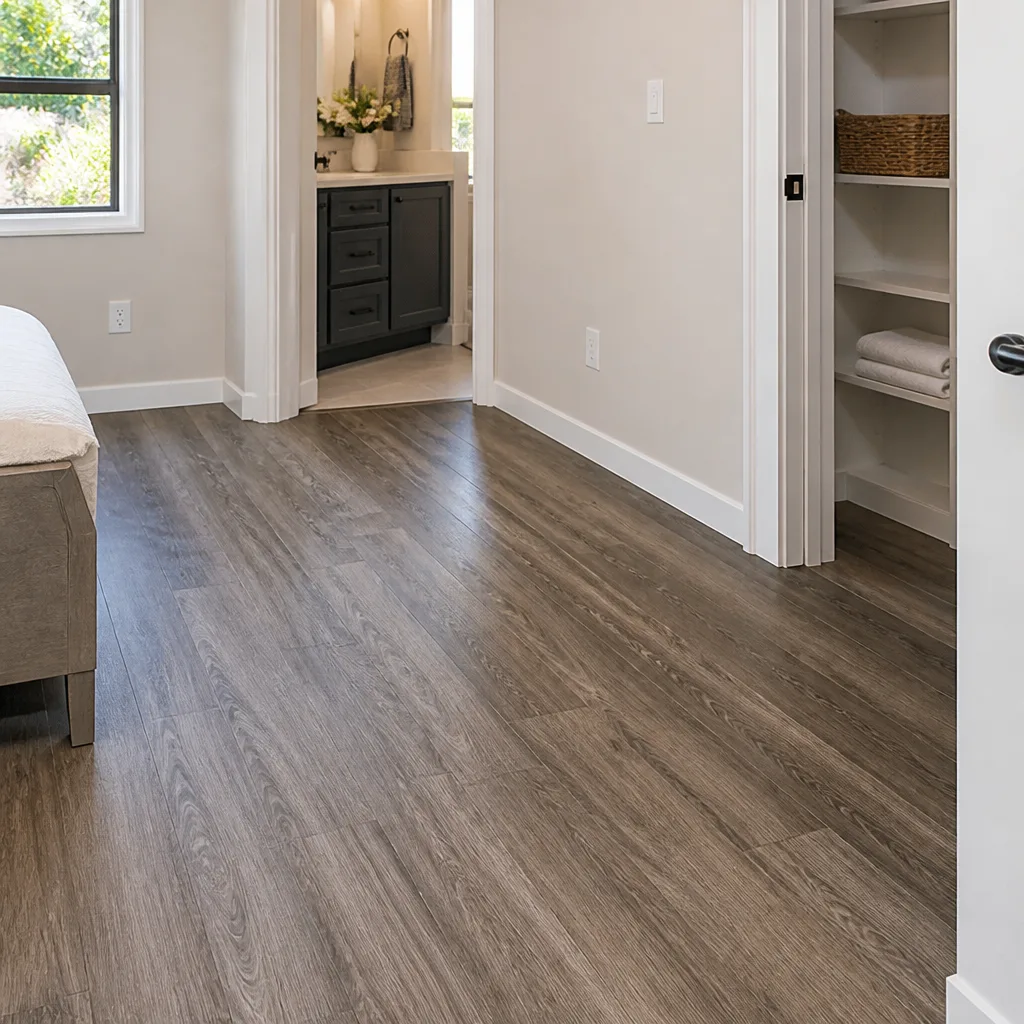
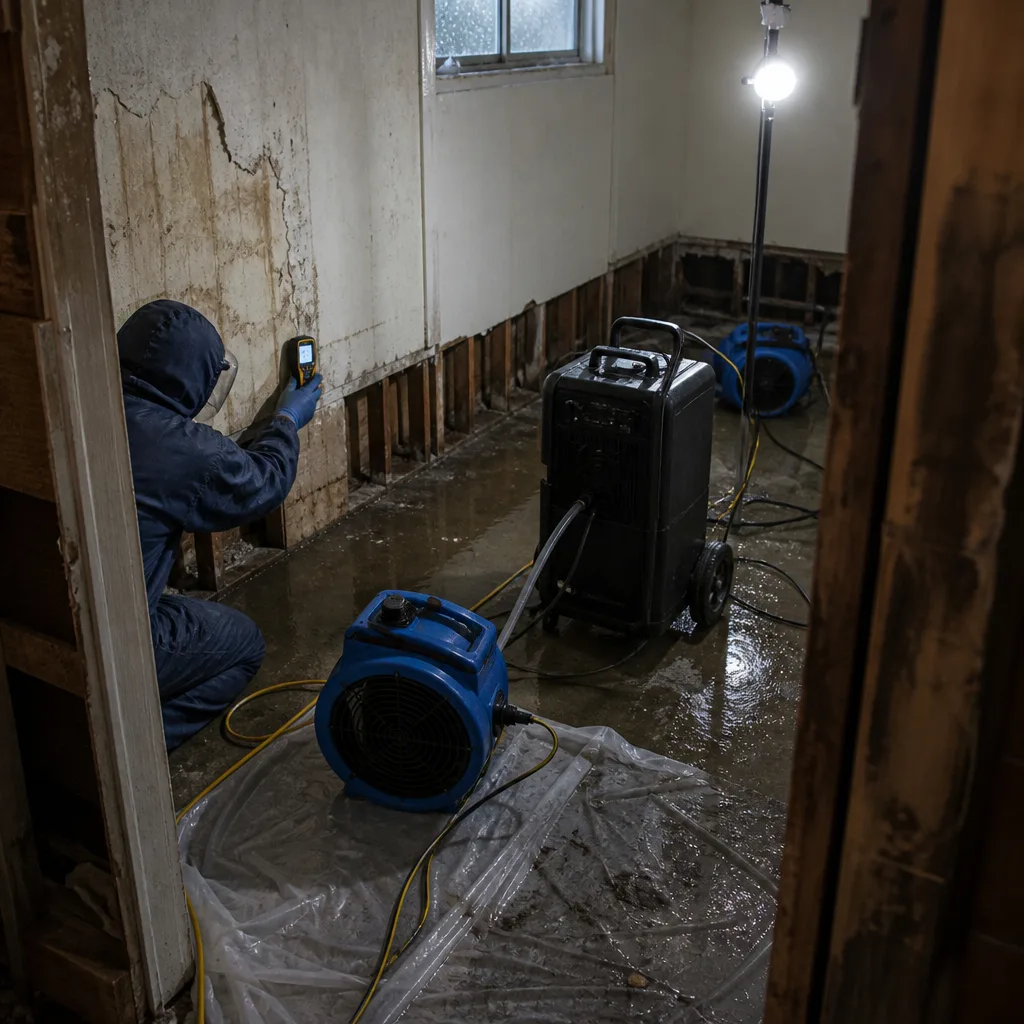 Before
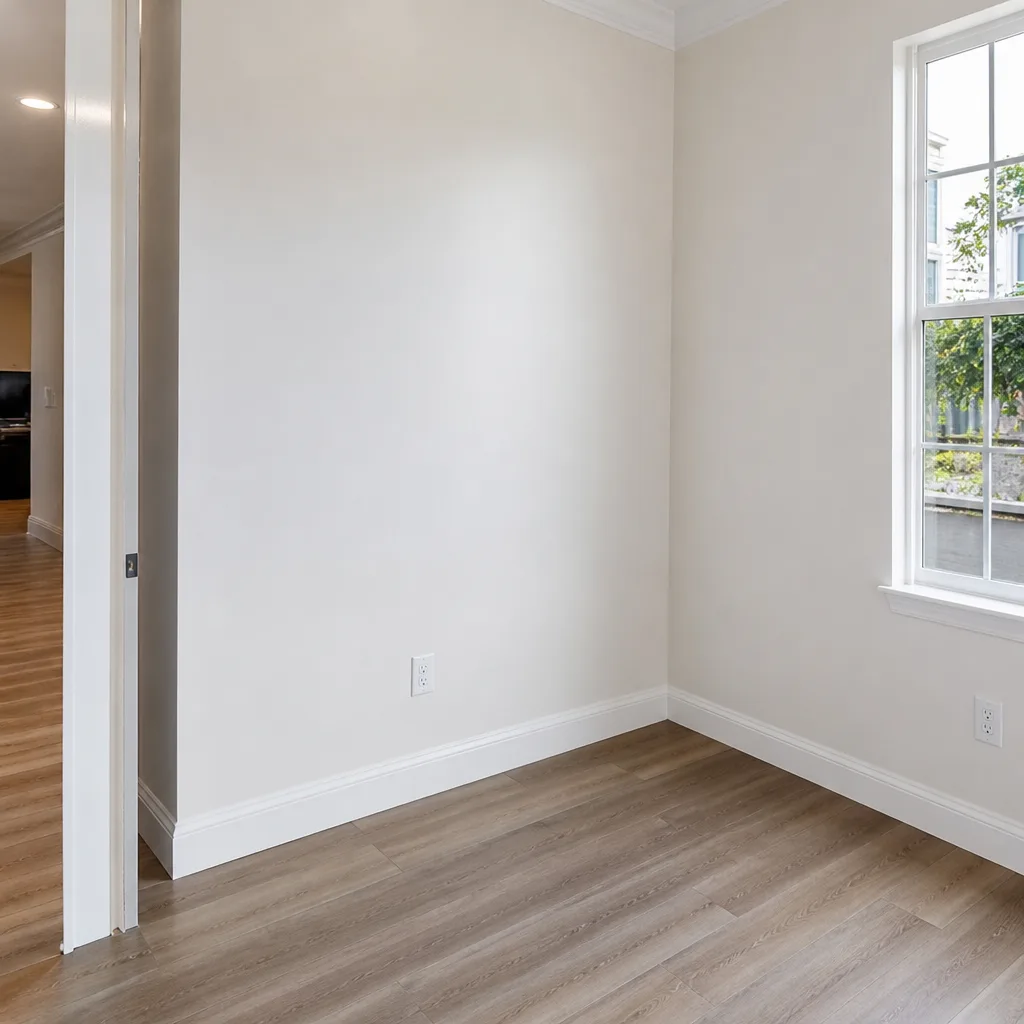 After
After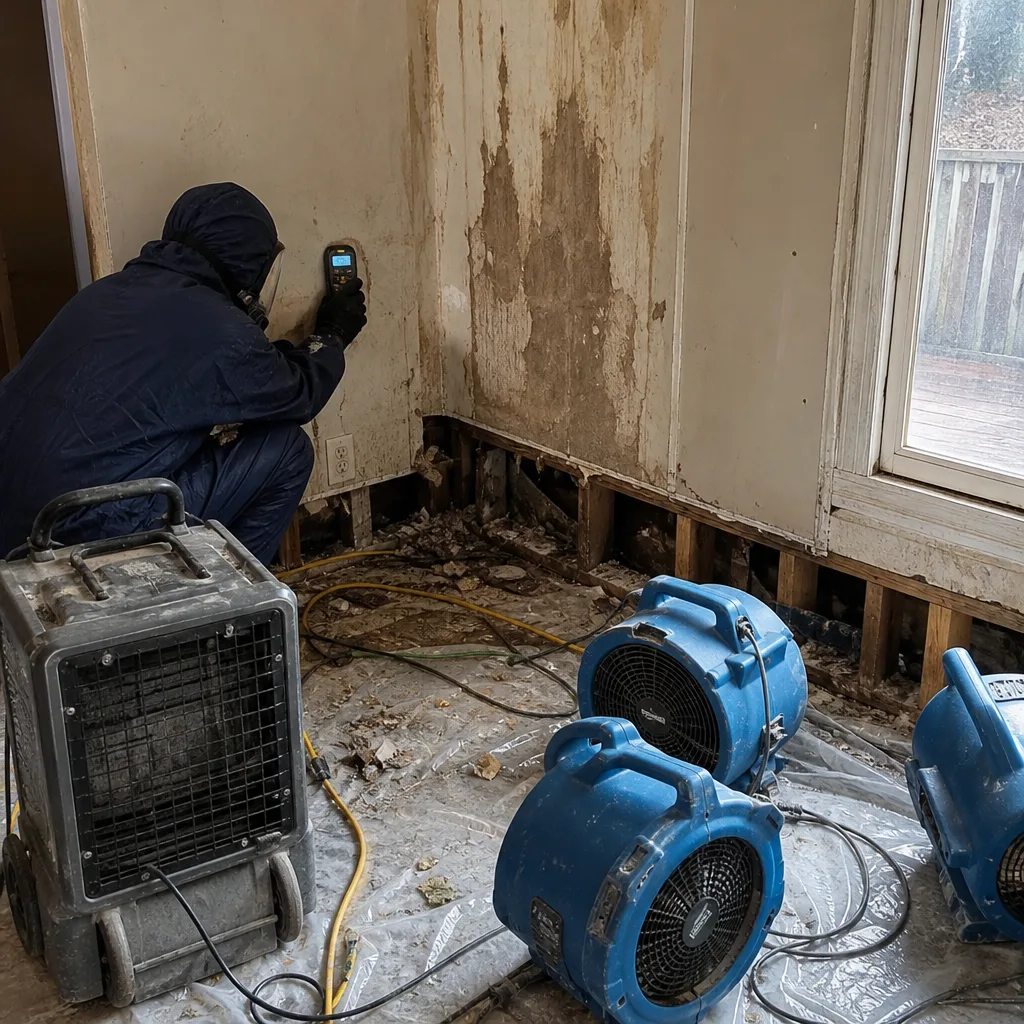 Before
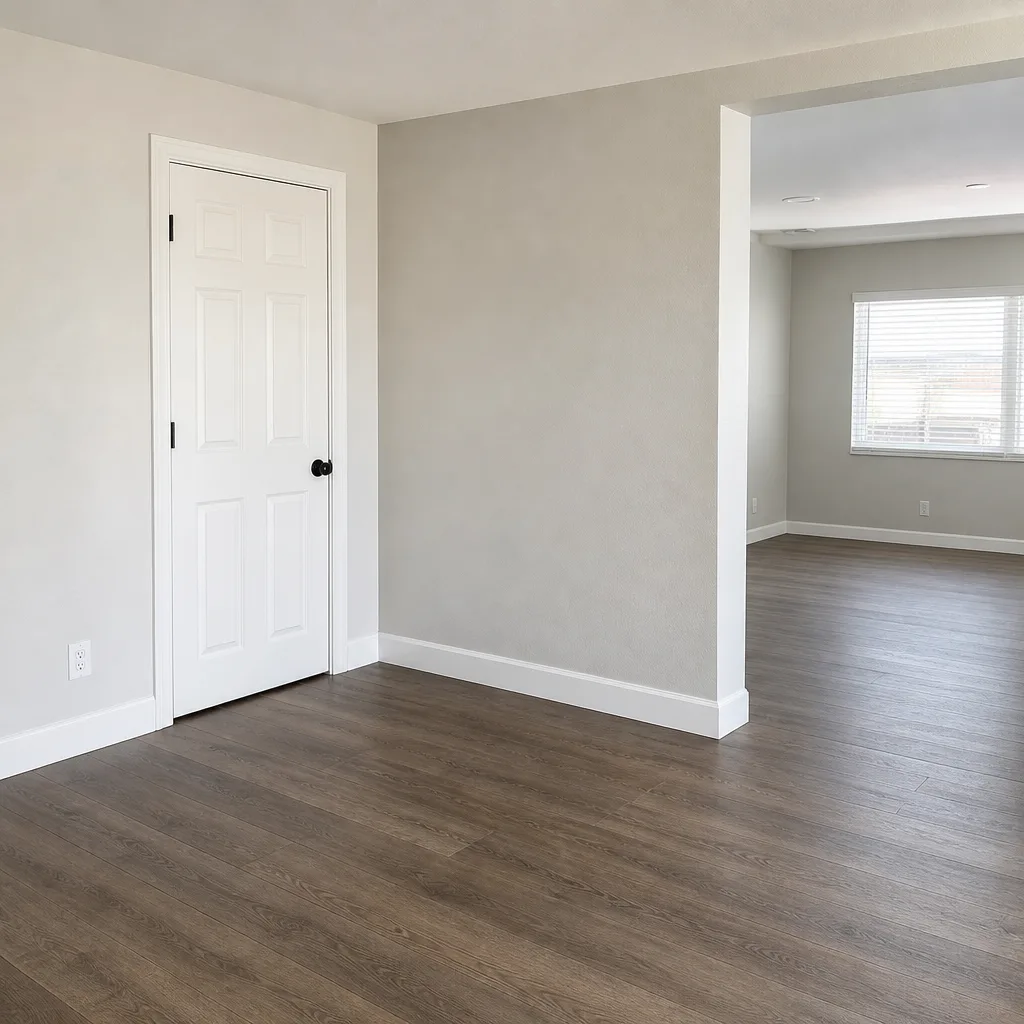 After
After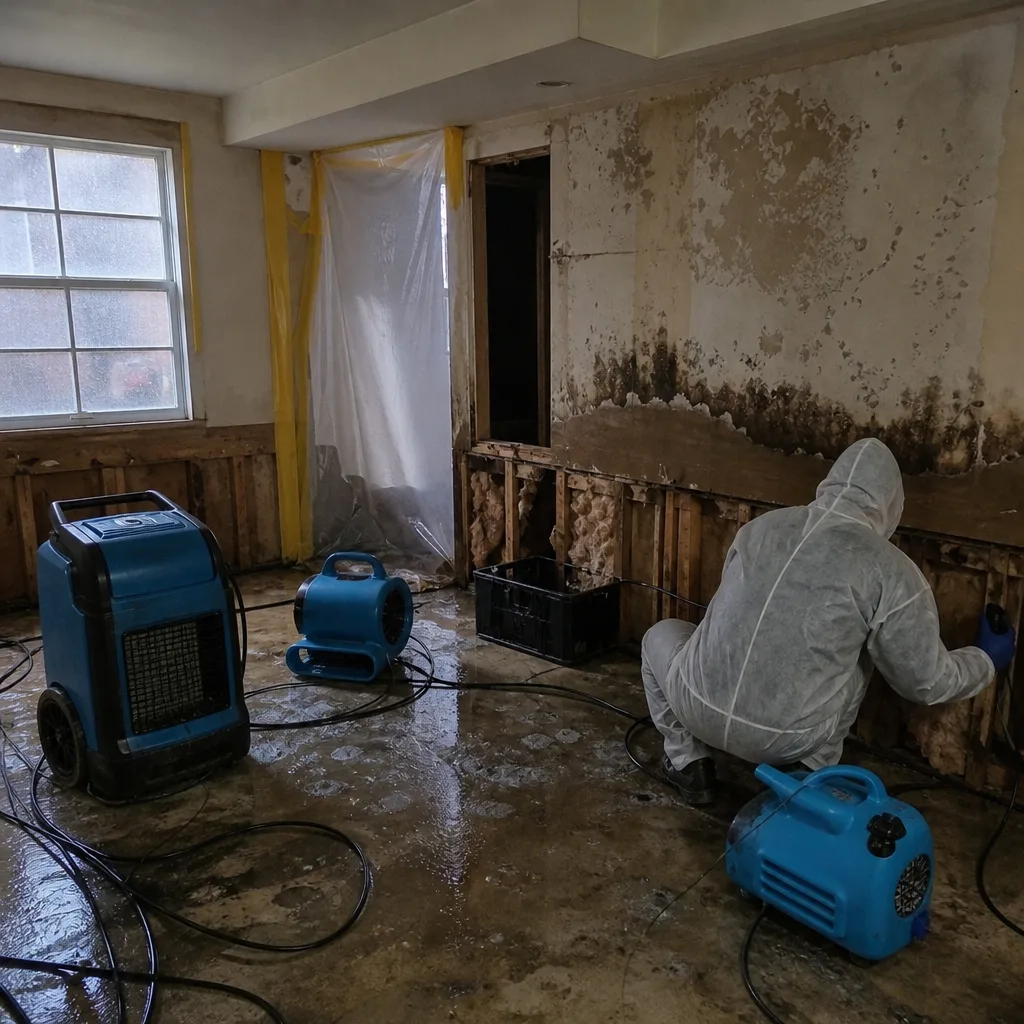 Before
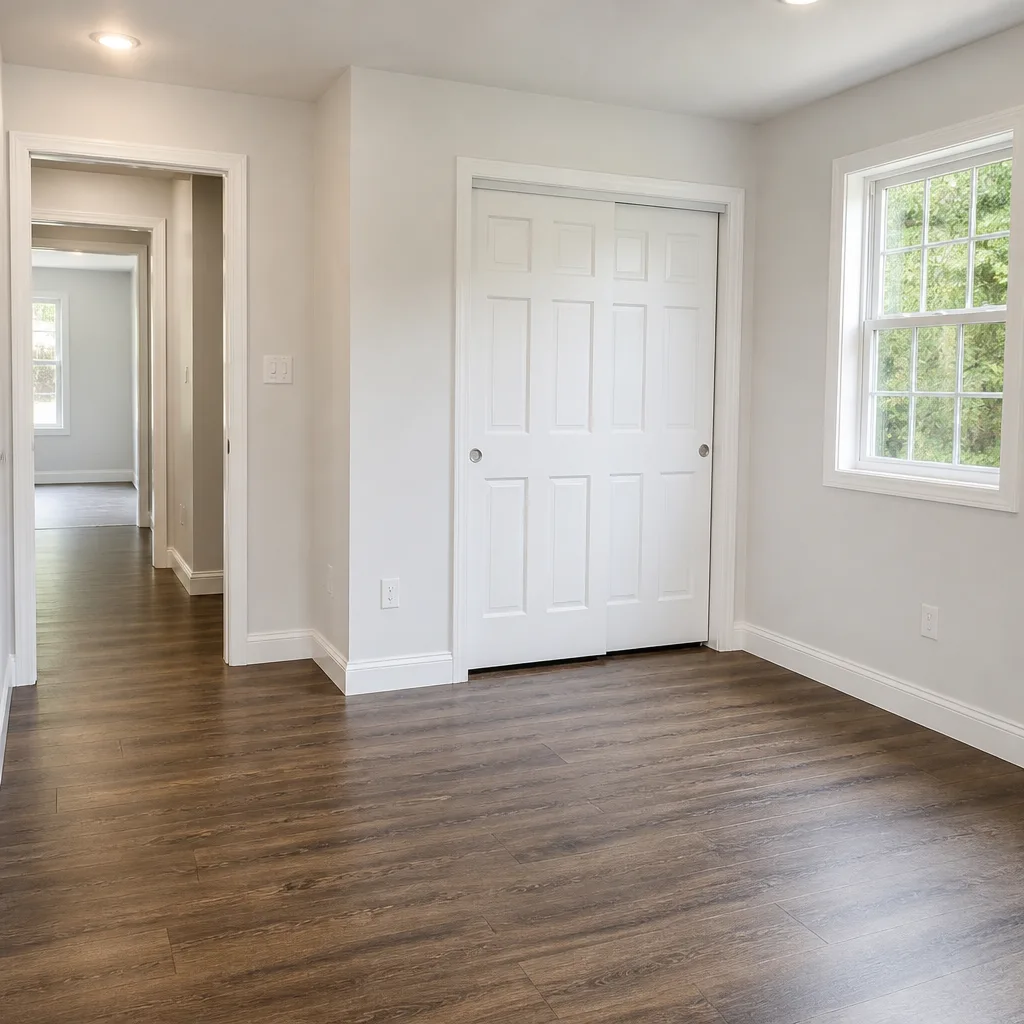 After
AfterWater Damage Repair Troubleshooting: Common Problems and How to Fix Them
Most Water Damage Repair services failures aren’t caused by bad materials. They’re caused by restarting finish work before structural moisture readings hit safe levels. That mistake is almost impossible to detect until flooring buckles or mold appears months later. In Los Angeles, where older stucco homes and slab foundations hide moisture for weeks, we see this pattern constantly: a contractor “finishes” a job in five days, and by week six the homeowner is calling us because the new oak flooring is cupping. This guide gives you the checklist to catch contractor shortcuts before they’re hidden behind paint, plus the specific moisture numbers that separate a real dry-out from a surface-level wipe-down.
Quick Answer
Water damage repair problems almost always trace back to three root causes: flooring reinstalled before the subfloor dropped below 12% moisture content, drywall painted before it dropped below 1% wood moisture equivalent, or antimicrobial treatment skipped on surfaces that sat wet with anything beyond clean water. Most fixes require reopening the affected area, verifying moisture levels with a professional meter, and redoing the finish work only after documented readings hit safe thresholds. You cannot troubleshoot water damage repair correctly without moisture data.
Table of Contents
- Moisture Content Benchmarks: The Numbers Behind Every Successful Repair
- Psychrometric Drying: Why Dew Point Matters More Than Dehumidifiers
- Failure #1: Premature Flooring Reinstallation
- Failure #2: Painting Over Damp Drywall
- Failure #3: Skipping Antimicrobial Treatment on Category 2 and 3 Water
- When the Insurance Scope Undercuts the Damage: Dry in Place vs. Tear-Out
- How Live Tracking Prevents Problems Before Walls Close
- Common Mistakes to Avoid
- When to Call a Professional
- Frequently Asked Questions
- The Bottom Line
Moisture Content Benchmarks: The Numbers Behind Every Successful Repair
Before anyone touches paint, flooring, or trim, there are hard numbers that tell you whether a surface is actually dry. The number one callback in water damage restoration is not a missed stain. It is flooring that buckles six weeks after “completed” repairs because the subfloor was at 18% moisture content when the contractor called the job done. The acceptable threshold is under 12%.
Here are the benchmarks our technicians use on every Los Angeles job, and the ones you should demand in writing from any contractor, drawn from our Water Damage Restoration Maintenance Checklist for Los Angeles Homeowners:
- Hardwood flooring: under 9% moisture content before reinstallation or refinishing. In Los Angeles, where ambient humidity runs lower than coastal markets, healthy hardwood typically settles between 6% and 8%. Anything above 9% is still drying.
- Subfloor (plywood or OSB): under 12% moisture content. This is the number most contractors fudge. Plywood reads higher than the flooring on top of it, and a technician who only checks the surface will miss a wet subfloor.
- Drywall: under 1% wood moisture equivalent (WME) before painting, texturing, or trim installation. A moisture meter set to drywall mode will translate the reading to WME. A drywall panel that looks dry but reads 2% WME will bubble paint within weeks.
- Concrete slab: under 4.0 on a calcium chloride test, or under 80% relative humidity with an in-situ probe, before any flooring goes down over it. Los Angeles slab-on-grade homes hold moisture in the slab itself, and vinyl plank or laminate installed too early will trap that moisture and warp.
Request these readings in writing. A legitimate restoration company will include moisture readings at the start of the job, at the midpoint, and before any finish material goes back in, with the make and model of the meter noted. If a contractor says they “checked it” but will not put numbers on paper, treat that as a red flag. In our experience across Los Angeles, from Valley Glen to West Adams, the jobs that fail are the ones where no one wrote down a single moisture percentage.
Psychrometric Drying: Why Dew Point Matters More Than Dehumidifiers
Psychrometric drying means tracking the air’s moisture level, temperature, and airflow together so you know when your home is truly dry, not just surface-dry. The word scares people. The concept is simple: water leaves wet materials and enters the air, and the air has to be dry enough to keep accepting that water. If the air is saturated, drying stalls no matter how many fans are running.
A contractor who runs dehumidifiers without measuring dew point is guessing, not drying. Dew point is the temperature at which water condenses out of air. If the dew point inside the drying chamber stays above the surface temperature of your walls, moisture will actually move from the air back into the drywall. That is how you get a job that looks dry at day three and smells musty at day fourteen.
Here is what a proper psychrometric setup looks like, step by step:
- Baseline readings: temperature, relative humidity, and dew point are measured in the affected room and in an unaffected control area. The control tells us what your home’s normal equilibrium looks like.
- Drying goal calculation: the technician calculates how many pints of water must leave the structure based on the affected square footage and the material saturation levels.
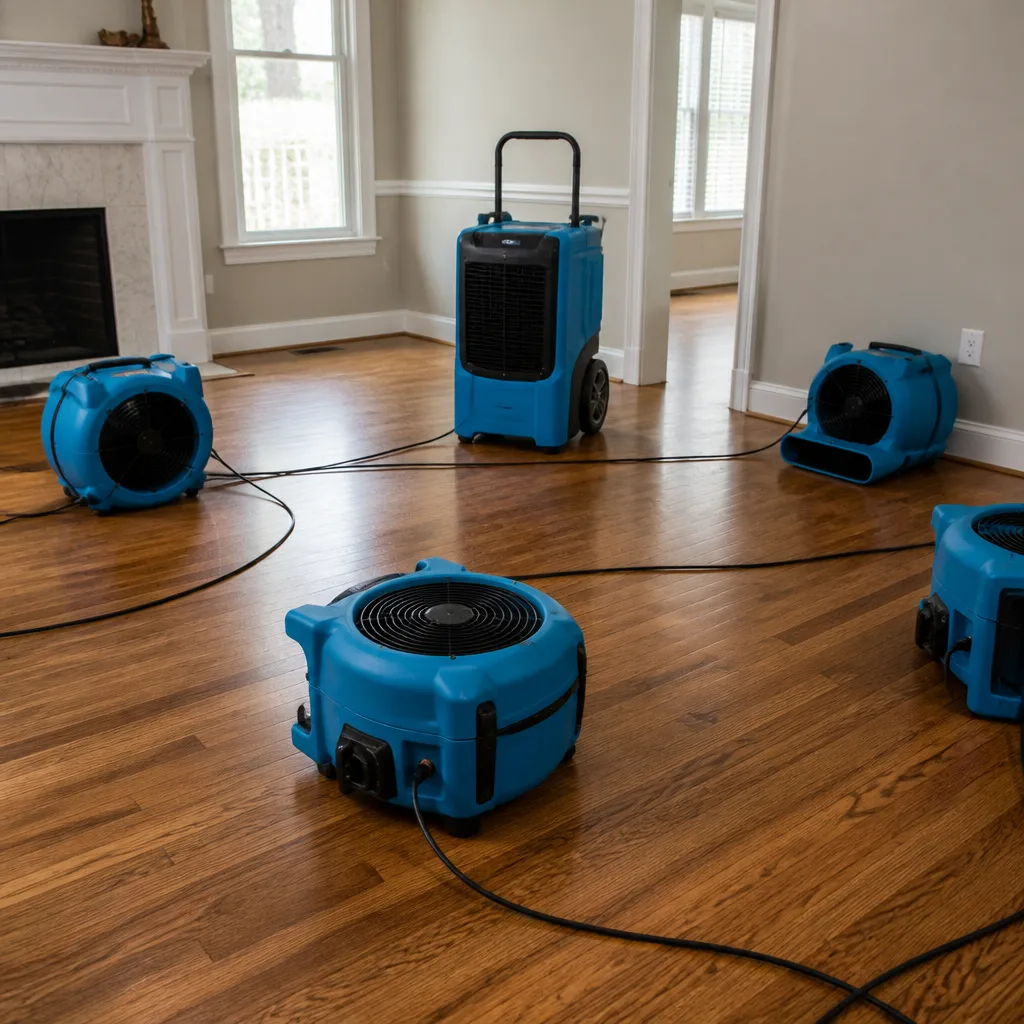
- Equipment placement: air movers are positioned to create airflow across wet surfaces, and dehumidifiers are sized to remove moisture faster than the materials release it. We run equipment from Dri-Eaz and Phoenix on Los Angeles jobs because they hold consistent performance across long run times and their sensors integrate with our moisture meters.
- Daily dew point monitoring: the technician checks the drying chamber’s dew point every day. If the dew point stops dropping, the drying plan changes: a dehumidifier gets added, airflow gets redirected, or a contained drying system like Injectidry gets deployed for wall cavities.
In Los Angeles, the dry ambient air works in your favor most of the year. But coastal fog in June, winter rain events, and slab moisture from landscape irrigation can all push dew point up unexpectedly. A technician who is not measuring dew point will not notice the stall until drywall starts feeling clammy. That is the moment where a two-week job becomes a six-week job.
Failure #1: Premature Flooring Reinstallation
Flooring goes back in too early more often than any other repair mistake. The pattern is predictable: a water heater leaks overnight, the flooring contractor pulls the wet laminate, sets up fans for three days, and reinstalls new flooring on a subfloor that still reads 15%. The homeowner sees fresh floors and assumes the job is done. The moisture trapped under the new flooring has nowhere to go, so it moves upward into the new material and sideways into the baseboards. Six weeks later, the planks cup, the baseboards swell, and the floor squeaks.
Here is how to catch this before it happens:
- Ask for subfloor readings before any new flooring goes down. The number on the meter should be under 12% for plywood or OSB, and under 4.0 calcium chloride for concrete. Write it down or ask for it in a text.
- Check for darkened edges on the existing subfloor. Water stains that are still dark to the touch mean the subfloor is not dry, even if the meter reading looks borderline. Dark staining means bound water, which meters sometimes read low because the surface feels cooler and tricks the sensor.
- Require a moisture barrier if the slab was wet. In Los Angeles, slab leaks from under-slab plumbing are common in mid-century homes. If the slab was affected, a proper repair includes a vapor barrier between the slab and the new flooring, or you will be pulling the floor again after the next rainy season.
- Check the flooring manufacturer’s installation specs. Most manufacturers will void the warranty if the subfloor moisture exceeds a specific threshold at install. If your contractor reinstalled flooring above that threshold, you have a written basis for a warranty claim, and the contractor knows it.
We have pulled up flooring in Los Angeles homes where the subfloor was still wet enough to leave a damp handprint weeks after the original “repair” was completed. The fix is not glamorous: remove the flooring, continue drying, confirm the reading in writing, and reinstall. But doing it right the first time costs less than doing it twice.
Failure #2: Painting Over Damp Drywall
Drywall holds water differently than wood. The paper facing can feel dry to the touch while the gypsum core is still holding moisture. Paint that goes over damp drywall will bubble, blister, or peel within weeks. The failure point is rarely the paint itself. It is the moisture that was sealed into the wall cavity by a premature coat of paint.
The trouble signs to look for after a drywall repair:
- Bubbling or blistering paint anywhere within six inches of where the water line originally reached. The moisture that was trapped behind the paint is now pushing through.
- Faint yellow or brown shading that reappears after priming. That is residual moisture carrying minerals from the gypsum core to the surface.
- Soft spots when you press gently on the wall. Drywall that gives under pressure has lost structural integrity and needs to be cut out, not just repainted.
- A musty smell in a room that was just repainted. Drywall that smells after painting was not dry before painting.
The correct sequence for drywall repair after water damage is: cut out the saturated section, dry the wall cavity, verify the remaining drywall reads under 1% WME, install new drywall, tape and mud, prime, and only then paint. Skilled drywall crews in Los Angeles will sometimes want to move fast to keep the schedule, but framing and drywall finishers are not moisture experts. It is the restoration company’s job, or your job as the homeowner, to hold the line on the moisture reading before any finish coat goes on.
If the damage is isolated to a small patch and the wall cavity is open, an air mover and time may be enough. If the water came from a ceiling leak in a Los Angeles condo or apartment, the wall cavity between units is a shared space, and drying one side without drying the other will end in failure. That is where a containment and drying plan matters more than elbow grease.
Failure #3: Skipping Antimicrobial Treatment on Category 2 and 3 Water
Water damage is classified into three categories under IICRC S500 standards, and the category determines whether antimicrobial treatment is optional or mandatory. Skipping antimicrobial treatment on Category 2 or 3 water is one of the most common repair failures we see in Los Angeles, and it is also one of the most damaging, because the mold that grows later is hidden behind walls and under flooring.
- Category 1: clean water from a supply line, a faucet, or a water heater. Antimicrobial treatment is a judgment call, but not usually required if drying happens fast.
- Category 2: “gray water” with some contamination, from washing machines, dishwashers, or toilet overflow without solid waste. Antimicrobial treatment is required on affected surfaces under IICRC standard.
- Category 3: “black water” with heavy contamination, from sewage backups, flood water, or standing water that has begun growing bacteria. Antimicrobial treatment is mandatory, and porous materials like carpet and drywall must be removed, not just treated.
A contractor who skips antimicrobial treatment on Category 2 or 3 surfaces is not just cutting corners. They are leaving behind a living biological load that will reproduce inside your walls. In Los Angeles, where older plumbing and tree root intrusion into sewer lines cause Category 3 backups regularly, this is not an edge case. We responded to a sewage backup in a Silver Lake bungalow where a previous contractor had painted over the affected wall without any antimicrobial step. The paint held for about a month. Then the staining came through, followed by the smell.
The fix is straightforward: remove the affected materials, apply an EPA-registered antimicrobial to all framing and surfaces in the affected area, document the application, and only then rebuild. If you are in the middle of a repair and suspect the antimicrobial step was skipped, ask for the product name and the application record. A professional restoration company will have both.
When the Insurance Scope Undercuts the Damage: Dry in Place vs. Tear-Out
Insurance adjusters write scopes of repair based on what they can see and what their estimating software allows. The IICRC S500 standard, which governs professional water damage restoration, is more aggressive about what should be removed and replaced. When the adjuster’s scope undercuts the actual damage, the homeowner ends up with a repair that fails, and the failure happens after the claim is closed.
Two phrases matter here: “dry in place” and “tear-out.” Dry in place means you leave the material where it is and use air movers, dehumidifiers, and injectidry systems to dry the material without removing it. That is appropriate for Category 1 water that is caught quickly, with no insulation behind the drywall and no water trapped in wall cavities. Tear-out means cutting out the wet material and replacing it. That is required when the water is Category 2 or 3, when the material has been wet for more than 48 hours, when insulation is saturated, or when the wall cavity will not dry adequately with the material in place.
Adjusters sometimes write “dry in place” for materials that should be removed because the removal and replacement cost is higher and they have pressure to control the claim. Here is how to tell if the scope is undercutting the damage:
- Ask what water category is listed in the claim. If the water was from a toilet overflow or sewage backup and the scope says “dry in place,” that contradicts IICRC S500 and should be challenged immediately.
- Ask for the moisture readings that supported the “dry in place” decision. If there are no readings, the decision was made on cost, not on science.
- Check whether insulation was tested. Wet fiberglass or cellulose insulation inside a wall cavity will not dry in place effectively. It must come out.
- Document everything with photos. If you can show the adjuster images of standing water, saturated drywall, or wicking up the wall, you have leverage to ask for a revised scope.
We deal with adjuster scopes on a regular basis across Los Angeles, and the most effective thing a homeowner can do is ask for the moisture data behind every line item. A written price with a moisture reading attached is defensible. A scope with no data attached is just an opinion. If you are negotiating with an adjuster and hitting a wall, call a restoration company that will put their own readings in writing and speak directly with the adjuster. Most adjusters will adjust the scope when the data is in front of them.
How Live Tracking Prevents Problems Before Walls Close
The biggest problem with most water damage repairs is not the technical work. It is the gap between what the homeowner thinks is happening and what is actually happening inside the walls. By the time a problem becomes visible, the finish work is already done and the fix requires tearing everything back out. Live tracking closes that gap.
Here is how it works on a Wendell job. When our technician arrives in Los Angeles, you get a text with their live location and arrival time, the way you would track a rideshare. As the job progresses, you get milestone updates by text: initial moisture readings recorded, water extraction complete, drying equipment deployed, daily readings logged, antimicrobial applied, subfloor verified under 12%, drywall verified under 1% WME. Each milestone includes a photo. You do not have to be home to see the progress, and you do not have to wait until the final walkthrough to discover a problem.
That last point matters. If a subfloor reading comes back at 14% on day four, you see it in the update and ask the question before the flooring goes down. If the antimicrobial step gets skipped, you see it missing from the milestone sequence and ask about it before the wall is closed. The homeowner who tracks the milestones catches the shortcut in real time, not six weeks later when the floor buckles.
We built this system at Wendell Water Damage Restoration home because the alternative is what most Los Angeles homeowners experience: vague four-hour windows, phone tag, and a final invoice that reflects work you never saw happen. Our background-checked, uniformed technicians carry professional-grade equipment from Dri-Eaz, Phoenix, XPOWER, and B-Air, and every job follows IICRC, RIA, and IFA standards. But the equipment and the standards only protect you if you can see them being applied. The tracking system is how you see it.
Common Mistakes to Avoid
- Accepting a repair without written moisture readings. If the contractor will not put the subfloor and drywall numbers in writing, you have no way to hold them accountable when the repair fails. A verbal “it’s dry” is not a warranty.
- Letting the flooring crew reinstall before the restoration tech signs off. Flooring crews are paid to install, not to dry. In Los Angeles, where many flooring subs are booked out weeks in advance, the pressure to install on schedule can override the drying plan. The restoration tech’s written sign-off comes first.
- Painting over drywall that “feels dry.” Touch is not a moisture meter. Drywall that feels dry can still be at 2% WME, which is double the safe threshold for paint.
- Skipping antimicrobial treatment to save time. On Category 2 or 3 water, skipping this step is not a shortcut. It is a future mold problem with your name on it.
- Trusting an adjuster scope that contradicts IICRC S500. “Dry in place” on sewage-affected drywall is not a judgment call. It is a claim that will fail. Challenge it with data.
- Running fans without measuring dew point. Airflow without dehumidification just moves moisture around. You need the psychrometric data to know when the air can still accept water.
- Signing off on a repair before checking the wall cavity. What you cannot see behind the baseboard is where most failures start. If the cavity was not opened, dried, treated, and documented, the repair is incomplete.
When to Call a Professional
Call a professional the moment you see water where it should not be, especially if it has been there longer than 24 hours, if it came from a sewage line or toilet overflow, or if it has wicked up the drywall more than a foot. Water that sits in a Los Angeles wall cavity during a warm week will support mold growth before the visible stain even darkens. If you have already had a repair done and you are seeing bubbling paint, cupping floors, or a musty smell, call before the problem spreads behind the finish work. Water Damage Restoration in Los Angeles is what we do every day, and we put the price in writing before any work starts. Wendell Water Damage Restoration offers free estimates in Los Angeles. Call (940) 466-4354 and a live person answers, 24/7.
Frequently Asked Questions
Your subfloor is dry enough when a professional moisture meter reads under 12% for plywood or OSB, or under 4.0 on a calcium chloride test for concrete slab. Ask the contractor to show you the reading in writing before any new flooring goes down. Call (940) 466-4354 if you want a second opinion on a subfloor reading in Los Angeles, and we will come check it at no cost for the estimate.
The most common reason is that the subfloor was still above 12% moisture content when the new flooring was installed, trapping moisture underneath that had nowhere to go. The fix requires pulling the flooring, continuing drying, and reinstalling only after the subfloor reading is documented under 12%. Call (940) 466-4354 for an exact diagnosis and a written repair plan.
Yes, “dry in place” is appropriate when the water is Category 1, the affected area is caught within 24 to 48 hours, there is no saturated insulation inside the cavity, and the drying plan includes daily moisture readings that show the drywall trending toward under 1% WME. If any of those conditions is missing, tear-out is the safer call under IICRC S500 protocol.
No, painting over drywall that still reads above 1% wood moisture equivalent will trap moisture inside the wall and cause bubbling, peeling, and mold growth. The drywall must be verified dry with a moisture meter, primed with a stain-blocking primer, and only then painted. If the drywall is soft or crumbling, it should be cut out and replaced regardless of the reading.
Ask for written moisture readings before any finish work, a written price before any work starts, the water category classification, the antimicrobial product they will use if the water is Category 2 or 3, and how they will update you during the job. Wendell Water Damage Restoration provides a written price, a written 365-Day Done Right Promise, and milestone photo updates by text on every Los Angeles job. Call (940) 466-4354 for a free estimate.
Most homeowners policies in Los Angeles cover sudden and accidental water damage from slab leaks and sewage backups, but coverage varies by policy and endorsements, and the adjuster’s scope may undercut what the IICRC S500 standard requires. We document every reading with photos and speak directly with adjusters to support your claim. For mold remediation, see Mold Remediation in Los Angeles. For repair-focused help, see Water Damage Repair in Los Angeles. Call (940) 466-4354 and we will walk you through what your policy language says and what documentation you need.
The Bottom Line
Water damage repair fails when moisture is hidden, not when materials are bad. The homeowner who catches a premature flooring install or a skipped antimicrobial step does it by demanding written moisture readings at every milestone, understanding the difference between dry in place and tear-out, and tracking the job in real time instead of waiting for a final walkthrough. In Los Angeles, where slab leaks, sewage backups, and older plumbing create regular water damage events, the data-led repair is the only repair that holds. For more guides & resources, visit our blog. If you want a repair that is documented, priced in writing, and backed by a 365-Day Done Right Promise, call (940) 466-4354. We answer live, 24/7, and we will tell you the price before touching a single tool.
Written by Blake Sorensen, Owner at Wendell Water Damage Restoration, serving Los Angeles since 2006.