
Last updated October 9, 2026
Free visual inspection and a written scope of work before any mitigation begins - photos, moisture readings, and drying logs go in your claim file
The scope we write is the scope we bill. Anything new gets shown to you, in writing, before we touch it.
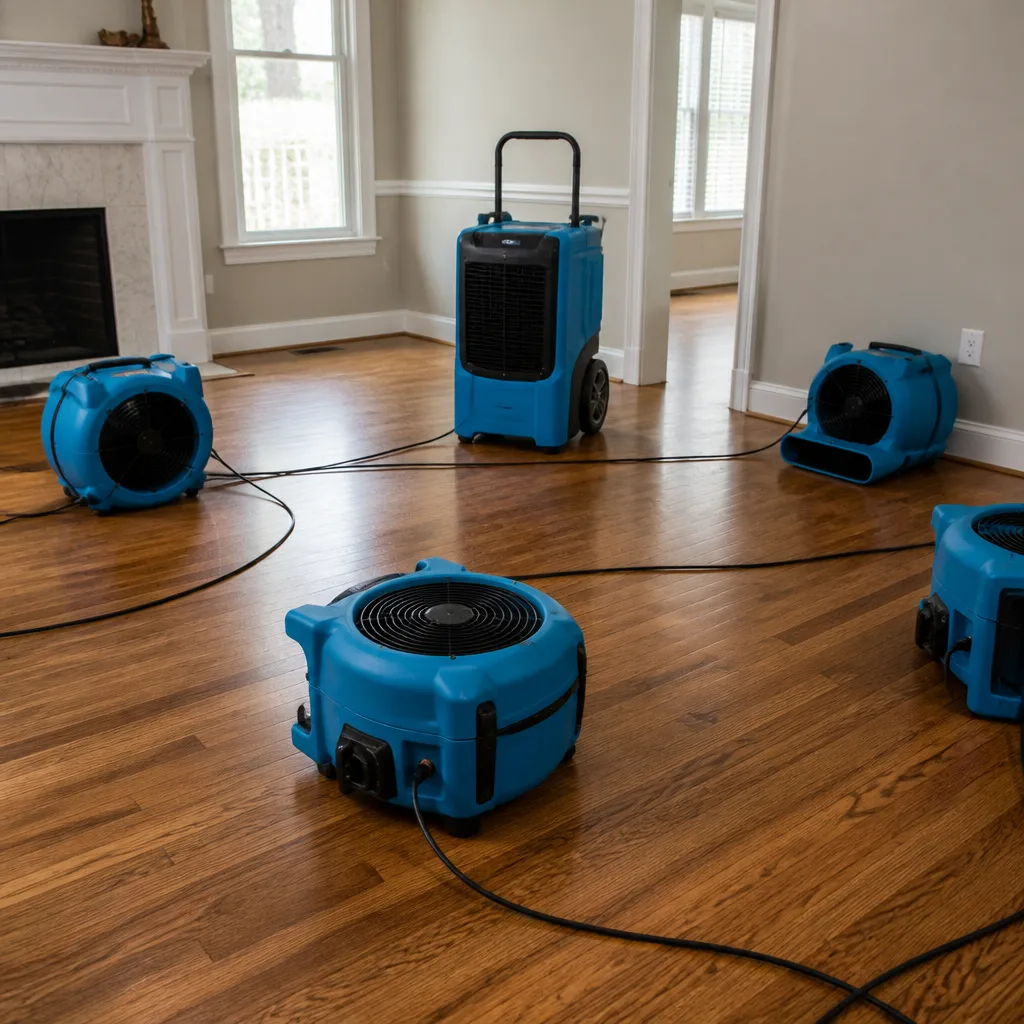



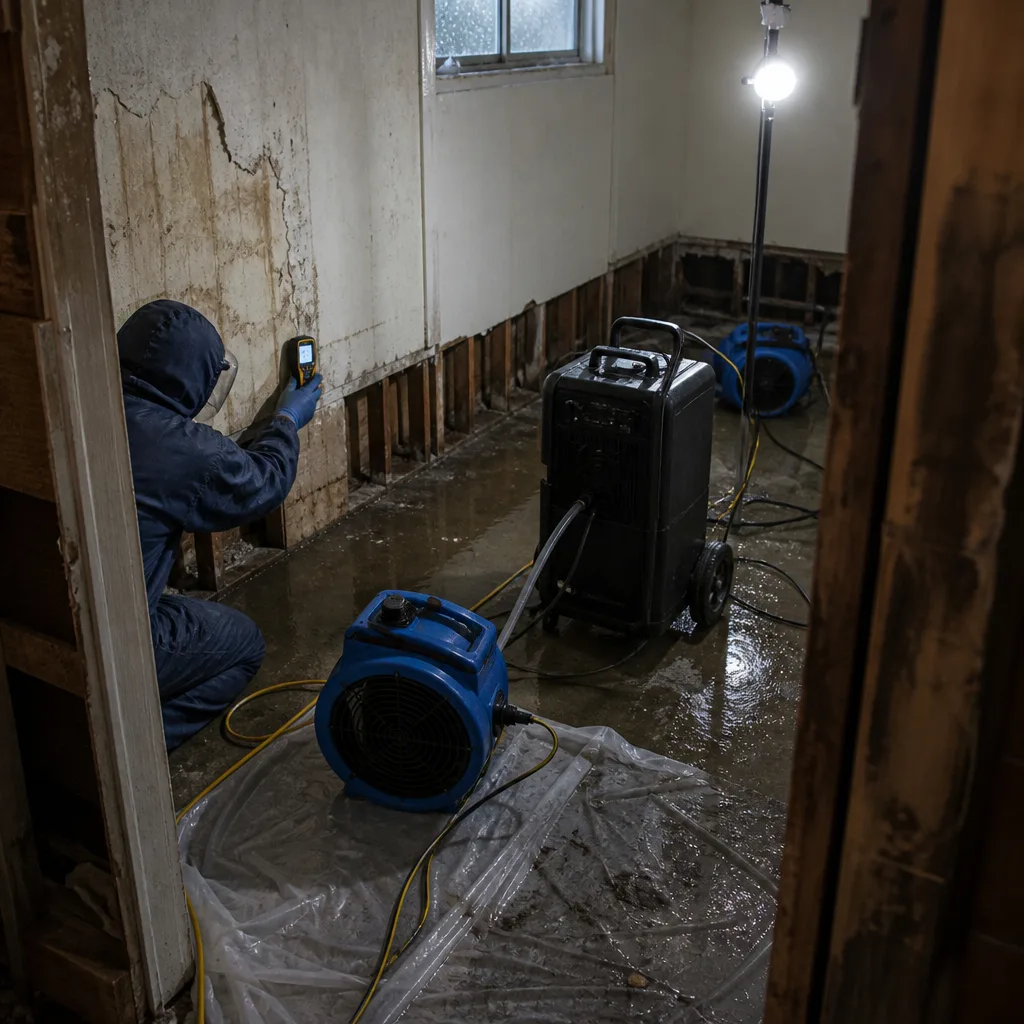 Before
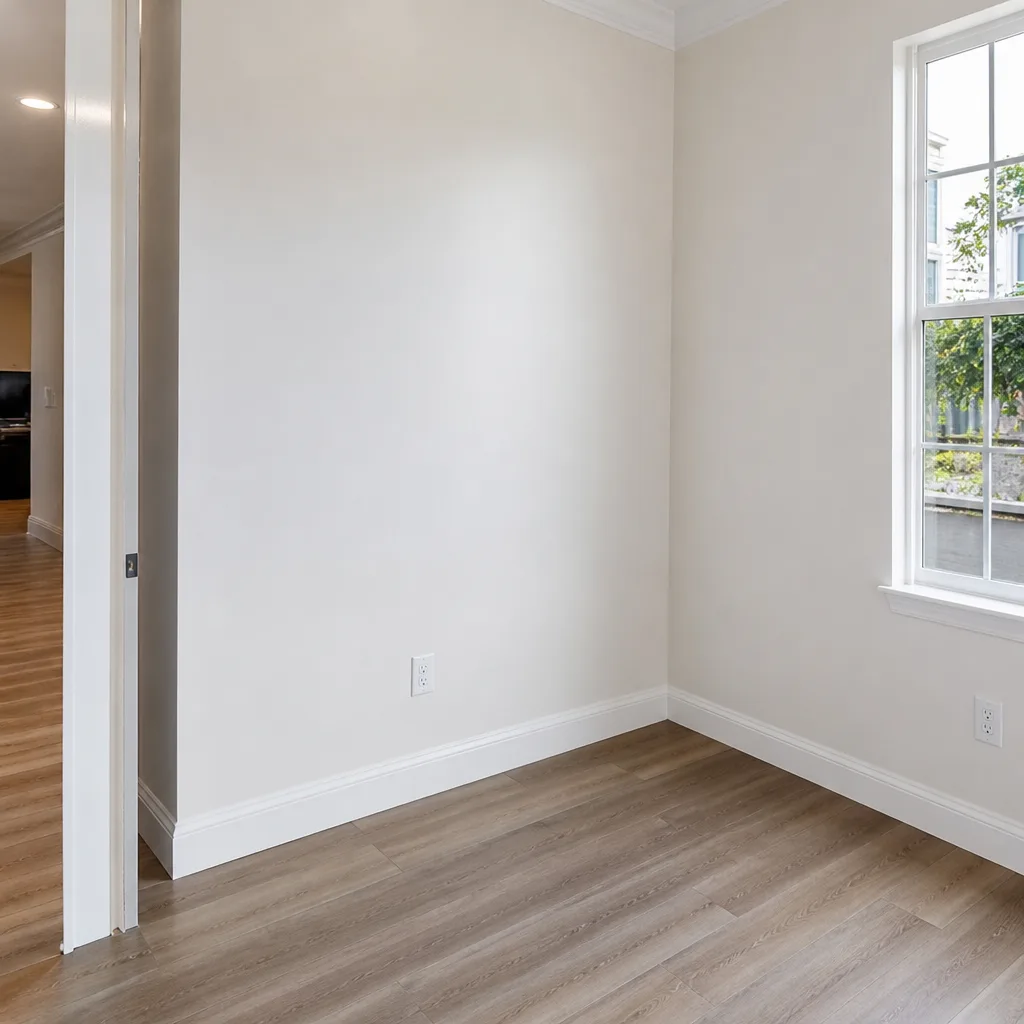 After
After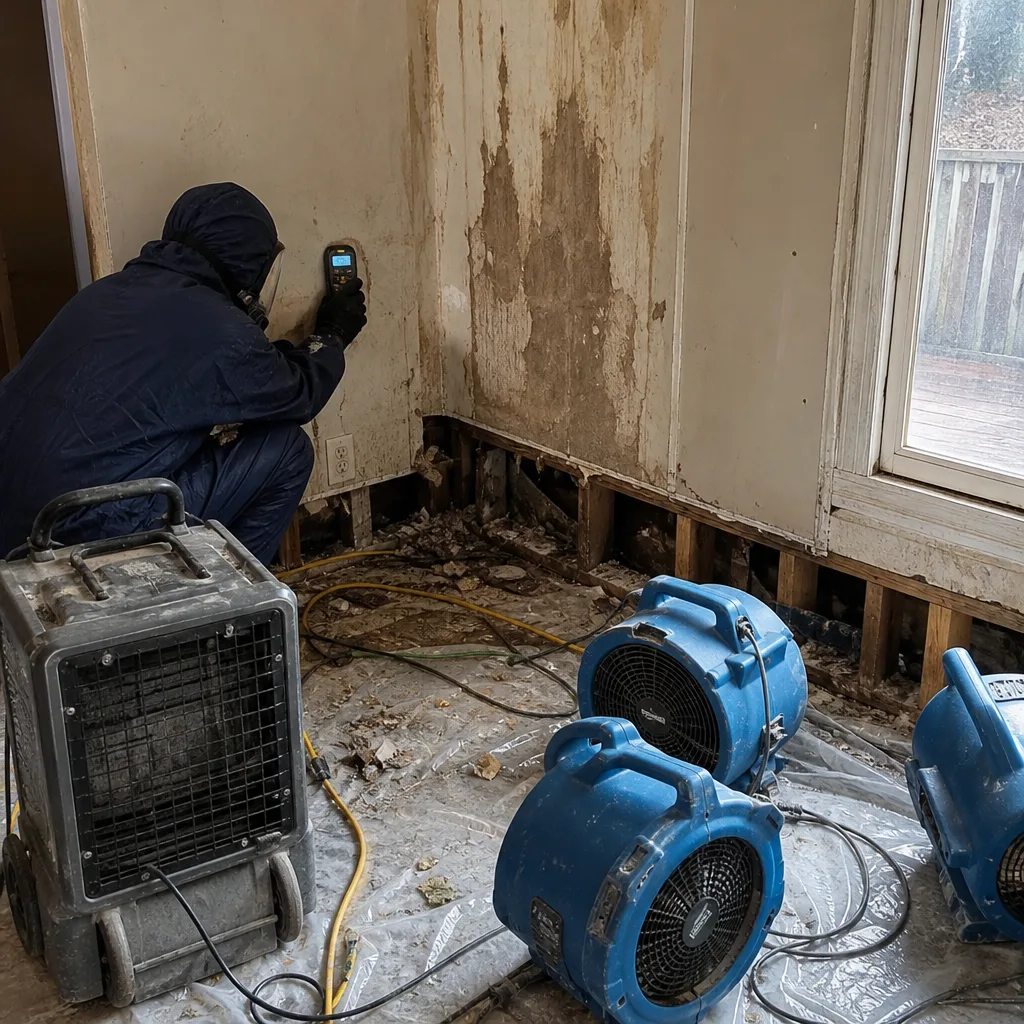 Before
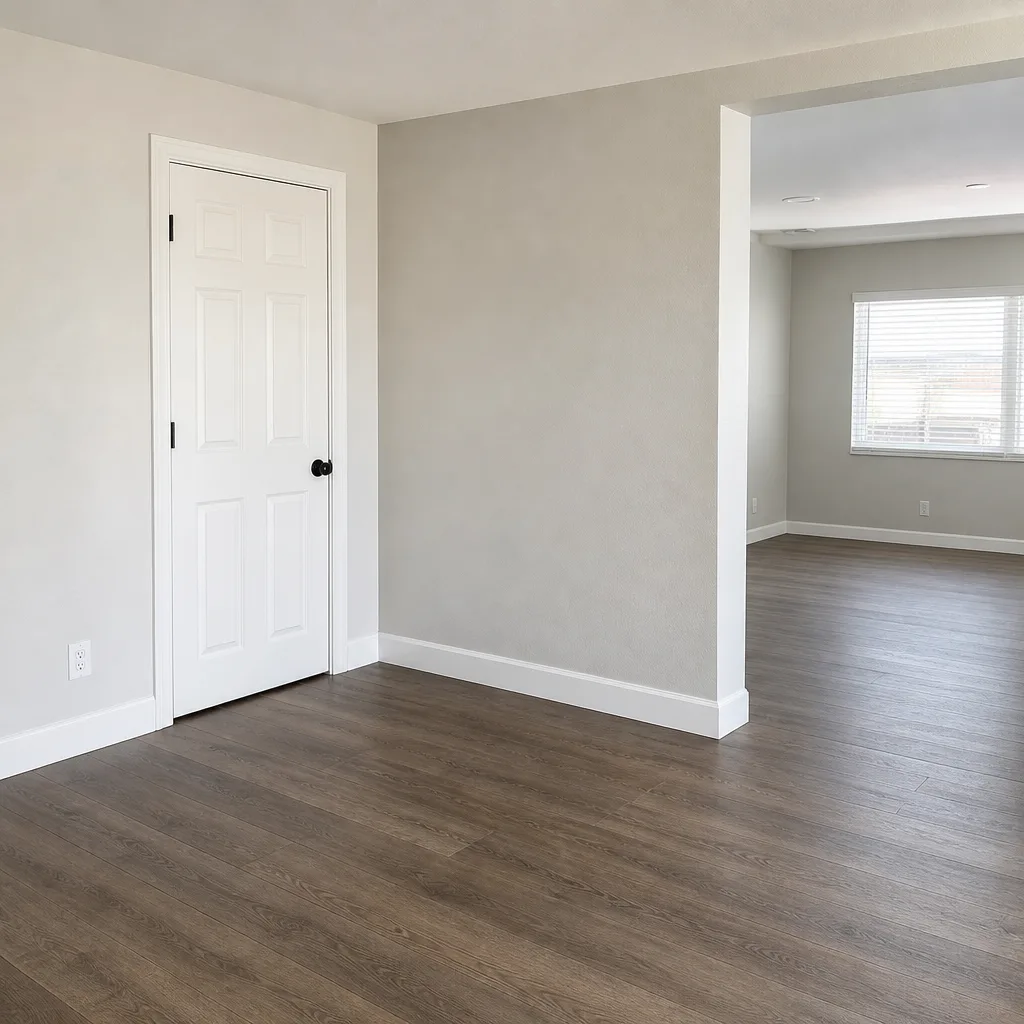 After
After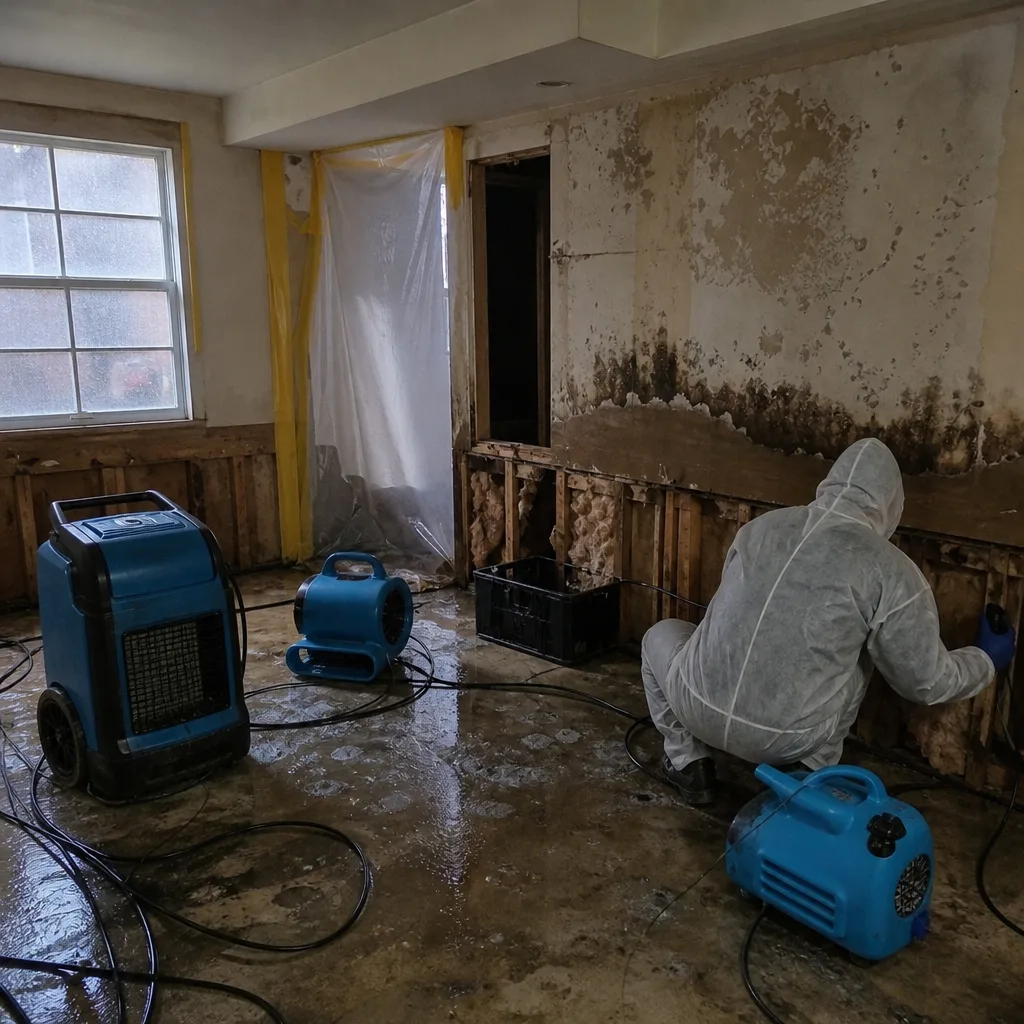 Before
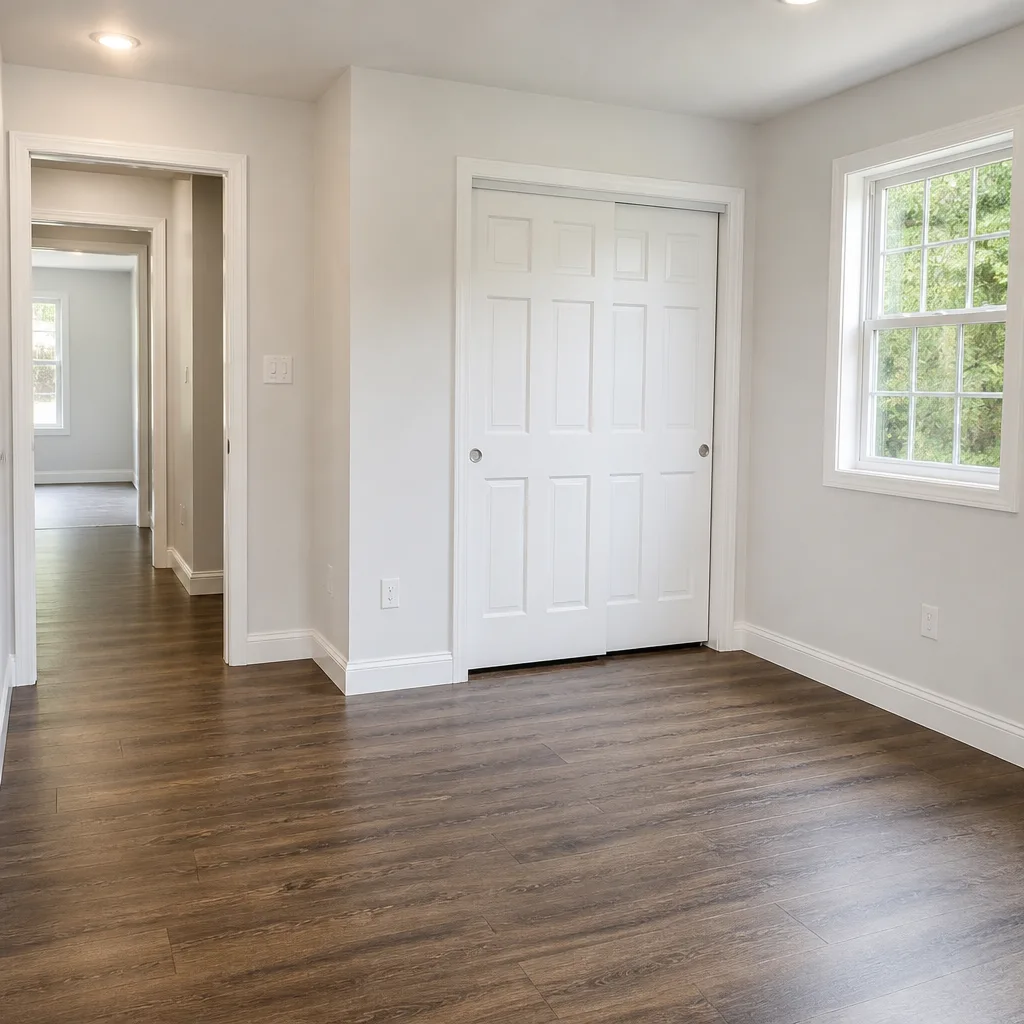 After
AfterWater Damage Restoration Maintenance Checklist for Los Angeles Homeowners
The number-one source of water damage claims in Los Angeles County isn’t storms. It’s supply line failures, and most of them give visible warning signals 30 to 90 days before they burst. Those signals are easy to spot if you know what you’re looking for, and a simple monthly walkthrough catches them every time. This guide teaches you that walkthrough, zone by zone, organized around the specific failure points of Los Angeles homes, because a 1950s slab-on-grade ranch in the Valley has entirely different vulnerabilities than a 1920s hillside bungalow in Silver Lake or a raised-foundation Spanish revival in Mid-City.
Quick Answer
A water damage prevention checklist for Los Angeles homeowners should be organized by construction type (slab, raised foundation, or hillside), performed monthly, and focused on the five appliance supply lines most likely to fail in LA’s hard-water environment. The highest-impact checks take under 10 minutes total: reading your water meter for hidden leaks, inspecting braided supply lines at toilets and washing machines, and clearing the drainage points that matter most during the November through March wet season. Done consistently, these checks prevent roughly 70% of the residential Water Damage Restoration services calls we see in Los Angeles.
Table of Contents
- Why LA Homes Fail Differently Than the Rest of the Country
- The Zone-by-Zone Monthly Checklist, Organized by Construction Type
- The Five Appliance Supply Lines Most Likely to Fail in Los Angeles
- How to Read Your Water Meter for Slow Leaks in Under Four Minutes
- Seasonal Adjustments: LA’s Wet Season vs. Dry Season
- The Written Documentation Habit That Makes Insurance Claims Faster
- Common Mistakes to Avoid
- When to Call a Professional
Why LA Homes Fail Differently Than the Rest of the Country
Most national water damage prevention guides are written for houses with basements, freeze-thaw cycles, and sump pumps. Los Angeles homes have almost none of those things. What we have instead is a specific combination of hard water, seismic settling, and construction methods that vary dramatically by neighborhood and decade built.
LA’s municipal water supply runs hard, which means high mineral content. Calcium and magnesium deposits accumulate inside supply lines and at connection points, slowly corroding fittings and weakening seals from the inside out. A supply line that runs 8 to 10 years in a soft-water city might fail at year 6 in Los Angeles. We see it regularly in homes across the city, from West Adams to Woodland Hills.
Seismic settling compounds the problem. Even minor tremors shift pipes and fittings by fractions of an inch. Over years, those micro-shifts create stress points at the exact angles where supply lines connect to appliances. A braided stainless line that looks fine from the outside can be pulling against a corroded fitting that gives way without warning.
The third factor is construction type. Slab-on-grade homes, common in the Valley and much of the South Bay, run water supply lines through or under the concrete foundation. When those lines leak, the water doesn’t pool visibly. It travels upward through the slab or outward through the soil, showing up as warm spots on the floor, unexplained mold at the baseboards, or water bills that climb for no obvious reason.
Raised-foundation homes, typical in older neighborhoods like Echo Park, Highland Park, and parts of Pasadena, have the advantage of a crawlspace where leaks become visible faster. The tradeoff is that plumbing runs through unconditioned space, so temperature swings between LA’s hot days and cool nights put more expansion-contraction stress on those lines.
Hillside homes, concentrated in Silver Lake, Mount Washington, and the Hollywood Hills, face gravity-driven water migration. A leak at the top of the property doesn’t stay at the top. It travels downhill through the soil, through retaining walls, and into the foundation of the house below or the house next door. Drainage is everything on a hillside, and a clogged French drain or a misdirected downspout can saturate the soil around a foundation to the point where hydrostatic pressure forces water through concrete.
Understanding which category your home falls into is step one. The Water Damage Restoration Maintenance Schedule: What to Do and When that actually prevents restoration calls is organized around it.
The Zone-by-Zone Monthly Checklist, Organized by Construction Type
The monthly walkthrough takes about 15 minutes once you know your route. Do it the same day each month, set a phone reminder, and keep a simple note on your phone with the date and anything you noticed. That note becomes your documentation trail, which matters more than you’d think if you ever file a claim.
For Slab-on-Grade Homes (Valley, South Bay, Inland LA)
- Check the water meter with everything off. This is the single most important check for slab homes because supply lines under the slab are invisible until they’ve already caused damage. The process takes under four minutes, and the full method is in the section below.
- Feel the floors for warm spots. Walk the perimeter of each room in bare feet or socks. Hot water leaks under a slab heat the concrete. A warm patch with no heating vent nearby means a hot water line is leaking under the foundation.
- Inspect baseboards for swelling or discoloration. Moisture wicking up through a slab shows at the bottom of the wall first. Look for paint that’s bubbling, caulk that’s separating, or baseboard that’s pulling away from the drywall.
- Check the pressure regulator. Most LA homes have one where the main line enters the house, often near the front hose bib or the garage. Look for corrosion at the fittings and note the pressure gauge reading if one is installed. Anything above 80 PSI is stressing every connection in your house.
- Smell each bathroom and the kitchen sink cabinet. A musty smell in a slab home often means a slow drain leak inside the wall or under the floor. You’ll smell it long before you see it.
For Raised-Foundation Homes (Echo Park, Highland Park, Mid-City, Older Pasadena)
- Do the water meter check. Same as above, every month.
- Open the crawlspace access and flash a light inside. You don’t need to go in. Look for standing water, wet soil, drips from the joist spaces above, and any pipe that’s wrapped in a wet insulation jacket. A damp crawlspace in Los Angeles’s dry climate means an active leak, not ambient humidity.
- Inspect the underside of the floor insulation. If you can see insulation batting hanging below the floor joists, check for water staining. A slow supply leak soaks the insulation above the subfloor, and gravity pulls the stain into view.
- Check the crawlspace vents. Make sure they’re clear of debris and that the screening is intact. Good airflow keeps the crawlspace dry and slows mold growth if a leak does happen.
- Look at the main drain line where it exits the house. A sagging or corroded cast-iron drain line under a raised home is a common failure in houses built before 1970. If you see rust-colored streaks or green oxidation, have it inspected.
For Hillside Homes (Silver Lake, Mount Washington, Hollywood Hills, Echo Park slopes)
- Do the water meter check monthly. Non-negotiable.
- Walk the perimeter after every measurable rain. Look for water pooling against the uphill side of the foundation, soil erosion at the base of retaining walls, or water seeping from the hillside itself. These are drainage failures, and they’re how water gets into hillside homes even with no plumbing leak at all.
- Clear every drain and catch basin on the property. Hillside homes typically have French drains, surface drains, or both. Leaves and debris clog them in hours during Santa Ana wind events. A clogged drain during a rainstorm sends water toward the foundation instead of away from it.
- Check retaining walls for new cracks or bulging. Saturated soil behind a retaining wall creates pressure that moves the wall. A new horizontal crack, a wall that’s leaning, or soil pushing through weep holes means water is building up behind the wall.
- Inspect the downspouts and their extensions. On a hillside, a downspout that dumps water three feet from the house is dumping it onto a slope that carries it right back to the foundation. Downspout extensions need to discharge at least 6 to 10 feet downhill, and they need to stay clear.
If you’re not sure which construction type your home is, check the foundation vents on the exterior. Vents at the base of the exterior wall usually mean a raised foundation. No vents and a concrete slab visible at the bottom means slab-on-grade. A hillside home can be either type, but the slope changes everything about how water behaves.
The Five Appliance Supply Lines Most Likely to Fail in Los Angeles
Supply line failure is the leading cause of residential water damage in Los Angeles, and most failures are preventable because most supply lines warn you before they go. Here are the five we see fail most often in LA homes, in order of frequency, and how to date each one without calling a plumber.
1. Washing Machine Hoses
Rubber washing machine hoses are the single most common failure point. They’re under constant pressure 24/7, they’re subject to vibration with every spin cycle, and LA’s hard water accelerates internal degradation. A rubber hose that’s been in service more than 5 years is on borrowed time. A braided stainless steel hose lasts longer, but its end fittings still corrode in hard water conditions.
How to date it: Look for a manufacturing date printed directly on the hose, usually in a small oval stamp or along the side. If there’s no date, or the date is more than 5 years old, replace it. A braided stainless hose without a date is still worth replacing if you’ve lived in the home more than 7 years and don’t know when it was installed.
2. Toilet Supply Lines
Every toilet in your house has a small supply line connecting the shutoff valve to the tank. These are often the cheapest plastic or thin metal lines installed by the builder or a previous owner. The plastic ones become brittle with age. The metal ones corrode at the connection points. Both fail suddenly and dump water at full pressure.
How to date it: Look at the line itself. Plastic supply lines that are yellowed or stiff are old. Metal braided lines with visible rust, green corrosion on the brass nuts, or kinks need replacement. If the line is plastic, replace it with braided stainless immediately, regardless of age. The cost is under $10 per toilet and takes ten minutes.
3. Refrigerator Ice Maker Lines
These are thin, often plastic or small-diameter copper lines that run from the wall to the refrigerator. They’re subject to kinking, they’re easily bumped when the fridge gets pulled out, and the plastic versions are notorious for pin-hole leaks that spray a fine mist behind the appliance where nobody sees it for weeks.
How to date it: Copper lines with a green patina are old. Plastic lines that have hardened are old. If you can’t see a date and the line is plastic, replace it with a braided stainless icemaker line. If the line disappears into the wall or floor, pull the fridge out once a month and check behind and underneath for any moisture, staining, or warping.
4. Under-Sink Supply Lines
Every sink in your home has two supply lines, hot and cold. Under the kitchen sink and bathroom vanities, these lines are hidden in dark cabinets where slow leaks go unnoticed for months. By the time you see the warped cabinet base, the leak has been active for weeks.
How to date it: Open each cabinet monthly. Run your hand along the supply lines from the shutoff valve to the fixture. Feel for dampness, corrosion at the fittings, or any crusty white mineral buildup, which is hard-water scale indicating a micro-leak. Check the cabinet floor with your hand, not just your eyes. A slow drip evaporates in LA’s dry air before it pools visibly.
5. Water Heater Supply and Pressure Relief Lines
Water heaters in Los Angeles typically live in a garage, an exterior closet, or sometimes on a rooftop in newer builds. The supply lines connecting the tank to the house plumbing are under constant heat stress, and the temperature and pressure relief valve line is a safety component that can drip when the tank overheats or the valve fails. A dripping TPR valve isn’t just a nuisance; it’s a sign the water heater is malfunctioning.
How to date it: Check the tank’s serial number. The first two digits usually encode the year of manufacture, but this varies by brand. A simpler rule: if the tank is more than 10 years old and you’ve never had the supply lines replaced, replace the lines. If you see any moisture or mineral staining around the TPR valve discharge line, call a plumber the same week.
In our experience at Wendell Water Damage Restoration, we’ve responded to Water Damage Restoration Troubleshooting: Common Problems and How to Fix Them situations in Los Angeles homes where a $12 supply line failure caused $40,000 in structural damage. The economics of prevention are not complicated.
How to Read Your Water Meter for Slow Leaks in Under Four Minutes
Your water meter is the single best leak-detection tool you own, and it costs nothing to use. The method works for every home type and catches leaks you cannot see, including slab leaks and slow leaks inside walls.
- Turn off all water in the house. This means no running faucets, no appliances mid-cycle, no irrigation system running, and no toilet refilling. If a toilet has a running flapper, fix it first or you’ll get a false reading.
- Find your water meter. In Los Angeles, most residential meters are in a concrete box near the street or sidewalk, typically at the front property line. The box lid usually says “WATER” or has the utility’s name on it. You may need a screwdriver to lift the lid.
- Read the leak indicator. Most modern LA meters have a small triangular or gear-shaped dial that spins when even a tiny amount of water passes through. If the dial is moving at all with all water off, you have a leak somewhere in the system.
- Record the meter reading. If your meter doesn’t have a leak indicator, write down the full reading, including the last digit. Wait 15 minutes. Read it again. If the reading changed with all water off, you have a leak.
- Isolate the leak. If the meter shows a leak, turn off the shutoff valve to each toilet, one at a time, and re-check the meter. Next, shut off the supply valves under each sink. If the meter stops moving after isolating one fixture, that’s the source. If the meter keeps moving with every fixture isolated, the leak is in the main line or under the slab.
Do this check once a month. It takes less time than brewing a pot of coffee, and it catches supply line failures and slab leaks before they become restoration projects. If the leak indicator is spinning with everything off, and you can’t identify the source, call us at (940) 466-4354. We’ll send a background-checked technician with a live arrival time you can track, and we’ll give you a written price before any work starts.
Seasonal Adjustments: LA’s Wet Season vs. Dry Season
Los Angeles has two distinct moisture seasons, and your maintenance checklist needs to adapt to each. The wet season runs roughly November through March. The dry season runs April through October. Each has its own failure patterns.
Wet Season Prep (Late October)
- Clear every exterior drain, gutter, and downspout. LA’s first real rain after months of dry weather carries an entire season’s worth of dust, leaves, and debris into your drainage system. A single clogged downspout during a heavy rain can send hundreds of gallons of water toward your foundation in hours.
- Check the roof for lifted shingles or cracked tiles. The dry-season heat bakes roofing materials. When the rain comes, any gap becomes an entry point.
- Test the sump pump if you have one. Some raised-foundation homes and hillside properties in Los Angeles have sump pumps. Pour a bucket of water into the pit and confirm the pump activates and discharges properly.
- Inspect all exterior caulking. Around windows, doors, and any exterior penetrations. Caulk dries out in LA’s heat and cracks during the temperature swings of autumn. Water follows those cracks.
- Verify the irrigation system is draining. If you have an automatic sprinkler system, make sure the backflow preventer and all exposed piping are insulated or drained. A hard freeze in Los Angeles is rare, but it happens in the Valley and the foothills, and a frozen sprinkler line bursts.
Wet Season Monthly Checks (November through March)
- Walk the property after every significant rain. Look for pooling water, soil movement, or water against the foundation. On hillside properties, walk the uphill side and check retaining walls for new cracks.
- Check the meter more frequently. Wet-season soil saturation can hide leaks that would show as wet spots in the dry season. The meter is the only reliable indicator.
- Monitor for musty odors in closets and cabinets. Rainwater intrusion through walls or roofs often shows up as smell before visible staining, especially with LA’s adobe and plaster construction in older homes.
Dry Season Monthly Checks (April through October)
- Inspect irrigation lines and emitters. Sprinkler systems run heavily during the dry season, and a cracked line or a broken emitter can run water against the house for weeks before anyone notices.
- Watch for foundation settling cracks. LA’s dry season pulls moisture out of the soil, causing the ground to contract. Homes on expansive soils, common in many LA foothill areas, shift measurably. New cracks in walls or floors can indicate structural movement that creates plumbing stress points.
- Check air conditioning condensate lines. Central AC runs hard in LA’s summer heat. A clogged condensate drain causes water to back up and leak into the home, sometimes in the attic, sometimes at the air handler. Pour a cup of warm water into the condensate line access point monthly and confirm it drains properly.
- Monitor the water pressure. LA water pressure can spike during low-usage periods in summer months. A home that runs fine at 60 PSI can experience 100 PSI overnight, which stresses every connection in the house. If you don’t have a pressure regulator installed, consider having one added.
The Written Documentation Habit That Makes Insurance Claims Faster
Prevention is the goal, but the maintenance habit that protects you most when prevention fails is documentation. If you ever file a water damage claim, your insurance company will ask you to prove the damage was sudden and accidental, not the result of long-term neglect. Documentation is how you prove it.
Here’s the habit: every time you do your monthly walkthrough, take a photo of anything you checked that could ever be questioned. Photos of your water meter reading. Photos of the supply lines under your sinks. Photos of the crawlspace. Photos of the roof after the first rain. Store them in a dedicated album on your phone, organized by month.
Here’s why it works: insurance adjusters and restoration companies both look for evidence of ongoing maintenance when assessing a claim. A homeowner who can produce a photo trail showing regular inspections is in a dramatically stronger position than one who can’t. The photos don’t prove the leak was sudden, but they prove you were attentive, and attentiveness is the opposite of neglect, which is the word insurance carriers use to deny claims.
We’ve also seen the documentation habit pay off in direct dollars. A homeowner who has before-and-after photos of their supply lines can negotiate with a manufacturer when a line fails prematurely. A homeowner with documented meter readings can prove their water usage suddenly spiked, which supports the timeline of a hidden leak.
If prevention fails and you need to file a claim, Wendell Water Damage Restoration works directly with insurance adjusters. We document everything with photos, we provide written scopes of work before any restoration begins, and we bill insurance directly when the policy covers the loss. For more on how the restoration process works, see our Water Damage Restoration in Los Angeles page.
One more thing about documentation: photograph the interior of every cabinet after your monthly check. If a supply line leaks behind a vanity, the “before” photo of that cabinet is invaluable for the insurance claim. It shows the cabinet was dry and undamaged at the time of the last inspection, which narrows the timeline of the failure.
Common Mistakes to Avoid
- Checking the visible supply lines but never the hidden ones. The lines under the kitchen sink are easy to see. The icemaker line behind the fridge, the washing machine hoses behind the machine, and the water heater lines in the garage are the ones that fail. Pull the fridge out and open the garage access panel monthly.
- Ignoring a slowly dripping faucet because it’s “just a drip.” A drip isn’t just water waste. It’s evidence of a seal failure, and seal failures eventually become sudden leaks. In Los Angeles’s hard water, a drip that’s ignored for six months often becomes a full fixture failure.
- Assuming a new roof means no leak risk. Los Angeles roofs fail at penetrations: vents, skylights, chimneys, and HVAC units. A new roof membrane can be compromised by a poorly sealed vent boot. Check the penetrations after every significant rain, even on a roof that’s less than five years old.
- Turning off the water meter check because “nothing’s changed.” The entire point of the monthly meter check is that it catches the leak before something changes visibly. A slow leak that starts in month one, if caught by the meter, is a $200 repair. That same leak, if left until it shows through the ceiling, is a $15,000 restoration.
- Not knowing where the main water shutoff is. When a line bursts, the first question is never “who do I call” – it’s “how do I stop the water.” Know where your main shutoff is, know whether you can turn it by hand, and if you can’t, buy a shutoff wrench and keep it next to the door. The five minutes you spend searching for the shutoff while water flows is the difference between a localized repair and a whole-house restoration.
- Assuming hillside drainage is a “rainy season only” concern. Hillside drainage systems fail year-round. A French drain clogged during the dry season is a French drain that won’t work when the first real rain arrives. Check hillside drains monthly, regardless of the forecast.
- Replacing one supply line and ignoring the rest. Supply lines in the same house, installed at the same time, fail around the same time. If one toilet supply line shows corrosion, the other toilet lines, the sink lines, and the washing machine hoses are likely the same age. Don’t wait for the next one to fail.
When to Call a Professional
Some findings on your monthly checklist are informational. Some require action. If your water meter shows a leak you can’t isolate, if you find standing water in a crawlspace, if you see water staining on a ceiling or wall, or if you smell mold in a closed space, call a professional the same day. These are not wait-and-see situations. Water damage compounds by the hour, and what starts as a slow drip inside a wall becomes structural damage and mold growth within days.
Wendell Water Damage Restoration offers free estimates in Los Angeles. If you find something concerning during your monthly walkthrough, call (940) 466-4354. A live person answers, day or night. We’ll give you a written price before any work starts, a written guarantee on every repair, and before-and-after photo updates by text so you can see exactly what was done. For more on our mold services, see Mold Remediation in Los Angeles. For repair work after water damage, see Water Damage Repair in Los Angeles.
Frequently Asked Questions
Once a month is the baseline, with more frequent checks during the wet season (November through March) and anytime you notice your water bill climb without a corresponding change in usage. The check takes under four minutes and catches slow leaks months before they become visible damage.
Warm spots on the floor with no heating vent nearby, a water bill that rises steadily, the sound of running water when all fixtures are off, and cracks or swelling at the baseboards. In slab-on-grade homes across the Valley and South Bay, these are the indicators that a supply line under the slab has failed. Call (940) 466-4354 if you notice any of them.
Yes. The braided stainless exterior resists bursting, but the internal rubber tube degrades in hard water, and the end fittings corrode at the connection points. Braided lines last longer than rubber, but in Los Angeles’s hard-water environment, 7 to 10 years is a reasonable maximum service life. Date them and replace on schedule.
Turn off the shutoff valve at each toilet and sink, one at a time, checking the meter after each isolation. If the meter keeps moving with all fixtures isolated, the leak is in the main supply line or under the slab. That’s a call to a professional the same day. You can reach Wendell Water Damage Restoration at (940) 466-4354.
Clear all gutters, downspouts, and exterior drains before the first rain. Check roof penetrations for lifted or cracked seals. Walk the property after every significant rain to look for pooling or soil movement. On hillside properties, inspect retaining walls for new cracks. Wet-season preparedness in Los Angeles is about drainage first and plumbing second.
Most homeowners policies cover sudden and accidental water damage from a failed supply line, but coverage depends on the specific policy and whether the failure was sudden or the result of long-term neglect. Your monthly documentation trail is your strongest evidence that you maintained the home properly. Wendell works directly with insurance adjusters, provides photo documentation, and bills insurance directly when the policy covers the loss.
The Bottom Line
Water damage prevention in Los Angeles is not complicated, but it is specific. The monthly checklist that works in a slab-on-grade Valley home is different from the one that works in a raised-foundation bungalow or a hillside house in Silver Lake. The common thread is consistency: a monthly water meter check, a supply line inspection focused on the five failure points, and seasonal adjustments for LA’s wet and dry seasons. Done reliably, these checks prevent the majority of residential water damage we see at Wendell, and when prevention fails, the documentation habit you build along the way makes the restoration and insurance process faster and less expensive. For more guides & resources, visit our blog. Start this month. The walkthrough takes 15 minutes.
Written by Blake Sorensen, Owner at Wendell Water Damage Restoration, serving Los Angeles since 2006.