
Last updated October 9, 2026
Free visual inspection and a written scope of work before any mitigation begins - photos, moisture readings, and drying logs go in your claim file
The scope we write is the scope we bill. Anything new gets shown to you, in writing, before we touch it.
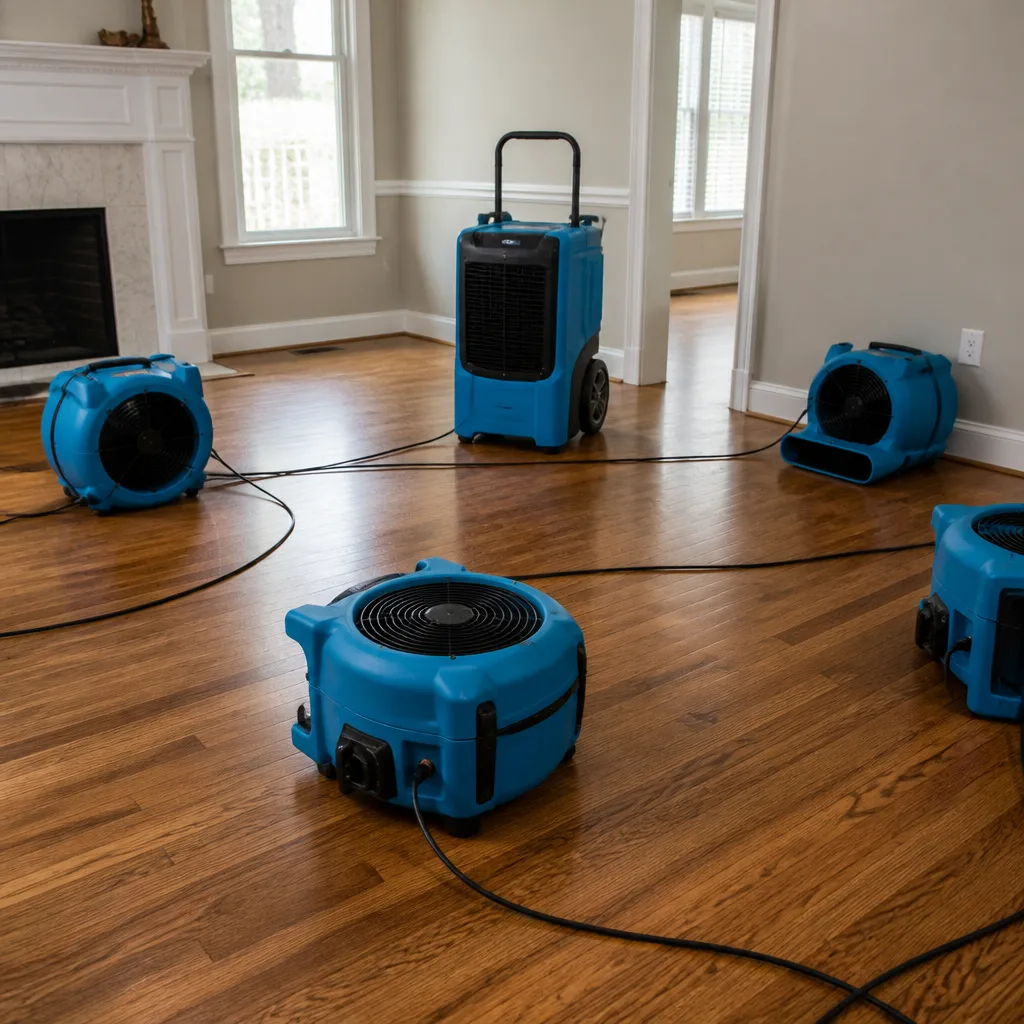



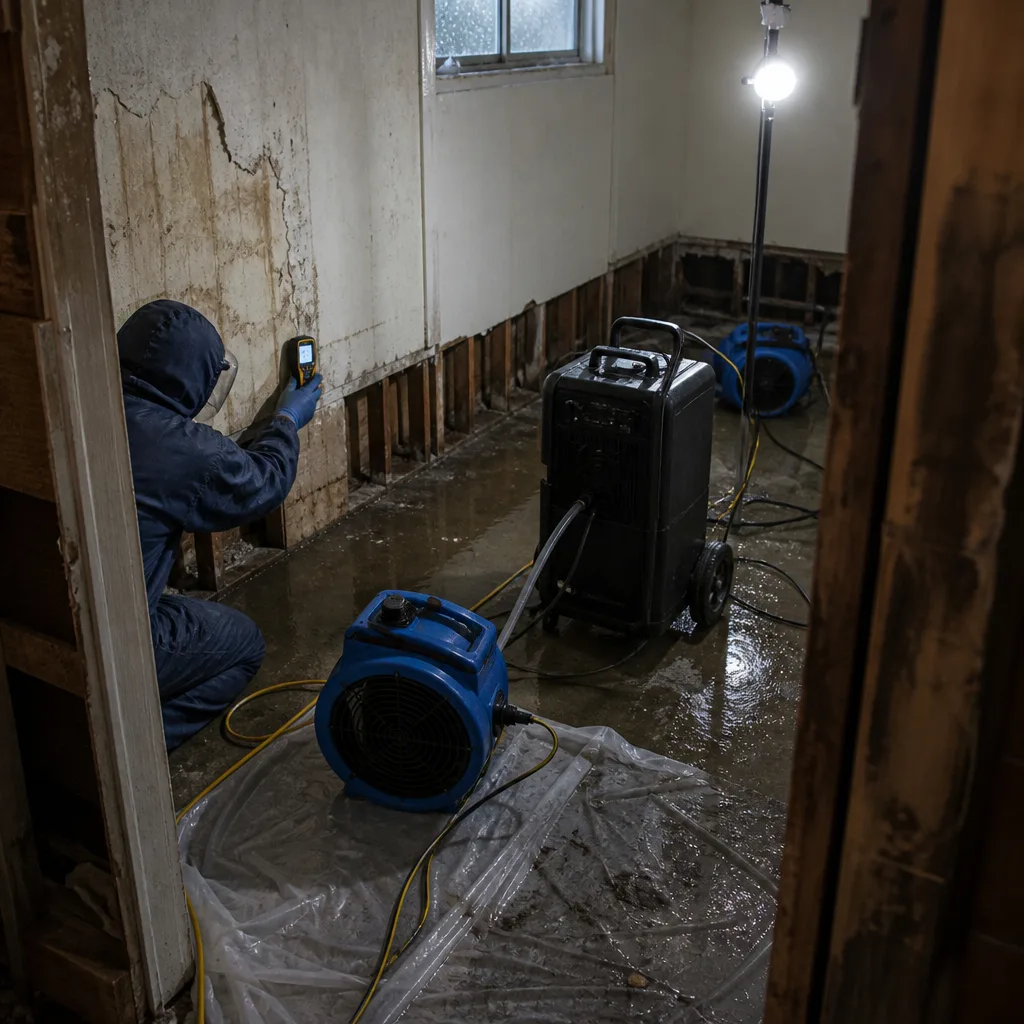 Before
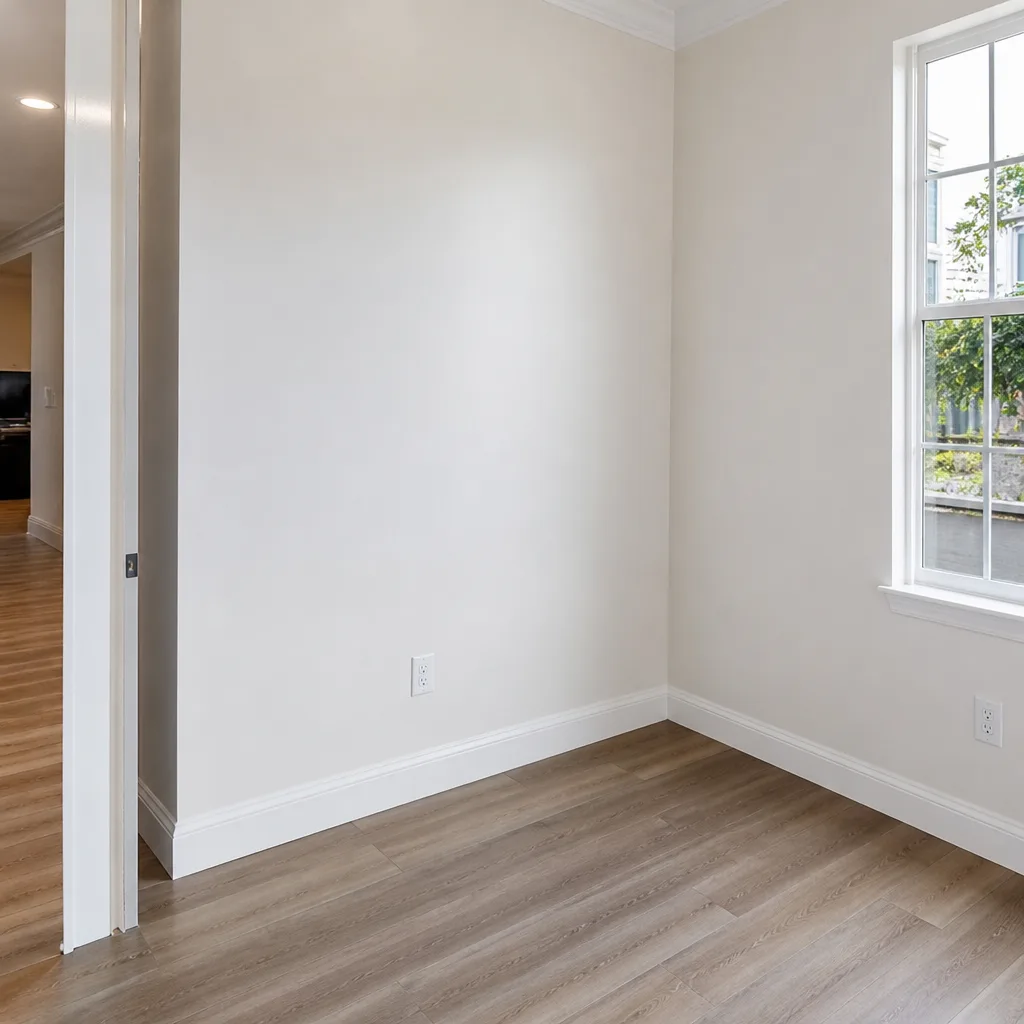 After
After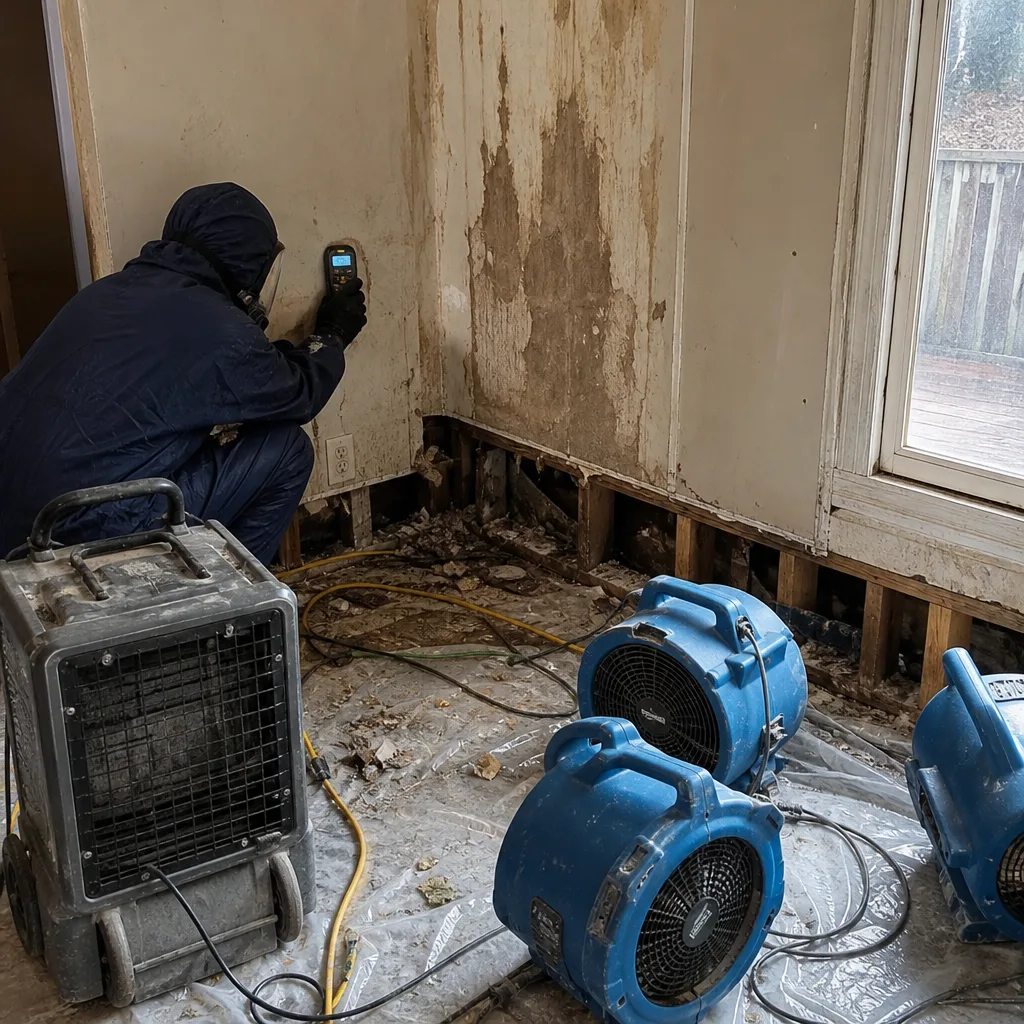 Before
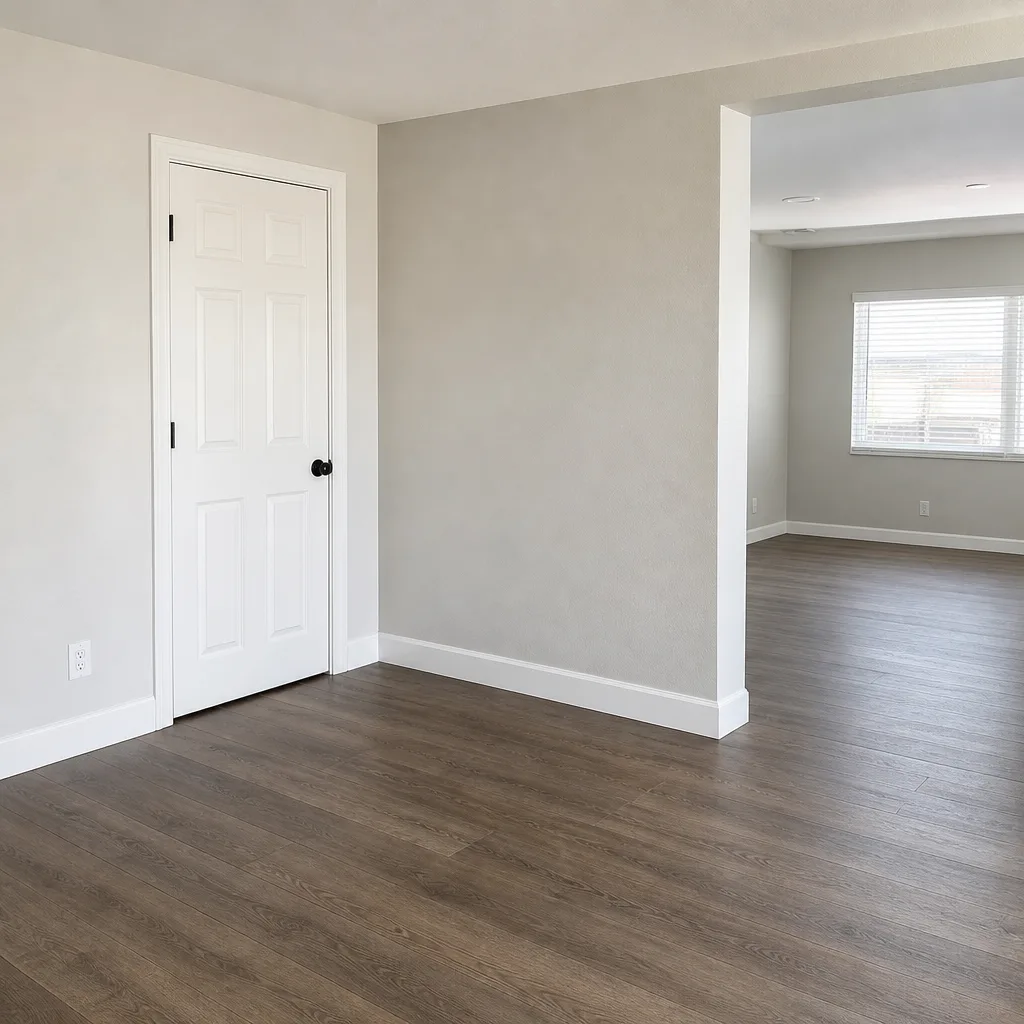 After
After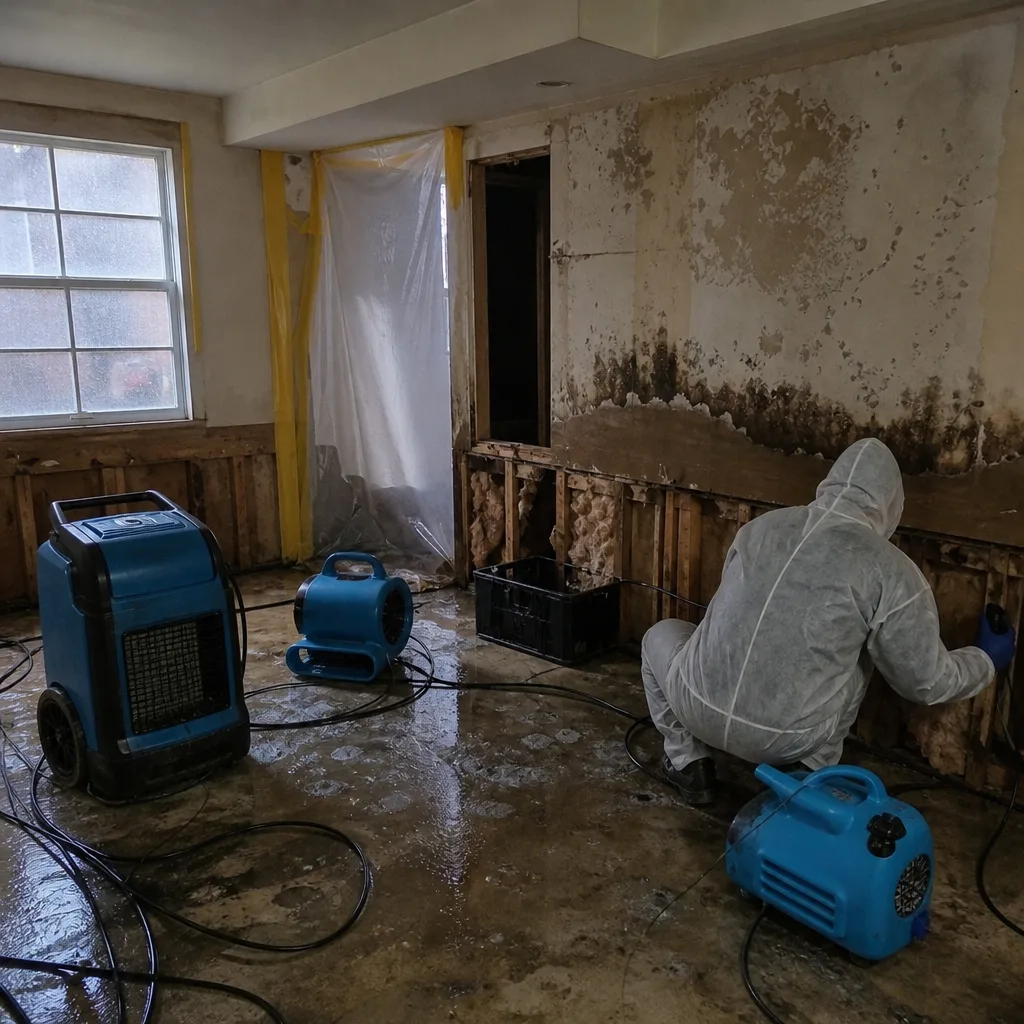 Before
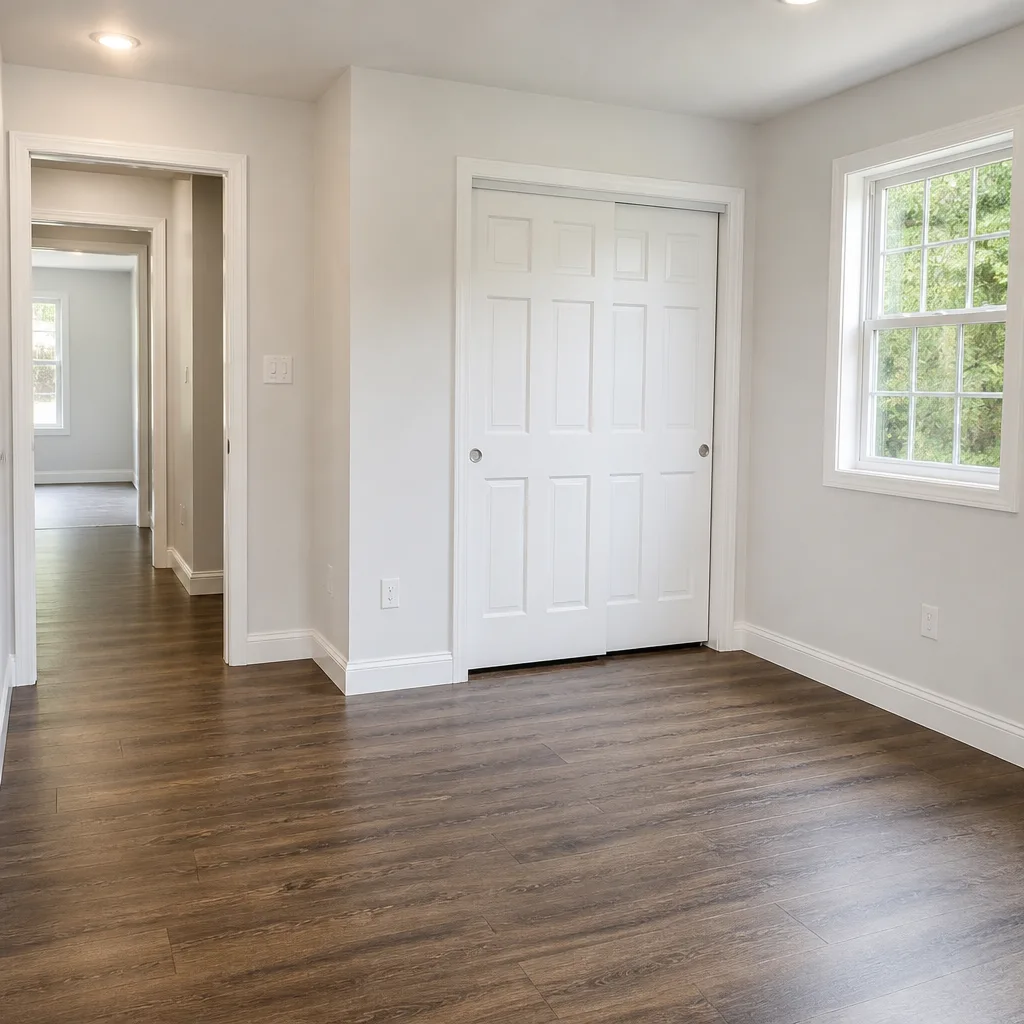 After
AfterWater Damage Restoration Warning Signs Every Homeowner Should Know
Here’s a number that should make every Los Angeles homeowner pause: the average water damage insurance claim in Southern California runs between $11,000 and $15,000, and the majority of those claims trace back to leaks that were quietly visible for weeks, sometimes months, before the drywall gave way. That paint bubble on your bathroom ceiling isn’t cosmetic. It’s a water blister, and the cavity behind it has been wet long enough for paint to delaminate, which means you’re already past the 48-hour mold window. This guide is a room-by-room literacy test. By the time you finish reading, you’ll know exactly what to look for under every sink, behind every wall, and on every water bill.
Quick Answer
The most common water damage warning signs homeowners miss are water blisters on ceilings and walls, warped cabinet toe kicks, musty odors that move or shift, unexplained spikes in your water bill, and exterior stucco cracks that follow a stair-step pattern. If you see any of these, water has already been present for days or weeks. The fix is always the same: find the source, dry the cavity, and treat for mold with professional Water Damage Restoration before the 48-hour window closes.
Table of Contents
- Ceiling and Wall Signs You’re Already Past the Warning Stage
- The Room-by-Room Visual Checklist
- How to Use a $25 Moisture Meter Before You Call Anyone
- The Smell Map: Tracing Musty Odors to Their Source
- Reading Stucco Cracks Like a Los Angeles Inspector
- Your Water Bill Is a Leak Detector: Reading the LADWP Graph
- Common Mistakes to Avoid
- When to Call a Professional
- Frequently Asked Questions
Ceiling and Wall Signs You’re Already Past the Warning Stage
By the time a ceiling stain is visible, the water has been working on that drywall for at least a week. Here’s what each sign actually means, in the order it typically appears.
Water blisters (paint bubbles). When water saturates drywall, the paper facing separates from the gypsum core, and the paint lifts into a soft dome. If the blister feels spongy when you press it, the cavity behind it is wet right now. If it’s hard and brittle, the leak may have dried on its own, but the compromised drywall remains.
Discoloration rings. A brown or copper ring means the leak is ongoing or recent. A lighter, chalky outline around the ring means the area has been wet and dried repeatedly, which is a pattern we see in Los Angeles homes with seasonal roof leaks or intermittently used plumbing, like a guest bathroom shower that only runs when visitors stay over.
Sagging drywall. This is the emergency signal. Wet drywall loses structural integrity fast. A 4-by-8-foot sheet of drywall weighs about 55 pounds dry. Fully saturated, it can weigh over 110 pounds. If a ceiling is sagging, the water has been there long enough to saturate the whole sheet, and it can come down without warning.
Peeling paint at corners and seams. Water travels along the path of least resistance, which in most homes means it follows the framing. Peeling paint at the corner where a ceiling meets a wall often means water is running along that seam, not pooling directly above the visible damage.
What to do right now: turn off the nearest water shutoff, move anything you can out of the way, and photograph everything. Documented damage matters when you file a claim. And in our experience across Los Angeles, the difference between a $3,000 repair and a $30,000 restoration almost always comes down to how quickly the homeowner caught the ceiling stain.
The Room-by-Room Visual Checklist
Different rooms leak in different ways, and the signs are not the same from space to space. For a deeper dive, see our Complete Guide to Damage Restoration in Los Angeles. Here’s what to look for in each room, mapped to how water actually behaves in a typical Los Angeles home.
Bathrooms
- Loose or lifting floor tiles around the toilet base. A toilet that rocks slightly when you sit is already leaking at the wax ring, and the subfloor is swelling underneath.
- Discolored or soft baseboards behind the toilet and along the tub edge. Run your hand along the baseboard. If it feels cool, damp, or swollen, water is wicking up from below.
- Caulk that’s pulling away from the tub or shower pan. When caulk fails, water gets behind the tile and into the wall cavity every single time the shower runs.
- A persistent sewage smell after the bathroom dries out. This is different from a musty smell and it means a wax ring or drain line has failed, not just a supply line drip.
Kitchens
- Warped cabinet toe kicks. The kick plate at the bottom of your lower cabinets is MDF or particleboard in most homes, and it’s the first thing to swell when the sink drain, dishwasher supply line, or refrigerator water line leaks. If the toe kick is bowing or has expanded, the leak is underneath the cabinet, which means it has been running for a while.
- Dishwasher face that’s warm when the dishwasher hasn’t run recently. This points to a slow leak at the supply valve behind the unit, which usually comes and goes with pressure changes.
- Laminate countertop seams that are lifting near the sink. Water gets under the laminate edge and swells the substrate. The seam is the tell.
- Floors that slope slightly toward the sink base. Subfloor swelling under the cabinet pushes the floor down, and the slope is often visible before any staining appears.
Laundry Rooms
- Rubber supply hoses that are cracked or bulging. These hoses fail catastrophically and without warning. We have walked into Los Angeles laundry rooms where a burst supply hose ran at full pressure for an entire weekend while the family was away.
- The washing machine pan draining constantly. The pan under your washer is a signal, not a fix. If the pan keeps filling, the leak is active.
- Rust on the washing machine legs or the pan itself. Slow drips leave rust behind long before you see standing water.
Garages and Basements
- Efflorescence on a concrete slab. That white, chalky powder on the garage floor is salt being pushed out of the concrete by water migrating through it. It means water is under the slab or wicking up through it, which in Los Angeles usually points to a drainage issue outside the garage door or a broken sewer line below the slab.
- Water heater corrosion at the tank base. A water heater that’s rusted at the bottom is nearing the end of its life, and when it goes, it dumps 40 to 75 gallons of water on your garage floor in a matter of minutes.
- A water heater that’s more than 10 years old with no visible corrosion is still a scheduled failure. Mark the install date on the tank and plan ahead.
How to Use a $25 Moisture Meter Before You Call Anyone
A pin-type moisture meter like the General Tools MMD4E costs about $25 at any hardware store and it tells you in seconds whether a suspect wall or floor is actually wet, and roughly how wet. Here’s the step-by-step, in the order we run it on every inspection in Los Angeles.
- Calibrate the meter on a known-dry surface. Pick a spot you’re confident is dry, like an interior wall in a room with no plumbing. The meter should read below 10% on most home surfaces. If it reads higher, the air itself is saturated and you’ll need to adjust your baseline.
- Test the suspect area from the center outward. Press the pins into the drywall or wood in a grid, about 6 inches apart. Water damage reads unevenly. A single high spot may be a false positive from a pipe or nail, but a cluster of high readings maps the actual wet area.
- Know the numbers. Anything under 10% on drywall is normal. Between 10% and 16% means elevated moisture worth investigating. Between 16% and 25% means active water intrusion. Over 25% means saturated material, and you’re already inside the mold growth window.
- Test the same spot twice. If the reading is high, move an inch and test again. Moisture meters pick up metal, so a reading that spikes directly over a nail or screw is probably not water.
- Mark your readings with painter’s tape. Write the percentage on a strip of tape and stick it to the wall. This gives you a moisture map, and it gives any restoration tech who shows up a head start.
This one tool changes the conversation. Instead of describing what you saw, you can say what you measured. And if the numbers are high, you’ll know to call before the wall starts turning black.
The Smell Map: Tracing Musty Odors to Their Source
Musty odor is not random. It follows water, and water follows the framing. The location of the smell is a clue about where the water is coming from, and the character of the smell tells you something about how long it’s been there.
Musty odor in a hallway, near the floor. In a typical wood-framed Los Angeles home, this points to water traveling along the bottom plate of a wall, the horizontal framing member the studs sit on. A leak in a bathroom or kitchen will run down inside the wall, hit the bottom plate, and ride it until it finds a path outward. The hallway is often the first place that path surfaces.
Musty odor in a closet, concentrated near the ceiling. Closets have poor air circulation, so a leak from an attic or roof gets trapped and concentrates there. In Los Angeles, where flat and low-slope roofs are common, a small roof leak can go unnoticed on the roof surface while the musty smell builds in the closet below.
Musty odor that gets stronger when the HVAC runs. Your air handler is pulling air from wherever it sits. If the unit is in a garage, crawlspace, or attic with a leak, it’s distributing that damp air through the house every time it kicks on. This is how a garage slab leak becomes a whole-house smell.
Musty odor that comes and goes with the weather. In Los Angeles, that’s the rain signal. The dry season masks it, and the first winter storm in November brings it back. That pattern points to a roof flashing, a stucco crack, or a window rough opening that leaks only when driven by rain.
The smell map matters because it tells you where to cut the hole, or where to tell us to start looking. If you call us and can describe the odor pattern accurately, our tech skips half the exploratory work and gets straight to the source.
Reading Stucco Cracks Like a Los Angeles Inspector
Stucco is the standard exterior finish on thousands of Los Angeles homes, and it cracks. Most of those cracks are cosmetic. A small percentage are the only visible clue that water is entering the wall assembly behind the stucco, and the difference comes down to pattern, width, and location.
Settlement cracks. These run vertically or nearly vertically, are hairline thin (less than a dime’s thickness), and don’t change much over time. They’re usually found near windows and doors. These cracks are generally not a water entry concern, though they should be sealed to keep the stucco looking clean.
Stair-step cracks. These follow the mortar joints in a stair-step pattern, and they’re a structural signal. In Los Angeles, where seismic movement is a fact of life, stair-step cracking in stucco often corresponds to subtle foundation movement, and the same movement that opened the crack may have cracked the underlying weather barrier. Water can enter through these cracks and sit against the wood framing for months.
Map-pattern cracking. This is a web of fine cracks, usually in a roughly hexagonal pattern. On older Los Angeles homes, this is often age-related shrinkage of the original stucco coat. The problem is that map-pattern cracks give rain a thousand tiny entry points, and collectively they can introduce as much water as one large crack.
Cracks radiating from penetrations. Anything that penetrates the stucco (a hose bib, a light fixture, a dryer vent, an electrical conduit) is a potential leak point. Cracks that radiate from a penetration mean water is getting behind the stucco at exactly the point where the weather barrier was already interrupted.
If you see any crack wider than a quarter, any stair-step pattern, or any crack that’s actively streaming water during a Los Angeles rainstorm, the wall assembly is compromised. Seal the surface as a stopgap, but understand that the cavity behind the stucco needs to be dried and tested for mold.
Your Water Bill Is a Leak Detector: Reading the LADWP Graph
Before you ever see a wall stain, your water meter probably sees the leak. The LADWP monthly bill includes a usage graph, and it’s the single most underused leak detection tool in Los Angeles.
What the graph shows. The LADWP graph displays your water use in hundred cubic feet (HCF) by billing period, with the current period compared to the same period a year ago. One HCF is 748 gallons. A family of four in Los Angeles typically uses 10 to 16 HCF in a two-month billing cycle, though heavy irrigation can push that higher.
The pattern that screams “leak.” A slow, continuous leak (a running toilet, a pinhole in a slab pipe, a dripping irrigation valve) shows up as a baseline bump that pushes every reading higher by the same amount. It’s the bill that goes from 12 HCF to 16 HCF without any change in household behavior.
The pattern that screams “hidden leak.” A sharp spike followed by a partial return to normal, then another spike, often means an intermittent leak: a pressure-actuated leak in a supply line, a washing machine valve that drips only when the machine runs, or a pool autofill that cycles too often.
How to confirm. Pick a two-hour window when no one is home, no irrigation is running, and note the reading on your water meter at the start and end. If the meter moves with everything off, you have a leak. The LADWP website also offers a detailed usage portal where you can see daily and even hourly data if you have a smart meter.
The water bill often tells you a leak exists months before it becomes visible on a wall or ceiling. Before the paint bubbles, before the toe kick swells, before the musty smell starts, your usage graph may already be warning you. Read it every month.
How Wendell Water Damage Restoration Approaches the Problem
When we walk into a Los Angeles home, we’re not guessing, and we’re not selling a package. Blake Sorensen and the team at Wendell follow a process that starts with measurement and ends with a written price before any equipment leaves the truck.
Our techs run psychrometric drying (tracking the air’s moisture level so we know when your home is truly dry, not just surface-dry) using professional-grade equipment from Dri-Eaz, Phoenix, and XPOWER. Every job follows IICRC, RIA, and IFA standards, which is the same standard applied to large commercial loss sites. We document before, during, and after with photo updates sent by text, and we put the price in writing before any work starts. If it’s not done right, the 365-Day Done Right Promise says we make it right. That’s the deal, in writing, every single time.
This is the level of clarity we bring to Wendell Water Damage Restoration home service across Los Angeles, and it’s the same standard our Water Damage Restoration in Los Angeles clients expect when a slab leak turns a garage into a wading pool at 2 a.m.
Common Mistakes to Avoid
- Painting over a water stain. Paint seals the stain but not the moisture, and the cavity behind it stays wet. When the stain bleeds through a month later, you have a bigger problem and a fresh coat of paint hiding it.
- Assuming a small stain equals a small leak. A ceiling stain the size of a dinner plate can indicate a leak that has been running for weeks, with water pooled across a much larger area of the joist bays above.
- Turning off the water and assuming the problem is fixed. Deactivating a leak is step one, not the finish. The wet materials still need to be dried or removed, and mold can grow in a damp wall cavity even after the water source is gone.
- Running a box fan on wet drywall and calling it dry. Air movement alone won’t dry a wall cavity. The drywall is porous, and once it’s saturated, the gypsum core holds water like a sponge. Professional drying involves dehumidification and moisture monitoring, not just airflow.
- Filing an insurance claim after starting DIY demolition. Most policies require you to mitigate further damage, but removing materials before the adjuster documents the loss can complicate the claim. Call your insurer first, and photograph everything.
- Using a bleach solution to “kill” mold on porous surfaces. Bleach does not penetrate porous materials like drywall and wood, so it treats the surface while the mold colony remains alive below. Affected drywall typically needs to be removed and replaced.
- Ignoring the LADWP usage graph. Most Los Angeles homeowners never look at their water bill beyond the total due. The graph is the earliest warning system you already pay for.
When to Call a Professional
Call when the moisture meter reads over 16% in a wall or floor, when a ceiling stain is growing, when the musty smell persists after you’ve dried what you can see, or when any water event involved sewage, saltwater, or extended saturation. If you’re in Los Angeles and you’re not sure what you’re looking at, Wendell Water Damage Restoration offers free estimates. Call (940) 466-4354 and we’ll send a tech with a meter, a plan, and a written price before any work starts.
Frequently Asked Questions
The first signs are usually water blisters or bubbles in paint, discoloration on ceilings or walls, a persistent musty smell, warped baseboards or cabinet toe kicks, and unexplained increases in your LADWP water usage. If you catch them early, the repair is often localized and less expensive.
Mold typically begins growing within 24 to 48 hours on wet organic materials like drywall, wood, and carpet padding, especially in Los Angeles where the climate stays mild enough for mold to thrive year-round. Drying the affected area within that window is the standard protocol.
You can handle very small leaks where the material dries completely within 48 hours and the affected area is less than about 10 square feet, but saturated drywall, water behind the wall cavity, or any event involving sewage should be handled by a professional. DIY drying often leaves hidden moisture, and the mold that follows is harder and more expensive to remove than the original leak was to fix.
Most standard homeowners policies in Los Angeles cover sudden and accidental water damage, like a burst pipe or an appliance failure, but gradual leaks that developed over time are often excluded. Read your policy carefully, photograph everything before any repair work begins, and call your insurer early in the process.
Water damage restoration in Los Angeles typically ranges from $1,800 to $8,500 depending on the size of the affected area, the water category, and whether mold remediation is required. Small clean-water events under one room can run under $2,000, while a sewage backup or extensive mold involvement can push past $12,000. Call (940) 466-4354 for a free estimate with a written price before any work starts.
Water mitigation is the emergency phase: stopping the source, extracting standing water, and drying the affected materials to prevent mold. Water damage repair is the restoration phase: replacing drywall, flooring, baseboards, and anything else that couldn’t be saved. Most Los Angeles restoration projects need both, and they’re usually handled by the same team.
Yes. Wendell’s Mold Remediation in Los Angeles service covers full mold removal and treatment following IICRC, RIA, and IFA standards, using the same professional equipment from Dri-Eaz, Phoenix, XPOWER, B-Air, and Injectidry that we use on every water damage restoration job.
A live person answers every call at Wendell, 24/7. We’ll give you a live arrival time you can track, not a four-hour window, and our background-checked, uniformed techs show up with professional drying equipment on the truck. Water damage doesn’t keep business hours, and neither do we.
The Bottom Line
Water damage in Los Angeles rarely announces itself with a dramatic flood. It announces itself with a paint bubble, a warped toe kick, a musty smell that comes and goes, or a usage chart that’s quietly trending upward. The homeowners who catch those signals early spend a few thousand dollars on a targeted fix. The ones who miss them spend five figures on full restoration. Learn to read the signs. Check your water bill every month. Buy a $25 moisture meter and use it. And when the numbers tell you it’s time, call a professional before the 48-hour mold window closes. For more guides & resources on protecting your home, visit our blog.
For water damage restoration, Water Damage Repair in Los Angeles, or mold remediation, Wendell Water Damage Restoration brings written pricing, live arrival times, and before-and-after photo updates by text to every job. Call (940) 466-4354 and talk to a live person right now.
Written by Blake Sorensen, Owner at Wendell Water Damage Restoration, serving Los Angeles since 2006.