
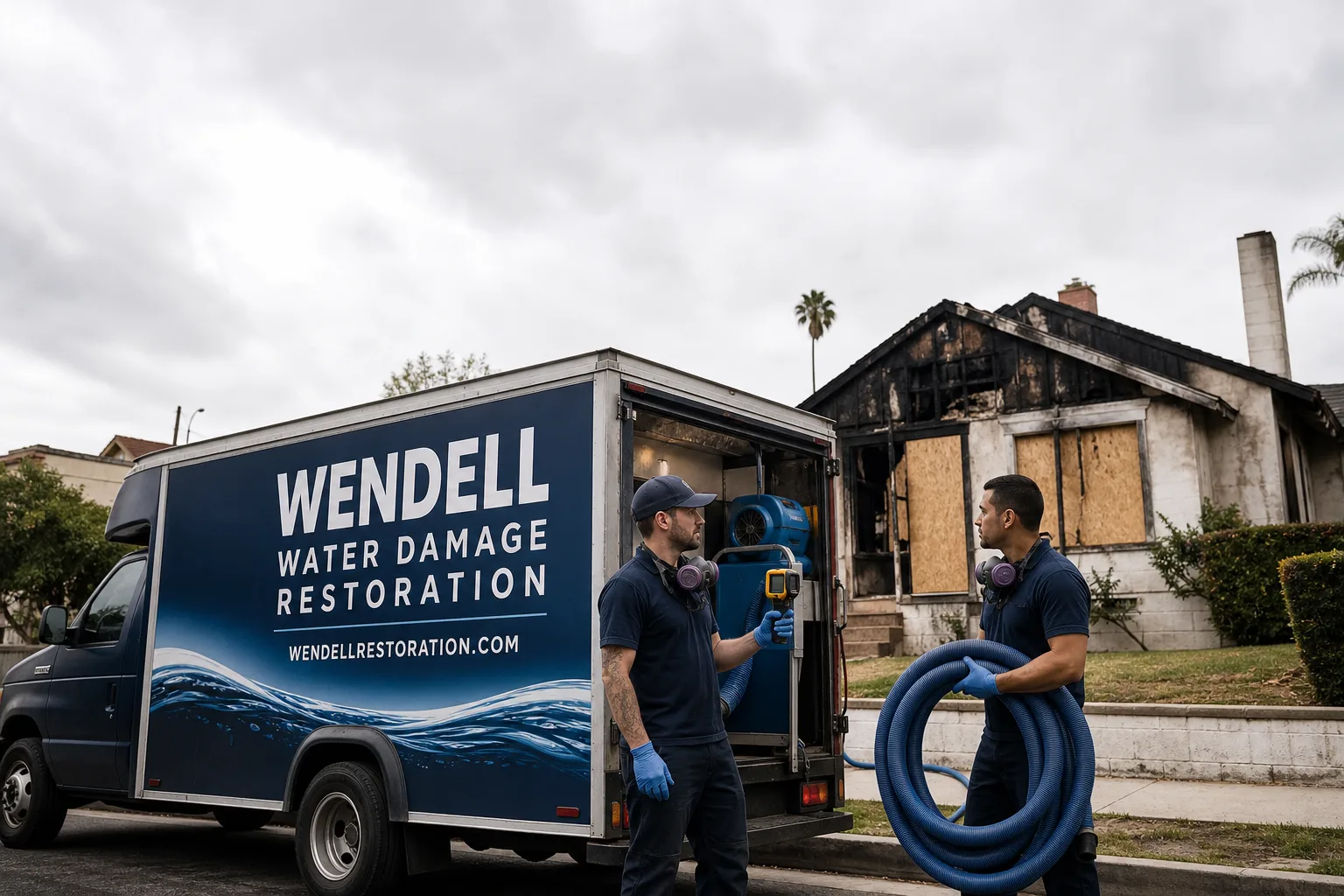
Free visual inspection and a written scope of work before any mitigation begins - photos, moisture readings, and drying logs go in your claim file
The scope we write is the scope we bill. Anything new gets shown to you, in writing, before we touch it.

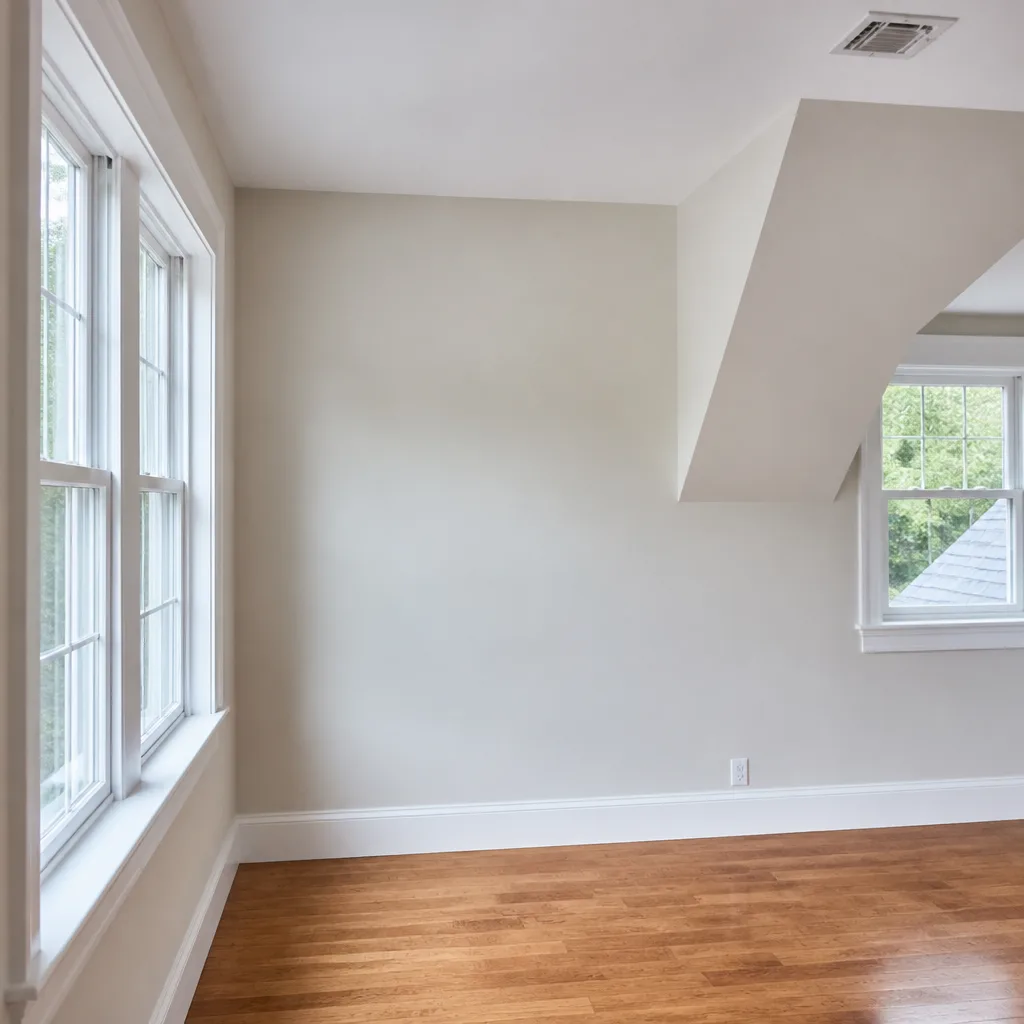

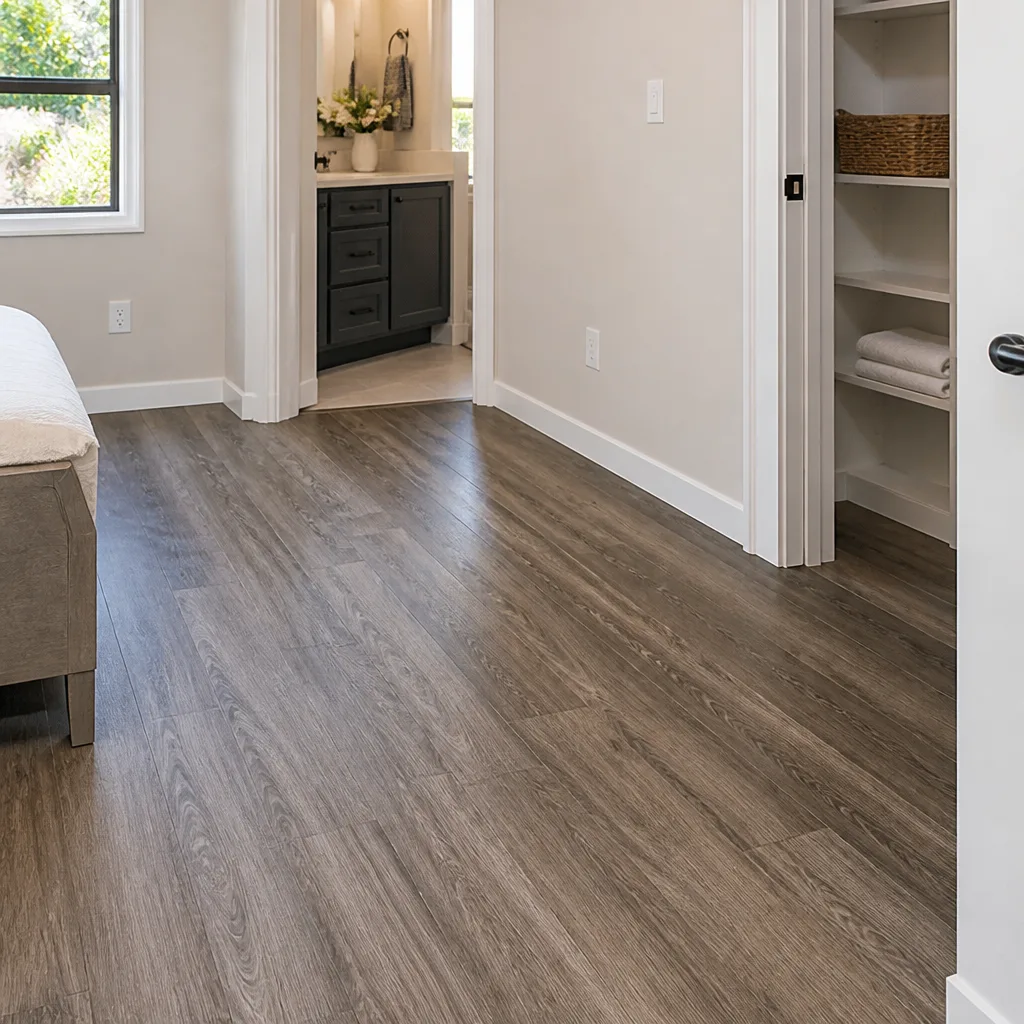

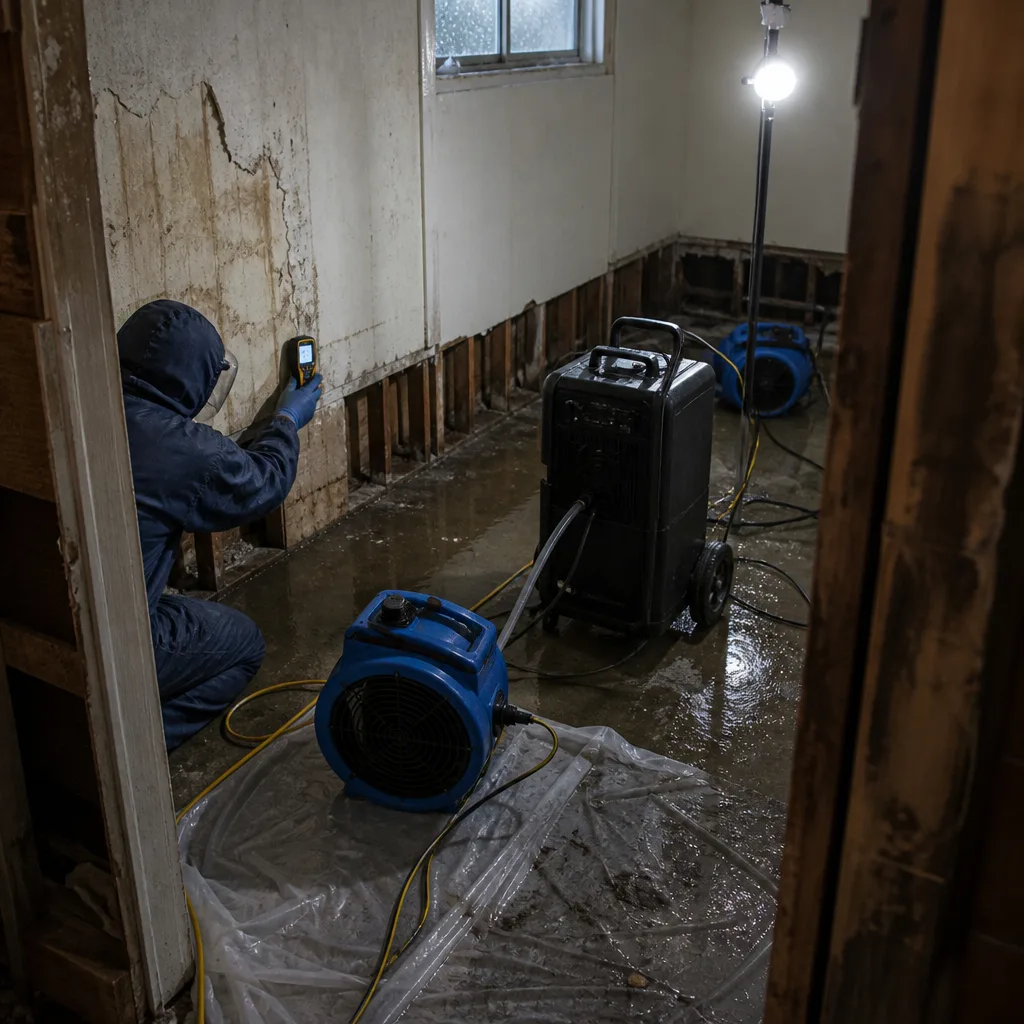 Before
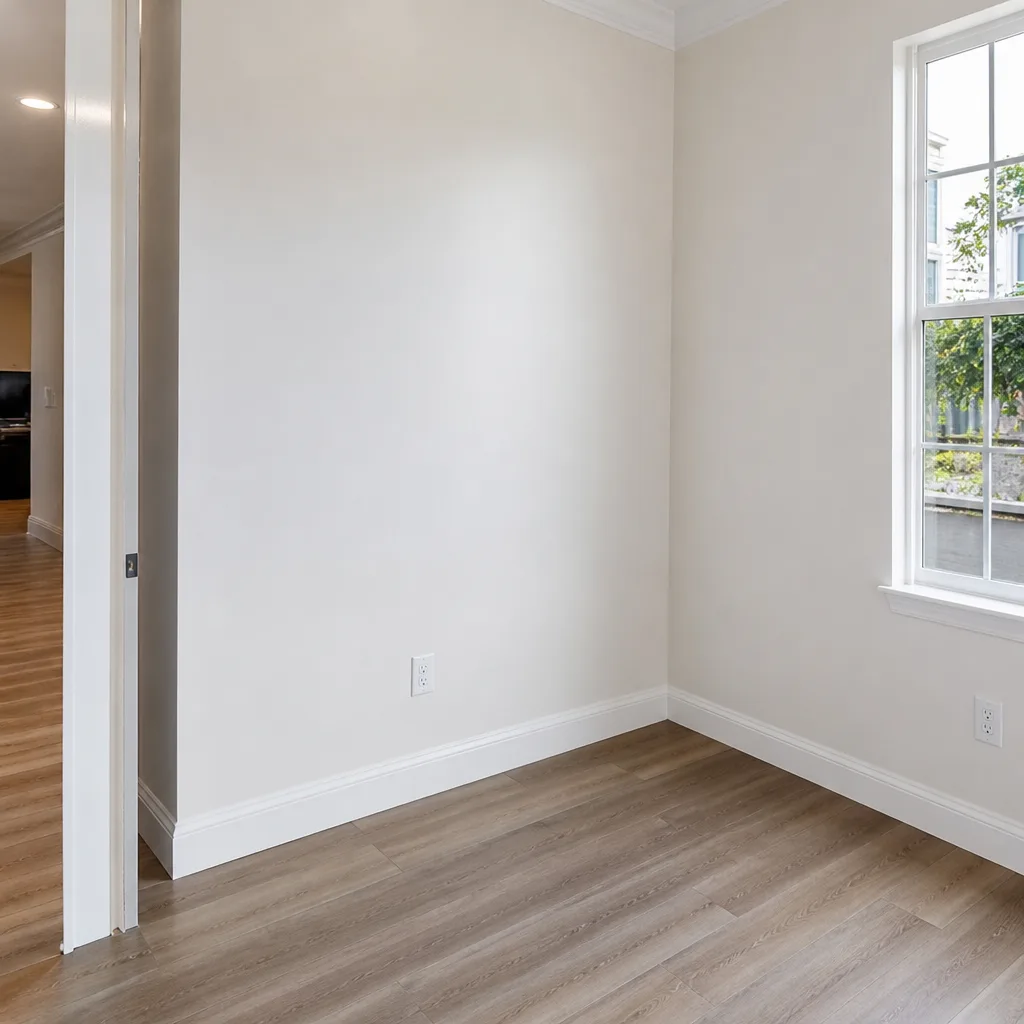 After
After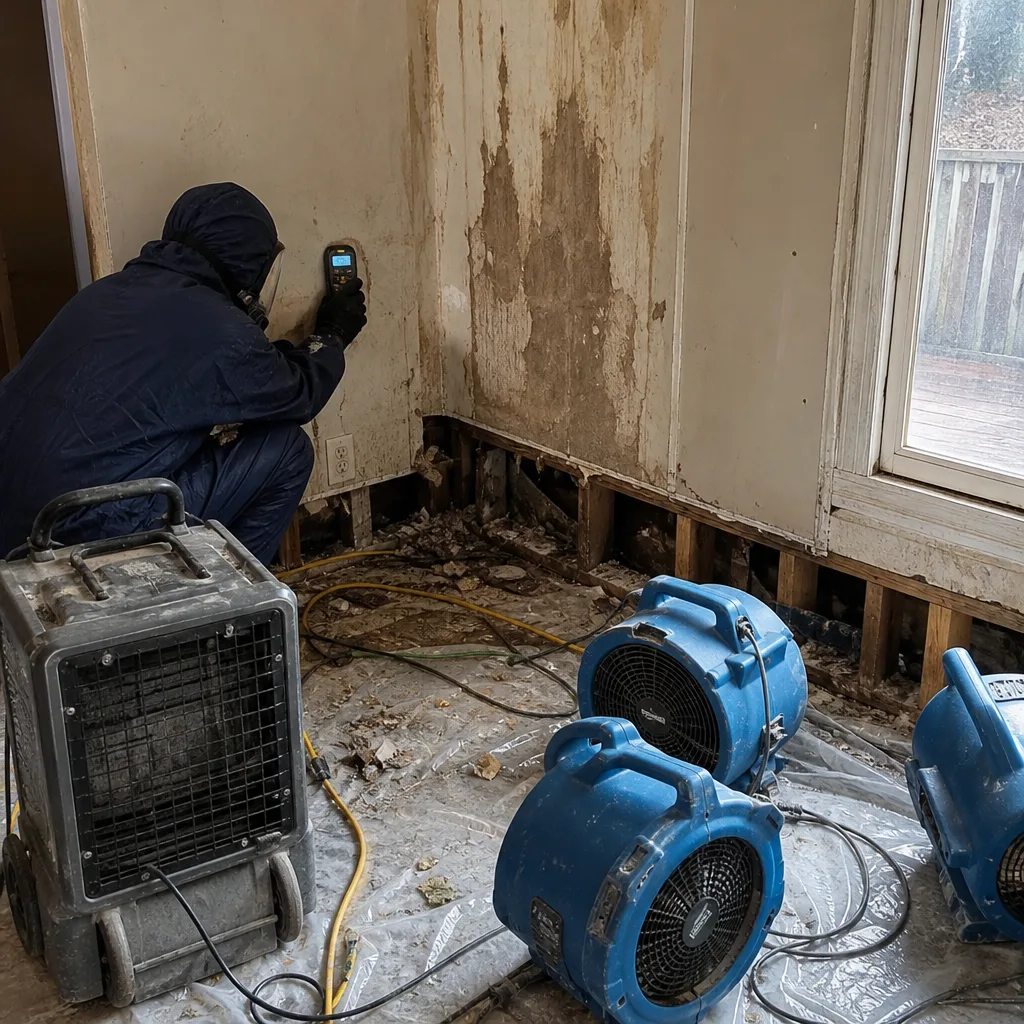 Before
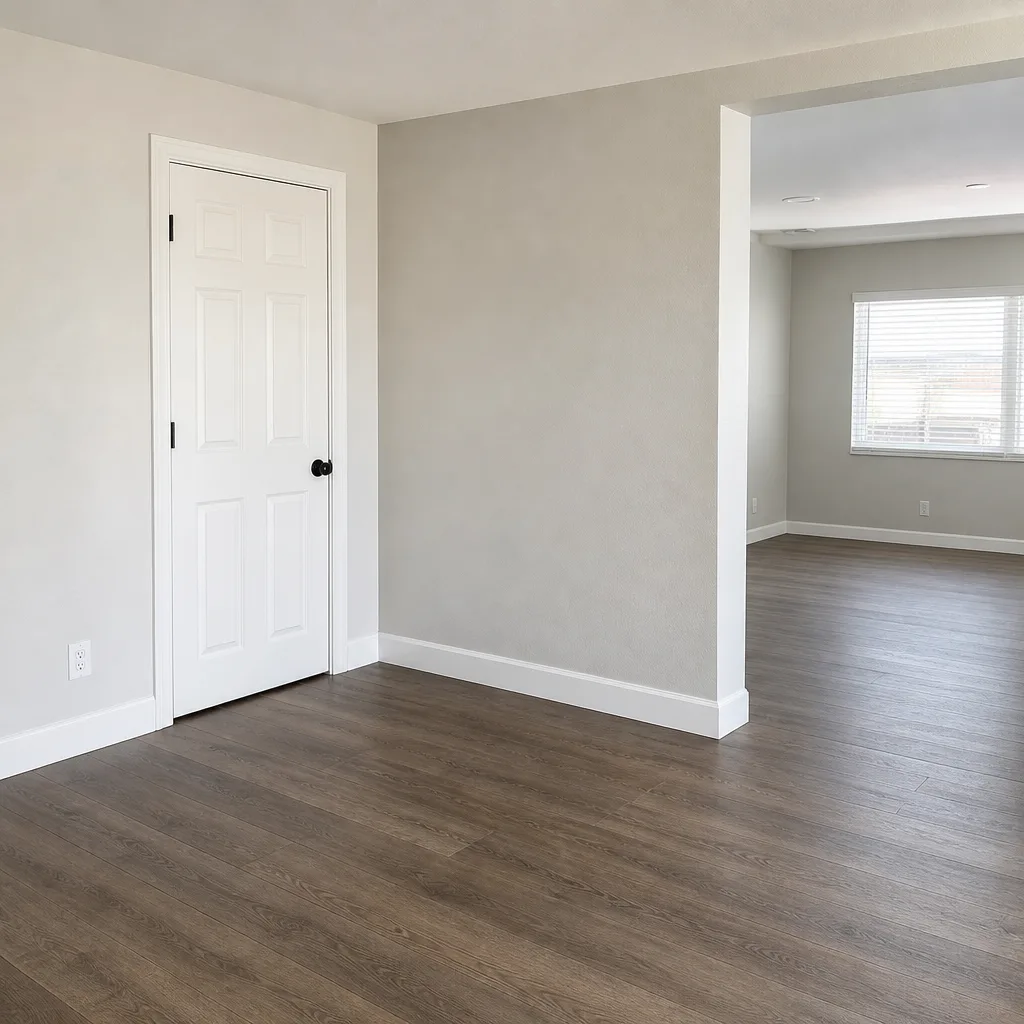 After
After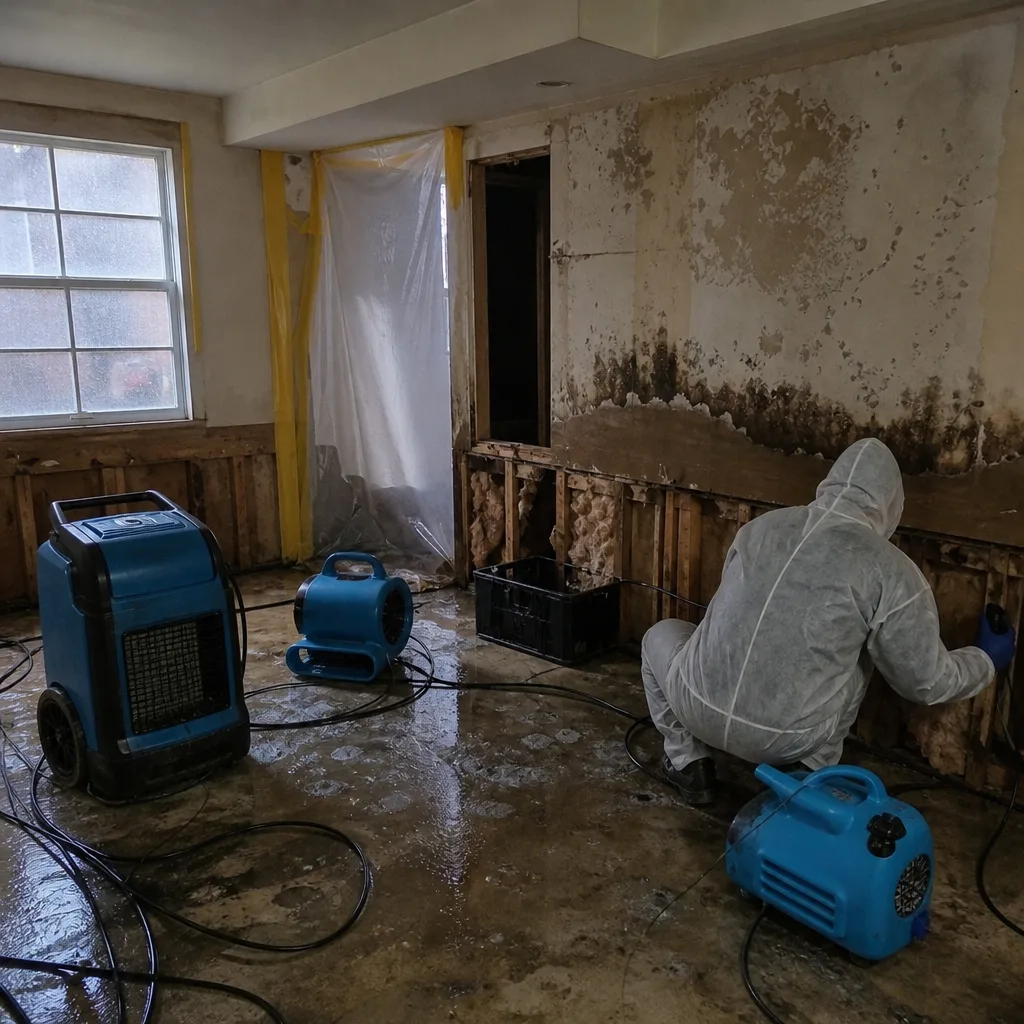 Before
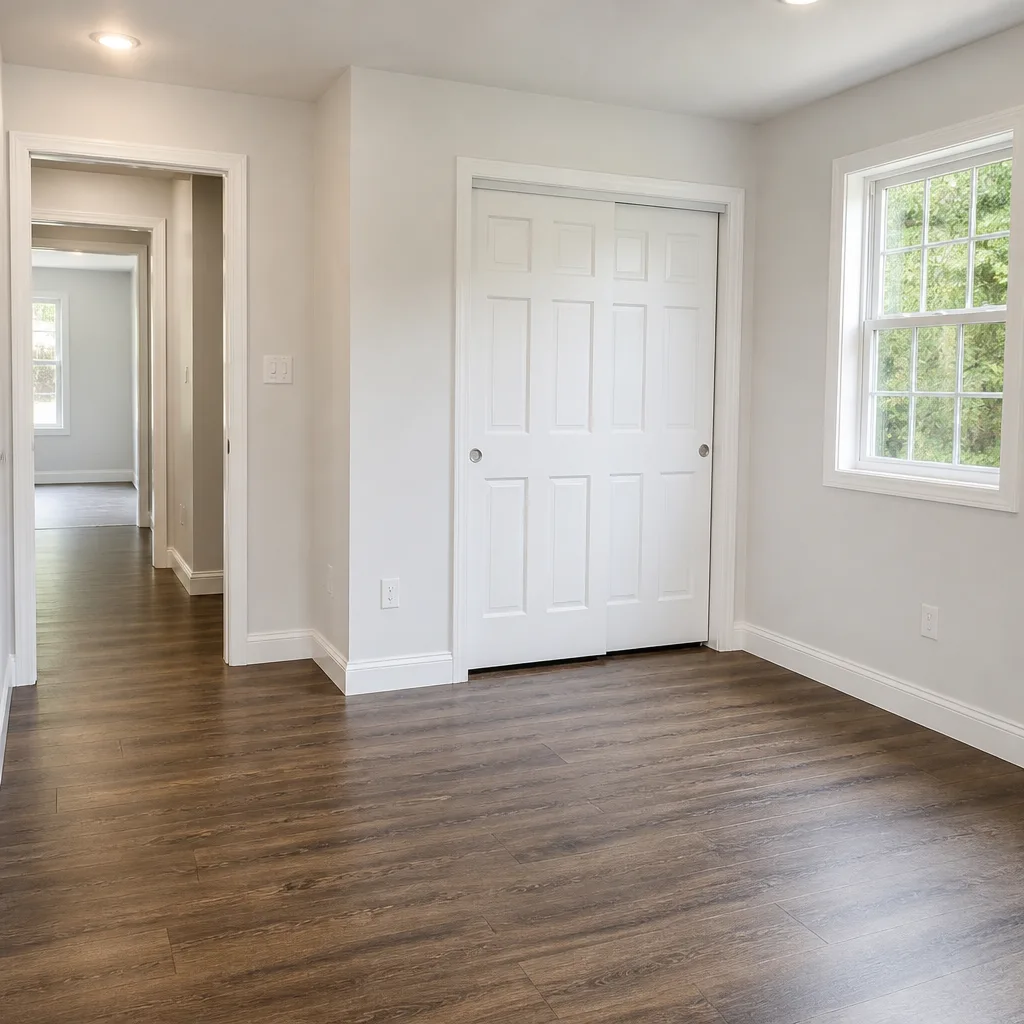 After
AfterFast, Reliable Water Damage Restoration Across Niagara Falls
Water damage in Niagara Falls usually starts where you can’t see it: under the basement slab, in a clay-tile lateral that cracked at the collar, letting groundwater push up through the floor drain. A flooded basement in Niagara Falls typically costs $2,800 to $6,500 to extract, dry, and restore, depending on how far the water wicked into finished walls and whether the water is category 1 or category 3 (sewage-affected). If you’re standing in water right now, call (940) 466-4354. We answer live, 24/7, and we’ll give you a written price before any equipment comes off the truck.
We know Niagara Falls housing, not just water damage. The pre-1950 basements, the original clay-tile laterals, the dense blocks off Pine Avenue and LaSalle Avenue where a backup in one home often traces back to a failed collar joint under the slab. Water Damage Restoration here means understanding that the first sign is often sewer gas or a slow floor drain backup, not a burst pipe. If you’re seeing that, call now. The water is already moving through the slab and into the block walls.
Why Wendell Water Damage Restoration Is Niagara Falls’s Preferred Water Damage Restoration Company
Niagara Falls homeowners call us because we pick up the phone. Not a voicemail, not a callback queue. A live person answers every call, 24/7, because a backed-up floor drain at 2 a.m. in the Love Canal district doesn’t wait for business hours. Our background-checked, uniformed technicians give you a live arrival time you can track, not a four-hour window. You’ll know who’s walking through your door before they get there.
We’ve earned a strong local reputation in Niagara Falls by doing something most restoration companies won’t: putting the price in writing before any work starts. You get a digital invoice texted to your phone, and the number on the screen is the number you pay. That’s the Relay Visibility Guarantee, and it’s how we’ve operated since 2006 as part of the Relay Home Co. family. Blake Sorensen leads our team, and he holds every job to the same standard: written price first, written guarantee on every repair, and a free second visit if the repair fails. Our 365-Day Done Right Promise isn’t marketing language. It’s in writing on every single job we do in Niagara Falls.
Our response time to Niagara Falls neighborhoods is measured in minutes, not days. When we get a call from the 1900 block of LaSalle Avenue or a home near Hyde Park, we dispatch a local crew immediately. They arrive with professional-grade drying equipment from Dri-Eaz, Phoenix, and XPOWER, running to IICRC, RIA, and IFA standards. The same certifications and equipment brands used on large commercial loss sites. Your basement gets treated the same way.
Flooded Basement in Niagara Falls
Flooded Basement work in Niagara Falls almost always starts at the floor drain, and it’s usually the original clay-tile lateral under the slab failing at the joint or collar, not a storm that overwhelmed the curb. That means the water is category 3 by the time it surfaces: sewage-affected, carrying whatever the lateral carried. Niagara Falls homeowners see a slow backup during heavy rain, assume it’s a plumbing clog, and wait. We’ll tell you straight: if the floor drain is backing up and there’s finished living space in the basement, you need water extraction and antimicrobial treatment within 24 hours, not a plumber’s snake.
Category 3 Water and Finished Basements
When a finished Niagara Falls basement takes category 3 water, the drywall wicks it upward. We pull the affected drywall to 24 inches, apply antimicrobial treatment to the studs, and contain the area before drying starts. You don’t have to tear out the entire room. If the water is category 1 (clean, from a supply line inside the home), we can often dry in place and save the drywall. The distinction matters, and we’ll classify the water on site and show you why.
Clay-Tile Lateral Failures Under the Slab
We regularly see root intrusion at the collar joints of original clay-tile laterals in the blocks between Pine Avenue and Buffalo Avenue. The roots push through, the joint cracks, and groundwater seeps in, mixing with whatever’s in the line. Homeowners smell sewer gas first. Then the floor drain backs up. We map the moisture, run psychrometric drying (tracking the air’s moisture level so we know when your home is truly dry, not just surface-dry), and log moisture readings every 24 hours until the studs hit dry standard. A flooded basement in Niagara Falls typically runs $3,200 to $7,800 when finished walls and contents are involved.
Water Extraction in Niagara Falls
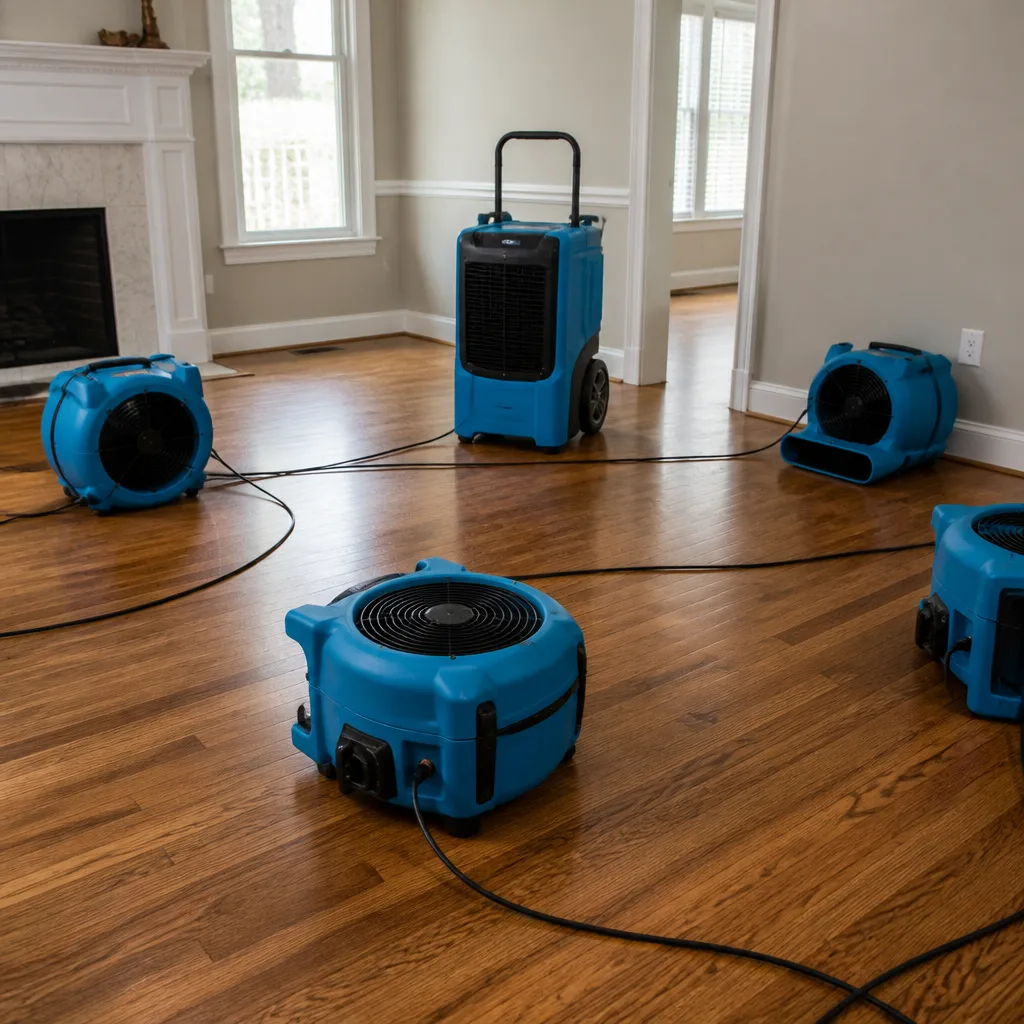
Water Extraction in Niagara Falls is the first move, and speed is the whole game. We pump the standing water out of your basement with truck-mounted extraction units, then set air movers and dehumidifiers to pull the water that’s already wicked into the concrete and the block walls. In Niagara Falls basements, which are frequently unfinished concrete or stone with no vapor barrier, moisture mapping often shows hidden wicking in the block wall that a visual check would miss. If we skip that second moisture reading 24 hours later, your “dry” basement is still wet, and mold starts before the week is out. Extraction for a typical Niagara Falls basement runs $1,400 to $3,200, depending on square footage and water depth.
Contents and Pack-Outs
Dense, old housing stock means a lot of Niagara Falls basements double as storage. When a floor drain backup soaks stored items and finished walls at the same time, we handle the pack-out: inventoried contents, cleaned, dried, and stored until your basement is back to dry standard. We photograph everything before we move it. That photo log is also what your insurance adjuster needs for your claim.
Floor-Drain-First Failures
The first sign is not a burst pipe. It’s a slow floor drain backup, or sewer gas, or damp carpet along the baseboard after a rain. That’s the clay-tile lateral, not your plumbing. We run a scope, confirm the failure point, and start extraction while you decide on the lateral repair. You don’t have to fix the lateral before we dry the basement. In fact, you shouldn’t wait. Water sitting in the block wall is doing damage every hour.
Trusted Brands We Service in Niagara Falls
We run Phoenix dehumidifiers and Dri-Eaz air movers on almost every Niagara Falls job, with XPOWER and B-Air units for tight spaces and Injectidry systems when we’re drying inside finished wall cavities without tearing out more than necessary. We stock parts and filters for these brands locally, so a tech doesn’t lose a day waiting for a shipment from a warehouse. For Niagara Falls customers that means faster setup, faster drying, and a drying log with readings you can actually read. If your home’s drying equipment came from a previous restoration attempt, we’ll inspect the setup and tell you honestly if it’s been doing the job or just blowing air around.
Common Water Damage Restoration Problems We See in Niagara Falls Homes
- Clay-tile laterals failing at the collar. Original lines from the 1920s through 1940s crack at the joint, root at the collar, and let groundwater and sewage into the basement through the floor drain. Homeowners smell sewer gas first and often delay calling for water extraction, which makes the damage worse.
- No vapor barrier in pre-1950 basements. Unfinished concrete and stone foundations wick moisture upward through the block. Visual inspection looks fine; moisture mapping shows the wall is saturated. If a crew skips a 24-hour moisture recheck, the basement stays wet and mold takes hold.
- Finished basements over saturated wall cavities. Dense older neighborhoods like LaSalle and the blocks off Pine Avenue have basements that were finished in the 1980s and 1990s without proper moisture barriers. Water inside the wall cavity does not show on the surface until the drywall stains, by which point the damage is much bigger than it needed to be.
- Category 3 water treated like clean water. A backup through a floor drain is sewage-affected, period. We see homeowners and some crews treat it as a simple extraction, skip containment, skip antimicrobial treatment, and the studs get moldy behind the baseboards within a few weeks. The cost to fix it later is always higher than doing it correctly the first time.
Pricing for Water Damage Restoration in Niagara Falls, NY
We Also Serve Cities Near Niagara Falls
Our crews serve Niagara Falls and the nearby communities of Grand Island, North Tonawanda, Buffalo, and Lockport. If you’re in a home on Grand Island with a crawl space issue, or a finished basement in North Tonawanda that backed up after a storm, we’ll get to you the same way we get to a home in Niagara Falls: with a written price, a live arrival time, and photo updates by text.
Serving Niagara Falls, NY - Our Local Coverage Area
We’re based in the Niagara Falls area and know this community well. Use the map below to see our service coverage - if you’re nearby, we can almost certainly help.
FAQs About Water Damage Restoration in Niagara Falls
It’s almost certainly both, but the water damage has to come first. In Niagara Falls, floor drain backups after rain usually trace back to the original clay-tile lateral under the slab, cracked at the collar or rooted at the joint. That’s a plumbing repair, yes, but the water sitting in your basement and wicking into the block wall is water damage, and every hour it sits does more harm. Extract and dry first, scope the lateral second. Call (940) 466-4354 and we’ll start extraction while you sort out the lateral repair.
Mold becomes a real risk within 24 to 48 hours, especially in Niagara Falls’ pre-1950 basements with no vapor barrier. The block walls stay wet longer than the floor, and hidden wicking inside wall cavities is exactly where mold takes hold. We respond to Niagara Falls addresses the same day, usually within hours. The first 24 hours are the window where extraction and airflow stop a category 1 loss from becoming a category 3 mold job.
If the water came up through a floor drain, it’s category 3 (sewage-affected), and the bottom 24 inches of drywall typically comes out. That’s not the whole room. We cut to 24 inches, apply antimicrobial treatment, contain the area, and dry the studs to standard. If the water was clean, from a supply line inside the house, we can often dry the walls in place and save them. We’ll show you the moisture readings and tell you straight, before any cutting starts.
A drying log is dated, recorded proof that the moisture in your basement dropped to dry standard. Insurance adjusters look for it. Without it, your claim gets harder to argue, and you may be left with a “dry” basement that isn’t dry. We log moisture readings every 24 hours, photograph the meters, and text you the before-and-after numbers. The drying log is part of the written record we give you from day one.
Call the water damage crew first, because every hour of standing water makes the damage bigger. We’ll document everything with photos, classify the water, and give you a drying log to hand to your adjuster. Then call your insurance company. We’ll talk to them directly too, if you want, and walk them through the scope. The cleanup does not wait for the adjuster to call back. Call (940) 466-4354 and we’ll be on the road to your Niagara Falls home while you’re still on the line.
Written by Blake Sorensen, Owner at Wendell Water Damage Restoration, serving Niagara Falls. Part of the Relay Home Co. family, founded in 2006, independently owned and operated to The Relay Visibility Guarantee.