
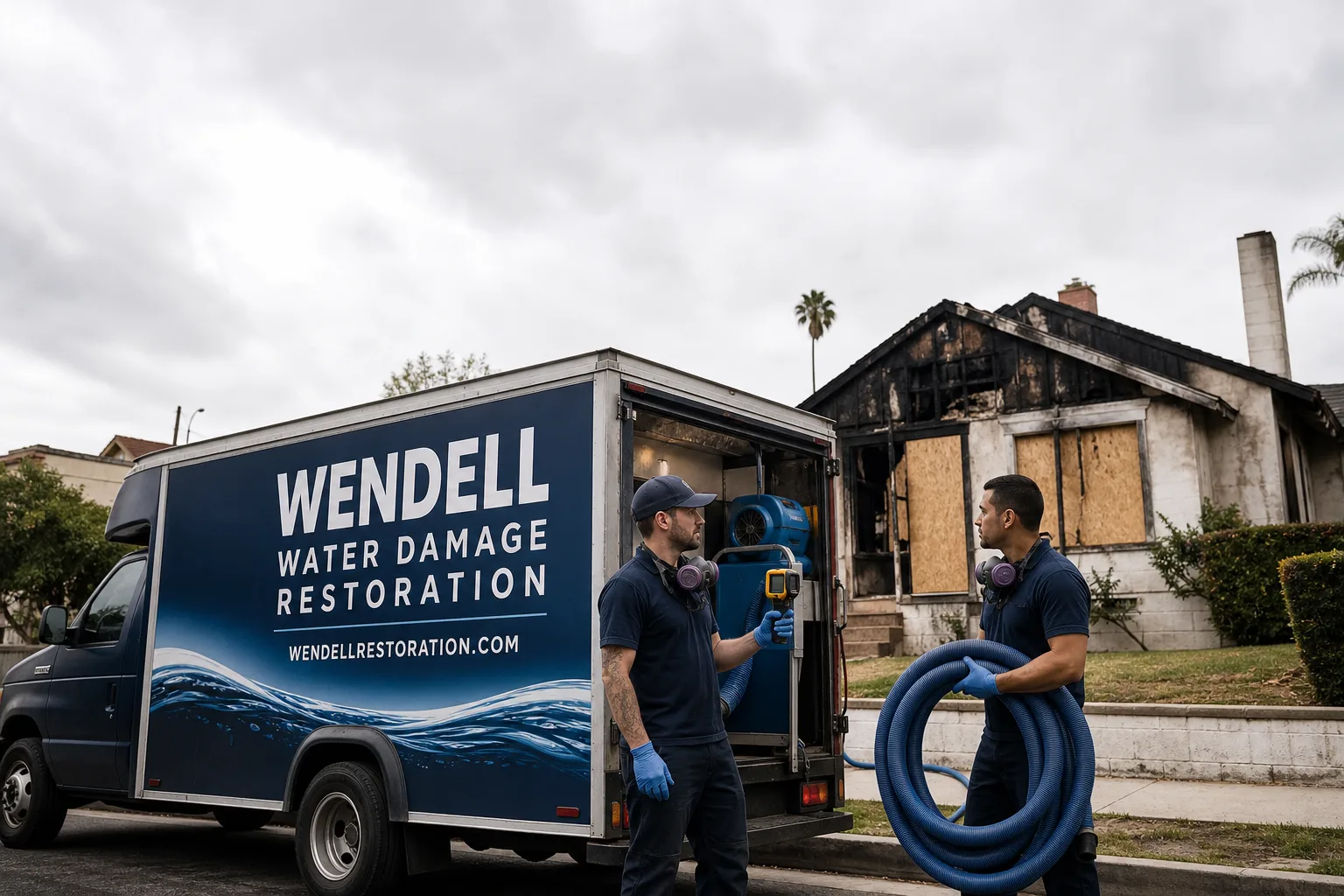
Free visual inspection and a written scope of work before any mitigation begins - photos, moisture readings, and drying logs go in your claim file
The scope we write is the scope we bill. Anything new gets shown to you, in writing, before we touch it.

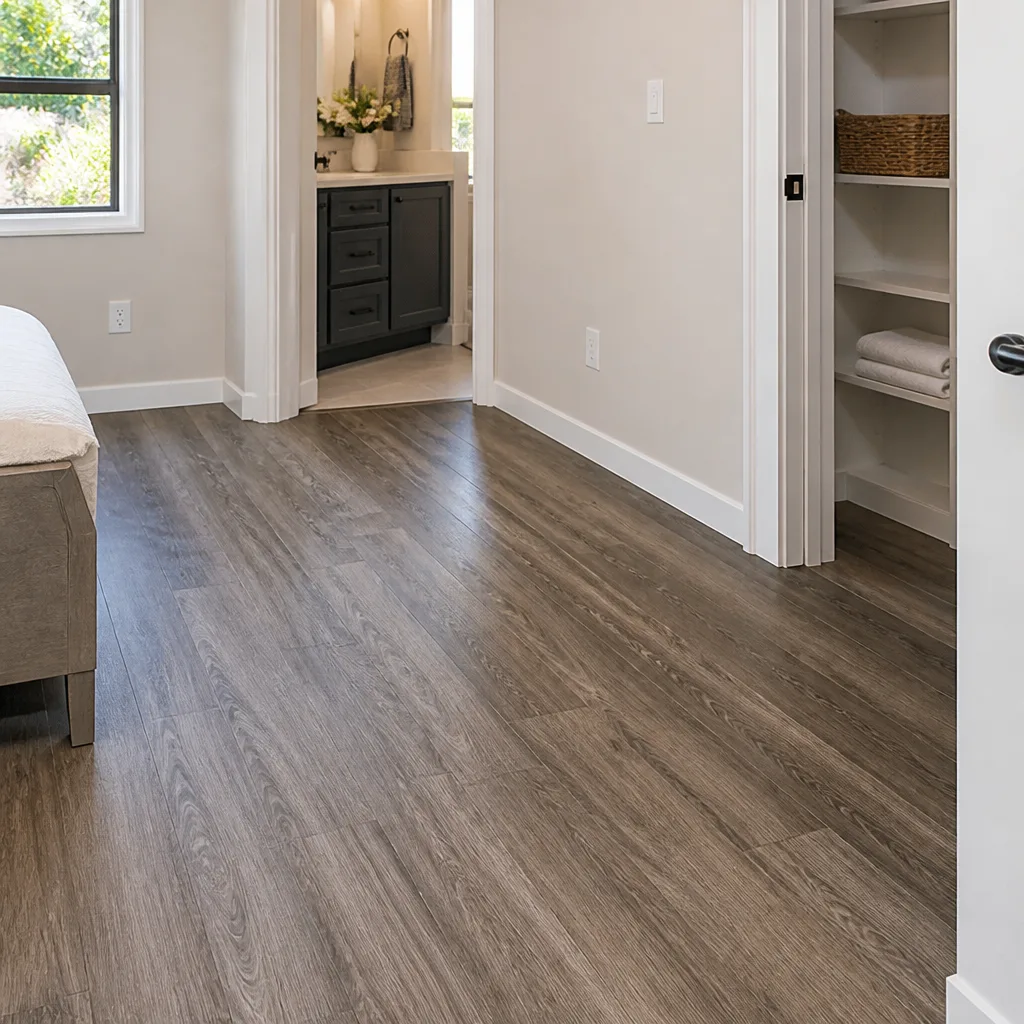
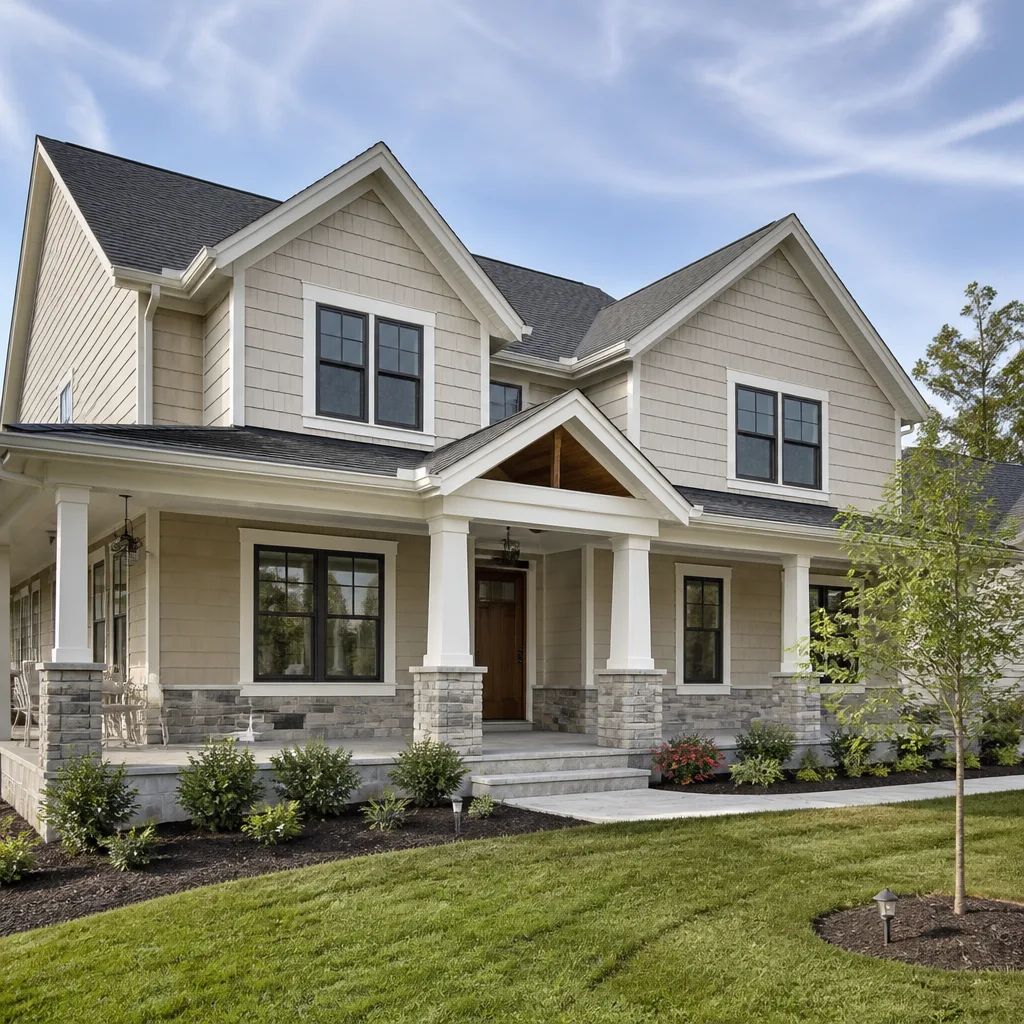
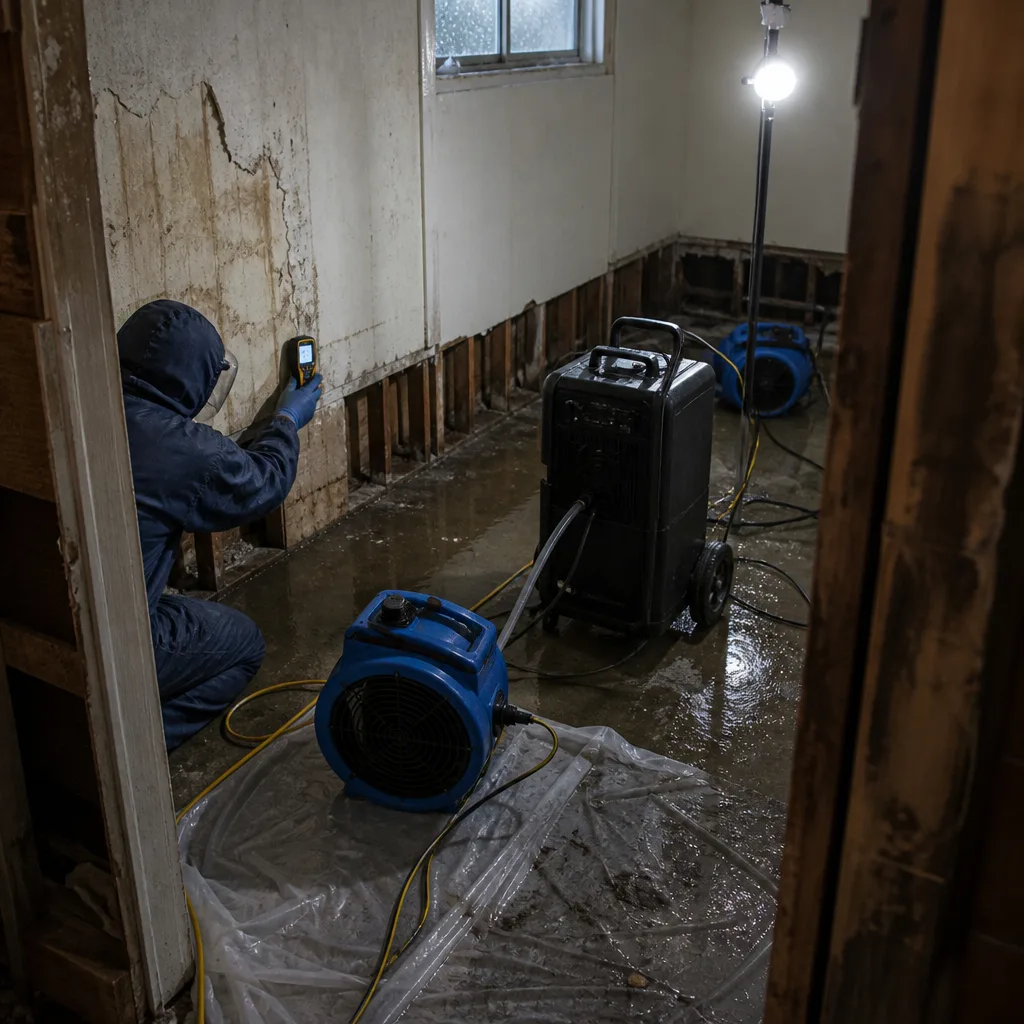 Before
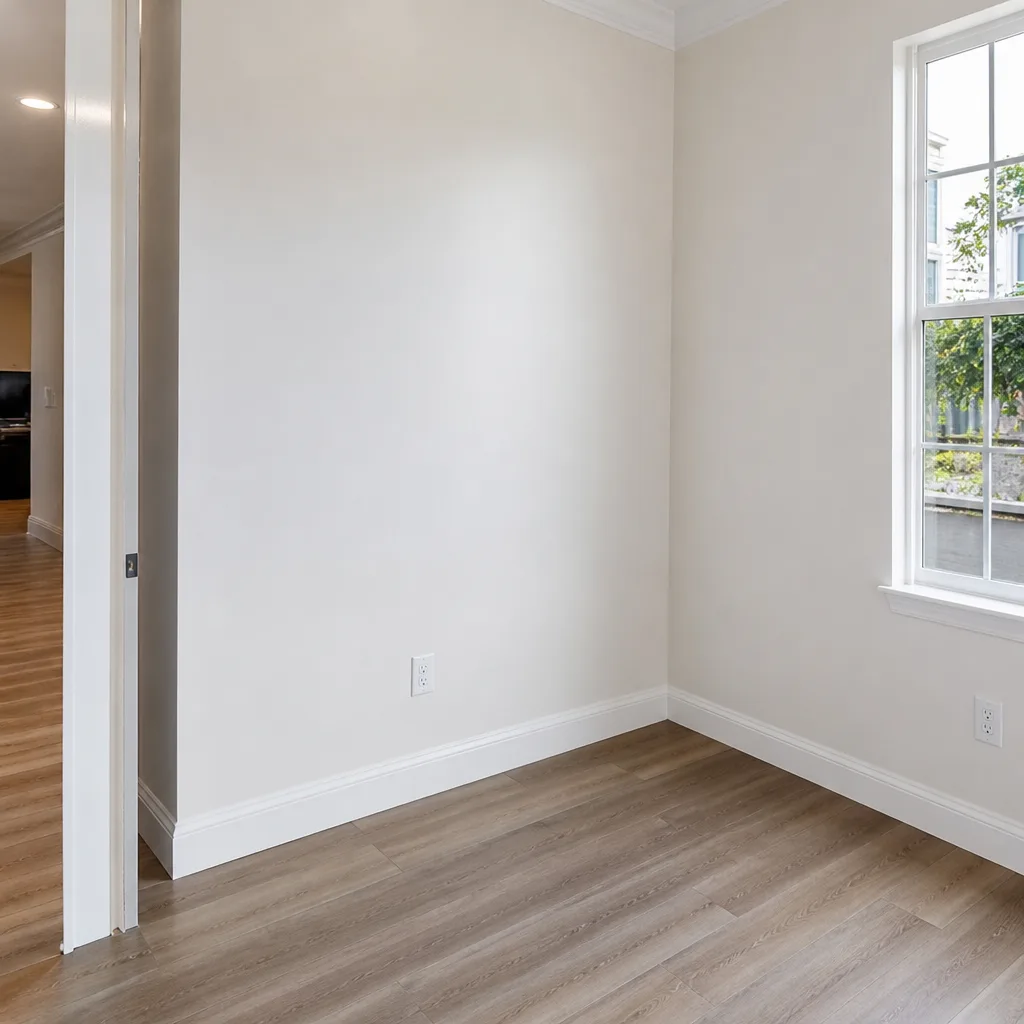 After
After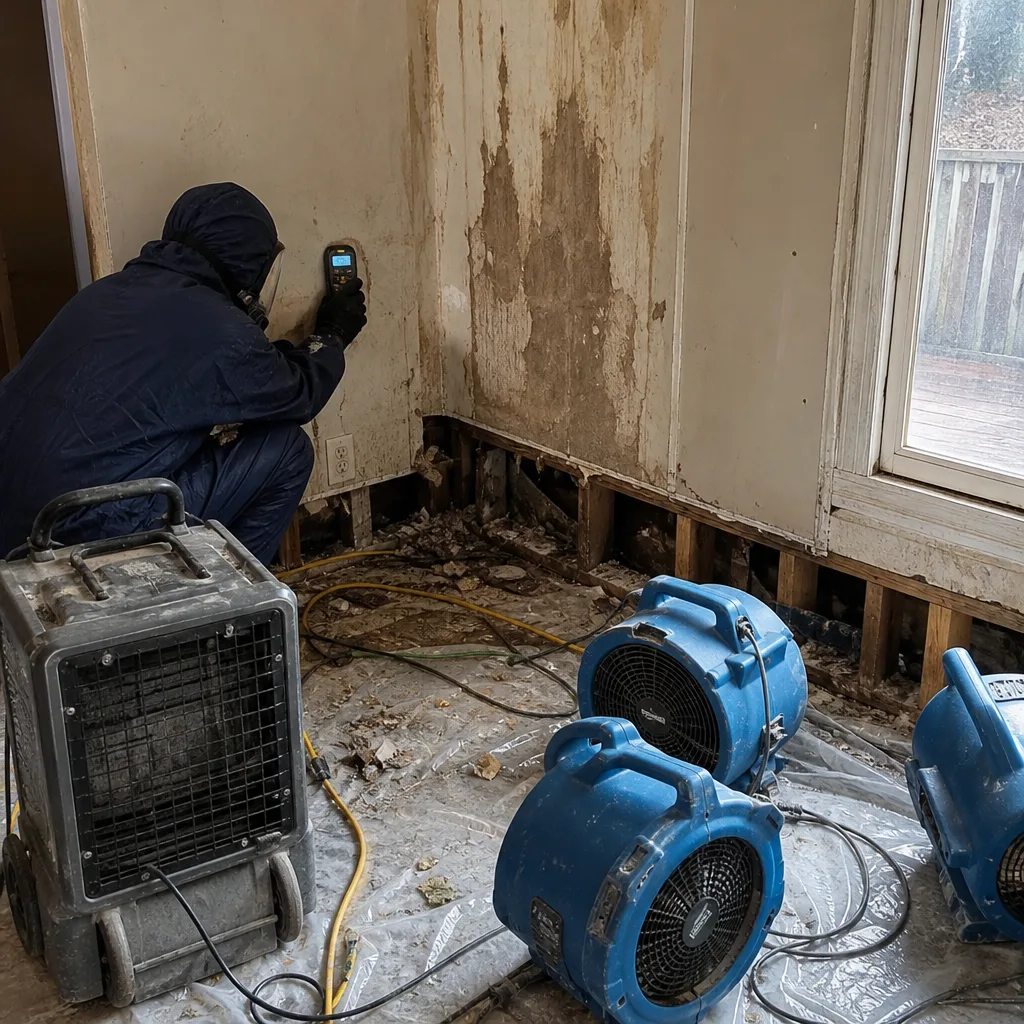 Before
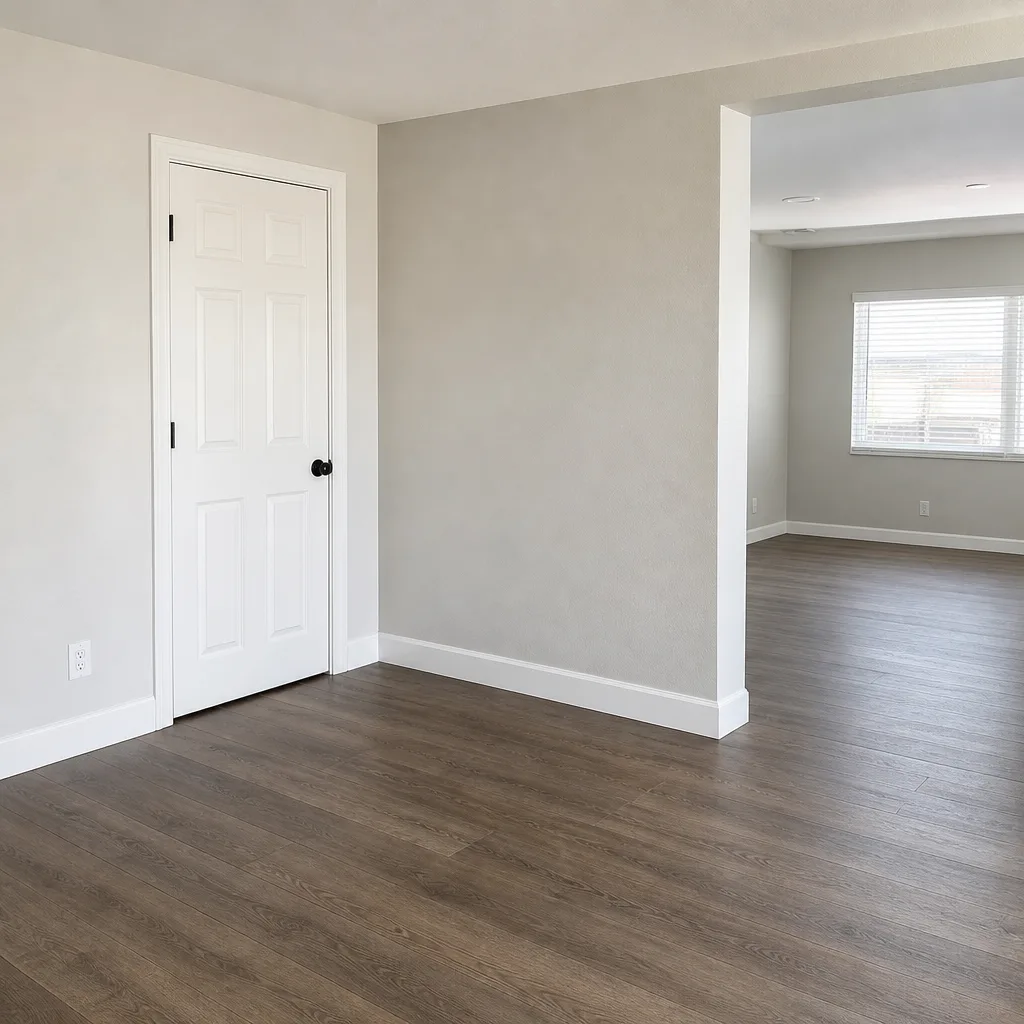 After
After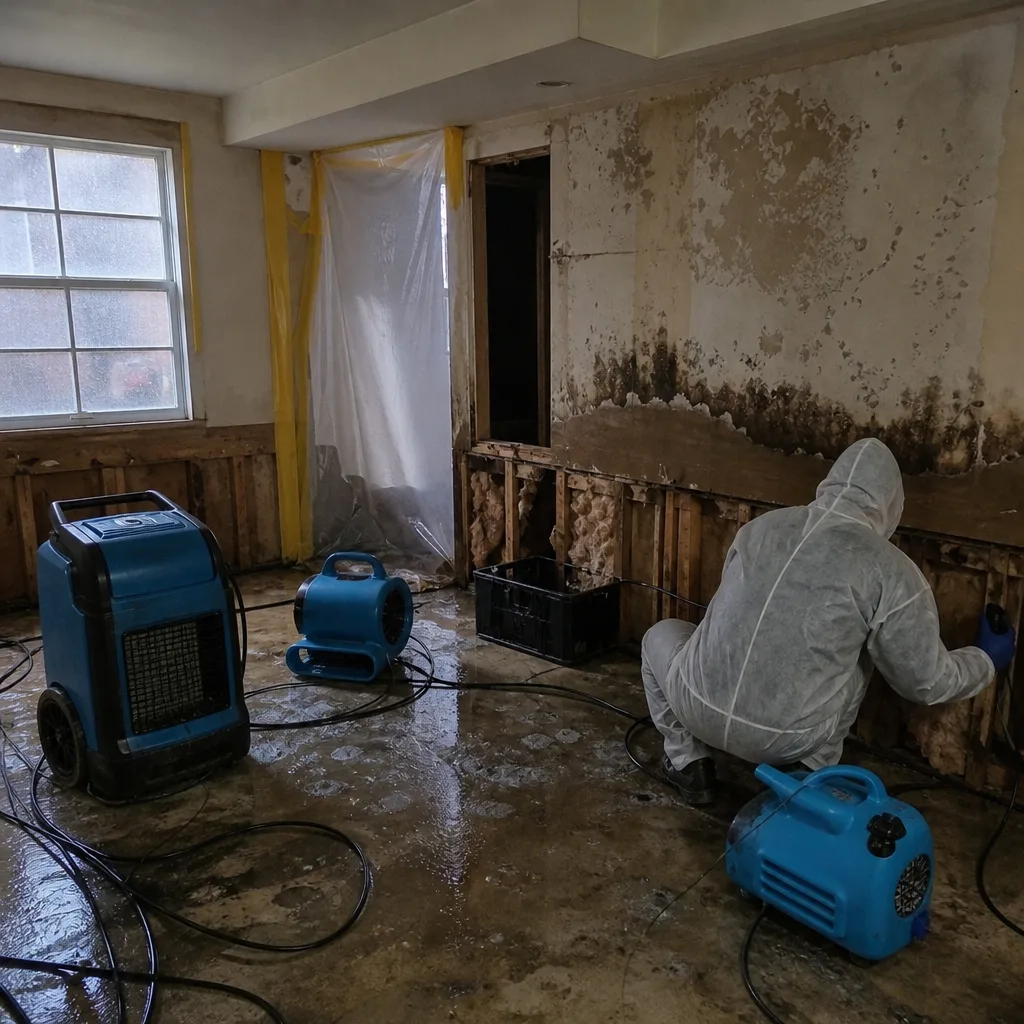 Before
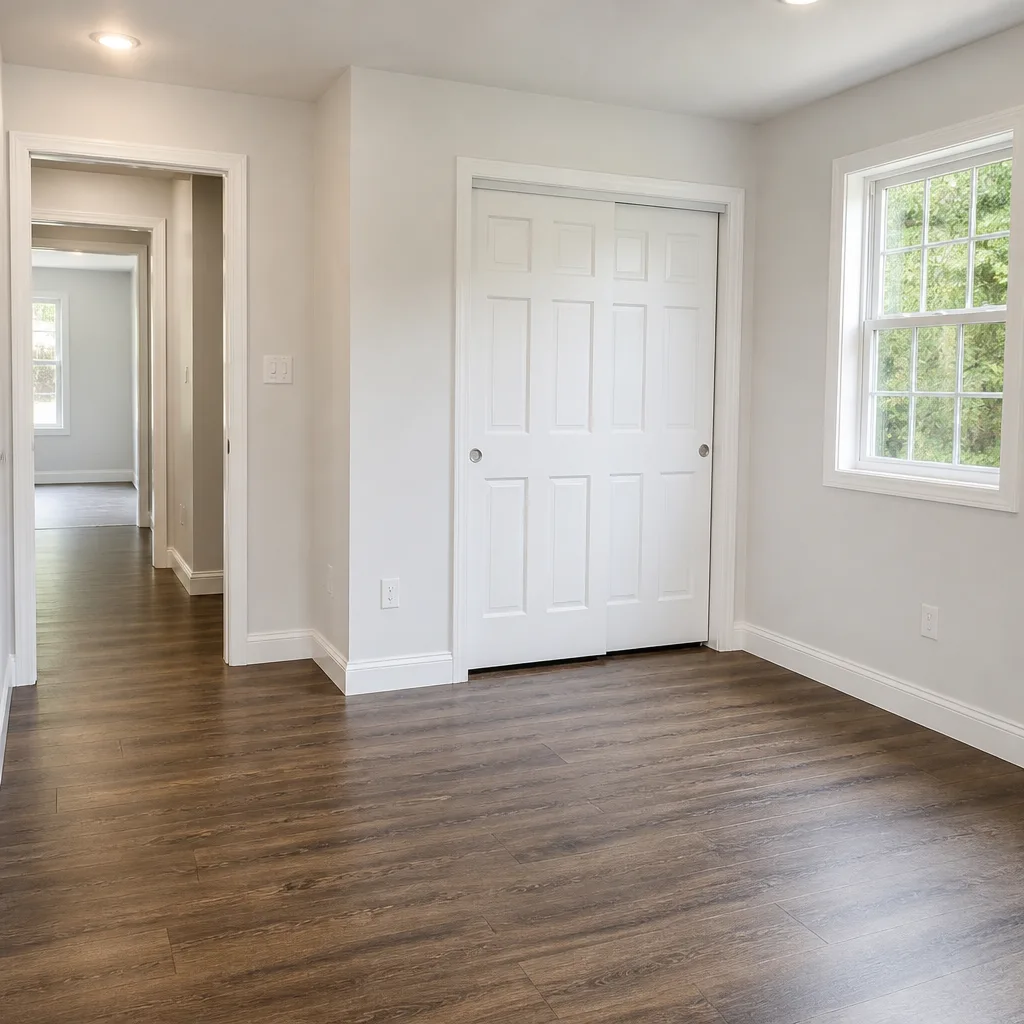 After
AfterFast, Reliable Water Damage Restoration Across Grand Island
If you’re standing in a wet basement off Stony Point Road or watching water creep across a daylight basement on East River Road, here’s what you need to know right now: water damage restoration in Grand Island typically costs $2,800 to $7,500 depending on the water category, affected square footage, and how long it’s been sitting. Most jobs we handle are river-driven groundwater that entered through exterior wall seams during a thaw, not the burst-pipe scenario you’ll find on generic restoration sites. Our crews know Grand Island’s spring behavior, and we answer live 24/7 at (940) 466-4354.
Why Wendell Water Damage Restoration Is Grand Island’s Preferred Water Damage Restoration Company
Grand Island sits between the Niagara River and the Erie Canal, so when late-March thaw hits, the water table rises fast and pushes groundwater through wall seams before a sump pump ever catches it. That’s the call we get most. Homeowners assume the pump failed. It didn’t. The water came in above it.
We write the price before any work starts, and the number on your invoice is the number you pay. Every call is answered by a live person, not a phone tree. You get a live arrival time you can track, and before-and-after photos come by text so you can see the drying work as it happens.
This location is independently owned and operated as part of the Relay Home Co. family, founded in 2006. Blake Sorensen leads the Grand Island team, and every job runs under IICRC, RIA, and IFA standards. That includes our 365-Day Done Right Promise: if it’s not done right, we make it right, stated in writing on every repair. Plus a free second visit if the repair fails.
Water Damage Cleanup in Grand Island
Water Damage Cleanup in Grand Island usually begins with Category 2 or Category 3 water: river-driven groundwater that has picked up silt, road salts, and organics as it pushed through a foundation seam or a daylight basement window well. That means the job isn’t just water removal. It’s contamination control first, then drying.
On a typical 1,200-square-foot affected basement, cleanup runs $2,800 to $4,600. That covers extraction, antimicrobial treatment on the sill plate and any framing the water touched, containment to stop spore spread, and demolition of wet drywall and insulation down to the studs.
What “cleanup” actually means
Cleanup here means removing standing water, cutting out saturated drywall, treating the cavity with an antimicrobial, and writing a scope of work that separates “dried in place” from “removed and replaced.” You get that scope before we tear anything out.
How long a Grand Island cleanup takes
Most cleanups run three to five days from first pump-out to final moisture check. That timeline depends on how long the water sat before we arrived and whether the framing absorbed it past the sill plate.
Emergency Water Damage Restoration in Grand Island
Emergency Water Damage Restoration in Grand Island means someone needs a crew at a ranch off Bedell Road within two hours because thaw water is still coming in, not just sitting there. We prioritize these calls because the clock on wet drywall and framing starts before you notice the stain.
Emergency response runs $400 to $900 on top of the standard restoration scope, depending on the hour and the volume of standing water. That covers the dispatch, pump-out start, and initial moisture mapping.
Standing water and power
If the water is above the baseboard and rising, don’t walk through it. Kill the power to the affected room, and call us from upstairs. Electrical panels and outlets below the water line are a shock hazard, and that’s a job for a licensed electrician after extraction, not before.
What happens in the first hour
A background-checked, uniformed tech arrives with a live arrival time you can track. They map moisture, photograph everything, categorize the water, and hand you a written price before any tool comes off the truck. Then extraction starts.
Trusted Brands We Service in Grand Island
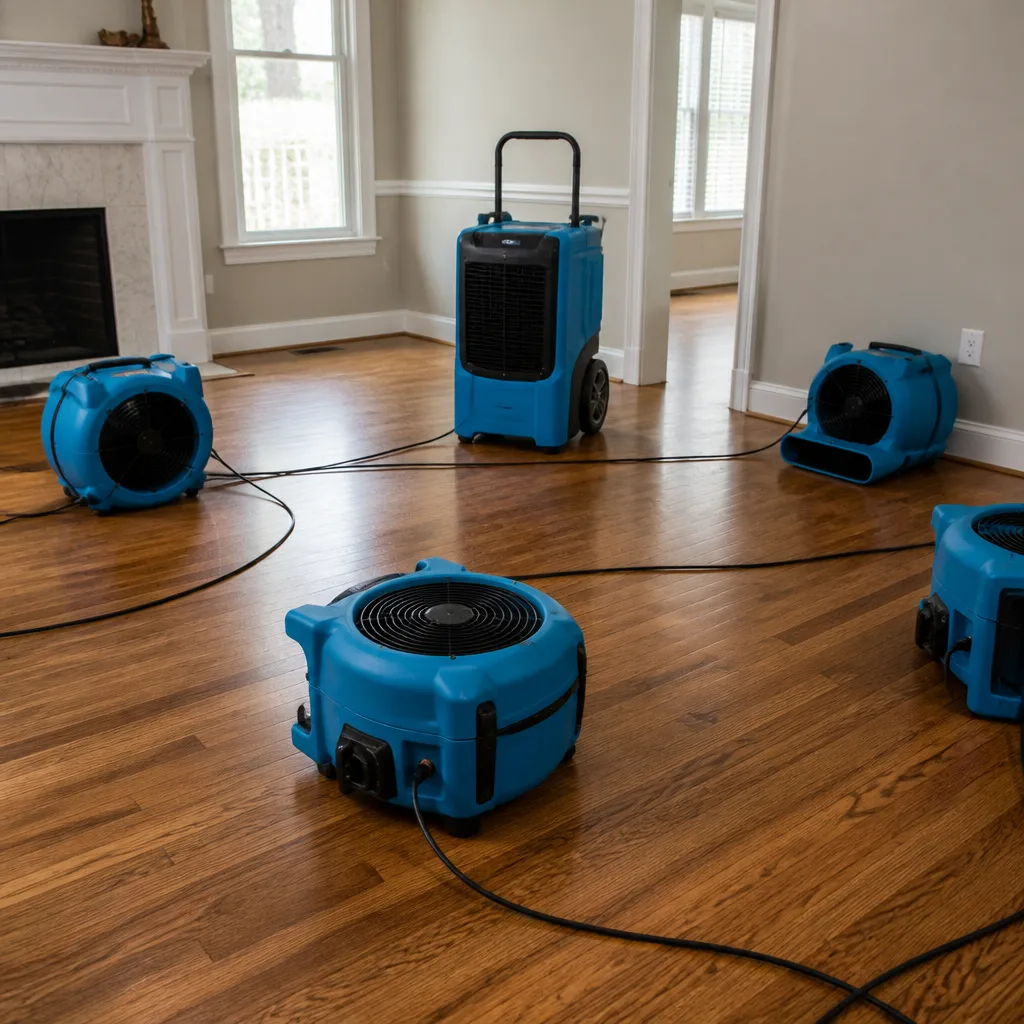
Most Grand Island homes we service run a mix of systems: Dri-Eaz air movers for the drying phase, Phoenix dehumidifiers for the long pull, and XPOWER for extraction on jobs where the water is deep enough to need a truck-mount or a high-lift pump. We stock compatible filters, hoses, and replacement parts for these units locally, so a Grand Island job doesn’t stall while parts get shipped from a warehouse in Ohio. That matters in March, when every basement on the island is wet at once and availability gets tight. We don’t service consumer-grade box-fan setups, and we’ll tell you honestly if your equipment is worth repairing or if it’s time to replace it.
Common Water Damage Restoration Problems We See in Grand Island Homes
- Thaw-seam groundwater, not pump failure. The typical Grand Island call is water entering through exterior wall seams when the river level rises in late winter. Sump pumps can’t catch what doesn’t reach the pit, and the fix is sealing and drying, not a bigger pump.
- Category 2 water mislabeled as clean. Slow-seeping thaw water picks up soils and organics as it moves through a wall cavity. Calling it Category 1 means skipping the antimicrobial step, and that’s how you get mold behind baseboards by May.
- Spring humidity stalls air-drying. Grand Island’s spring air is wet. Waiting for a basement to dry on its own means pushing past the 24-to-48-hour window on wet drywall. Once mold starts, the scope doubles.
- Older ranch foundations with daylight basement windows. Homes built in the 1950s and 1960s along West River Road and Bedell Road often have shallow window wells that fill before the sump engages. We see recurring intrusion at those wells every March.
Pricing for Water Damage Restoration in Grand Island, NY
Here are the ranges we quote for Grand Island jobs:
- Water damage cleanup (Category 2, up to 1,200 sq ft): $2,800 – $4,600
- Emergency water extraction with structural drying: $3,200 – $7,500
- Emergency dispatch add-on: $400 – $900
- Flood cleanup with contaminated water removal: $4,000 – $8,000
- Burst pipe restoration with drywall replacement: $2,500 – $5,500
- Ceiling and roof leak water damage repair: $1,800 – $4,200
The main cost drivers are water category, square footage, and whether framing absorbed beyond the sill plate. Your estimate is free, written, and in your hands before work begins. Call (940) 466-4354 for an exact quote.
We Also Serve Cities Near Grand Island
Our crews cover Grand Island plus the surrounding Niagara Frontier communities. If you’re in North Tonawanda, Niagara Falls, Buffalo, or Depew, we can usually have a technician at your door within two hours. For more on what we do across the region, see our Water Damage Restoration team’s full capabilities, or read what makes Water Damage Restoration in Grand Island different from the generic guys.
Serving Grand Island, NY - Our Local Coverage Area
We’re based in the Grand Island area and know this community well. Use the map below to see our service coverage - if you’re nearby, we can almost certainly help.
FAQs About Water Damage Restoration in Grand Island
In Grand Island, spring thaw water is usually river-driven groundwater entering through exterior wall seams or daylight basement window wells, not a failed sump pump. The pump can be working exactly as designed and the water still comes in above it. We check the pump, but we start by mapping where the water actually entered. That tells you whether you need a pump fix or a foundation seam repair. Call (940) 466-4354 and we’ll figure it out in person.
Mold can begin on wet drywall and framing within 24 to 48 hours, and Grand Island’s spring humidity tightens that window. If water sat overnight before you saw it, assume the clock is already running. We dispatch same-day, run extraction on arrival, and put air movers and dehumidifiers in place before we leave. The earlier the drying starts, the less drywall and trim gets cut out.
Muddy river water is Category 2 or 3, not clean water. That means the affected porous materials, like drywall, carpet pad, and insulation, come out. You can’t dry contaminated material in place and call it safe. Hard surfaces get cleaned, treated with an antimicrobial, and dried. The porous stuff gets cut, bagged, and replaced. We’ll show you the scope in writing before demolition starts.
You get a written scope before any work starts, every time. No exceptions. That scope separates what we’re drying in place from what we’re removing and replacing, line by line. The price on the digital invoice you get by text is the price you pay. This is the Relay Visibility Guarantee, and it’s the same standard on every Wendell job in Grand Island.
We run Dri-Eaz air movers for surface airflow, Phoenix dehumidifiers for the long moisture pull, and XPOWER extraction units for standing water when a truck-mount can’t reach the space. We place them based on a moisture map, not a guess, and we log readings through the drying period so you can see the numbers coming down. The equipment stays until the framing reads acceptable structural drying range, then we walk you through the final numbers.
What Makes a Grand Island Water Job Different
Grand Island’s position between the Niagara River and the Erie Canal corridor means freeze-thaw swings in late fall and early spring arrive with river-driven groundwater that pushes through exterior wall seams and daylight basement windows before it ever reaches the sump pumps. So the typical call here is groundwater, not burst pipe. Generic restoration pages talk about pipe failures and appliance overflows because those are the national averages. Grand Island doesn’t follow that script. We start every local diagnosis by looking at the wall seams and the window wells first, because that’s where the water actually enters here. A homeowner who assumes a failed pump and replaces it without addressing the seam will be wet again in October, and this time the mold has a head start. We’d rather tell you that on day one than sell you a pump you don’t need.
An emergency call came from a ranch off Bedell Road during a late-March thaw. Ice-dammed exterior wall seams had pushed groundwater under the baseboard and across the daylight basement level. Our tech ran water extraction on the standing Category 2 water, set containment, applied antimicrobial treatment to the sill plate, and placed Dri-Eaz air movers with a Phoenix dehumidifier feeding hourly moisture readings into the drying logs. By day three, moisture mapping showed the framing back inside acceptable structural drying range, and we handed the homeowner a completed scope of work showing what was saved versus replaced. That’s the difference between a drying plan built for a Grand Island thaw and a generic plan built for a burst pipe in a cul-de-sac.
If you have water in your Grand Island home right now, call(940) 466-4354. A live person answers, we give you a written price before any work starts, and a tech with a trackable arrival time is on the way.
Written by Blake Sorensen, Owner at Wendell Water Damage Restoration, serving Grand Island.