
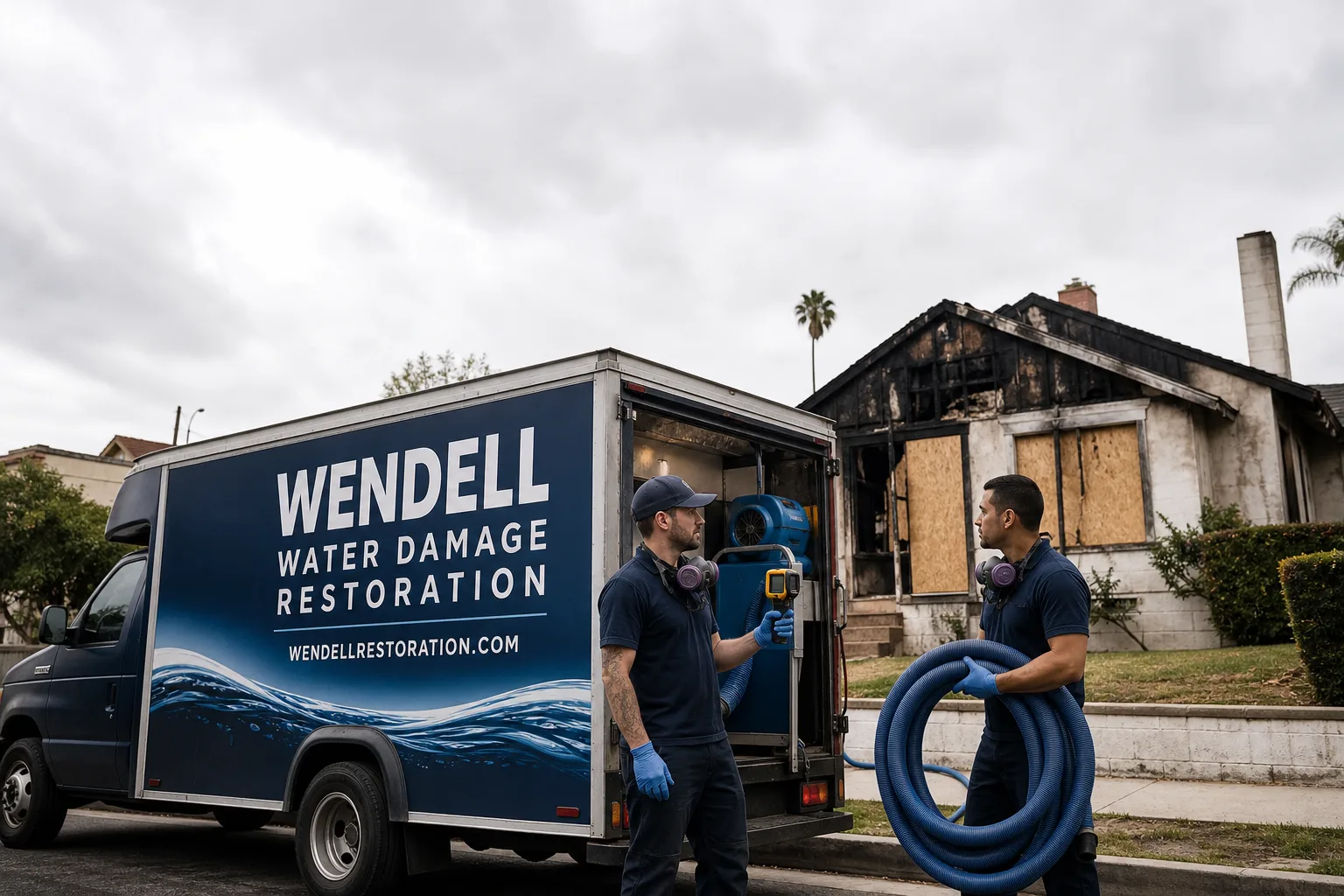
Free visual inspection and a written scope of work before any mitigation begins - photos, moisture readings, and drying logs go in your claim file
The scope we write is the scope we bill. Anything new gets shown to you, in writing, before we touch it.
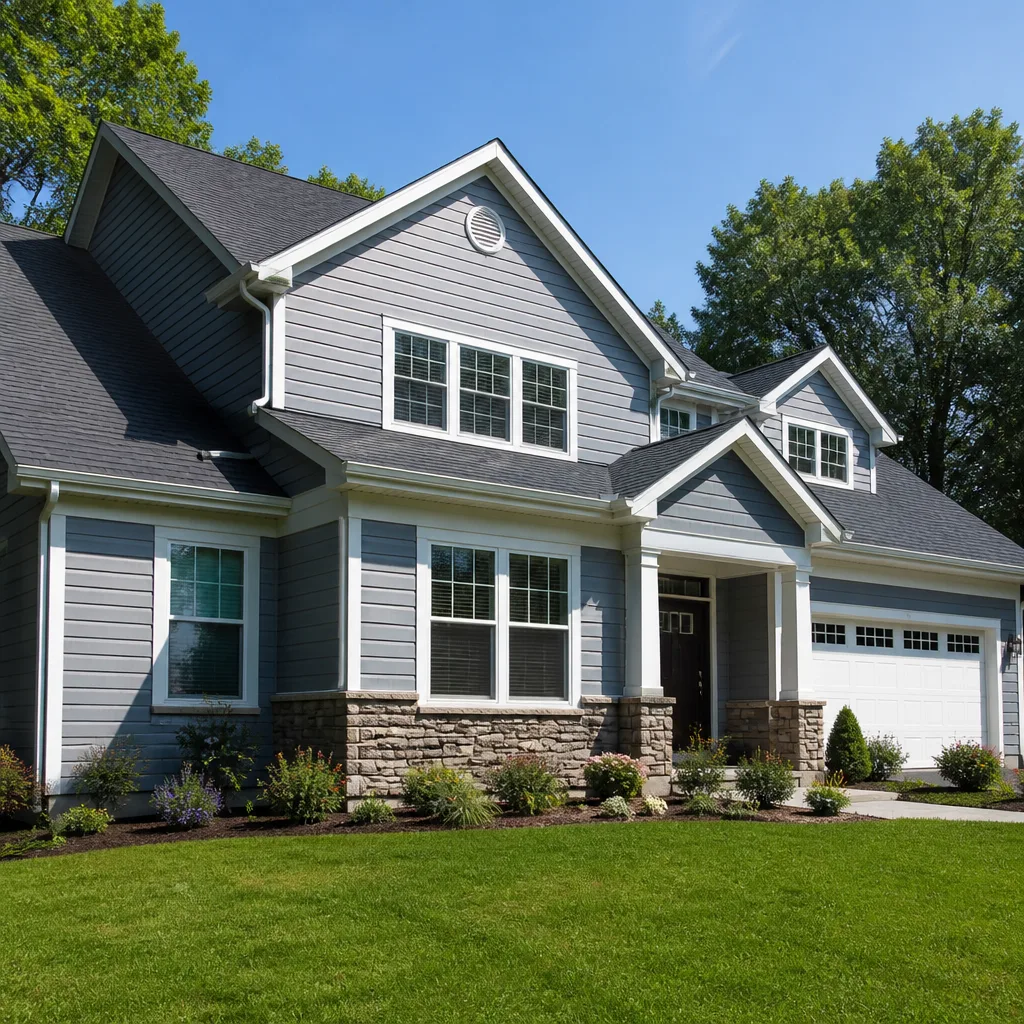
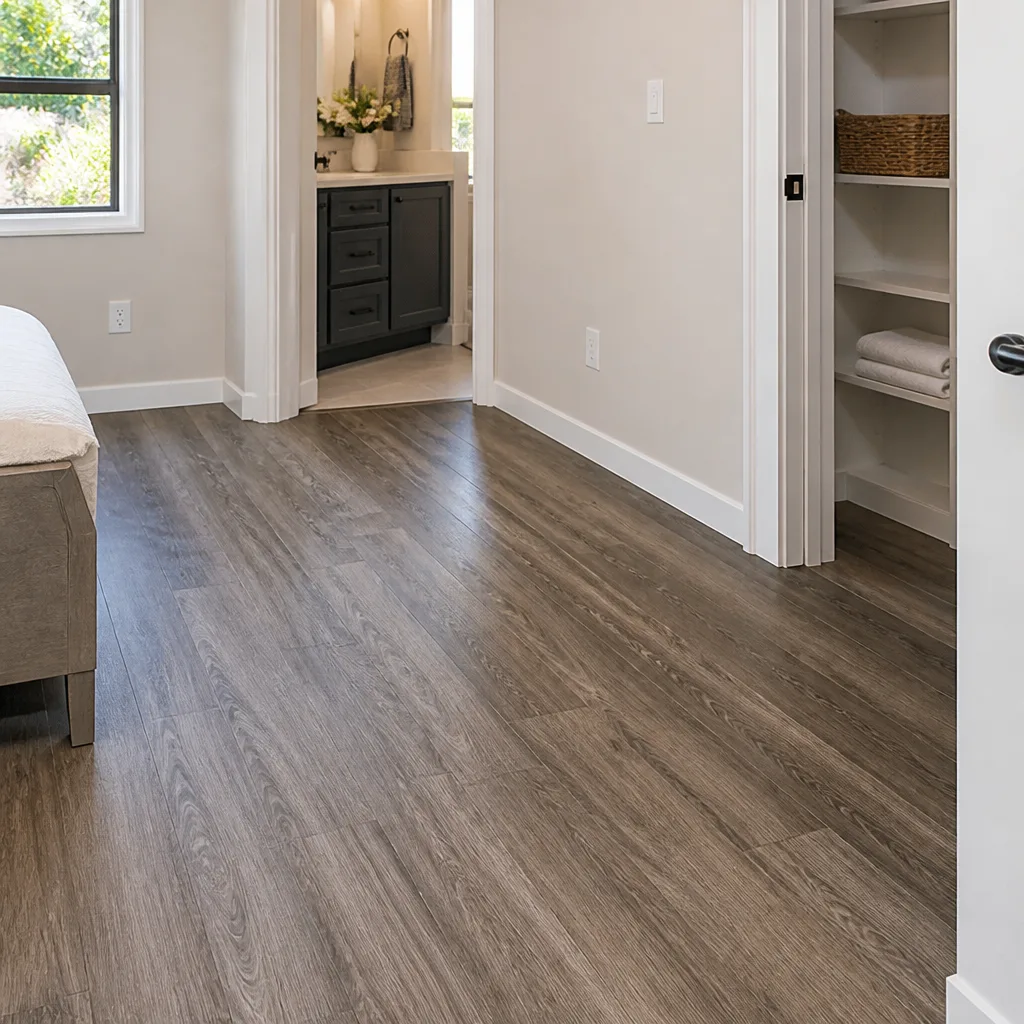
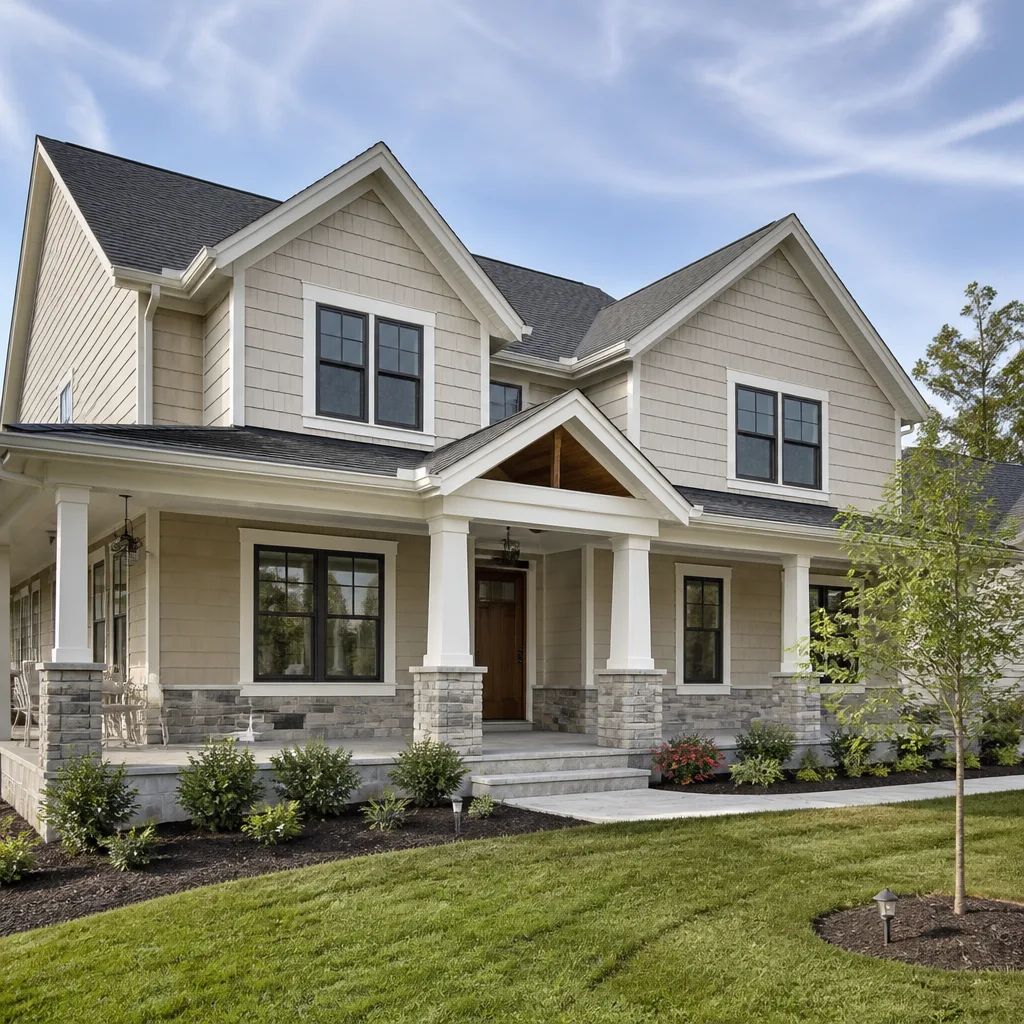
 Before
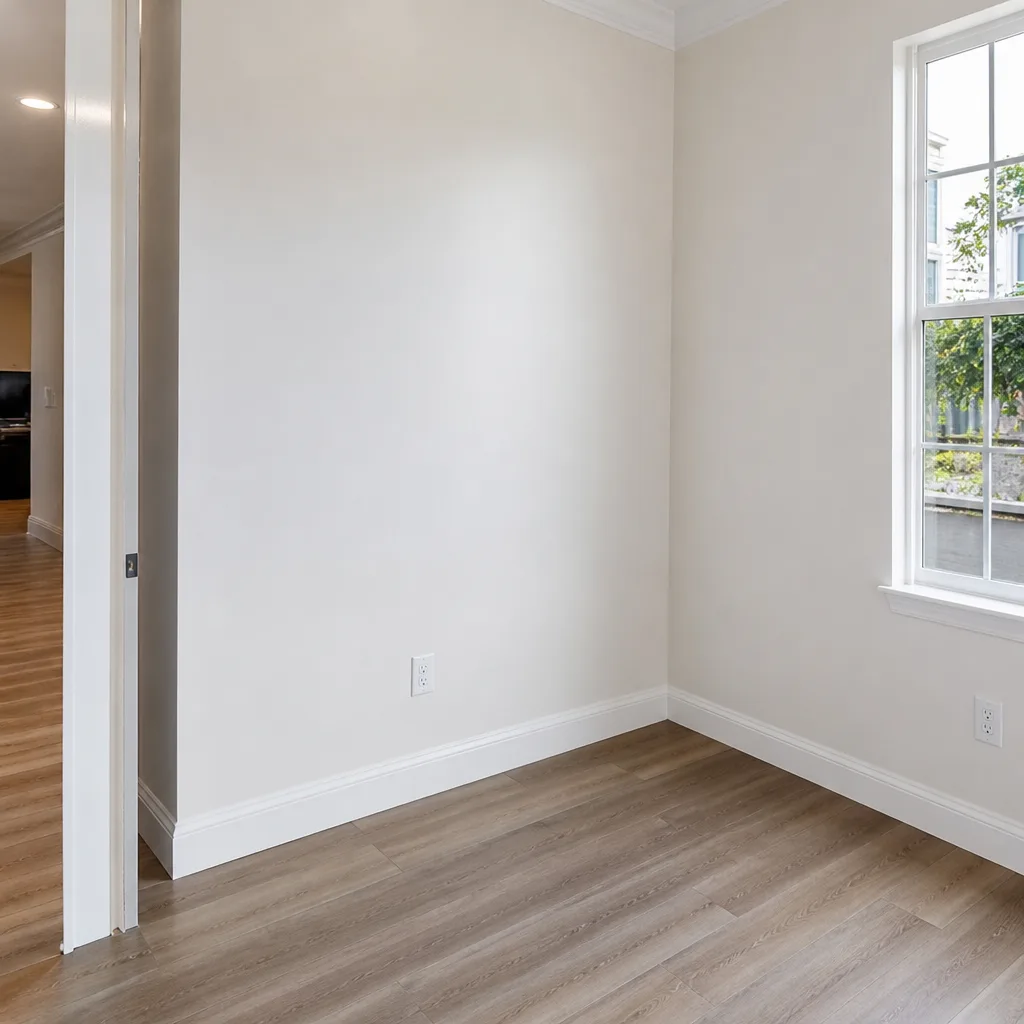 After
After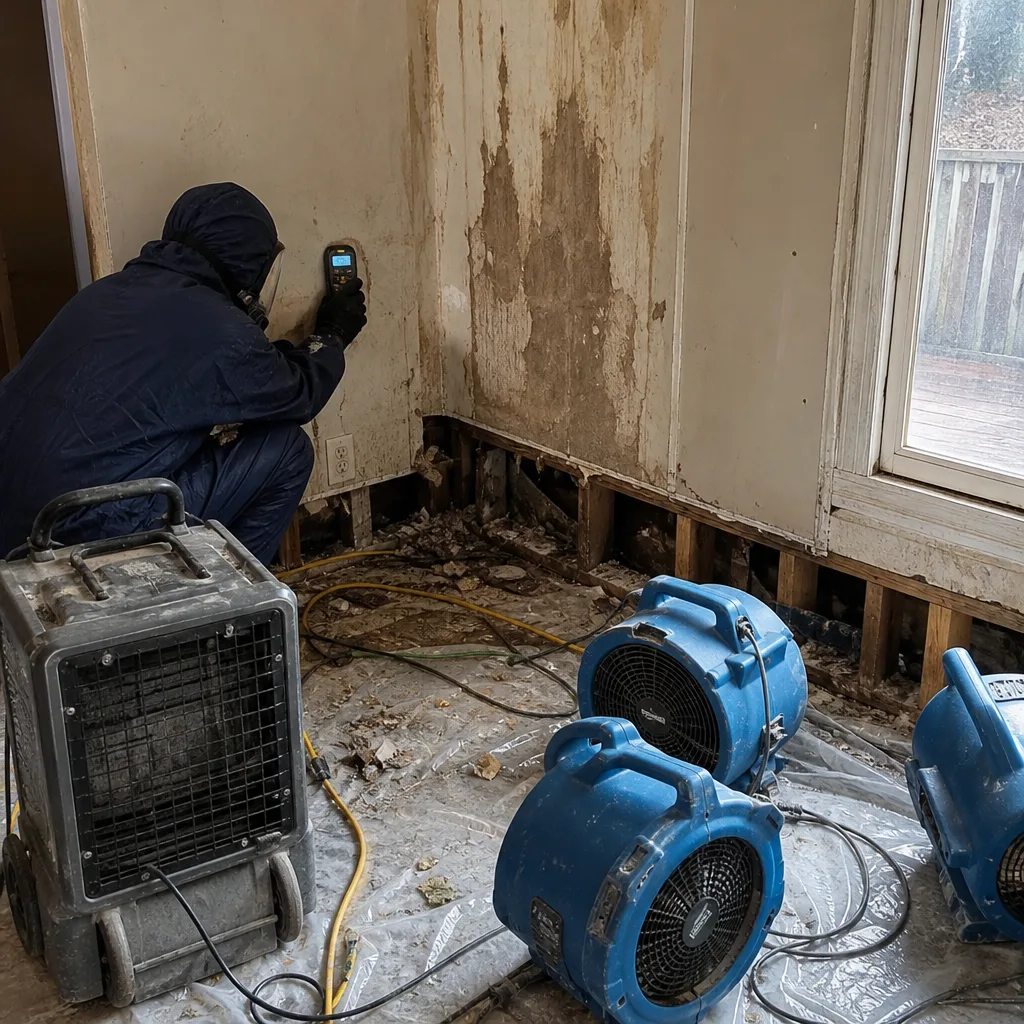 Before
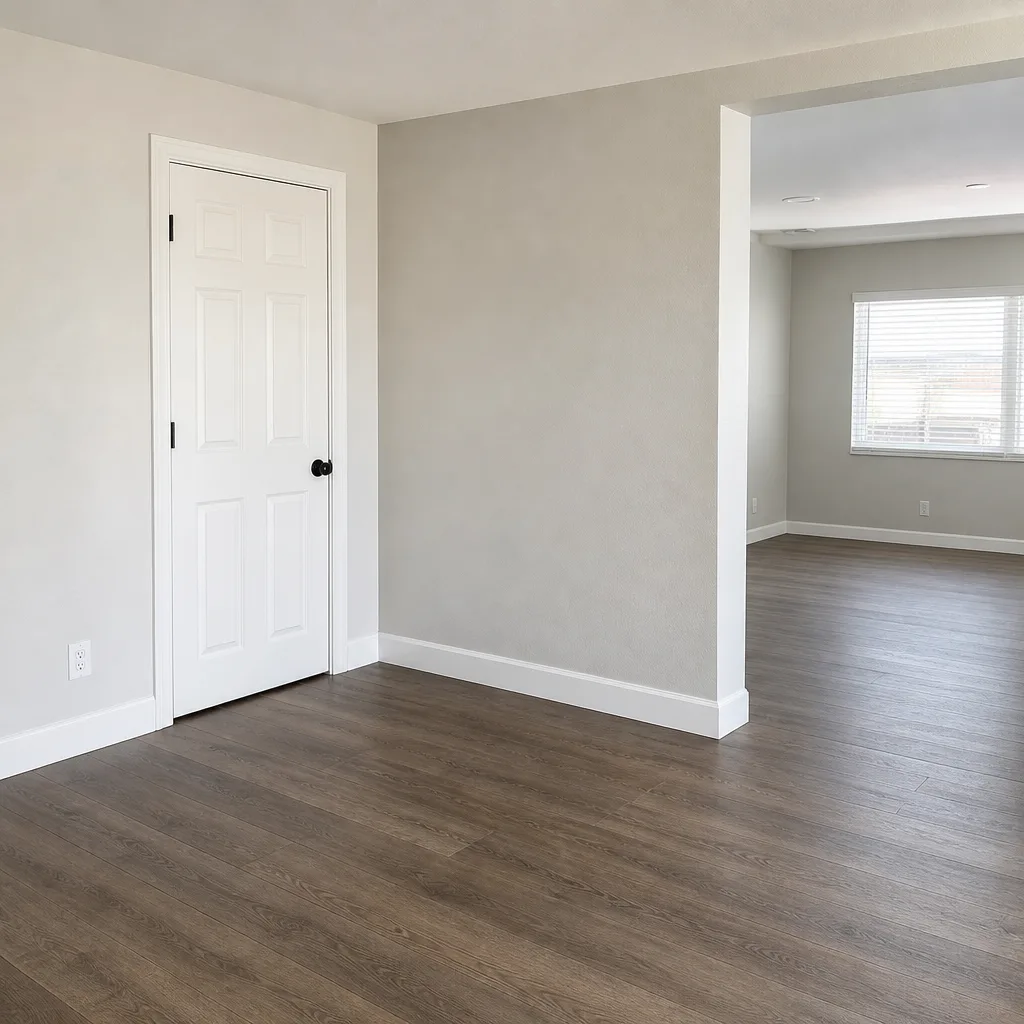 After
After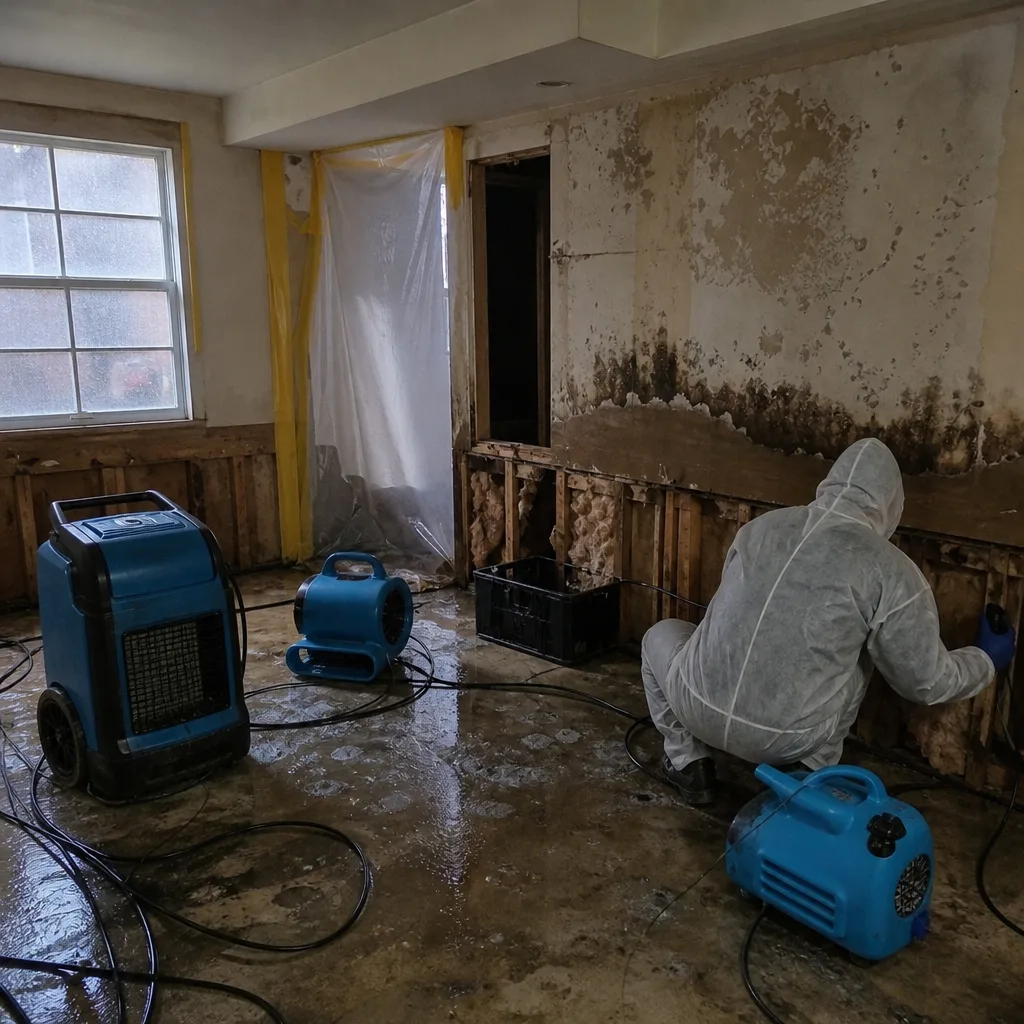 Before
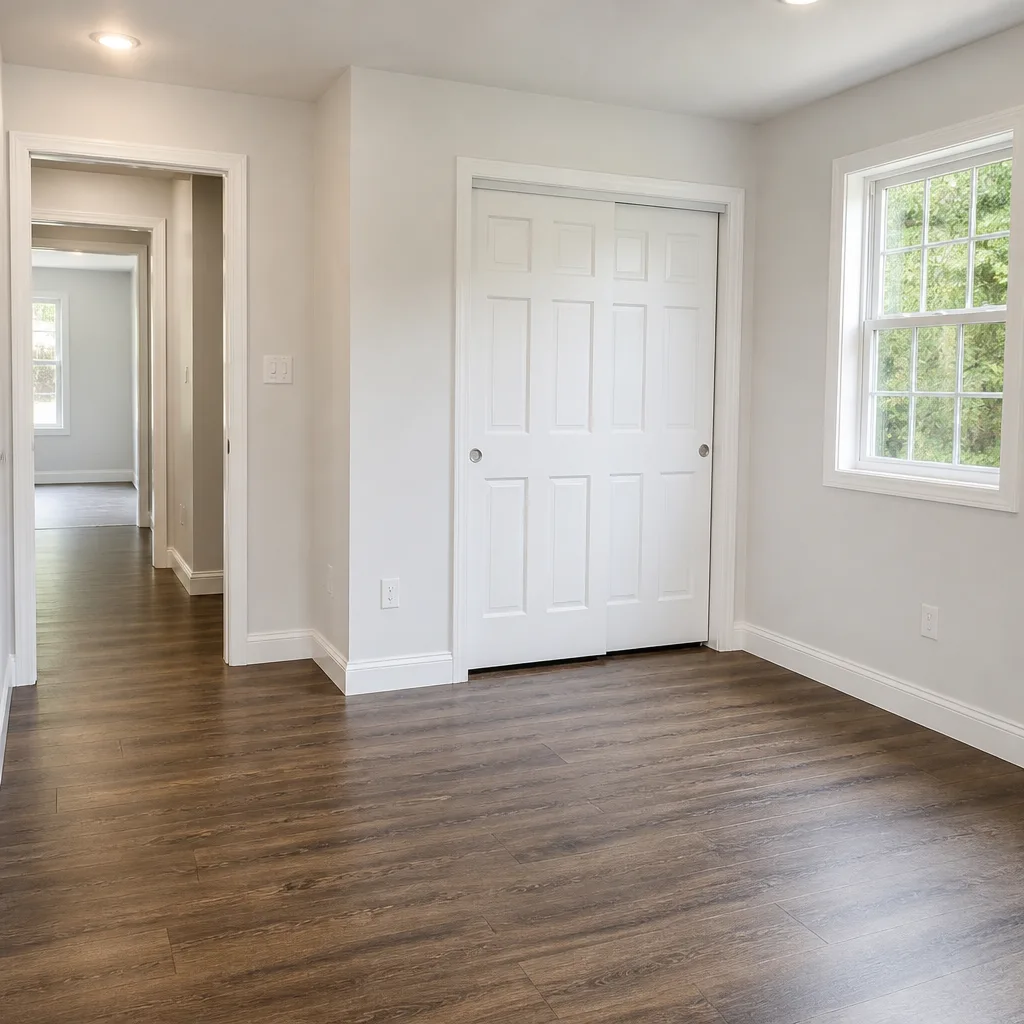 After
AfterFast, Reliable Water Damage Restoration Across Mid Island
Water damage in Mid Island moves fast, and so do we. Whether it’s a burst supply line off Manor Road or storm seepage pushing up through a slab on a Hylan Boulevard cape, our crews know exactly what they’re walking into because we’ve seen both patterns more times than we can count. We answer the phone live, put a price in writing before any tools come off the truck, and give you a live arrival time you can track on your phone. If you’re standing in water right now, call (940) 466-4354 and you’ll talk to a person, not a menu.
Why Wendell Water Damage Restoration Is Mid Island’s Preferred Water Damage Restoration Company
Mid Island homeowners call us because we show up when we say we will and we don’t change the number at the door. Our technicians are background-checked and uniformed, and you’ll see a live arrival time before they pull up, not a four-hour window. The work follows Water Damage Restoration protocols built on IICRC, RIA, and IFA standards, which is the same standard applied to large commercial loss sites. The equipment is the same too: Dri-Eaz dehumidifiers, Phoenix air movers, and XPOWER drying systems, the brands restoration pros actually use.
Blake Sorensen has built our reputation in Mid Island on one simple rule: the price is in writing before any work starts, and the 365-Day Done Right Promise is in writing on every repair. If it isn’t done right, we make it right. If a repair fails, we come back free, no argument. That’s the Relay Standard, and it’s how every independently owned and operated Wendell location does business.
Water Mitigation in Mid Island
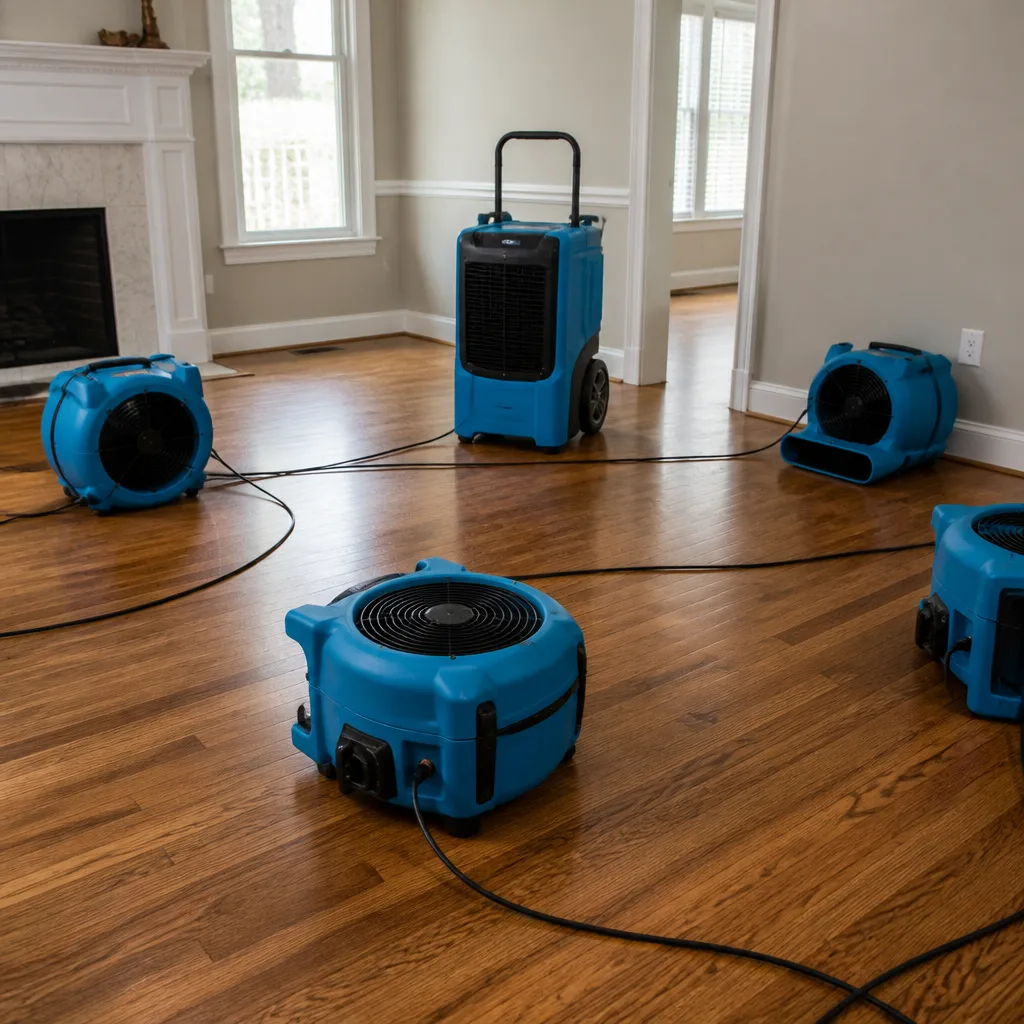
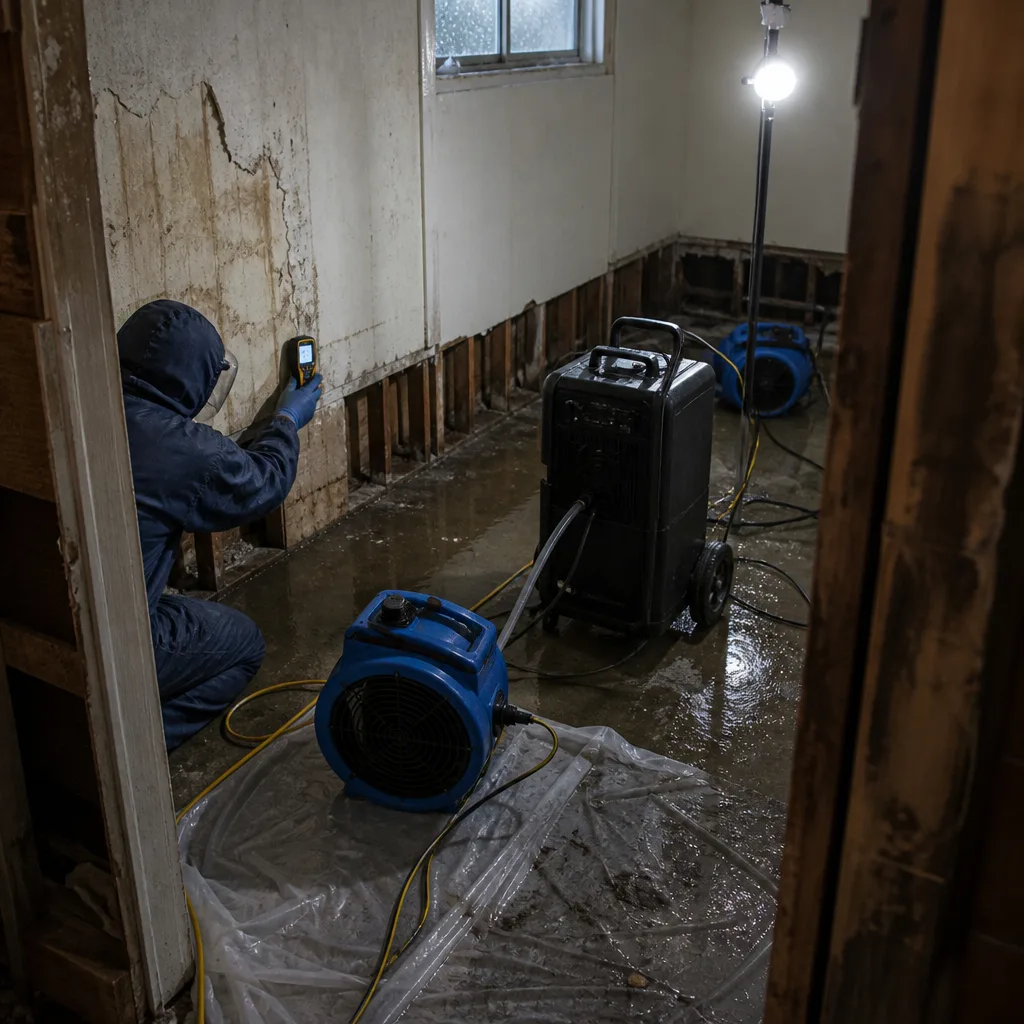
Water Mitigation in Mid Island means stopping the active water, removing what’s already there, and starting structural drying before mold has a reason to move in. On a raised ranch off Manor Road where a supply line failed behind a second-floor vanity, our first job was extraction from the finished basement ceiling below, then moisture mapping across the subfloor and joists to find how far the water had traveled. We got there same day, ran Dri-Eaz dehumidification with XPOWER air movers, and because the water was Category 1, we dried the assembly in place instead of cutting out drywall that didn’t need to go.
Structural Drying and Moisture Mapping
Most Mid Island basements dry on the surface within a day or two. Moisture behind baseboards, inside framing, and under vinyl plank takes longer, and a consumer moisture meter won’t always tell you if it’s still trapped. We use psychrometric drying, which is just tracking the air’s moisture level so we know when your home is truly dry, not just surface-dry. That data tells us when to pull the equipment and when to keep running it.
Category 1 vs Category 3 Water
Drying in place works when the water is clean, like a supply line or an overflowing tub. Storm water from outside, sewage, or water that’s been sitting for days is Category 3, and that changes everything: more aggressive removal, antimicrobial treatment, and often cutting out saturated materials. We’ll tell you which one you’re dealing with and why, in plain words.
Flooded Basement in Mid Island
A flooded basement in Mid Island doesn’t always look like standing water. Split-level and raised ranch homes can hide a supply-line leak behind a finished wall until the ceiling below is saturated, and slab-on-grade capes near Hylan Boulevard often wick water through the concrete with no visible puddle at all. By the time a homeowner notices a smell or a damp spot, the moisture has been moving for days. That’s why we treat every flooded basement as a structural drying job, not just a water removal job.
Finished Basement Dry-Out
We get asked constantly whether wet drywall has to come out. Sometimes yes, sometimes no. Clean water caught within 24 to 48 hours can often be dried in place with the right dehumidification and air movement. If the insulation is saturated or the water is Category 3, we cut it out. Either way, you get a written scope before we start, so you’re never surprised by what’s being removed.
Slab-On-Grade Wicking
Older capes in Mid Island sit directly on concrete slabs, and water moves through concrete by capillary action. No puddle, no dripping, just damp drywall and a musty smell that gets worse. The fix is extraction combined with aggressive dehumidification and sometimes removing the bottom section of wall to expose the slab so it can dry properly. Trapped moisture in framing is a mold invitation, and it won’t register on a homeowner’s moisture meter.
Trusted Brands We Service in Mid Island
We run Dri-Eaz and Phoenix dehumidifiers on nearly every Mid Island job, with XPOWER air movers for circulation and Injectidry for hard-to-reach cavities. We service every brand we deploy, and we keep parts on the truck so a failed hose or sensor doesn’t stall your drying. You don’t need to know the difference between an LGR and a desiccant unit. You need to know the equipment is commercial grade and it’s running because we put the right gear on the right job. That’s what we do.
Common Water Damage Restoration Problems We See in Mid Island Homes
- Hidden supply-line leaks in raised ranches. The supply line runs behind a finished wall, the leak is invisible from the living space, and the first sign is a wet ceiling in the basement below. By then, the water has been traveling for hours or days.
- Slab-on-grade wicking without a visible puddle. Older capes near Hylan Boulevard absorb water through the slab, so homeowners wait for a smell instead of calling. Trapped moisture in the framing is exactly where mold starts.
- Storm seepage that gets shop-vacuumed but never structurally dried. Homeowners dry what they can see and think the job’s done. Water trapped in framing behind the walls doesn’t evaporate in a few hours, and it never shows up on a consumer moisture meter.
- Split-level layouts hiding leaks from the floor above. Mid Island’s split-level and raised ranch homes have finished basements directly under living spaces. A slow leak above saturates the ceiling below before anyone notices a thing upstairs.
Pricing for Water Damage Restoration in Mid Island, NY
In Mid Island, emergency water extraction for a standard basement runs roughly $600 to $1,200 depending on square footage and how much water is actually standing. Structural drying with commercial dehumidification and air movers adds around $1,800 to $3,500 for a typical finished basement. A burst pipe behind a finished wall, where drywall and insulation need cutting out and replacing, lands between $2,500 and $5,500. Flood cleanup involving Category 3 water starts higher because antimicrobial treatment and material removal are mandatory. Every quote at Wendell is a written number before we start. The number on your screen is the number you pay. Call (940) 466-4354 and we’ll give you a real range for your specific situation, free.
We Also Serve Cities Near Mid Island
Our crews routinely dispatch from Mid Island into Mid Island and work across the surrounding boroughs. If you’re in Brooklyn, Queens, Manhattan, or The Bronx and dealing with water damage, the same live-answer phone, written pricing, and 365-Day Done Right Promise applies. One call to (940) 466-4354 covers the whole area.
Serving Mid Island, NY - Our Local Coverage Area
We’re based in the Mid Island area and know this community well. Use the map below to see our service coverage - if you’re nearby, we can almost certainly help.
FAQs About Water Damage Restoration in Mid Island
We’re typically on site in Mid Island within 60 to 90 minutes of your call, depending on traffic and where the job is. Emergency calls get priority, and you’ll get a live arrival time you can track, not a vague window. Call (940) 466-4354 and we’ll tell you exactly when the crew lands.
Clean water caught within 24 to 48 hours can often be dried in place with commercial dehumidification and airflow, and we’ll tell you if that’s the case. If the drywall is saturated, the insulation is wet, or the water is Category 3, it comes out. You get a written scope before any cutting starts, so there’s no guesswork about what’s being removed or why.
Raised ranches and split levels route supply lines through finished walls and floor cavities. A pinhole leak behind a vanity or an exterior wall travels through the framing and shows up first on the basement ceiling below. Upstairs looks fine because the water never pools in the living space. We map the moisture across the subfloor and joists to find the full path, not just the wet spot.
We run Dri-Eaz and Phoenix dehumidifiers with XPOWER air movers for circulation, sized to the square footage and moisture load of your space. On tight cavities, we use Injectidry for targeted pressure drying. The goal is to dry the structure, not just the air or the surface, and we track the numbers until the moisture data says the job is actually done.
Yes. Every job includes moisture readings, photo documentation, and a written record of what was done and when. That’s the kind of documentation adjusters actually work with. We’ll communicate directly with your adjuster if you want us to. Call (940) 466-4354 for a free estimate and we’ll map out the whole process for you.
If you’re dealing with water damage in Mid Island, call (940) 466-4354. You’ll reach a live person, get a written price before any work starts, and know exactly who’s coming and when they’ll be there. That’s the whole promise.
Written by Blake Sorensen, Owner at Wendell Water Damage Restoration, serving Mid Island and the surrounding boroughs.