
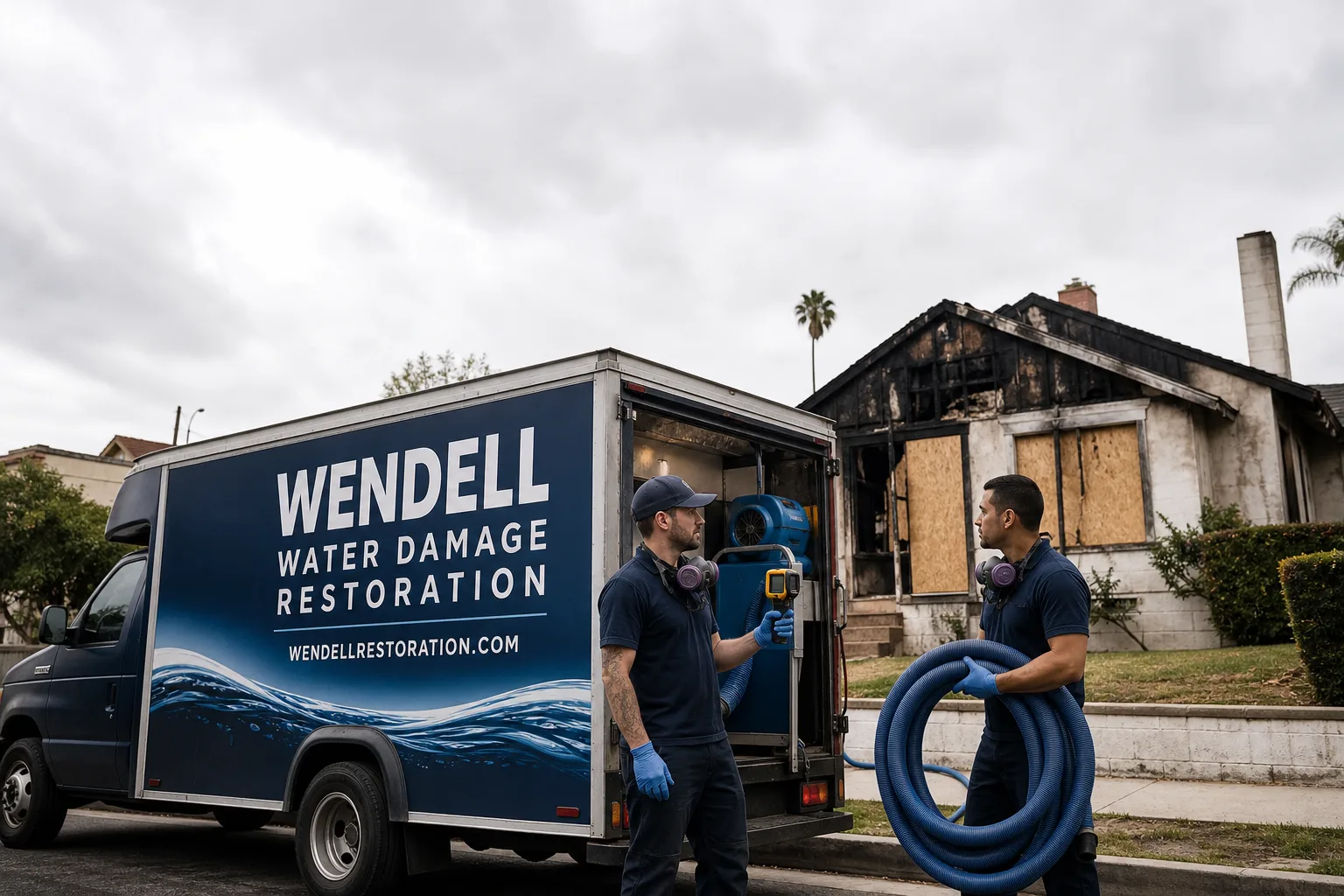
Free visual inspection and a written scope of work before any mitigation begins - photos, moisture readings, and drying logs go in your claim file
The scope we write is the scope we bill. Anything new gets shown to you, in writing, before we touch it.
 Before
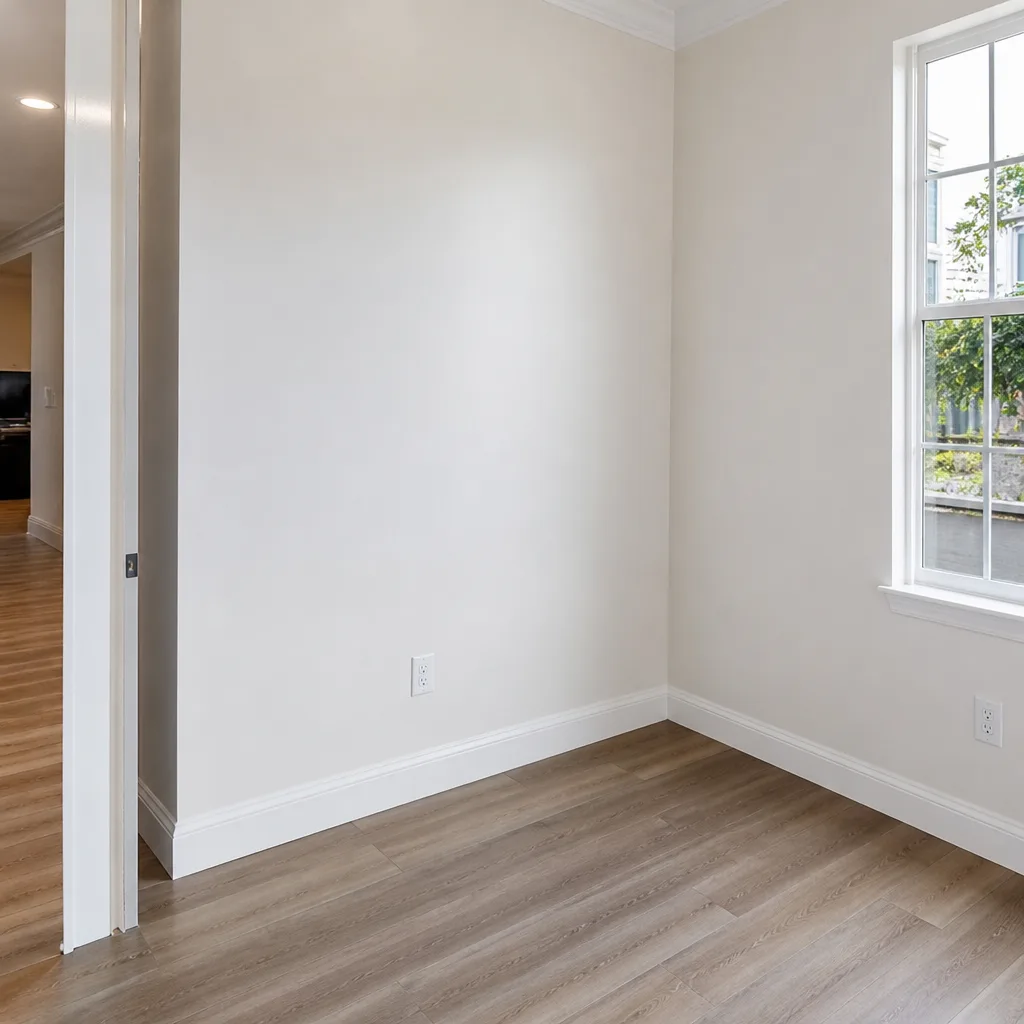 After
After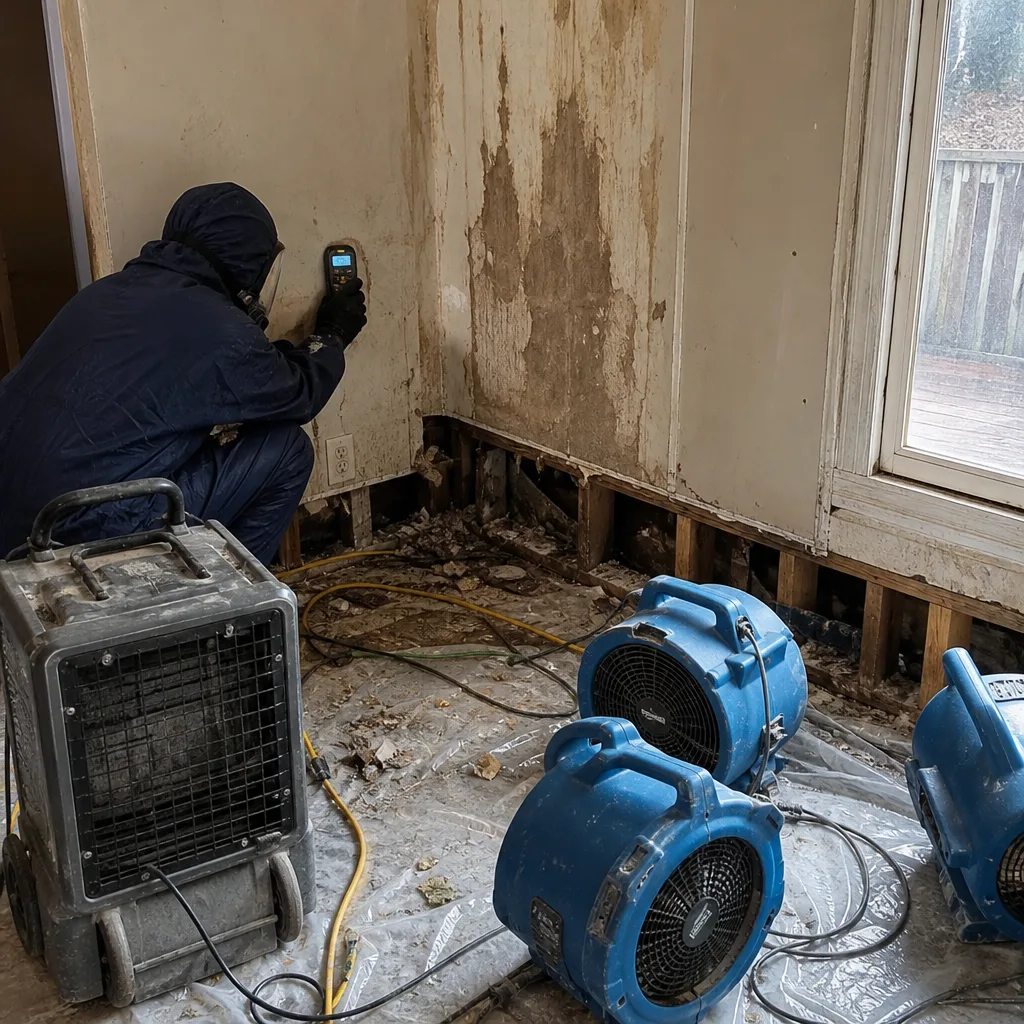 Before
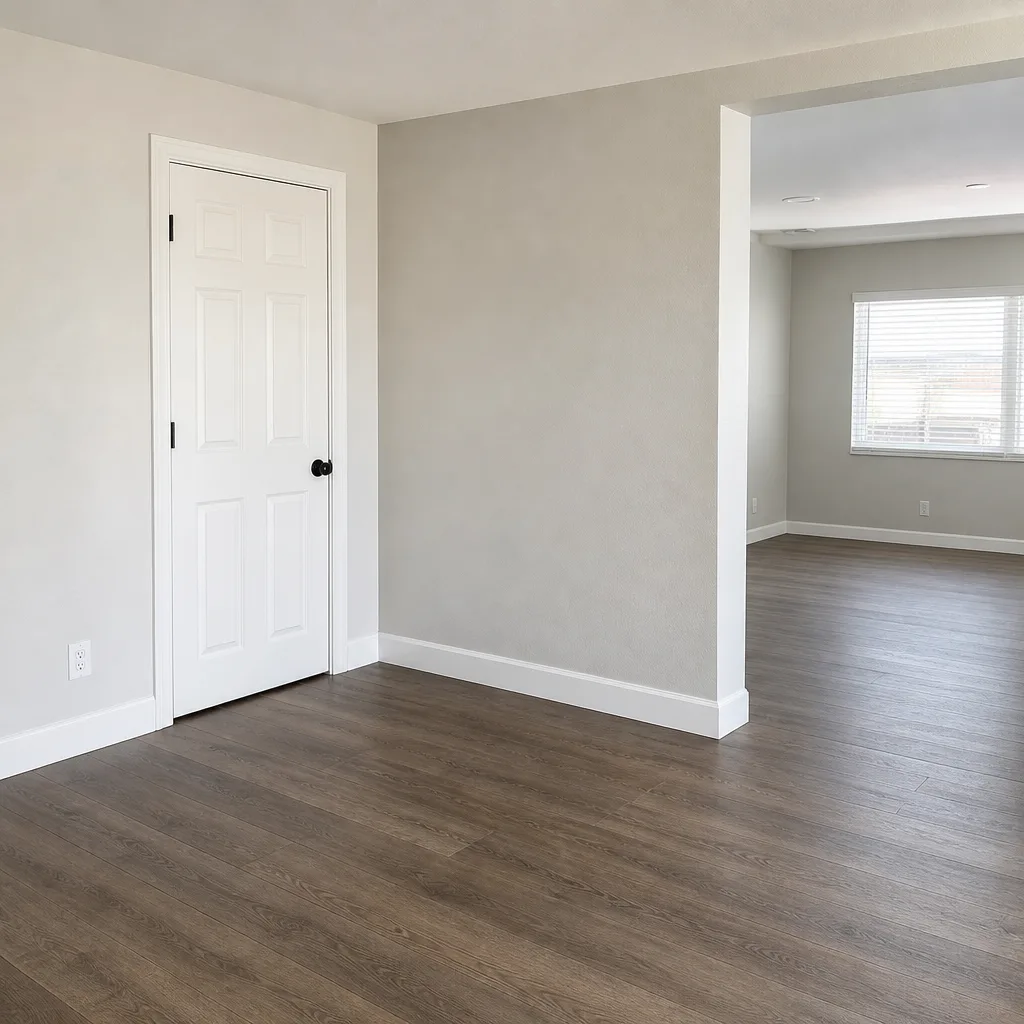 After
After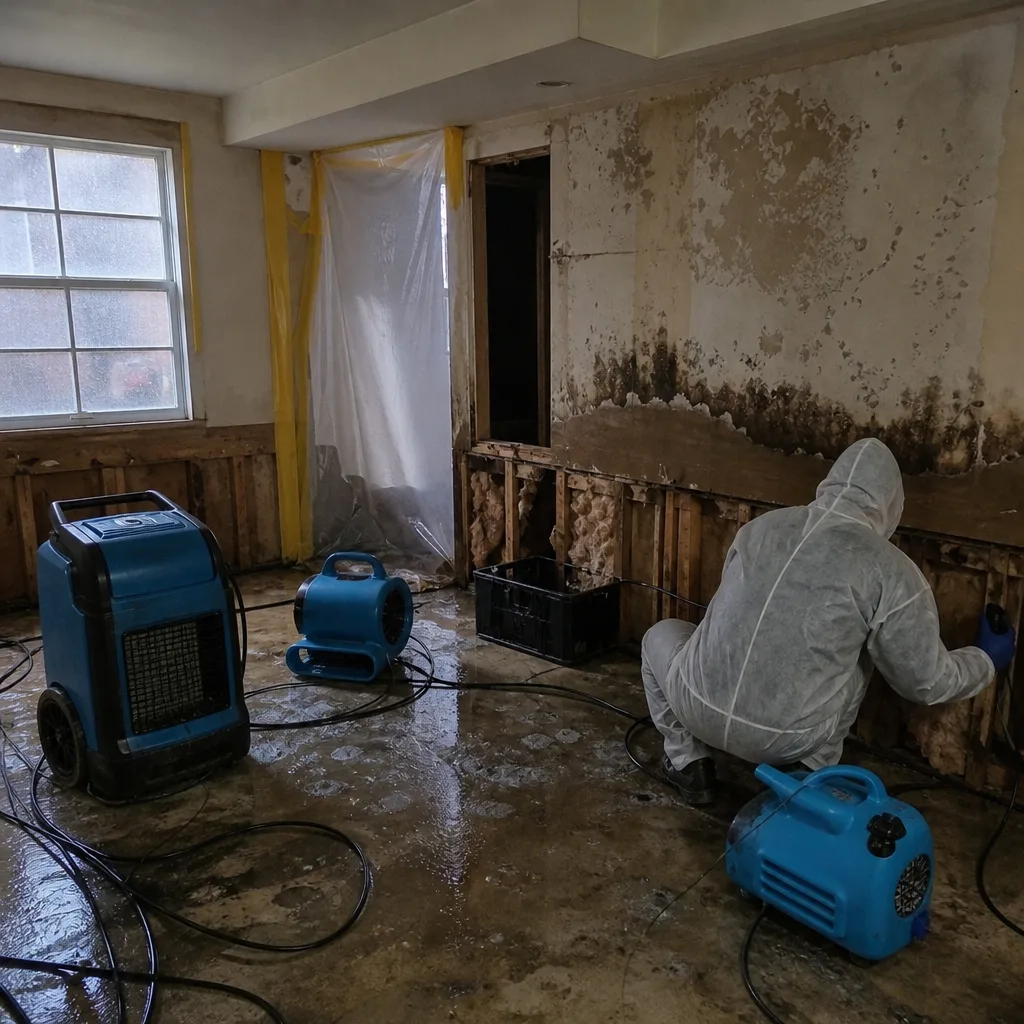 Before
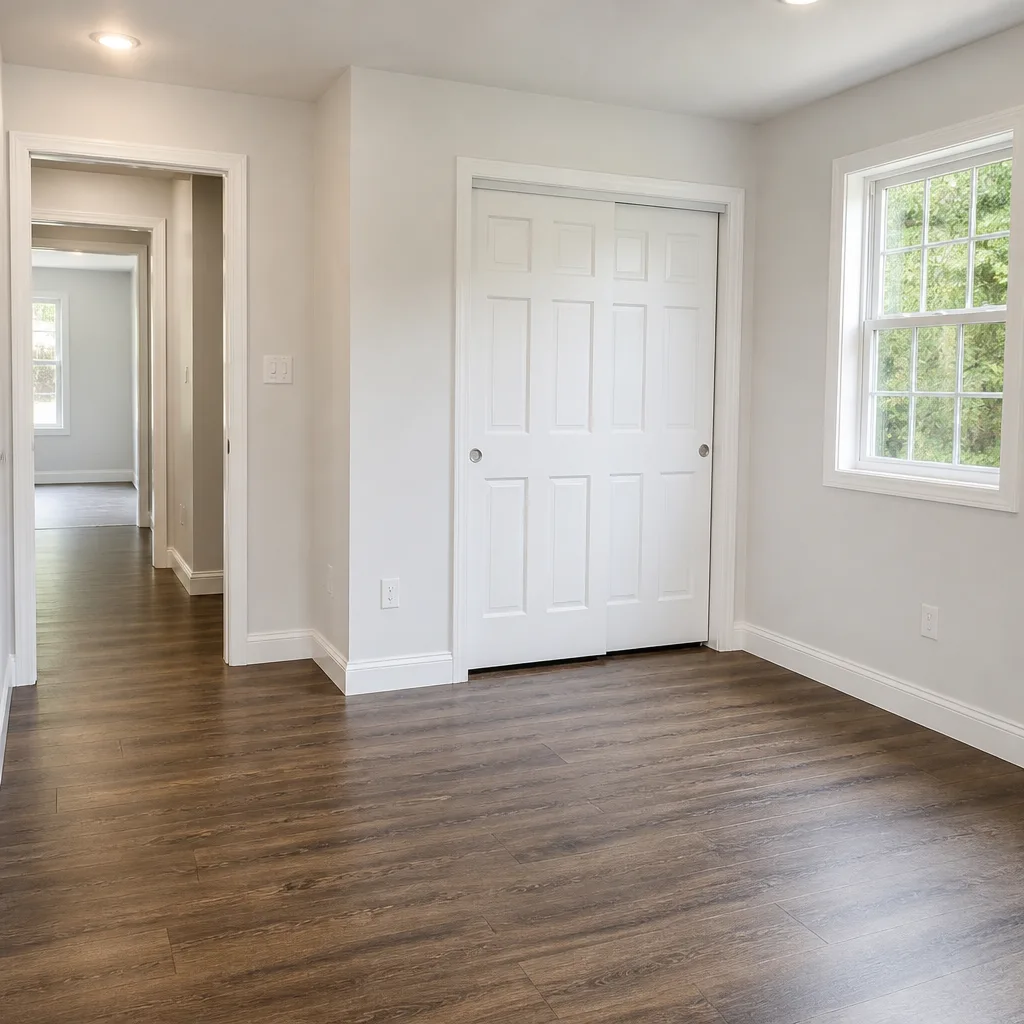 After
AfterFast, Reliable Water Damage Repair Across Mid Island
A pipe lets go in a Mid Island home and water finds the finished basement before you even hear it running. That’s the call we take most often, and we get a crew rolling toward you with a live arrival time you can track on your phone. Water damage repair in Mid Island means knowing the housing stock here: mid-century ranches, capes, and split-levels where original cast-iron drains and galvanized supply lines sit right next to finished lower levels. Call (940) 466-4354 and a live person answers, 24/7. You get a written price before any tool touches your home.
We’re Wendell Water Damage Restoration, part of the Relay Home Co. family since 2006. Our Water Damage Repair crews work under IICRC, RIA, and IFA standards, and every job includes the 365-Day Done Right Promise in writing: if it’s not done right, we make it right.
Why Wendell Water Damage Restoration Is Mid Island’s Preferred Water Damage Repair Company
Mid Island homeowners call us because we answer the phone. Not a voicemail, not a callback queue, not a phone tree. A live person picks up, asks what happened, and starts putting together a plan while the water is still spreading. That matters here, because so much of Mid Island’s housing stock was built with original cast-iron and galvanized supply lines that fail without warning, and the water almost always finds the finished lower level first.
Our background-checked, uniformed technicians show up with a live arrival time, not a vague four-hour window. We document everything with before-and-after photos sent by text, and the price goes in writing before work starts. That’s the transparency most restoration companies never offer, and it’s why homeowners across Mid Island keep our number saved. Blake Sorensen leads our team, and he holds every job to The Relay Visibility Guarantee: you always know who is coming, when they’ll be there, and exactly what it costs.
Dispatching for Mid Island is coordinated from our New York City office, with local crews already staged to reach neighborhoods across the island quickly. We know the streets here, the housing styles, and the specific ways water moves through a split-level or a cape with a finished basement.
Burst Pipe Repair in Mid Island
Burst pipe repair in Mid Island typically runs $450 – $1,200 depending on where the pipe is, how much access we need to open, and whether the water reached finished surfaces. The repair itself is usually the quick part. What drives cost is the drying afterward: if water saturated a finished ceiling below, we’re pulling structural drying readings and setting professional equipment, not just patching drywall.
Here’s how we handle it:
- Stop the source first. We isolate the line and stop the active leak before it feeds more water into the structure.
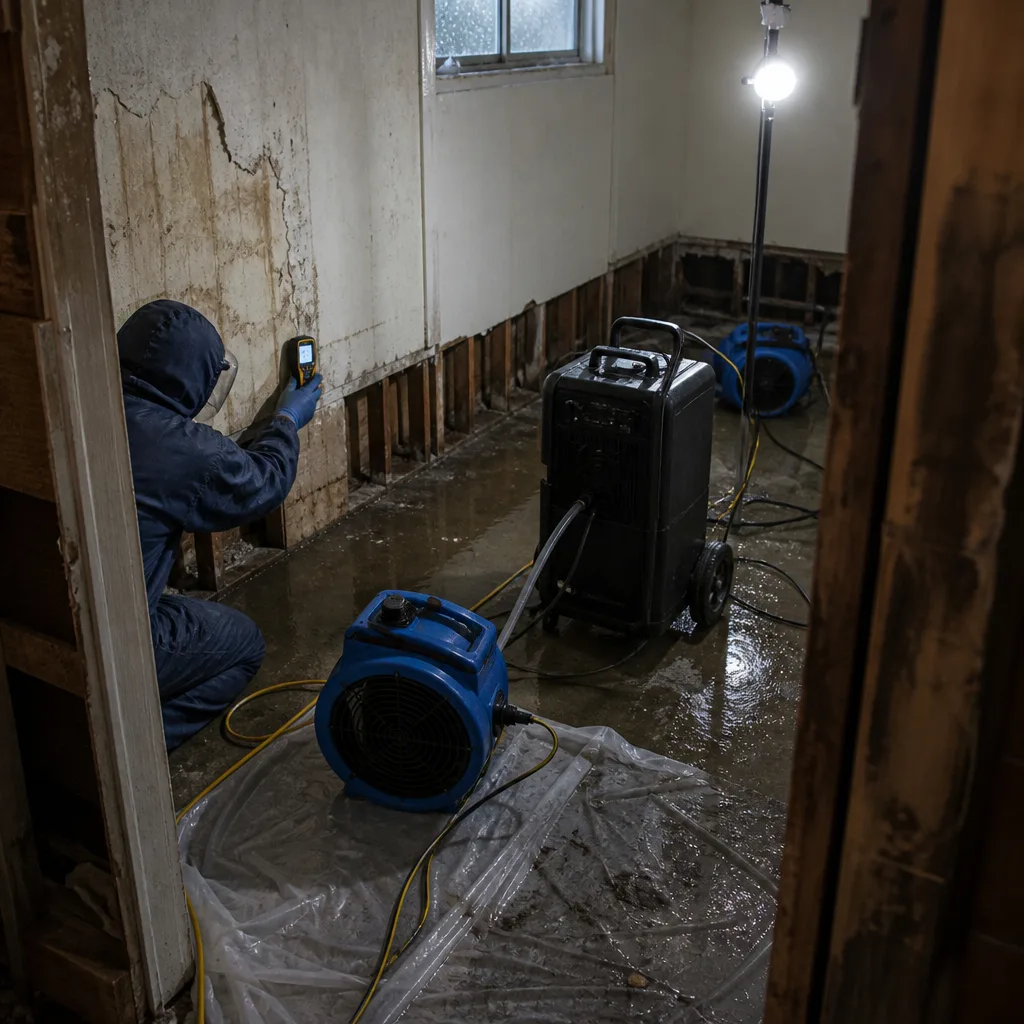
- Map the moisture. We use moisture meters and thermal imaging to find how far water traveled behind walls, under flooring, and into the sill plate.
- Write the scope. You get a written price and a repair plan before we touch a single tool. The number on the screen is the number you pay.
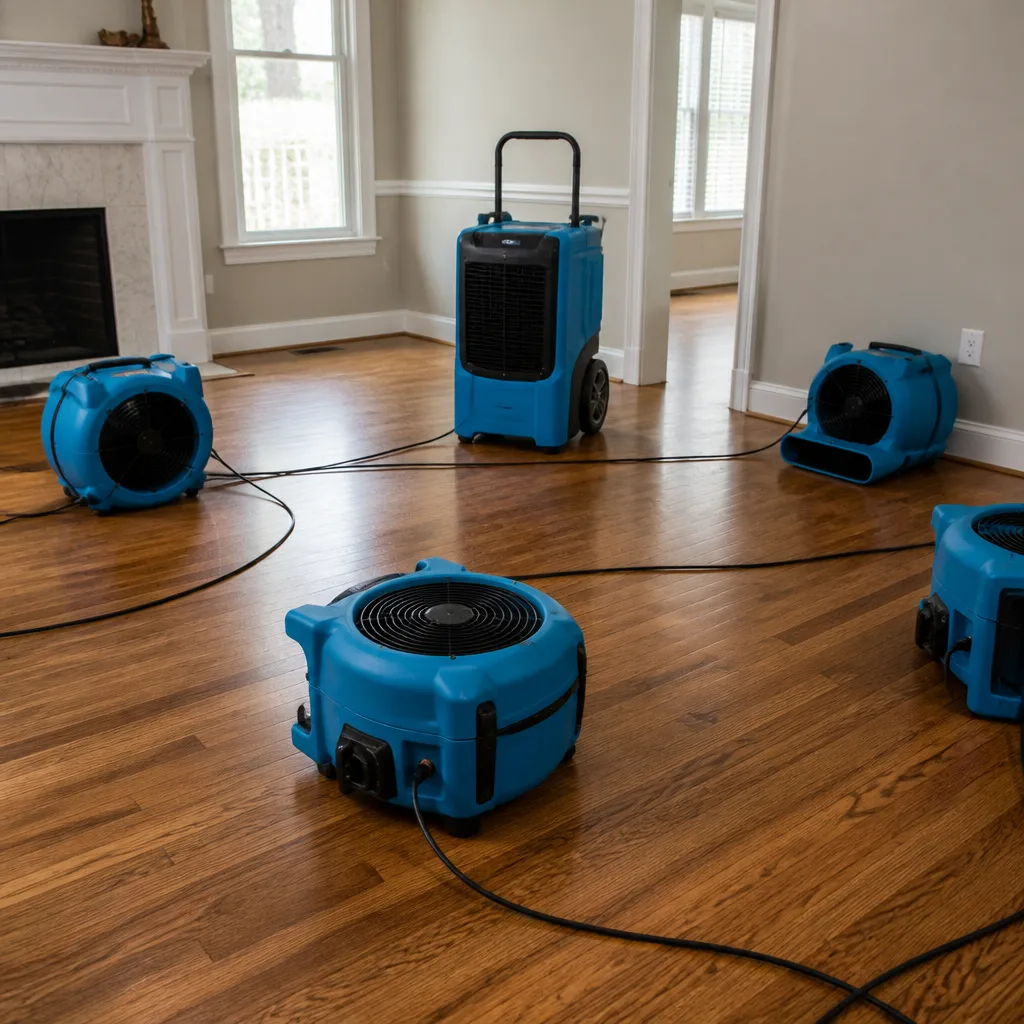
- Dry to pre-loss condition. We set Dri-Eaz dehumidification and XPOWER air movers, then log drying readings until the structure tests dry, not just surface-dry.
One thing we tell every Mid Island homeowner: calling a plumber to stop the leak and stopping there is where the real damage starts. Water keeps spreading as Category 2 or 3 contamination by the hour, and mold can begin on wet drywall within 24 to 48 hours. By the time you see staining, you’re often looking at a rebuild instead of a repair. The sooner we get moisture mapping done, the more material we save.
We answer live at (940) 466-4354 around the clock. If you’ve got an active leak, call before you call the plumber. We coordinate with plumbers all the time, and we can get the drying started while they finish their work.
Pipe Breaks Inside Finished Walls
When a pipe fails inside a wall cavity, the water often travels down through the floor assembly before anyone notices. We see this regularly in Mid Island split-levels where supply lines run through the lower-level ceiling. The repair means opening the wall to access the failed section, repairing or replacing the line, then drying the cavity before any drywall goes back. Skipping the cavity drying is how you end up with mold behind a fresh paint job six months later.
Galvanized Supply Line Failures
Older Mid Island homes still carry galvanized supply lines that corrode from the inside. When one lets go, it’s not a pinhole; it’s a split. Water pressure does the rest. We replace the failed section with modern materials and dry the affected area to pre-loss readings. If the failure was on a second floor, we’re checking the ceiling below for trapped water before anything gets closed up.
Water Damage Hardwood Floors in Mid Island
Water damage hardwood floors in Mid Island almost always start with one question: can the floor be dried, or does it need to come out? The answer depends on how fast you call us, what category the water is, and what the moisture readings tell us. Drying a hardwood floor properly in this market typically runs $600 – $1,500 per affected room; a full tear-out and replacement runs higher, sometimes much higher, depending on the species and how much of the floor got wet.
Here’s what actually happens on a hardwood call:
- Assess within hours, not days. The longer hardwood sits wet, the more cupping and crowning develop, and the less likely the floor is to recover.
- Check the subfloor. Hardwood can look fine on top while the subfloor below is saturated. We’re pulling readings from the underside wherever access allows.
- Use Injectidry drying when possible. This system dries hardwood from underneath, pulling moisture through the boards rather than off the surface. It saves floors that would otherwise be torn out.
- Set realistic expectations. Some floors come back flat and stable with refinishing. Some don’t. We show you the readings and explain the call before we make it.
A Mid Island homeowner on a quiet residential block near the South Shore called after a second-floor supply line let go and water tracked down through the floor assembly into a finished lower level. We ran water extraction on the affected carpet and pad, performed moisture mapping across the subfloor and ceiling below, set Dri-Eaz dehumidification and XPOWER air movers with containment to isolate the wet zone, and logged drying readings toward the structure’s pre-loss condition. The hardwood in the adjoining room was saved with Injectidry drying rather than torn out, and the lowered moisture readings let us close out the drying logs on schedule.
One mistake we see too often: homeowners start ripping out hardwood or carpet before a scope of work is written. Once the material is gone, pre-loss condition can’t be documented and the repair-vs-replace call is made blind. Leave the floor in place until we get there. We’ll tell you what’s savable and what isn’t, with numbers to back it up. You also get our 365-Day Done Right Promise in writing, and a free second visit if the repair fails.
Cupping, Crowning, and Buckling
Cupping happens when the bottom of the board swells from moisture and the edges curl up. Crowning is the opposite: the top of the board holds more moisture than the bottom. Buckling is the floor literally lifting off the subfloor. The first two can sometimes be corrected with controlled drying and refinishing. Buckling usually means the board needs replacement. We tell you which one you have, based on readings, before we recommend anything.
Saving a Floor vs. Replacing It
Replacement is the expensive outcome, and it’s not always necessary. When we can get on the floor within the first 24 to 48 hours, use Injectidry drying from below, and control the drying environment, a surprising number of hardwood floors in Mid Island homes come back without full replacement. Not every floor survives. But every floor deserves an honest assessment before someone starts swinging a pry bar.
Trusted Brands We Service in Mid Island
Our crews maintain and repair systems tied to the major restoration equipment lines Mid Island homeowners already have in their homes from previous damage events. If you’ve got Dri-Eaz dehumidifiers, Phoenix air movers, or XPOWER axial fans on site from a prior claim, our technicians know these units and can integrate them into a new drying plan or service them as part of the scope. We stock common parts locally so there’s no delay waiting on a supply run. When we set equipment, we always explain what each unit is doing and why it’s staged where it is, so you’re never looking at a wall of machines you don’t understand.
Common Water Damage Repair Problems We See in Mid Island Homes
- Original cast-iron drains failing inside slab foundations. Mid Island homes built in the mid-century boom often have cast-iron waste lines that rust through after 60+ years. When one fails under a finished basement, we’re dealing with Category 3 water under the slab, and the repair scope grows fast.
- Galvanized supply lines splitting on second floors. These lines corrode from the inside until the pipe wall thins and splits. Water then tracks down through the floor assembly into the finished lower level, wetting drywall, insulation, and subfloor before anyone hears it running.
- Surface-dry drywall hiding a wet sill plate. We see it constantly: someone dried the visible drywall and baseboard, and called it done. Nobody pulled structural drying readings behind the wall cavity. The sill plate stays saturated and mold follows. Our moisture mapping catches what a surface check misses.
- Homeowners starting demolition before a scope is written. Once flooring, drywall, or trim is removed, pre-loss condition can’t be verified and the repair-vs-replace decision gets made blind. We document everything first, then hand you a written scope and price.
Pricing for Water Damage Repair in Mid Island, NY
Here’s what water damage repair actually costs in Mid Island. A burst pipe repair runs $450 – $1,200, with the final number driven by wall access, ceiling damage below, and how far water traveled. Hardwood floor drying runs $600 – $1,500 per room when the floor is salvageable; full replacement can exceed $4,000 per room depending on species and square footage. Water extraction and drying for a finished lower level typically falls in the $1,800 – $4,500 range, including equipment, monitoring, and drying logs. The biggest cost drivers are how long water sat before we arrived, the water category, and how much finished surface got wet. You get a written price before any work starts, a digital invoice texted so you can pay from the link, and a free estimate. Call (940) 466-4354 for an exact quote.
We Also Serve Cities Near Mid Island
Our crews cover the surrounding boroughs, so if you’re in Mid Island or nearby, we’re already staged to move. We handle water damage repair across Brooklyn, Queens, Manhattan, and The Bronx, with the same written pricing, live arrival times, and 365-Day Done Right Promise on every job.
Serving Mid Island, NY - Our Local Coverage Area
We’re based in the Mid Island area and know this community well. Use the map below to see our service coverage - if you’re nearby, we can almost certainly help.
FAQs About Water Damage Repair in Mid Island
We answer your call live, 24/7, and ask a few targeted questions: where the leak started, what floors are wet, and whether water is still running. Then we dispatch a crew with a live arrival time you can track on your phone. On arrival, we stop the active leak if needed, run water extraction on saturated carpet and pad, perform moisture mapping across the subfloor and ceiling, and set professional drying equipment with containment. You get a written scope and price before any repair work begins. The first hour is about stopping the spread, not selling you anything. Call (940) 466-4354 and we’ll walk you through it.
If water was on the floor for less than 24 to 48 hours and the subfloor readings support it, many hardwood floors can be dried in place using Injectidry negative-pressure drying from below. The floor needs professional equipment and controlled drying conditions; fans pointed at the surface won’t do it. Some floors cupping or crown during drying and need refinishing after. Some floors don’t recover, and we tell you that plainly with readings in hand before recommending replacement. The key is calling fast, because hardwood salvability drops every day water sits in the boards.
Mold can begin colonizing wet drywall within 24 to 48 hours in the humid conditions common to coastal Mid Island homes. The clock starts at the moment of water release, not when you discovered it. This is why we stress getting moisture mapping and professional drying started immediately, not after the plumber finishes or after the weekend. The longer wet drywall, subfloor, and sill plates sit, the more likely a repair turns into remediation and rebuild. We answer at (940) 466-4354 around the clock for exactly this reason.
Water category determines what can be dried and what must be removed. Category 1 is clean water from a supply line. Category 2 carries contaminants from sources like washing machine overflow. Category 3 is grossly contaminated water, typically from sewage backups or cast-iron drain failures under a slab. In Mid Island, where original cast-iron drains are common, Category 3 events are more frequent than homeowners expect. Category 3 means affected porous materials like carpet, pad, and drywall get removed and disposed of under IICRC protocol, not dried. We test and document the category before writing your scope.
The typical wet lower level call in Mid Island starts with extraction, then moisture mapping across drywall, subfloor, and sill plates, then setting Dri-Eaz dehumidifiers and XPOWER air movers with containment to isolate the wet zone. We pull daily structural drying readings until the space reaches pre-loss moisture levels, and we send you before-and-after photos by text throughout. Then we write the repair scope: what gets dried, what gets replaced, and what it costs, in writing, before any rebuild starts. The whole process is documented and logged so you have a record if insurance is involved. Call (940) 466-4354 for a free estimate on your specific situation.
Written by Blake Sorensen, Owner at Wendell Water Damage Restoration, serving Mid Island and the surrounding New York City area.