
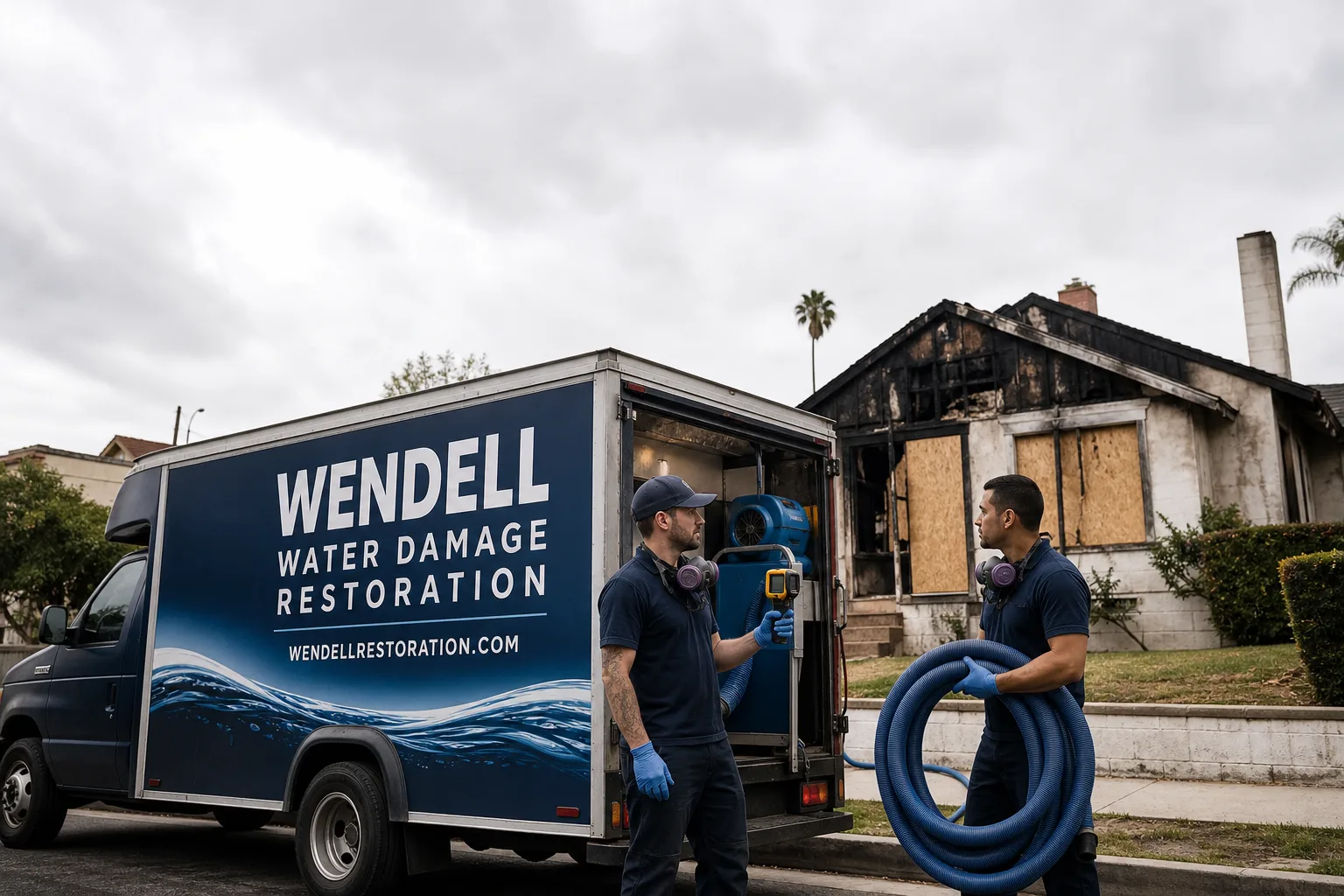
Free visual inspection and a written scope of work before any mitigation begins - photos, moisture readings, and drying logs go in your claim file
The scope we write is the scope we bill. Anything new gets shown to you, in writing, before we touch it.
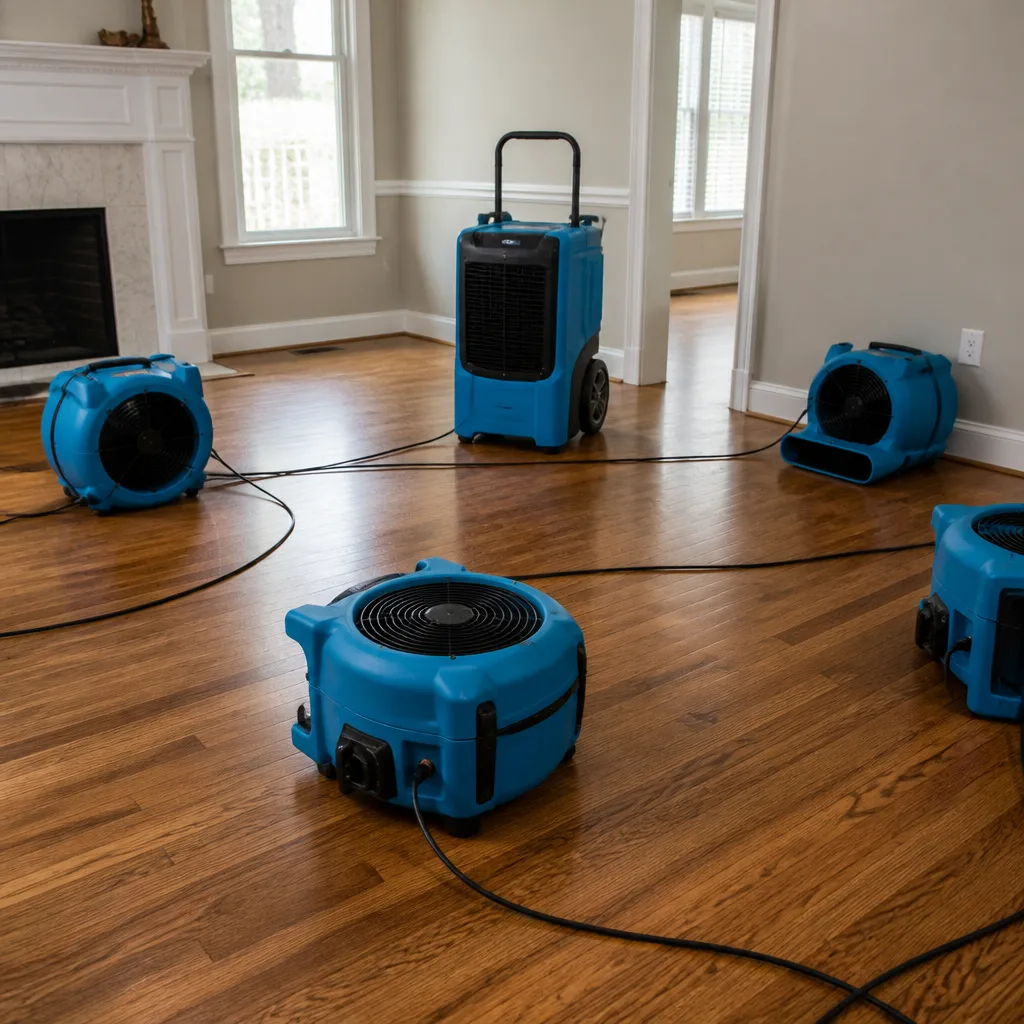

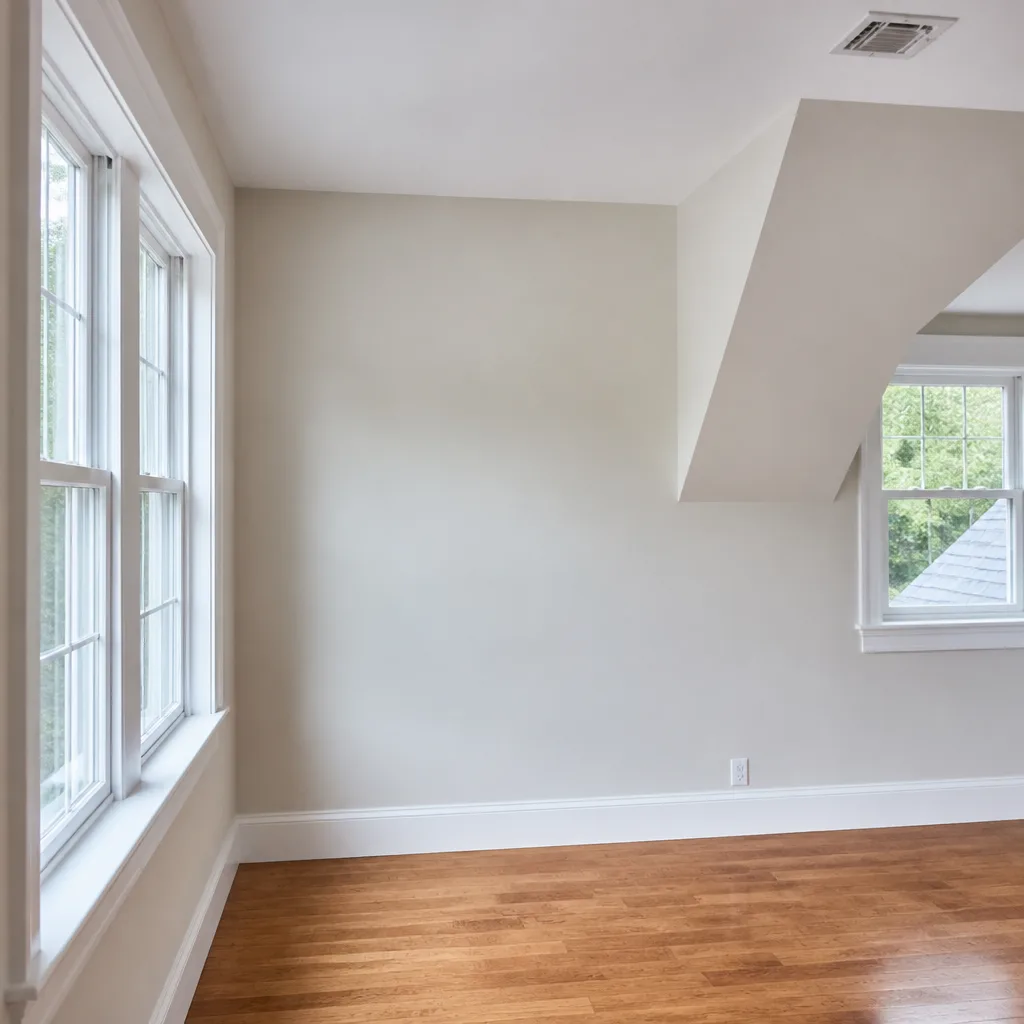


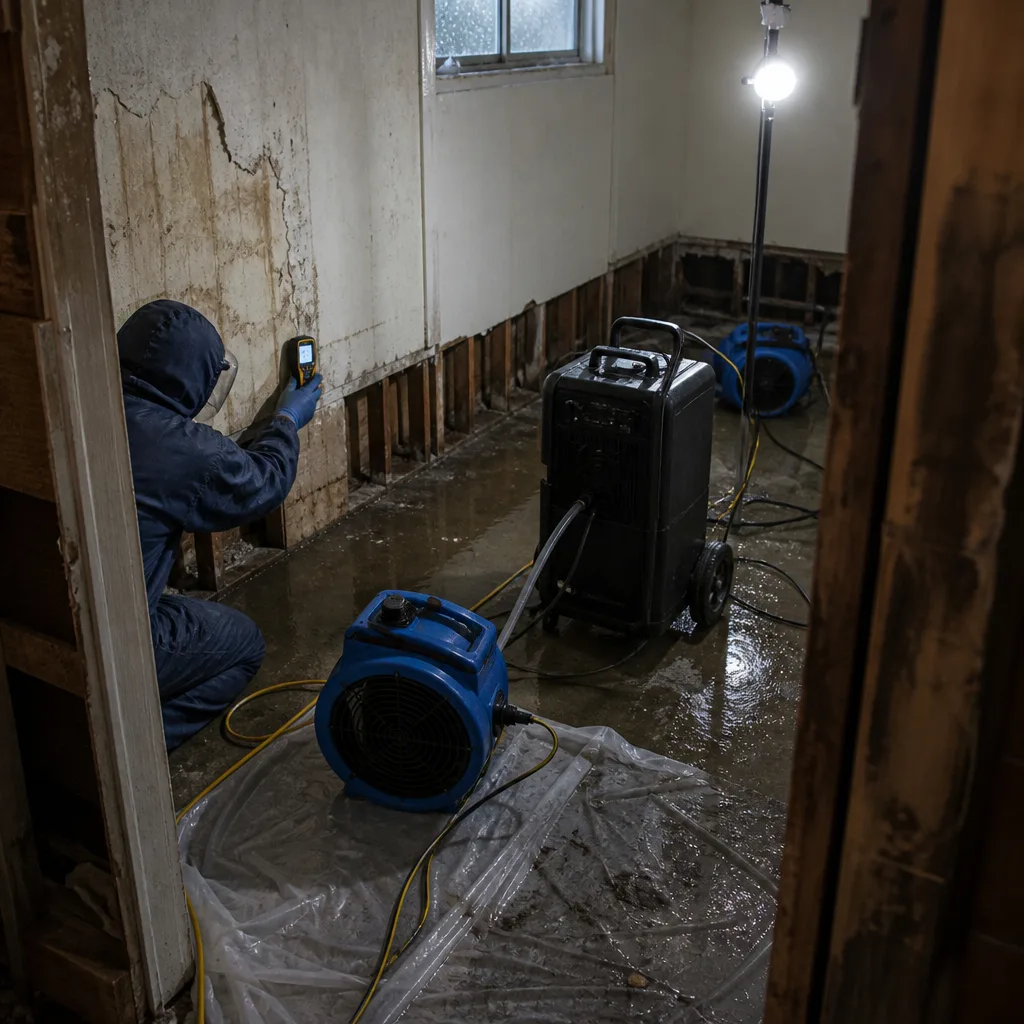 Before
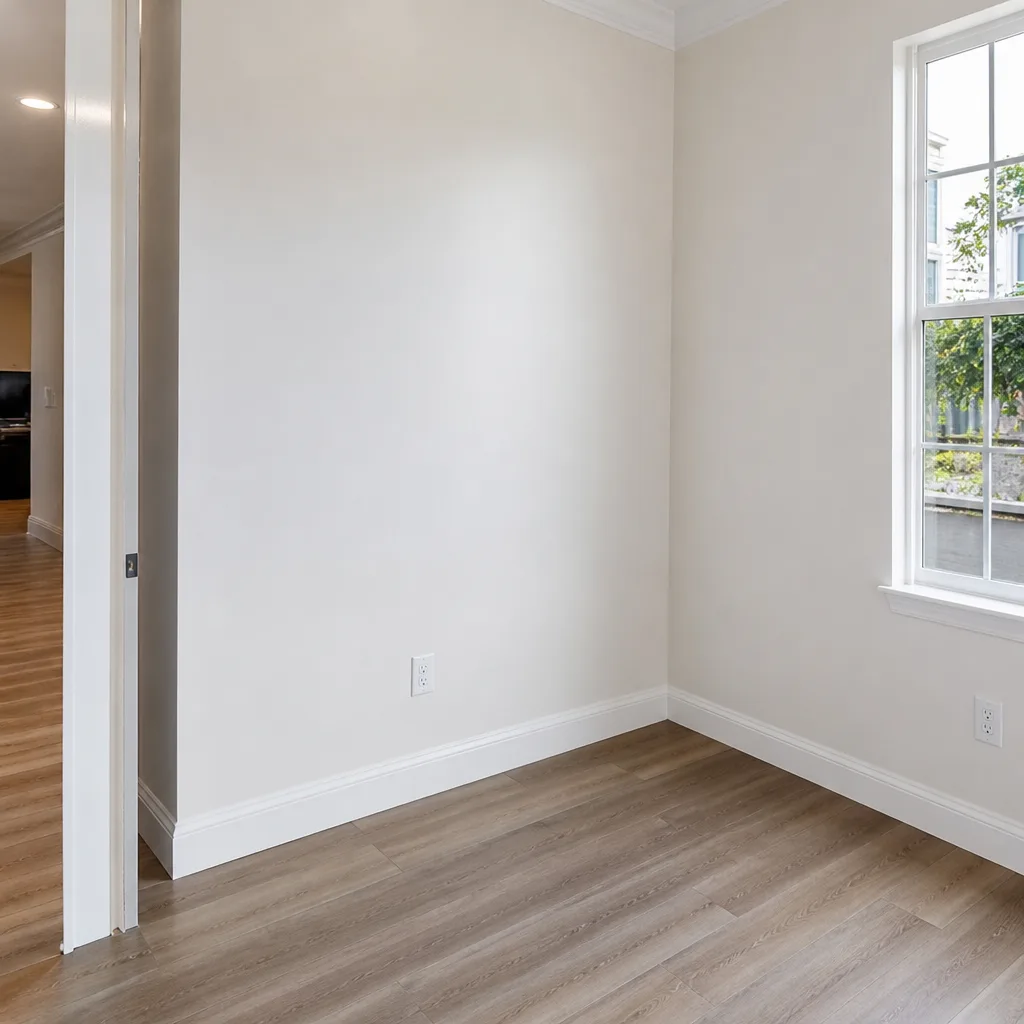 After
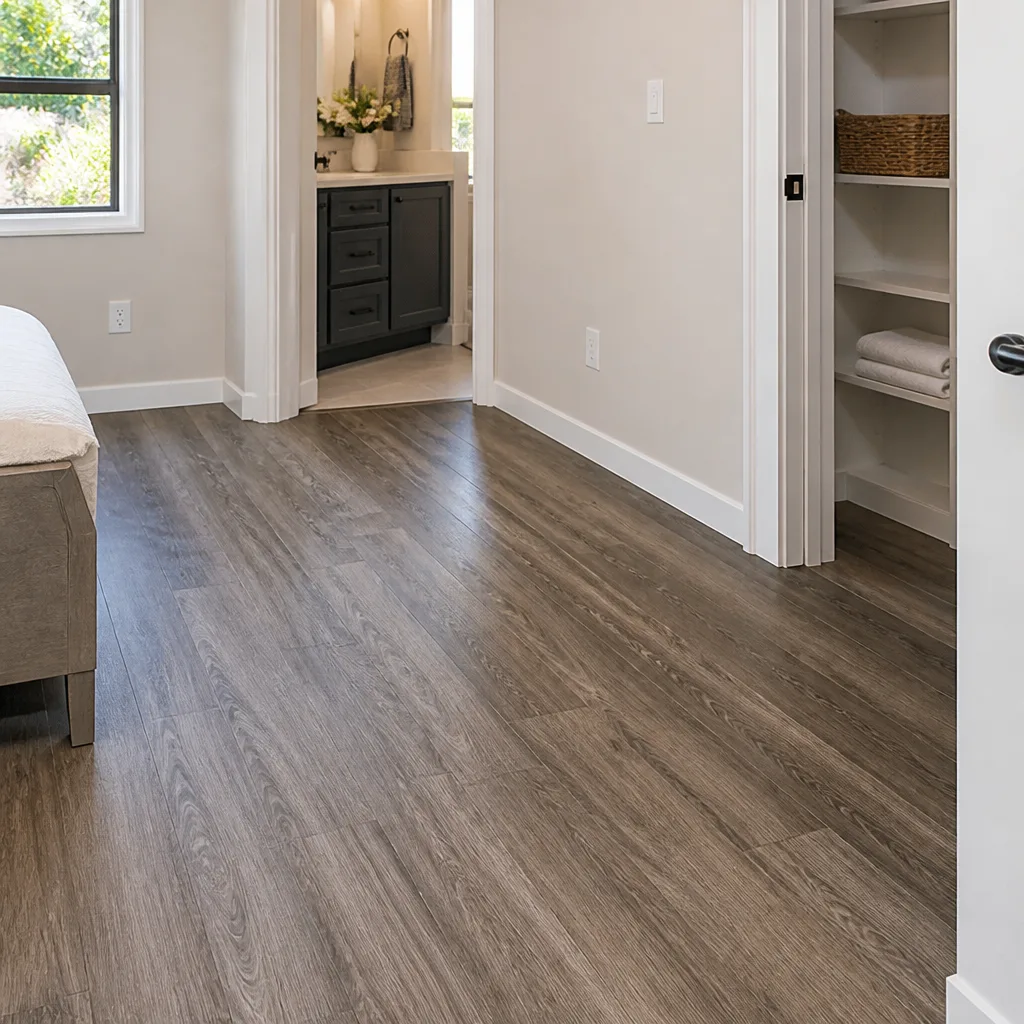
After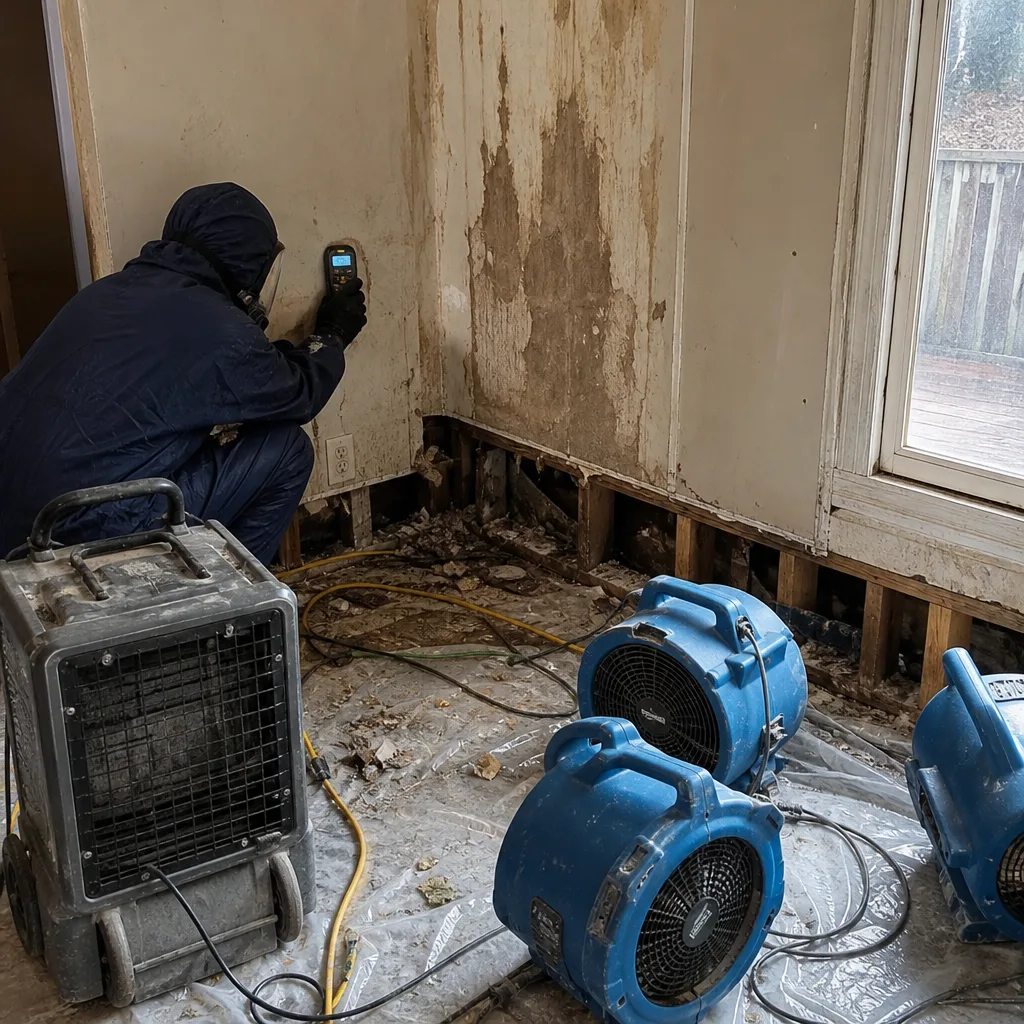 Before
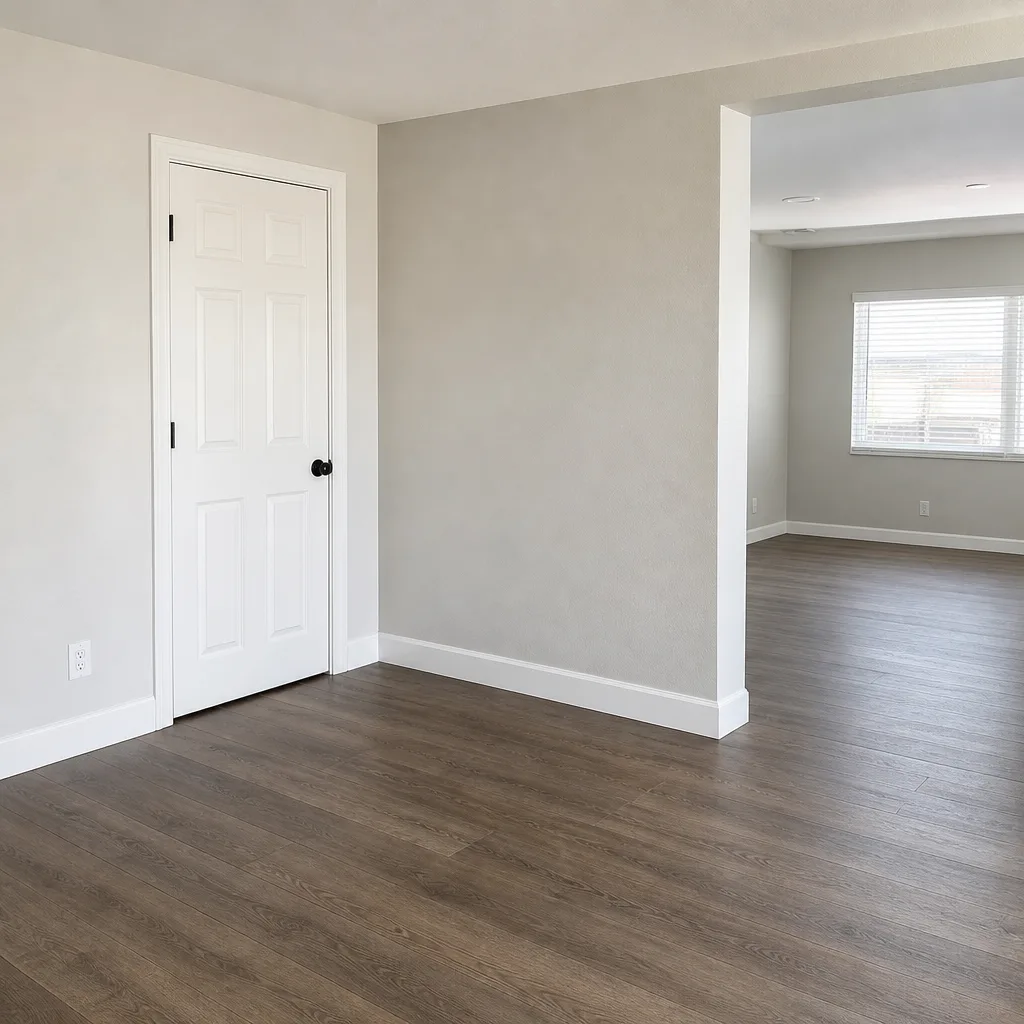 After
After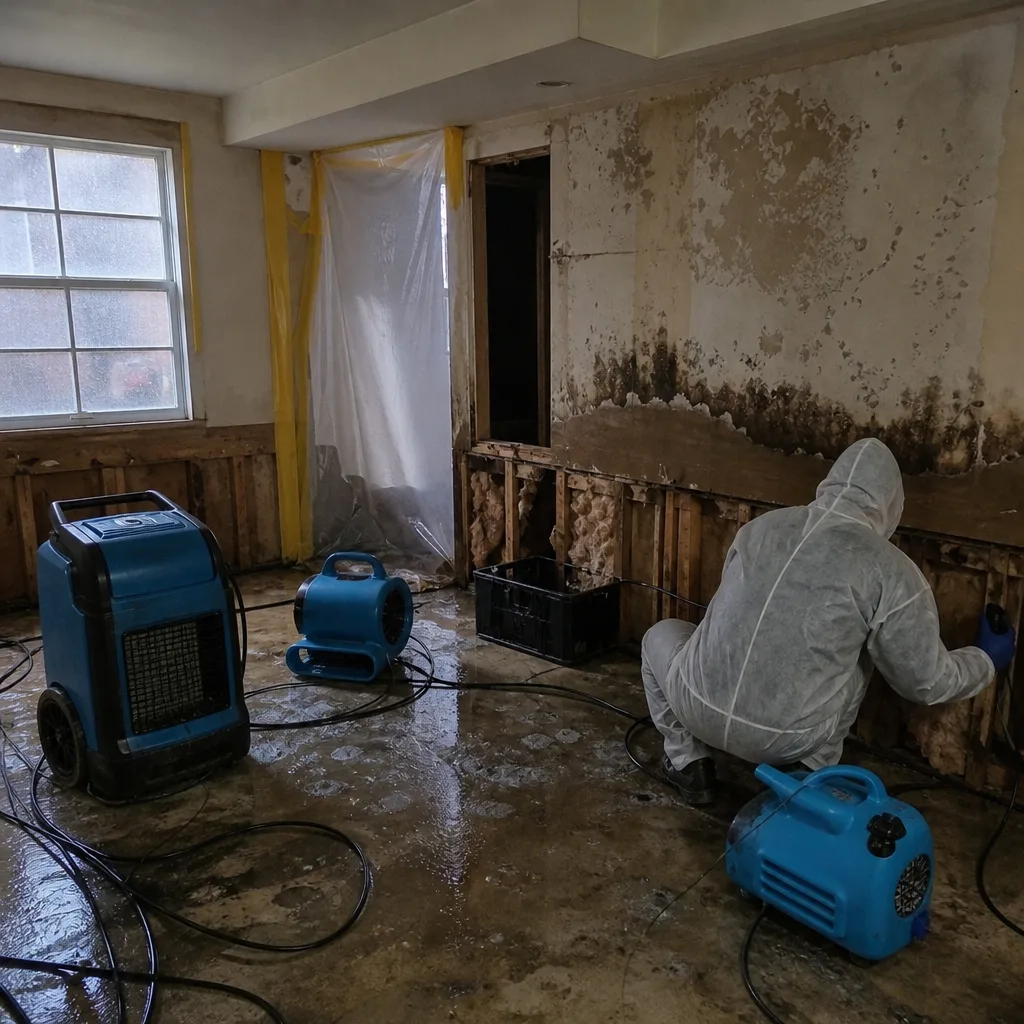 Before
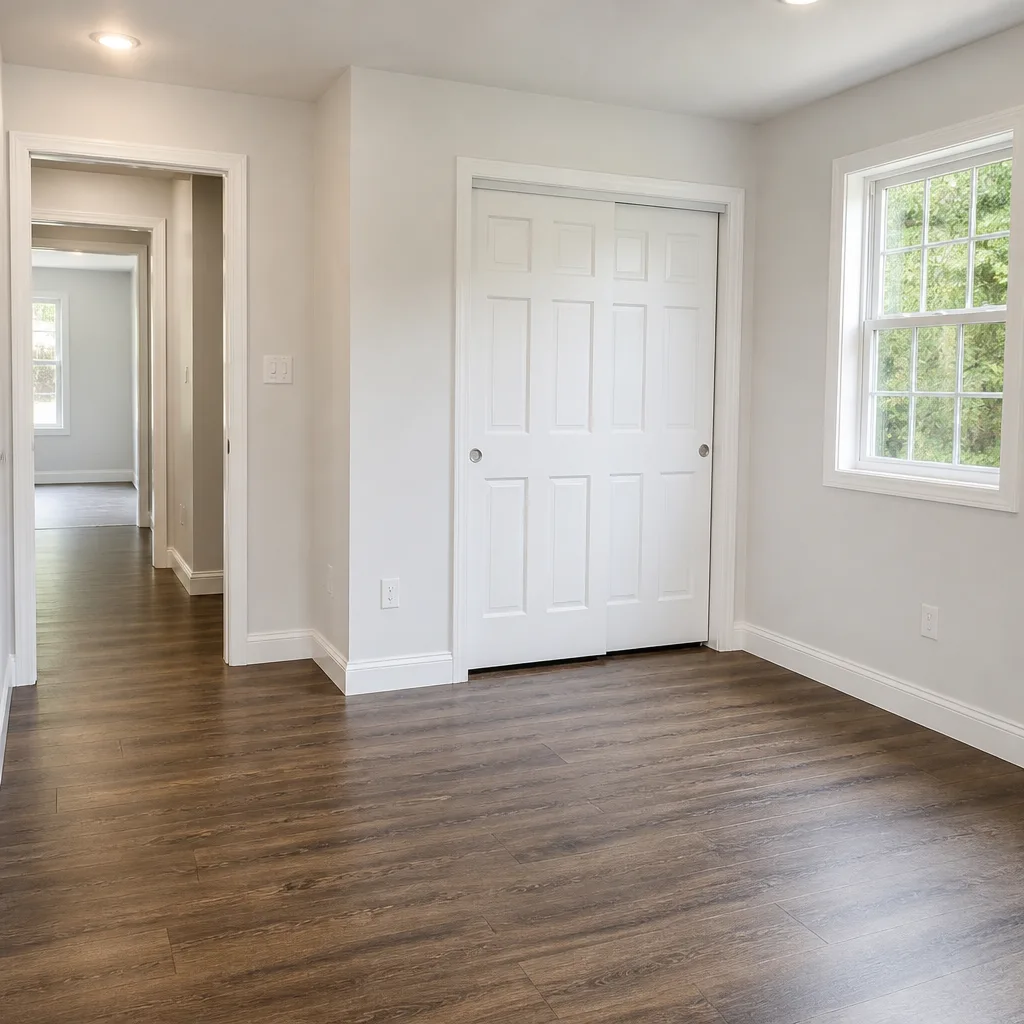 After
AfterRestoration Company in Long Island City, NY
Water damage in Long Island City doesn’t wait, and neither do we. Most calls we get from Hunters Point, Court Square, and Dutch Kills involve the same three things: a burst supply line in a prewar building, a water heater that let go on the top floor of a converted factory loft, or a bathroom leak that’s been quietly feeding mold behind a shared wall. The density here changes everything. A leak in one unit becomes a neighbor’s ceiling problem fast, and that means speed and documentation matter more in Long Island City than almost anywhere else in Queens. We answer live, 24/7, at (940) 466-4354, and we’ll put a price in writing before any work begins.
Why Long Island City Homes Are Different
Long Island City is a vertical neighborhood. The housing stock runs from 1920s brick walk-ups in Dutch Kills to high-rise towers along Center Boulevard, and each brings its own water profile. In older masonry buildings, water travels sideways through common walls and settles in void spaces between joists and brick, which is why a small toilet leak in one apartment can show up as staining two floors below. In the newer glass and concrete towers near Queens Plaza, the failure points shift to supply risers, HVAC condensate lines, and appliance feeds, where a pinhole leak under pressure can release hundreds of gallons before anyone notices.
The East River’s proximity keeps basement and sub-grade spaces here humid year-round, especially in the summer. Crawl spaces under rowhouses on Vernon Boulevard hold moisture that makes drying slower and mold more likely. We account for that with longer psychrometric drying cycles, meaning we track the air’s moisture level room by room until it matches the building’s baseline, not just until the surface feels dry to the hand. Permits in Long Island City are handled through the NYC Department of Buildings, and for multi-unit work especially, property managers want a paper trail: a written scope, a written price, and photo documentation before and after. That’s how we work by default.
Our Main Long Island City Services
Two of these three services drive most Long Island City calls: a sudden water event that needs immediate extraction and drying, and mold that’s been discovered during a renovation or after a slow leak. Repair work follows water damage more often than not, because drying is only the first half of getting a home back to pre-loss condition.
Water Damage Restoration in Long Island City
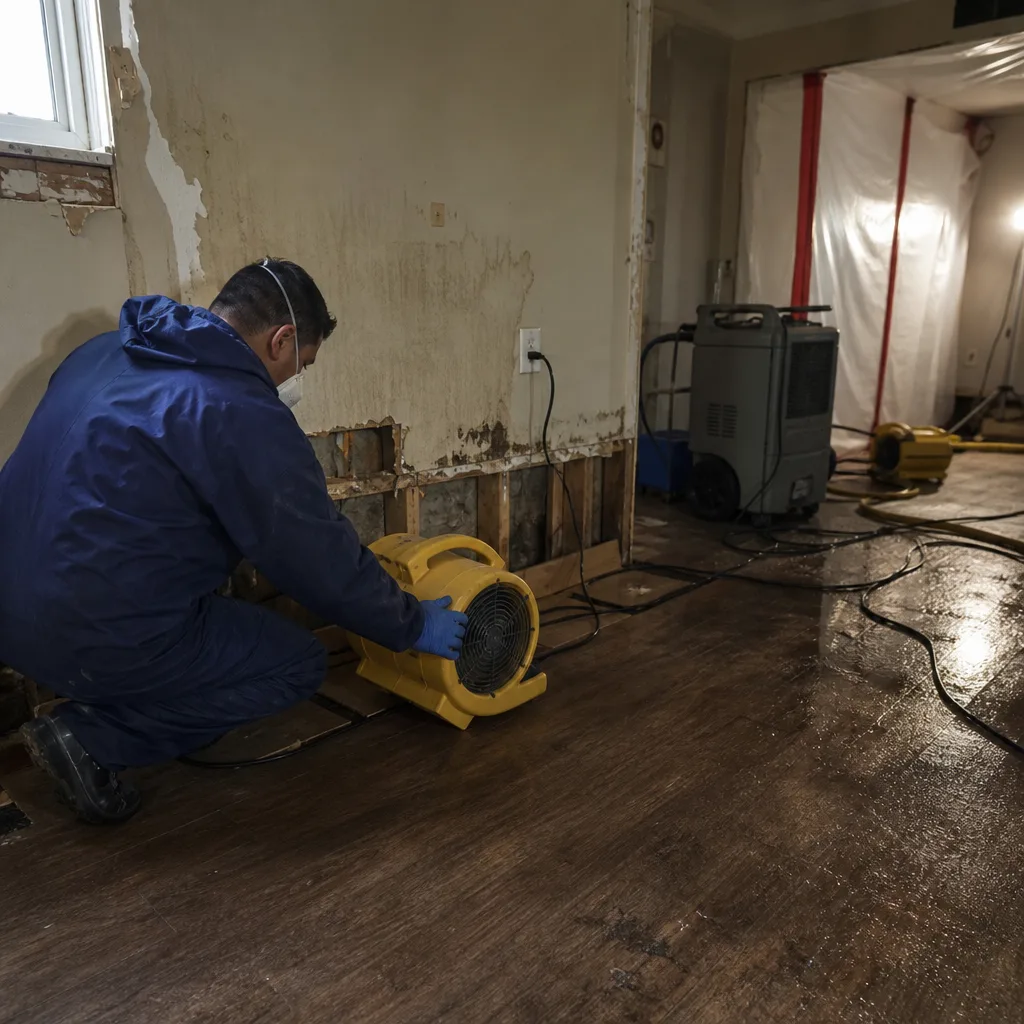
Long Island City water events are usually urban in nature: a failed supply line behind a kitchen cabinet, a roof drain that backed up onto a top-floor loft, a washer supply hose that split while the owner was at work. We arrive with truck-mounted and portable extraction equipment, map the moisture with thermal imaging and meters, and deploy professional-grade air movers and dehumidifiers under IICRC protocol. In older Long Island City buildings, we check the walls, not just the floors, because water wicks up plaster and travels through chaseways between units. The equipment stays until the moisture readings confirm the space is dry, then a written scope covers repair. See the full process on our Water Damage Restoration in Long Island City page.
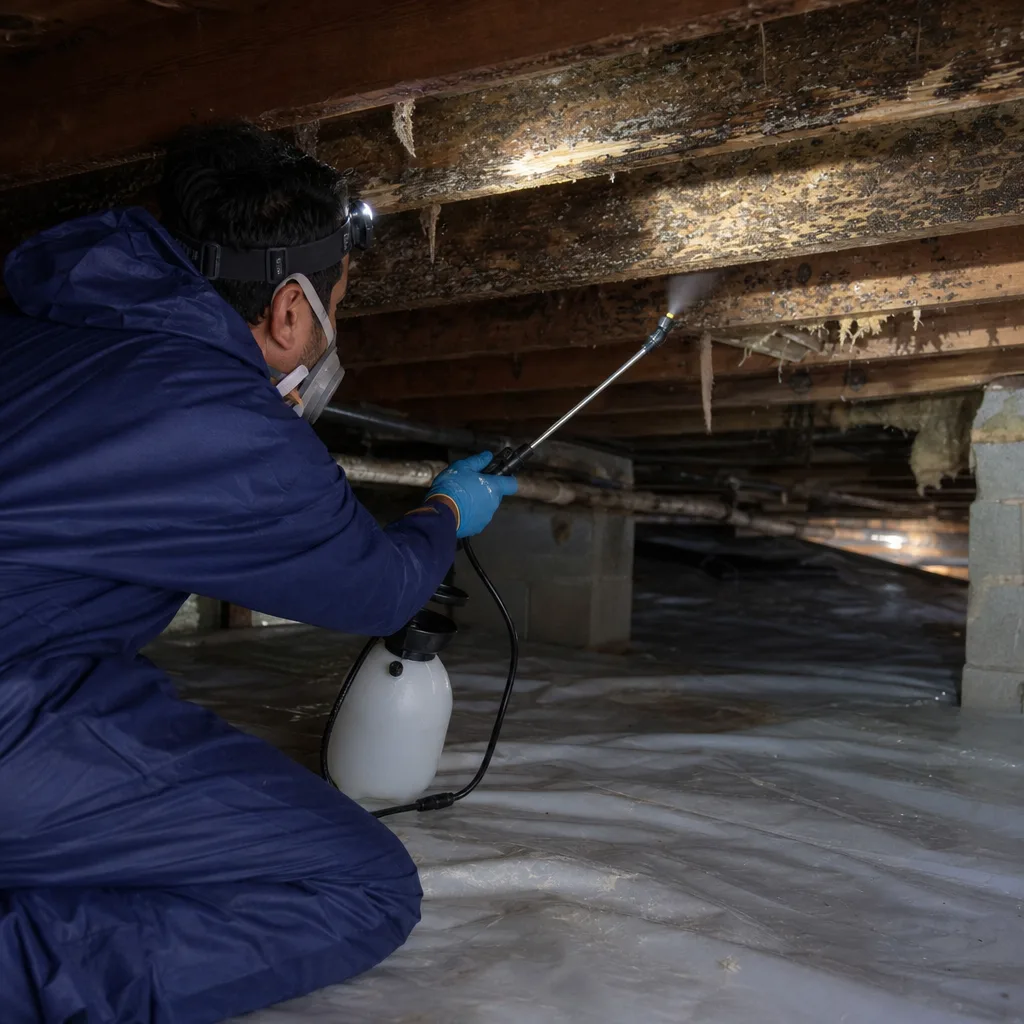
Mold Remediation in Long Island City
Long Island City’s humidity, older building cavities, and frequency of slow leaks make mold a recurring issue here. The work involves containment (sealing off the affected area so spores don’t move through the building), HEPA air scrubbing, removal of affected drywall or plaster under negative air pressure, and antimicrobial treatment of the framing. We’re careful with shared walls and common hallways, and we document everything with photos you can show your property manager or insurance adjuster. If you’ve found mold behind a cabinet, under a sink, or along a shared wall in Dutch Kills or Hunters Point, start with our Mold Remediation in Long Island City page.
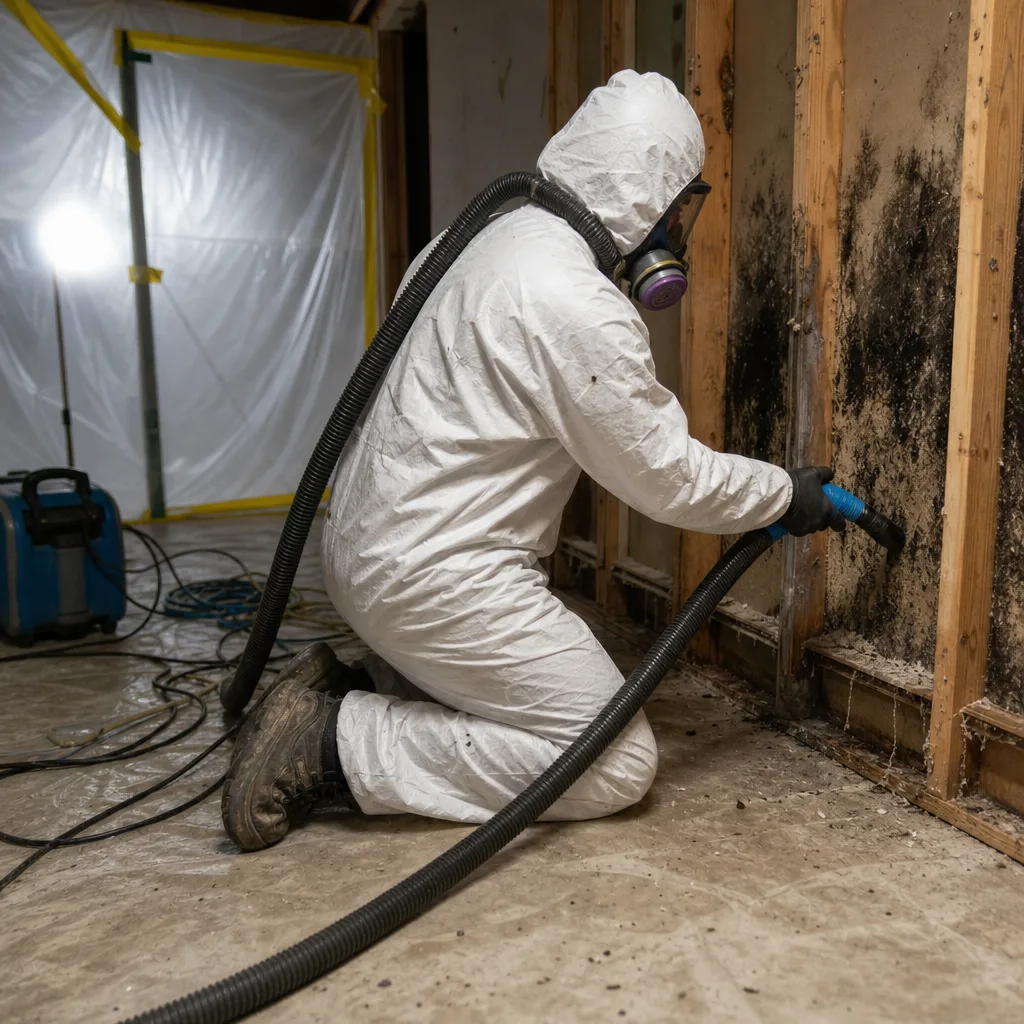
Water Damage Repair in Long Island City
After the dry-out comes the part that makes a home livable again: drywall repair, tile replacement, refinishing hardwood floors, repainting, and occasionally rebuilding a section of subfloor. In Long Island City, repairs often involve matching materials to a building’s character, whether that’s parquet in a prewar co-op or a specific drywall spec in a newer high-rise. We write the price before the first cut, text you a digital invoice you can pay from the link, and every repair carries our 365-Day Done Right Promise: if it’s not done right, we make it right. See the specifics at Water Damage Repair in Long Island City.
What happens when you call
- 1
A real person answersNo phone trees - you reach a local pro.
- 2
You get an upfront price rangeHonest numbers before anyone is dispatched.
- 3
A background-checked tech heads outLicensed & insured, dispatched right away.
- 4
You approve before work beginsNothing starts until you say go.
Brands We Service in Long Island City
We run equipment from Dri-Eaz, Phoenix, and B-Air on Long Island City jobs, the same brands used on large commercial loss sites. Common parts are stocked locally so a failed dehumidifier or air mover gets swapped same-day. See more on our brands.
Pricing for Restoration Company in Long Island City, NY
| Service | Typical range in Long Island City |
|---|---|
| Water extraction (per room) | $400 – $900 |
| Structural drying (per day) | $150 – $350 |
| Moisture mapping & assessment | $250 – $500 |
| Mold inspection & testing | $300 – $700 |
| Mold remediation (per 10 sq ft) | $500 – $1,200 |
| Antimicrobial treatment | $200 – $600 |
| Drywall replacement (per panel) | $150 – $400 |
| Hardwood floor drying & repair | $500 – $1,500 |
| Subfloor replacement (per 10 sq ft) | $400 – $1,000 |
| Water heater leak cleanup | $600 – $1,800 |
Pricing in Long Island City gets pushed up by building access (elevator scheduling, doorman coordination, walk-up stairs), the age of the plumbing and plaster, and how many surfaces the water touched before it was stopped. What it never gets is vague: the price is in writing before any work starts, and the number on the screen is the number you pay.
Neighborhoods We Serve in Long Island City
We cover all of Long Island City, from the residential towers of Hunters Point to the converted lofts around Dutch Kills, Court Square, Queens Plaza, and the quiet rowhouse blocks near Sunnyside Yards. Typical response within Long Island City is under 60 minutes for water events, and if you’re on the Queens side of the river, we’re already close.
- Hunters Point
- Dutch Kills
- Court Square
- Queens Plaza
- Blissville
Service Area – Cities Near Long Island City
Our restoration crews cover the neighborhoods directly east and south of Long Island City as part of the same local dispatch area. If you’re just outside the Long Island City boundary, you’re still in our service zone. We also respond to damage calls in Sunnyside, NY, Woodside, NY, Astoria, NY, and Maspeth, NY.
Serving Long Island City, NY - Our Local Coverage Area
We’re based in the Long Island City area and know this community well. Use the map below to see our service coverage - if you’re nearby, we can almost certainly help.
FAQs About Restoration Company in Long Island City
For water events, most Long Island City calls get a technician on-site within 60 minutes. We answer live, 24/7, and give you a live arrival time you can track, not a vague four-hour window. If the building has a doorman or freight elevator requirement, we coordinate that before we dispatch.
For most single-unit and condo work, the restoration itself doesn’t need a permit, but drying equipment in common areas or work in a co-op’s walls may need a property manager’s sign-off. We provide a written scope you can hand to your board or management office, and we work with their requirements directly.
It depends on the source of the water: sudden pipe breaks and appliance failures are typically covered, while long-term seepage or unaddressed leaks may not be. We document everything with before-and-after photos and moisture readings you can send directly to your adjuster, and we bill insurance directly on many Long Island City claims. Call (940) 466-4354 for a free estimate and we’ll walk you through it.
What happens when you call
- 1A real person answersNo phone trees - talk to a local damage restoration pro.
- 2You get an upfront price rangeHonest numbers before anyone is dispatched. No surprises.
- 3We come out and measureLicensed & insured, at a time that suits you - the visit and the quote are both free.
- 4You get the price in writingLine-itemed, yours to keep, and nothing starts until you say go.
What Long Island City Customers Say
"Ceiling repaired, painted, and matched. The patch around the old water stain is invisible after painting."
- Clara T."Respectful crew, daily updates, and no surprises."
- Yasmin O."Dishwasher leak went under the floor. They found the wet area with a camera and dried it without tearing it all out."
- Aaron D.