
Last updated October 9, 2026
Free visual inspection and a written scope of work before any mitigation begins - photos, moisture readings, and drying logs go in your claim file
The scope we write is the scope we bill. Anything new gets shown to you, in writing, before we touch it.
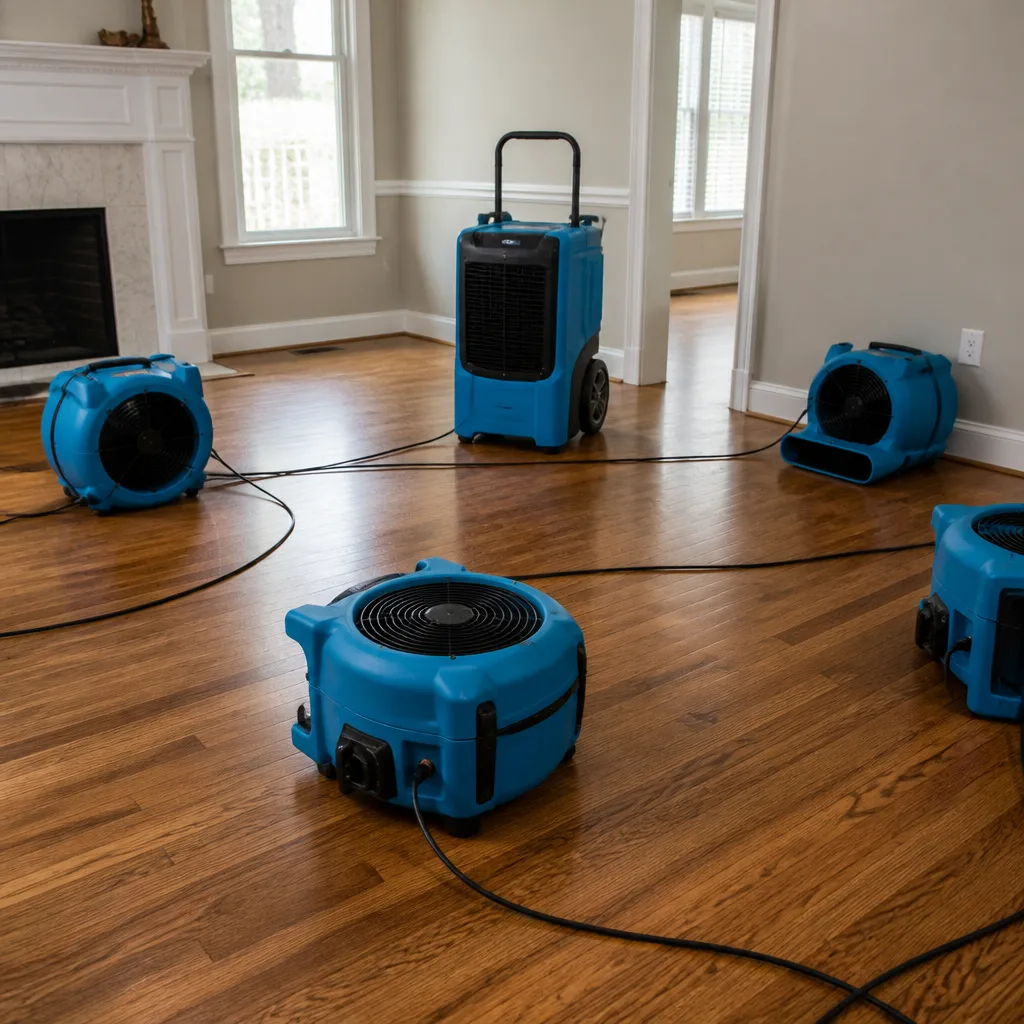



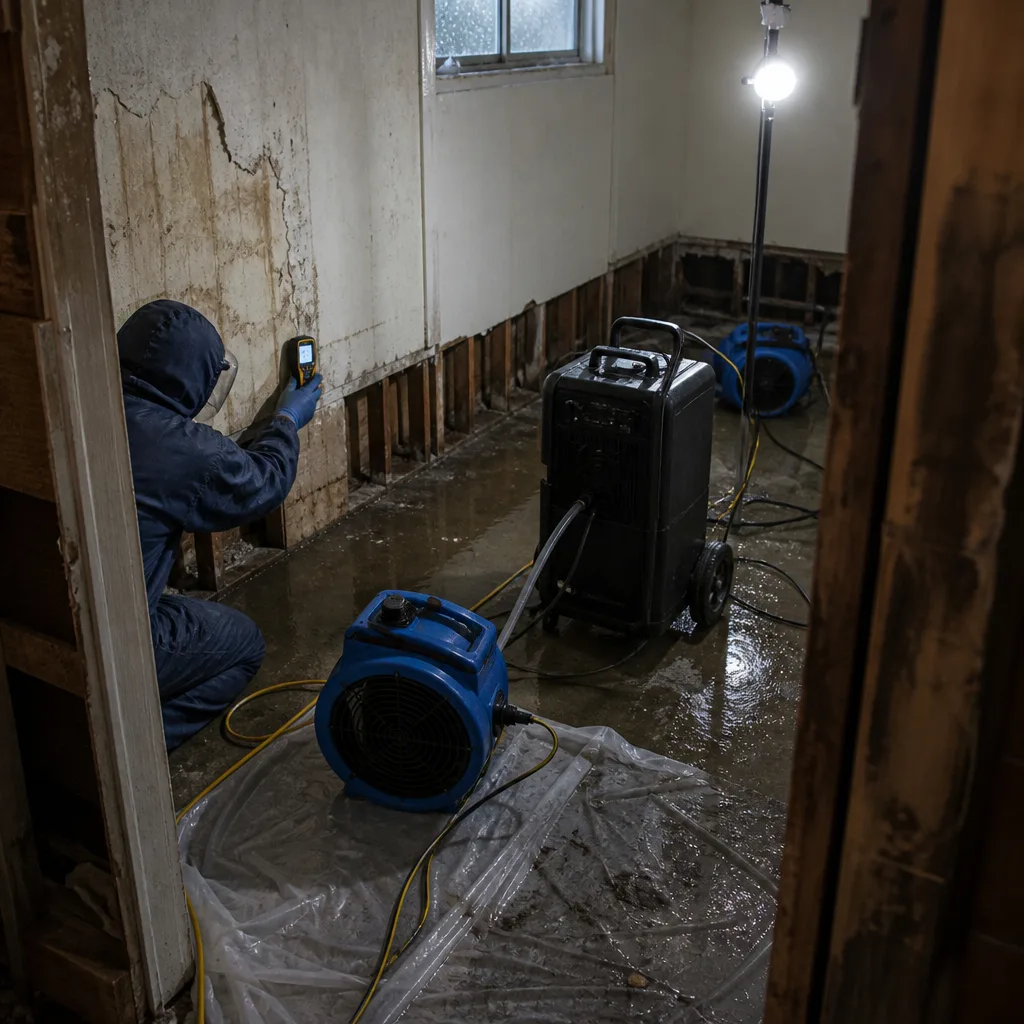 Before
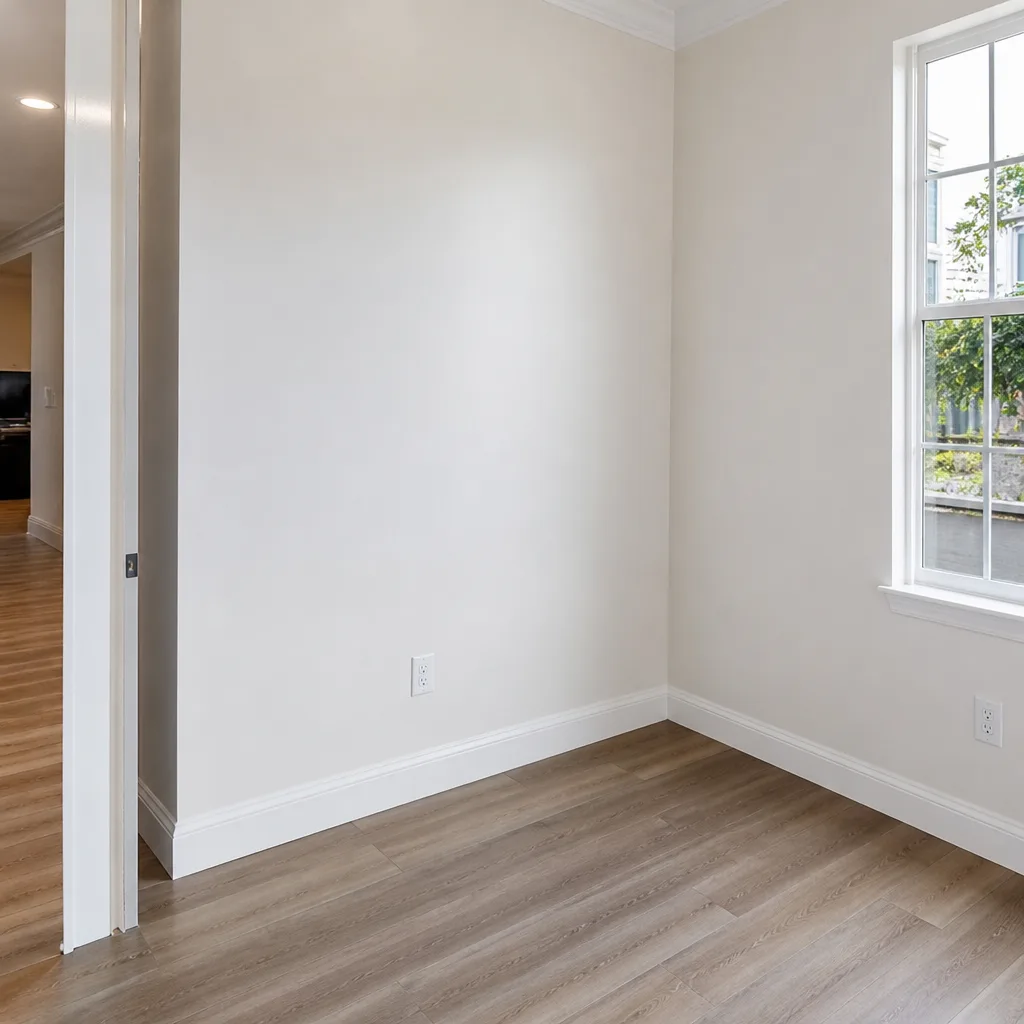 After
After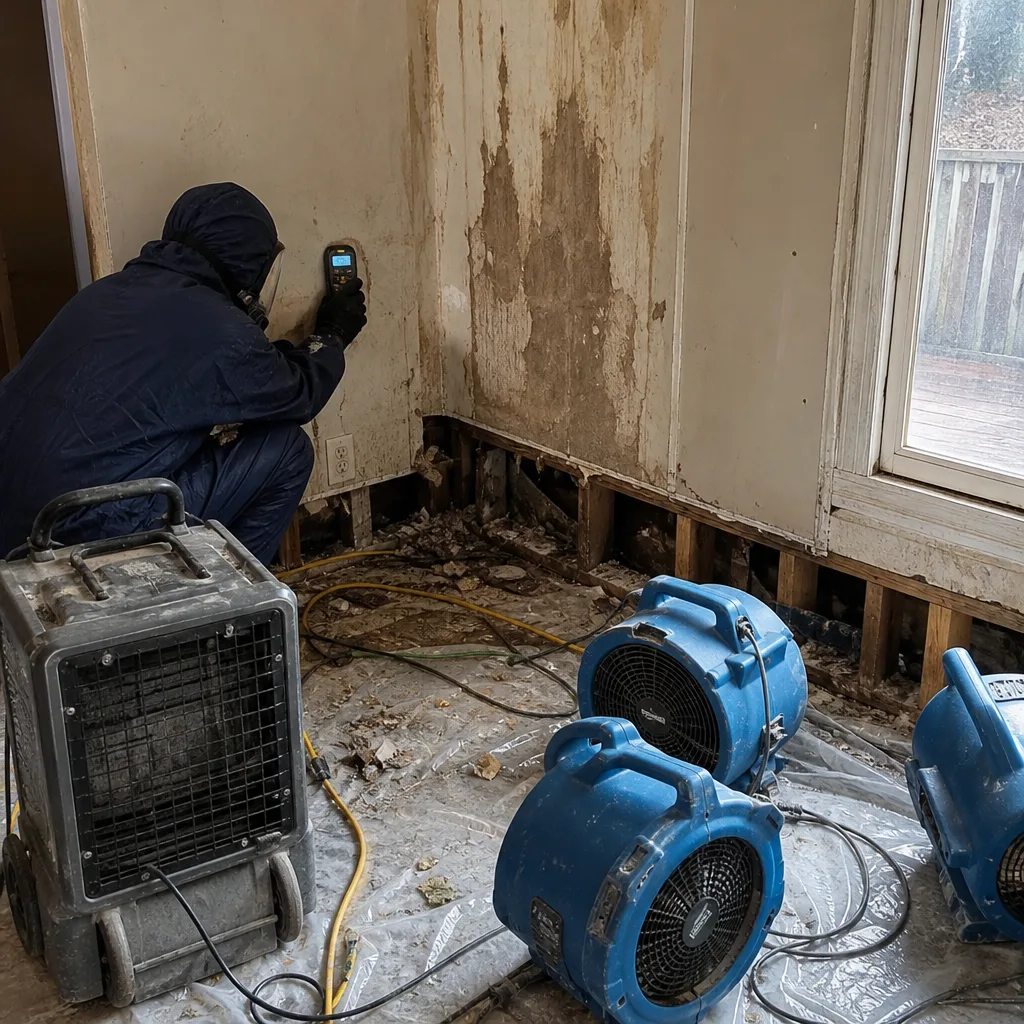 Before
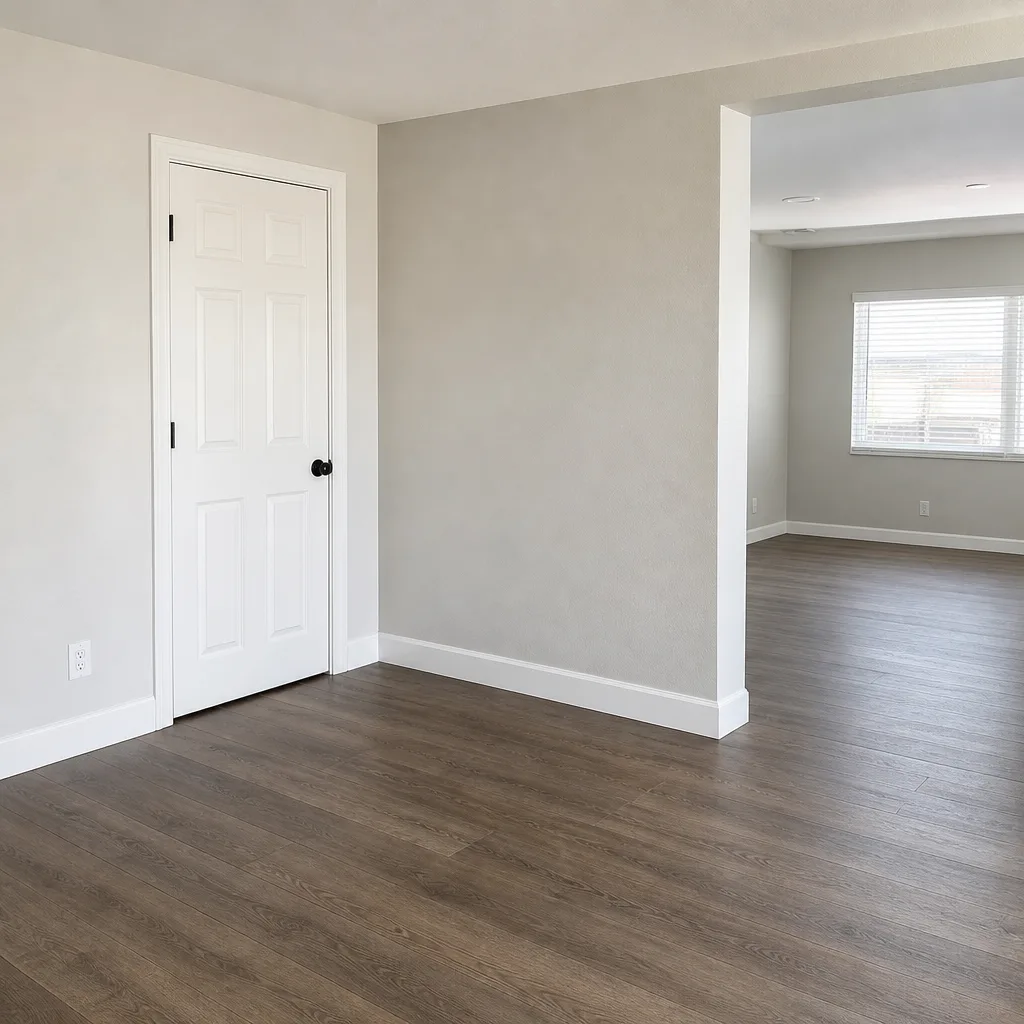 After
After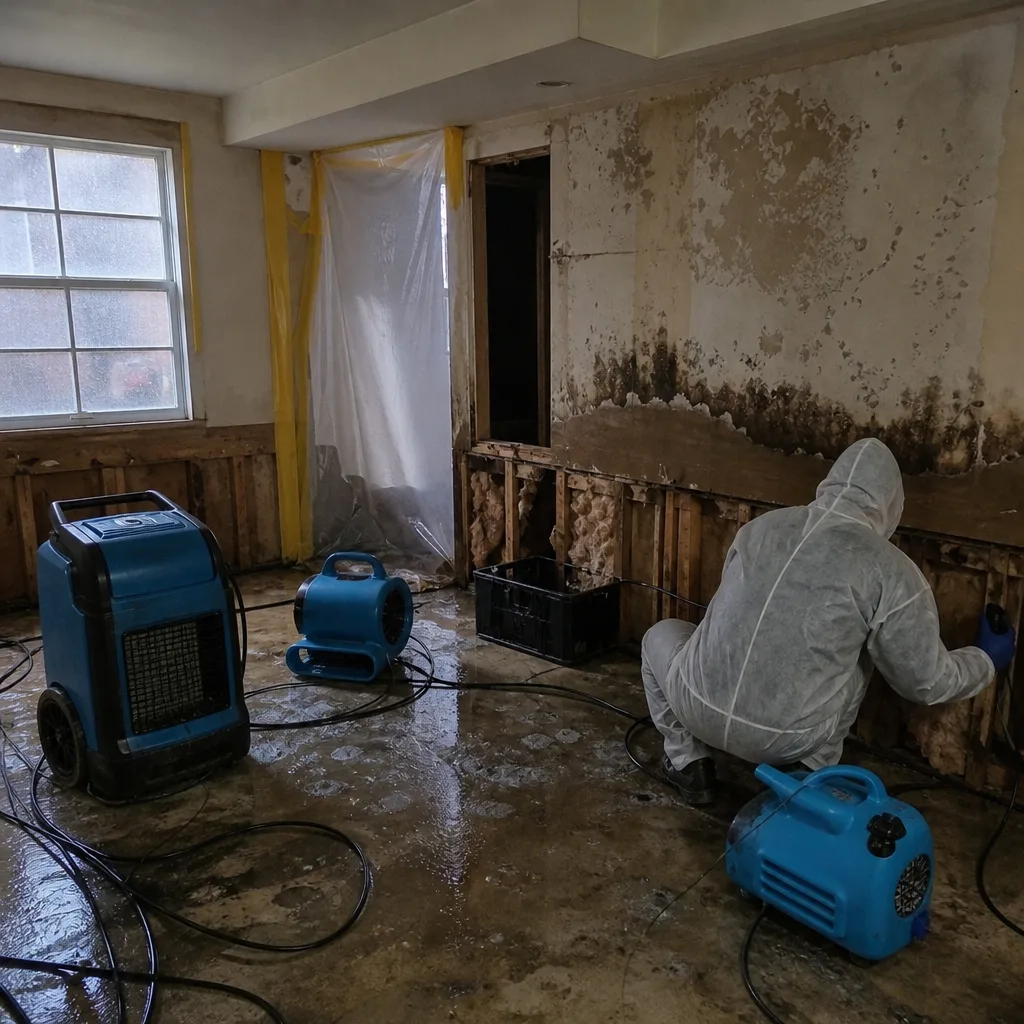 Before
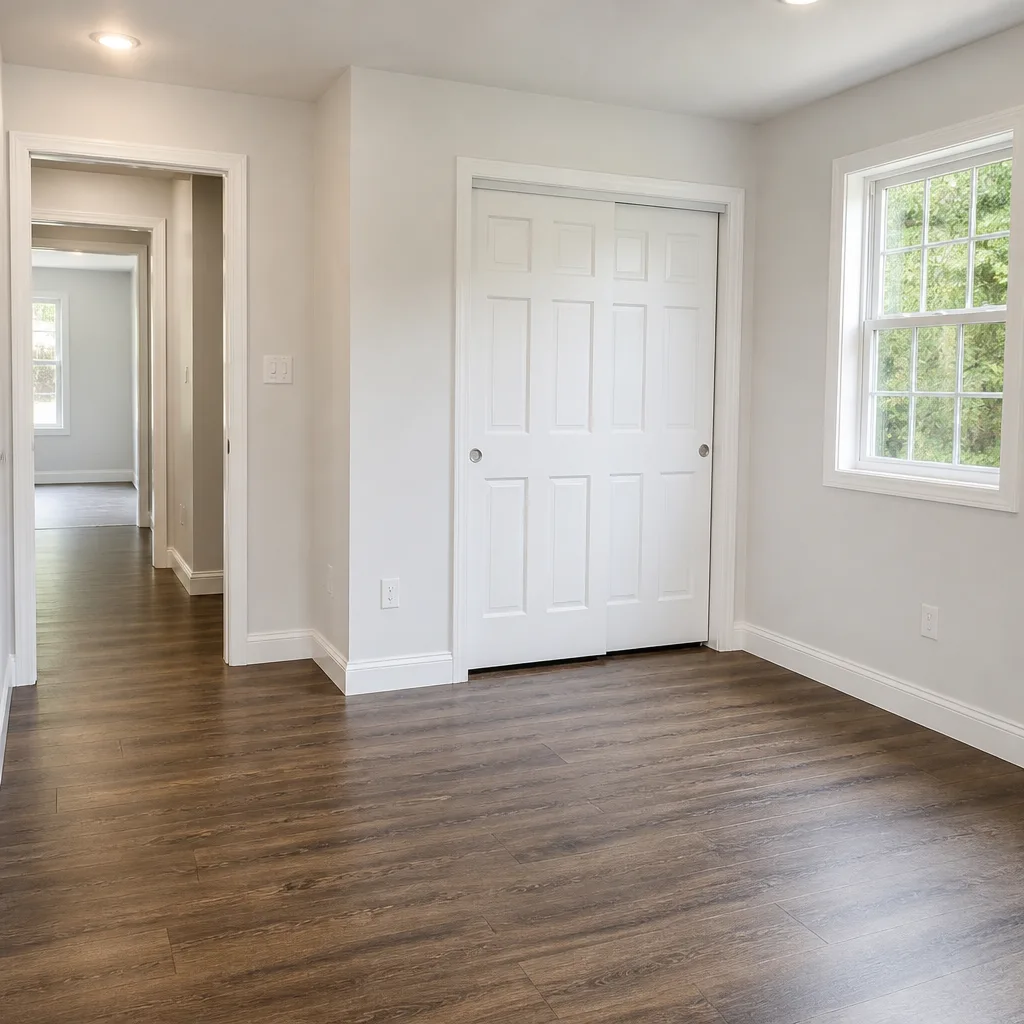 After
AfterSeasonal Damage Restoration Care for Los Angeles: Year-Round Homeowner’s Guide
Los Angeles has two seasons that matter for home water damage: the nine months you forget about your roof, and the three months an atmospheric river reminds you exactly where every deferred repair lives. Most homeowners here think about water damage the wrong way. They wait for a leak to announce itself, usually at 2 a.m. during a storm, and by then the repair bill has doubled. This guide flips that logic. We’ll walk through LA’s actual risk calendar, month by month, so you understand what your home faces during fire season, Santa Ana wind season, and the wet months in between. You’ll learn which inspections matter before the first atmospheric river arrives, how to monitor during active storms, what hidden damage looks like after the rain stops, and how to handle ember intrusion and moisture control during fire season. If you own a home in Los Angeles, this is the maintenance rhythm that keeps water where it belongs: outside.
Quick Answer
Seasonal damage restoration care in Los Angeles means aligning your home maintenance with the city’s actual risk calendar, not the four traditional seasons. For a structured approach, see our Water Damage Repair Maintenance Schedule: What to Do and When. The critical work happens in three windows: October through November (pre-rain inspections), December through March (active storm monitoring), and April through June (post-rain moisture detection), plus a fire-season moisture-control phase from July through September. The most important single task is a pre-rain roof and drainage inspection before the first atmospheric river arrives, because LA’s long dry spells let small problems compound silently for months.
Table of Contents
- Understanding LA’s Actual Risk Calendar
- October – November: The Five Pre-Rain Inspections That Matter
- December – March: Monitoring During Atmospheric River Season
- April – June: Post-Rain Hidden Moisture Detection
- July – September: Fire Season, Santa Ana Winds, and HVAC Moisture Control
- A Month-by-Month Los Angeles Maintenance Calendar
- Common Mistakes to Avoid
- When to Call a Professional
- Frequently Asked Questions
- The Bottom Line
Understanding LA’s Actual Risk Calendar
The “four seasons” model breaks down completely in Los Angeles. Our city experiences a Mediterranean climate with a long dry stretch and a compressed rainy period, but the real risk drivers are three specific phenomena: atmospheric rivers, Santa Ana winds, and wildfire ember intrusion. Each creates a distinct type of damage.
Atmospheric rivers are narrow bands of concentrated moisture that can drop several inches of rain in 24 to 48 hours. They typically arrive between December and March. When they hit, they test roof flashing, window seals, drainage systems, and foundation waterproofing all at once. The damage is fast and visible.
Santa Ana winds, which peak September through November, are dry, warm, and often strong enough to lift shingles, tear loose flashing, and drive debris into gutters. They also pull moisture out of building materials. This has a strange effect: it can temporarily hide water damage by drying surfaces so quickly that you miss the staining underneath. That hidden moisture is exactly what mold needs later.
Fire season, generally July through October, brings ember intrusion. Embers can enter through vents, damaged soffits, or under eaves, and they don’t always start a fire. Sometimes an ember lands in an attic and smolders, leaving charring that later creates a structural weak point and a smoke odor problem. Fire season also puts pressure on your HVAC system, which runs constantly against smoky air and can trap moisture where it shouldn’t be.
In our restoration work across Los Angeles, we consistently see this pattern: homes that follow a seasonally-aware maintenance schedule need less emergency work, and when emergencies do happen, the damage is smaller and cheaper to address. The Wendell Water Damage Restoration home walks through what typical restoration looks like, but your best outcome is prevention before the call ever needs to happen.
October – November: The Five Pre-Rain Inspections That Matter
The weeks before the first serious rain are the highest-leverage maintenance window of the entire year. Think of October and November as your home’s annual physical. Here are the five inspections that should happen before the first atmospheric river arrives.
- Roof and flashing inspection. Walk the roof or, if it’s steep or you’re not comfortable on a ladder, have a professional do it. Look for lifted or missing shingles, cracked or separated flashing around vents and chimneys, and any area where the roof plane changes direction. Los Angeles gets roughly 15 inches of rain annually, but a single atmospheric river can drop three to five inches in a day. That’s when a small flashing gap becomes a ceiling stain.
- Gutter and downspout clearing. Gutters clogged with leaves from the city’s liquidambar and sycamore trees are a top cause of roof edge leaks. Move debris at least four feet away from the foundation. A clogged downspout isn’t just a roof problem; it sends water directly down the wall, and that’s how you get rot in the sheathing.
- Window and door seal check. Run a hand along every window frame and door jamb looking for drafts or daylight. Failing caulking and weatherstripping lets wind-driven rain penetrate. In neighborhoods like Sherman Oaks and Pasadena that get heavy canyon winds before a storm hits, this is more than a comfort issue.
- Drainage and grading check. Walk the perimeter after the first light rain. Water should flow away from the foundation, not pond against it. Los Angeles soils are often high in clay, which expands when wet and can push against foundation walls. A simple swale correction now prevents a much larger problem later.
- Exterior wall and stucco inspection. Look for cracking in stucco, gaps around pipe penetrations, and any visible damage to siding. Stucco cracks wider than a pencil line are a water entry point. Seal them now with a quality exterior caulk. In coastal neighborhoods like Venice and Santa Monica, salt air accelerates wear on sealant joints, so pay extra attention there.
If any of these inspections turns up water staining, soft drywall, or a persistent musty odor, that’s a signal to call a professional before the rain tests your home’s defenses. Our Water Damage Repair in Los Angeles page explains what that looks like when we find it.
December – March: Monitoring During Atmospheric River Season
Rainy season in Los Angeles is compressed and intense. Between December and March, any given storm can drop more water on your roof in 48 hours than the previous nine months combined. The work during this window is monitoring, not major repair. Here’s how to stay ahead of an active storm.
During the storm:
- Walk every room and feel for damp spots on walls and ceilings. Your hands are more sensitive than your eyes, and water that has only just started penetrating drywall often doesn’t show visible staining yet.
- Check skylights, chimneys, and any roof penetration. These are the first places water enters during wind-driven rain.
- Listen for dripping inside wall cavities. A metallic ticking sound often means water is hitting metal flashing or a pipe inside the wall.
- Check the attic if you can access it safely during a storm. Look for any daylight coming through the roof deck and any wet insulation.
Within 24 hours after heavy rain:
- Re-check every room you inspected during the storm. Late-appearing stains are common, especially on stucco walls where water travels slowly through the exterior layer.
- Look at window sills and the floor around exterior doors for water pooling or swollen wood.
- Check the foundation perimeter for standing water. Any puddle that remains after 24 hours of dry weather indicates a drainage problem that needs correcting before the next storm.
- Sniff near baseboards and under sinks. A musty odor that wasn’t there before is an early mold signal, often from moisture trapped in wall cavities.
One thing we hear often from Los Angeles homeowners is that a storm seemed “not that bad” but they found water in a closet days later. Water travels horizontally through wall cavities and along floor joists. The point of entry can be across the room from where it finally shows up. If you find unexplained moisture and can’t locate the source, don’t guess. Our team uses psychrometric drying (tracking the air’s moisture level so we know when your home is truly dry, not just surface-dry) and thermal imaging to locate the actual source. The Water Damage Restoration in Los Angeles page covers what that process looks like step by step.
April – June: Post-Rain Hidden Moisture Detection
The rain stops. The sun returns. And this is when hidden moisture damage becomes visible, because the residual water trapped inside walls and ceilings finally has time to cause staining, warping, and mold growth. The drying cycle creates new evidence that wasn’t visible immediately after the storm.
Here’s what to look for in April, May, and June:
- Yellow or brown staining on ceilings and upper walls. This is dried water that carried minerals from drywall or plaster. Stains often appear weeks after the original leak because the water takes that long to migrate through the material.
- Peeling paint or bubbling wallpaper. This signals moisture was trapped behind the finish layer. It’s common in bathrooms and kitchens where ventilation is poor.
- Warped baseboards or swollen door frames. Wood expands when wet and doesn’t always return to its original dimension. A baseboard that has pulled away from the wall or a door that suddenly sticks is a water indicator.
- Musty or earthy odors in closets, behind furniture, or in utility rooms. Mold growth often begins in the dark, low-airflow areas of a home. By the time you smell it, the colony has been active for weeks.
- Soft spots in drywall. Press gently on walls around windows and exterior corners. Drywall that gives under light pressure has lost structural integrity from water absorption.
What you cannot see is the moisture content inside wall cavities. That’s the dangerous part. A wall can look and feel dry on the surface while the studs and insulation behind it are still wet enough for mold. We use moisture meters and thermal imaging to find these hidden pockets. In Los Angeles homes built with stucco exteriors, this hidden moisture is especially common for one specific reason: stucco is a reservoir cladding. Once water gets behind it, it holds that moisture against the building paper and sheathing for months. Ventilation is minimal. Evaporation is slow. If you had any leaks during the winter, even small ones, April through June is the critical window to verify your walls are truly dry. The Mold Remediation in Los Angeles page explains what happens if that verification gets skipped.
July – September: Fire Season, Santa Ana Winds, and HVAC Moisture Control
Most homeowners don’t connect fire season with water damage, but the connection is real and it runs both ways. Fire season changes how moisture behaves in your home, and wind season creates new ways for water to enter.
Ember intrusion. During active wildfires, wind-blown embers can travel a mile or more from the flame front. They enter homes through attic vents, gable vents, crawl space openings, and any gap in the eaves or soffit. Not every ember starts a fire, but an ember that smolders in an attic leaves charring that can compromise roof sheathing. That compromised sheathing is then a weak point for water during the next rainy season. After any nearby fire, check your attic for signs of ember entry: small char marks, burned insulation, or an unfamiliar smoke smell that doesn’t dissipate.
Santa Ana wind pressure changes. Santa Ana winds create pressure differentials around your home. Wind hitting one side of the house pushes air through every gap in the envelope, while the leeward side pulls air out. This pressure cycling is how wind-driven rain finds its way through nail holes and tiny cracks that would never leak in normal conditions. Each Santa Ana season, check exterior caulking and flashing. It degrades faster in wind-driven environments. The desert air also pulls moisture from wood trim and sealants, causing them to shrink and crack.
HVAC system moisture control. During hot months, your AC pulls moisture out of the air. But if the condensate drain line is clogged or the drip pan is cracked, that moisture ends up where it shouldn’t be. We’ve seen condensate tray overflows in ceilings, under floors, and running down the inside of walls. Many homeowners mistake this for a roof leak. Check your AC drain line at least twice during summer months. If you have a condensate pump, verify it’s running. And if your system runs constantly during fire season with smoky air, change filters more often. A clogged filter makes the system work harder, run longer, and produce more condensate.
This is also the season to address any deferred repairs from winter. Dry wood is easier to replace. Dry stucco is easier to patch. If you noticed any staining in the spring and put off the fix, summer is the window to address it before the next atmospheric river season starts.
A Month-by-Month Los Angeles Maintenance Calendar
This calendar is built around Los Angeles’s actual historical weather patterns, not the generic four-season model. Follow it and you’ll catch problems before they compound.
- January: Continue storm monitoring. Check ceilings after every significant rain event. Clear gutters if debris accumulates. Verify downspouts are directing water away from the foundation.
- February: This is typically the wettest month in Los Angeles. Do a mid-season full inspection. Check attic insulation for moisture. Look for new stains on ceilings and walls. Test the sump pump if you have one.
- March: The tail end of rainy season. Do a post-rain walk around the property. Fix any grading issues that developed during winter storms. Schedule storm damage repairs before the dry season begins.
- April: Start looking for visible evidence of hidden moisture: stains, peeling paint, warped baseboards. This is when slow leaks reveal themselves. If anything looks suspicious, test with a moisture meter.
- May: Address any mold or moisture issues found in April. The dry heat makes this the best time for remediation work. Check exterior caulking and replace anything that cracked during the winter.
- June: Prepare for the hot months. Service the HVAC system. Clean the condensate drain line. Check the drip pan. Verify that attic ventilation is working properly.
- July: Fire season preparation. Check attic vents for proper screening. Clear combustible debris from around the home. Verify that ember-resistant vent covers are in place if you’re in a high-risk zone.
- August: Peak heat month. Watch for signs of condensation on cold water pipes. Check under sinks for slow drips. Running toilets and dripping faucets waste water and can create localized moisture problems.
- September: Santa Ana wind season begins. Inspect roof shingles and flashing after the first strong wind event. Look for any new gaps in the exterior envelope.
- October: The pre-rain inspection window opens. Complete the five inspections listed above. Repair any issues before the first atmospheric river arrives.
- November: Second pass on pre-rain preparation, specifically for gutters and downspouts. After the leaves drop, clear everything one more time. Check window and door seals. Flush the water heater to remove sediment.
- December: The first major storm typically arrives this month or in January. Do a final roof check. Verify that all drainage is clear. Test your home’s ability to shed water during a light rain before the heavy stuff arrives.
Common Mistakes to Avoid
- Believing the “dry climate” myth. Los Angeles homeowners routinely skip roof maintenance because it “never rains here.” Then an atmospheric river drops three inches in a day and a ten-year-old flashing gap turns into a $15,000 ceiling repair. The dry climate is exactly what makes deferred maintenance dangerous. Cracks and gaps get nine months to widen unnoticed before the rain tests them.
- Responding to a leak by putting a bucket under it. A bucket catches visible water, but the water has already traveled through your ceiling cavity and wall before it reaches the bucket. By the time water is dripping, the damage above is extensive. Treat any ceiling leak as a structural issue, not a temporary nuisance.
- Painting over water stains without addressing the source. Water stains bleed through paint within weeks if the underlying moisture issue remains. Even if the original leak is fixed, the stain means the drywall or plaster absorbed water and may need replacement or, at minimum, professional drying.
- Ignoring small mold spots. A two-inch patch of mold on a bathroom ceiling often means a much larger colony inside the wall cavity. Mold grows where the moisture is, and the visible surface growth is typically just the leading edge. In Los Angeles’s mild temperatures, mold can spread fast once it’s established.
- Delaying post-storm inspections. The best time to find storm damage is within 48 hours of the rain stopping. Wait three weeks and the water has already caused secondary damage: warping, mold, or loss of drywall structural integrity. The inspection is cheap. The delay is expensive.
When to Call a Professional
Call a professional when water is entering your home faster than you can manage it, when you see water coming through a ceiling or around a light fixture, when you smell a persistent musty odor in an area where no visible water exists, or when any single room has sustained water damage to more than its flooring. You should also call when you find hidden moisture with a meter and cannot locate the source. If black or dark green mold is visible and covers an area larger than a standard sheet of paper, professional remediation is needed. In any of these situations, the damage won’t stabilize on its own. Wendell Water Damage Restoration offers free estimates in Los Angeles, and we put the price in writing before any work starts. Call (940) 466-4354 and a live person will answer.
Frequently Asked Questions
Water damage restoration in Los Angeles typically runs $1,800 to $5,500 for a standard single-room leak, with full-ceiling replacements on the higher end. The cost varies by square footage affected, the source of the water, and whether structural drying is needed. For an exact quote, call us at (940) 466-4354. Wendell gives you a written price before any work starts, and the number you see is the number you pay.
You should begin drying within 24 to 48 hours of the leak to prevent mold growth and structural damage. Mold can establish itself within 48 to 72 hours in warm, damp Los Angeles conditions. If you can’t start drying immediately, call a professional. Our 24/7 live-answer line means someone picks up the phone when you call, not a voicemail.
Homeowner’s insurance typically covers sudden and accidental water damage, like a burst pipe or storm-driven roof leak, but generally excludes gradual damage from deferred maintenance like a slow leak you’ve ignored for months. Coverage varies by policy. We work with insurance adjusters directly and provide photo documentation to support your claim. Documentation matters more than you think.
Look for these Water Damage Repair Warning Signs Every Homeowner Should Know: musty odors, peeling or bubbling paint, warped baseboards, visible staining on the wall’s exterior surface, and soft spots when you press into drywall. Any of these means water has been absorbed by the material and may still be active behind the surface. A moisture meter reading will confirm it. If you want, we’ll check it as part of a free estimate.
Stop the water at its source if you can do so safely, then move furniture and valuables away from the affected area. Mop up standing water. Then call a professional. Do not use a household fan to dry the area; it just circulates moisture through the rest of your home. Wendell is available 24/7 at (940) 466-4354 and our technicians use professional-grade drying equipment from brands like Dri-Eaz, Phoenix, XPOWER, B-Air, and Injectidry.
Los Angeles has a compressed rainy season where a handful of intense atmospheric river events deliver the year’s total precipitation in a few weeks. That means your home’s drainage and waterproofing get tested rarely but violently. The long dry stretches between storms allow small roof and flashing defects to go unnoticed for months, and stucco’s moisture-holding properties mean hidden water stays trapped longer than in homes built with rain-screen siding. These specific conditions shape our entire restoration approach.
The Bottom Line
Los Angeles weather doesn’t follow the four seasons, and neither should your home maintenance. The real risk calendar runs from pre-rain inspections in October and November, through storm monitoring from December to March, into post-rain hidden moisture detection from April to June, and then fire-season moisture control from July to September. The single most important habit is the pre-rain inspection. Do it every year, before the first atmospheric river, and you’ll stop most water damage before it starts. For more guides & resources, or for the damage that still finds a way in, you want a responder who picks up the phone, shows up on time, and gives you a price in writing. That’s exactly how we operate at Wendell Water Damage Restoration.
If you need help with water damage, mold, or repair work in Los Angeles, call (940) 466-4354 for a free estimate. We’ll show up with a live arrival time you can track, we’ll put the price in writing before any work starts, and we’ll back the repair with our 365-Day Done Right Promise. If it’s not done right, we make it right, and every job includes that guarantee in writing.
Written by Blake Sorensen, Owner at Wendell Water Damage Restoration, serving Los Angeles since 2006.