
Last updated October 9, 2026
Free visual inspection and a written scope of work before any mitigation begins - photos, moisture readings, and drying logs go in your claim file
The scope we write is the scope we bill. Anything new gets shown to you, in writing, before we touch it.



 Before
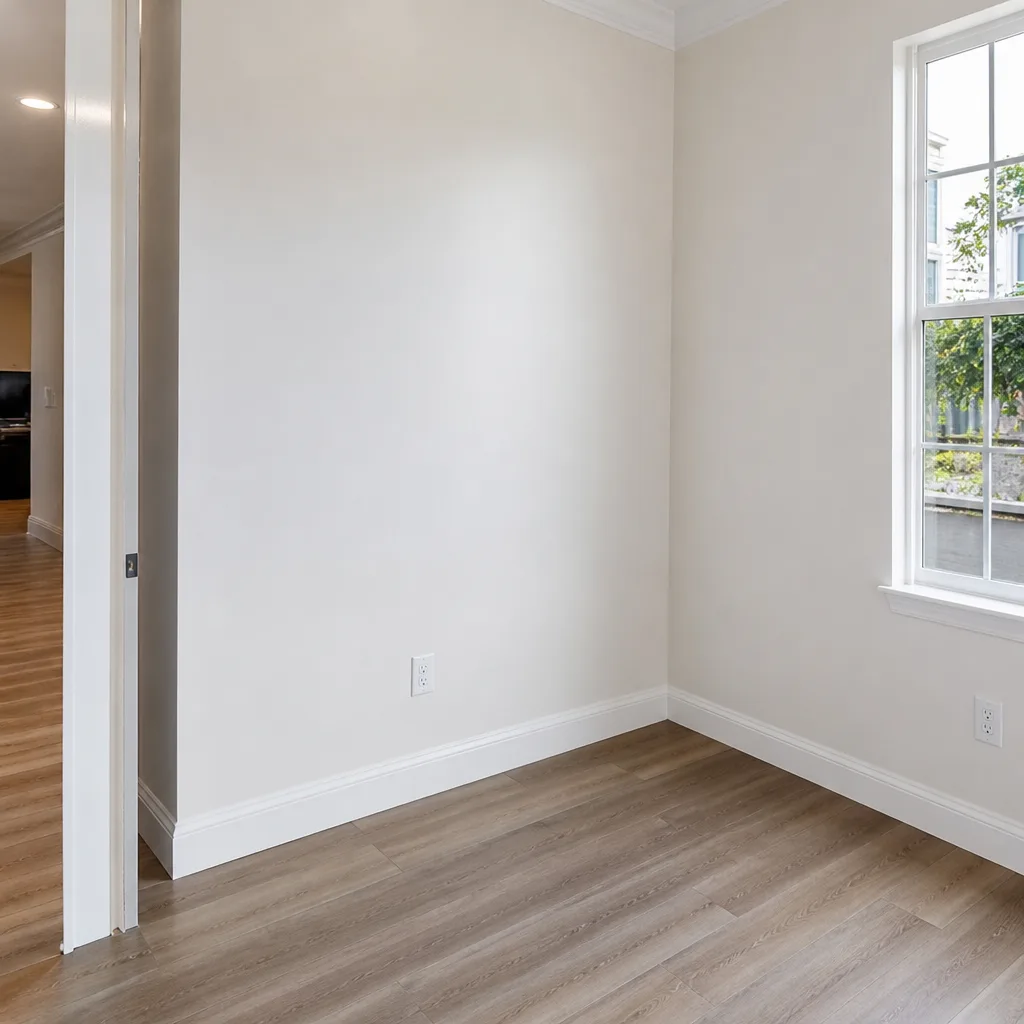 After
After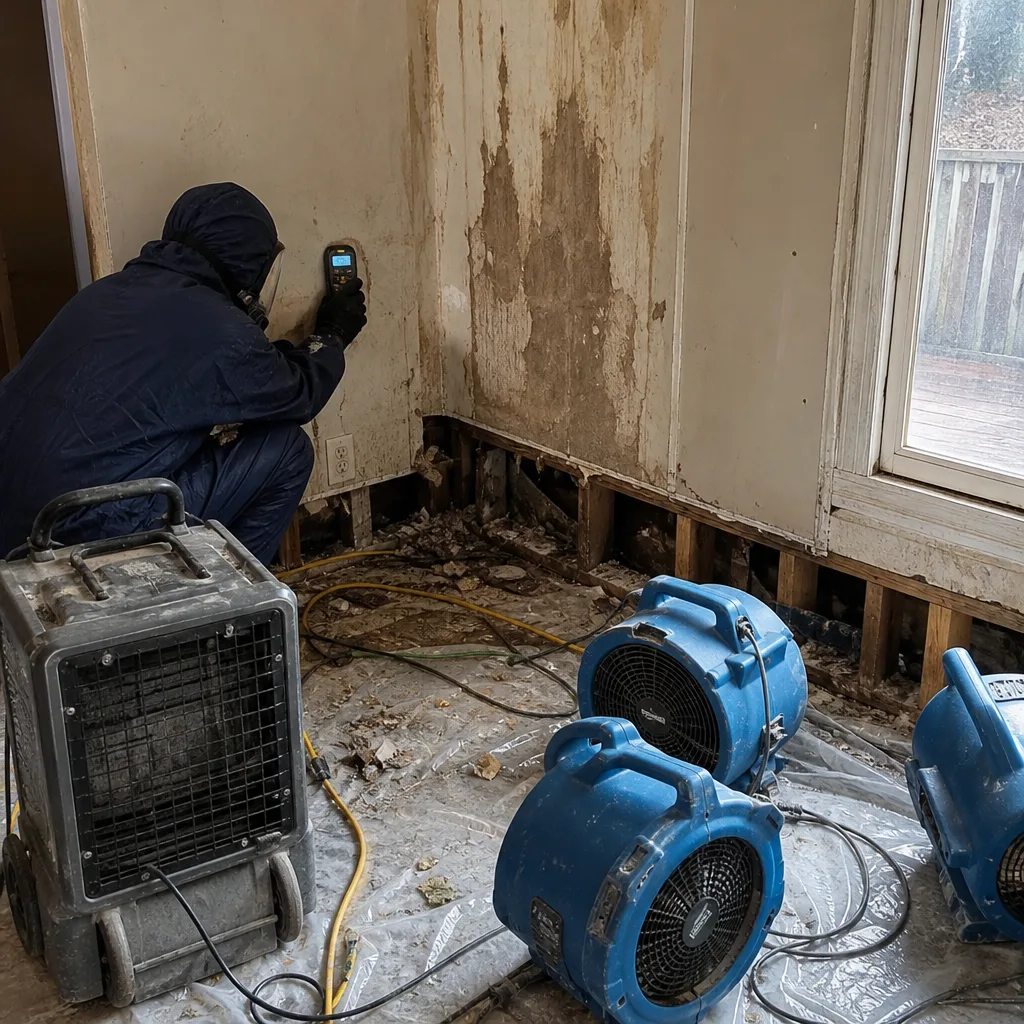 Before
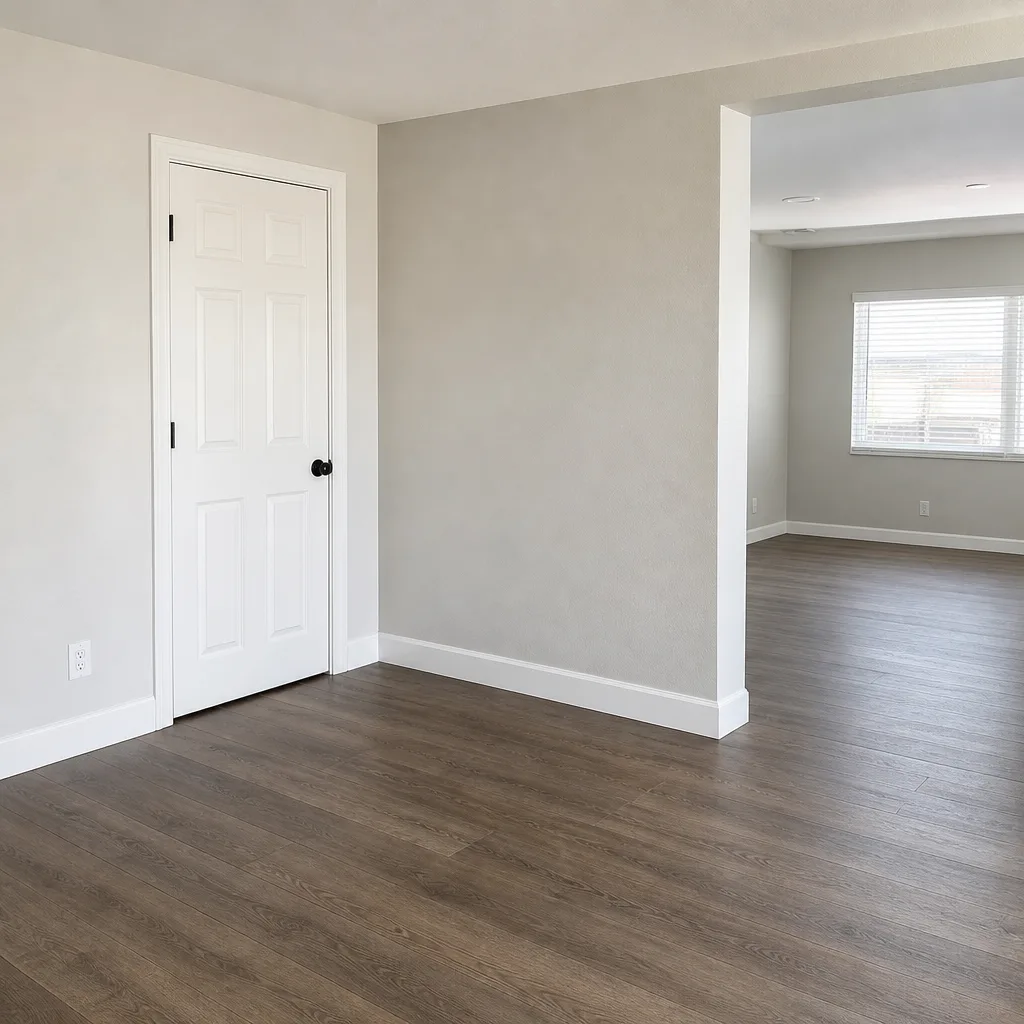 After
After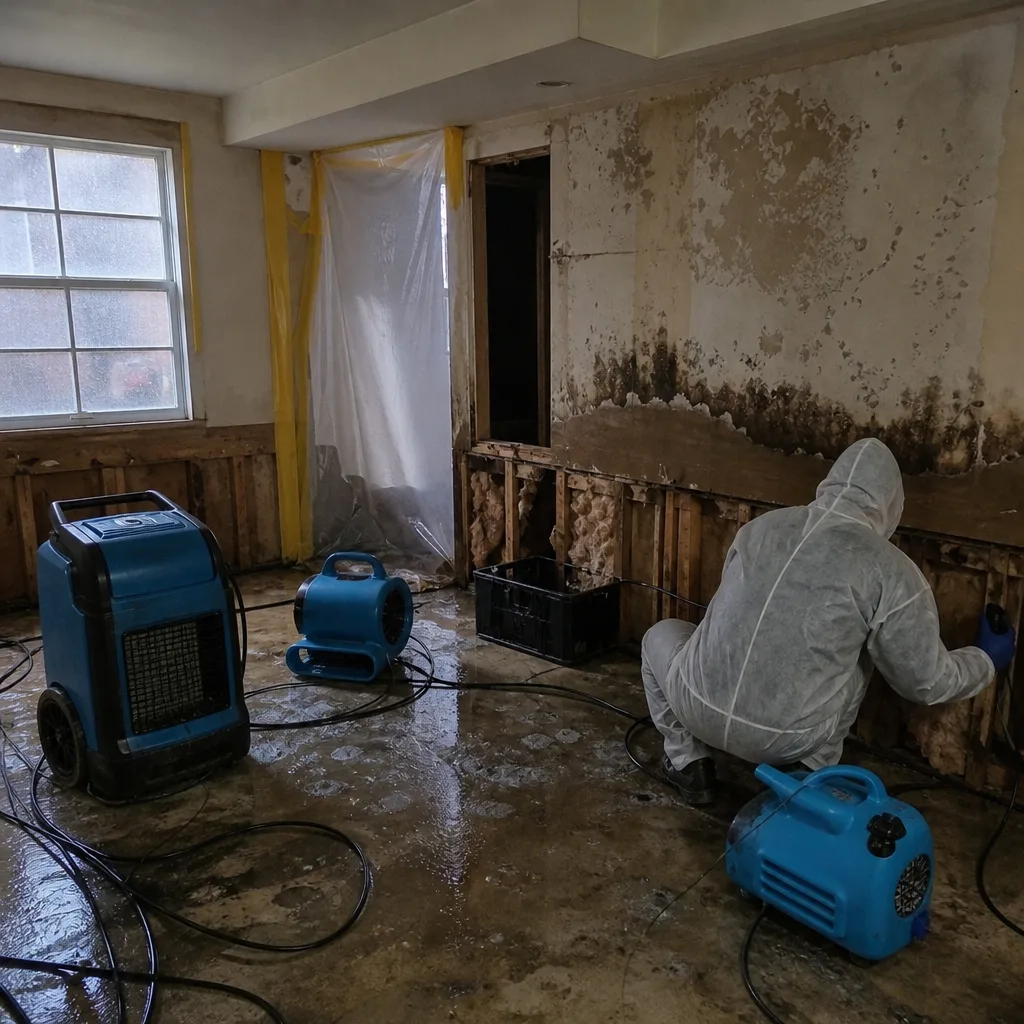 Before
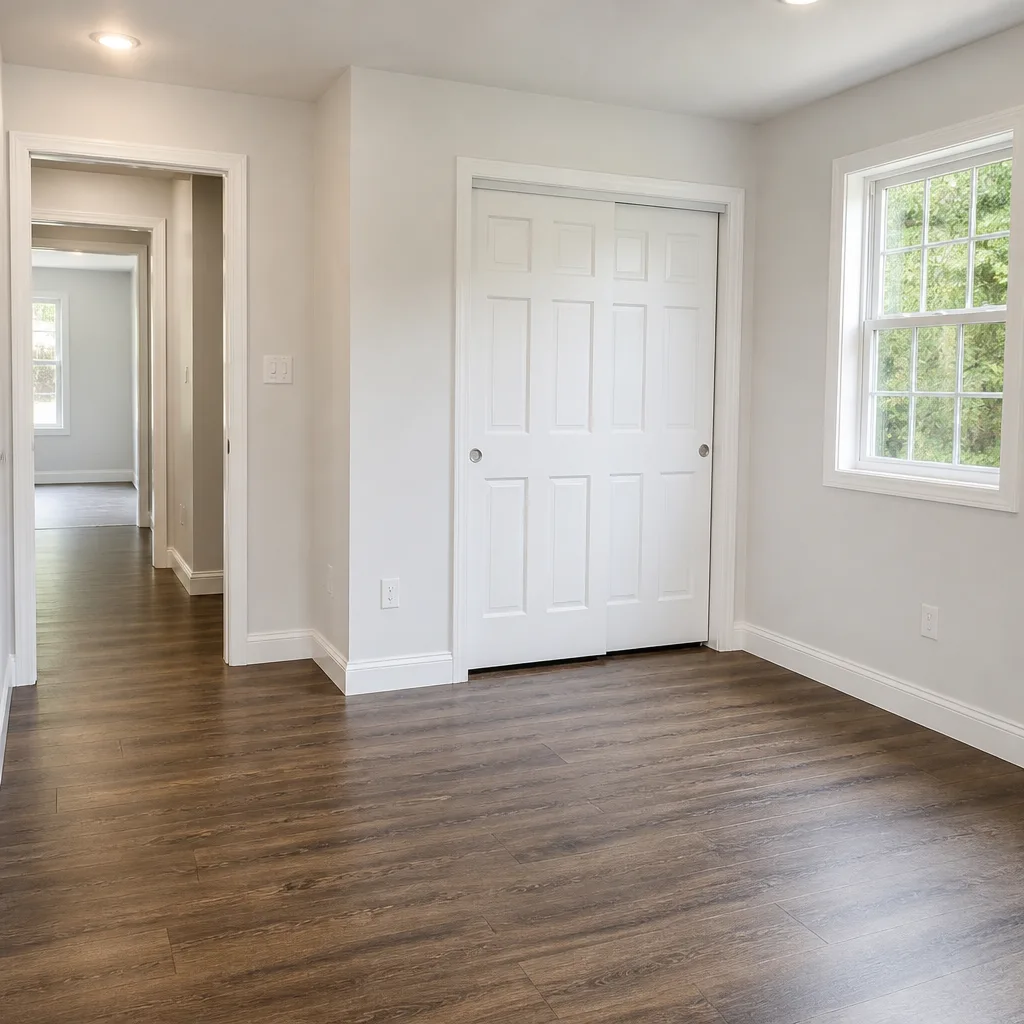 After
AfterWater Damage Repair Maintenance Schedule: What to Do and When
Eighty percent of residential water damage claims are preventable, but “check your plumbing twice a year” is advice so vague it gets ignored. Here’s what “check your plumbing” actually means, room by room, broken into a 20-minute quarterly walk-through that catches the failures Los Angeles homes are statistically most prone to. By the end of this guide, you’ll have a specific, seasonal schedule built for the way LA homes actually age, and you’ll know exactly when a $15 part is about to become a $15,000 repair. For immediate help with active issues, see our Water Damage Repair services.
Quick Answer
A water damage maintenance schedule breaks into four quarterly walk-throughs: October (pre-rain roof and gutter inspection), February (post-rain foundation drainage check), June (AC condensate line flush), and a year-round monthly habit of checking under-sink cabinets, water heater valves, and your water meter. Each walk-through takes roughly 20 minutes, and the entire year costs less than $150 in supplies when you catch problems early. Skip the schedule, and a single failed supply line or slab leak in Los Angeles can cost $8,000 to $25,000 to remediate properly.
Table of Contents
- Why Los Angeles Homes Fail Differently
- The Quarterly Walk-Through Schedule
- October: Pre-Rain Roof and Gutter Inspection
- February: Post-Rain Foundation Drainage Check
- June: AC Condensate Line Flush and Summer Prep
- Monthly: Under-Sink Cabinet Checks
- Slab Leak Indicators Unique to Mid-Century LA Homes
- When DIY Crosses Into Professional Territory
- Common Mistakes to Avoid
- When to Call a Professional
- Frequently Asked Questions
- The Bottom Line
Why Los Angeles Homes Fail Differently
Water damage in Los Angeles does not follow the same script as water damage in Portland or Miami. Our climate is dry for eight months, then gets hammered with focused, intense rain events typically arriving all at once between December and March. Homes here are built for drought, not deluge. That means gutters sized for a decade-old rainfall pattern, foundations resting on expansive clay that shrinks during dry summers and swells when the first atmospheric river hits, and AC condensate lines that run constantly from June through October in neighborhoods like Woodland Hills, Sherman Oaks, and Pasadena. A maintenance schedule written for a generic American home misses all of that.
We’ve walked into hundreds of Los Angeles homes where the failure was predictable down to the month. Supply lines under kitchen sinks corrode faster here because our water is hard, heavy with minerals that eat at brass fittings. Water heaters in detached garages, common in mid-century neighborhoods like Westchester and Granada Hills, get ignored until the tank bottom rusts through. And flat roofs on the hundreds of thousands of post-war builds from the San Fernando Valley to Long Beach pond water in ways a sloped roof never will. A schedule that works for a two-story colonial in Connecticut is nearly useless for a 1958 ranch in Lakewood. This guide is built for the house you actually live in.
The Quarterly Walk-Through Schedule
Here is the entire year at a glance, tied to Los Angeles’s actual climate rather than a generic calendar. Each session takes about 20 minutes and requires nothing more than a flashlight, a paper towel, and your phone camera.
- October (pre-rainy season): Roof flashing, gutters, downspouts, and exterior hose bibs. Do this before the first atmospheric river, which in Los Angeles typically arrives between late November and early January.
- February (post-rain): Foundation perimeter drainage, crawlspace moisture, and exterior wall staining. This catches damage from the rains that already fell before it migrates into living spaces.
- June (pre-summer heat): AC condensate line flush, water heater anode rod inspection, washing machine supply hoses, and under-sink checks timed for the highest-usage season.
- Monthly (year-round): Under-sink cabinet checks, water meter spinning test, and a quick scan of ceilings beneath bathrooms and kitchens. This is the habit layer that catches the other three categories between seasons.
Print this schedule or screenshot it. The single biggest factor in whether a maintenance routine sticks is whether it’s specific enough to act on without thinking. “Check roof in fall” becomes a Saturday project. “Look at the flashing around the chimney and the boots around plumbing vents, then run a hose over the roof for five minutes while someone watches the attic for drips” is a checklist you can actually complete.
October: Pre-Rain Roof and Gutter Inspection
In Los Angeles, the first significant rain usually arrives after six to eight months of zero precipitation. That means roof penetrations have baked in the sun, sealant has cracked, and gutters are loaded with dry debris that will turn to sludge the moment water hits it. This inspection is about drainage, not just leaks. A roof that sheds water properly rarely leaks; a roof that ponds water eventually always does.
What to check in October:
- Gutters and downspouts: Remove debris by hand, not with a pressure washer, which can force water behind fascia boards. Run a hose through each downspout to confirm water exits at least three feet from the foundation. In flat neighborhoods like Van Nuys and Torrance, downspouts that dump water against the slab are the leading cause of foundation moisture we see all winter.
- Roof flashing: Look at the metal flashing around chimneys, skylights, and any roof-to-wall transitions. Sealant should be pliable, not cracked or pulling away. A tube of roofing sealant costs $12. Replacing a water-damaged ceiling joist costs $900 to $1,400. Do the math.
- Plumbing vent boots: The rubber gasket around plumbing vent pipes cracks after five to eight years of LA sun. If yours is brittle to the touch, replace it now. This is a $20 part that takes 20 minutes to swap.
- Hose bibs and exterior shutoffs: Drain and shut off exterior hose bibs before freezing nights arrive, which in Los Angeles means the occasional cold snap in the high-30s through the foothill communities like La Crescenta and Altadena. A frost-burst hose bib drips inside the wall for weeks before anyone notices.
- Attic visual scan: On a bright afternoon, turn off the attic light and look for pinpoints of daylight coming through the roof deck. Every pinhole is a future water stain. Mark them, then seal from above with roofing cement or call a roofer.
This is also the time to take photos of your current roof condition. When the first winter storm hits and a leak appears, before-photos are gold when dealing with insurance, and they cost you nothing but five minutes in October.
February: Post-Rain Foundation Drainage Check
By February, Los Angeles has usually received the bulk of its seasonal rainfall. The question is not whether water got under your home, but whether it’s moving out or settling in. Expansive clay soil, common across Los Angeles from Mid-City to the eastern San Gabriel Valley, swells when wet. That swelling pushes against foundation walls and slabs. The damage from a winter of rain often does not show itself until spring, when the soil dries, shrinks, and the foundation settles unevenly.
What to check in February:
- Foundation perimeter: Walk the entire exterior footprint after three dry days. Look for dark staining that stays dark, efflorescence (white mineral deposits on concrete), or earth that stays spongy. Those indicate water pooling against the foundation rather than draining away.
- Grading: The ground should slope away from the house at least six inches over the first ten feet. In flat-lot developments common in the South Bay and West LA, decades of landscaping have often reversed this slope. Regrading is a $1,500 to $4,000 fix; a foundation repair starts well above that.
- Crawlspace moisture: If you have a raised foundation, which many pre-1950 Los Angeles homes do, go under the house with a flashlight after a rain. Look for standing water, mud that never dries, or a musty smell that persists. Wet crawlspaces feed mold and rot, and in Los Angeles, they also attract termites, which thrive in the same conditions.
- Exterior wall staining: Water stains that appeared during winter rains and have not faded by February are active leaks, not old marks. Photograph them, note the interior wall corresponding to each stain, and monitor.
- Window and door operation: Doors that stick or windows that bind in February, when humidity is highest, can signal foundation movement from soil expansion. Track these weekly; if they worsen into spring, get a foundation inspection.
We see more crawlspace mold colonies discovered in February and March than any other time of year in Los Angeles. The damage happened in December and January; the discovery happens when the weather warms and the smell rises into the house. February is your chance to find it before it becomes a mold remediation project.
June: AC Condensate Line Flush and Summer Prep
Los Angeles air conditioners run hard from June through October, and every hour they run, they pull moisture out of the air. That water has to go somewhere. The condensate drain line is a 3/4-inch PVC pipe that runs from your indoor air handler to the outside or into a drain. When it clogs, which happens routinely in dry, dusty Los Angeles air, water backs up and spills into the closet, attic, or ceiling cavity where the unit lives. In our experience, AC condensate overflows are the most preventable water damage we get called for all summer.
What to do in June:
- Locate the condensate line: It’s the white PVC pipe exiting your indoor unit, often in a hallway closet, attic, or garage. Follow it to the outside termination point, typically near a bathroom vent or garage wall.
- Flush the line: Pour one cup of white vinegar into the line’s access point (a T-fitting with a cap) and let it sit for 30 minutes, then flush with warm water. Vinegar dissolves the algae and mineral scale that builds up in Los Angeles’s hard water. Do this every June, or pay $175 to $350 for a professional flush and clear when it clogs mid-August.
- Check the drip pan: Under the indoor unit is a shallow metal or plastic pan. It should be dry and rust-free. If it has water, the line is already partially clogged or the pan’s own drain is blocked.
- Test overflow shutoff: Many LA homes have a float switch in the drip pan that shuts the AC off if it overflows. Lift the float by hand; the unit should shut off. If it does not, the switch has failed, which means your insurance against an overflow spill is gone.
- Inspect the water heater: While you’re at it, check the anode rod inside your water heater. In Los Angeles’s hard water, anode rods degrade in three to five years, not the seven to ten the manufacturer suggests for soft-water regions. A spent anode means the tank itself starts corroding, and a ruptured 40-gallon water heater in the garage of an Encino or Northridge home releases water that finds its way into the house through wall penetrations. Checking the rod takes ten minutes and a $20 socket wrench. A pro inspection runs $100 to $150. A burst tank costs $2,500 to $6,000 in cleanup and replacement.
- Replace washing machine hoses: Rubber supply hoses fail catastrophically, not gradually. If yours are older than five years, swap them for braided stainless steel at $18 to $35 per pair. Washing machine supply failures are one of the top three sources of water damage we handle each year, and the fix is embarrassingly cheap. Do it in June, before summer travel means nobody’s home to catch a burst.
Monthly: Under-Sink Cabinet Checks
This is the habit that catches the failures that never announce themselves. Under every sink in your home, inside the cabinet, are supply lines, shutoff valves, and drain fittings. Most of them will fail quietly, drip by drip, for months before the cabinet floor rots through and water reaches the rooms below. The fix at the drip stage is a $15 supply line and a wrench. The fix at the rot stage is a $1,200 to $3,000 cabinet removal and floor repair, plus whatever the water damaged on its way down.
Here is exactly what to look for, not “check for leaks” but the specific things our technicians check on every water damage repair call in Los Angeles:
- Press the cabinet floor for softness: MDF and particleboard lose structural integrity when wet. Press your thumb firmly into the shelf and floor. If there is give, water has been present. A healthy cabinet floor is rigid.
- Look for white mineral deposits at supply line fittings: Hard water leaves calcium and mineral residue where even microscopic drips occur. A chalky ring around a compression nut is a drip in slow motion. Tighten the fitting one-quarter turn with a wrench, or replace the line.
- Smell the cabinet with the door closed for 60 seconds: Close the cabinet door. Wait one minute. Open it and smell. Mildew smell in an enclosed space means moisture has been present long enough for microbial growth to start, even if you cannot see it. That’s not a cleaning issue; that’s a moisture issue that has not been solved.
- Feel the shutoff valves: Every supply line has a shutoff valve where it connects to the wall. Turn each valve one-eighth turn and back. If it is crusted, frozen, or drips when touched, replace it. A working shutoff valve is the difference between a $20 DIY fix and an hour of water pouring into your kitchen while you wait for the city to shut off the main.
- Run the drain, then check beneath: With the water running, reach under the sink while the drain is actively draining. Feel for any moisture at the slip-joint nuts on the P-trap. These are hand-tightened fittings that loosen over time, especially on garbage disposal connections that vibrate with every use.
If you find any of these signs, do not wait. Los Angeles’s climate means a small drip can run for months unnoticed, but it can also become a flood in minutes when a corroded fitting finally gives way.
Slab Leak Indicators Unique to Mid-Century LA Homes
Los Angeles has one of the highest concentrations of slab-on-grade foundations in the country, a construction method used heavily from the 1940s through the 1970s. In a slab home, the plumbing supply lines run through or under the concrete slab itself. When those copper or galvanized pipes fail, which they do with regularity after 40 to 60 years in Southern California’s mineral-heavy water, the leak is invisible until it has already done substantial damage.
We have walked into hundreds of Los Angeles slab leak emergencies, from Westchester to Sherman Oaks to Lakewood, and the warning signs are remarkably consistent. Here is what to look for monthly, especially if your home was built before 1980:
- Unexplained hot spots on tile floors: A warm spot on a tile floor in the kitchen, bathroom, or hallway, far from any heating vent, is often hot water escaping from a supply line under the slab. Run your hand slowly over tile floors in the morning when the house is cool. Temperature differences are easiest to feel then.
- Water meter spinning with all fixtures off: This is the single most reliable test. Turn off every faucet, ice maker, toilet, and appliance. Go to the water meter at the street, lift the lid, and watch the small triangle or dial indicator. If it moves at all, water is flowing somewhere. Count the revolutions over one minute to estimate flow rate, then start isolating: shut off the main house valve; if the meter stops, the leak is inside the house, not at the service line.
- Foundation edge dampness after dry weeks: In Los Angeles’s summer, the ground around your foundation should be bone dry. If you see a wet or dark patch along the foundation edge, or worse, water seeping up through a concrete crack, with no recent rain or irrigation nearby, it is very likely a slab leak. This is the same symptom category we see in the post-rain foundation check, but in summer it is far more specific: no rain means the water is coming from inside.
- Water pressure that drops in one room only: A slab leak does not usually kill pressure to the whole house; it bleeds pressure from the line feeding one bathroom or kitchen. If one faucet consistently delivers less pressure than every other, and the aerator is clean, suspect the supply line under that room.
- Cracking or heaving in specific floor areas: Persistent water under a slab creates soil expansion that lifts and cracks concrete. A new hairline crack in a tile floor, especially in a line running toward a bathroom or kitchen, can be the first visible sign.
None of these signs individually is proof of a slab leak, but any two together in a pre-1980 Los Angeles home should trigger a professional pressure test. Electrical panel and gas meter work are not the only places where guessing wrong is dangerous; a slab leak left alone for six months can compromise the structural integrity of the floor itself.
When DIY Crosses Into Professional Territory
There is a clean line between maintenance you can do yourself and situations that need professional equipment and training. Crossing that line in the wrong direction is how a $300 maintenance item becomes a $15,000 remediation. Here is the distinction we have learned from nearly two decades of water damage restoration in Los Angeles.
DIY-safe maintenance (the schedule above): Flushing a condensate line, checking an anode rod, replacing a supply line, cleaning gutters, pressing a cabinet floor, reading a water meter. These are all low-risk, low-consequence tasks. The worst outcome is a wet shirt and a trip to the hardware store.
Professional territory: A pressure test on supply lines to confirm or rule out a slab leak costs $250 to $500 in Los Angeles and gives you a definitive answer without cutting concrete. A missed slab leak, by contrast, costs $8,000 to $25,000 in slab access, pipe repair, concrete restoration, and interior water damage remediation, plus whatever your insurance deductible is, typically $1,000 to $5,000 on Los Angeles homeowners policies. When the stakes are that asymmetric, the pressure test is not an expense; it is the cheapest insurance policy you will ever buy.
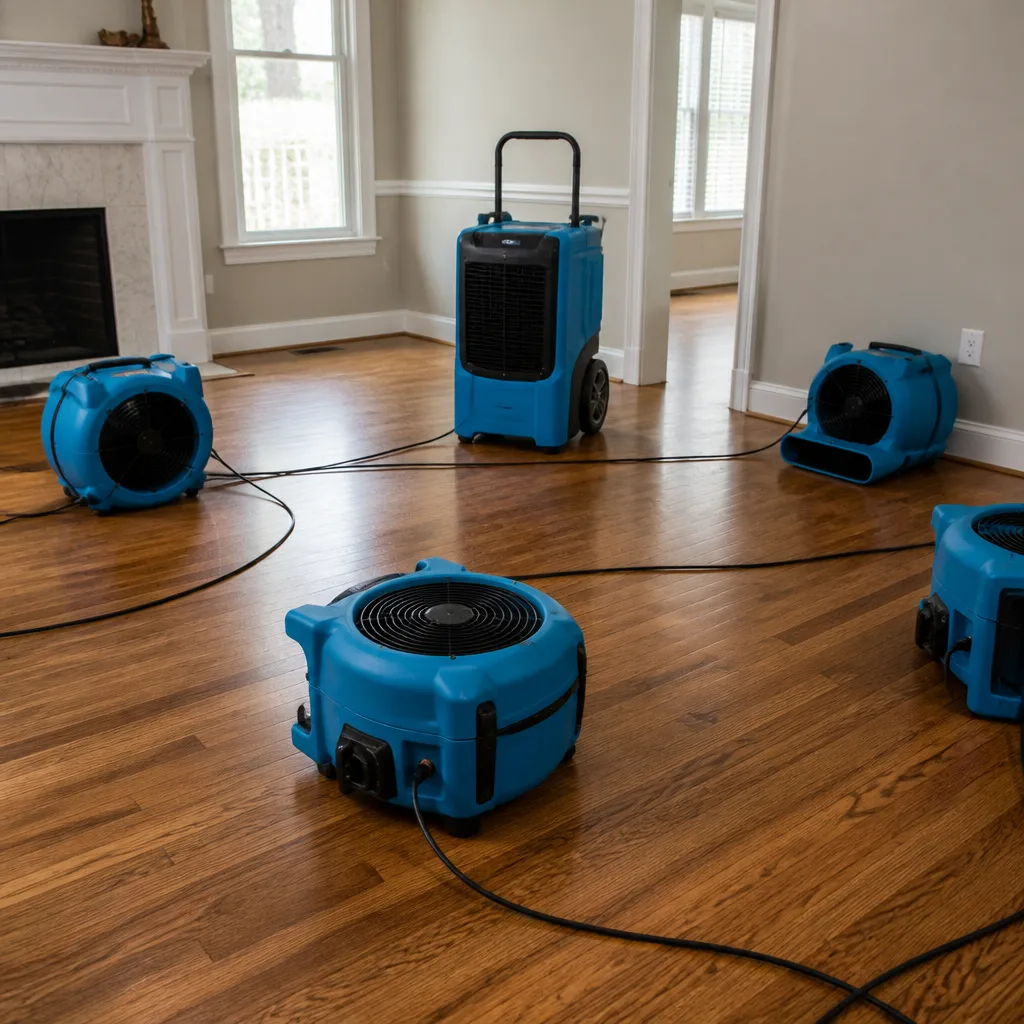
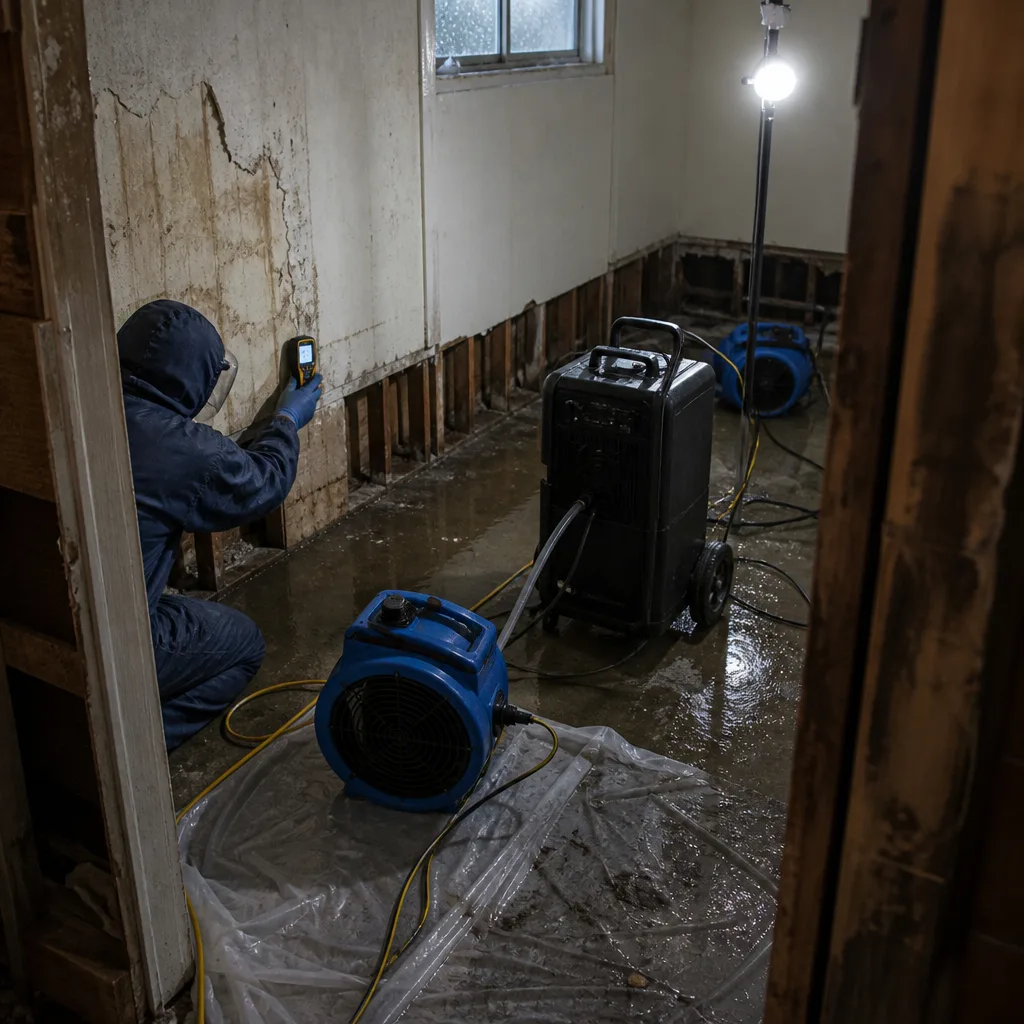
Signs you have crossed the line: Water has been present for more than 48 hours, water has touched drywall or insulation, you smell mildew that persists after drying, you see visible mold growth larger than about ten square inches, water is coming from a supply line that will not shut off, or water has reached flooring or wall cavities you cannot access. At that point, you need professional-grade drying equipment, the kind we deploy from Dri-Eaz and Phoenix, running under psychrometric drying protocol (tracking air moisture levels to confirm the structure is truly dry, not just dry to the touch).
Wendell Water Damage Restoration offers free annual maintenance inspections in the Los Angeles area. The inspection is a transparency exercise, not a sales visit. Our technicians walk your home, check the high-failure points on this schedule, document findings with photos, and give you a written report of what needs attention now, what can wait, and what it should cost. You get a price check from a professional, not a high-pressure estimate. We would rather catch a $40 supply line today than dry out your kitchen next January.
Common Mistakes to Avoid
- Assuming a drip is small enough to ignore. A supply line that drips once per second releases about five gallons per day. Over a month, that is 150 gallons, and it is not landing in a bucket; it is soaking into the cabinet, the subfloor, and whatever is below. In Los Angeles’s dry air, it may not even show as a stain before the damage is done.
- Painting over water stains without fixing the source. A water stain on a Los Angeles ceiling in June is not a memory of winter rain; it is a signal that something above is leaking. Paint covers the evidence; it does not stop the leak. The stain will return, along with the mold that has been growing behind it while you were not looking.
- Trying to dry flooded carpet without removing it. Once water reaches carpet pad, no amount of fans and open windows will fully dry it. The trapped moisture feeds mold growth within 48 to 72 hours, and a $400 carpet cleaning becomes a full replacement and subfloor repair.
- Skipping the monthly meter test because it seems obsessive. The water meter spinning test takes 90 seconds. It is the single highest-information maintenance action on this entire schedule. A spinning meter with all fixtures off is an early warning system that catches slow leaks weeks or months before they would otherwise be visible.
- Using a pressure washer to clean gutters. Pressure washers blast water behind fascia boards and soffits, creating the exact conditions your gutter system exists to prevent. Hand removal plus a hose flush works, and it costs nothing.
- Assuming a home warranty covers water damage. Most home warranties cover the failed appliance or fixture, not the water damage it caused. The $600 washing machine replacement is covered; the $4,000 floor, drywall, and mold remediation is on you. Know your actual coverage before you need it.
- Deferring the October roof inspection because “it does not rain much in LA.” It does not rain often, and that is precisely why Los Angeles roofs fail. Long dry stretches mean sealant cracks before rain arrives, and when rain arrives, it arrives all at once. The October inspection is not about annual maintenance; it is about surviving December and January.
When to Call a Professional
Call a restoration company the moment water has been present for more than 48 hours, has touched drywall, insulation, or flooring, or is coming from a source you cannot shut off. For step-by-step help before we arrive, see our Water Damage Repair Troubleshooting: Common Problems and How to Fix Them. Also call immediately if you smell mildew that persists after drying, see visible mold growth beyond a small patch, or discover a slab leak indicator like a spinning water meter and a hot spot on the floor. These situations require professional-grade drying and antimicrobial treatment, not a shop vac and a sunny afternoon. Wendell Water Damage Restoration offers free estimates in Los Angeles, call (940) 466-4354. A live person answers, 24/7, and you’ll get a written price before any work starts.
Frequently Asked Questions
Monthly under-sink checks plus four seasonal walk-throughs (October, February, June, and a light inspection any other month) is the minimum effective schedule. The monthly check catches supply line and drain failures as they develop; the seasonal checks catch roof, foundation, and condensate issues tied to Los Angeles’s specific climate pattern.
The first signs are usually unexplained warm spots on tile floors, a water meter that spins with all fixtures off, and foundation edge dampness during dry weeks. Any two of these together in a pre-1980 Los Angeles home warrants a professional pressure test, which costs $250 to $500 and is definitive.
Most policies cover sudden and accidental water damage, like a burst supply line, but deny claims where damage resulted from long-term neglect, like a slow drip that was never addressed. Even covered claims come with a deductible, typically $1,000 to $5,000 in Los Angeles, and a rate increase that follows you for years. Maintenance is cheaper than either.
A slab leak repair typically runs $8,000 to $25,000 all-in, including slab access, pipe repair, concrete restoration, and interior remediation, assuming the leak is caught before it causes structural damage. A pressure test that confirms or rules out a slab leak costs $250 to $500. In Los Angeles’s expansive clay soil, leaks left untreated also cause foundation movement that adds thousands more.
No. Once water reaches carpet pad, the trapped moisture will not fully dry without professional extraction and dehumidification. Mold growth begins within 48 to 72 hours in Los Angeles’s warm conditions, even if the surface feels dry. Professional drying with equipment like Dri-Eaz and XPOWER units under psychrometric monitoring is the only reliable approach.
No. Wendell offers free annual maintenance inspections in the Los Angeles area, including a written report of findings with photos and specific recommendations, not a sales pitch. Call (940) 466-4354 to schedule one. You’ll get a written price for anything that needs attention before any work starts.
The Bottom Line
The water damage that derails Los Angeles homeowners is almost never sudden. It is a supply line that dripped for months, a condensate line that clogged in June and overflowed in August, a roof flashing that cracked in October and leaked in January. The maintenance schedule in this guide exists because 80 percent of these failures are preventable with about 80 minutes per year of specific, targeted attention. Run the quarterly walk-throughs, keep the monthly habit, know the slab leak indicators unique to LA’s mid-century housing stock, and call a professional the moment you are out of DIY territory. Explore our more guides & resources for year-round home protection. A $15 supply line and ten minutes of attention is a bargain compared to the alternative.
Written by Blake Sorensen, Owner at Wendell Water Damage Restoration, serving Los Angeles since 2006.