
Last updated October 9, 2026
Free visual inspection and a written scope of work before any mitigation begins - photos, moisture readings, and drying logs go in your claim file
The scope we write is the scope we bill. Anything new gets shown to you, in writing, before we touch it.
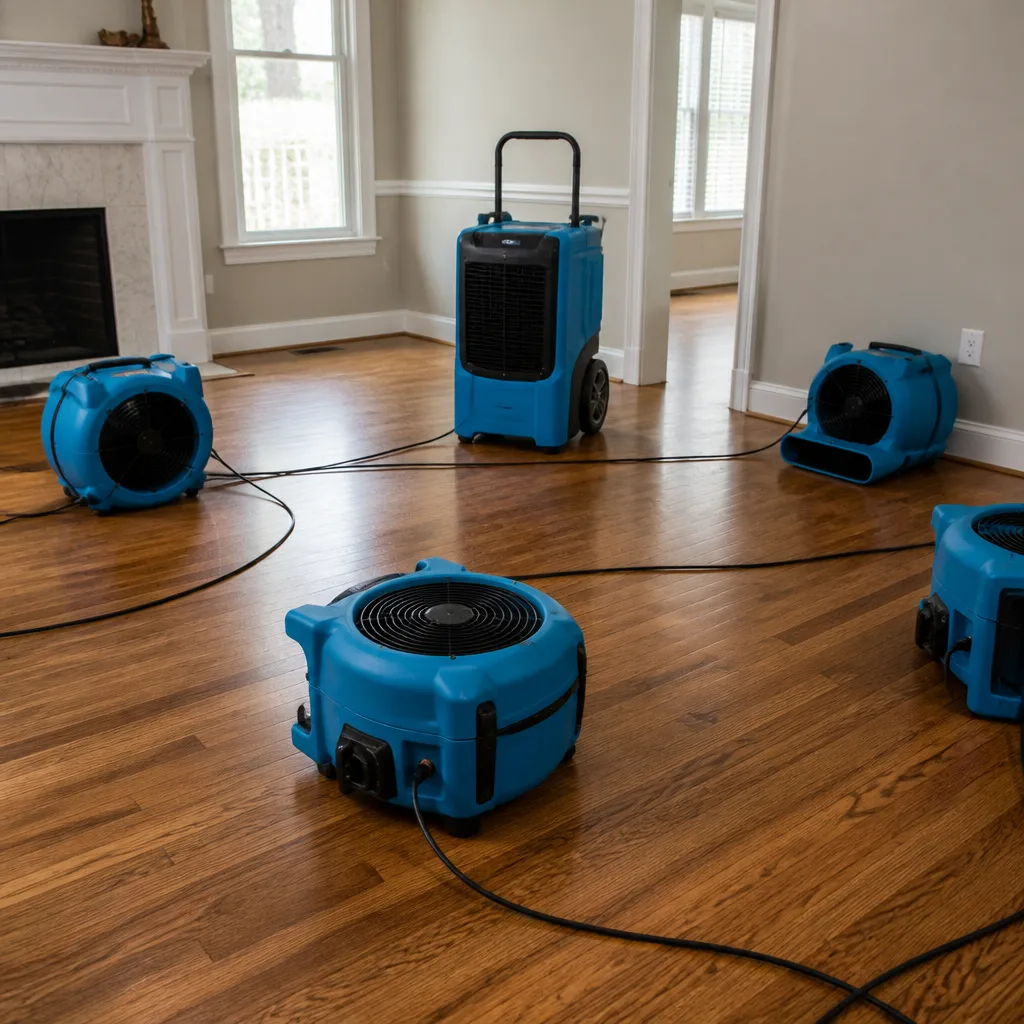



 Before
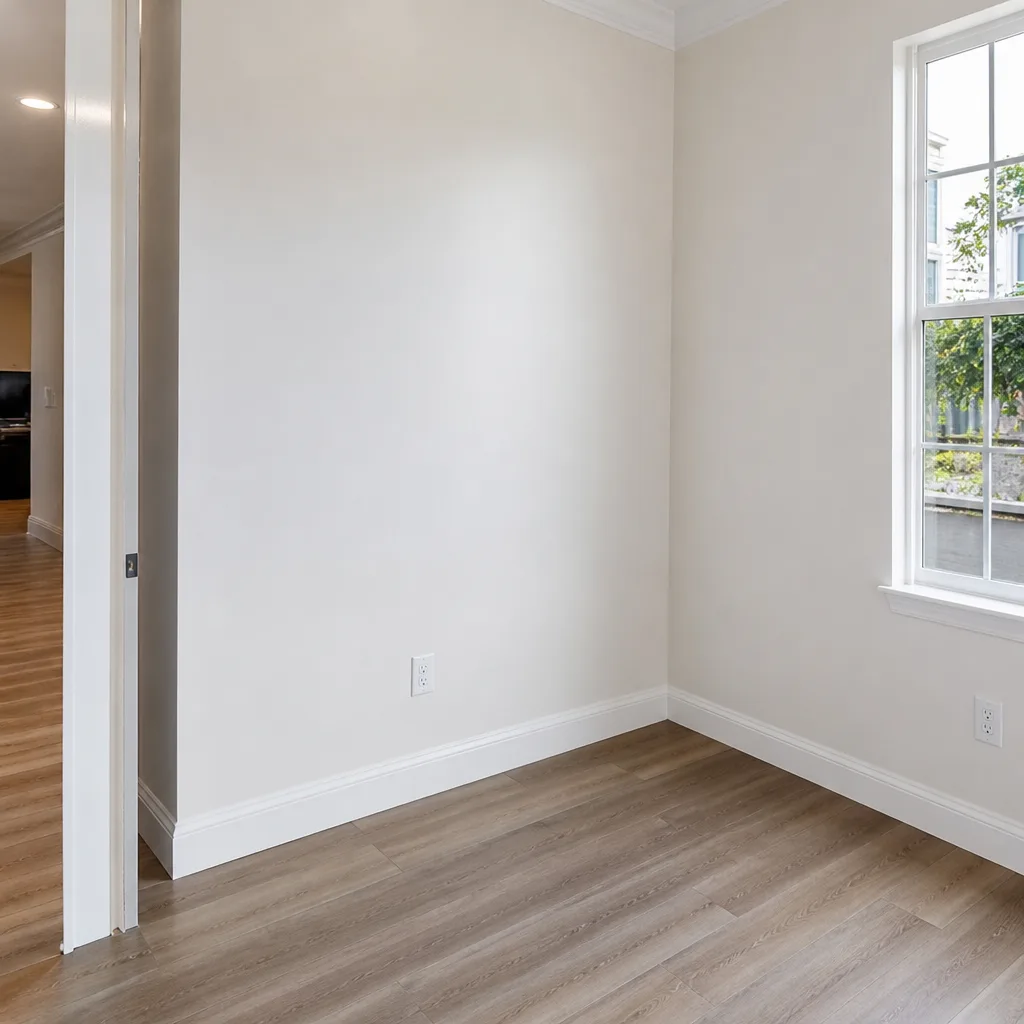 After
After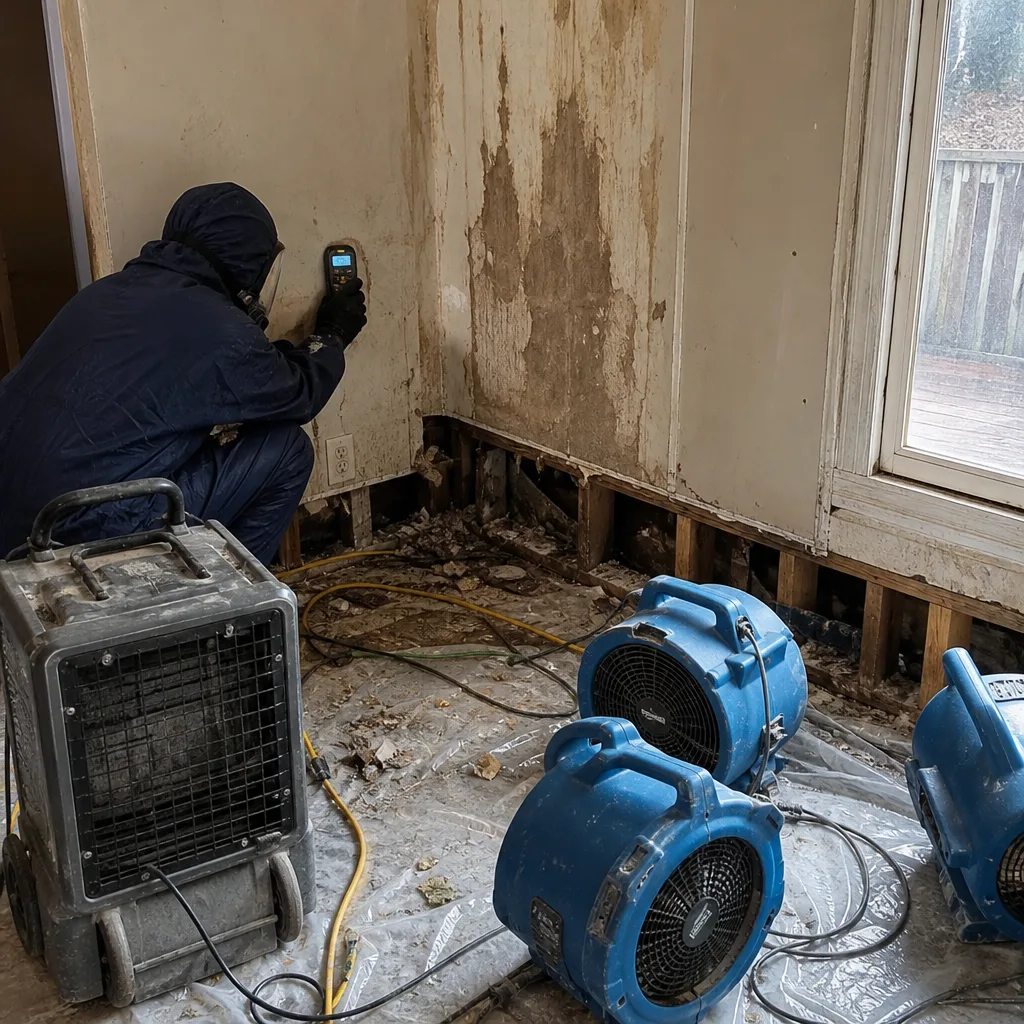 Before
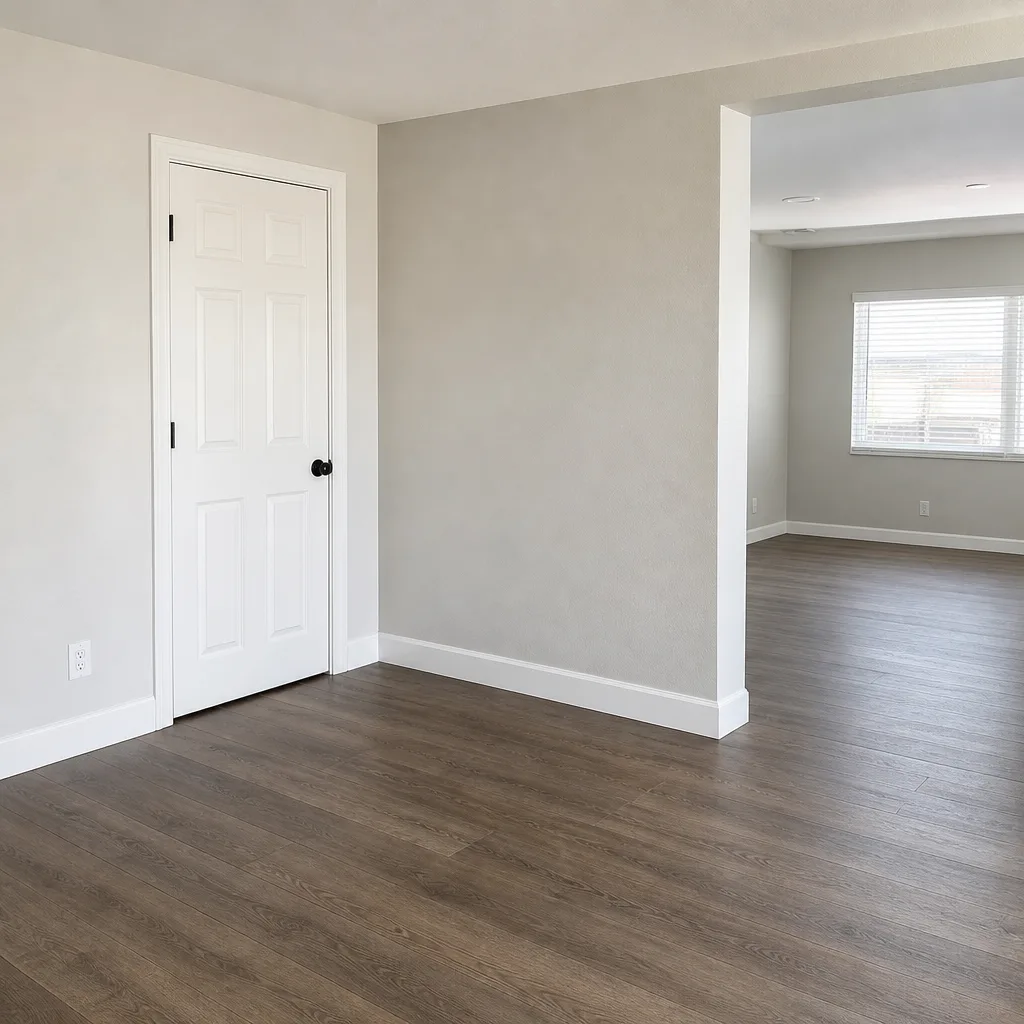 After
After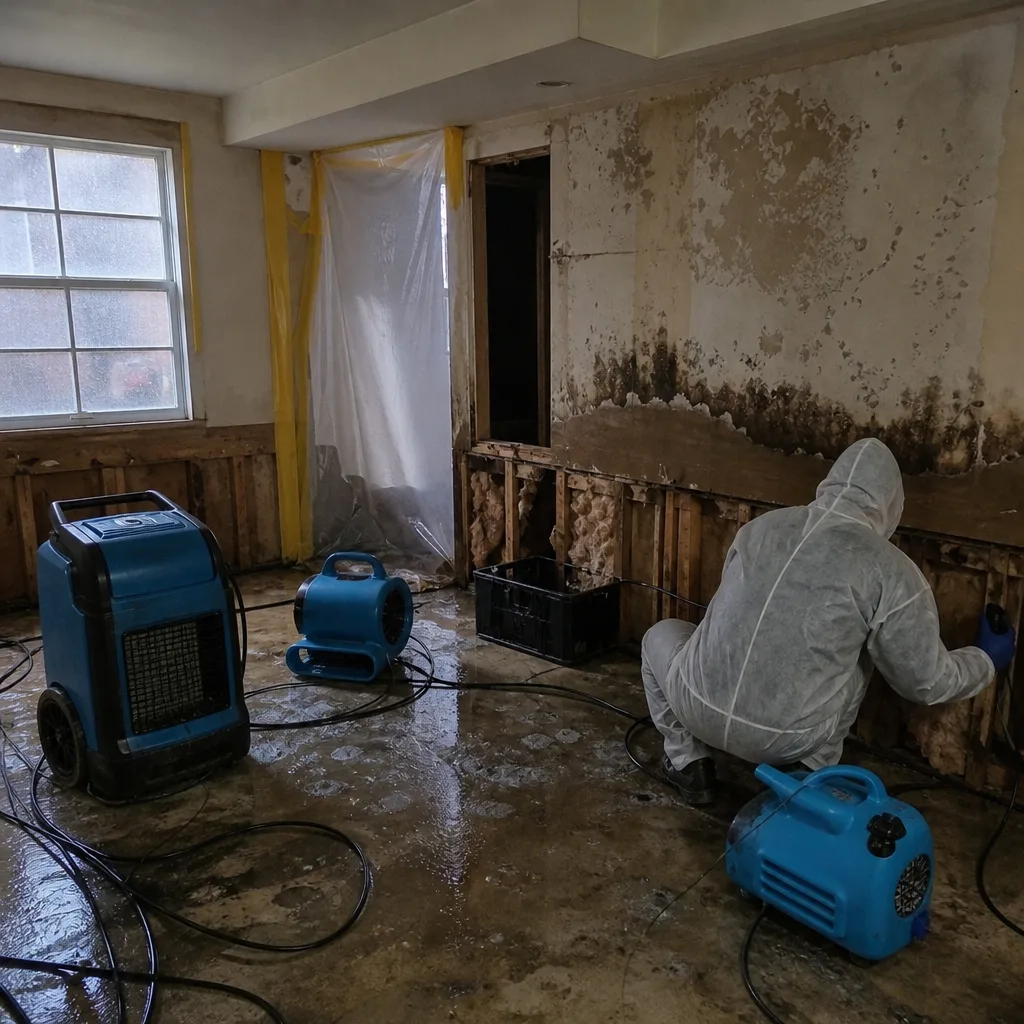 Before
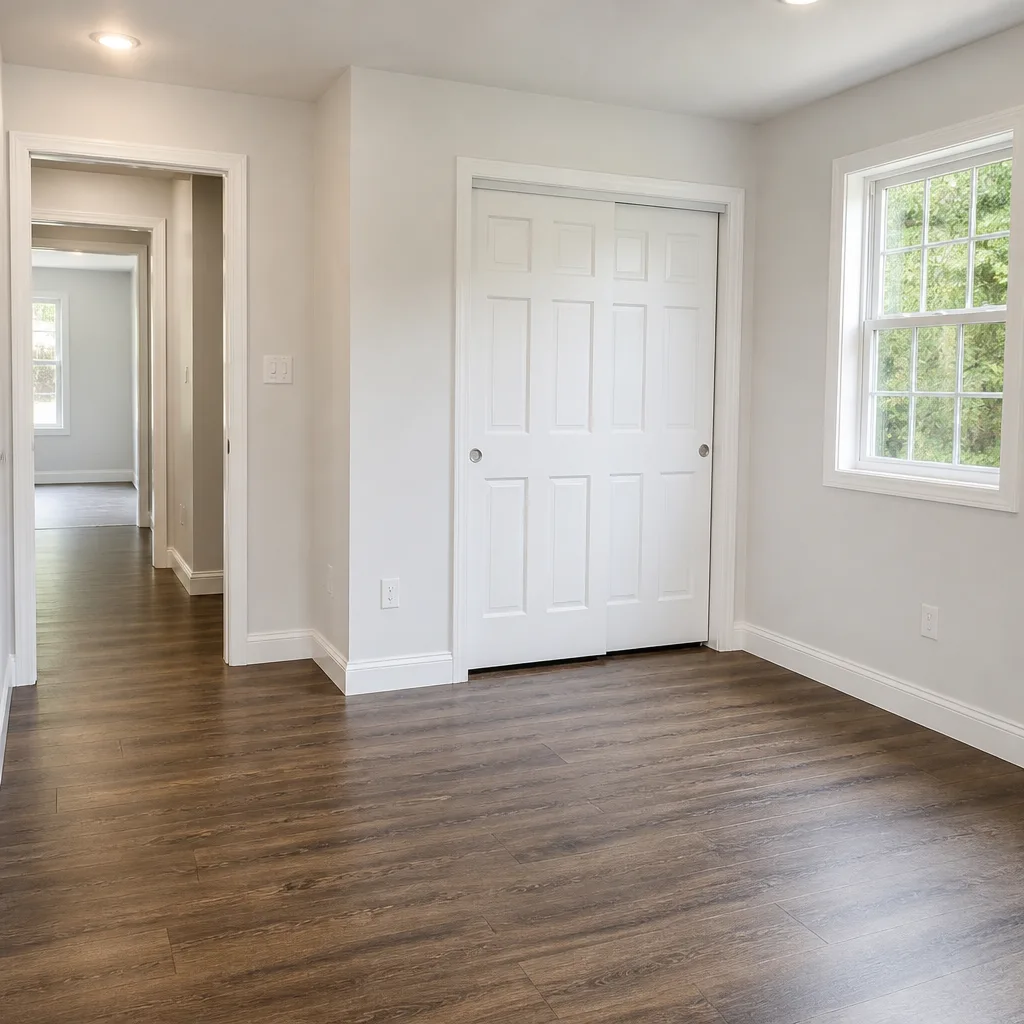 After
AfterMold Remediation Warning Signs Every Homeowner Should Know
The visible black patch on your wall is almost never the whole story. In Los Angeles homes, where marine-layer humidity meets tightly sealed construction, contractors who pull drywall regularly find colonies three times larger than the surface stain suggested. Mold sends visible spores outward while the actual biomass grows inward into insulation and framing. This guide teaches you to read the structural and sensory cues that reveal a serious mold problem long before the black spots appear, and explains what those cues mean for mold remediation scope.
Quick Answer
The most reliable mold remediation warning signs are not visual. A persistent musty odor that returns after cleaning, buckling baseboards, soft or swollen drywall, recurring sinus symptoms that fade when you leave home, and any history of water intrusion are stronger indicators of hidden mold than a visible stain. Surface mold is often cleanable; systemic mold behind finishes requires professional containment and removal.
Table of Contents
- Surface Mold vs. Systemic Mold: Knowing Which One You’re Dealing With
- The Musty Odor Test: Why Your Nose Knows Before Your Eyes Do
- Structural Signs: What Buckling Baseboards and Soft Drywall Actually Mean
- Health Symptom Patterns That Point to Hidden Mold
- Water History: The Warning Sign That Precedes Every Mold Problem
- Finding the Moisture Source Before You Touch the Mold
- Contractor Red Flags: What a Guessing Remediation Looks Like
- What Professional Mold Remediation Actually Involves
Surface Mold vs. Systemic Mold: Knowing Which One You’re Dealing With
Not all mold is a remediation project. The distinction between surface mold and systemic mold determines whether you need a cleaning or a containment-and-removal job. Surface mold grows on the outermost finish of a material: the paint film on drywall, the glaze on tile, the face of a baseboard. It feeds on dust, skin cells, or condensation residue. It has not penetrated the substrate.
Systemic mold has colonized inside the material itself: behind drywall paper, within insulation batts, through the fibers of wood framing. This is the mold that requires professional remediation under IICRC protocol, because removing the visible surface only leaves the root structure alive inside the wall cavity.
Here is how to tell the difference using sensory cues rather than guesswork:
- Surface mold wipes away and stays gone. If a mildew stain on tile grout or a painted wall disappears with a cleaning product and does not return for months, you are almost certainly dealing with surface growth.
- Systemic mold returns within days or weeks. If the same patch reappears after cleaning, the colony is feeding from inside the substrate. You are seeing the fruiting body, not the organism itself.
- Surface mold has no odor footprint behind it. The room smells normal once cleaned. Systemic mold keeps producing microbial volatile organic compounds (MVOCs), the chemical signature of an active colony, even after the visible stain is gone.
- Systemic mold changes the material. Drywall feels chalky or soft under paint. Baseboards pull away from the wall. Caulk beads crack and separate. These are physical changes caused by moisture and fungal digestion inside the material.
In Los Angeles, we see a predictable pattern: coastal neighborhoods from Santa Monica to San Pedro get surface mold on bathroom ceilings and window sills from condensation. Inland neighborhoods from the San Fernando Valley to Pasadena see more systemic mold after plumbing leaks inside wall cavities, because the dry air hides the moisture until the colony is established. The climate difference changes which warning signs appear first, which is why a local professional’s judgment matters more than a generic online checklist.
The Musty Odor Test: Why Your Nose Knows Before Your Eyes Do
Persistent musty odor is the single most reliable indicator of hidden mold growth. That earthy, damp smell is not a vague nuisance; it is the literal chemical exhaust of an active fungal colony. Mold emits MVOCs as it digests organic material like drywall paper, wood, and fabric. Your nose is detecting actual metabolic output.
Here is the test that separates a stale room from a mold problem:
- Leave the house for several hours. Go to work, run errands, spend an afternoon elsewhere. Your olfactory receptors adapt to persistent odors within minutes, which is why you stop noticing the smell in your own home.
- Walk in the front door and note your first impression. The first breath before your nose adapts is the most accurate reading. If it smells musty, damp, or earthy in that first moment, you have microbial activity somewhere.
- Track whether the odor intensifies in specific rooms. Bathrooms, laundry rooms, under-sink cabinets, and closets against exterior walls are common source points. Mold grows where moisture concentrates.
- Check whether cleaning changes anything. If you scrub the visible surfaces, run an air purifier, and air out the room, and the odor returns within 48 hours, the source is not on any surface you can reach. It is behind a finish.
We have walked into Los Angeles homes where the homeowner had spent months masking a musty smell with candles and plug-in air fresheners, only to find an active colony behind a bathroom vanity fed by a slow drain leak. The smell was present the entire time. The candles just made it harder to trust the nose test.
One technical note: the term used in IICRC standards is “moldy odor” or “musty odor,” and professional water damage assessment treats its presence as evidence of a moisture problem even before visible confirmation. If you smell it, do not wait for the stain to appear. The stain means the colony has already matured enough to fruit through the surface.
Structural Signs: What Buckling Baseboards and Soft Drywall Actually Mean
Mold is a moisture problem before it is a mold problem. Every material in your home has a moisture tolerance. When that threshold is exceeded for a week or more, fungal spores present in every home’s air supply begin to germinate. The structural changes you see are not mold at first. They are water damage. Mold follows.
Here is what specific structural warning signs actually signal:
- Buckling or curling baseboards: Baseboards are usually MDF or finger-jointed wood, both of which swell when wet. A baseboard pulling away from the wall means water has reached the bottom plate of the wall framing and is wicking upward into drywall. This is a classic sign of slab leaks in Los Angeles homes built on concrete foundations.
- Soft or swollen drywall: Gypsum board loses structural integrity when saturated. If a section of wall gives slightly under finger pressure or feels spongy, the paper facing has absorbed water and is now a food source for mold. By the time you feel this, the back side of the drywall is usually already colonized.
- Discolored grout lines that darken again after cleaning: Grout is porous. Dark grout lines that return after scrubbing indicate moisture behind the tile, often from a failed shower pan or cracked waterproofing membrane. The mold you see on the grout surface is being fed from behind.
- Peeling or bubbling paint: Paint fails when the substrate beneath it changes. Bubbling paint on walls or ceilings is trapped moisture vapor pushing the film off the drywall. The moisture source could be a roof leak, a plumbing leak, or condensation from poor ventilation.
- Warped door frames or window sills: Wood expands when wet and rarely returns to its original shape. A door that starts sticking in its frame, or a window sill that no longer sits level, can signal a moisture source in the surrounding wall cavity.
These signs all share one feature: they mean the moisture problem has been active long enough to change building materials. In Southern California’s dry climate, homeowners often miss these cues because surfaces dry quickly between moisture events. A slow leak behind a wall in a Los Angeles home can cycle wet and dry for months, allowing mold to establish gradually without ever producing a dramatic water stain. Our guide to Seasonal Damage Restoration Care for Los Angeles: Year-Round Homeowner’s Guide explains how these patterns shift across local microclimates. By the time the baseboard buckles, the wall cavity behind it is a mature ecosystem.
Health Symptom Patterns That Point to Hidden Mold
Mold exposure affects people differently. Some individuals have no noticeable reaction. Others develop respiratory symptoms that mimic seasonal allergies so closely that they never connect the dots to their home. The pattern that should concern you is not the symptoms themselves; it is the timing.
Watch for these correlations:
- Recurring sinus congestion or pressure that improves when you leave home. This is the classic indoor mold exposure signature. If your sinuses clear up at work, on vacation, or after a few hours outside, and return within a day of being home, the air in your house is a likely trigger.
- A persistent dry cough or throat irritation with no other illness symptoms. Mold spores and MVOCs irritate the respiratory tract. If you have had a cough for weeks without fever, body aches, or other infection markers, consider environmental causes.
- Headaches that cluster at home. MVOCs can trigger headaches in sensitive individuals. Track when headaches occur. A diary showing a home-time correlation is useful data for a medical provider and for a mold inspector.
- Worsening asthma or allergy symptoms despite medication. If your maintenance inhaler or antihistamine stops working as well as it used to, and you spend most of your time in one building, that building’s air quality deserves scrutiny.
- Symptoms that improve dramatically within days of staying elsewhere. A weekend away with clear breathing is not proof of mold, but it is a strong signal worth investigating.
The appropriate response to these patterns is not a DIY bleach scrub. Bleach does not penetrate porous materials, and scrubbing visible mold without containment can release spores into the air, worsening the exposure. Professional air sampling, performed under IICRC-standard protocols, identifies both the spore types and the concentration levels in your indoor air. It gives you a baseline to compare against outdoor air samples and against post-remediation verification.
In Los Angeles, where many homes share walls in multi-family buildings, the source may not even be in your unit. A neighbor’s leak or a shared wall cavity can introduce mold into your air supply. Air sampling tells you what is in your air; a professional inspection tells you where it is coming from.
Water History: The Warning Sign That Precedes Every Mold Problem
Mold cannot grow without water. Every mold problem has a moisture origin story, and that story is usually knowable. If your home has any of these water events in its history, you have a mold risk factor even if no mold is currently visible:
- A past plumbing leak inside a wall or ceiling. If the drywall was patched and painted without replacing the insulation behind it or drying the cavity properly, mold spores that germinated during the leak may have gone dormant. Dormant mold can reactivate with any future moisture event.
- A roof leak around a chimney, vent, or skylight. Los Angeles gets brief but intense rain events. A roof leak that drips into the attic or wall cavity during a January storm may never be noticed until mold odor appears months later.
- An overflowing toilet, tub, or sink that soaked into flooring. Water that sat on laminate, engineered wood, or carpet padding for more than 24 to 48 hours is water that created a mold-friendly environment. Even if the surface dried, the padding or subfloor underneath may not have.
- A window leak or condensation problem. Older Los Angeles homes with single-pane windows or failed seals can develop persistent condensation that soaks into window sills and surrounding drywall.
- A past remediation that did not verify drying. If a previous water damage job used only surface drying without moisture mapping, the wall cavity may have remained wet behind the drywall. We use psychrometric drying, which tracks the air’s moisture level so we know when the structure is truly dry, not just surface-dry. Homes remediated by companies that skip this step are at higher risk of recurrence.
If your home’s history includes any of these, you should treat any current warning sign with more urgency. The moisture source may already be resolved, or it may be ongoing. A professional inspection can determine which.
Finding the Moisture Source Before You Touch the Mold
Any remediation that removes mold without eliminating the moisture source is a temporary cosmetic fix. The colony will return because the conditions that created it remain. This is the most common reason homeowners pay for mold removal twice.
The process of source identification follows a logical sequence:
- Visual inspection of the affected area and adjacent spaces. The inspector looks for water stains, plumbing fixtures, roof penetrations, window seals, and anything else that could introduce moisture. In Los Angeles homes, common culprits include slab leaks under concrete foundations, failed water heater connections in garage utility closets, and condensation on uninsulated cold-water pipes in crawl spaces.
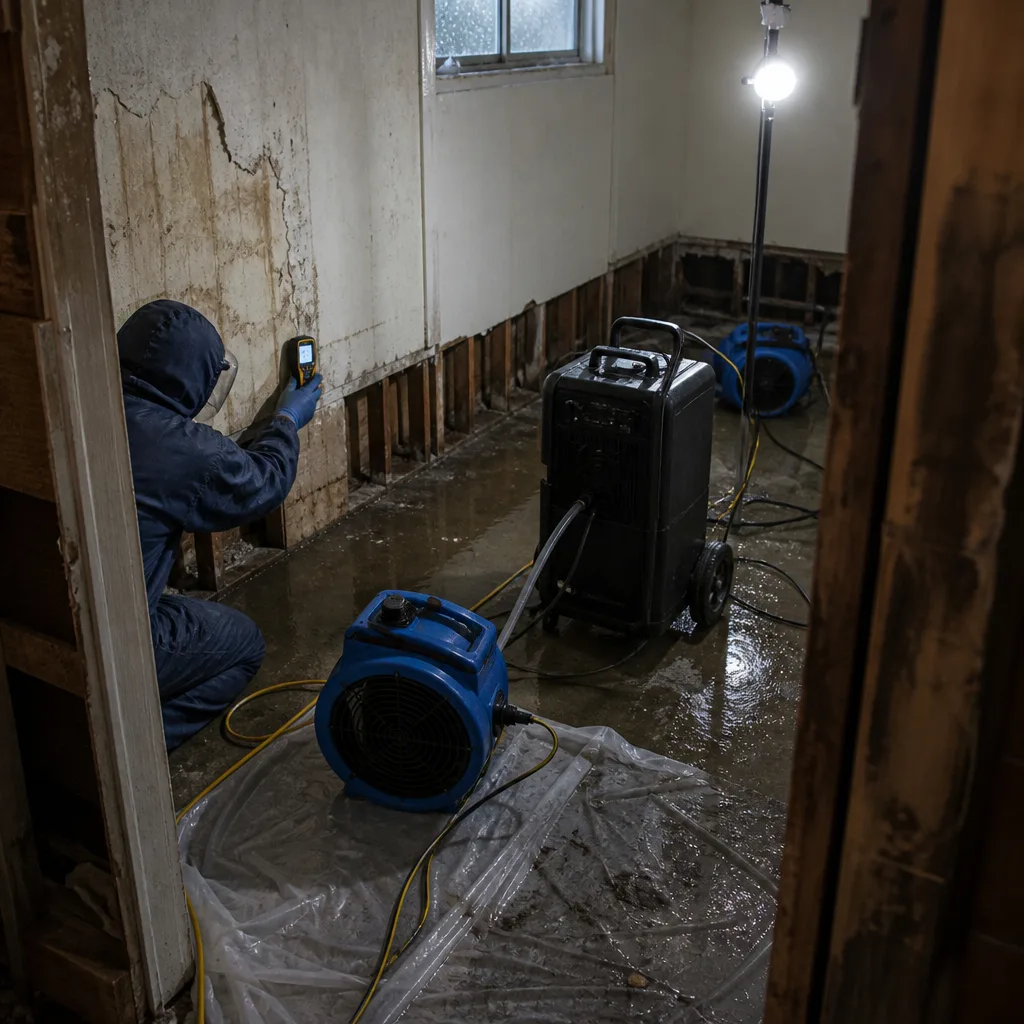
- Moisture mapping with professional meters. A pin-type or pinless moisture meter reads moisture content inside walls, floors, and ceilings. Elevated readings behind drywall indicate active moisture even when the surface feels dry. This step distinguishes an old, resolved leak from an active one.
- Infrared thermography where needed. Thermal imaging cameras detect temperature differences caused by evaporative cooling or thermal bridging. They help locate moisture in wall cavities without opening every wall.
- Air sampling to establish spore type and concentration. Before any remediation work begins, professional air samples establish what is in the air: which mold species are present, and at what concentration compared to outdoor baseline samples. This data informs the remediation scope.
- Source confirmation before containment setup. Only after the moisture source is identified and confirmed does proper remediation begin. The source gets fixed first, or the remediation plan includes source repair as part of the scope.
This sequence matters because removing mold before fixing the source is like mopping a floor with a leaking pipe overhead. You have not changed the conditions. The colony regenerates.
Contractor Red Flags: What a Guessing Remediation Looks Like
Mold remediation is a specialized trade with documented standards. The IICRC S520 Standard for Professional Mold Remediation defines the protocols for containment, removal, cleaning, and verification. Reputable companies follow these standards. Companies that do not, cut corners in predictable ways.
Here are the red flags we tell Los Angeles homeowners to watch for:
- A quote given without pulling an air sample first. Mold remediation scope cannot be accurately priced without knowing the spore type and concentration in the air. A company that quotes sight unseen is guessing at the scope, and the final bill will likely change once work begins. Wendell Water Damage Restoration puts the price in writing before any work starts, and that price is based on real inspection data, not a glance at a stain.
- A company that starts work before identifying the moisture source. This is the biggest tell of a company that is not following IICRC protocol. If they cannot tell you where the water came from and how it will be stopped, they are not ready to remediate anything.
- A remediation plan with no containment description. Proper mold remediation uses negative air pressure containment, plastic barriers, and HEPA-filtered air scrubbers to prevent cross-contamination. If the plan is “we spray some chemical and paint over it,” walk away.
- No post-remediation verification plan. The job is not done when the mold is removed. The job is done when clearance testing confirms the spore counts are back to normal background levels. Any remediation that does not include verification testing is incomplete.
- A price that changes at the door. The classic contractor maneuver: quote low, show up, and “discover” additional scope. Wendell’s model is different: the price is put in writing before any work starts, and the number on the screen is the number you pay. No surprises after the walls are open.
We also recommend asking any contractor whether they provide photo documentation. In our experience, homeowners want to see what was behind the wall, not just take someone’s word for it. Wendell texts before-and-after photos so you can see the affected area before treatment and the cleaned cavity after, along with any replaced materials. That transparency is not standard in this trade, and it should be.
What Professional Mold Remediation Actually Involves
If you have read this far, you may be wondering what a proper remediation job looks like end to end. Here is what IICRC-standard mold remediation includes, explained in plain language:
- Containment setup. The affected area is sealed with plastic sheeting, and negative air pressure is established using HEPA-filtered air scrubbers from brands like XPOWER and B-Air. This keeps mold spores from spreading to other rooms during removal.
- Contaminated material removal. Drywall, insulation, carpet, and other porous materials that cannot be adequately cleaned are removed and bagged for disposal. Non-porous surfaces like tile and metal can often be cleaned rather than removed.
- Antimicrobial treatment. The remaining structural materials, including wood framing, are treated with EPA-registered antimicrobial products to kill residual mold and prevent regrowth.
- Drying with professional equipment. The area is dried using commercial-grade air movers and dehumidifiers, frequently from Dri-Eaz, XPOWER, or B-Air, following psychrometric drying principles. This step continues until moisture readings confirm the structure is truly dry.
- Post-remediation verification. Air samples are collected and compared against the pre-remediation baseline and outdoor controls. The job is complete when spore concentrations are at or below normal background levels.
- Reconstruction if needed. If drywall or insulation was removed, the cavity is rebuilt with new materials. This step is scoped and priced separately, and in our process, it is always included in the written quote before work begins.
The entire process typically takes three to seven days depending on the affected square footage. The visible mold is usually removed in the first day or two. The drying and verification take the rest of the time.
Common Mistakes to Avoid
- Painting over mold. Paint encapsulates nothing. The colony continues to grow behind the paint film, and the moisture that fed it remains trapped inside the wall. You have made the problem invisible, not gone.
- Bleaching porous materials. Bleach is a surface disinfectant. It cannot penetrate drywall, wood, or insulation to kill mold roots. Worse, bleaching visible mold without containment releases spores into the air as you scrub.
- Running a dehumidifier without fixing the leak. A dehumidifier removes airborne moisture but cannot stop water entering through an active leak. You are treating the symptom while the source continues to feed the problem.
- Assuming the visible stain is the full extent. Mold colonies are typically much larger behind the surface than the visible stain suggests. In Los Angeles homes built with wood framing and drywall, the colony grows into the wall cavity long before it fruits through the paint.
- Ignoring the odor because you cannot find the stain. Musty odor with no visible mold is a hidden mold problem, not an absence of one. Professional moisture mapping and air sampling will find what your eyes cannot.
- Hiring the cheapest quote without checking protocol. Mold remediation is expensive because containment, equipment, and verification cost money. A quote that is dramatically lower than others is usually cutting one of these steps.
- Waiting to see if it gets worse. Mold does not resolve itself. Every week of delay allows the colony to expand deeper into structural materials, increasing the eventual remediation scope and cost.
When to Call a Professional
Call a professional mold remediation company if you have a persistent musty odor that returns after cleaning, visible mold covering more than about 10 square feet, mold returning after previous cleaning attempts, any structural softening or buckling in the affected area, a known water leak inside a wall or ceiling, or health symptoms that improve when you leave your home. These are signs of systemic mold, not surface mold. Wendell Water Damage Restoration offers free estimates in Los Angeles, call (940) 466-4354, and every estimate includes a written price before any work starts, backed by the 365-Day Done Right Promise: if it is not done right, we make it right.
Frequently Asked Questions
You can identify hidden mold through three signals: a persistent musty odor that cleaning does not eliminate, structural changes like soft drywall or buckling baseboards, and health symptoms like sinus congestion that improve when you leave home. Professional moisture mapping and air sampling can confirm hidden mold without exploratory demolition.
No. Surface mold on tile grout, window sills, or bathroom ceilings is often cleanable with proper products and ventilation. The concern is mold that returns after cleaning, which indicates the colony is growing behind the finish. In Los Angeles homes, visible mold on the surface is frequently the tip of a larger colony inside the wall cavity.
Bleach does not penetrate porous materials like drywall, wood, or insulation, so it cannot kill mold roots below the surface. For surface mold on non-porous surfaces like tile, a proper cleaning product may work. For mold on drywall, wood, or any area larger than 10 square feet, professional remediation with containment is the safer option.
Mold remediation in Los Angeles typically ranges from $500 to $1,500 for small contained areas like a bathroom wall cavity, and from $2,000 to $6,000 or more for larger areas requiring extensive containment, material removal, and reconstruction. The final cost depends on the affected square footage, the moisture source, and the materials that must be removed. Call (940) 466-4354 for a written estimate based on your specific situation.
Insurance coverage for mold remediation depends on the source of the moisture. Mold caused by a sudden, covered water event like a burst pipe is often covered, while mold from long-term neglect or ongoing leaks may be denied. We document every job with photos and work directly with insurance adjusters. Call (940) 466-4354 to discuss your policy and coverage options.
Most residential mold remediation jobs in Los Angeles take three to seven days from containment setup through post-remediation verification. Visible mold removal often happens in the first day or two, while drying and clearance testing take additional time. Larger jobs involving multiple rooms or extensive reconstruction can take two to three weeks.
The Bottom Line
Mold remediation warning signs are sensory and structural, not just visual. A musty odor that persists after cleaning, soft drywall, buckling baseboards, recurring sinus symptoms that fade away from home, and any water history are the signals that matter. Surface mold is manageable; systemic mold behind finishes requires professional containment and removal under IICRC protocol. The most important step is identifying the moisture source before touching the mold. If you are in Los Angeles and see these signs, call (940) 466-4354 for a written estimate, or explore more guides & resources on protecting your home. Wendell Water Damage Restoration has served Los Angeles since 2006, answering every call live and putting every price in writing before work begins.
Written by Blake Sorensen, Owner at Wendell Water Damage Restoration, serving Los Angeles since 2006.