
Last updated October 9, 2026
Free visual inspection and a written scope of work before any mitigation begins - photos, moisture readings, and drying logs go in your claim file
The scope we write is the scope we bill. Anything new gets shown to you, in writing, before we touch it.
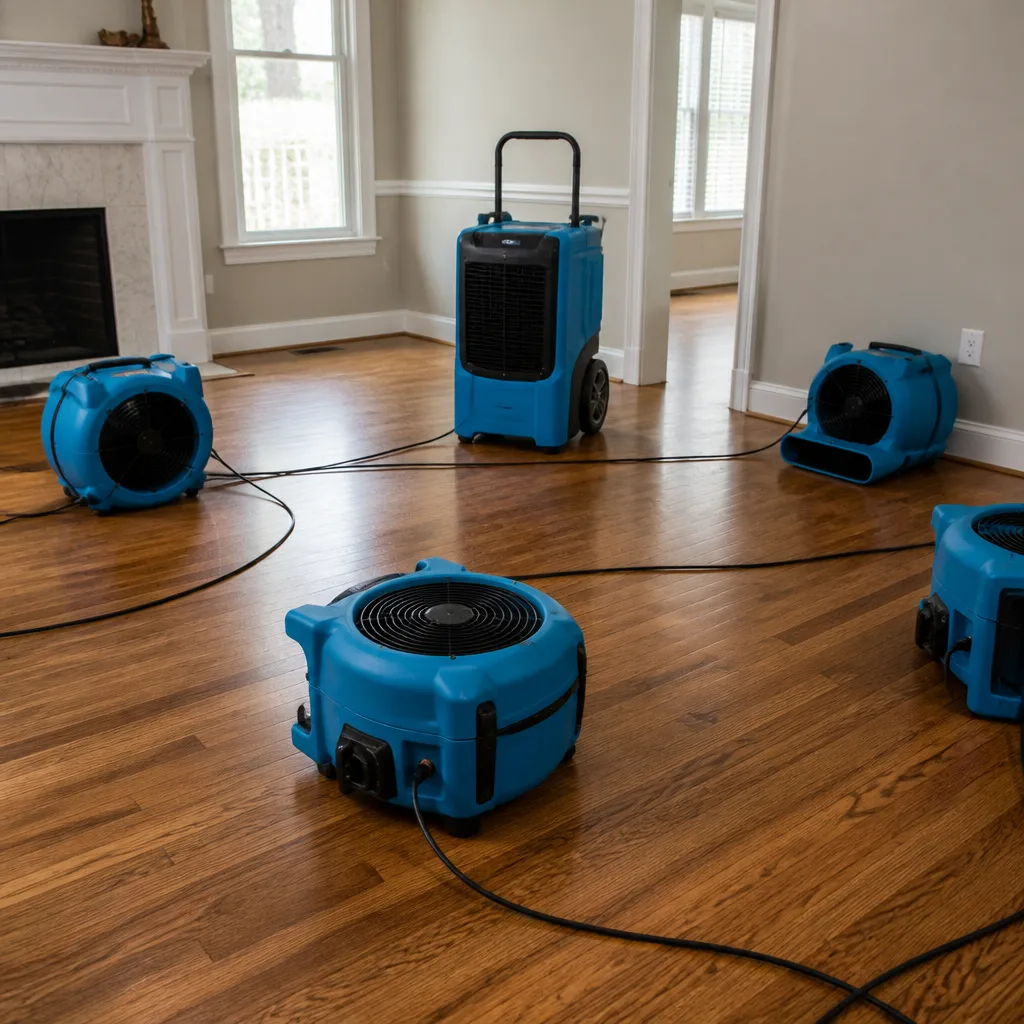


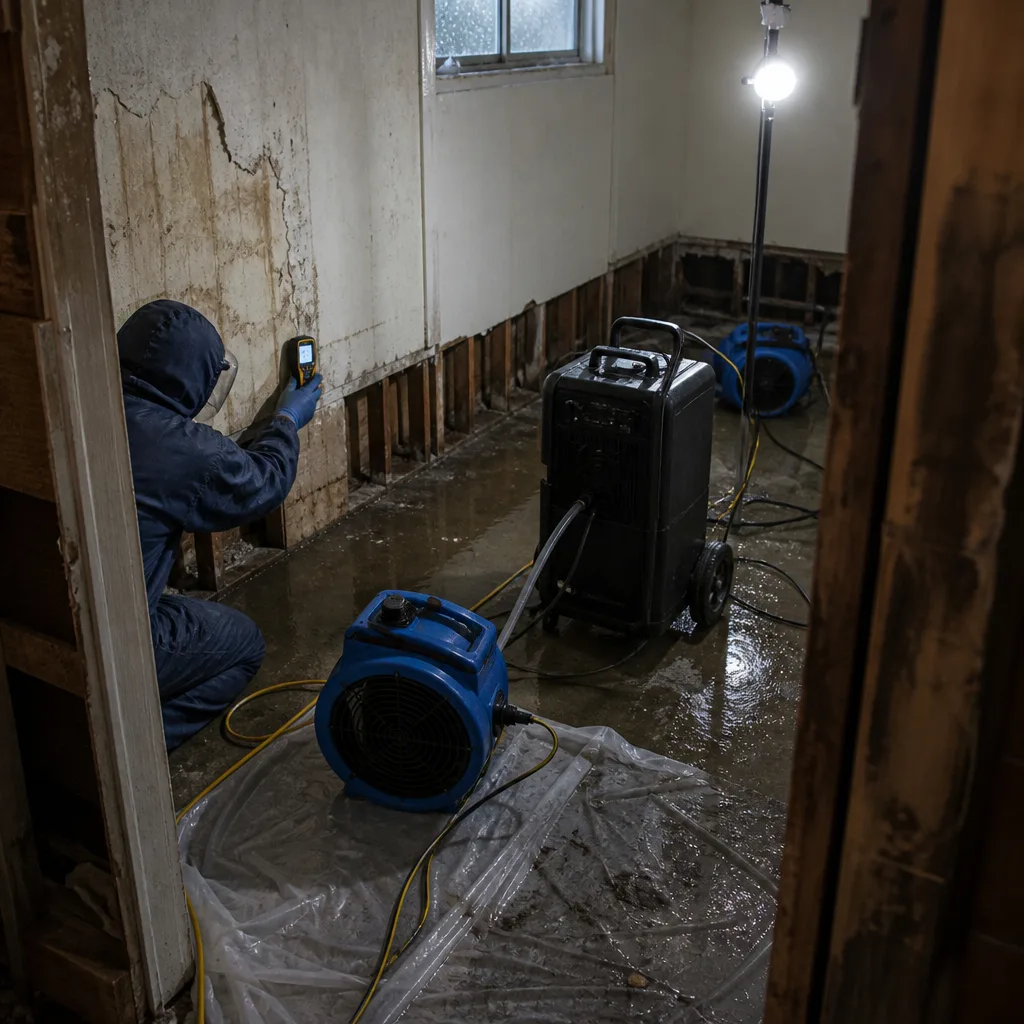 Before
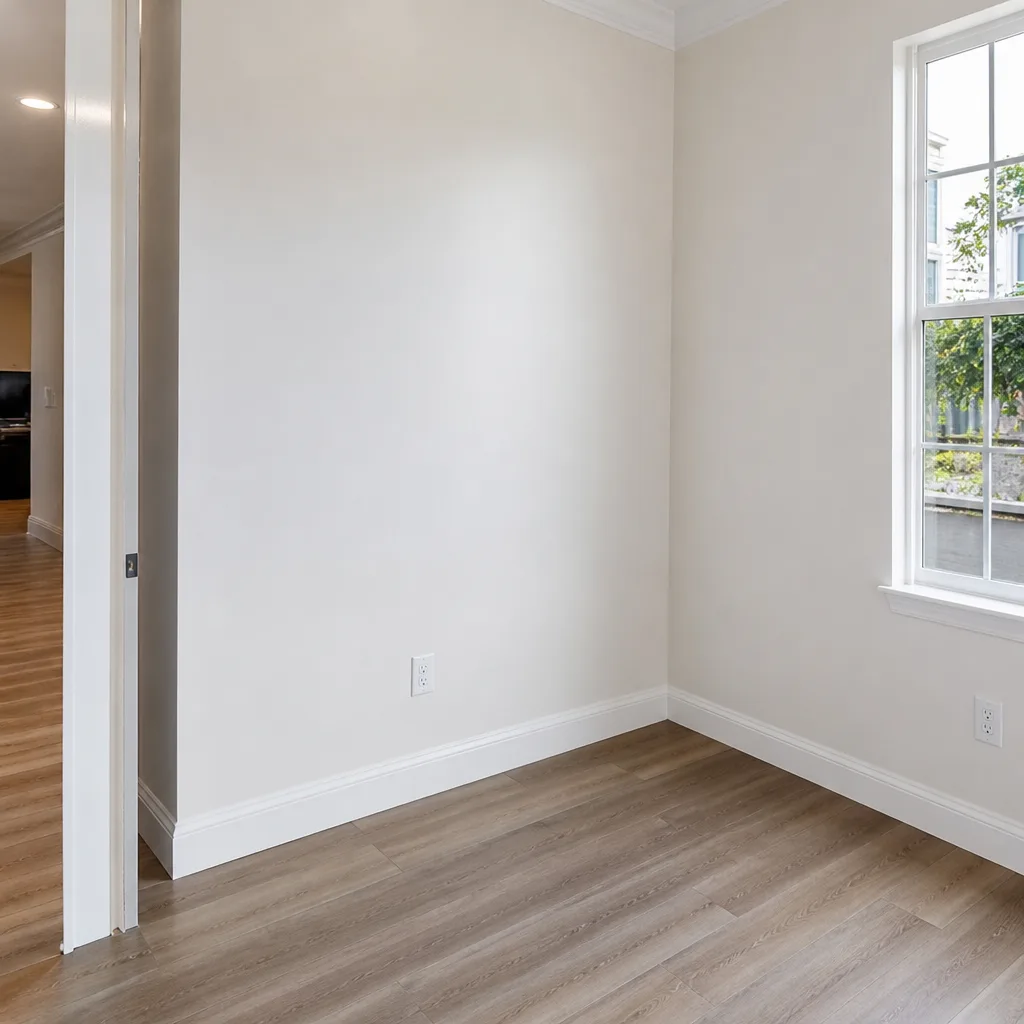 After
After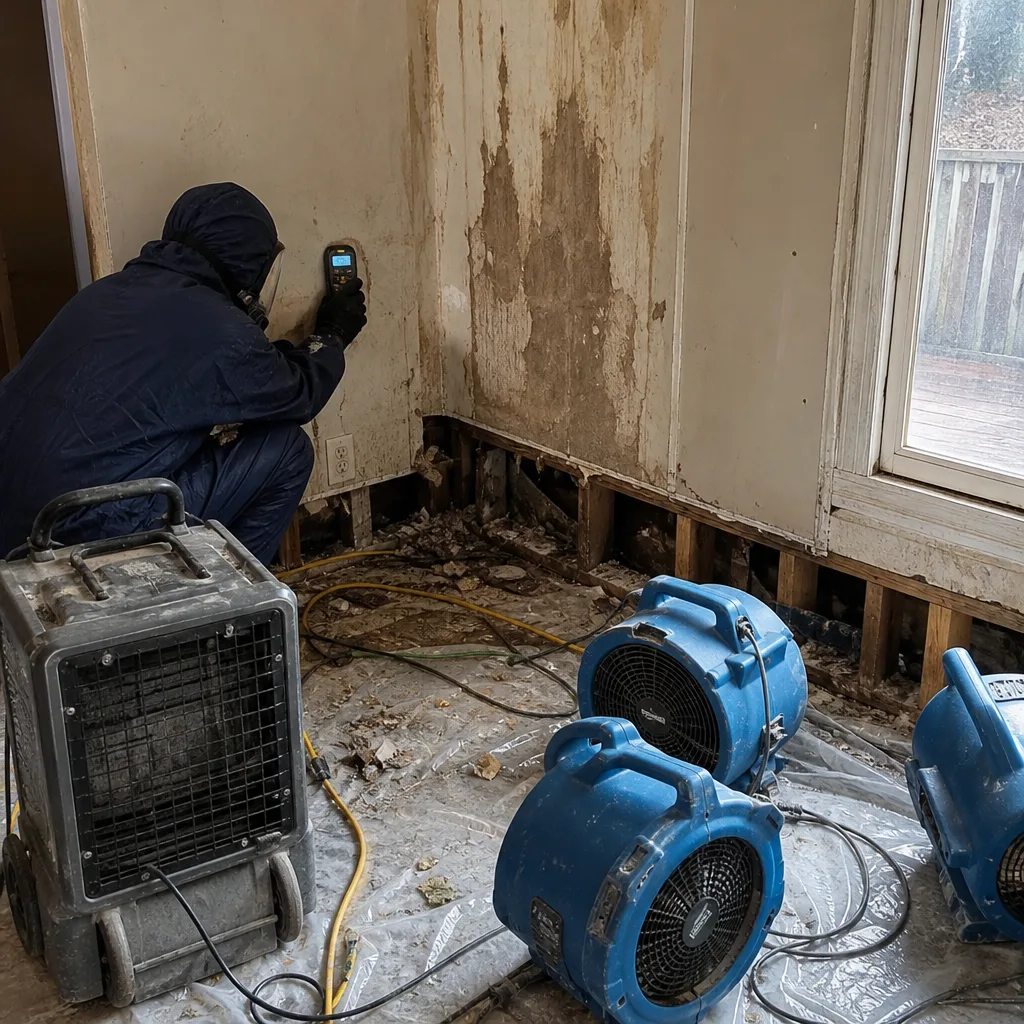 Before
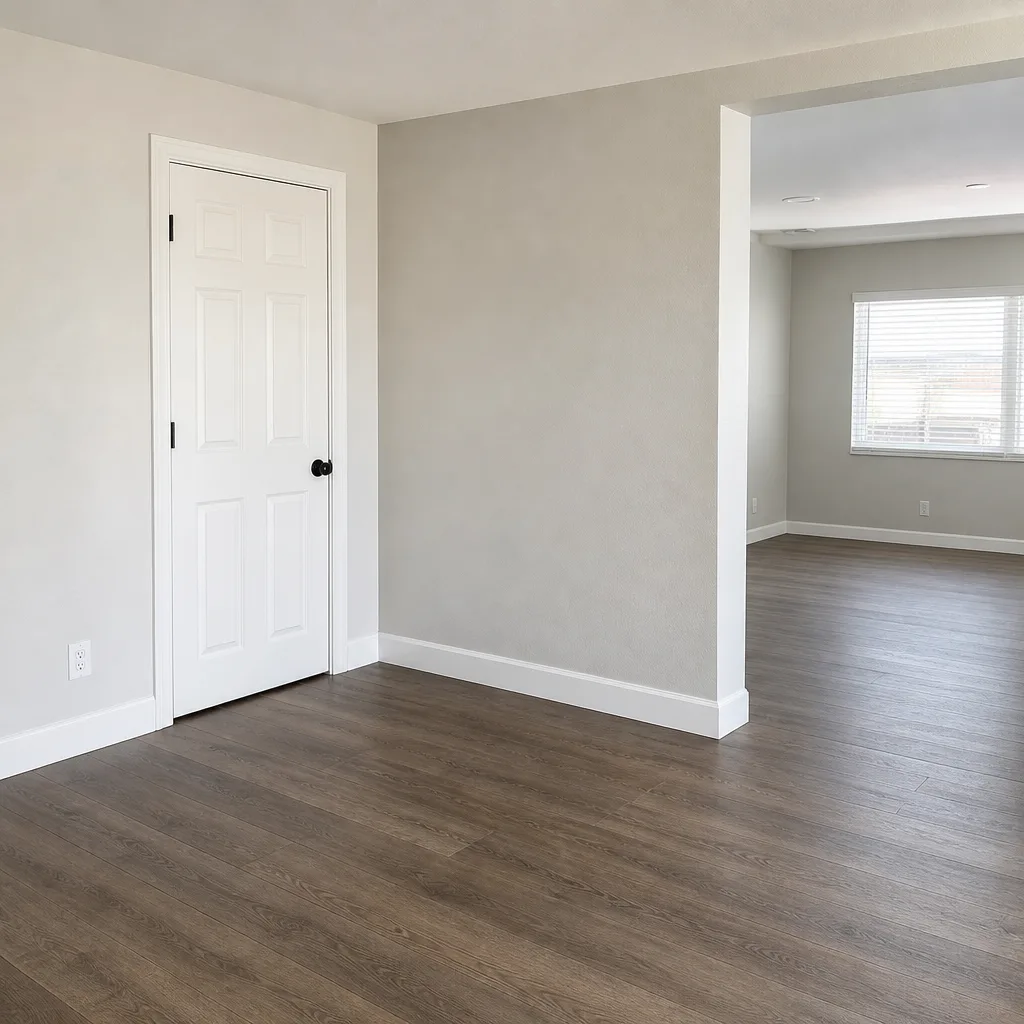 After
After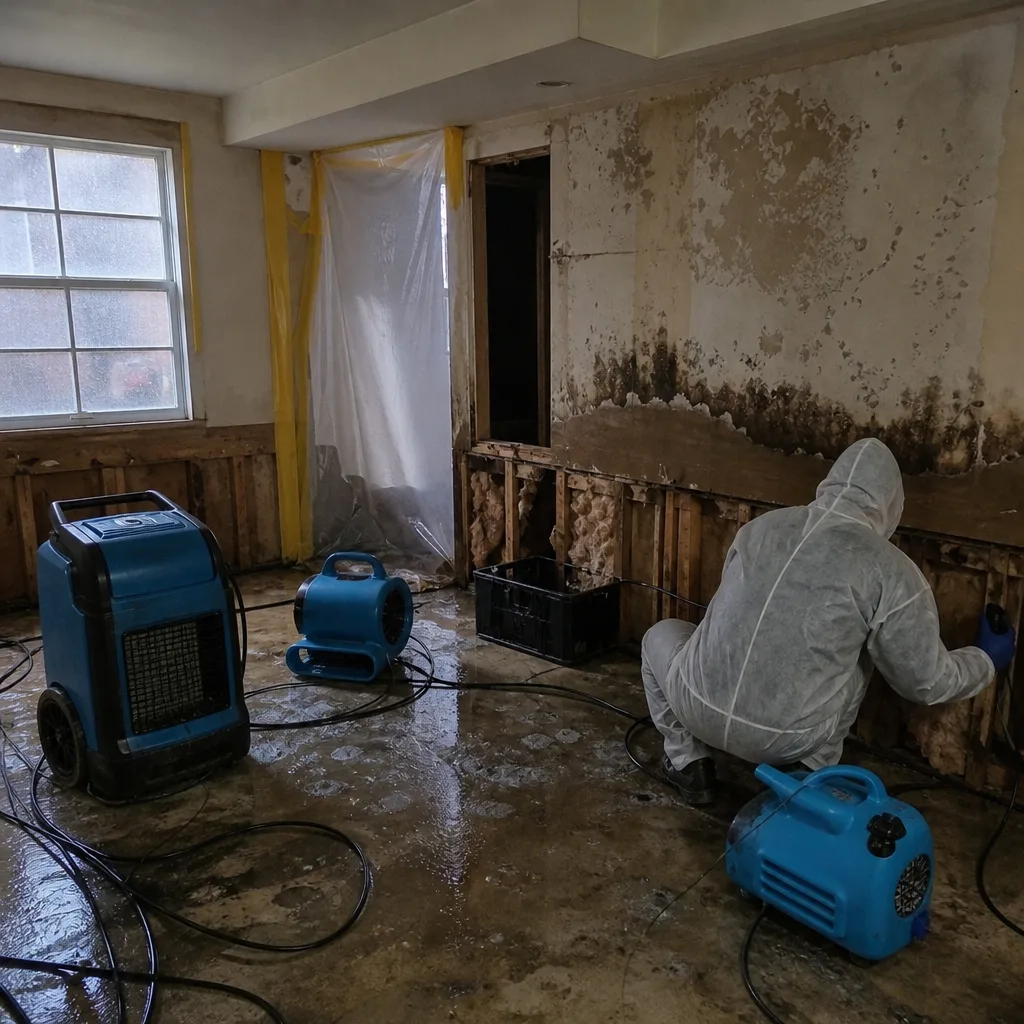 Before
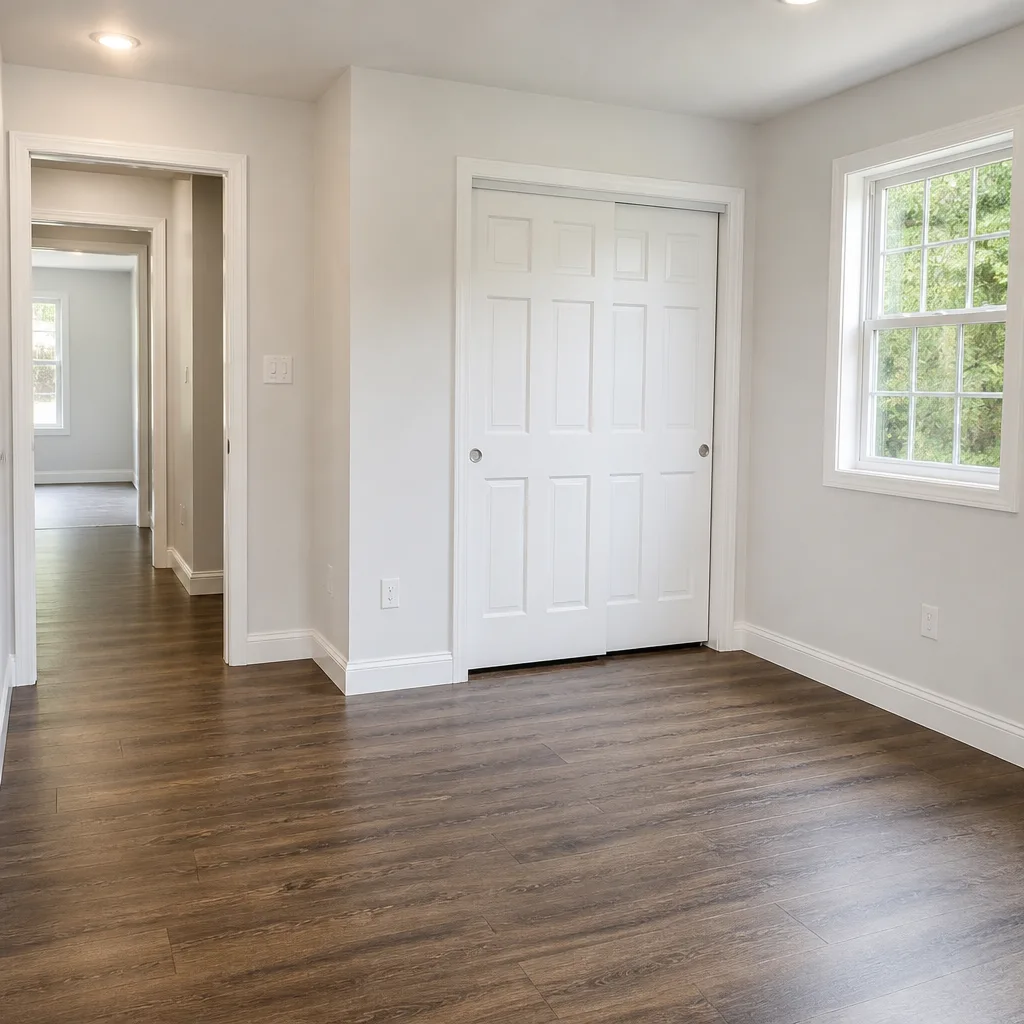 After
AfterWater Damage Restoration Troubleshooting: Common Problems and How to Fix Them
If your restoration company placed drying equipment four days ago and can’t tell you today’s moisture readings off the top of their head, that’s not a communication style, that’s a job that may already be failing. Most mid-restoration problems in Los Angeles homes have a specific, fixable cause. A floor that won’t dry, a smell that keeps coming back, a contractor who goes silent: each one has a diagnostic trail you can follow. This guide and our Water Damage Restoration Warning Signs Every Homeowner Should Know give you the questions to ask and the actions to take when something feels wrong, before permanent damage sets in.
Quick Answer
Our Water Damage Restoration services fail most often for three reasons: the dry-out was stopped too early (moisture is still trapped in materials), the water source wasn’t fully identified and fixed, or the scope of work missed hidden pockets of saturation behind walls and under flooring. If you suspect problems, ask for the psychrometric drying log, check for visual and tactile moisture markers, and escalate to a supervisor within 24 hours of noticing a stall. Most issues can be corrected if caught within the first few days.
Table of Contents
- How to Read a Psychrometric Drying Log and Spot a Stalled Dry-Out
- Musty Odor After Equipment Removal: The Three Causes and How to Tell Which One You Have
- “It’s Dry” But the Walls Feel Cool: Tactile and Visual Checks That Matter
- How to Dispute an Insurance Scope of Work When Adjuster and Contractor Disagree
- Drying Equipment Not Working or Contractor Won’t Return: The 24-Hour Escalation Script
- Mold Appearing After Restoration: What Actually Happened and What to Do Next
- Common Mistakes to Avoid When Troubleshooting a Restoration Job
- When to Call a Professional
- Frequently Asked Questions
How to Read a Psychrometric Drying Log and Spot a Stalled Dry-Out
A psychrometric drying log is the chart your restoration company should be updating daily during the dry-out phase. Psychrometrics is the science of how air temperature, humidity, and moisture content interact, and restoration technicians use it to calculate whether a space is actually drying at the rate it should. If a company in Los Angeles can’t show you this log, or hasn’t updated it since day two, the dry-out is running blind. You don’t need to be an engineer to read one. You need to know three things: what the numbers should be doing, what a stall looks like, and what questions to ask.
First, understand the core principle: drying equipment works by extracting moisture from wet materials into the air, and then removing that moisture from the air through dehumidification. The log records three key readings at each monitoring point, typically daily:
- Moisture content (MC): the percentage of water by weight in a material like drywall or hardwood. A healthy dry-out shows this number dropping every single day. If it flattens for two consecutive readings, the drying process has stalled.
- Relative humidity (RH): the percentage of moisture in the air. In a drying chamber, this should trend downward daily or stay in the controlled range your dehumidifier is set to maintain, typically 30-50% depending on materials.
- Grain depression or dew point differential: the difference between the air’s moisture level and its saturation point. If a log shows the dehumidifier pulling less and less water while material moisture stays flat, that’s a red flag. It means the water is trapped somewhere the air can’t reach, often behind a moisture barrier or inside a wall cavity.
In our experience working across Los Angeles, where older homes have plaster walls and raised foundations that behave very differently from newer slab-on-grade construction, a stalled dry-out usually means one of three things: the equipment is undersized for the structure’s density, the air pathway to the wet material is blocked (debris, sealed cavities, or paint on the surface sealing moisture in), or the wrong combination of equipment is being used for that specific material. A drying log that shows a stall is not a sign that the job is failing permanently. It’s a sign to adjust. Add a dehumidifier, open a wall cavity, switch from low-grain refrigerant dehumidifiers to desiccant units for dense materials. The fix is often same-day.
Musty Odor After Equipment Removal: The Three Causes and How to Tell Which One You Have
A musty smell that persists after drying equipment is removed usually means one of three things, and the distinction matters for what happens next. The good news: each cause has a specific fix, and knowing which one you’re dealing with changes the conversation you have with the restoration company.
- Drying stopped too early. The most common cause in our experience. Materials felt dry on the surface, the equipment came out, and then residual moisture in the middle of the wall cavity, under the flooring, or inside the subfloor re-wet the area over the next few days. The tell: the smell gets worse in the morning after doors and windows have been closed overnight, and you feel a slight tackiness or coolness on the wall. The fix is simple to describe: re-test moisture readings with penetrating probes, not surface meters. If elevated moisture is found, equipment goes back in and drying continues.
- Dead-end air pockets. Some cavities, especially in Los Angeles homes with original lath-and-plaster walls or double-wall construction, trap moist air that the dehumidifier never reached. The air test reads dry, the surface reads dry, but the cavity behind the baseboard or inside the sill plate still holds enough moisture to support odor-causing bacteria. The tell: the musty smell is localized to one small area, often near the floor line or in a corner. The fix: drill small inspection ports, inject dry air with an Injectidry system, and monitor until the cavity drys to target.
- Organic material left behind. In some water losses, especially sewage backups or long-standing leaks, bacteria and organic residue remain in the material even after the water is gone. The material is dry but still smells because it was never properly cleaned or treated with an antimicrobial agent. The tell: the smell has a distinct sour or earthy quality that doesn’t fade with ventilation, and other rooms dry normally. The fix here isn’t more drying. It’s cleaning, treatment, or replacement, depending on the material and the contamination level. This is where the IICRC protocol on category 2 and category 3 water losses matters, because dry does not mean clean in every case.
If you’re asking yourself “do I need full remediation or just more drying?”, the answer depends on the water category and the material involved. We always recommend a written explanation of what’s wet, what’s been treated, and why the odor should resolve. That way you’re not guessing.
“It’s Dry” But the Walls Feel Cool: Tactile and Visual Checks That Matter
A contractor tells you the walls are dry, but they still feel cool to the touch. That coolness is your skin detecting evaporative cooling: moisture is still leaving the material, and as it does, it pulls heat from the surface. In a Los Angeles home during winter, this is especially noticeable because the air is naturally cooler and the contrast is sharper. Cool-to-the-touch walls are not automatically a sign of failure, but you should investigate before accepting the final invoice.
Here are the checks that matter, in order:
- The back-of-hand test. Place the back of your hand against the wall in question, then against a known-dry wall in another room. If the suspect wall feels noticeably cooler and the difference persists for more than a few hours after the HVAC has run, that’s worth flagging.
- The paper towel test. Tape a small piece of white paper towel to the wall with painter’s tape and leave it for 24 hours. If the paper towel shows any crinkling, warping, or discoloration, moisture is still migrating to the surface. A truly dry wall won’t do this.
- Check the baseboards and floor line. Moisture wicks downward. Run your fingers along the junction of the baseboard and the flooring material. If it feels damp, sticky, or swollen, the lower wall cavity is likely still wet even if mid-wall readings are normal. This is one of the most commonly missed spots in restoration dry-outs, especially in Southern California homes with raised wood subfloors.
- Look for paint and texture changes. Freshly painted but not-yet-dry walls often show subtle “sweating” or a slightly darker patch. Drywall that’s retaining moisture will also show nail pops or slight warping at the seams. If you see the paint start to bubble, that’s not a slow dry-out, that’s active moisture.
Ask your restoration company for a final moisture map. This is a document with marked locations and the readings at each spot. If they can’t produce one, and your wall still feels cool after multiple days, that’s not a judgment call. It’s a stalled dry-out that needs a supervisor’s attention.
How to Dispute an Insurance Scope of Work When Adjuster and Contractor Disagree
This is one of the most frustrating situations in water damage restoration: the insurance adjuster says dry, the restoration contractor says replace, or vice versa, and you’re caught in the middle holding a scope of work that doesn’t match what you can see and feel in your own home. In Los Angeles, where home construction spans everything from 1920s Spanish-style plaster walls to 2010s steel-frame builds, a one-size-fits-all insurance estimate frequently misses what’s actually behind the surface, which is why Choosing the Right Damage Restoration Brand: A Buyer’s Guide for Los Angeles matters before you start. You have more leverage than you think, but only if you use the right process.
Here’s how to dispute a scope of work without making the situation worse:
- Get the disagreement in writing, from both parties. Ask the restoration company to document exactly where they believe moisture remains, what testing method they used (penetrating vs. non-penetrating), and what replacement is recommended. Ask the adjuster to document exactly why they believe drying is sufficient. A verbal dispute goes nowhere. A written dispute creates a record.
- Request a third-party opinion. An independent IICRC-certified inspector can conduct a moisture assessment and issue a written report. Most insurers will accept this as evidence. The cost is typically a few hundred dollars, far less than living with a faulty repair.
- Reference the building material, not the water. Insurers respond to material-specific evidence. Saying “the wall still feels wet” is less persuasive than “the drywall shows 22% moisture content with a penetrating meter, manufacturer specifications state drywall should be below 12%, and this wall is 1920s lath-and-plaster which retains moisture longer than modern gypsum board.” Specifics carry weight.
- Invoke the policy’s arbitration or appraisal clause. Most homeowner policies include a method for resolving disputes that doesn’t require a lawyer. Ask your adjuster about the appraisal process. You’re entitled to use it.
- Keep photo documentation of everything. Before-and-after photos, moisture readings, temperature and humidity logs. If a second inspection happens, you want a complete visual record. We send before-and-after photo updates by text on every job for exactly this reason: a clear visual trail protects the homeowner when scope disagreements arise.
Remember: the adjuster’s job is to price the loss accurately. The contractor’s job is to restore your home. Your job is to get the two to look at the same evidence. Written documentation and independent verification almost always move the conversation forward.
Drying Equipment Not Working or Contractor Won’t Return: The 24-Hour Escalation Script
The drying equipment was placed, the technician left, and now something isn’t right. Maybe a dehumidifier keeps tripping a breaker. Maybe the air mover stopped oscillating. Maybe you’ve called three times and no one has called back. This is where most homeowners freeze, and the damage gets worse while they wait. Here’s a scripted escalation process that gets the contractor back on-site.
The 24-hour escalation script, step by step:
- Call the company’s main line, not the technician’s cell. Say: “I have active water damage restoration in progress, the equipment in [room name] stopped working [timeframe], and I need a supervisor on-site within 24 hours. Can you commit to that right now?” Write down the name of the person you spoke to, the date, and the time.
- If no callback within 4 hours, call again and ask for the job file. Say: “I’m calling about job number [if you have one], the drying log hasn’t been updated since [date], and I need someone to re-check moisture readings. What time will a technician arrive tomorrow?” Specific asks get specific answers.
- If still no response by end of business day, put it in writing. Send an email or text to the company’s official contact: “On [date] I reported equipment failure at [address]. I have not received a callback. Please confirm in writing when a supervisor will arrive to re-assess the dry-out. If I do not hear back within 24 hours, I will contact my insurance adjuster and request a new restoration company.” This is not a threat. It’s a documented paper trail.
- If equipment is visibly broken or not running at all, unplug it and note the time. A broken dehumidifier is not helping your home dry. The longer a dry-out stalls, the more likely you are to develop secondary damage: mold growth, warped subfloors, or framing that requires more invasive repair. Documenting the downtime protects your claim.
In Los Angeles, where the pace of restoration work is high and many companies run multiple jobs across the county in a single day, a technician going quiet for 24 hours is not normal. It’s a service failure. Escalating within that window, in writing, with a specific ask, almost always gets a response. And if it doesn’t, you’ve documented exactly why you’re changing companies.
Mold Appearing After Restoration: What Actually Happened and What to Do Next
You completed a water damage restoration, the equipment came out, the invoice was paid, and then you notice something new: a dark spot on the baseboard, a fuzzy patch in the corner, a musty smell that never really went away. Mold appearing after restoration is not a random event. It happened because something in the original job was incomplete. Understanding what went wrong tells you what to do next.
The three most common scenarios we see in Los Angeles homes:
- Incomplete drying. The material was not fully dried to target moisture content before equipment was removed. Mold spores, which are present in every indoor environment, found a damp surface and started growing. This is the leading cause of post-restoration mold. The fix is straightforward: re-dry to target readings, then treat affected surfaces with an antimicrobial agent. In many cases, the visible area is smaller than what’s hiding behind the wall or under the trim.
- Source not fully addressed. The leak was “fixed” but wasn’t. A pinhole in a copper supply line behind a wall, a roof flashing that still lets water in during the next rain, a slab leak that re-wets the subfloor every few weeks. In these cases, the restoration was done correctly, but the water came back because the source of the original loss was never permanently repaired. That’s not always the restoration company’s fault, but it’s always your problem to fix before the next drying cycle.
- Category 2 or 3 water was treated as Category 1. IICRC protocol divides water into three categories: clean water (Category 1), contaminated water (Category 2), and grossly contaminated water (Category 3, typically from sewage or floodwater). If your loss involved gray or black water and materials were dried without proper cleaning, antimicrobial treatment, or replacement, mold and bacteria will often appear later. This is a protocol failure and should be addressed by a company that follows IICRC standards.
If you see mold after restoration, don’t ignore it and don’t just spray bleach on it. Bleach is not an effective treatment for porous materials like drywall and wood. Document the area with photos, call the original restoration company with a specific description of what you see and where, and ask for a written explanation of what they believe happened. If the company is unresponsive or dismissive, call your insurance company and request a second restoration assessment. In our 365-Day Done Right Promise, if it’s not done right, we make it right, stated in writing on every job. That’s the standard you should expect from any restoration company you hire.
Common Mistakes to Avoid When Troubleshooting a Restoration Job
- Waiting “a few more days” to see if things improve. In a Los Angeles home, a stalled dry-out rarely self-corrects. Moisture trapped in a wall cavity or under a floor will not evaporate without air movement and dehumidification. The longer you wait, the more likely you’re facing mold growth or material degradation that changes the scope of the repair.
- Accepting surface moisture readings. A pinless moisture meter reads the surface of a material. A penetrating meter reads inside the material. If a technician only uses a non-penetrating meter, they may miss moisture trapped deeper. Ask specifically for penetrating readings on suspect materials like hardwood floors and baseboards.
- Turning off equipment to save power or reduce noise. The drying process depends on continuous air movement and dehumidification. Turning off equipment at night to sleep, or because the electric bill is climbing, slows the dry-out and can cause the job to stall. The Water Damage Restoration in Los Angeles process works when equipment runs 24/7.
- Paying the final invoice before verifying the job is complete. Once you pay in full, your leverage drops significantly. Before final payment, request a written final moisture report, a summary of what was replaced vs. dried, and a statement of the warranty. If the company can’t or won’t provide these, don’t sign off.
- Assuming your insurance adjuster and the restoration company are in sync. They frequently aren’t. Adjusters work from averaged pricing sheets. Restoration companies see the actual conditions inside your walls. If you sense a disconnect, ask for a joint site visit where both parties inspect together. That single meeting often resolves disagreements faster than weeks of phone calls.
- Not documenting everything from day one. Water damage restoration is a documentation-heavy process. Photos of the initial damage, daily moisture readings, equipment placement, and final conditions all protect you if a dispute arises. If you don’t have it in writing or in photos, it may as well not exist.
When to Call a Professional
Some problems can be checked by a homeowner: the back-of-hand test, the paper towel test, spotting visible mold or warping. But there are situations where you need a professional immediately. Call a restoration company if you see water returning after a dry-out was completed, if moisture readings are rising instead of falling, if you smell gas along with water damage, if the water came from sewage or floodwater, or if you have any water contact near electrical panels or wiring. Water and electricity are a dangerous combination, and no one should attempt to dry out an active electrical hazard on their own. For homeowners in Los Angeles, Wendell Water Damage Restoration home offers free estimates and a written price before any work starts. Call (940) 466-4354 to get a live person on the line, any time of day or night.
Frequently Asked Questions
A typical water damage dry-out in Los Angeles takes 3 to 5 days, depending on the materials affected and how quickly the water source was stopped. Dense materials like hardwood floors and plaster walls take longer than drywall and carpet. If your dry-out has gone past 7 days with no clear end date, ask for a written explanation of what’s still wet and why. That’s a red flag worth investigating.
For small, clean-water incidents where the area is under about 10 square feet and no electrical or structural components are affected, you may be able to handle the drying with fans and a dehumidifier. For anything larger, anything involving contaminated water, or anything inside walls or under flooring, a professional with proper equipment is necessary. The risk of hidden moisture leading to mold or structural damage is too high to leave to chance.
Ask for the psychrometric drying log and the daily moisture readings at each monitoring point. A company following IICRC protocol will document temperature, relative humidity, and material moisture content every single day. If they can’t produce a log, or if the readings haven’t changed in two consecutive visits, the dry-out is not progressing. You should also receive before-and-after photo updates by text. A company that’s doing the work right is proud to show you the evidence.
Sometimes. If the original restoration was incomplete and the same water damage claim is still open, your insurer may extend coverage for the additional drying and repair. If the restoration company failed to meet IICRC standards, your insurer or the restoration company’s liability coverage may be involved. Document everything, file a written follow-up claim, and request a second assessment. If your adjuster is unresponsive, request a supervisor review.
Hire a restoration company to perform moisture mapping and, if needed, a mold assessment. Hidden mold often lives behind baseboards, inside wall cavities, and under flooring where you can’t see it. A professional can use moisture meters and thermal imaging to locate the source without unnecessary demolition. In Los Angeles, where many homes have shared walls in multi-family buildings, hidden mold in one unit can spread to adjacent units if left untreated. Call Mold Remediation in Los Angeles for guidance on what a proper assessment should include.
Water damage restoration is the process of drying the home, preventing secondary damage, and cleaning affected materials. It includes water extraction, dehumidification, antimicrobial treatment, and monitoring. Water damage repair is the reconstruction that comes after drying: replacing drywall, flooring, baseboards, paint, and other finished materials. Some companies only do the drying. Others, like Wendell Water Damage Restoration, handle both. Our Water Damage Repair in Los Angeles page explains the scope of repair work we cover.
The Bottom Line
Most water damage restoration problems are fixable if caught early, and you’ll find more guides & resources on our blog. A musty odor that comes back, a wall that stays cool, a drying log that stalls: each one has an identifiable cause and a specific remedy. The common thread is documentation. Written moisture readings, written scopes of work, written explanations of what went wrong. In our experience, the homeowners who insist on written documentation are the ones who get the outcome they paid for. You have the right to ask for evidence at every stage. In Los Angeles and everywhere else, the standard for a good restoration company is simple: show the data, show the price in writing, and show up when you say you will. If your current contractor won’t do those three things, it’s time to have a different conversation.
Written by Blake Sorensen, Owner at Wendell Water Damage Restoration, serving Los Angeles since 2006.