
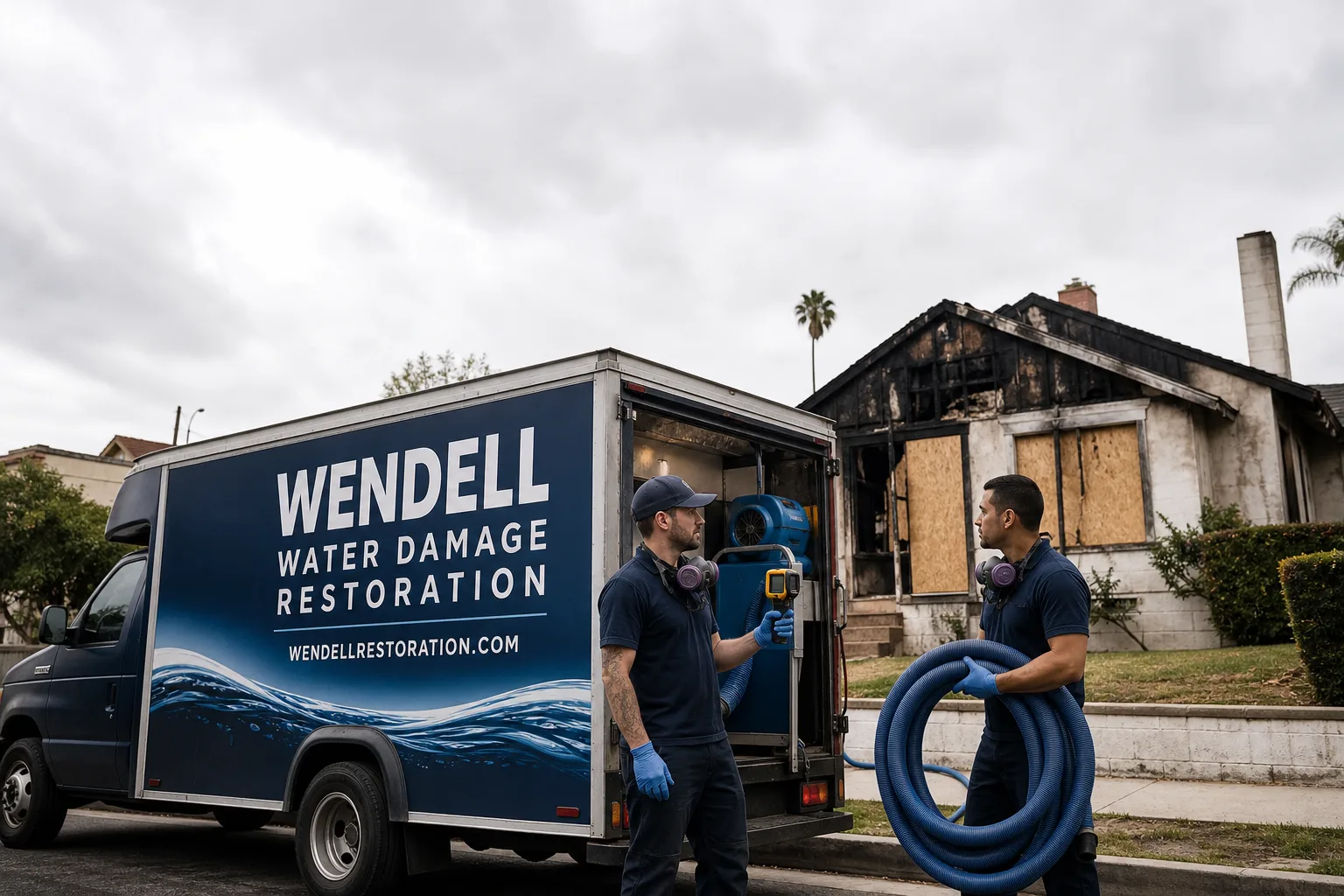
Free visual inspection and a written scope of work before any mitigation begins - photos, moisture readings, and drying logs go in your claim file
The scope we write is the scope we bill. Anything new gets shown to you, in writing, before we touch it.
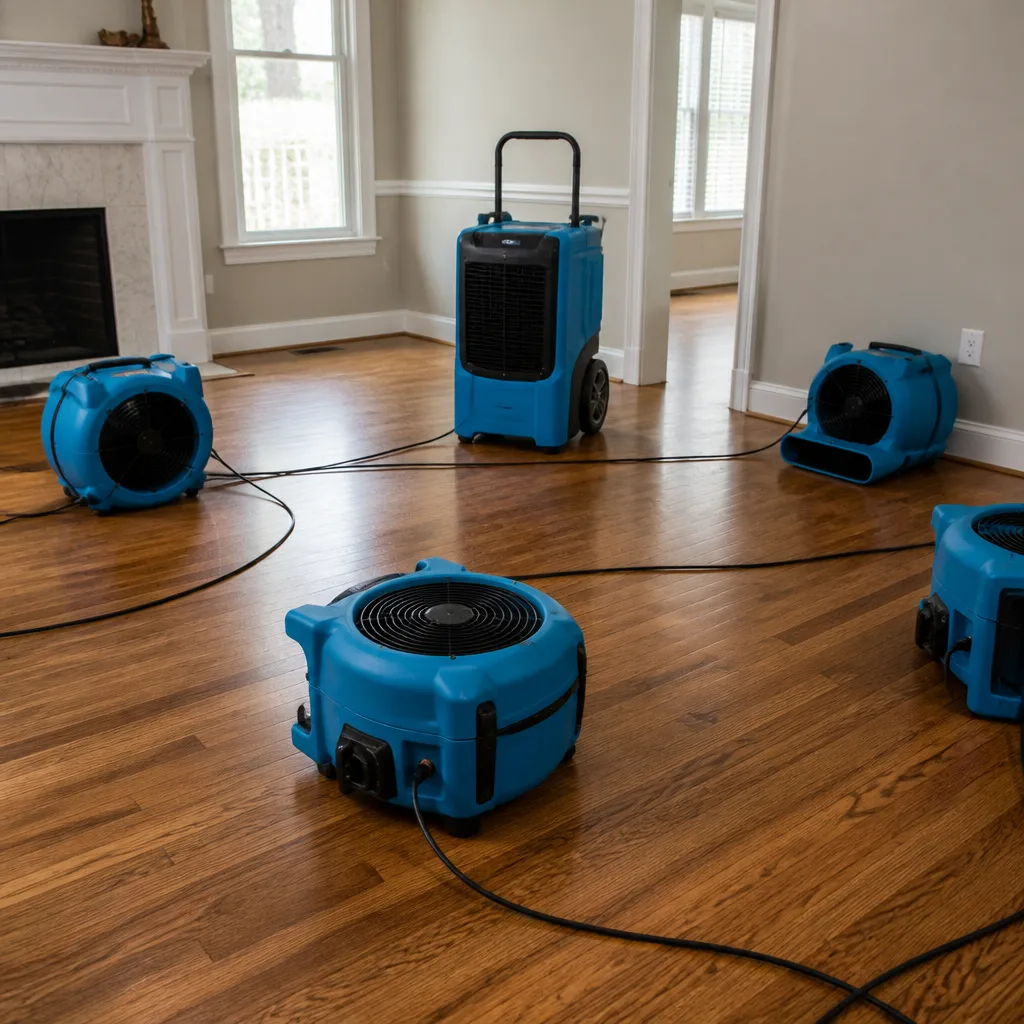

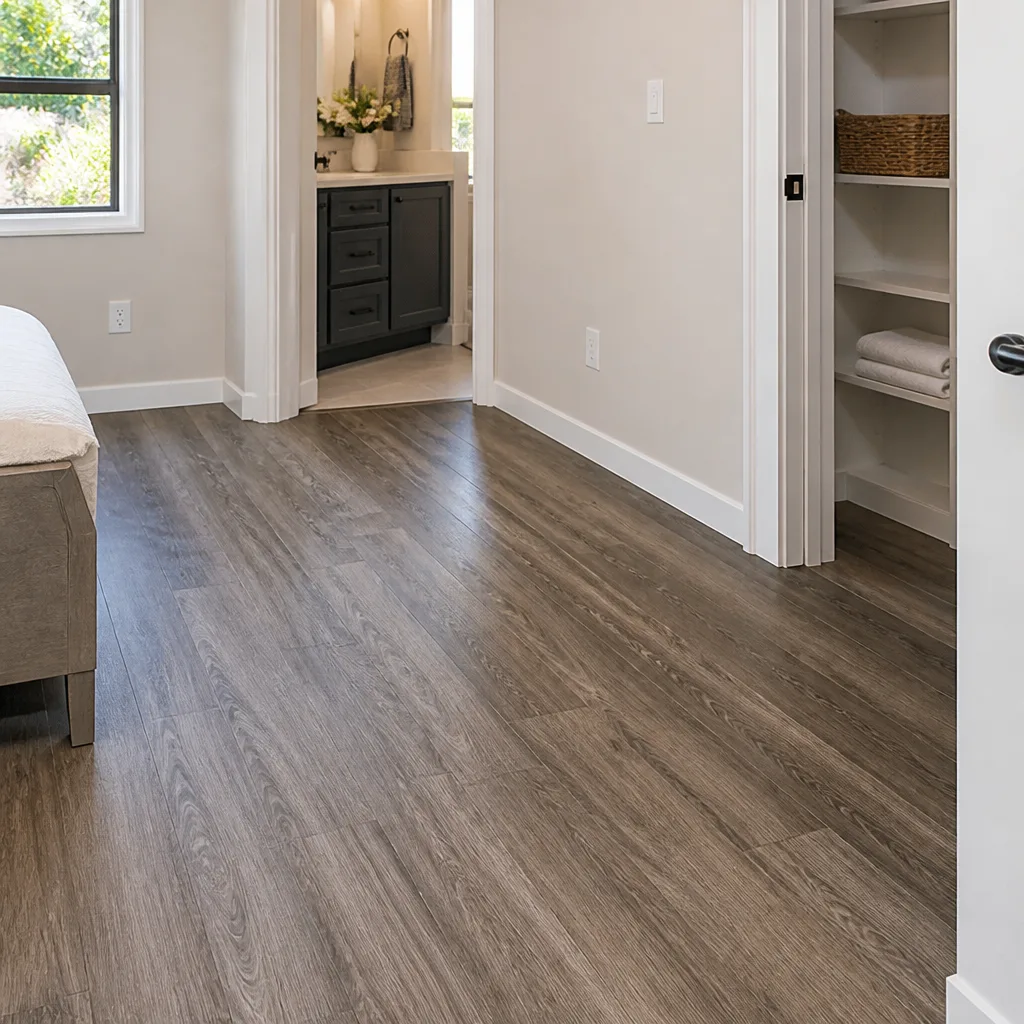

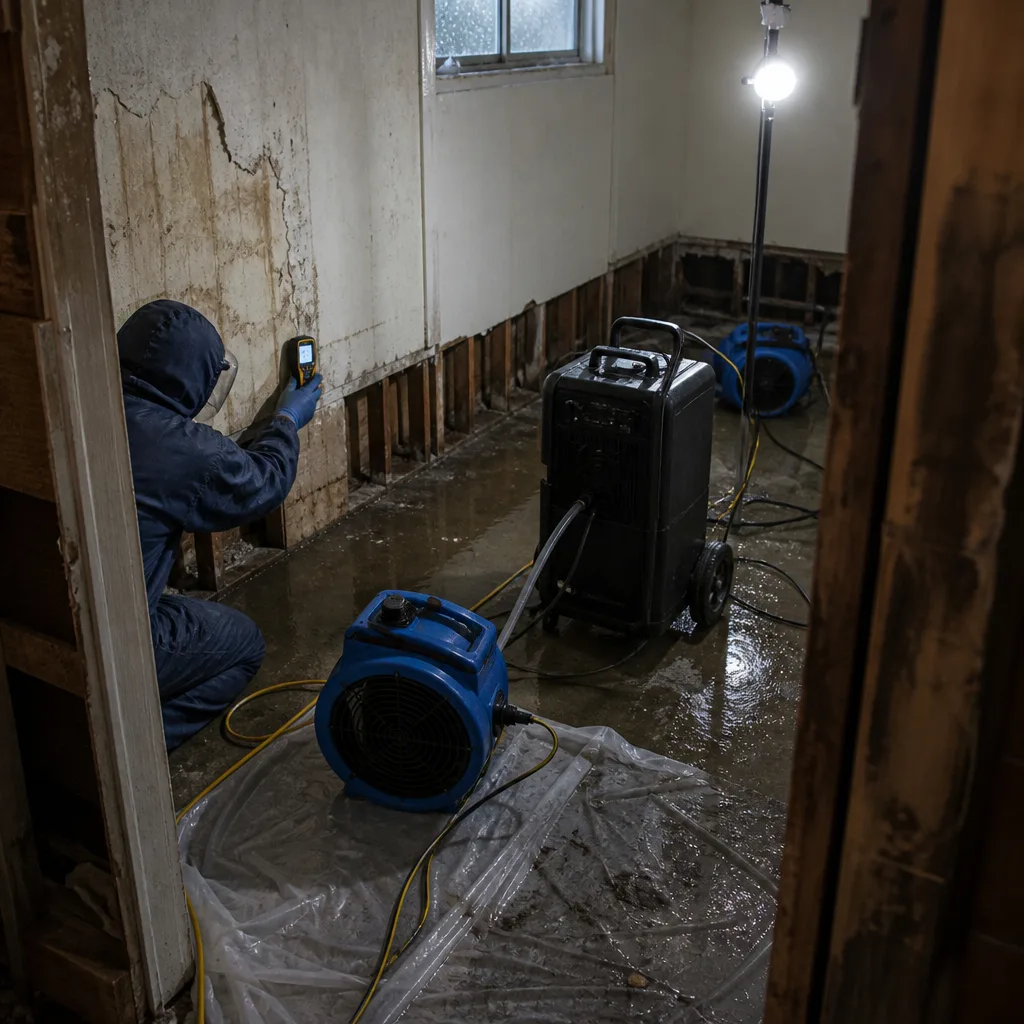 Before
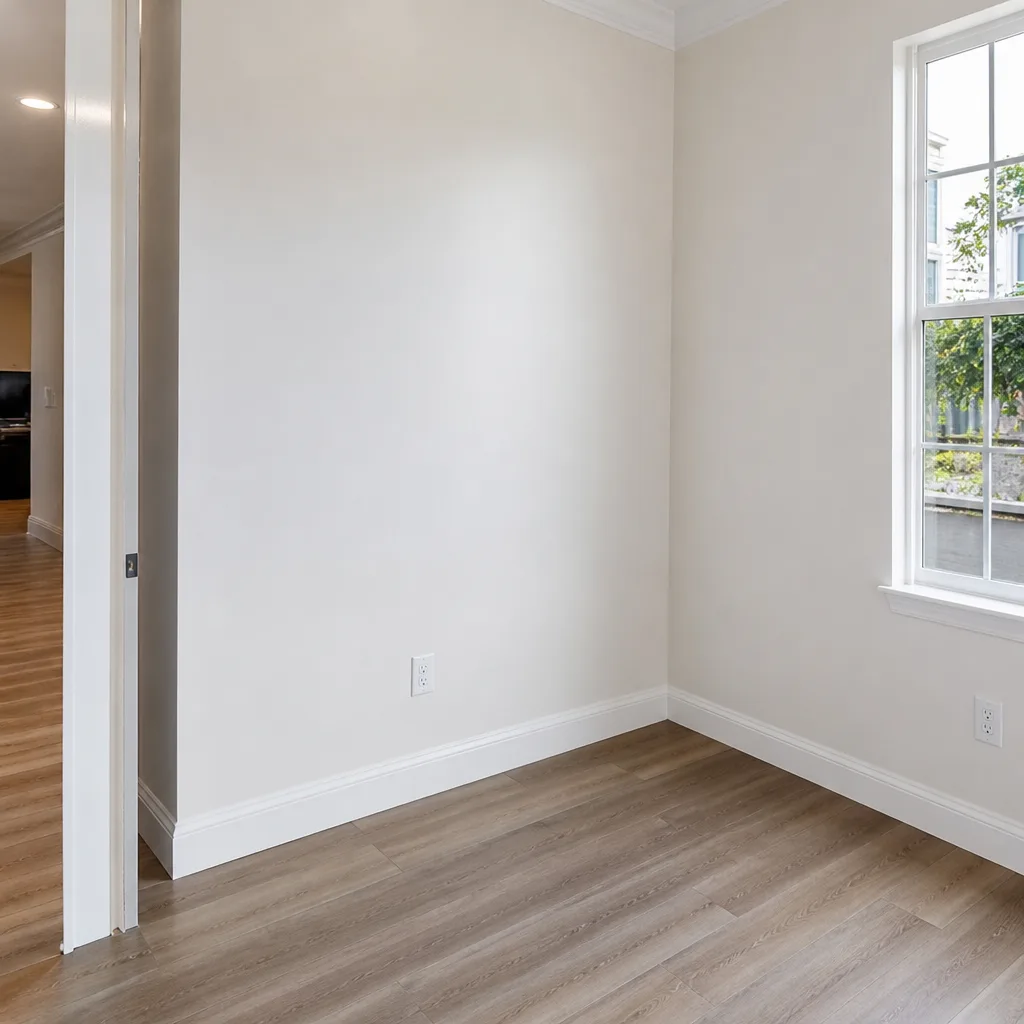 After
After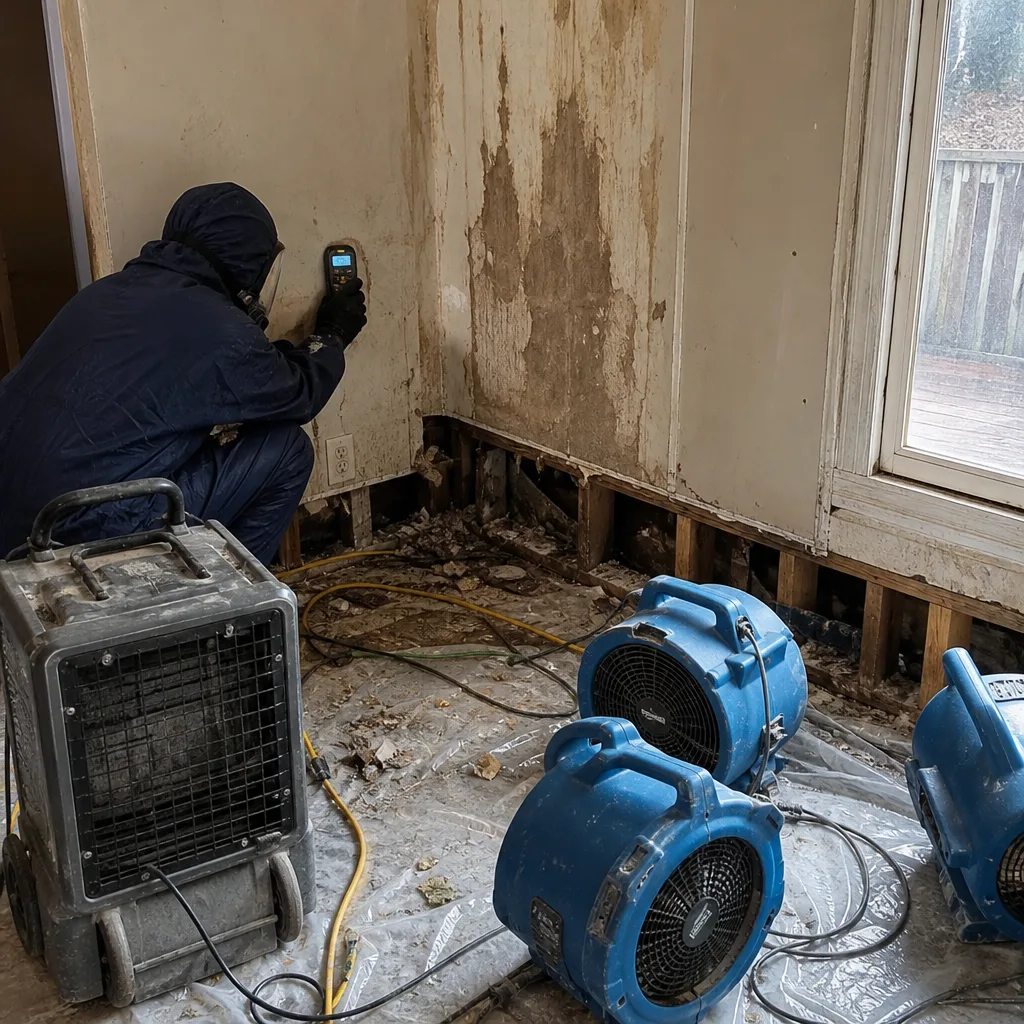 Before
 After
After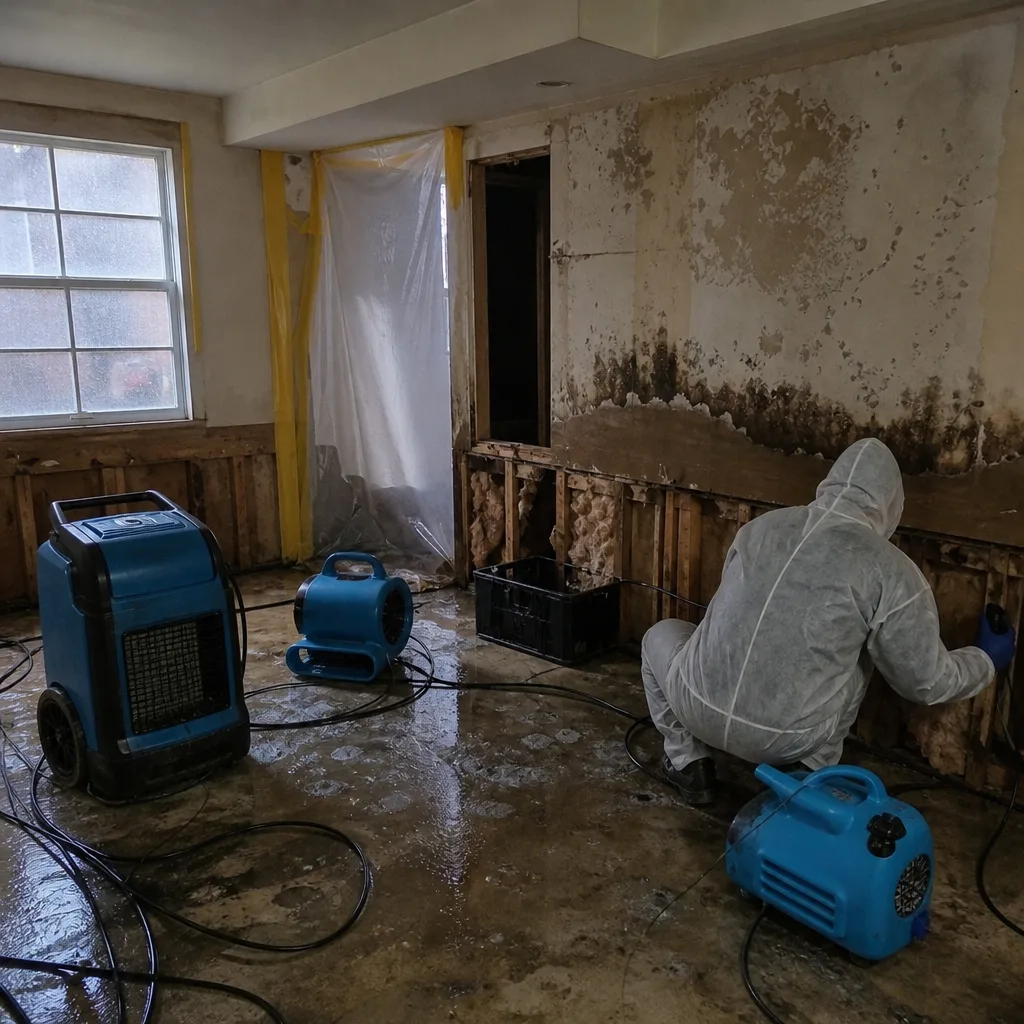 Before
 After
AfterFast, Reliable Water Damage Restoration Across Prospect Park
Water damage in Prospect Park needs a response team that knows this borough’s specific housing stock. Our crews reach Prospect Park neighborhoods like the Hopper Street corridor and the blocks around North 8th Street, usually within 45 to 60 minutes of your call. We understand the early-1900s two-family homes here, the finished basements, and the way water moves through shared walls. Water damage does not wait, and neither do we. Call (940) 466-4354 and you will speak with a live person who can dispatch a technician to Prospect Park immediately.
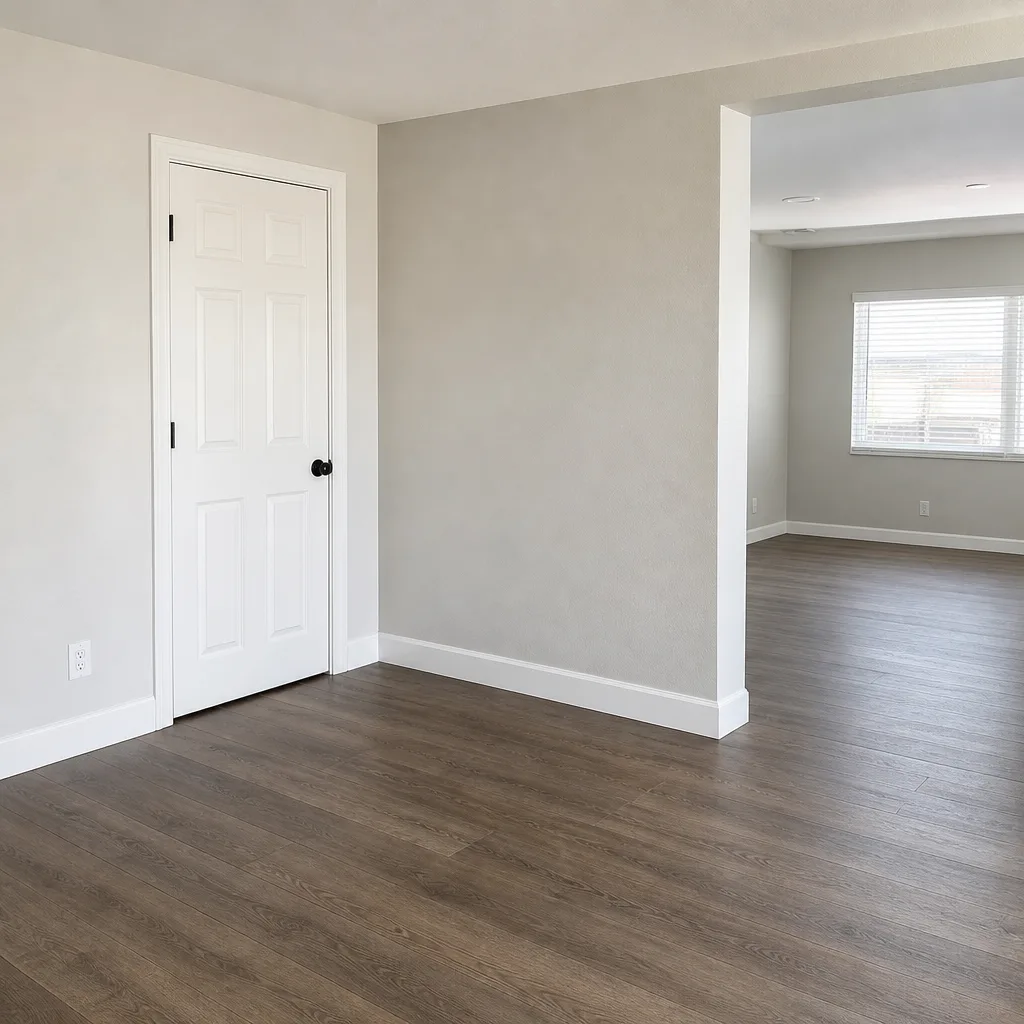
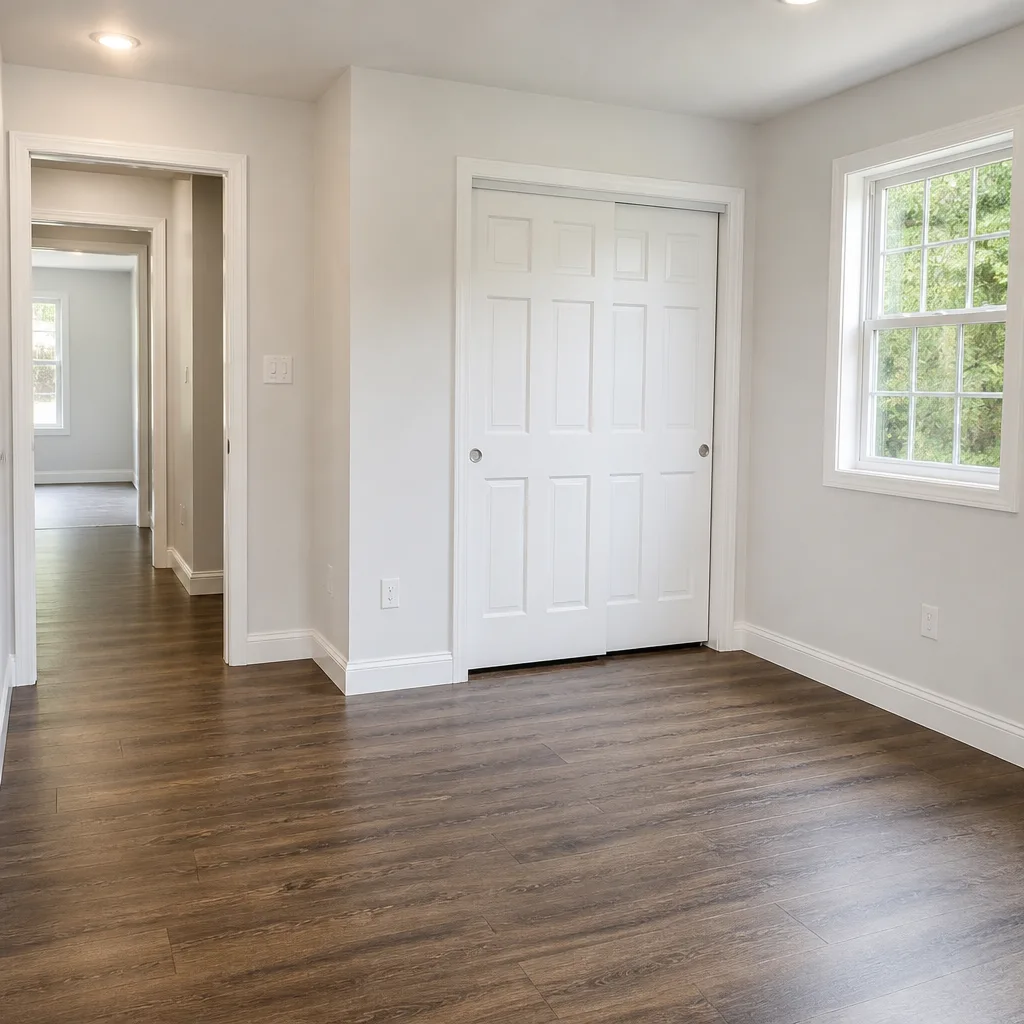
What sets Wendell apart in Prospect Park is simple: Water Damage Restoration built around transparency. You get a written price before any work starts, a live arrival time you can track, and before-and-after photos by text. No vague four-hour windows. No price that changes at the door. Just a team that shows up and gets your home dry.
Key Takeaways for Prospect Park Homeowners
- We typically reach Prospect Park within 45 to 60 minutes for water emergencies.
- Written price before any work starts, always. The number on the screen is the number you pay.
- 365-Day Done Right Promise: if it is not done right, we make it right, in writing.
- Two-family water losses in Prospect Park require specific containment because shared walls spread moisture fast.
- Call (940) 466-4354 for a free estimate. A live person answers, 24/7.
Why Wendell Water Damage Restoration Is Prospect Park’s Preferred Water Damage Restoration Company
Prospect Park’s housing stock creates a specific type of water damage, and we have spent years responding to exactly these jobs. This is not a town of sprawling single-family homes with detached garages. It is a borough of tightly packed two-family houses built between 1900 and 1930, many with finished basements and shared party walls. That changes how water moves, and it changes how a restoration company has to work.
Our technicians are background-checked and uniformed, and they arrive with a live arrival time you can track on your phone. When they walk into a Prospect Park home, they already know the likely failure points: second-floor supply lines above first-floor ceilings, shared-wall moisture migration between units, plaster-and-lath walls that hide saturation. Blake Sorensen leads our team with a straightforward mandate: put the price in writing, explain the process in plain language, and do the drying work to IICRC, RIA, and IFA standards.
Prospect Park customers also get the Relay Standard on every job: book in a tap, live arrival time, photo updates by text, written price, and a digital invoice you pay from a link. That is how restoration should work in Prospect Park.
Emergency Water Damage Restoration in Prospect Park
Emergency Water Damage Restoration in Prospect Park means answering a call at 2 a.m. from a homeowner whose second-floor supply line just failed and sent water pouring through the first-floor ceiling. The job involves immediate water extraction, moisture mapping to find hidden saturation, containment to stop moisture from spreading, and structural drying with professional equipment. In Prospect Park, a typical emergency water extraction runs $1,200 to $2,800 depending on the size of the affected area and how many rooms are involved. The full restoration, including drying and reconstruction, often lands between $3,500 and $9,000 for a multi-room two-family loss.
Second-Floor Supply Line Failures
In Prospect Park’s two-family homes, supply lines to bathroom sinks and toilets are the most common flooding source. When a second-floor line fails overnight, water pools above the first-floor ceiling, saturates the plaster-and-lath assembly, and moves into wall cavities. By the time you see the ceiling stain, the water has already migrated. Our crew uses thermal imaging and moisture meters to map the full affected area before we start extraction. The goal is to dry the assembly, not just the surface.
Flood Cleanup After Storms
The Passaic River’s floodplain brushes Prospect Park’s southern edge near Riverdale Avenue, and heavy storms can push water into low-lying basement levels. Floodwater is contaminated by definition, which means it is a category 3 loss. We handle flood cleanup in Prospect Park with full containment, antimicrobial treatment, and disposal of saturated porous materials. The range for a Prospect Park basement flood cleanup runs $3,200 to $7,500, depending on square footage and what needs removal.
Water Mitigation in Prospect Park
Water Mitigation in Prospect Park is the process of stopping ongoing damage and drying the structure to prevent secondary issues like mold and rot. This is not the same thing as full restoration. Mitigation is step one: extract standing water, remove saturated materials that cannot be saved, set up air movers and dehumidifiers, and track moisture levels daily until the structure reaches its drying target. Most Prospect Park homes need two to four days of active drying. In this market, structural drying and dehumidification typically runs $1,800 to $4,200 for a single room, and $4,500 to $10,000 for a whole-basement setup with multiple units running.
Basement Water Removal in Shared-Wall Buildings
Prospect Park basements are often finished, and many share a common wall with the neighboring unit. That shared wall changes the mitigation math. If we extract water from one side without containment, moisture vapor and odor spread into the adjacent apartment. We set containment on every shared-wall basement job, run psychrometric drying (tracking the air’s moisture level so we know when your home is truly dry, not just surface-dry), and monitor daily until the meters show the job is done.
Ceiling and Roof Leak Water Damage
Roof leaks in Prospect Park’s older homes often present as ceiling stains on the second floor. By the time the stain shows, water has already saturated the plaster or drywall assembly. Our mitigation process addresses the full cavity: we contain the room, open the ceiling where needed, dry the joist bays, and treat any framing with antimicrobial products. You do not want a ceiling that looks dry on the outside while the joist space stays wet for weeks. That is how hidden mold starts.
Trusted Brands We Service in Prospect Park
Our Prospect Park crews run professional-grade drying equipment from Phoenix, XPOWER, and Dri-Eaz, the same brands used on large commercial loss sites. We stock common replacement parts and supplies locally so turnaround is fast, which matters when a Prospect Park homeowner is looking at a wet basement at 11 p.m. on a Tuesday. The gear is only as good as the tech running it, and our team follows IICRC, RIA, and IFA protocols on every water mitigation and water damage restoration job across Prospect Park.
Common Water Damage Restoration Problems We See in Prospect Park Homes
- Second-floor supply-line failures in two-family homes. A bathroom sink or toilet supply line lets go upstairs, and by morning the first-floor ceiling is sagging. The vertical loss pattern is particular to Prospect Park’s stacked-unit housing, where one failure becomes two households’ problem.
- Shared-wall moisture migration. Many Prospect Park basements and living spaces share a common wall with the neighboring unit. A localized leak on one side does not stay localized. Containment is not optional here, it is standard.
- Hidden saturation in plaster-and-lath walls. Prospect Park’s early-1900s homes often have plaster over wood lath, which hides water differently than modern drywall. A surface that feels dry can still hold significant moisture inside the wall assembly, where mold can develop in 24 to 48 hours.
- Finished basements with delayed discovery. A water heater fails in an unfinished basement and someone notices within hours. In a finished Prospect Park basement with drywall and flooring, water hides under vinyl plank or behind paneling until the damage is extensive. Early detection saves thousands.
Pricing for Water Damage Restoration in Prospect Park, NJ
Water damage restoration in Prospect Park runs a wide range because the scope depends on how much water, how far it traveled, and what materials need removal. Here are the honest numbers for this market:
| Service | Typical Prospect Park Price Range |
|---|---|
| Emergency water extraction (single room) | $1,200 – $2,800 |
| Structural drying and dehumidification (per room) | $1,800 – $4,200 |
| Basement water removal (full setup, multi-day drying) | $4,500 – $10,000 |
| Flood cleanup from river or storm water | $3,200 – $7,500 |
| Burst pipe restoration, including drywall and paint | $2,500 – $6,800 |
What affects your price: the number of affected rooms, whether containment is needed for shared walls, whether saturated drywall or plaster must be removed, and how many days of active drying your structure requires. We put the price in writing before any work starts. Call (940) 466-4354 and we will send a technician to assess your Prospect Park home and give you a free estimate.
We Also Serve Cities Near Prospect Park
Our crews work throughout Passaic and Bergen counties, including Newark, Jersey City, Paterson, and Elizabeth. If you own a rental property in Prospect Park and another in Paterson, one call covers both. We coordinate dispatch from our New York City office and serve the full metro area with the same written pricing and live arrival times.
Serving Prospect Park, NJ - Our Local Coverage Area
We’re based in the Prospect Park area and know this community well. Use the map below to see our service coverage - if you’re nearby, we can almost certainly help.
FAQs About Water Damage Restoration in Prospect Park
We typically reach Prospect Park within 45 to 60 minutes of your call, depending on traffic on Route 80 or local streets around North 8th Street. A live person answers 24/7, and you will get a live arrival time you can track, not a vague window. Call (940) 466-4354 the moment you see water, because every hour of standing water expands the damage.
Most second-floor supply-line leaks start as category 1 clean water, but if the water sat in the ceiling assembly for more than 24 to 48 hours, or if it mixed with dust and insulation from the cavity, it is often category 2 by the time we arrive. We test and document the category before starting work, and we will explain the finding in plain language. The claim paperwork gets the same documentation.
Yes. Our Prospect Park crews regularly manage losses that start in one unit and migrate through a shared wall or floor assembly into the neighboring apartment. We coordinate with both occupants when needed, set containment, and document the pre-loss condition of each unit. We have seen this exact scenario on Hopper Street and throughout the borough’s older two-family stock.
We run Dri-Eaz, Phoenix, XPOWER, B-Air, and Injectidry equipment on Prospect Park jobs, selected based on the size and layout of the affected space. A small bathroom needs a different setup than a full finished basement. The equipment follows IICRC, RIA, and IFA standards, and we track moisture readings daily until the structure hits its drying target.
Yes, we handle contents pack-out and pack-back for Prospect Park homeowners when water or sewage affects personal property. Contents are itemized, photographed, and documented for your insurance claim, then cleaned, dried, and stored until the structure is ready. This is part of our full service, not an add-on surprise. Call (940) 466-4354 for details.
Why Prospect Park’s Water Damage Patterns Are Different
The Passaic River’s 500-year floodplain skirts Prospect Park’s southern edge near Riverdale Avenue, and combined with the borough’s dense stock of early-1900s two-family homes, water jobs here often involve stacked-unit leaks. A second-floor supply-line failure soaks the first-floor ceiling before anyone notices, and by the time the stain appears the water has already saturated the plaster-and-lath assembly and moved into wall cavities. This vertical loss pattern is different from nearby towns like Haledon and Hawthorne, where larger single-family lots and newer construction rarely produce the same back-to-back tenant damage.
We were called to a two-family on Hopper Street after a second-floor supply line to a bathroom sink let go overnight, sending water through the ceiling of the first-floor unit. Our techs ran moisture mapping with thermal imaging and pinned meters before starting water extraction, then set containment in the downstairs kitchen, positioned Dri-Eaz and XPOWER air movers with a Phoenix dehumidifier, and logged daily moisture readings until the structural drying targets were met. The pre-loss condition report and drying logs helped both tenants and the landlord settle the claim without dispute. That is what water damage restoration in Prospect Park should look like: documented, systematic, and honest.
Written by Blake Sorensen, Owner at Wendell Water Damage Restoration, part of the Relay Home Co. family. Founded in 2006, we bring the Relay Visibility Guarantee to every Prospect Park water damage job: written pricing, live arrival times, and before-and-after photos by text.