
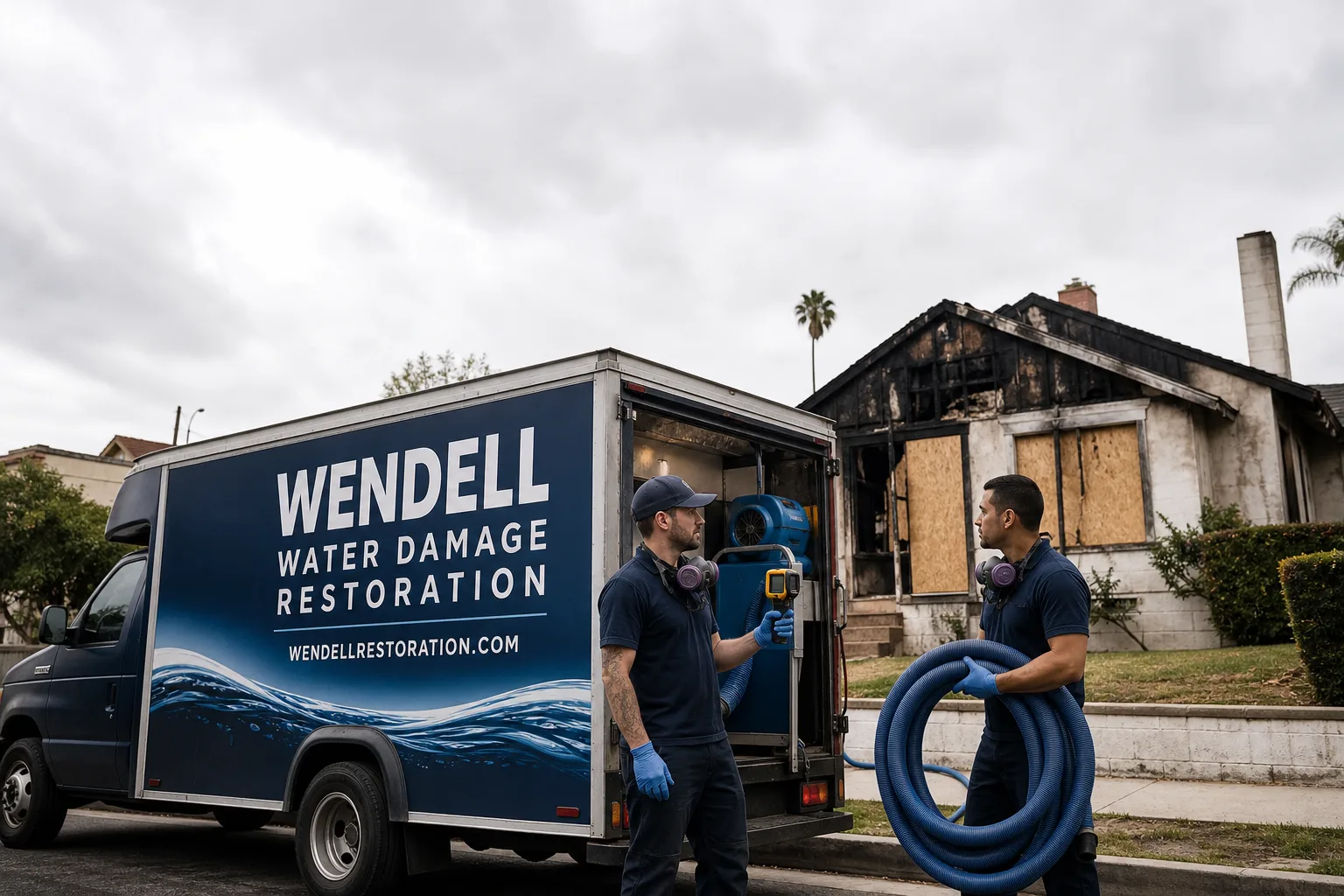
Free visual inspection and a written scope of work before any mitigation begins - photos, moisture readings, and drying logs go in your claim file
The scope we write is the scope we bill. Anything new gets shown to you, in writing, before we touch it.
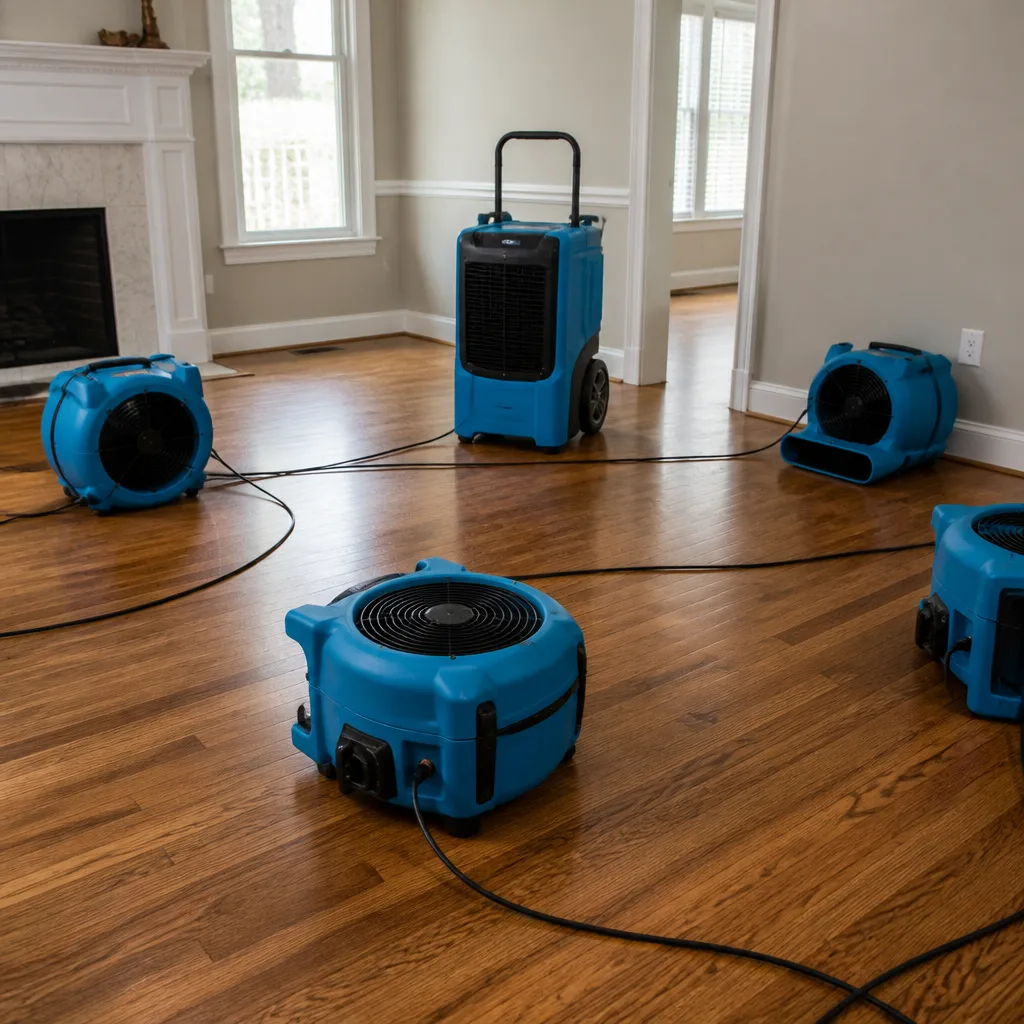
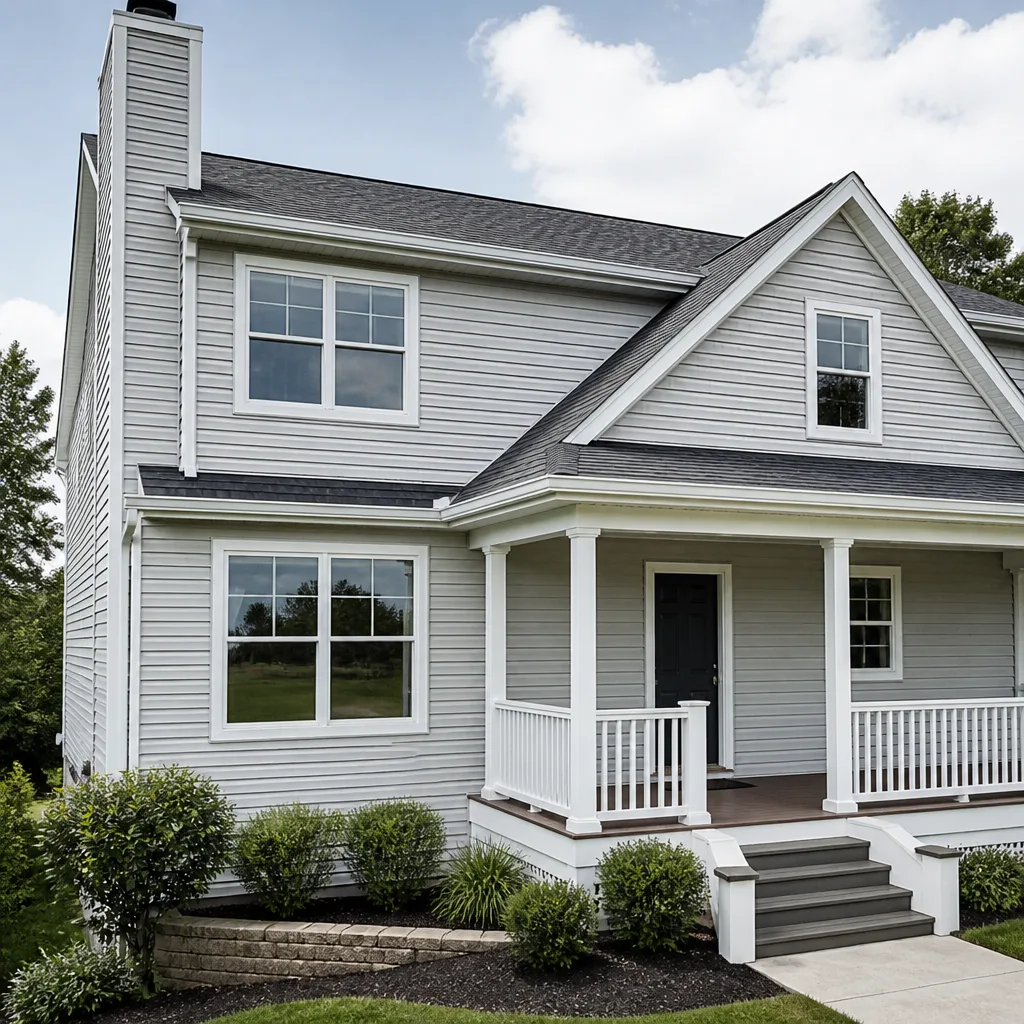
 Before
 After
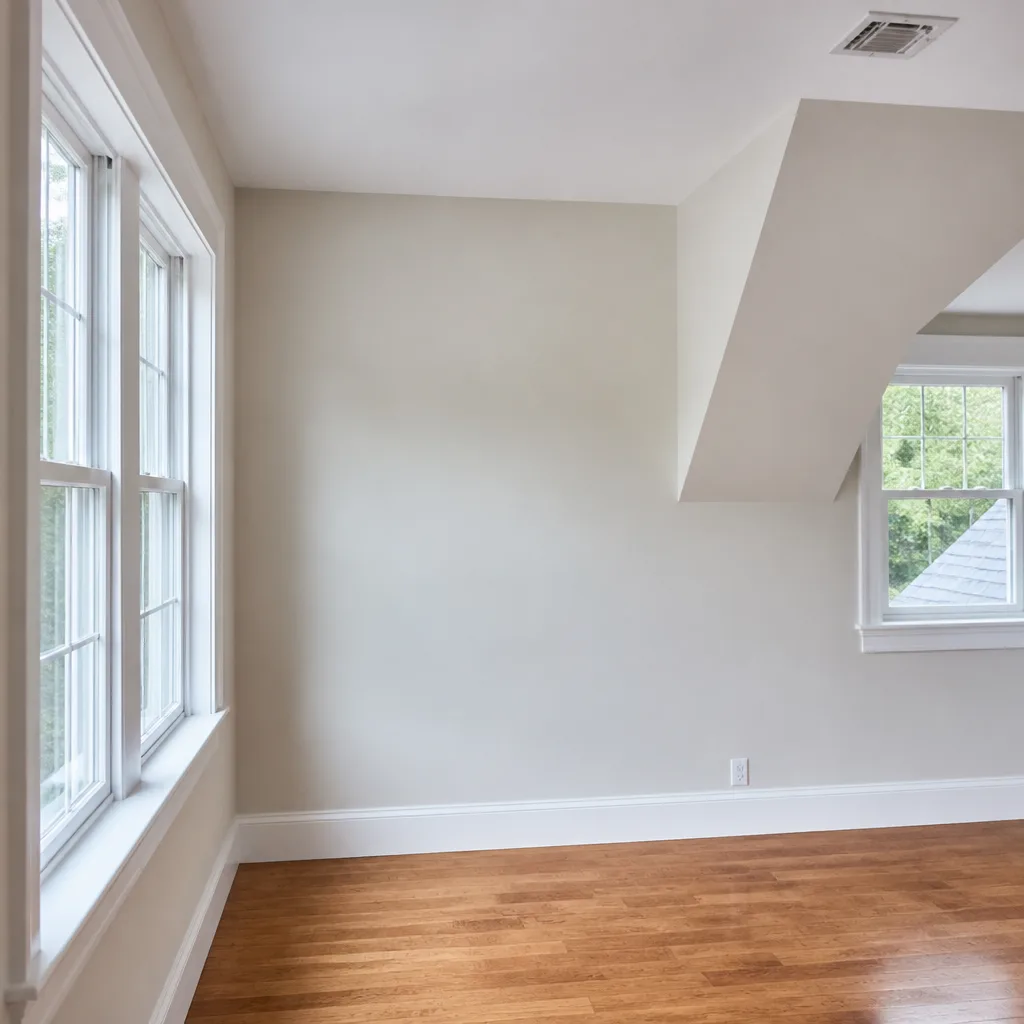
After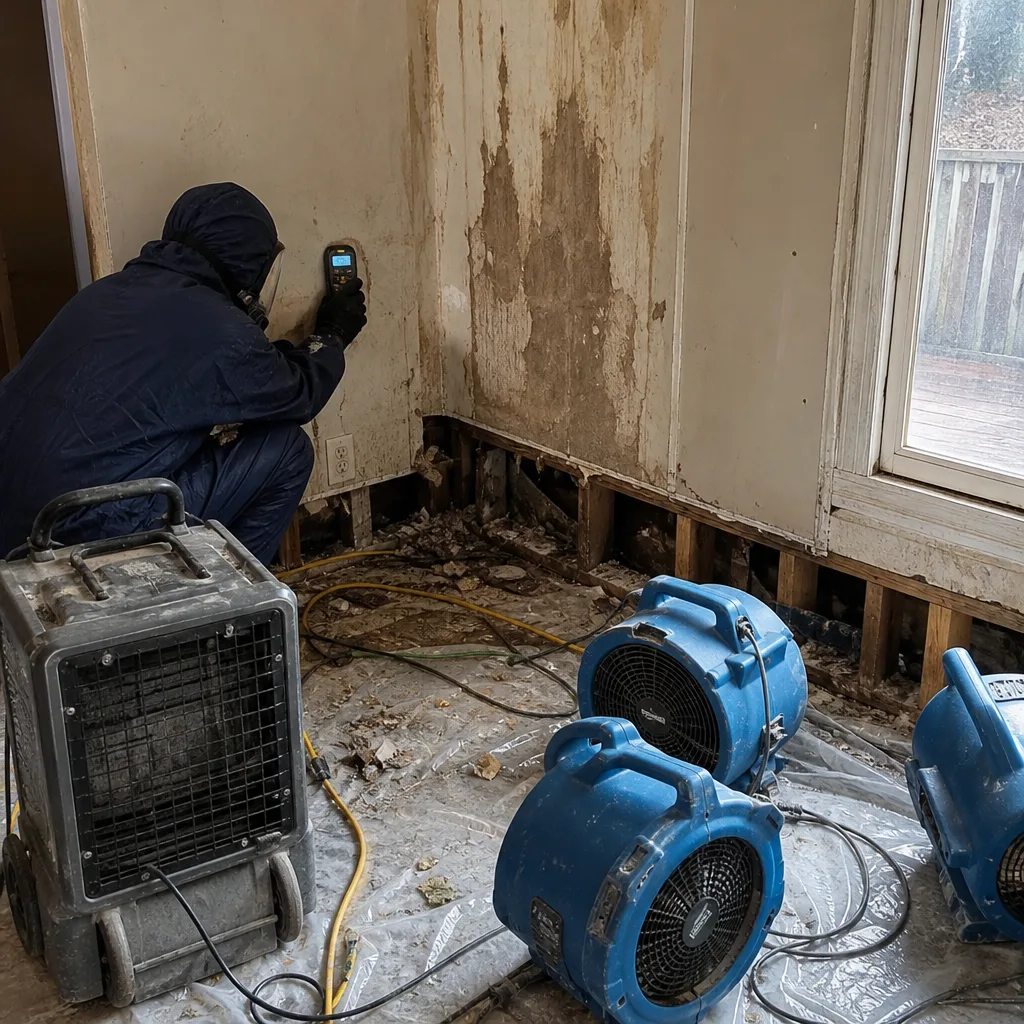 Before
 After
After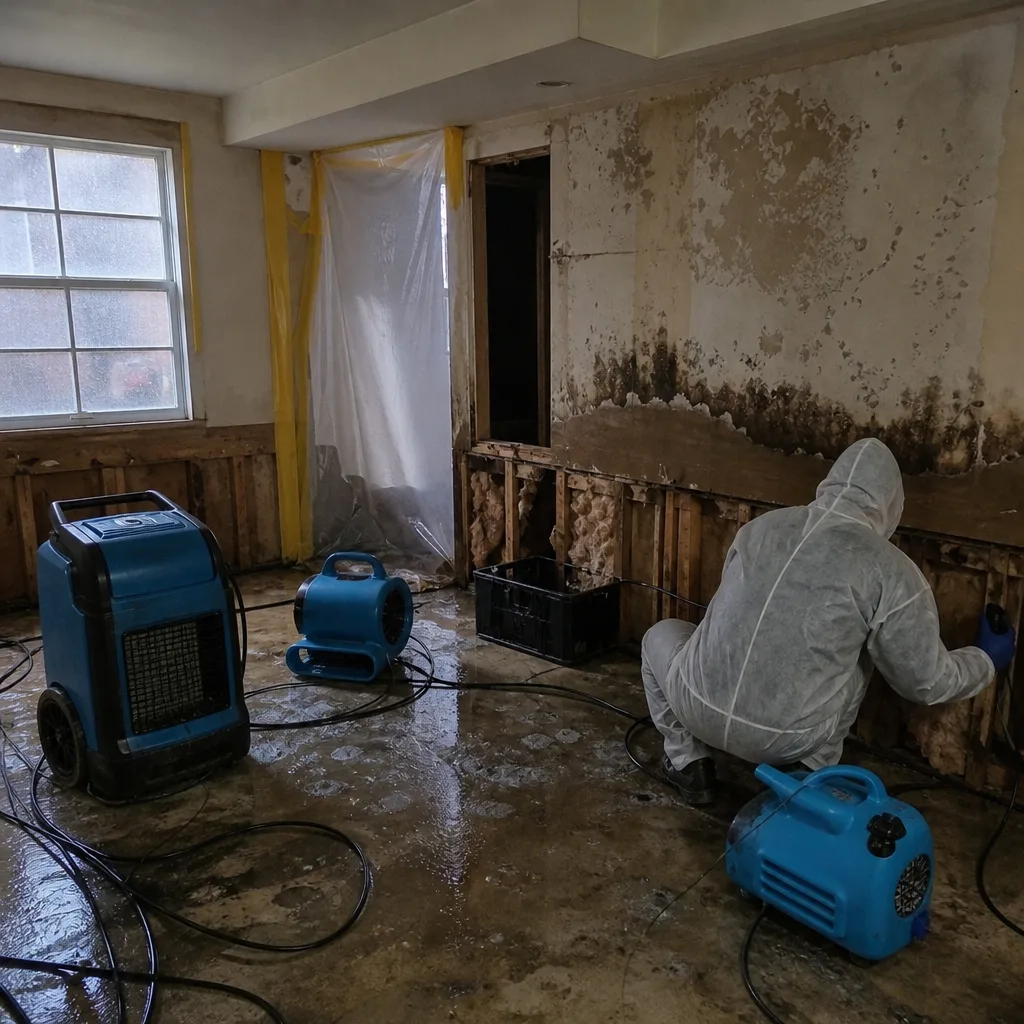 Before
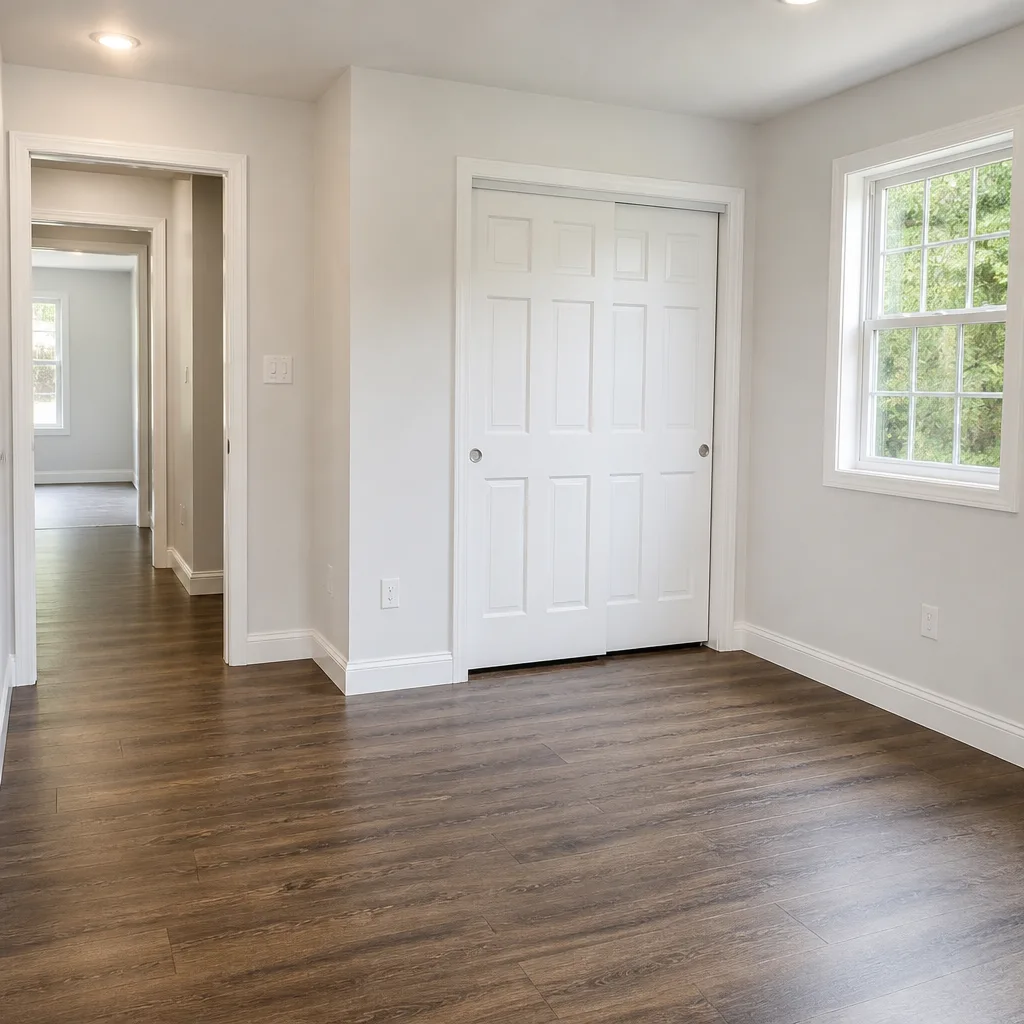 After
AfterFast, Reliable Water Damage Restoration Across Jersey City
Water damage in Jersey City moves fast, and so do we. For a burst pipe in a Paulus Hook walk-up or a flooded basement in Bergen-Lafayette, our crews are typically on site within 60 to 90 minutes, with a live arrival time you can track from your phone. We know the difference between a rowhouse party-wall leak and a high-rise stack leak because we have seen both hundreds of times. Call (940) 466-4354 and a real person answers, 24/7. You get a written price before any work starts, not after the fans are already running.
Why Wendell Water Damage Restoration Is Jersey City’s Preferred Water Damage Restoration Company
Jersey City homeowners call us because we treat their building type like it matters. A century-old brick rowhouse in Paulus Hook does not dry the same way as a 30-story tower on the waterfront, and a crew that treats both the same is guessing. We do not guess. Every job follows IICRC, RIA, and IFA standards, using Dri-Eaz, Phoenix, and XPOWER drying equipment, the same brands you will find on large commercial loss sites. Our technicians are background-checked and uniformed. You know exactly who is walking through your door before they arrive.
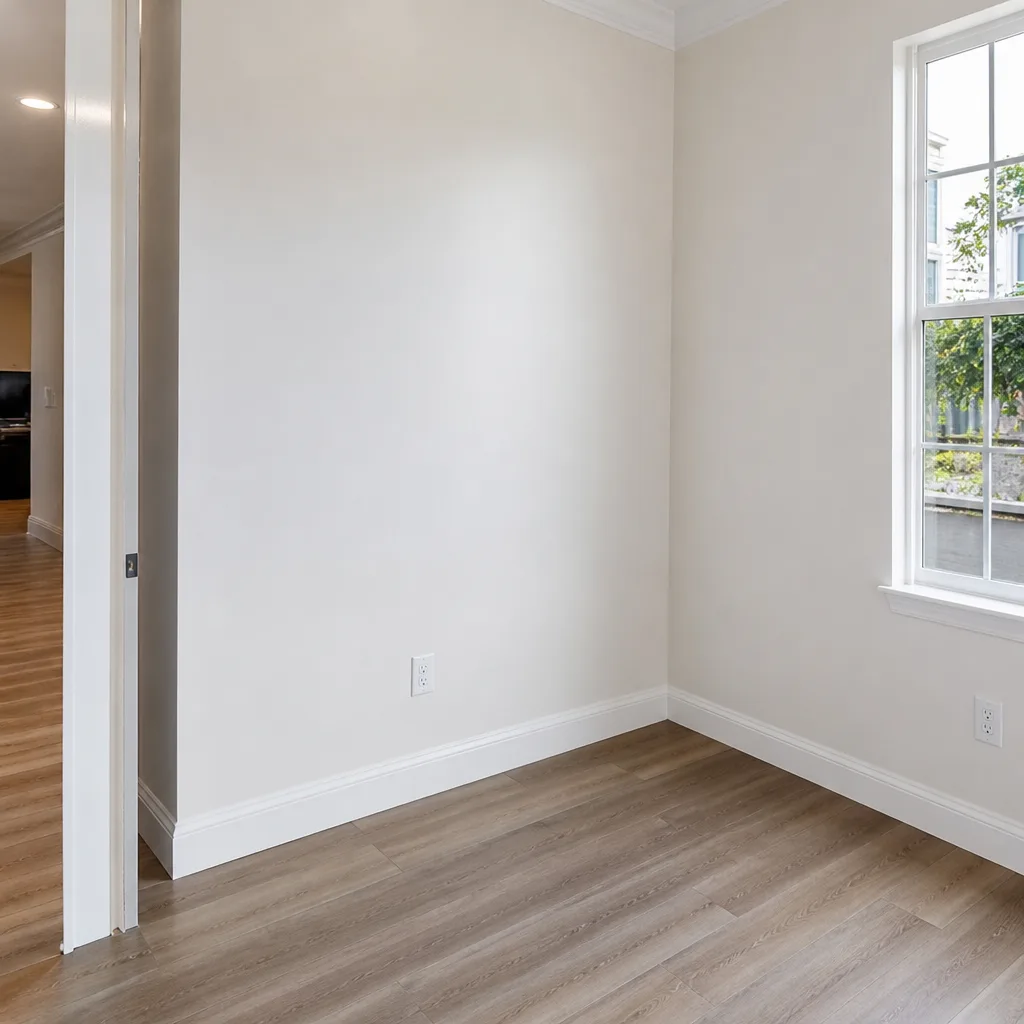
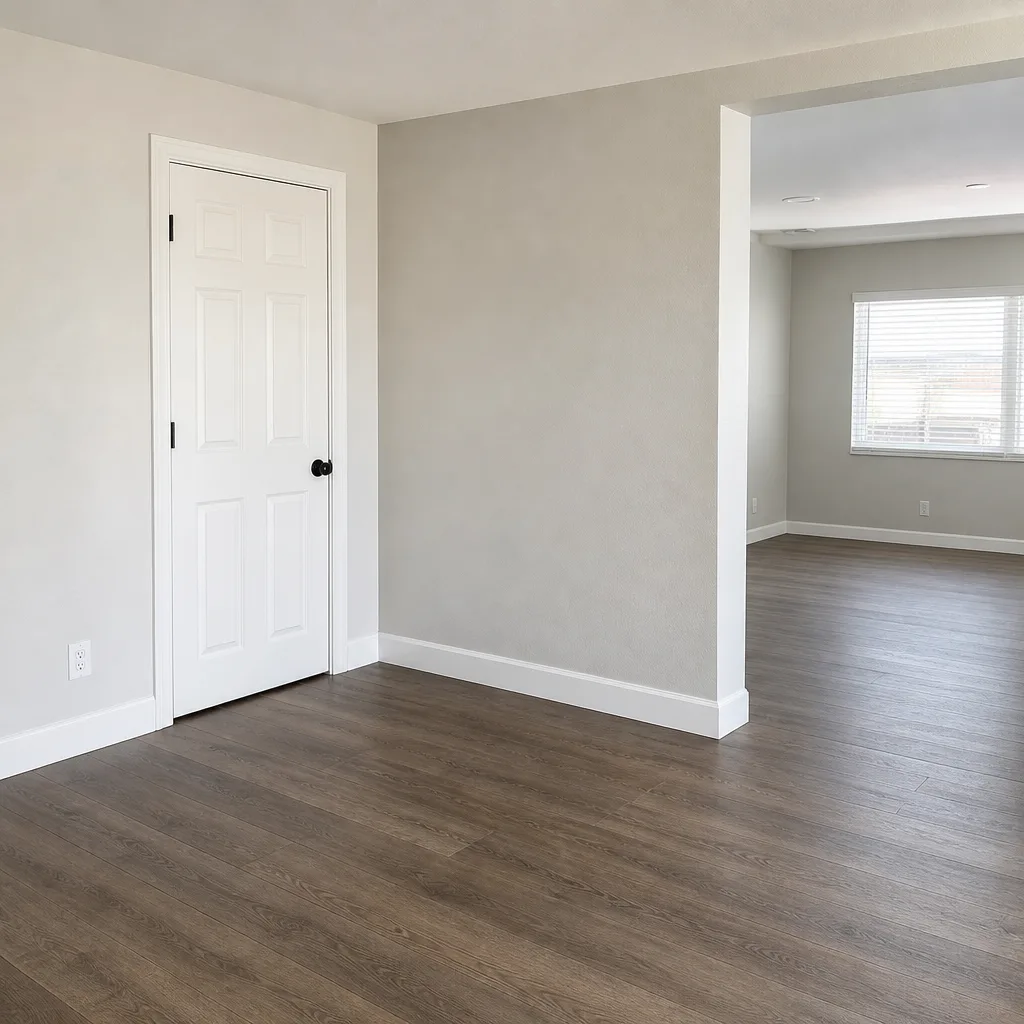
Blake Sorensen leads our restoration team, and he insists on one thing above everything else: the price goes in writing before the work begins. That is not a sales line. It is our process, on every single job, from a two-hour water extraction to a full structural drying project. We also document everything with before-and-after photos texted to you as the work progresses, so you never have to wonder what happened behind the wall.
Residents from Journal Square to The Heights call us because we answer. Not a phone tree, not a callback queue. A live person. Water damage does not keep business hours, and neither do we.
Water Mitigation in Jersey City
Water mitigation in Jersey City means stopping the water at the source, extracting what has already pooled, and drying the structure before mold has a chance to take hold. In a city where rowhouses share party walls and high-rises stack units floor on floor, that first 24 hours matters more than almost anywhere else. A typical water mitigation job in Jersey City runs $1,200 to $3,800, depending on how far the water has traveled and whether wall cavities or subfloors are involved.
Moisture mapping before drying starts
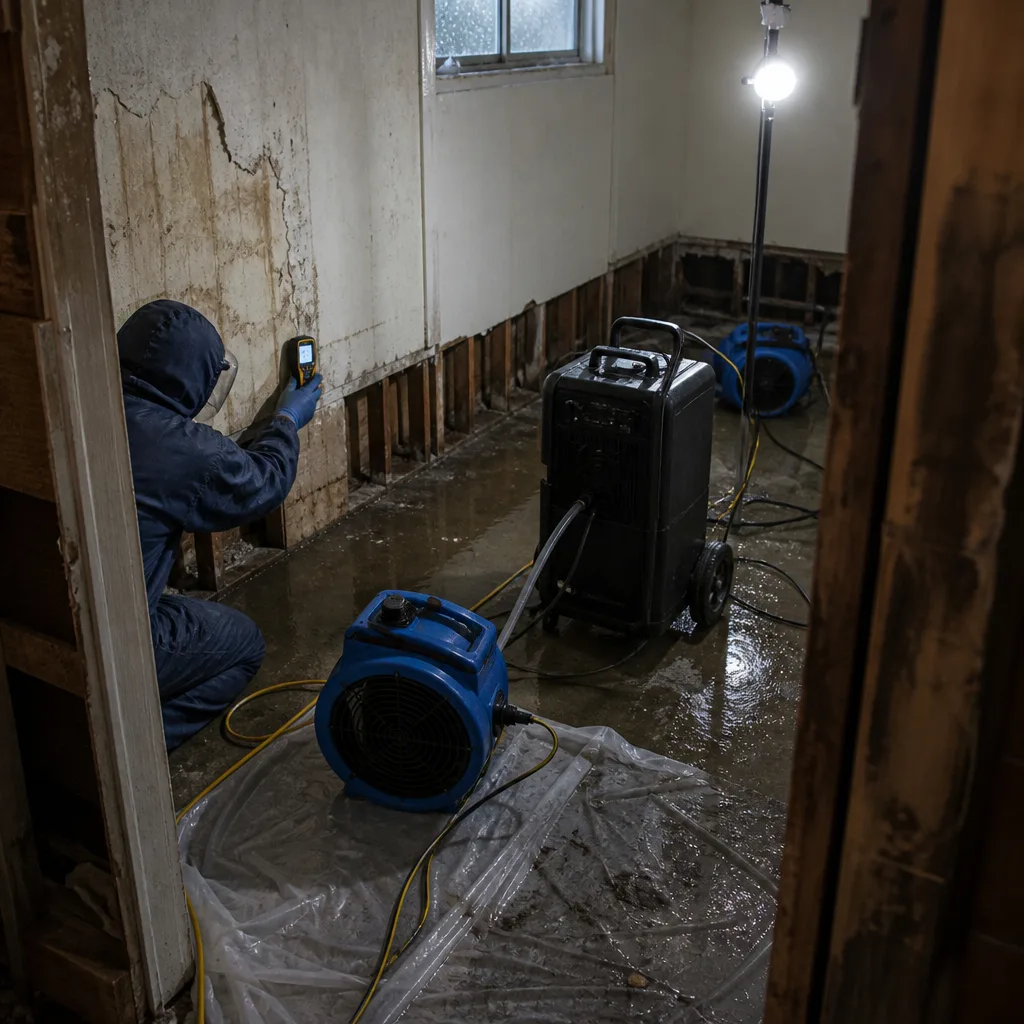
We do not point fans at a wet floor and hope. Before any drying equipment goes in, we map moisture levels across every affected surface using meters and thermal imaging. That tells us where the water actually went, not just where you can see it. In older Jersey City buildings, water travels through plaster and brick in ways that are not visible from the surface.
Psychrometric drying that tracks actual moisture, not just surface dryness
Once we know the path the water took, we set up Dri-Eaz and Phoenix air movers and dehumidifiers and start psychrometric drying, tracking the air’s moisture level so we know when your home is truly dry, not just surface-dry. We log readings daily and share the drying logs with you and your insurer. The job is done when the numbers say it is done, not when the carpet feels dry to the touch.
Flooded Basement in Jersey City
A flooded basement in Jersey City is almost never clean water. If the water came up through a floor drain in a low-lying area like Greenville or the West Side, it is likely category 2 or category 3, meaning it carries contaminants from other units or the municipal system. Water mitigation for a flooded basement in Jersey City typically costs $2,000 to $6,500, because the affected materials often need antimicrobial treatment or full removal, not just extraction and drying.
Category matters more than most homeowners realize
Category 1 water comes from a clean supply line. Category 2 carries significant contamination. Category 3 is grossly contaminated, think sewage or floodwater. We test and classify every flooded basement before we decide what dries and what gets cut out. That classification changes the cost, the timeline, and what your insurance policy is likely to cover.
Extraction, then containment
The first step is always removing the standing water with truck-mounted extractors. After that, the floor and walls get treated for what the water brought in with it. We use antimicrobial treatments where category 2 or 3 water touched porous materials, and we contain the work area so nothing spreads to the rest of your home. Your neighbor’s unit stays unaffected, which is not always true if a basement floods in a shared rowhouse foundation.
Trusted Brands We Service in Jersey City
Our equipment is built for exactly the kind of wet, dense, old-construction conditions Jersey City throws at it. We run Dri-Eaz dehumidifiers, Phoenix air movers, and XPOWER ventilation systems, the same gear restoration professionals use on commercial losses. We keep a full stock of replacement filters, hoses, and accessories in our local vehicles, so we never lose a day waiting on a part when your drying schedule is already tight. You get professional-grade drying even if your space is small, and you get it on a Jersey City timeline, not a corporate one.
Common Water Damage Restoration Problems We See in Jersey City Homes
- Rowhouse party-wall seepage. Water from an upper-unit leak wicks horizontally and downward through old brick and plaster. A homeowner dries their own floor while the neighbor’s ceiling stays wet, and mold starts within 24 to 48 hours. Both units need moisture mapping, not just the obvious one.
- Waterfront high-rise stack leaks. A supply or drain failure many floors up gets reported as a ceiling stain on a lower floor. Crews that dry only the visible unit miss the wet shaft and hallways in between. The break is never where the stain is.
- Basement flooding misread as clean. A flooded basement in a low-lying area near the Hackensack River gets pumped and fans thrown at it. But if the water came up through a backed-up drain, it is category 2 or 3, and the affected materials need antimicrobial treatment or removal, not just drying.
- Older supply lines failing at once. Jersey City has thousands of prewar buildings with original galvanized supply lines and corroded shutoffs. When one lets go, the pressure spike often finds the next weakest joint. We check adjacent plumbing after every burst pipe call because the second failure usually happens within days.
That last one is worth repeating. We got a call from a third-floor walk-up near Van Vorst Park in Paulus Hook after a supply line let go under a bathroom sink overnight, and by morning category 1 water had traveled down the party wall into the unit below. Our tech ran water extraction in both apartments, used moisture mapping and moisture readings to trace the path through the brick, set air movers and dehumidification for structural drying, and logged everything for the drying logs. The lower tenant’s ceiling was saved; the soaked drywall in the source unit had to come out before it could turn into a mold job.
That is the reality of Water Damage Restoration in Jersey City: two building types, two completely different failure patterns, and the same wrong assumption, that the water stays where you can see it. It does not. Our entire process is built around finding where it actually went.
Pricing for Water Damage Restoration in Jersey City, NJ
You should know the ballpark before you ever tap call. Here is what we see in Jersey City’s market:
- Emergency water extraction: $900 to $2,800, depending on square footage and water category
- Structural drying and dehumidification: $1,200 to $3,800 for a typical single-unit job
- Flooded basement mitigation: $2,000 to $6,500 when category 2 or 3 water is involved
- Burst pipe restoration: $1,500 to $4,500 including drywall removal and drying
- Ceiling and roof leak water damage: $800 to $2,200 for a contained ceiling breach
Those ranges are for Jersey City specifically. High-rise jobs can run higher because of elevator delays, building access rules, and the extra containment required for stack leaks. Every estimate is free, and every price goes in writing before any work starts. The number on the screen is the number you pay. Call (940) 466-4354 for an exact quote.
We Also Serve Cities Near Jersey City
Our crews run the full Hudson County corridor daily. If you are in Hoboken, Union City, Weehawken, or Harrison and you have water coming in, call the same number and get the same live answer. Our Water Damage Restoration team covers all of it, with the same written pricing, live arrival time, and photo documentation on every job. Dispatch is coordinated from our New York City office, but the crews are local to the Jersey City area.
Serving Jersey City, NJ - Our Local Coverage Area
We’re based in the Jersey City area and know this community well. Use the map below to see our service coverage - if you’re nearby, we can almost certainly help.
FAQs About Water Damage Restoration in Jersey City
Legally it depends on where the source is and what your insurance policies say, but practically, both units get wet and both need drying. The water does not respect the property line. We document both units, map the moisture path through the shared wall, and provide separate drying logs for each insurance claim. Call (940) 466-4354 and we will walk you through how to handle both sides of a party-wall leak.
In most Jersey City neighborhoods, including Journal Square, Greenville, The Heights, and downtown, we arrive in 45 to 90 minutes. First we stop the source if it has not been stopped. Then we extract the standing water, classify it by category, and map moisture across the floor, walls, and any shared foundations. You get a written scope and price before any drying equipment goes in.
Because water in a high-rise travels down through the stack, not just through the floors you can see. The visible stain on your ceiling is downstream of the actual break, and the wet shaft, hallways, and neighboring units in between all need moisture mapping. If we only dry your unit, the water hidden in the shaft rewets everything within days. That is the single most common mistake we see in Jersey City waterfront buildings.
It depends on the water category and how long the drywall has been wet. Category 1 water caught within the first 24 hours can usually be dried in place. Category 2 or 3 water on drywall means the material has absorbed contaminants, and it should come out. Wet drywall left more than 48 hours almost always needs removal because mold is already growing in the gypsum. We will tell you which one applies and put it in writing before we cut anything.
Yes. Every job includes before-and-after photos texted to you, daily drying logs, moisture readings, and a detailed scope of work. We coordinate directly with your adjuster and provide everything they need to evaluate the claim. The documentation is yours, in a format your insurer already understands. Call (940) 466-4354 and we will start the paper trail from the first phone call.
This page maps Jersey City’s two distinct water-damage patterns, rowhouse party-wall migration and high-rise stack leaks, to concrete response steps. You now know why same-day moisture mapping and drying logs matter in your specific building type. When water shows up, call (940) 466-4354. A live person answers, you get a written price before any work starts, and the job is backed by our 365-Day Done Right Promise. If it is not done right, we make it right, in writing, on every single repair.
Written by Blake Sorensen, owner of Wendell Water Damage Restoration. Serving Jersey City, NJ with water mitigation, structural drying, and full water damage restoration.