
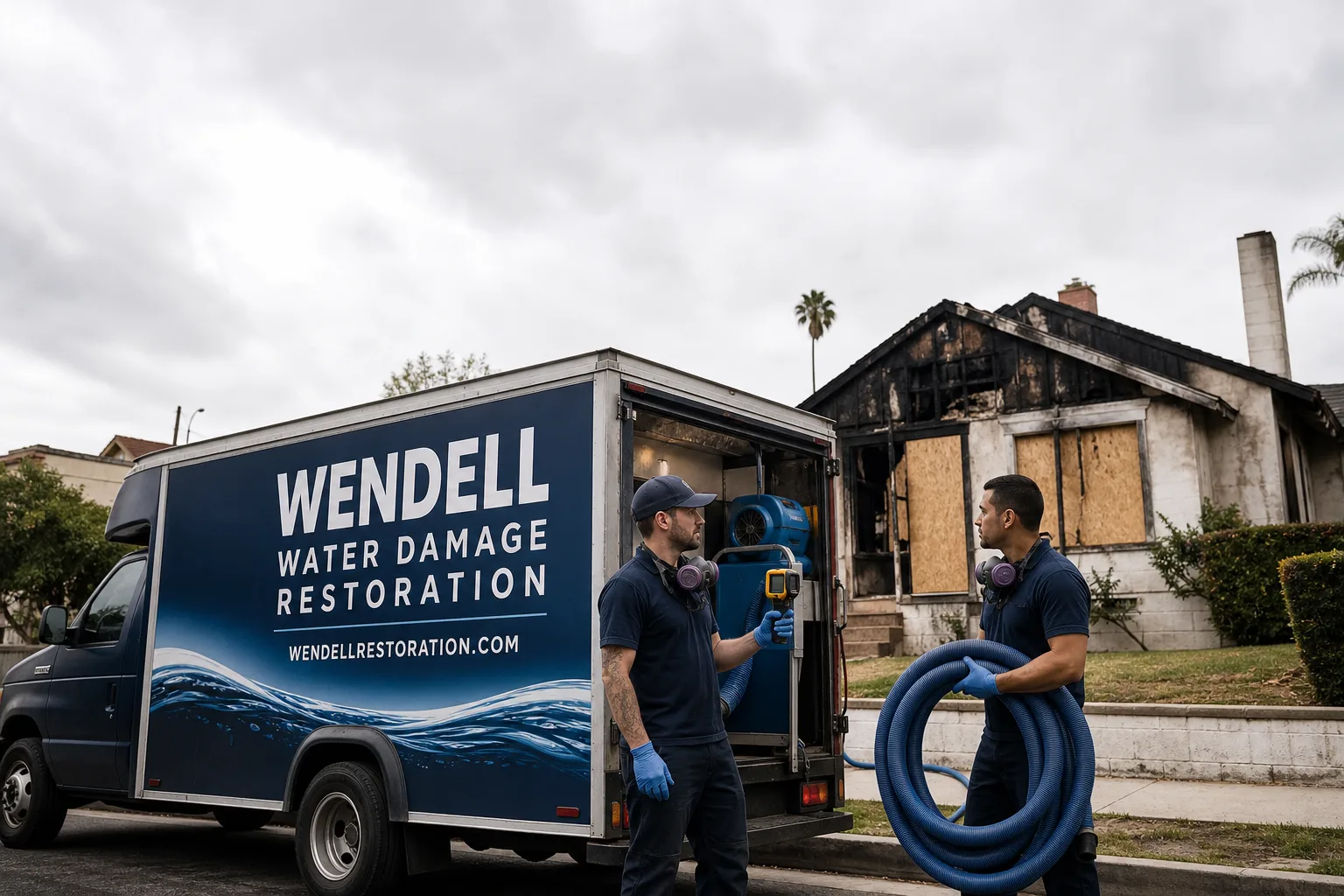
Free visual inspection and a written scope of work before any mitigation begins - photos, moisture readings, and drying logs go in your claim file
The scope we write is the scope we bill. Anything new gets shown to you, in writing, before we touch it.
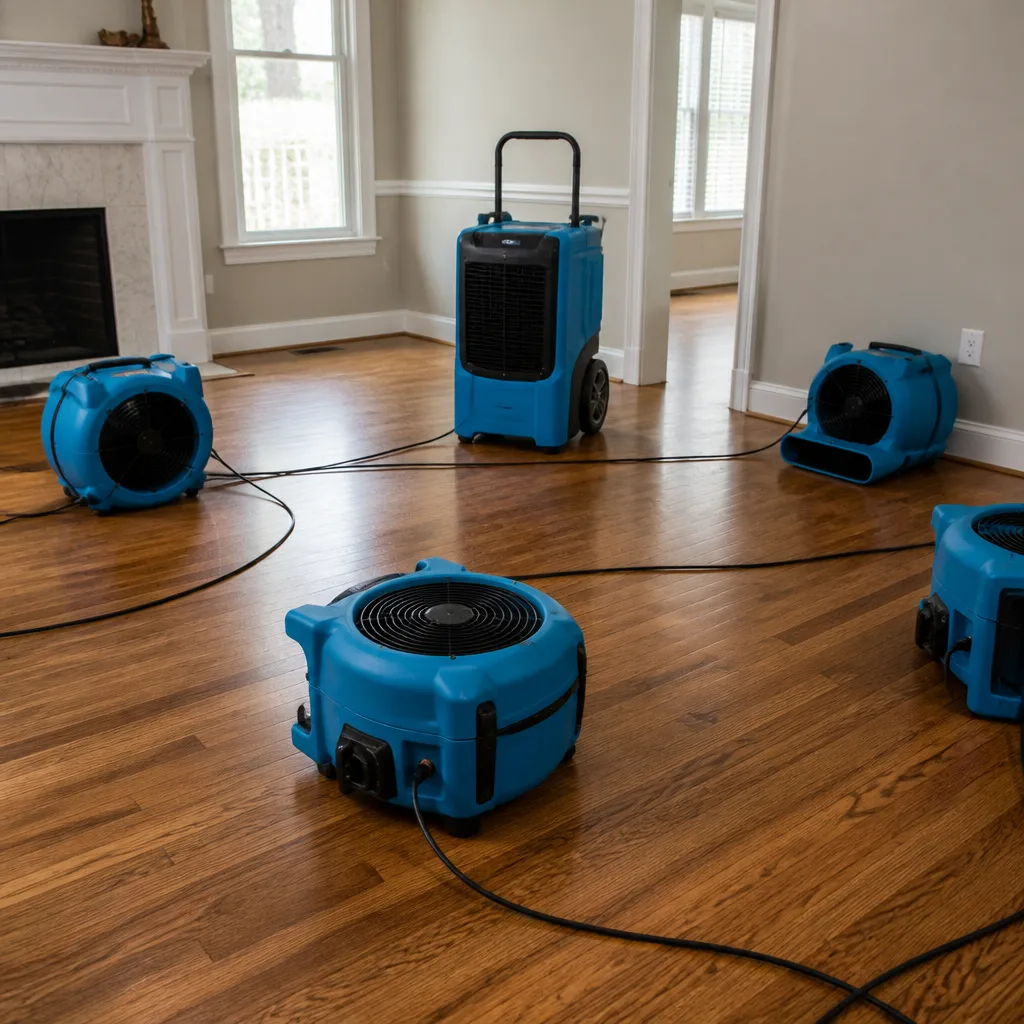
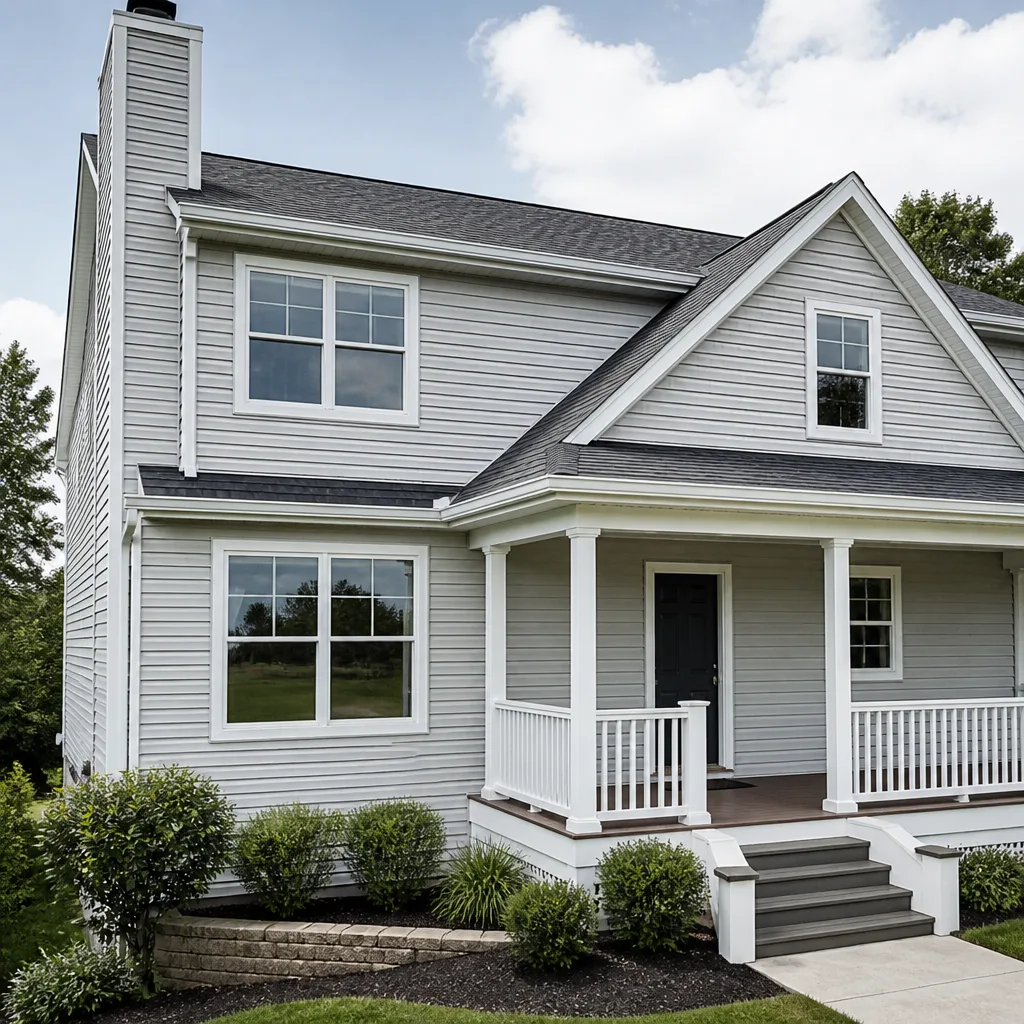
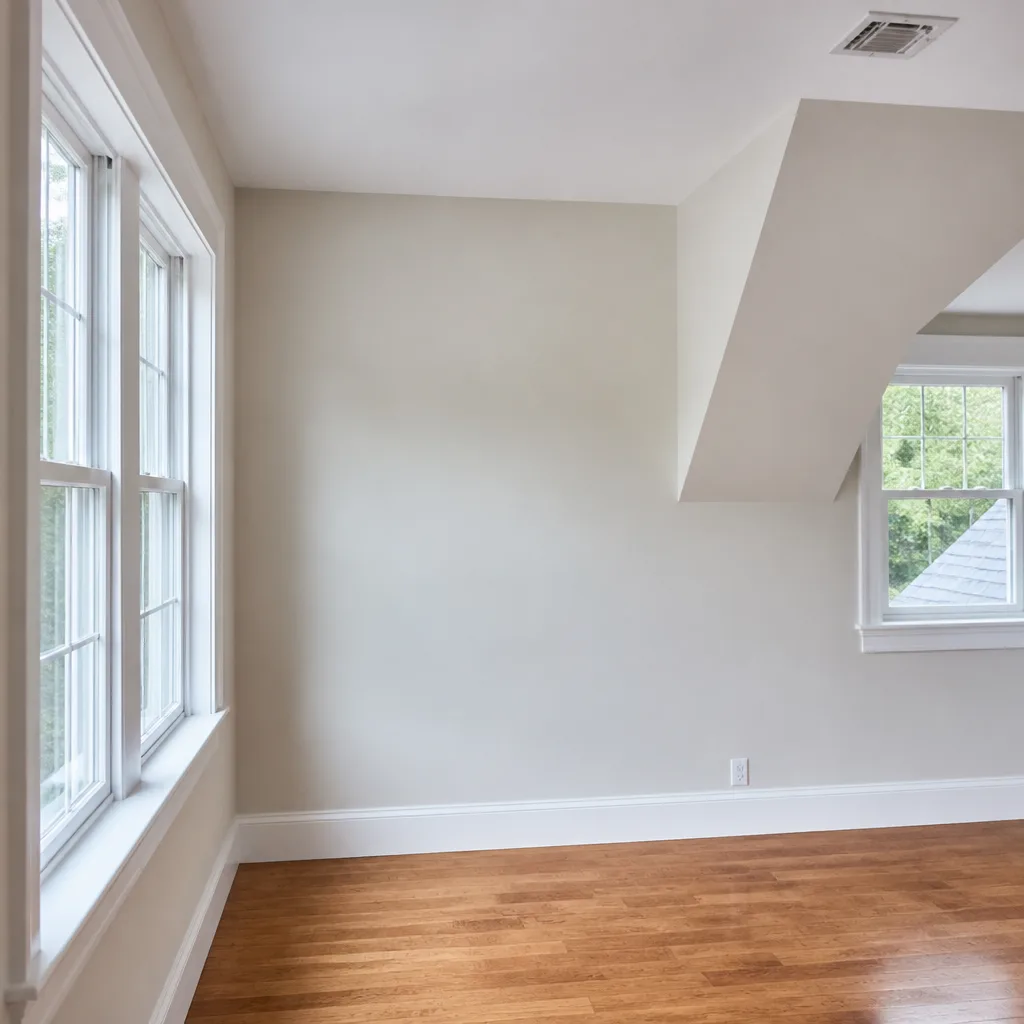
 Before
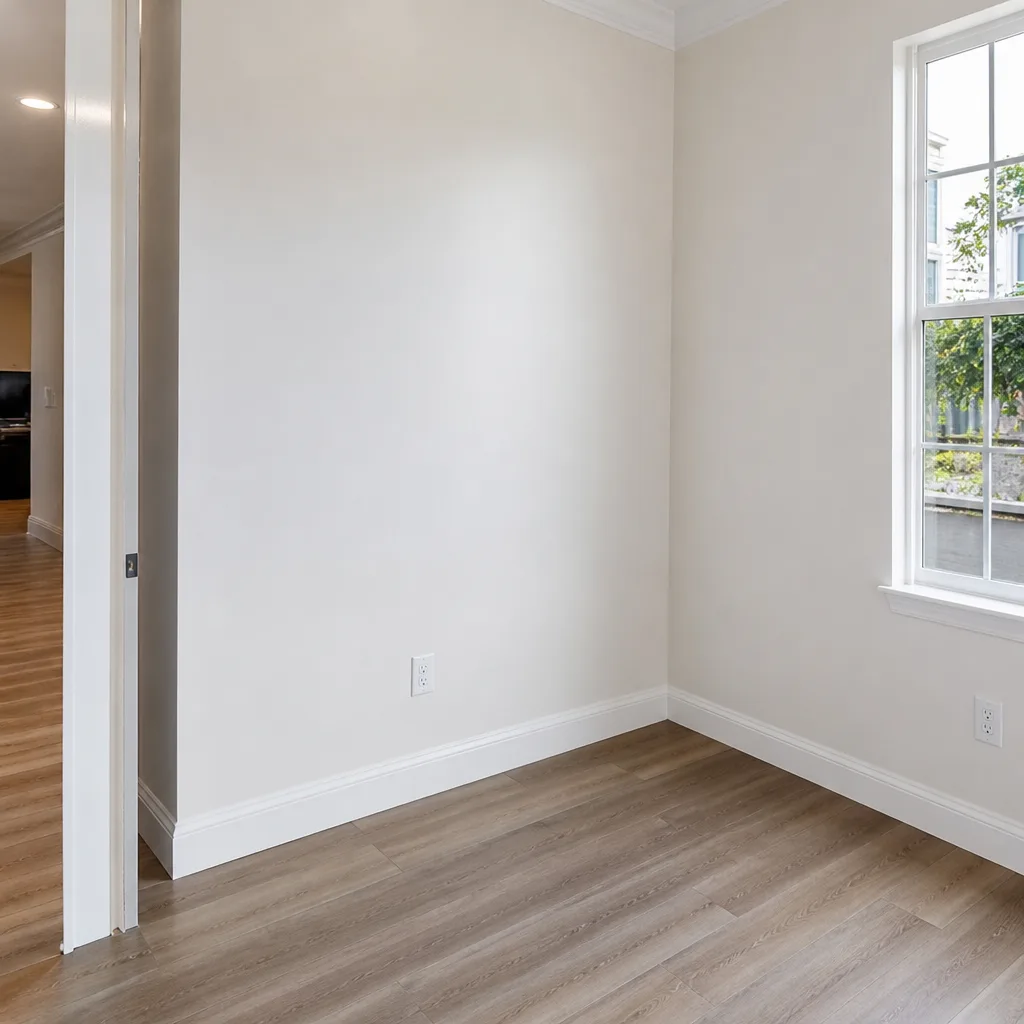 After
After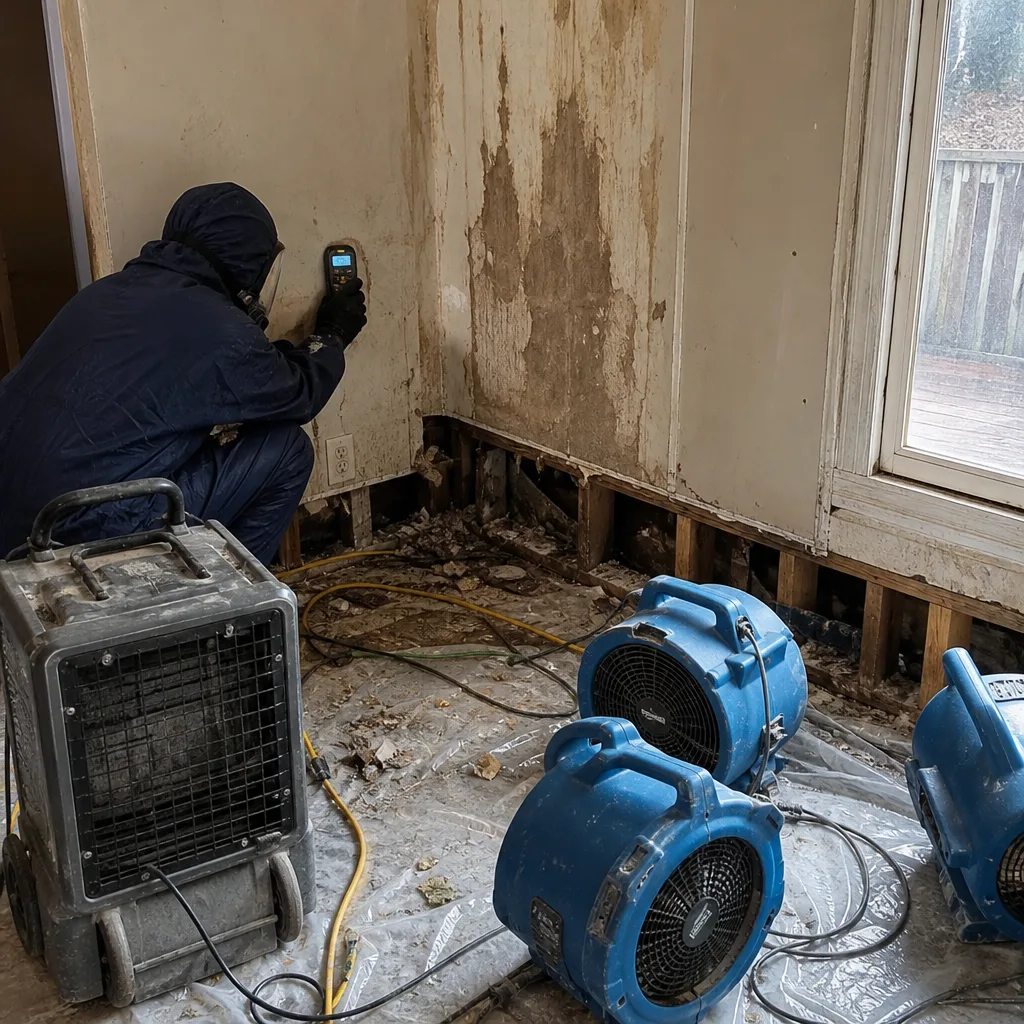 Before
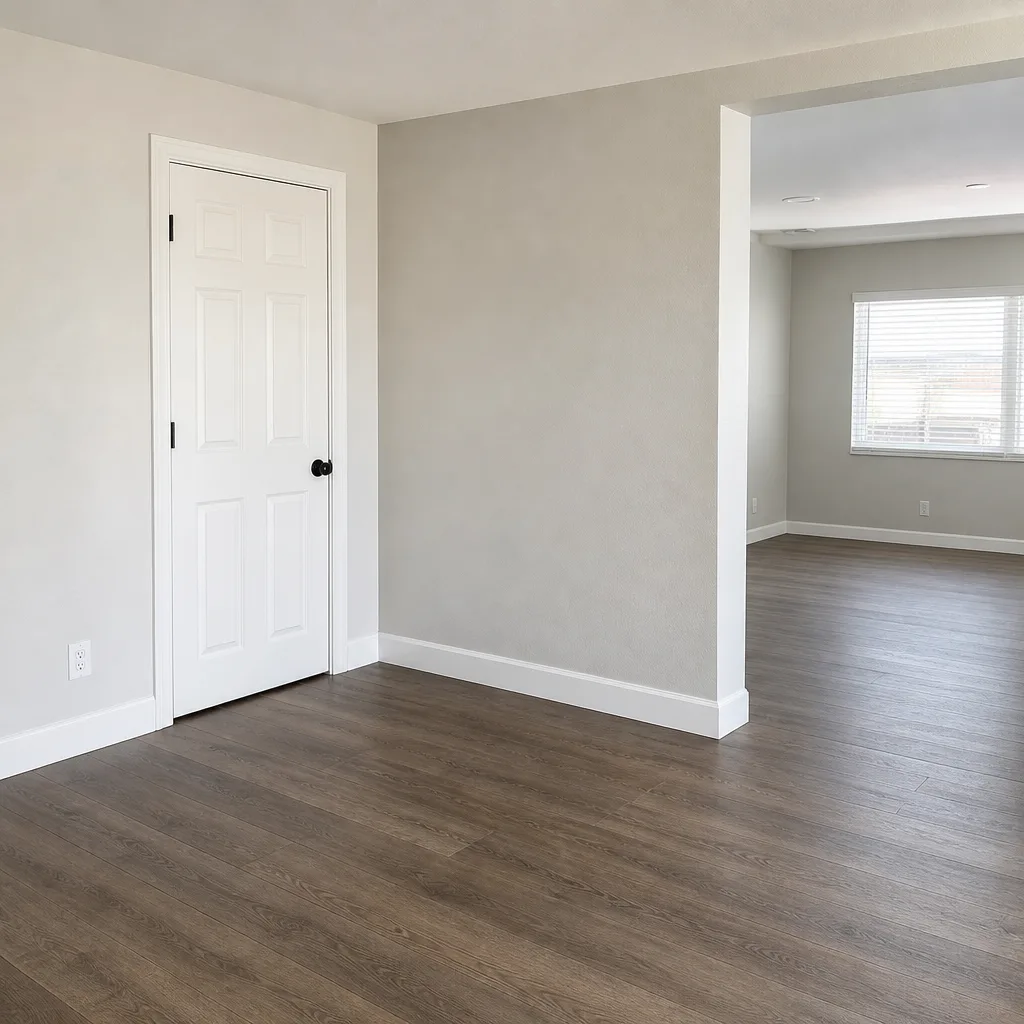 After
After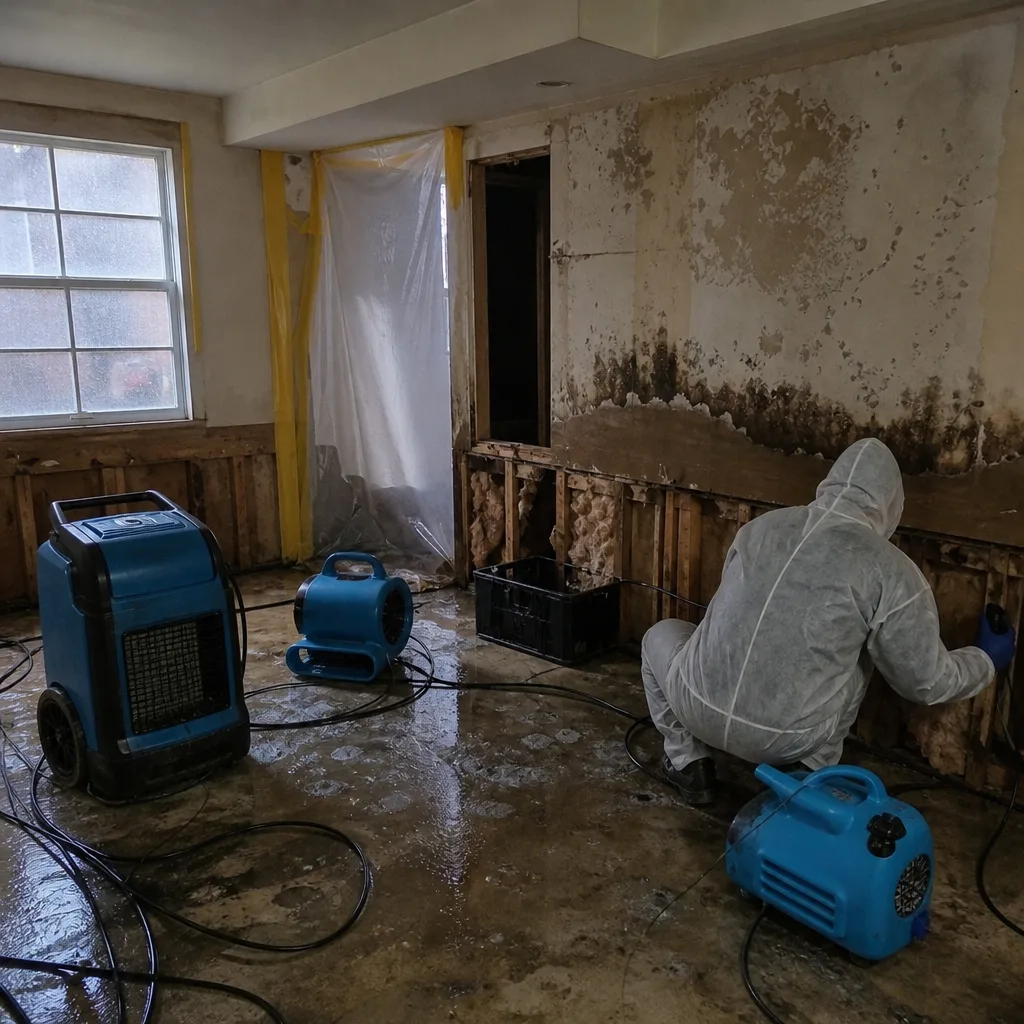 Before
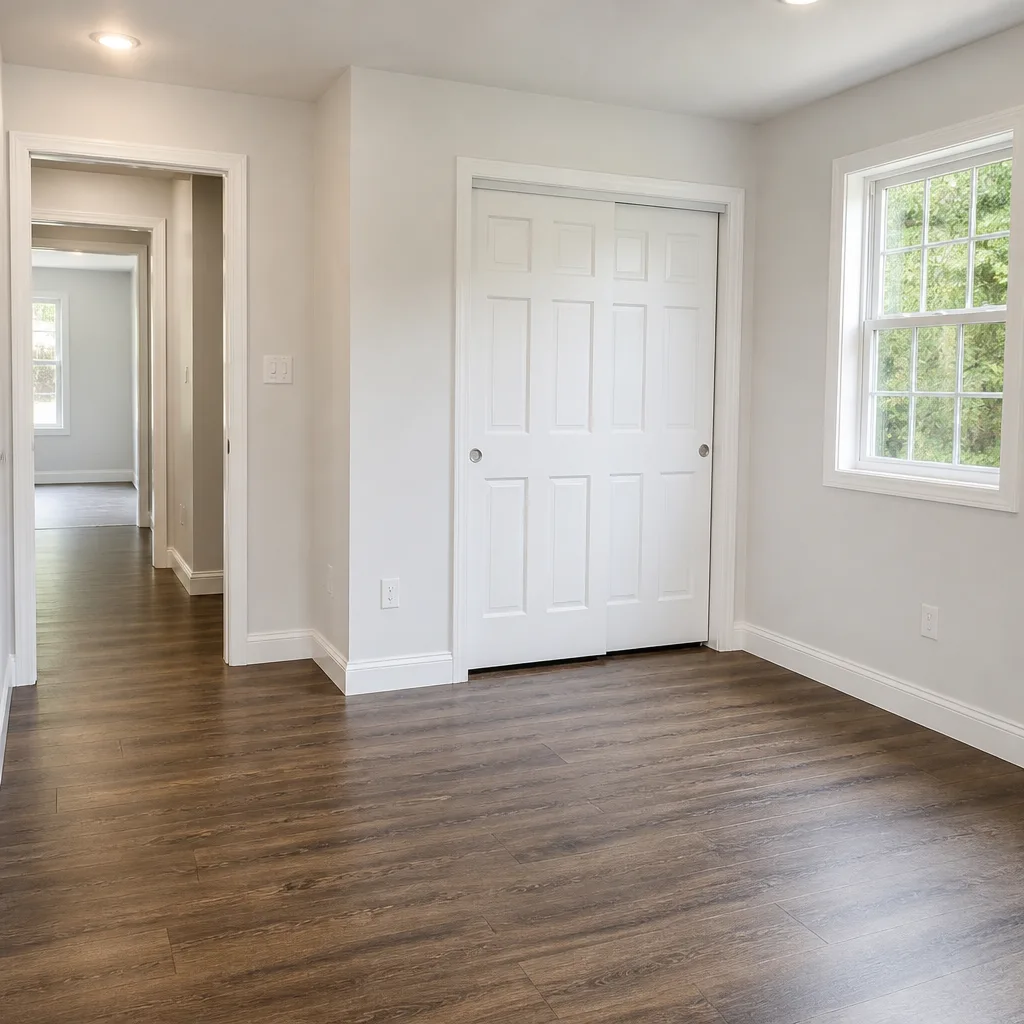 After
AfterFast, Reliable Water Damage Restoration Across Wayne
Water damage restoration in Wayne, NJ typically costs between $2,100 and $5,400 for a standard basement flood, and our crews can usually be on-site within 60 to 90 minutes of your call. We know Wayne’s streets, we know its housing, and we know that a burst supply line in a 1950s split-level on Ratzer Road behaves differently than stormwater pooling in a finished basement off Alps Road. Whether it’s 2 a.m. on a Tuesday or the middle of a July thunderstorm, a live person answers at (940) 466-4354 and gives you a written price before any work starts. That’s how we’ve worked since 2006, and it’s why Wayne homeowners call Wendell first when water is moving through their house.
Why Wendell Water Damage Restoration Is Wayne’s Preferred Water Damage Restoration Company
Wayne homeowners deal with two very different kinds of water damage depending on which side of town they live on, and a restoration company that only knows one playbook is going to miss things. Homes built in the 1950s and 1960s, especially the split-levels common throughout the Packanack Lake and Preakness sections, often still have original galvanized supply lines that corrode from the inside and fail without warning. Homes closer to the Passaic River floodplain and the low-lying streets around Fayette Avenue deal with sump pump failures during heavy rain, when groundwater rises faster than a pump can discharge it. Our crews have worked both types of losses in Wayne for years, and we show up with the same IICRC, RIA, and IFA-standard process regardless of whether the water came from a pipe or a storm.
Blake Sorensen leads our restoration team, and he’s built the Wayne operation around one promise that matters more than any marketing line: the price you’re quoted on the phone is the price you pay. No change orders after we start cutting drywall. No “well, that’s going to be extra” once a tech shows up. That’s the Relay Visibility Guarantee, and it’s in writing on every job. Background-checked, uniformed technicians arrive with a live arrival time you can track from your phone, and you receive before-and-after photo updates by text throughout the job. Wayne homeowners regularly tell us they chose Wendell because we answered the phone like a neighbor and closed the scope like a contractor.
We also hear from Wayne customers who called other restoration companies first and got routed to a national call center or told to leave a message. Water doesn’t wait for a callback. Our Water Damage Restoration team is dispatched from our metro office, but the people doing the work live and work in the Wayne area every day. That local familiarity means we know which houses on Valley Road have finished basements with drywall over concrete block, and which 70-year-old cape cods have plaster ceilings that hide water for days before staining shows. When you call (940) 466-4354, you’re talking to someone who can have a crew headed your way before your next call.
Flooded Basement in Wayne
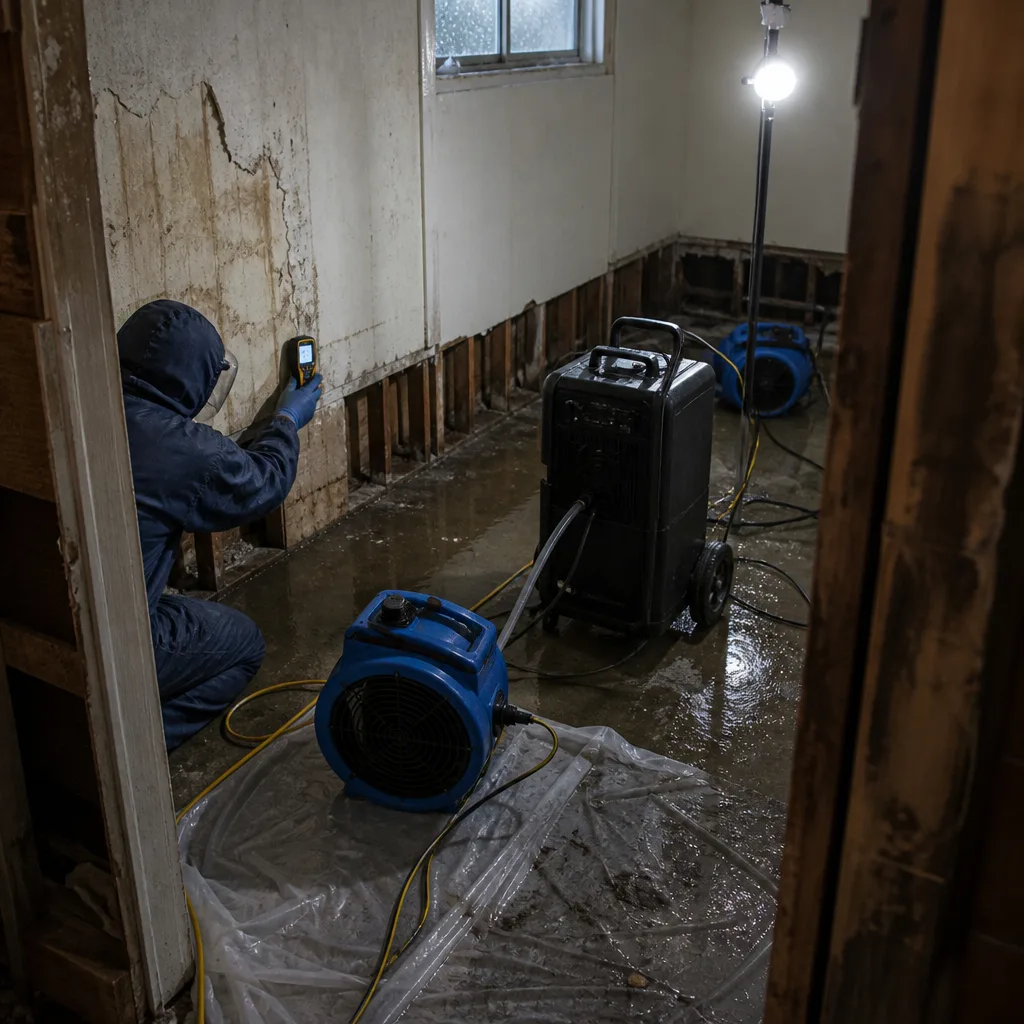
A flooded basement in Wayne is the call we take most often, and it’s rarely as simple as “suck up the water and set some fans.” In the split-levels around Packanack Lake, water from an upstairs pipe failure runs through floor cavities and wall chases before it surfaces in the lower level, which means by the time you see water on the floor, the insulation and framing above it are already soaked. In the low-lying areas closer to the Passaic River, a flooded basement usually means a sump pump that lost power mid-storm and allowed groundwater to rise for hours before anyone noticed. Both scenarios require extraction, structural drying, and moisture mapping before anyone can tell you what needs to be torn out versus dried in place.
A typical flooded basement in Wayne runs $2,100 to $5,400 depending on square footage, how long the water sat, and whether it reached finished walls or only concrete floor. Category 1 clean water from a supply line costs less to mitigate than Category 3 water that’s been sitting with sewage or river sediment. Either way, the first 48 minutes on site matter more than the next 48 hours, because that’s when our techs set containment, start extraction, and log the first moisture readings that define the drying plan.
Split-Level Lower Level Floods
Wayne has a heavy concentration of split-level homes, and water behaves differently in them than in a ranch or colonial. A leak on the main floor travels behind plaster and along floor joists before showing up as a stain or drip on the ceiling of the lower level. By that point, the ceiling cavity is wet, the insulation is saturated, and the drywall on the ceiling is beginning to lose structural integrity. Our techs use thermal imaging and moisture meters to trace the actual water path, not just the visible stain, then separate what can be dried in place from what needs to come out.
Passaic River Floodplain Basements
Homes in the sections of Wayne that sit near the Passaic River floodplain have a different problem entirely. When the water table rises during heavy rain, hydrostatic pressure pushes water through foundation cracks and floor seams, and sump pumps that worked fine for years suddenly can’t keep up. If that water sits for even a few hours, it absorbs contaminants from the concrete and whatever it touches, and a Category 1 loss becomes Category 2 or 3. That changes the mitigation protocol: antimicrobial treatment, full extraction, and often removal of saturated carpet pad and lower drywall sections.
Water Extraction in Wayne
Water extraction in Wayne is the first physical step in any restoration job, and doing it right means getting standing water off surfaces before it wicks into anything else. In Wayne’s older homes with hardwood floors over plywood subfloor, water that sits for four hours will cup and crown hardwood irreparably. In finished basements with carpet and pad over concrete, extraction has to pull water from both the carpet and the pad, because the pad holds water like a sponge and the concrete below traps moisture against the slab. Our techs run truck-mounted extraction for large volumes and portable units for hard-to-reach areas in split-levels and crawlspaces.
Water extraction alone in Wayne typically runs $600 to $1,200 for a single room or standard basement, with larger losses reaching $2,000 or more when multiple rooms or a full lower level are involved. The cost includes initial extraction, disposal of irreparably damaged materials that are already floating or delaminating, and the setup of containment before drying starts. We do not set fans and walk away: extraction flows directly into structural drying, and moisture readings are logged from the first hour through the final clearance check.
Same-Day Extraction Protocol
When we get a water call from Wayne, the clock starts before we hang up. The homeowner gets a written price range on the phone, a live arrival time texted to their phone, and a photo of their technician’s name and vehicle before the van pulls up. On site, extraction starts within minutes of arrival, because standing water is doing active damage to baseboards, flooring, and drywall as long as it sits. Our extraction crew runs Dri-Eaz extractors and XPOWER pumps, and the drying tech sets a Phoenix dehumidifier within the first half hour of arrival.
Thermal Imaging Before Tear-Out
One thing we never do at a Wayne flood is start cutting drywall based on a visual guess. Our techs run thermal imaging and moisture mapping first, so we can show you exactly where the water path ran, what’s wet behind the surface, and what actually needs to come out. In a split-level ceiling, that often means opening the ceiling in one bay while leaving the adjacent bays intact because the moisture readings show they’re still dry. The goal is always the least invasive restoration that fully addresses the loss, and the photos we text you document every step.
Trusted Brands We Service in Wayne
Wendell runs professional restoration equipment from Dri-Eaz, Phoenix, and XPOWER on Wayne jobs, the same brands you’ll find on large commercial loss sites. We also service and maintain our own fleet of these machines locally rather than renting equipment from a subcontractor, which means we’re not waiting on a third party when your drying job needs more air movement or another dehumidifier. Parts for Dri-Eaz and Phoenix units are stocked at our metro office, so a failed LGR dehumidifier gets swapped same-day, not in three to five business days. For Wayne homeowners, that translates to a drying plan that stays on schedule and a finished job that clears final moisture readings in days, not weeks.
Common Water Damage Restoration Problems We See in Wayne Homes
- Galvanized supply-line failures in 1950s and 1960s construction. Homes built in Wayne’s population boom, especially the split-levels along Hamburg Turnpike and around Packanack Lake, often have original galvanized steel supply lines. These pipes rust from the inside, narrow over decades, and then fail suddenly, usually at a threaded joint behind a wall or in a ceiling cavity. The water runs through the framing for hours before anyone notices, and by then the loss is structural, not cosmetic.
- Sump pump failures in Passaic River floodplain basements. In the low-lying sections of Wayne near Fayette Avenue and Riverview Drive, sump pumps work hard during every heavy rain and eventually fail, usually at the worst possible time. When a pump dies during an overnight storm, groundwater rises for hours before a homeowner checks the basement. By morning, the water has reached finished wall sections and whatever was stored on the floor, and the category of the water has deteriorated from clean to contaminated.
- Delayed calls on small-looking ceiling stains. Homeowners in Wayne’s older homes see a small discolored patch on a lower-level ceiling and assume it’s a minor roof leak from the last storm. In reality, water has been traveling along floor joists from a failed upstairs supply line or a slow drain leak, and the stain is just the last point of exit. By the time it shows, the cavity is saturated and needs drying, not just a coat of stain-blocking primer.
- DIY drying with box fans and no moisture readings. After a basement flood, a homeowner sets box fans and opens windows for three or four days, then closes it up because the floor “feels dry to the touch.” Behind the baseboards and under the floor, moisture is still sitting at 25 to 35 percent wood moisture content, and mold has the exact conditions it needs: warm, dark, wet. Without a psychrometric drying log tracking the air’s moisture level and the materials’ moisture content, there’s no way to know the structure is truly dry, not just surface-dry.
Pricing for Water Damage Restoration in Wayne, NJ
Water extraction in Wayne runs $600 to $1,200 for a single room or standard basement. Structural drying and dehumidification for a typical split-level lower level runs $1,000 to $2,300, and a full basement flood with extraction, drying, antimicrobial treatment, and drywall removal lands between $2,100 and $5,400. Ceiling and roof leak water damage in Wayne runs $800 to $2,500 depending on whether the leak is a supply line, a drain line, or an exterior roof penetration. Flood cleanup where multiple rooms or a Passaic River floodplain basement are involved can run $4,000 to $8,500 or more when flooring, lower drywall sections, and insulation have to come out. The biggest variables are how long the water sat before we arrived, whether the water was Category 1 clean water or a contaminated Category 2 or 3 loss, and how much of your home’s finished space the water reached. Call (940) 466-4354 for a free estimate, and we’ll put the exact number in writing before any work starts.
We Also Serve Cities Near Wayne
Our crews work throughout the Passaic and Morris County area, and we’re often in Wayne one hour and Lincoln Park the next. Haledon, Pompton Lakes, and Franklin Lakes homeowners get the same written-price-before-work-starts promise and the same live arrival time tracking. If you’re in a neighboring town and you’ve got water moving, call (940) 466-4354 and we’ll confirm coverage on the spot. If you’re in Wayne, you’re already in our core service area.
Serving Wayne, NJ - Our Local Coverage Area
We’re based in the Wayne area and know this community well. Use the map below to see our service coverage - if you’re nearby, we can almost certainly help.
FAQs About Water Damage Restoration in Wayne
We can typically arrive at a flooded basement in Wayne within 60 to 90 minutes of your call, depending on where in town you are and current crew locations. Calls are answered by a live person 24/7 at (940) 466-4354, and you’ll receive a live arrival time on your phone the moment a technician is dispatched. Our crews work out of the metro office and run Wayne routes daily, so a home on Ratzer Road or Valley Road is not a long haul.
If the water came from a supply line inside your home, it’s Category 1 clean water, even if it looks dirty after running through drywall and insulation. If the water entered from the ground because a sump pump failed during a storm, in low-lying areas of Wayne it’s likely Category 2 or Category 3, because groundwater picks up soil bacteria, fertilizers, and whatever it touches on the way into your basement. Our techs categorize the water on site and adjust the restoration process accordingly: antimicrobial treatment for Category 2 and 3, simple extraction and drying for Category 1. Call (940) 466-4354 and we’ll walk through what happened in your specific basement.
Yes, and Wayne is one of the few towns where homeowners truly need a company that does both well. A burst supply line in a 1950s split-level behind Packanack Lake is a clean water loss requiring rapid extraction and structural drying, while a flooded basement near the Passaic River floodplain is often a contaminated water loss requiring different equipment and antimicrobial treatment. Our crews train on both scenarios and often handle one of each in the same day.
Drywall that has wicked water up more than a few inches, been wet for more than 24 to 48 hours, or shows visible sagging or bubbling almost always needs to come out, not be dried in place. Drywall that got splashed or lightly damp at the bottom edge and is drying within a few hours of the loss can sometimes be saved if our moisture readings confirm it’s drying evenly. In Wayne’s older split-levels, ceiling drywall below a plumbing leak usually has to go because water has been sitting in the cavity above it for hours before it became visible. Our techs give you a written scope separating what’s salvageable from what comes out, with photos of the readings behind the decision.
We run Dri-Eaz extractors and air movers, XPOWER pumps and fans, and Phoenix LGR dehumidifiers, the same professional-grade brands used on large commercial losses. We also use thermal imaging cameras and moisture meters to map the water path and log drying readings, following IICRC, RIA, and IFA standards throughout the job. For a homeowner, that means real moisture data driving the process: psychrometric drying that tracks the air’s moisture level so we know when your structure is truly dry, not just surface-dry. Call (940) 466-4354 to ask about your specific loss and we’ll explain exactly what equipment applies to your home.
Written by Blake Sorensen, Owner at Wendell Water Damage Restoration, serving Wayne, NJ since 2006.