
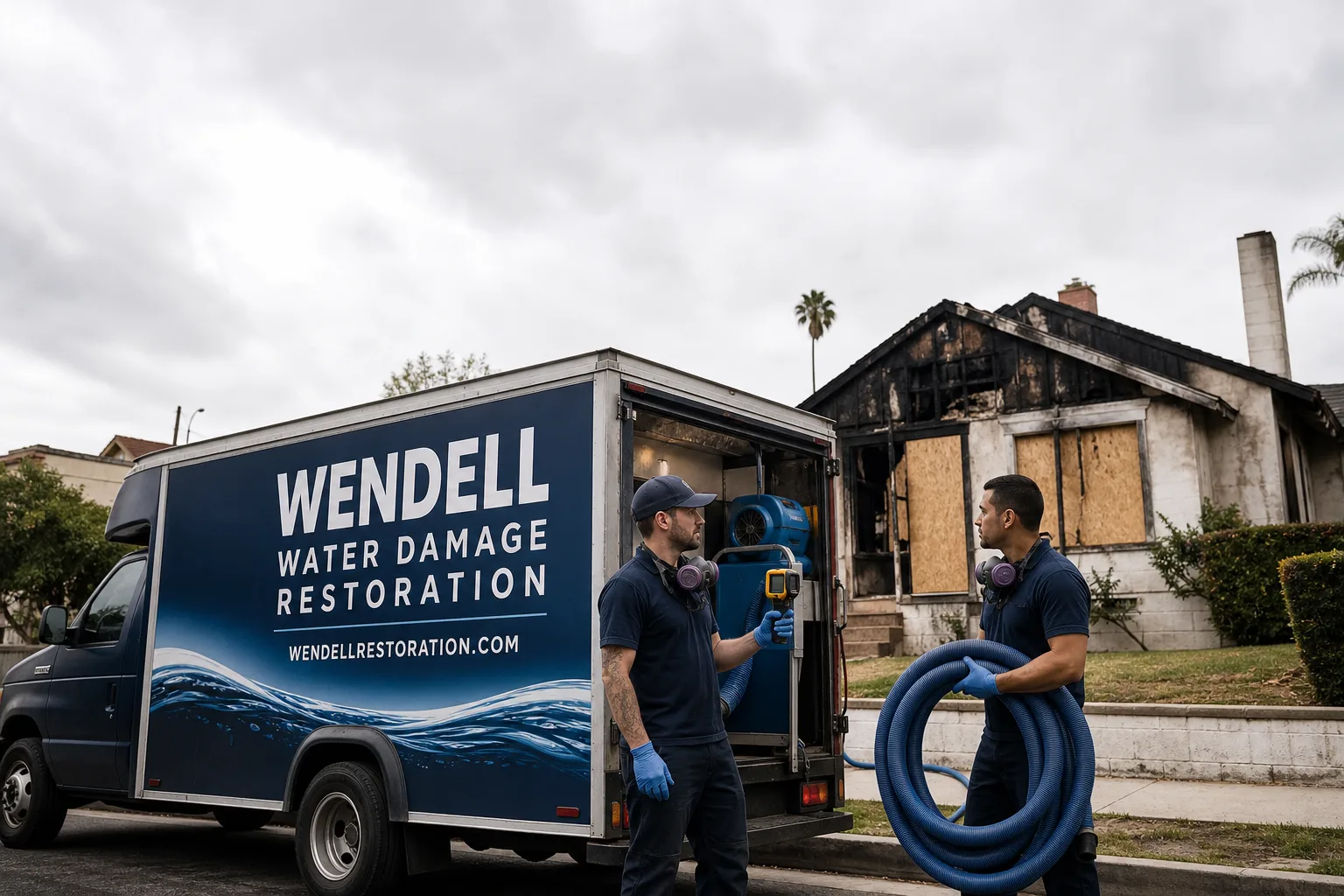
Free visual inspection and a written scope of work before any mitigation begins - photos, moisture readings, and drying logs go in your claim file
The scope we write is the scope we bill. Anything new gets shown to you, in writing, before we touch it.
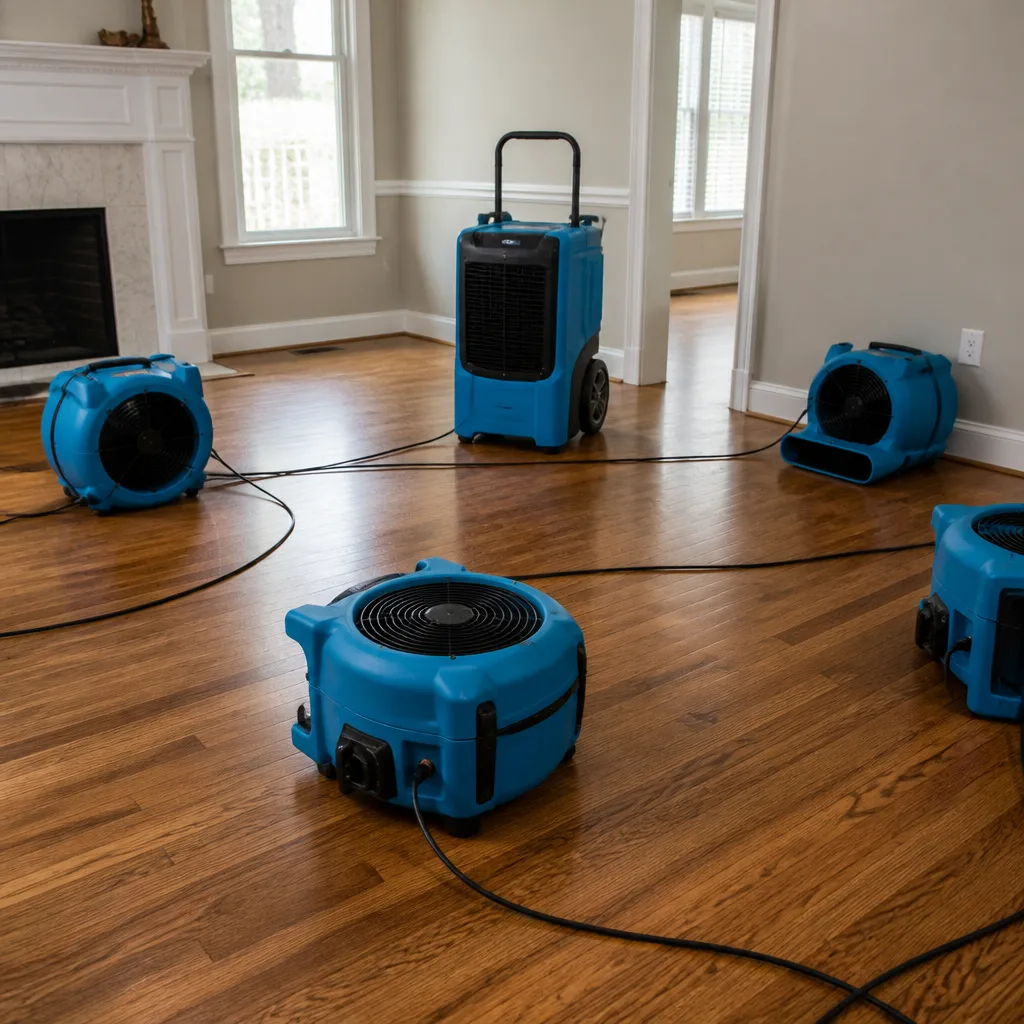
 Before
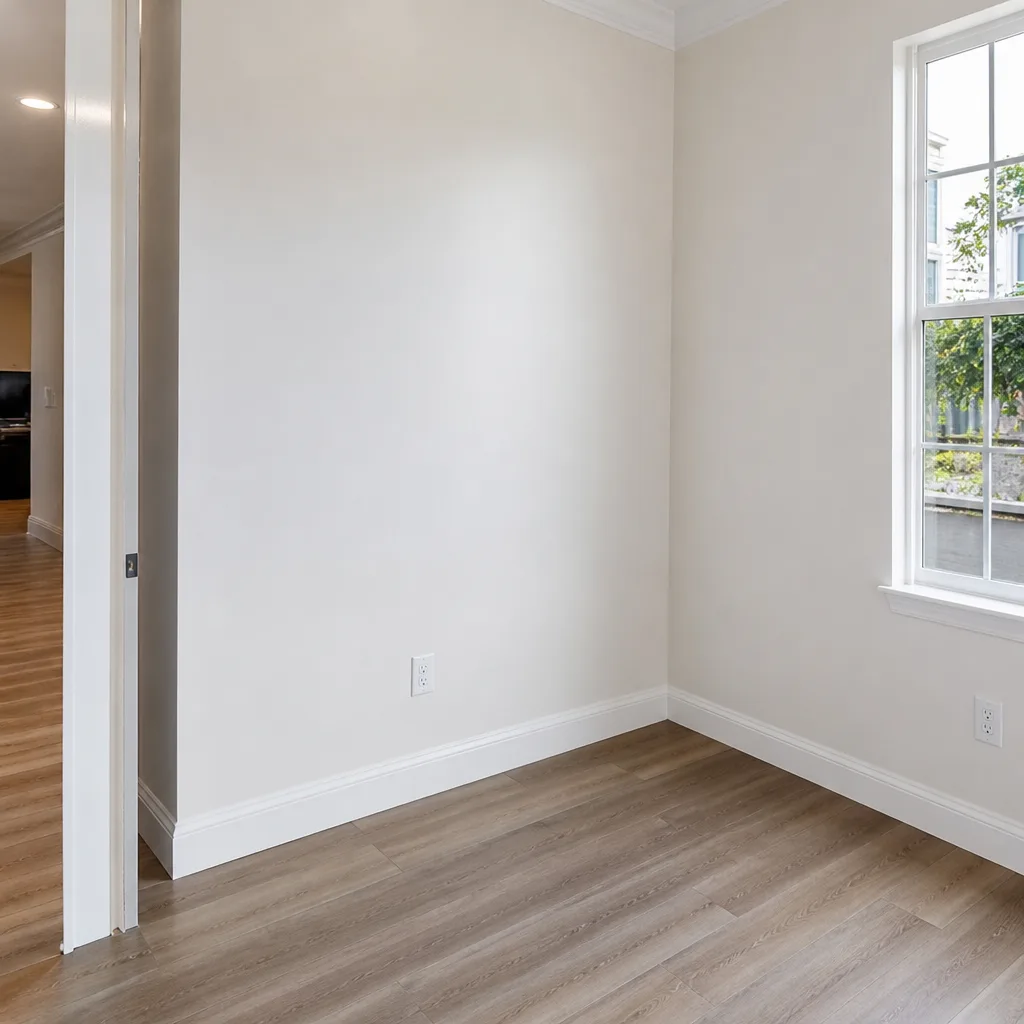 After
After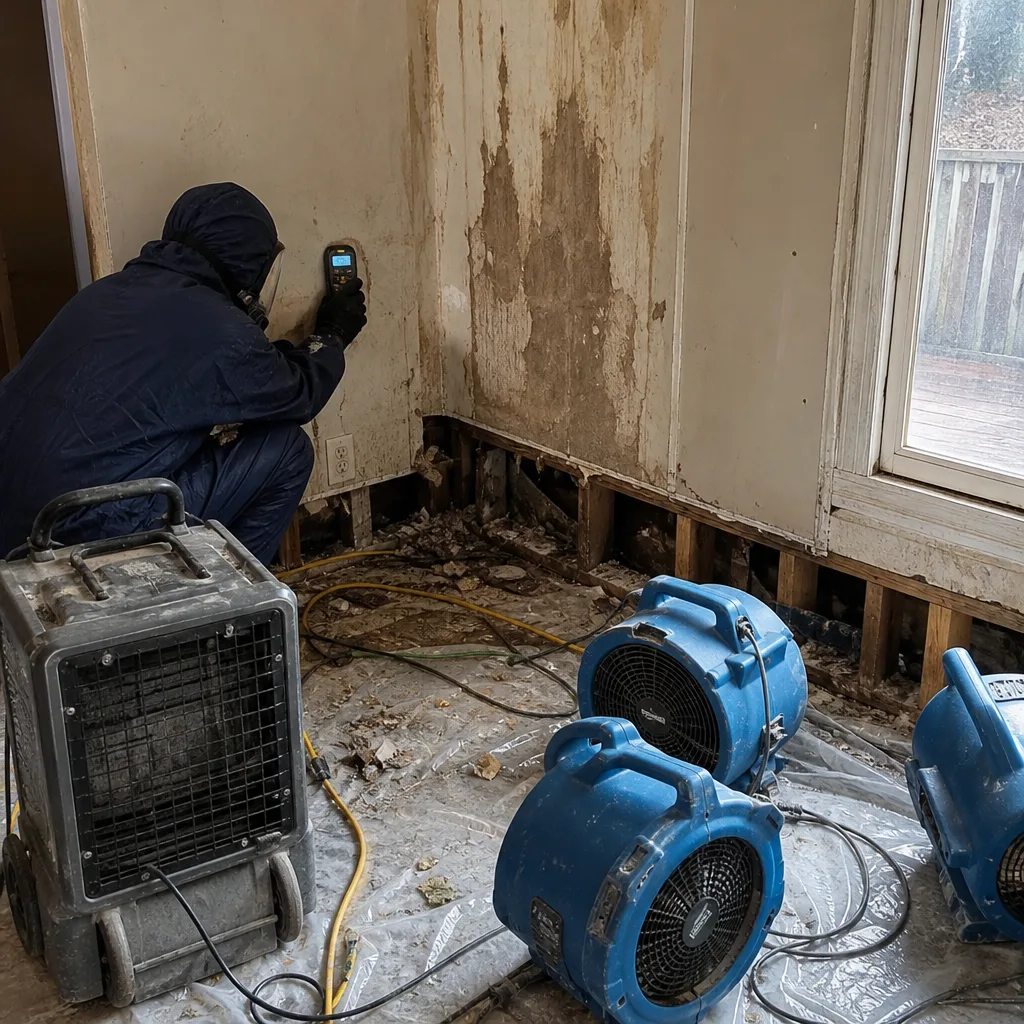 Before
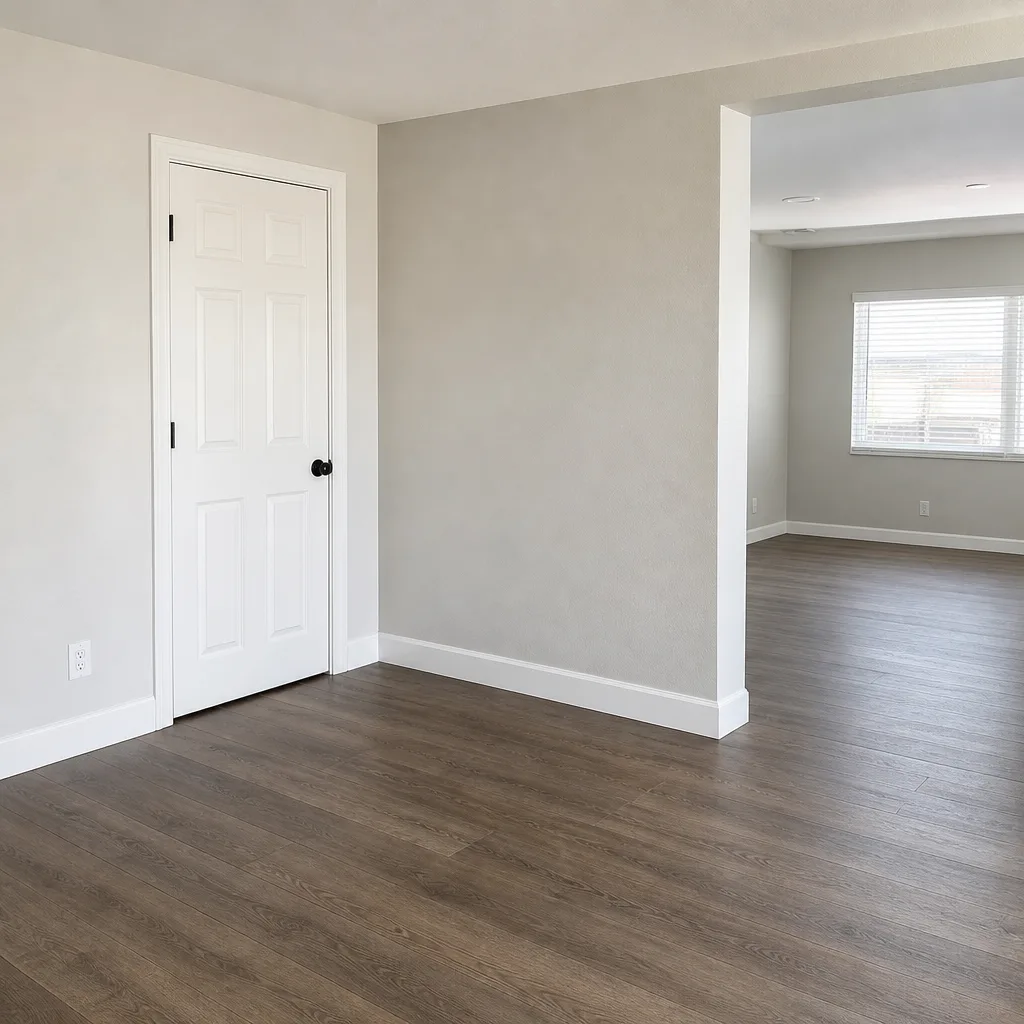 After
After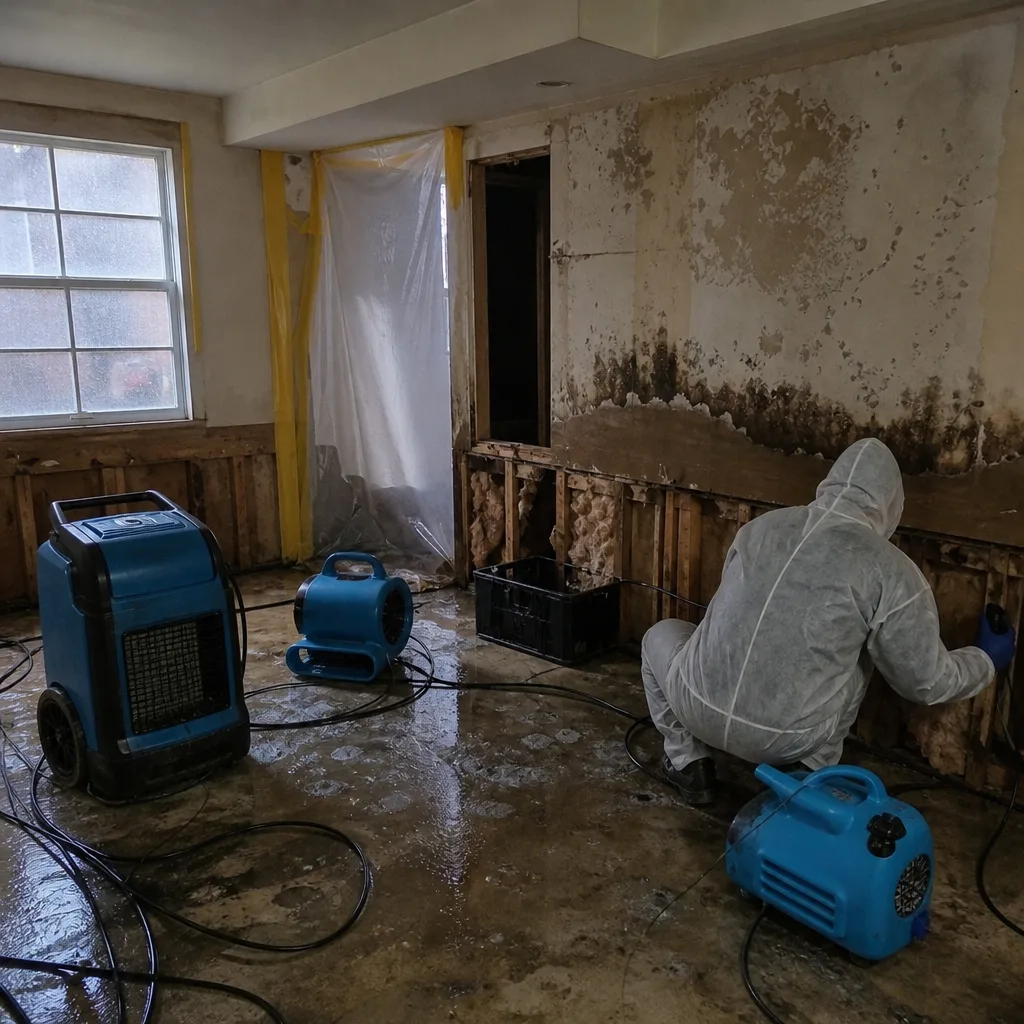 Before
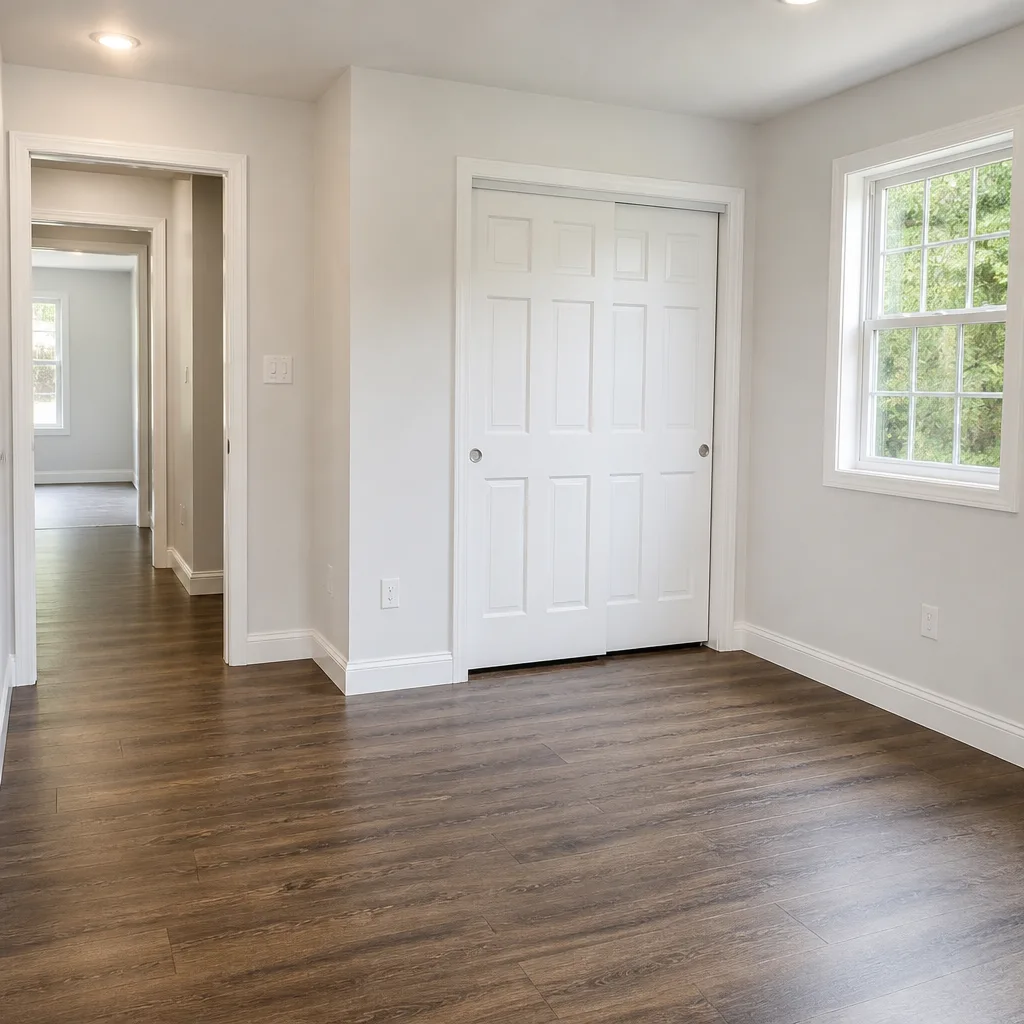 After
AfterFast, Reliable Water Damage Restoration Across Washington Heights
A burst riser on 181st Street, a roof drain backing up into a top-floor unit off Fort Washington Avenue, a washing machine supply line letting go in a Cabrini Boulevard co-op: water damage in Washington Heights doesn’t wait for business hours, and neither do we. Wendell Water Damage Restoration has crews stationed locally who know pre-war buildings, cast-iron plumbing, and the board-versus-owner questions that come with almost every leak here. Call (940) 466-4354 and a live person answers, 24/7. You’ll get a written price before any work starts, a live arrival time you can track, and before-and-after photos by text.
We serve every block of Washington Heights, from 155th Street up to Fort Tryon Park and from the Hudson River east to the Harlem River. The zip codes 10032, 10033, and 10040 are all in our daily rotation. When water is spreading through a ceiling cavity or saturating hardwood in a co-op bedroom, the fastest response wins. That’s why dispatch is coordinated from our New York City office with crews positioned to reach Washington Heights quickly.
Why Wendell Water Damage Restoration Is Washington Heights’s Preferred Water Damage Restoration Company
Washington Heights is dense. Walk-ups, six-story co-ops, elevator buildings, and the occasional single-family rowhouse all sit shoulder to shoulder along streets like Broadway and St. Nicholas Avenue. When a pipe fails in one unit, it rarely stays in one unit. Our team has worked enough riser leaks and roof drain overflows in 10033 and 10040 to know that the first hour of response often determines whether the damage is contained to one ceiling or spreads down three floors.
Homeowners and co-op boards in Washington Heights call us because we put the price in writing before touching a tool. No vague estimate. No number that changes when the crew walks through the door. The digital invoice is texted to you so you can pay from the link, and the number on the screen is the number you pay. Our technicians are background-checked and uniformed, so you know exactly who is coming through your door before they arrive. Each job follows IICRC, RIA, and IFA standards using professional equipment from Dri-Eaz, Phoenix, and XPOWER. Blake Sorensen leads our restoration team, and our 365-Day Done Right Promise is stated in writing on every single job: if it’s not done right, we make it right.
Water damage in Washington Heights doesn’t keep business hours. Neither do we. Calls are answered by a live person 24/7, not a voicemail, not a callback queue, not a phone tree.
Flooded Basement in Washington Heights
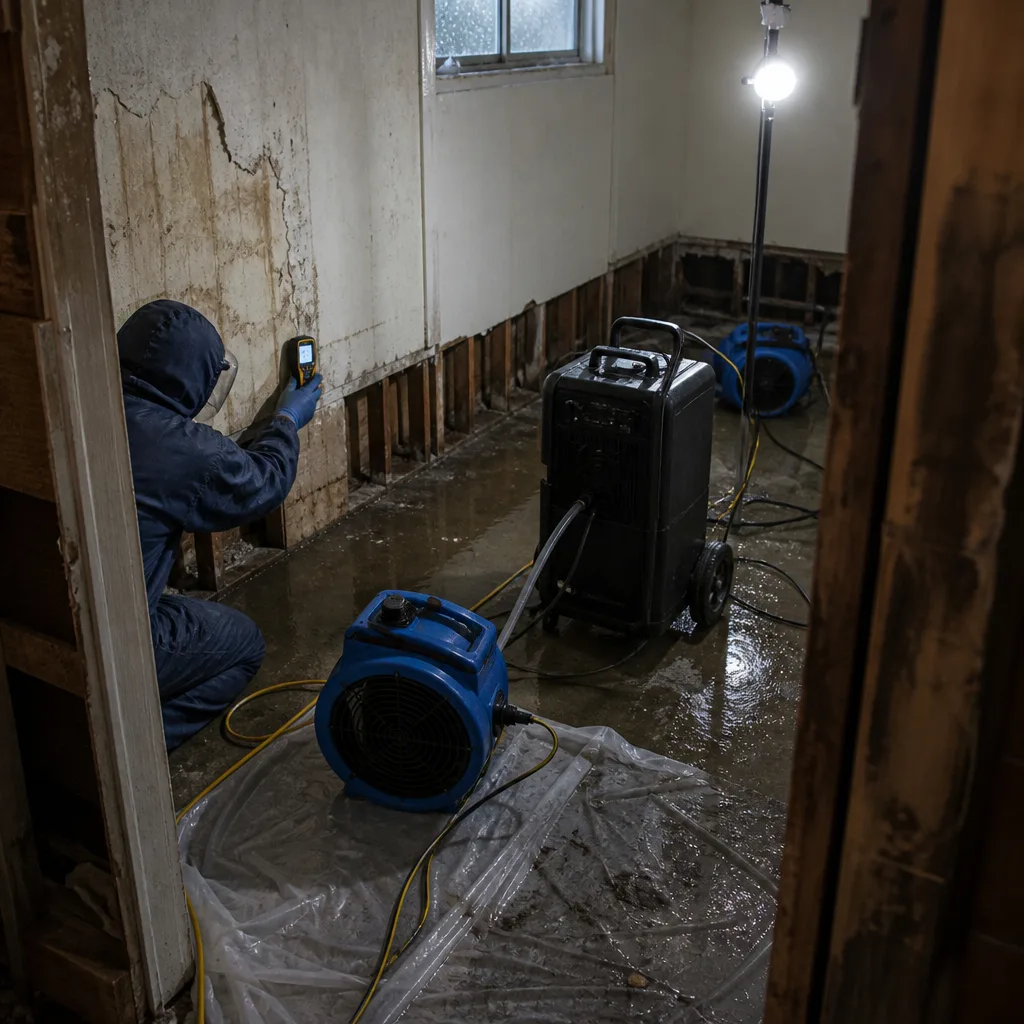
Flooded basements in Washington Heights usually trace back to one of three sources: a waste line backup from aging cast-iron drains, a foundation seep through historic stone or brick walls after heavy rain, or a sump pump that failed during a storm off the Harlem River. Many basements in this neighborhood are shared spaces: storage rooms, laundry rooms, boiler rooms. When they flood, the building’s superintendent is usually the first to notice, and the question of who pays is often the second thing out of anyone’s mouth.
The work itself follows a sequence. Water Damage Restoration starts with extraction, then moves to drying, then to the call on what gets saved and what gets removed. A typical flooded basement in Washington Heights runs $2,800 to $6,500 depending on square footage, how long the water sat, and whether the water was clean or sewage-contaminated. We tell you the number before we start.
Waste Line and Cast-Iron Drain Backups
A lot of Washington Heights buildings still sit on their original cast-iron drain lines. Cast iron corrodes from the inside out over 80 to 100 years, and when it finally gives, the result is often a basement filled with Category 3 water: the kind that carries bacteria and requires removal, not just drying. We document everything for the building’s insurance claim, including a scope of work that separates the pipe repair from the interior restoration.
Storm and Sump Pump Flooding
Washington Heights sits on a ridge, but basements on the lower blocks near the Harlem River still take on groundwater when a heavy storm overwhelms perimeter drainage. A failed sump pump turns that from damp to standing water within hours. We extract first, then run dehumidification until the concrete and air moisture meet drying targets, not just until the floor looks dry.
Water Extraction in Washington Heights
Water extraction in Washington Heights is the first and most time-sensitive step after any significant water event, whether it’s a supply line burst in a Wadsworth Avenue apartment or a roof drain overflow in a building near Bennett Park. The goal is simple: remove the standing water before it migrates into baseboards, subfloor, and the unit below. In pre-war co-ops, the water rarely stays where it started. Plaster walls and original hardwood wick moisture fast, and what looks like a puddle in one unit is often a spreading problem in two or three.
A typical water extraction job in Washington Heights runs $900 to $2,400. That covers arrival, containment if needed, extraction of standing water, and a moisture map of the affected area so we know what’s wet and what can be saved. Every job includes a written price before we begin, and the invoice is texted to you when the work is done.
Ceiling and Wall Cavity Extraction
When water comes through a ceiling, extraction isn’t just about the floor. We drill small weep holes to release water trapped in ceiling and wall cavities, then run Injectidry systems to pull moisture from inside the plaster-and-lath. In Washington Heights buildings, that trapped water is what turns a stain into mold and a $1,500 cleanup into a $12,000 mold remediation.
Category 1 vs. Category 3 Water
Supply lines carry Category 1 water, which is clean and can be dried in place if we get to it fast. Waste backups carry Category 3 water, which means the affected materials come out. In a Washington Heights co-op, these two can exist in the same building and even the same room, and mixing them up is an expensive mistake. We test and confirm before we dry.
Trusted Brands We Service in Washington Heights
Wendell keeps a full inventory of parts and consumables stocked for the equipment most Washington Heights buildings and contractors run: Dri-Eaz dehumidifiers and air movers, Phoenix axial fans and LGR units, XPOWER air scrubbers, and moisture meters from the same brands we deploy ourselves. If we’re restoring a building that already has in-house drying equipment, we service it, calibrate it, and get it back into rotation the same visit. Washington Heights property managers call us because we carry the parts and know the machines.
Common Water Damage Restoration Problems We See in Washington Heights Homes
- Riser and roof drain leader leaks in pre-war co-ops. Water travels down the stack, enters one unit, and then shows up in the ceiling three floors below. The leak’s origin is rarely in the unit where the damage appears, which is why board-versus-owner questions delay the response. Wet drywall behind a closed bedroom wall starts growing mold within 24 to 48 hours.
- Original cast-iron waste lines. Buildings in Washington Heights constructed before 1940 often still have their original cast-iron drain pipes, now somewhere around 80 to 100 years old. When these fail, the backup is Category 3 water, and drying alone is not enough. Affected materials come out, full stop.
- Plaster-and-lath walls holding hidden moisture. Modern drywall shows water quickly. Plaster doesn’t. A leak behind a plaster wall in a Washington Heights apartment can go unnoticed for days while moisture wicks through the lath and into the studs. Moisture mapping finds what fans alone miss.
- Window and parapet leaks in exposed top-floor units. The higher floors near Fort Tryon Park get the worst of the wind-driven rain off the Hudson. Slow leaks around parapets and windows show up as stains, then efflorescence, then failing plaster. By the time it’s visible on the interior, the damage is usually weeks old.
Pricing for Water Damage Restoration in Washington Heights, NY
Here’s what you can expect to pay in Washington Heights. Water extraction alone: $900 to $2,400. A flooded basement with extraction and full structural drying: $2,800 to $6,500. A ceiling leak from a riser or roof drain with containment, extraction, drying, and surface restoration: $3,500 to $9,000 depending on how many rooms and ceilings are involved. Mold remediation following a hidden leak: $4,500 to $15,000 when the growth has been sitting behind plaster for weeks. Every job gets a written price before work starts and a digital invoice you can pay from your phone. Estimates are free. Call (940) 466-4354 for the exact number on your job.
We Also Serve Cities Near Washington Heights
Wendell’s crews cover Washington Heights and the surrounding boroughs. If you’re in Brooklyn, Queens, Manhattan, or The Bronx, the same written pricing, live arrival tracking, and 365-Day Done Right Promise apply. Local dispatch means we can route a crew to your door without waiting on a regional office.
Serving Washington Heights, NY - Our Local Coverage Area
We’re based in the Washington Heights area and know this community well. Use the map below to see our service coverage - if you’re nearby, we can almost certainly help.
FAQs About Water Damage Restoration in Washington Heights
Call us and the board at the same time. In most Washington Heights co-ops, the source pipe is the building’s responsibility if it’s a riser or waste line, while the interior restoration in your unit is yours or your neighbor’s, depending on the proprietary lease and the cause of the leak. We document the source, the affected materials, and the drying scope, then hand you a written scope of work you can forward to the managing agent and the board. The drying should start immediately while the ownership question gets sorted, because mold does not wait for a board vote. Call (940) 466-4354 and we’ll start extraction while the paperwork catches up.
Yes. Original cast-iron drains in Washington Heights pre-war buildings fail eventually, and when they do, the basement flood is typically Category 3 water. We extract, remove saturated materials, contain the area, and run structural drying to IICRC standards. We’ll also give the building a written scope that separates the drain repair from the interior restoration so the claim gets filed correctly. Call (940) 466-4354 for a same-day assessment.
Same day, usually within a couple of hours. Calls are answered live 24/7, and a crew is dispatched from our New York City office to Washington Heights as soon as you give us the address. You’ll get a live arrival time you can track, not a four-hour window. Call (940) 466-4354 and you’ll know who’s coming and when they’ll be there.
Yes, and we do it regularly in Washington Heights. We provide photo documentation, moisture readings, daily drying logs, and a written scope of work that separates the pipe repair from the interior restoration. That separation is what lets the board file the building’s claim correctly and lets you file yours directly with your carrier. Call (940) 466-4354 and we’ll coordinate with the managing agent directly.
We run Dri-Eaz, Phoenix, XPOWER, B-Air, and Injectidry equipment on Washington Heights jobs. Every unit is deployed to IICRC, RIA, and IFA standards. In pre-war apartments, we often pair Phoenix LGR dehumidifiers with Injectidry cavity drying systems to pull moisture out of plaster-and-lath walls and ceiling cavities that surface drying misses. Call (940) 466-4354 if you want us to walk you through what we’d put in your unit and why.
Written by Blake Sorensen, Owner at Wendell Water Damage Restoration, serving Washington Heights with water damage restoration, mold remediation, and water damage repair since the company’s founding in 2006.