
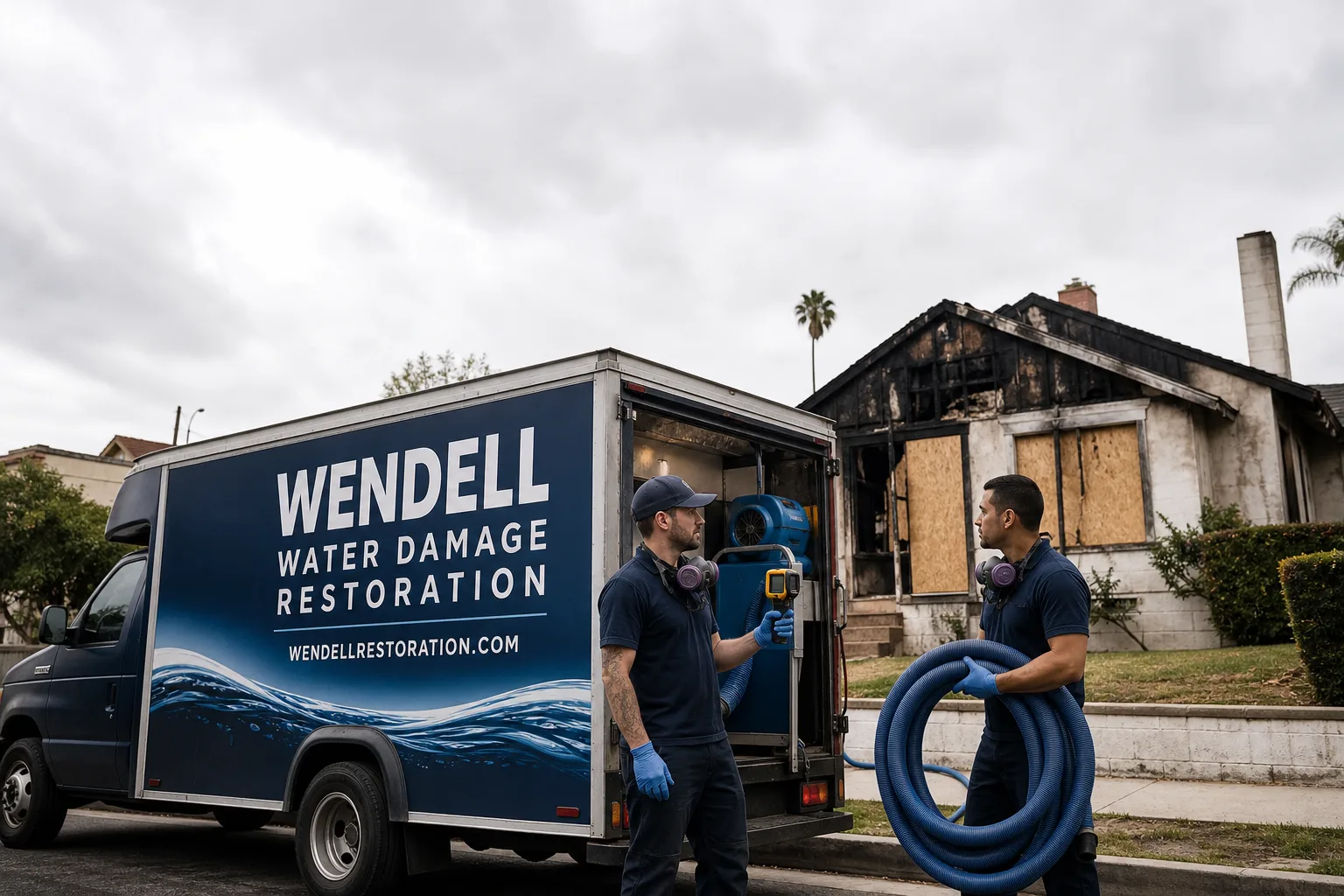
Free visual inspection and a written scope of work before any mitigation begins - photos, moisture readings, and drying logs go in your claim file
The scope we write is the scope we bill. Anything new gets shown to you, in writing, before we touch it.
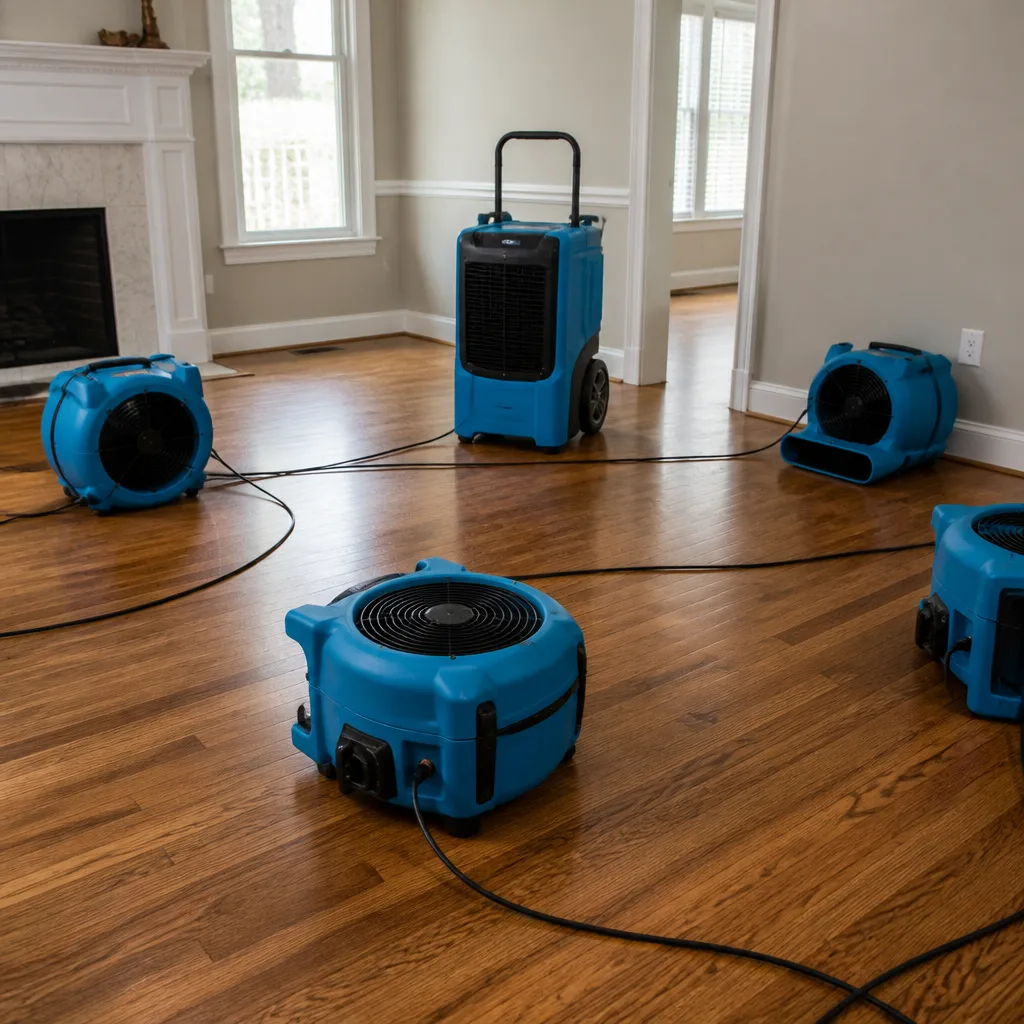
 Before
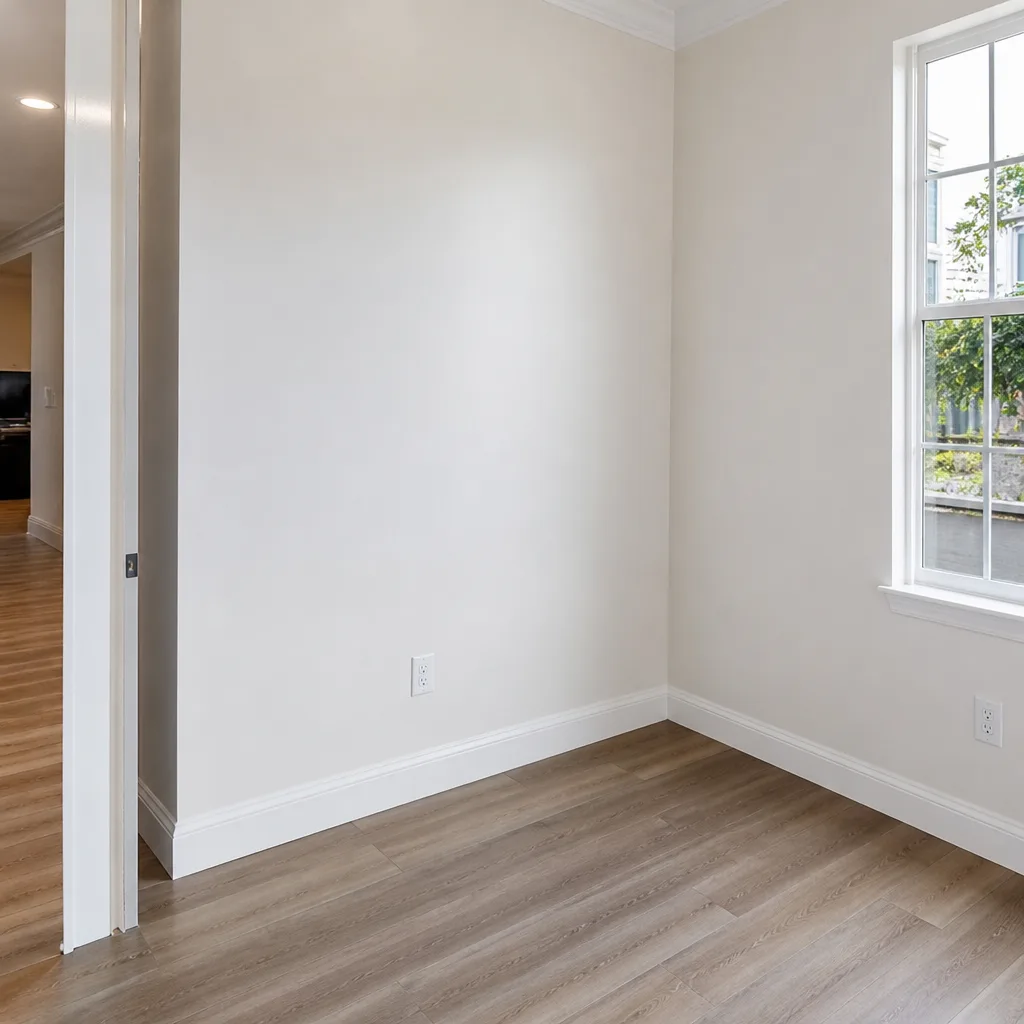 After
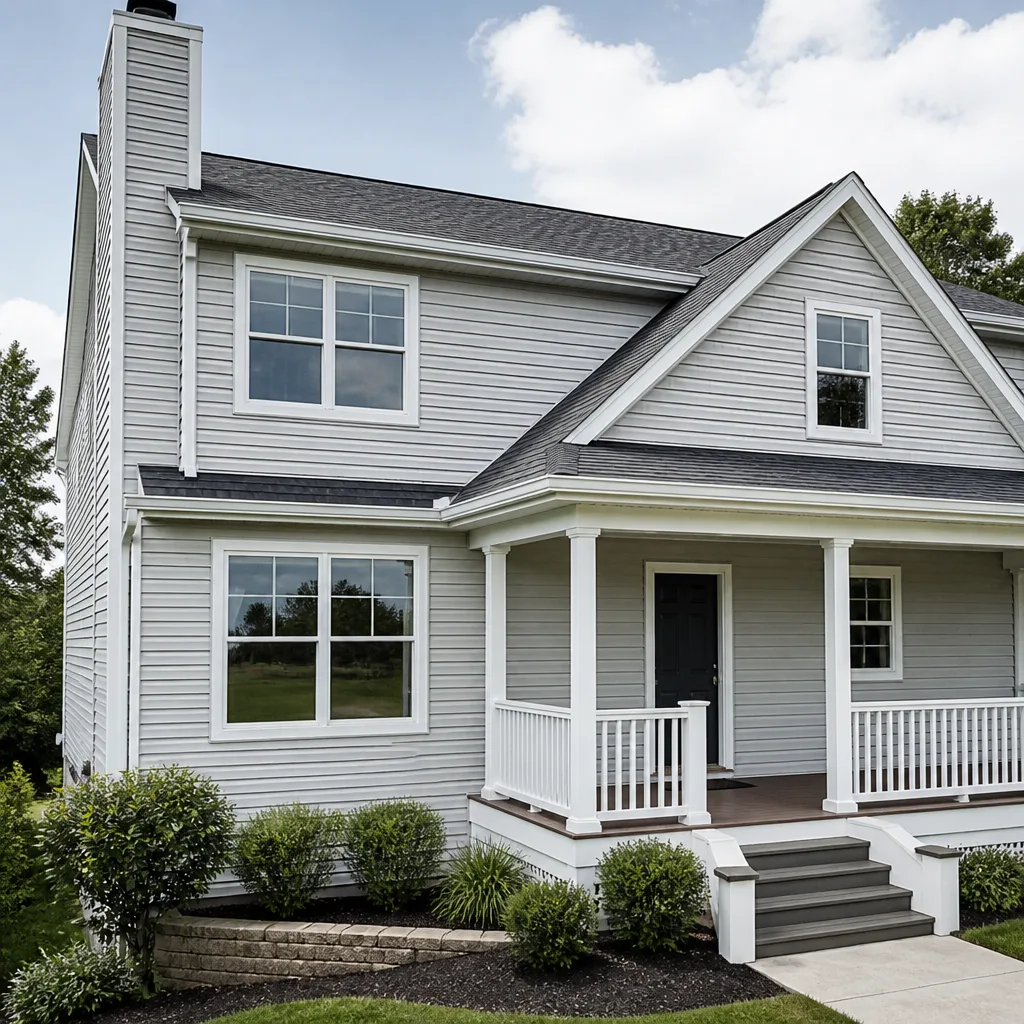
After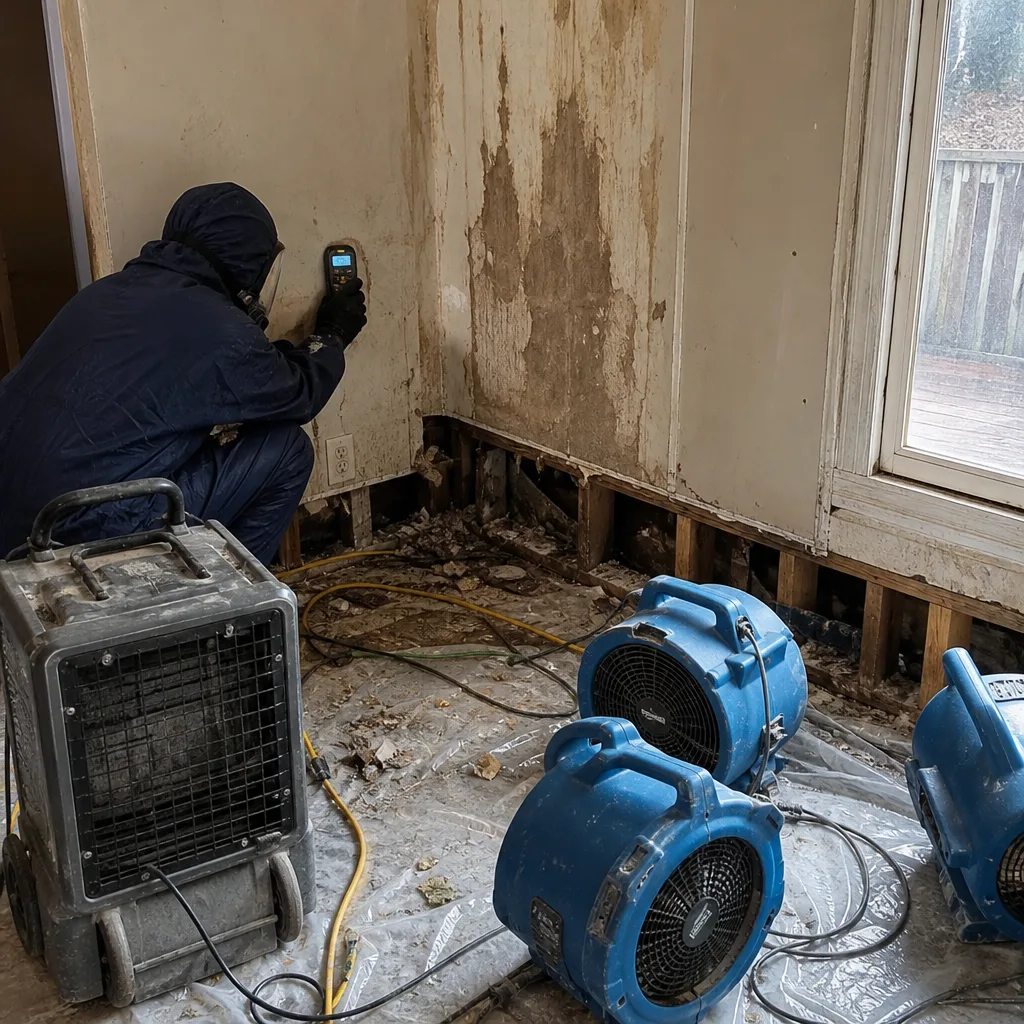 Before
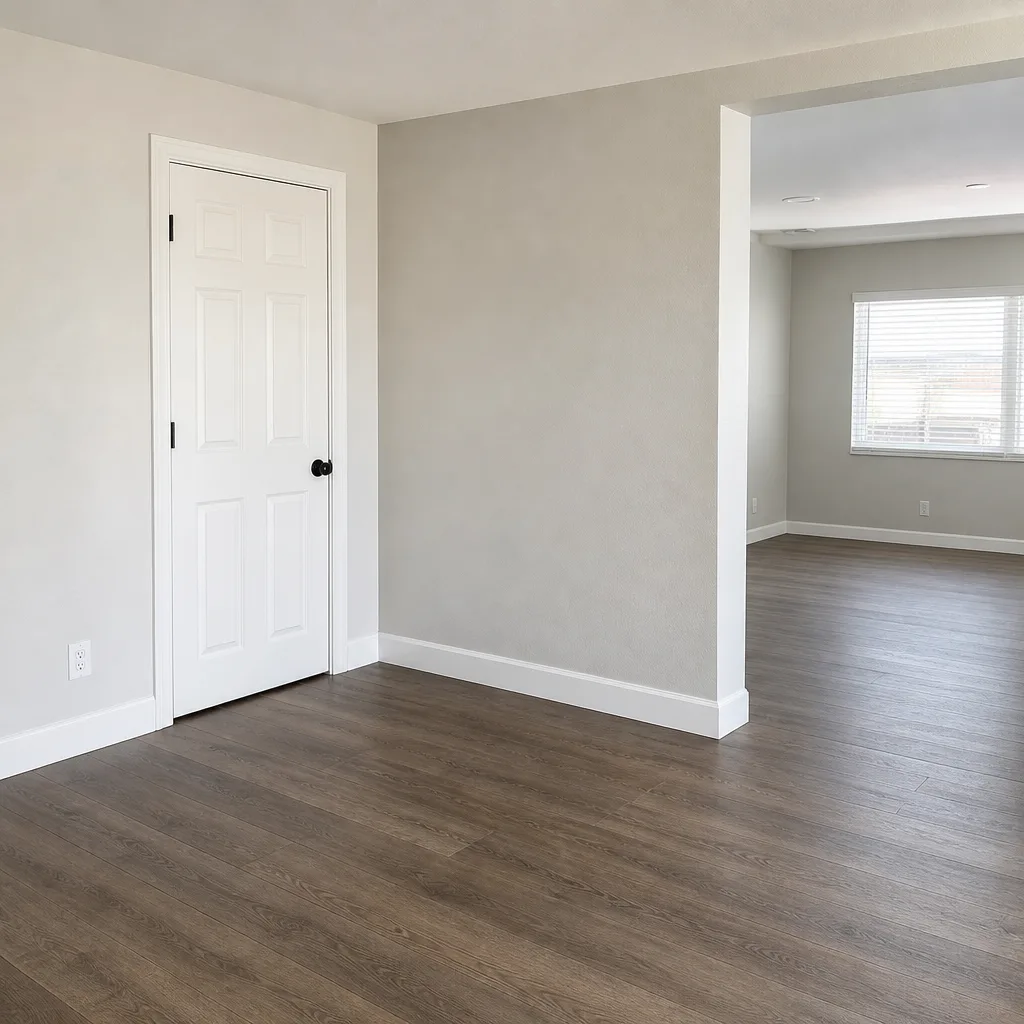 After
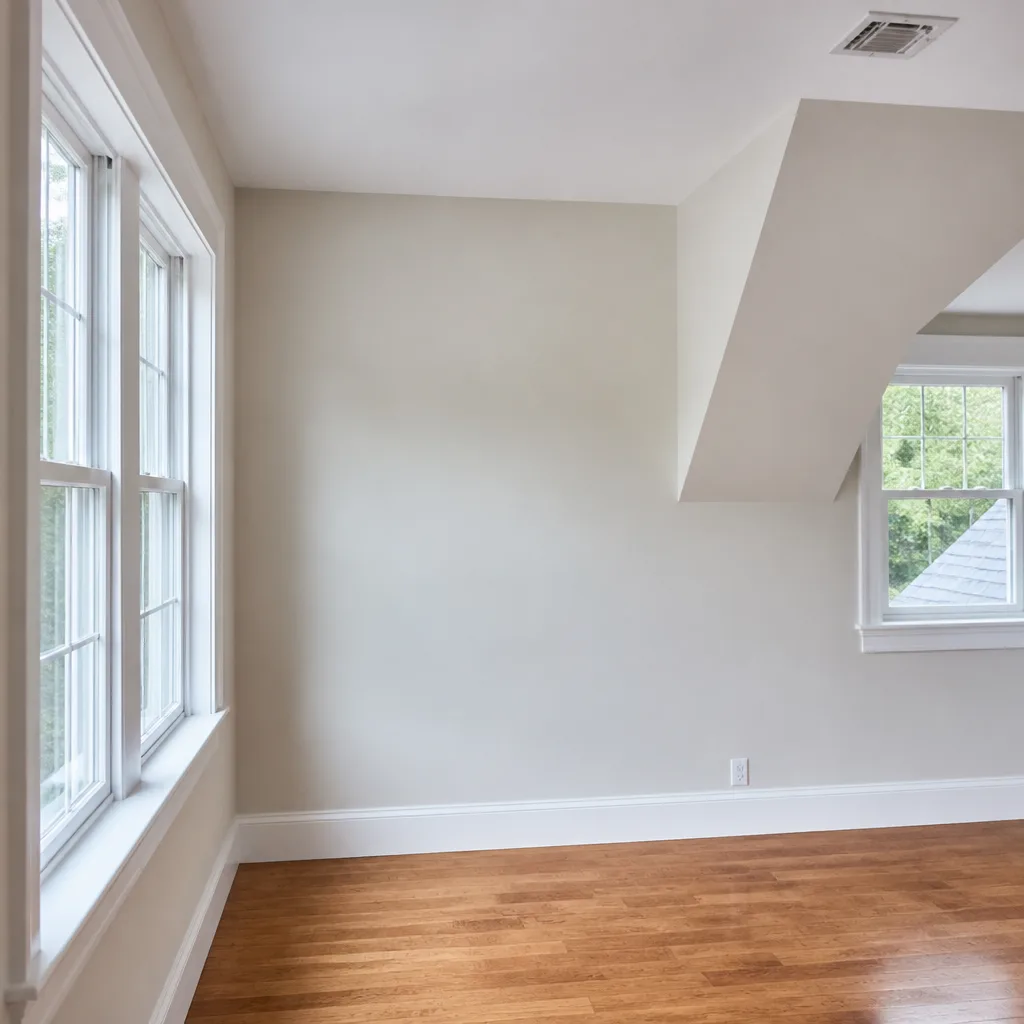
After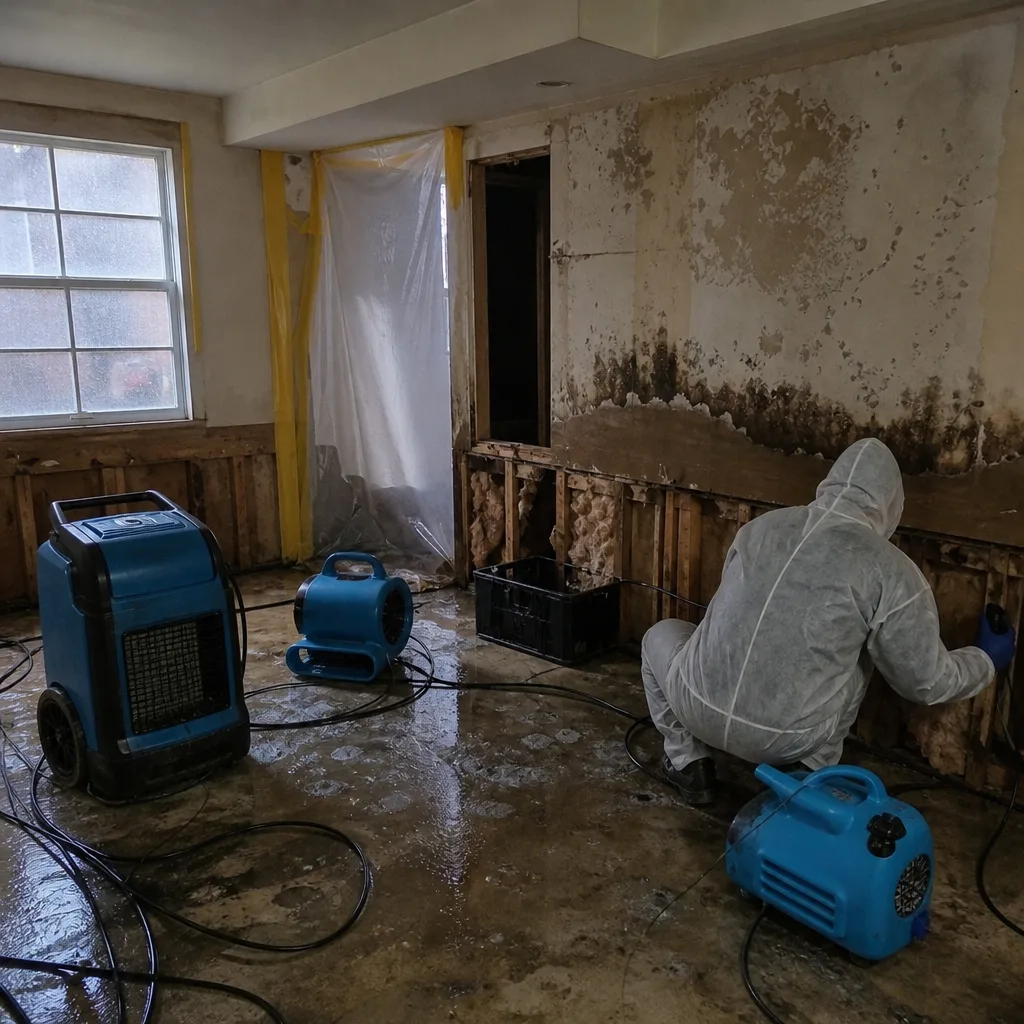 Before
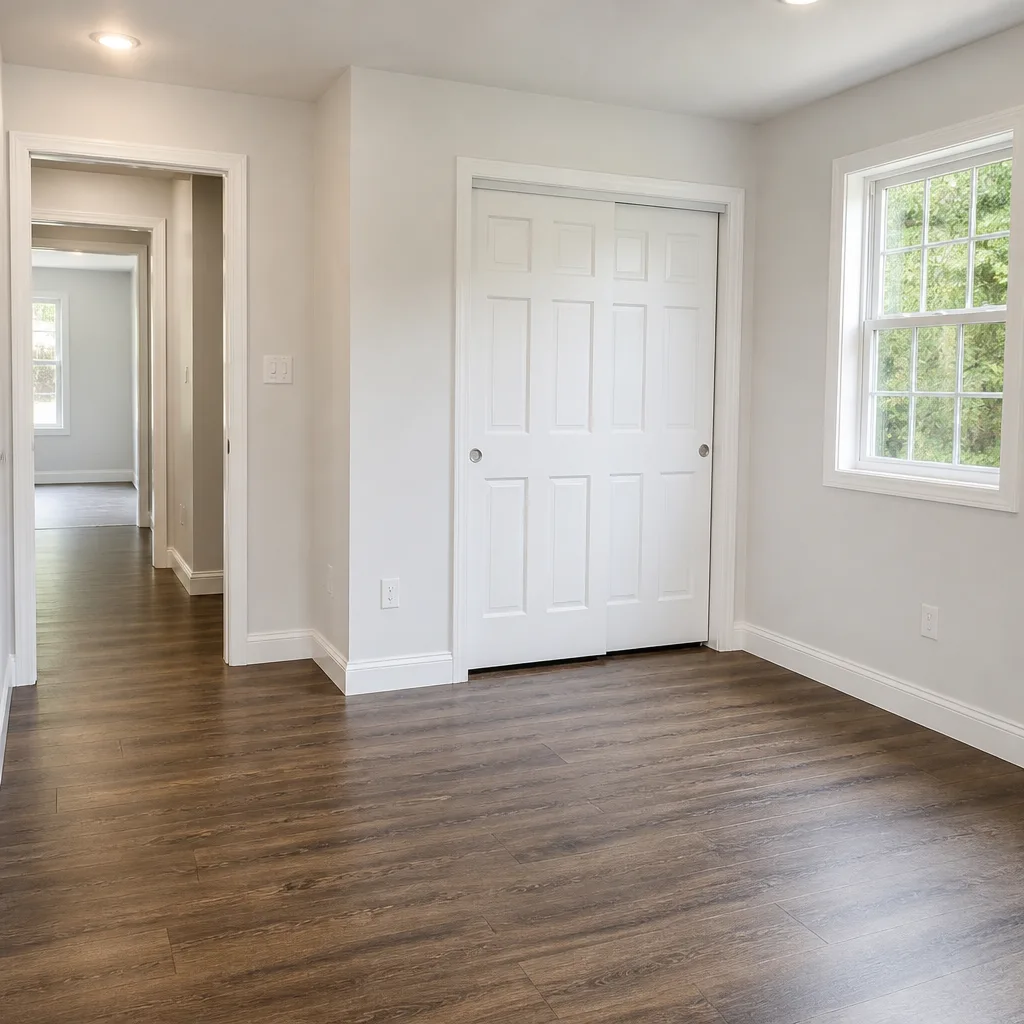 After
AfterFast, Reliable Water Damage Restoration Across Union Square
Water damage in Union Square rarely announces itself the way you’d expect. It starts as a faint stain on the ceiling below, a musty smell in a hallway, or a floorboard that feels a little soft. By the time you see it, moisture has usually been traveling through wall cavities and floor assemblies for days. We respond to Union Square calls within the hour, trace the actual source, and put the price in writing before any work starts. If you’re seeing water or staining, call (940) 466-4354. A live person answers, 24/7.
Why Wendell Water Damage Restoration Is Union Square’s Preferred Water Damage Restoration Company
Union Square’s housing stock is mostly pre-war: walk-ups on East 13th through East 18th, co-op units above retail on University Place, and converted lofts with cast-iron risers that haven’t been touched since the original plumbing went in. Those buildings leak differently than a modern condo. Water travels vertically through stacked floor and ceiling assemblies, crosses tenant lines, and ends up in the bakery on the ground floor before anyone on the third floor knows something failed. We know that pattern. It’s what we see most often, and it shapes how we scope every job here.
Reviews from Union Square customers consistently mention the same things: the tech showed up when the app said they would, the scope was written down before equipment went in, and the drying logs came by text. That’s the standard Blake Sorensen sets as our local lead. We don’t do four-hour arrival windows. You get a live arrival time you can track, a background-checked uniformed tech, and a written price. Response time to Union Square is typically 45 to 60 minutes for emergency water extraction. Union Square is part of our core dispatch zone, not an outlying area, which means our drying equipment shows up on-site the same call.
Flooded Basement in Union Square
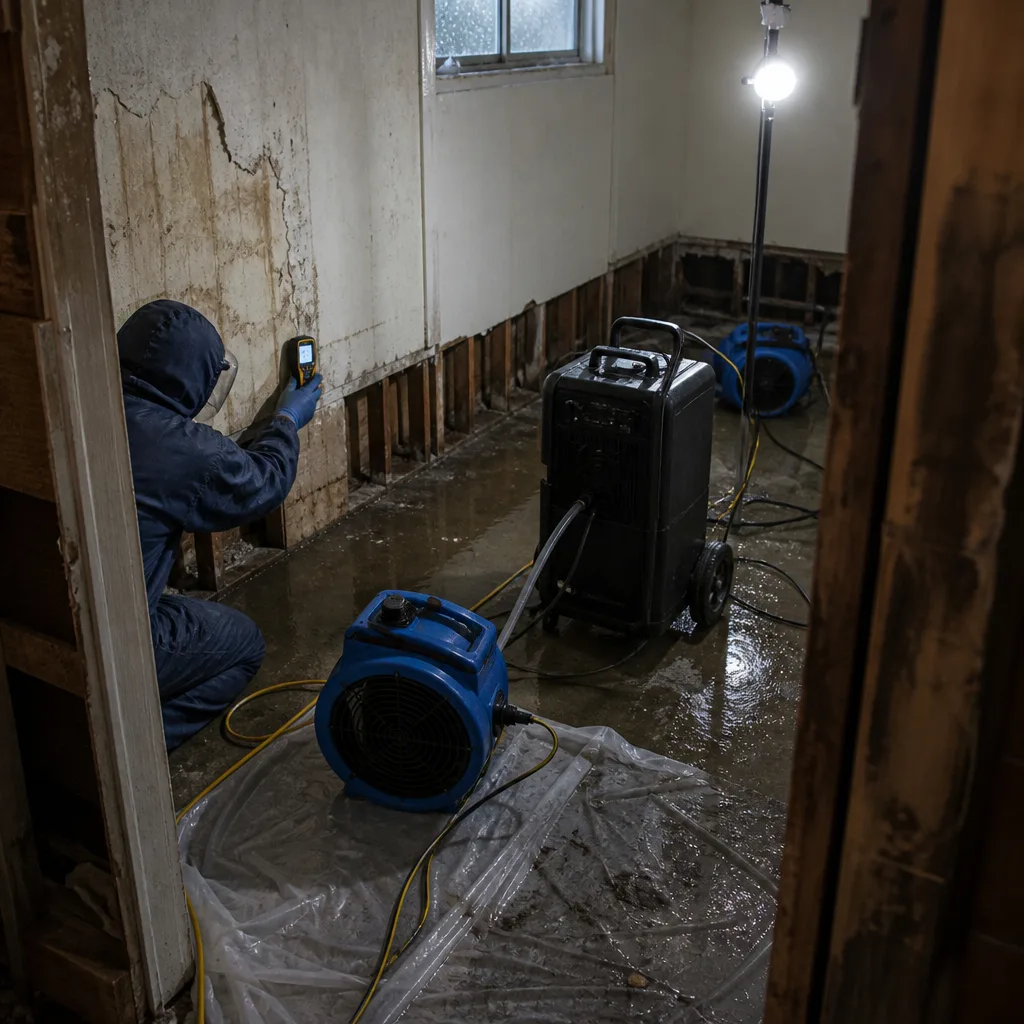
Flooded Basement work in Union Square usually means one of two scenarios: a sub-grade storage or mechanical room in a pre-war building that caught a sump-pump failure or a drain backup, or a commercial basement beneath a storefront on Broadway or Park Avenue South that took water from a broken supply line above. In both cases, the job involves the same sequence: emergency extraction of standing water, placement of air movers and dehumidifiers (Dri-Eaz and Phoenix units, in most cases), moisture mapping to set dry goals, and daily monitoring until the structure hits pre-loss readings. A typical flooded basement in Union Square runs $2,800 – $5,400, with the cost driven by the size of the pool, access to the space, and how much material has to be removed. If the water sat overnight or came from a drain line, we treat it as contaminated and remove affected porous materials rather than trying to dry them.
Extraction Before Anything Else
Standing water in a basement below Union Square retail means water head pressure against foundation walls and the base of support columns. We extract first, then map where moisture has wicked. Our techs run the extraction pass the same call, then place drying equipment with printed drying goals. You get photo updates by text showing the water level drop and the equipment layout. The written scope already told you what this costs, so there are no renegotiated numbers after equipment is running.
Drying Concrete, Not Carpet
Most Union Square basements are concrete slab floors with maybe a utility closet or two. Water doesn’t just sit on top. It gets into the slab’s capillary layer. We use psychrometric drying (tracking the air’s moisture level so we know when the space is truly dry, not just surface-dry) to pull vapor out of the slab and masonry. That takes longer than drying drywall upstairs. Expect 4 to 7 days of monitoring. The equipment stays until the moisture readings say the slab is dry, not until a calendar day passes.
Water Extraction in Union Square
Water Extraction in Union Square is the difference between a three-day drying job and a three-week demolition. When a leak dumps water into a pre-war unit’s floor assembly, that water sits in the cavity between the finished floor and the ceiling below. A supply-line break behind a kitchen wall can release 2 to 4 gallons per minute. Within 30 minutes, the floor seam is pooling. Within an hour, the ceiling below is stained. Extraction pulls that water out fast. A typical extraction job in Union Square runs $900 – $2,200, depending on how much standing water there is and how much access the cavity needs.
Subfloor and Cavity Extraction
We use a deep-extraction system that pulls water from wood subfloors and between-joist cavities. Standard carpet wands won’t do that. In Union Square’s older buildings, the joists are often full-dimension lumber that holds water well past surface drying. We also use Injectidry systems when the wall cavity is wallpapered or finished with plaster that you don’t want demolished. That system forces warm, dry air through drilled access points behind baseboards, drying the cavity from the inside without tearing the wall down. This matters a lot in pre-war units where the original plaster is part of the unit’s value.
Fire-Proofing and Debris
Many Union Square buildings have fire stopping material or old plaster debris sitting loose in the joist bays. Water pools on top of that. During extraction, we remove that wet material so the drying air can actually reach the wood. If we skip it, the wood dries unevenly and you get hidden rot or mold in the corners. Our techs document every cavity they open with before-and-after photos by text. Blake Sorensen reviews the drying logs on every job, which is part of why we offer the 365-Day Done Right Promise in writing on every repair.
Trusted Brands We Service in Union Square
We service and run extraction and drying equipment from the brands local Union Square property managers already recognize: Dri-Eaz and Phoenix for dehumidifiers and air movers, plus XPOWER air movers when we need high-velocity drying in tight mechanical rooms. Because our New York City office stocks these units locally, we don’t wait on freight for a replacement blower or sensor. A failed dehumidifier mid-job gets swapped same day. Union Square homeowners and supers call us because they’ve seen these machines on commercial loss sites and know what they do. We deploy them under IICRC, RIA, and IFA standards, the same protocols used on high-rise commercial losses.
Common Water Damage Restoration Problems We See in Union Square Homes
- Riser and supply-line seeps inside pre-war wall cavities. The cast-iron risers in many Union Square walk-ups are aging past their useful life. A slow weep at a threaded joint can wet a wall cavity for weeks before anyone notices anything. The first sign is usually a brown stain on the ceiling of the floor below.
- Water crossing tenant lines in mixed-use buildings. A leak in a co-op above a retail storefront on University Place or Broadway often travels through the floor assembly and shows up in the shop’s ceiling. Containment and early documentation protect both parties. We coordinate with the building’s managing agent and the neighbor’s insurer from the first call.
- Basement sump and drain backups in sub-grade mechanical rooms. Union Square’s low-lying blocks plus aging drain lines means basements take water from backflow and failed sump pumps. These are category 2 or 3 water events once they touch building drains or street water, and the cleanup protocol changes from drying to removal and antimicrobial treatment (applying an antimicrobial agent that stops mold and bacteria growth on exposed framing).
- Hidden moisture behind original plaster and lath. Plaster is vapor-permeable enough to hide a wet wall cavity from an infrared scan for days. We’ve opened walls on East 15th Street that looked dry from outside but held saturated lath inside. That’s why we map moisture with penetrating meters, not just thermal imaging.
Pricing for Water Damage Restoration in Union Square, NY
We Also Serve Cities Near Union Square
Our Water Damage Restoration service covers all of Union Square plus the neighborhoods around it. Crews serve Brooklyn, Queens, Manhattan, and The Bronx from the same dispatch line. If you’re in a bordering area and dealing with a water-damage event, call (940) 466-4354 and we’ll confirm the right local technician for your address. Read more about our broader service footprint at Water Damage Restoration in Union Square.
Serving Union Square, NY - Our Local Coverage Area
We’re based in the Union Square area and know this community well. Use the map below to see our service coverage - if you’re nearby, we can almost certainly help.
FAQs About Water Damage Restoration in Union Square
We usually arrive in Union Square within 45 to 60 minutes of your call. Same-day availability matters more here than in single-family home markets because water in a pre-war building keeps moving through floor and wall assemblies every hour it sits. A leak at 9 a.m. that doesn’t get extracted until 4 p.m. has already crossed into the unit below. Call (940) 466-4354 when you first see water or staining, not after the damage spreads.
Yes, and this is the most common misread in Union Square. A stained ceiling below you usually means the source is inside your unit’s wall or floor assembly, often at a riser or supply-line joint. Your floor can look and feel dry while the cavity below is saturated. A moisture assessment with penetrating meters takes 30 to 45 minutes. We’ll tell you if it’s a slow weep that needs a plumber and some drying, or a real loss that needs extraction. Either way, you’ll know in writing.
That depends on the water category and the material. Clean supply-line water (category 1) behind drywall can often be dried in place with Injectidry systems and air movers. Once water has passed through an older building’s cavities and mixed with dirt or waste (category 2 or 3), the affected porous materials like drywall and insulation come out. Plaster and lath we usually dry in place because it’s thicker and more vapor-open. We make that repair-vs-replace call on-site and show you the reasoning with moisture readings, before anything gets cut.
We set up containment around the affected area and control the drying airflow so dehumidification exhaust and any demolition dust stays inside the work zone. In mixed-use Union Square buildings, that’s the standard we run on every job. We also document the pre-existing condition of the space below before we start, and coordinate with the building’s managing agent and the neighbor’s insurer. That documentation is part of the photo record you get by text. It protects you if a dispute ever comes up.
We place air movers and dehumidifiers sized to the affected area, take initial moisture readings, then return daily to log new readings. The drying goal is set from the moisture content of an unaffected area of the same material, which we measure first. You receive drying logs showing the trendline, not just a tech saying “it’s dry.” We also take before-and-after photos by text so you can see the actual recovery. The 365-Day Done Right Promise is written on every repair: if it’s not done right, we make it right, and that includes a free second visit if the repair fails.
Written by Blake Sorensen, lead for Wendell Water Damage Restoration in Union Square, NY.