
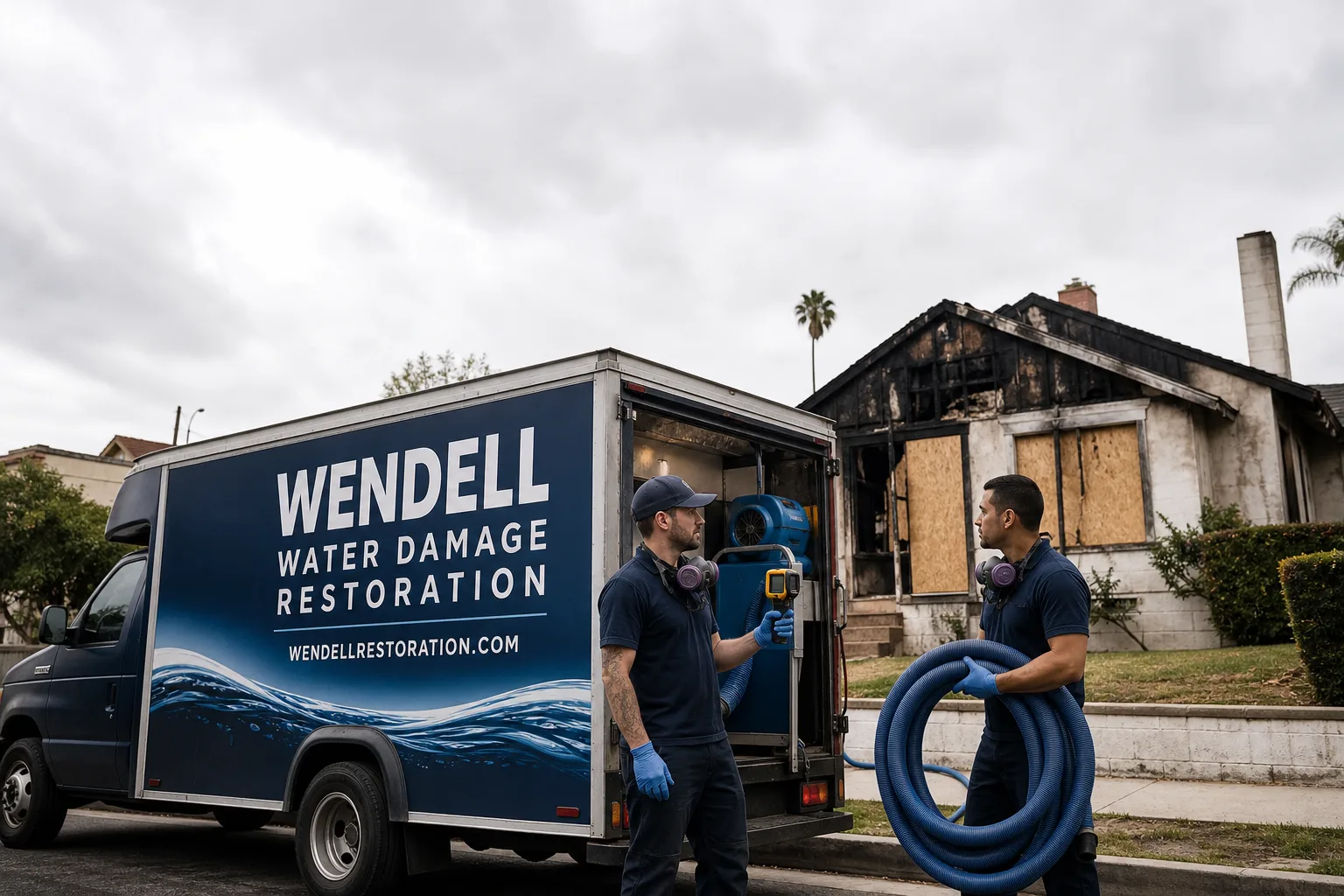
Free visual inspection and a written scope of work before any mitigation begins - photos, moisture readings, and drying logs go in your claim file
The scope we write is the scope we bill. Anything new gets shown to you, in writing, before we touch it.
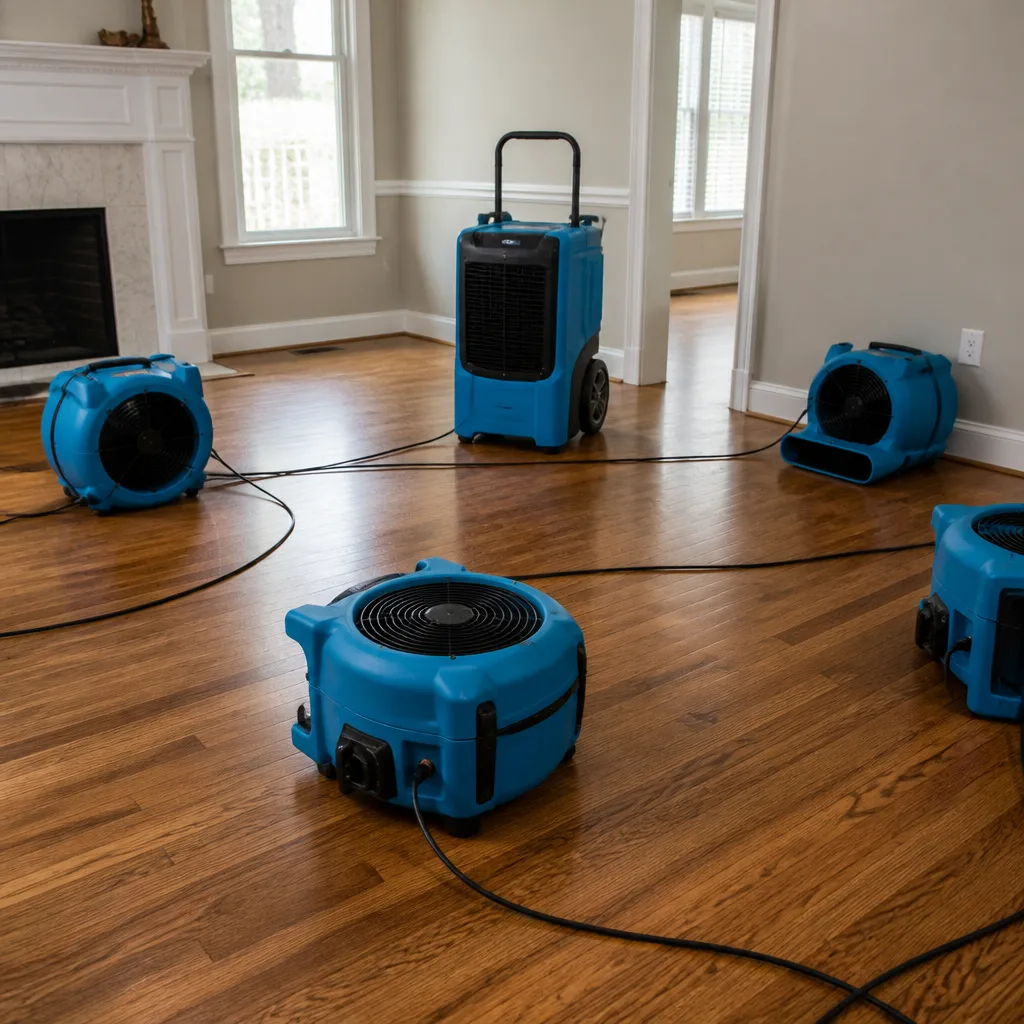
 Before
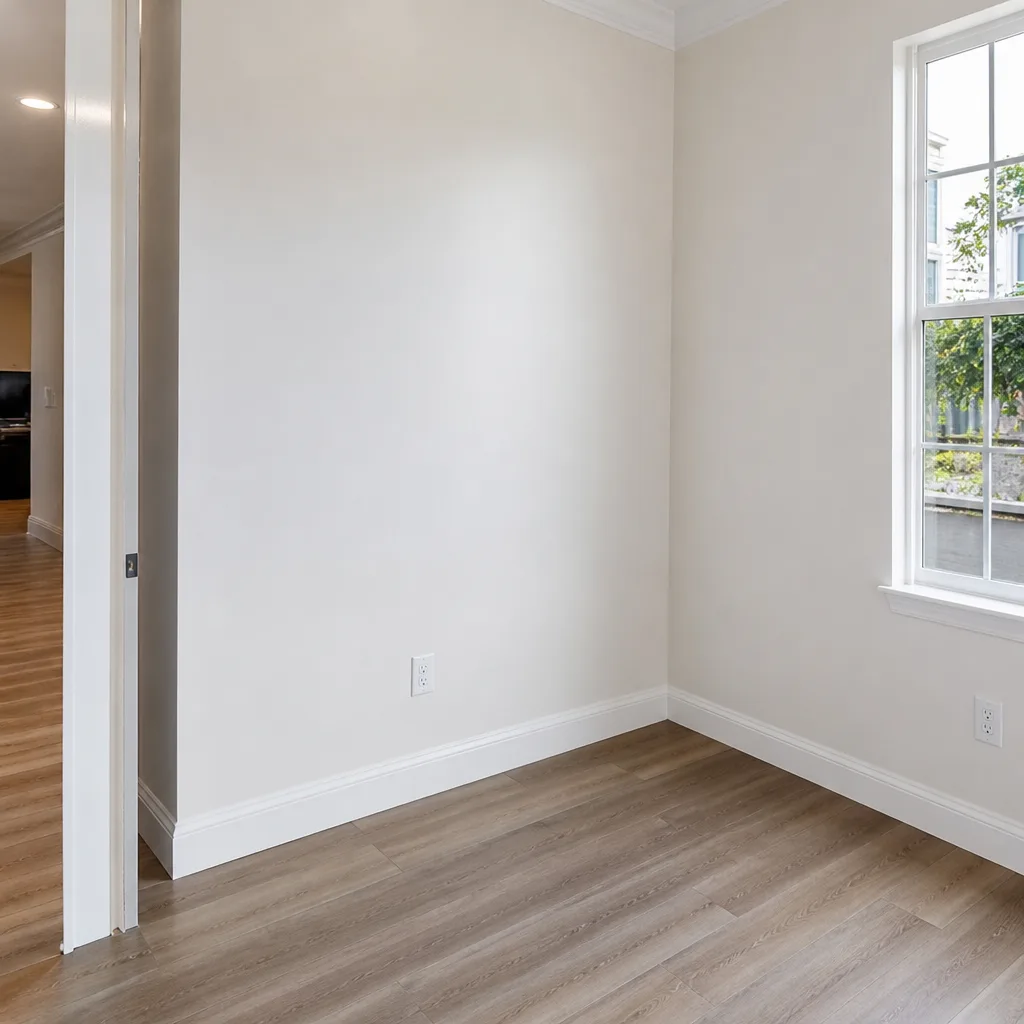 After
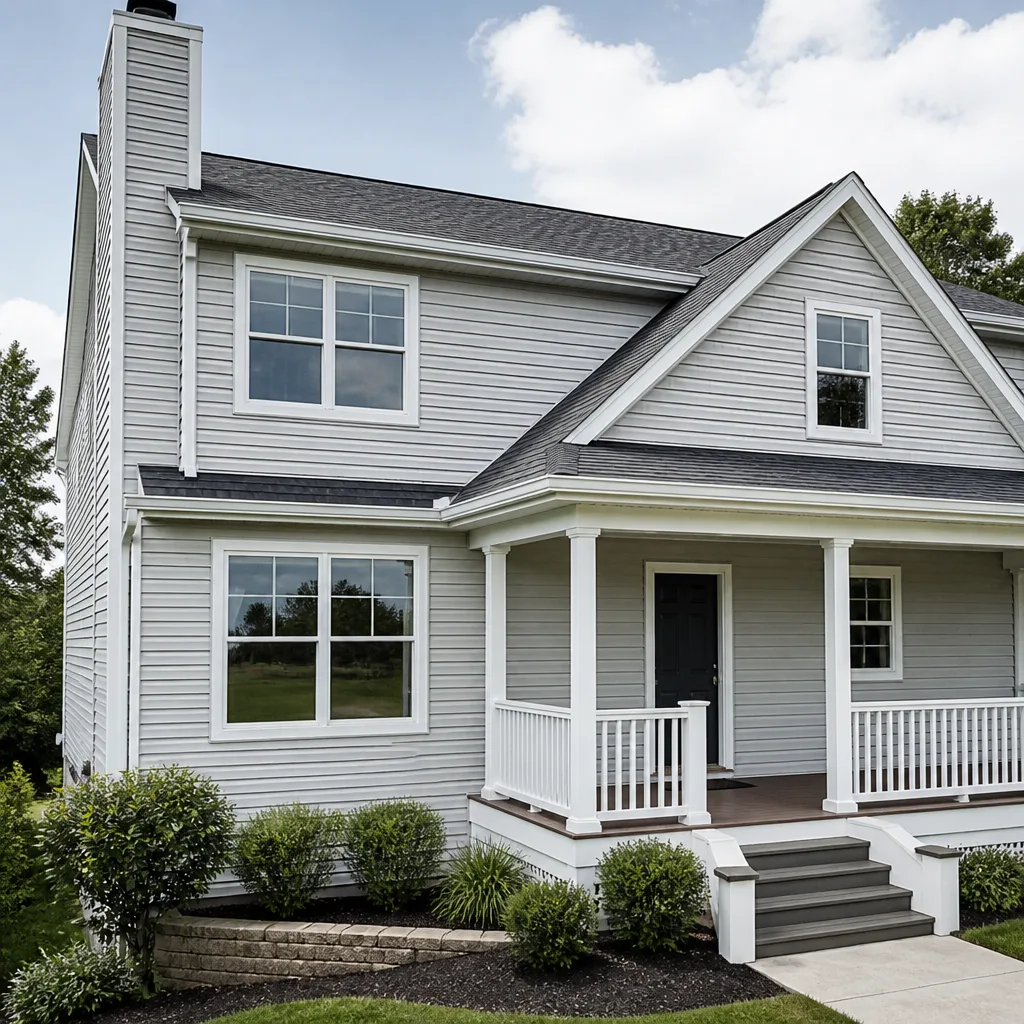
After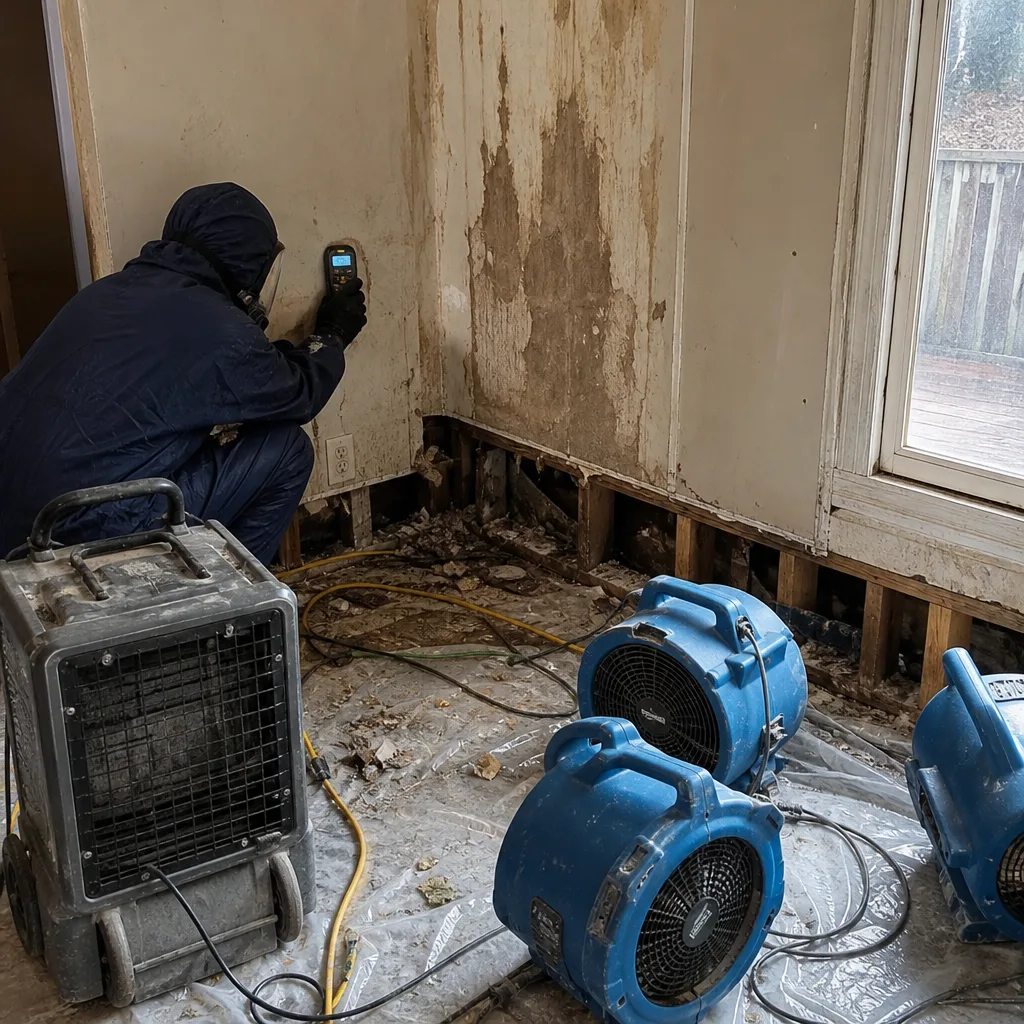 Before
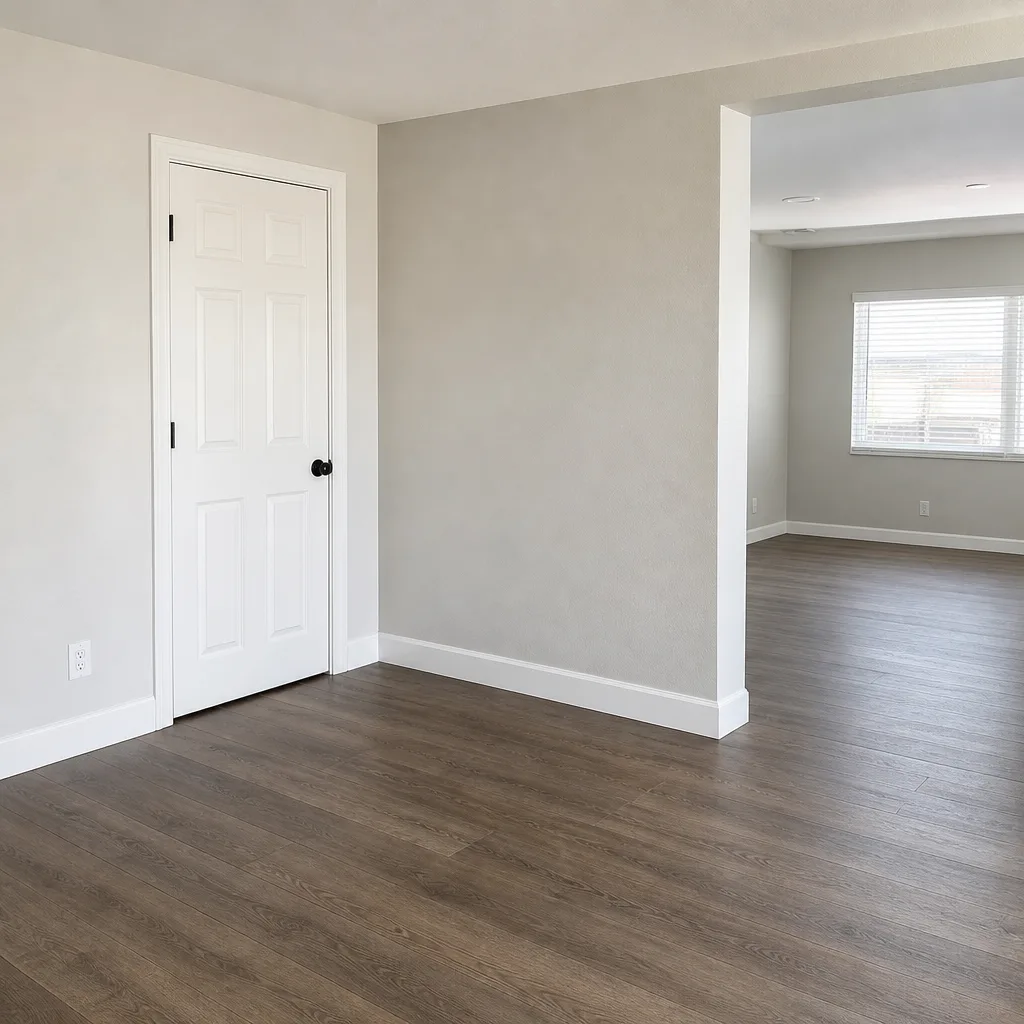 After
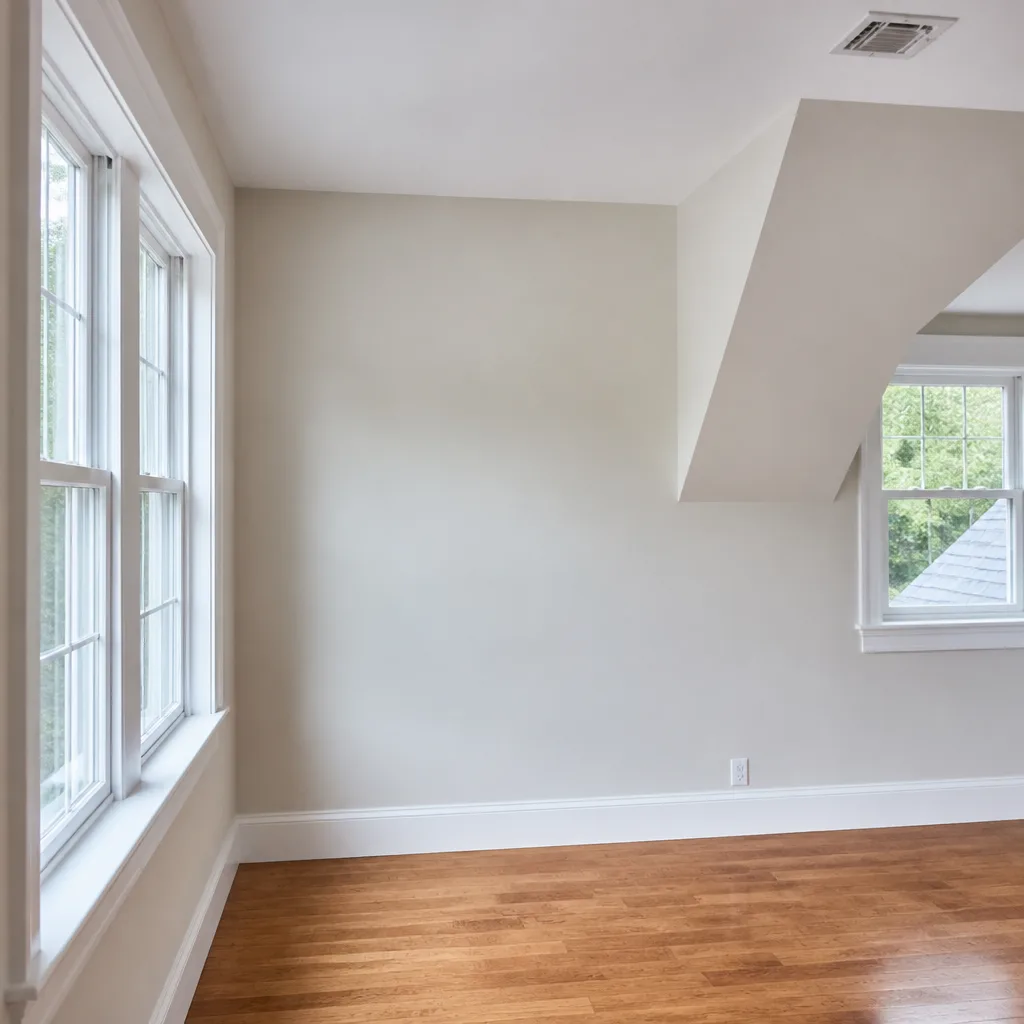
After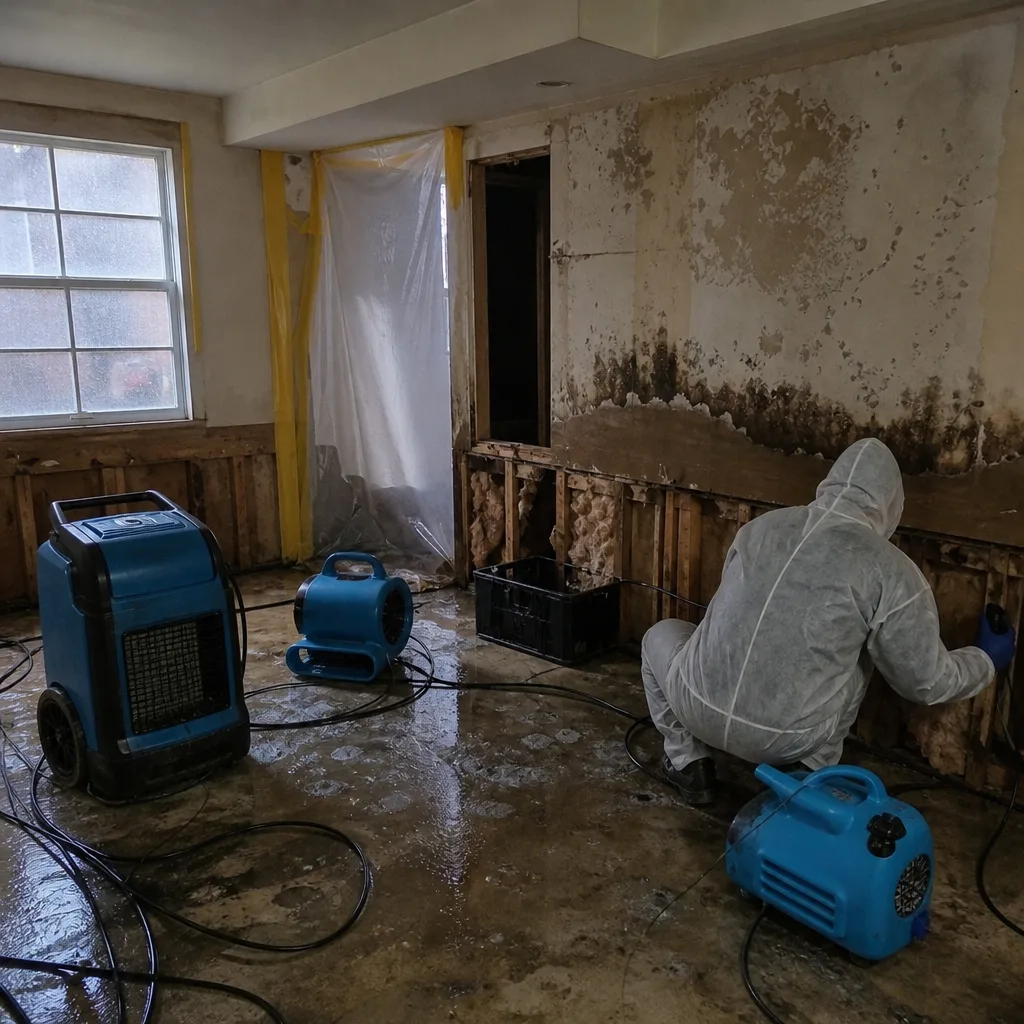 Before
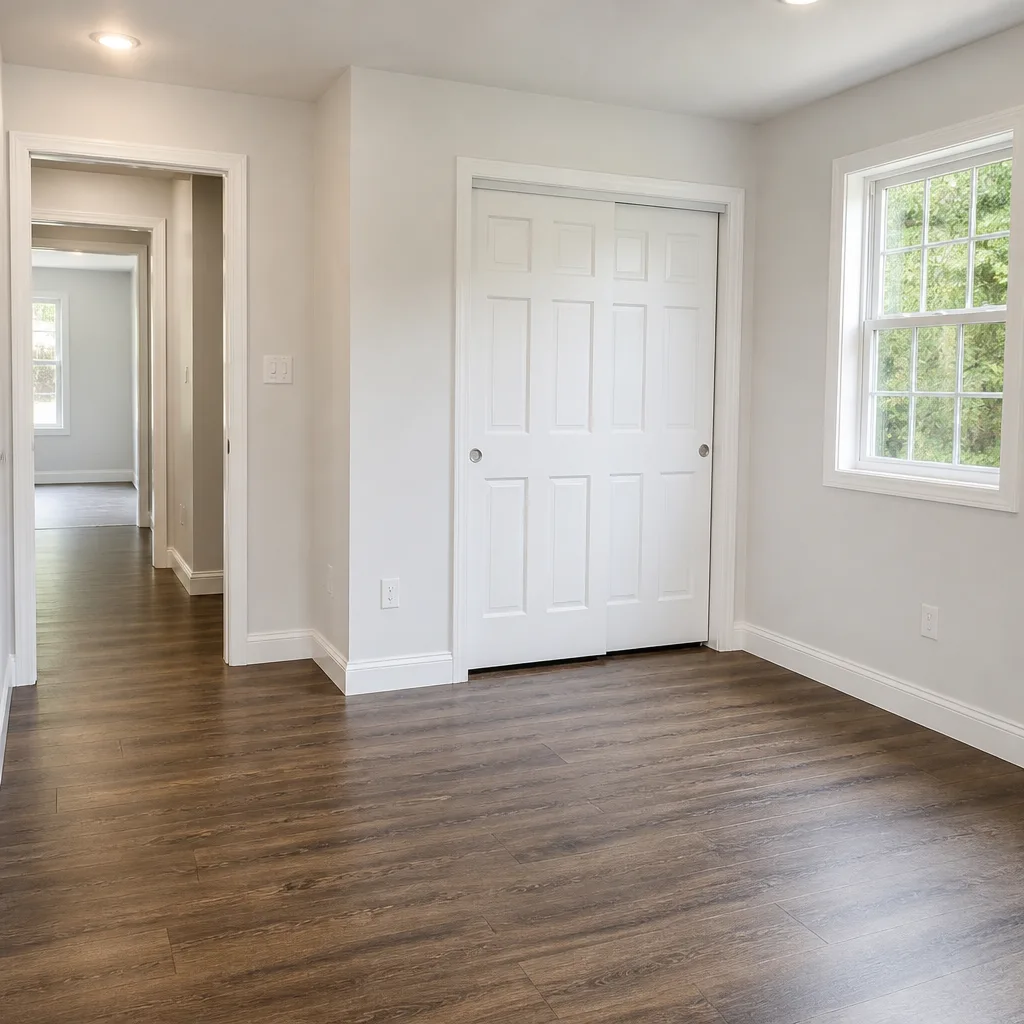 After
AfterFast, Reliable Water Damage Restoration Across Summit
Water Damage Repair in Summit typically costs $2,800 – $7,500 for a full basement or multi-room job, with emergency water extraction alone running $900 – $2,200. Most Summit homes we see fall into one of two failure patterns: older pre-1920 colonials with galvanized supply lines that pinhole behind walls, or mid-century ranches where storm water finds the floor drains. We’re in Summit within the hour on active leaks, and you’ll always get a price in writing before any tool leaves the truck. Call (940) 466-4354 and a live person answers, day or night.
When water is moving through a finished basement or behind a kitchen wall, every hour changes the drying plan and the bill. Our Water Damage Restoration team brings moisture meters, thermal imaging, and commercial drying equipment the first visit, not the third. Serving Summit means we know the difference between a 1920s clay-tile lateral failing on Tulip Street and a 1960s ranch sump pit overflowing off Morris Avenue. That local knowledge shortens drying time and keeps costs down.
Why Wendell Water Damage Restoration Is Summit’s Preferred Water Damage Restoration Company
Summit homeowners call us because we answer. Every call, 24/7, gets a live person, not a phone tree. Blake Sorensen leads our team, and he built the business around a simple rule: the price you approve in writing is the price you pay. No adjusting the scope at the door. No surprise line items. Just a digital invoice texted to your phone that you can pay from a link.
Our techs arrive in uniform, background-checked, with a live arrival time you can track like a rideshare. That matters when water is spreading across a finished basement at 2 a.m. and you’re standing in socks on wet carpet. Summit’s older homes need someone who understands lath-and-plaster walls and wide-plank subfloor, not just someone with a shop vac. We’ve dried homes off Springfield Avenue, Oak Ridge Avenue, and every street in between.
Every job gets the 365-Day Done Right Promise in writing. If it’s not done right, we make it right. And every repair carries a free second visit if it fails. That’s the standard, not the upsell.
Flooded Basement in Summit
A flooded basement in Summit runs $1,800 – $6,000 to dry and restore, depending on how long the water sat and whether the walls were finished. The first two sentences of any flooded basement call in Summit determine the whole job: where is the water coming from, and is it still coming. The older the house, the more likely the answer is a failed supply line or a backed-up clay-tile lateral, not simple storm water at the foundation.
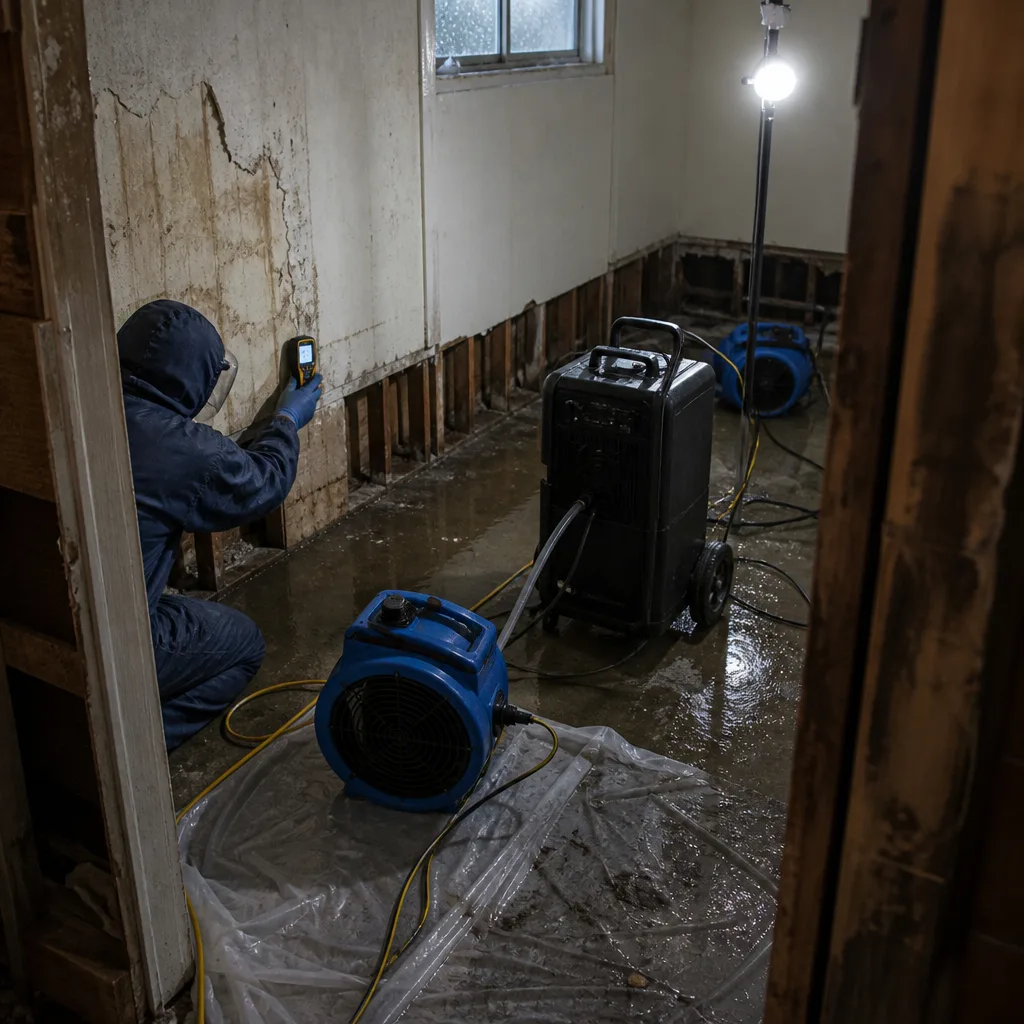
When a 1920s colonial off Springfield Avenue had a supply line let go under the kitchen sink, water ran through the original wide-plank subfloor and pooled in the finished basement below. Our tech started extraction within the hour, then ran moisture mapping and readings across three rooms before deploying Dri-Eaz and Phoenix air movers with a dehumidification setup under containment. The homeowner saw drying logs every day. We saved the basement drywall and only replaced the saturated section of subfloor after antimicrobial treatment.
That’s the difference Summit’s housing stock demands. A ranch with a modern slab gets dried differently than a colonial with a full-depth basement and original framing.
Drying Basement Walls Without Demo
Most finished basements in Summit don’t need full drywall removal. When we get there fast and the water is Category 1, we can inject air into wall cavities and dry in place using a process called in-place drying. We set up a psychrometric drying plan, which just means tracking the air’s moisture level so we know when your home is truly dry, not just surface-dry.
Antimicrobial Treatment After Flooding
Summit homes with older floor drains often get Category 2 or 3 water backing up during heavy rain, water that’s traveled through soil or sump pits. That water carries bacteria, and skipping antimicrobial treatment is how mold appears in the 24-to-48-hour window. We treat every flooded basement with the appropriate antimicrobial application before drywall goes back up. It’s standard on our jobs, not an add-on.
Water Extraction in Summit
Water extraction in Summit costs $900 – $2,200 for the initial emergency response, which includes standing water removal, moisture assessment, and equipment placement. Extraction is the first move, not the last. The goal is to get the bulk water out before it wicks up drywall and into subfloor, which happens fast in Summit’s older homes with original wide-plank flooring.
Our trucks carry truck-mounted extraction units and portable units for tight basement stairs, which Summit homes have plenty of. We extract first, then map moisture, then build the drying plan. That order never changes.
Extraction Before Drying Equipment
You can’t dry what’s still underwater. We run extraction until the standing water is gone, then we use moisture meters to find what’s hiding inside wall cavities and under flooring. The reading tells us whether we need to drill small weep holes in baseboards or pull a section of drywall. In Summit’s pre-1920 homes, water loves to sit behind lath and plaster where you can’t see it.
What Happens When Water Sits Too Long
After about 48 hours, building materials reach equilibrium with the water and drying gets longer and more expensive. That’s the window where mold becomes a real risk. We respond to active leaks in Summit within the hour, and we carry enough Dri-Eaz and Phoenix equipment on the truck to start drying the same visit, not schedule a return trip.
Trusted Brands We Service in Summit
Summit homes carry the full range of plumbing and drainage equipment, and we work on all of it. We service homes with original galvanized supply lines, copper repipes, newer PEX, and everything in between. Lead supply lines, which many pre-1920 Summit homes still have on the service side, tell us to run different drying implications because the water chemistry can alter how materials respond.
Our equipment package includes Dri-Eaz refrigerant dehumidifiers, Phoenix axial air movers, and XPOWER for targeted airflow in tight spaces. We keep this gear stocked and ready for Summit dispatch, so there’s no waiting on a rental house in Newark.
Common Water Damage Restoration Problems We See in Summit Homes
- Galvanized supply lines pinhole-leaking behind finished walls: In Summit’s pre-1920 homes, the original galvanized pipes corrode from the inside out. Water migrates silently into wall cavities and subfloor for days or weeks before a ceiling stain appears, and by then the saturation zone is much larger than the visible stain suggests.
- Clay-tile sewer laterals and old floor drains backing up during heavy rain: Summit’s older neighborhoods still run on clay tile that’s cracked and infiltrated by tree roots. During heavy storms, water finds its way into basements that were already closed up, and homeowners attempt to dry it themselves without antimicrobial treatment.
- Contractors misclassifying water as Category 1 when it’s actually Category 2 or 3: Water that has traveled through soil, a sump pit, or a backed-up floor drain is not clean. Treating it as clean means drying fails and mold shows up anyway. We test and classify correctly first.
- Storm intrusion in 1950s-60s ranches around Memorial Field and Briant Park: These homes have different drainage profiles than the old colonials. Sump pumps fail, window wells overflow, and water pushes through foundation cracks. The drying plan looks completely different from an older home’s supply-line failure.
Pricing for Water Damage Restoration in Summit, NJ
Here’s what you’ll actually pay in Summit’s market. Emergency water extraction starts at $900 and runs to about $2,200 depending on the size of the affected area and how much equipment the job needs. Full structural drying with containment, antimicrobial treatment, and moisture monitoring generally lands between $2,800 and $5,000 for a typical basement. Larger multi-room losses run $5,000 – $7,500.
- Emergency water extraction: $900 – $2,200
- Structural drying and dehumidification: $1,200 – $3,500
- Flooded basement restoration: $1,800 – $6,000
- Burst pipe restoration: $2,500 – $7,500
- Antimicrobial treatment: $300 – $900 depending on affected area
What changes the price most in Summit is the age of the house. A pre-1920 colonial with lath-and-plaster walls and original subfloor costs more to dry correctly than a 1960s ranch with drywall and a slab. Estimates are free. Call (940) 466-4354 and we’ll put a number in writing before any work starts.
We Also Serve Cities Near Summit
Beyond Water Damage Restoration in Summit, our crews cover New Providence, Chatham, Springfield, and Short Hills. If you’re one town over and watching water rise, we’re usually there within 90 minutes.
Serving Summit, NJ - Our Local Coverage Area
We’re based in the Summit area and know this community well. Use the map below to see our service coverage - if you’re nearby, we can almost certainly help.
FAQs About Water Damage Restoration in Summit
We’re in Summit within the hour on active water events, and usually under 30 minutes for emergency extraction calls. Our dispatch is coordinated from the brand’s New York City office, and our crews are staged locally so response to Summit is fast. Call (940) 466-4354 and a live person answers immediately, day or night.
Yes. Pre-1920 Summit homes carry original galvanized supply lines and clay-tile laterals that fail differently than modern plumbing. Water hides behind lath and plaster, travels along original wide-plank subfloor, and often needs in-place drying techniques rather than full demo. We map moisture with this housing stock in mind from the first visit.
In most cases, yes. When we get there fast and the water is clean, we can dry walls in place using a psychrometric drying plan with injected air and targeted dehumidification. We only remove drywall when it’s structurally compromised or contaminated, and we show you the moisture readings so you can see why.
Every job includes daily drying logs and moisture readings you receive by text or email. We set baseline readings on day one, then track them daily against a psychrometric drying target. When the numbers hit the target, we know the home is truly dry, not just surface-dry. You see the same numbers we do.
Category 1 is clean water from a supply line or tub overflow. Category 2 is gray water that’s been used or has sat long enough to grow bacteria, like sump water or dishwasher discharge. Category 3 is black water, which includes sewer backups and outside flood water. The category determines whether we can dry materials in place or must remove them, and whether antimicrobial treatment is required. In Summit, older clay-tile laterals mean more Category 2 and 3 situations than many homeowners expect. If you’re not sure what you’ve got, call (940) 466-4354 and we’ll classify it correctly before touching a wall.
Written by Blake Sorensen, Owner at Wendell Water Damage Restoration, serving Summit and the surrounding area since Wendell’s founding in 2006.