
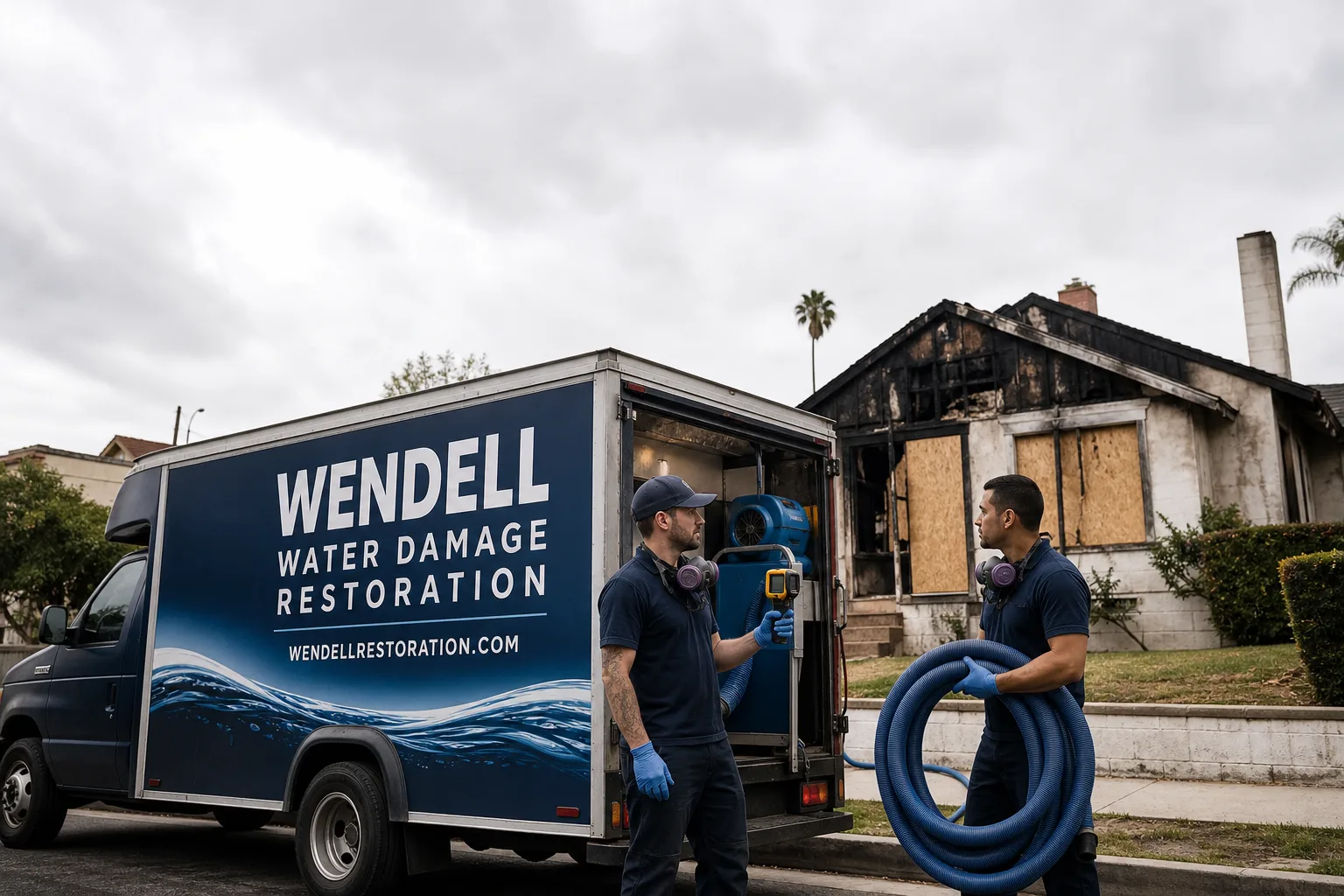
Free visual inspection and a written scope of work before any mitigation begins - photos, moisture readings, and drying logs go in your claim file
The scope we write is the scope we bill. Anything new gets shown to you, in writing, before we touch it.

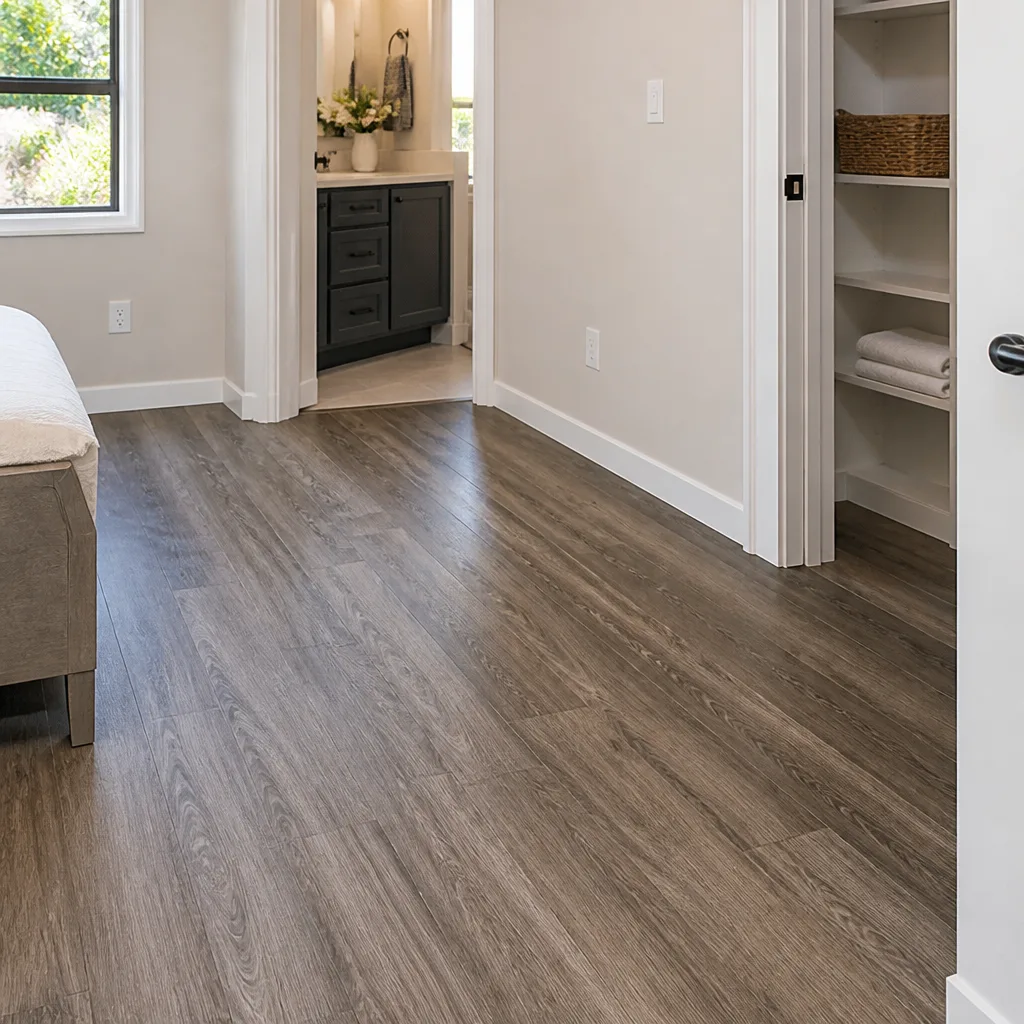

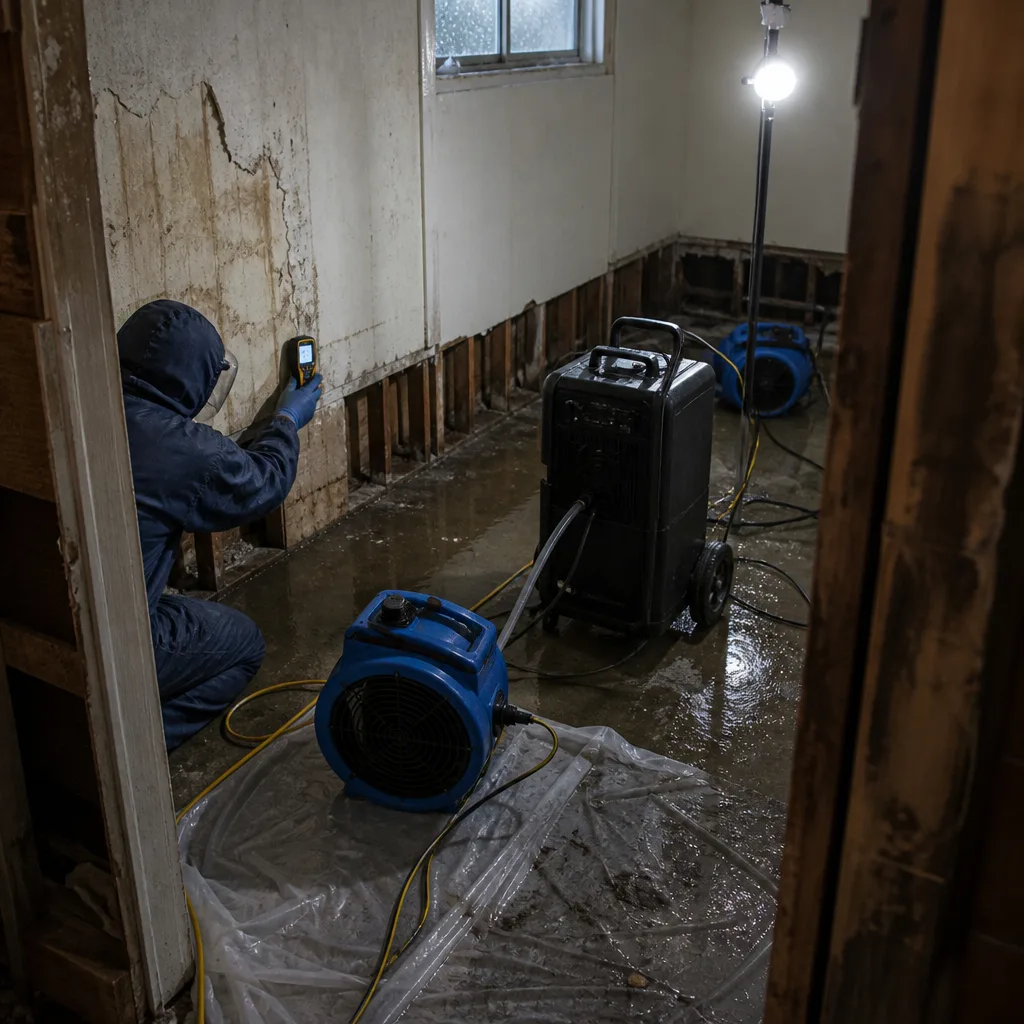 Before
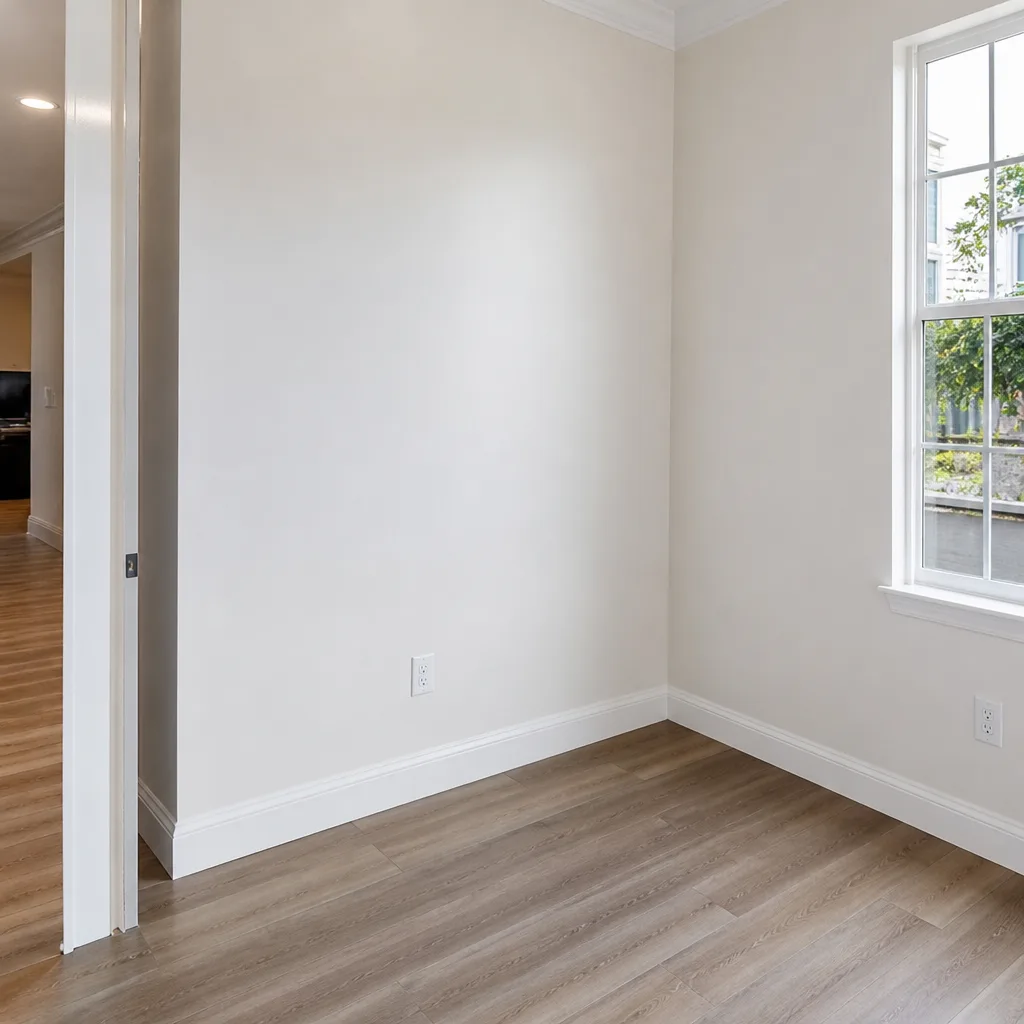 After
After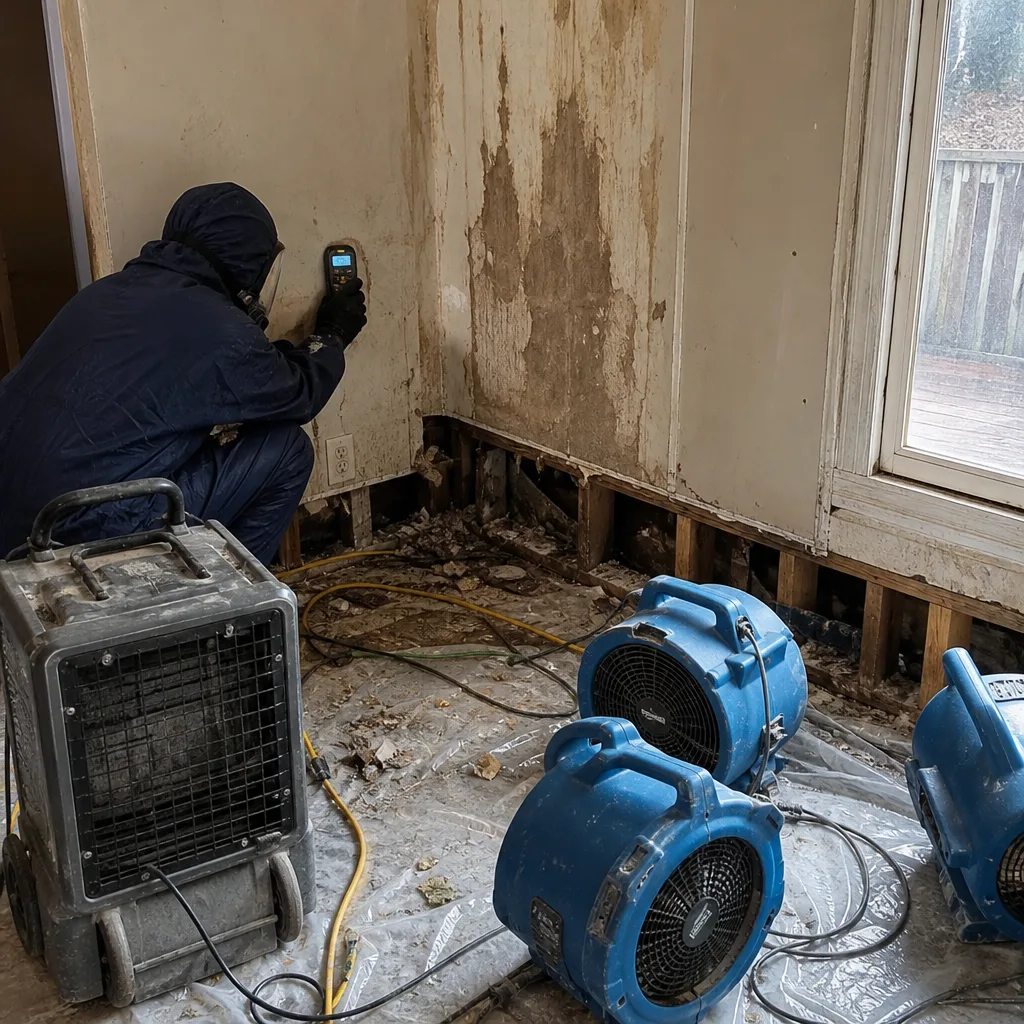 Before
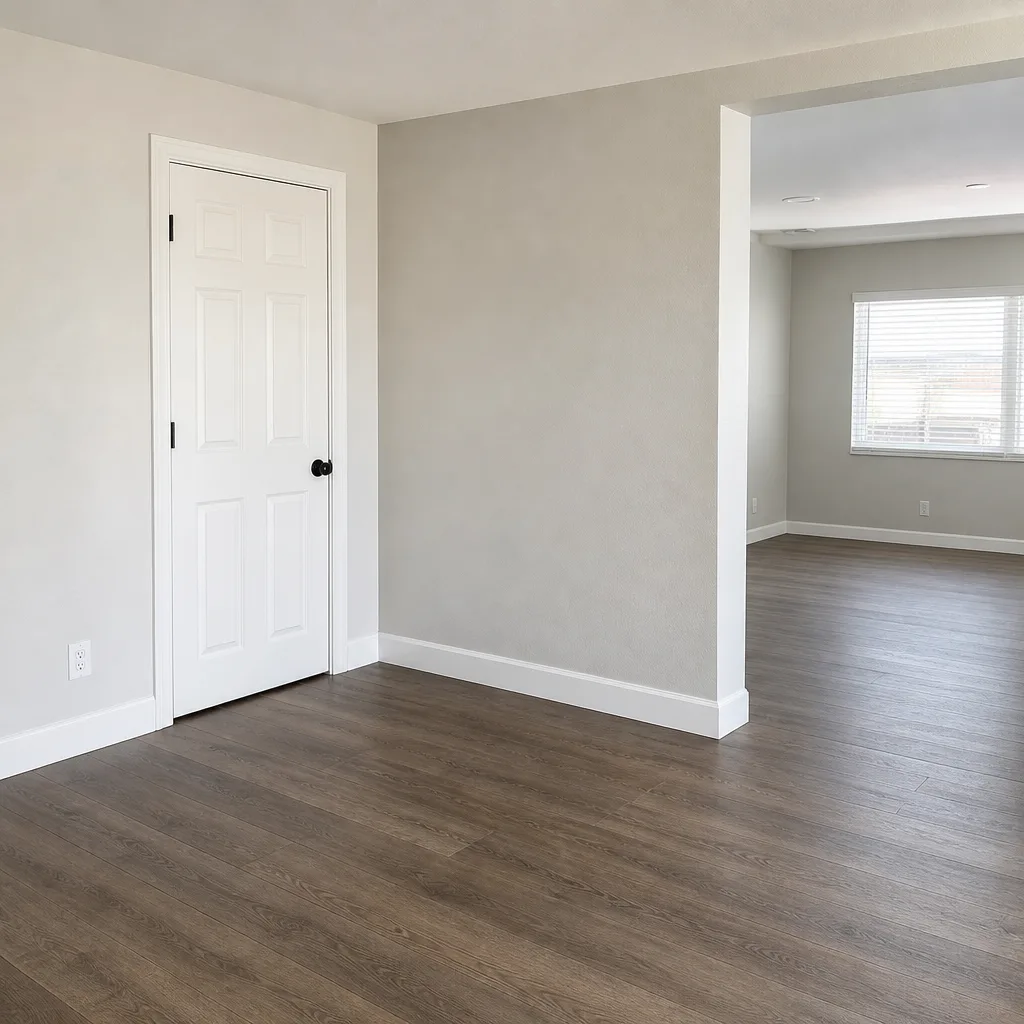 After
After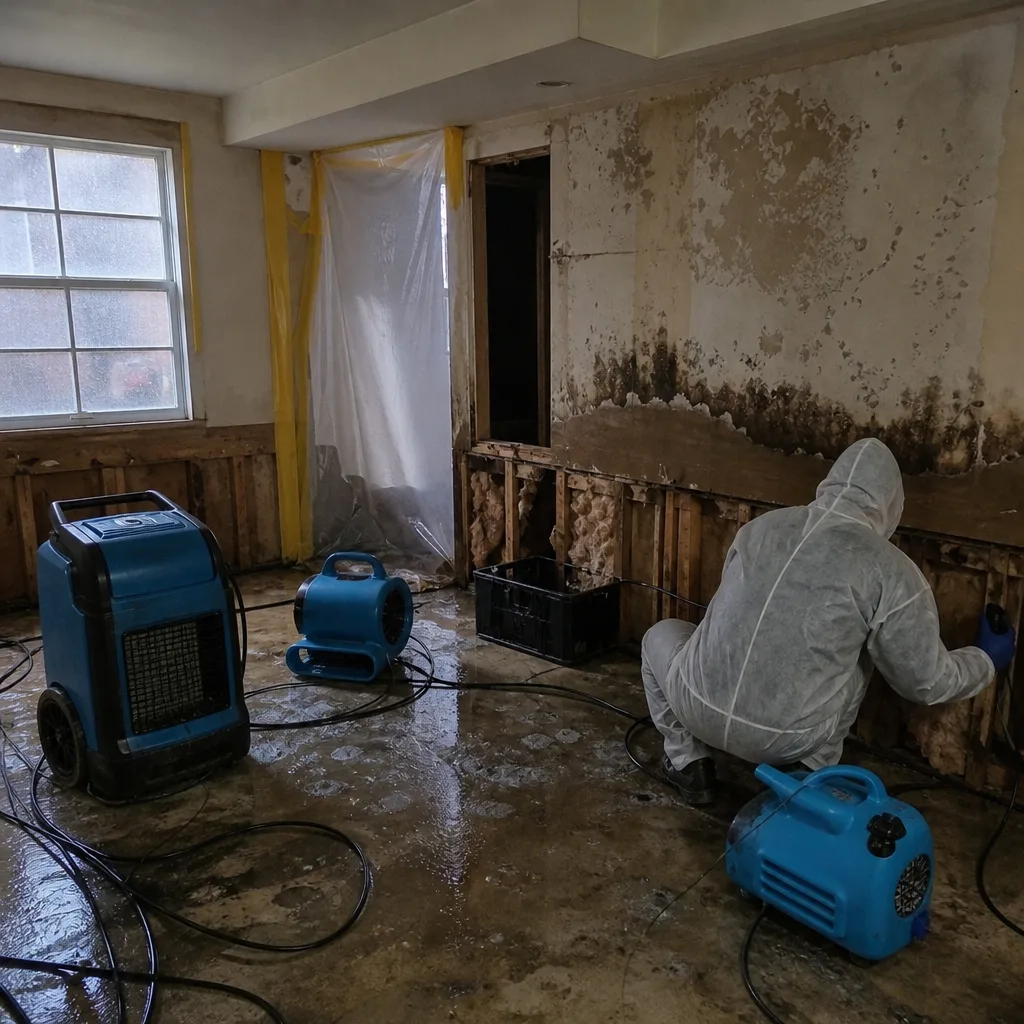 Before
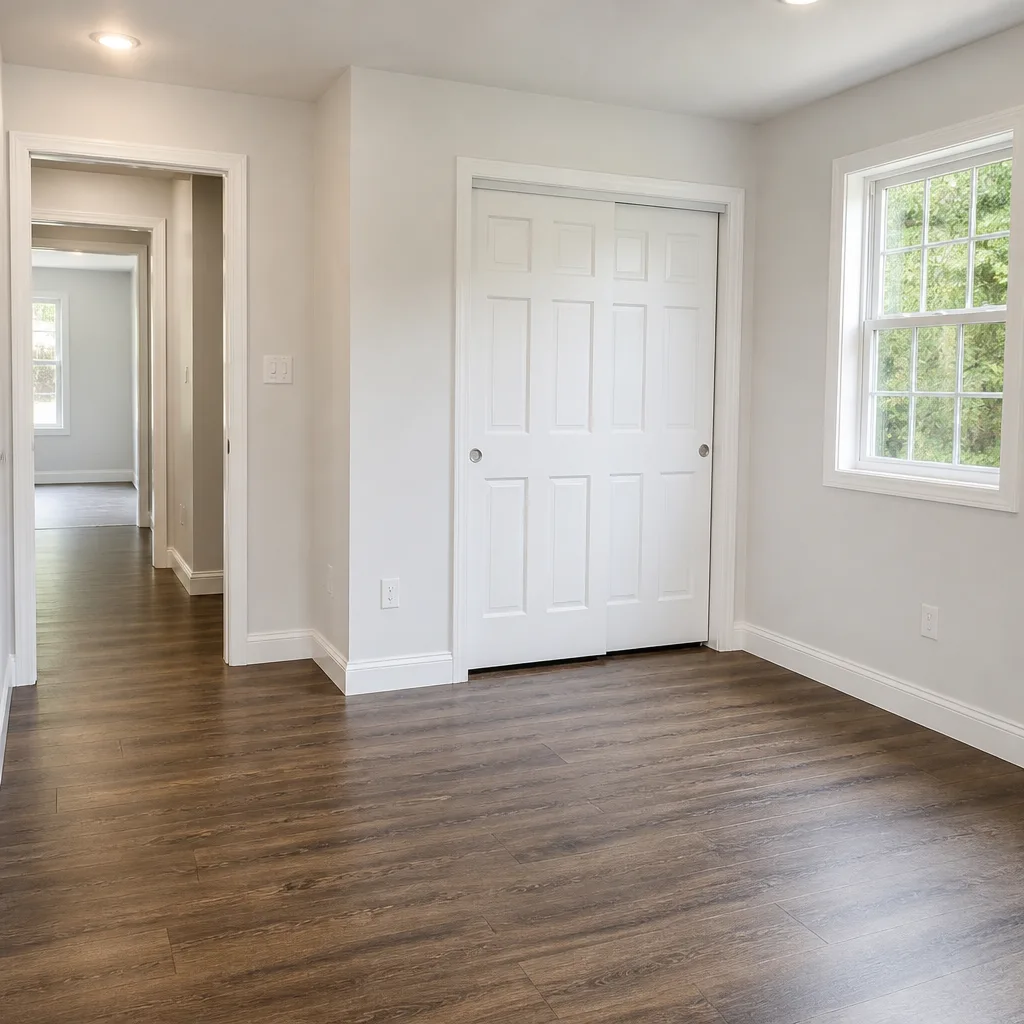 After
AfterFast, Reliable Water Damage Restoration Across Stanford
Water damage in Stanford homes costs between $1,200 and $4,800 for a typical restoration, with emergency extraction alone running $350 to $900. We get a live technician to your door within 60 to 90 minutes, not a four-hour window. Call (940) 466-4354 and you’ll talk to a person who can quote the job over the phone, put the price in writing before any work starts, and send a background-checked tech with a live arrival time you can track. Unlike a national call center, our dispatch team knows the difference between a College Terrace bungalow and a Stanford Research Park townhome, because we work those streets every week.
Why Wendell Water Damage Restoration Is Stanford’s Preferred Water Damage Restoration Company
We’re part of the Relay Home Co. family, founded in 2006, and this location is independently owned and operated to The Relay Visibility Guarantee. That means every Stanford job includes a written scope of work before we touch a tool, a written guarantee on every repair, and a free second visit if anything fails within 365 days. No fine print. The price we text you before we start is the price you pay, and we send before-and-after photos by text so you can see the drying progress without hovering over a technician.
Blake Sorensen, who leads our Stanford crews, built this team around one standard: if we wouldn’t put a number in writing before work starts, we don’t take the job. That’s why homeowners from Stanford keep our number saved. When a supply line bursts at 2 a.m. in a 1920s faculty home off Campus Drive, the homeowner doesn’t want a callback queue. They want a live person and a tech en route. That’s what we do.
Emergency Water Damage Restoration in Stanford
Emergency Water Damage Restoration in Stanford is what we do most often, and it means stopping the source, extracting the standing water, and starting structural drying the same day. A burst pipe under a kitchen sink in an Escondido Village rental can dump 30 gallons an hour into cabinetry and flooring. A failed water heater in a College Terrace bungalow can soak through oak flooring into the subfloor within hours. Our first priority is containment: shut the supply, extract what’s already pooled, and map the moisture spread so we know exactly where drying needs to happen.
Emergency Water Extraction
Extraction is the first physical step after we shut the water off. We use truck-mounted and portable extractors to pull standing water from hardwood, carpet, and hard surfaces, then place moisture meters along baseboards and wall cavities to establish a drying baseline. In Stanford homes with slab foundations, water can wick upward through the slab edge and into drywall, which is why we always check baseboard moisture even when the floor looks dry.
Structural Drying & Dehumidification
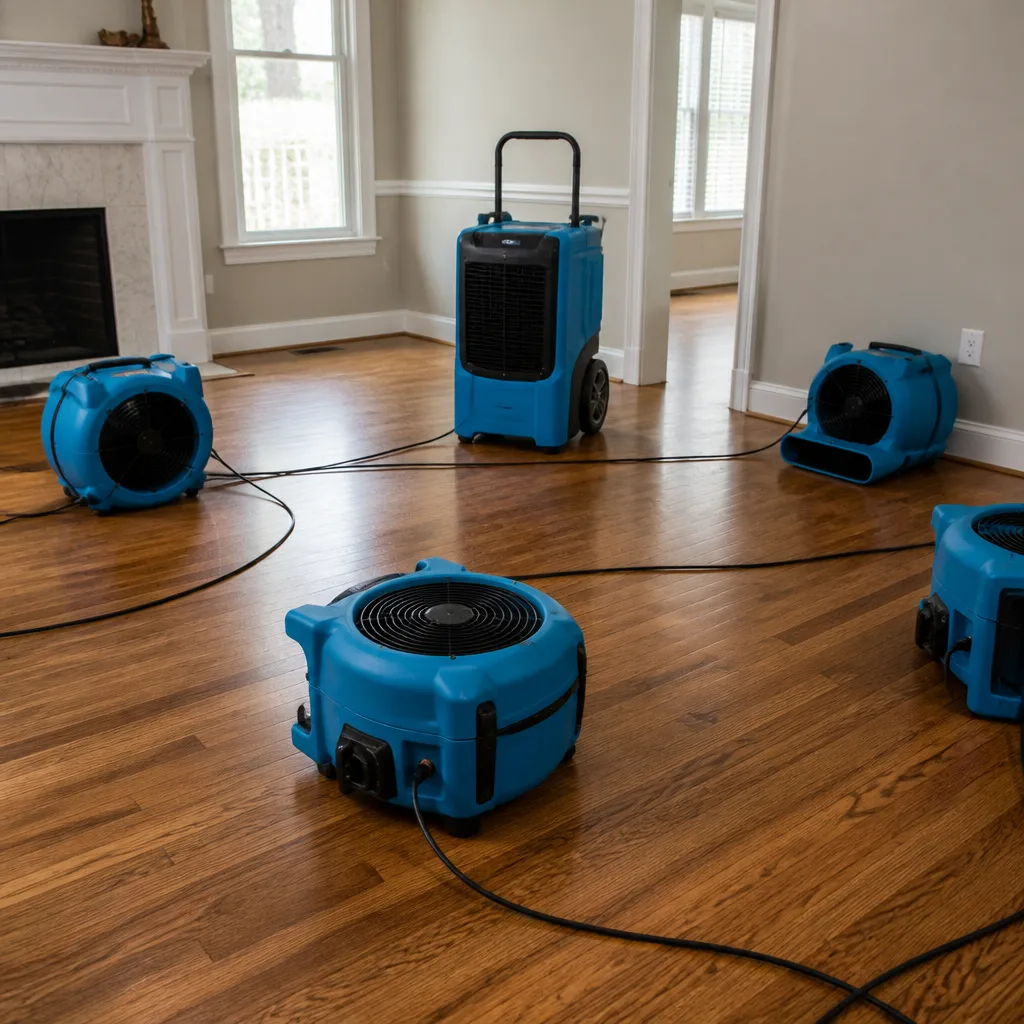
Once the water is extracted, we run what the industry calls psychrometric drying, which tracks air temperature, relative humidity, and material moisture content so we know when your home is truly dry, not just surface-dry. We deploy Dri-Eaz air movers and Phoenix dehumidifiers sized to the square footage and the water class. In Stanford’s older faculty-row homes, we often find multiple wall cavities hold moisture after a slab leak, so we set drying chambers instead of just pointing fans at the visible wet spot.
Water Mitigation in Stanford
Water Mitigation in Stanford costs less than full restoration and works when you catch the leak early, which is why we recommend calling the moment you see a stain, a warped baseboard, or a musty smell. Mitigation means preventing secondary damage: mold, structural rot, and odor. In Stanford’s housing mix, mitigation is a different job depending on the age of the home. A pre-war faculty house with original galvanized supply lines needs corrosion assessment at every fitting we expose, while a newer Research Park-adjacent build with PEX lines needs us to verify the crimp rings haven’t failed behind a wall.
Flood Cleanup
Flood damage isn’t always a broken pipe. A heavy winter storm can push water through a French door threshold or a below-grade window well in a Stanford home, and that water is Category 3, or grossly contaminated, until proven otherwise. We extract it, remove affected materials, apply antimicrobial treatment, and dry the structure to the same standard we’d use on a clean-water break. Documentation matters here: your adjuster will want drying logs and photos, and we provide both.
Burst Pipe Restoration
A burst pipe in an uninsulated Stanford attic can flood ceilings and walls across two floors before anyone notices. We cut drywall access at the right points to dry inside wall cavities, not just the visible surface. Depending on the home’s age, we also check for the failure mode that caused the break. Galvanized steel corrodes from the inside out, and the first sign is often a pinhole leak that stains a ceiling in a downstairs room far from the actual pipe.
Trusted Brands We Service in Stanford
Stanford homes carry every major water heater brand, including Rheem, Bradford White, AO Smith, and Navien tankless units. We also repair and restore damage around Kohler, Moen, and Delta fixtures, and when a leak comes from a supply line or fixture failure, we can coordinate the plumbing repair alongside the drying so you don’t have to juggle two companies. We stock common local parts in our van inventory, which means faster turnaround on Stanford jobs without a second trip back to a supply house. For drying equipment, we run Dri-Eaz and Phoenix units because they’re the same professional-grade brands used on large commercial loss sites, and they hold steady moisture readings across multi-day drying cycles.
Common Water Damage Restoration Problems We See in Stanford Homes
- Galvanized pinhole failures in pre-war faculty homes. A 70-year-old galvanized fitting corrodes from the inside, drips for weeks inside a wall cavity, and by the time you see the stain, mold may already be forming. In these homes we open the wall at the leak point and inspect every adjacent fitting while the wall is open.
- PEX crimp-ring blowouts in newer Research Park-adjacent builds. PEX is reliable, but a bad crimp at installation can hold for a year and then blow under a pressure spike. Water runs behind a wall into the subfloor, and we often find the damage extends two or three stud bays past the visible stain.
- Slab leaks in Escondido Village and College Terrace homes. With slab-on-grade construction, a supply-line leak under the slab pushes moisture up through the concrete and into baseboards and drywall. Drying requires containment and flooring removal in some cases, depending on how long the leak ran.
- Ceiling and roof leak water damage in older Stanford houses. Flat and low-slope roofs on mid-century homes near El Camino Real can pool water and find a seam. The water travels down through ceiling joists and shows up as a sag or stain in a room far from the actual penetration point.
Pricing for Water Damage Restoration in Stanford, CA
Water damage restoration in Stanford typically costs between $1,200 and $4,800, with emergency extraction alone running $350 to $900. Burst pipe restoration often lands between $2,000 and $4,500 when drywall and flooring are affected. Structural drying and dehumidification add $1,000 to $2,500 depending on the number of affected rooms. Those are real Stanford market numbers, not national averages. The price depends on how long the water has been sitting, what materials it touched, and whether we’re drying in place or removing material. We put the exact number in writing before any work starts, and every estimate includes a 365-Day Done Right Promise. For an exact quote on your home, call (940) 466-4354. Estimates are free.
We Also Serve Cities Near Stanford
Our crews serve the entire mid-Peninsula. If you’re in Palo Alto, Menlo Park, Atherton, or Los Altos, we can usually reach you within 90 minutes with the same written-price guarantee and live tracking. For water damage in those cities, call (940) 466-4354. Looking for more detail on our process? Read about our full Water Damage Restoration service.
Serving Stanford, CA - Our Local Coverage Area
We’re based in the Stanford area and know this community well. Use the map below to see our service coverage - if you’re nearby, we can almost certainly help.
FAQs About Water Damage Restoration in Stanford
We can usually have a technician at your Stanford door in 60 to 90 minutes. Dispatch and scheduling are coordinated from our San Francisco Bay Area office, and crews serve Stanford locally. The phone is answered by a live person 24/7, not a voicemail, so the clock starts when you call, not when we call back. Call (940) 466-4354 and we’ll give you a live arrival time you can track.
We can dry drywall in place if the water was clean, the exposure was short, and the moisture content is within salvageable range. In many Stanford homes we save walls using drying chambers and dehumidifiers. But if drywall has been wet more than 48 hours, or the water is contaminated, we’ll recommend cutting it out and replacing it. We’ll show you moisture readings either way so you’re not guessing.
We bring Dri-Eaz air movers, Phoenix dehumidifiers, and XPOWER extractors sized to the square footage and water class of your home. We also carry moisture meters, thermal imaging cameras, and antimicrobial treatment products. Everything is deployed under IICRC, RIA, and IFA standards, the same protocols used on commercial loss sites.
Yes. Older faculty homes with galvanized supply lines are the majority of our Stanford work. We inspect the leak point and adjacent fittings while the wall is open, because galvanized steel corrodes from the inside out and a second pinhole often sits a few inches from the first. We coordinate the plumbing repair with the drying plan so you don’t have to hire two companies.
Most Stanford water damage restoration jobs take 3 to 5 days from extraction to final moisture readings. Hardwood flooring in older homes can take longer to dry within tolerance than tile or concrete slabs, and we won’t call it done until the drying logs show all materials are back inside acceptable moisture range. Call (940) 466-4354 for a timeline on your specific loss.
Written by Blake Sorensen, Owner at Wendell Water Damage Restoration, serving Stanford since our founding in 2006.