
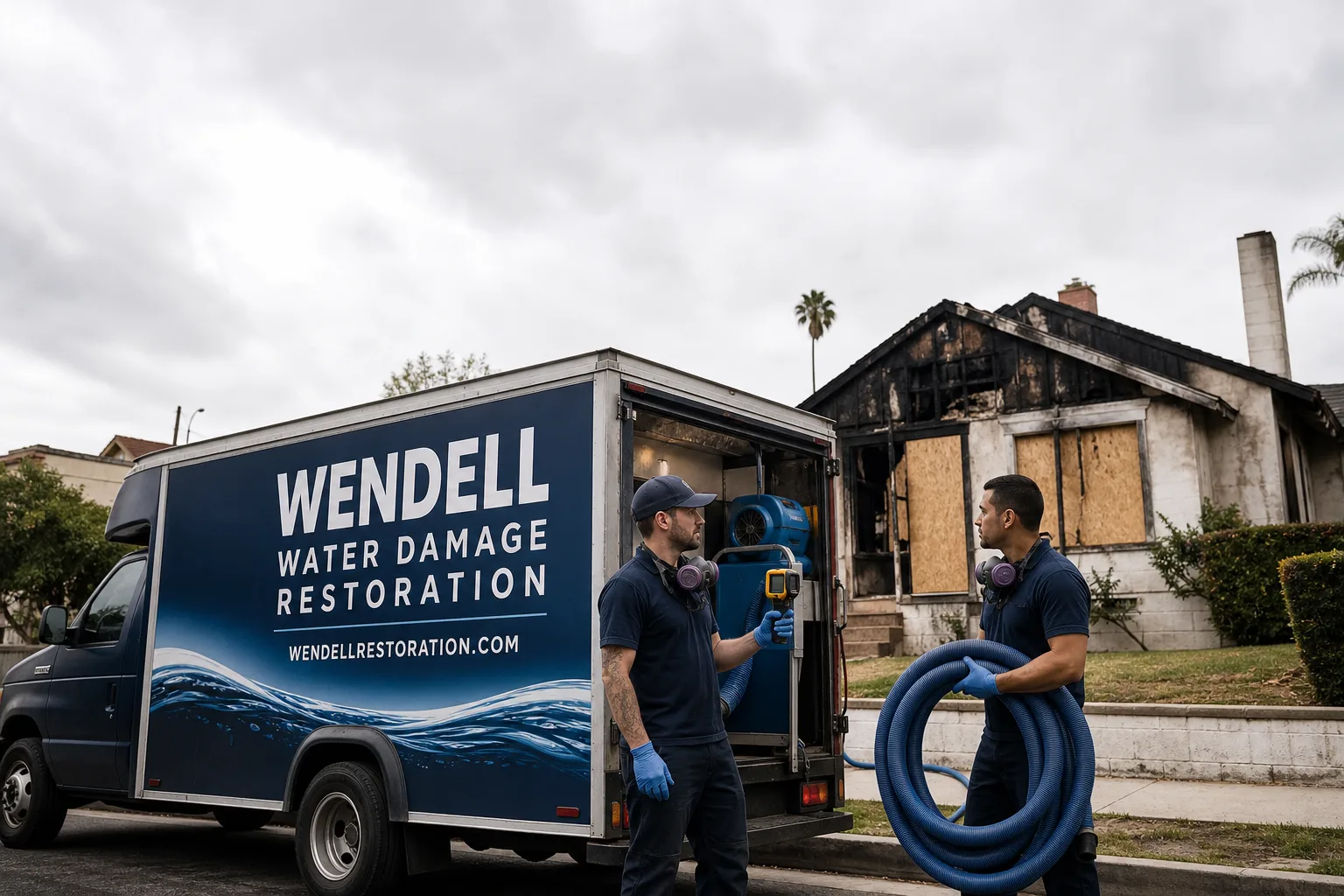
Free visual inspection and a written scope of work before any mitigation begins - photos, moisture readings, and drying logs go in your claim file
The scope we write is the scope we bill. Anything new gets shown to you, in writing, before we touch it.
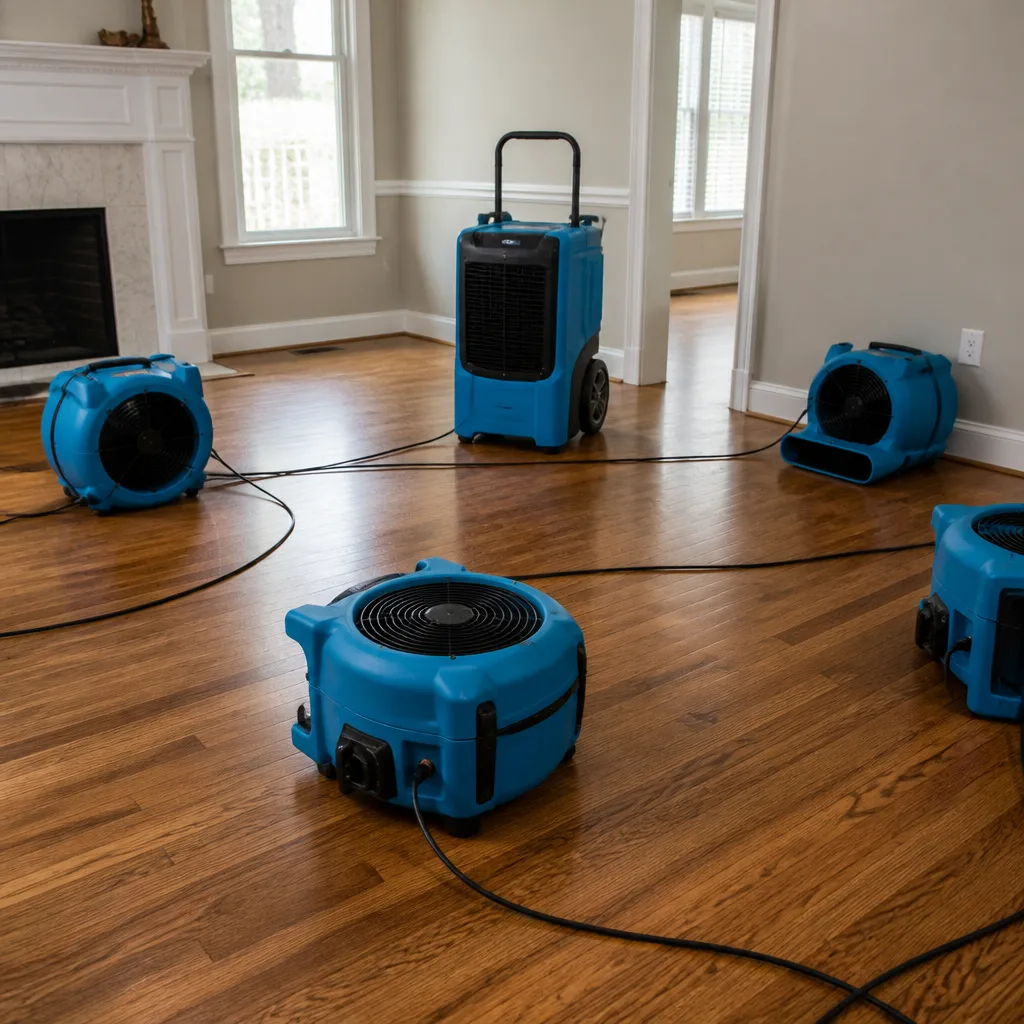



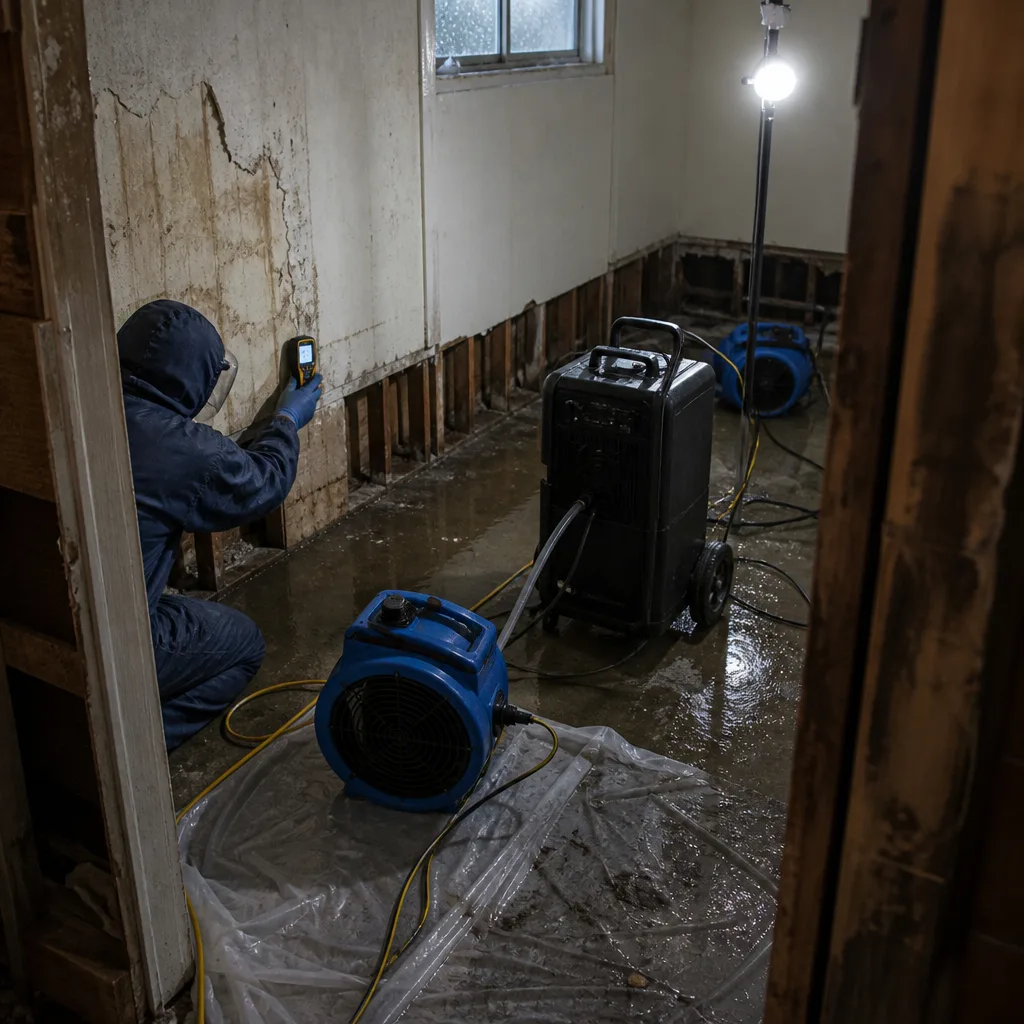 Before
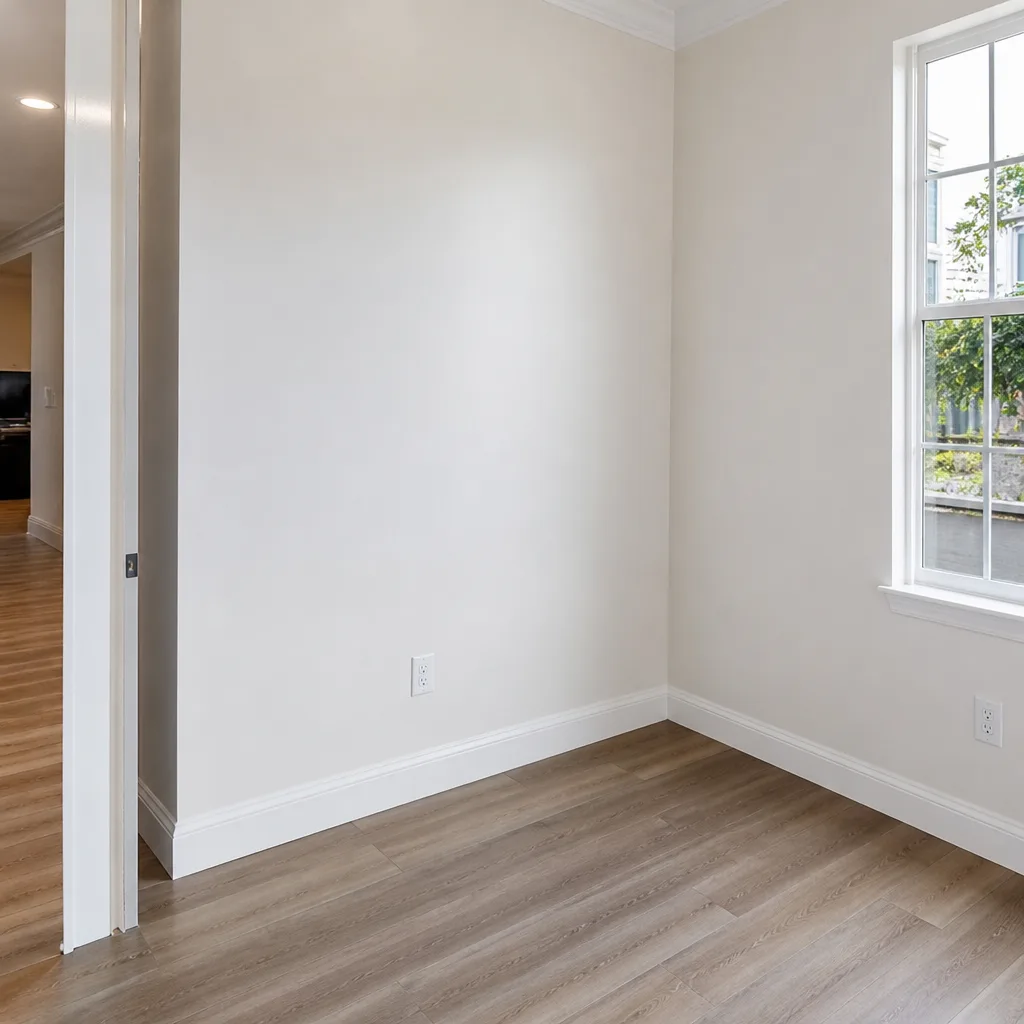 After
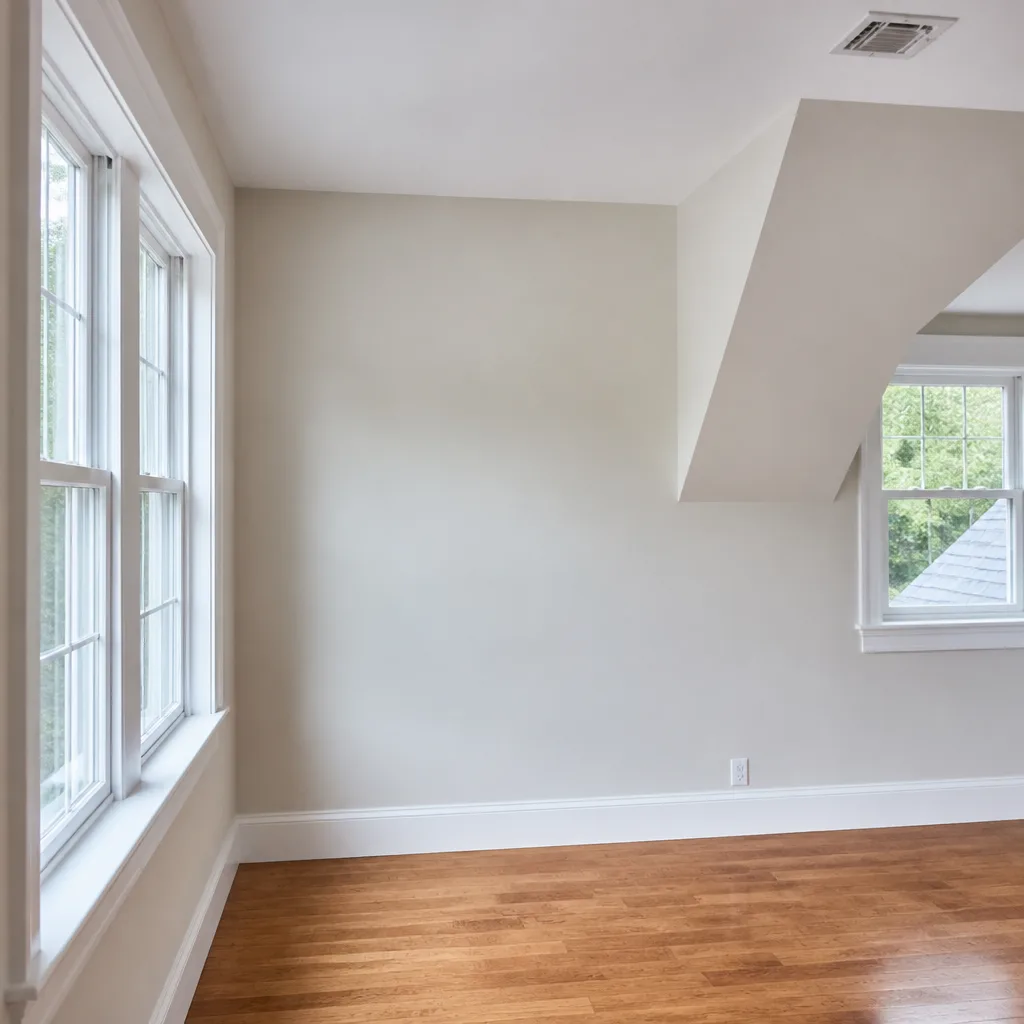
After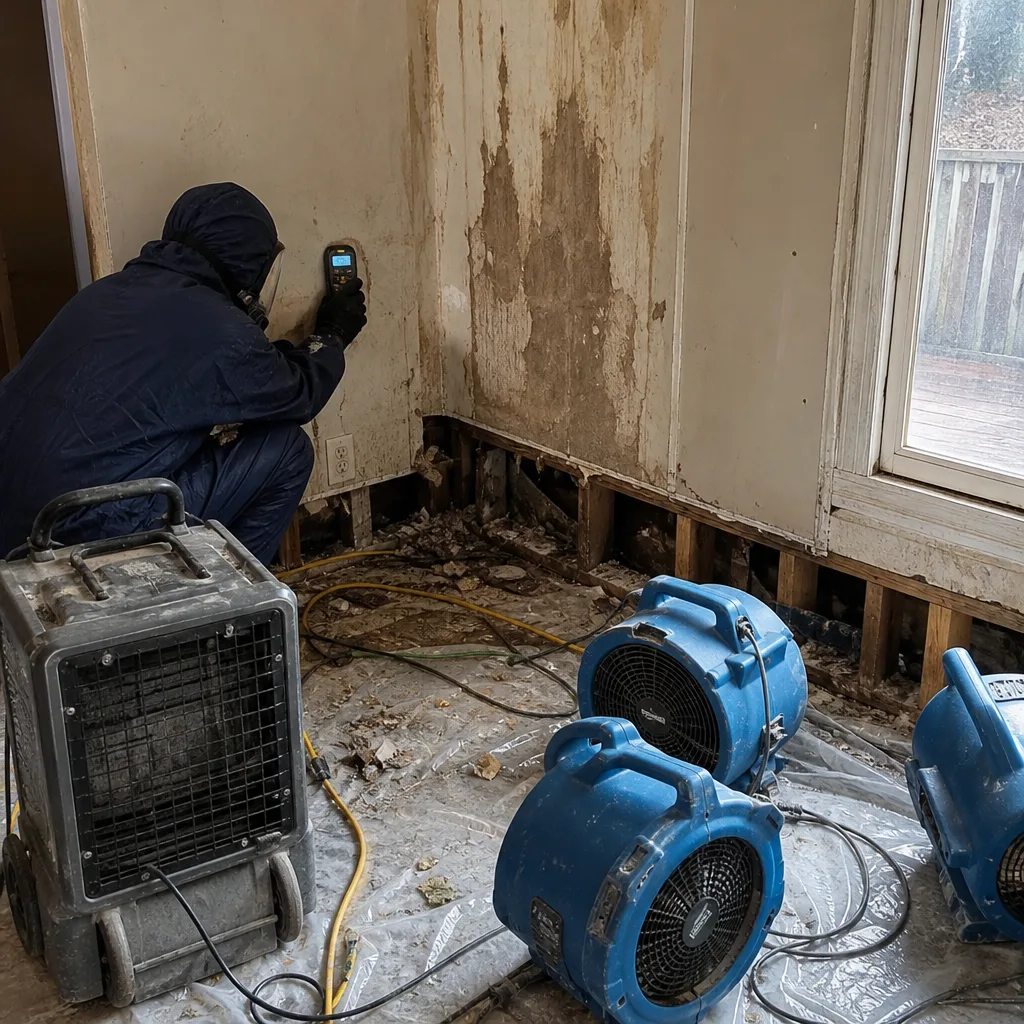 Before
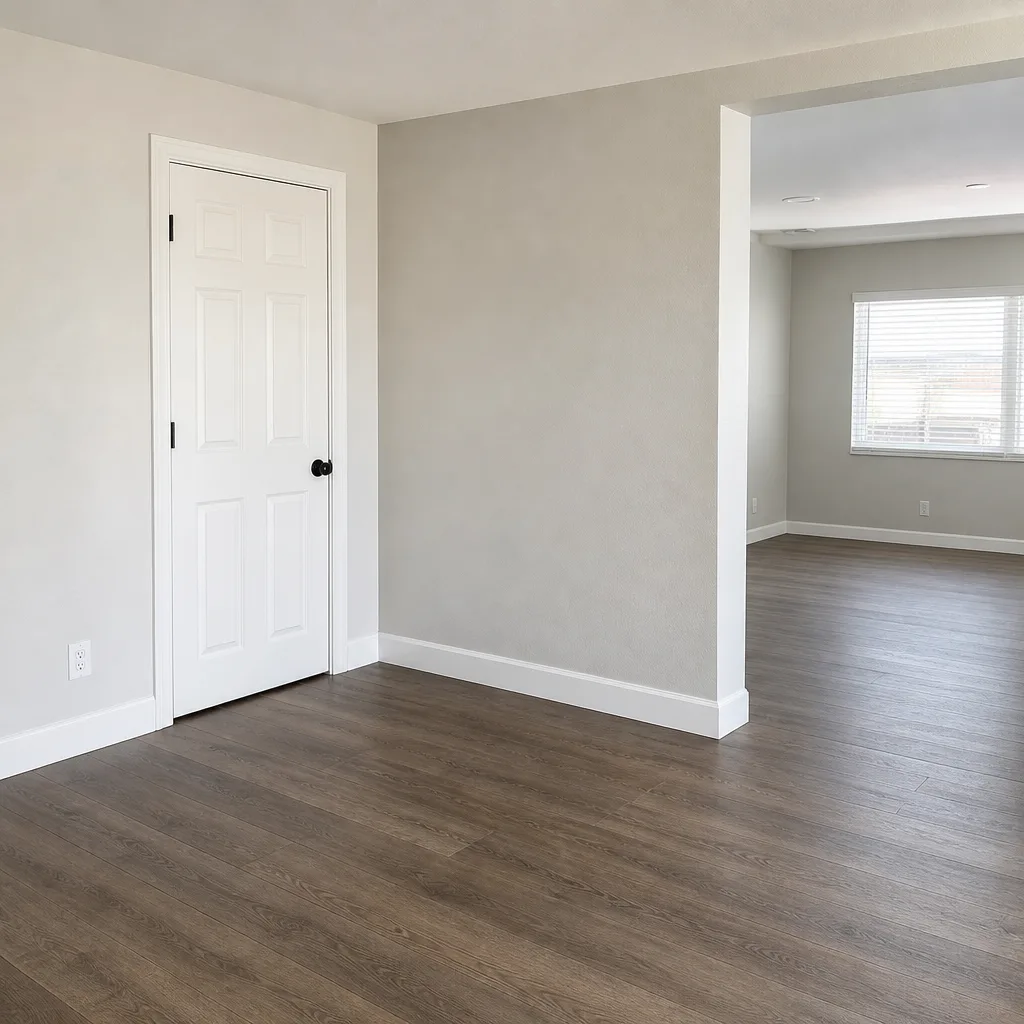 After
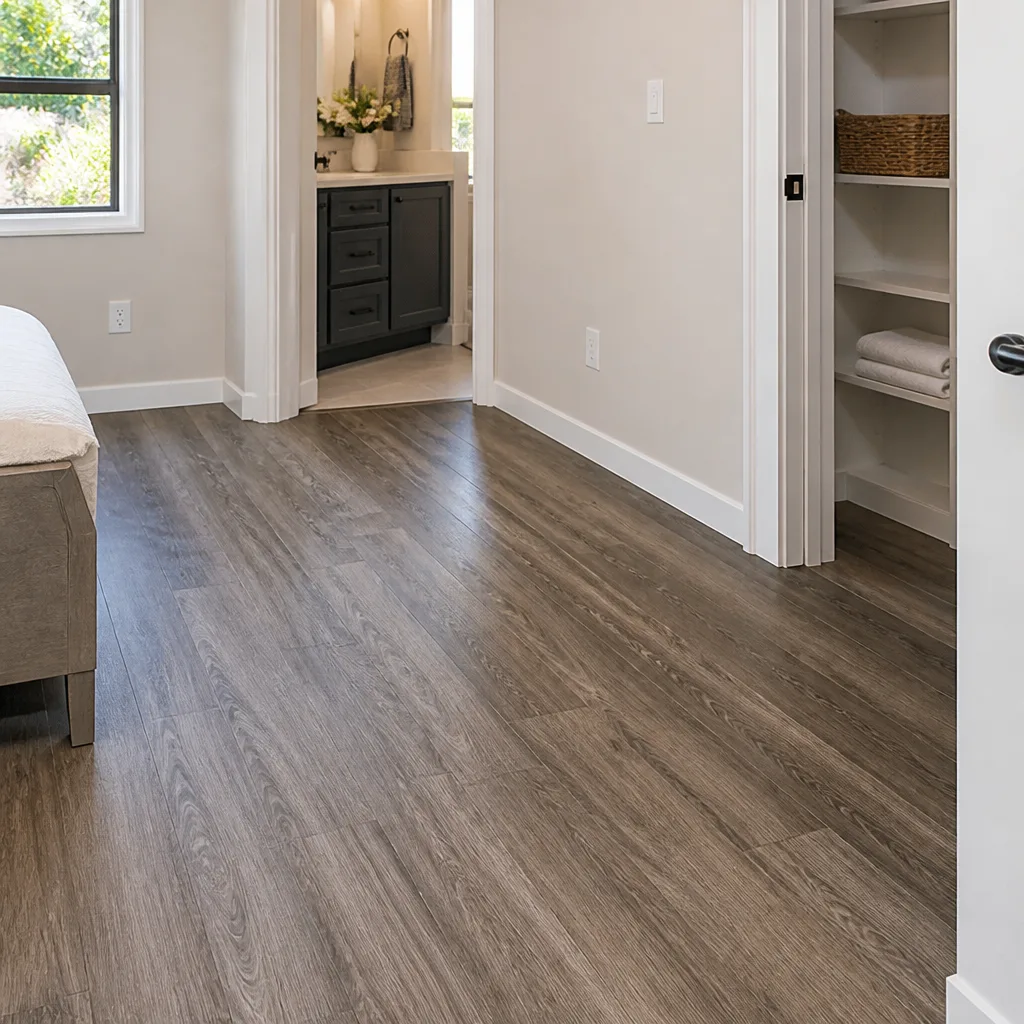
After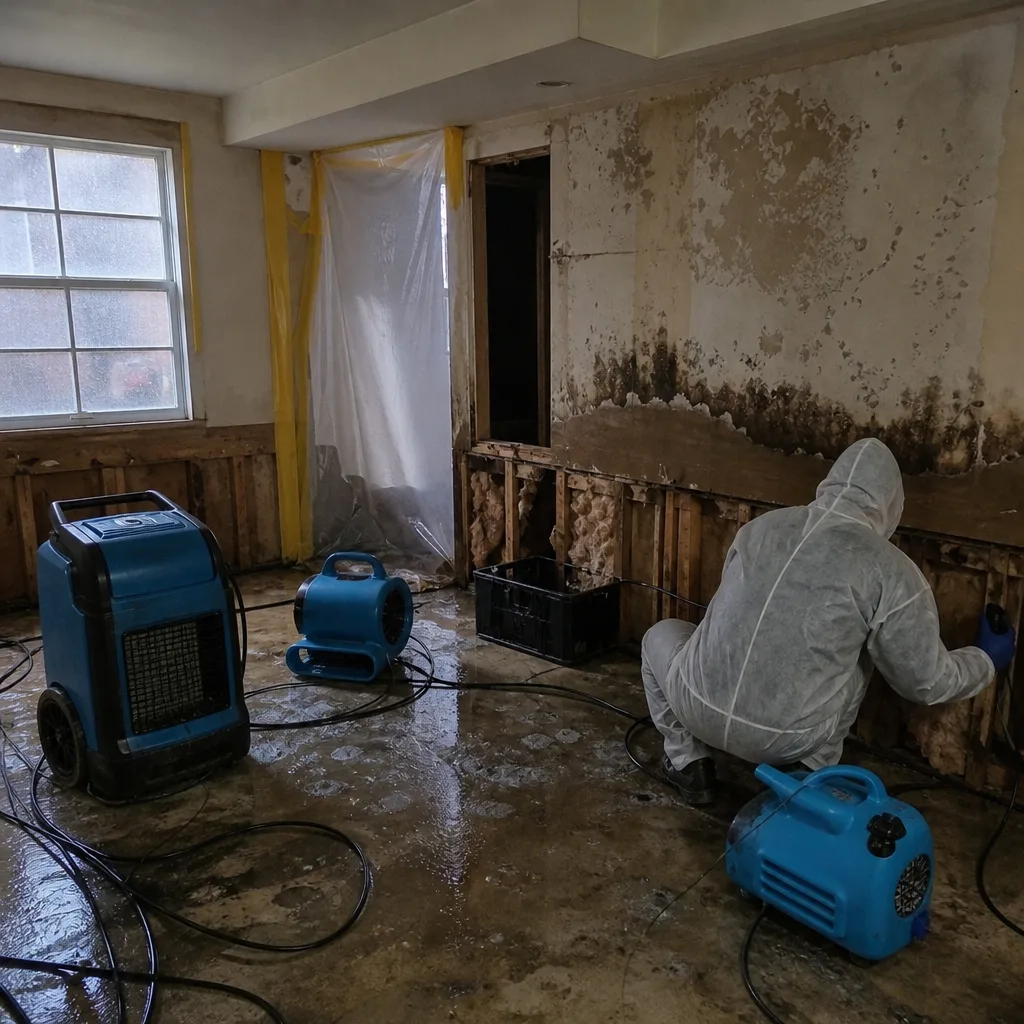 Before
 After
AfterFast, Reliable Water Damage Restoration Across Scotia
When water is rising in your Scotia basement, you don’t have time to wait on hold or leave voicemails. You need a crew that picks up the phone and heads toward the Mohawk River side of town right away. Wendell Water Damage Restoration answers every call with a live person, 24/7, and our crews serve Scotia from dispatch coordination in our New York City office. We know the village core streets, the canal-adjacent blocks, and exactly what river-driven groundwater does to the older foundations here. Call (940) 466-4354 and you’ll get a written price before any work starts, a live arrival time you can track, and before-and-after photos texted to your phone.
Key Takeaways for Scotia Homeowners
- Groundwater flooding from the Mohawk River and NYS Barge Canal is the most common water loss in Scotia’s older village core, not burst supply lines.
- Emergency water extraction in Scotia typically runs $1,200 – $4,500 for a finished basement with several inches of water.
- Full structural drying with dehumidification usually lands between $1,800 and $6,500, depending on square footage and wall type.
- Skip the wet-vac and box fan approach. Trapped moisture in slab and wall cavities turns into mold and musty odors within days.
- You get a written price before any work starts, a 365-Day Done Right Promise, and a free second visit if the repair fails.
Why Wendell Water Damage Restoration Is Scotia’s Preferred Water Damage Restoration Company
Scotia homeowners call us because we answer the phone and tell you the real price before a single tool comes off the truck. That’s not common in this trade. Blake Sorensen sets the standard for every job we run in Scotia: written pricing upfront, background-checked uniformed technicians with a live arrival time, and photo documentation sent by text so you can see the drying progress without hovering over our shoulder.
We’ve worked basements on Mohawk Avenue, near Collins Park, and throughout the older streets south of 147. Homeowners in Glenville and the village core know that a sump failure here isn’t a one-off fluke, it’s what happens when the river and canal are close enough to pressure the water table. Our crews arrive ready for that reality, not surprised by it.
Every job operates under IICRC, RIA, and IFA standards, which means we follow the same drying protocols commercial loss sites use. The equipment on our trucks comes from Dri-Eaz, Phoenix, and XPOWER. Those aren’t consumer-grade box fans; they’re the machines that actually pull moisture out of drywall, slab, and framing.
Founded in 2006 and part of the Relay Home Co. family, each Wendell location is independently owned and operated to The Relay Visibility Guarantee. That guarantee is simple: you always know who is coming, when they’ll be there, and exactly what it costs. For water damage, that clarity matters more than anything else.
Emergency Water Damage Restoration in Scotia
Emergency Water Damage Restoration in Scotia is what happens when groundwater pushes through a block foundation at 11 p.m. or a sump pump quits during a storm, and you need extraction started before the water climbs higher. Because of the Mohawk River and NYS Barge Canal, a lot of village-core basements in Scotia sit close to the water table. When the ground saturates, water doesn’t need a broken pipe to get in, it just seeps through old stone and block. We get to Scotia addresses fast, extract the standing water, map the moisture, and start structural drying the same day.
Category Assessment and Moisture Mapping
Before we touch a wall, we classify the water type. Clean groundwater from a sump overflow is category 1, which changes the drying approach versus a sewer backup. In Scotia, most of what we see from canal and river pressure is category 1, but failing to treat it correctly still leads to mold on wet drywall within 24 to 48 hours. We map every affected surface with moisture meters so we know where the water traveled, even the spots you can’t see.
Mitigation Documentation for Insurance
If you’re filing a claim, you’ll want photo documentation and a written scope of work. We text before-and-after photos throughout the job, which you can forward directly to your adjuster. Many Scotia homeowners find that the detailed moisture logs and drying records make the insurance conversation much shorter.
Water Mitigation in Scotia
Water Mitigation in Scotia isn’t just about getting the visible water out, it’s about stopping the damage from spreading inside your walls and under your floors. In a village like Scotia, where finished basements are common and foundations are often original stone or block from the first half of the 1900s, the real risk is hidden moisture sitting against porous materials. We use psychrometric drying (tracking the air’s moisture level so we know when your home is truly dry, not just surface-dry) and keep daily readings until the drying logs close out.
Drying Plans Built for Old Scotia Foundations
A block foundation wall that’s been wet for decades behaves differently than a modern poured concrete wall in a new development. The older the masonry, the more it holds. We set Dri-Eaz air movers and Phoenix dehumidifiers based on the specific vapor pressure inside your basement, not a generic square footage formula. That matters in Scotia because so many homes near the canal have below-grade living spaces that never fully dry on their own.
When Carpet Pad and Drywall Need to Go
One of the hardest calls is telling a Scotia homeowner that the carpet pad has to come out. Clean groundwater can often be extracted and the pad saved, but once that water sits for more than 48 hours or wicks up drywall, we recommend removal. Our team at Water Damage Restoration will show you the moisture readings and explain the repair-versus-replace decision before we cut anything. You’ll know the number and the reasoning before work begins.
Trusted Brands We Service in Scotia
We service water damage around all makes and models of basement setups in Scotia, from old sump pits with cast-iron pumps to newer battery-backup systems and finished lower levels with thermal drywall. We stock common replacement parts for sump pumps, check valves, floor drains, and dehumidifier drainage lines, which means faster turnaround for Scotia homeowners who need a quick fix to prevent the next event. When we deploy drying equipment on a Scotia job, it’s Dri-Eaz, Phoenix, and XPOWER, the same brands used on large commercial loss sites. We don’t bring residential rental gear from the hardware store. We bring what actually works.
Common Water Damage Restoration Problems We See in Scotia Homes
- Sump failure during river and canal high-water events: When the Mohawk River rises and the canal system backs up, sump pumps in older village basements run harder than they were designed to. We regularly see pumps that simply quit mid-storm, leaving homeowners with a few inches of standing water by morning.
- Seepage through stone and block foundations: Homes built before 1960 in Scotia often sit on stone or block that was never waterproofed to modern standards. Hydrostatic pressure from saturated ground pushes water through hairline cracks and porous mortar joints, especially on the blocks near Collins Park and the canal.
- Finished basements dried on the surface only: Carpet feels dry to the touch, so the homeowner assumes the job is done. Water sat under the pad and against the block foundation, and a musty smell shows up two weeks later. We see this repeatedly in village-core basements that were dried with a wet-vac and a box fan instead of air movers and a dehumidifier.
- Skipped antimicrobial treatment after groundwater events: Homeowners treat a river-driven seepage as a one-time thing and don’t apply antimicrobial to the wet drywall. Mold appears within two days on the lower portion of the walls. In Scotia’s humid summers, that timeline can be even shorter.
Pricing for Water Damage Restoration in Scotia, NY
Here’s what Scotia homeowners can expect to pay, without games. Emergency water extraction for a finished basement in Scotia typically runs $1,200 – $4,500, depending on square footage and how much furniture needs pack-out. Structural drying and dehumidification usually lands between $1,800 and $6,500, with the higher end for larger finished spaces with wet drywall and insulation. Burst pipe restoration ranges from $1,500 to $5,000 after the plumber has stopped the water. Basement water removal with a sump replacement runs $1,400 – $3,800 depending on the pump you choose. Ceiling and roof leak water damage averages $900 – $3,200 for extraction and drying of the affected ceiling area. Every estimate is free, and the price we quote is put in writing before any work starts. Call (940) 466-4354 and you’ll have a number within the hour.
We Also Serve Cities Near Scotia
While this page is written for Scotia homeowners, our crews regularly run water damage calls in the broader metro area. We serve Brooklyn, Queens, Manhattan, and The Bronx with the same live-answer phone line, the same written pricing, and the same 365-Day Done Right Promise on every job. If you’re in one of those cities and water is rising, call us and we’ll route a crew your way.
Serving Scotia, NY - Our Local Coverage Area
We’re based in the Scotia area and know this community well. Use the map below to see our service coverage - if you’re nearby, we can almost certainly help.
FAQs About Water Damage Restoration in Scotia
We can typically have a crew at a Scotia address within 60 to 90 minutes for water emergencies, depending on where you are in the village and current call volume. We answer the phone 24/7 with a live person, not a voicemail, so you’ll know your arrival time before you hang up. Call (940) 466-4354 for immediate dispatch.
Yes, most groundwater flooding from the Mohawk River or NYS Barge Canal is classified as category 1, or clean water, when it enters through a foundation or sump overflow. That said, clean water can grow mold on wet drywall within 24 to 48 hours if not dried correctly. The category matters for how we treat the space, but it never means you can skip structural drying.
That musty smell usually means moisture got trapped in a material that never fully dried, like the carpet pad, the paper backing on drywall, or the wood framing behind a finished wall. In Scotia’s older basements, a small leak often wicks upward through porous block and stays hidden. Our moisture meters locate those hidden pockets, and our drying equipment removes the vapor you can’t see or feel.
We handle the full scope, from emergency extraction through structural drying and repairs, so you don’t have to coordinate multiple contractors. The mitigation phase is documented with before-and-after photos and daily moisture readings. Then we put the rebuild price in writing and text you a digital invoice you can approve from your phone. One crew, one accountable point of contact, and the 365-Day Done Right Promise on everything we touch.
For a typical Scotia basement flood, our crews arrive with Dri-Eaz air movers, a Phoenix dehumidifier sized to your square footage, XPOWER extraction units, and moisture meters to confirm drying is complete. We don’t use box fans or consumer dehumidifiers. The equipment is the same commercial-grade setup used on large loss sites, which matters when you’re drying a finished basement in a village home built before 1960.
If you have water where it shouldn’t be in Scotia, call (940) 466-4354 now. A live person answers, we give you a written price before any work starts, and the crew shows up with a live arrival time you can track. That’s how water damage restoration should work.
Written by Blake Sorensen, Owner at Wendell Water Damage Restoration, serving Scotia and the surrounding metro area since 2006.