
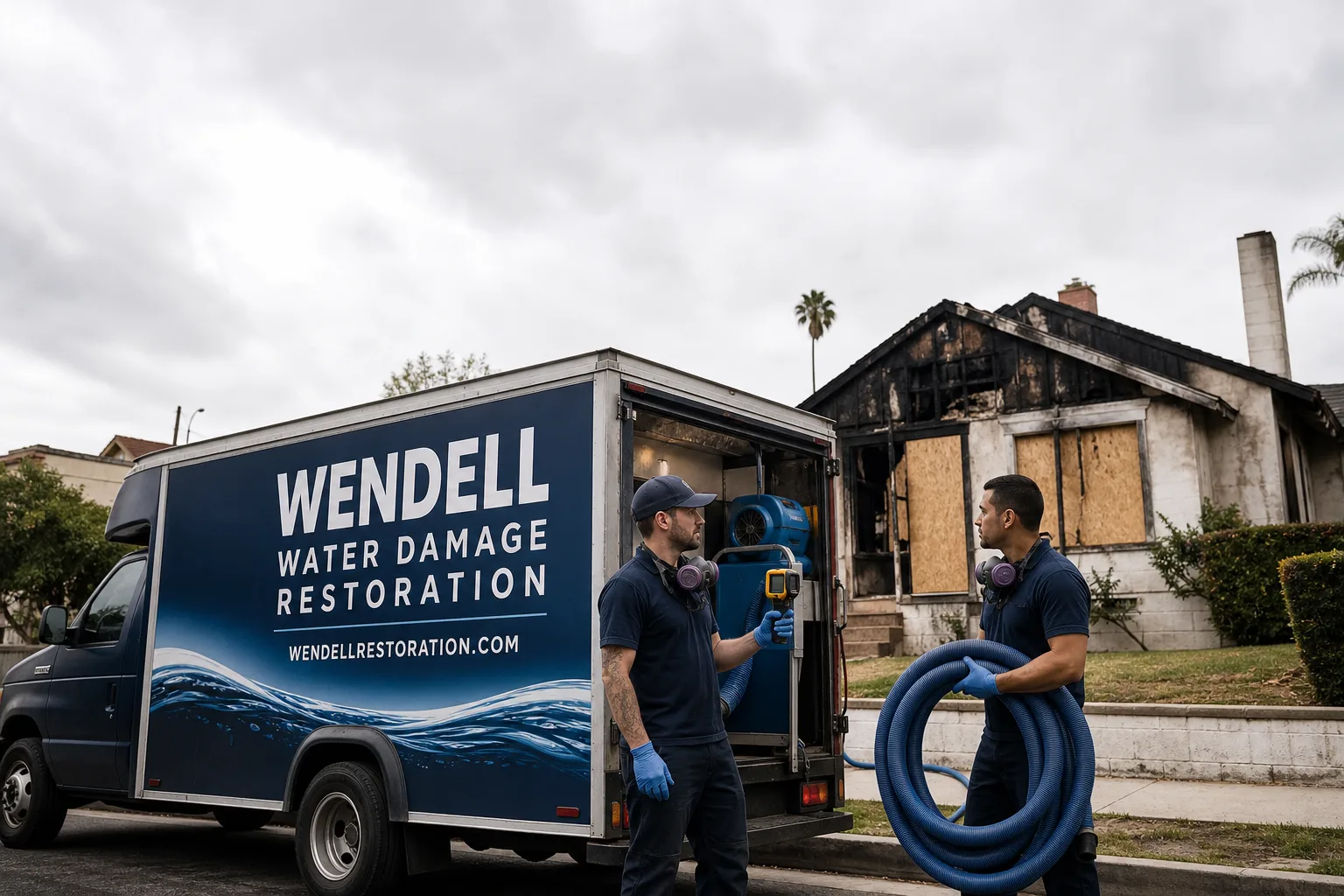
Free visual inspection and a written scope of work before any mitigation begins - photos, moisture readings, and drying logs go in your claim file
The scope we write is the scope we bill. Anything new gets shown to you, in writing, before we touch it.
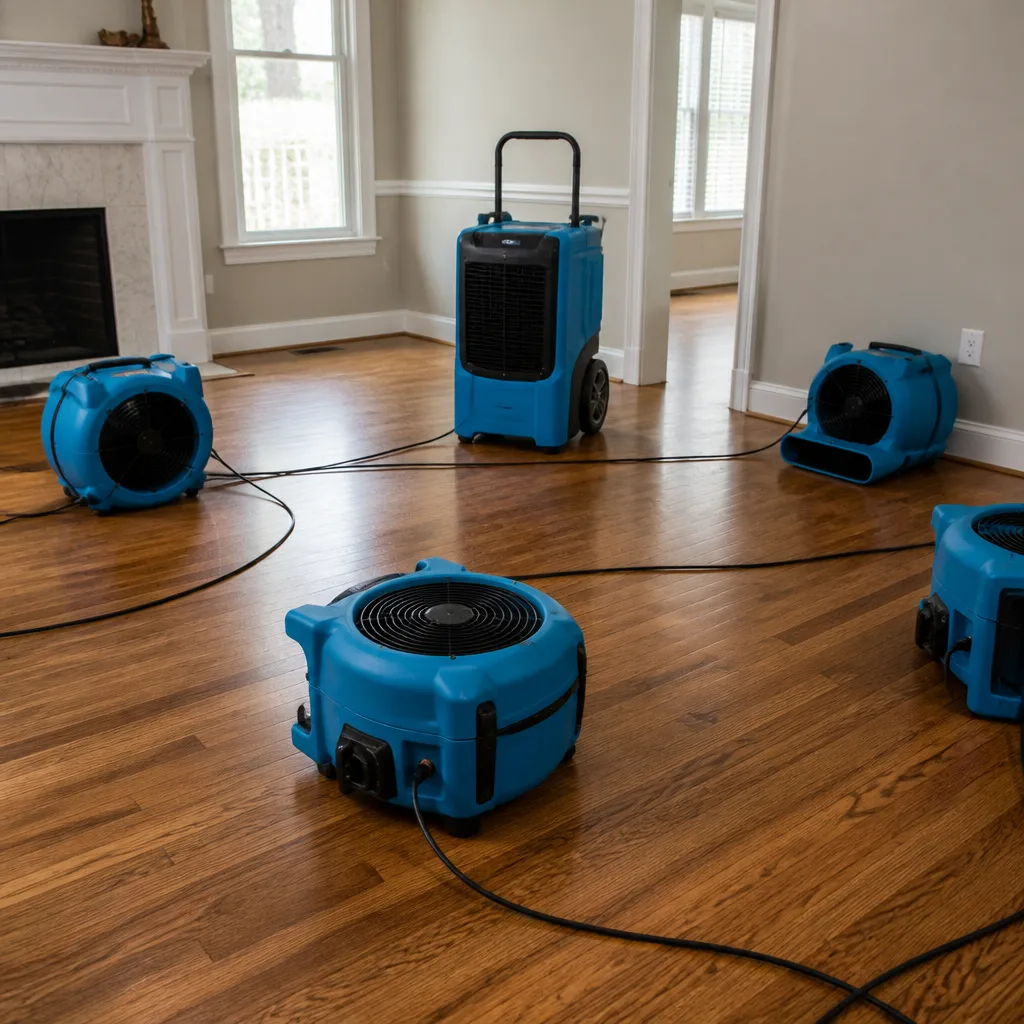
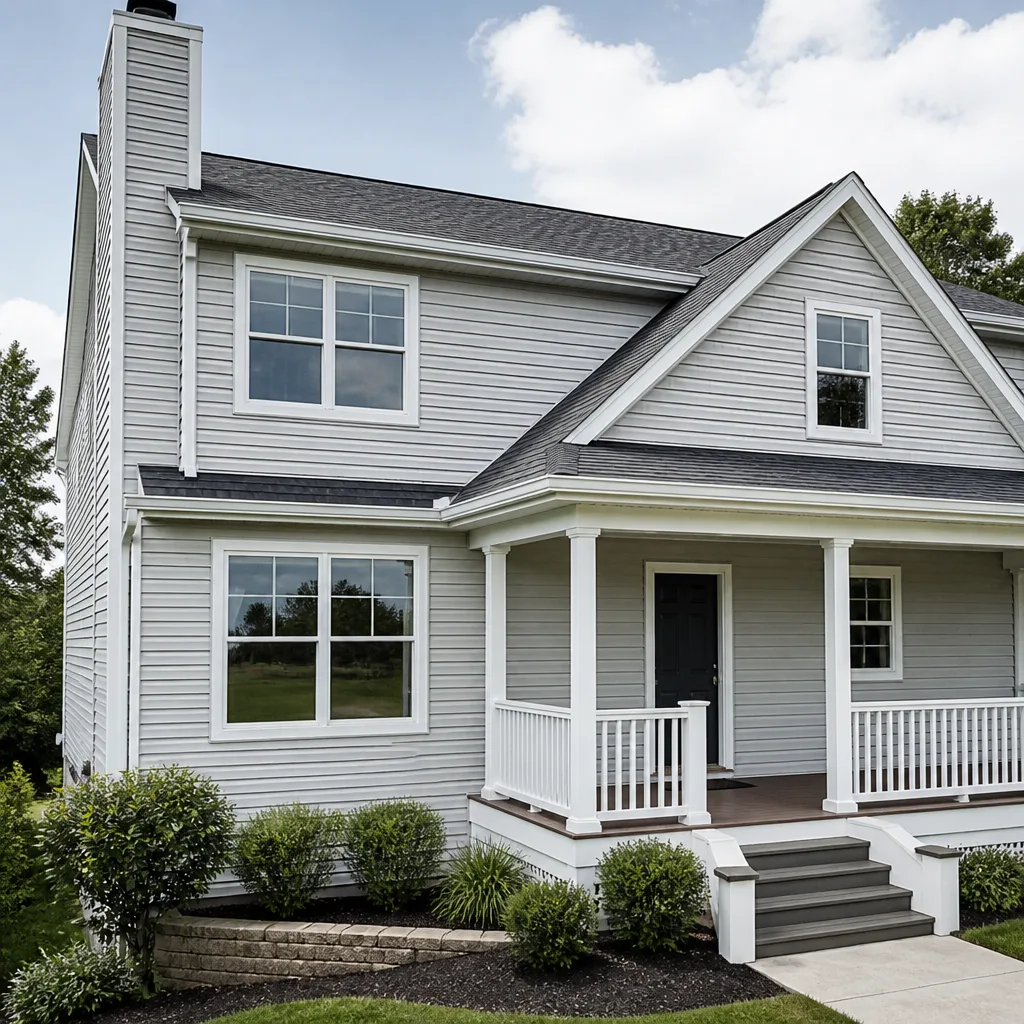
 Before
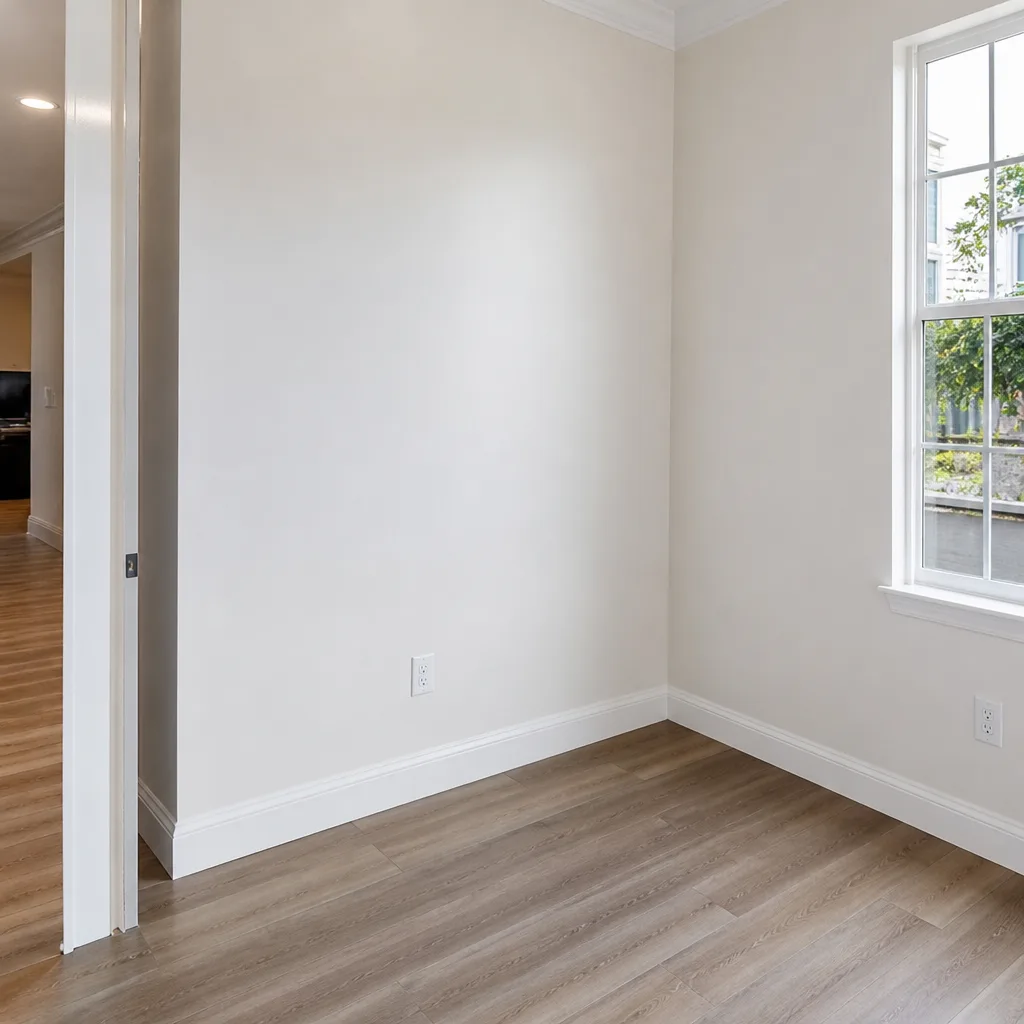 After
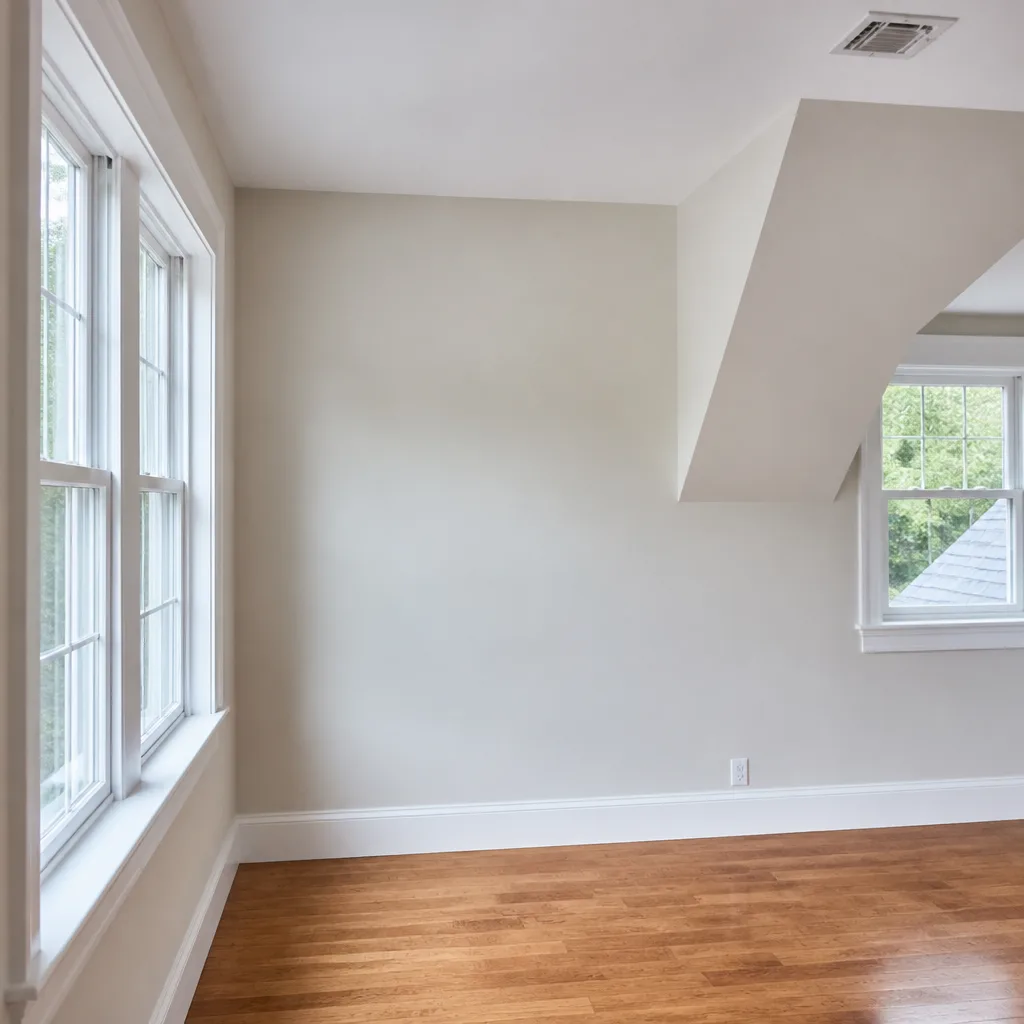
After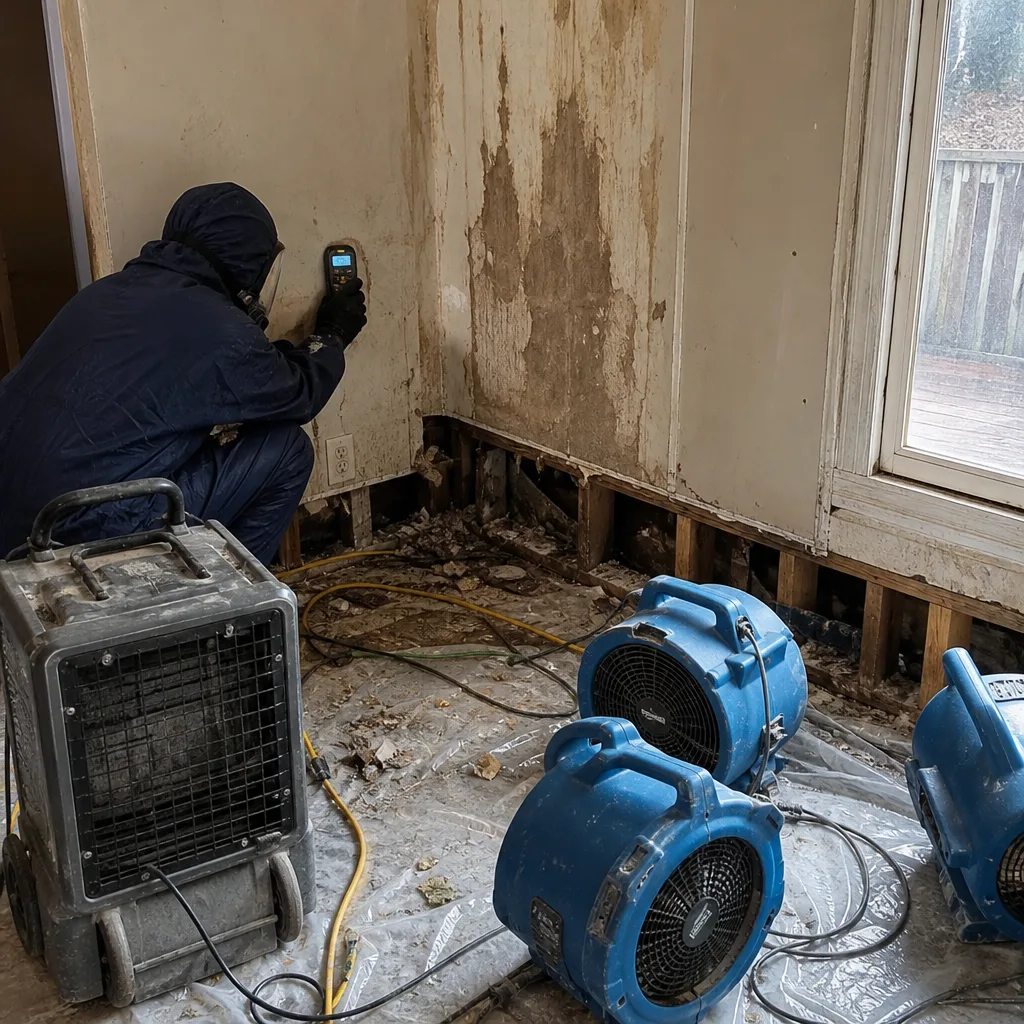 Before
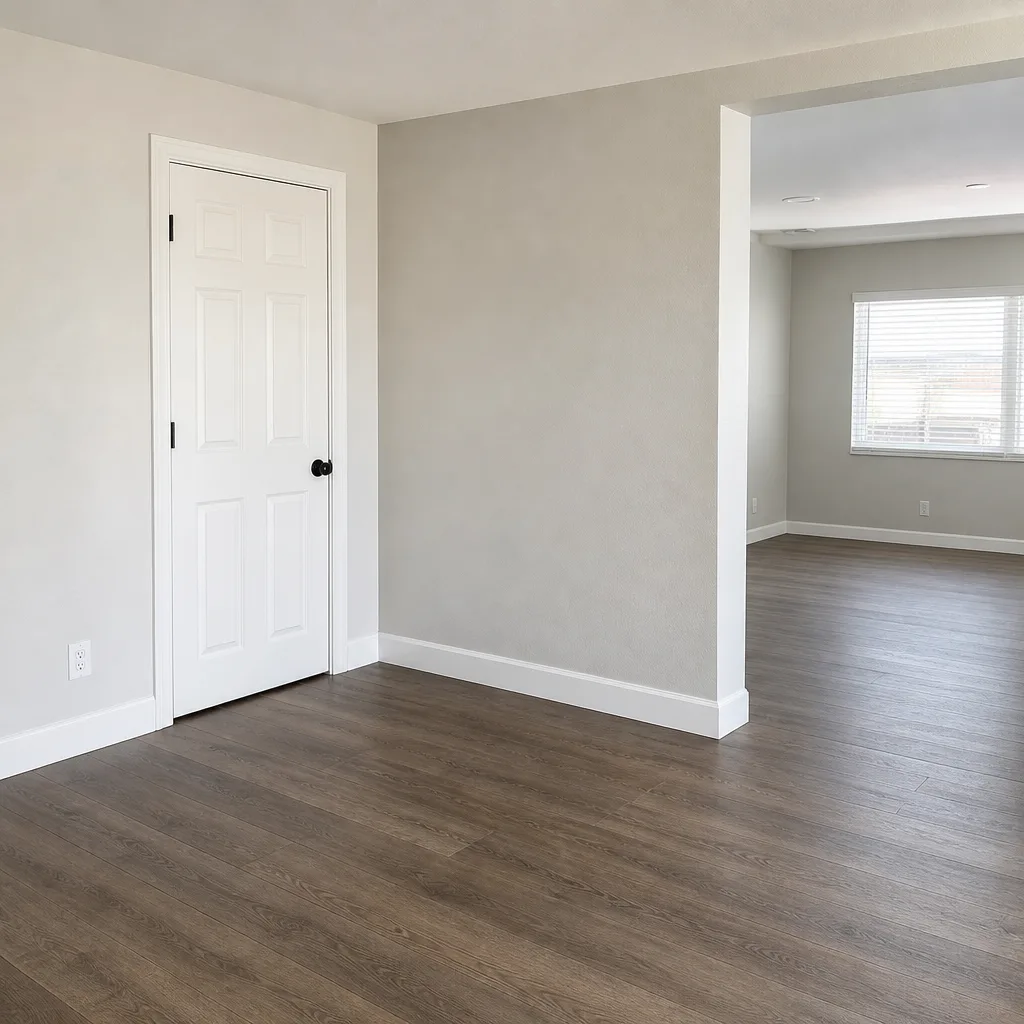 After
After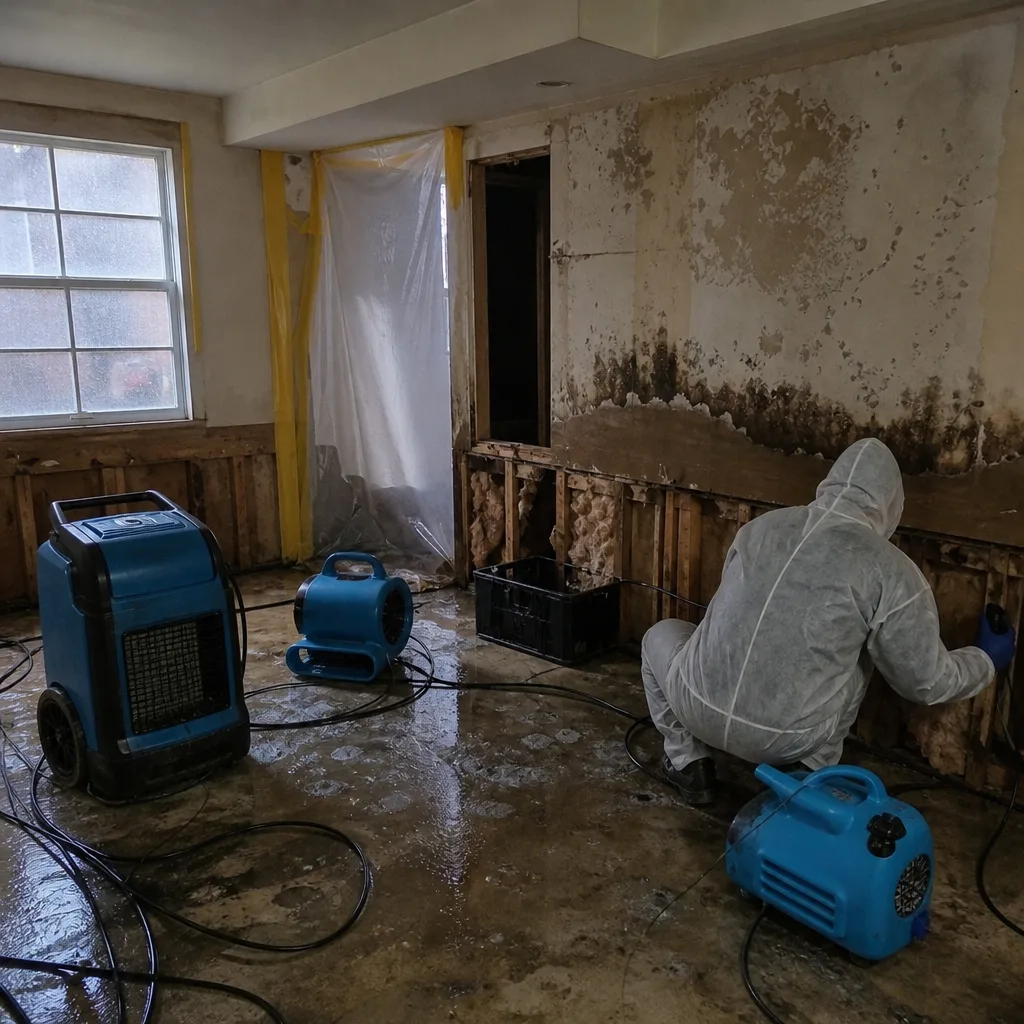 Before
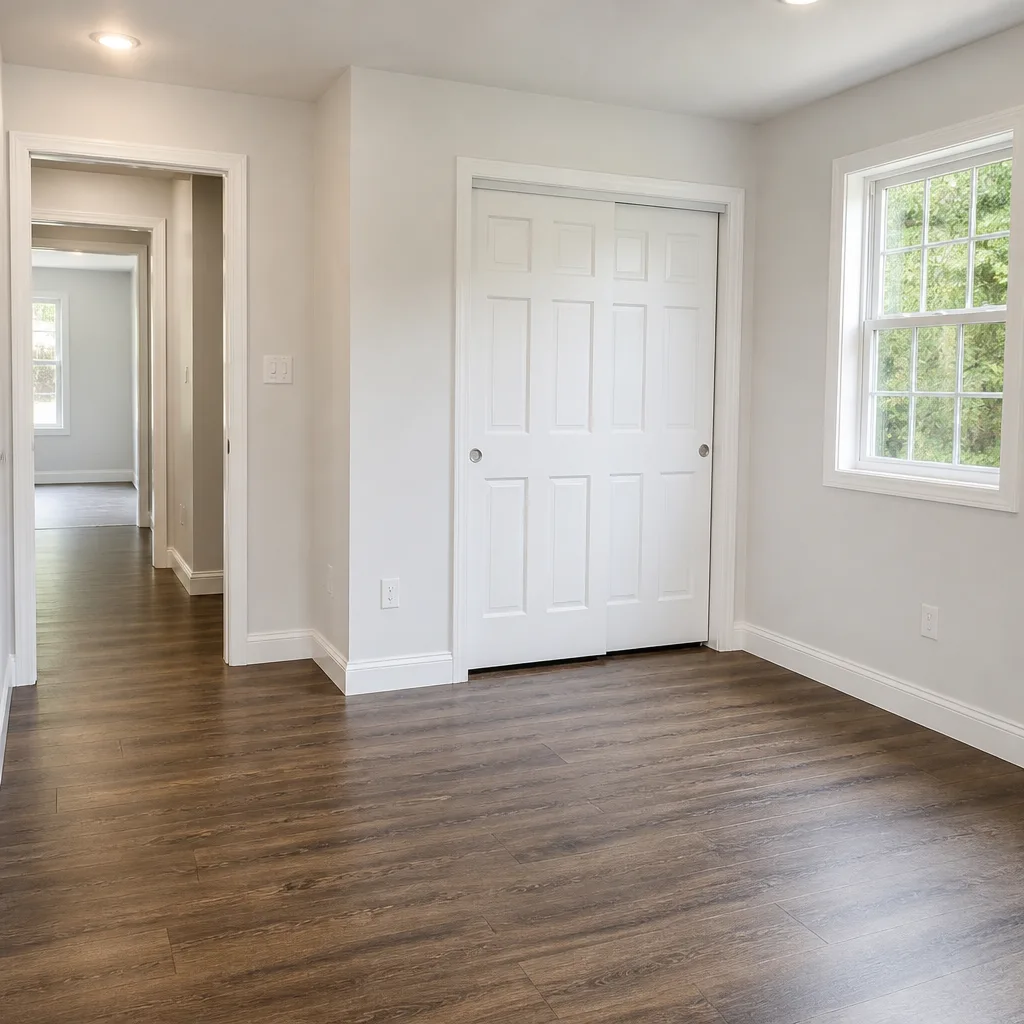 After
AfterFast, Reliable Water Damage Restoration Across Queens Village
If water is pooling in your Queens Village basement right now, the most important number is (940) 466-4354. A live person answers, 24/7, not a voicemail tree. We run water damage calls across Queens Village daily – from 217th Street near Hillside Avenue to the blocks around Jamaica Avenue – and we’ll give you a written price before any tool comes off the truck. Most Queens Village homes we see are mid-century Cape Cods and colonials with finished basements, and those basements flood in ways that need more than a shop vac. That’s the work we do.
Our Water Damage Restoration team arrives with professional-grade drying equipment, a live arrival time you can track, and a clear scope of what needs to happen. You’ll get before-and-after photos by text so you can see the drying progress, not just take someone’s word for it. This page is for Queens Village homeowners who want the straight answer on what a flooded basement actually costs, what gets dried versus torn out, and how fast we can get there.
Key Takeaways:
- Queens Village’s mid-century homes with original cast-iron drains flood differently than newer construction – the water is often category 2 or 3, not clean supply line water.
- Water extraction in Queens Village typically runs $850 – $1,900. Structural drying adds $1,200 – $3,000 given our housing stock’s finished basements.
- We answer live 24/7 at (940) 466-4354. You get a written price before work starts, every time.
- Every job includes the 365-Day Done Right Promise in writing and a free second visit if a repair fails.
Why Wendell Water Damage Restoration Is Queens Village’s Preferred Water Damage Restoration Company
Queens Village keeps calling us because we treat a water damage call like a job that needs honest scoping, not a sales pitch. We’ve worked in homes along Hillside Avenue, Springfield Boulevard, and the side streets off Francis Lewis Boulevard. What we see again and again is the same thing: finished basements in 60-to-80-year-old colonials and Cape Cods where a rainstorm backs up the original cast-iron floor drain and the homeowner is left with two inches of water wicking up drywall. That’s not a shop-vac situation. That’s category 2 or 3 water, and it needs extraction, antimicrobial treatment, and structural drying done right.
We hold our work to The Relay Standard: book in a tap, get a live arrival time you can track, receive a written price before work starts, photo updates by text, and a digital invoice you pay from a link. The number on the screen is the number you pay. Our technicians are background-checked, uniformed, and trained to IICRC, RIA, and IFA standards. We run Dri-Eaz air movers, Phoenix dehumidifiers, and XPOWER extraction units – the same brands used on large commercial loss sites. We’re part of the Relay Home Co. family, founded in 2006, and each location is independently owned and operated. Blake Sorensen oversees our restoration standards, and he holds every job to the 365-Day Done Right Promise: if it’s not done right, we make it right – in writing, on every repair.
Dispatch and scheduling are coordinated from our New York City office, with crews serving Queens Village locally. That means you get a team that knows your blocks, your housing stock, and the specific way water moves through these basements.
Flooded Basement in Queens Village
Flooded Basement in Queens Village is the call we run most often, and it’s almost never a clean-water job. The first thing you should know: a flooded basement in this neighborhood usually means groundwater or drain backup through original cast-iron lines, not a burst supply pipe. That changes everything about how we scope the work. The water may look clear, but if it came up through a floor drain, it’s classified as category 2 or 3 by IICRC standards – it carries contaminants. Extraction, containment, and antimicrobial treatment come first. Drying comes second.
For a typical Queens Village flooded basement with two inches of standing water in a finished space, you’re looking at $850 – $1,900 for extraction and disposal, then $1,200 – $3,000 for structural drying depending on how far the water wicked up drywall and into carpet pad. We put every number in writing before we start.
What We Do First
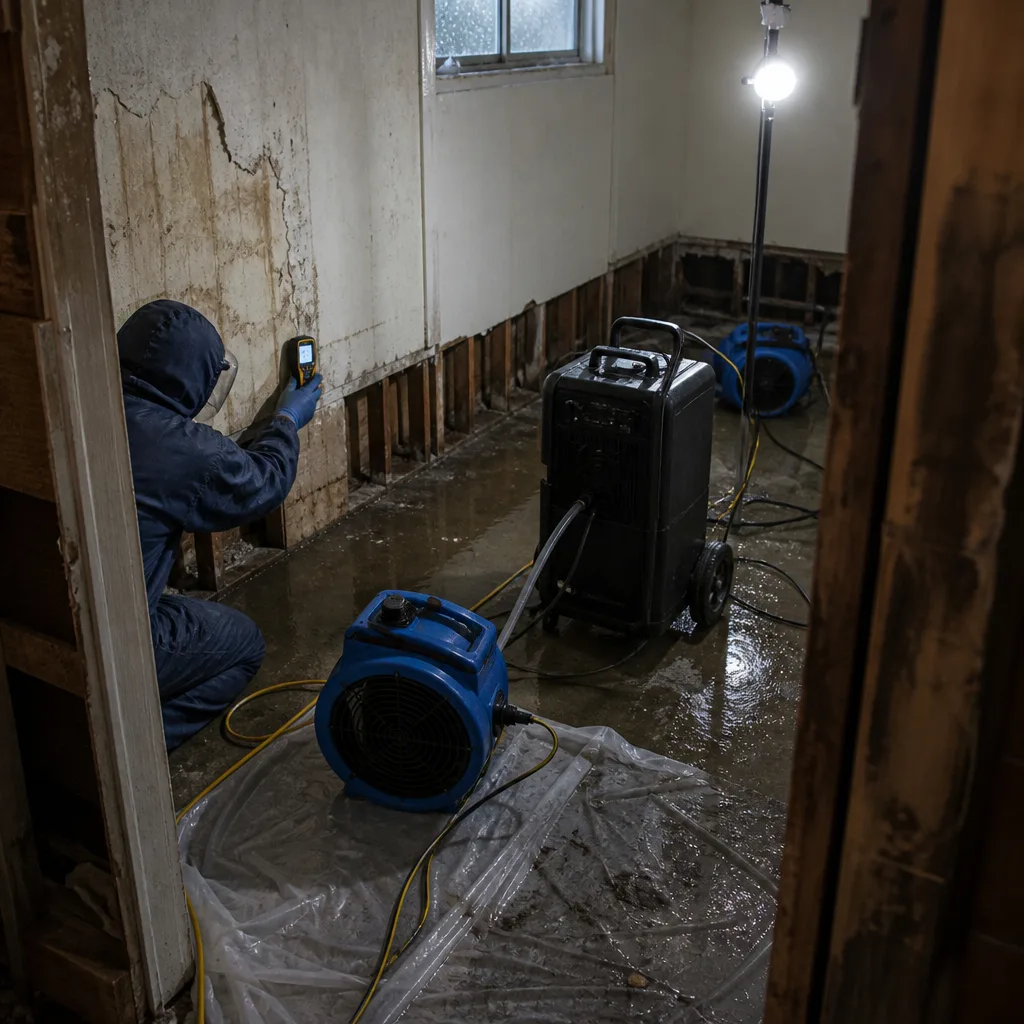
We extract the standing water with XPOWER units, then cut out any drywall that’s been sitting wet beyond the 24-48 hour window where mold takes hold. We don’t demo more than necessary; we map moisture levels on studs and joists with meters and only remove what can’t be dried.
Antimicrobial Treatment and Drying Logs
Because Queens Village basement floods are typically category 2/3, we apply antimicrobial treatment to lower wall cavities and affected framing. Then we set Dri-Eaz air movers and Phoenix dehumidifiers and track daily moisture readings. You get the logs, not just a verbal “it’s dry.”
Water Extraction in Queens Village
Water Extraction in Queens Village is the first physical step on every flooded basement call, and getting it right in the first hours determines whether you save your flooring or tear it out. Standing water in a finished Queens Village basement doesn’t just sit on top of the vinyl tile; it gets under it, into the carpet pad, and up the drywall through capillary action. The longer it sits, the more material you lose.
Extraction alone for a Queens Village basement typically runs $850 – $1,900 for the initial pump-out and containment setup, plus disposal of ruined padding and debris. If the water sat overnight, assume carpet pad replacement. If it’s been 48 hours or more, expect baseboard and lower drywall cuts.
Why Shop-Vacs Don’t Work Here
A shop-vac pulls maybe 5-10 gallons before the tank fills. A flooded basement on 217th Street with two inches of water is carrying 300 gallons or more. We run XPOWER extraction units that pull water continuously into a drain or sump, and we follow with moisture meters to find what’s still trapped in wall cavities and under flooring. The water you can’t see is the water that keeps feeding mold.
Category 2/3 Water Means More Than Drying
In Queens Village, most extraction calls involve drain backups or groundwater. Under IICRC protocols, that water is considered contaminated until proven otherwise. So after extraction, we treat surfaces and lower cavities with antimicrobial solutions and set containment if the water has been sitting. Skipping this step is how a “dried out” basement starts smelling musty three weeks later.
Trusted Brands We Service in Queens Village
We stock parts and consumables for the equipment brands Queens Village homeowners already have in their basements and utility rooms. Our drying setups run Dri-Eaz air movers and Phoenix dehumidifiers, and our extraction crews use XPOWER pumps. We hold our work to IFA standards on every structural drying job. If your existing sump pump or dehumidifier is from a brand we service, we can assess whether it’s salvageable or needs replacement after a flood. Fast turnaround matters because your framing is wicking water while you wait for a part. We carry what we need on the truck.
Common Water Damage Restoration Problems We See in Queens Village Homes
- Rain-driven drain backups in original cast-iron lines. Queens Village homes built in the 1940s-1960s still have cast-iron drains under the slab. Heavy rain overwhelms them, and the basement fills from the floor drain up. This is category 2/3 water, not clean supply water.
- Water trapped behind finished drywall and under vinyl tile. Homeowners shop-vac the surface water and call it a day. Moisture mapping with meters shows moisture still wicked behind baseboards and under flooring – and that’s where mold grows past 48 hours.
- Crews treating it as category 1 water. If a restoration company assumes clean water because it looks clear, they skip containment and antimicrobial treatment. In Queens Village’s flood pattern, that’s a liability. The contamination spreads to stored belongings that should have been packed out on day one.
- Patch jobs on aging sump setups. Cast-iron drains get a quick patch, the basement floods again next storm, and the homeowner pays twice. We scope the drain and tell you honestly whether it needs a real repair or replacement.
Pricing for Water Damage Restoration in Queens Village, NY
Water damage restoration in Queens Village doesn’t have one flat price, and any company that quotes one before seeing the job is guessing. Here are the honest ranges we see in this neighborhood. Emergency water extraction: $850 – $1,900 depending on square footage and water depth. Structural drying with dehumidifiers and air movers: $1,200 – $3,000 for a typical finished basement. Antimicrobial treatment and containment for category 2/3 water: $400 – $1,000. Burst pipe restoration including drywall repair: $1,800 – $4,500. Ceiling and roof leak water damage: $600 – $2,200 depending on whether the leak is active and how much drywall or insulation is compromised. Basement water removal for unfinished spaces on the lower end; finished basements run higher because of flooring, pad, and drywall disposal.
What affects the final number: how long the water sat, whether it’s category 1, 2, or 3, what materials need demo, and whether your insurance adjuster is involved (we do direct billing and photo documentation for adjusters). Call (940) 466-4354 for a free estimate. The price we quote is the price you pay – written down, before anything starts.
We Also Serve Cities Near Queens Village
Our crews run calls to the neighborhoods and towns right around Queens Village, including Oakland Gardens, Hollis, Bellerose, and Floral Park. If you’re a few blocks over the line and water is rising, don’t hesitate – call (940) 466-4354. We know this corner of Queens well, and we’ll give you the same written price and live arrival time we give every Queens Village customer.
Serving Queens Village, NY - Our Local Coverage Area
We’re based in the Queens Village area and know this community well. Use the map below to see our service coverage - if you’re nearby, we can almost certainly help.
FAQs About Water Damage Restoration in Queens Village
Yes, in most Queens Village rain-driven floods it is. If the water came up through a floor drain or from groundwater, it’s category 2 or 3 under IICRC protocols, even if it looks clear. That means antimicrobial treatment and containment are required, not just drying. Call (940) 466-4354 and we’ll tell you honestly what category your water is and what that means for your basement.
We answer live 24/7 at (940) 466-4354, and for Queens Village calls we typically arrive within 60-90 minutes, depending on traffic on Hillside Avenue or Jamaica Avenue. You get a live arrival time you can track, not a vague four-hour window.
Only if it’s been wet beyond the 24-48 hour threshold or shows elevated moisture readings on our meters. We map moisture levels on studs and drywall before cutting. If the framing and drywall can be dried to pre-loss condition with Dri-Eaz and Phoenix equipment, we dry it. If not, we cut only what’s necessary and show you the readings that justify the cut.
We run XPOWER extraction pumps for standing water, Dri-Eaz air movers for airflow, and Phoenix dehumidifiers for structural drying – all under IICRC, RIA, and IFA standards. Our technicians track moisture readings daily and send you before-and-after photos by text so you see the drying curve.
If the root cause was a drain backup or aging sump that got patched rather than scoped, yes, it will flood again next heavy rain. That’s why we scope the drain and give you an honest assessment of the cast-iron lines. The drying work carries our 365-Day Done Right Promise. The drain repair is priced separately and in writing. Call (940) 466-4354 to get both scoped on the same visit.
If you’re standing in water right now, call (940) 466-4354. A live person answers. We’ll give you a written price, a live arrival time, and a crew that knows Queens Village basements better than anyone. That’s the Wendell way.
Written by Blake Sorensen, Owner at Wendell Water Damage Restoration, serving Queens Village with fast, written-price-first water damage restoration.