
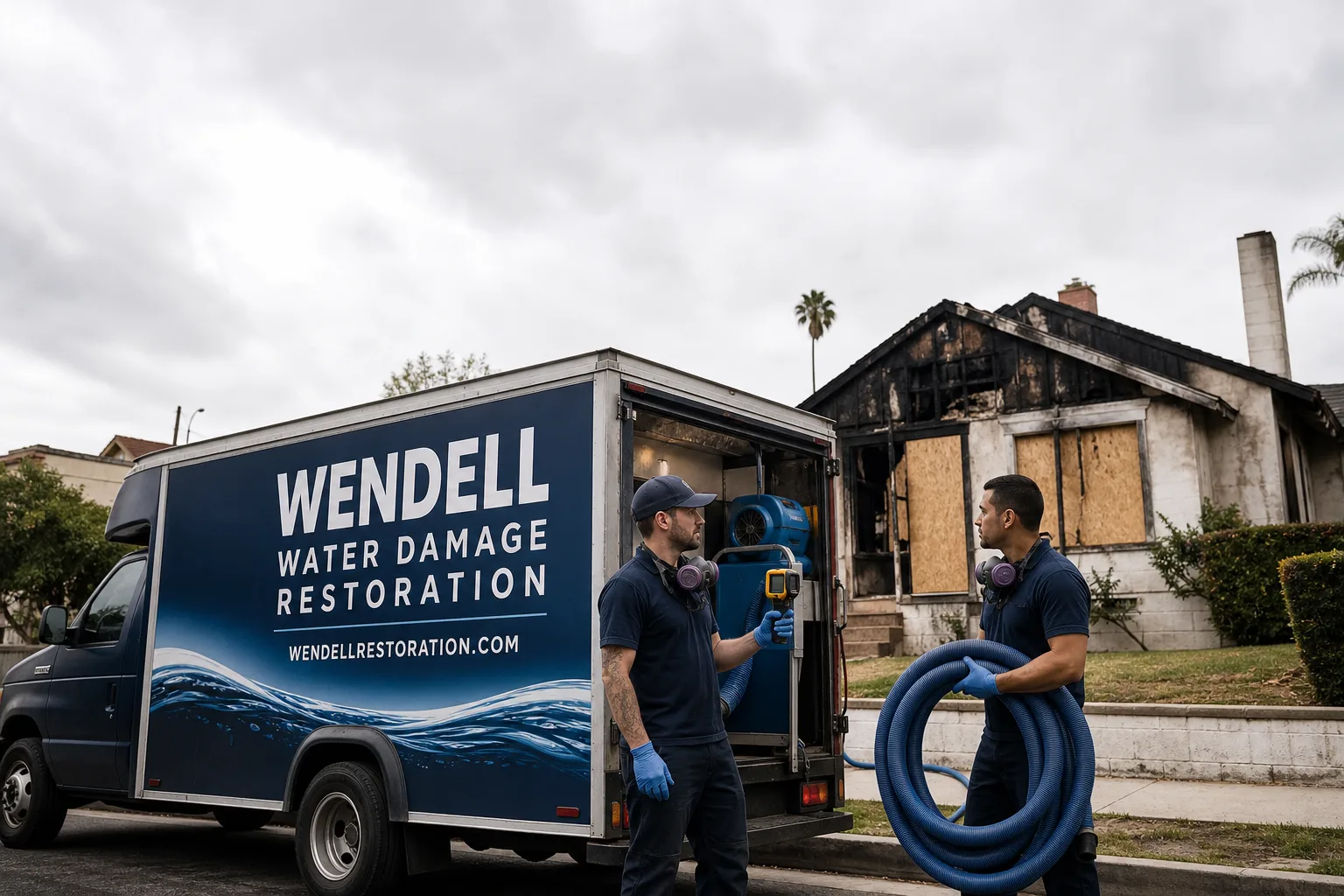
Free visual inspection and a written scope of work before any mitigation begins - photos, moisture readings, and drying logs go in your claim file
The scope we write is the scope we bill. Anything new gets shown to you, in writing, before we touch it.
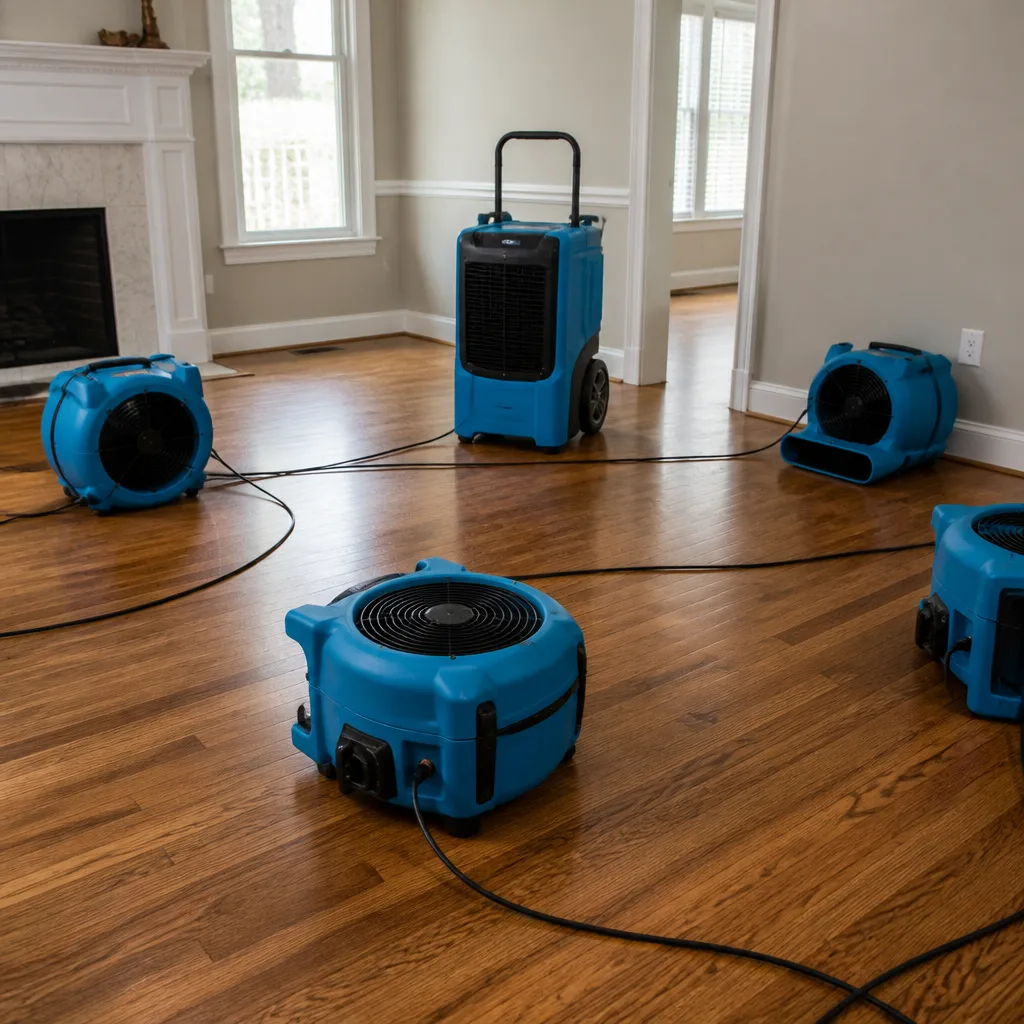

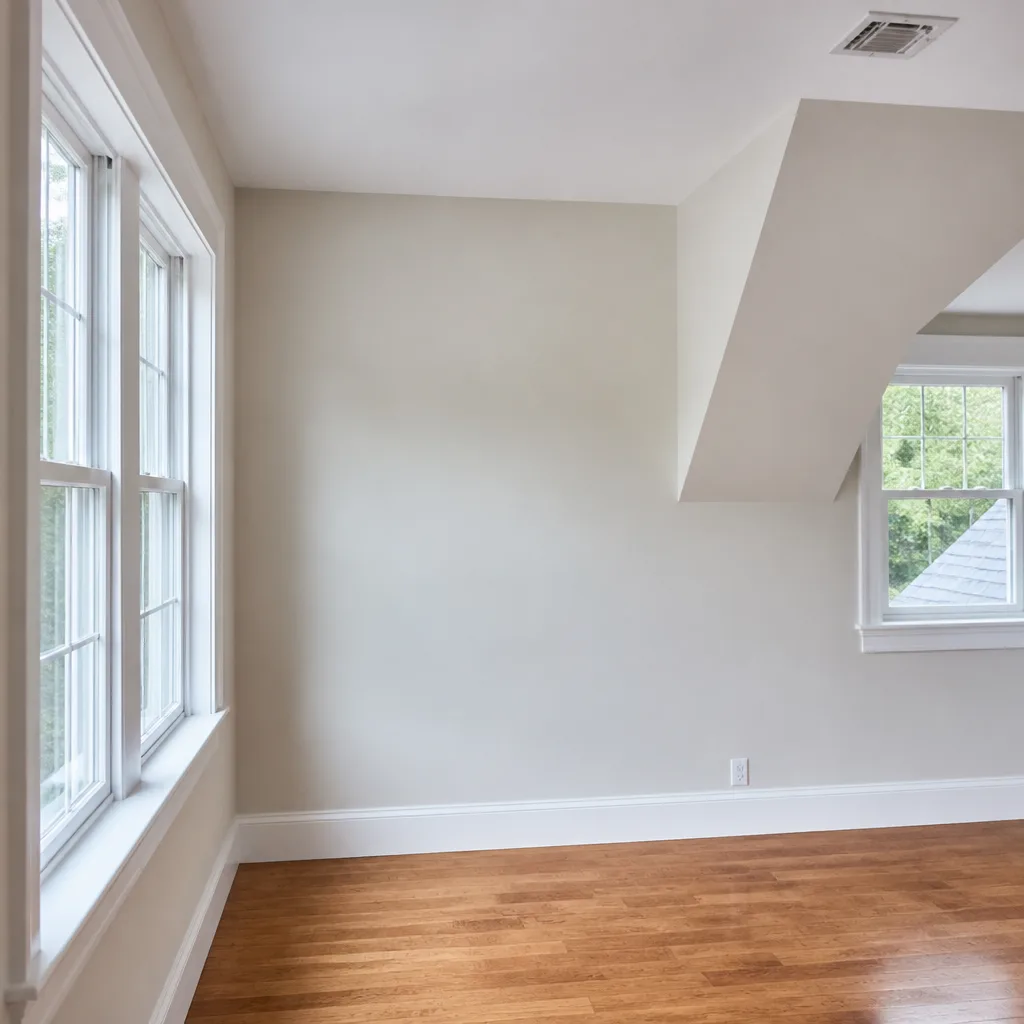

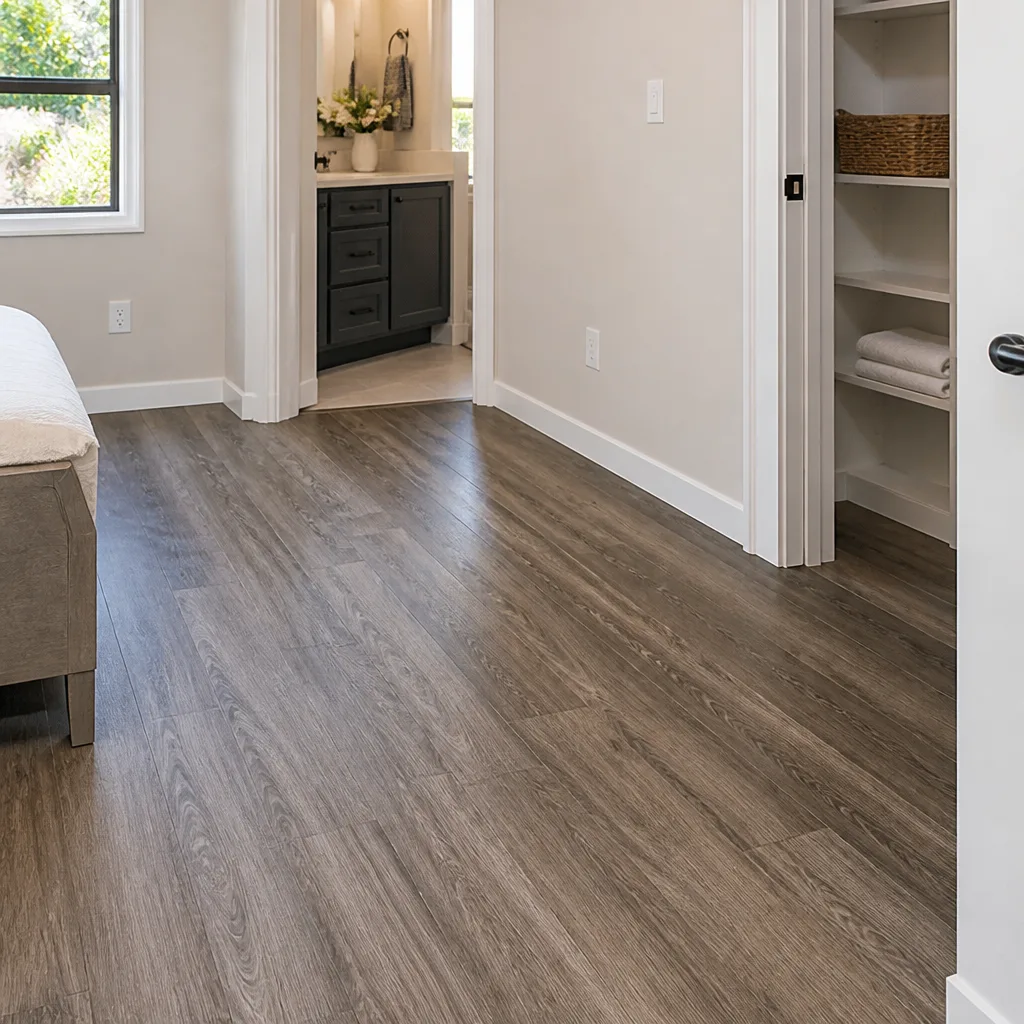

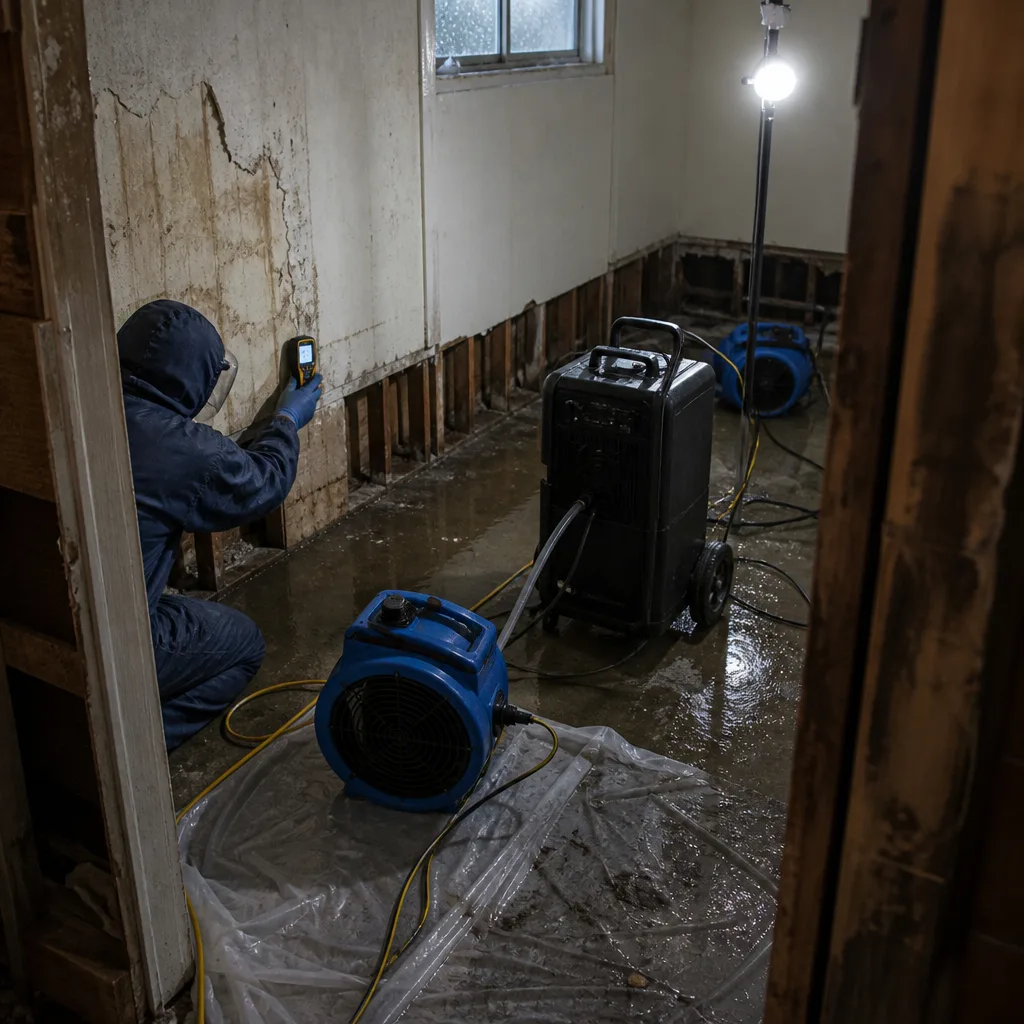 Before
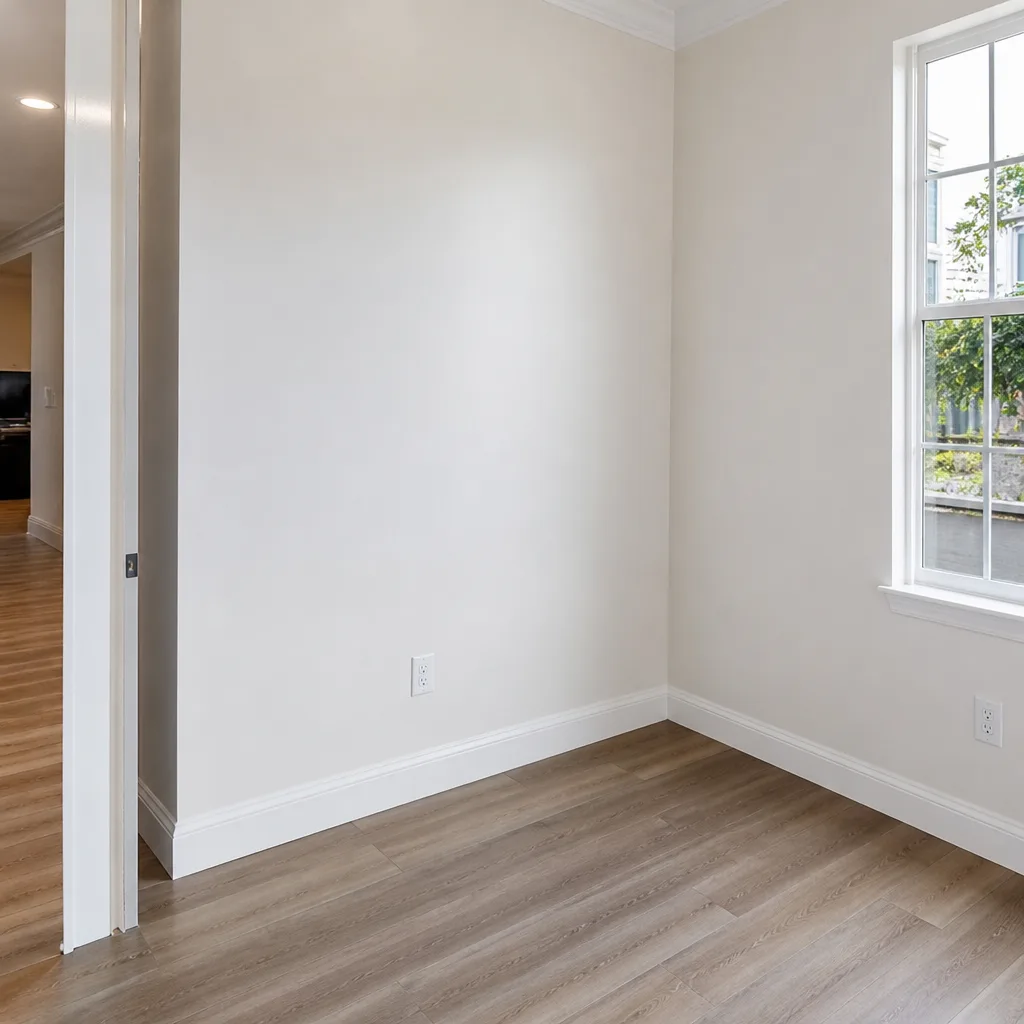 After
After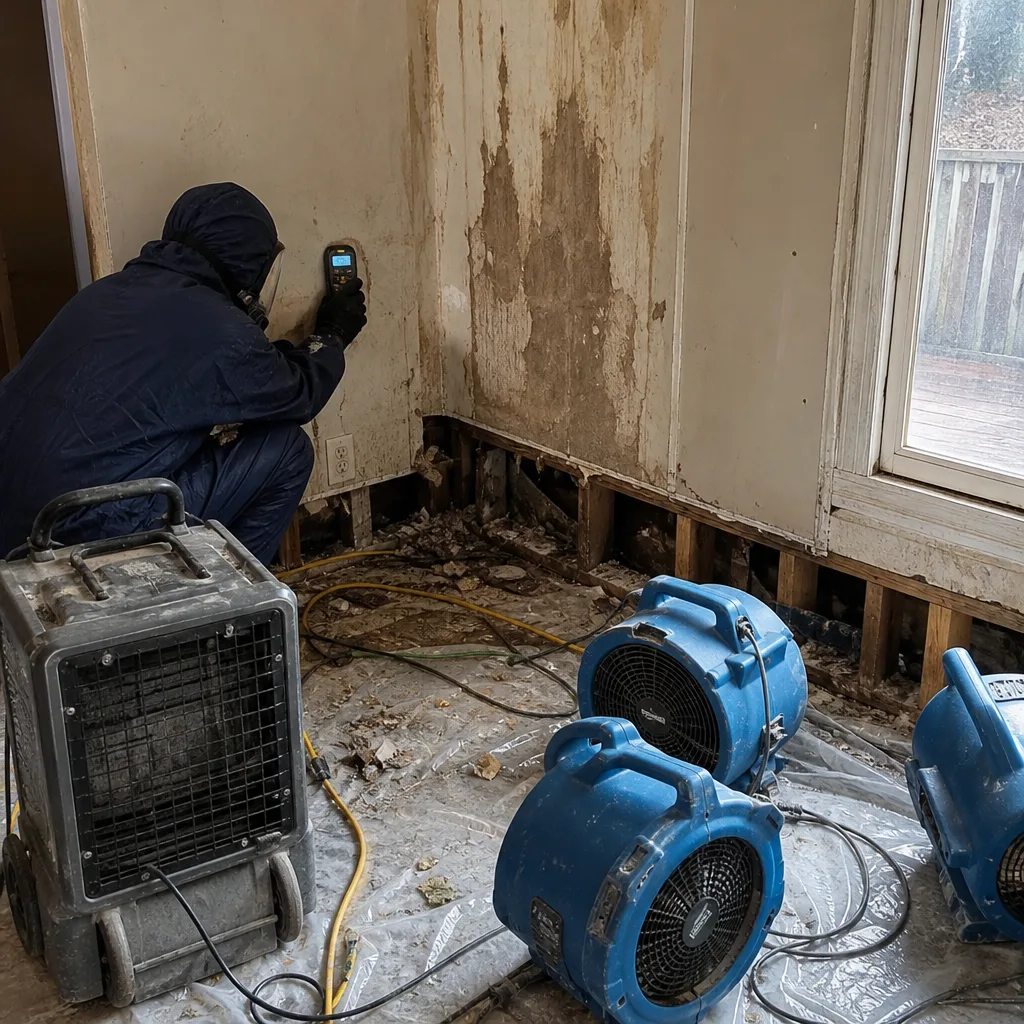 Before
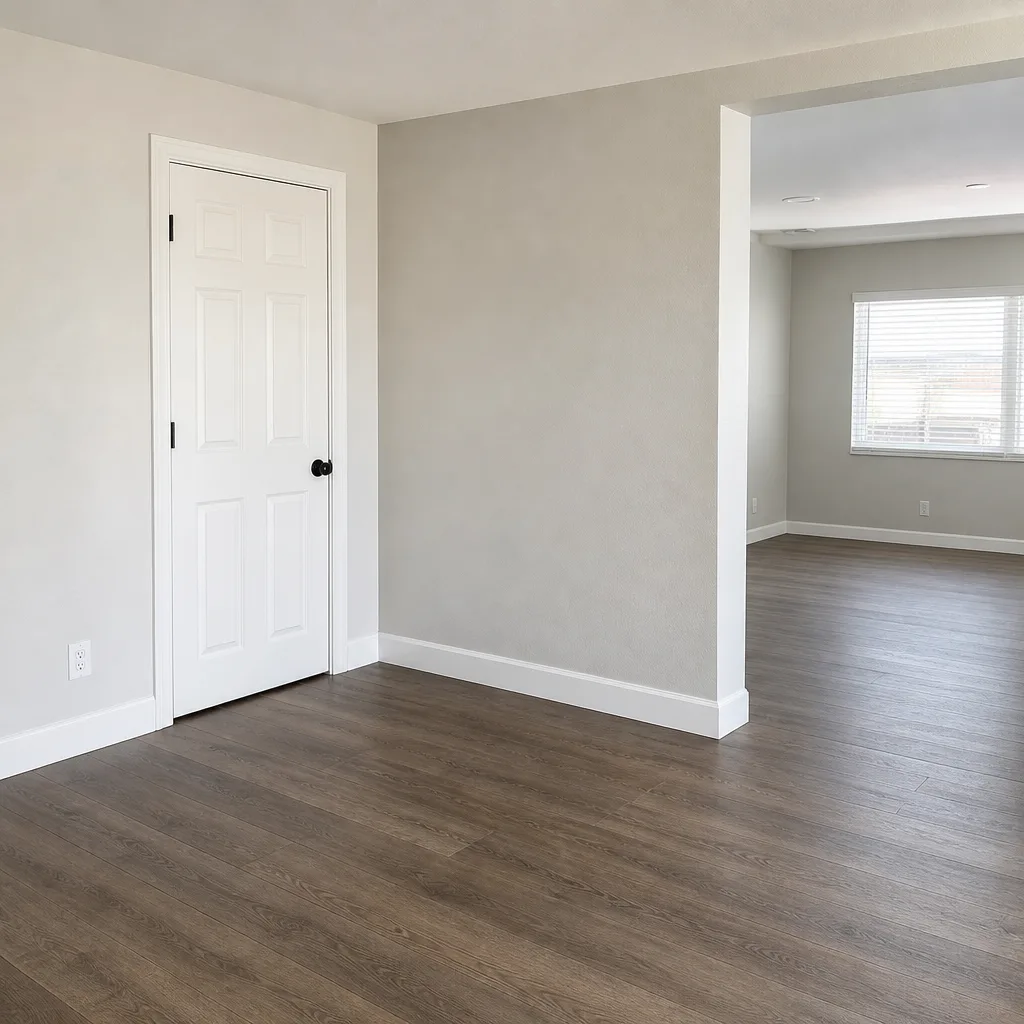 After
After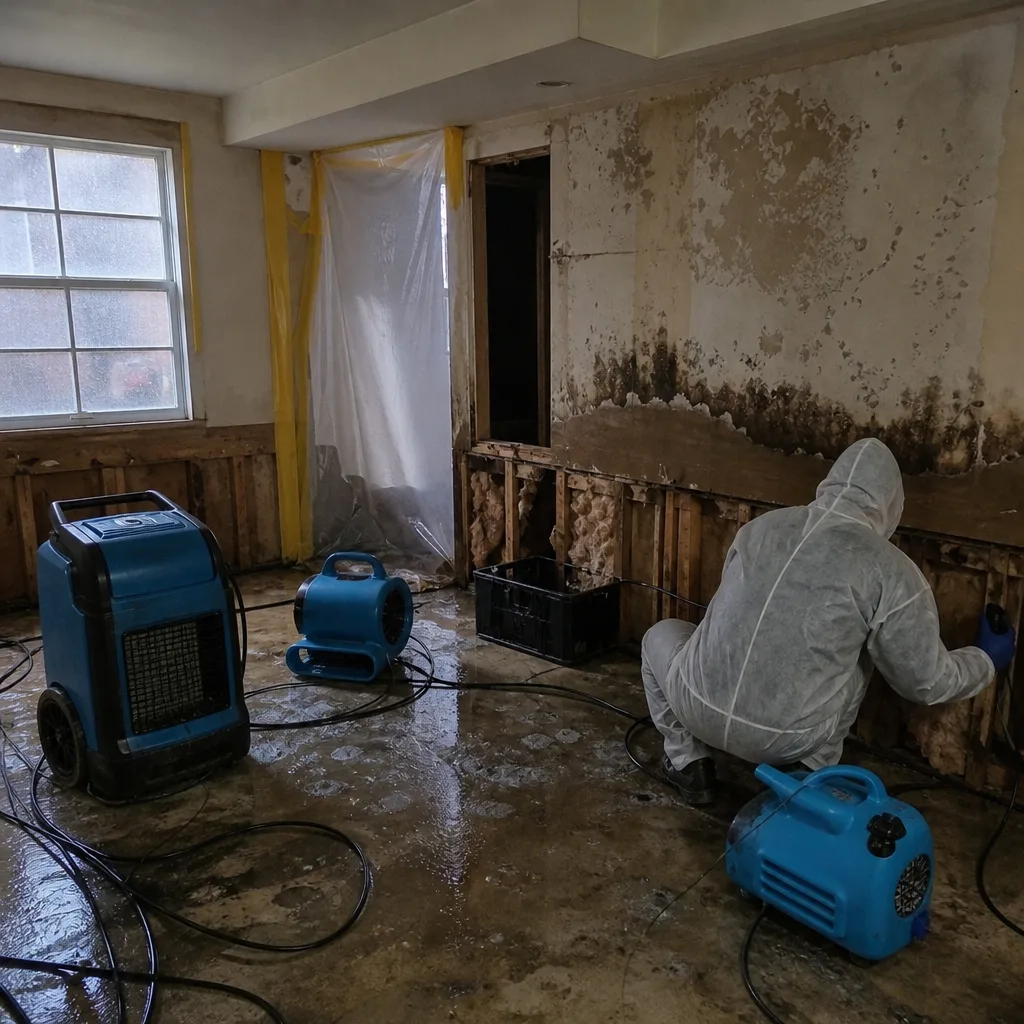 Before
 After
AfterFast, Reliable Water Damage Restoration Across Oceanside
Water damage restoration in Oceanside typically costs $1,800 – $6,500, with emergency water extraction alone running $500 – $1,300. Most Oceanside jobs are handled same-day, and we’ll often be on-site within 60 – 90 minutes of your call. If you’re standing in a wet basement off Long Beach Road or dealing with a burst supply line in a split-level near Schoolhouse Green, the priority is stopping water from moving through your framing and into drywall.
Wendell Water Damage Restoration has answered calls in Oceanside for everything from failed sump pumps on Waverly Place to Category 3 storm intrusion after a nor’easter. You’ll get a live person on the phone, a written price before any work starts, and a live arrival time you can track. Call (940) 466-4354 right now and we’ll tell you what to do in the next ten minutes, then get a crew rolling toward your home.
Why Wendell Water Damage Restoration Is Oceanside’s Preferred Water Damage Restoration Company
Oceanside homeowners keep telling us the same thing: they called three companies, got three callbacks, and picked us because a live person answered at 2 a.m. and gave them a real arrival window. That’s not an accident. Our Water Damage Restoration dispatch runs 24/7 because water doesn’t care if it’s a Tuesday afternoon or the middle of a holiday weekend.
We work in Oceanside every week, and we know the local housing stock. Split-levels off Foxhurst Road where a kitchen line leak travels down into a finished den. Pre-war colonials near the middle school with original cast-iron supply lines. Raised ranches south of Atlantic Avenue with pump rooms that smell like trouble every time the water table spikes. That local pattern recognition means we stop guessing and start drying faster.
Every Oceanside job gets the same three standing offers, in writing: a price before any work starts, the 365-Day Done Right Promise on every repair, and a free second visit if the repair fails. Blake Sorensen built this company in 2006 around exactly that kind of transparency, and our Oceanside customers hold us to it. If we say a wall cavity is dry, we’ll show you the moisture readings, not just tell you to trust us.
Emergency Water Removal in Oceanside
Emergency Water Removal in Oceanside usually starts with a frantic call after a sump pump died, a water heater let go, or a supply line burst behind a wall. The first hour on-site is focused on one thing: getting standing water out before it wicks into drywall, baseboards, and framing. In Oceanside, where much of the housing was built before modern waterproofing, that wicking happens fast because the slab and crawlspace conditions hold moisture differently than newer construction.
The extraction itself is a two-part process. First, truck-mounted or portable extraction pulls the bulk of the standing water. Then we pull the affected carpet pad, because carpet padding in an Oceanside basement will not dry in place. Once the pad is out, we map the moisture spread with meters and thermal imaging so we know exactly which walls and stud bays are wet, not just which floors look wet. That’s the difference between a dry surface and a dry structure.
For a finished basement in Oceanside, emergency extraction on a contained leak runs $500 – $1,300. For a larger event, like a hot water heater that emptied into a finished basement, the extraction and initial equipment set-up typically runs $1,200 – $2,500. You’ll get that number in writing before we touch a tool.
Standing Water Removal
Standing water in a slab-on-grade Oceanside home behaves differently than an elevated foundation. The water sits on the slab and wicks upward into base plates and drywall. We pull it with submersible pumps and extraction equipment, then get air movers and dehumidifiers running within the hour.
Wet Carpet and Pad Disposal
Oceanside basements with carpet over concrete rarely dry completely unless the pad comes out. We remove the pad, document it for your insurance photos, and either dry the carpet off-site or recommend replacement based on how long the water sat.
Flood Damage Restoration in Oceanside
Flood Damage Restoration in Oceanside means something specific, and it’s not the same as a clean-water pipe break. When water rises up through a slab after a coastal storm, or a sewer line backs up into a basement, the standing water is classified as Category 3. That’s contaminated water. It carries bacteria, sewage, and storm runoff. Oceanside sits on the South Shore, and when the water table rises during a storm, basements that have stayed dry for years suddenly move water up through floor cracks and sump pits.
Category 3 water requires more than drying. Contaminated drywall, carpet, pad, and any porous material below the water line should be removed and disposed of, not dried in place. In Oceanside storm events, we consistently see homeowners trying to dry a Category 3 basement like a Category 1 supply-line leak. That’s a mold problem waiting to happen, and a claim problem when the adjuster sees what wasn’t documented.
Flood restoration in Oceanside typically runs $3,500 – $8,500 for a finished basement with contaminated water, including extraction, demolition of affected materials, antimicrobial treatment, and structural drying. The range shifts based on square footage, how long the water sat, and whether hardwood or trim needs to come out. We always write the scope first, so the insurance conversation starts from a documented baseline.
Storm Water Intrusion
After heavy rain, Oceanside basements can take on water from overflowing window wells, failed French drains, or groundwater pushing through a cracked slab. We treat storm water that entered through saturated soil as potential Category 2 or 3 depending on where it traveled and how long it sat before we arrived.
Category 3 Pack-Out and Documentation
When contaminated water touches finished materials, those materials usually need to go. We photograph everything before and during removal, inventory every item we pack out, and hand you and your adjuster a documented scope. That documentation is often the difference between a covered claim and a dispute.
Trusted Brands We Service in Oceanside
We run our drying jobs on the same equipment brands used on large commercial loss sites, and we service all of them in-house. If your system is already running XPOWER air movers or a B-Air dehumidifier from a previous job, or you own an Injectidry floor system your contractor left behind, we can integrate it into the drying plan and log its performance. We stock common parts locally for Oceanside customers, so when a sensor or hose fails mid-job, we’re not waiting on a distributor. That means your structural drying stays on schedule instead of stalling for a part shipment. We also use thermography and moisture meters to validate each piece of equipment is doing what it should: moving air, pulling vapor, and dropping the drying chamber’s vapor pressure.
Common Water Damage Restoration Problems We See in Oceanside Homes
- Finished basements hiding wet conditions. Homeowners mop and shop-vac a flooded basement off Skillman Avenue themselves, but the slab and bottom plate stay wet below the surface. Mold starts on the drywall before anyone notices a smell, and by then the repair scope has doubled.
- Sump pump failures without a backup or alarm. A failed sump pump or clogged French drain gets replaced, yet the wet carpet pad and framing behind the finished wall are never opened up. The pump is new, but the wall cavity never actually finished drying.
- Coastal storm flooding treated like a clean pipe leak. Category 3 water pushes into a basement and gets dried like a Category 1 supply-line leak. Contaminated material stays in place, and the insurance claim gets complicated when the adjuster sees it wasn’t documented or removed.
- Cast-iron supply lines and polybutylene plumbing. Oceanside has plenty of pre-1970 housing stock with aging supply lines. When those fail, they fail behind walls and under slabs, and the leak is often discovered long after the water has wicked into framing.
Pricing for Water Damage Restoration in Oceanside, NY
Here’s what we typically see in Oceanside: emergency water extraction on a contained basement leak runs $500 – $1,300. Structural drying for a full finished basement with equipment and monitoring runs $1,800 – $4,000. Storm flood restoration with Category 3 contamination runs $3,500 – $8,500 depending on how much finished material comes out. A burst supply line behind a wall typically lands between $2,000 and $5,000 when you include extraction, opening the wall, drying, and repairs.
What actually moves the number: how long the water sat, whether the source was clean or contaminated, how much drywall and flooring we need to remove, and whether the home has one finished level or two. You’ll see the total in writing before work begins, no percentages, no vague allowances. Call (940) 466-4354 for a free estimate.
We Also Serve Cities Near Oceanside
Beyond Oceanside, our crews regularly run to Oceanside‘s neighboring communities: East Rockaway, Rockville Centre, Baldwin, and Lynbrook. The same live dispatch, written pricing, and before-and-after photo updates apply on every one of those runs.
Serving Oceanside, NY - Our Local Coverage Area
We’re based in the Oceanside area and know this community well. Use the map below to see our service coverage - if you’re nearby, we can almost certainly help.
FAQs About Water Damage Restoration in Oceanside
Most Oceanside homes see a crew on-site within 60 to 90 minutes of your call. Our dispatch runs 24/7 from the brand’s New York City office, and crews serving Oceanside are staged locally so travel time stays short. When you call (940) 466-4354, you’ll speak to a live person, not a callback queue, and get a specific arrival window you can track.
Yes, and it matters. Storm water from a flooded Oceanside basement is usually classified as Category 3 or Category 2, meaning contaminated water that requires removal of affected porous materials, not just drying. A clean burst supply line is Category 1 water, which can often be dried in place. We document both accordingly for your insurance adjuster.
We’re not an adjuster, but we produce the documentation your adjuster needs first: photo logs, moisture readings, material inventories, and a written scope of work. We photograph before, during, and after, and we hand you a packet you can send straight to your carrier. We’ll also work directly with your adjuster if they have questions while they’re on-site.
We use psychrometric drying, which means tracking the air’s moisture level, the material’s moisture content, and the vapor pressure in each drying chamber so we know when your home is truly dry, not just surface-dry. We log moisture readings daily in every affected stud bay and floor section, and we show you the numbers. When the readings hit dry standard, the equipment comes out, not before.
We run our own professional-grade equipment: Dri-Eaz dehumidifiers, Phoenix air movers, XPOWER and B-Air units, and Injectidry floor drying systems. That means we’re not waiting on a rental house to release equipment on a Saturday night, and our techs know exactly how each unit performs. In Oceanside, that equipment availability is what makes same-day setup possible.
Written by Blake Sorensen, Owner at Wendell Water Damage Restoration, serving Oceanside with water, mold, and repair services since 2006.