
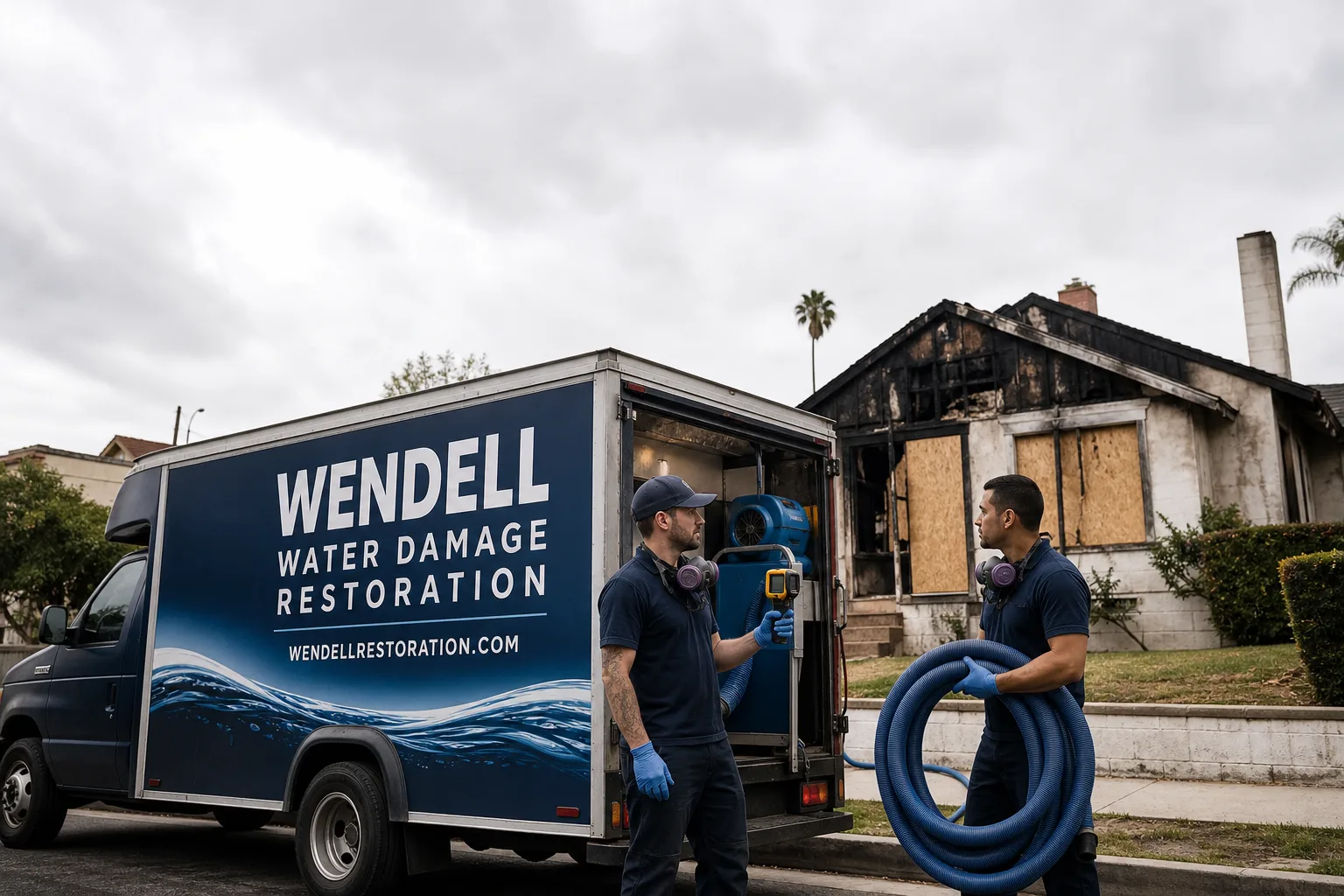
Free visual inspection and a written scope of work before any mitigation begins - photos, moisture readings, and drying logs go in your claim file
The scope we write is the scope we bill. Anything new gets shown to you, in writing, before we touch it.
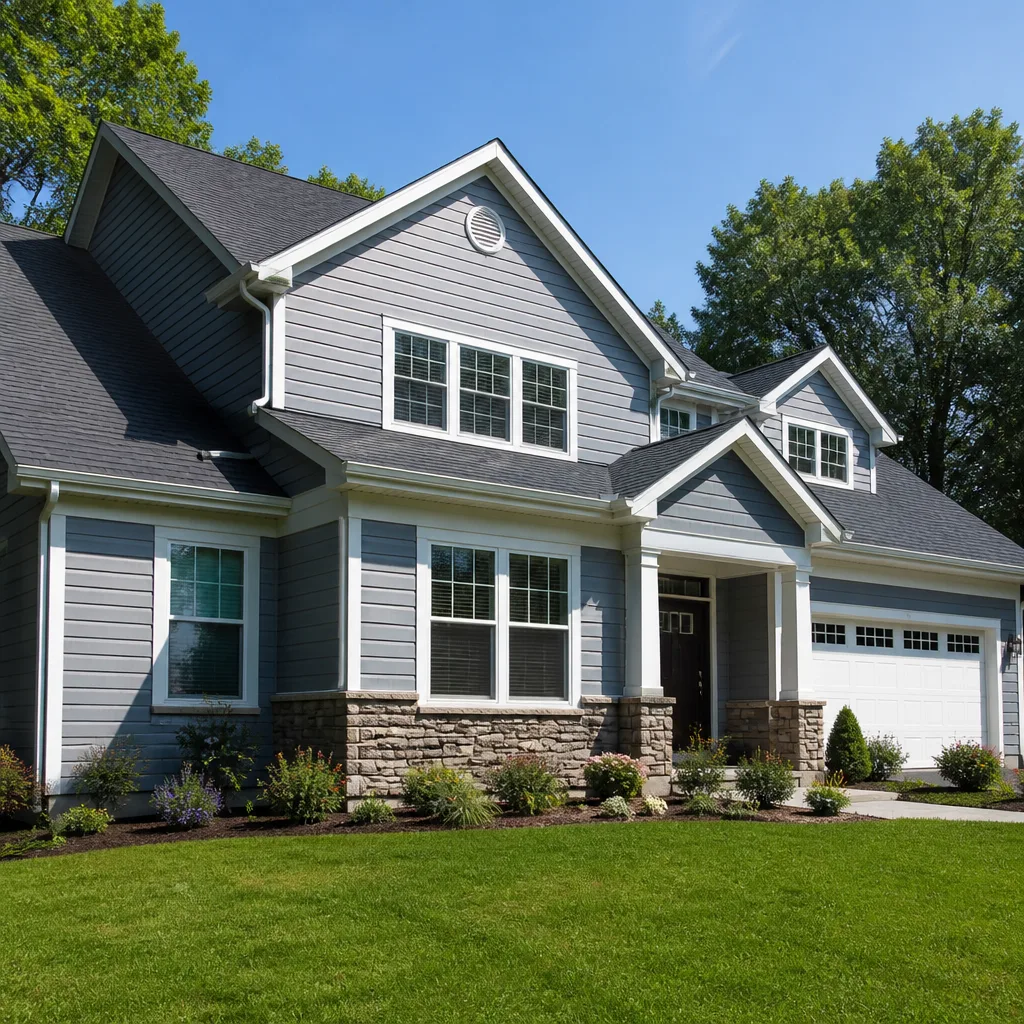
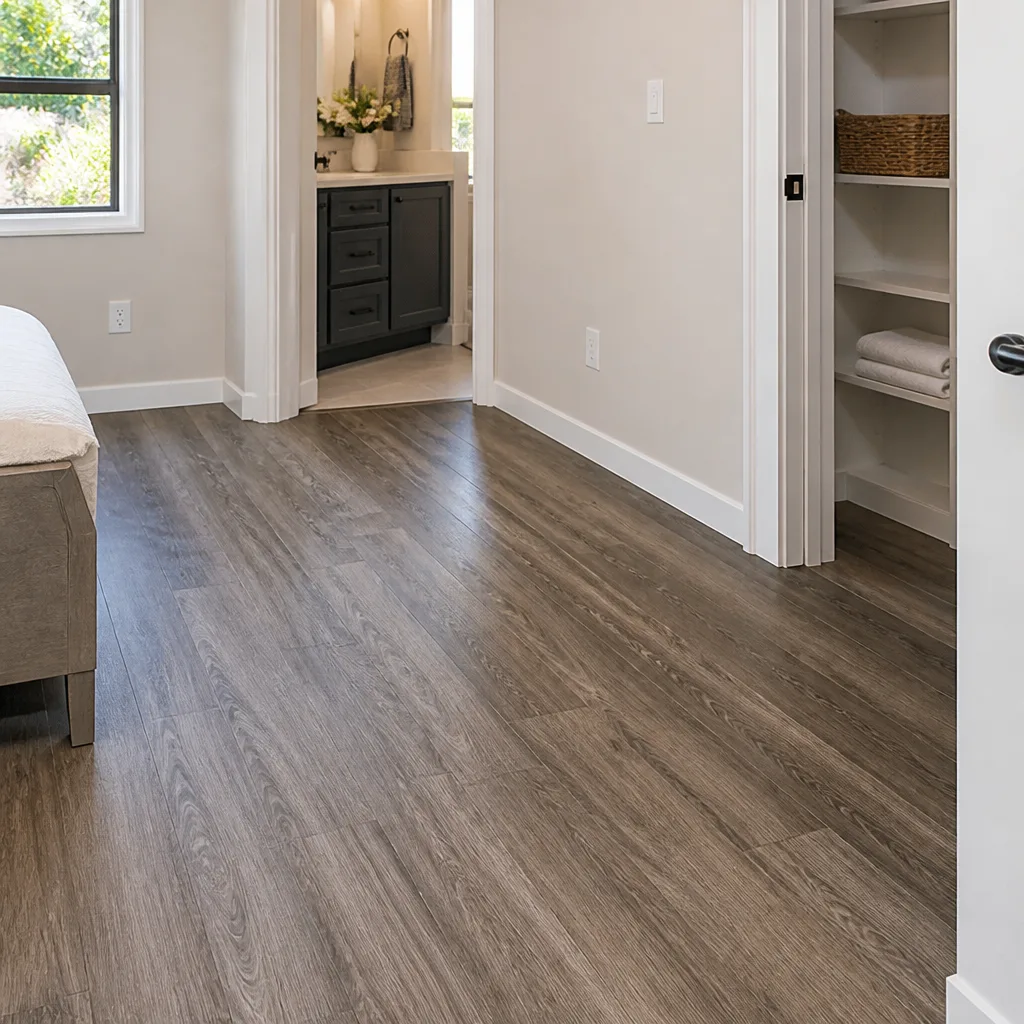
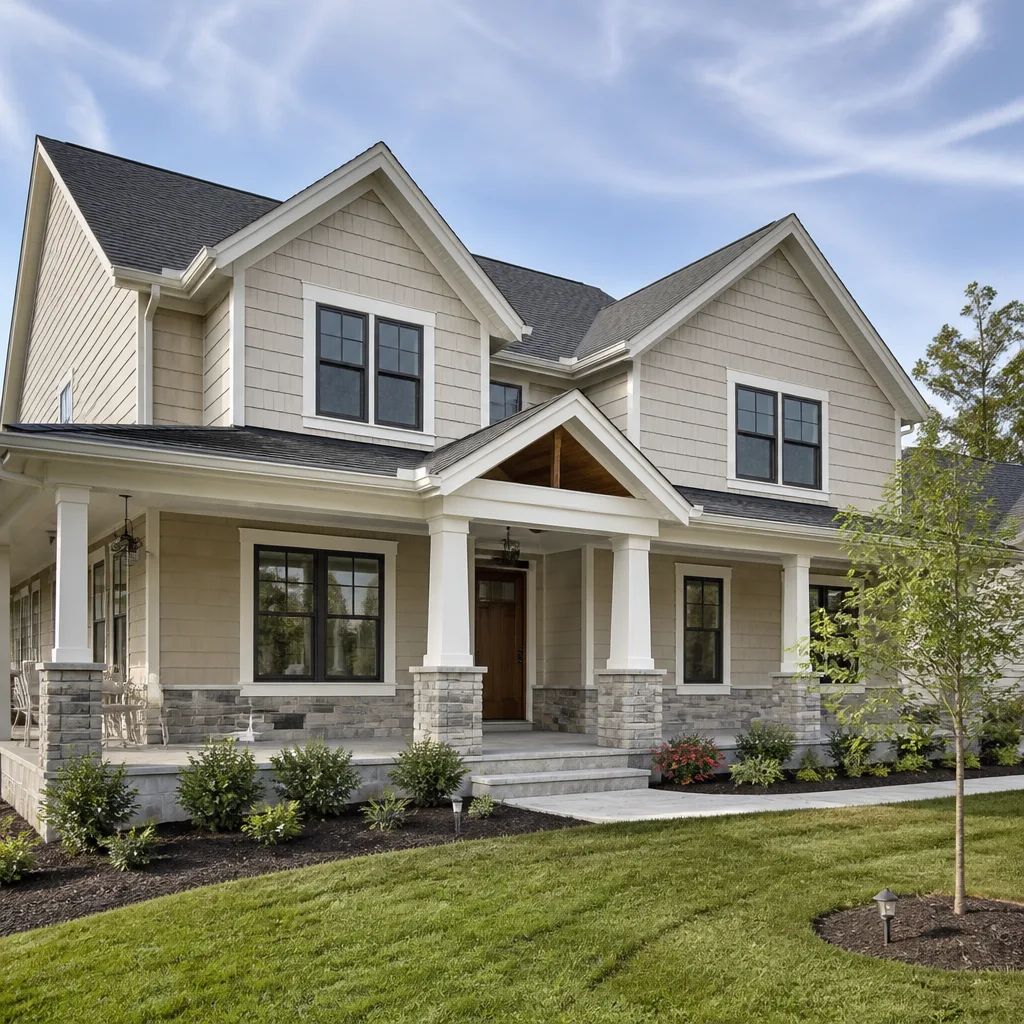
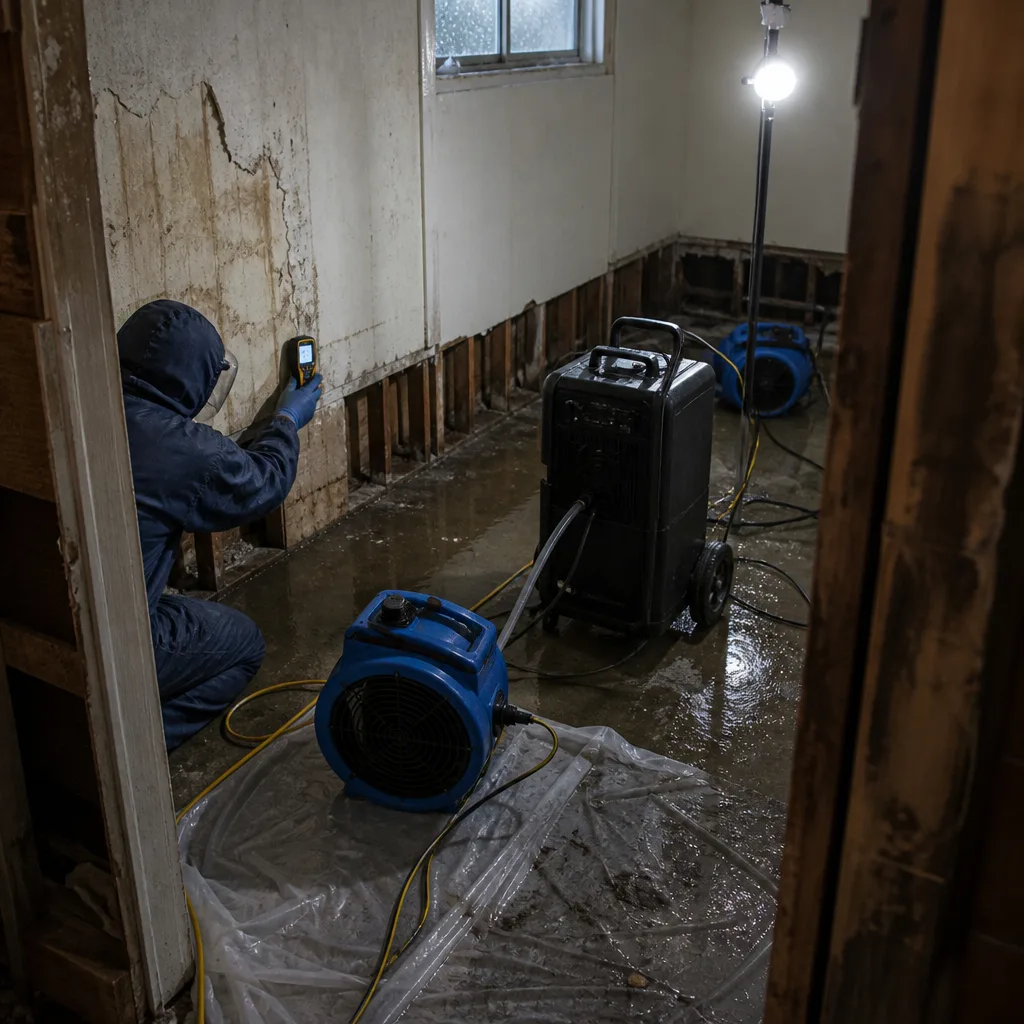 Before
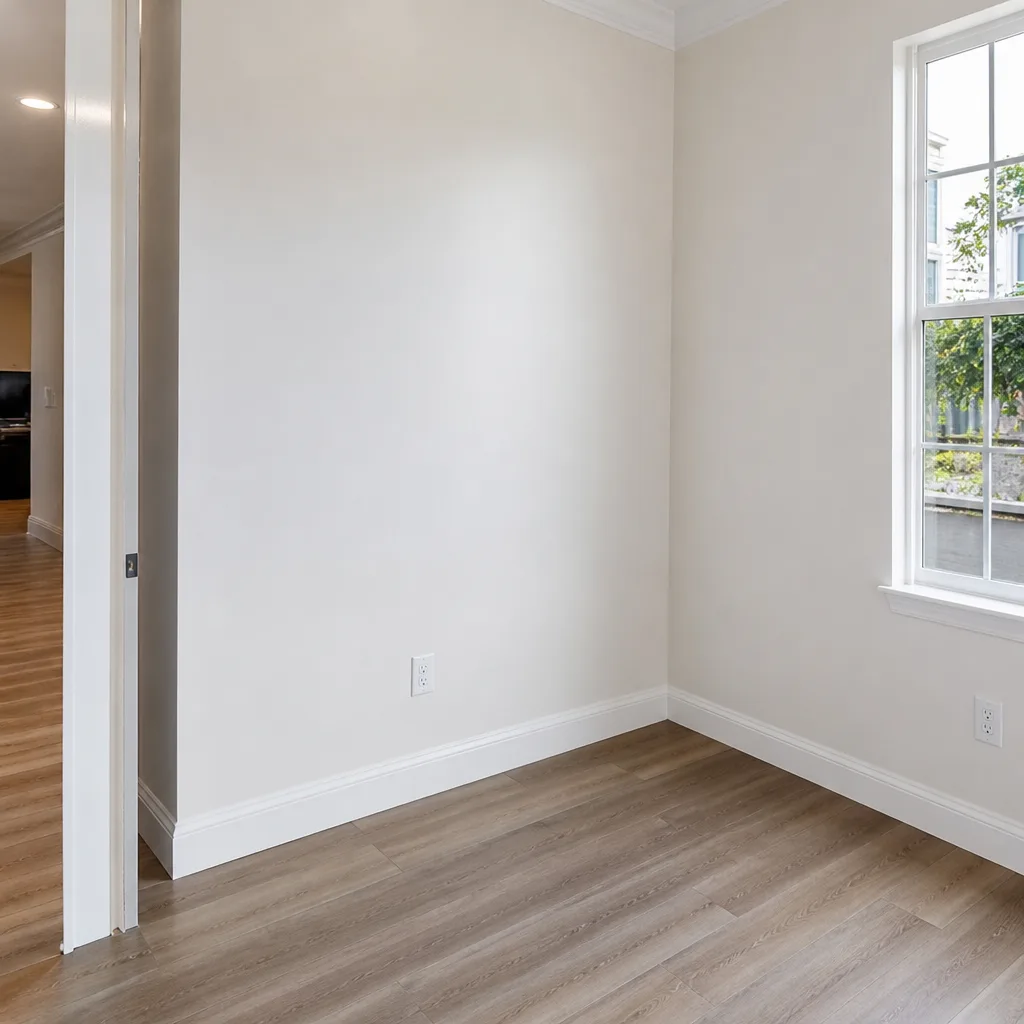 After
After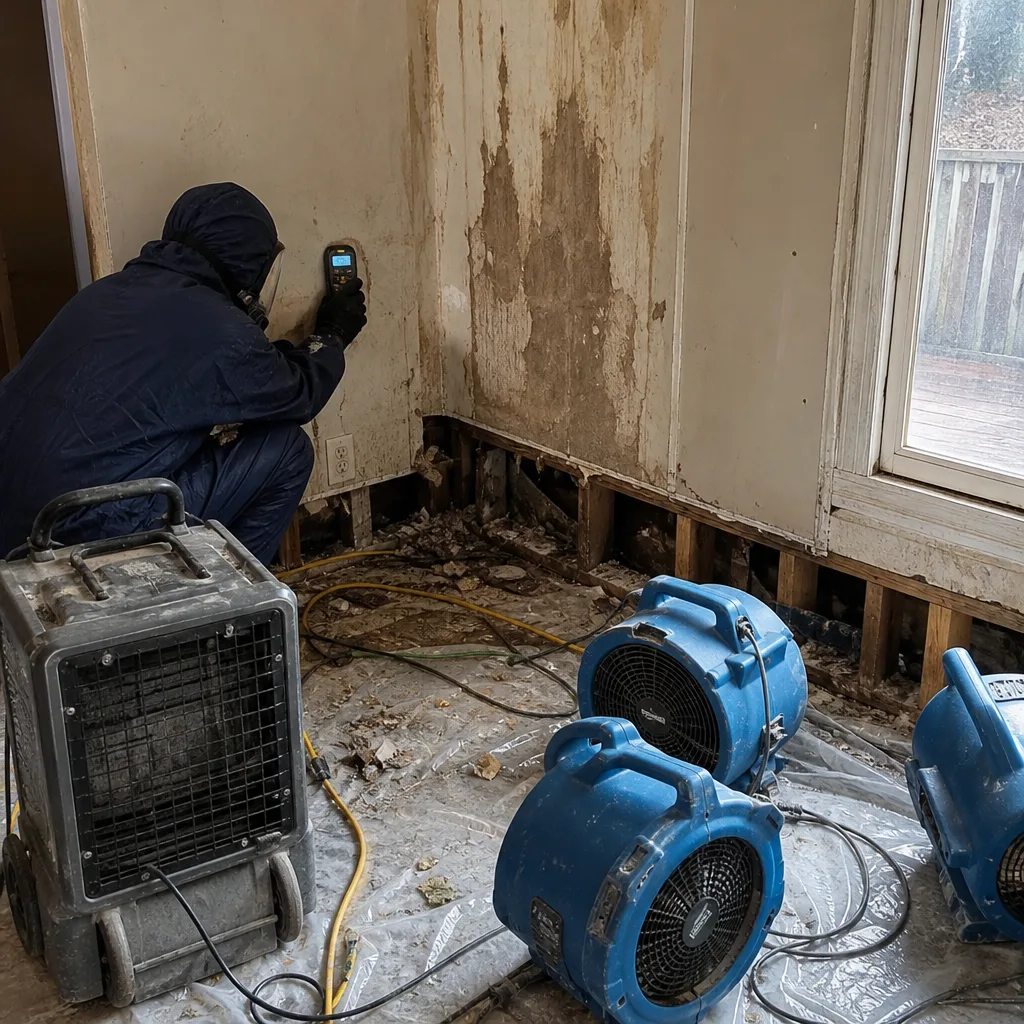 Before
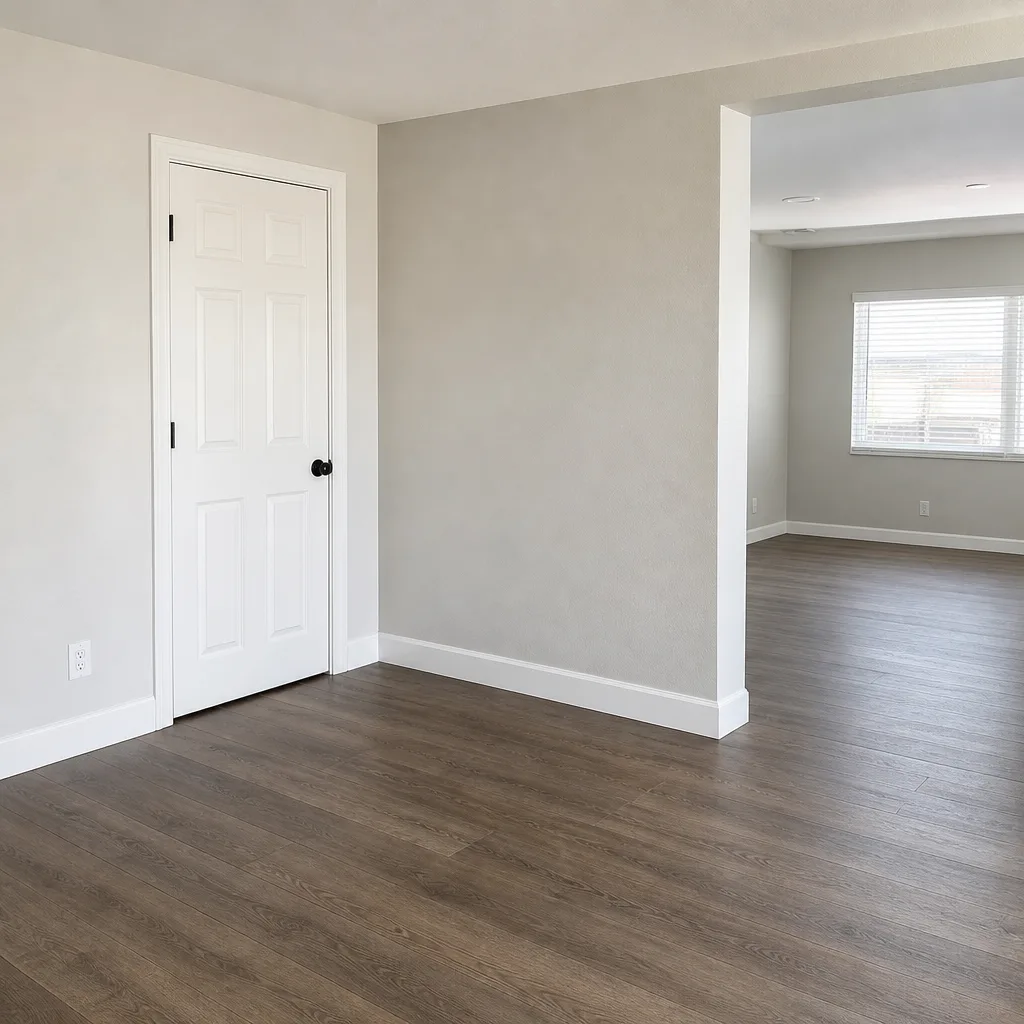 After
After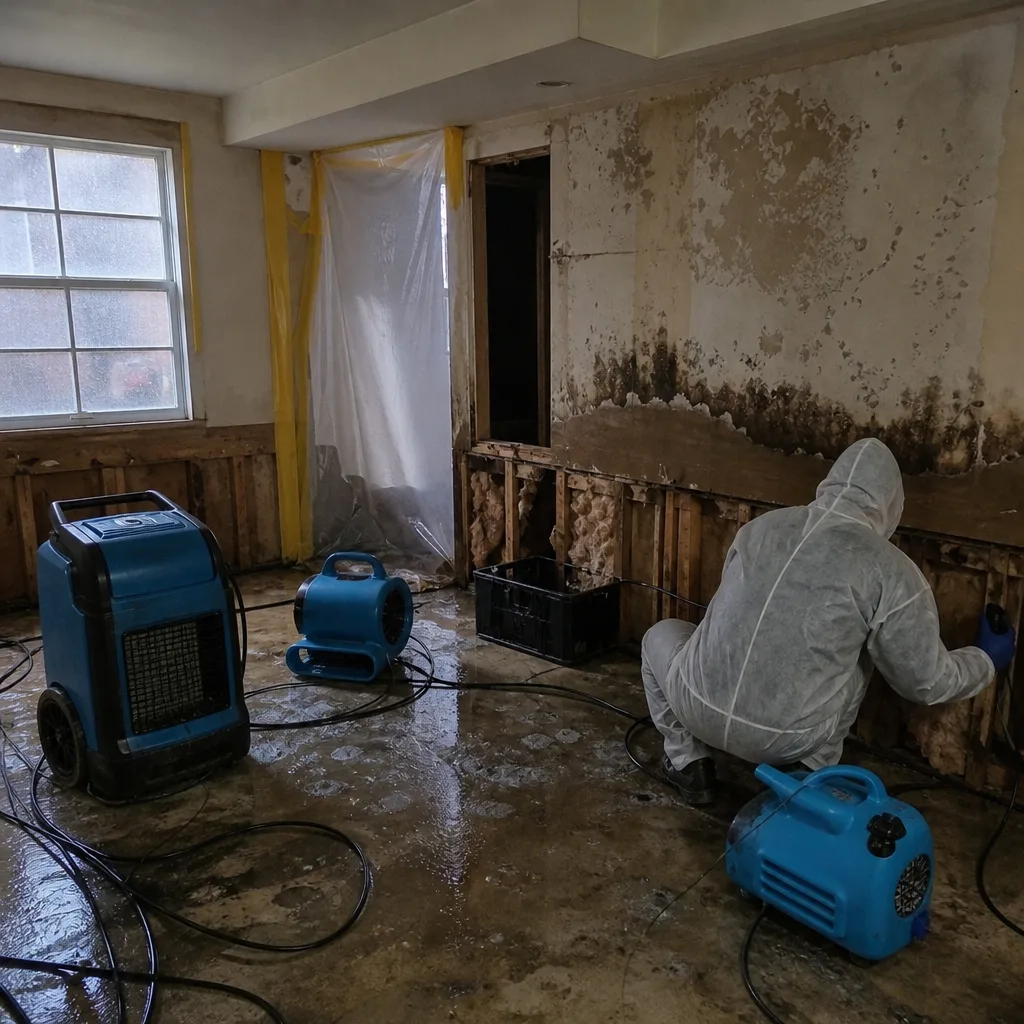 Before
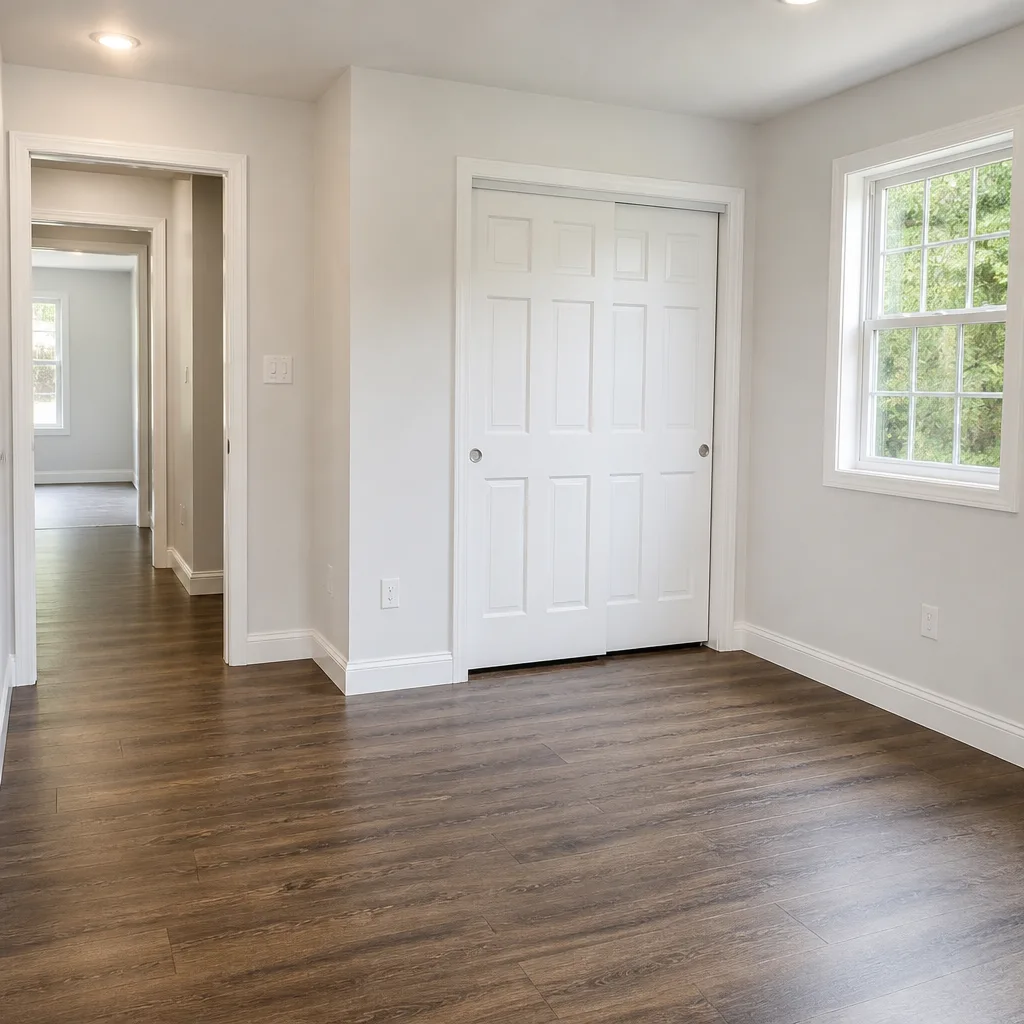 After
AfterFast, Reliable Water Damage Restoration Across NoHo
Water damage restoration in NoHo usually costs between $2,100 and $6,800 depending on how far the water traveled and whether it sat long enough to change categories. Most calls from NoHo lofts and walk-ups get a crew dispatched within 45 to 90 minutes, because standing water inside a cast-iron loft conversion does not wait politely. Our Water Damage Restoration team works in NoHo every week, and we know exactly how water behaves in these buildings, which is rarely the way it behaves anywhere else in Manhattan. If you’re standing in water right now, call (940) 466-4354 and a live person answers, not a phone tree.
NoHo’s cast-iron loft buildings and pre-war walk-ups share plumbing risers, party walls, and floor joists in ways that newer construction never does. That means a broken supply line in 3B does not stay in 3B, it finds its way into 3A and 3C through the floor assembly. We’ll get into what Water Damage Repair in NoHo means for drying, pricing, and whether your co-op board gets involved.
Why Wendell Water Damage Restoration Is NoHo’s Preferred Water Damage Restoration Company
NoHo owners call us because we show up with a written price and a live arrival time, not a vague window. Blake Sorensen runs the team, and he’s built the entire operation around one idea: you should know what a water loss costs before anyone touches a tool. Every job starts with a scope of work in writing, a digital invoice texted to your phone, and before-and-after photos sent to you as the job progresses. Nobody in NoHo should have to guess whether their loft is actually dry.
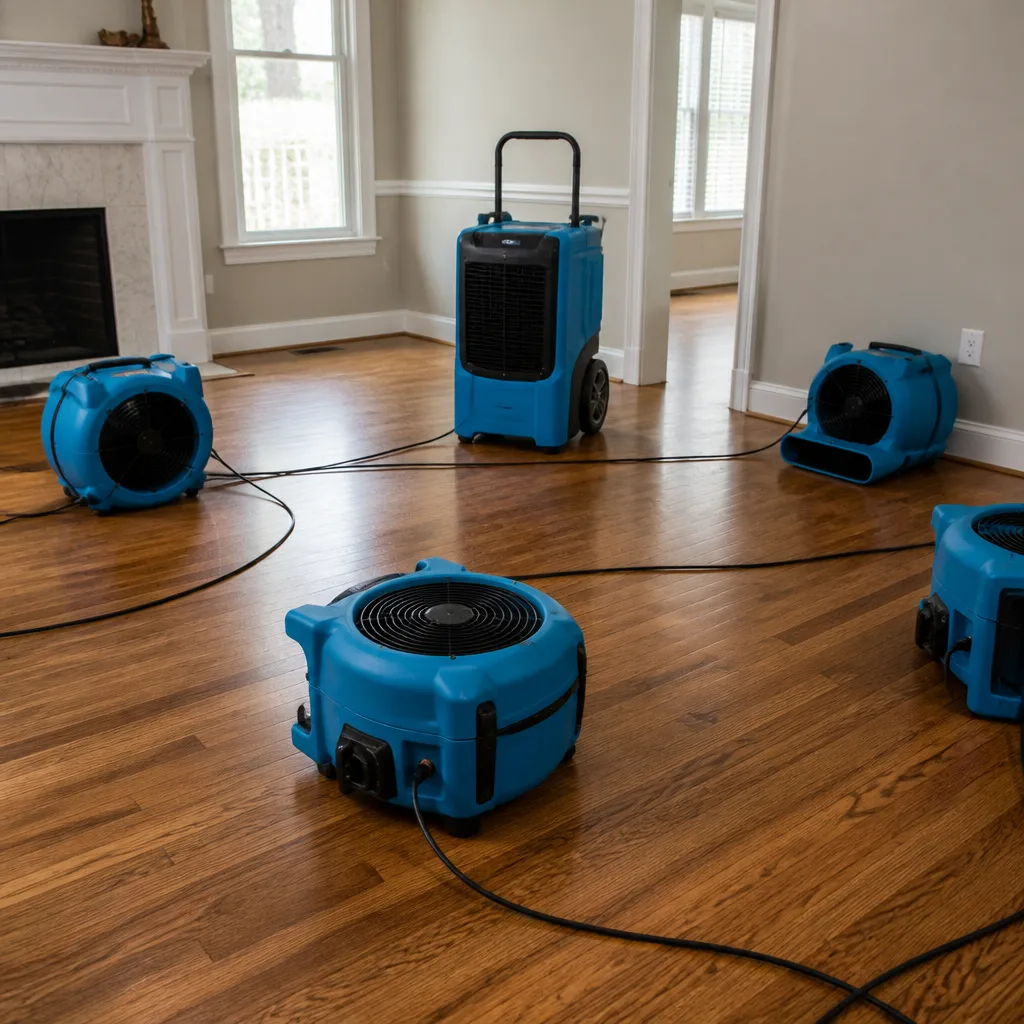
Our technicians are background-checked and uniformed, and they carry Dri-Eaz and Phoenix drying equipment plus Injectidry mats for hard-to-reach floor cavities. That matters in NoHo because the floors are often original 19th-century pine over wood joists, and you cannot just point a fan at that and call it dry. We follow IICRC, RIA, and IFA standards on every job, the same protocols used on large commercial losses.
We also answer the phone at 3 a.m. like it’s 3 p.m. Water damage does not keep business hours, and neither does Wendell. If your co-op board needs documentation to process an insurance claim or a neighbor’s complaint, we provide the drying logs, moisture maps, and photo records that make those conversations shorter.
Water Mitigation in NoHo
Water Mitigation in NoHo means stopping the spread first, then drying the building the right way, and it typically runs $1,800 to $4,200 for a standard loft or walk-up unit. The first 48 hours determine whether your original flooring survives or gets replaced, and in NoHo that floor might be 150-year-old pine that cannot be swapped for a Home Depot match. Our team arrives, stops the source if it’s still leaking, extracts standing water, and sets up psychrometric drying (tracking the air’s moisture level so we know when your building is truly dry, not just surface-dry). Every job gets a written scope of work before extraction begins, so you’re never approving costs blind.
Containment and Category Classification
We classify every water loss as category 1, 2, or 3 before we touch anything. A clean supply-line break under a NoHo kitchen sink is category 1. A slow radiator leak that sat for six days and soaked the subfloor is category 2, which means porous materials like drywall and insulation get removed rather than dried in place. Finishing cellars over old marsh fill that back up during heavy rain are category 3, and we treat those with containment barriers and antimicrobial application before any drying equipment even gets plugged in.
Structural Drying That Goes Under the Floor
Cast-iron loft buildings trap moisture between floor layers in ways a surface meter completely misses. We run moisture mapping with penetrating and non-penetrating meters across the entire affected footprint, including the party wall shared with your neighbor. When moisture readings are elevated two lofts over, the drying chamber has to cover that space too, or the problem comes back in six months as mold and warped flooring.
Flooded Basement in NoHo
A Flooded Basement in NoHo is rarely a simple pump-out, because most NoHo cellars sit over former marsh-drained fill and the water coming up is often category 3 from the sewer, not clean groundwater. Expect to pay between $2,400 and $6,500 for full basement water removal, decontamination, and drying in this neighborhood, depending on square footage and how long the water sat. We start with extraction pumps, then set up negative air containment so airborne contaminants from sewage backup don’t migrate into your living space above.
Sewer Backups and Category 3 Water
When heavy rain hits NoHo, the combined storm-sanitary sewers under Broadway and Lafayette can’t always keep up, and finished cellars take the hit. This water carries bacteria, and running a few box fans after a pump-out leaves odor and contamination behind. We apply antimicrobial treatment to every affected surface, remove porous materials that absorbed sewage water, and only then begin drying. If your basement floor is original brick or stone, we test for moisture migration before deciding what gets removed versus what gets dried in place.
Party Wall Water Migration
Water from a basement backup or a burst pipe doesn’t stop at your lot line. NoHo’s party walls run brick-on-brick between buildings, and moisture wicks laterally through masonry at a slow, steady rate. We’ve seen single-unit leaks where the neighbor’s basement two doors down showed elevated moisture readings on our meters. That’s the hidden cost of a NoHo basement flood: the drying scope often extends beyond the original unit, and we document every reading so you can show the co-op board or your insurer exactly what happened and where.
Trusted Brands We Service in NoHo
NoHo homeowners trust NoHo buildings that run on specific systems, and we service the brands most common in these lofts and walk-ups. Our technicians work on water damage involving original cast-iron radiator lines, gravity-fed plumbing risers, and the pump systems that keep finished cellars dry. We stock Injectidry mats and XPOWER air movers specifically because these units fit tight loft stairwells and low-clearance cellars where bigger commercial gear won’t make the turn. When your co-op board asks what equipment we’re using, we hand them the cut sheet before they ask. Parts for common NoHo plumbing and drying configurations are kept ready, which cuts turnaround time on the jobs that matter most.
Common Water Damage Restoration Problems We See in NoHo Homes
- Moisture hiding in cast-iron loft party walls. A leak in one unit often reads dry on the surface while elevated moisture lingers two lofts over, behind brick and plaster. Untrained crews close up early, and the building keeps holding water.
- Slow supply-line and radiator leaks misclassified as clean water. Pre-war walk-ups have original plumbing that drips for weeks before anyone notices. By the time we’re called, a category 1 loss has become category 2, and drying-in-place is no longer safe for porous materials.
- Finished cellars over marsh fill backing up with sewage. NoHo sits on former marshland, and during heavy rain the cellars flood with category 3 water. Crews that skip containment and antimicrobial treatment leave odor and contamination behind, even after the water is gone.
- Original pine floors that won’t tolerate surface-only drying. A fan on top of the floor doesn’t reach the subfloor pocket between joists. We use Injectidry mats and Phoenix air movers in negative-pressure configurations to pull moisture out from below, which preserves the original material you can’t replace cheaply.
Pricing for Water Damage Restoration in NoHo, NY
Here’s what water damage restoration actually costs in NoHo right now. Emergency water extraction runs $800 to $1,800. Full structural drying with dehumidification runs $1,500 to $3,800, depending on affected square footage and whether party walls are involved. Category 3 basement decontamination and drying runs $2,400 to $6,500. Burst pipe restoration with drywall and paint runs $2,000 to $4,500. These ranges cover most NoHo lofts and walk-ups. The price goes up when water has traveled into neighboring units or when original materials need specialized drying. Every estimate is free, written, and texted to you before work starts. Call (940) 466-4354 and we’ll walk you through it.
We Also Serve Cities Near NoHo
Our crews serve NoHo and the surrounding boroughs, so if you are in Water Damage Restoration in NoHo or nearby, we can usually have a technician at your door within the hour. We cover Brooklyn, Queens, Manhattan, and The Bronx with the same written-price-first process. Same phone, same live answer: (940) 466-4354.
Serving NoHo, NY - Our Local Coverage Area
We’re based in the NoHo area and know this community well. Use the map below to see our service coverage - if you’re nearby, we can almost certainly help.
FAQs About Water Damage Restoration in NoHo
We typically arrive in NoHo within 45 to 90 minutes of your call, and you’ll get a live arrival time you can track on your phone rather than a four-hour window. Water damage in cast-iron loft buildings spreads through party walls and floor cavities quickly, so our technicians prioritize NoHo calls with emergency dispatch. Call (940) 466-4354 and a live person answers, 24/7.
NoHo’s cast-iron lofts and pre-war walk-ups share structural joists, brick party walls, and floor assemblies, so water from a broken supply line or radiator leak travels laterally before it puddles where it’s visible. We use moisture mapping across walls and floors to find how far the water actually went, including into neighboring units, and we document every reading so you and your co-op board can see the full scope. Estimates are free, and we put the numbers in writing before any work starts.
If the water came from a clean supply line or a radiator, it’s likely category 1 or 2. If it came up through a floor drain or a sewer backup during heavy rain, it’s category 3 and needs containment plus antimicrobial treatment before drying. NoHo’s cellars sit over former marsh fill, which makes sewer back-ups during storms more common than in neighborhoods on higher ground. Call (940) 466-4354 and we’ll classify it on-site and show you the standard we’re using.
Yes. We provide moisture maps, drying logs, before-and-after photos, and a written scope of work in the format boards and insurers actually ask for. That documentation is what lets a NoHo owner show pre-loss condition and settle neighbor claims without a fight. We text everything to you, so you can forward it to your board or adjuster from your phone.
We use Dri-Eaz and Phoenix dehumidifiers, XPOWER air movers, and Injectidry mats for drying floor cavities and party walls that other equipment can’t reach. These are the same brands and configurations used on commercial loss sites, and they’re deployed under IICRC, RIA, and IFA standards. Call (940) 466-4354 for a free assessment and a written drying plan specific to your building.
If you’ve got water where it shouldn’t be in NoHo, call (940) 466-4354. We’ll give you a live arrival time, a written price before any work starts, and before-and-after photos so you know the job was done right. The 365-Day Done Right Promise is included on every repair, and if it’s not done right, we make it right, in writing.
Written by Blake Sorensen, Owner at Wendell Water Damage Restoration, serving NoHo and the surrounding New York City area.