
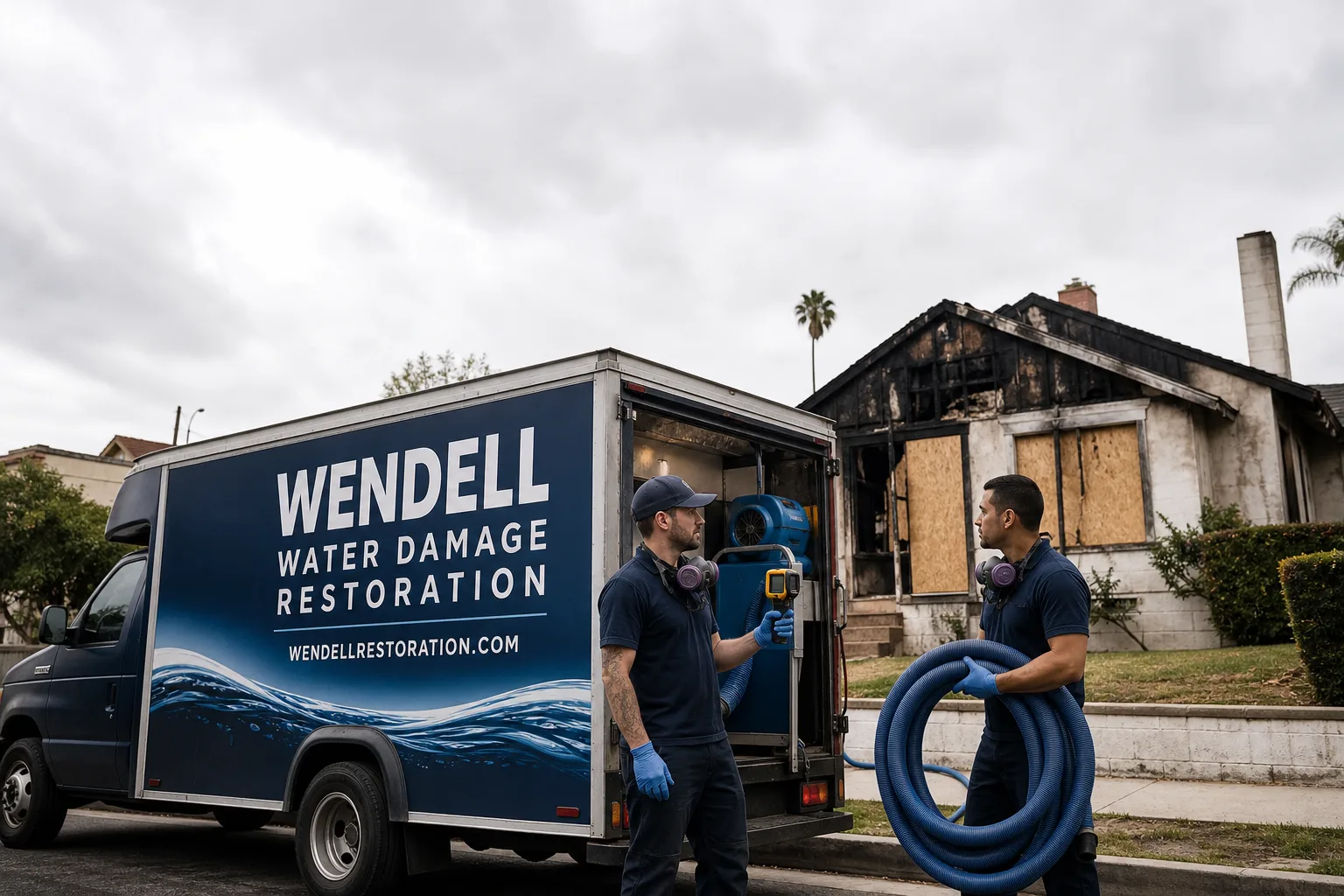
Free visual inspection and a written scope of work before any mitigation begins - photos, moisture readings, and drying logs go in your claim file
The scope we write is the scope we bill. Anything new gets shown to you, in writing, before we touch it.
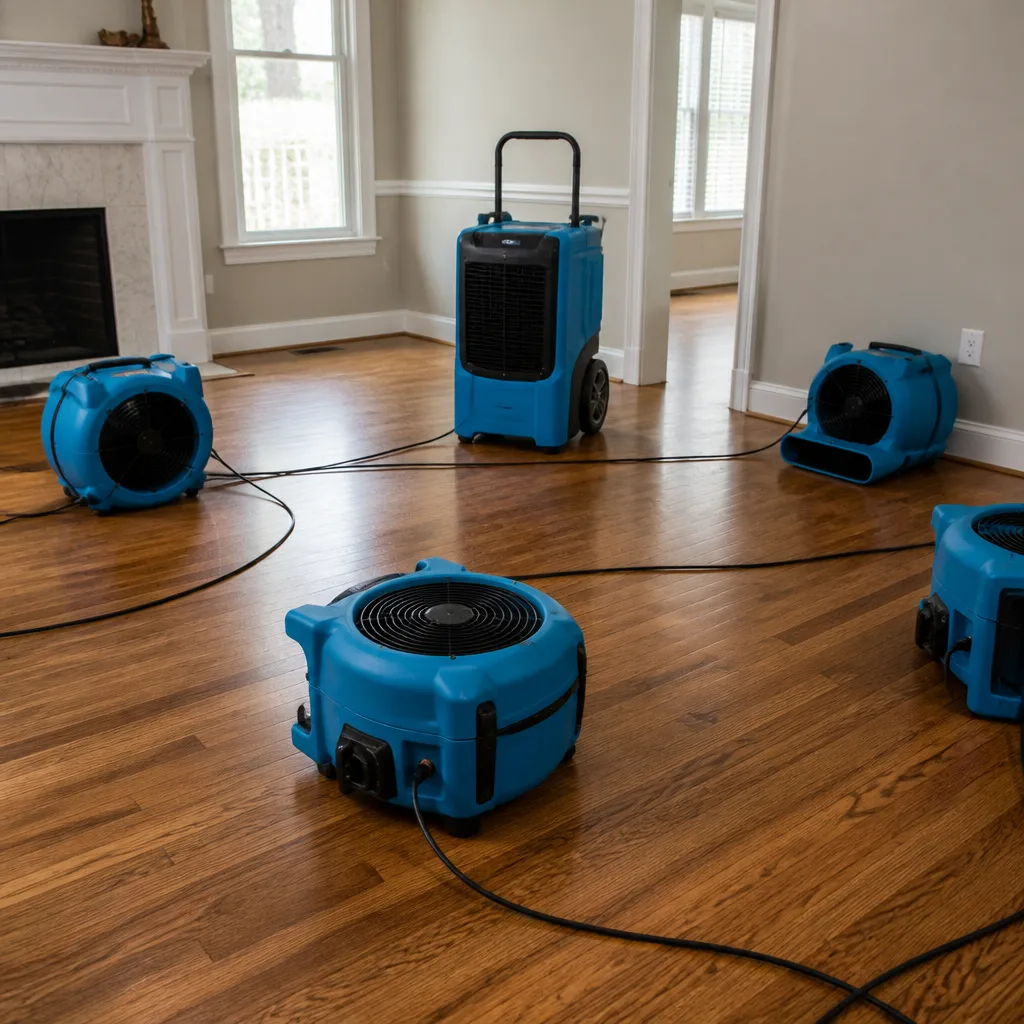

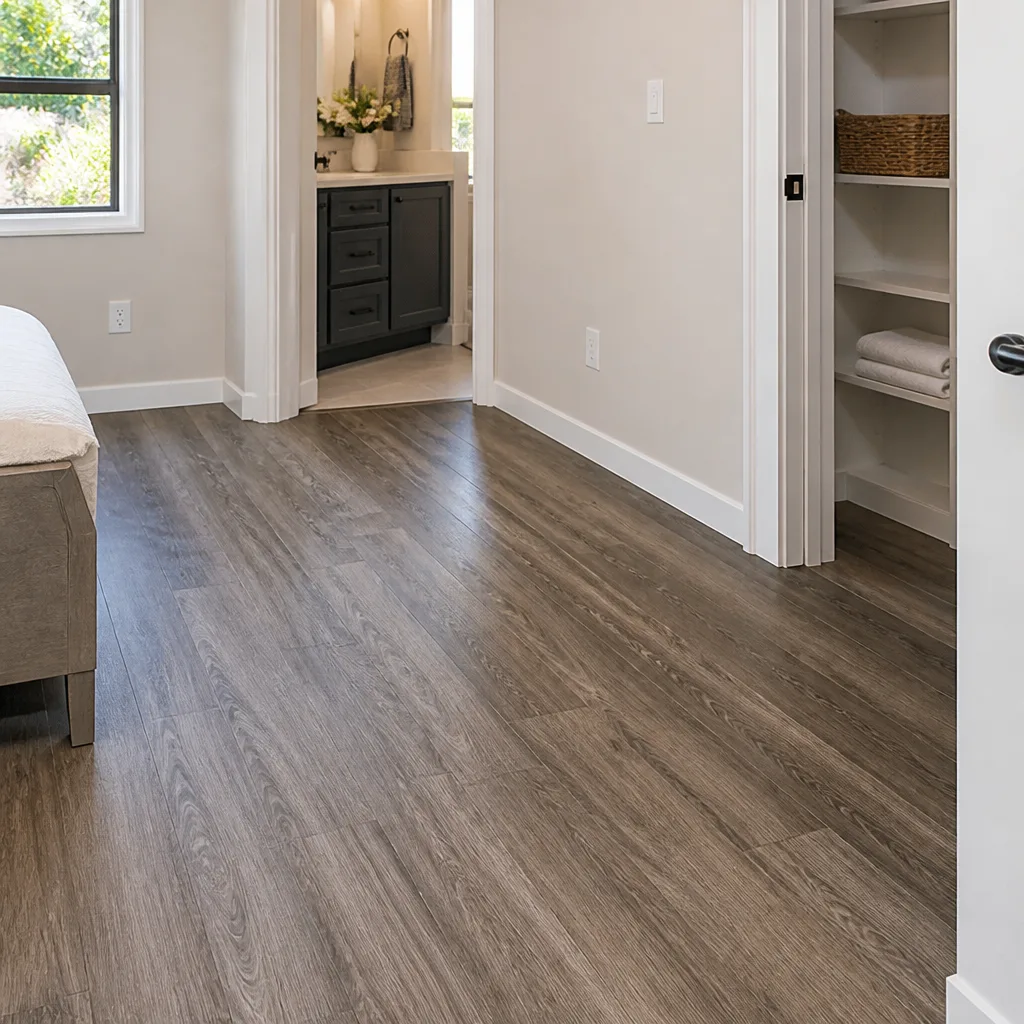

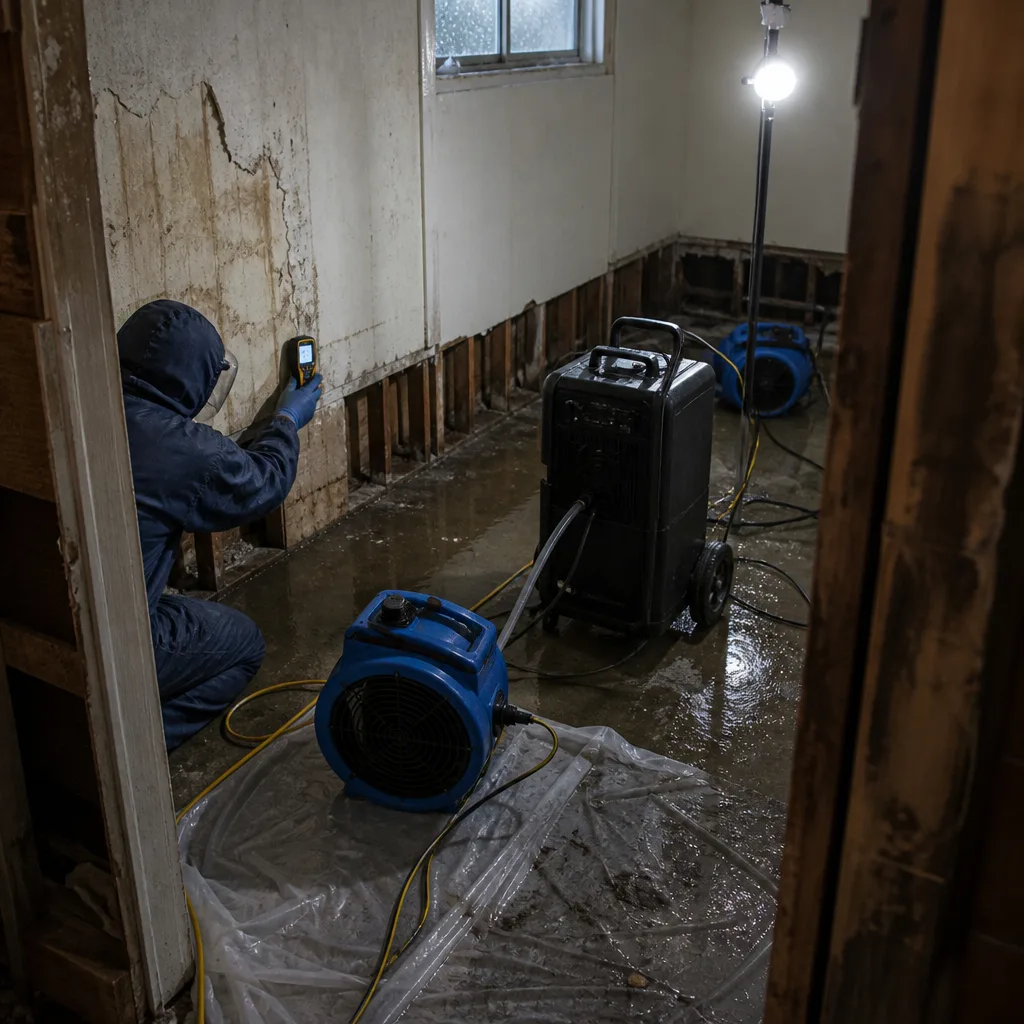 Before
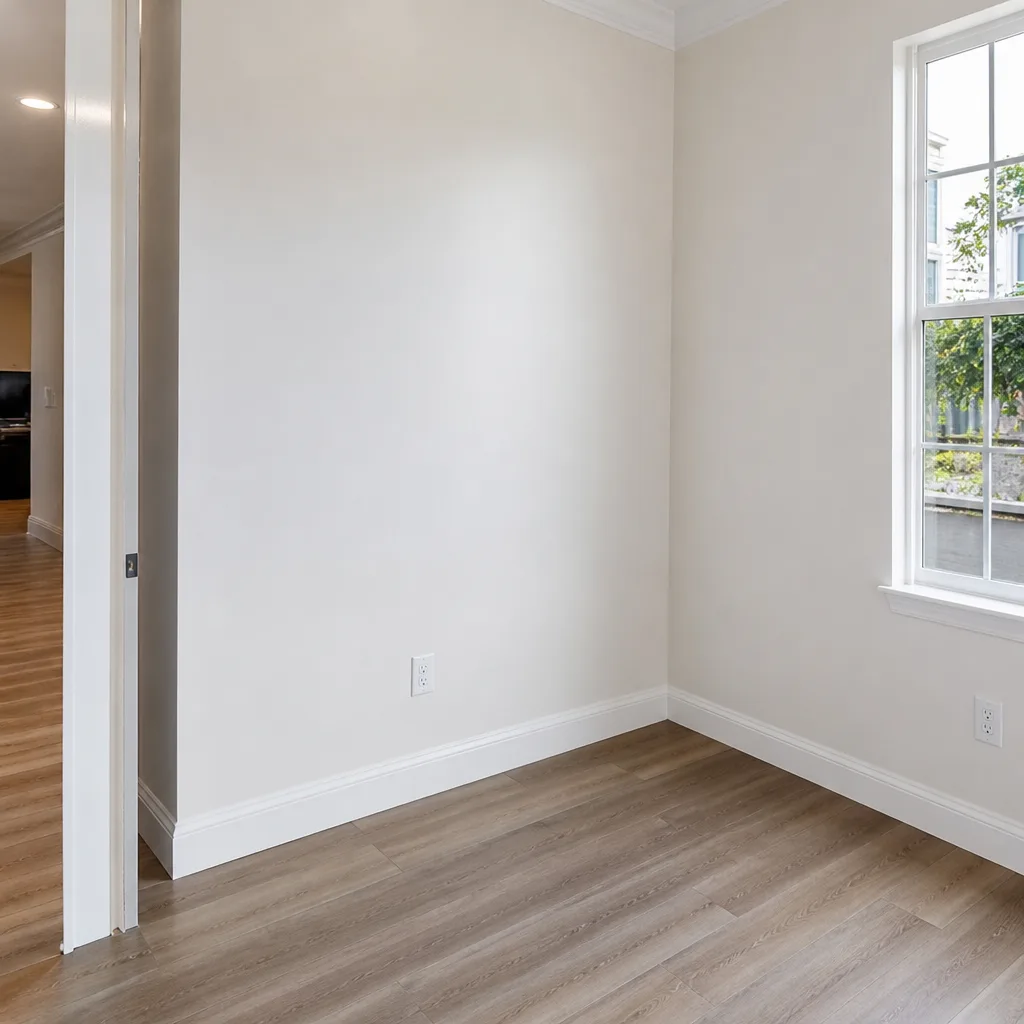 After
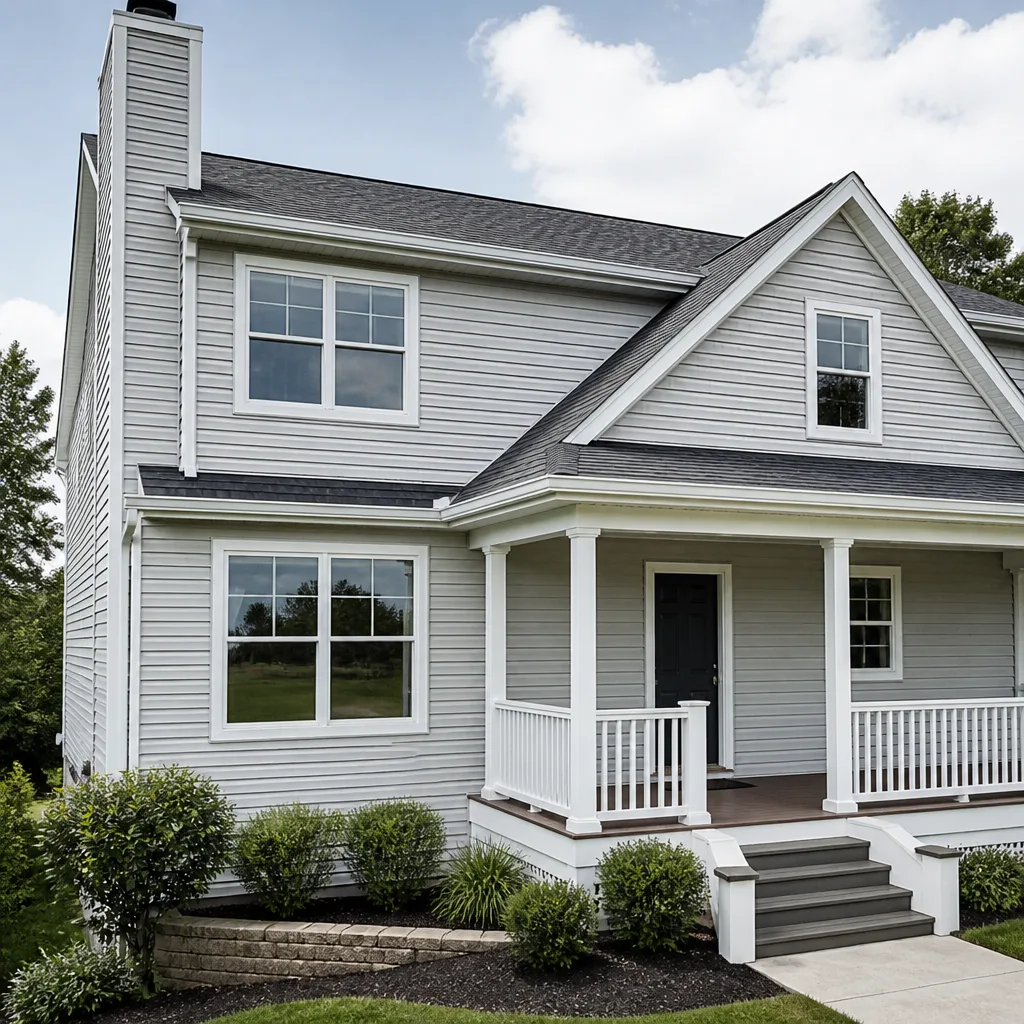
After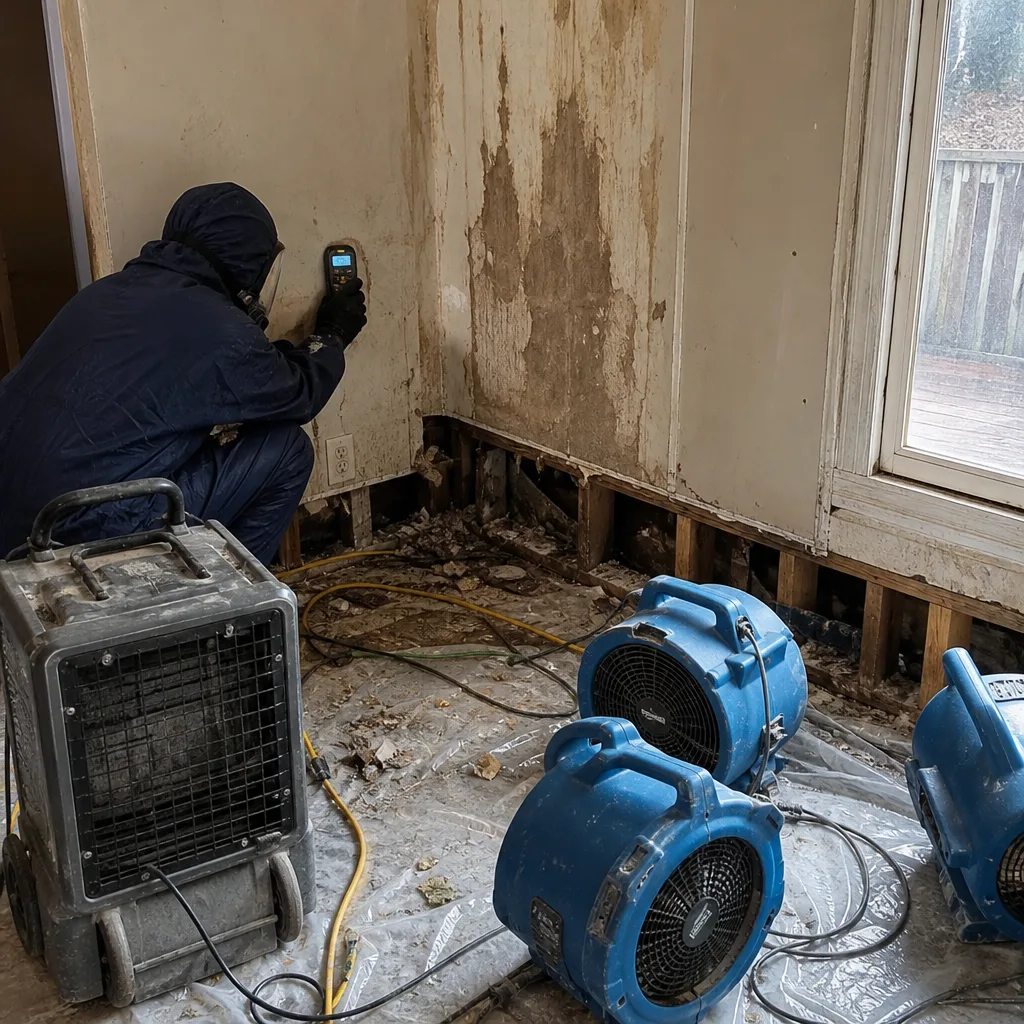 Before
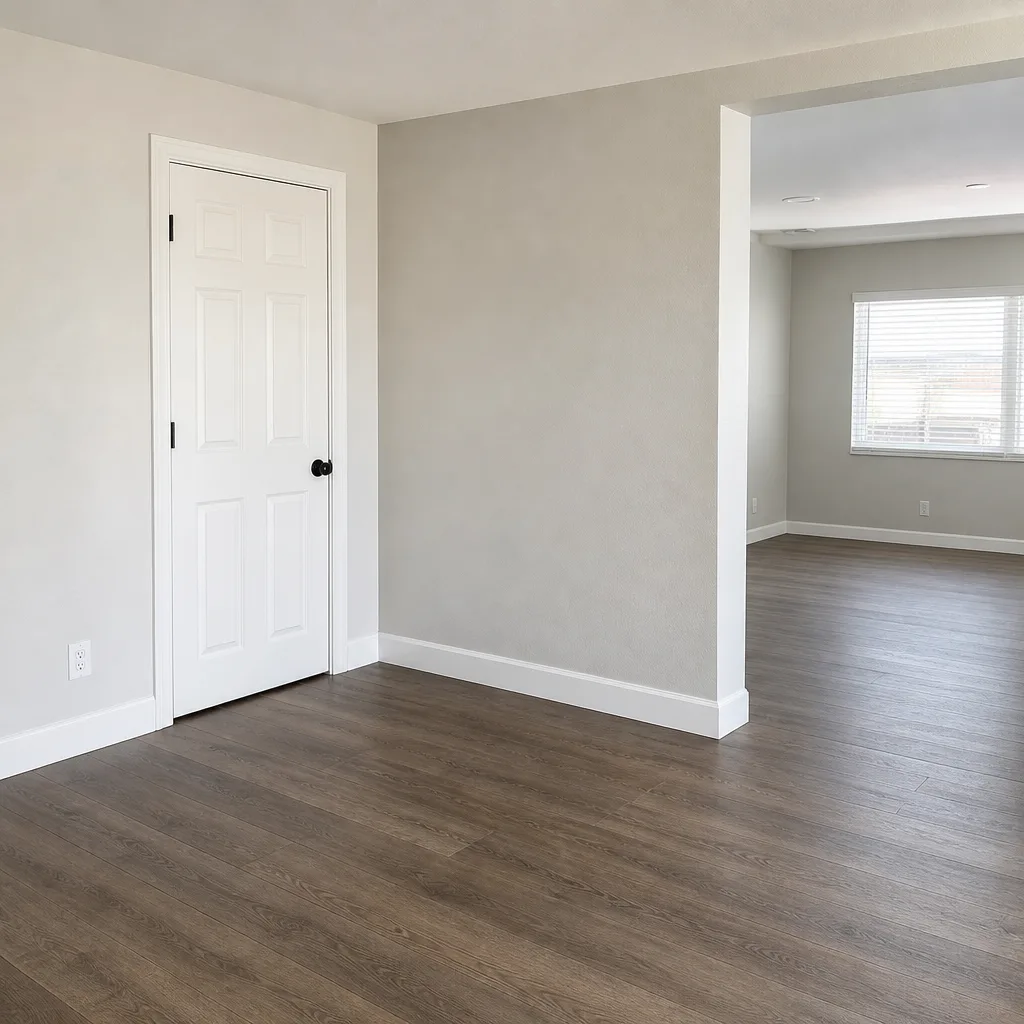 After
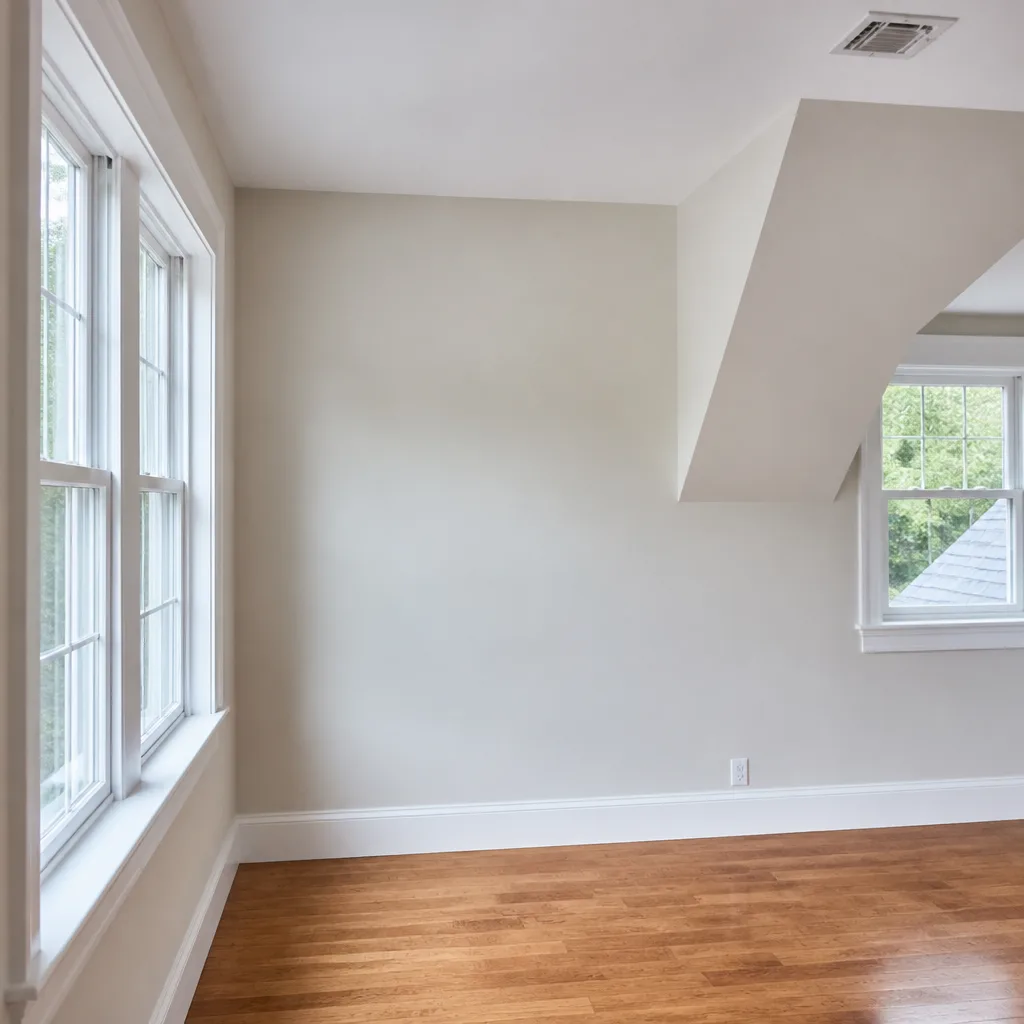
After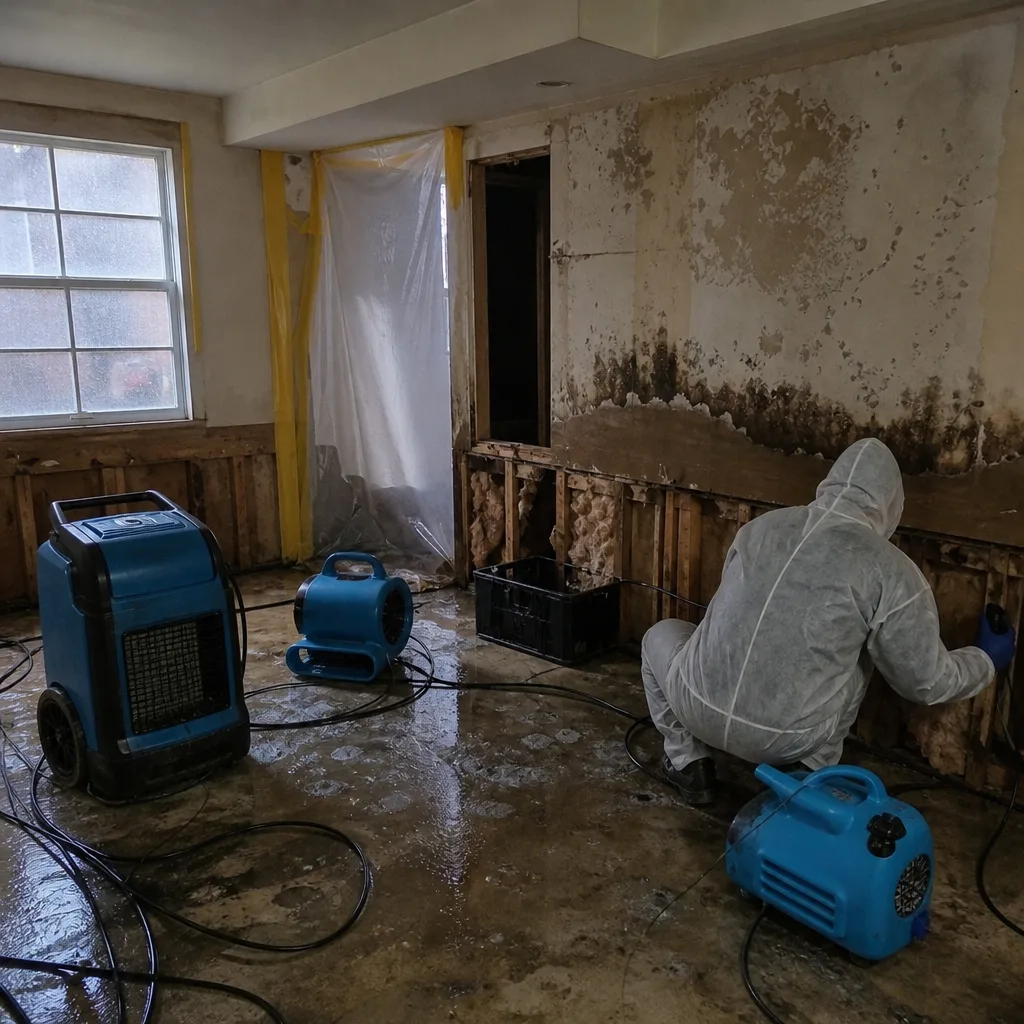 Before
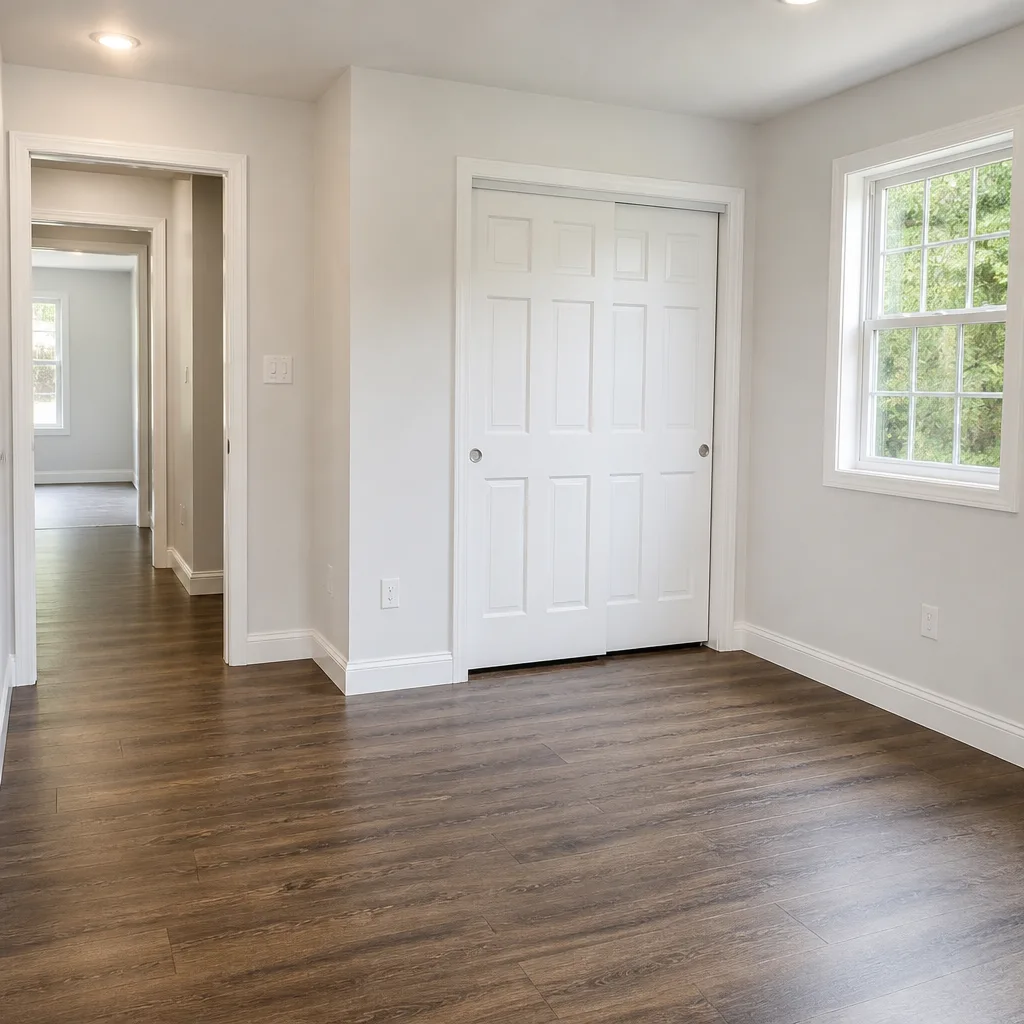 After
AfterFast, Reliable Water Damage Restoration Across New York City
Water damage in New York City rarely gives you a warning. A supply line lets go in a pre-war co-op on the Upper West Side, a riser fails in a high-rise in Midtown, or a basement in Queens takes on water after a storm, and suddenly you’re standing in a mess you didn’t plan for. We get it. Our crews respond to water losses across New York City every day, from elevator buildings in Manhattan to brownstones in Brooklyn to single-family homes in The Bronx. We show up when we say we will, put the price in writing before any work starts, and text you before-and-after photos so you can see exactly what we did. Call (940) 466-4354 and a live person answers, 24/7.
Wendell Water Damage Restoration is built for the way New York City homeowners actually live: busy, phone-first, and done with vague arrival windows. We coordinate dispatch and scheduling from our New York City office, which means our crews know the neighborhoods, the building types, and the quirks of drying out a pre-war apartment versus a modern condo. You’ll get a live arrival time you can track, a written scope of work, and a digital invoice you can pay from a link. No phone tag. No surprises.
Key Takeaways
- Emergency water removal in New York City typically runs $1,200 to $4,500 depending on the size of the loss and how far water has migrated.
- Full structural drying and dehumidification on a multi-floor co-op loss often lands between $2,500 and $9,000 when concrete slabs and original plaster are involved.
- Most New York City water losses are supply line or riser failures inside pre-war buildings, not storm flooding.
- We answer the phone live, 24/7, and put every price in writing before we touch a tool.
Why Wendell Water Damage Restoration Is New York City’s Preferred Water Damage Restoration Company
The water losses we see in New York City are different from what you’d find in a suburban house with a finished basement. Here, a failed pipe in a 16th-floor unit on the Upper East Side can travel through a concrete slab and show up as a ceiling stain in the unit below three days later. That’s why local knowledge matters. Our technicians understand how water moves through pre-war stone and plaster, how long concrete takes to actually dry (longer than most people think), and when a co-op board or building manager needs documentation before a crew can even set up equipment.
New York City customers keep calling us back because we do the unglamorous stuff right: we run moisture mapping on both floors of a stacked-unit loss, we set up containment before pulling saturated plaster, and we provide daily drying logs with real moisture readings, not guesses. That level of documentation is what gets a co-op board to sign off on a scope of work. It’s also what keeps a category 1 water loss from becoming a category 3 mold problem three weeks later. Blake Sorensen, who leads our New York City team, holds every job to the same standard whether it’s a studio in Hell’s Kitchen or a full-floor pre-war on Park Avenue.
We’re part of the Relay Home Co. family, founded in 2006. Every location is independently owned and operated to The Relay Visibility Guarantee: you always know who is coming, when they’ll arrive, and exactly what it costs. Every job includes our 365-Day Done Right Promise, stated in writing. If it’s not done right, we make it right. You also get a free second visit if a repair fails. That’s not a marketing line. It’s in writing on every single job we do in New York City.
Emergency Water Removal in New York City
Emergency Water Removal in New York City is the first move when water is actively spreading. In a pre-war co-op, a braided steel supply line under a kitchen sink can dump gallons through a concrete slab before you even wake up. Our crews arrive with truck-mounted and portable extraction equipment from Phoenix and B-Air, pull the standing water fast, and map the moisture so we know where the water actually went. In New York City, Emergency Water Removal typically runs $1,200 to $4,500 depending on square footage and how far the water migrated. The goal is simple: stop the water from spreading and start drying before the clock turns a clean-water event into a contaminated one.
Supply Line and Riser Failures
A burst pipe restoration job in New York City usually starts with a call from a superintendent, a building manager, or a homeowner who just noticed water coming through a ceiling. We extract first, then diagnose. Galvanized risers and old copper branch lines in pre-war buildings don’t fail slowly. They let go. The water often shows up in a different unit than where the pipe actually failed, which means our team has to trace the source and dry every affected area, not just the one with the visible stain.
Stacked-Unit Water Migration
Concrete slab floors are wonderful for soundproofing and terrible for water. When water moves horizontally through a slab in a New York City high-rise, it wicks into the unit below. Drying only the apartment where the loss started leaves hidden moisture in the neighbor’s ceiling. Eventually that becomes mold, and now two units have a problem instead of one. We dry both spaces, with daily moisture readings on the concrete and the finish materials, because anything less is a return trip.
Flood Damage Restoration in New York City
Flood Damage Restoration in New York City is a different animal from a pipe burst. It’s what you need after a storm pushes water into a garden-level apartment in Brooklyn, a basement in Queens, or a commercial space near the Gowanus Canal. Floodwater is almost always category 2 or category 3 by the time we arrive, which means contaminated. We extract, remove unsalvageable materials, apply antimicrobial treatment, and set up structural drying and dehumidification. Flood Damage Restoration in New York City generally runs $3,000 to $9,000 or more, depending on how much water entered and how long it sat before we got the call. The faster we start, the less has to be torn out.
Basement and Garden-Level Flooding
New York City basements flood in ways suburban basements don’t. Sump pumps fail, sewer lines back up into below-grade spaces, and garden-level apartments in Cobble Hill or Kew Gardens take on stormwater through window wells. We handle basement water removal with the same written pricing and live arrival time we use on every job. You’ll know the cost before we start, and you’ll get photo updates as we go.
Ceiling and Roof Leak Damage
A roof leak in a New York City brownstone or a ceiling leak in a top-floor co-op unit doesn’t stay contained. Water follows beams, drips through plaster, and pools in places you can’t see. Our team tracks the moisture path, opens only what needs to be opened, and dries the cavity properly. Then we document everything for your insurance adjuster. We coordinate directly with adjusters, provide photo-documented assessments, and bill insurance directly when needed.
Trusted Brands We Service in New York City
We run professional-grade drying equipment from Phoenix, XPOWER, and B-Air on New York City jobs, deployed under IICRC, RIA, and IFA standards. The same brands you’d find on a large commercial loss site are in our trucks for a flooded studio in Morningside Heights. We stock common replacement parts and equipment locally so we’re not waiting on a shipment from across the country while your walls sit wet. For New York City customers, that means faster turnaround and fewer return trips. Our technicians are background-checked, uniformed, and they show up with a live arrival time you can track, not a four-hour window. You’ll know exactly who is walking through your door before they get there.
Common Water Damage Restoration Problems We See in New York City Homes
- Riser and branch-line failures in pre-war buildings. Galvanized or old copper pipes behind co-op and condo walls fail without warning, and the water often appears in a different unit than where the pipe burst. We trace the source first, then dry every affected space.
- Stacked-unit migration through concrete slab floors. Water follows the path of least resistance across and down through slabs. Drying only the unit where the loss originated leaves hidden moisture in the unit below, and that becomes a mold problem months later.
- Slow discovery in multi-family buildings. A drip inside a wall or ceiling cavity in a large New York City pre-war can run for days before anyone notices a stain. By the time we arrive, what started as clean water may have already become category 2 or category 3.
- Original plaster and lath walls that hold water longer than drywall. Older New York City buildings often have thick plaster walls that look dry on the surface but stay wet inside for weeks. We use psychrometric drying (tracking the air’s moisture level so we know when your home is truly dry, not just surface-dry) to confirm the structure is actually dry before we close it back up.
Pricing for Water Damage Restoration in New York City, NY
No one wants a vague answer when they’re standing in water. So here are real New York City numbers. Emergency water extraction on a single-room loss in a Manhattan or Brooklyn apartment: $1,200 to $2,800. Full structural drying with dehumidification on a multi-room or multi-floor co-op loss: $2,500 to $6,500. Flood cleanup with antimicrobial treatment on a basement in Queens or The Bronx: $3,000 to $9,000 or more. What affects the price is simple: how much water, how far it traveled, and what materials got wet. Original plaster and concrete slab drying costs more than drywall, because they take longer and need more equipment. Every estimate is free. Call (940) 466-4354 and we’ll put the price in writing before any work starts. The number on the invoice you get by text is the number you pay.
We Also Serve Cities Near New York City
While this page focuses on New York City, our crews regularly handle Water Damage Restoration jobs in the surrounding boroughs and communities. We serve Brooklyn, Queens, Manhattan, and The Bronx with the same written pricing, live arrival times, and photo documentation. If you’re in one of those areas and dealing with a water loss, the fastest way to get help is to call (940) 466-4354. You can also learn more about our New York City coverage area.
Serving New York City, NY - Our Local Coverage Area
We’re based in the New York City area and know this community well. Use the map below to see our service coverage - if you’re nearby, we can almost certainly help.
FAQs About Water Damage Restoration in New York City
Fast. In a pre-war building with concrete slab floors, water from a burst supply line can reach the unit below within minutes to hours, not days. Concrete is porous, and water moves horizontally through the slab before it drips down. That’s why we dry both units, not just the one where the pipe failed. If you’re on the Upper West Side and you see water, call (940) 466-4354. We’ll get a crew moving while you’re still on the phone.
Yes, and in most New York City co-ops and condos, you’re required to. Building management typically needs to approve any work that involves opening walls, running equipment in common areas, or using the freight elevator. We provide the documentation boards ask for: a written scope of work, drying logs with daily moisture readings, and before-and-after photos. That paperwork is often what gets a board to sign off quickly.
Category 1 is clean water from a supply line or faucet. Category 2 is gray water that has been sitting or has minor contamination. Category 3 is black water from sewage, storm flooding, or a backed-up drain. The category tells us how aggressively we need to treat the space. In New York City, a slow drip inside a pre-war wall can start as category 1 and shift to category 2 or 3 within days. That category shift changes what gets dried, what gets removed, and what the restoration costs.
Yes, and we do it regularly. High-rise New York City jobs require coordination we’re used to: booking the freight elevator, protecting common areas, and moving equipment efficiently so building staff aren’t waiting on us. Our crews bring equipment sized for elevator transport, including compact air movers and dehumidifiers from Phoenix and XPOWER. We also coordinate with building management on access times and we document everything so the board has what it needs.
We don’t guess. We use psychrometric drying, which means we track the air’s temperature, humidity, and dew point inside the affected cavity while monitoring moisture readings in the material itself. In older New York City buildings with plaster and concrete, this matters because those materials hold water long after they look dry. We don’t close a wall back up until the moisture readings prove the material is dry, not just surface-dry. That’s the standard we document in our drying logs, and it’s what our 365-Day Done Right Promise covers in writing.
If you’re dealing with water damage in New York City right now, call (940) 466-4354. A live person answers, day or night. We’ll give you a written price before any work starts, send a background-checked technician with a live arrival time, and text you before-and-after photos so you can see the job was done right. Water doesn’t wait, and neither do we.
Written by Blake Sorensen, Owner at Wendell Water Damage Restoration, serving New York City since 2006.