
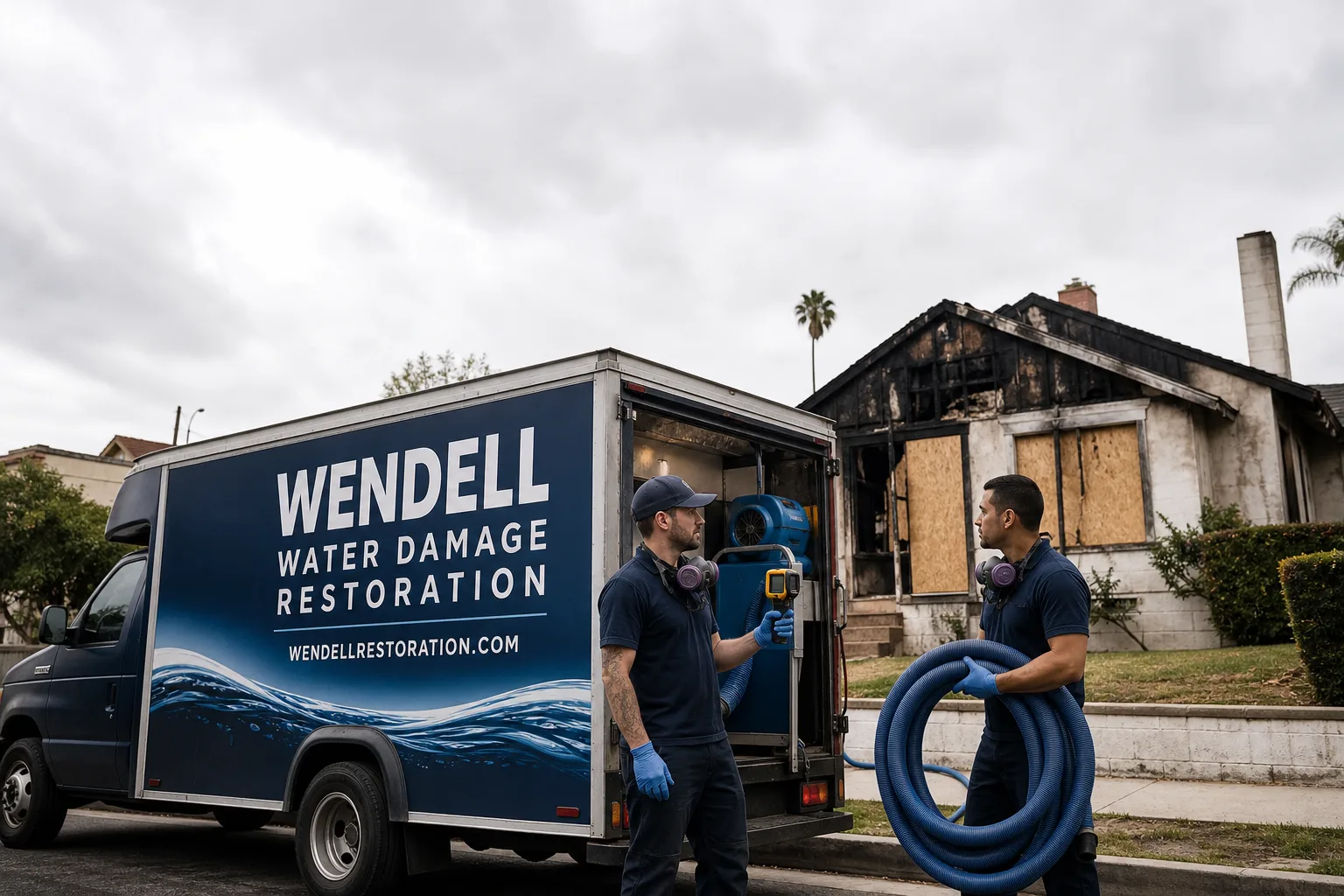
Free visual inspection and a written scope of work before any mitigation begins - photos, moisture readings, and drying logs go in your claim file
The scope we write is the scope we bill. Anything new gets shown to you, in writing, before we touch it.
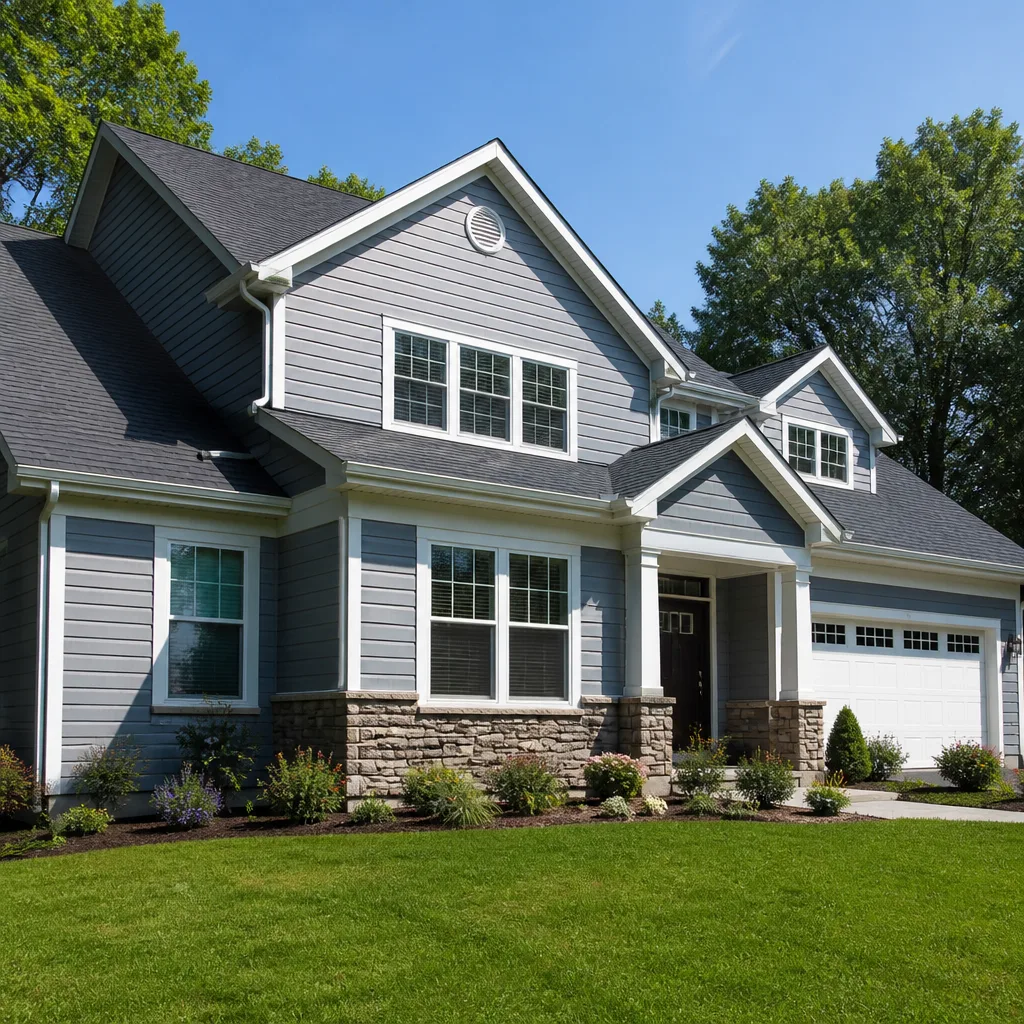
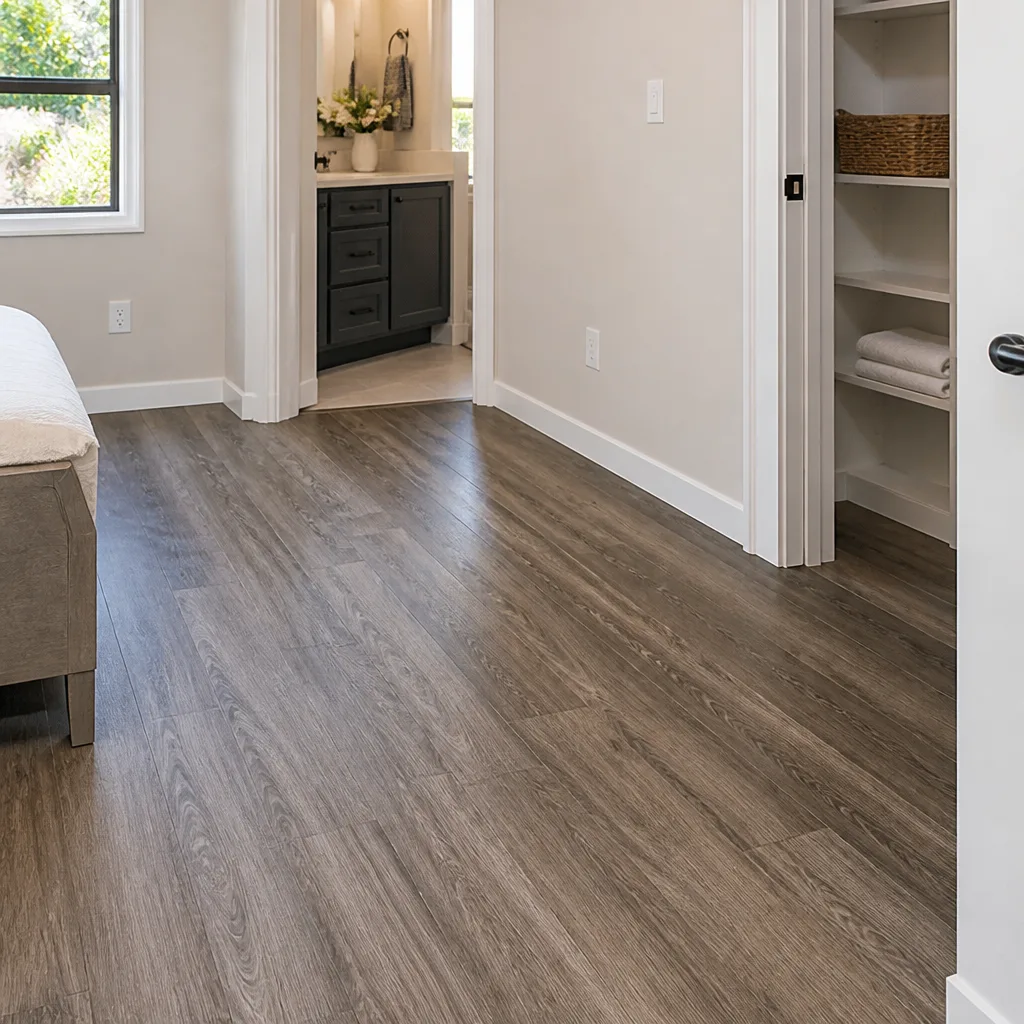
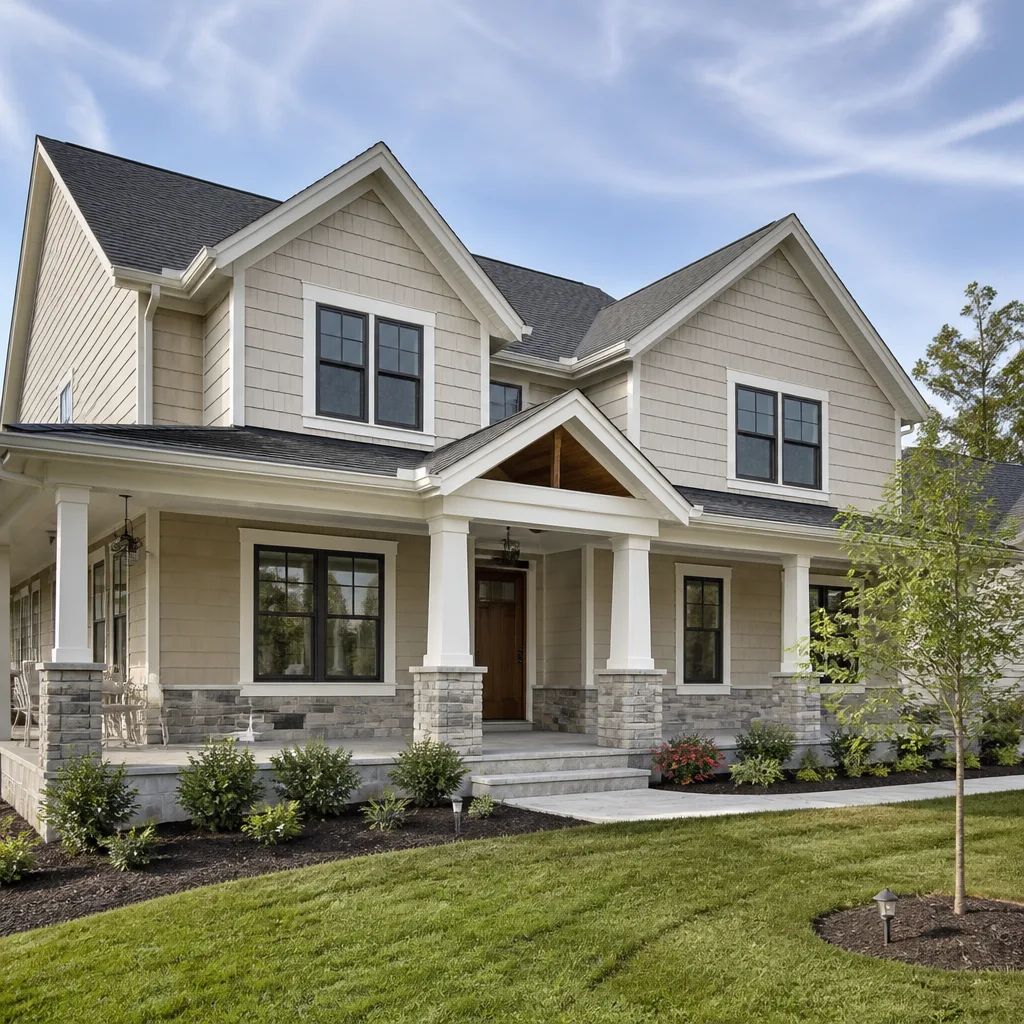
 Before
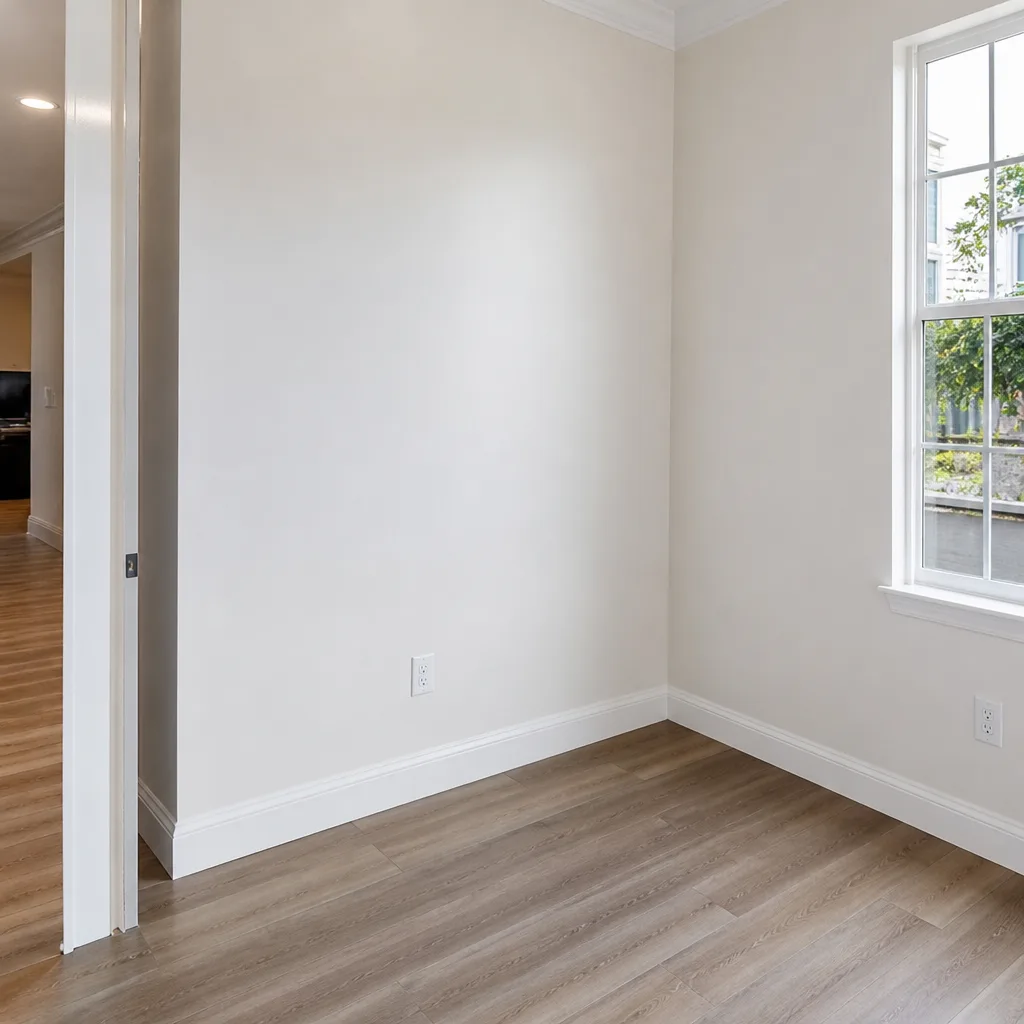 After
After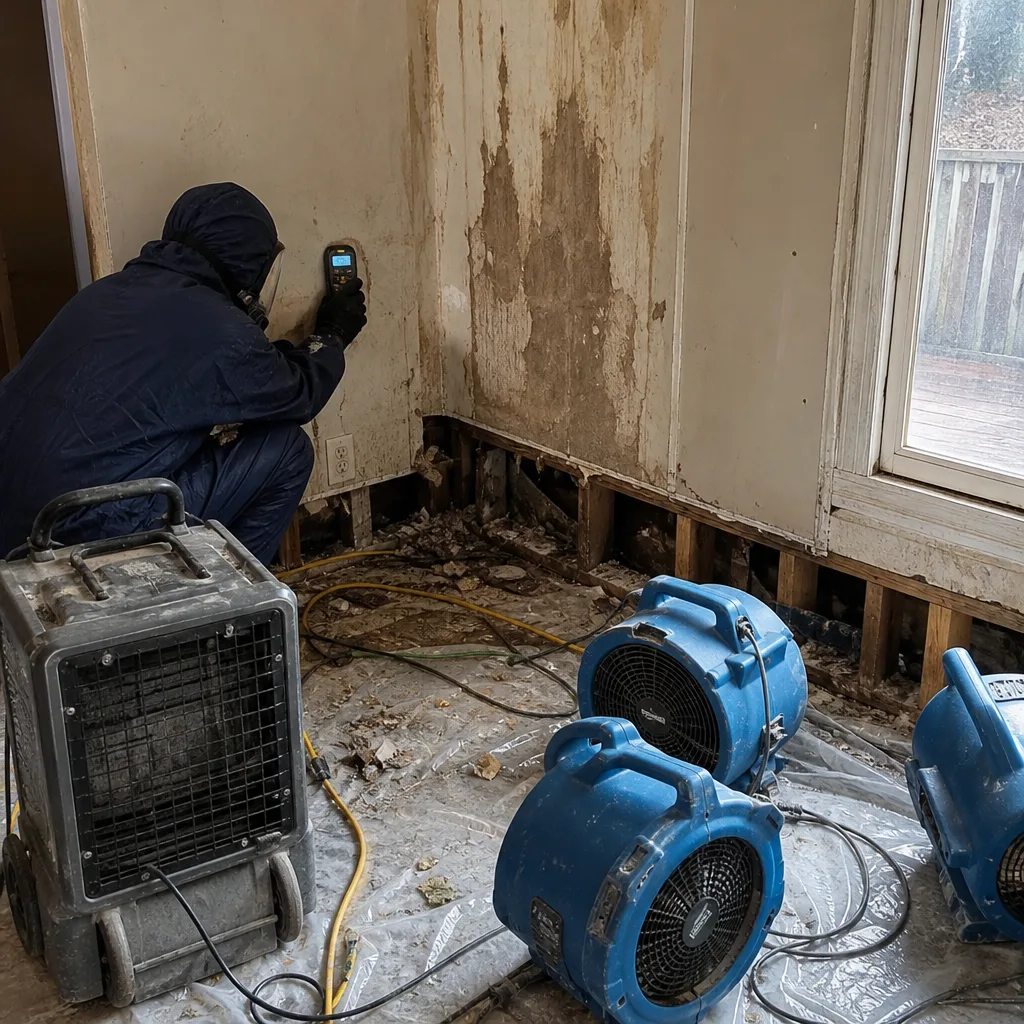 Before
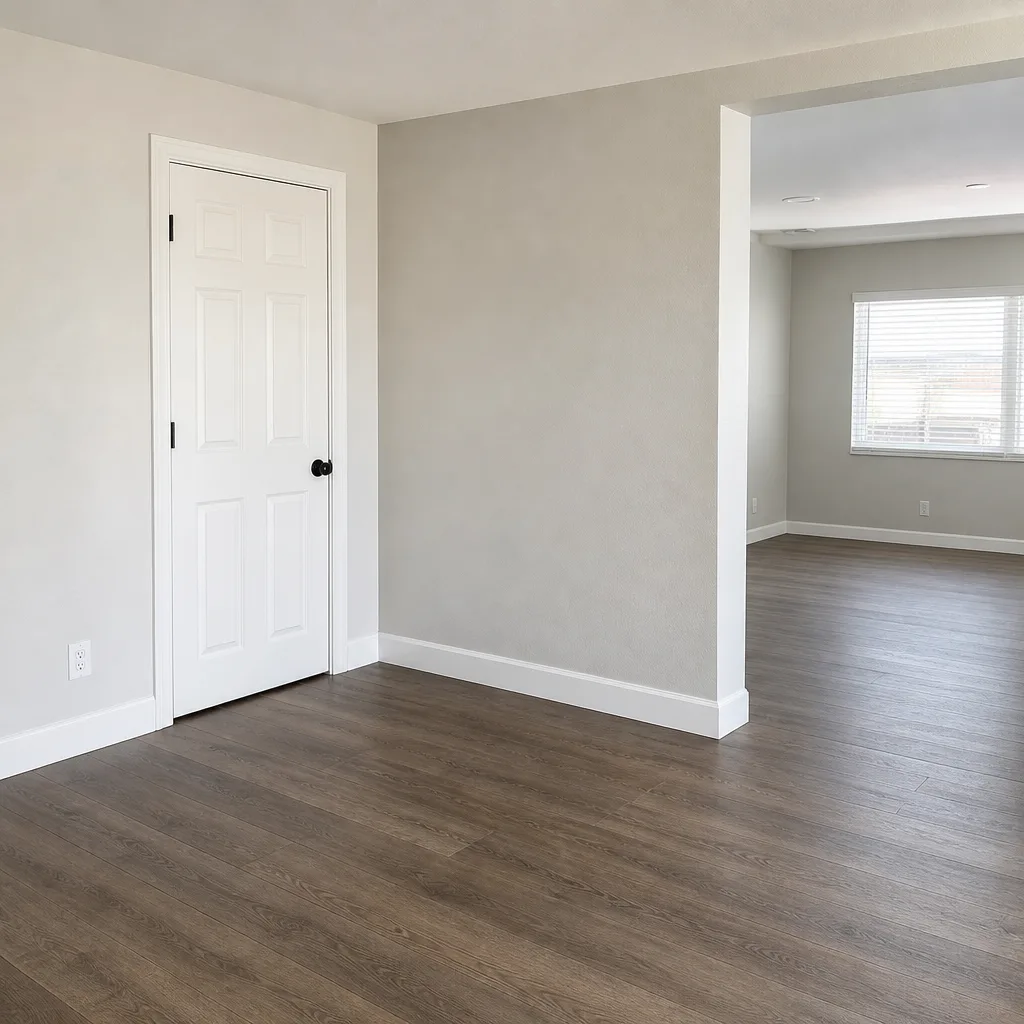 After
After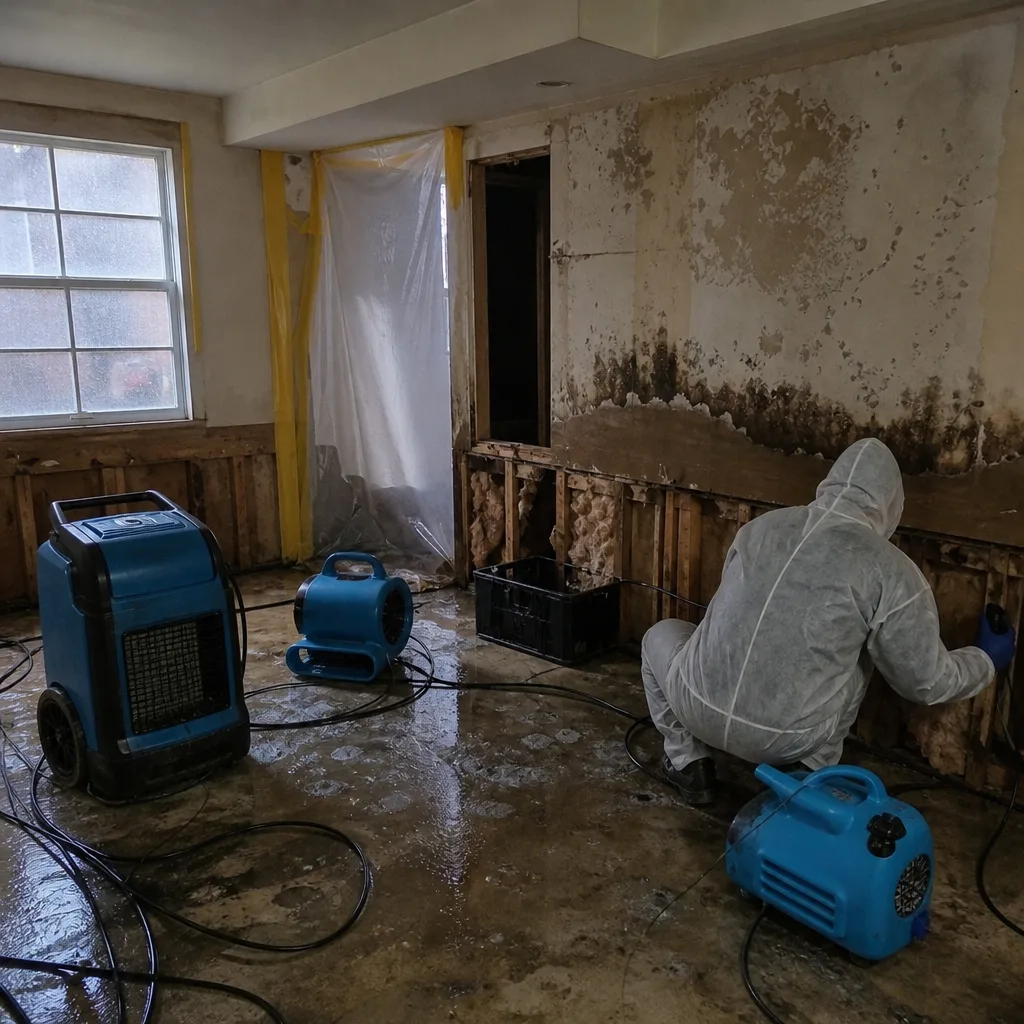 Before
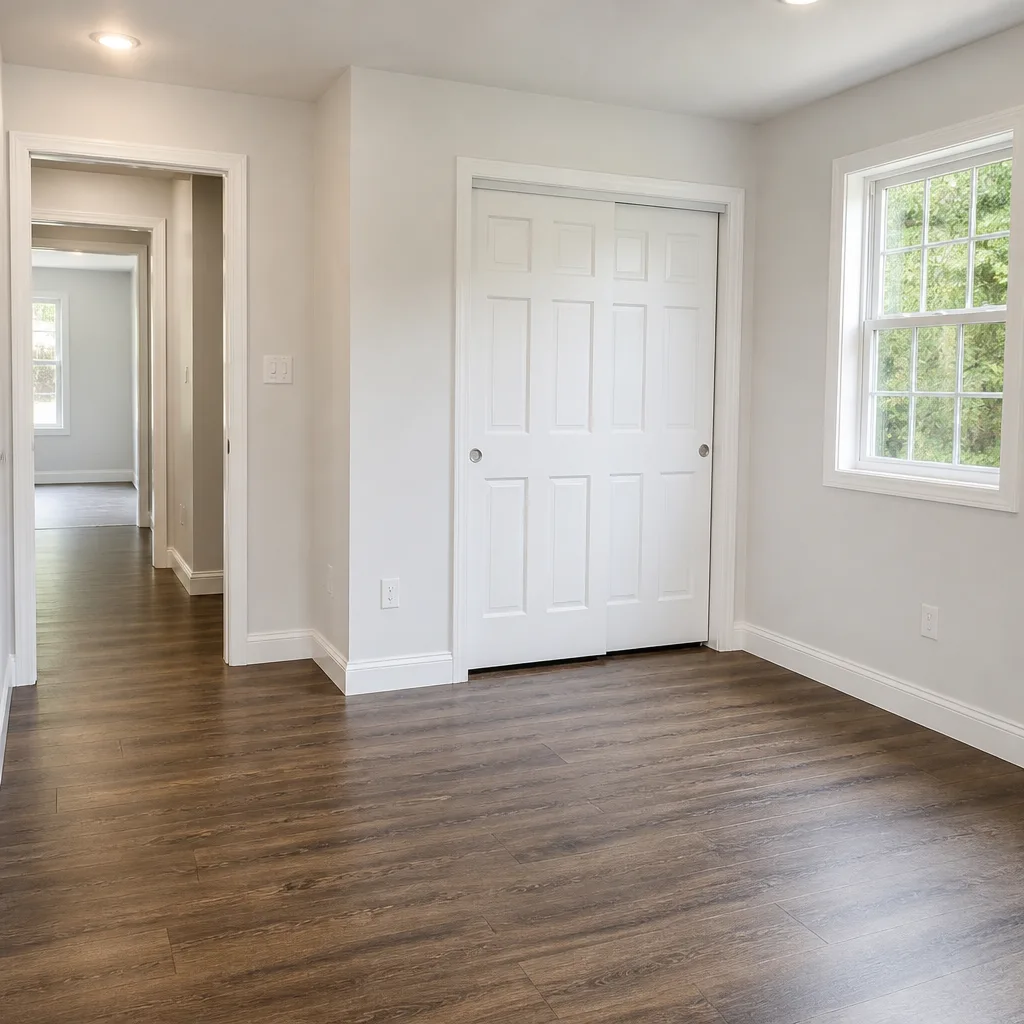 After
AfterFast, Reliable Water Damage Restoration Across Mount Ivy
Water damage restoration in Mount Ivy typically runs $2,800 – $7,500 for a standard basement flood, with emergency extraction alone costing $450 – $1,200. Most jobs we handle here are done in three to five days, start to finish. If you’re standing in water right now, call (940) 466-4354 and a live person answers, 24/7. We dispatch crews to Mount Ivy from our New York City office, so a background-checked technician is usually at your door in under 90 minutes.
Mount Ivy’s housing stock has a specific failure pattern we’ve come to know well: mid-century split-levels and 1980s colonials on sloped lots, with finished basements that sit below grade. Water doesn’t just pool on the floor in these homes. It wicks into the framed walls and the sill plate before you ever see standing water. A shop vac and a fan won’t touch that. Our Water Damage Restoration team treats the wall cavity, the slab edge, and the floor as one drying system. That’s the difference between a basement that dries and a basement that smells like mildew for the next three years.
Why Wendell Water Damage Restoration Is Mount Ivy’s Preferred Water Damage Restoration Company
Wendell Water Damage Restoration was founded in 2006 and operates as part of the Relay Home Co. family. Each location is independently owned and operated to The Relay Visibility Guarantee. For Mount Ivy homeowners, that means three things that aren’t negotiable: a written price before any work starts, a written guarantee on every repair, and a live arrival time you can track on your phone.
Around here, word travels fast. When a townhouse complex off Call Hollow Road floods, or a colonial up near the Palisades Parkway takes on water after a storm, neighbors talk. The reason Mount Ivy homeowners keep calling us back is simple: we show up when we say we will, we tell you what it costs before we touch a tool, and Blake Sorensen’s crews log every moisture reading and photo so you can see the drying curve yourself.
We also know the local building stock cold. A 1960s split-level on a sloped lot behaves differently than a 1990s colonial on flat ground. We know where water travels in these homes, which walls are load-bearing, and which baseboards we can pull and reuse versus which ones need replacing. That local knowledge shortens drying time and keeps repair costs down.
Flooded Basement in Mount Ivy
A flooded basement in Mount Ivy is the call we get most often after spring storms and winter thaws. The town’s sloped lots channel runoff toward foundations, and sump pumps that worked fine for years suddenly can’t keep up. The first thing we do is stop the active water source, then extract standing water with truck-mounted equipment. After that, the real work starts: drying the wall cavities and slab edges, not just the visible floor.
For a finished basement flood in Mount Ivy, expect to pay $3,200 – $6,800 depending on how much drywall we need to remove and how long the water sat. A Category 2 or 3 backup with sewage or grey water runs higher because containment and antimicrobial treatment are required.
Split-Level Basement Drying
Mount Ivy split-levels are notorious for a specific problem: the lower room’s floor slab sits partially below grade, and the framed walls are built right against the foundation. When water enters, it wicks upward through the bottom plate and into the drywall before it ever pools on the floor. By the time you see standing water, the wall cavity has been wet for hours.
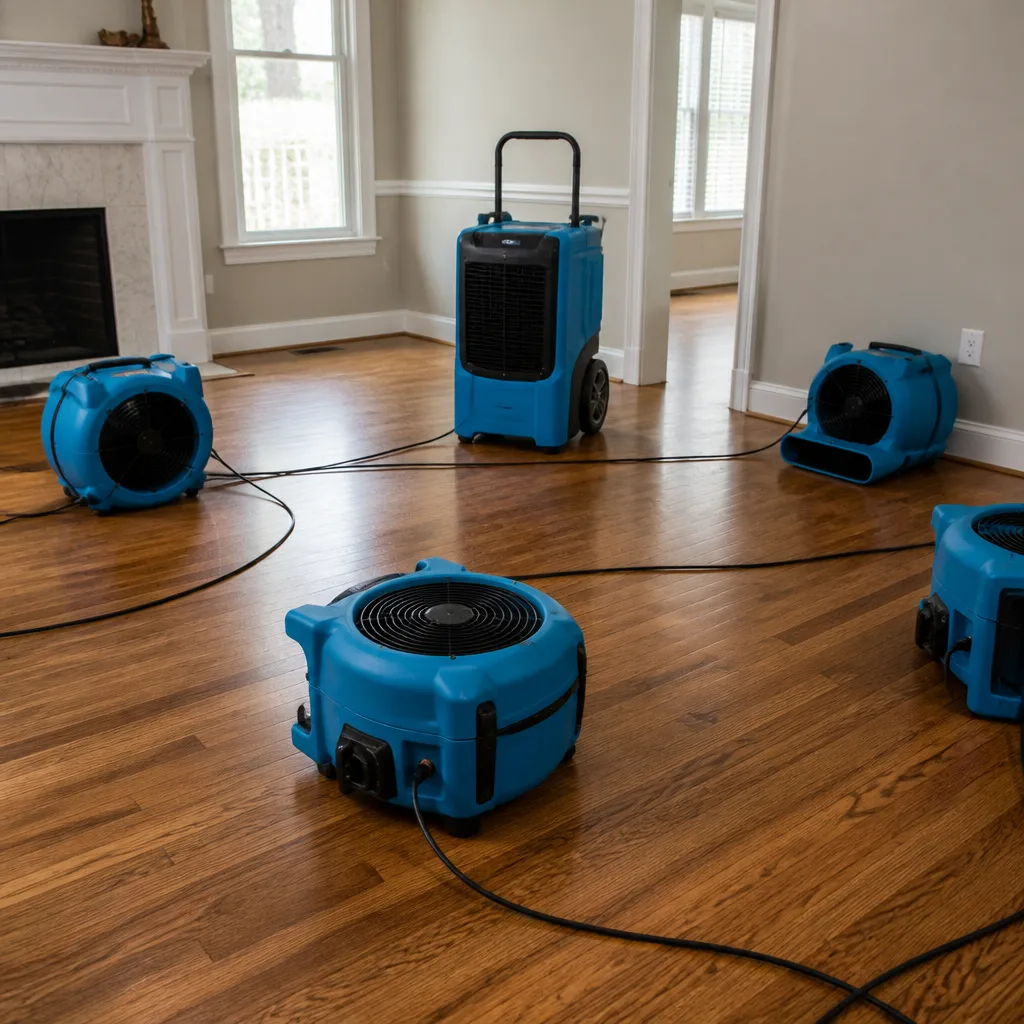
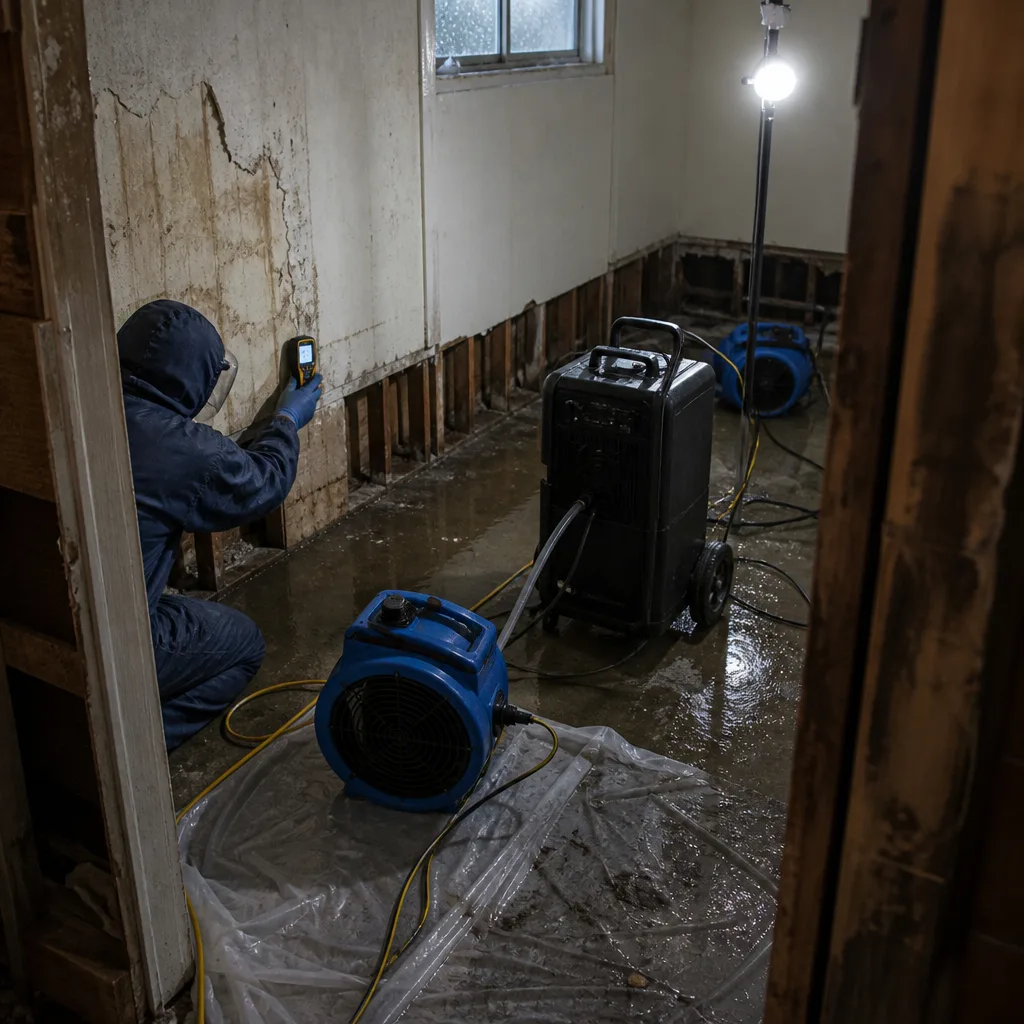
That’s why we don’t just extract. We run moisture mapping behind the finished walls to find the wet cavity, then set air movers and dehumidifiers along the wall, not just in the middle of the room. We pull baseboards into containment and log daily moisture readings until the framing hits IICRC dry standard.
Finished Basement Flood with Flooring
If your Mount Ivy basement has carpet, vinyl plank, or laminate, floodwater gets underneath it fast. Carpet can sometimes be saved if we’re on site within a few hours. Laminate and vinyl plank usually trap water against the slab and need to come up. We’ll give you an honest repair-vs-replace recommendation in writing before we remove anything. You’ll never get a surprise scope change after the floor is already gone.
Water Extraction in Mount Ivy
Water extraction in Mount Ivy means removing standing water fast enough to stop it from spreading into walls, under vanities, and into the subfloor. We use truck-mounted extraction units for deep floods and portable extractors for tight spaces like finished bathroom floors or closet subfloors in the town’s split-levels. The faster we remove the bulk water, the less demolition your home needs.
Standalone water extraction for a Mount Ivy basement typically costs $450 – $1,200, depending on water depth and square footage. That covers the extraction itself. Drying and dehumidification are priced separately, which we always put in writing before we start.
Emergency Extraction After a Burst Pipe
A frozen supply line that bursts in a Mount Ivy colonial can dump hundreds of gallons into finished space in under an hour. When that happens at 2 a.m., you call (940) 466-4354 and a live person answers immediately. We dispatch right then, not in the morning. Our tech runs extraction first, then traces where the water traveled. On one recent job near the Palisades Parkway side of town, a failed sump discharge line had been feeding a wet wall cavity for days before the homeowner noticed. We ran moisture mapping, set Dri-Eaz and Phoenix air movers along the wall with an XPOWER dehumidifier, pulled two baseboards into containment, and logged daily moisture readings until the framing passed IICRC dry standard. By day three the homeowner had a signed drying log showing the cavity back to pre-loss condition.
Extraction vs. Shop Vac
If you’ve been running a shop vac on a flooded Mount Ivy basement floor, you’ve removed the water you can see. The water you can’t see is inside the drywall and the sill plate. Mold can start growing on wet drywall within 24 to 48 hours, so the wall cavity becomes the real problem. Our extraction equipment pulls thousands of gallons per hour and our drying plan addresses the hidden moisture a shop vac leaves behind.
Trusted Brands We Service in Mount Ivy
We run professional-grade drying equipment from Dri-Eaz, Phoenix, and XPOWER on every Mount Ivy job. These are the same brands used on large commercial loss sites, not rental-shop gear. Because we maintain our own equipment inventory, we can deploy the right machine for your home’s layout without waiting on a rental. A damp colonial with a finished basement gets a different drying setup than a split-level with an open slab. We’ll match the equipment to the floor plan. You’ll see the brand names in your written job scope and in the daily moisture logs we send by text.
Common Water Damage Restoration Problems We See in Mount Ivy Homes
- Sloped-lot runoff into finished basements. Mount Ivy’s terrain sends surface water toward foundation walls during heavy rain, and by the time you see water on the floor, the bottom plate behind the drywall has been wicking moisture for hours. That’s why our drying plans target wall cavities, not just visible flooring.
- DIY extraction that skips the walls. We regularly walk into Mount Ivy basements where a homeowner or a generalist emptied the standing water but left the wet drywall and sill plate untouched. The floor looks dry, but the wall cavity is still at 90% moisture content and mold has already started.
- Category 2 or 3 water treated like clean water. A smelly, grey-tinted basement backup is not Category 1. Homeowners sometimes run a shop fan on it and hope for the best. If there’s any chance of grey water or sewage, the affected area needs containment and antimicrobial treatment under RIA and IFA standards, not just airflow.
- Surface-only drying on finished basements. Contractors who skip moisture mapping behind finished basement walls on Mount Ivy’s sloped-lot homes will show you a dry slab and call it done. The bottom plate stays wet and re-wicks moisture back up through the drywall. We verify with penetrating and non-penetrating moisture meters, and we log the numbers daily.
Pricing for Water Damage Restoration in Mount Ivy, NY
Here’s what you can expect to pay for water damage restoration in Mount Ivy. Emergency water extraction alone runs $450 – $1,200. A flooded finished basement with extraction, drying, and selective demolition typically runs $3,200 – $6,800. A full Category 3 sewage backup with containment, antimicrobial treatment, and reconstruction starts around $6,500 and can reach $12,000 for large finished spaces. Structural drying and dehumidification alone runs $1,200 – $2,800.
What changes the number: how long the water sat, whether your basement is finished or open, how much drywall comes out, and whether the water is clean or contaminated. We put the full price in writing before any work starts, and you pay from a digital invoice we text you. The number on that screen is the number you pay. Estimates are free. Call (940) 466-4354 and we’ll give you a real range for your home, not a vague promise.
We Also Serve Cities Near Mount Ivy
In addition to Mount Ivy, our crews serve Brooklyn, Queens, Manhattan, and The Bronx. If you own a rental property in the boroughs or a family member needs help closer to the city, the same written-price-before-work policy and 365-Day Done Right Promise apply everywhere we go. One call to (940) 466-4354 covers the whole metro area.
Serving Mount Ivy, NY - Our Local Coverage Area
We’re based in the Mount Ivy area and know this community well. Use the map below to see our service coverage - if you’re nearby, we can almost certainly help.
FAQs About Water Damage Restoration in Mount Ivy
We typically arrive in Mount Ivy within 90 minutes of your call, day or night. A live person answers (940) 466-4354 24/7, we dispatch immediately to your address, and you get a live arrival time you can track. When you call, tell us whether the water is clean, grey, or sewage so our tech brings the right containment and antimicrobial treatment on the first visit.
Yes, and the difference is containment. A burst supply line produces Category 1 clean water, which doesn’t require antimicrobial treatment unless it sits too long. A basement backup on Mount Ivy’s sewer or drain lines is Category 2 or 3, meaning it needs full containment, removal of affected porous materials, and antimicrobial application under IICRC protocol. Call (940) 466-4354 and describe the smell and color of the water, and we’ll tell you which category you’re dealing with before we even arrive.
In most cases we salvage the finished walls by pulling only the bottom baseboards, drilling small drying ports, and directing airflow into the cavity from inside the room. We use penetrating moisture meters to map the wet areas so we’re not opening walls that are already dry. For a split-level on a sloped lot, the wet zone is usually the lower few inches of the cavity along the down-slope side, and that’s what we target. If the drywall has already swollen or the cavity is saturated beyond drying capacity, we’ll remove and replace just that section and show you the moisture data behind the decision.
We use truck-mounted extraction units for deep floods and portable extractors for tight spaces, paired with Dri-Eaz and Phoenix air movers and XPOWER dehumidifiers. The equipment is matched to your floor plan, not brought in on a one-size-fits-all basis. You’ll see every brand name in your written scope, and we’ll text you daily photo updates showing the equipment running and the moisture readings dropping.
Most Mount Ivy homeowner’s policies cover sudden and accidental water damage, like a burst pipe or a storm-driven backup, but not gradual seepage that happened over months. We document everything from the first photo to the final moisture log, and we’ll coordinate directly with your adjuster so you don’t have to translate restoration terminology into insurance paperwork. If you need a written drying log for your claim, you’ll have it. Call (940) 466-4354 and we’ll walk you through what your specific situation looks like from a claims standpoint.
Written by Blake Sorensen, Owner at Wendell Water Damage Restoration, part of the Relay Home Co. family since 2006.