
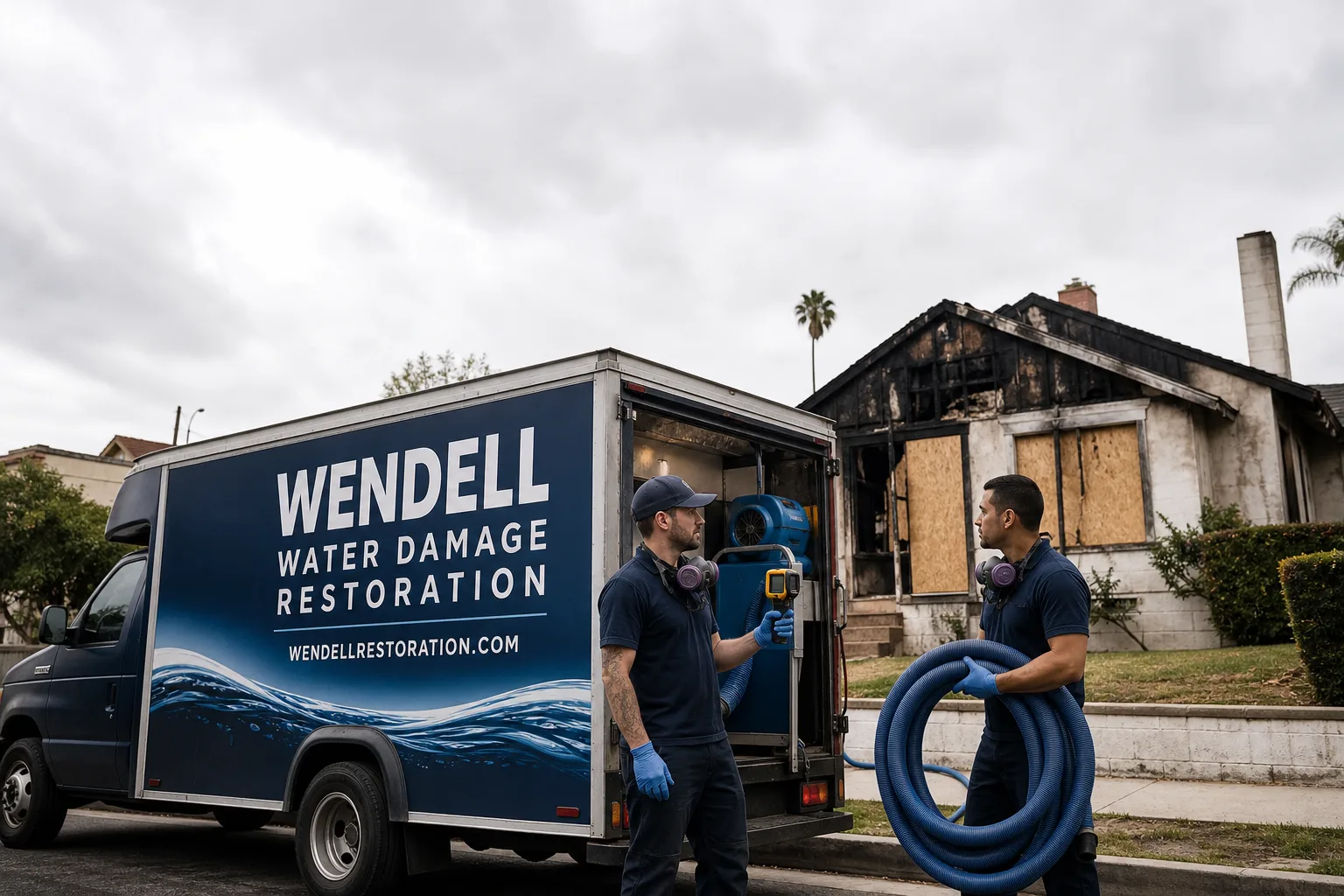
Free visual inspection and a written scope of work before any mitigation begins - photos, moisture readings, and drying logs go in your claim file
The scope we write is the scope we bill. Anything new gets shown to you, in writing, before we touch it.
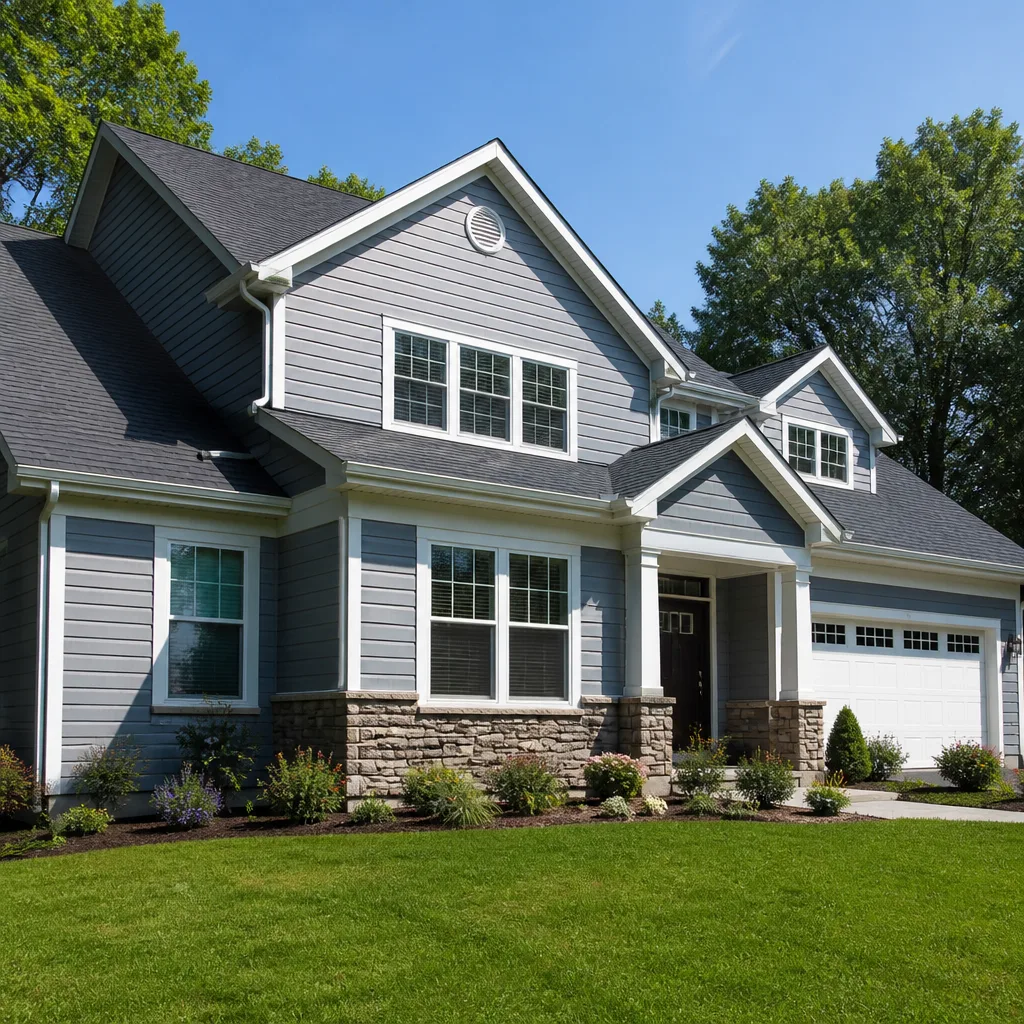
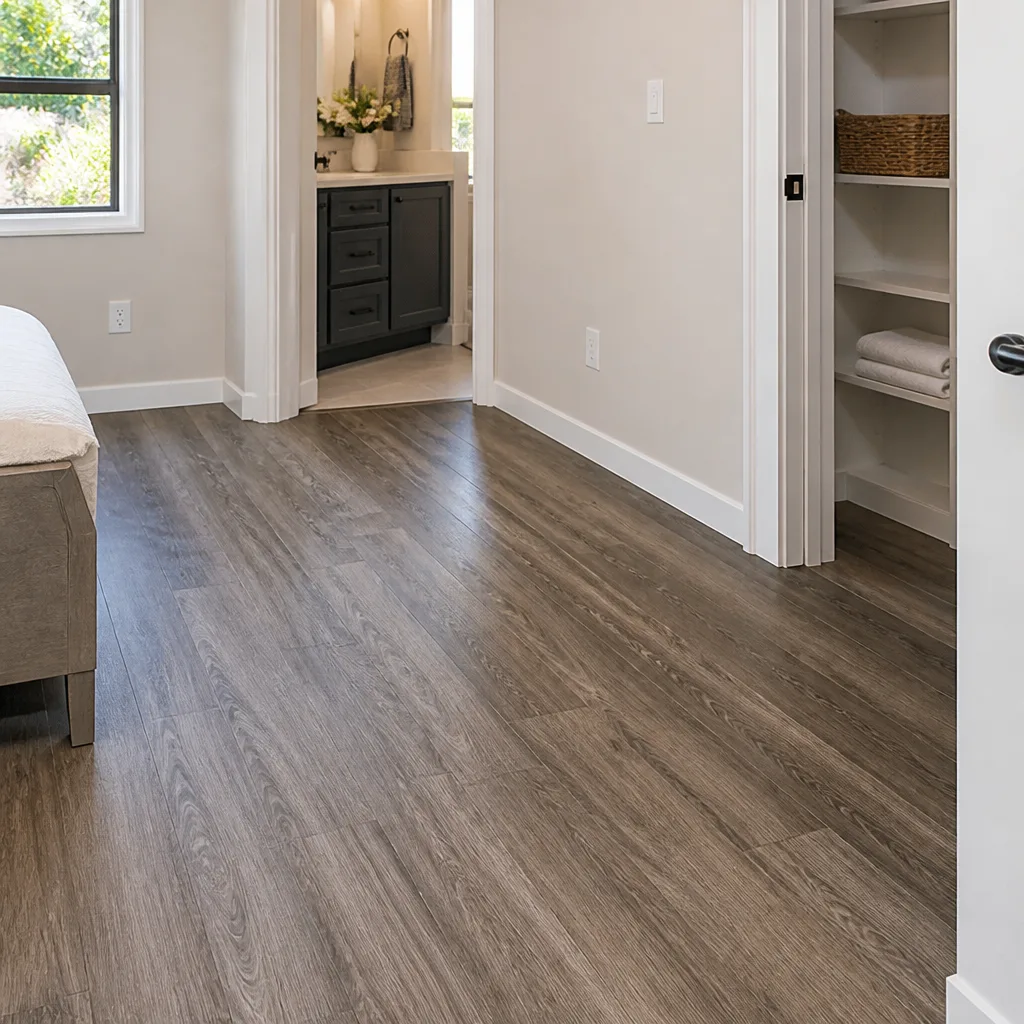
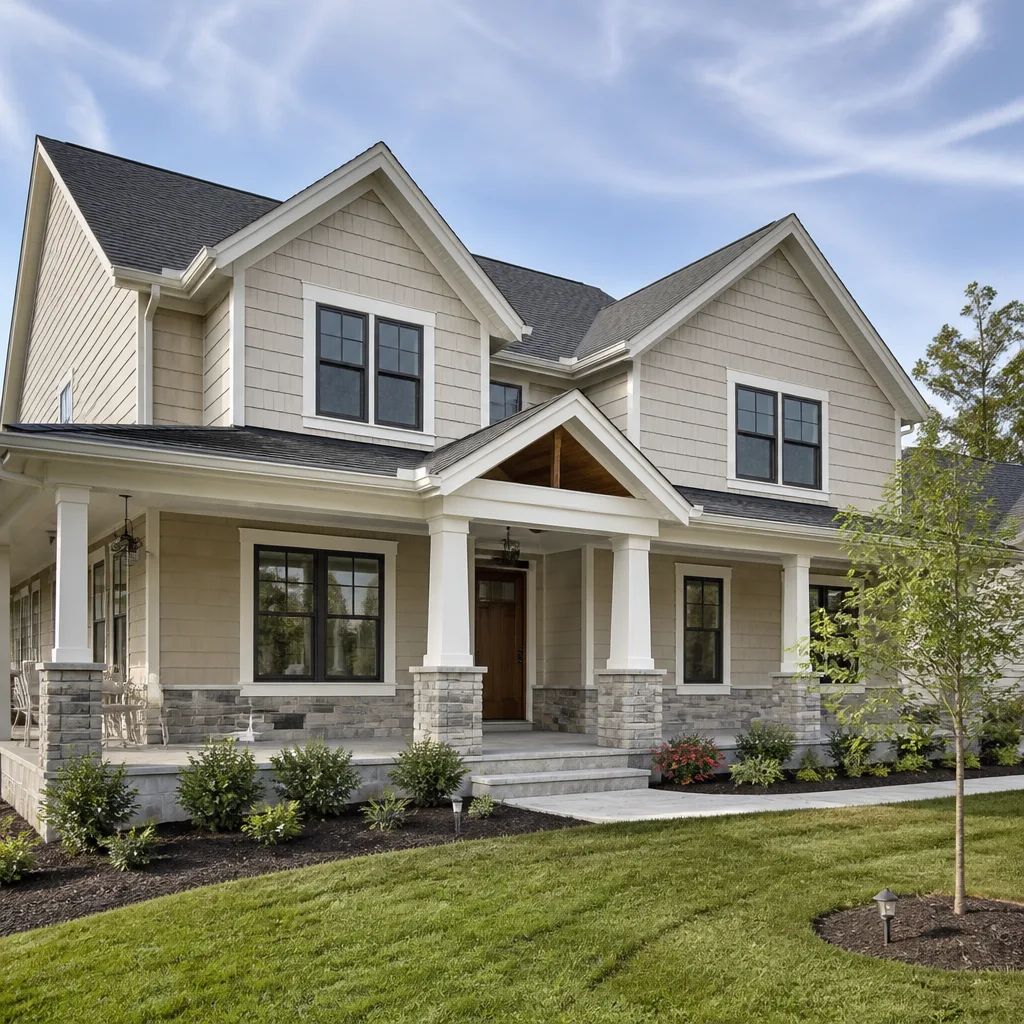
 Before
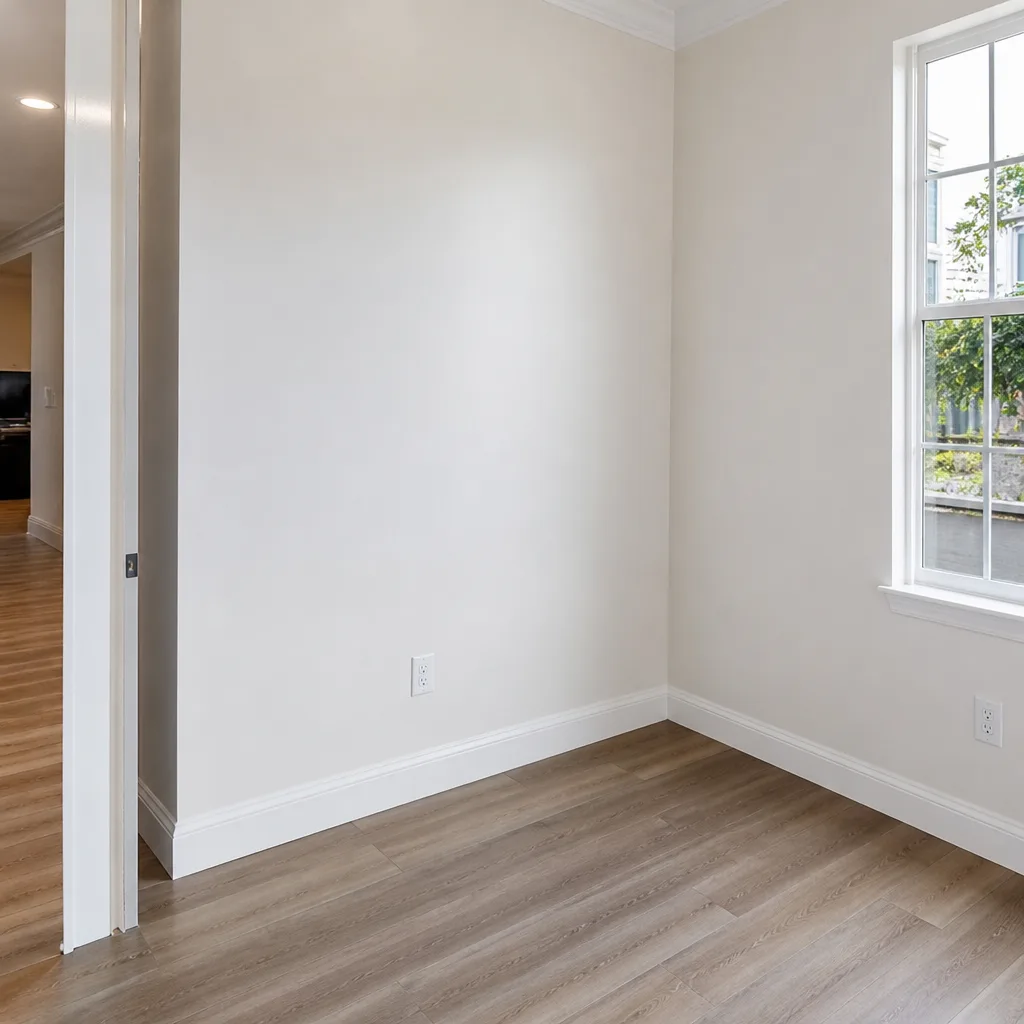 After
After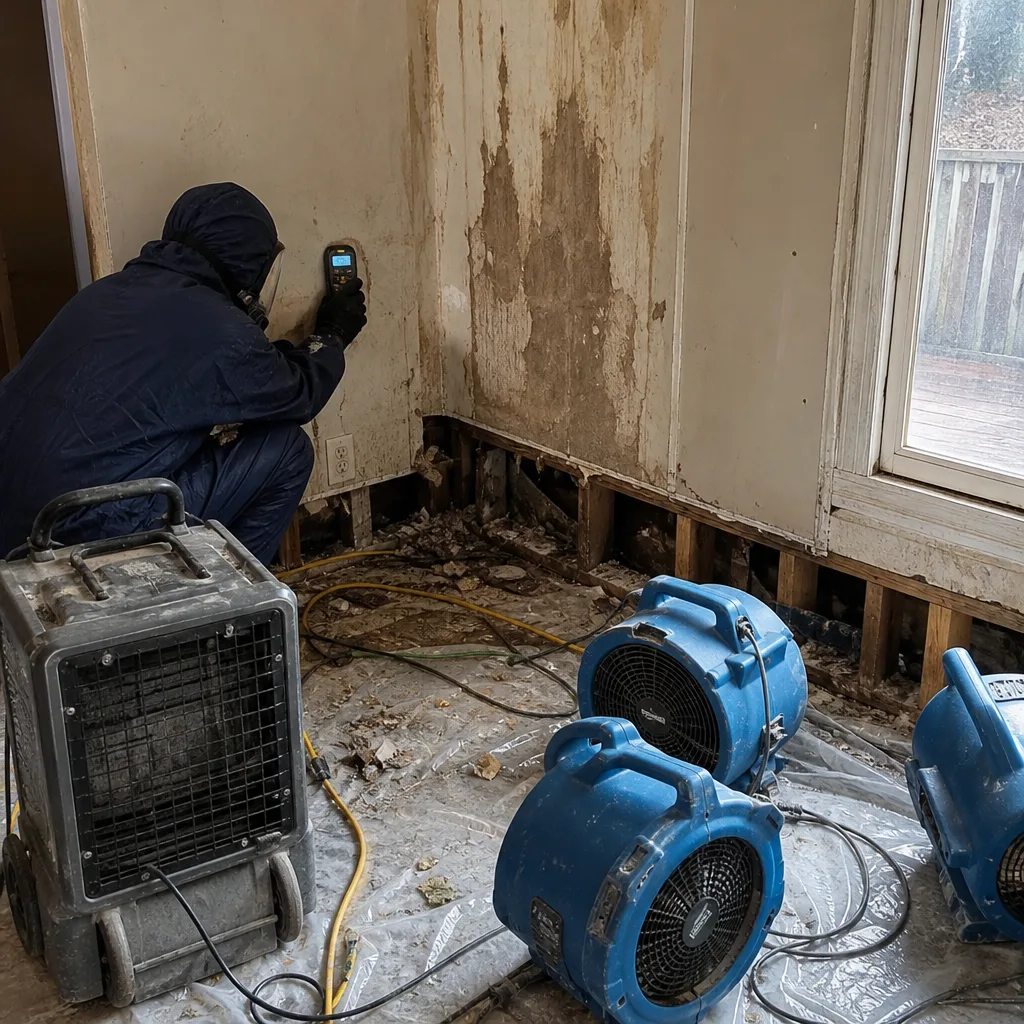 Before
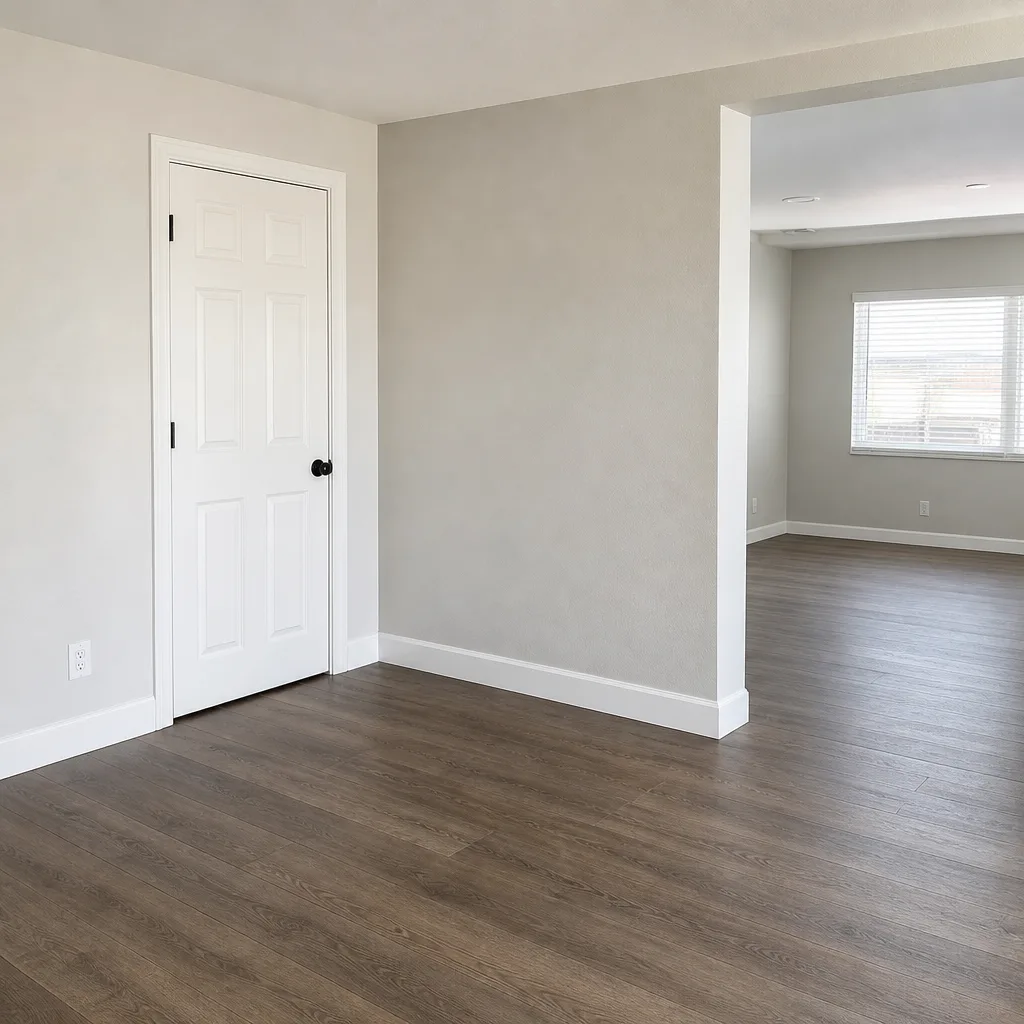 After
After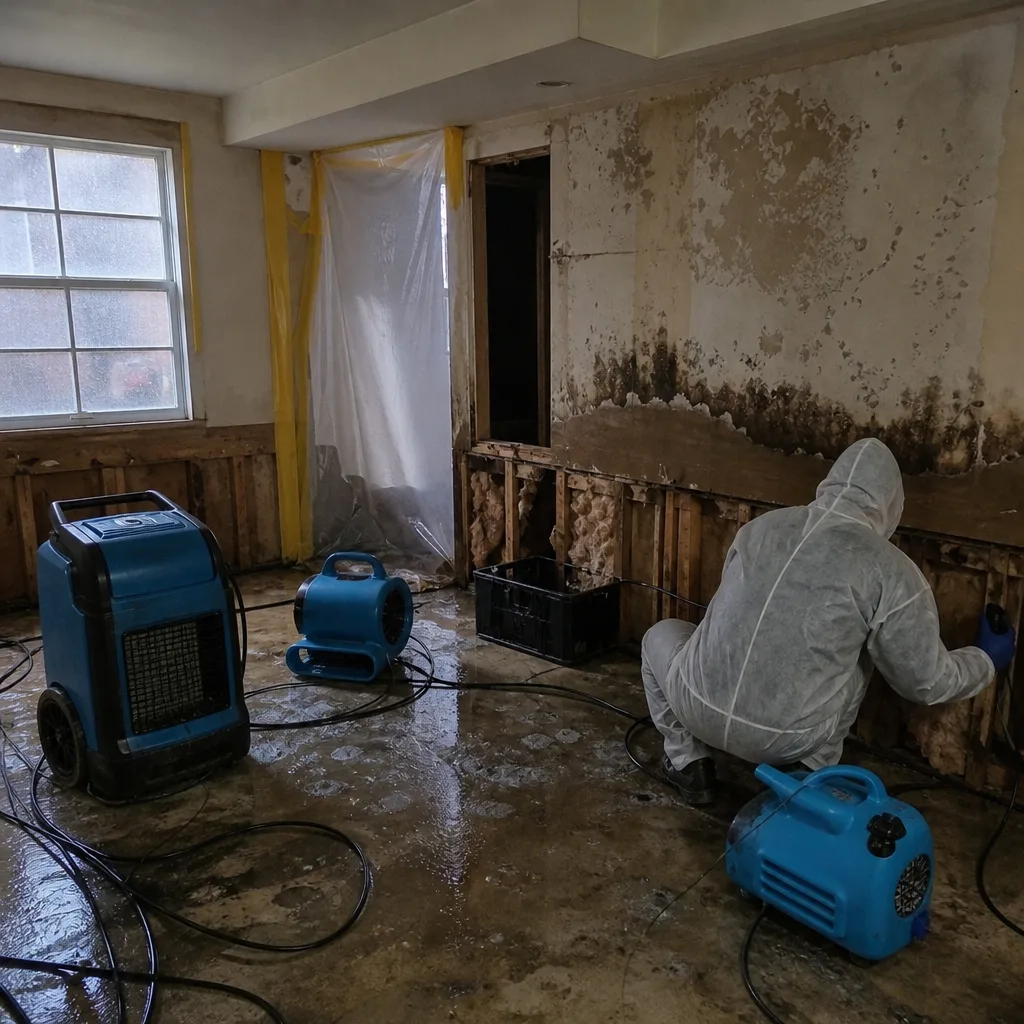 Before
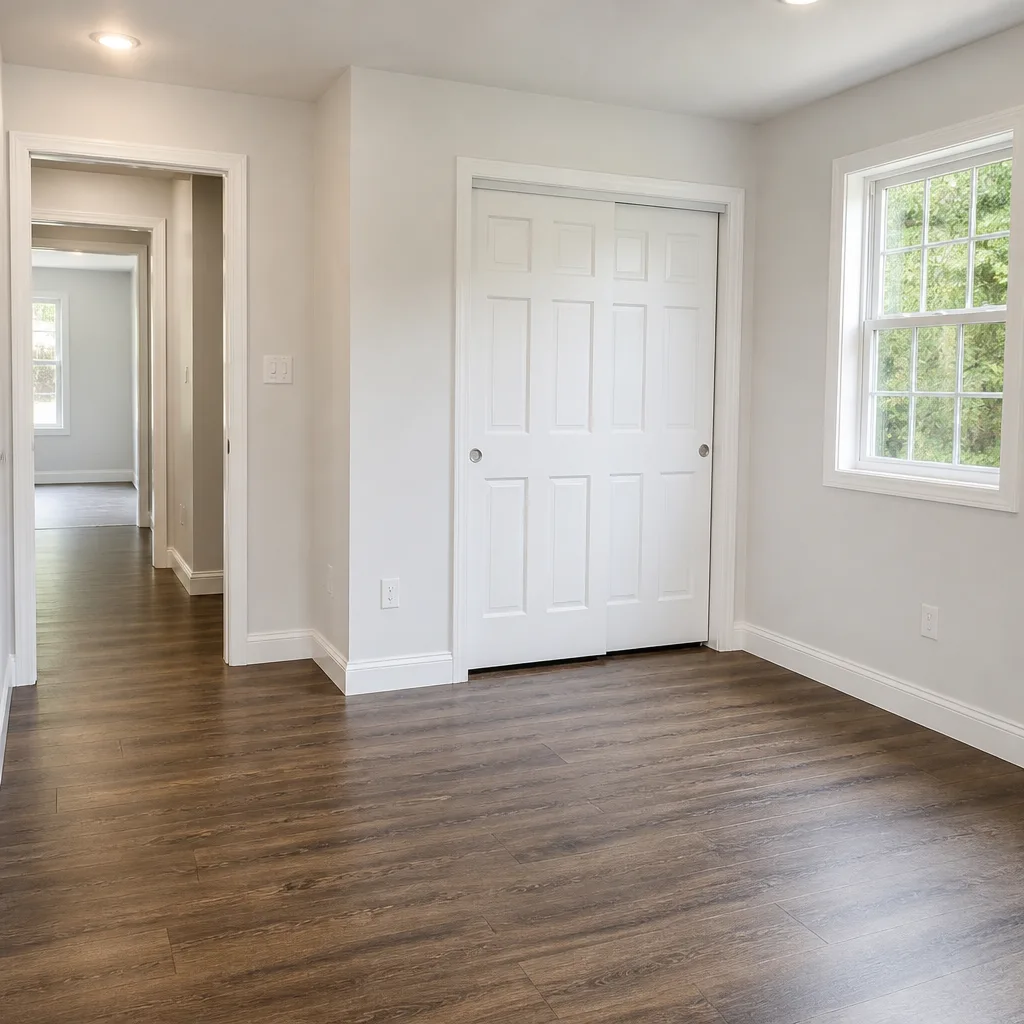 After
AfterFast, Reliable Water Damage Restoration Across Middle Village
Water damage restoration in Middle Village typically costs between $1,800 and $6,500 depending on how far the water traveled and what it soaked, and same-day emergency extraction usually lands between $900 and $2,400 before drying equipment enters the picture. If you’re standing in a finished basement on 74th Street or Juniper Valley Road watching storm water climb your drywall, you don’t need a callback in three hours. You need a crew now. Wendell Water Damage Restoration answers live 24/7 at (940) 466-4354, gives you a written price before any tool comes off the truck, and sends background-checked technicians with a live arrival time you can track on your phone.
We know Middle Village because we work Middle Village: the split-levels off Metropolitan Avenue, the ranches near Juniper Valley Park, the blocks around St. John’s Cemetery where finished basements sit low against the water table. Our Water Damage Restoration team handles emergency extraction, structural drying, and flood cleanup with the same IICRC, RIA, and IFA standards we’d bring to a commercial loss site, minus the corporate runaround.
Key Takeaways:
- Same-day emergency water removal is available across Middle Village, with written pricing before work starts.
- Finished basements in 1960s – 70s split-levels are the most common flood damage call we get locally.
- We text before-and-after photos and a digital invoice you pay from the link. The number on the screen is the number you pay.
- Every repair includes the 365-Day Done Right Promise in writing, plus a free second visit if the repair fails.
Why Wendell Water Damage Restoration Is Middle Village’s Preferred Water Damage Restoration Company
Middle Village homeowners call us because we treat transparency like a service, not a slogan. Every job starts with a written scope and a written price. You approve it before we start. That’s not how most restoration companies operate around here, and it’s exactly why the phone-first approach works in this neighborhood. Homeowners here are hands-on with their properties. They want to see the moisture readings, know which walls are getting cut, and understand what the drying logs show. We walk through all of it in plain language.
Our crews are background-checked and uniformed. You’ll have the technician’s name and a live arrival time before they ring the bell. That matters on Juniper Boulevard North and 69th Street, where parking and access can get tight and a vague four-hour window doesn’t work. When a supply line lets go in a finished basement near PS 49, response time isn’t a convenience. It’s the difference between drying a room and gutting it.
Wendell is part of the Relay Home Co. family, founded in 2006, and independently owned and operated to The Relay Visibility Guarantee. Every Middle Village job gets the Relay Standard: book in a tap, live arrival time, photo updates by text, price in writing, and a text invoice. The technician showing up is the technician you’ll see in the update photo. No phone tree, no callback queue, no “someone will reach out.” You call, a live person answers, and the clock starts.
Emergency Water Removal in Middle Village
Emergency Water Removal in Middle Village is what we do most often after heavy summer storms push water through a rear slider or over a window well, and it means standing-water extraction plus the first structural drying pass. When there’s water pooled on a finished basement floor near Juniper Valley Park or spreading under carpet pad off Dry Harbor Road, you call and we’re on-site the same day. The extraction itself typically runs $900 to $2,400 in this market for a standard finished basement, and we put that number in writing before the pump comes off the truck.
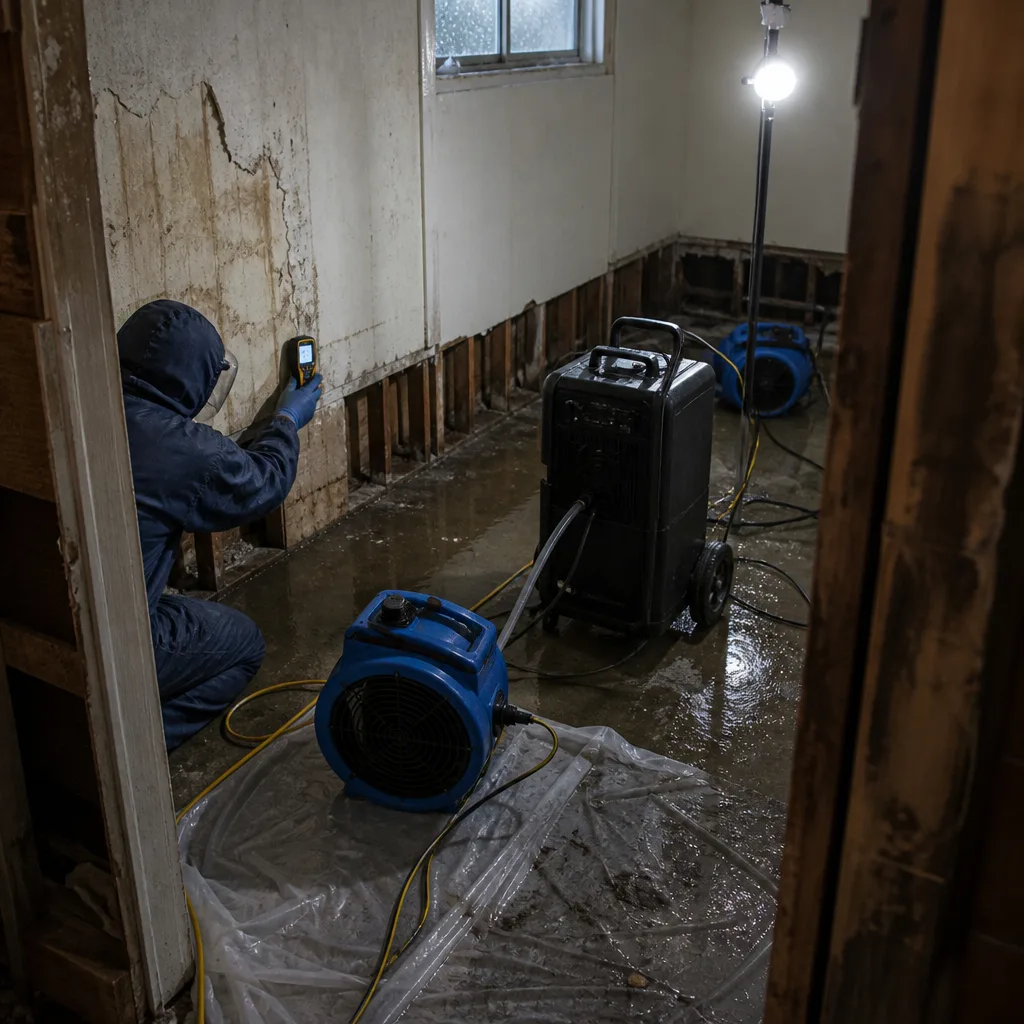
What a lot of homeowners don’t realize is that extraction is only the visible step. The water you can push with a broom is maybe 40 percent of the problem. The rest is bound in drywall, trapped under vinyl plank, hiding behind paneling. Our techs use moisture mapping to find the real edge of the damage and track it room by room. We don’t guess.
Standing Water Extraction and Containment
We pull standing water with truck-mounted and portable extraction units, then set containment so the wet zone doesn’t share air with the rest of the house. That last part matters in Middle Village homes with open floor plans where a basement doorway opens straight onto a finished family room. Containment keeps damp, contaminated air from migrating up the stairs.
Structural Drying and Dehumidification
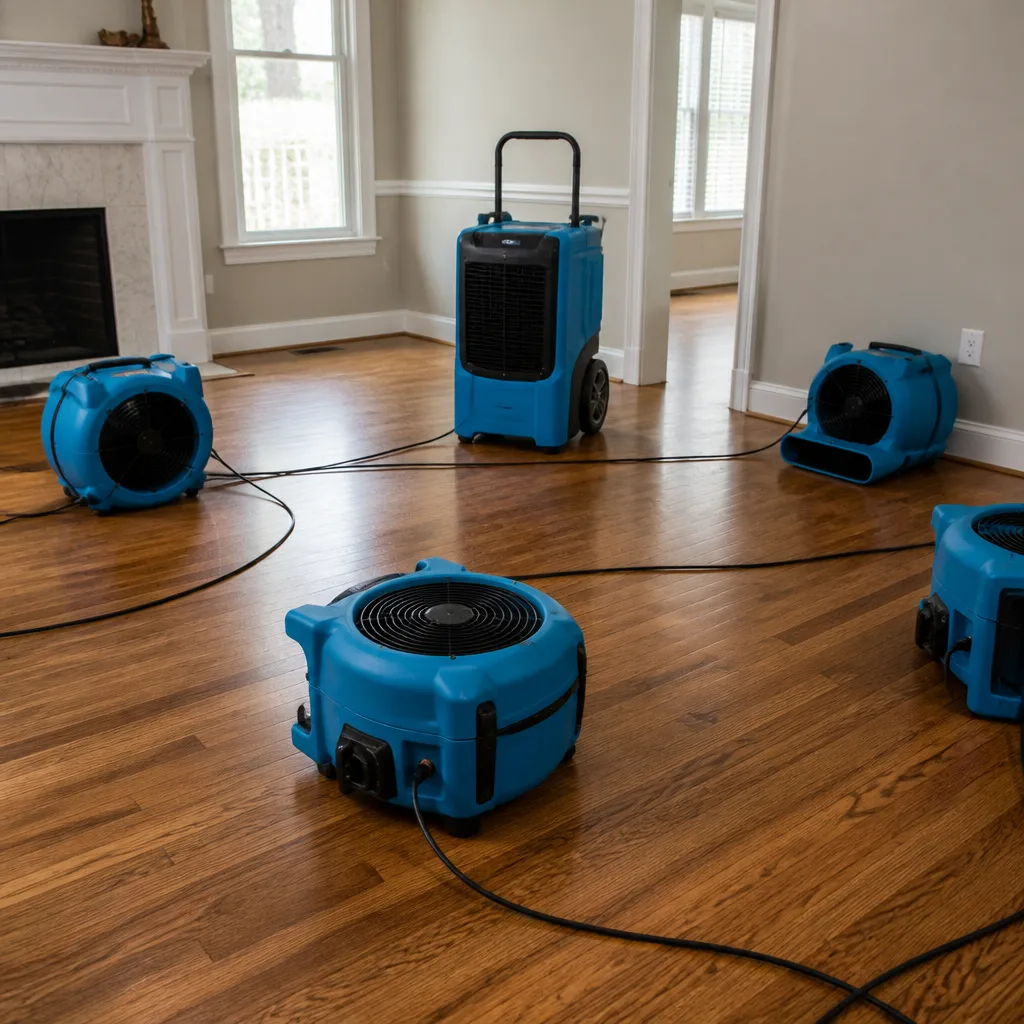
After extraction, we deploy Dri-Eaz air movers and Phoenix dehumidifiers for structural drying. Psychrometric drying means tracking the air’s moisture level so we know when your home is truly dry, not just surface-dry. In the older split-levels with finished basements, a drywall cavity that reads dry at the surface can still hold water at the sill plate. We log every reading and share the drying curve with you.
Flood Damage Restoration in Middle Village
Flood Damage Restoration in Middle Village often starts the same way: a summer downpour overwhelms a backyard drywell, water sits against the foundation, and within an hour it’s coming through a window well or a ground-level door. By the time homeowners reach the bottom of the stairs, the finished basement is holding an inch of Category 2 or 3 water. The full restoration path, from extraction through drying, antimicrobial treatment, and drywall repair, typically runs $3,200 to $6,500 in this neighborhood, depending on how much finished wall has to come out. We’ll give you that range in writing before any work begins, and the written guarantee covers the repair for 365 days.
Flood water here isn’t clean. Storm runoff that crosses a lawn, a driveway, or a sidewalk picks up fertilizer, oil residue, and whatever’s been sitting on the concrete. That’s why flood damage gets treated differently than a burst supply pipe. We don’t just dry it. We treat it.
Storm Water Category Assessment
We classify incoming water by category before we touch it. Category 1 is clean supply water. Category 2 carries significant contamination. Category 3 is grossly contaminated, and in Middle Village that’s most storm-driven basement flooding. The category decides whether carpet pad gets saved or bagged, whether drywall gets cut at the wick line or above it, and whether we’re running containment before drying starts.
Antimicrobial Treatment and Re-Dry
When flood water sits behind paneling or under a carpet pad in one of the 1960s-era finished basements around St. John’s Cemetery, a DIY dry-out leaves trapped moisture and a musty odor that comes back weeks later. That’s the re-wet smell. We apply antimicrobial treatment as part of the drying protocol and re-check the drying logs before we sign off. It’s the difference between restored and recurrent.
Trusted Brands We Service in Middle Village
We deploy Dri-Eaz air movers and dehumidifiers, Phoenix dehumidifiers for deep structural drying, and XPOWER air movers for tight access spots common in Middle Village basements with low ceilings and narrow stairwells. We stock common replacement parts for these units on our trucks, so if a dehumidifier goes down mid-job, we swap it on-site, not in three days. Middle Village homes with finished basements off 71st Street or 65th Place don’t have room for a drying pause. The equipment matches a commercial loss site, but the service is built for a residential block in Queens.
Common Water Damage Restoration Problems We See in Middle Village Homes
Every neighborhood has a failure pattern. Middle Village’s is specific, and it shapes how we run every job here.
- Finished basements hiding storm water. The 1960s – 70s split-levels that fill Middle Village have shallow, mostly finished basements that slope toward backyard drywells. Water that gets in at a rear door or window well during a heavy storm spreads across the whole slab and climbs the finished wall before a homeowner notices. By the time the water’s visible, it’s a restoration project, not a mop job.
- Drywells that re-wet a dried room. Backyard drywells and window wells that stay charged after a heavy rainfall can re-wet a freshly dried room from the outside. We check grade and weep paths before we sign off drying logs, because a dry room against a wet foundation is a re-call waiting to happen.
- Slab-on-grade pockets with no interior drain. The 1970s slab-on-grade pockets around Middle Village have no interior drain line, so a slow supply-line leak spreads under vinyl flooring and into an adjoining closet before the homeowner catches a moisture reading. By the time the floor shows it, the subfloor’s been wet for days.
- Paneling and carpet pad trapping moisture. Older finished basements on blocks near Lutheran All Faiths Cemetery often have paneling over drywall and thick carpet pad from a past remodel. Both materials hide moisture and hold it. A surface reading won’t tell you what’s happening behind them. Moisture mapping does.
Pricing for Water Damage Restoration in Middle Village, NY
Here’s the honest pricing picture for Middle Village, because you should know a ballpark before you tap call. Emergency water extraction on a finished basement typically runs $900 – $2,400. Structural drying with dehumidification and air movement adds $1,000 – $2,800 depending on square footage and how long the water sat. Full flood damage restoration, including Category 3 treatment, drywall removal, antimicrobial application, and repair, usually lands between $3,200 and $6,500. What moves the number: how far water climbed the drywall, whether it reached the electrical outlets, whether carpet pad and paneling come out, and how many rooms are affected. We put the exact price in writing before any work starts, and you get a digital invoice by text. The number on the screen is the number you pay. Call (940) 466-4354 for a free estimate.
We Also Serve Cities Near Middle Village
Our New York City office dispatches technicians across the surrounding Queens neighborhoods, so if you’re in Middle Village or just over the border in Maspeth, Rego Park, Elmhurst, or Ridgewood, the same same-day response and written-pricing standard applies.
Serving Middle Village, NY - Our Local Coverage Area
We’re based in the Middle Village area and know this community well. Use the map below to see our service coverage - if you’re nearby, we can almost certainly help.
FAQs About Water Damage Restoration in Middle Village
Yes. Same-day emergency water removal is available throughout Middle Village, and a live person answers the phone 24/7 at (940) 466-4354. Before we arrive, shut off the water source if it’s a plumbing failure, avoid walking through standing water if there’s any chance it contacted electrical outlets, and move small valuables to dry ground. Don’t attempt to remove soaked drywall or paneling yourself. Call us first and we’ll walk you through it.
Storm water that crosses your yard, walkway, or driveway before entering the basement is Category 2 or 3, not clean water. In Middle Village, where rear sliders and window wells are the common entry points, that water has picked up whatever was on the ground outside. We assess the category on-site and treat the space accordingly, which often means removing carpet pad, cutting drywall at the wick line, and running containment before structural drying. Call (940) 466-4354 and we’ll assess it same day.
A finished Middle Village basement typically takes 3 to 5 days to fully dry under professional structural drying with dehumidifiers and air movers. Box fans won’t do it. They move air across the surface but don’t lower the vapor pressure inside the drywall, which is where the damage is. Without dehumidification and moisture mapping, the room will feel dry and then smell damp again within a few weeks. We track drying logs against the pre-loss condition baseline so you know when it’s actually done.
Often yes, but we only cut what’s actually wet. We use moisture mapping to find the real wick line, then remove saturated drywall and paneling at that line, not a foot above it. In Middle Village finished basements, that usually means cutting 2 to 4 feet up if water reached the baseboard and sat. If the water was Category 3, the cut goes higher because we remove everything below the waterline plus margin. We’ll show you the moisture readings and the cut plan before a saw comes out. Call (940) 466-4354 for a free assessment.
Yes. We document every Middle Village job with photo evidence from the first arrival through final drying, and we coordinate directly with your adjuster so the file moves. Our techs write the scope in insurance-ready language, including moisture maps, drying logs, and pre-loss condition baselines. You get the same documentation we send to the carrier. That way when the adjuster asks why a wall was cut at three feet, the answer is already in the file. Call (940) 466-4354 and we’ll handle it from the first phone call.
If water’s already spreading through a finished Middle Village basement, don’t wait to see if it dries on its own. It won’t. Call Wendell Water Damage Restoration at (940) 466-4354 for same-day emergency water removal and a written price before any work starts.
Written by Blake Sorensen, Owner at Wendell Water Damage Restoration, part of the Relay Home Co. family and serving Middle Village since 2006.