
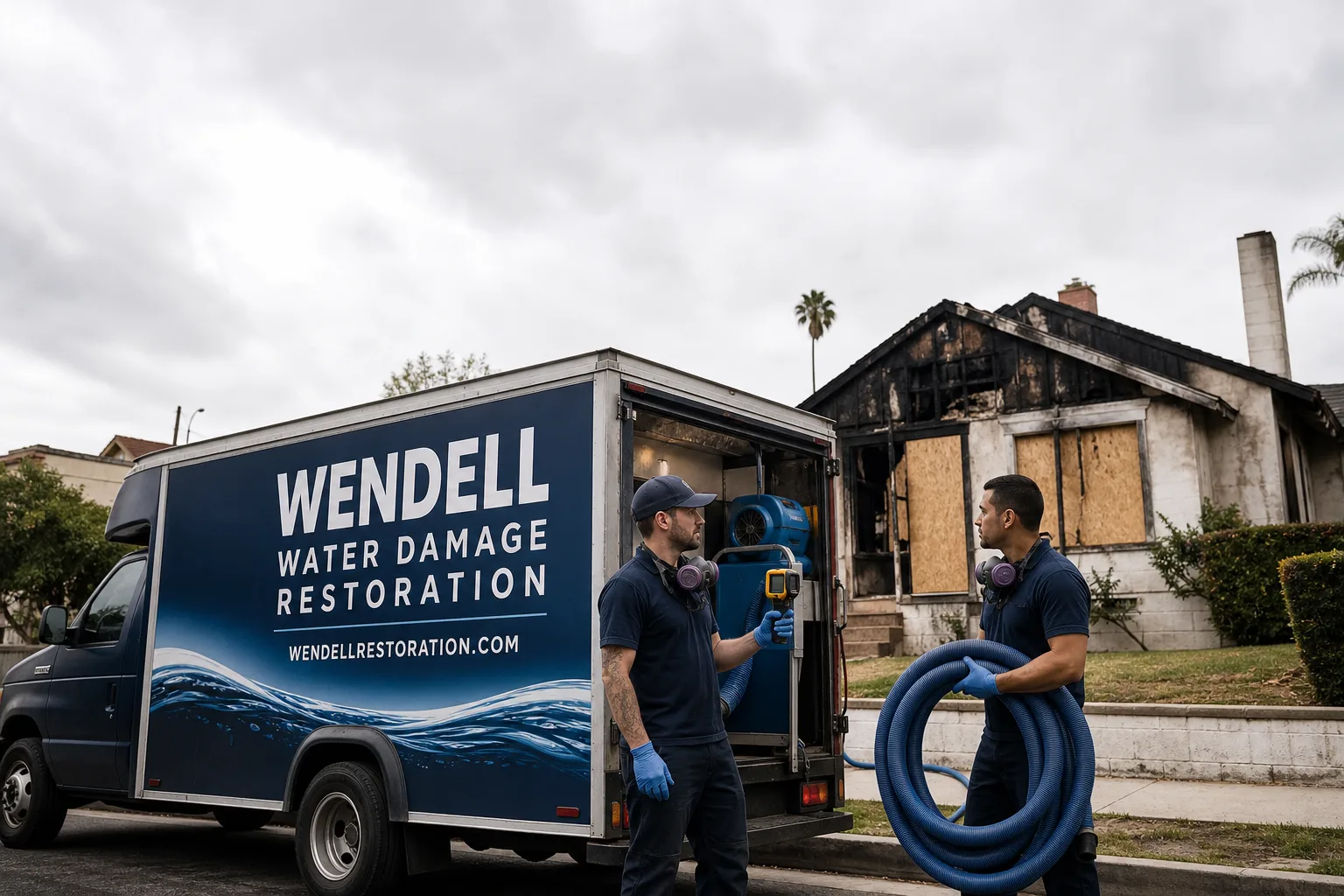
Free visual inspection and a written scope of work before any mitigation begins - photos, moisture readings, and drying logs go in your claim file
The scope we write is the scope we bill. Anything new gets shown to you, in writing, before we touch it.
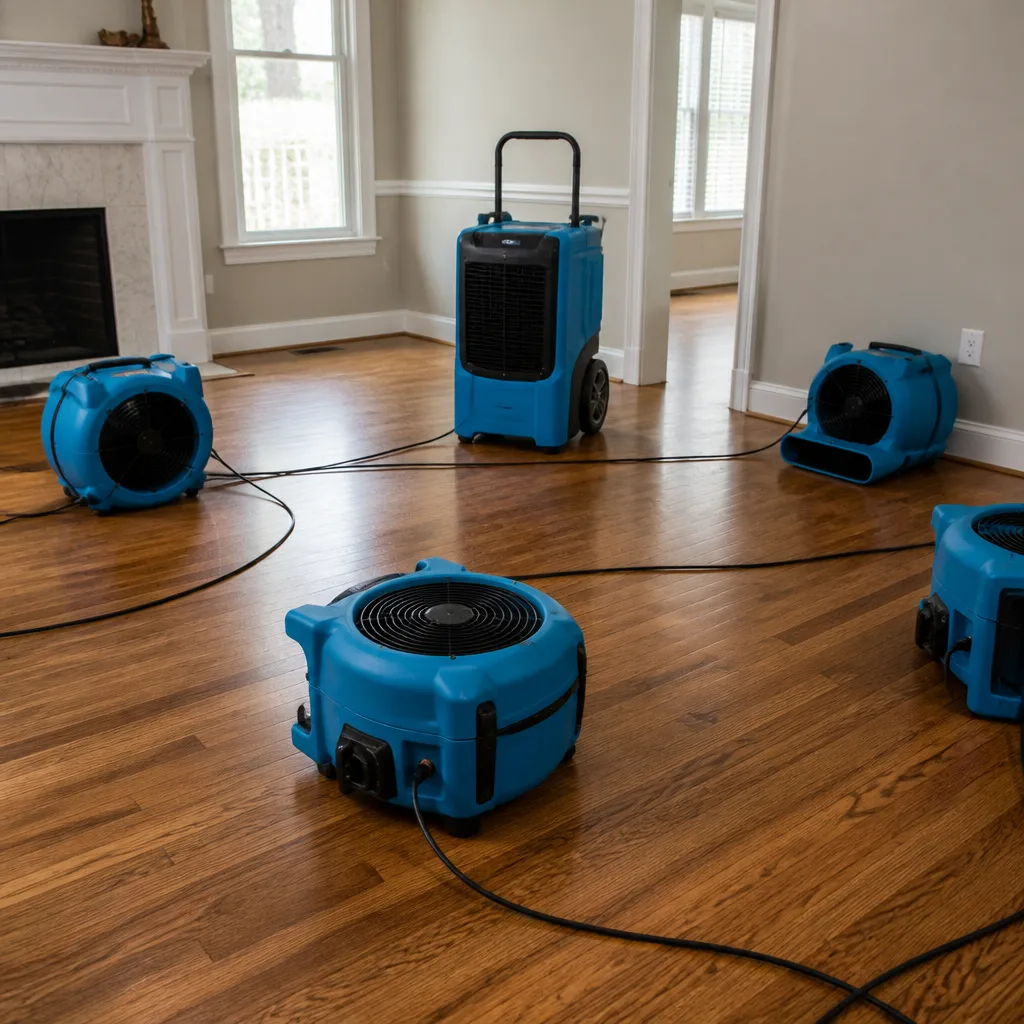
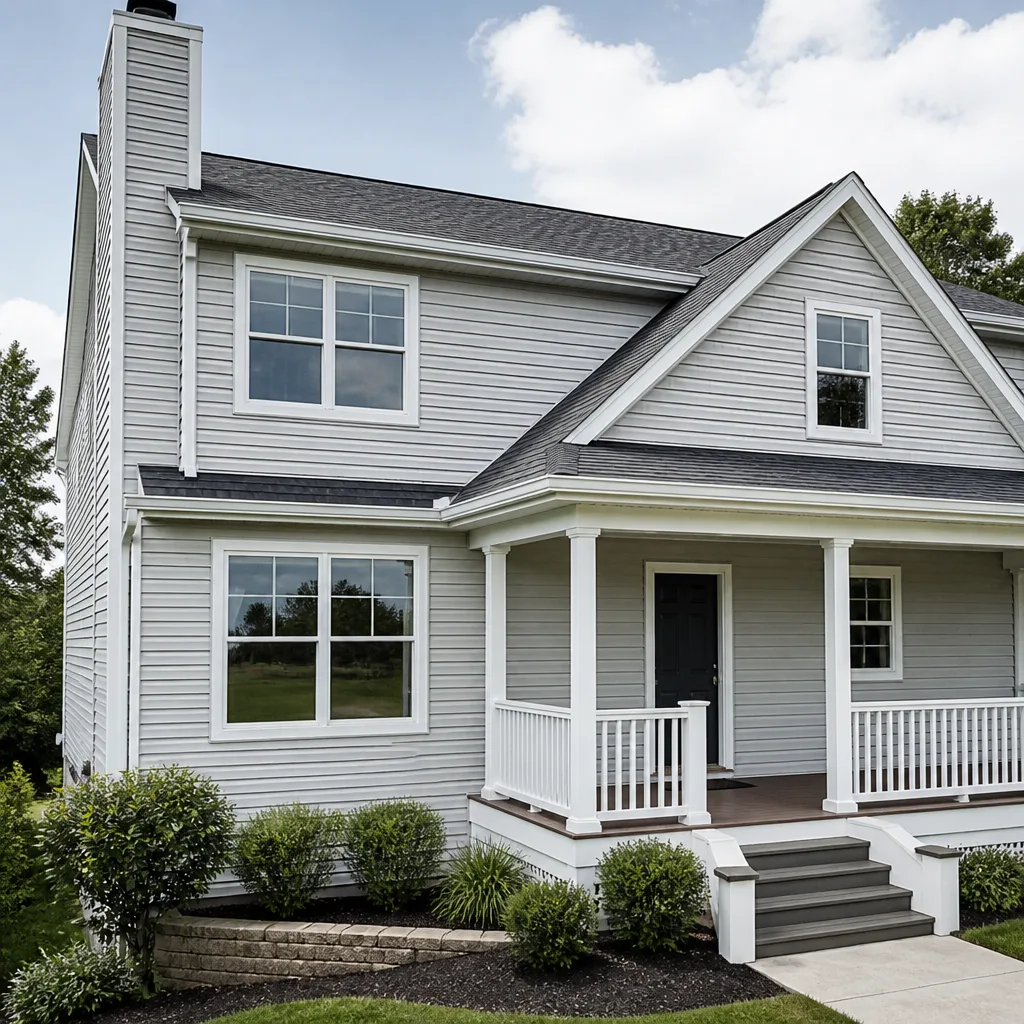
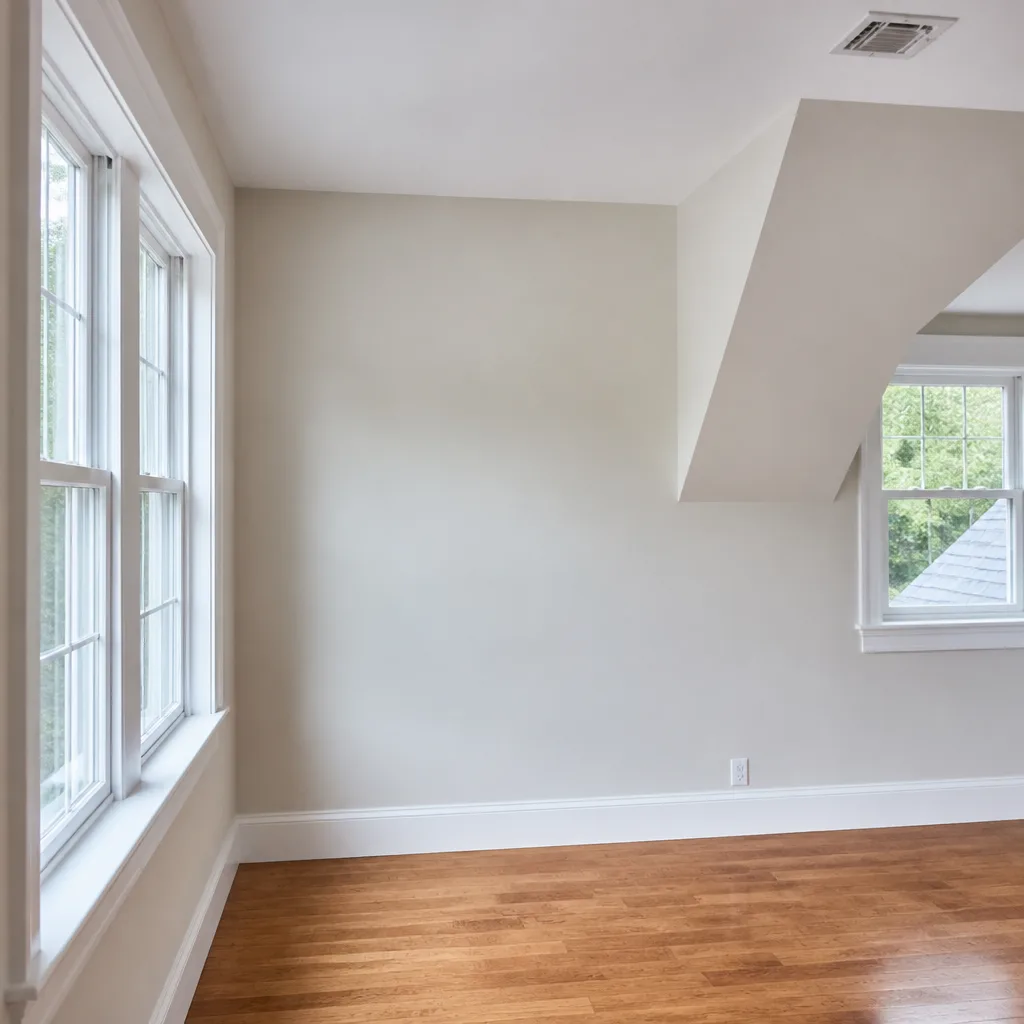
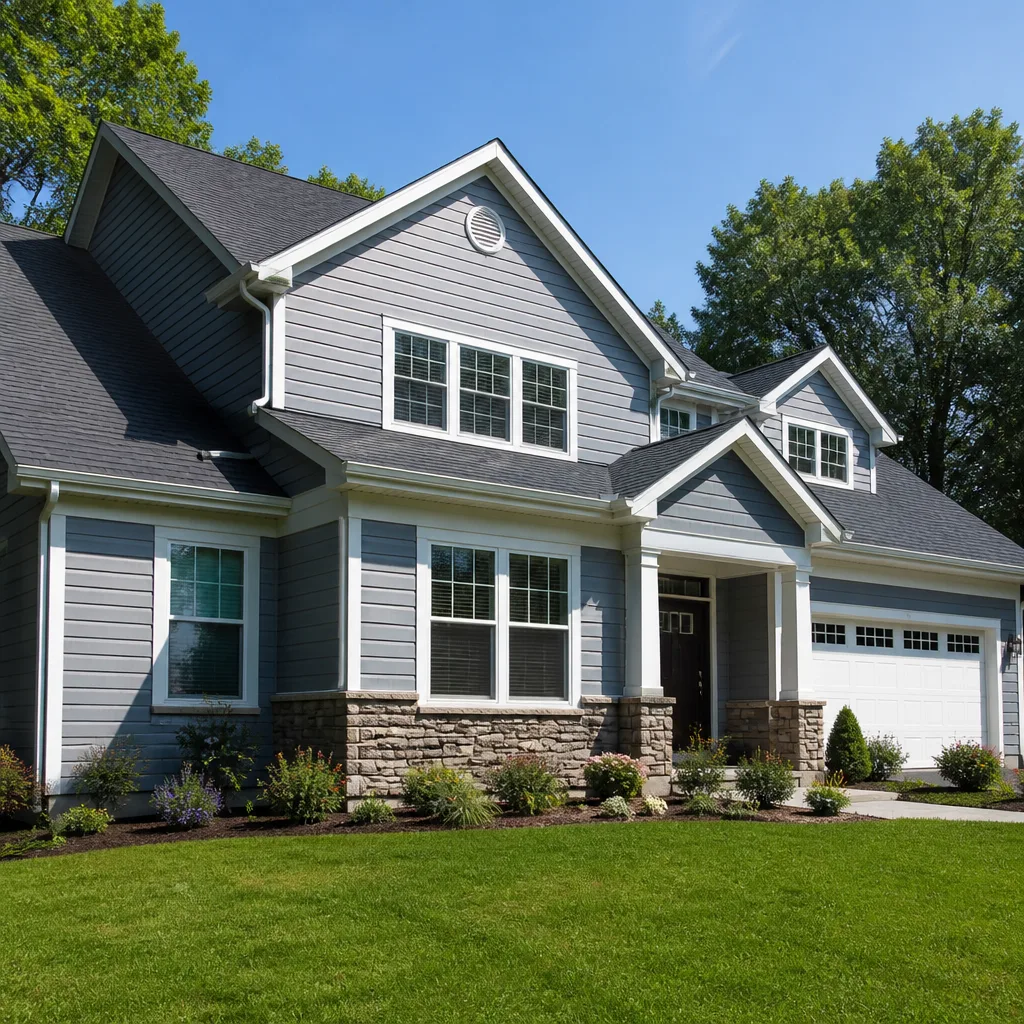
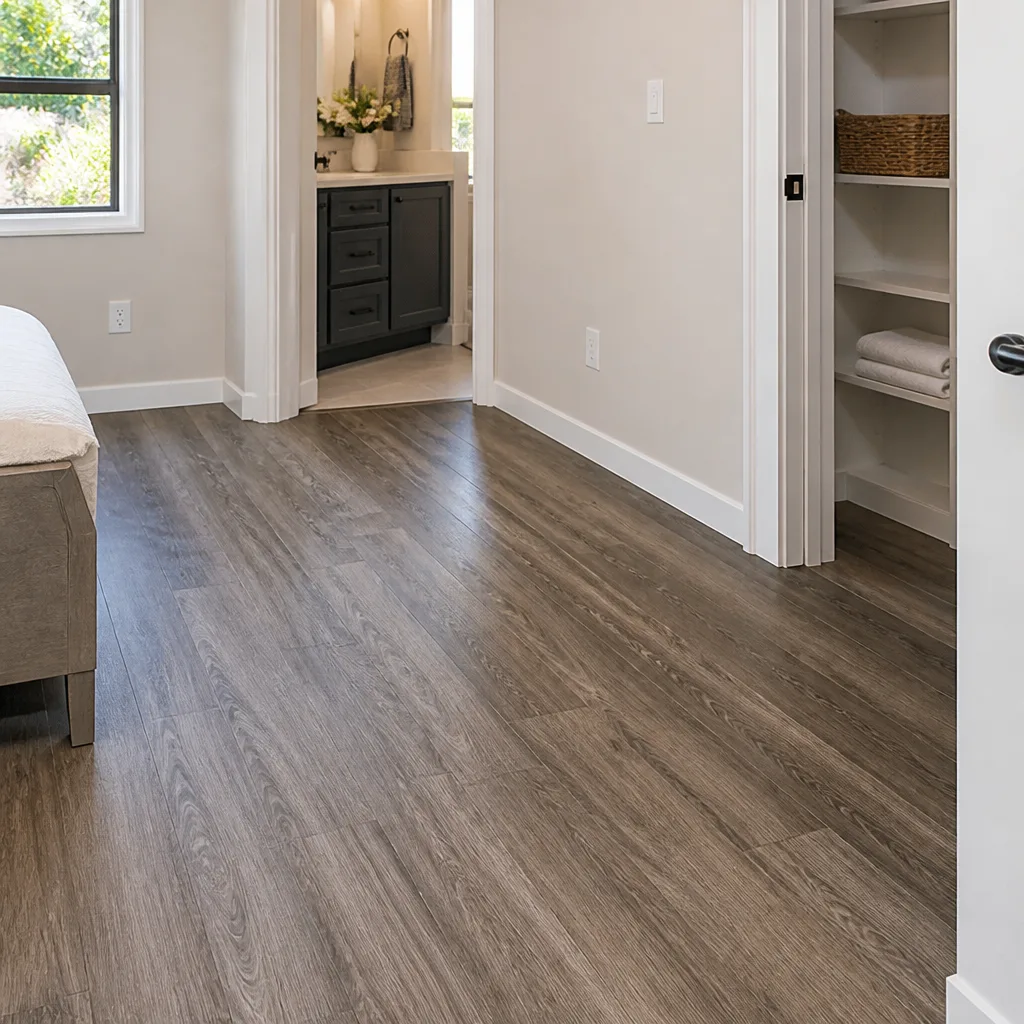
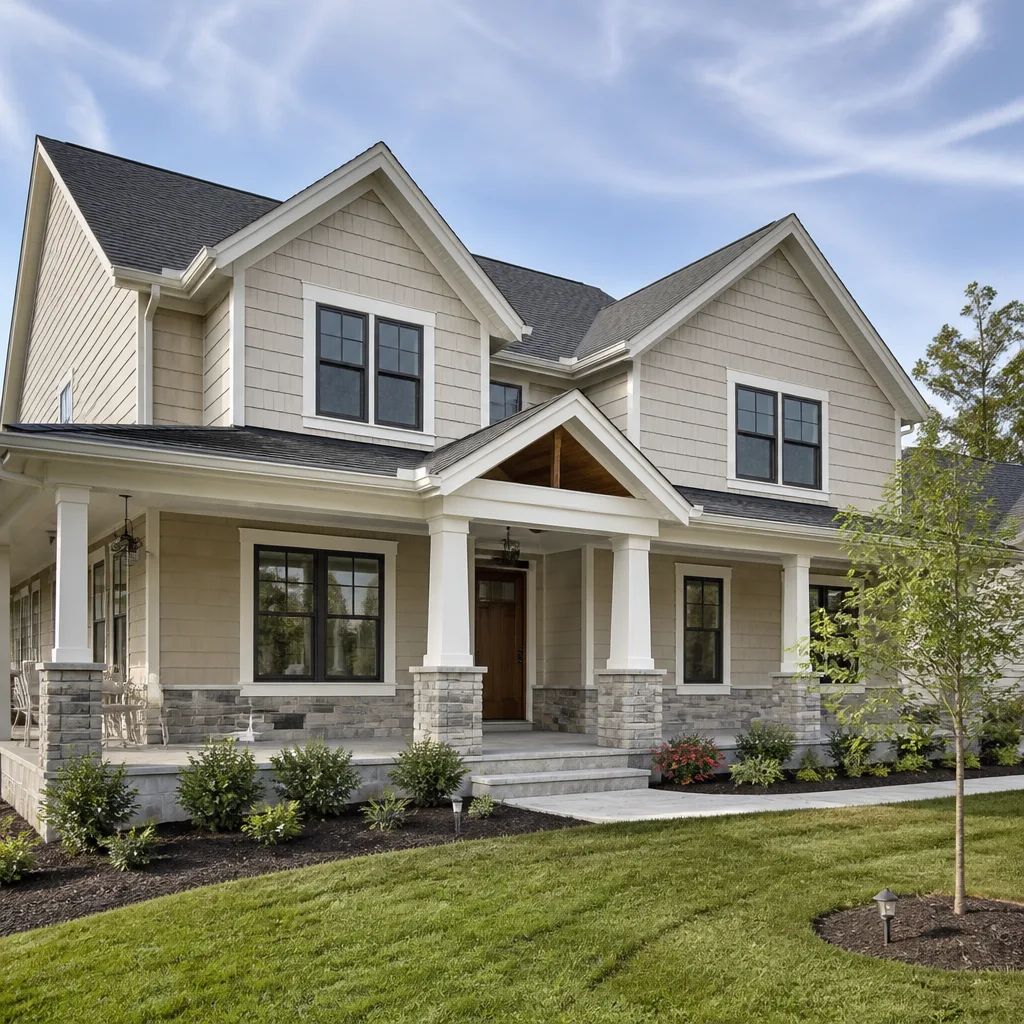
 Before
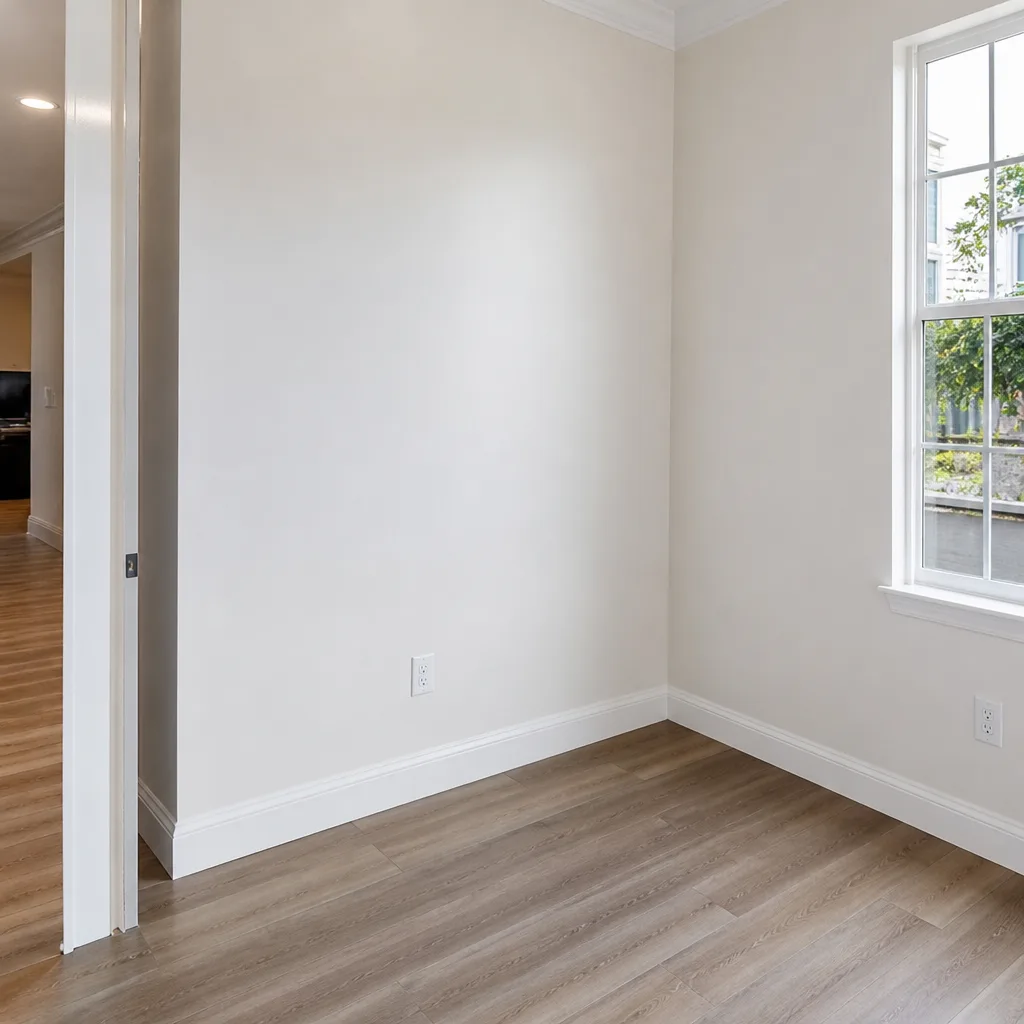 After
After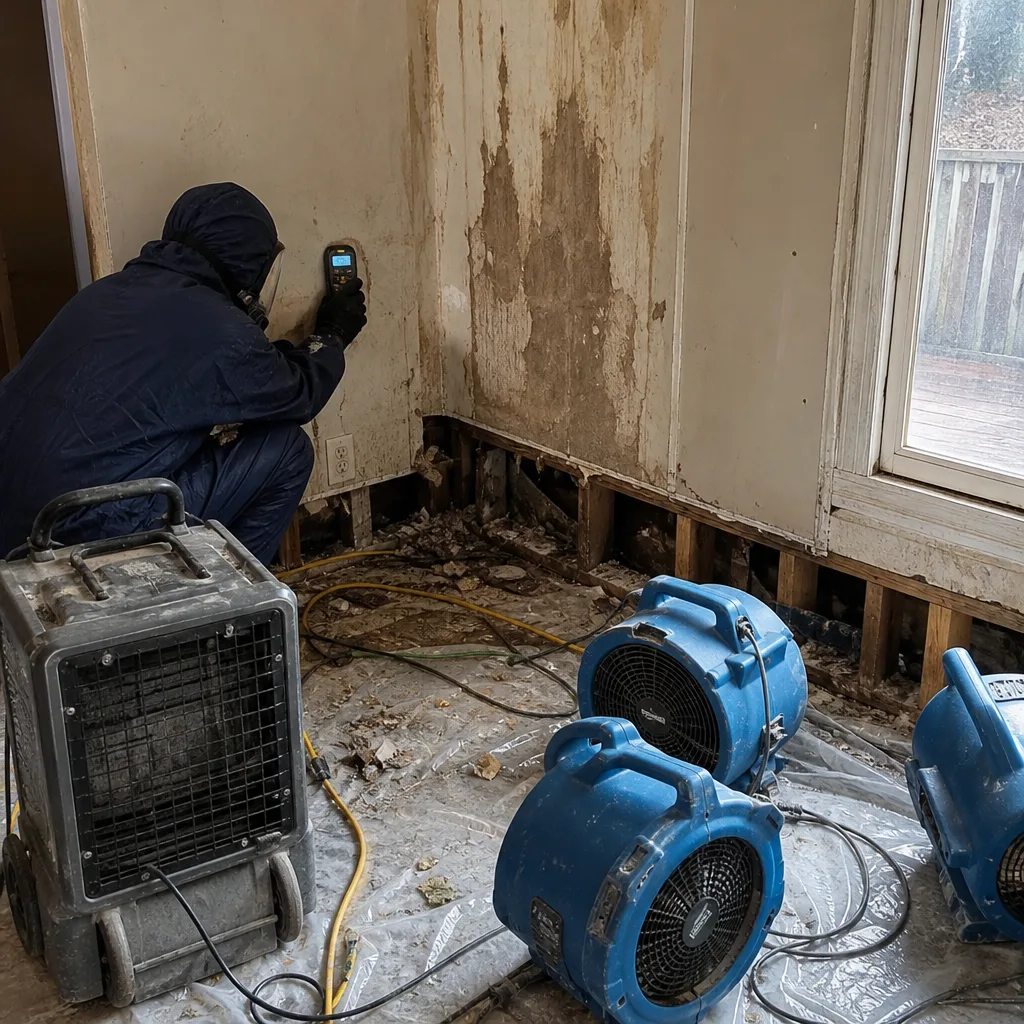 Before
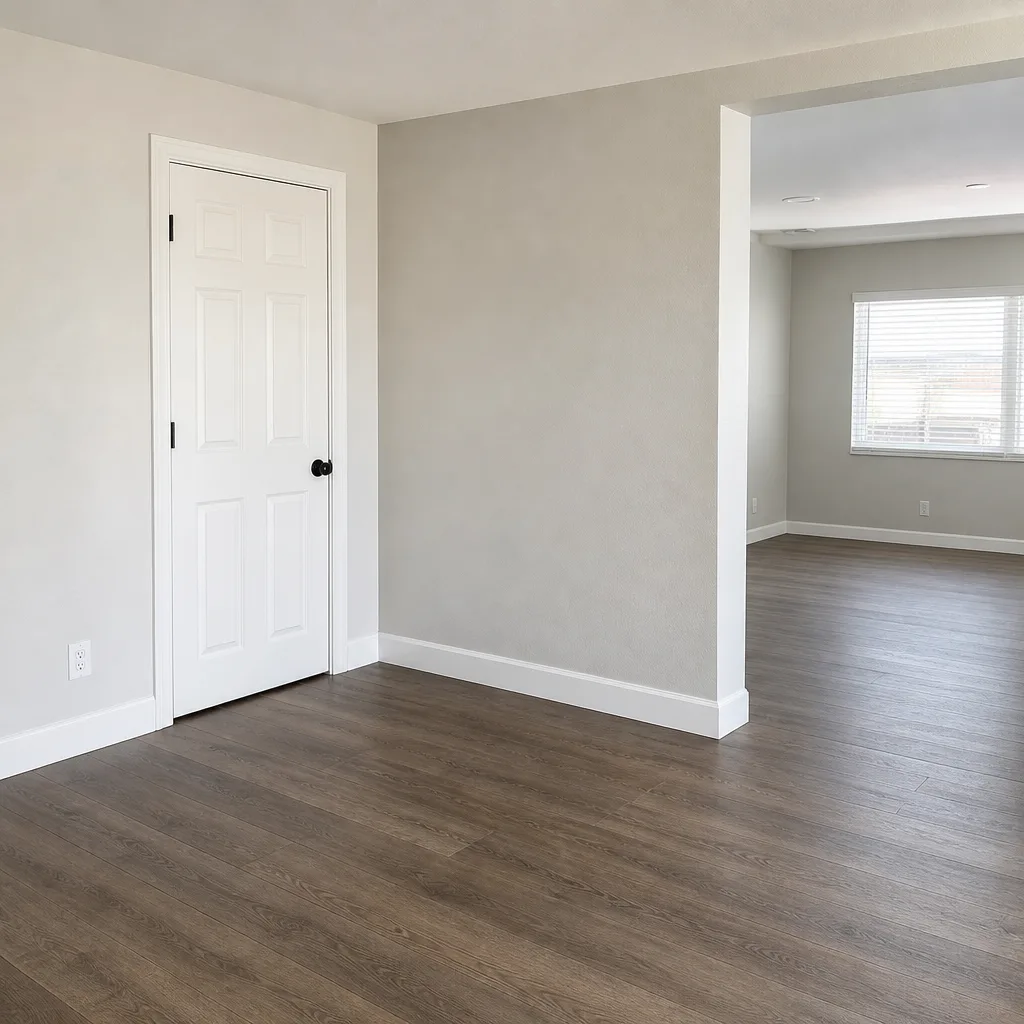 After
After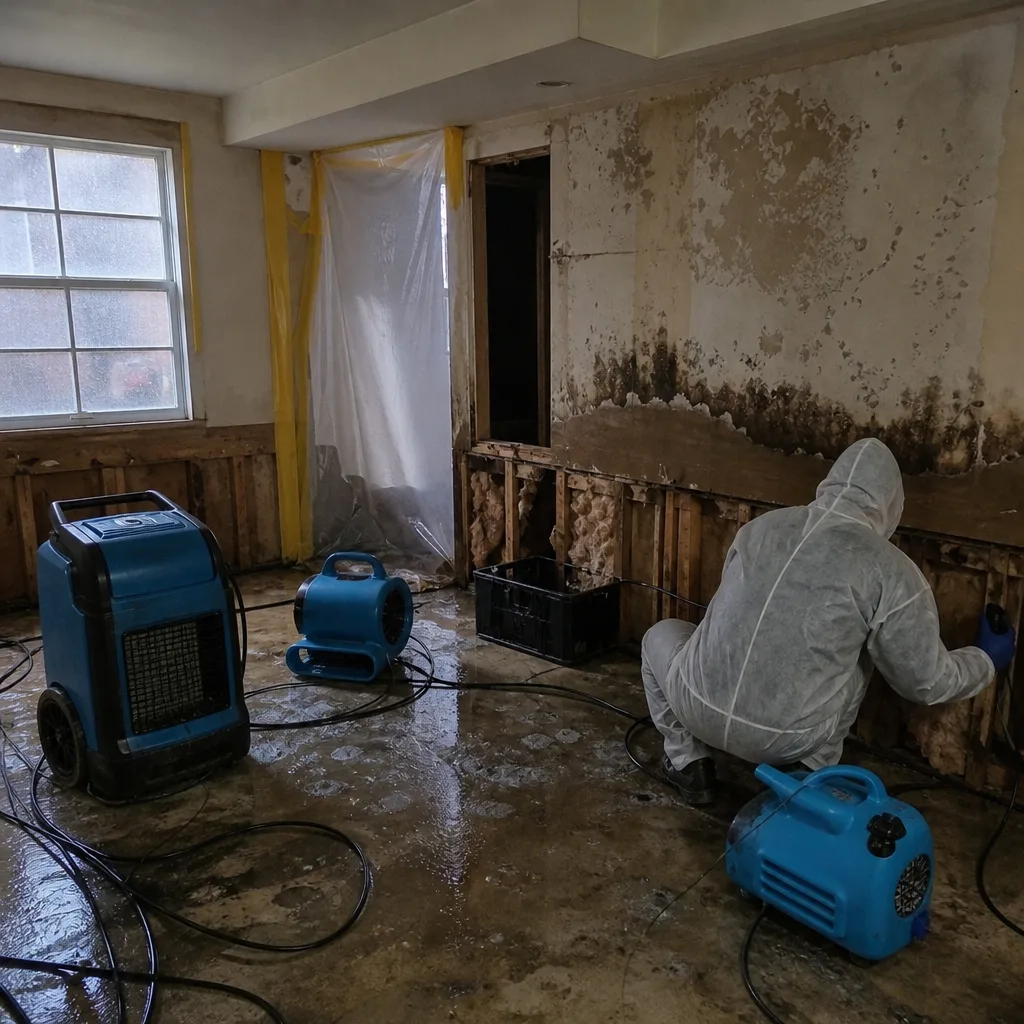 Before
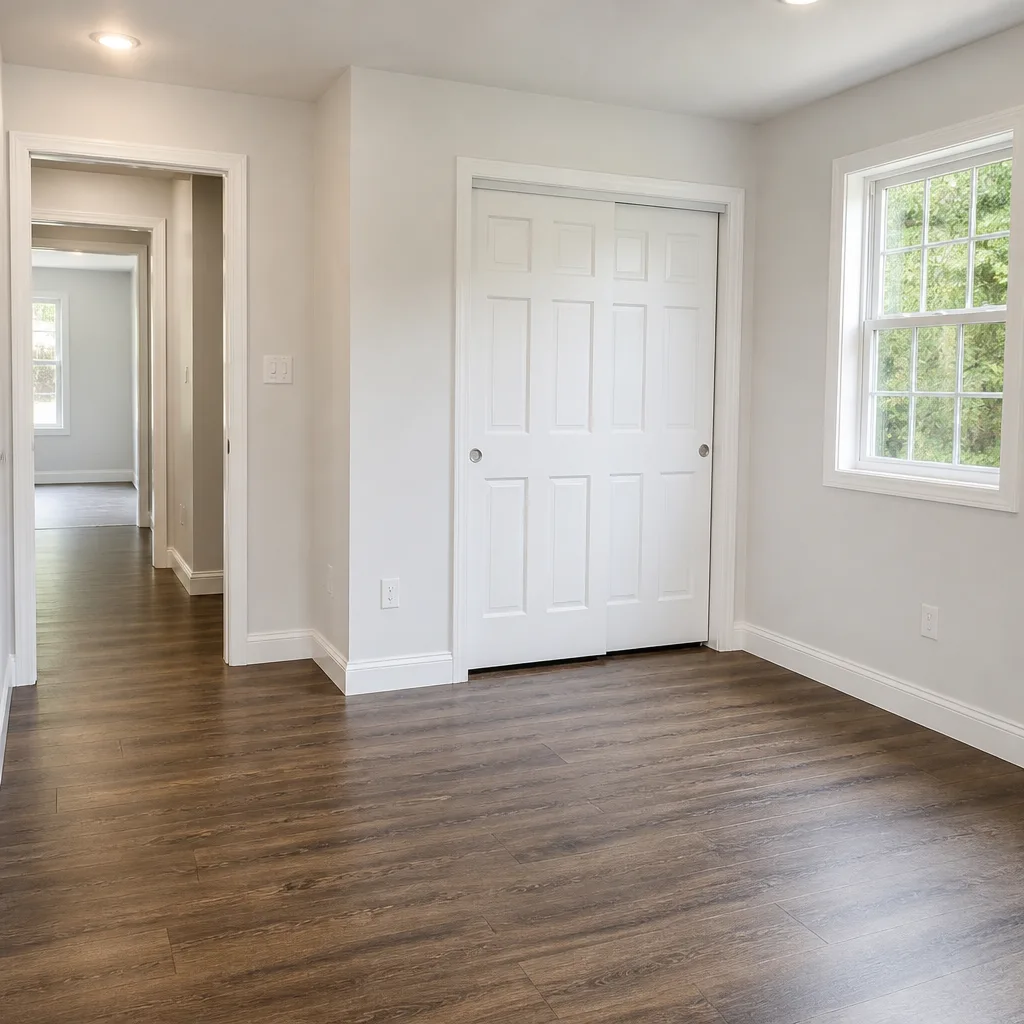 After
AfterFast, Reliable Water Damage Restoration Across Lower Manhattan
Water Damage Repair in Lower Manhattan rarely announces itself politely. It comes up through a sub-cellar floor on Stone Street after a heavy rain, or it drips from a steam riser chase behind a Tribeca loft’s original plaster. The core question most people ask us is simple: how fast can you get here, and what will it cost? We answer the phone live at (940) 466-4354, give you a written price before any work starts, and dispatch crews who know Lower Manhattan’s pre-war buildings, landmark restrictions, and below-grade water problems better than any crew driving in from another borough.
Most of Lower Manhattan is built on landfill and old wharves with active steam infrastructure beneath the streets, so water intrusion here is often groundwater pushed up through below-grade floors or steam-line condensate rather than the burst-supply-line leaks that dominate neighboring boroughs. That mix means our crews regularly see Category 3 (black) water in pre-war basements and sub-cellars, where the source – combined sewer backflow, tidal groundwater, or a cracked steam condensate return – predicts what can be dried and what must be removed. This page explains how that changes the extraction approach, the category of water, and what has to come out versus what can be saved.
Why Wendell Water Damage Restoration Is Lower Manhattan’s Preferred Water Damage Restoration Company
We’ve worked in enough Financial District co-ops, Tribeca lofts, and Battery Park City high-rises to know that a Lower Manhattan water loss is never just a “dry out the carpet” job. Original plaster-and-lath reads dry on the surface while the cavity behind stays saturated. Landmark alteration agreements require drying documentation that meets the building’s pre-loss condition standard. Co-op boards want moisture maps and daily logs before they sign off on an insurance scope. We show up prepared for all of it: truck-mount extraction, psychrometric drying (tracking the air’s moisture level so we know when your home is truly dry, not just surface-dry), thermal imaging, and a written drying plan before we touch a tool. Blake Sorensen, who leads our Lower Manhattan crews, reviews every job’s moisture readings and drying logs personally before we close out a loss.
Every technician who walks into your building is background-checked, uniformed, and sent with a live arrival time you can track – not a vague four-hour window. You get a written price before any work starts, a digital invoice texted to your phone so you can pay from the link, and before-and-after photos by text as the job progresses. That’s The Relay Standard, and it’s non-negotiable on every job we run in Lower Manhattan.
Flooded Basement in Lower Manhattan
Flooded basement and sub-cellar work in Lower Manhattan typically runs $2,800 to $9,500 depending on the water category, the square footage affected, and whether porous materials like drywall, baseboard, or carpet have to be removed. The first thing we do is identify the source, because that determines everything downstream. Combined sewer backflow and tidal groundwater are Category 3 water – it carries sewage, bacteria, and whatever else came up from the street. That means containment, antimicrobial treatment, and removal of saturated porous materials. A clean supply-line break in a Battery Park City mechanical room might be Category 1, which is a different, less invasive job.
Pre-War Sub-Cellar Extraction
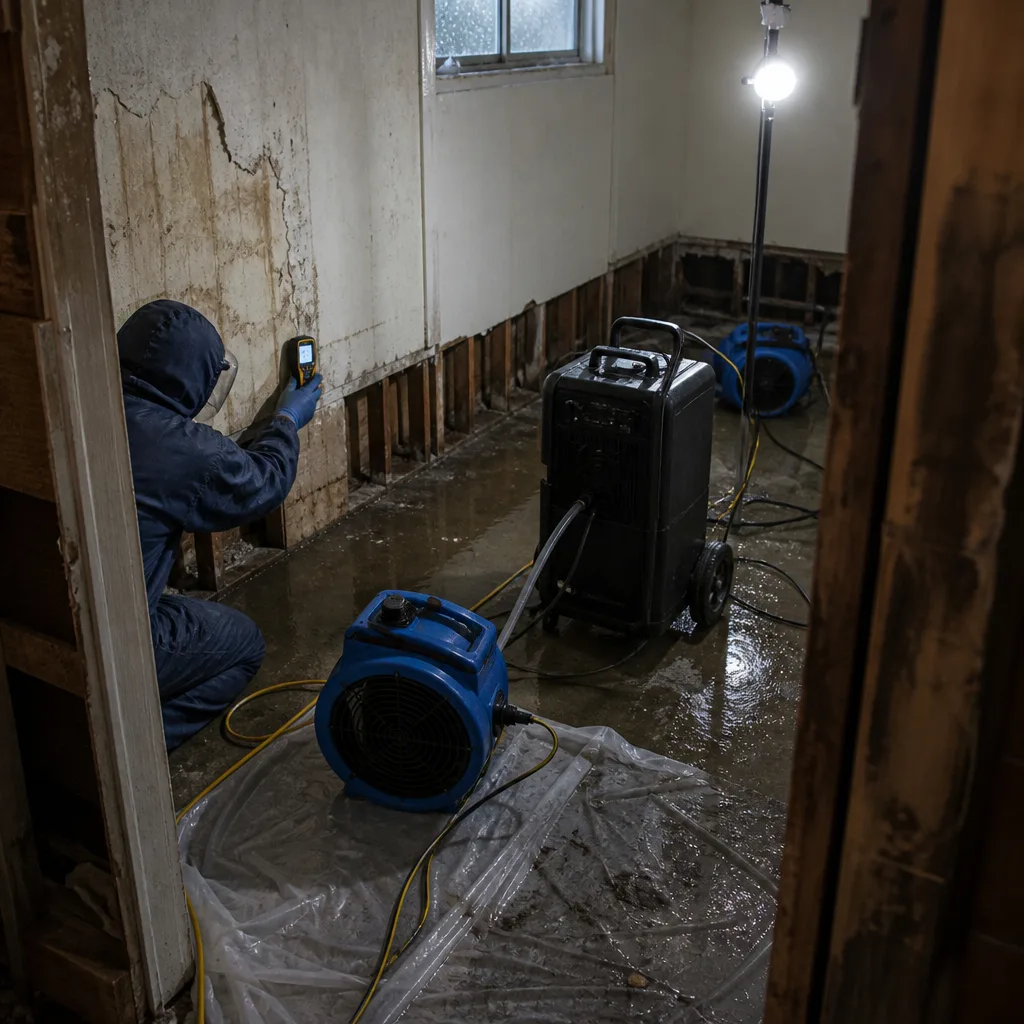
In pre-war Financial District and Tribeca buildings, the sub-cellar is often below the sewer line, which means gravity drainage doesn’t help. We bring in truck-mount extraction followed by LGR dehumidifiers and high-velocity air movers, and we map moisture migration through the original brick and bluestone. If the water is Category 3, we remove affected baseboard, saturated drywall, and any carpet, then apply antimicrobial treatment and run daily moisture logs for the managing agent and insurance adjuster.
Managing Agent and Board Communication
Flooded co-op and condo basements in Lower Manhattan almost always involve a managing agent, a board alteration agreement, or an insurance adjuster. We handle the documentation from the first moisture reading to the final dry standard sign-off, and we coordinate directly with adjusters so the scope of work is supported by evidence from day one.
Water Extraction in Lower Manhattan
Water extraction in Lower Manhattan usually runs $900 to $3,200 for the extraction phase alone, not including structural drying or removal of damaged materials. The job involves pulling standing water with truck-mount extraction equipment, checking for hidden migration pockets behind plaster, under bluestone slabs, or inside original millwork, and setting up drying equipment matched to the room’s cubic footage and the building’s construction. In a pre-war building, that means accounting for lime mortar, horsehair plaster, and brick that holds moisture differently than modern gypsum.
Same-Day Extraction for Co-ops and Condos
We can reach most Lower Manhattan addresses the same day. The extraction itself often takes a few hours; the drying phase runs three to five days with daily moisture readings. You get a written price for the full scope before extraction starts, so you know the number before any equipment comes off the truck.
Category 3 Extraction and Containment
When water is Category 3 – common in Lower Manhattan sub-cellars after combined sewer backflow or tidal groundwater intrusion – extraction must be paired with containment barriers, negative air pressure, and antimicrobial treatment. Porous materials that absorbed that water cannot simply be dried; they are removed under controlled conditions and replaced after the structural drying completes.
Trusted Brands We Service in Lower Manhattan
We run professional-grade drying equipment from Dri-Eaz, Phoenix, and XPOWER – the same brands used on large commercial loss sites – and we deploy it under IICRC, RIA, and IFA standards. In Lower Manhattan’s tight mechanical rooms and sub-cellars, we use low-profile Injectidry systems to dry wall cavities and under original flooring without tearing out more than necessary. We stock common parts and drying consumables locally so we are not waiting on a parts truck from another borough. If you have a wet sub-cellar on John Street, a flooded laundry room in a Fulton Street walk-up, or a steam condensate leak in a Tribeca loft, we arrive with the right gear the first time.
Common Water Damage Restoration Problems We See in Lower Manhattan Homes
- Tidal groundwater and combined sewer backflow. Buildings near the original shoreline – think Water Street, Front Street, and the Seaport – sit on fill that lets groundwater rise through below-grade floors and sub-cellars during heavy rain or high tides. This is Category 3 water more often than not, and it requires containment and removal of porous materials, not just a dry-out.
- Steam condensate return leaks inside walls. Lower Manhattan’s Con Edison steam infrastructure runs beneath and through many pre-war buildings. When a condensate return line cracks inside a wall chase, the first sign is often a damp patch on plaster that never quite dries. The steam system keeps feeding moisture into the cavity until the line is isolated and the cavity is dried properly.
- Hidden moisture behind original plaster-and-lath. A 1920s building’s plaster surface can read dry to the touch while the lath and stud cavity behind it stay saturated for weeks. We use moisture meters and thermal imaging to map what you cannot see, because the 24-to-48-hour mold window doesn’t wait for the surface to look wet.
- Failure to meet managing agent and alteration agreement documentation. Co-op and condo losses in Lower Manhattan often require drying logs, moisture maps, and a written scope of work that meets the building’s pre-loss condition standard. Without that documentation, the insurance claim stalls or the board withholds approval. We produce that paperwork on every job, automatically.
Pricing for Water Damage Restoration in Lower Manhattan, NY
Expect to pay $900 to $3,200 for water extraction, $2,800 to $9,500 for a full flooded basement or sub-cellar restoration, and $1,400 to $4,800 for structural drying with dehumidification and air movement in a typical Lower Manhattan pre-war room. What moves the number is the water category, the square footage, and how much porous material has to be removed. A Category 1 supply-line leak in a Battery Park City apartment is a smaller job than a Category 3 sewer backflow in a Financial District sub-cellar. Every estimate is put in writing before any work starts, and the number on the screen is the number you pay. Call (940) 466-4354 for a free estimate. The estimate itself costs nothing and obligates you to nothing.
We Also Serve Cities Near Lower Manhattan
Our crews work across all five boroughs. If you need Water Damage Restoration in Brooklyn, Queens, Manhattan, or The Bronx, we can dispatch the same day. And if you are searching for Water Damage Restoration in Lower Manhattan specifically, you are already in the right place – we know these buildings, these streets, and these water problems better than anyone driving in from outside.
Serving Lower Manhattan, NY - Our Local Coverage Area
We’re based in the Lower Manhattan area and know this community well. Use the map below to see our service coverage - if you’re nearby, we can almost certainly help.
FAQs About Water Damage Restoration in Lower Manhattan
Because much of Lower Manhattan is built on landfill and old wharves, groundwater rises through below-grade floors and sub-cellars during high tides and moderate rain, while active Con Edison steam infrastructure adds another moisture source. Many Financial District and Seaport buildings sit below the sewer line, so combined sewer backflow pushes Category 3 water up through floor drains and laundry rooms even without heavy rain. The source matters because it determines the water category, what must be removed versus what can be dried, and how long structural drying takes. Call (940) 466-4354 and we will identify the source before any work starts.
Yes, in most cases we can have a crew on site in Lower Manhattan the same day you call, including Financial District, Tribeca, Battery Park City, and the Seaport area. We answer the phone live 24/7, give you a written price before work begins, and send background-checked, uniformed technicians with a live arrival time you can track. The extraction phase usually takes a few hours; the drying phase runs three to five days with daily moisture readings. If you have standing water in a sub-cellar or below-grade laundry room right now, call (940) 466-4354.
We decide based on the water category and the moisture readings, not on how the wall looks. In a pre-war building, original plaster-and-lath can read dry on the surface while the cavity behind stays saturated, so we use moisture meters and thermal imaging to map what you cannot see. If the water is Category 3 – common with sewer backflow and tidal groundwater in Lower Manhattan sub-cellars – saturated porous materials like drywall, baseboard, and carpet are removed under containment and replaced. If the water is Category 1 or 2 and the materials are structurally sound, we dry them in place with Injectidry wall-cavity systems and LGR dehumidifiers. Call (940) 466-4354 for an exact assessment and a written scope.
Mold has a 24-to-48-hour window to colonize wet organic materials, and Lower Manhattan’s high ambient humidity plus original plaster-and-lath construction makes that window shorter than in drier, newer construction. Saturated drywall behind millwork or under a bluestone slab stays wet because the surface reads dry, while the cavity behind keeps feeding moisture to the air. That is why we start structural drying the same day and run daily moisture logs until the space meets dry standard, not just “feels dry.” If you see discoloration or smell mustiness after a water loss, call (940) 466-4354 before it spreads further.
We run truck-mount extraction units for standing water, then deploy Dri-Eaz and Phoenix LGR dehumidifiers with XPOWER high-velocity air movers sized to the cubic footage of the space. For wall cavities and under original flooring in Lower Manhattan’s pre-war buildings, we use low-profile Injectidry systems that dry the cavity without tearing out more plaster or millwork than necessary. All equipment is deployed under IICRC, RIA, and IFA standards, and every job includes a written drying plan with daily moisture readings. Call (940) 466-4354 and we will tell you exactly what equipment your job needs and what it costs.
If you have water in a sub-cellar, a wet wall in a pre-war co-op, or a flooded laundry room in a Tribeca loft, call us at (940) 466-4354. We answer live, send a background-checked crew with a trackable arrival time, and put the price in writing before any work begins. That is how we do Water Damage Restoration in every borough, and it is how we have earned the trust of homeowners, co-op boards, and managing agents across Lower Manhattan.
Written by Blake Sorensen, Owner at Wendell Water Damage Restoration, serving Lower Manhattan and the surrounding boroughs.