
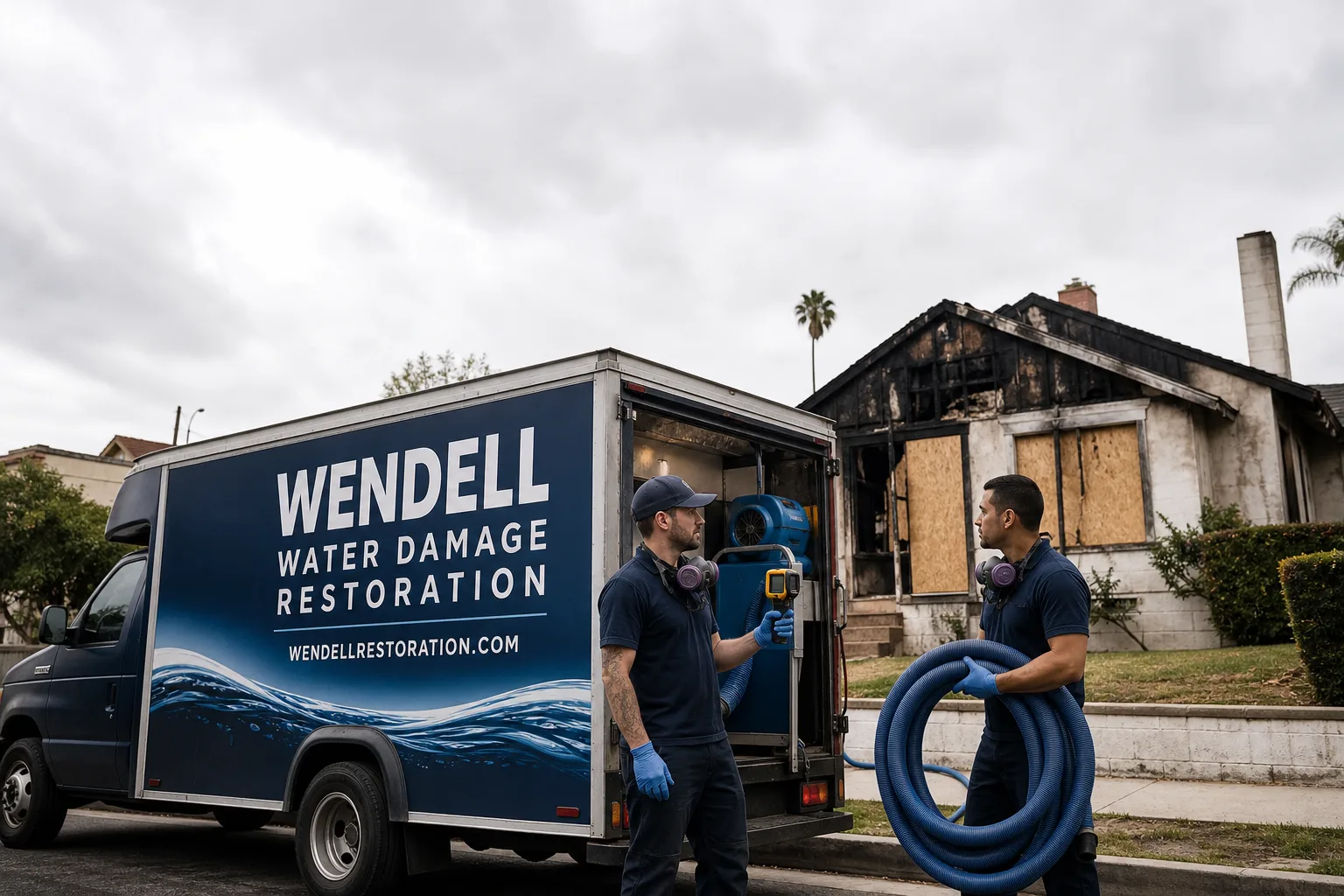
Free visual inspection and a written scope of work before any mitigation begins - photos, moisture readings, and drying logs go in your claim file
The scope we write is the scope we bill. Anything new gets shown to you, in writing, before we touch it.
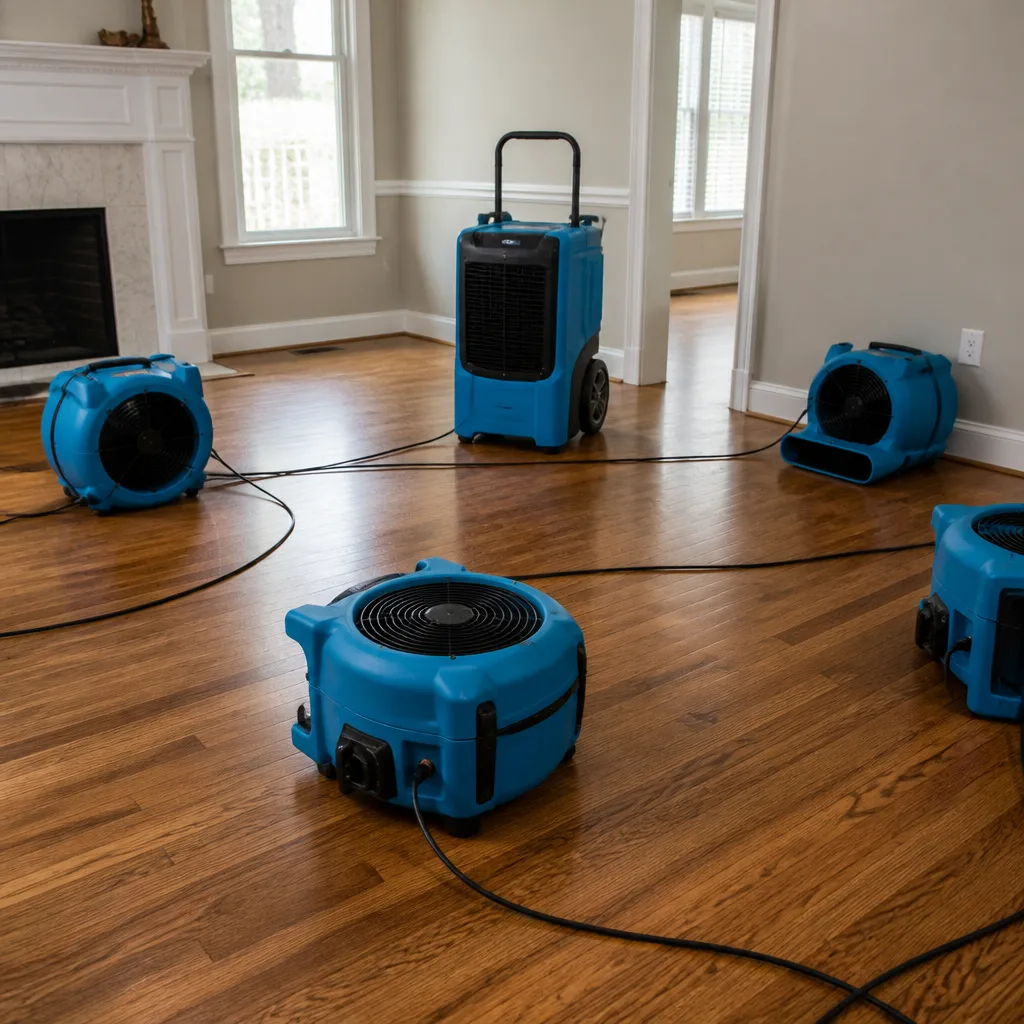
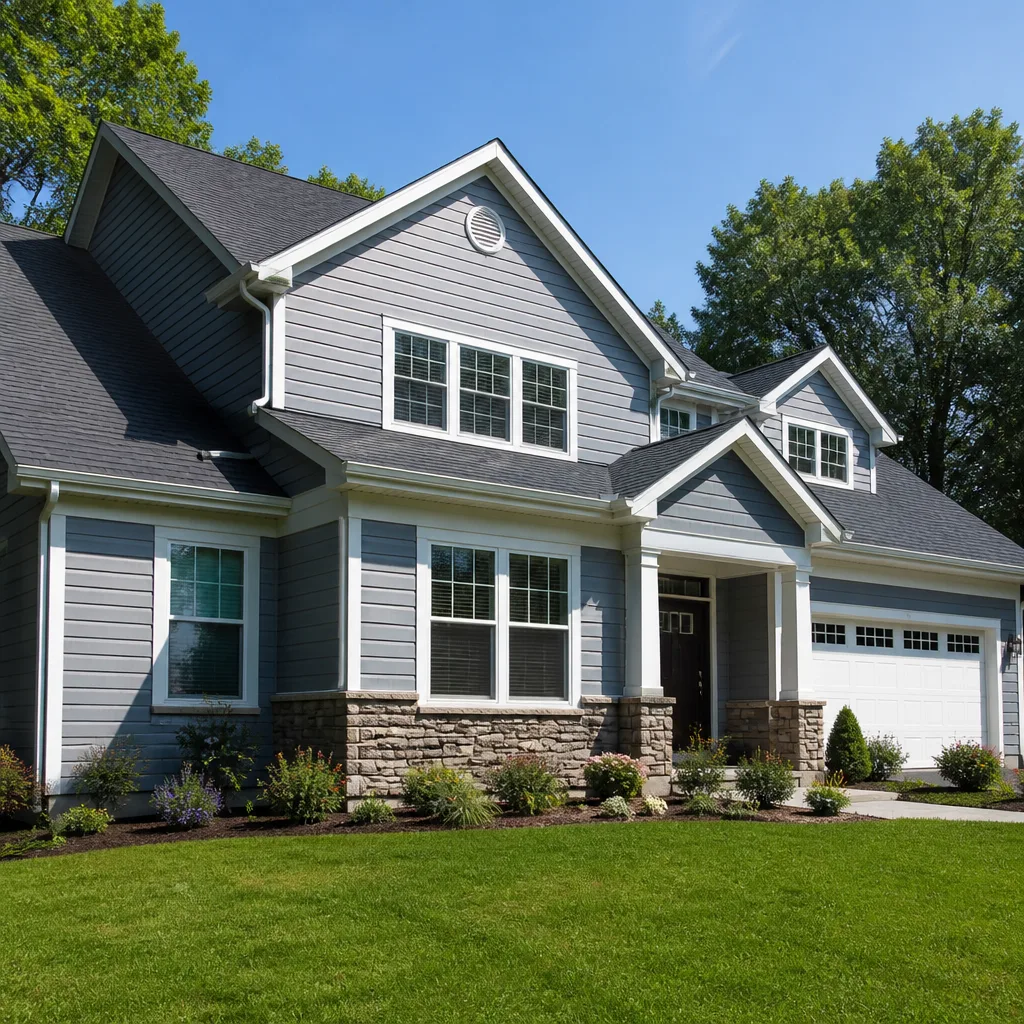
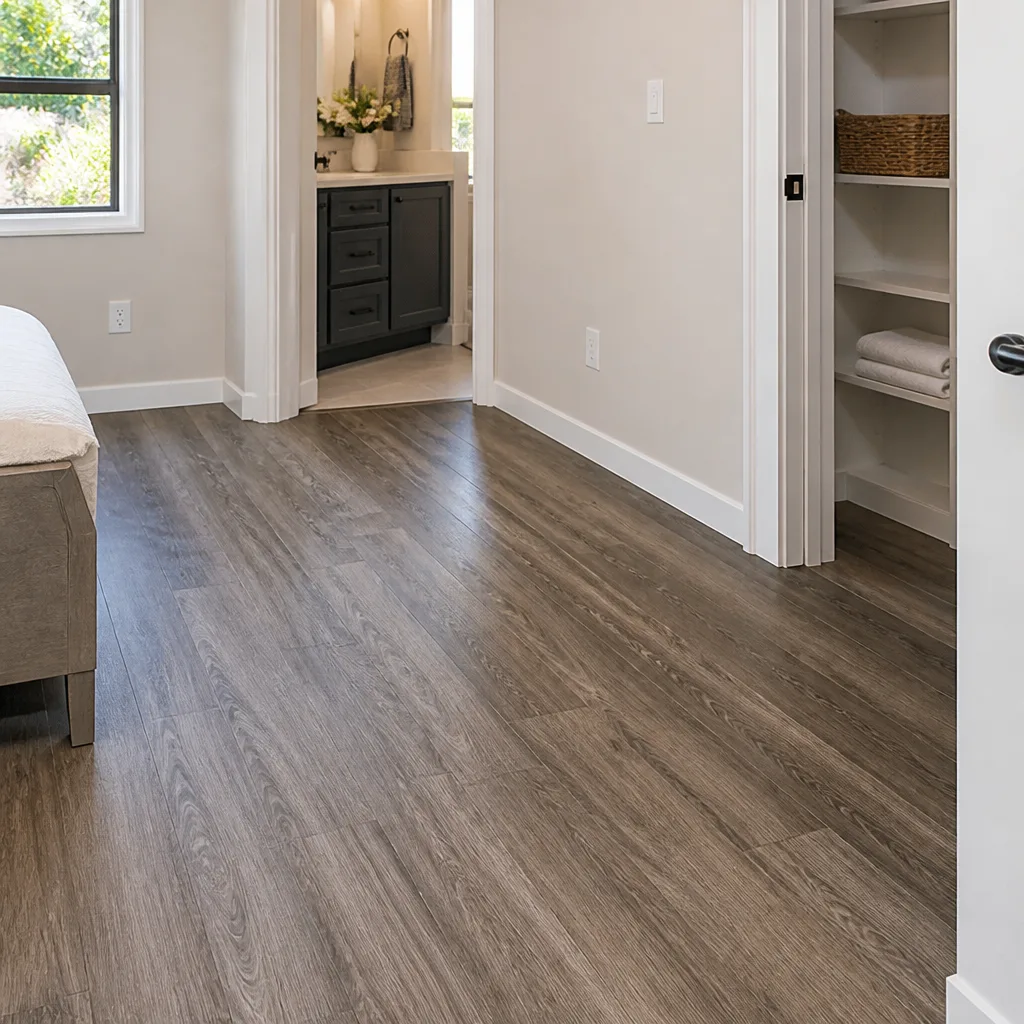
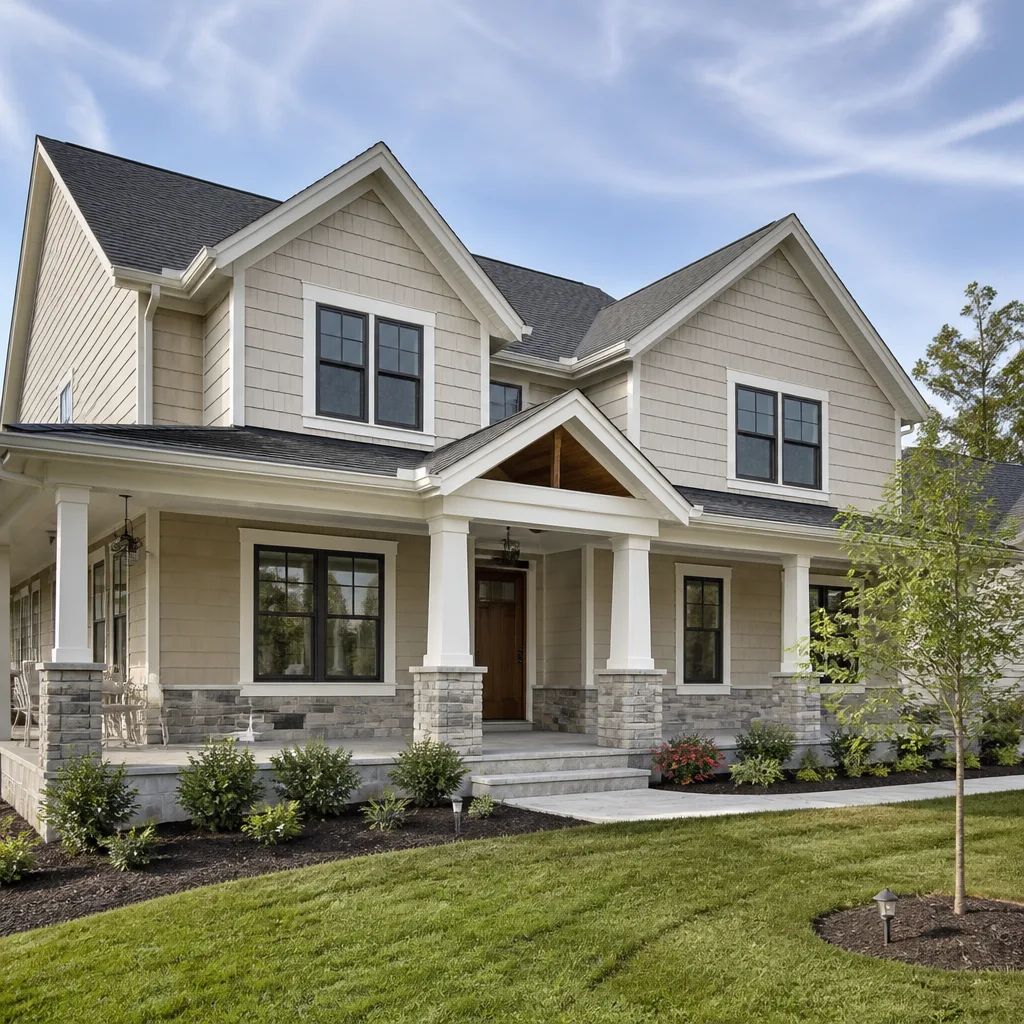
 Before
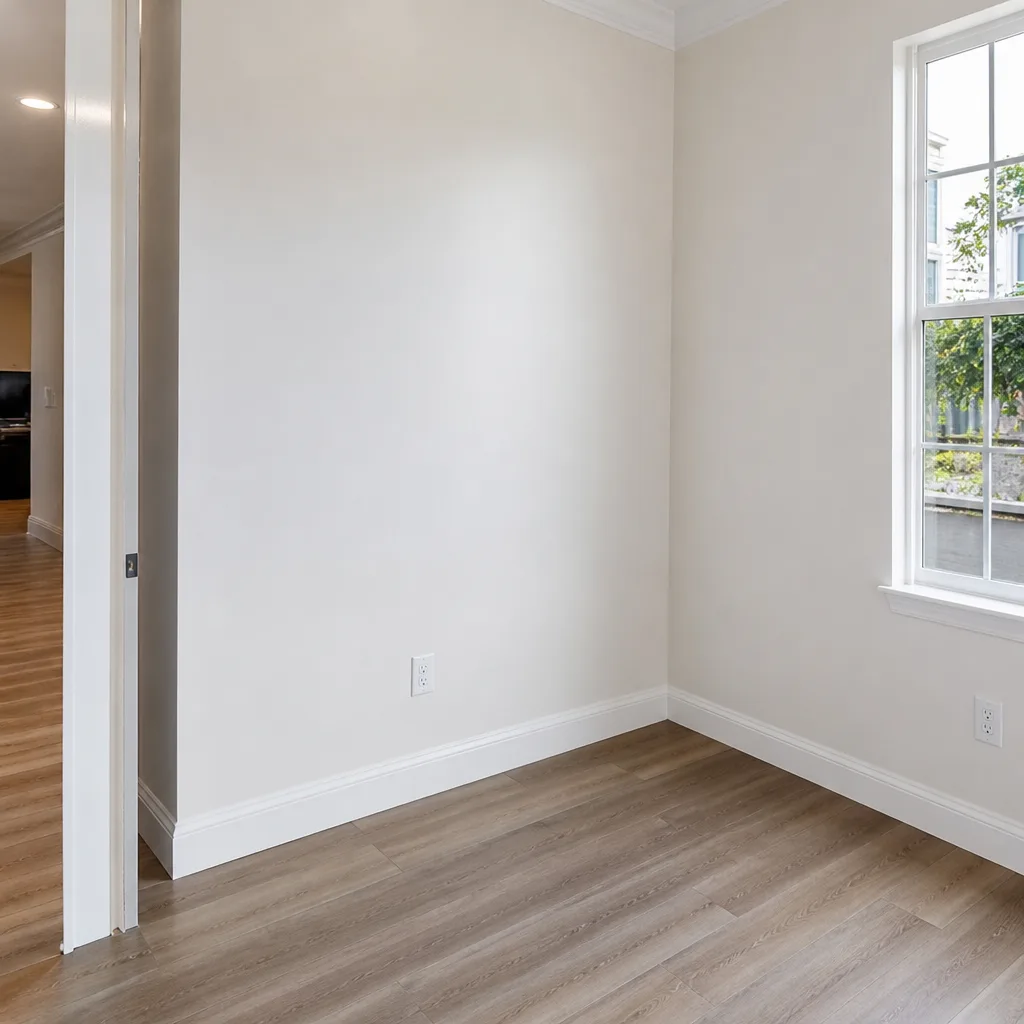 After
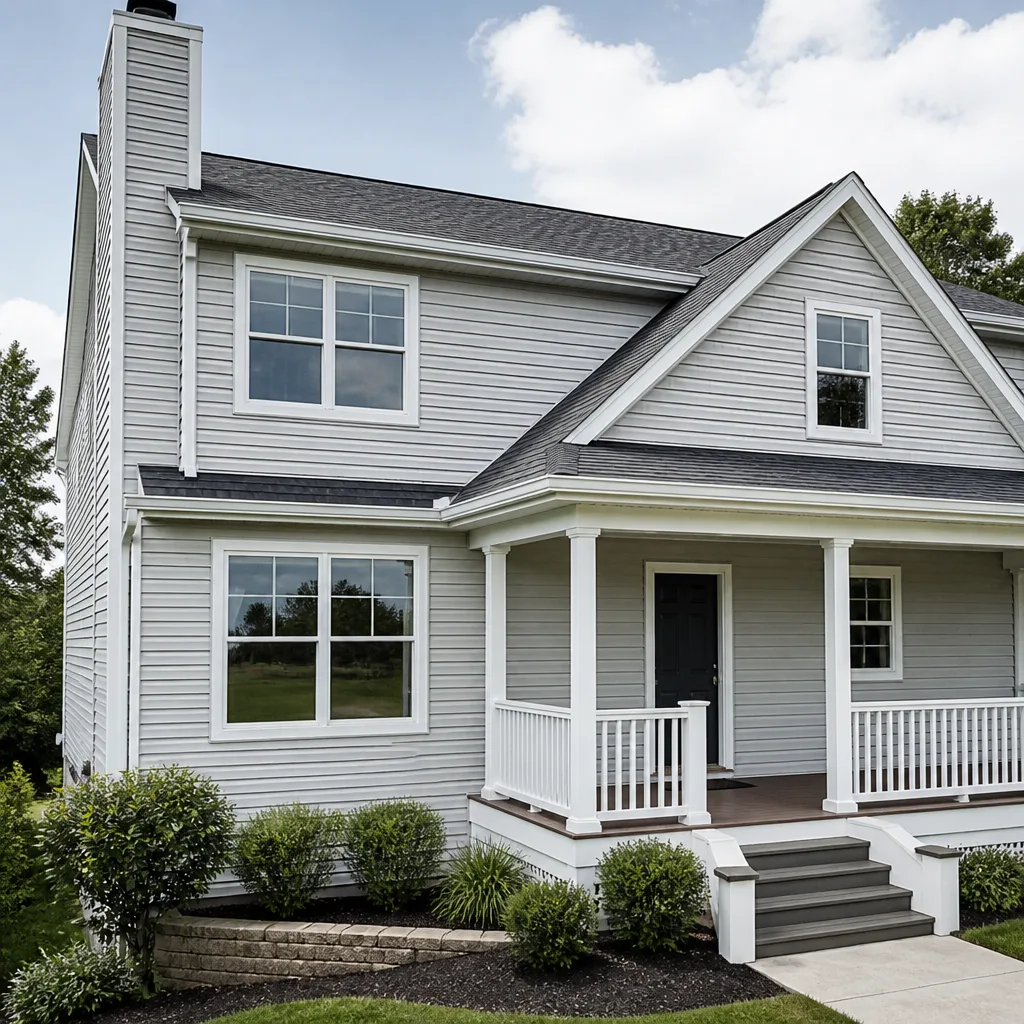
After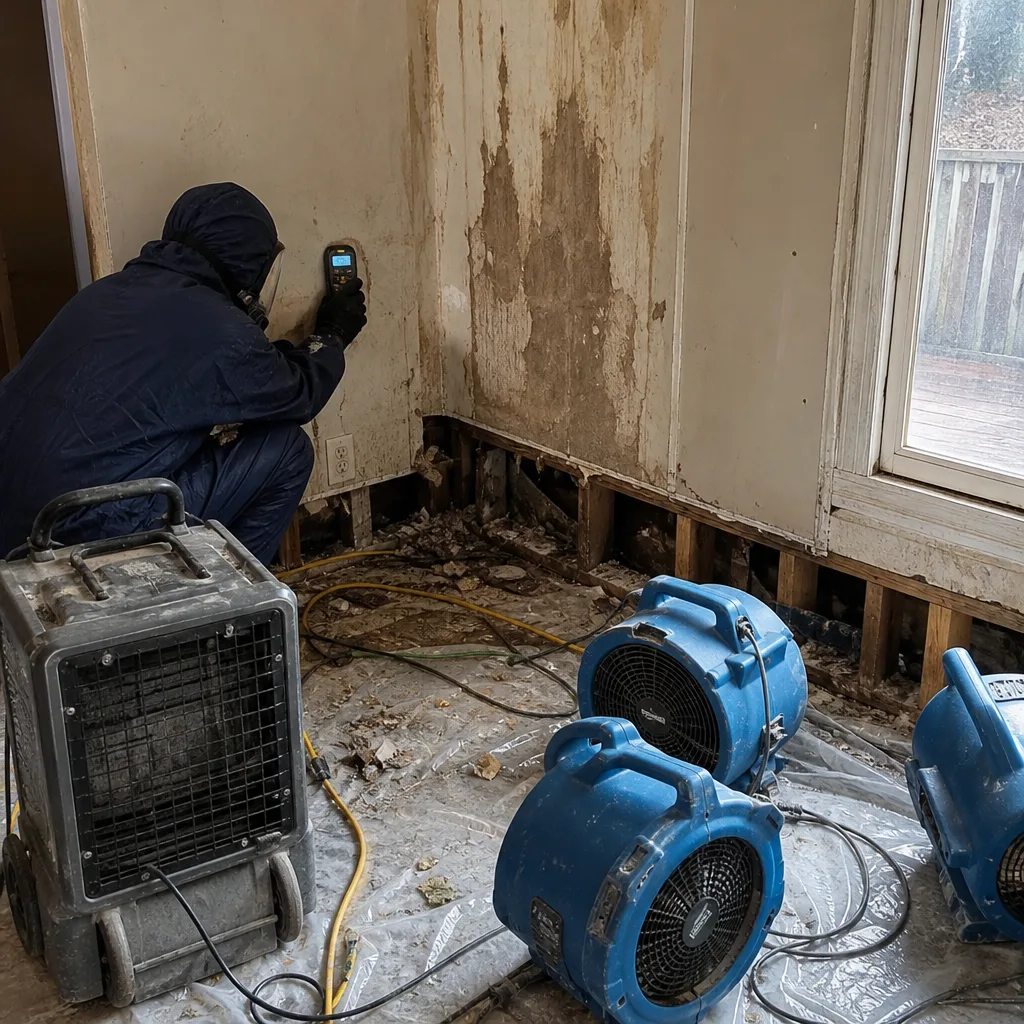 Before
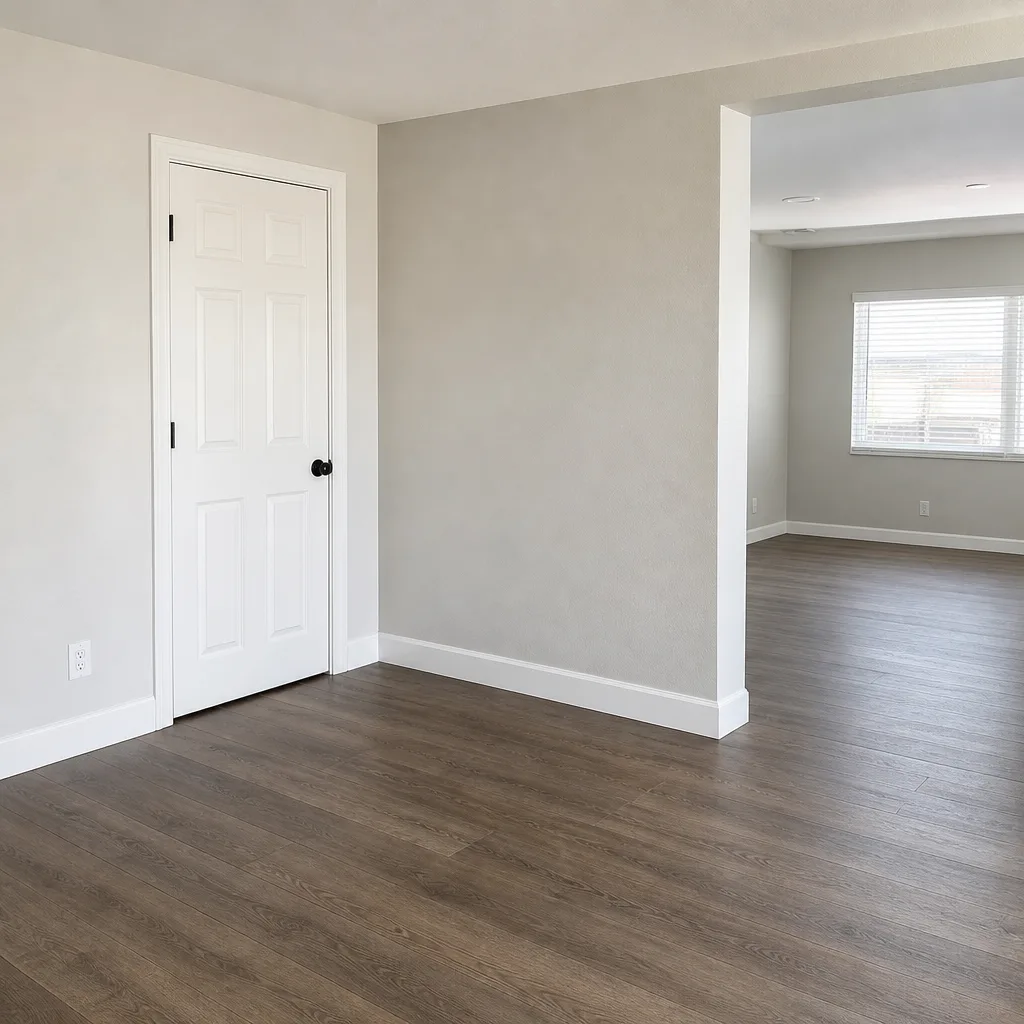 After
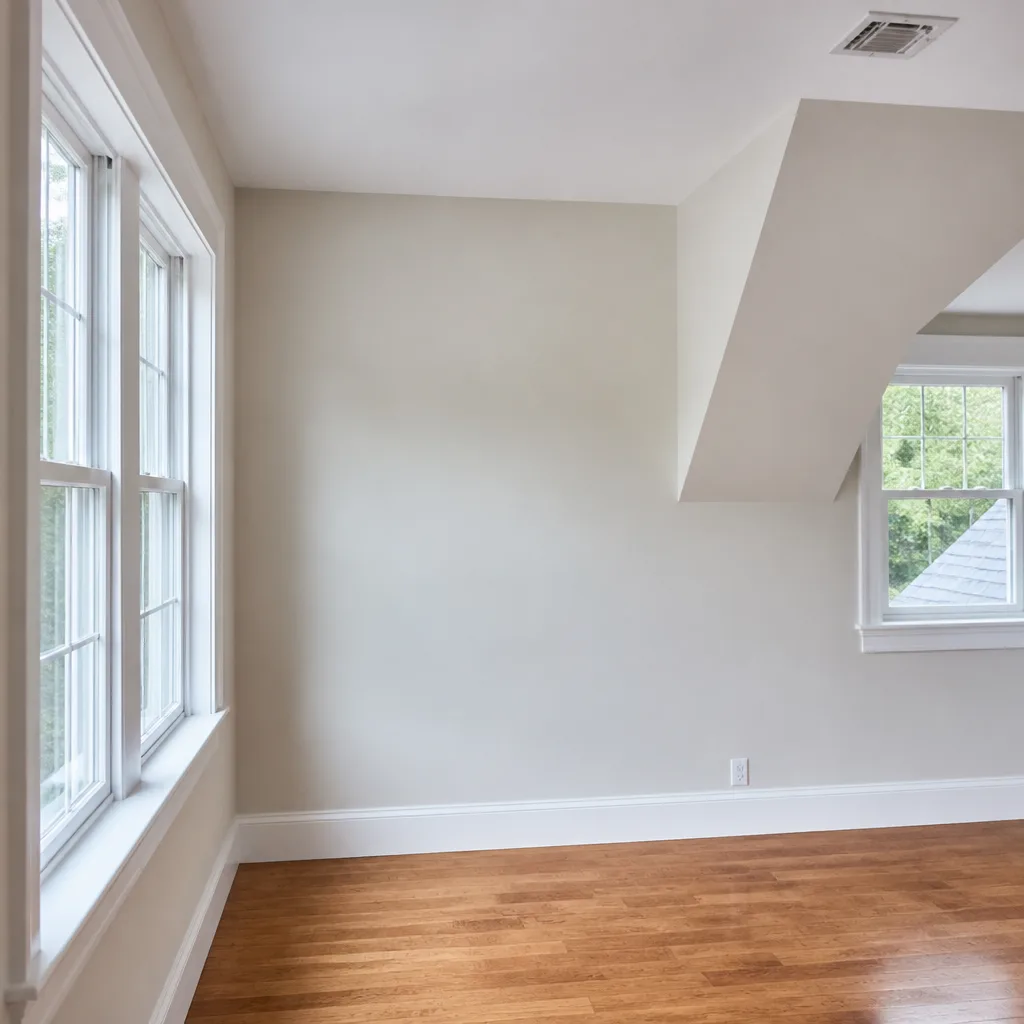
After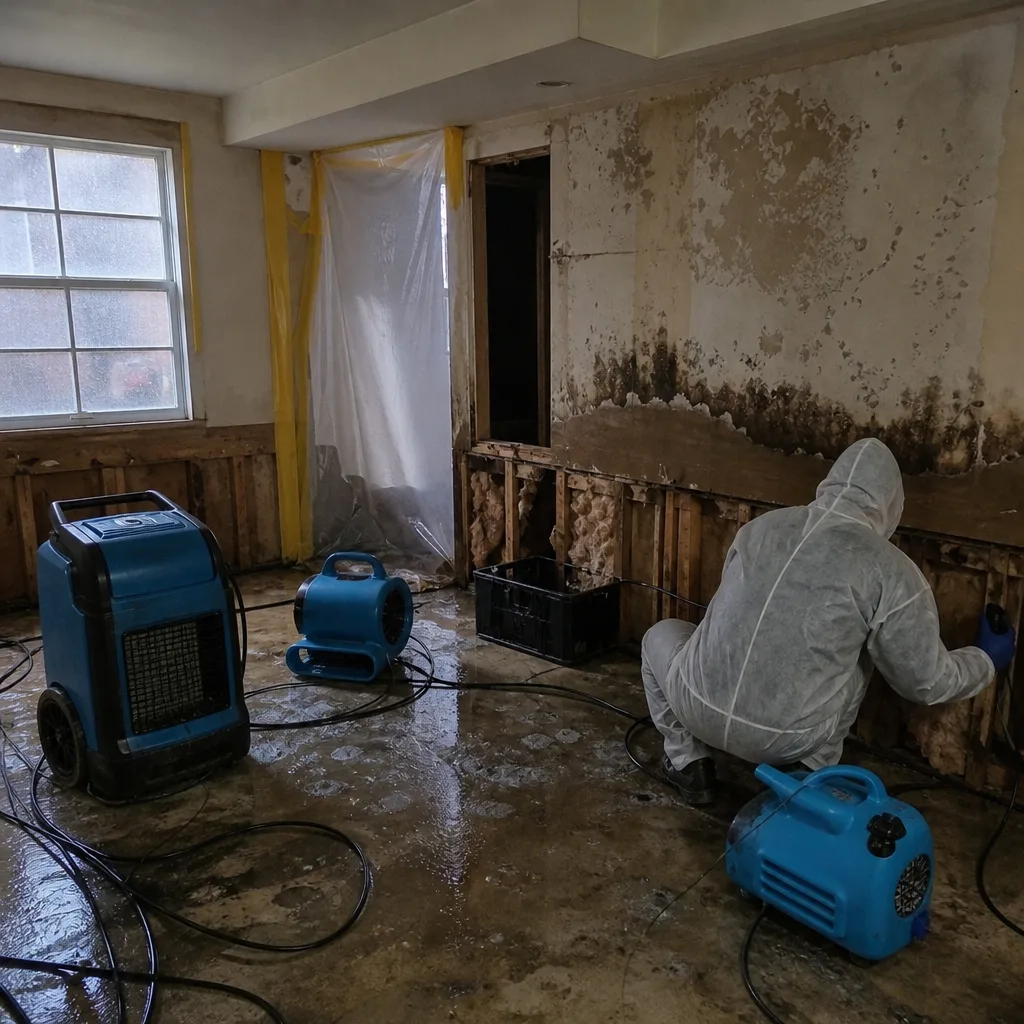 Before
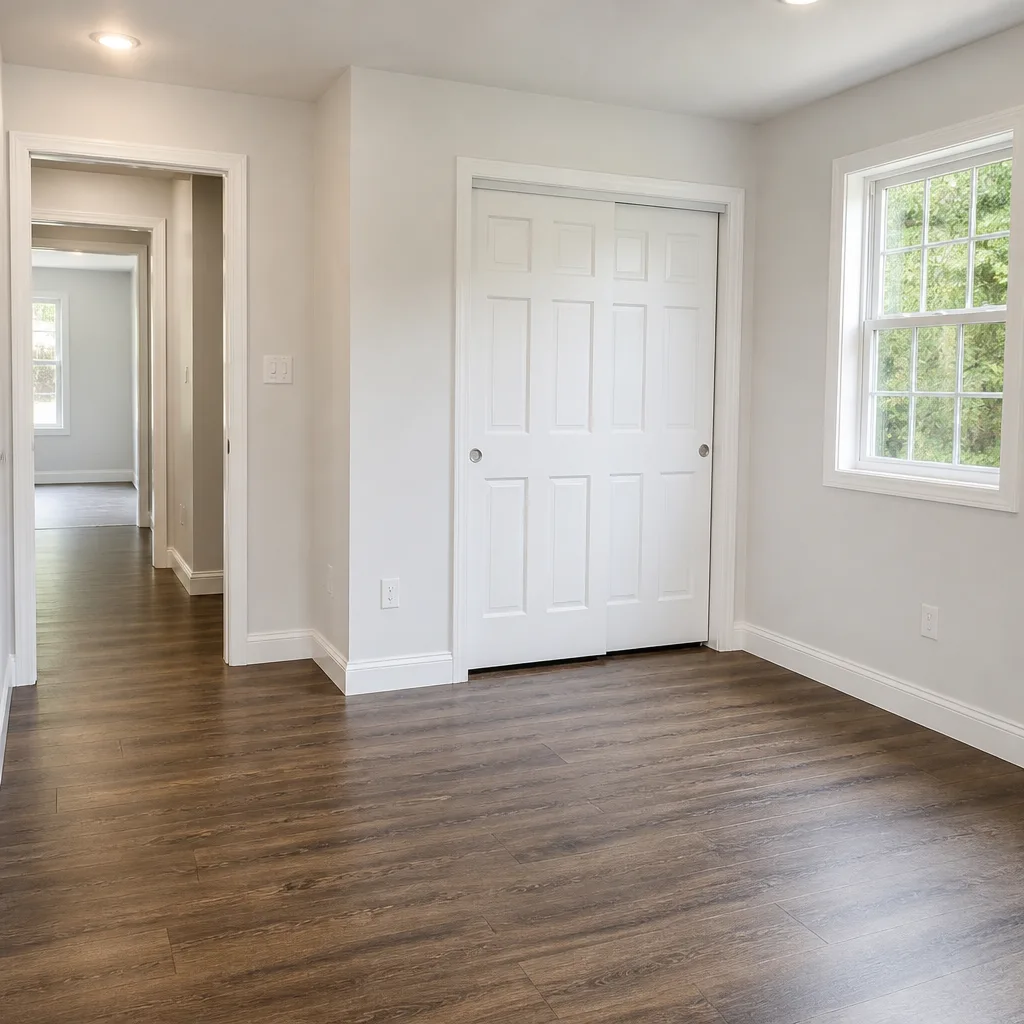 After
AfterFast, Reliable Water Damage Restoration Across Lincroft
Water damage in a Lincroft home rarely announces itself politely. A leader pipe clogs during a spring nor’easter, the sump pit fills, and within an hour you’ve got two inches of water across a finished basement. We get it, and we answer. Wendell Water Damage Restoration dispatches local crews to Lincroft with a live arrival time you can track, a written price before any work starts, and a real person on the phone at (940) 466-4354 any hour of the day. Our Water Damage Restoration team knows these wooded lots and split-level layouts because we work them every week.
Why Wendell Water Damage Restoration Is Lincroft’s Preferred Water Damage Restoration Company
Lincroft homeowners tell us the same thing after other restoration companies leave: they never got a price in writing, and nobody could tell them when the crew would actually show up. We built Wendell around fixing exactly that. Every job starts with a written price before any tool comes off the truck. You get a live arrival time, not a four-hour window. And before-and-after photos arrive by text so you can see the drying progress without standing over a technician’s shoulder.
Blake Sorensen leads our team, and he’s the guy who set the rule that every call gets answered by a live person, 24/7. Not a voicemail. Not a callback queue. Water damage doesn’t keep business hours, so neither do we. Our technicians are background-checked, uniformed, and trained to IICRC, RIA, and IFA standards. We run Dri-Eaz, Phoenix, and XPOWER equipment, the same professional-grade machines used on large commercial loss sites. Founded in 2006 as part of the Relay Home Co. family, we hold every Lincroft job to The Relay Visibility Guarantee: you always know who is coming, when they’ll be there, and exactly what it costs.
Water Extraction in Lincroft
Water Extraction in Lincroft means pulling standing water out of finished basements, crawlspaces, and slab foundations fast enough to stop the damage from spreading. Most calls we answer in town involve category 2 water, the kind that picked up soil, debris, or cleaning residue as it moved. A typical water extraction job in Lincroft runs $1,400 to $4,200 depending on square footage and how far the water has traveled. Our techs start with truck-mounted or portable extraction units, then move to moisture mapping so we can find the water you can’t see.
Standing Water in Finished Basements
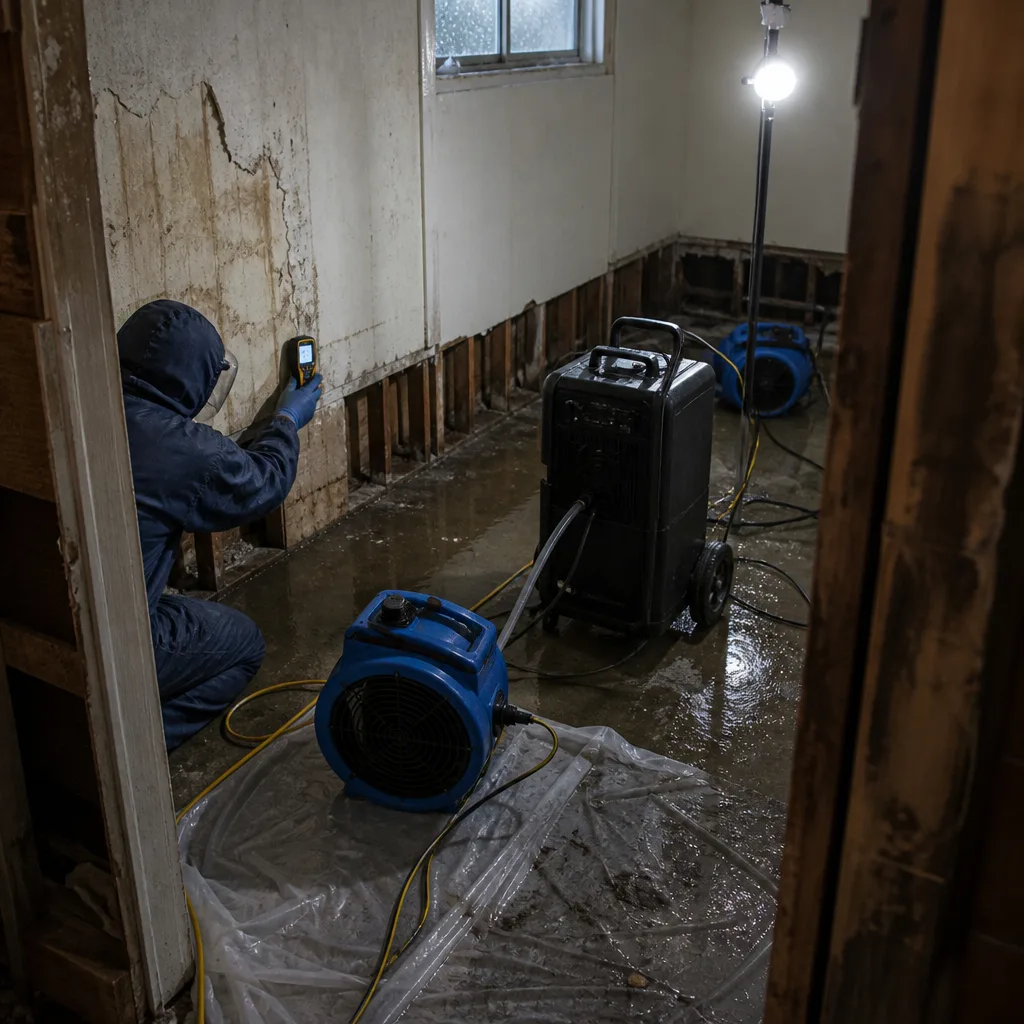
Finished basements in Lincroft hide water behind paneling, under laminate, and inside wall cavities. We extract the visible water first, then run moisture probes across baseboards and drywall to map what soaked in. Skipping that step is how mold starts 48 hours later.
Post-Storm and Leaf-Clog Saturation
When mature oaks drop leaves into gutters and leader drains, storm water backs up and pushes into basements through the sill plate or cove joint. A shop vac can’t keep up. We bring extraction equipment sized for hundreds of gallons, not five-gallon buckets.
Emergency Water Removal in Lincroft
Emergency Water Removal in Lincroft is the call we answer fastest, because water that sits for hours is water that turns category 1 into category 2 or 3. That changes the scope, the drying time, and the price. A Lincroft emergency water removal job typically starts at $1,100 and runs up to $3,500 for a flooded finished basement, depending on the number of affected rooms and whether carpet, pad, or drywall needs cutting. A live person answers at (940) 466-4354, and we dispatch to Lincroft with a tracked arrival time.
Burst Pipes and Supply Line Failures
Winter freeze-thaw cycles in Monmouth County stress copper and PEX alike. When a supply line lets go behind a wall, the water travels down and pools where you notice it last. We shut off the source, extract, and map the damage path before anything gets covered up.
Hidden Seepage in Split-Levels and Crawlspaces
Lincroft’s split-levels are notorious for water that never reaches the sump pit. It collects in the lower-level slab step-down or wicks into rim joists from a saturated crawlspace. We take moisture readings at floor level and above, because floor-only readings miss exactly what’s rotting.
Trusted Brands We Service in Lincroft
We service and deploy the equipment brands Lincroft homeowners already trust, and we keep common parts and consumables on our trucks so we’re not waiting on a parts run mid-job. Our drying fleet includes Dri-Eaz air movers and dehumidifiers for fast structural drying, Phoenix units for low-grain refrigerant drying in tight spaces, and XPOWER air movers where we need high-velocity airflow across saturated carpet and subfloor. We also run Injectidry mat systems for drying behind paneling and under hardwood without tearing everything out. If you’ve got a preferred brand from a previous job, mention it when you call, and we’ll tell you what we can match.
Common Water Damage Restoration Problems We See in Lincroft Homes
- Leaf-clogged gutters and leader drains. Much of Lincroft sits on larger wooded lots where mature oaks drop enough leaf litter to choke gutters by mid-fall. When leaders clog, storm water spills against the foundation and finds its way into basements and crawlspaces long before any river flooding is a factor.
- Hidden moisture behind finished basement paneling. Split-levels and finished basements mean water wicks behind paneling and under laminate, invisible from the surface. Homeowners dry the carpet, think it’s handled, and discover mold inside the wall cavity two weeks later.
- Category creep from delayed calls. Water that starts as clean category 1 becomes category 2 or 3 after soaking through soil, wood, or HVAC condensate. Waiting a day raises mitigation costs and often means more material removal, not less.
- Sump pit blind spots in crawlspace layouts. Some Lincroft homes have standing water that never reaches the sump pit because of how the crawlspace is graded. Floor-level readings look fine while subfloor and rim joists are soaked. We map those spaces specifically.
Pricing for Water Damage Restoration in Lincroft, NJ
Here’s what Lincroft homeowners can expect before calling. Water extraction runs $1,400 to $4,200 for a typical finished basement. Emergency water removal starts around $1,100 and goes to $3,500 for larger affected areas. Structural drying with dehumidification equipment adds $800 to $1,800 depending on days on site and equipment count. Crawlspace water removal runs $1,200 to $3,000 when subfloor and rim joist drying is included. The price you get in writing before any work starts is the price you pay. No door-knock revisions. Estimates are free, and we’ll text you a digital invoice you can pay from a link.
We Also Serve Cities Near Lincroft
Our crews work throughout the greater Lincroft area, and we regularly handle Water Damage Restoration in Lincroft as well as Red Bank, Eatontown, Little Silver, and Fair Haven. If you’re in a neighboring town and dealing with standing water, call the same number and we’ll get you on the schedule with a tracked arrival time.
Serving Lincroft, NJ - Our Local Coverage Area
We’re based in the Lincroft area and know this community well. Use the map below to see our service coverage - if you’re nearby, we can almost certainly help.
FAQs About Water Damage Restoration in Lincroft
Most Lincroft calls get a technician on site within 60 to 90 minutes, depending on where you are off Phalanx Road, Swimming River Road, or Everett Road. A live person answers 24/7 at (940) 466-4354, and you’ll get a live arrival time you can track, not a vague window. Call us while the water is still rising if you can, we’ll walk you through shutting off power and water while the truck is en route.
Leaf-clogged gutters and leader drains, by a wide margin. The mature oak canopy that makes Lincroft’s wooded lots beautiful also fills gutters every fall and spring, and blocked leaders push storm water straight into basements and crawlspaces. Burst supply lines during freeze-thaw cycles come next, followed by sump pump failures in finished lower levels.
Yes, in most cases. We use Injectidry mat systems that pull moisture from behind paneling through the surface, paired with Dri-Eaz air movers and dehumidifiers to manage the release. We’ll take moisture readings before, during, and after to prove the wall cavity is dry, and you’ll see the drying logs. If the paneling is damaged beyond saving, we’ll tell you straight and give you a written number for replacement before any demo starts.
We do. Split-level crawlspaces in Lincroft are one of the trickiest spaces to dry because water collects in low spots that never reach the sump pit. We extract what’s pooled, then map moisture across subfloor, rim joists, and sill plates to find what wicked upward. Drying logs document the whole process, and you get before-and-after photos by text.
Category 1 is clean water from a supply line or faucet. Category 2 has picked up soil, detergent, or other contaminants, like storm water that ran through a leaf-clogged gutter. Category 3 is grossly contaminated, think sewage or river water. It matters because category 2 and 3 water change what materials can be saved and what must be removed. Call (940) 466-4354 and we’ll explain what you’re looking at before anyone touches a tool.
Written by Blake Sorensen, Owner at Wendell Water Damage Restoration, serving Lincroft with water extraction, emergency water removal, and structural drying.