
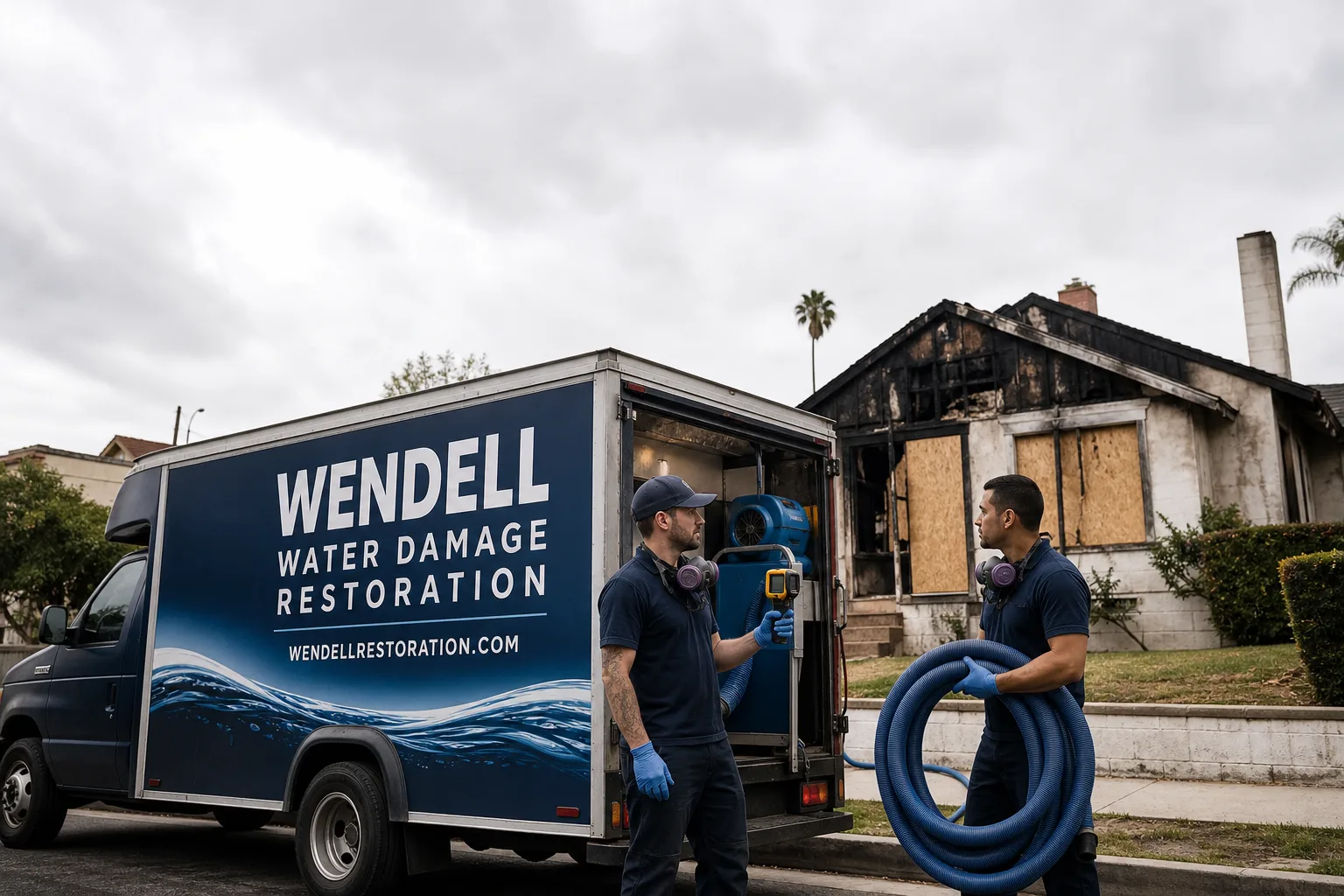
Free visual inspection and a written scope of work before any mitigation begins - photos, moisture readings, and drying logs go in your claim file
The scope we write is the scope we bill. Anything new gets shown to you, in writing, before we touch it.
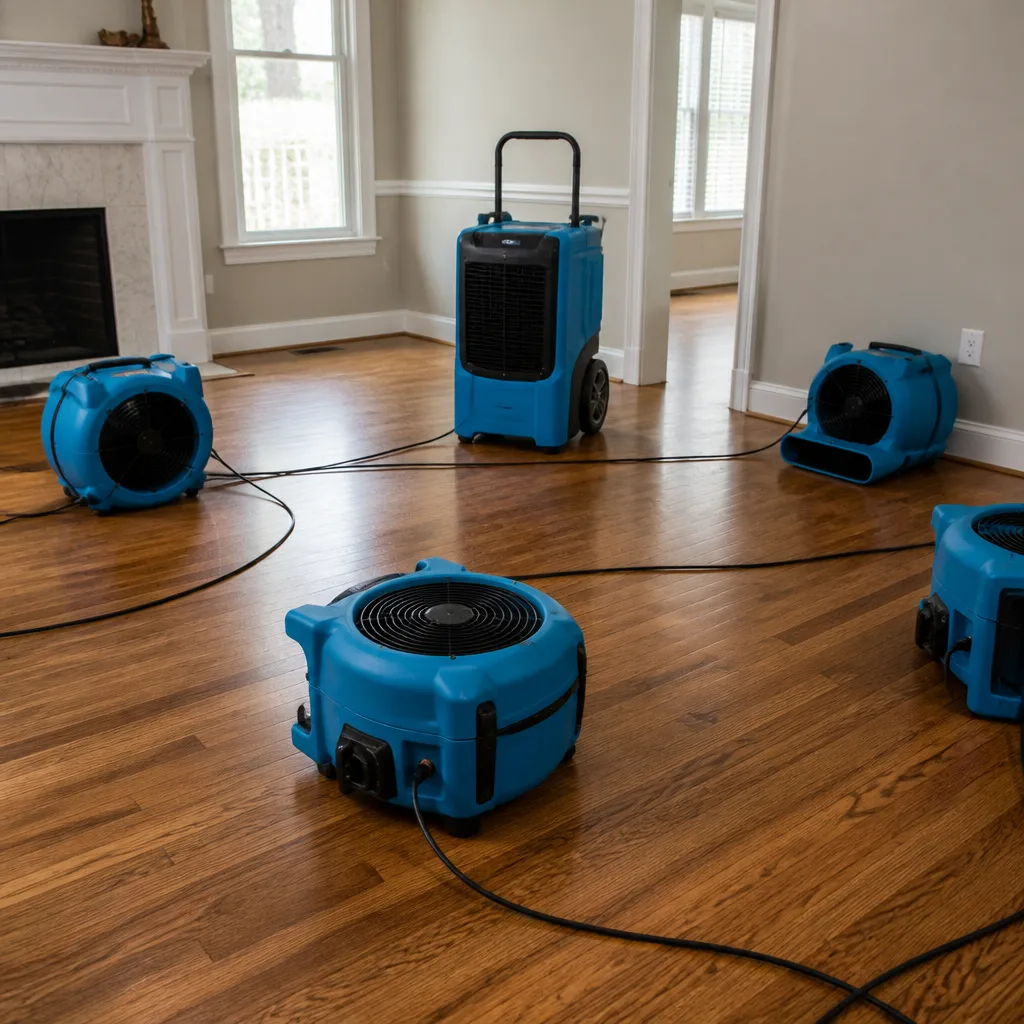
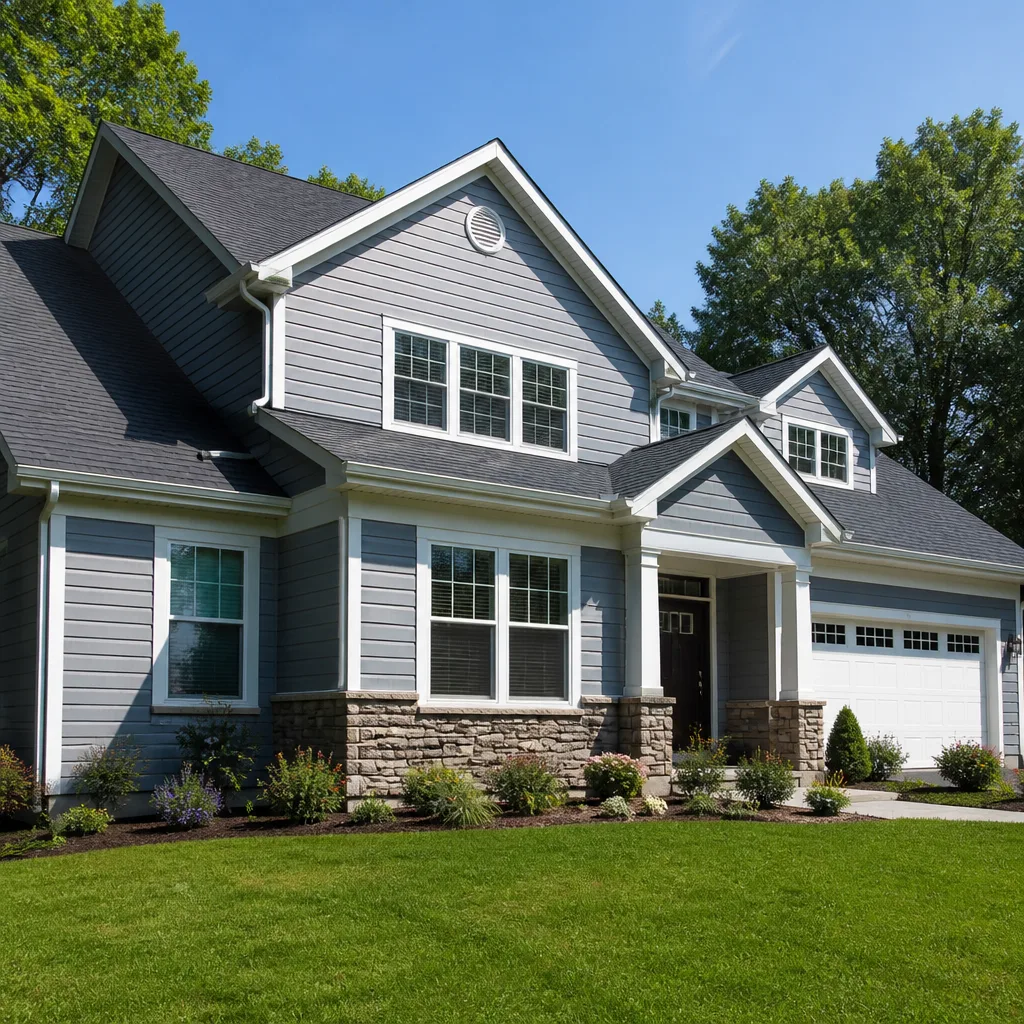
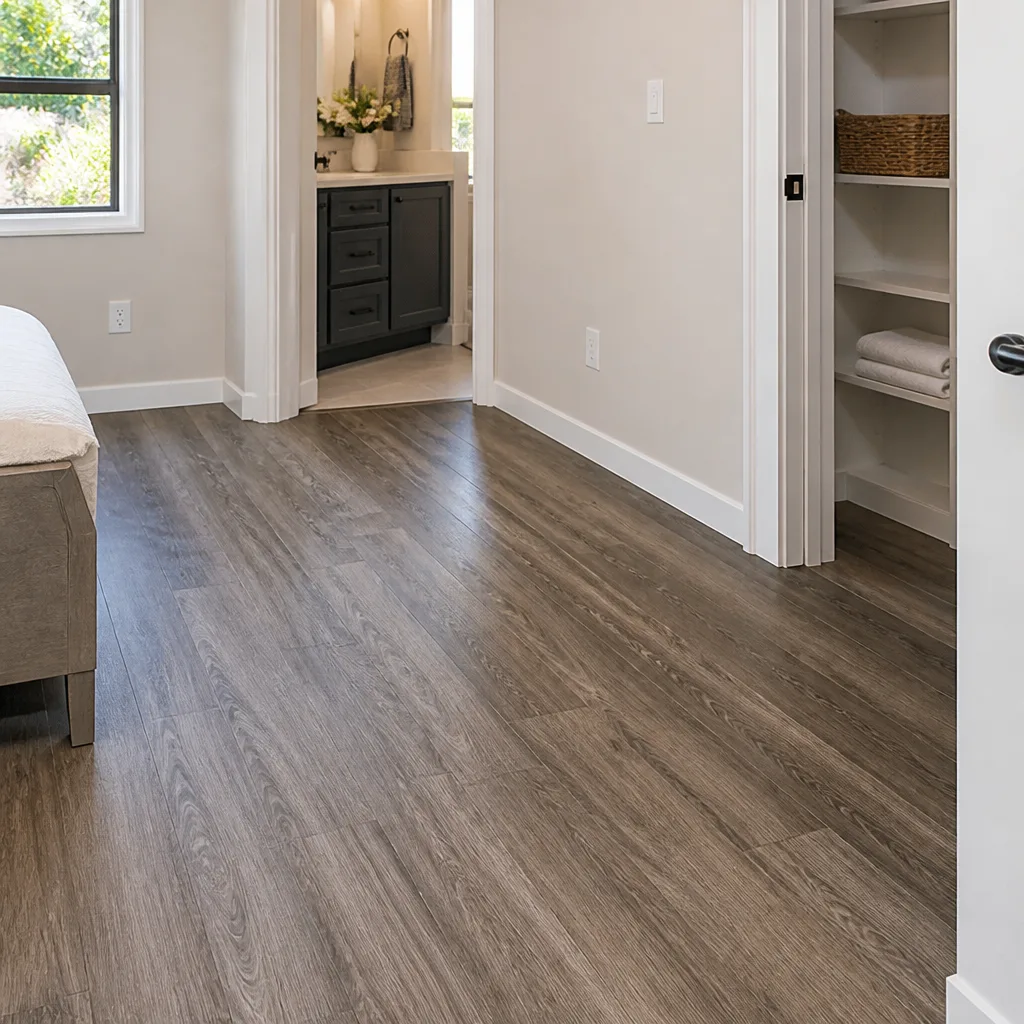
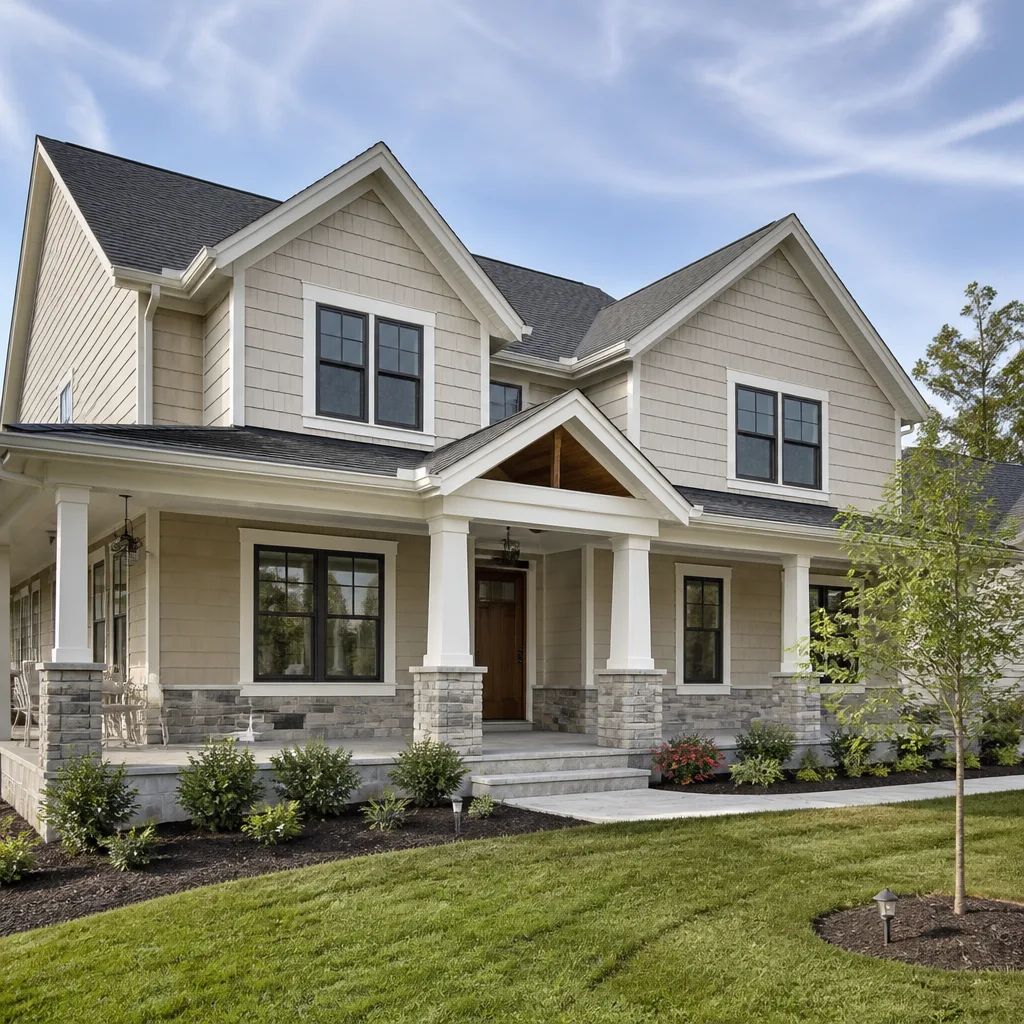
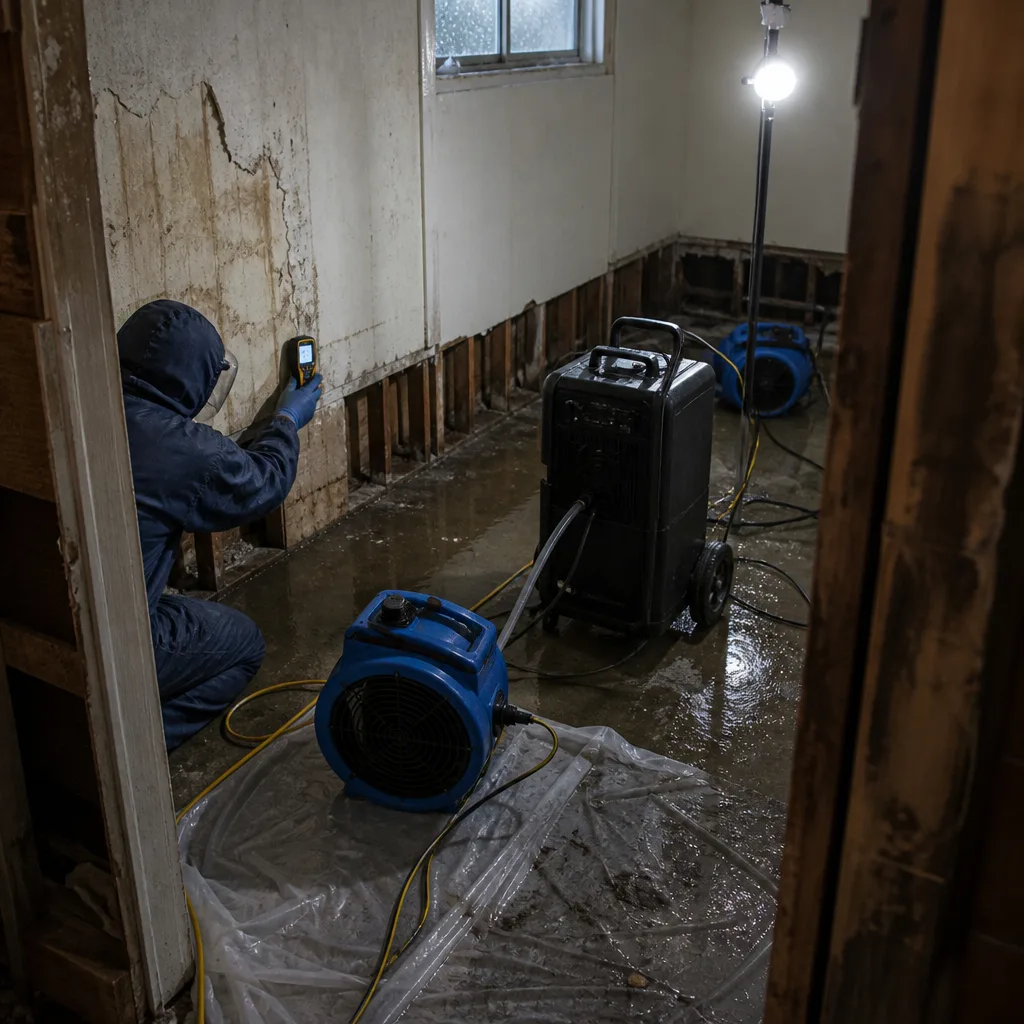 Before
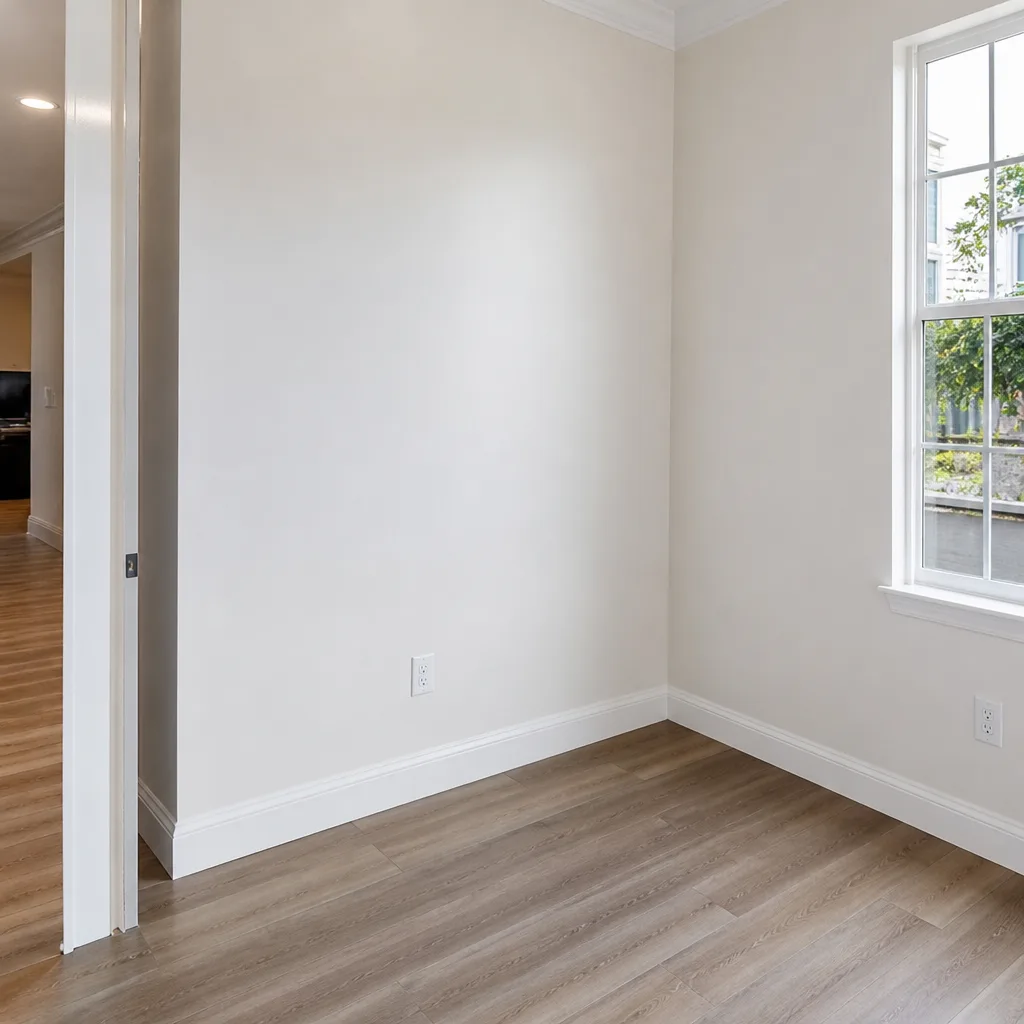 After
After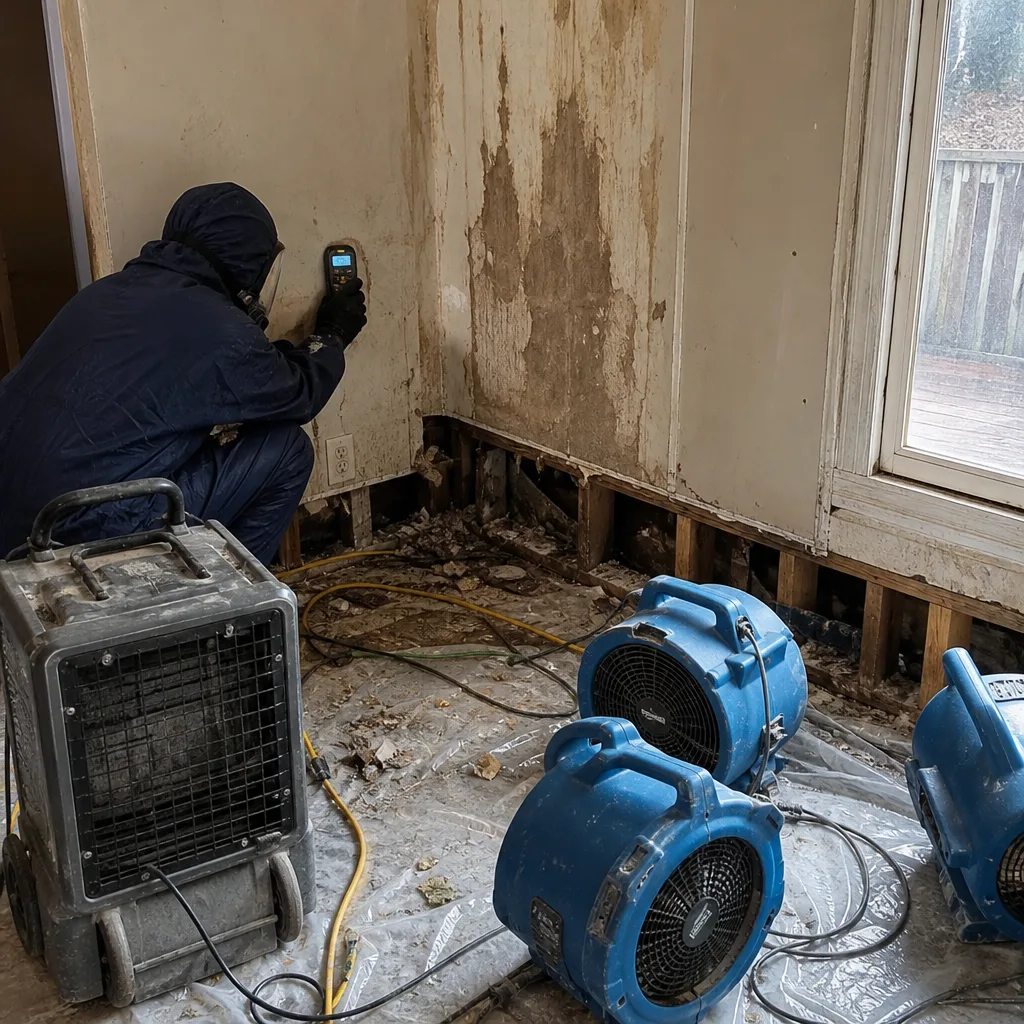 Before
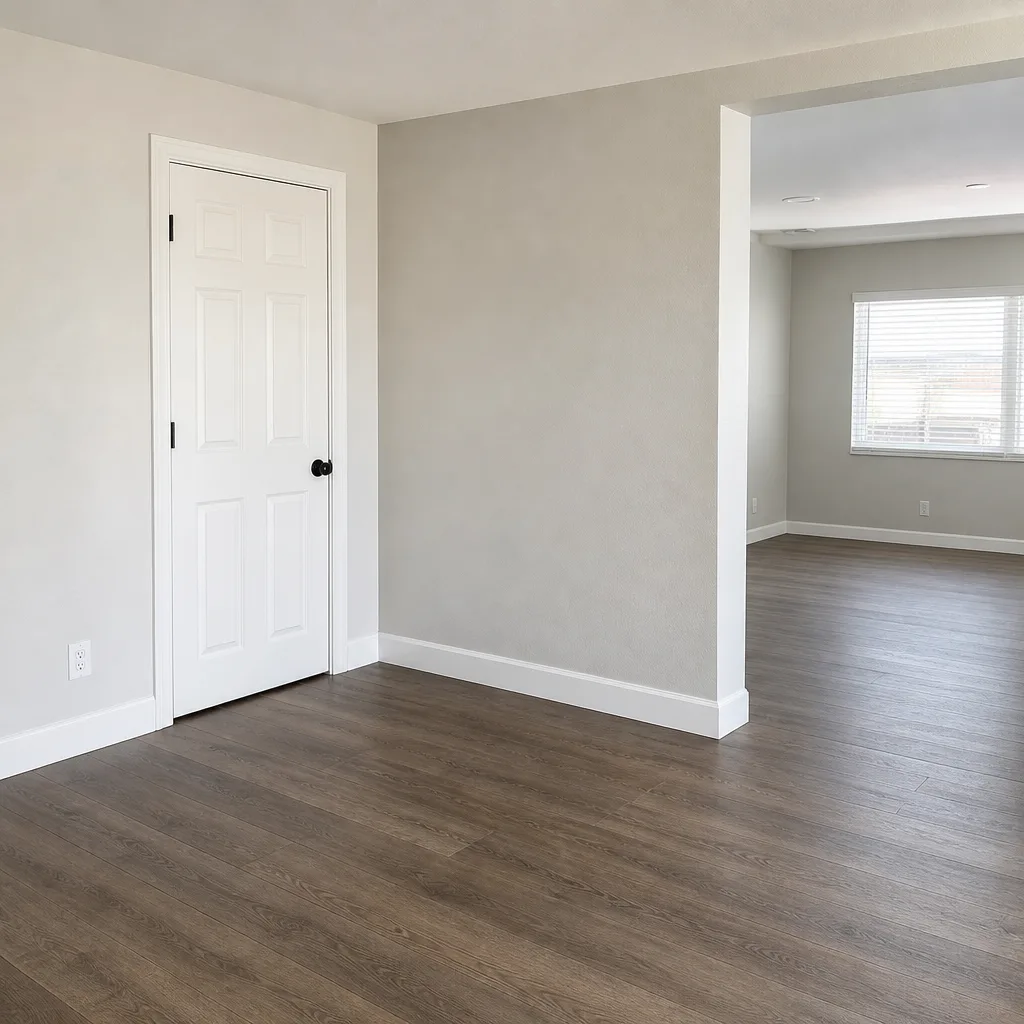 After
After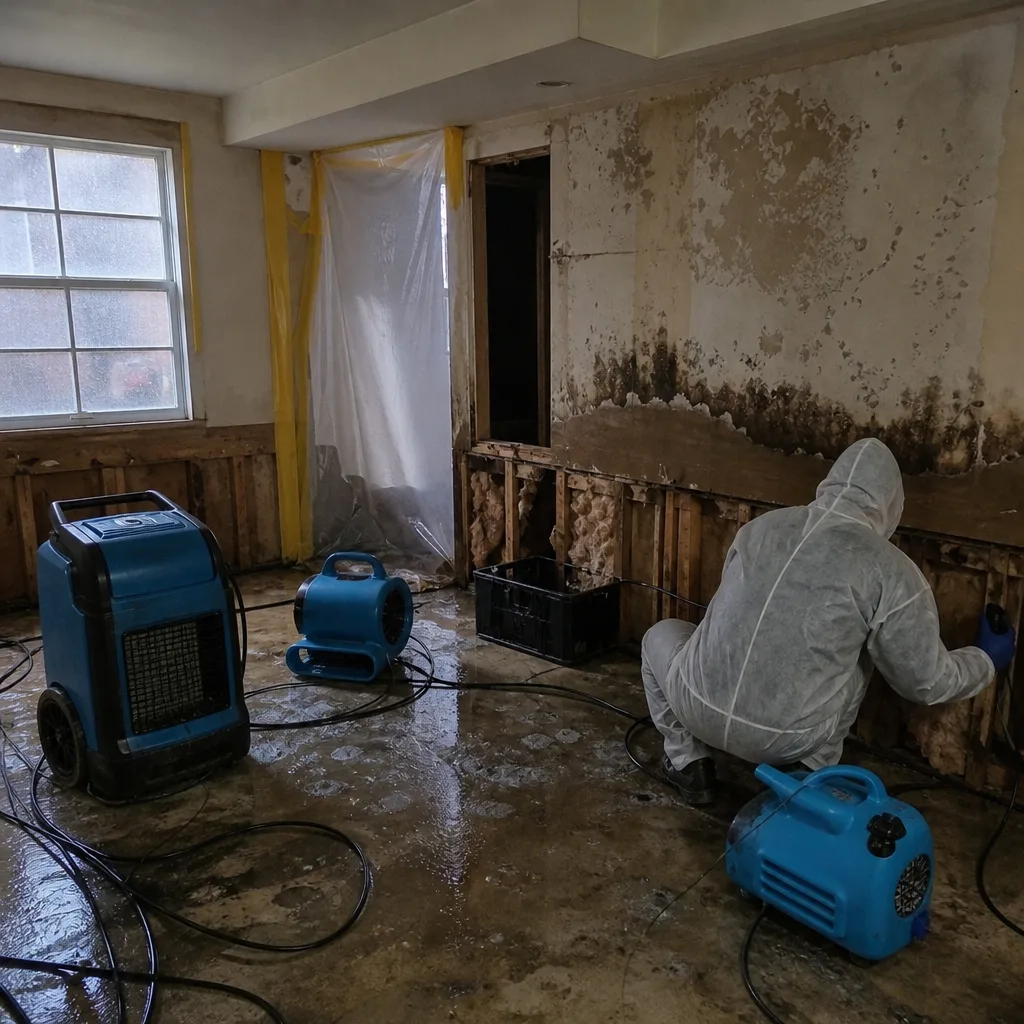 Before
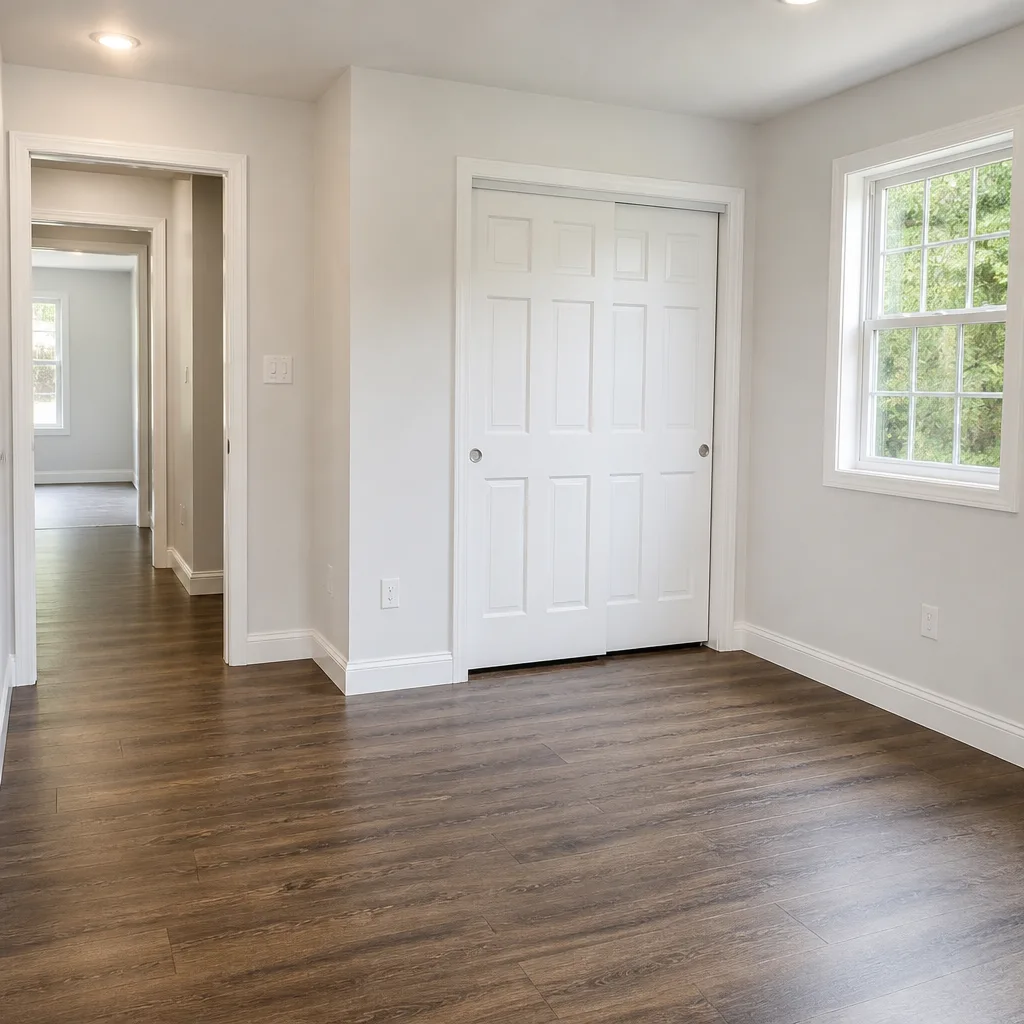 After
AfterFast, Reliable Water Damage Restoration Across Greenwich Village
Water damage in a Greenwich Village brownstone, co-op, or garden-level apartment moves fast, and the repair decisions you make in the first hour determine whether you’re dealing with a dry-out or a full gut renovation. Most water damage restoration jobs in Greenwich Village run between $1,800 and $6,500 depending on how far the water has traveled, and our crews typically arrive within 60 to 90 minutes of your call. We know these buildings: the original cast-iron risers, the horsehair plaster, the shared party walls between attached rowhouses along tree-lined blocks off Bleecker, Hudson, and West 4th. Call (940) 466-4354 and a live person answers, 24/7, no phone tree.
We’re Wendell Water Damage Restoration, part of the Relay Home Co. family since 2006. Our Greenwich Village crews carry professional-grade drying equipment from Dri-Eaz, Phoenix, and XPOWER, and every job starts with a written price before any work begins. You’ll get a live arrival time you can track, not a four-hour window.
Why Wendell Water Damage Restoration Is Greenwich Village’s Preferred Water Damage Restoration Company
Greenwich Village homeowners call us because we speak the language of this neighborhood’s housing stock. A converted 1840s Greek Revival rowhouse with original wide-plank floors and plaster walls is not the same job as a drywall suburban basement, and our techs know the difference before they walk through your door. Our Water Damage Restoration team has handled hidden riser failures, party-wall wicking, and garden-level sewage backups in landmarked buildings across the Village. We understand what the Landmarks Preservation Commission requires, what co-op boards need documented, and how long drying actually takes when you’re working with horsehair plaster and masonry party walls.
Our Greenwich Village customers consistently tell us the same thing: the written price before work starts is what convinced them to call. No vague estimates, no upsell after the crew arrives. The number on the written scope is the number you pay, and you get a texted digital invoice you can pay from a link. Every job includes our 365-Day Done Right Promise in writing: if it’s not done right, we make it right, and that includes a free second visit if the repair fails.
Response time matters here because water crossing a party wall in an attached brownstone doesn’t wait for building management to schedule access. Our techs carry moisture meters and thermal imaging cameras, so they can map the water’s path behind plaster and tile before cutting anything open. That’s the difference between drying in place and tearing out original details.
Flood Damage Restoration in Greenwich Village
Flood damage restoration in Greenwich Village typically runs $2,200 to $7,800 depending on the water category and how many rooms are affected. Floodwater that comes up from a cellar drain or garden-level backup is often Category 3, meaning it carries sewage, soil bacteria, and whatever else backed up through old cast-iron laterals. That water cannot simply be dried in place: contaminated porous materials like carpet, padding, and some drywall need removal before structural drying can begin.
On a tree-lined block off Bleecker Street near Abingdon Square, a homeowner in a 1840s Greek Revival brownstone came home to find water wicking up a party wall from a failed cast-iron riser joint two floors above. Our tech arrived within the hour, shut the supply, used moisture mapping to trace the hidden path, and extracted Category 2 water from original wide-plank floors and horsehair plaster before setting up structural drying with Dri-Eaz air movers and Phoenix dehumidification. We contained the kitchen work area to protect the family’s belongings, took daily moisture readings, and logged each day’s readings so the loss was documented against pre-loss condition for the insurance scope of work.
Cellar and Garden-Level Flooding
Greenwich Village’s mature street trees are beautiful, but their roots push into century-old clay and cast-iron lateral lines. When those lines crack or collapse, the result is a backup into the lowest point of the building, usually a garden-level kitchen or cellar. That water sits against brick foundation walls and wicks upward, and if it’s Category 3, we remove contaminated porous materials before drying. We also document everything with before-and-after photos by text so you have exactly what your adjuster needs.
Burst Pipe and Riser Failures
Original 1800s cast-iron risers hidden behind plaster and tile walls fail without warning. The visible stain is rarely at the source. In attached brownstones, water migrates along party walls and shows up one or two floors below where the pipe actually let go. Our moisture mapping finds the true extent, and we coordinate with building management and co-op boards when access crosses unit lines, because shared risers mean shared responsibility.
Water Damage Cleanup in Greenwich Village
Water damage cleanup in Greenwich Village costs $1,400 to $4,200 for a typical single-room incident, including extraction, antimicrobial treatment, and structural drying. The price depends on whether water is clean Category 1, grey Category 2, or black Category 3, how many rooms are affected, and whether we can dry original materials in place or need to remove them. You’ll always know the exact number before we start.
Cleanup here is different than in newer construction. Original wide-plank pine floors, horsehair plaster, and masonry party walls all absorb water differently than gypsum board over stud framing. We use psychrometric drying, which means we track the air’s moisture level so we know when your home is truly dry, not just surface-dry. That matters in landmarked buildings where you want to preserve original details, not replace them.
Content and Pack-Out in Converted Rowhouses
When a co-op or walk-up unit floods, moving belongings out of the work area is part of what we do, and we photograph and document everything before anything moves. In Greenwich Village, where units are often compact and storage is scarce, we stage contents in a way that keeps your neighbors’ access clear. We work with co-op boards and building management from the first call so the scope is agreed in writing before any work begins.
Drying Behind Original Plaster Walls
Plaster and lath walls can often be dried in place if we reach them before the wicking saturates the wall cavity. We drill small, discreet holes behind baseboards and at the bottom of wall cavities, then run high-volume air movers and dehumidifiers to dry the structure from the inside. The skill is knowing when that will work and when the plaster has already lost its key and needs replacement. We tell you honestly, with a written scope either way.
Trusted Brands We Service in Greenwich Village
We work on homes with every type of plumbing and fixture configuration you find in the Village, from original fixtures in pre-war walk-ups to recently renovated co-op kitchens. We keep common parts and fittings stocked on our trucks for fast repair, and our techs are trained on Dri-Eaz, Phoenix, and IFA-standard drying equipment. That means we can start drying the same day we arrive, not wait for a part to ship. For Greenwich Village customers with vintage plumbing that can’t be replaced off the shelf, we coordinate with local suppliers who carry period-appropriate fittings and hardware.
Common Water Damage Restoration Problems We See in Greenwich Village Homes
- Original cast-iron risers failing behind finished walls. Attached brownstones and converted rowhouses often share these vertical pipes, and when a joint fails two floors up, water follows the party wall down and shows up as a stain far from the leak. Moisture mapping is essential because the visible stain is rarely at the source.
- Sewer and lateral backups from mature street trees. Greenwich Village’s mature street trees drive roots into old clay and cast-iron laterals, cracking them and causing backups that flood cellars and garden-level kitchens. That water is often Category 3 and requires removal of contaminated porous materials rather than drying in place.
- Landmarked building access and scheduling. Landmarked building rules for exterior alterations and masonry repairs can slow drying and access decisions. Scheduling around building management and DOB requirements is often the difference between same-day mitigation and a multi-day delay.
- Shared risers with no per-unit shut-offs. Converted rowhouse co-ops and multi-unit walk-ups frequently lack dedicated shut-offs for each unit. Water can cross unit lines, and responsibility for mitigation and pack-out must be coordinated with a co-op board before work begins.
Pricing for Water Damage Restoration in Greenwich Village, NY
Here’s what we see in Greenwich Village on a typical job: emergency water extraction alone runs $750 to $1,600 per affected room. Structural drying with dehumidification and air movers adds $1,100 to $2,800 depending on square footage and how long the equipment runs. Antimicrobial treatment and containment, which we do on every job involving Category 2 or Category 3 water, runs $350 to $900. Burst pipe restoration that includes opening a wall, repairing the pipe, and drying the cavity typically totals $2,500 to $5,000. Every quote is written before work starts, and you get a texted digital invoice you can pay from a link. Call (940) 466-4354 for a free estimate and we’ll walk you through the exact numbers for your situation. No charge for the call, no obligation.
We Also Serve Cities Near Greenwich Village
Wendell crews respond throughout the surrounding area, including Water Damage Restoration in Greenwich Village and nearby communities across Brooklyn, Queens, Manhattan, and The Bronx. If you’re just outside the Village and dealing with water damage, call us: our dispatch is coordinated from our New York City office, and we’ll give you a straight answer on arrival time.
Serving Greenwich Village, NY - Our Local Coverage Area
We’re based in the Greenwich Village area and know this community well. Use the map below to see our service coverage - if you’re nearby, we can almost certainly help.
FAQs About Water Damage Restoration in Greenwich Village
We typically arrive within 60 to 90 minutes anywhere in Greenwich Village, including the blocks around Washington Square Park, Abingdon Square, and the West Village side streets. A live person answers your call 24/7, and you get a live arrival time you can track. Call (940) 466-4354 and we’ll tell you exactly when our tech will be at your door.
Yes, in many cases we can dry plaster and lath walls in place using small access holes and high-volume drying equipment, which preserves original details and avoids a full plaster replacement. The key is acting within the first 24 to 48 hours before the plaster loses its key and separates from the lath. We’ll assess honestly and give you a written scope either way.
First, shut the water supply if you can safely reach the shut-off valve, which in many Village co-ops is in the basement or a common hallway, not inside your unit. Then call (940) 466-4354 immediately. Do not enter standing water if electrical outlets or appliances are nearby. If you can’t find the shut-off, call your super or building management at the same time you call us, because shared risers mean the water may be coming from another unit.
Yes. We photograph and document the loss before, during, and after mitigation, and our techs log daily moisture readings so the scope of work is documented against pre-loss condition for your insurer. We coordinate directly with adjusters and provide the photo documentation and moisture logs that insurance carriers in landmarked buildings typically require. You’ll get before-and-after photos by text so you have your own record, too.
In most cases we see in Greenwich Village, recurring cellar and garden-level backups come from mature street tree roots that have cracked or collapsed the building’s old clay or cast-iron lateral line, which then backs up into the lowest point of the building. The water is often Category 3 and requires contaminated material removal rather than simple drying. We’ll document the damage and coordinate with your building management and adjuster on the restoration scope. Call (940) 466-4354 for an assessment.
Written by Blake Sorensen, Owner at Wendell Water Damage Restoration, serving Greenwich Village and the surrounding New York City area since 2006.