
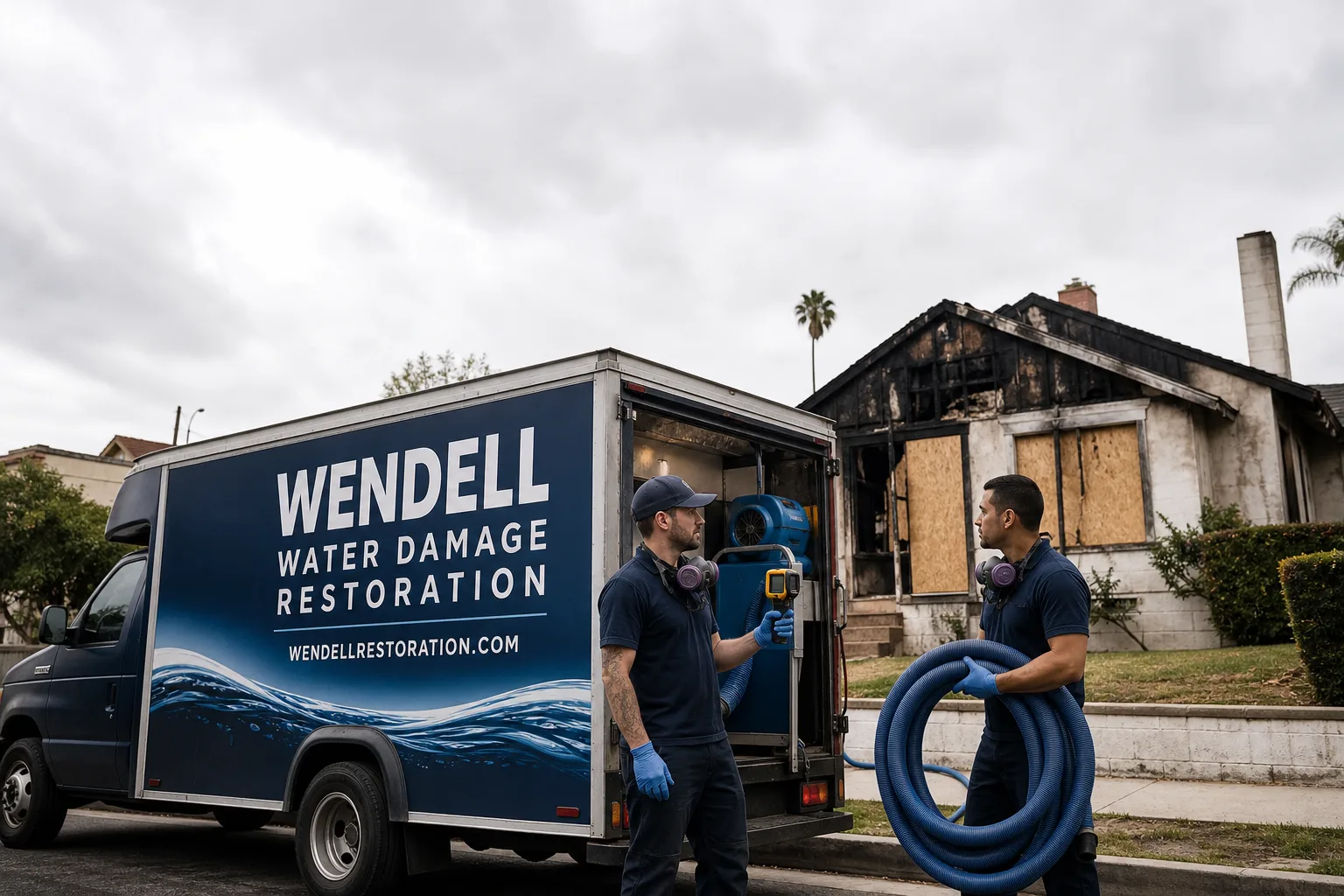
Free visual inspection and a written scope of work before any mitigation begins - photos, moisture readings, and drying logs go in your claim file
The scope we write is the scope we bill. Anything new gets shown to you, in writing, before we touch it.
 Before
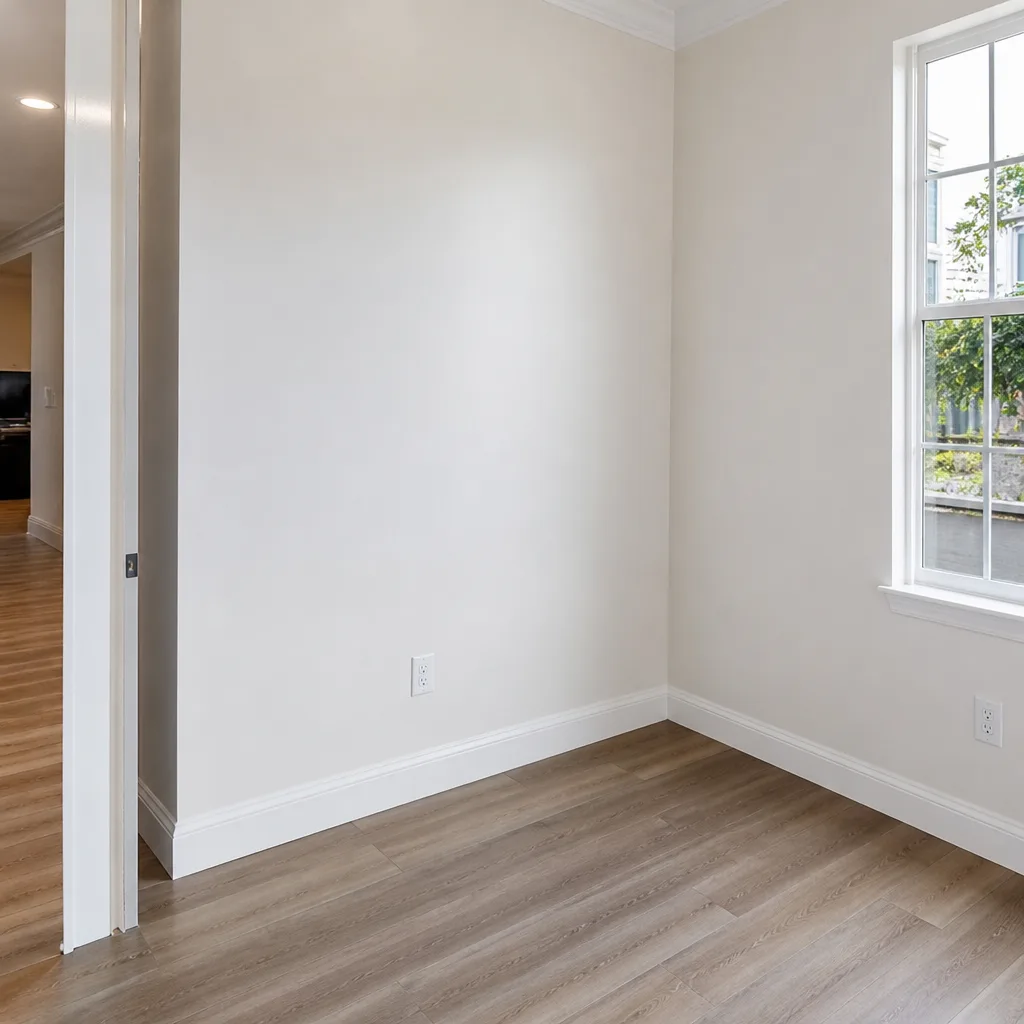 After
After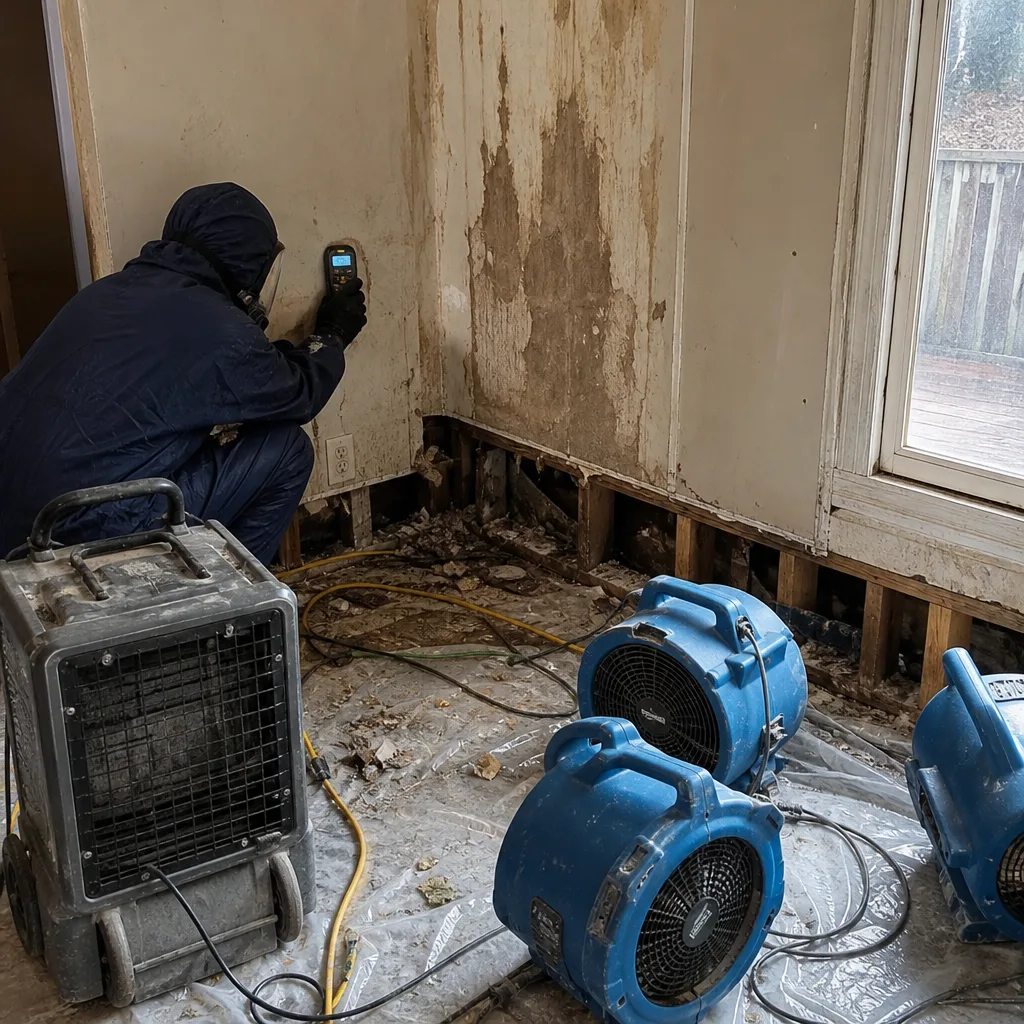 Before
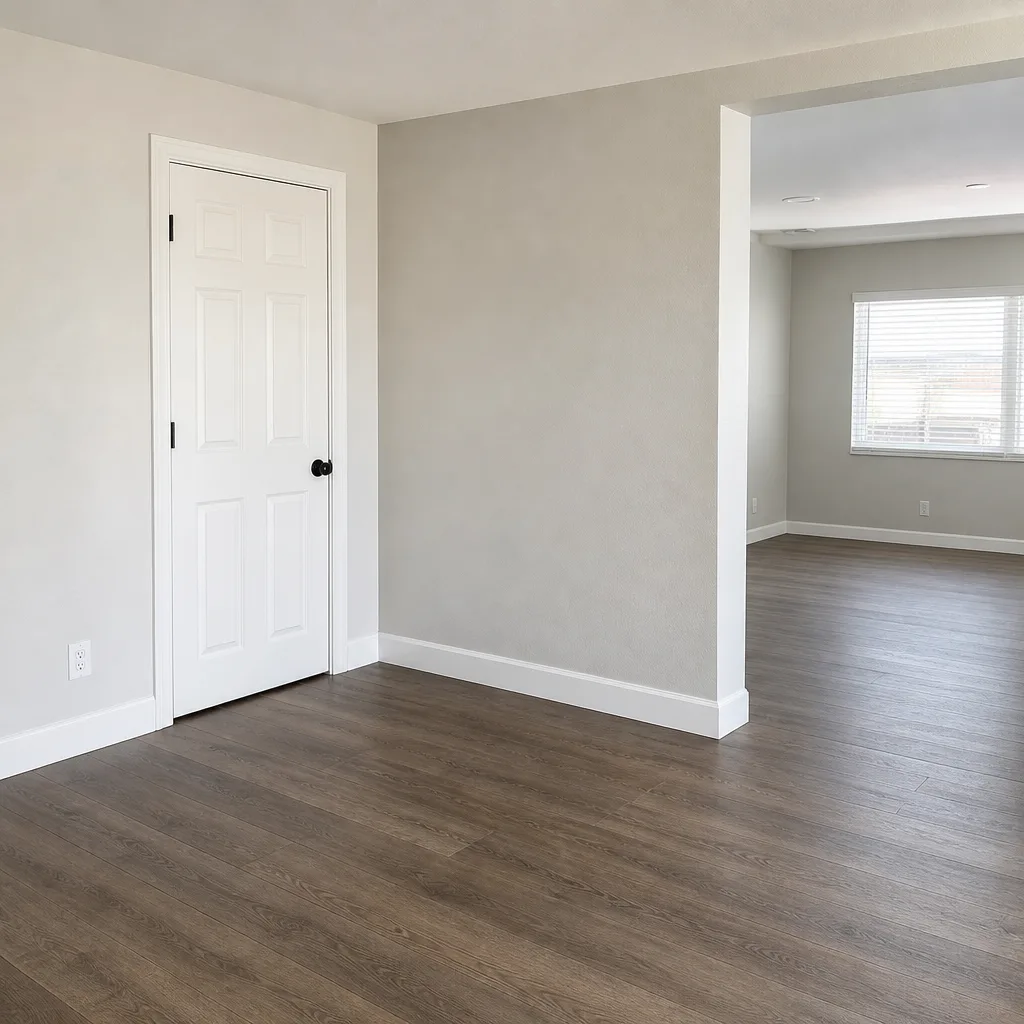 After
After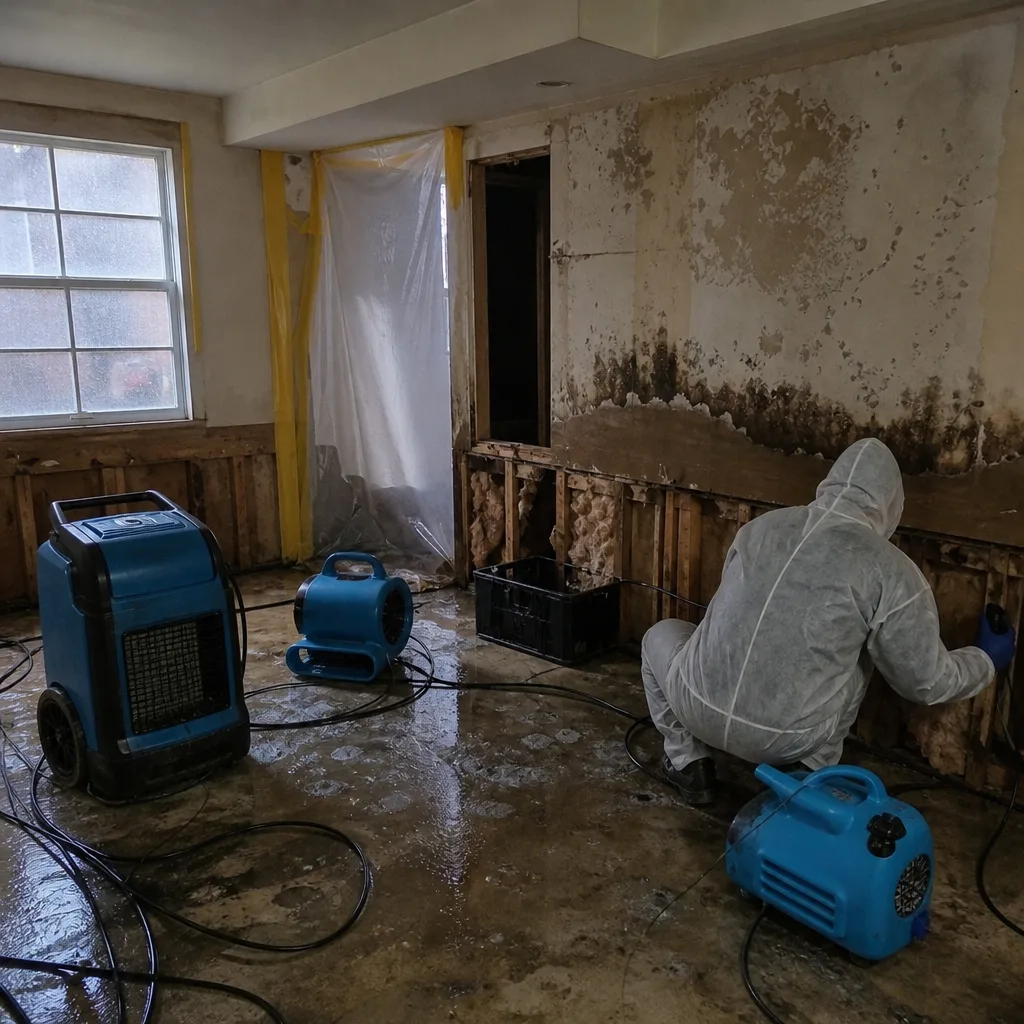 Before
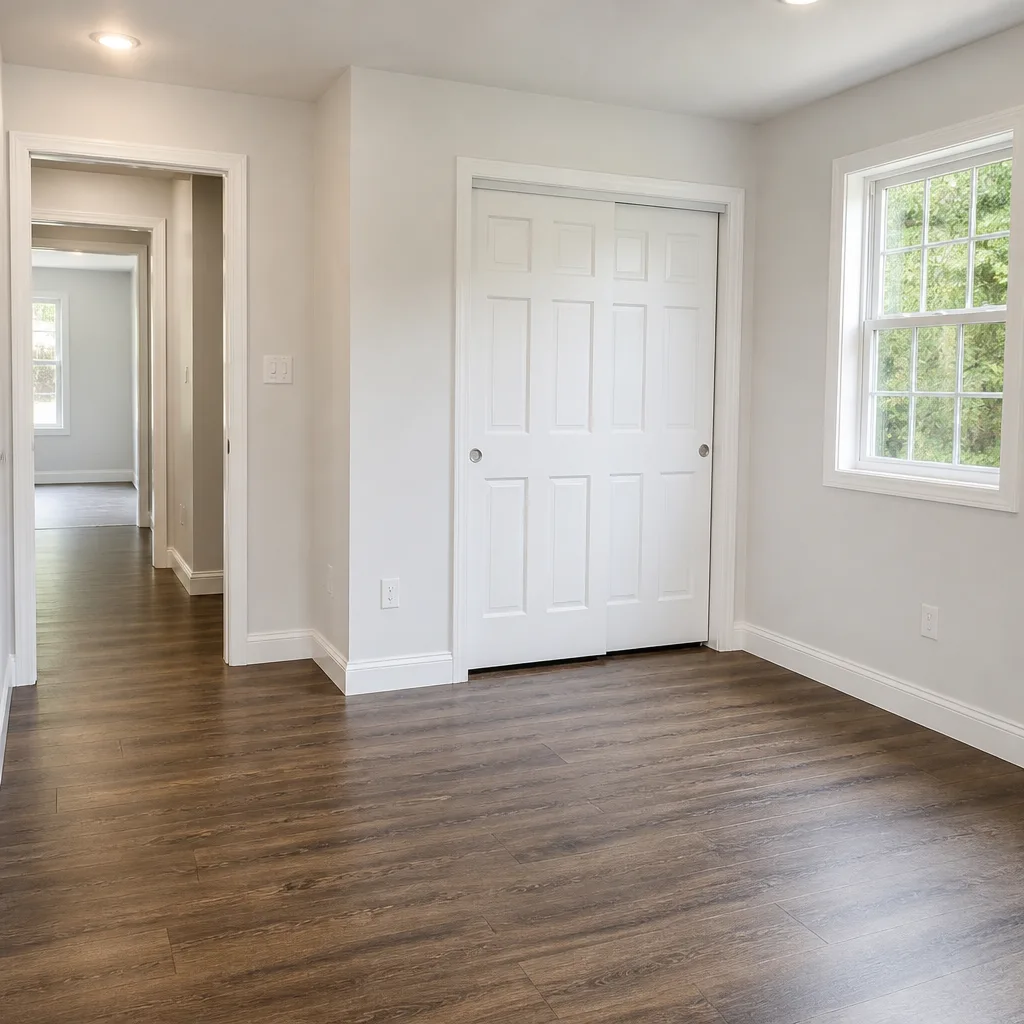 After
AfterFast, Reliable Water Damage Restoration Across Glendora
Water damage in Glendora rarely announces itself politely. A galvanized supply line lets go inside a plaster wall on Glendora Avenue at 2 a.m., or a hillside storm sends runoff through a garage door off Foothill Boulevard before the sandbags are even out. When that happens, you need a restoration crew that understands how water behaves in this specific city, not a generic template. Wendell Water Damage Restoration serves Glendora with same-day emergency response, written pricing before any tool leaves the truck, and drying plans built around the San Gabriel foothill conditions that make this area different from Azusa or Covina. Call (940) 466-4354 and a live person answers, any hour. Not a voicemail. Not a callback queue.
Key Takeaways:
- Water damage in Glendora often comes from two sources at once: hillside runoff and aging galvanized plumbing, creating overlapping failures most flatland cities never see.
- Wendell gives you a written price before work starts, a live arrival time you can track, and before-and-after photos by text.
- Emergency water extraction and structural drying are available same-day in every Glendora ZIP code.
- Every repair carries the 365-Day Done Right Promise: if it’s not done right, we make it right, in writing.
Why Wendell Water Damage Restoration Is Glendora’s Preferred Water Damage Restoration Company
Glendora homeowners tend to know their houses. Many of you have lived here long enough to understand that the San Gabriel foothills create weather patterns the rest of the San Gabriel Valley doesn’t deal with, and that water finds its way into places the original 1950s builders never anticipated. That’s why our Water Damage Restoration crews carry moisture meters and thermal imaging cameras as standard equipment, not add-ons. We’re trained to find the water you can’t see, the kind hiding behind original plaster in a home near Glendora Avenue or seeping under vinyl plank flooring in a north Glendora tract house. Our technicians arrive in uniform, background-checked, with a live arrival time you can track on your phone. When we finish, you get before-and-after photos by text and a digital invoice you can pay from a link. The number on the screen is the number you pay.
Blake Sorensen leads our team with a straightforward standard: no technician leaves a Glendora job until the moisture readings are logged, the drying plan is clear, and the homeowner understands exactly what happens next. That’s how we’ve built our reputation across Glendora, one documented job at a time.
Flooded Basement in Glendora
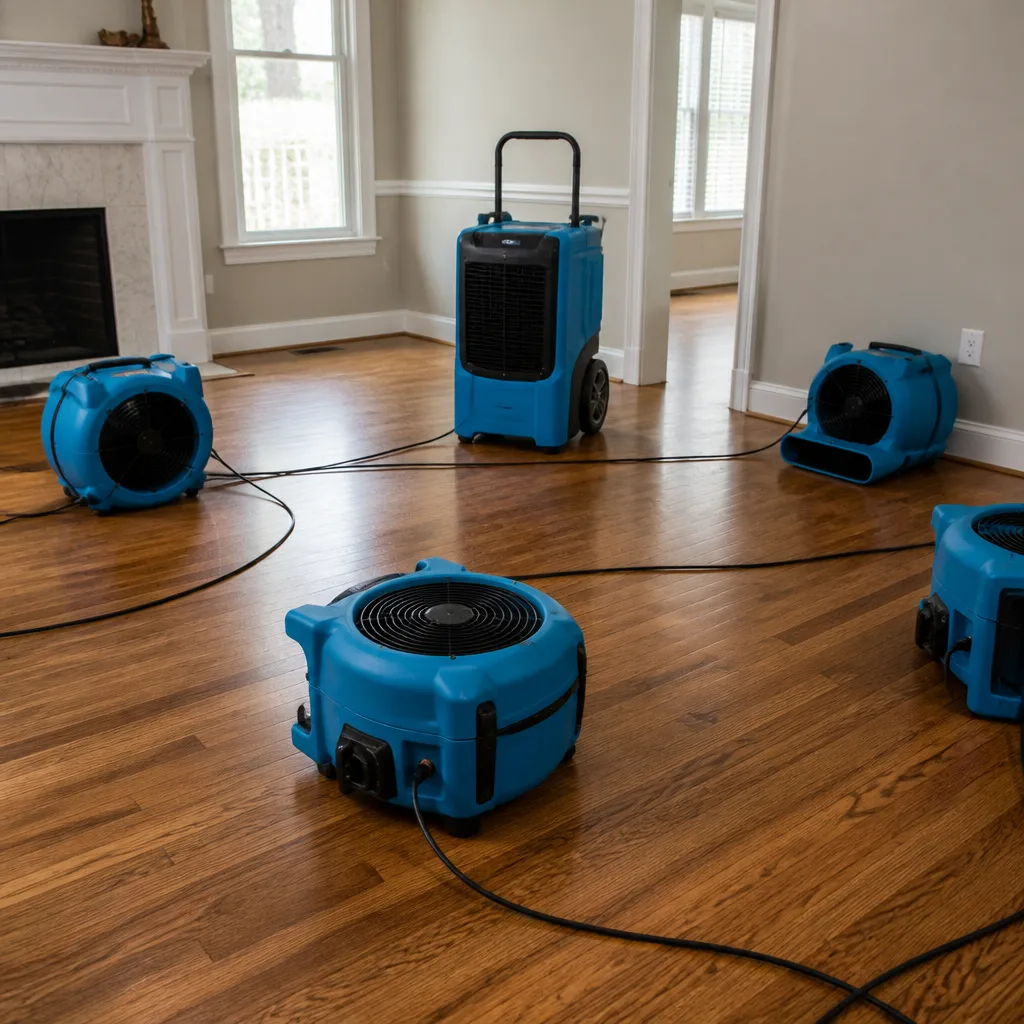
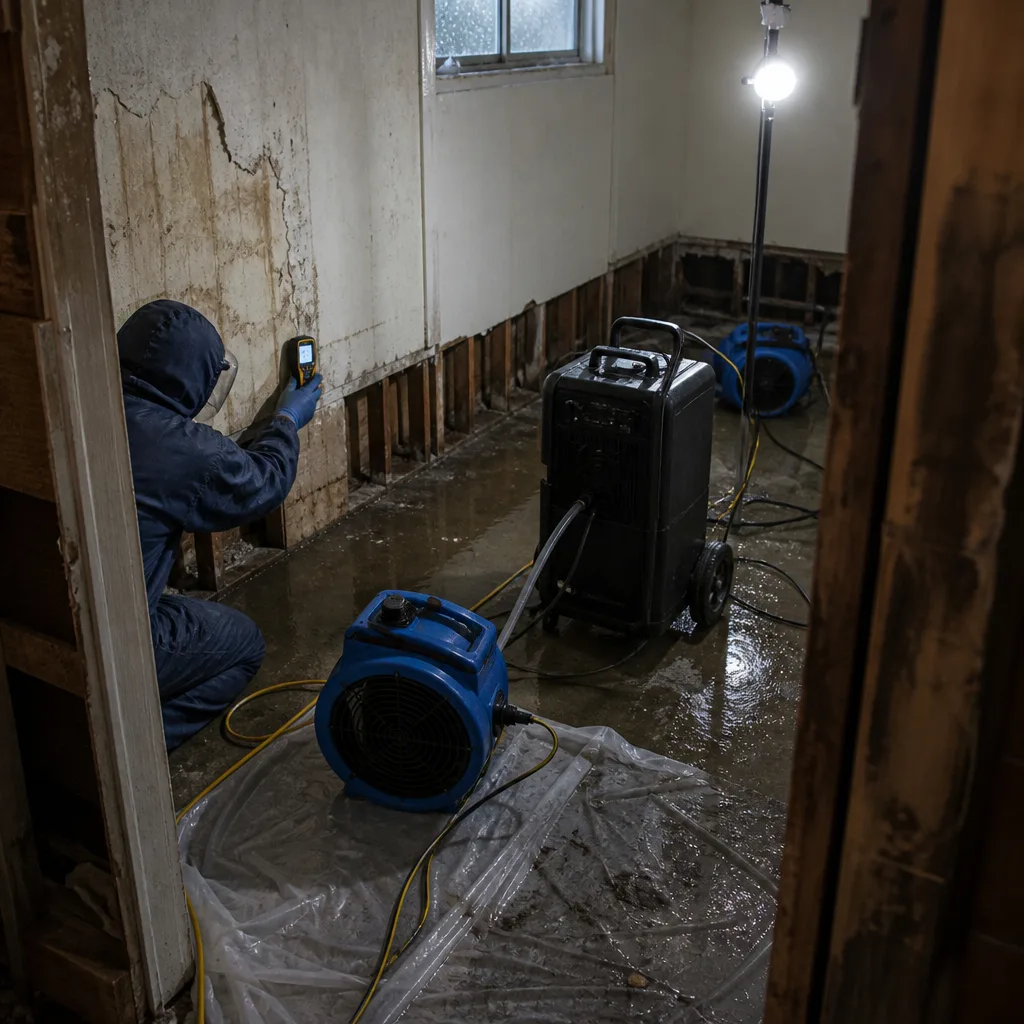
A flooded basement in Glendora usually means one of two things: a storm overwhelmed your drainage and pushed hillside runoff into the lowest point of your home, or a plumbing failure turned a finished basement into a wading pool. Either way, the first hours matter more than most people realize. Water that sits in wall cavities and under flooring becomes a category 2 or 3 situation fast, especially when it’s muddy runoff from the foothills carrying whatever it picked up along the way. Our Glendora flooded basement response starts with extraction, then moves to structural drying with air movers and dehumidifiers positioned for the specific room geometry, not a one-size-fits-all layout.
Storm Runoff and Sump Failures
Glendora’s position at the base of the San Gabriel Mountains means intense orographic rain can dump water faster than a standard sump pump can eject it. We regularly see garages and basements off Sierra Madre Avenue and Foothill Boulevard take on two to four inches of muddy water during a single storm event. Extraction in that scenario needs to happen before the water migrates into drywall and insulation, and the drying plan has to account for the contaminants in runoff. A flooded basement in Glendora from stormwater typically runs $1,800 to $4,200 for extraction, drying, and antimicrobial treatment, depending on square footage and how long the water sat.
Plumbing Breaks Below Grade
When a supply line fails inside a basement wall, the damage often looks smaller than it is. Water follows framing and electrical runs, spreading behind the finished surfaces you can see. Our techs cut controlled access holes only where needed, extract with truck-mounted or portable units, and set up drying with daily moisture readings. For a contained basement supply line break in Glendora, expect $1,200 to $2,800 for full restoration.
Water Extraction in Glendora
Water extraction in Glendora covers more than vacuuming standing water. It’s the first and most urgent step in preventing secondary damage, and it has to match the water’s source and category. When a water heater lets go in a laundry room off Route 66, the extraction plan is straightforward. When post-fire debris flow pushes mud and ash into a hillside garage, the plan changes: we bundle contaminated materials for disposal, flush affected surfaces, and only then begin drying. Extraction in Glendora typically costs $900 to $3,500 depending on affected square footage, the water category, and accessibility.
Category 2 and 3 Water
The water’s category changes everything about how we extract and dry. Category 2 is contaminated, the kind you get from a washing machine overflow or sump failure. Category 3 is grossly contaminated, the kind that comes from sewage backflow or outdoor runoff after a fire season. In Glendora, hillside runoff after a burn scar event frequently tests as category 2 or 3. That means extraction includes controlled removal of porous materials like carpet pad and drywall up to the flood line, not just vacuum and fan.
Hidden Water Behind Walls
Older Glendora homes, especially those built before 1970 along Glendora Avenue and in the core residential streets, often hide water behind original plaster and lath. The plaster is dense and slow to absorb, which sounds good until you realize it traps moisture against the studs behind it. We use moisture mapping to find the extent of the wet area before cutting, then extract from the lowest points. That’s the difference between a three-day dry-out and a recurring mold problem nobody saw coming.
Trusted Brands We Service in Glendora
We stock equipment and parts for the systems most Glendora homes rely on for drying and restoration. Our crews run Dri-Eaz dehumidifiers, Phoenix air movers, and XPOWER extraction units, the same professional-grade brands used on large commercial loss sites. When we set up structural drying in a Glendora basement, we’re placing a Dri-Eaz LGR dehumidifier and calculating airflow against the room’s cubic footage, not guessing. We also service and maintain Injectidry drying systems for wall cavities and under-floor spaces, which matter in the older homes near downtown Glendora where plaster walls trap moisture in ways open floor plans never do. Local parts availability means most service calls and restoration projects in Glendora don’t wait on equipment or components.
Common Water Damage Restoration Problems We See in Glendora Homes
- Hillside runoff overwhelming garage and basement entries: Glendora’s foothill location means stormwater moves downhill fast, and homes on sloping lots often take water under garage doors or through foundation vents before drainage can keep up. It’s a recurring pattern in the neighborhoods north of Foothill Boulevard.
- Galvanized supply lines pinholing during rainy season: Original galvanized plumbing in homes built in the 1940s through 1960s corrodes from the inside, and the added ground pressure of a heavy rain is often what finishes the job. The leak usually starts inside a wall, so the first sign is a water stain or a warped baseboard, not a puddle.
- Post-fire debris flow contamination: After the hills above Glendora burn, the next rain carries ash, soot, and sediment into low-lying homes. That water is never clean, and treating it like a standard extraction creates a contamination problem that lingers.
- Skipped daily moisture readings extending drying times: Some restoration crews set up fans and walk away. That leaves drywall and framing above the safe moisture threshold, and mold follows within 24 to 48 hours. We log readings daily and adjust equipment until the numbers say the structure is dry, not just the surface.
Pricing for Water Damage Restoration in Glendora, CA
We Also Serve Cities Near Glendora
Our Glendora crews regularly respond to water damage in the surrounding foothill and valley communities. We serve Water Damage Restoration in Glendora and the nearby cities of Azusa, San Dimas, Covina, and La Verne with the same written pricing and live arrival tracking. If you’re in any of those areas and water is where it shouldn’t be, call (940) 466-4354.
Serving Glendora, CA - Our Local Coverage Area
We’re based in the Glendora area and know this community well. Use the map below to see our service coverage - if you’re nearby, we can almost certainly help.
FAQs About Water Damage Restoration in Glendora
We typically arrive in Glendora within 60 to 90 minutes of your call, even during heavy rain events when storm drains are overwhelmed. Call (940) 466-4354 and a live person coordinates dispatch while you’re still on the line, and you get a live arrival time you can track. In a city where hillside runoff moves fast, same-day Water Damage Repair in Glendora matters more than in flatter neighboring cities.
Yes. We handle both stormwater intrusion and plumbing failures, and they often show up together in Glendora. A rainstorm that pushes runoff into a garage is frequently the same storm that pushes an aging galvanized supply line past its breaking point. We trace both sources during inspection so we’re not drying one side of the problem while the other side keeps feeding water in.
Water category determines what we can dry in place and what has to be removed. Category 1 from a clean supply line can often be dried without demolition. Category 2 or 3, which is common in Glendora when foothill runoff or sewage backflow is involved, requires controlled removal of porous materials and antimicrobial treatment. Treating contaminated water like clean water is how you end up with mold inside walls three weeks later, and we won’t do that.
Yes. Every Glendora job includes daily moisture readings, photo documentation of affected areas before, during, and after drying, and a written scope of work. When you file an insurance claim, we coordinate directly with your adjuster and provide the documentation they need. You’ll also get before-and-after photos by text so you can see the drying curve yourself without asking for an update.
We run Dri-Eaz LGR dehumidifiers, Phoenix and XPOWER air movers, and Injectidry systems for wall cavities and under-floor spaces under IICRC, RIA, and IFA standards. The equipment itself matters less than the plan behind it: we calculate drying chamber volume, measure grain depression daily, and adjust placement until the moisture readings in framing and drywall are below the safe threshold. That’s the difference between a dry home and a home that just looks dry.
Call (940) 466-4354 now for a free estimate from Wendell Water Damage Restoration in Glendora. We’ll answer live, give you a written price, and get your home dry, documented, and back to normal.
Written by Blake Sorensen, Owner at Wendell Water Damage Restoration, serving Glendora and the surrounding foothill communities.