
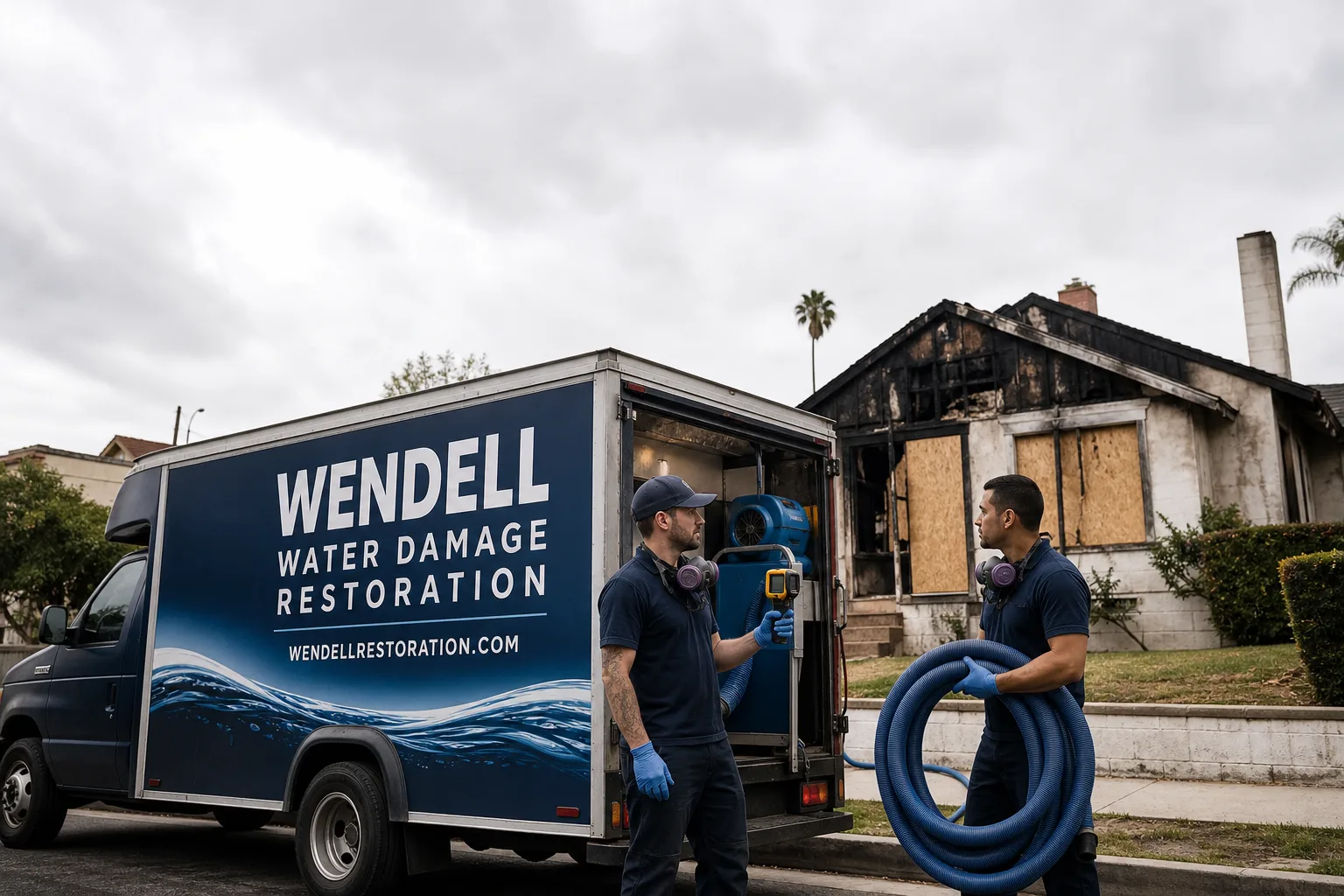
Free visual inspection and a written scope of work before any mitigation begins - photos, moisture readings, and drying logs go in your claim file
The scope we write is the scope we bill. Anything new gets shown to you, in writing, before we touch it.
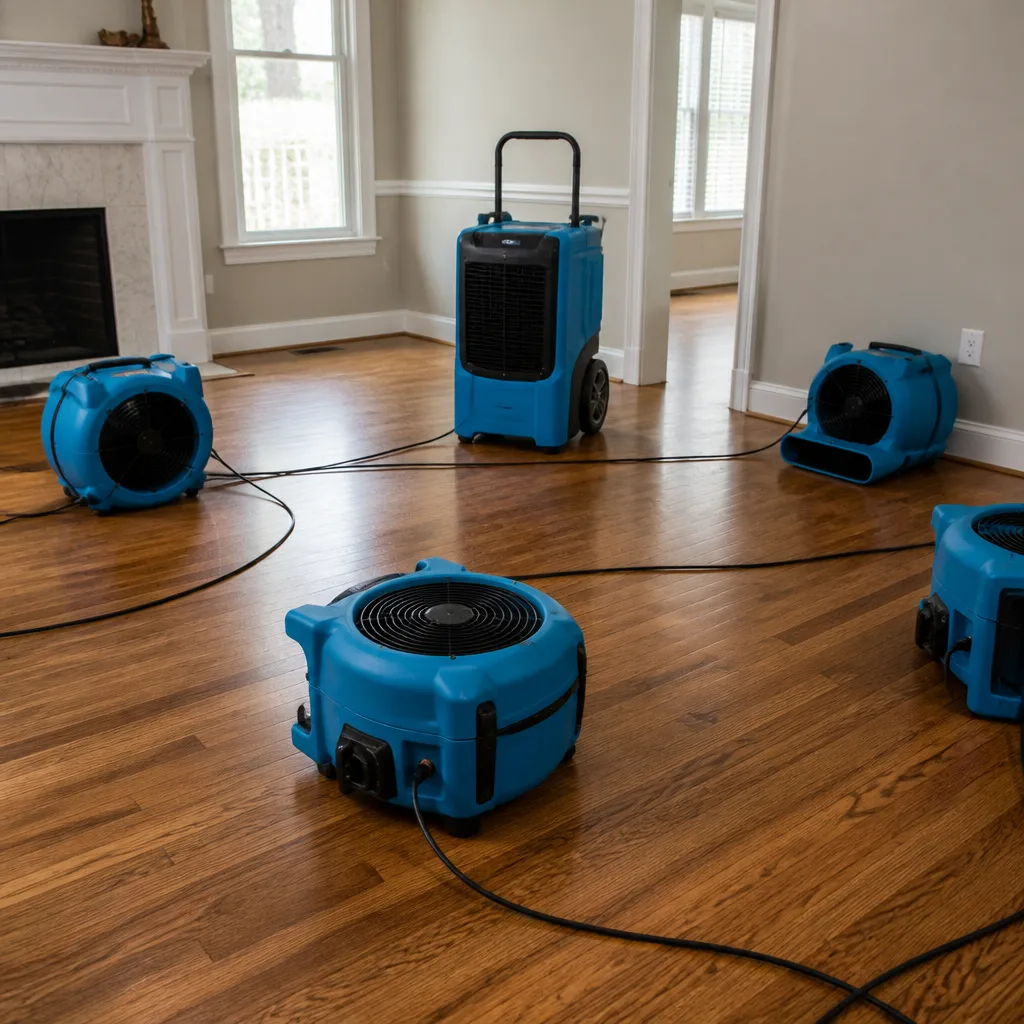
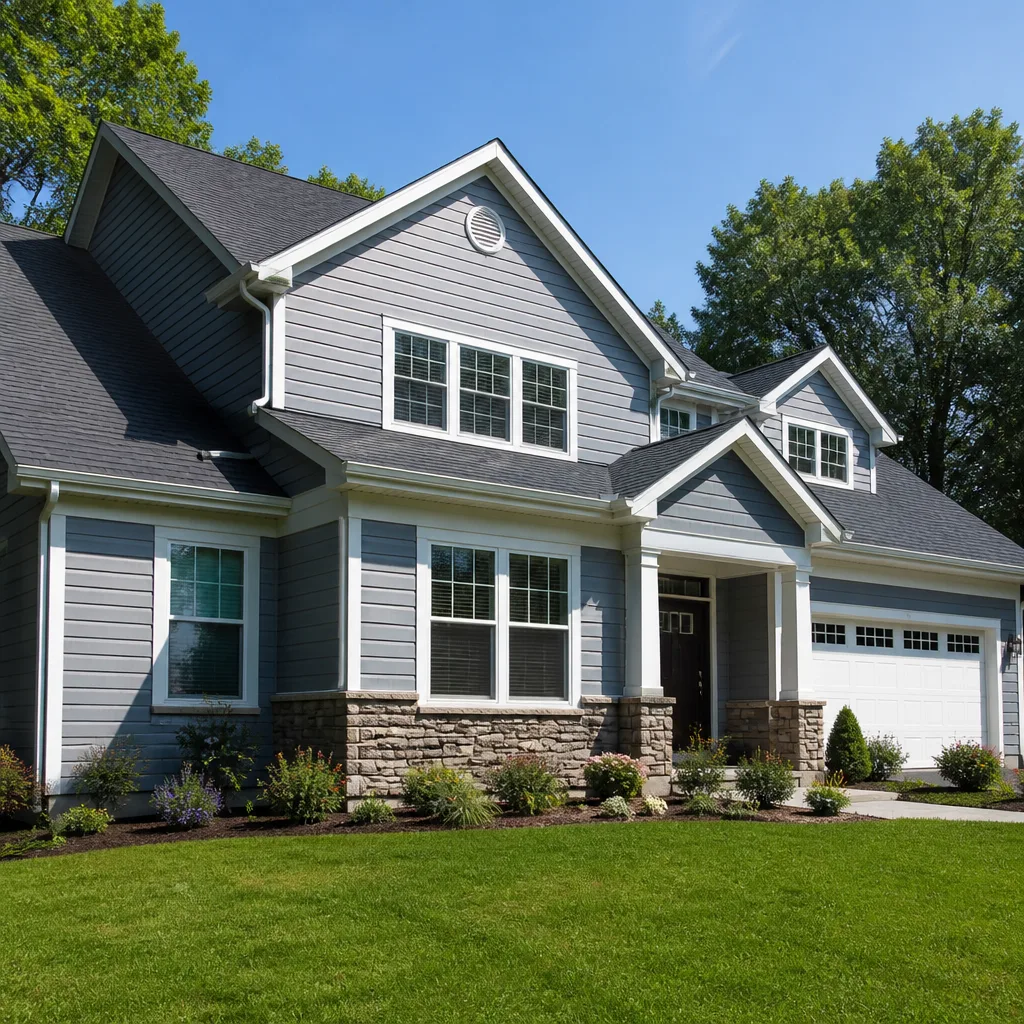
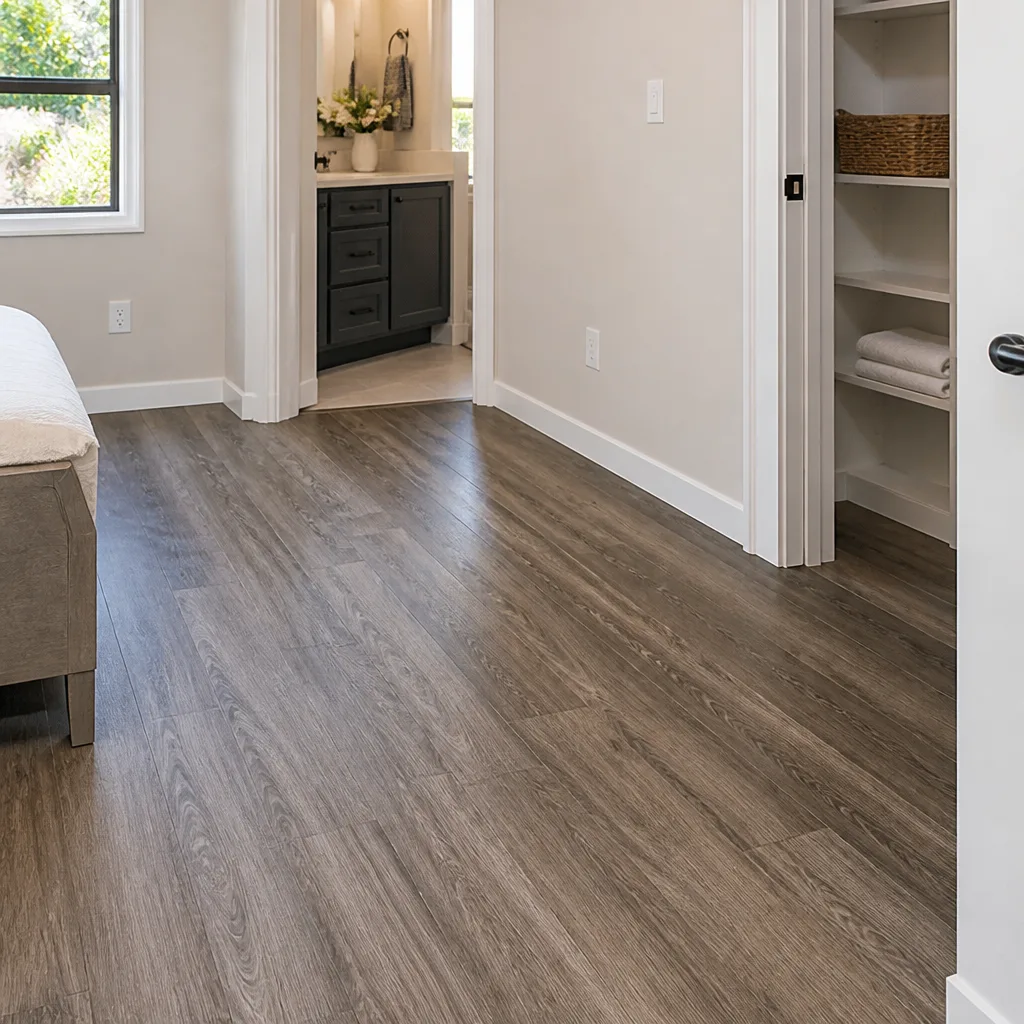
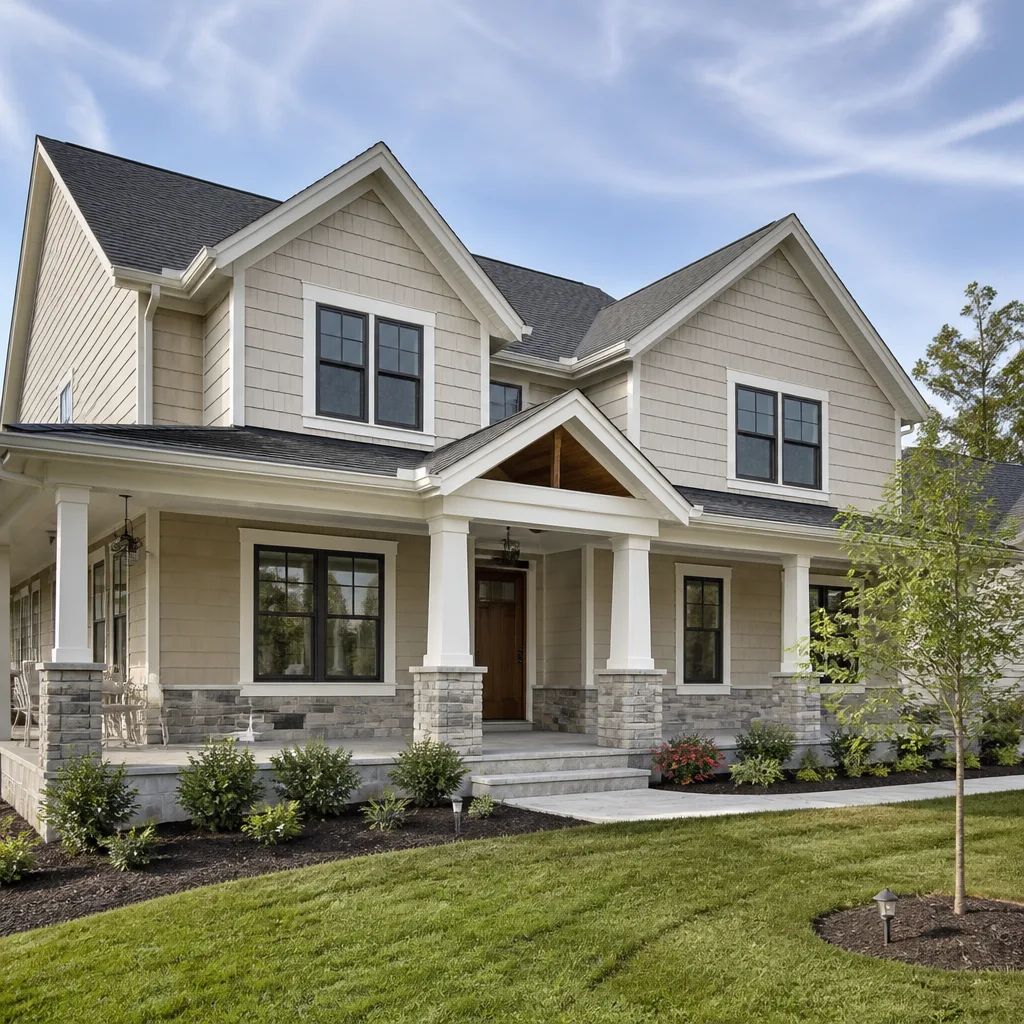
 Before
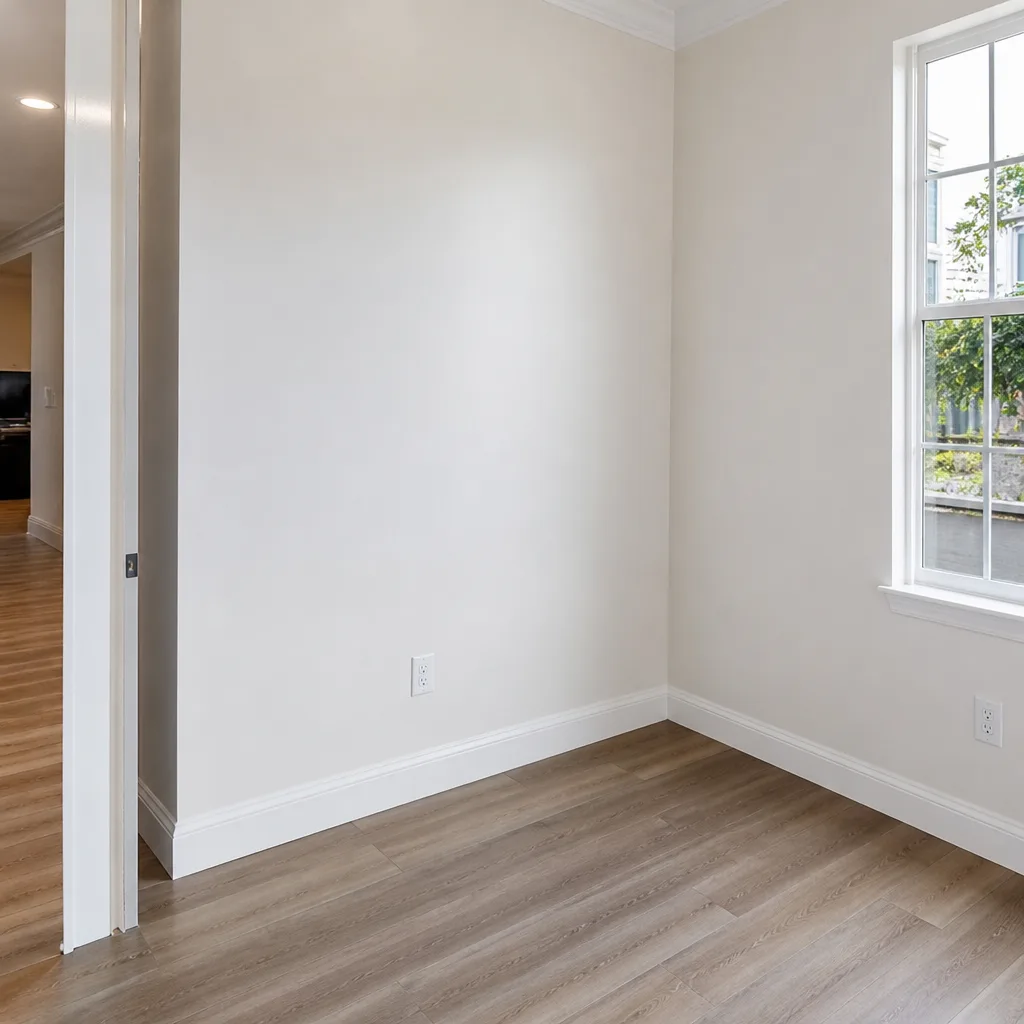 After
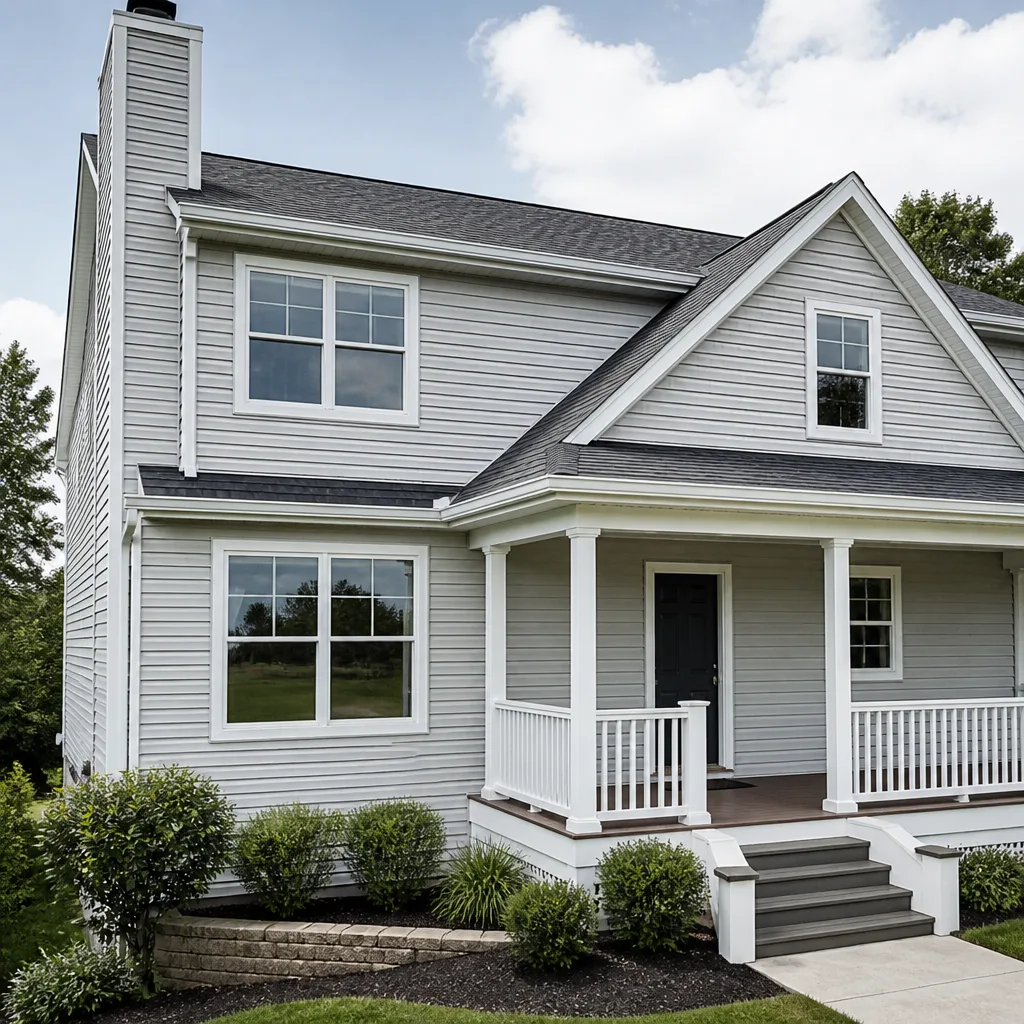
After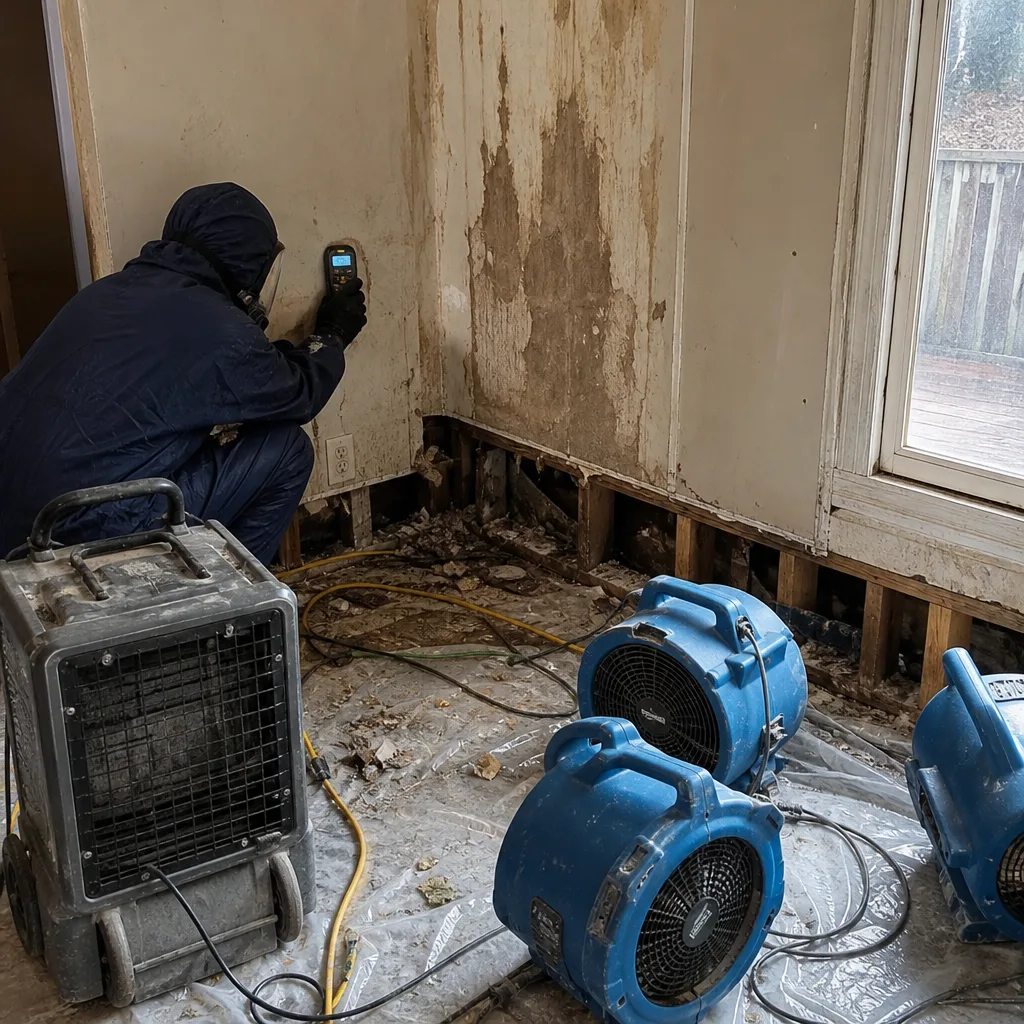 Before
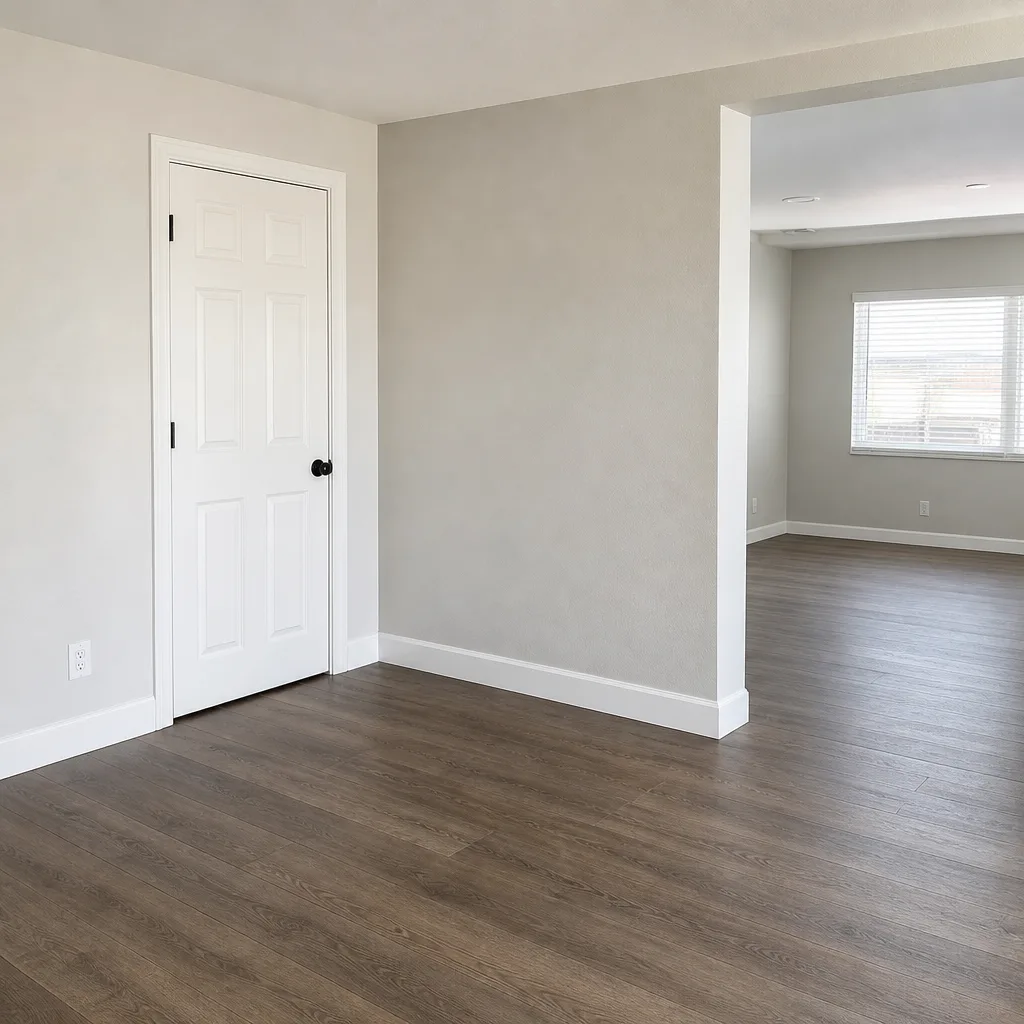 After
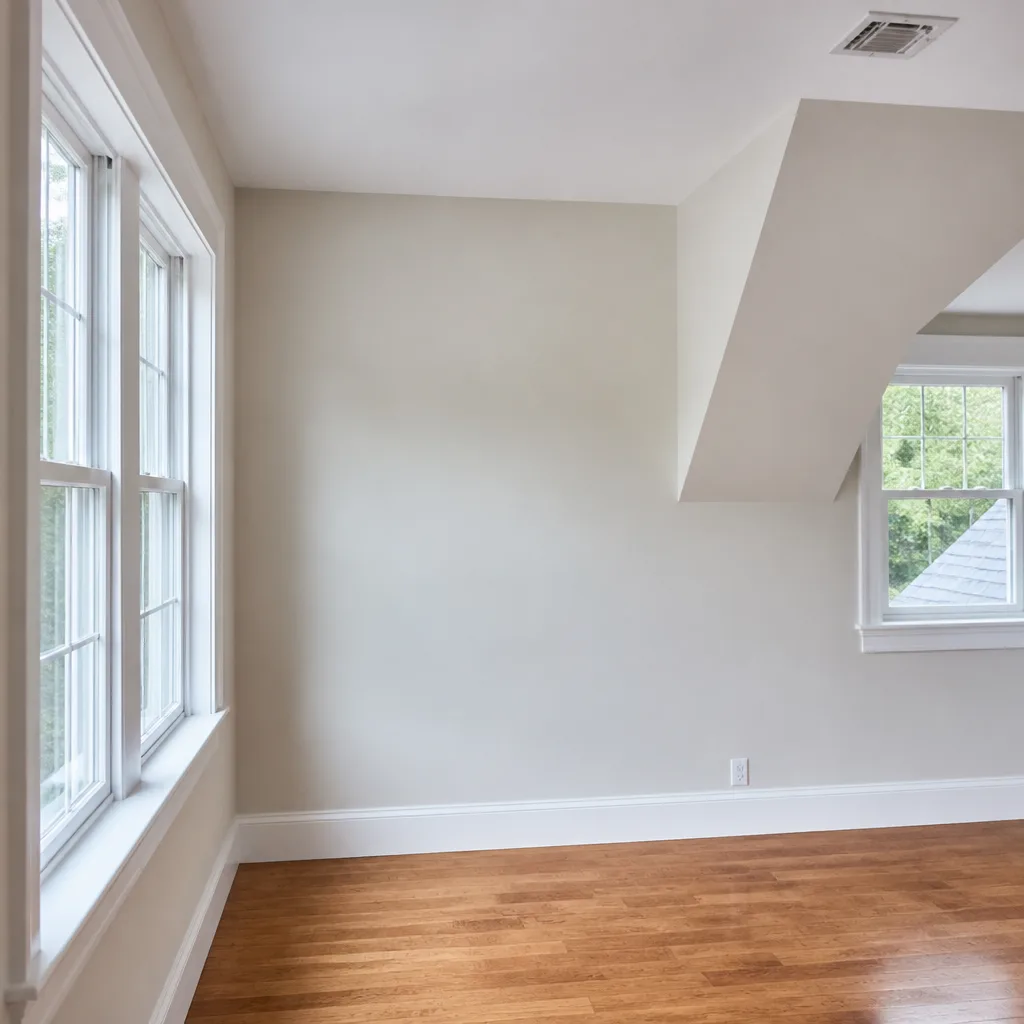
After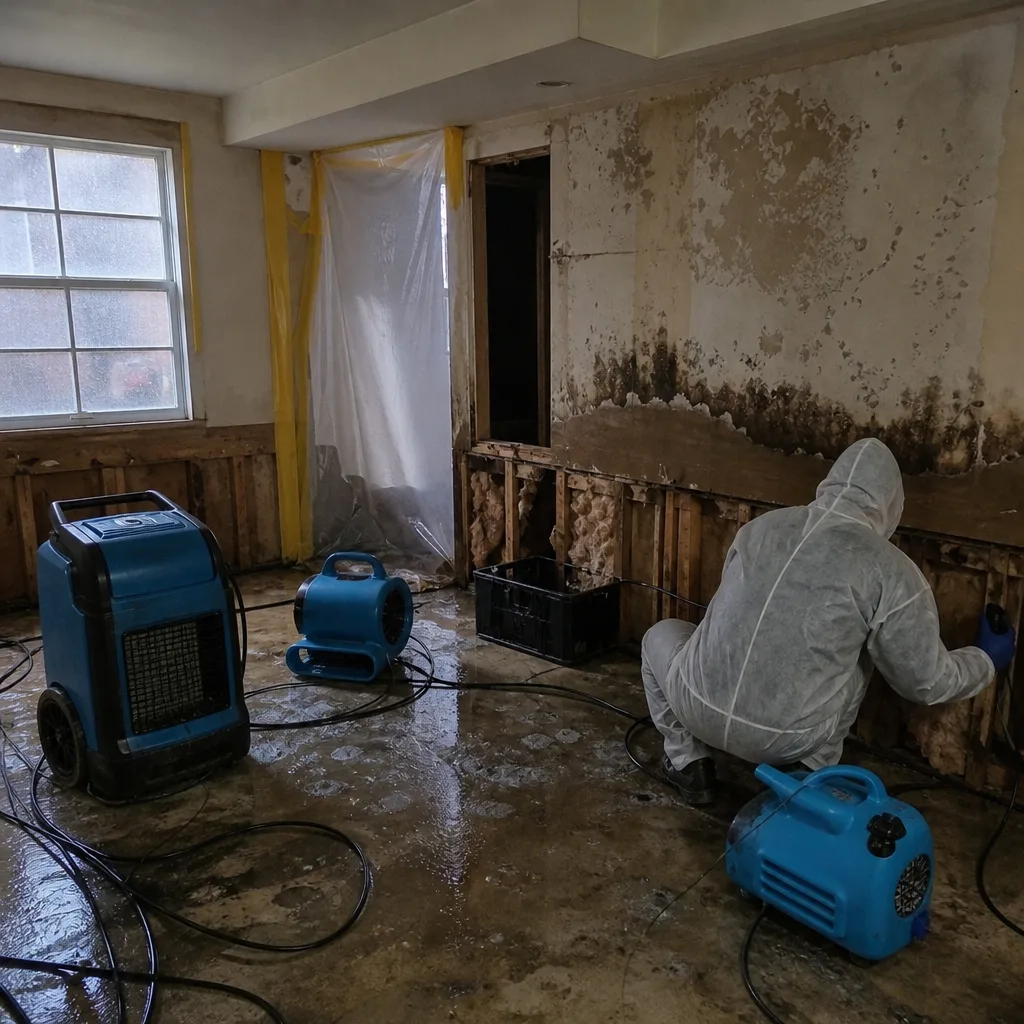 Before
 After
AfterFast, Reliable Water Damage Restoration Across Flatbush
Water damage restoration in Flatbush usually costs between $1,200 and $4,500 depending on how far the water has traveled and what it soaked. We get a crew to your block within 60 to 90 minutes, because waiting turns a cleanup into a rebuild. Call (940) 466-4354 and a live person answers, tells you the price range over the phone, and gives you a trackable arrival time before you hang up. That’s how every Flatbush job starts.
Flatbush’s housing stock is old, dense, and built from materials that hold water in ways newer construction doesn’t. Wet-plaster walls, cast-iron drain stacks, and shared wall cavities between semi-attached houses mean water from one unit quietly becomes a problem in another. We know the blocks around Flatbush Avenue, Church Avenue, and Beverley Road, and we know what happens inside these pre-war walls when a pipe lets go.
Why Wendell Water Damage Restoration Is Flatbush’s Preferred Water Damage Restoration Company
We’re not the newest restoration company in Brooklyn, but we’re the one that answers the phone. Wendell Water Damage Restoration was founded in 2006 and is part of the Relay Home Co. family, with every job held to The Relay Visibility Guarantee. That means a written price before any work starts, a live arrival time you can track from your phone, and before-and-after photo updates sent by text so you can see exactly what was dried and what was replaced.
Our technicians are background-checked and show up in uniform with the kind of equipment you’d see on a commercial loss site. We run Dri-Eaz and Phoenix dehumidifiers, XPOWER air movers, and Injectidry panel drying systems, all deployed under IICRC, RIA, and IFA standards. For Flatbush homeowners dealing with a flooded basement or a ceiling stain spreading across the living room, that’s the difference between “it looks dry” and “it is dry.”
Blake Sorensen leads the team and has built the business around one habit most restoration companies never adopted: telling you the price before touching a single tool. If we quote $2,800 for structural drying and antimicrobial treatment, the invoice you get by text says $2,800. The 365-Day Done Right Promise backs every repair in writing, and if it’s not done right, we make it right, including a free second visit if the repair fails.
Water Damage Cleanup in Flatbush
Water damage cleanup in Flatbush means extracting standing water, cutting out what can’t be saved, and drying what can. In these pre-war buildings, that often means saving original plaster instead of gutting it. A finished basement in Flatbush with a failed cast-iron floor drain usually runs $1,500 to $3,200 for extraction, drying, and antimicrobial treatment. A second-floor overflow that soaked through wet-plaster into the ceiling below typically lands between $2,000 and $4,500.
Drying Plaster, Not Replacing It
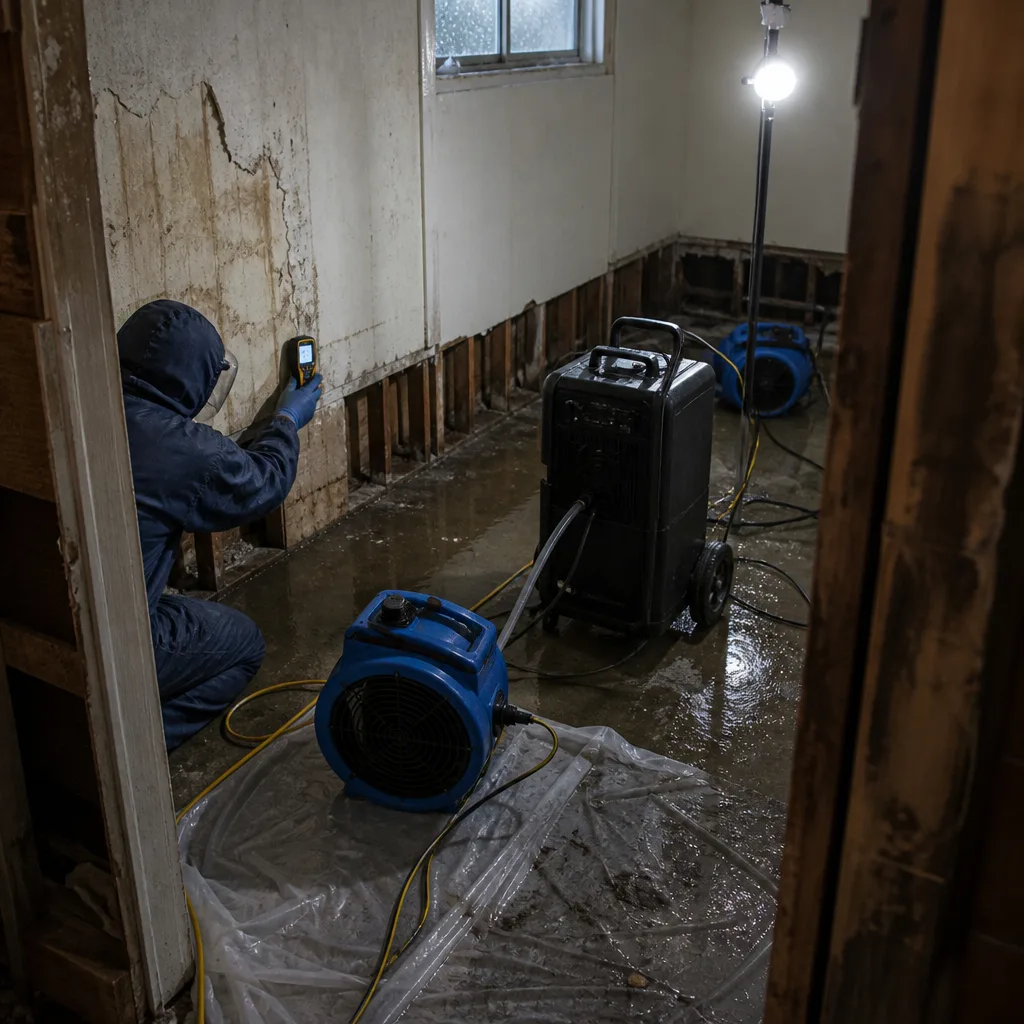
Most Flatbush homeowners assume water-damaged plaster has to come out. It often doesn’t. We use pin meters to map the moisture inside the wall cavity, then set up containment and run Injectidry panel drying, which pulls moisture through the plaster face without tearing the wall apart. If the plaster is still keyed to its lath and hasn’t crumbled, we can usually save it. That matters when you’re in a 1920s semi-attached house on Argyle Road where original plaster is part of the building’s character.
What Cleanup Actually Includes
A typical Flatbush cleanup job has four phases: extraction, drying, antimicrobial treatment, and a final moisture check. Extraction gets the standing water out. Psychrometric drying (tracking the air’s moisture level and grain depression so we know when the structure is genuinely dry, not just surface-dry) handles the rest. We log readings daily and send you the numbers. When the numbers say dry, the job is done, not before.
Emergency Water Damage Restoration in Flatbush
Emergency water damage restoration in Flatbush is what we do most often. A burst supply line behind a kitchen wall in a pre-war co-op, a tub overflow in a semi-attached Victorian, a basement floor drain that backflows during a heavy rain and leaves two inches of standing water. The first hour matters more than the next three days, because category 2 water left in a wall cavity starts growing mold within 24 to 48 hours.
Emergency extraction and initial drying for a single room in Flatbush generally runs $800 to $1,800. A full basement with standing water, multiple rooms, and structural drying lands in the $2,500 to $5,000 range. Every emergency job starts with a written price, not a handshake. You get a digital invoice by text before equipment comes off the truck.
Same-Day Response, Every Day
We dispatch from our New York City office and crews serve Flatbush locally, so response time here is short. If you call at 11 p.m. with water running through the ceiling on Cortelyou Road, a live person answers. No voicemail, no callback queue. We tell you when the tech will arrive, and you can track that arrival time on your phone like a rideshare. That’s The Relay Standard.
What We Do in the First 90 Minutes
Extract standing water. Map the moisture with pin and thermal meters. Decide what’s category 1, 2, or 3, and set up containment accordingly. Then we run drying equipment and start logging readings. You’ll get photo updates by text as the job progresses, so you’re not standing in a wet basement wondering what’s happening.
Trusted Brands We Service in Flatbush
We work on and around the equipment brands Flatbush homeowners and landlords already have. If your boiler leaked onto a finished basement floor, we know how the moisture travels under vinyl plank. If a window air conditioner in a pre-war co-op on Newkirk Avenue dripped inside the wall for a week, we know what that looks like. Our Water Damage Restoration techs carry the parts and filtration supplies needed for emergency response, and we can often start drying the same day instead of waiting on a supply house run. We run Dri-Eaz dehumidifiers, Phoenix moisture meters, XPOWER air movers, and Injectidry panel systems on these jobs, and we maintain them well enough to rely on when a Flatbush basement floods at 2 a.m.
Common Water Damage Restoration Problems We See in Flatbush Homes
- Cast-iron stacks failing at the joint. The original drain stacks in Flatbush’s pre-war houses and apartment buildings corrode from the inside and crack at the hub. Water from a second-floor kitchen sink then runs inside the wall cavity and shows up as a ceiling stain two floors down and two rooms over. Finding the actual entry point, not just the visible wet spot, is the first step on nearly every Flatbush job we run.
- Wet-plaster walls holding moisture long after the visible stain dries. Plaster looks dry on the surface while the cavity behind it is still saturated. If the wall isn’t tested with a pin meter and dried properly, that trapped moisture feeds mold behind the paint. We see this in semi-attached Victorians around Beverley Road and in apartment buildings near Flatbush Avenue.
- Basement floor drains that backflow during heavy rain. Flatbush’s combined sewer system means heavy rain pushes water back up through floor drains and slop sinks in finished basements. Homeowners mop up the standing water and call it good, but the cast-iron drain line underneath keeps feeding moisture under the finished floor. That’s how you get warped laminate and mold under carpet pad.
- Slow supply-line drips in shared walls. In dense semi-attached housing, a slow drip inside a shared wall cavity migrates sideways into the neighboring unit. One unit’s “minor leak” becomes both units’ mold problem. We regularly coordinate with co-op boards to document the full scope so the right party’s insurance pays.
Pricing for Water Damage Restoration in Flatbush, NY
You should know the ballpark before you tap call. Here’s what Flatbush jobs typically run: emergency water extraction for one room, $800 to $1,800. Structural drying and dehumidification across multiple rooms, $1,500 to $3,200. Full basement water removal with antimicrobial treatment, $2,500 to $5,000. A ceiling or roof leak that soaked through plaster and needs panel drying, $2,000 to $4,500. The main variables are square footage, category of water, and whether original plaster can be saved or has to come out. We put the price in writing before any work starts, and that number is the number you pay. Call (940) 466-4354 for an exact quote, free.
We Also Serve Cities Near Flatbush
While this page focuses on Water Damage Restoration in Flatbush, our crews cover the surrounding boroughs and neighborhoods daily. We run emergency calls into Brooklyn, Queens, Manhattan, and The Bronx with the same written-price guarantee and live arrival tracking. If you’re a landlord with buildings across multiple NYC neighborhoods, one call covers all of them.
Serving Flatbush, NY - Our Local Coverage Area
We’re based in the Flatbush area and know this community well. Use the map below to see our service coverage - if you’re nearby, we can almost certainly help.
FAQs About Water Damage Restoration in Flatbush
We typically arrive within 60 to 90 minutes of your call anywhere in Flatbush, including the blocks around Flatbush Avenue, Church Avenue, Beverley Road, and Cortelyou Road. A live person answers 24/7, gives you a trackable arrival time, and dispatches a uniformed tech immediately. Call (940) 466-4354 and we’ll tell you exactly when we’ll be there.
Usually not. We use pin meters to map the moisture inside the wall cavity and Injectidry panel drying to pull moisture through the plaster face without tearing it out. If the plaster is still keyed to its lath and hasn’t crumbled, we can typically save it. That’s the default approach on Flatbush’s semi-attached Victorians and pre-war co-ops.
Because in Flatbush’s pre-war buildings, water travels inside wall cavities and along joists, not straight down. An overflow in a second-floor bathroom on Argyle Road can follow a sloped joist and appear as a stain in the first-floor kitchen two rooms over. The visible stain is rarely the entry point. We trace the water back to its source before we start drying.
Category 1 is clean water from a supply line or tub overflow. Category 2 is grey water with soap, detergent, or minor contaminants. Category 3 is black water from sewage or floodwater. The category determines what gets dried, what gets disinfected, and what gets cut out. In Flatbush basements, a backflowing floor drain is typically category 2 or 3 depending on whether sewage is present. Call (940) 466-4354 and we’ll assess it on site.
Yes. Every Flatbush job includes photo documentation sent by text, daily moisture logs, and a written scope of work. We coordinate directly with your adjuster and your co-op board’s property manager. If the damage is in a shared wall or affects a neighboring unit, we document exactly where the water started and where it traveled so the right party’s insurance pays.
Written by Blake Sorensen, Owner at Wendell Water Damage Restoration, serving Flatbush and the surrounding New York City boroughs.