
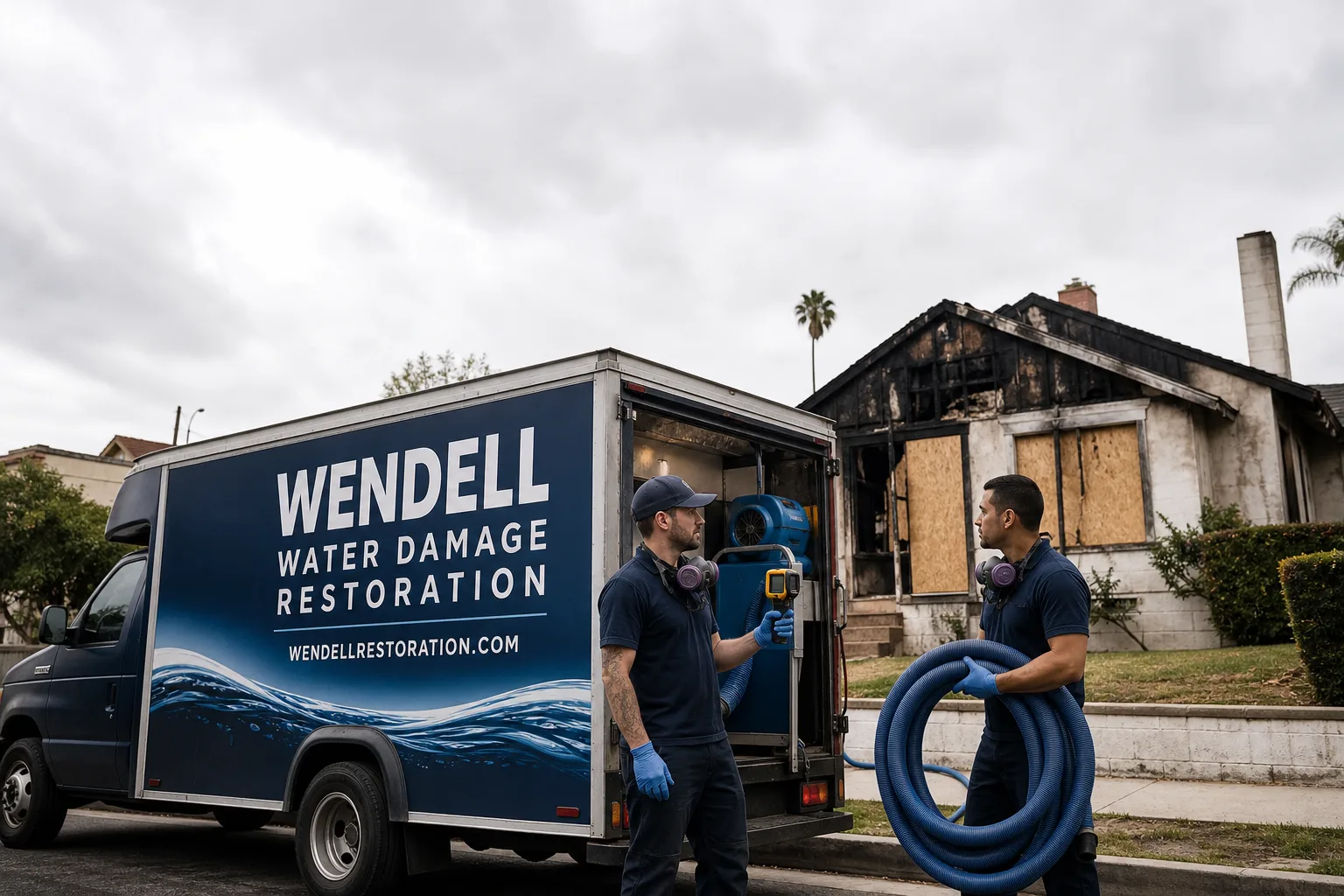
Free visual inspection and a written scope of work before any mitigation begins - photos, moisture readings, and drying logs go in your claim file
The scope we write is the scope we bill. Anything new gets shown to you, in writing, before we touch it.
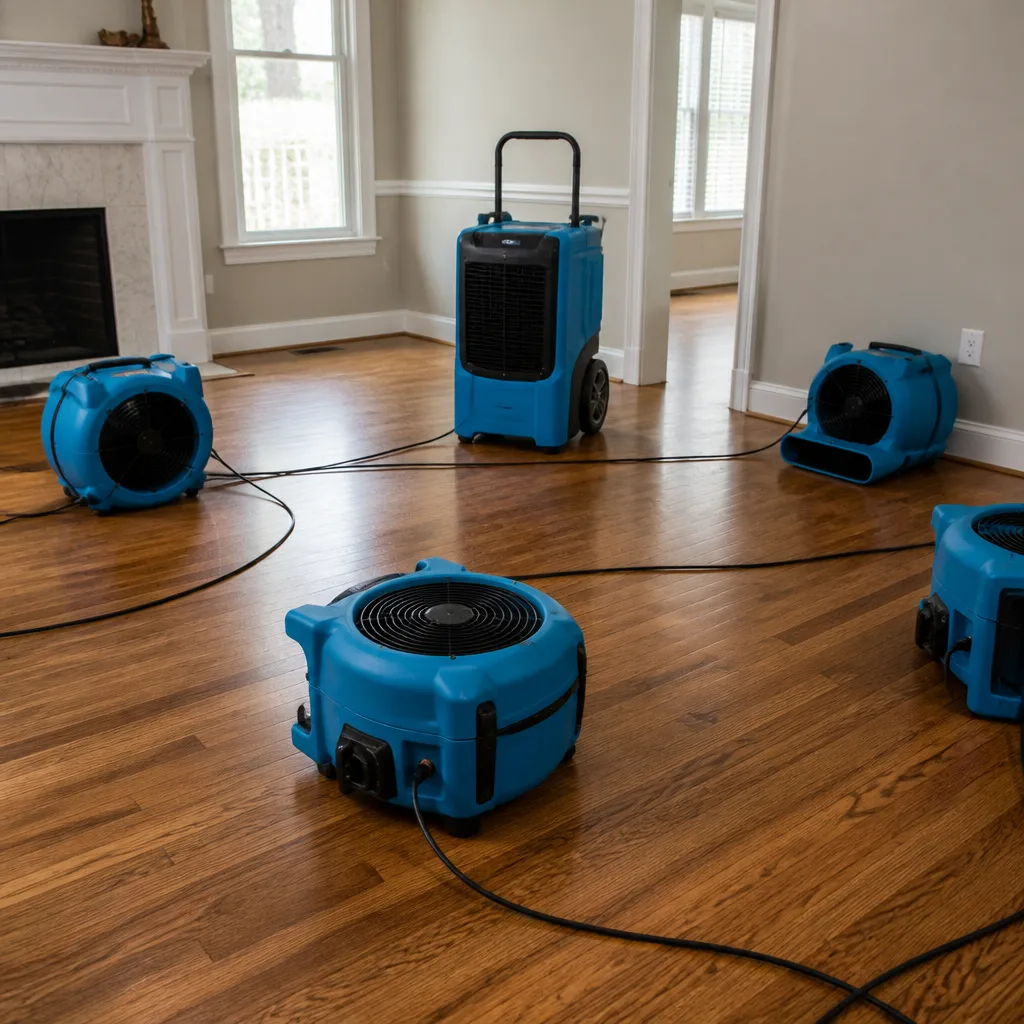
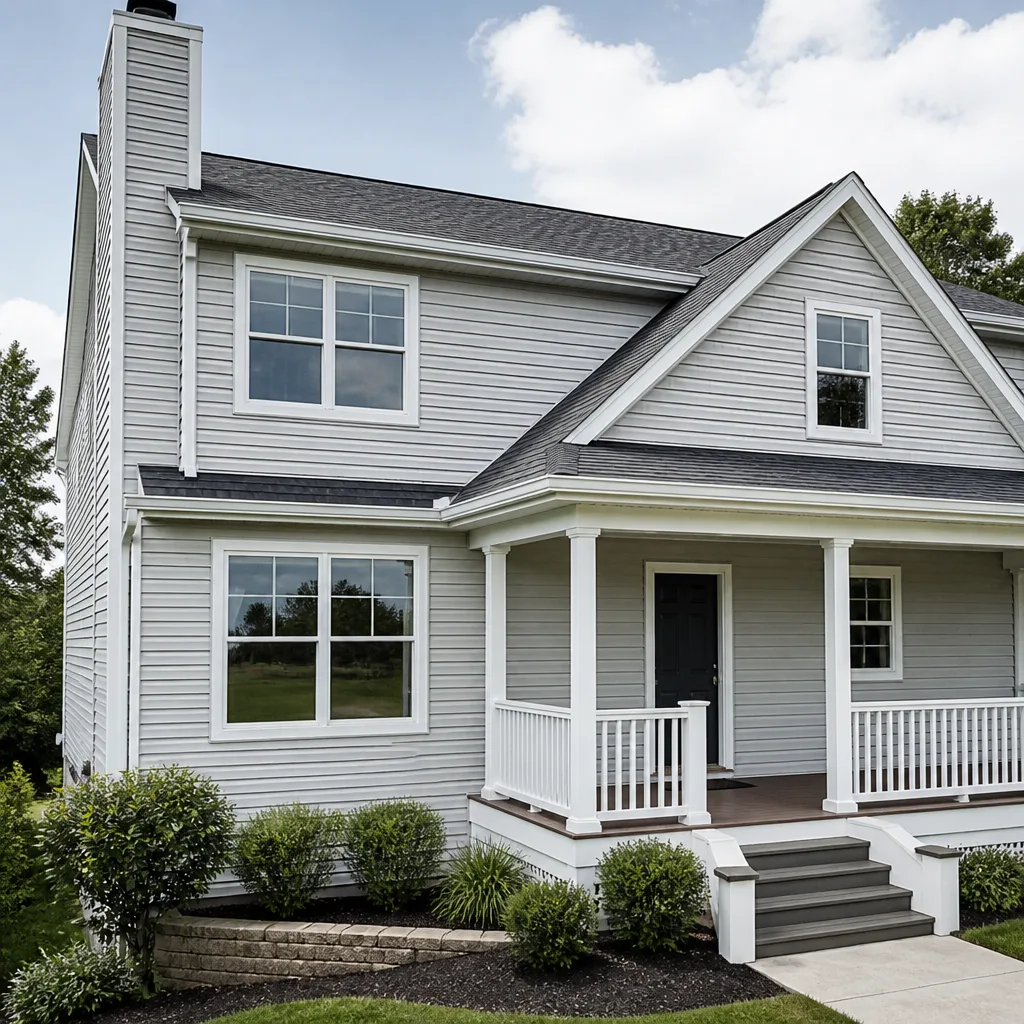
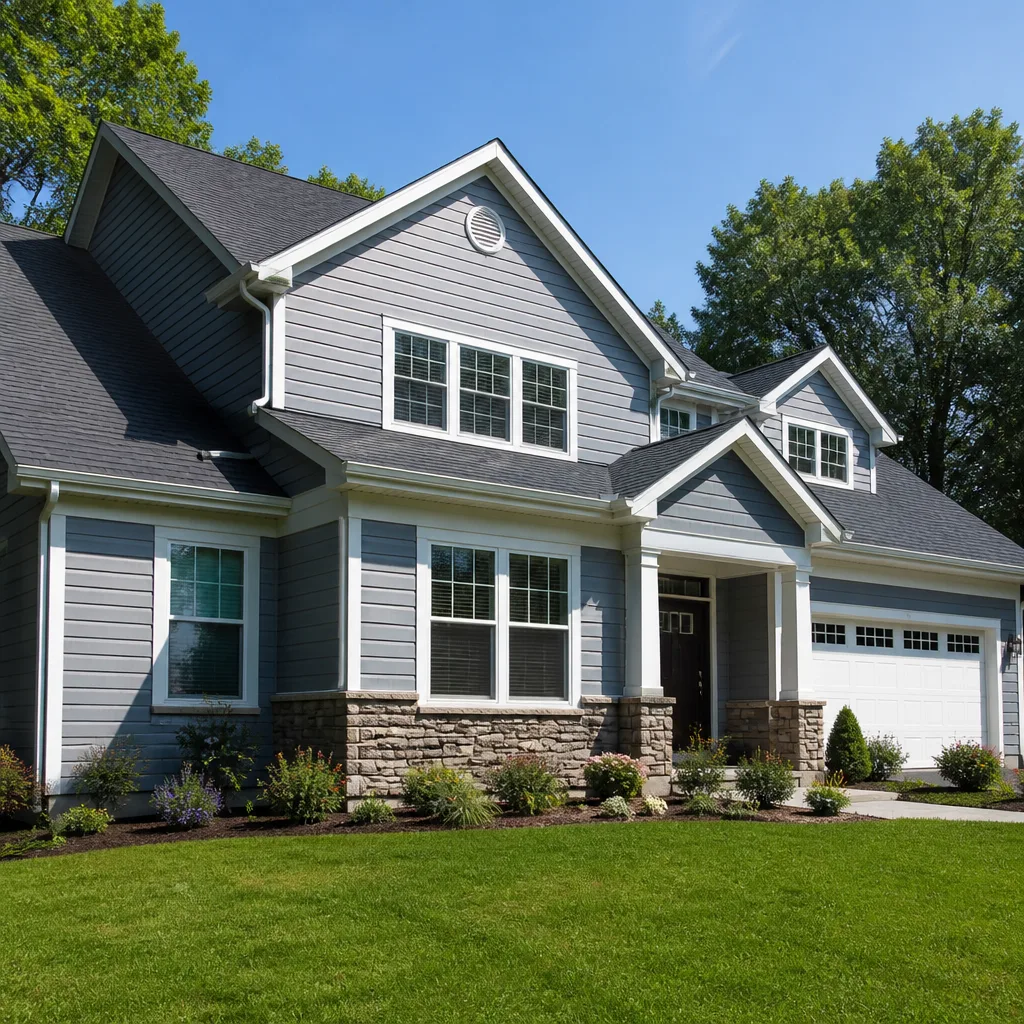
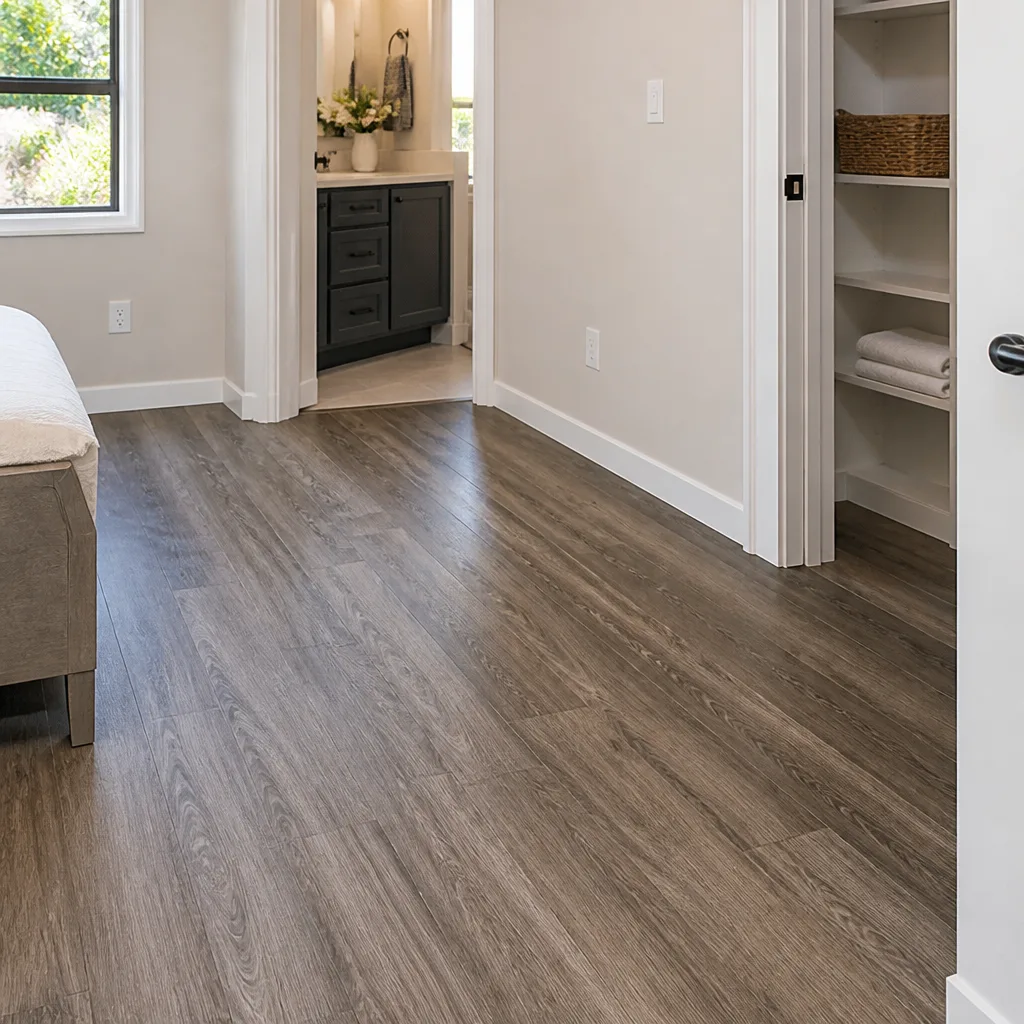
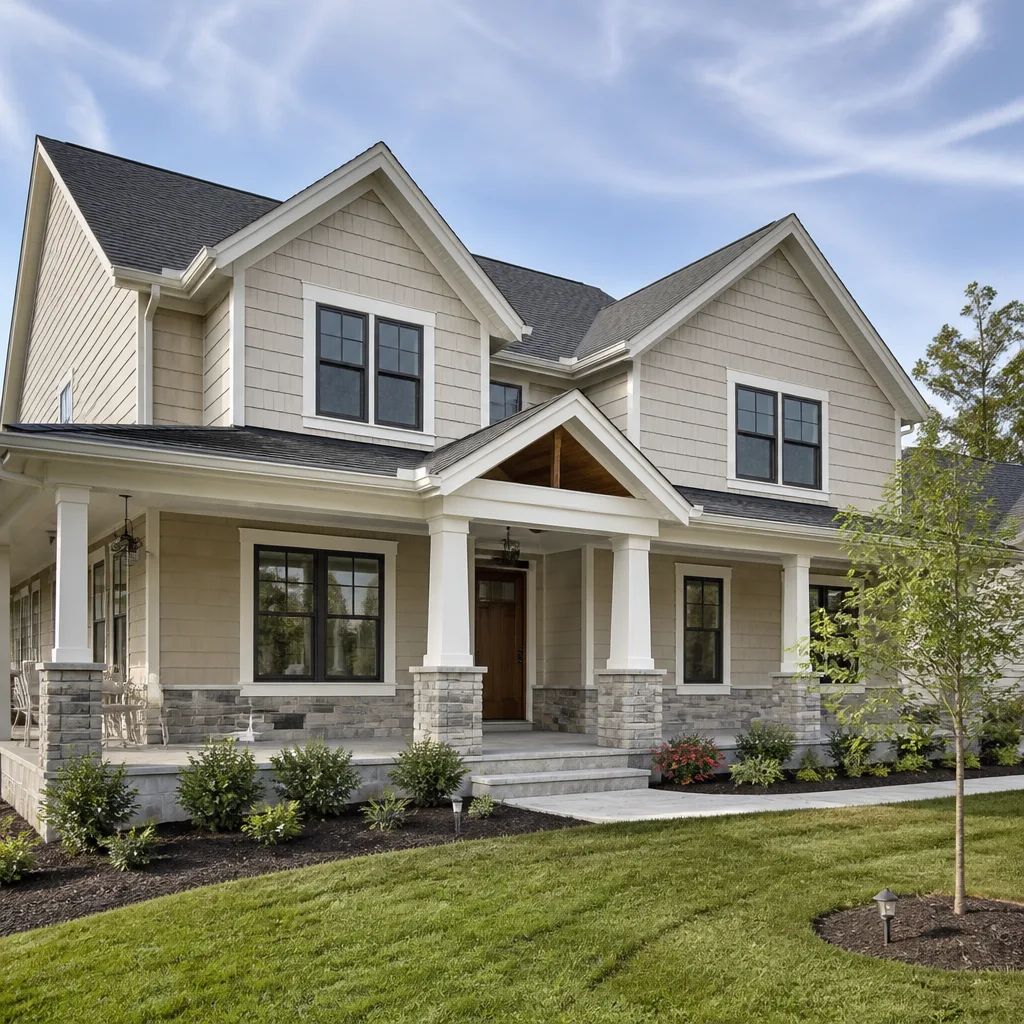
 Before
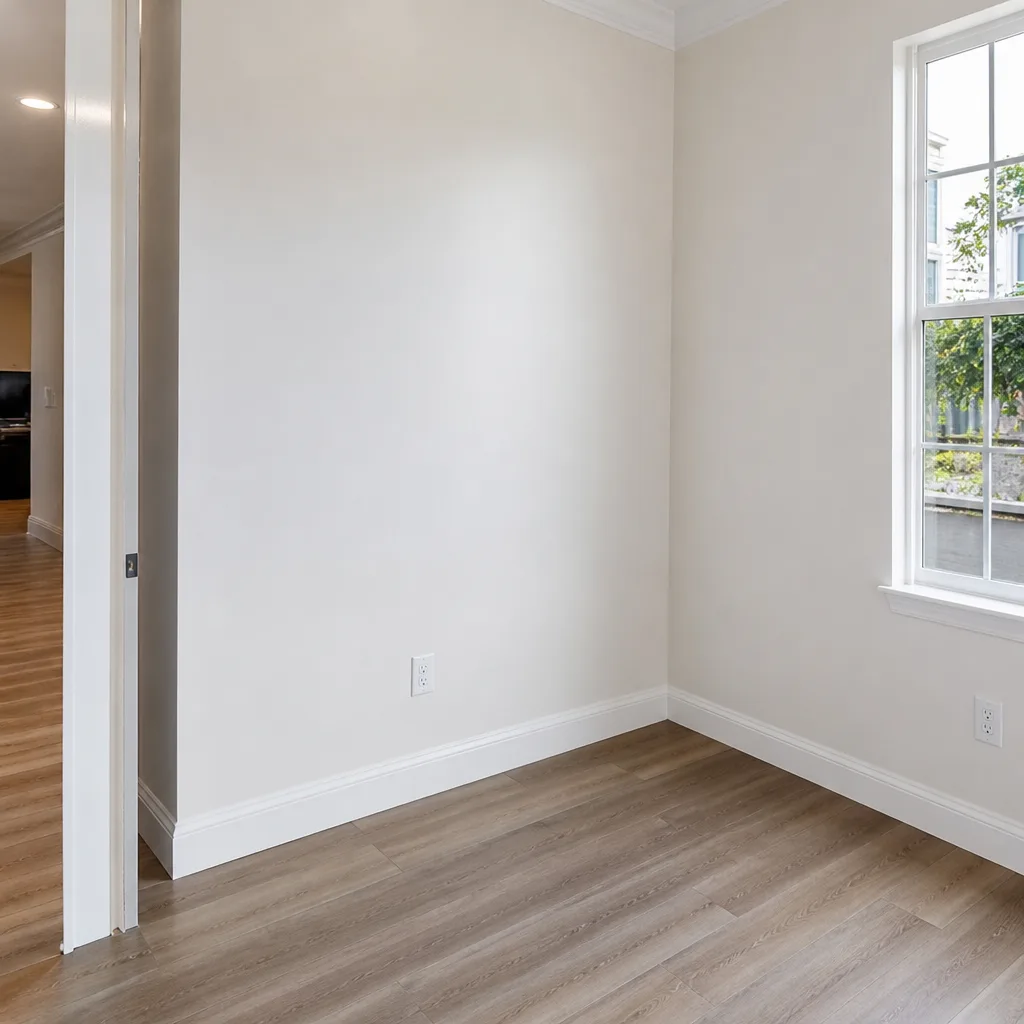 After
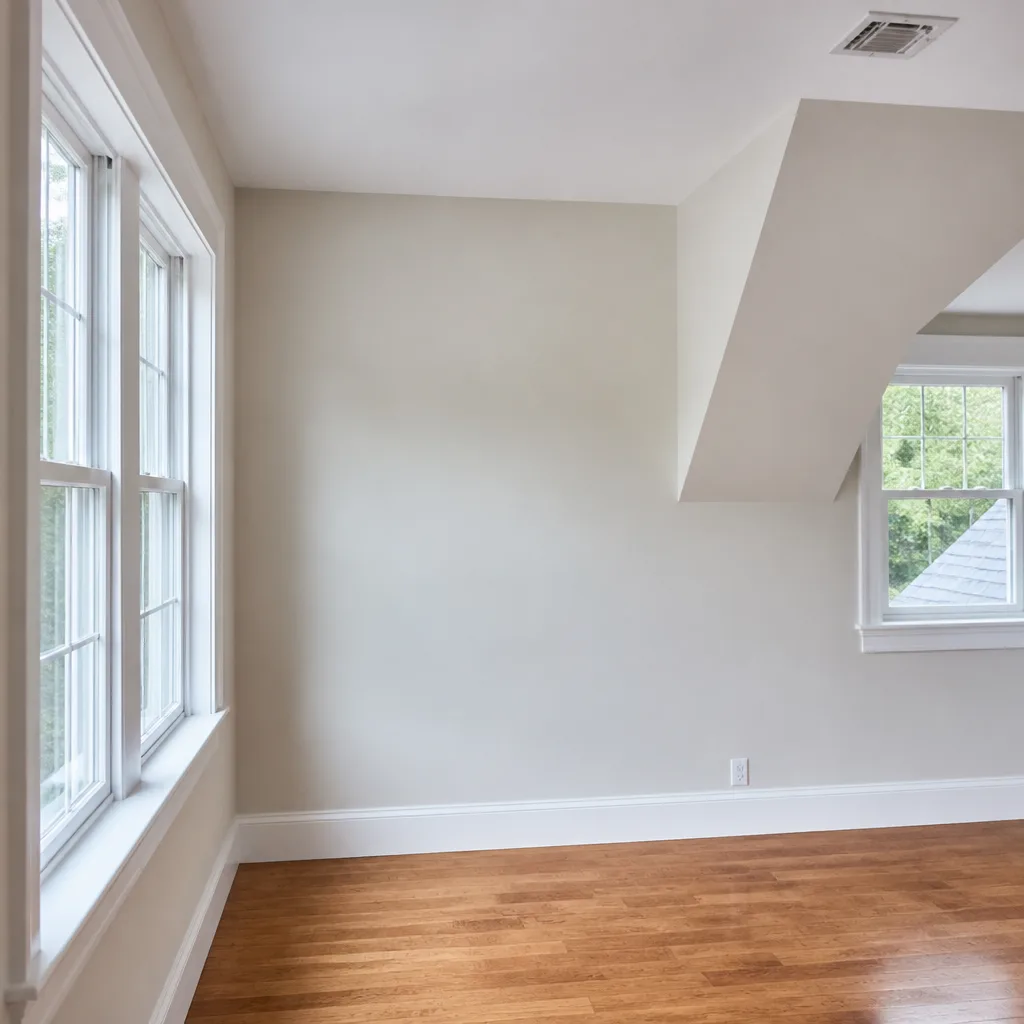
After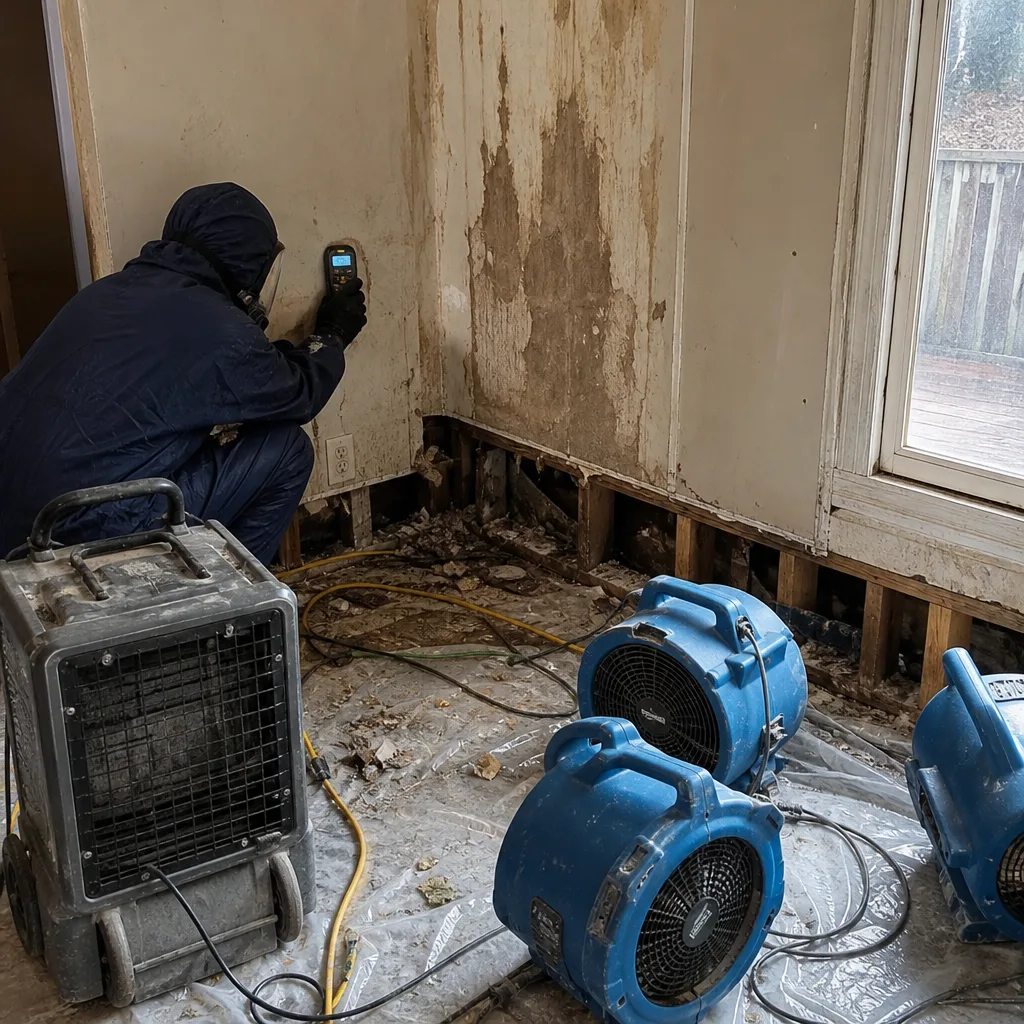 Before
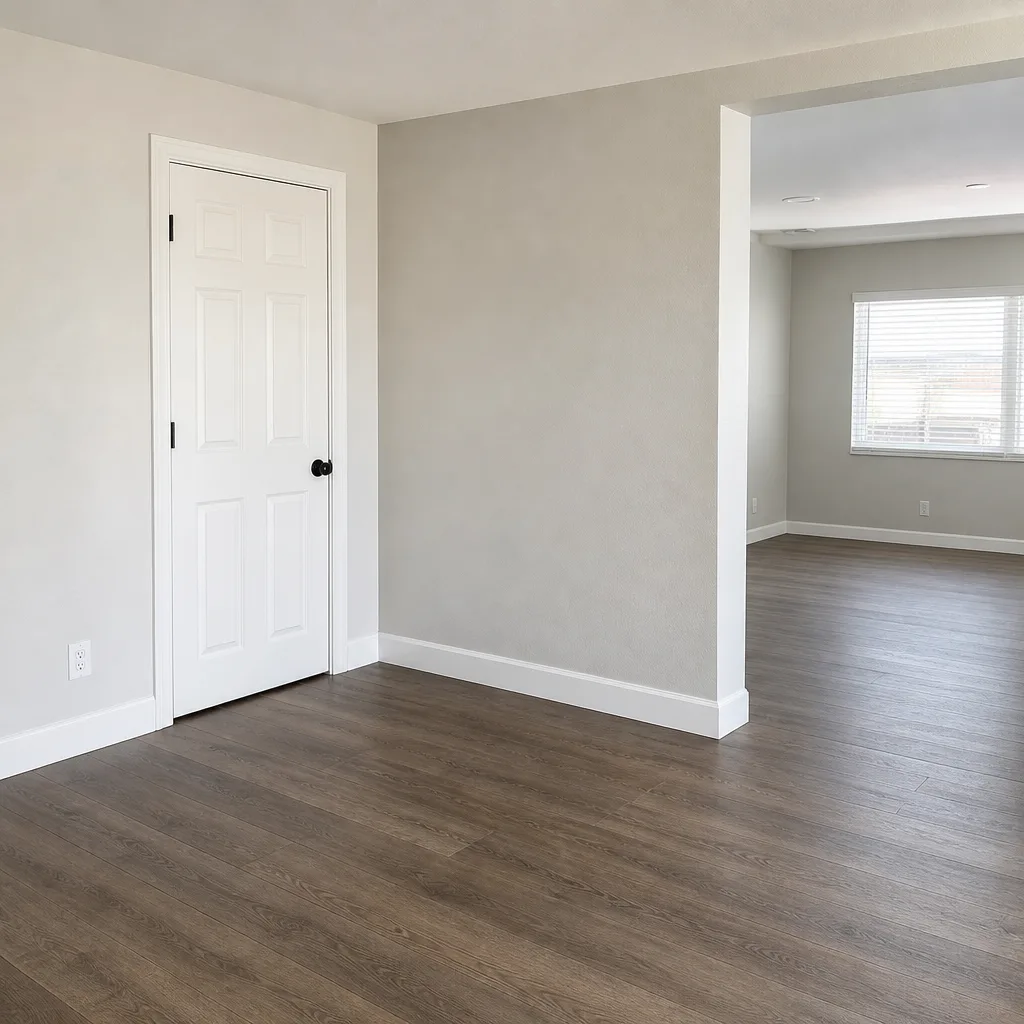 After
After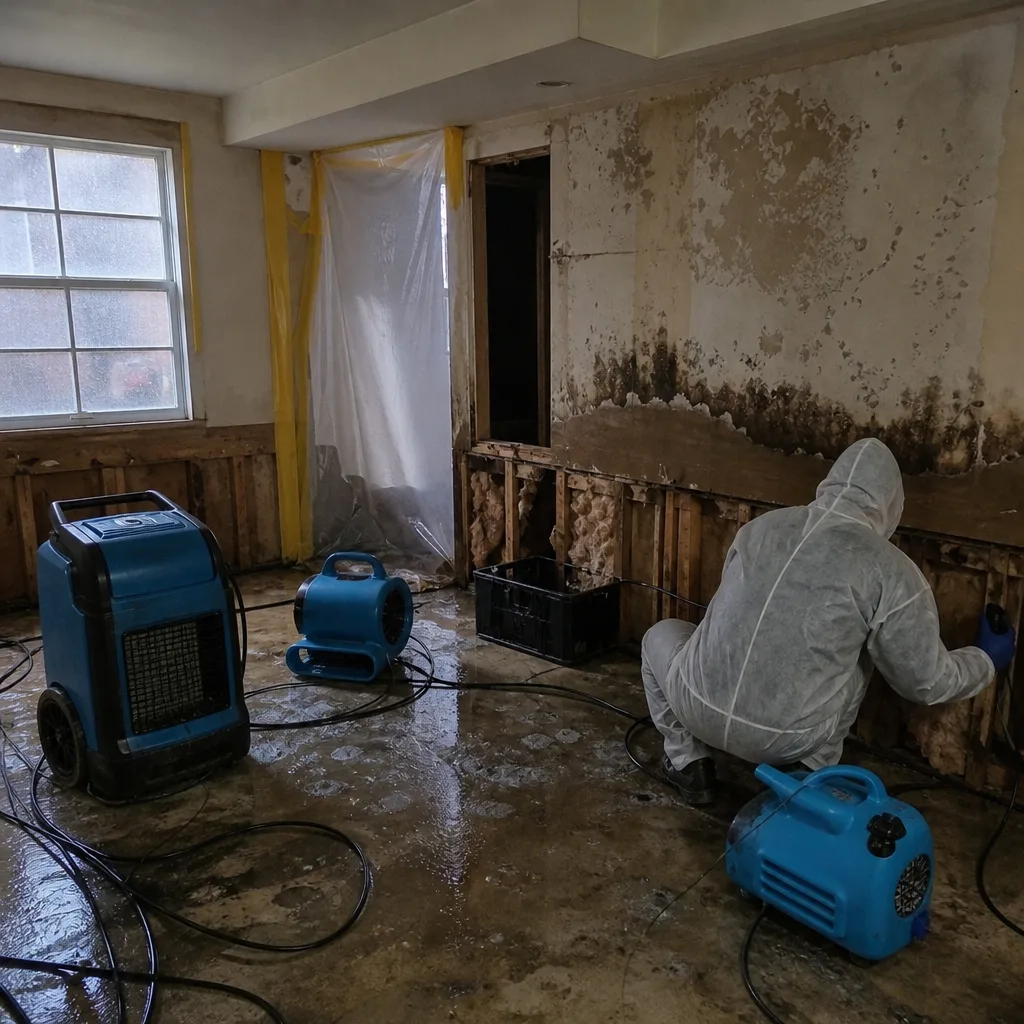 Before
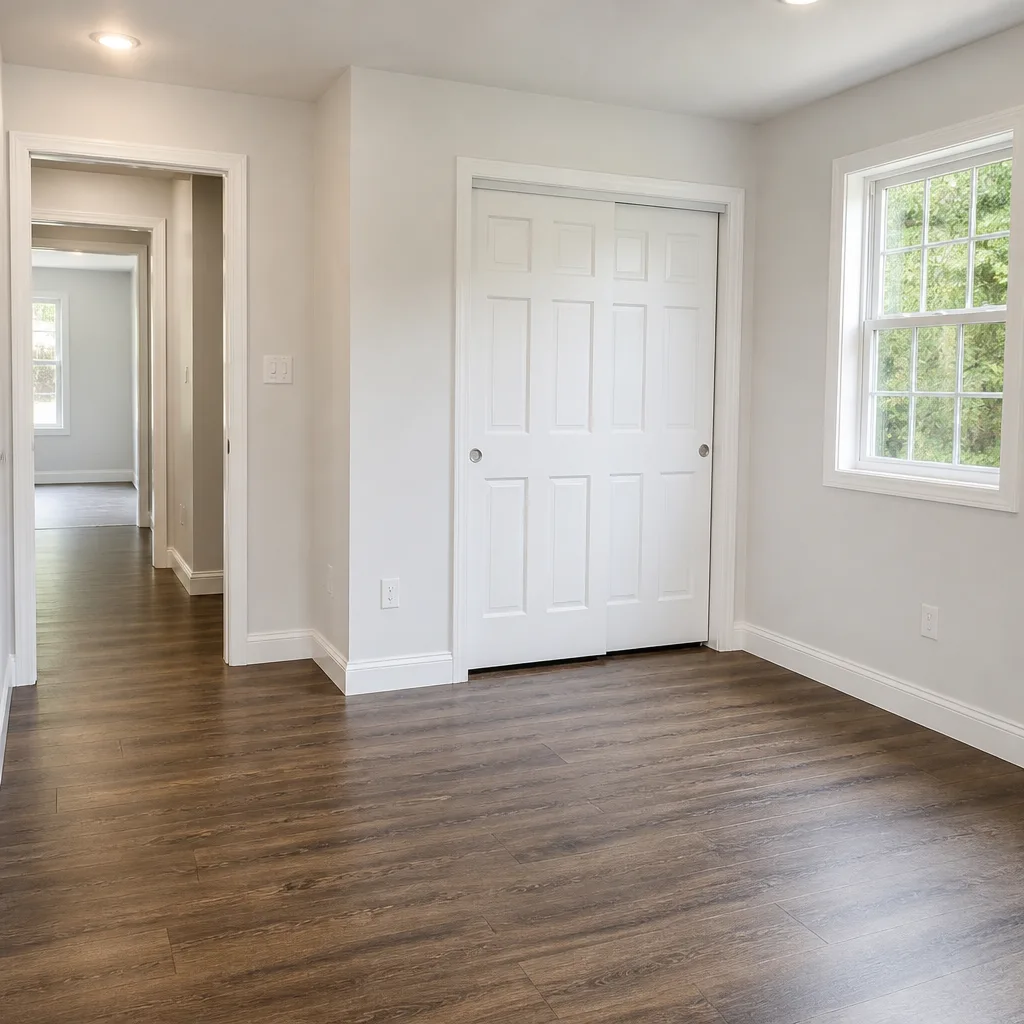 After
AfterFast, Reliable Water Damage Restoration Across Camp Pendleton Mainside
Water damage in Camp Pendleton Mainside moves fast, and the window to prevent mold is tighter here than almost anywhere else in North County. Because most Mainside residents live in base housing where the reporting chain runs through housing maintenance before a contractor ever gets called, a water loss can sit for 24 to 48 hours before equipment arrives. That’s the exact window when mold starts growing on wet drywall. If you’re dealing with water where it shouldn’t be, call us at (940) 466-4354 now. We answer live, tell you what it’ll cost in writing before any work starts, and coordinate base access so you’re not losing another day.
Our Water Damage Restoration crews serve Camp Pendleton Mainside with water extraction, structural drying, and full repair, not just surface cleanup. We know the gate procedures, we know the housing layouts, and we know that in Mainside, the clock starts the moment water hits the floor, not when housing maintenance finally opens a work order.
Why Wendell Water Damage Restoration Is Camp Pendleton Mainside’s Preferred Water Damage Restoration Company
Camp Pendleton Mainside has a water damage problem most cities don’t: two layers of approval before anyone can touch the water. Residents report to base housing maintenance, housing maintenance evaluates, then a vendor gets authorized. That delay is where the damage compounds. Our crews cut through it. We show up with a live arrival time you can track, not a four-hour window. We carry our own base access credentials and know the main gate procedures at Camp Pendleton Mainside cold, so we’re not burning time at the visitor center while your ceiling keeps dripping.
The other thing Mainside residents tell us they value: we don’t oversell. You get a written scope of work and a written price before any tool comes off the truck. You see the moisture readings, not just a “trust us, it’s wet.” And when we leave, you get before-and-after photos by text and a digital invoice you can pay from your phone. Blake Sorensen holds every Mainside job to that standard. It’s the same reason we’re called back when the next leak happens.
Response Time to Camp Pendleton Mainside
When you call, a live person answers, 24/7. Not a voicemail, not a callback queue, not a phone tree. You’ll get an arrival window you can actually track from your phone. In most Mainside cases, we can have a crew rolling within hours of your call, pending base access coordination. For active leaks, same-day dispatch is the norm, not the exception.
What Mainside Residents Say
We’ve handled water losses in Mainside housing areas where the difference between salvage and rebuild came down to whether a vendor could get on base the same day. Residents and housing maintenance both see the value: documented moisture mapping, drying logs from day one, and a clear written scope instead of guesswork. That reputation travels through the base housing community fast.
Water Mitigation in Camp Pendleton Mainside
Water mitigation in Camp Pendleton Mainside is the immediate, aggressive response that stops water from becoming a rebuild. It means extraction, containment, and structural drying under IICRC protocol, deployed fast enough to keep the resident and housing maintenance from facing a Category 3 tear-out instead of a Category 2 dry-out. In Camp Pendleton Mainside, water mitigation typically runs $1,200 to $3,800 depending on how many rooms are wet, how long the water sat, and whether water migrated through shared walls or flooring. A single-room supply line failure with quick response usually lands on the low end. A multi-floor migration through base housing construction sits higher.
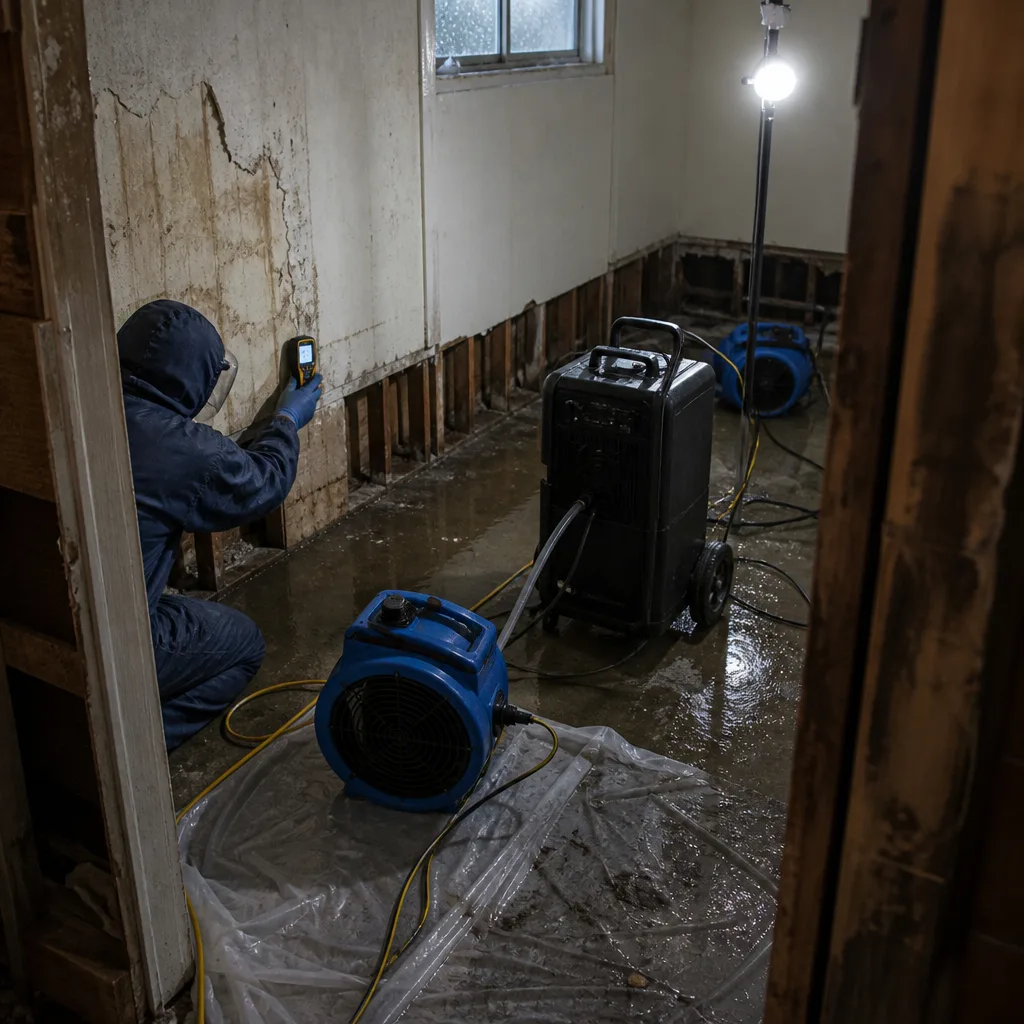
The work itself is methodical: moisture mapping with meters and thermal imaging, extraction with truck-mounted or portable units, then air movers and dehumidifiers placed under containment. We track the drying curve with daily readings. In Mainside’s shared-wall layouts, that means mapping both sides of every wet wall before we call it dry.
Psychrometric Drying in Base Housing
We use psychrometric drying, which means tracking the air’s moisture level, temperature, and dew point so we know when your home is truly dry, not just surface-dry. In Mainside housing, where multiple units share wall cavities and floor assemblies, we often find moisture that traveled far from the visible stain. Phoenix and Dri-Eaz equipment give us commercial-grade drying capacity on residential-sized losses.
Category Classification Before Equipment Rolls
Every Mainside mitigation starts with classifying the water category and class. A clean supply-line break is Category 1. Water that’s soaked through a ceiling or been sitting is Category 2 or 3. Skip that step and a job gets redone. We don’t skip it, and we document the classification in writing so housing maintenance has a record.
Flooded Basement in Camp Pendleton Mainside
A flooded basement in Camp Pendleton Mainside is a different animal than in the civilian housing just outside the gate. Some of the older Mainside housing stock and support buildings have below-grade spaces and crawlspaces where groundwater or a plumbing failure turns into standing water fast. A flooded basement here typically costs $1,800 to $5,200 for full extraction, drying, and antimicrobial treatment, depending on how much standing water is present and whether finished materials need removal.
Water in a basement or crawlspace doesn’t dry on its own in Southern California’s coastal humidity. It sits, soaks into concrete and framing, and feeds mold. Our crew rolls in with XPOWER pumps and B-Air air movers, extracts the standing water, then attacks the moisture that’s already wicked into the slab and walls.
Crawlspace and Slab Water Migration
In Mainside’s shared-wall and slab-on-grade construction, basement water rarely stays put. It travels under plates, through utility penetrations, and into adjacent rooms. We map the full migration path with moisture meters before we place a single piece of equipment. That’s the difference between drying the room you can see and the room you can’t.
When Basement Water Becomes a Rebuild
If water sat for more than 48 hours or the category is 2 or higher, drying often isn’t enough. We’ll tell you straight: this needs to come out, not be dried. That’s an honest repair-vs-replace call, made in writing, before anything gets torn out. You’ll always know why we’re recommending demolition and what the replacement scope looks like.
Trusted Brands We Service in Camp Pendleton Mainside
We run Phoenix dehumidifiers, XPOWER air movers, and B-Air filtration on Mainside jobs because these are the same brands used on large commercial loss sites, and base housing water losses often behave like commercial claims. We keep our equipment serviced and calibrated so a unit doesn’t fail mid-drying cycle and extend your containment time. For Camp Pendleton Mainside customers, that means faster dry times on shared-wall losses and fewer return visits to swap failing equipment.
Common Water Damage Restoration Problems We See in Camp Pendleton Mainside Homes
- Delayed response from the reporting chain. The resident reports to base housing maintenance, maintenance evaluates, then a vendor gets approved. That gap, sometimes 48 hours or more, is when Category 1 water becomes Category 3 and a dry-out becomes a rebuild.
- Water migration through shared walls and floors. Mainside housing and barracks layouts share wall cavities and floor assemblies. A second-floor supply-line failure almost always shows up in the unit below, and the moisture path is rarely straight down.
- Gate access and vendor coordination. An unscheduled vendor can’t simply drive onto Camp Pendleton Mainside. Base access requirements add a layer of delay that doesn’t exist in Oceanside or Vista, and every hour counts on a water loss.
- Treating every loss as dryable. We see jobs where equipment was placed without proper category classification or moisture mapping, and the result was mold behind walls months later. In Mainside’s slab and shared-wall construction, if water migrated through flooring or wall cavities, it often has to come out rather than be dried.
Pricing for Water Damage Restoration in Camp Pendleton Mainside, CA
Water damage restoration in Camp Pendleton Mainside runs from about $1,200 for a small single-room mitigation with fast response up to $5,200 or more for a flooded basement or multi-room water migration that requires demolition and rebuild. A second-floor supply-line failure that soaks the unit below typically lands between $2,500 and $4,500. What drives the number: water category, how far moisture traveled, whether base housing maintenance requires documentation at every step, and how long the water sat before we arrived. You’ll get a written price before any work starts, and the number on your invoice is the number you pay. Call (940) 466-4354 for an exact quote. Estimates are free.
We Also Serve Cities Near Camp Pendleton Mainside
Our crews serve all of Camp Pendleton Mainside and the surrounding region, including Los Angeles, San Diego, San Jose, and San Francisco. If your property is near Camp Pendleton Mainside, we can dispatch a crew quickly and coordinate access the same way we do on base.
Serving Camp Pendleton Mainside, CA - Our Local Coverage Area
We’re based in the Camp Pendleton Mainside area and know this community well. Use the map below to see our service coverage - if you’re nearby, we can almost certainly help.
FAQs About Water Damage Restoration in Camp Pendleton Mainside
Yes, in most cases we can start water extraction at Camp Pendleton Mainside the same day you call. Our crews carry their own base access credentials and know the main gate procedures, so we’re not held up at the visitor center. Call (940) 466-4354 and we’ll give you a live arrival time, not a window.
First, report the leak to base housing maintenance immediately, because they control access and authorization for your unit. Then call us at (940) 466-4354 so we can start coordinating with housing maintenance right away. The faster equipment gets on site, the less likely the unit below needs a rebuild instead of a dry-out.
We classify the water category and map where moisture has traveled, then make a written recommendation. Clean Category 1 water with quick response is often dryable. Category 2 or 3 water that soaked through ceilings, shared walls, or sat for more than 48 hours usually means materials come out rather than get dried. In Mainside’s shared-wall layouts, that determination often goes beyond the visible stain.
Yes, we handle flooded basements, crawlspaces, and slab-on-grade water migration in Mainside housing and support buildings. We extract standing water, map moisture through the slab and framing, and dry with XPOWER pumps, B-Air air movers, and Phoenix dehumidifiers under containment.
You get moisture mapping readings, a written scope of work, category classification, drying logs from day one, before-and-after photos by text, and a digital invoice. For base housing losses, this documentation gives housing maintenance a clear record of pre-loss condition and what was done, which matters for both repair decisions and any insurance or housing claims process.
If you’ve got water where it shouldn’t be in Camp Pendleton Mainside, don’t wait through the housing maintenance approval cycle while mold gets a head start. Call Wendell Water Damage Restoration at (940) 466-4354 now. A live person answers, the price is in writing before any work starts, and we’ll have equipment rolling toward the gate as fast as base access allows.
Written by Blake Sorensen, Owner at Wendell Water Damage Restoration, serving Camp Pendleton Mainside with fast, documented water damage restoration since 2006.