
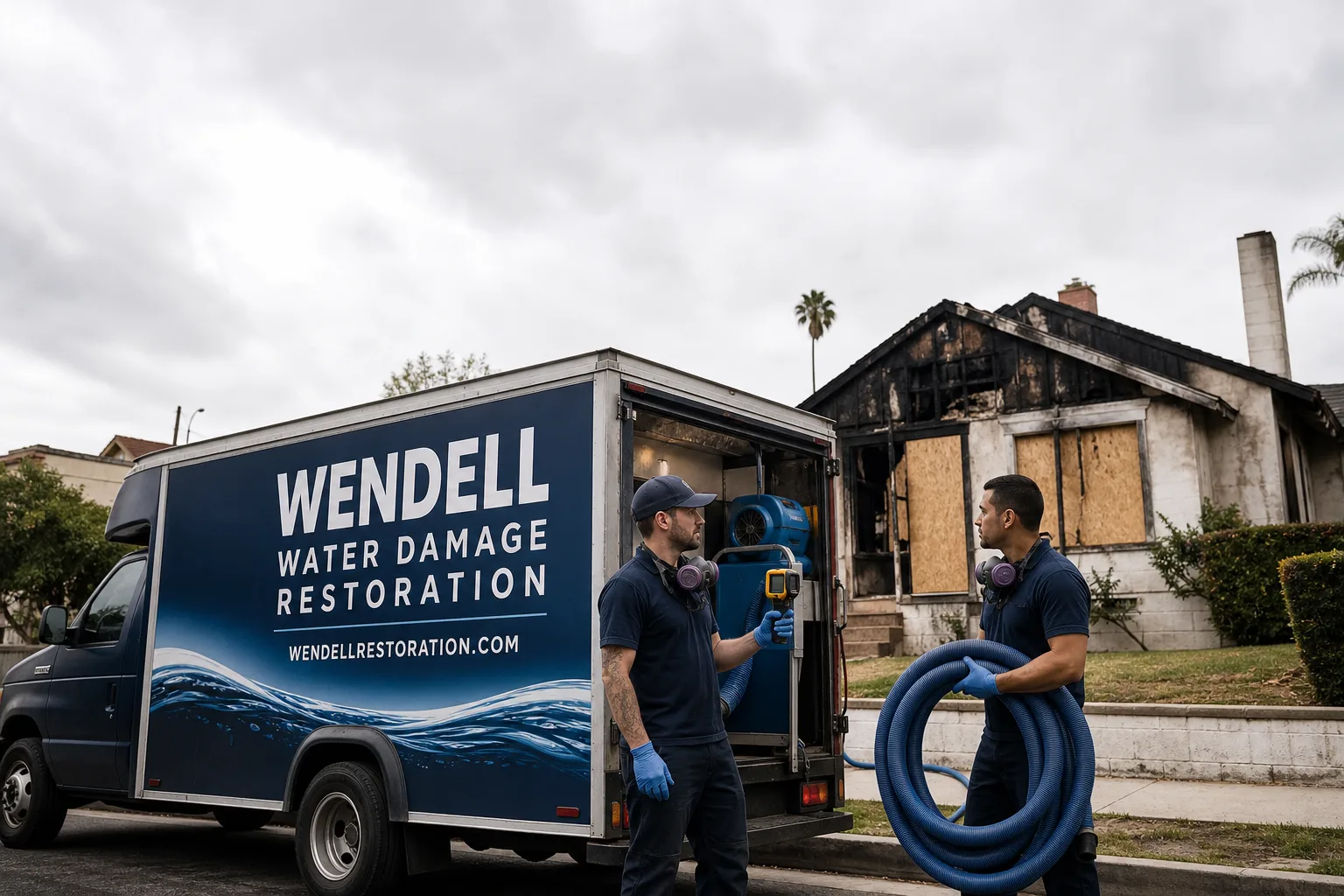
Free visual inspection and a written scope of work before any mitigation begins - photos, moisture readings, and drying logs go in your claim file
The scope we write is the scope we bill. Anything new gets shown to you, in writing, before we touch it.
 Before
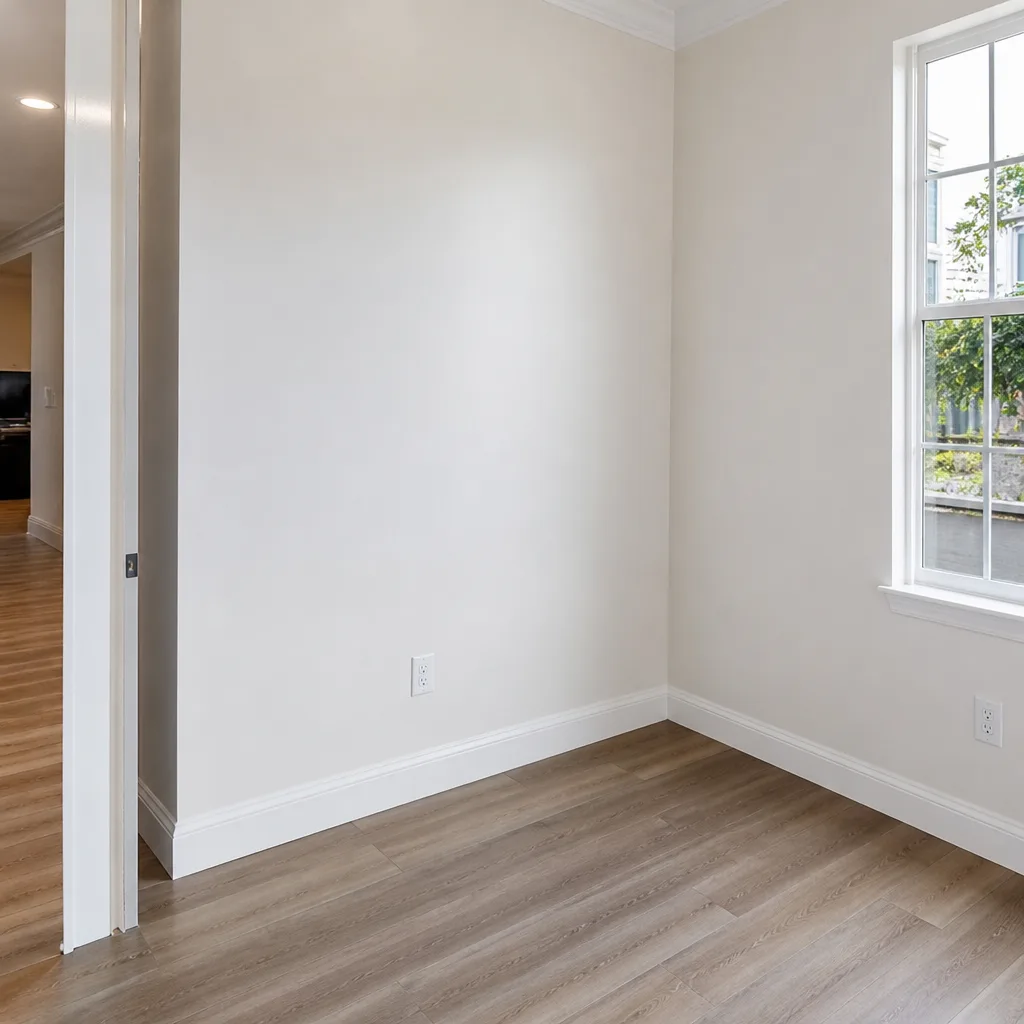 After
After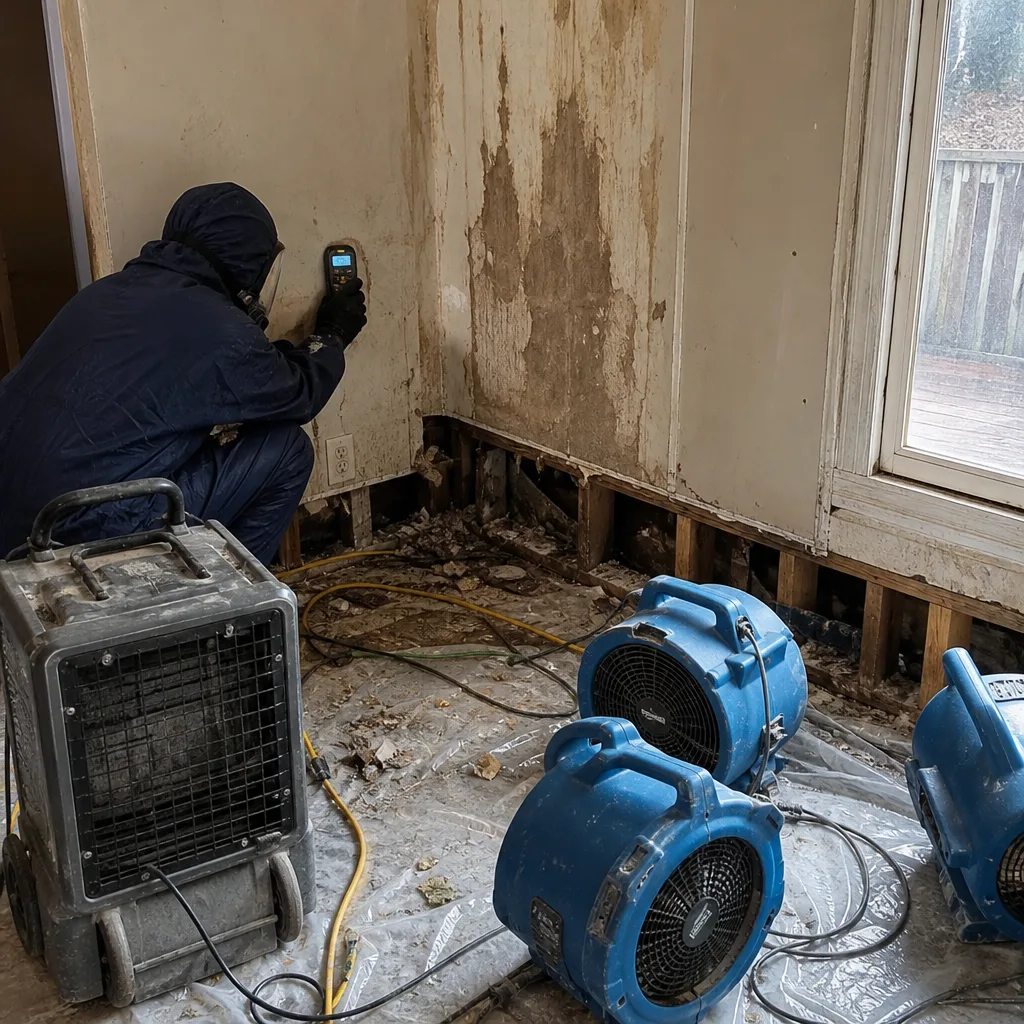 Before
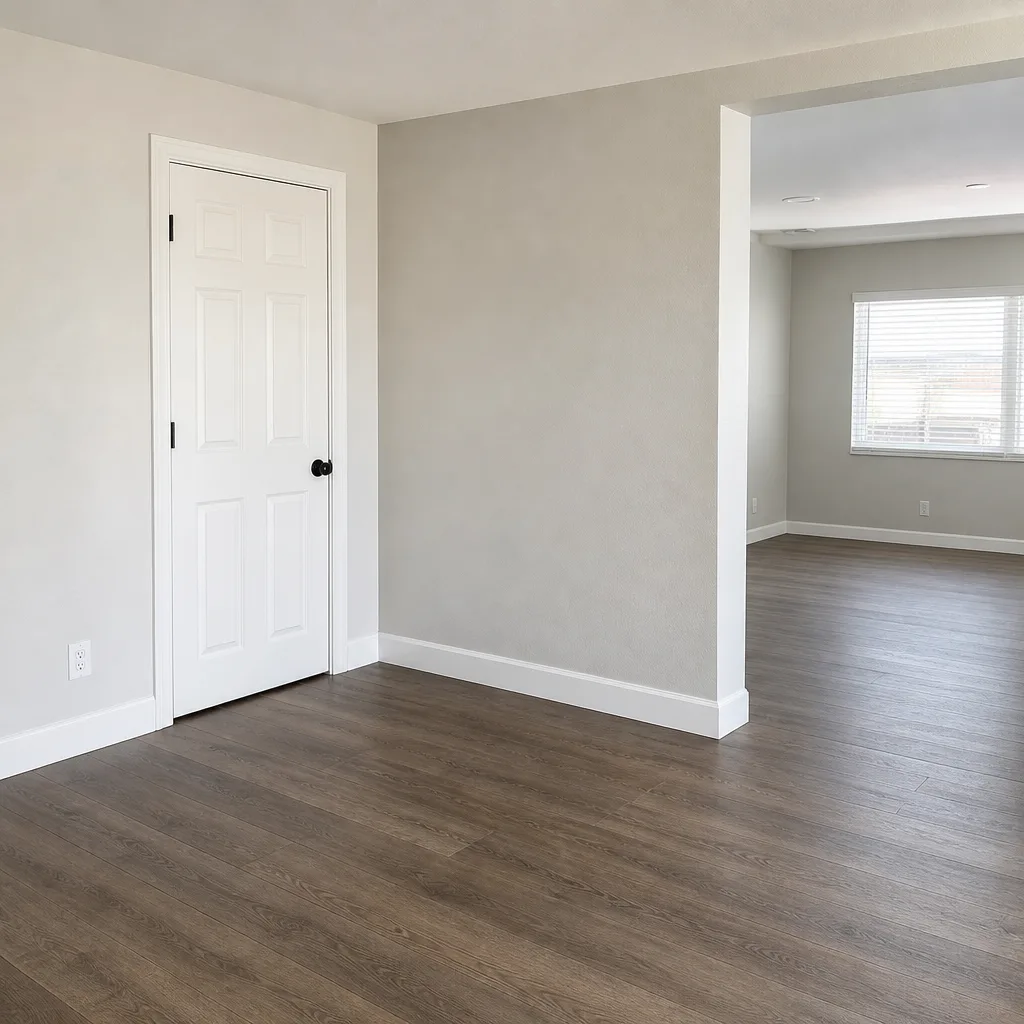 After
After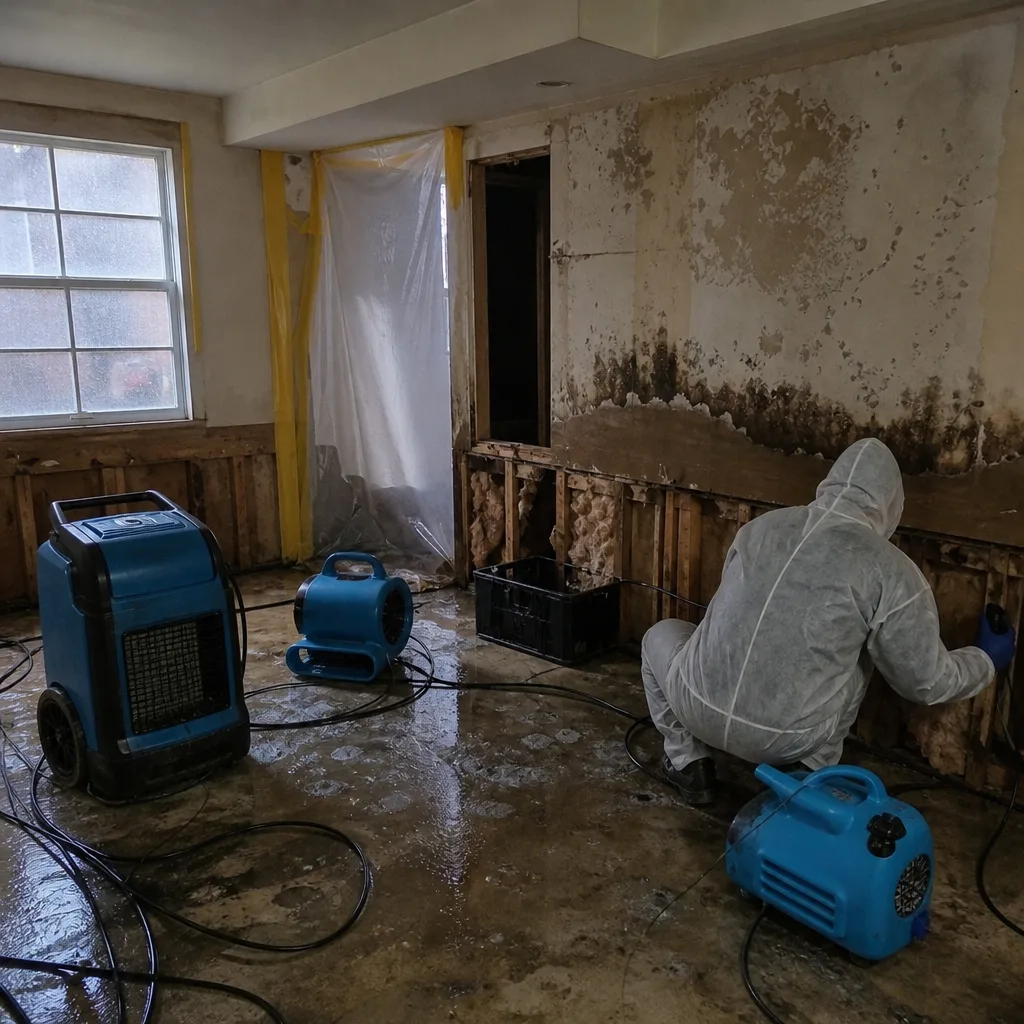 Before
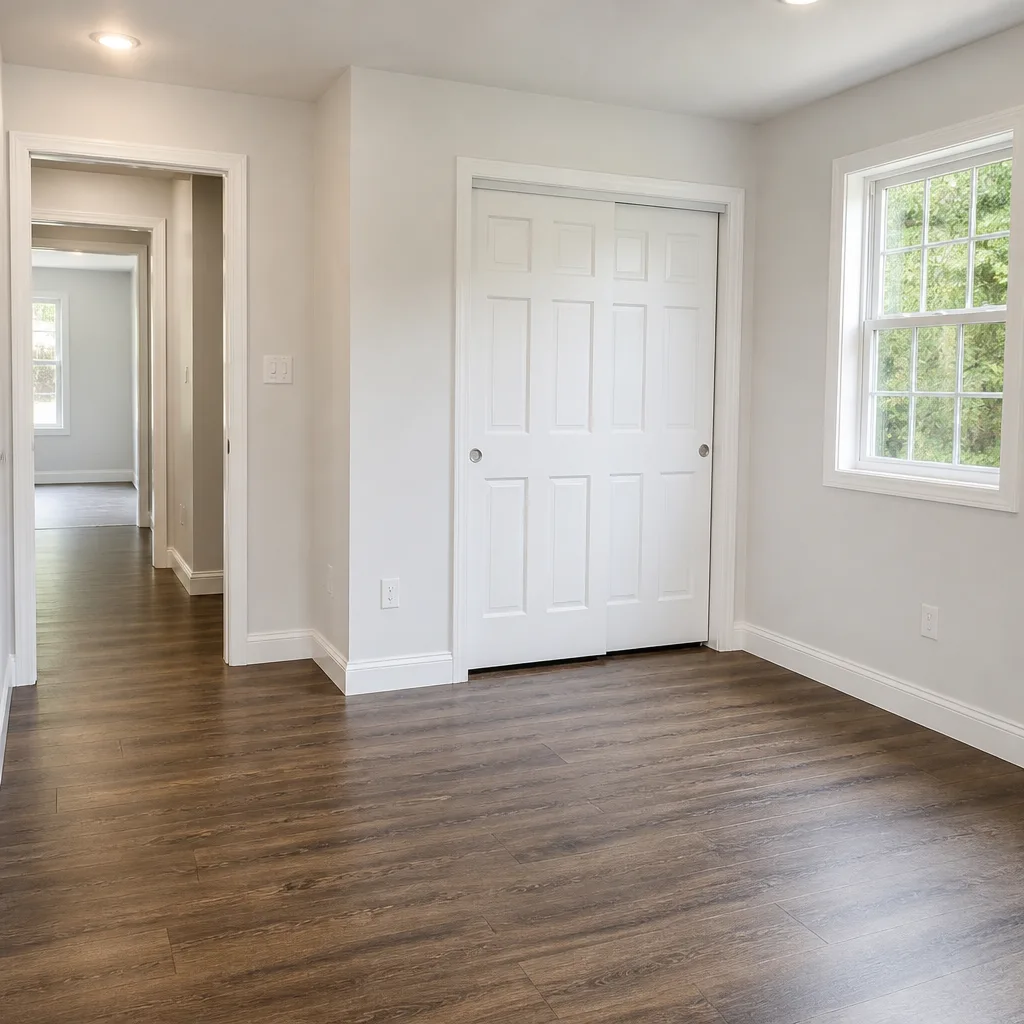 After
AfterFast, Reliable Water Damage Repair Across Harrison
Water damage repair in Harrison, NJ typically costs $1,200 – $4,800 depending on how far the water traveled and what it touched. If you’re standing in a wet basement right now, call (940) 466-4354 and a live person answers. Not a voicemail. Not a callback request. We dispatch background-checked, uniformed technicians into Harrison neighborhoods including the blocks near the PATH station, along Harrison Ave, and down toward the Passaic River.
We’re Wendell Water Damage Restoration, and we’ve been doing this since 2006. Our Water Damage Repair crews know Harrison’s housing stock: the two- and three-family colonials from the 1910s and 20s, the mid-century split-levels, the condo conversions near Rodgers Blvd. Different vintages fail differently, and we write our drying plans around that, not around a one-size-fits-all checklist. Every job gets a written price before we touch a tool, a live arrival time you can track, and before-and-after photos texted to your phone. That’s the way it should work.
Why Wendell Water Damage Restoration Is Harrison’s Preferred Water Damage Repair Company
Harrison homeowners call us because we answer. 24/7, a live person picks up. Water doesn’t wait for business hours, and neither do we. When a supply line lets go at 2 a.m. on a Tuesday, you’re not leaving a message that gets checked at 9. You’re talking to someone who can have a crew headed your way before you’ve finished bailing out the hallway.
Our local reputation is built on transparency. Blake Sorensen, who leads our Harrison service area, insists on it. Every job gets the price in writing before any work starts. Not an estimate that changes when the tech walks through the door. Not a vague range that doubles by lunch. A written number, texted to you as a digital invoice you can pay from a link. The number on the screen is the number you pay. Period.
We also carry the 365-Day Done Right Promise on every single repair. If it’s not done right, we make it right. That’s in writing. And if the repair fails, you get a free second visit. Homeowners in East Newark and along the Harrison-Kearny line have used that guarantee. We intend for you to never need it, but it travels with every job we do in Harrison.
Burst Pipe Cleanup in Harrison
Burst Pipe Cleanup in Harrison follows a familiar pattern: a cold snap hits, a galvanized supply line in a 1920s two-family home splits, and water runs through a first-floor ceiling for hours before anyone notices. We see it every winter on blocks near Holy Cross Cemetery and down along Hamilton St. The repair itself is usually straightforward for a plumber, but the water extraction and drying is where homes get saved or condemned. It’s not about just vacuuming up the puddle.
When we arrive at a burst pipe job in Harrison, our first step is category classification. Clean water from a supply line is category 1, meaning it’s safe to dry in place if we get there within 24 to 48 hours. After that window, microbial growth shifts the job toward category 2, which changes the drying protocol and often means more material removal. For a typical single-room burst in Harrison, you’re looking at $800 – $2,200 for extraction, drying, and antimicrobial treatment, including equipment. If the pipe ran through a finished ceiling and soaked insulation, you’re closer to $2,500 – $4,000 because we may need to open the ceiling and replace the affected drywall section.
What Our Crews Do On Arrival
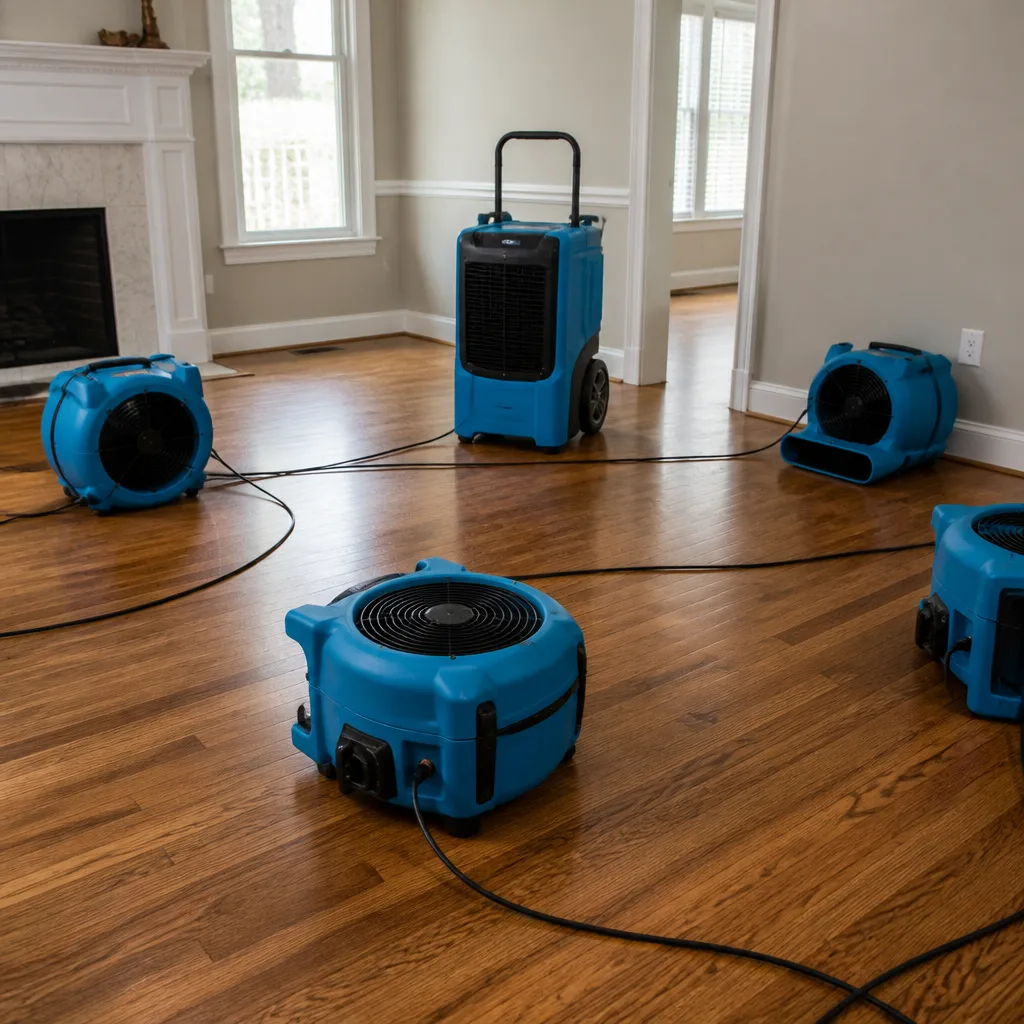
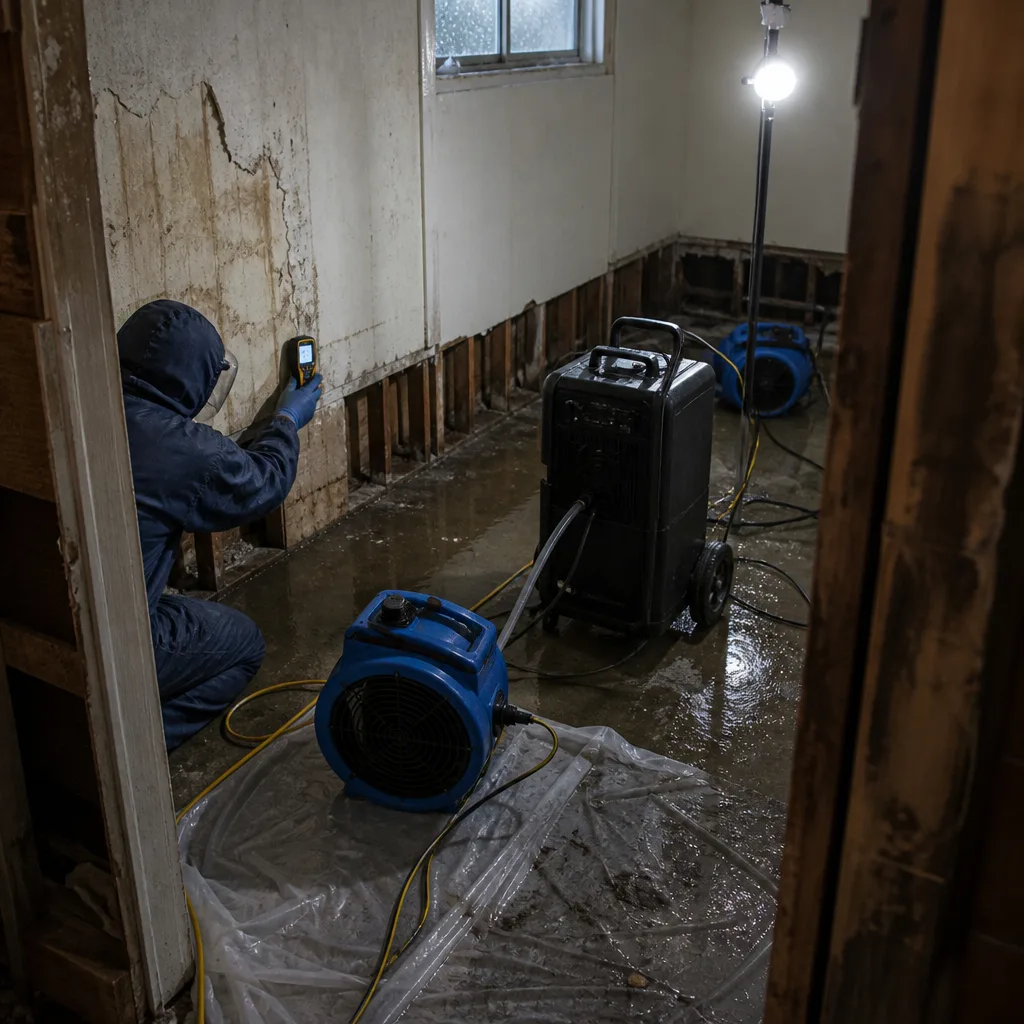
We start with moisture mapping. A meter across the floor-wall joint tells us how far water traveled under the vinyl or baseboard. Then we place air movers and dehumidifiers, usually Dri-Eaz or XPOWER units, and we run psychrometric drying, which means tracking the air’s moisture level daily until the structure hits its dry standard, not until the floor feels dry to the touch.
We text you photos of every reading and every piece of equipment placement. You’re never guessing what’s happening in your own house.
Why Waiting Makes It Worse
Every hour a burst pipe leak sits wet, drywall wicks water upward. The paper face of the gypsum starts to delaminate. What was a $900 drying job becomes a $3,500 tear-out and replacement. That’s not scare tactics; that’s the math of water migration. If you have a pipe that burst in Harrison and you’re not sure whether it’s drying “fine on its own,” it isn’t. Standing water doesn’t self-dry in 55-degree basement air. It feeds microbial growth.
Drywall Water Damage Repair in Harrison
Drywall Water Damage Repair in Harrison usually comes down to one question: can the existing board be saved, or does it need to come out? The answer depends on what got the drywall wet, how long it stayed wet, and where in the wall the water landed. We tell you straight, because replacing drywall when drying would’ve worked is overselling, and drying when replacement is required is malpractice.
For clean water from a supply line, drywall can often be dried in place if we arrive within 24 to 48 hours. We drill weep holes behind the baseboard, direct air along the cavity, and run a dehumidifier until moisture content reads below 10 to 12 percent. That job in Harrison typically runs $600 – $1,500 for a single wall section. If the water sat for three days or came from a contaminated source, like the Passaic River backflow or a sewage line, that drywall comes out. Full replacement, including demo, disposal, new board, tape, mud, and prime, runs $1,800 – $3,800 for a standard room in Harrison. Toss in baseboard, trim, and paint, and you’re at the higher end. We put the whole number in writing before we cut anything.
How We Decide: Dry vs. Replace
We test, we don’t guess. A penetrating moisture meter tells us how deep the water went. If the gypsum core is saturated past 30 percent moisture content, the paper face is already separating from the core. Drying that out leaves you with sagging, weak board that looks fine for a month and then cracks or sags. Harrison’s humid summer air makes this worse: drywall that’s marginally dry in July can wick ambient moisture and fail in August. We factor that into every repair-vs-replace call.
If we can dry it safely, we’ll tell you and charge you for the drying. If we can’t, we’ll tell you and show you the readings. Photo evidence, on the spot.
Older Homes Present Specific Challenges
Harrison’s pre-war housing stock often has plaster over wood lath beneath a layer of modern drywall. When a second-floor radiator leaks down into a first-floor plaster ceiling, the water pools between layers. A surface moisture reading looks dry, but the lath behind is soaked. That’s exactly the kind of hidden failure our moisture mapping catches before you repaint and get a brown stain three weeks later.
Trusted Brands We Service in Harrison
Our Harrison crews run equipment from Dri-Eaz, Phoenix, and XPOWER. These are the same professional-grade brands used on large commercial loss sites, not rental counter gear. Why does that matter? A Dri-Eaz LGR dehumidifier pulls significantly more water per day than a big-box unit, which means your home dries faster and you’re back in your space sooner. We keep spare filters, hoses, and sensor parts stocked for quick swaps when we’re working multiple homes after a storm event, and Harrison’s older electrical panels sometimes need load calculations before we drop multiple XPOWER air movers on a single circuit. We handle that on our end. Fast turnaround for Harrison customers means not waiting three days for a part to ship. We have it in the truck.
Common Water Damage Repair Problems We See in Harrison Homes
- High groundwater under older foundations. Harrison sits between the Passaic River and tidal flats, so the water table sits unnaturally close to basement slabs. We routinely pull moisture readings 3 to 5 points above normal saturation in cellar slabs on N 2nd St weeks after a storm has passed. Your sump pump can’t fix what’s coming up through the slab; that takes a moisture barrier or interior drainage correction.
- Silty storm-drain backflow along Cleveland Ave. When a nor’easter hits and the storm drains back up, what comes into Harrison basements is not clean rainwater. It’s category 2 contaminated groundwater carrying silt from the Passaic. Homeowners treat it like a clean flood, and that mistake turns a dryable loss into a tear-out.
- Galvanized supply lines in pre-1950 homes. The original pipes in Harrison’s two- and three-family houses are reaching the end of their service life all at once. We see pinhole leaks and full splits in the same plumbers’ era of construction, usually after a freeze-thaw cycle along Harrison Ave and the side streets off Frank E. Rodgers Blvd.
- Finished basements that hide the problem until it’s advanced. Carpet, vinyl plank, and drywall over concrete make a slow leak invisible. By the time a Harrison homeowner notices dampness at the baseboard, water has been wicking through the wall cavity for days. That’s when a $700 drying call becomes a $3,000 rebuild.
Pricing for Water Damage Repair in Harrison, NJ
Here’s what water damage repair costs in Harrison, based on the jobs we’ve done across the town’s housing stock. Basic water extraction from a single room: $400 – $900. Full burst pipe cleanup with extraction, drying, and antimicrobial treatment: $800 – $2,200. Drywall water damage repair on a single wall section: $600 – $1,500. Full drywall replacement after a contaminated flood: $1,800 – $3,800 per room. Basement flood from storm-drain backflow, category 2: $2,000 – $5,000 depending on square footage and what got wet.
What moves the number? How much water, how long it sat, what category it is, and whether materials can be dried or must be replaced. We give you the written price before any work starts. Call (940) 466-4354 and we’ll schedule a free assessment. No vague hand-waving. Numbers, in writing.
We Also Serve Cities Near Harrison
Our crews cover Harrison and the surrounding towns, including Kearny, North Arlington, East Orange, and Belleville. If you live just over the border and have a wet basement, a burst pipe, or drywall that took on water, call (940) 466-4354. We’ll send a technician with the same written pricing and live arrival tracking.
Serving Harrison, NJ - Our Local Coverage Area
We’re based in the Harrison area and know this community well. Use the map below to see our service coverage - if you’re nearby, we can almost certainly help.
FAQs About Water Damage Repair in Harrison
Within 24 to 48 hours for clean water. After that window, category 1 water degrades into category 2 as microbial growth starts, and drying becomes more involved. For contaminated water from river backflow or sewage, you need extraction and antimicrobial treatment within hours, not days. Call (940) 466-4354 and we’ll dispatch a Harrison crew same day. The faster we get equipment running, the less gets torn out.
No. Category 3 is grossly contaminated water, like sewage backup or Passaic River floodwater that entered during a major storm. What you get from storm-drain backflow along Cleveland Ave or slow groundwater seepage through a foundation is usually category 2, meaning it has significant contamination but not the same level as raw sewage. The distinction matters because category 2 water can sometimes be dried in place with proper antimicrobial treatment, while category 3 requires removal. We test, we don’t guess.
Every week. Those homes, built mostly between 1905 and 1930, have original plumbing, plaster-over-lath walls, and foundation drains that may or may not exist. We know where the water travels in those layouts, how moisture hides behind layered wall assemblies, and what the electrical load will support for drying equipment. Most importantly, we give you a written price before we open a single wall.
We run Dri-Eaz, Phoenix, XPOWER, and B-Air professional restoration equipment, deployed to IICRC, RIA, and IFA standards. No big-box rental units, no household fans. The equipment matters because it determines how fast your structure actually dries, not just how dry it feels on the surface. We track moisture readings daily and text you the results.
It depends on the water source, the duration, and the moisture reading. Clean water caught within 24 to 48 hours can often be dried in place if the drywall core hasn’t saturated past the point of no return. We drill small weep holes behind the baseboard and direct warm air through the cavity. If the core is saturated or the water is category 2 or 3, the drywall comes out. We show you the meter readings before recommending either path. Call (940) 466-4354 for a free assessment.
Written by Blake Sorensen, Owner at Wendell Water Damage Restoration, serving Harrison since 2006.