
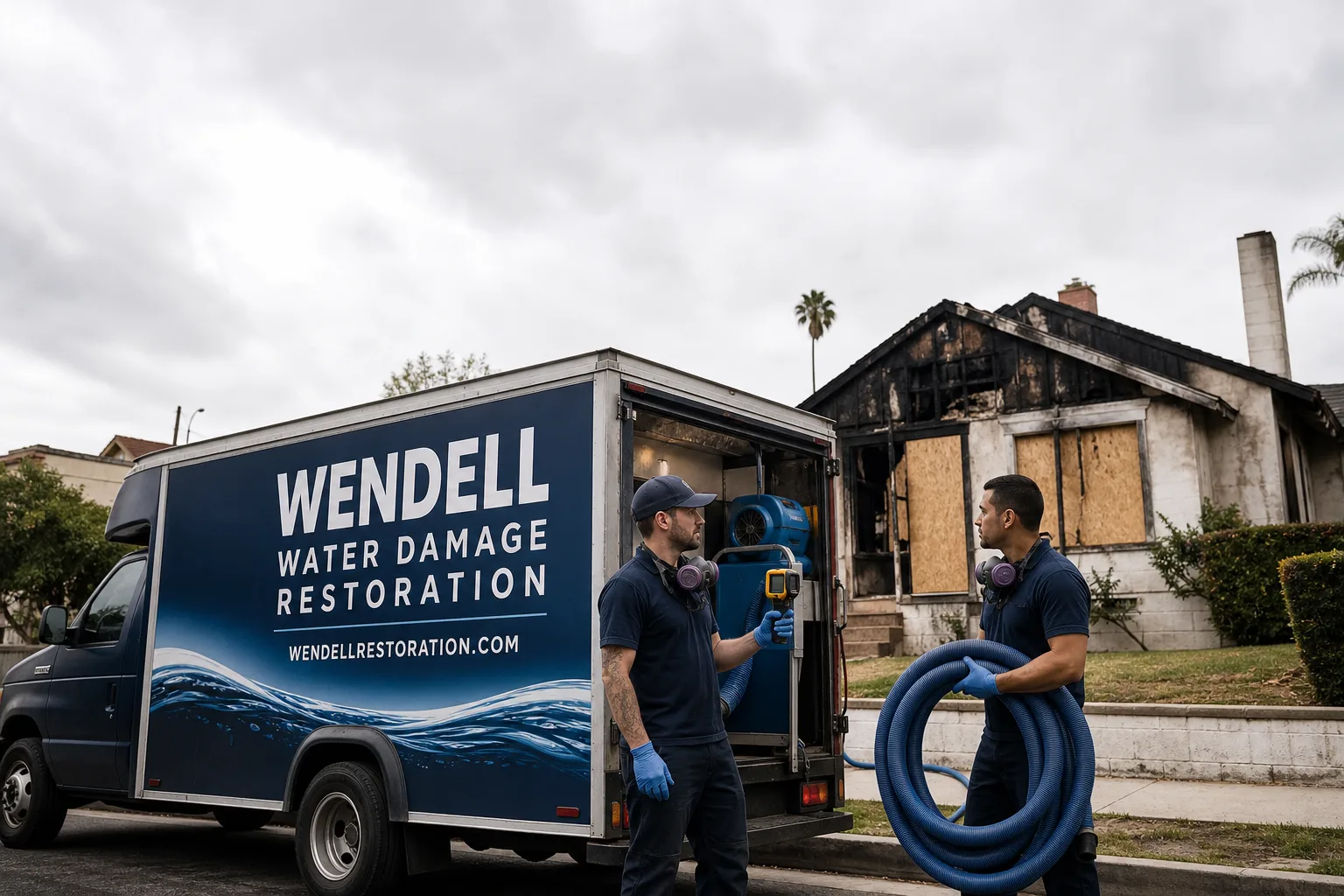
Free visual inspection and a written scope of work before any mitigation begins - photos, moisture readings, and drying logs go in your claim file
The scope we write is the scope we bill. Anything new gets shown to you, in writing, before we touch it.
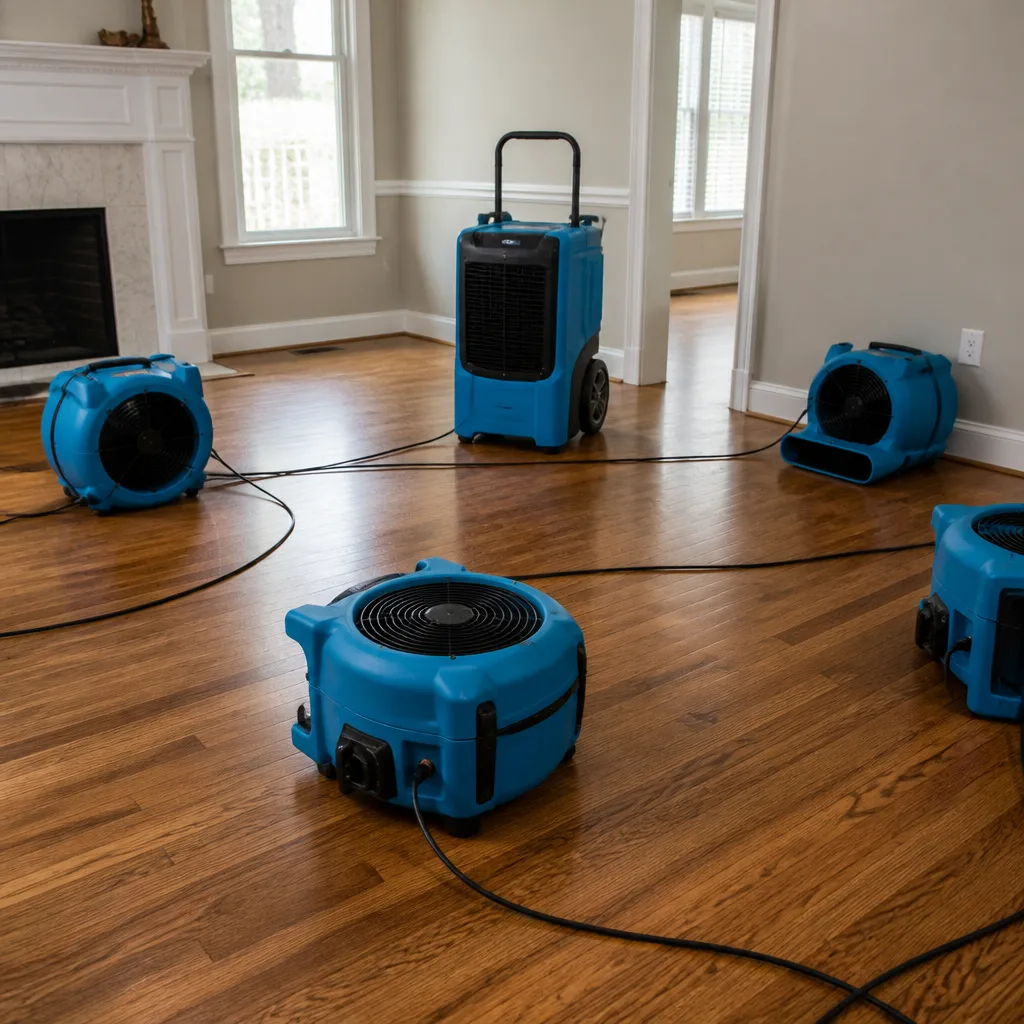
 Before
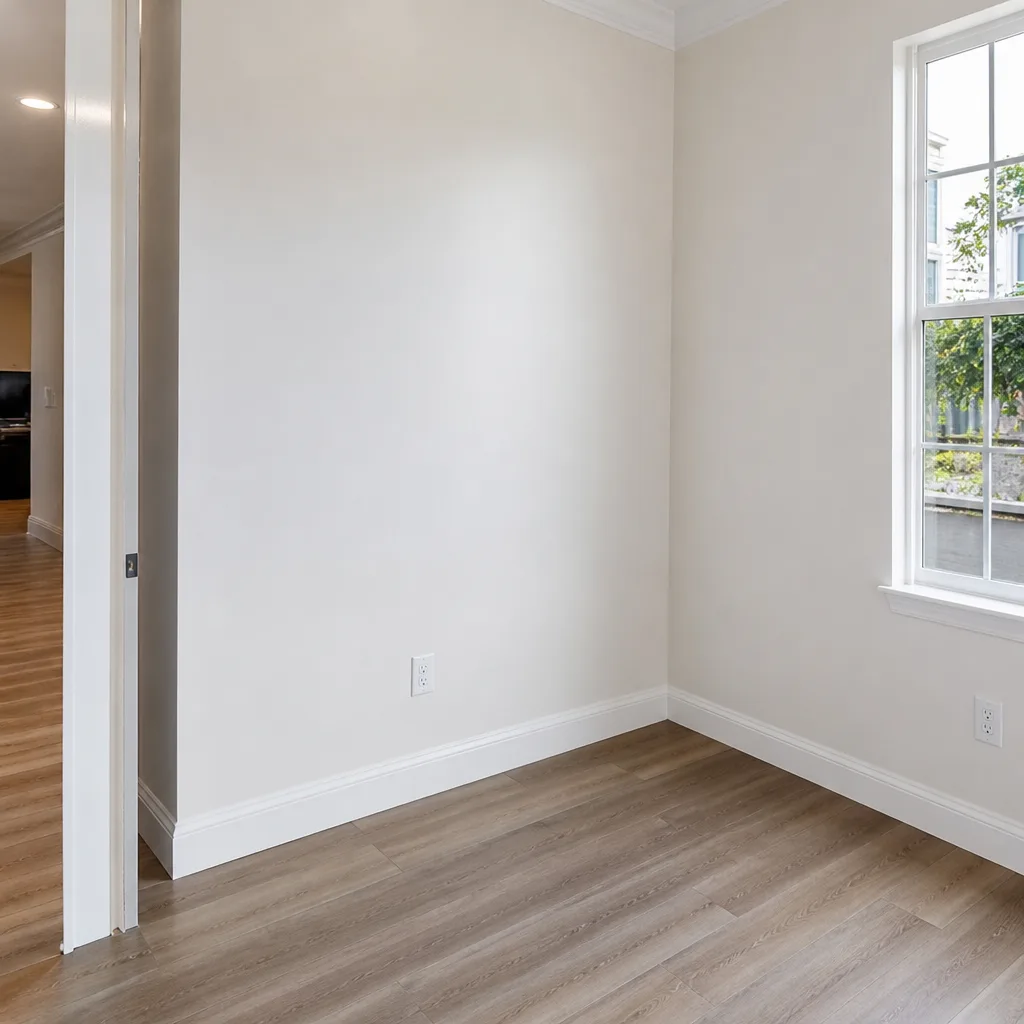 After
After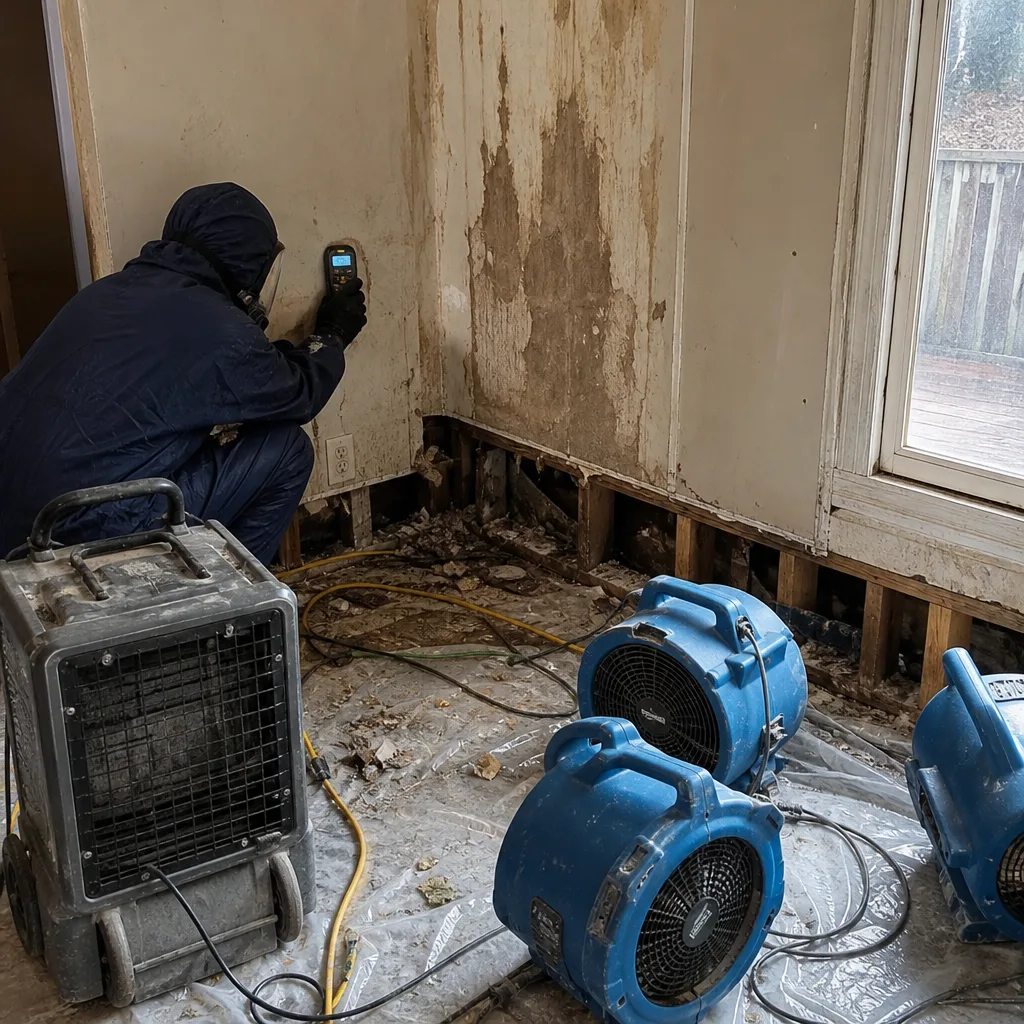 Before
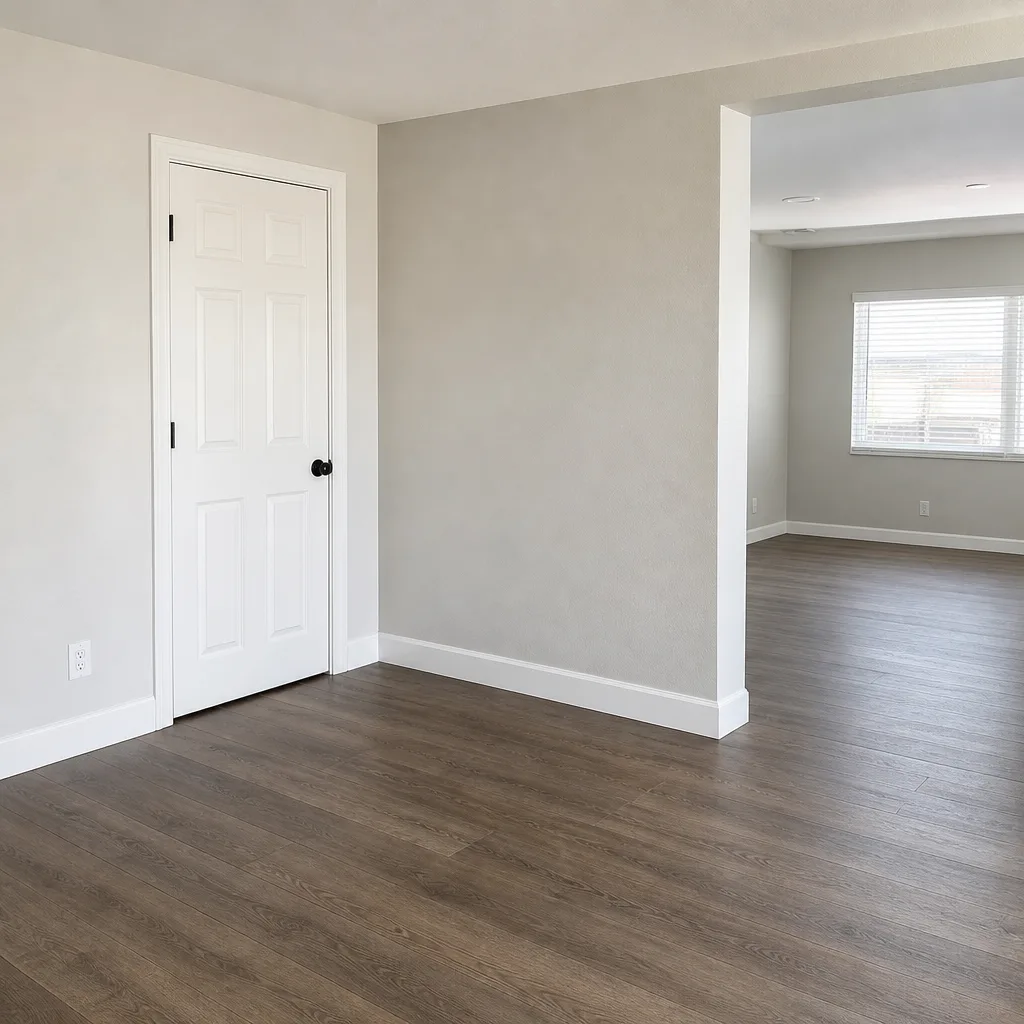 After
After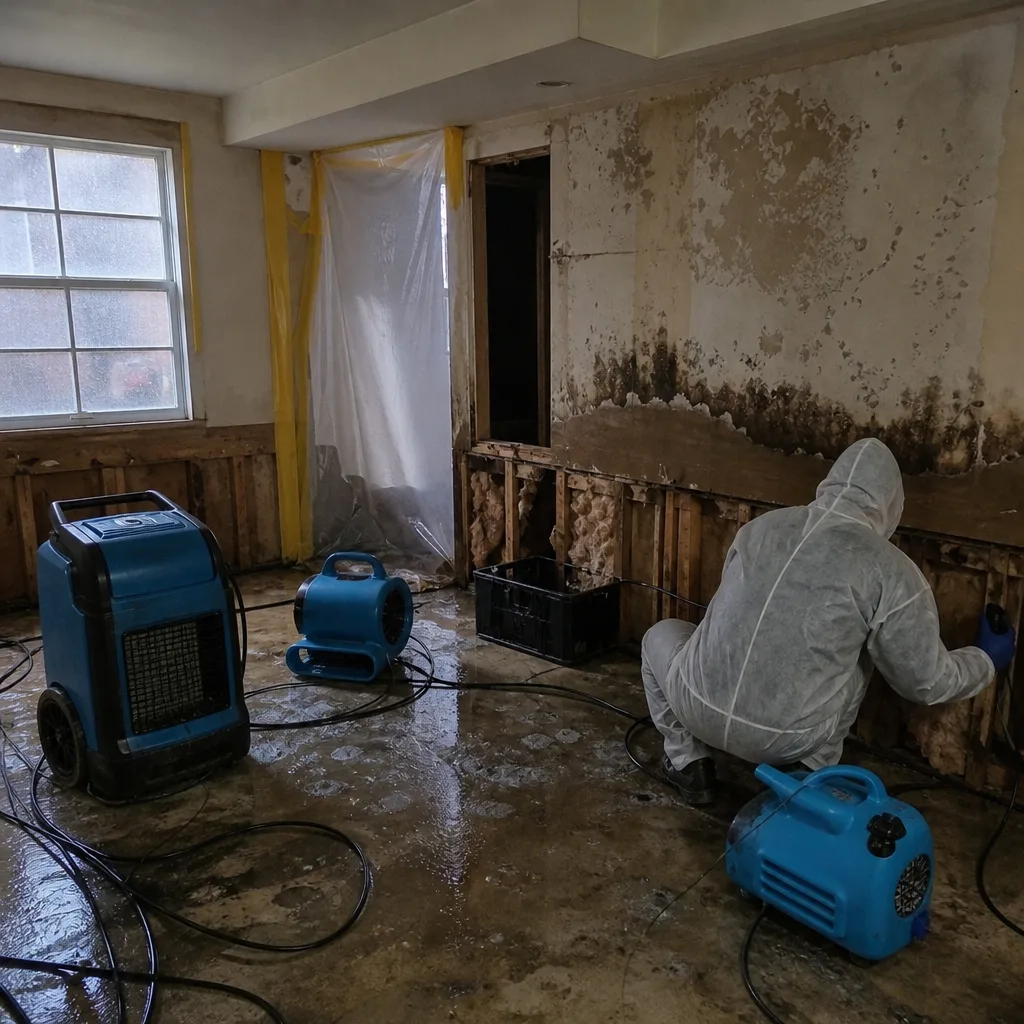 Before
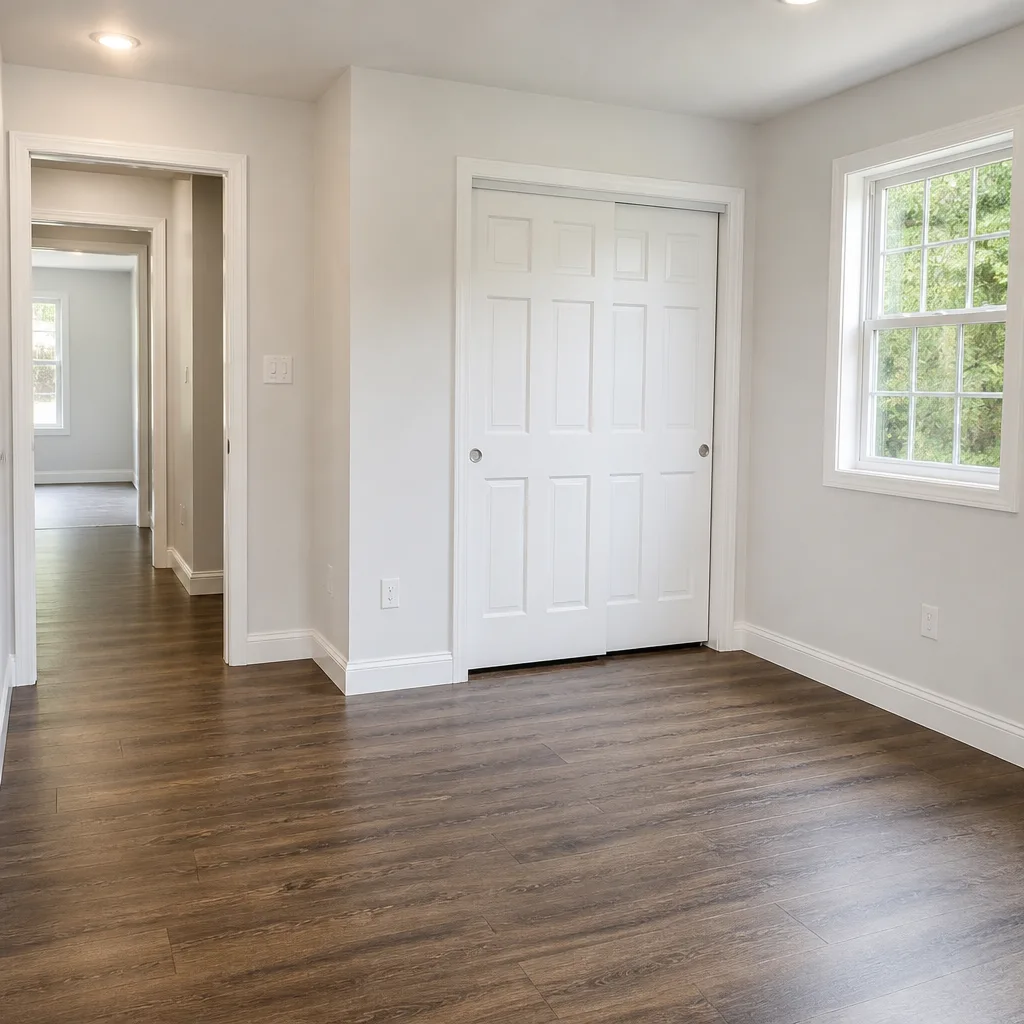 After
AfterFast, Reliable Mold Remediation Across University Heights
Mold remediation in University Heights, NY typically costs $1,800 to $6,500 depending on how far the growth has spread and whether finished basement walls need to come out. Most jobs here start with a same-day or next-day inspection because the 24 to 48 hour growth clock is already running by the time you notice a musty smell. We’re Wendell Water Damage Restoration, and we’ve spent years working inside University Heights’ 1920s Tudor homes and brick multifamily buildings, where original cast-iron drains and finished basements create mold problems most restoration companies don’t fully understand. Call (940) 466-4354 and a live person answers, not a phone tree.
Why Wendell Water Damage Restoration Is University Heights’s Preferred Mold Remediation Company
University Heights homeowners call us because we show up with a written price before any work starts. Not an estimate range scribbled on a clipboard, but a line-by-line scope you approve from your phone before we touch a single tool. That’s the Relay Visibility Guarantee, and it’s how we’ve built our reputation across University Heights.
Our background-checked, uniformed technicians arrive with a live arrival time you can track, not a vague four-hour window. You know exactly who’s walking through your door before they get there. We follow IICRC, RIA, and IFA standards on every job, and we deploy professional equipment from Dri-Eaz, Phoenix, and XPOWER, the same brands used on large commercial loss sites.
Blake Sorensen leads our team and holds every technician to the same standard he’d want for his own home. The 365-Day Done Right Promise is written into every single job: if it’s not done right, we make it right. Plus a free second visit if the repair fails. That’s not marketing language, it’s in writing.
Professional Mold Removal in University Heights
Professional Mold Removal in University Heights means more than spraying bleach on a dark spot. It means containing the affected area so spores don’t spread through the rest of your home, removing or treating contaminated materials, and running drying equipment until moisture readings confirm the structure is actually dry, not just surface-dry.
Most University Heights mold removal jobs run $2,000 to $5,500, depending on whether we’re treating surface growth on concrete or pulling drywall and insulation from finished basement framing. Landlords on streets like Loring Place and Webb Avenue call us for tenant complaints that turn out to be hidden wall-cavity moisture, the kind DIY sprays never touch.
Containment and Removal Protocols
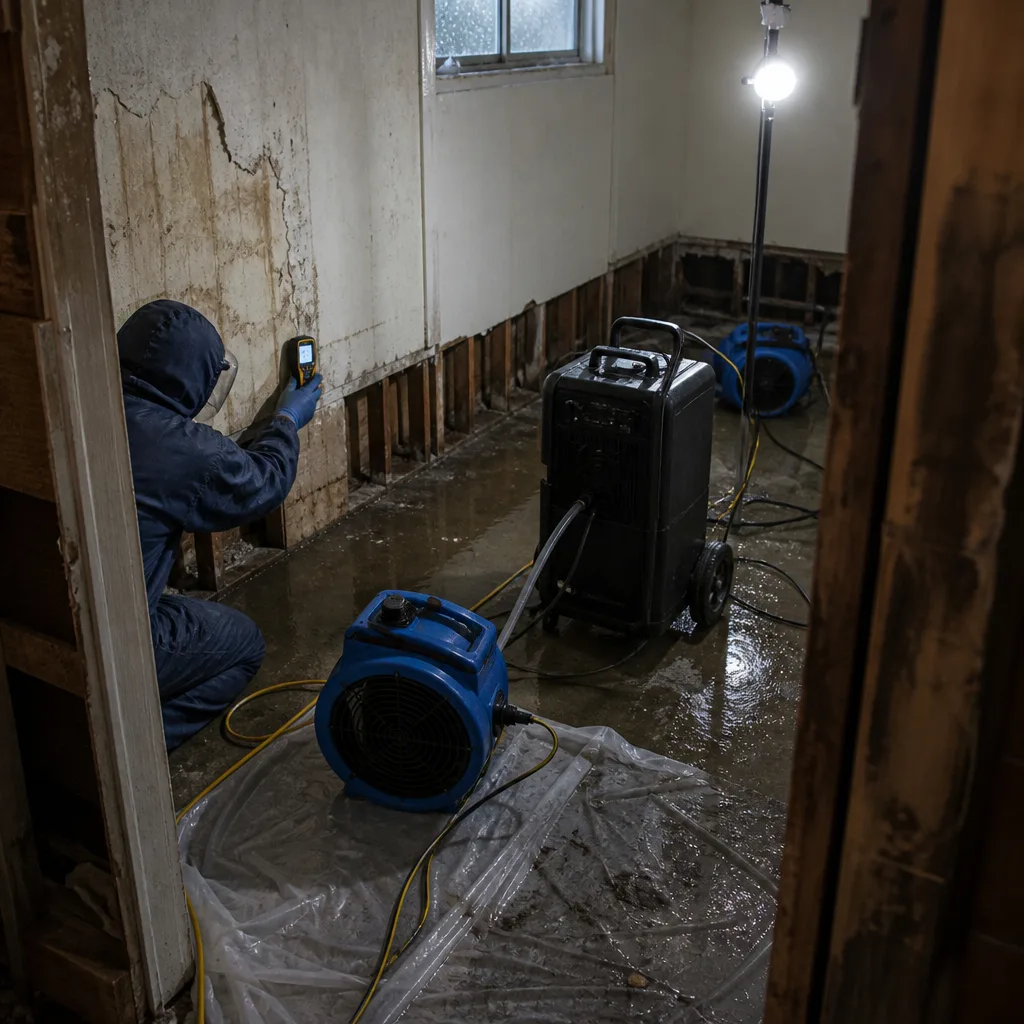
We set up negative air pressure containment with HEPA filtration before disturbing any moldy material, so spores don’t migrate into living spaces. Then we remove contaminated drywall, insulation, or carpet using IICRC protocol. Antimicrobial treatment follows, applied to framing and surrounding surfaces. The last step is structural drying with Dri-Eaz dehumidifiers and XPOWER air movers, running until drying logs match pre-loss moisture baselines.
When Removal Beats Drying
If water sat for more than 48 hours, especially Category 3 water from a drain backup, drying won’t save the material. In University Heights’ older buildings, finished basements with drywall over original brick or block wick moisture upward fast. We tell you honestly whether it can be dried or needs to come out. The written scope covers exactly what we’re removing before we start.
Mold Inspection in University Heights
Mold Inspection in University Heights starts with moisture mapping, not just a visual check. Our techs use thermal imaging and moisture meters to find water you can’t see, the kind hiding behind paneling or under vinyl flooring in finished basements. A standard inspection runs $250 to $450, and if we find mold during the inspection, that fee is credited toward remediation.
In the 1920s Tudors around Reservoir Oval, we find hidden moisture in places previous owners never looked: behind basement stair stringers, inside closet walls that share plumbing, under bathroom floors where old wax rings failed years ago. The musty smell you notice in the living room usually traces back to a basement corner or a drain line in a wall cavity.
Moisture Mapping and Sampling
We map moisture levels across floors, walls, and ceilings to see the full extent before opening anything. Air and surface samples can be taken if you need documentation for an insurance claim or a real estate transaction. Photo documentation goes to you by text, and we provide the moisture readings in writing.
Landlord and Pre-Purchase Inspections
For landlords in University Heights, inspection documentation matters. We walked a Loring Place building recently where a tenant reported a musty basement odor, and moisture mapping found Category 2 water from a backed-up laundry drain that had wicked into the lower drywall. The visible surface looked fine. The wall cavity told a different story. We provide the written report landlords need for records, insurance adjusters, or a buyer’s due diligence.
Trusted Brands We Service in University Heights
We service homes with equipment and finishes from every era, and we stock the parts and materials University Heights customers need most often: antimicrobial agents rated for porous masonry, vapor barriers for below-grade walls, and replacement drywall and insulation suited to 1920s construction. For drying, we run Dri-Eaz dehumidifiers alongside Phoenix and XPOWER air movers, the professional-grade lineup that gets basements dry in days, not weeks. We follow IFA standards for inspection and moisture documentation on every University Heights job, which means your insurance adjuster gets the paperwork they recognize.
Common Mold Remediation Problems We See in University Heights Homes
- Finished basement wicking from cast-iron drain backups. Original cast-iron drains under Loring Place, Webb Avenue, and Reservoir Oval crack after decades, and when they back up under heavy rain, Category 3 water soaks into finished basement framing. Mold shows up behind paneling long before it’s visible, and by then the drywall usually can’t be saved.
- Hidden wall-cavity moisture from small, persistent leaks. A slow roof leak or a failing wax ring behind a bathroom vanity drips for months. University Heights’ brick and Tudor construction hides this well. The first sign is often a musty smell with no visible stain, which means the mold has been growing in the cavity for weeks.
- DIY surface treatment that masks the real problem. Homeowners spray bleach on a visible stain and assume it’s handled. Without moisture readings and containment, hidden moisture keeps feeding regrowth behind the wall. The stain returns in two weeks, and now the framing is wetter than before.
- Landlord-tenant disputes about responsibility. Landlords assume a small leak is Category 1 and just needs drying. Tenants assume the landlord will handle it. In University Heights’ older buildings, what starts as clean water often mixes with old drain buildup and becomes Category 3 black water that must be removed, not dried. We provide the written scope and moisture data both sides need.
Pricing for Mold Remediation in University Heights, NY
We Also Serve Cities Near University Heights
Our Mold Remediation team covers the whole metro area, including Brooklyn, Queens, Manhattan, and The Bronx. If you own rental property in University Heights and also manage units across the boroughs, one call covers it. Scheduling works the same everywhere: live person answers, live arrival time, written price, photo updates by text.
Serving University Heights, NY - Our Local Coverage Area
We’re based in the University Heights area and know this community well. Use the map below to see our service coverage - if you’re nearby, we can almost certainly help.
FAQs About Mold Remediation in University Heights
Mold can begin growing within 24 to 48 hours of water exposure in a finished basement, and in University Heights’ older brick and Tudor buildings, the clock usually starts before the leak is even noticed. Hidden moisture behind drywall or paneling feeds growth faster than visible surface water, which is why a musty smell often means the problem is already a week old. If you smell it, call (940) 466-4354 the same day, a quick inspection beats tearing out finished framing later.
Yes, we offer same-day and next-day mold inspections in University Heights when you call early, and because our scheduling is coordinated from our New York City office with crews dispatched locally, we can often have a technician at your door within hours. The inspection includes moisture mapping and a written report of findings. Call (940) 466-4354 and a live person will tell you exactly when a technician can arrive.
Category 2 water, often called gray water, contains significant contamination from sources like washing machine overflow or sump pump failure; Category 3 water, or black water, contains sewage or other pathogens and comes from sewer backups or toilet overflows. In University Heights’ older cast-iron drain systems, a small leak that starts as Category 1 can quickly mix with decades of drain buildup and become Category 3, which means affected drywall and insulation must be removed rather than dried. If there’s any question about the category, call (940) 466-4354 before touching anything.
Sometimes, if the mold is on a non-porous surface like concrete or tile and moisture readings show the wall cavity is dry, we can treat it without demolition, typically by HEPA vacuuming, antimicrobial treatment, and sealing. But in University Heights’ finished basements, mold behind drywall or paneling means the material has to come out, because porous surfaces can’t be fully cleaned once mold penetrates. We’ll show you the moisture readings and give you a written scope before any wall is opened, so you know the cost of removal versus treatment before deciding.
Yes, we work regularly with landlords and property managers throughout University Heights, and we’re set up to make the process painless: written scopes for tenant communication, photo documentation by text, direct adjuster coordination when insurance is involved, and a digital invoice you can pay from your phone. We also provide moisture logs and drying records landlords can keep for their files. Call (940) 466-4354 and we’ll walk you through exactly what’s needed for your building.
If you’ve got a musty smell in University Heights, or you already see mold spreading in a finished basement, don’t wait. The longer moisture sits, the more expensive the fix gets. Call Wendell Water Damage Restoration at (940) 466-4354 for a free estimate. A live person answers, gives you a real arrival time, and the price goes in writing before any work starts. That’s the way it should work.
Written by Blake Sorensen, Owner at Wendell Water Damage Restoration, serving University Heights, NY.