
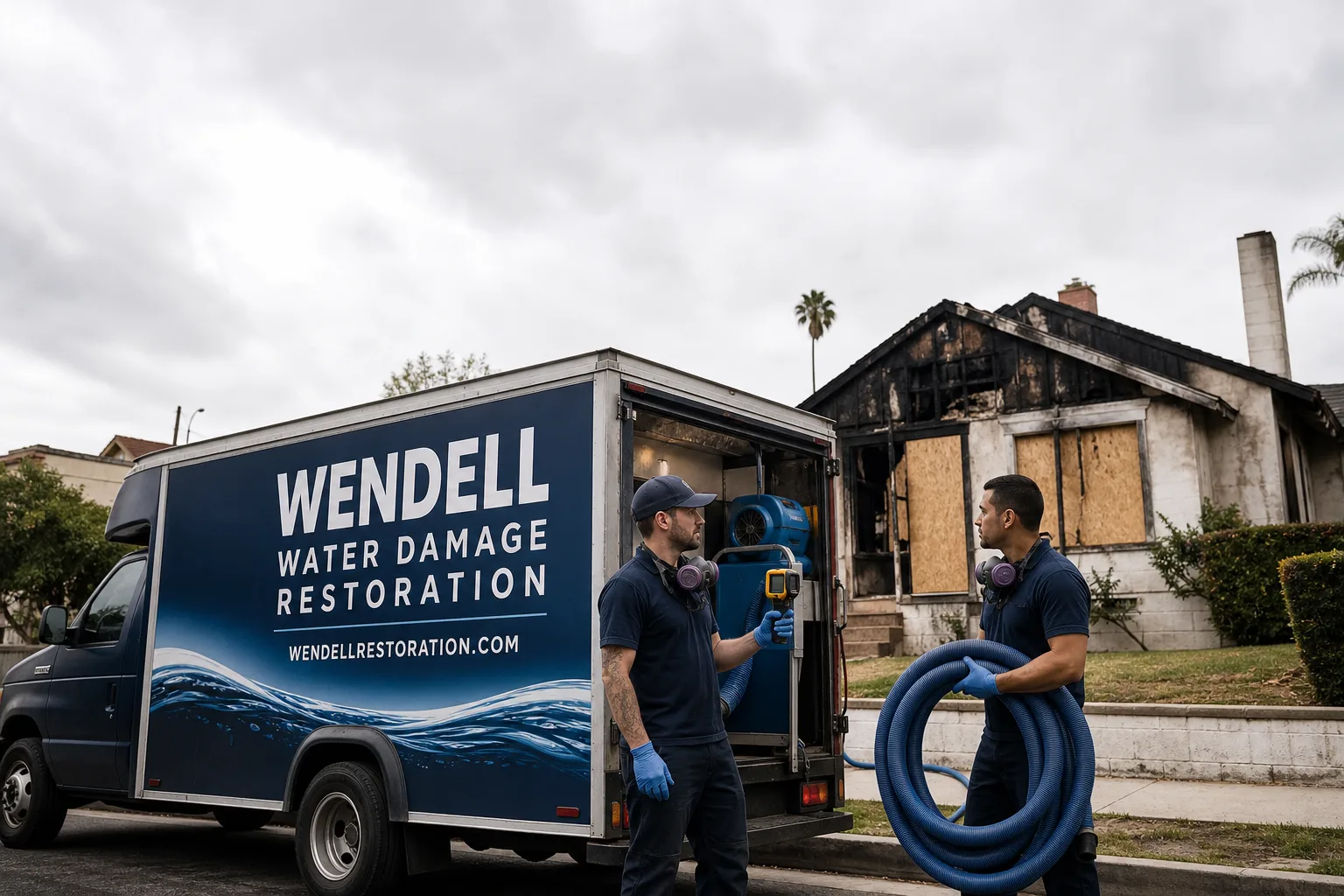
Free visual inspection and a written scope of work before any mitigation begins - photos, moisture readings, and drying logs go in your claim file
The scope we write is the scope we bill. Anything new gets shown to you, in writing, before we touch it.
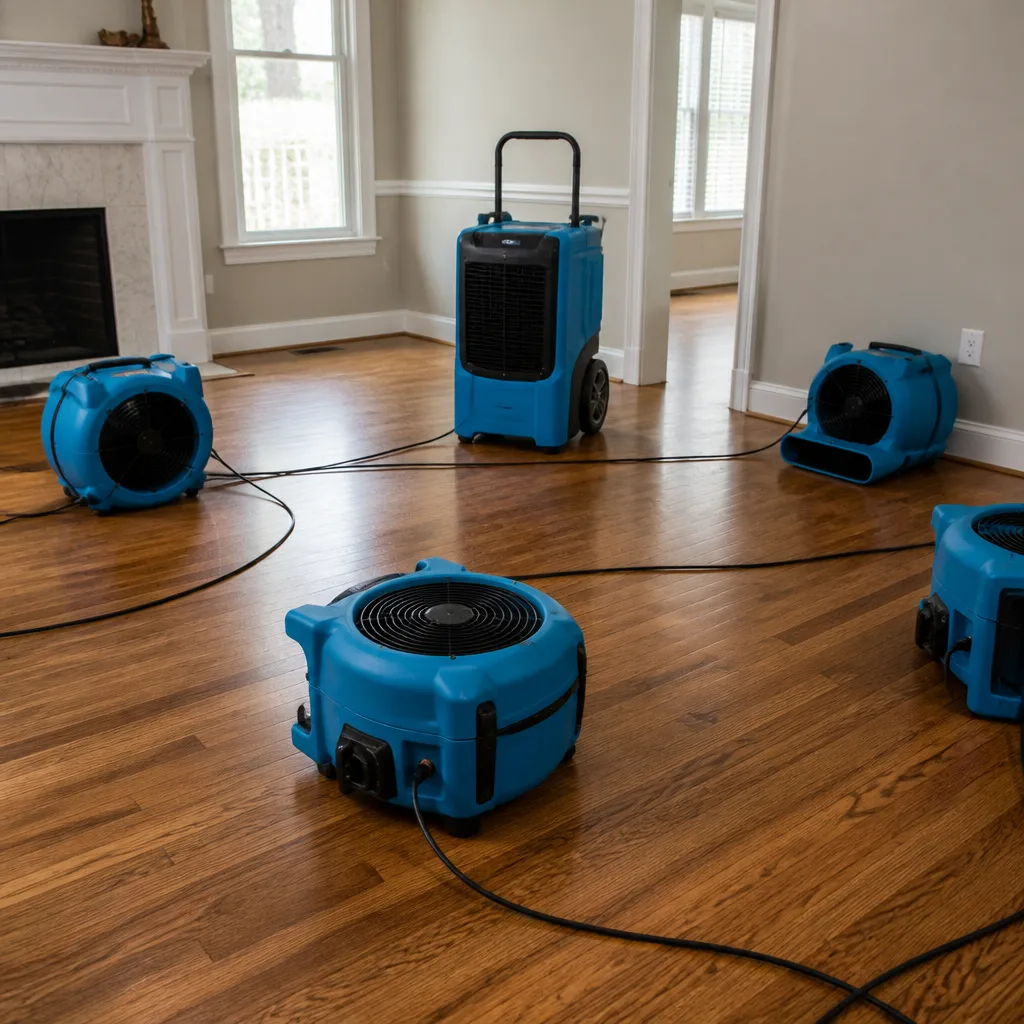
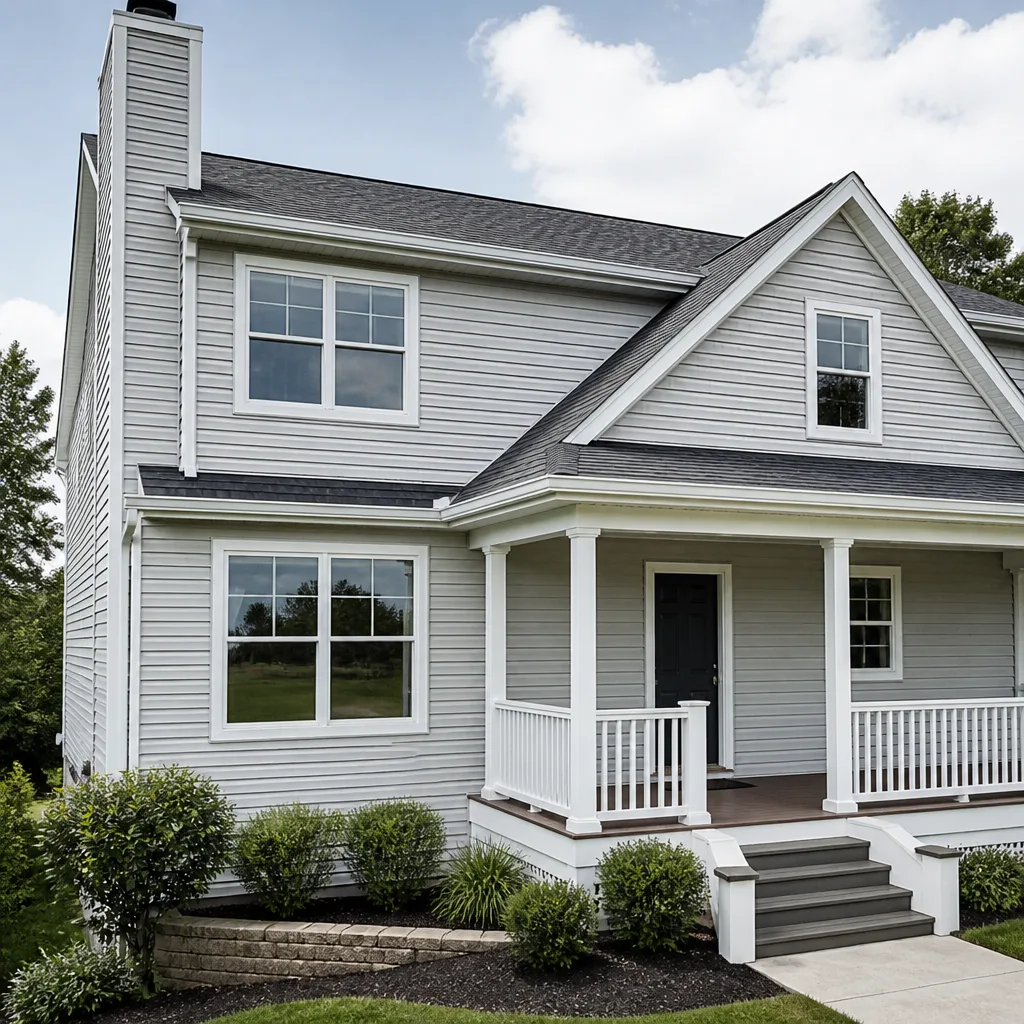
 Before
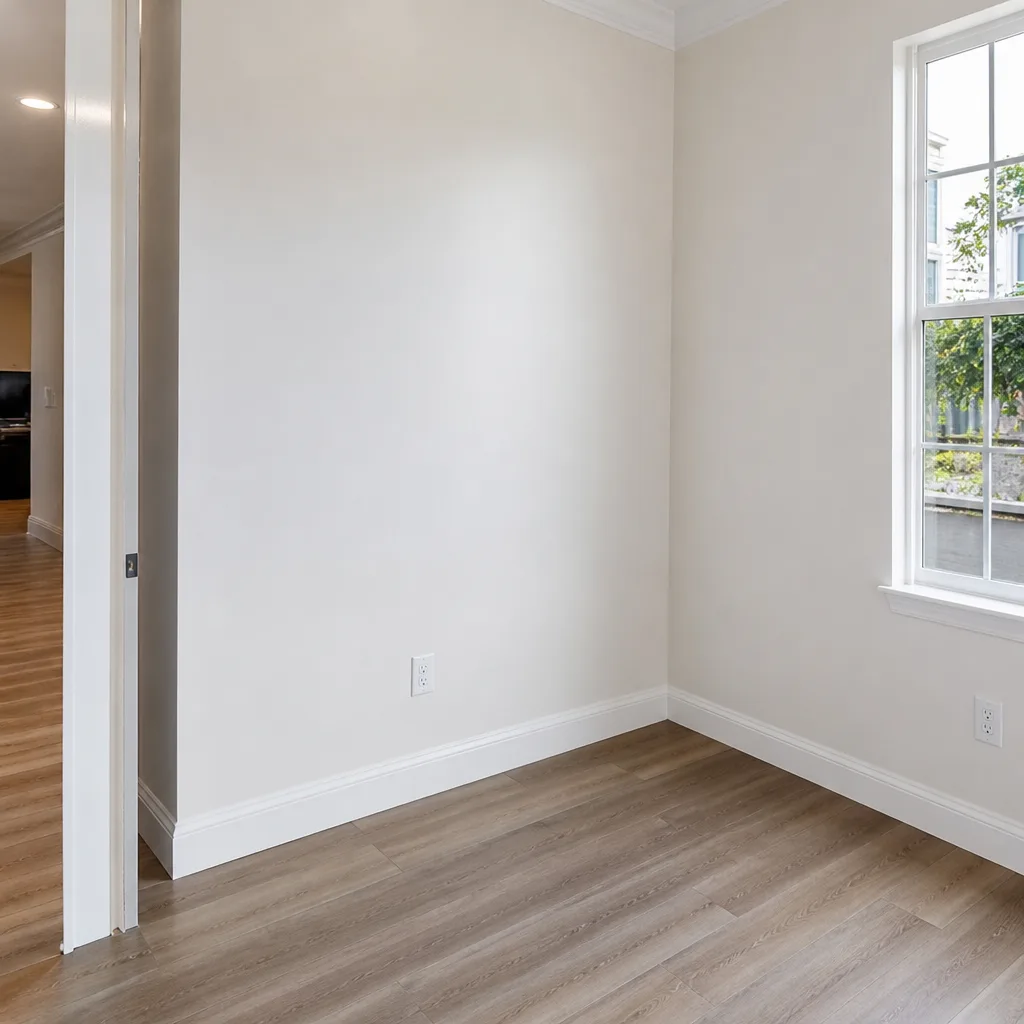 After
After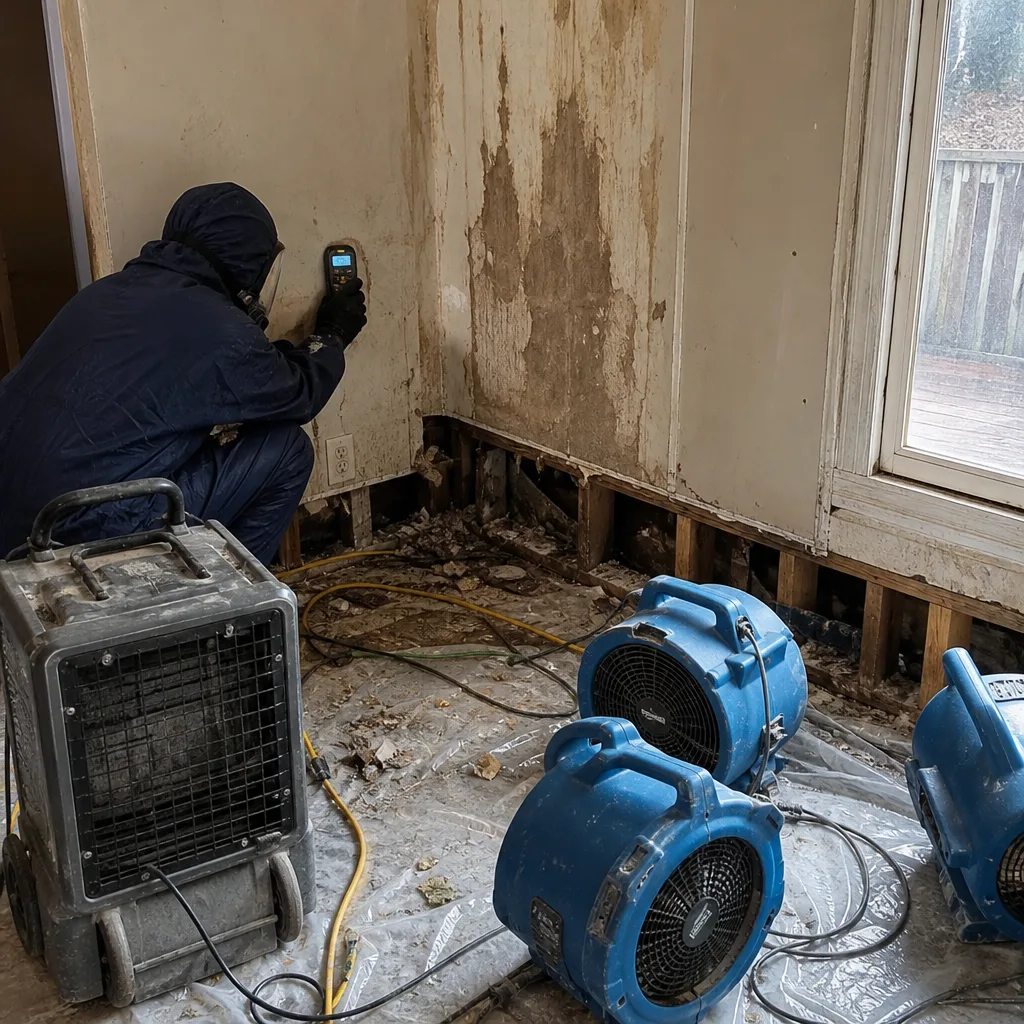 Before
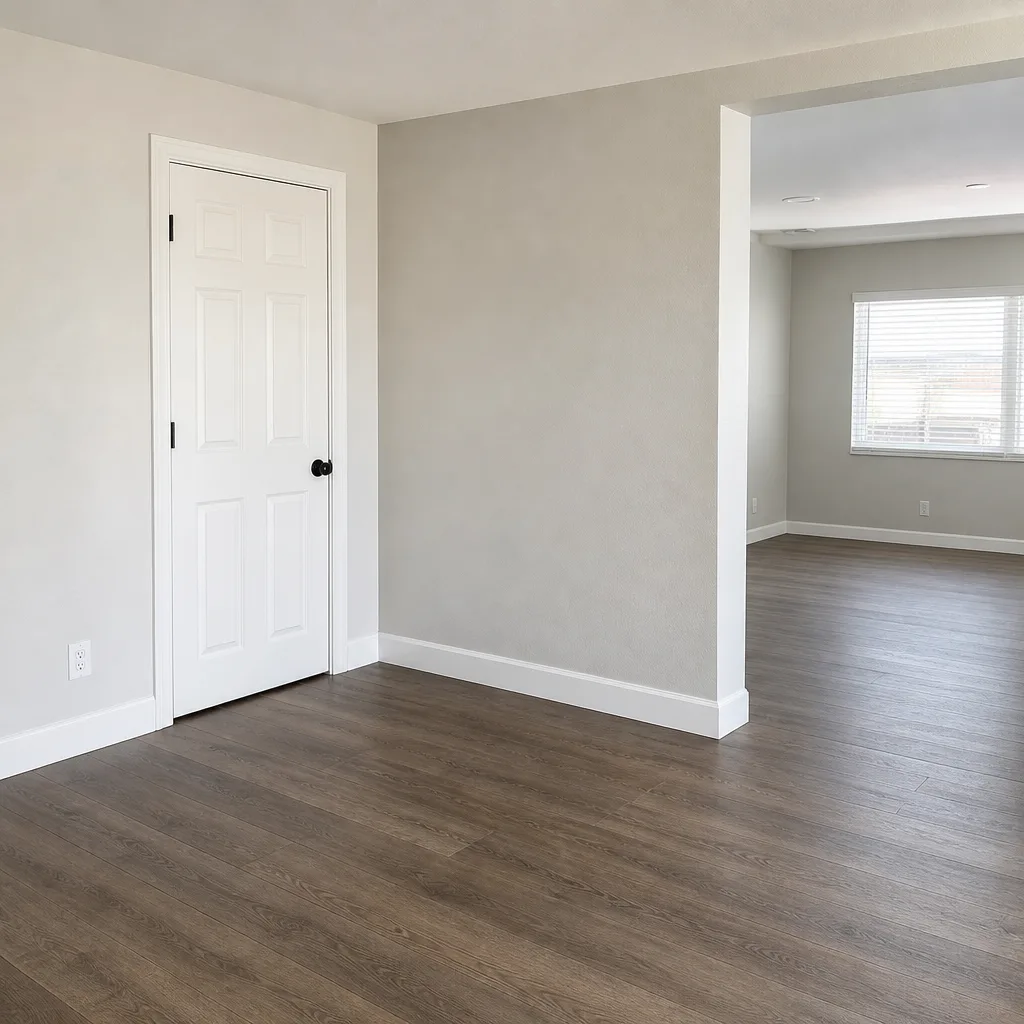 After
After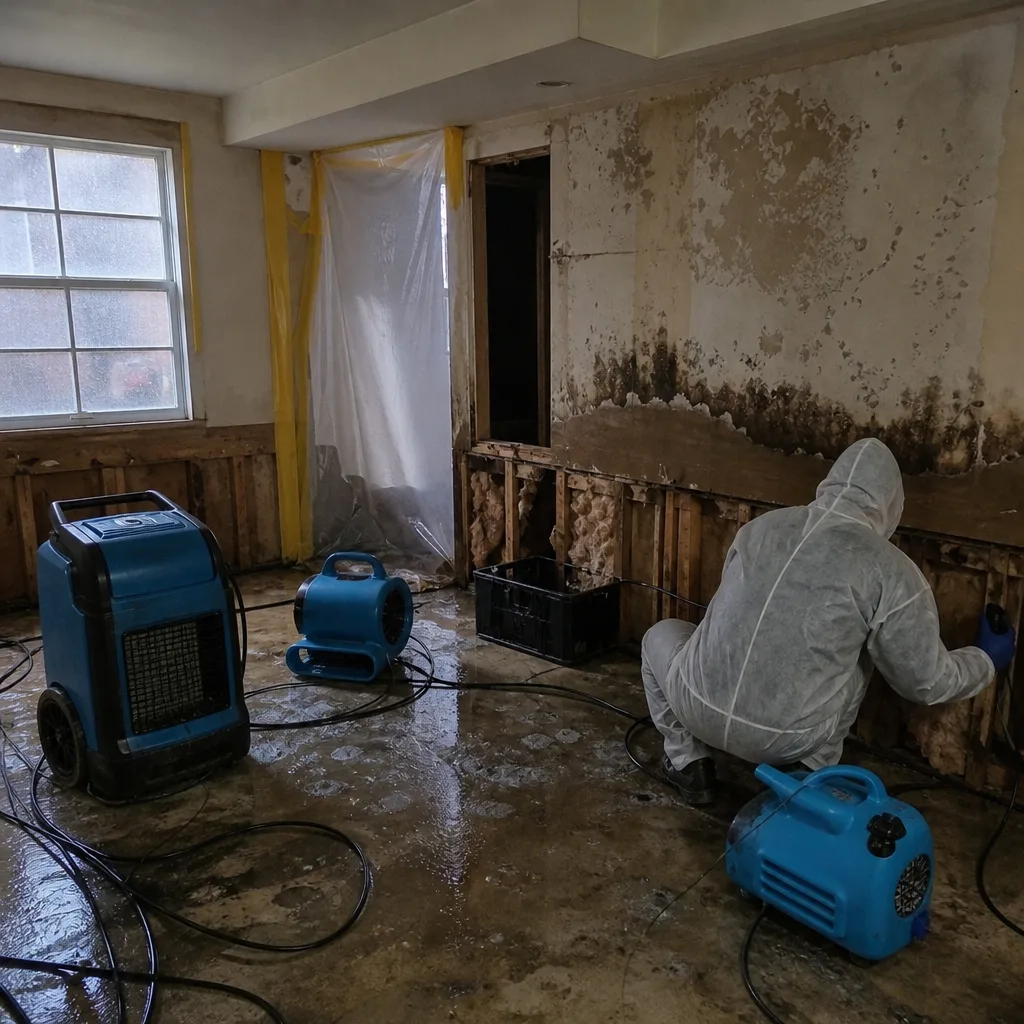 Before
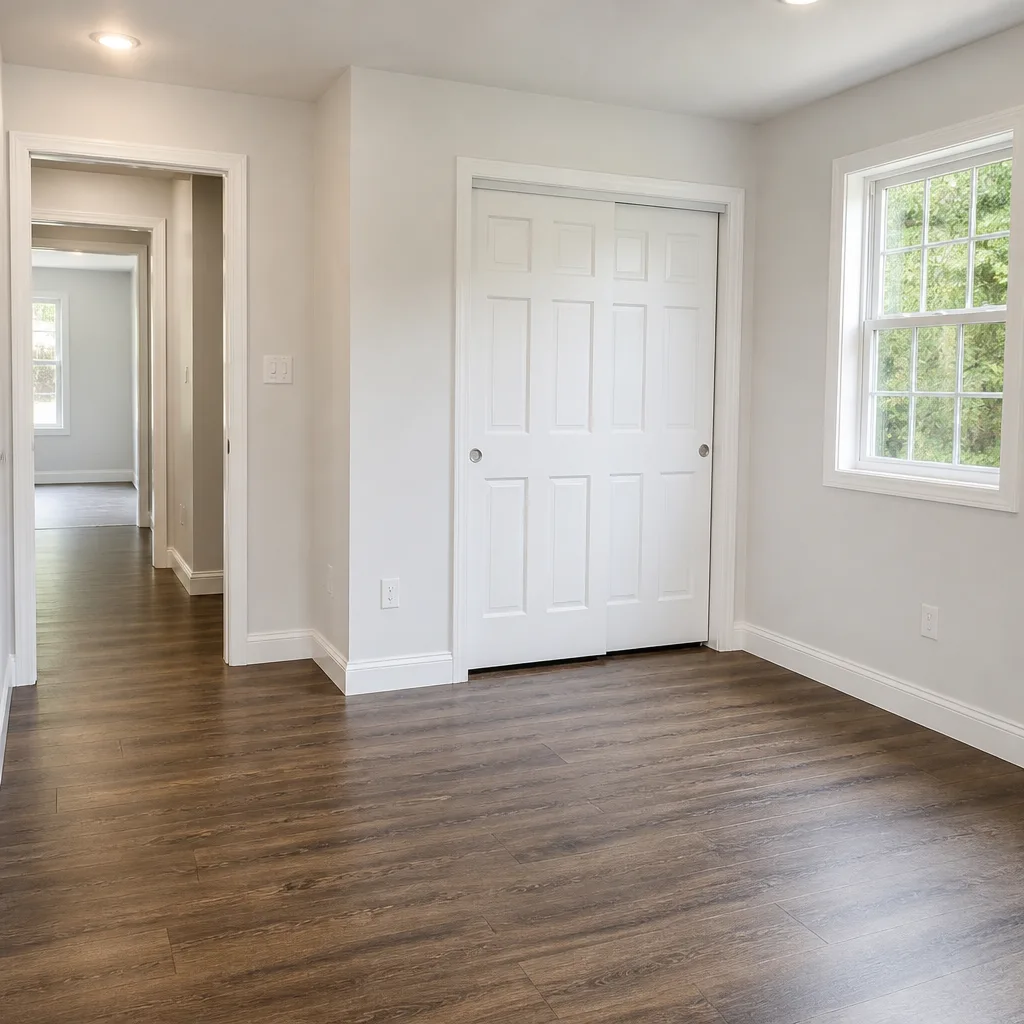 After
AfterFast, Reliable Mold Remediation Across Throggs Neck
Mold remediation in Throggs Neck typically costs between $1,800 and $6,500 depending on how far the growth has spread and where the moisture is coming from. Most jobs we handle here are done within 2 to 5 days, and our crews can be at your door the same day you call. We know this neighborhood’s basements, crawlspaces, and the specific ways moisture moves through homes that were built on filled tidal marshland. If you’re seeing dark spots, smelling must, or noticing peeling paint near baseboards, call (940) 466-4354 and a live person answers, 24/7.
Throggs Neck sits on a peninsula where the East River and Westchester Creek meet Long Island Sound. That’s not trivia – it’s the reason mold hides in places you’d never think to look. Our Mold Remediation in Throggs Neck work starts with finding the water first, not just scrubbing what you can see. We’re the phone-first company that puts a written price in your hand before any tools come off the truck.
Why Wendell Water Damage Restoration Is Throggs Neck’s Preferred Mold Remediation Company
We’re not a national franchise. Wendell is independently owned and operated as part of the Relay Home Co. family, founded in 2006. Every crew that shows up in Throggs Neck is background-checked and uniformed, and you get a live arrival time you can track on your phone – not a four-hour window that leaves you waiting around. Blake Sorensen leads our team with a simple rule: the price is in writing before work starts, and the number on your digital invoice is the number you pay.
Throggs Neck homeowners tell us the same thing over and over: other companies showed up late, quoted low, then found “surprises” after demo started. That doesn’t happen with us. We run moisture mapping before we touch a wall. We send before-and-after photos by text so you see exactly what we found and exactly what we fixed. And every job carries the 365-Day Done Right Promise – if it’s not done right, we make it right, in writing, on every single repair. If a repair fails within the year, we come back free. That’s not a policy buried in fine print. It’s our standing offer.
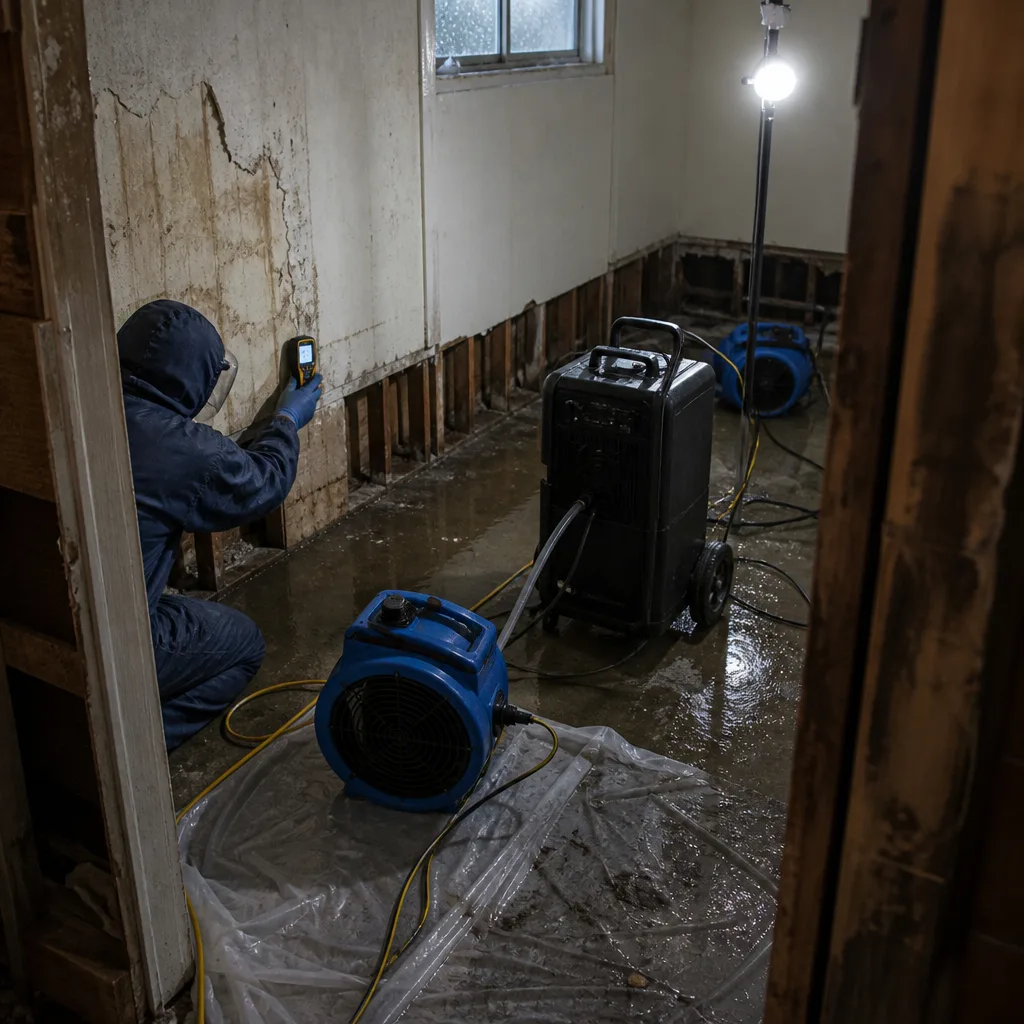
Our technicians work to IICRC, RIA, and IFA standards. We run Dri-Eaz, Phoenix, XPOWER, B-Air, and Injectidry equipment – the same professional-grade gear used on large commercial loss sites. You’d be surprised how many “mold companies” show up with a rented dehumidifier from a hardware store. We don’t.
Mold Inspection in Throggs Neck
A Mold Inspection in Throggs Neck is how you find out whether that musty smell in your Locust Point basement is surface mildew or something deeper feeding on structural wood. Inspections here run $250 to $650 depending on square footage and whether air sampling or lab analysis is requested. A typical inspection takes 45 to 90 minutes, and you’ll have our written findings the same day, often within hours.
We start by looking where Throggs Neck mold actually starts: bulkheads, crawlspace vents, basement floor drains, and anywhere slab-on-grade concrete meets framing. Then we use moisture meters and thermal imaging to trace where the water is coming from. If lab confirmation is needed, we take samples and send them to a certified lab – you’ll get results we walk you through, not a PDF you have to decode on your own.
When a Throggs Neck Homeowner Should Schedule One
You should schedule an inspection if you smell earth or must, even if you can’t see anything. That’s the classic sign in Throggs Neck basements where mold is growing behind finished walls or under vinyl plank flooring. You should also schedule one before you buy a home in the area – many mid-century properties here changed hands decades ago with water issues nobody documented.
If you already see visible mold covering more than about 10 square feet, skip the inspection and call us for full remediation. We’ll assess the scope for free as part of the written estimate.
How We Handle Sampling and Lab Results
We can collect air samples, surface swabs, or tape lifts depending on what we’re seeing. Throggs Neck homes near the water often show elevated baseline spore counts simply because of proximity to Long Island Sound, so we interpret lab results against local conditions, not a one-size-fits-all chart. You’ll get a plain-English explanation of what’s growing, how much of it there is, and what actually needs to happen next.
Mold Removal Specialist in Throggs Neck
When we dispatch a Mold Removal Specialist to a Throggs Neck home, the job starts with containment, not demolition. Typical mold removal here runs $1,500 to $5,500 depending on how many rooms are affected, whether drywall or flooring must be cut out, and whether the crawlspace is involved. We isolate the work area with negative air pressure so spores don’t get pushed into the rest of your house during tear-out.
In this neighborhood, the mold that matters is rarely on the wall. It’s behind the baseboard, under the flooring, inside the bulkhead door frame. We don’t paint over it. We remove the affected material, treat the framing with antimicrobial solution, and run professional-grade dehumidification until moisture readings say the structure is dry, not just the air.
What Gets Removed vs. What Gets Saved
Finished drywall with visible mold typically gets cut out, usually in a 2-foot or 4-foot flood cut depending on how high the moisture wicked. Solid wood framing that’s stained but structurally sound can often be cleaned, sanded, and treated – saving you thousands versus a full gut. We give you a written scope before we cut anything, so you know exactly what’s coming out and what we’re trying to save.
Post-Remediation Verification
When the work is done, we run clearance air samples and moisture readings and show you the numbers. That’s how you know the mold is actually gone, not just hidden behind new paint. We document everything with photos, texted to you before we pack up. If an adjuster is involved, our photo documentation goes straight to them – you don’t chase paperwork.
Trusted Brands We Service in Throggs Neck
Throggs Neck homeowners deserve the same equipment commercial restoration firms use, and that’s what we stock. We run Phoenix low-grain refrigerant dehumidifiers for deep structural drying, XPOWER air movers for fast evaporation across wet surfaces, and B-Air filtration units for negative-air containment. These aren’t rental counter machines; they’re professional-grade units with the capacity to pull moisture out of dense mid-century construction, which matters in Throggs Neck where slab foundations trap humidity far longer than poured basements in newer builds. We maintain and rotate our own equipment, so it’s ready when your basement floods at 2 a.m. on a summer Tuesday.
Common Mold Remediation Problems We See in Throggs Neck Homes
- Bleach-and-paint cover-ups that fail within weeks. Homeowners scrub visible mold with bleach and slap on Kilz, but the moisture source – often a leaking bulkhead door or a high water table under the slab – stays active. The mold returns, usually bigger, because the drywall stayed damp behind the paint.
- Hidden category 2 water in crawlspaces. Contractors skip moisture mapping, so they never find gray water pooled under vapor barriers in the crawlspace. Drying logs look good while mold keeps growing up through the floor assembly and into finished rooms above.
- Shop-vac “drying” that leaves the structure wet. DIYers pull standing water with a shop vac, skip dehumidification and air movement, and think the floor feels dry so the job is done. Concrete and framing hold moisture for weeks after surface evaporation stops, which is exactly how Throggs Neck basements turn into mold farms by August.
- Bulkhead doors that were never flashed correctly. In older Throggs Neck homes, exterior bulkhead entrances settle and pull away from the foundation, letting rainwater run directly down the stairwell into the basement. We see this all the time in the Country Club and Silver Beach sections.
Pricing for Mold Remediation in Throggs Neck, NY
Here’s what Throggs Neck homeowners can expect to pay. A crawlspace inspection with moisture mapping: $250 to $450. Mold inspection with air sampling: $400 to $650. Small containment and removal (single wall section or under-sink cabinet area): $1,500 to $2,800. Full basement remediation with flood cuts and structural drying: $3,500 to $6,500. Finished basement with finished drywall, flooring, and insulation removal: $5,000 to $9,000+.
What moves the number? Square footage, how many rooms need containment, whether the crawlspace is involved, and how long the structure needs to dry. You’ll always get a written price before any work starts, and a digital invoice texted to your phone. Estimates are free. Call (940) 466-4354 and we’ll schedule fast.
We Also Serve Cities Near Throggs Neck
Our crews serve Throggs Neck and the surrounding areas regularly, including Mold Remediation work in Brooklyn, Queens, Manhattan, and The Bronx. If you’re nearby and dealing with a musty basement or visible mold, call (940) 466-4354 and we’ll get you on the schedule.
Serving Throggs Neck, NY - Our Local Coverage Area
We’re based in the Throggs Neck area and know this community well. Use the map below to see our service coverage - if you’re nearby, we can almost certainly help.
FAQs About Mold Remediation in Throggs Neck
Mold can start growing in 24 to 48 hours after a water leak in a Throggs Neck basement, and because the neighborhood’s slab-on-grade foundations hold humidity, it often spreads faster than in homes with deeper basements and better drainage. If you’ve had a leak, a sump pump failure, or a bulkhead overflow, call (940) 466-4354 immediately – we can often stop the moisture cycle before mold gets established.
Yes, we offer same-day mold inspections in Throggs Neck. Call (940) 466-4354 before noon and a uniformed technician can typically be at your door within hours, moisture meter in hand, ready to find the source and give you a written assessment the same day.
The most common causes in Throggs Neck are bulkhead door leaks, failed French drains, high water tables under slab foundations, and seasonal groundwater seepage after heavy rain. Because much of the peninsula was built on filled tidal marshland, water moves up through the ground and into crawlspaces and floor assemblies, not just down from a pipe burst.
Often yes. We remove only what’s actually contaminated – typically the lower section of drywall in a flood cut, the insulation behind it, and any affected flooring – while saving framing and upper wall sections when they’re structurally sound and moisture readings confirm they’re dry. You’ll get a written scope showing exactly what’s being cut out before we start, so there are no surprises.
We use Dri-Eaz, Phoenix, XPOWER, B-Air, and Injectidry equipment – the same professional-grade brands used on large commercial losses. For Throggs Neck’s dense mid-century construction, we typically pair Phoenix low-grain refrigerant dehumidifiers with XPOWER air movers and B-Air negative-air filtration units to pull moisture from slab foundations and finished basements fast and completely.
Call Wendell for Mold Remediation in Throggs Neck
If you see mold, smell must, or just bought a Throggs Neck home and want to know what you’re dealing with, call (940) 466-4354. A live person answers, any hour. You’ll get a straight answer, a written price, and a technician who shows up when we say they will. That’s the Relay Standard, and it’s how every job goes – including yours.
Written by Blake Sorensen, Owner at Wendell Water Damage Restoration, serving Throggs Neck since 2006.