
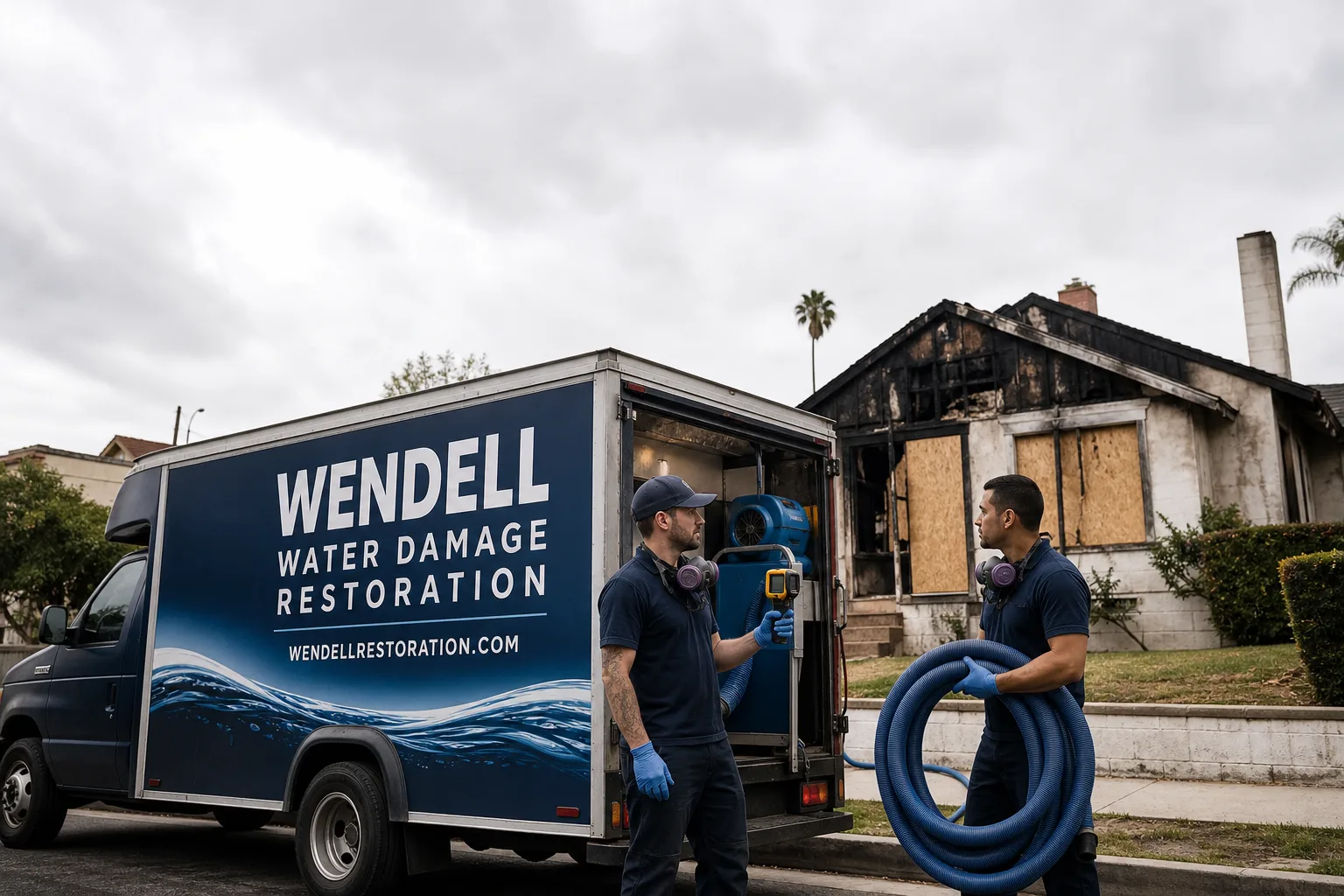
Free visual inspection and a written scope of work before any mitigation begins - photos, moisture readings, and drying logs go in your claim file
The scope we write is the scope we bill. Anything new gets shown to you, in writing, before we touch it.
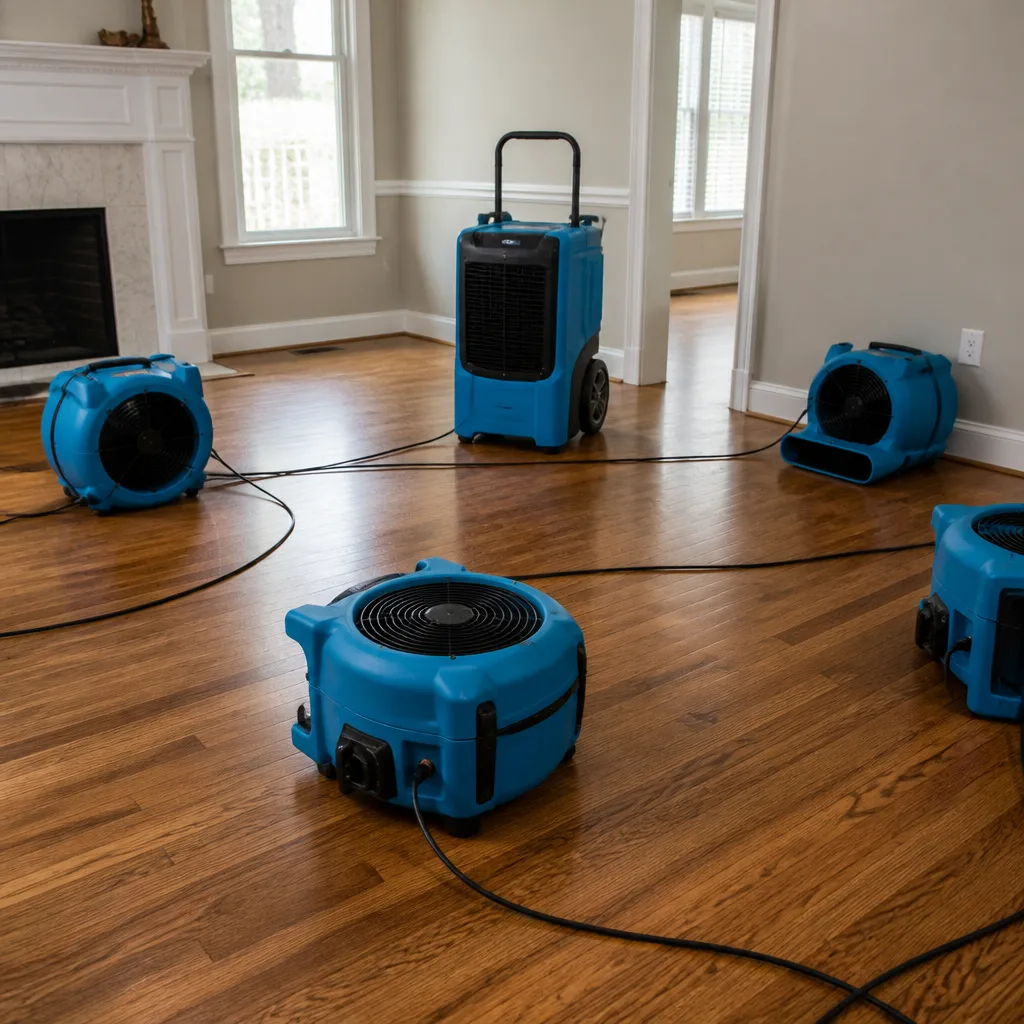

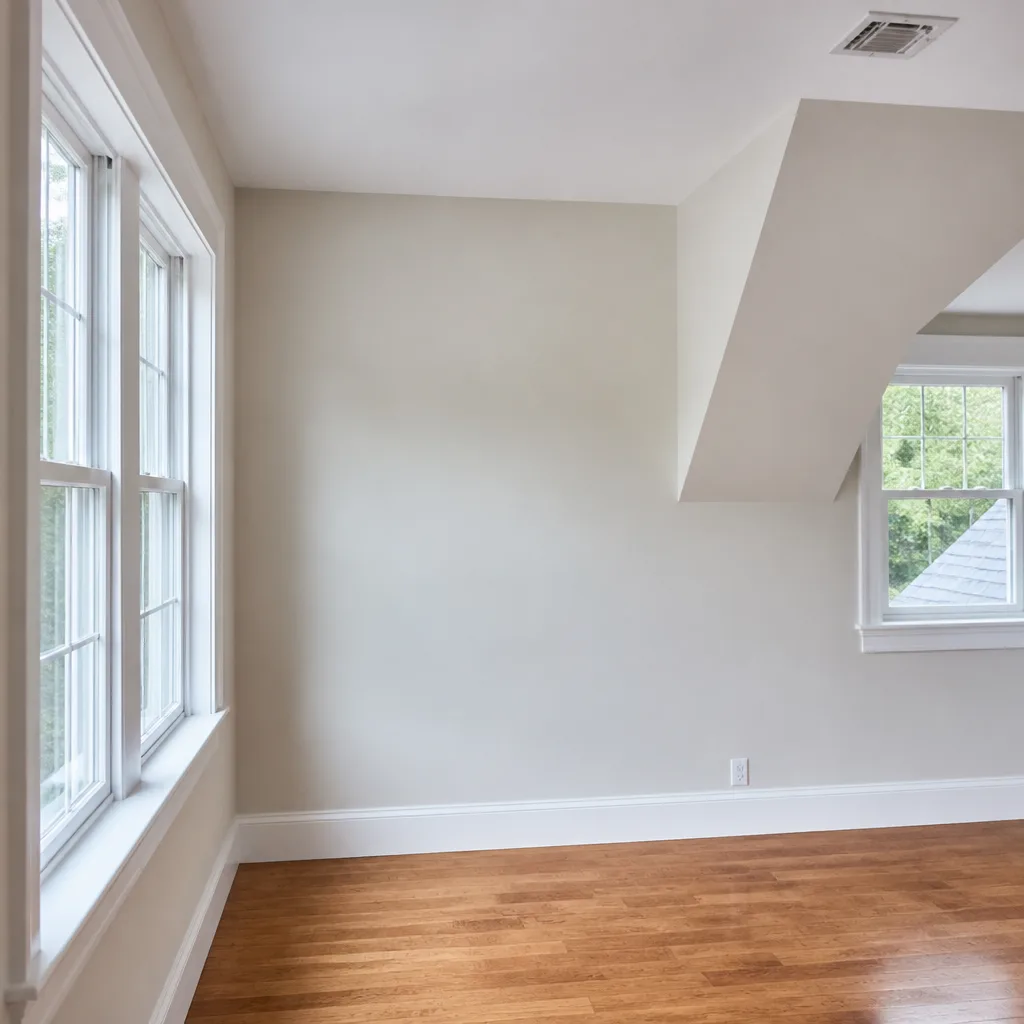

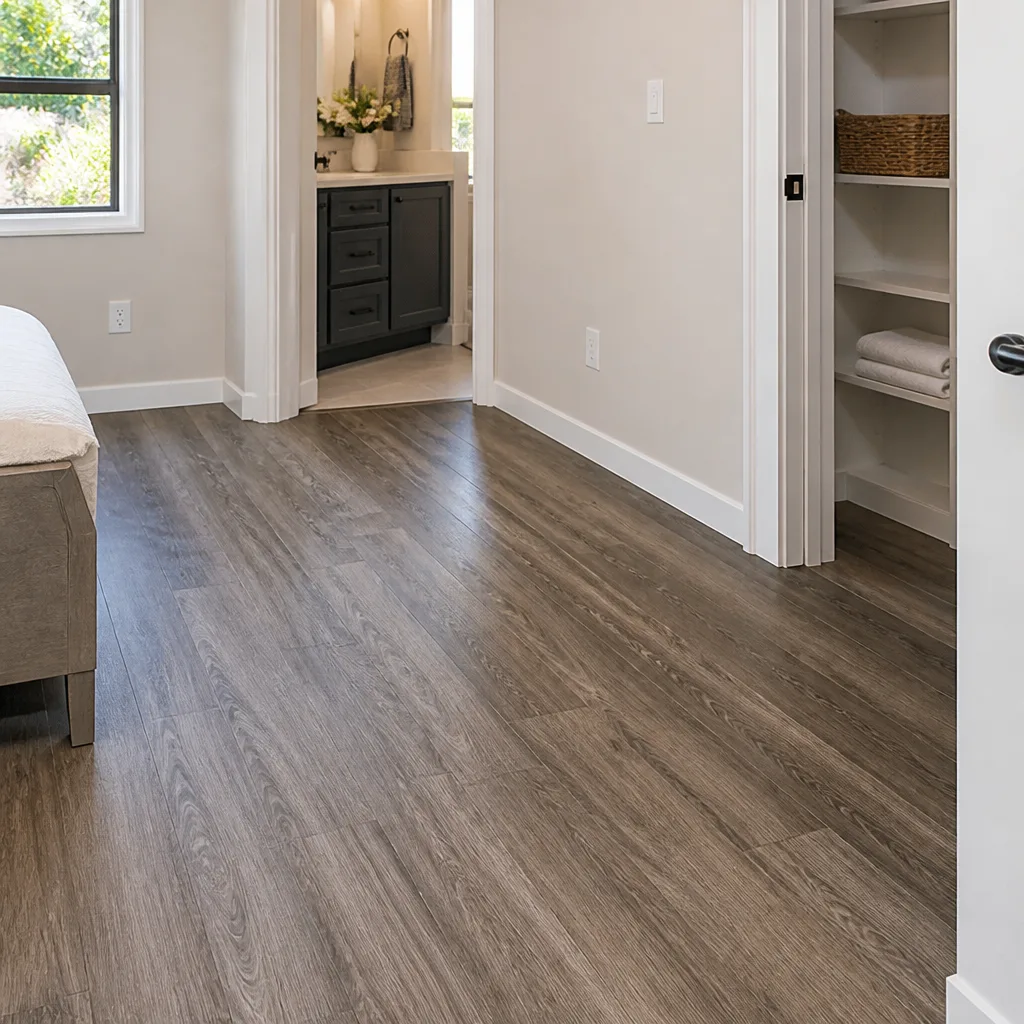

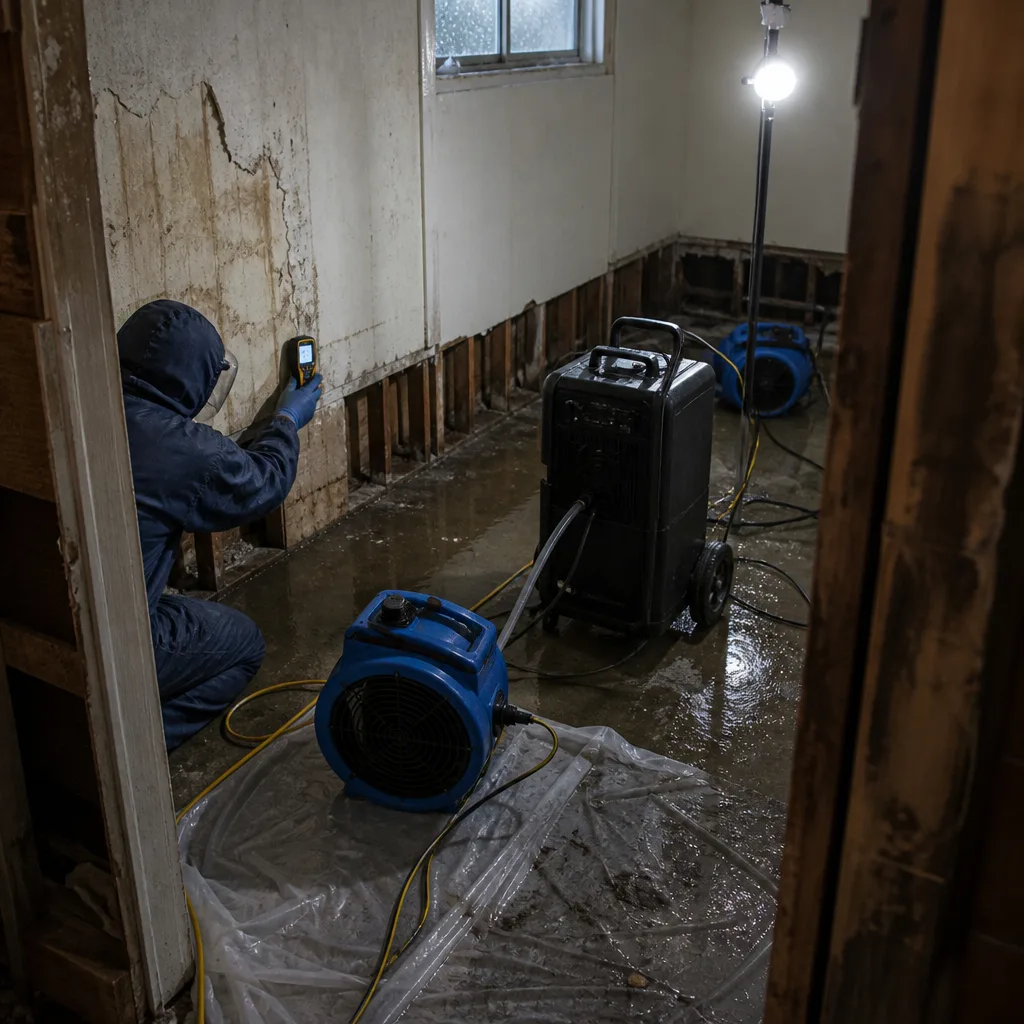 Before
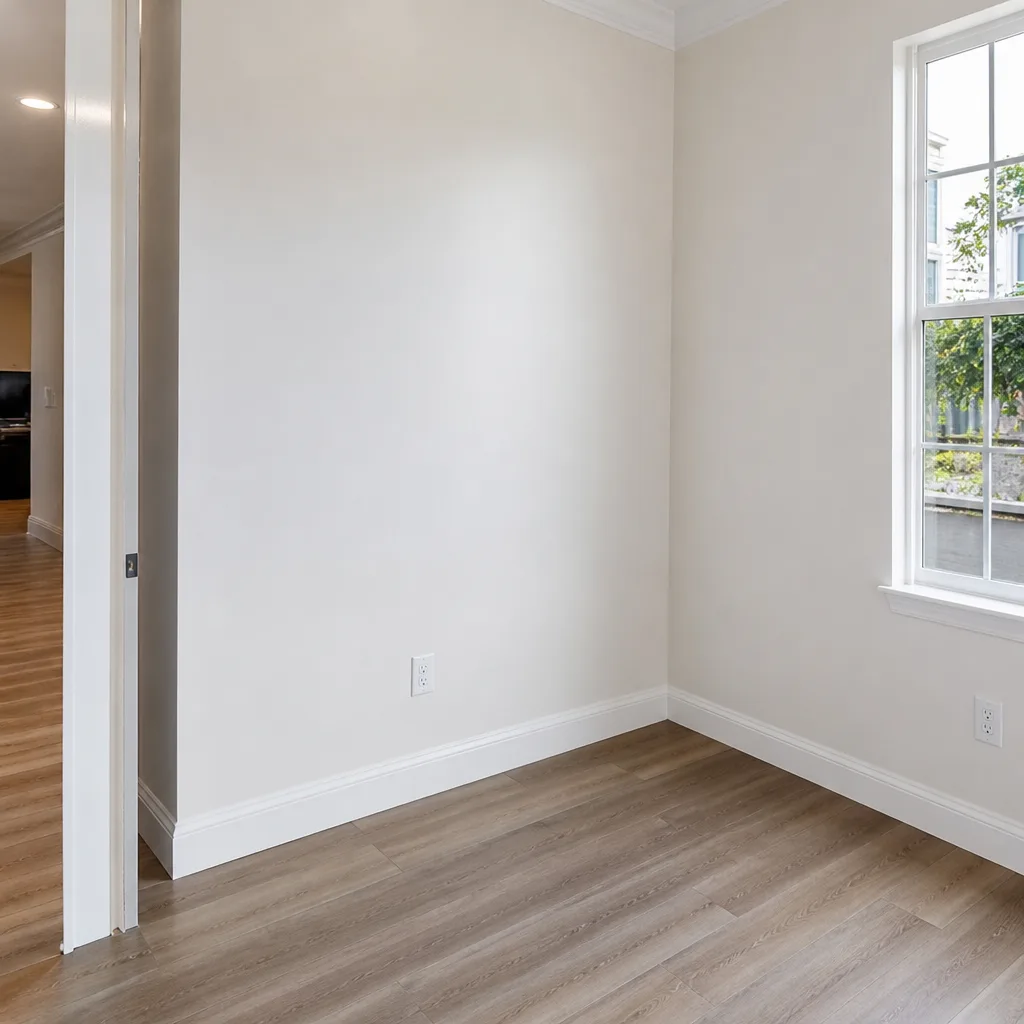 After
After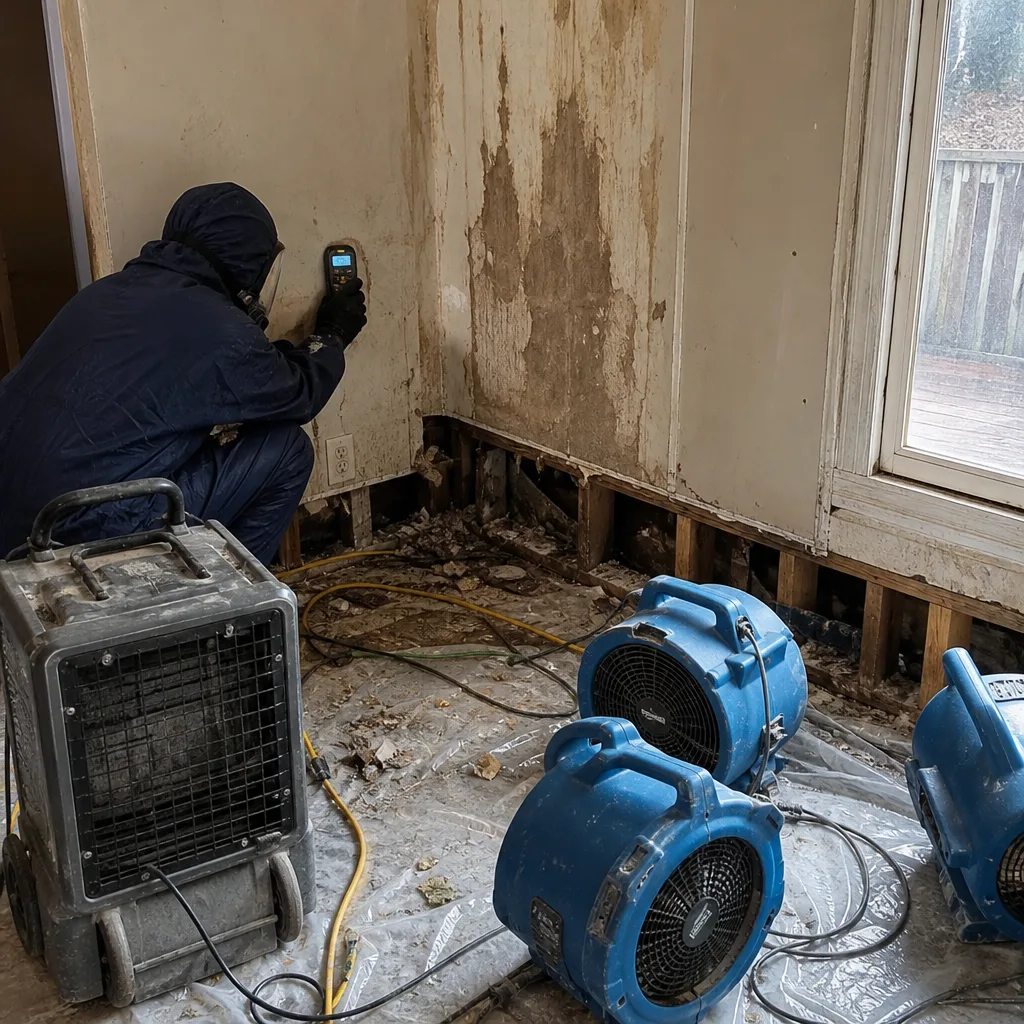 Before
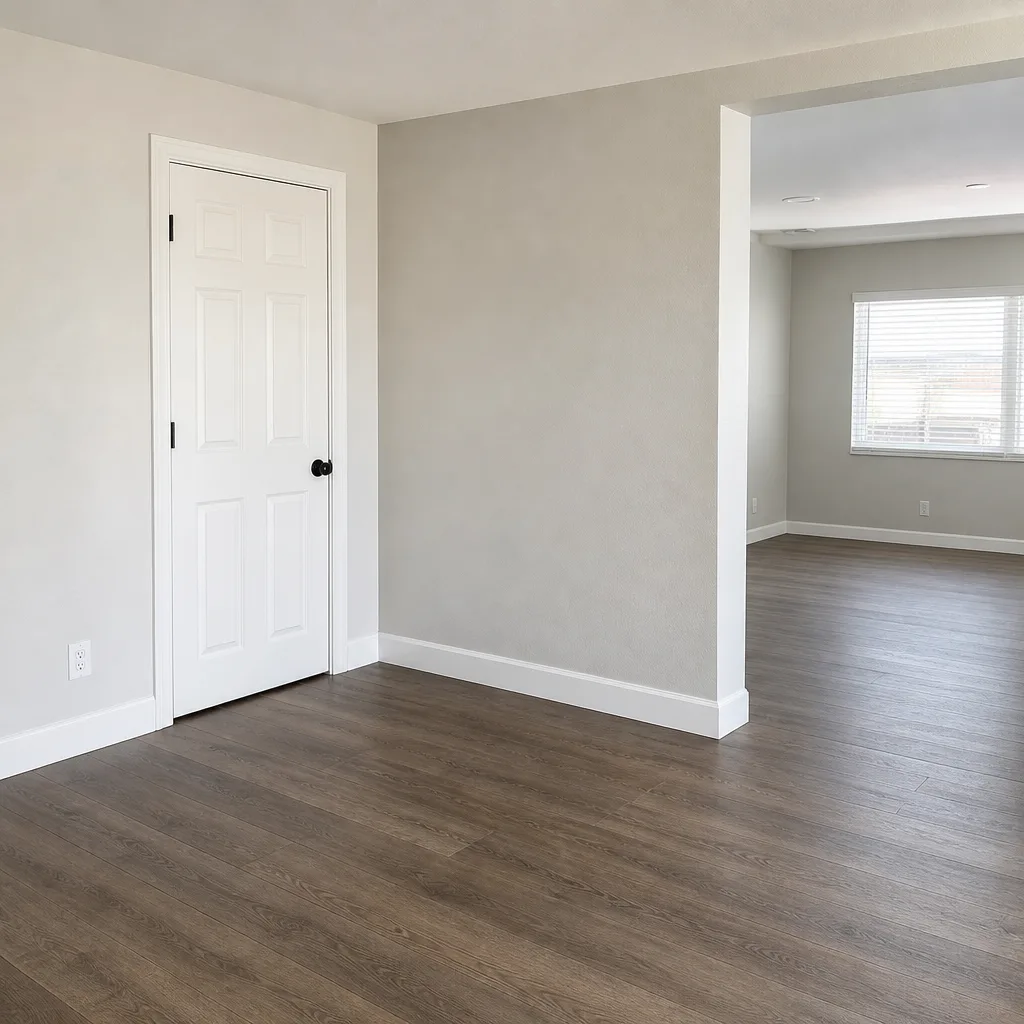 After
After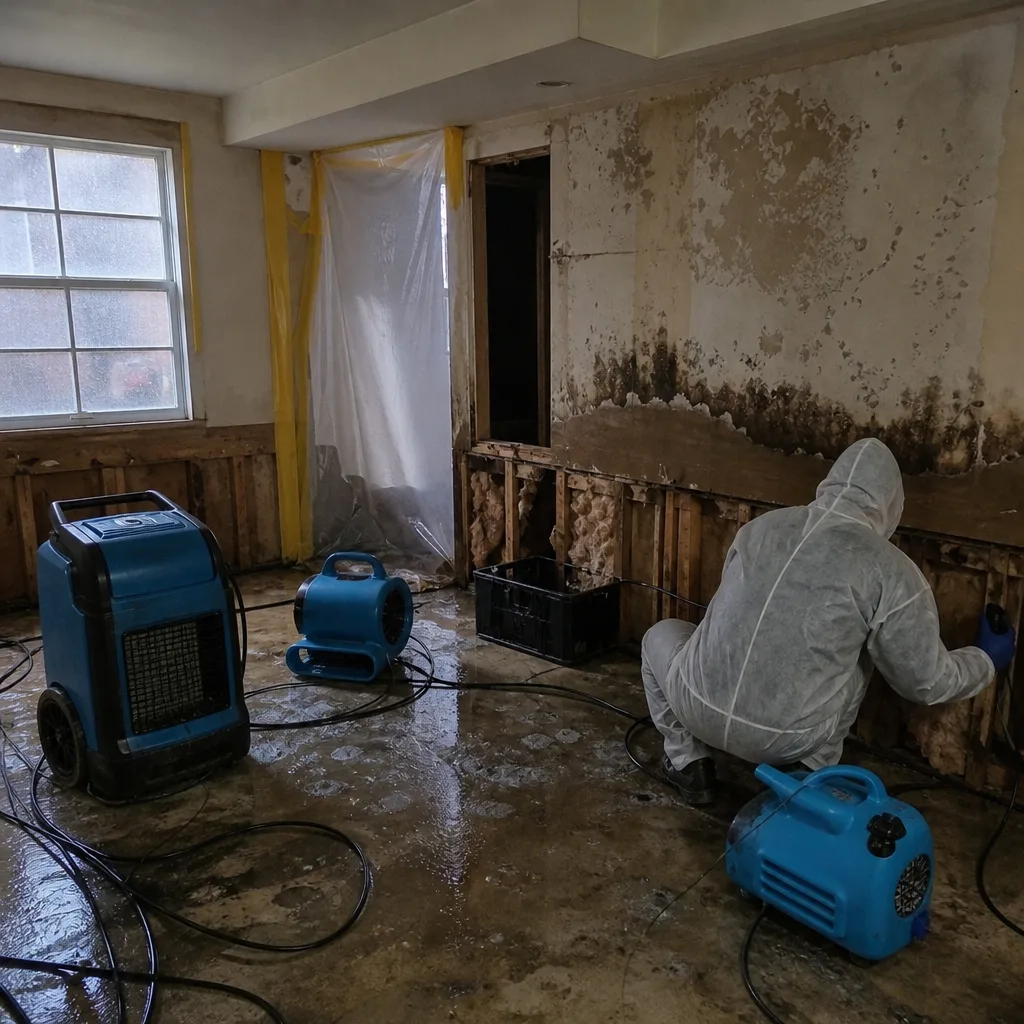 Before
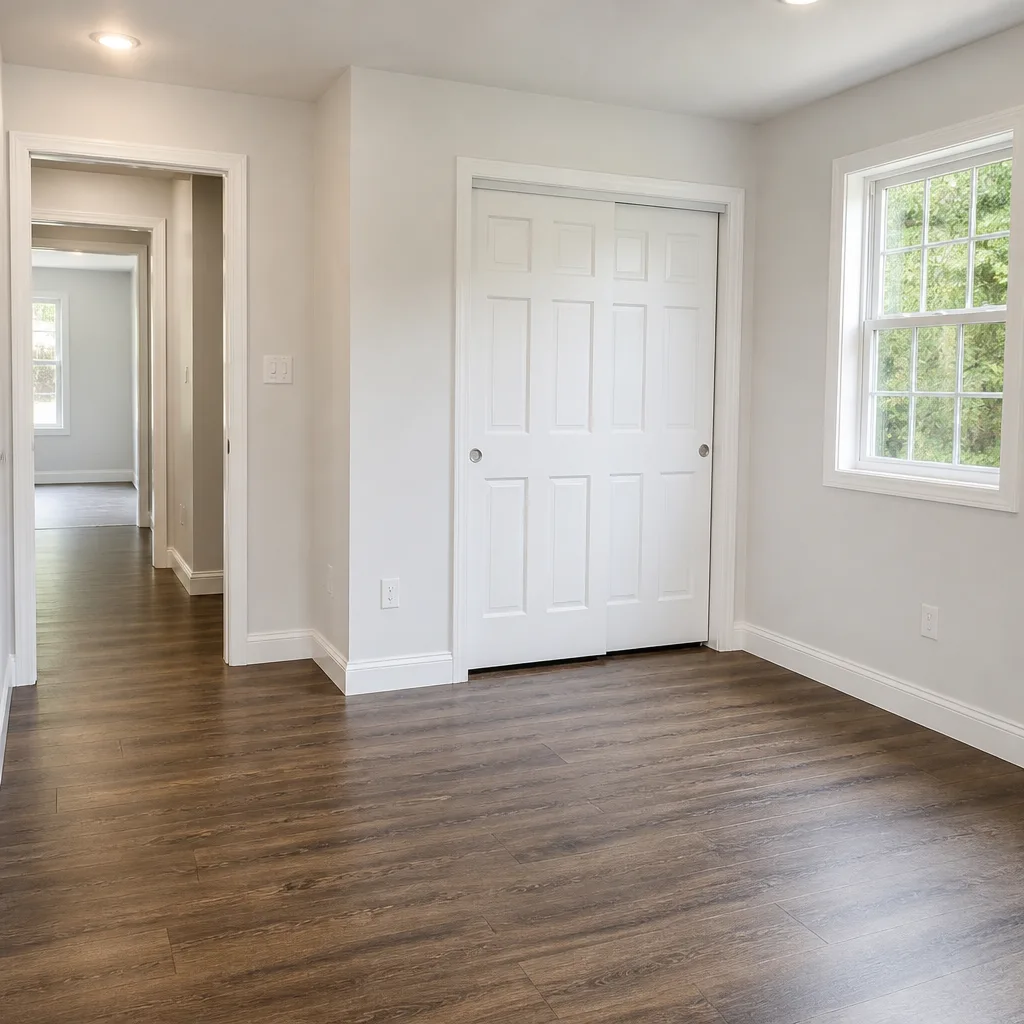 After
AfterWhat’s Happening
If your mold remediation stopped working, it almost always means the underlying moisture source was never fully resolved – and mold is doing exactly what mold does when it has water: growing back. This is not a sign that the original remediation was done wrong, though that is possible. It is more often a sign that a new leak, elevated humidity, or hidden condensation restarted the cycle after the job was closed out.
Mold needs three things: a surface, warmth, and moisture. Remediation removes the mold and the contaminated material. What it cannot do is eliminate moisture that reappears after the crew leaves. When you see visible growth returning, smell that earthy-sweet odor again, or notice your allergy symptoms creeping back in a room that was previously treated, moisture is almost certainly back in the picture. The fix starts with finding exactly where it is coming from – not just cleaning the surface again.
Why It Happens
A Slow Leak Restarted After the Work Was Done
Plumbing leaks, roof penetrations, and window flashings can drip intermittently. A supply line under a sink might tighten up under normal water pressure and then weep again when pressure spikes. If the mold is returning in the same spot – especially under a cabinet, along a baseboard, or near a window frame – a slow active leak is the most likely cause. Run your hand along the back of the cabinet or press a dry paper towel against the wall material; if it comes away damp, you have confirmed what you need to confirm.
Relative Humidity in the Room Is Too High
Mold can grow without any visible drip at all. When indoor relative humidity stays above roughly 60 percent consistently, surfaces like drywall paper, wood framing, and grout absorb enough ambient moisture to support active colonies. This is especially common in bathrooms without adequate exhaust ventilation, basements, and rooms on the north side of a home. If the room feels heavy or you notice condensation on windows regularly, humidity is almost certainly the culprit.
The Original Moisture Source Was Misidentified
Sometimes the remediation addressed what was visible without identifying the true source. A technician dried and treated the drywall, but the water was actually wicking from a slab crack below, a slow roof deck issue above, or a disconnected HVAC condensate line inside a wall. If the mold is returning in a location that does not obviously correlate to a plumbing fixture or exterior wall, this is worth considering seriously. A moisture meter and thermal imaging camera will find what eyes alone miss.
New Building Material Was Installed Without Adequate Dry-Out
When remediation involves removing and replacing drywall, subflooring, or insulation, the replacement material needs to reach equilibrium moisture content before being sealed in. If new drywall went up while the framing behind it was still reading elevated moisture on a meter, you have essentially encapsulated a damp environment. The sign to look for: mold appearing on new material that was just installed, often within weeks of the repair being completed.
What to Do Right Now
- Stop running HVAC fans across the affected area. Circulating air through a space with active mold growth spreads spores to adjacent rooms. Turn off any portable fans you may have aimed at the area.
- Photograph everything before touching it. Take wide shots of the room and close-up shots of visible growth with something for scale – a coin or a pen. Date and time stamp them if your phone does not do this automatically. These photos matter for insurance conversations later.
- Check for obvious moisture sources without disturbing materials. Look under sinks, around toilet bases, along window sills, and at the base of any exterior wall. Do not pull drywall or flooring yourself – disturbing mold-contaminated material without containment spreads the problem.
- Turn off any supply valves you can identify as feeding a suspected leak. Under-sink valves and toilet supply valves are simple quarter-turns. If you cannot isolate a suspected source without cutting into a wall, leave it alone and let a technician handle it with proper containment in place.
- Do not attempt to clean or paint over the growth. Surface-cleaning active mold without addressing moisture does not fix anything – it delays the diagnosis and can make the remediation scope larger when a professional does arrive.
How We Fix It
When your local Wendell Water Damage Restoration team arrives, the first step is not cleaning – it is finding moisture. The technician walks the space with a calibrated moisture meter and, where indicated, thermal imaging equipment to locate elevated readings inside walls, under floors, or above ceilings. Nothing gets touched until we know exactly where the water is and why it came back.
Once the source is confirmed, we put the price in writing before any work starts – that is not a policy we bend on. The scope typically involves our Mold Remediation service, often paired with Water Damage Restoration if an active or past leak is identified as the cause. Structural drying with professional equipment from Dri-Eaz, Phoenix, XPOWER, B-Air, and Injectidry follows containment and removal, so replacement materials go into a verified dry environment. Every repair on this job is covered by the 365-Day Done Right Promise: if it is not done right, we make it right – in writing, on every job. If the repair fails, we come back at no charge.
Frequently Asked Questions
Returning mold is a sign of active biological growth in your home, and waiting gives it more surface area and more time to spread spores into adjacent spaces – so no, it should not wait. The longer the moisture source continues unchecked, the larger the remediation scope becomes, which directly affects cost and disruption. If anyone in the home has respiratory sensitivities, young children, or immune vulnerabilities, the urgency goes up further. Call (940) 466-4354 and get someone out to assess it now.
A live person answers every call to Wendell, 24 hours a day – not a voicemail, not a callback queue. When you call (940) 466-4354, you reach someone who can check your local team’s schedule right then and give you a real arrival time you can track to your door, not a four-hour window. Scheduling depends on your location and current volume, but that conversation starts the moment you call.
It depends on the cause. If the mold returned because of a covered peril – like a pipe that burst or a roof leak from a storm – your policy may apply to the new scope of work. Insurance carriers generally want to see documentation showing how and when the moisture source appeared, which is exactly why we photograph the work before and after and can coordinate directly with your adjuster. Your best move is to call us first so we can document the current condition before anything is disturbed.
The honest answer is that remediation holds as long as the moisture is gone. Our process focuses on source identification first – not surface cleaning – so the goal is a dry, verified environment before any replacement material goes in. Every repair is backed by the 365-Day Done Right Promise: if something we repaired fails within that window, we come back and make it right at no cost to you. That promise is in writing on every job, not just something we say on the phone.
Get It Fixed
Your local Wendell Water Damage Restoration team is ready to find the source, stop the cycle, and put a written price in front of you before anything starts. Call (940) 466-4354 right now – a live person picks up every time – or book online. You will get a real arrival time you can track, photos of the work, and a repair backed by the 365-Day Done Right Promise.
Written by Blake Sorensen, Owner and Lead Restoration Technician, Wendell Water Damage Restoration – part of the Relay Home Co. family since 2006.
What Our Customers Say
"Estimate was in the app with photos. Final bill matched."
- Beth A."Ceiling repaired, painted, and matched. The patch around the old water stain is invisible after painting."
- Clara T."Respectful crew, daily updates, and no surprises."
- Yasmin O.