
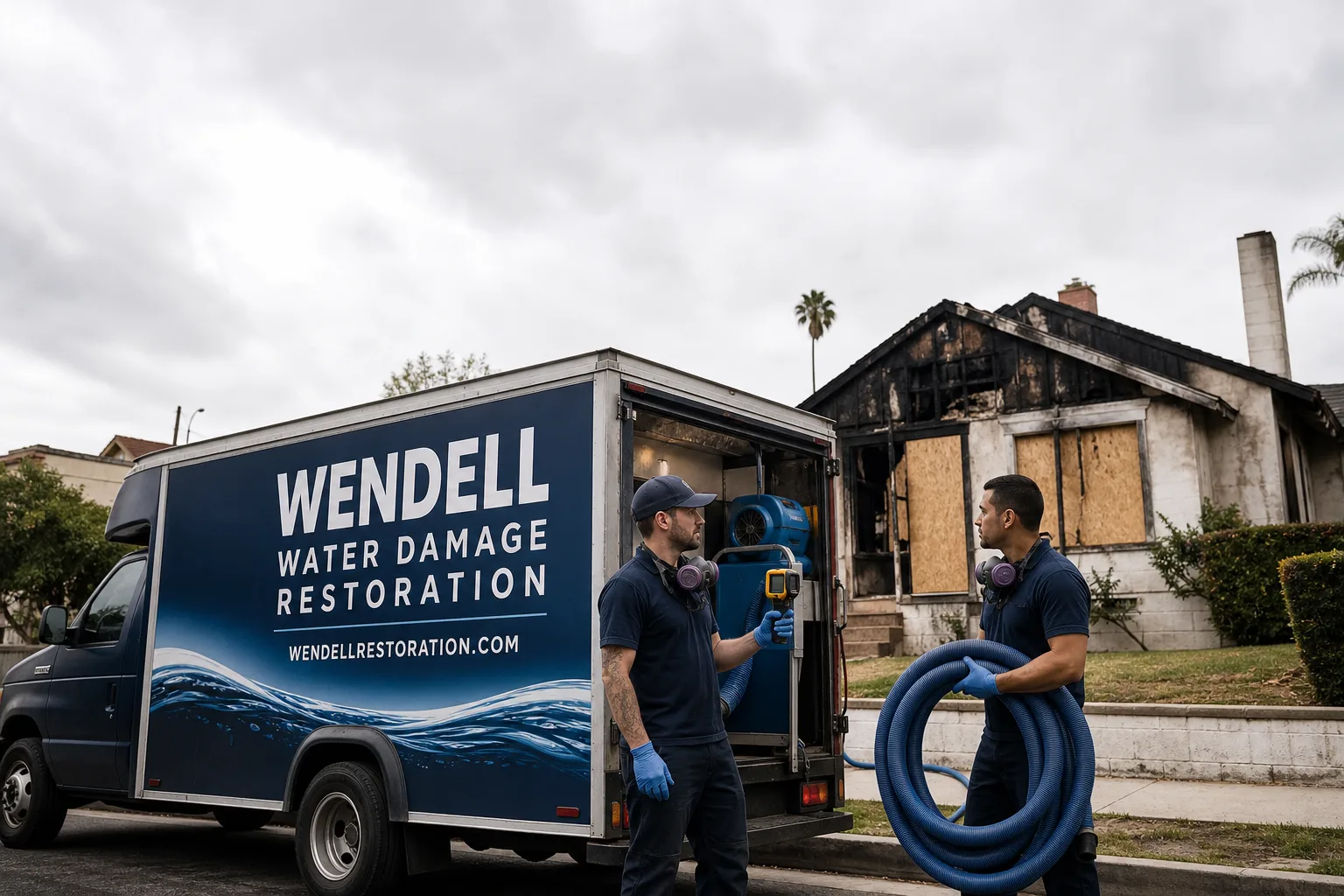
Free visual inspection and a written scope of work before any mitigation begins - photos, moisture readings, and drying logs go in your claim file
The scope we write is the scope we bill. Anything new gets shown to you, in writing, before we touch it.
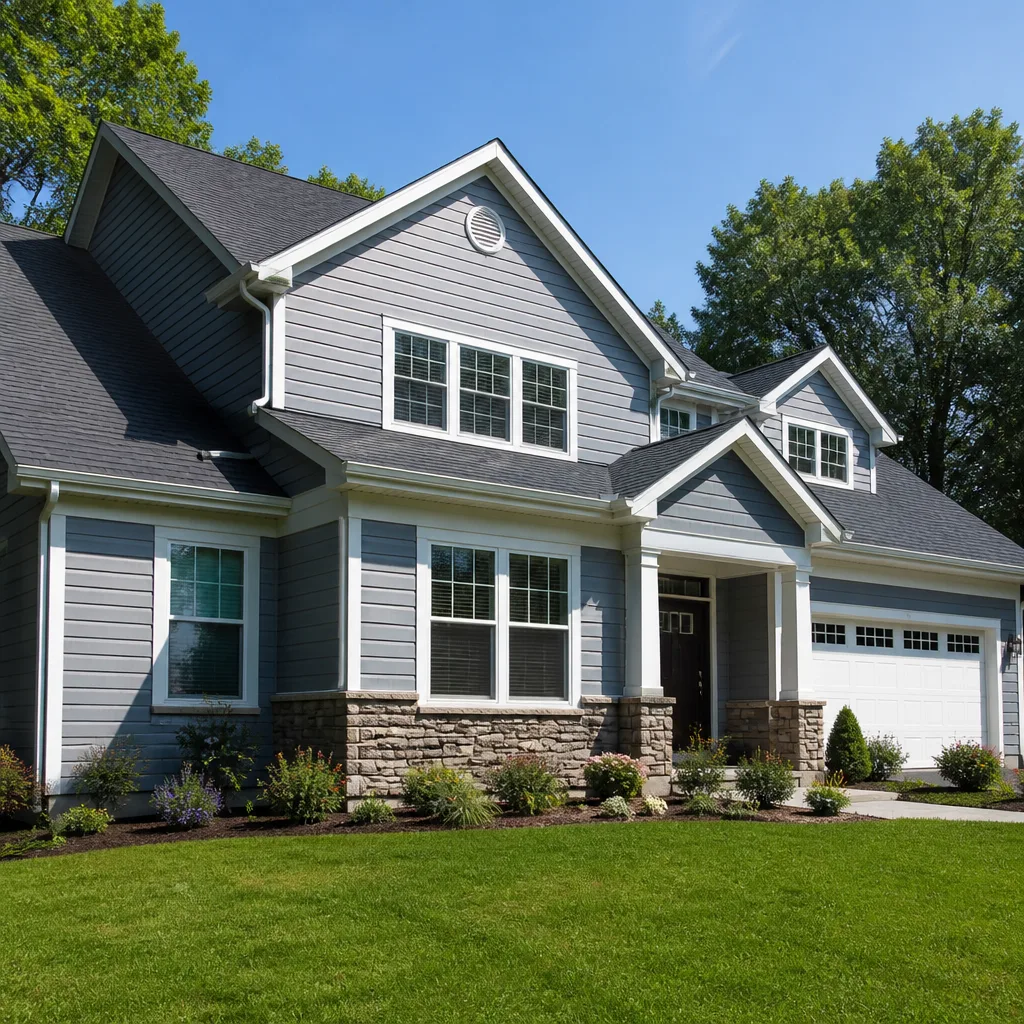
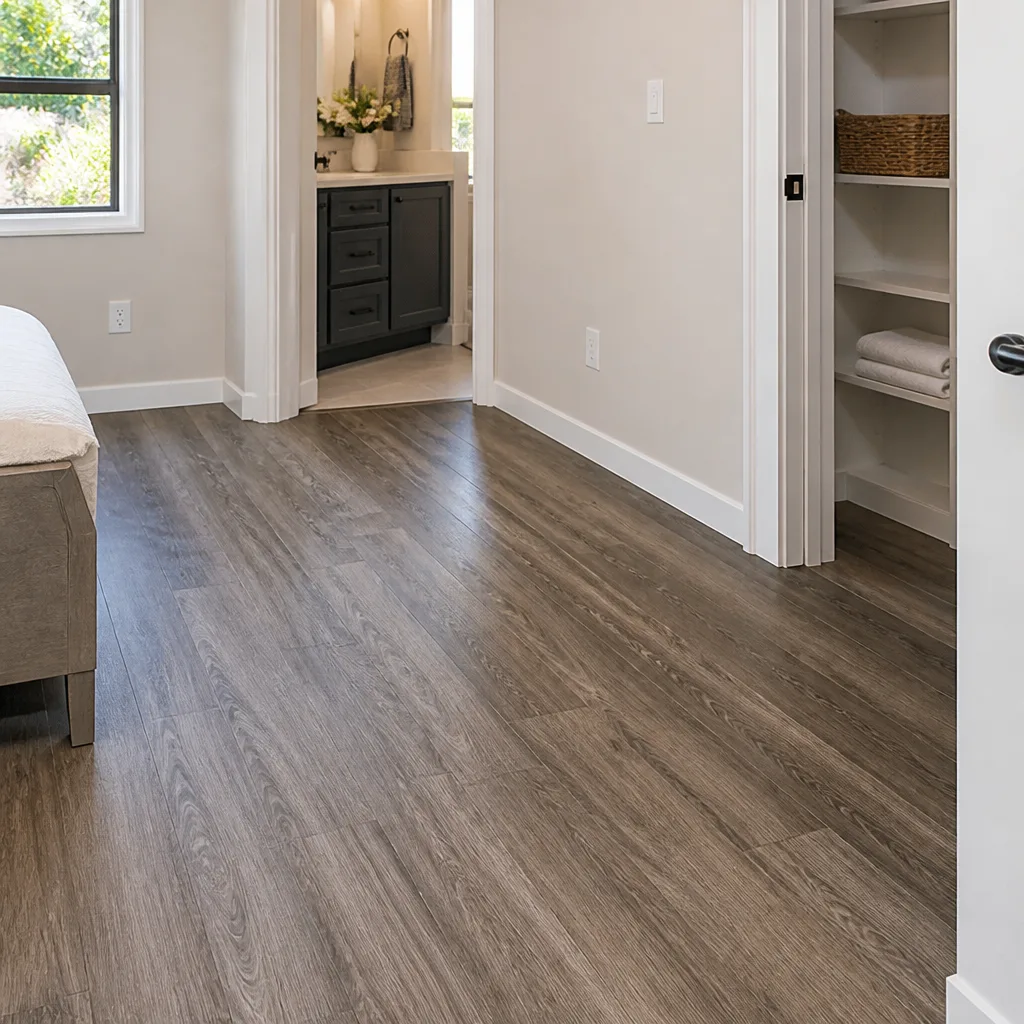
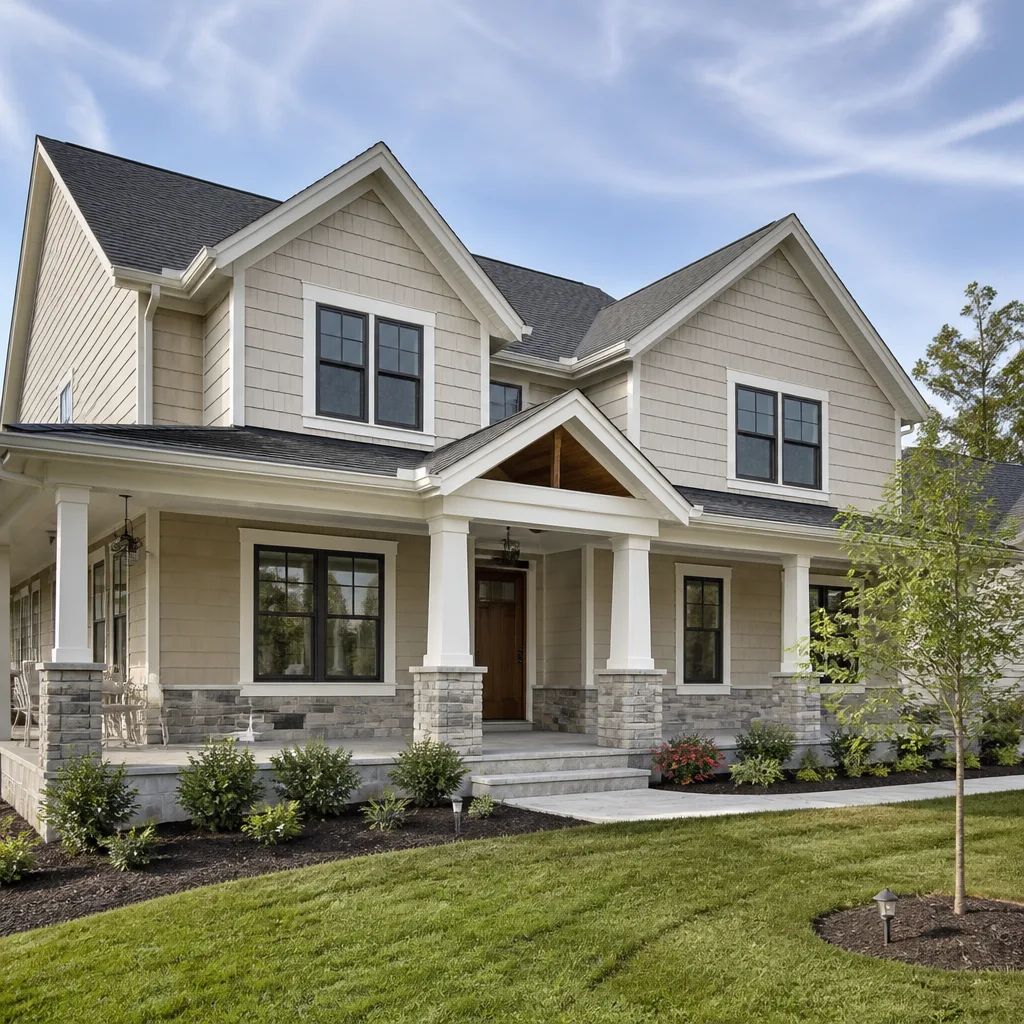
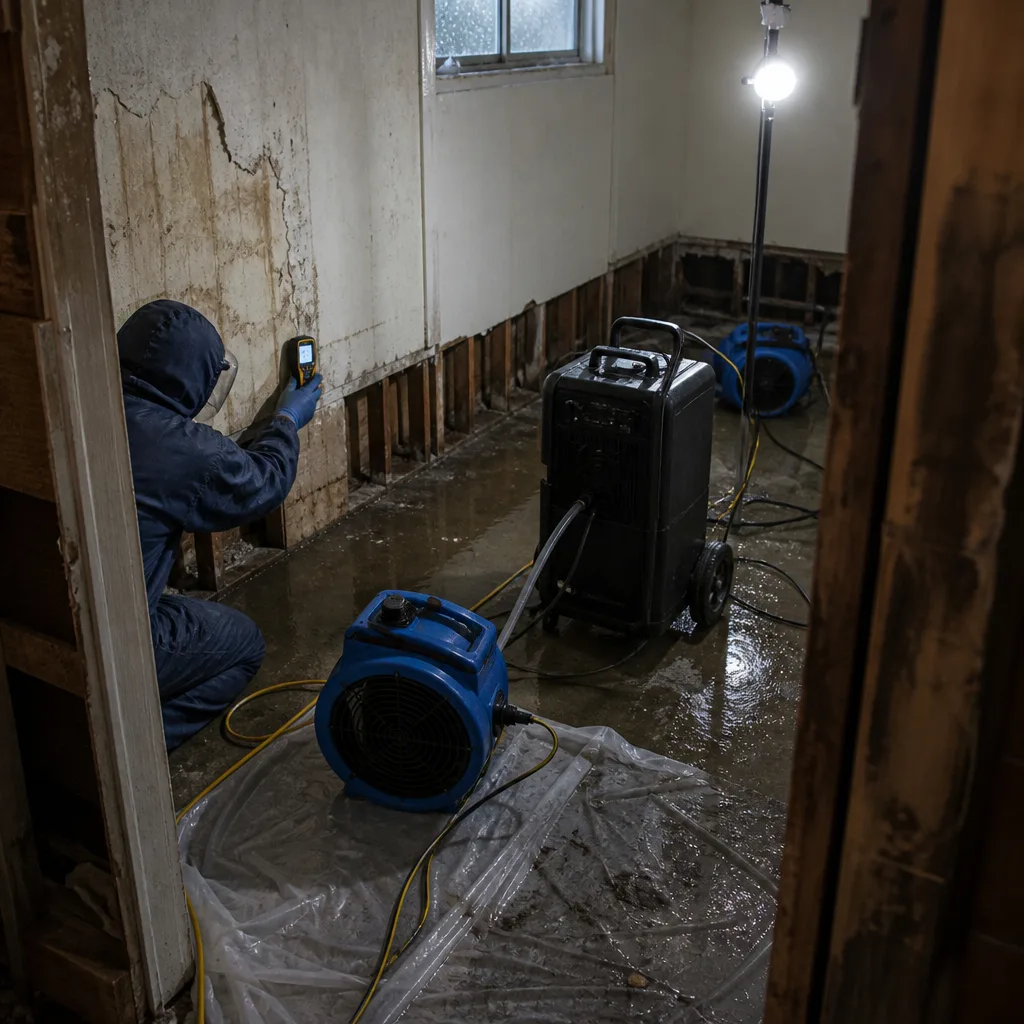 Before
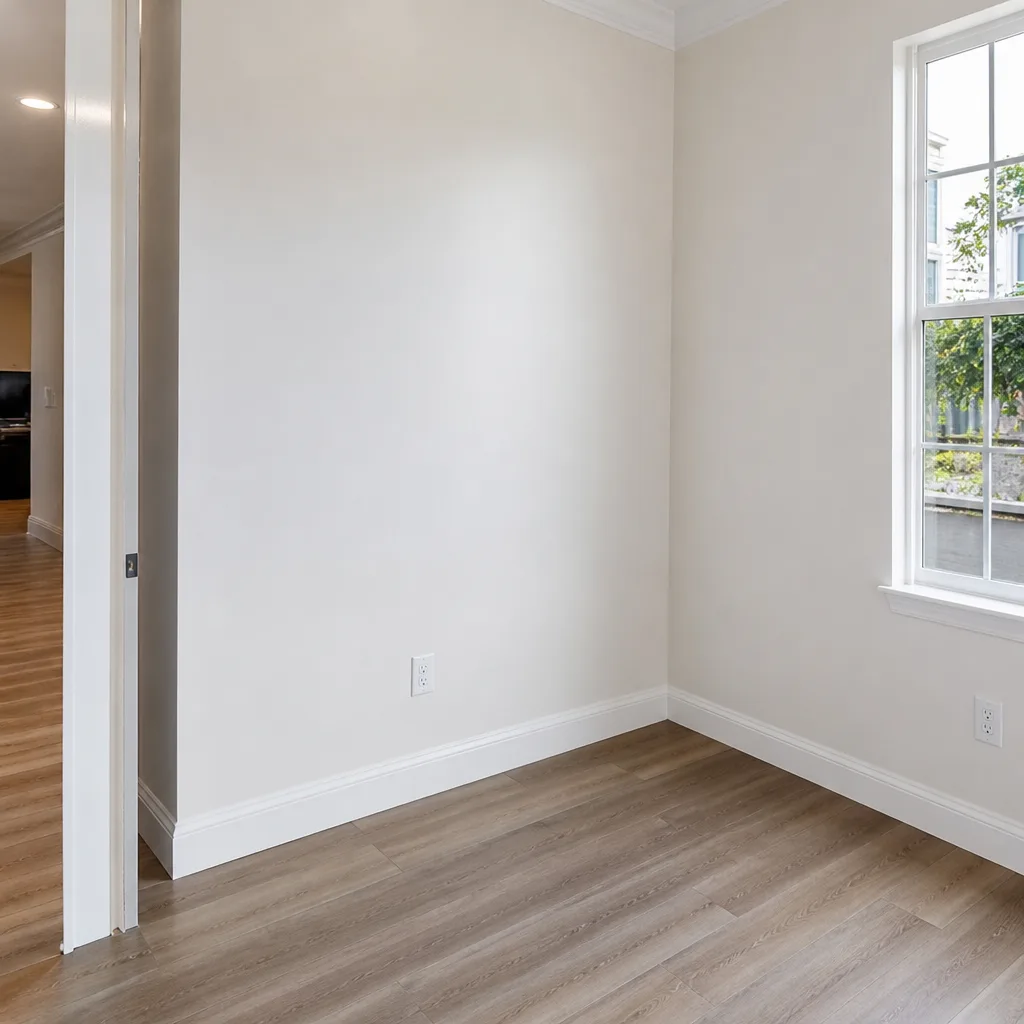 After
After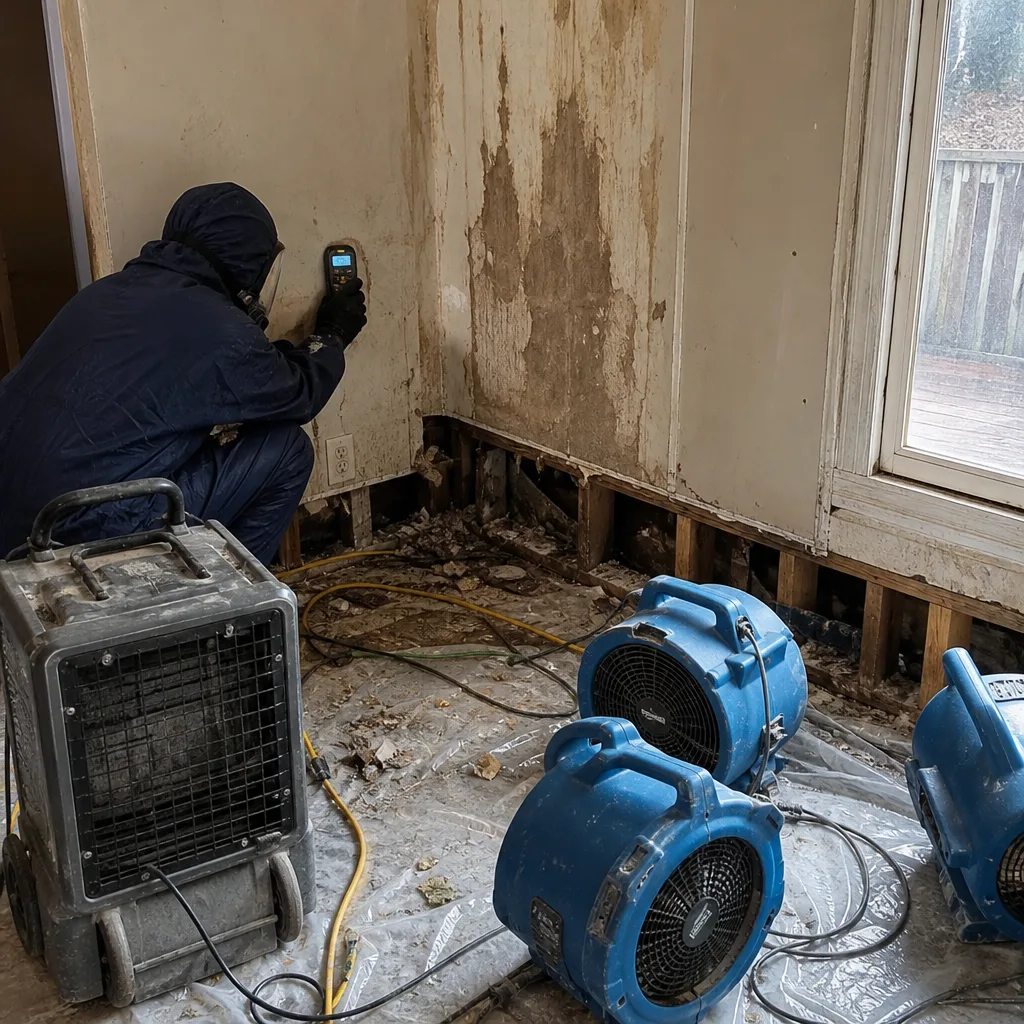 Before
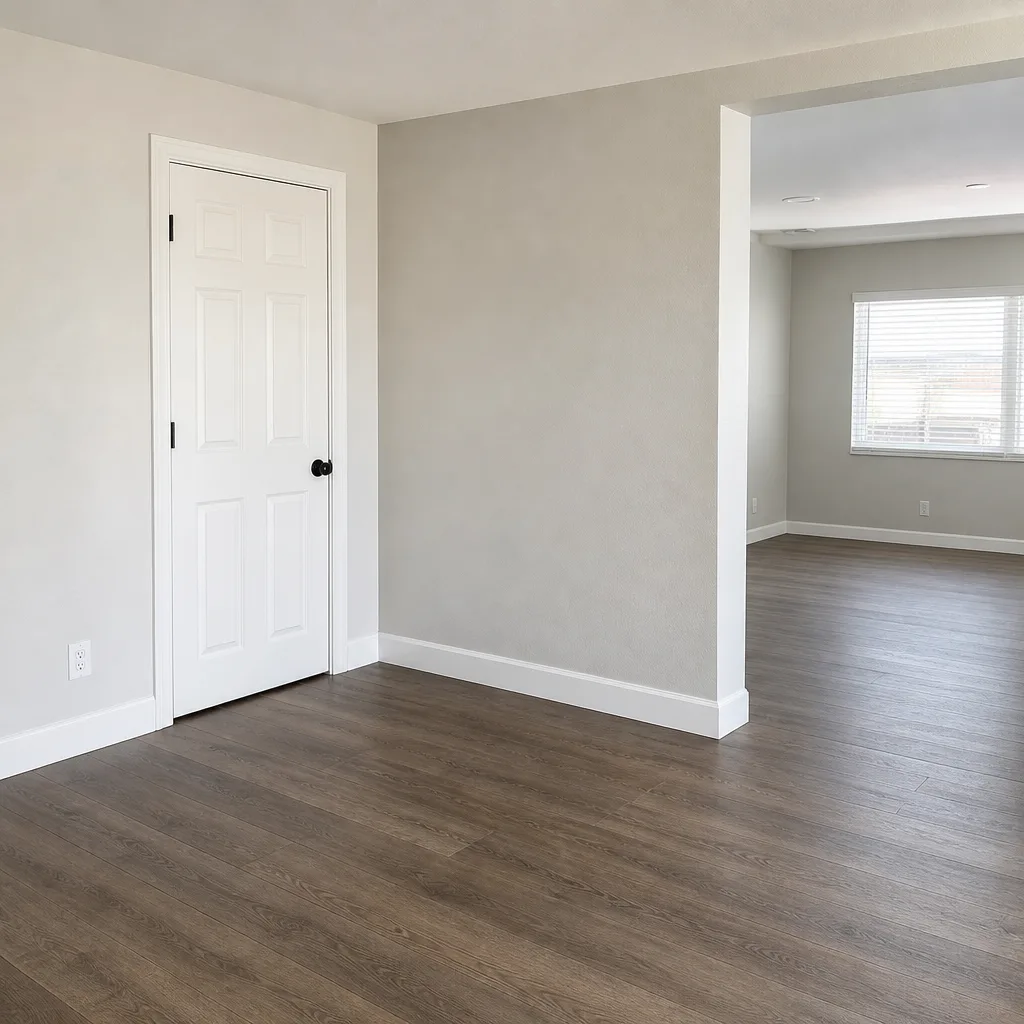 After
After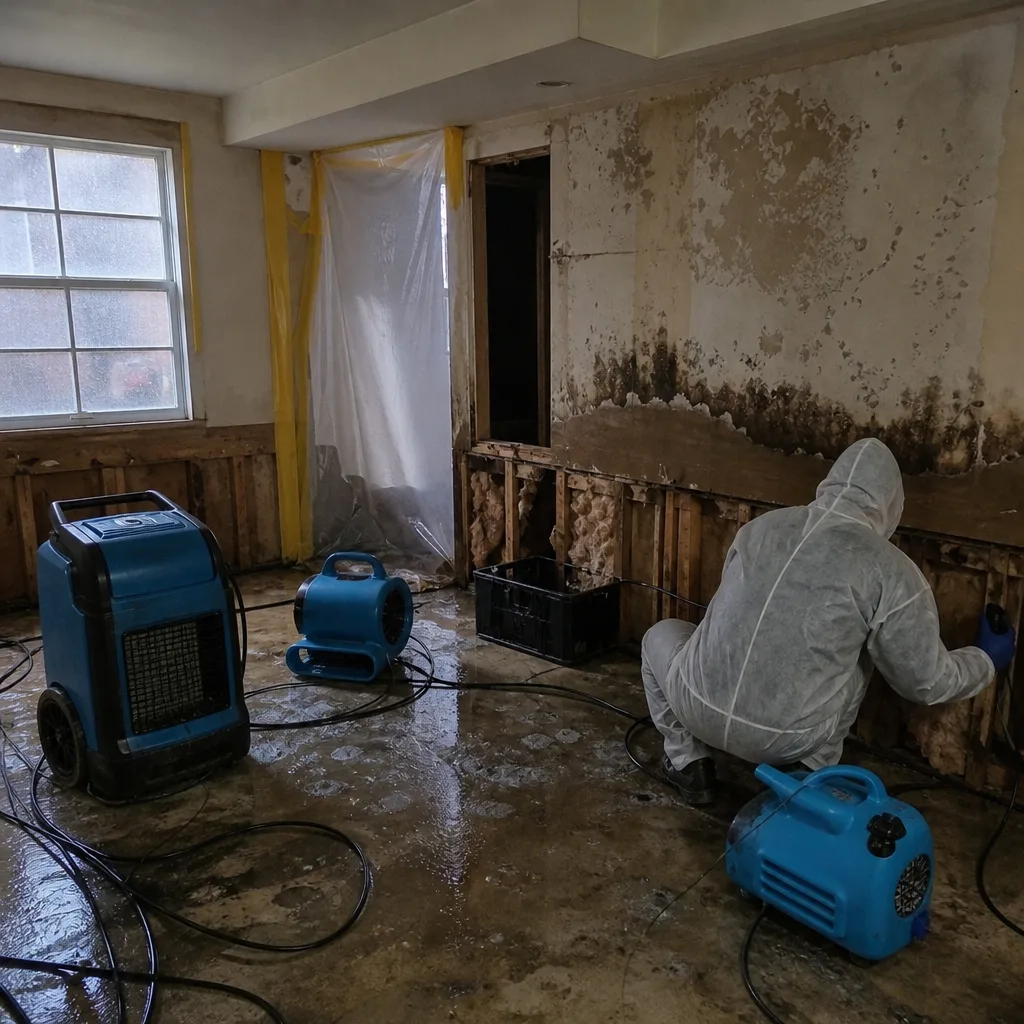 Before
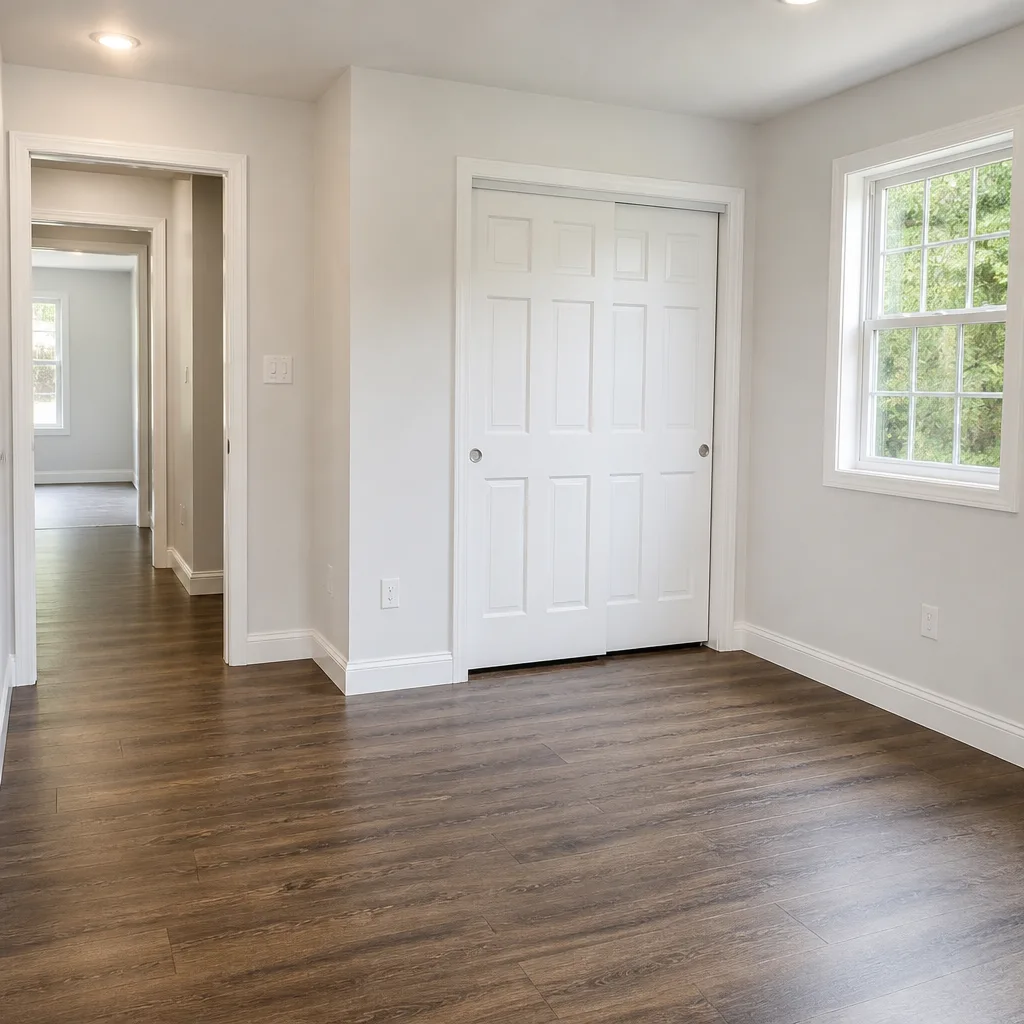 After
AfterFast, Reliable Mold Remediation Across Millwood
Mold remediation in Millwood typically costs $1,800 – $6,500 depending on how far the colony has spread behind finished walls and into crawlspaces. Most Millwood jobs we handle are done within 3 to 5 days, start to finish. If you’ve spotted staining on a basement wall, caught a musty smell near the Saw Mill River side of town, or had a leak you thought you dried out, call (940) 466-4354 and a live person answers, day or night. We know exactly the kind of homes Millwood has and the ways Millwood Water Damage Restoration stops water from sneaking into them.
Millwood isn’t a town of cookie-cutter new builds. The housing stock runs heavily to mid-century split-levels and colonials, and a lot of them sit on slab-on-grade foundations or shallow crawlspaces. That changes how mold behaves. Water trapped in a finished basement wall cavity doesn’t announce itself for weeks. By the time you see the stain, the colony is already established. We schedule our Mold Remediation inspections in Millwood same-day or next morning, because 24 hours is genuinely the difference between a surface wipe-down and a full wall cavity removal.
Why Wendell Water Damage Restoration Is Millwood’s Preferred Mold Remediation Company
We work throughout Millwood every week, and we’ve learned the town’s failure points by walking them. Finished basements off Millwood Road, colonials along Seven Bridges Road with shallow crawlspaces, split-levels off Shingle House Road where the grade slopes toward the foundation. These aren’t just map points to us. They’re the places where we’ve pulled back baseboards and found category 2 water sitting in wall cavities that the homeowner never knew existed.
Blake Sorensen runs our Millwood response, and the standard he sets is simple: a written price before any tool comes off the truck, a live arrival time you can track, and before-and-after photos sent to your phone as the job progresses. That’s The Relay Standard, and every Millwood customer gets it. Founded in 2006 and part of the Relay Home Co. family, Wendell operates each location independently, so when you call about a Millwood job you’re talking directly to the team that shows up at your door.
Background-checked, uniformed technicians. No four-hour windows. No price that changes when the crew walks in. And every single job includes our 365-Day Done Right Promise in writing: if it’s not done right, we make it right, and you get a free second visit if the repair fails.
Mold Inspection in Millwood
Mold Inspection in Millwood is the first step we recommend for any homeowner who smells mustiness, sees staining, or had water anywhere near finished walls or a crawlspace. A proper inspection here means checking what’s behind the drywall, not just what’s on it. Millwood’s mid-century construction traps water in ways newer builds don’t, so we don’t do visual-only inspections. We use moisture meters and thermal imaging to find elevated readings inside wall cavities and under flooring, then test air samples where we suspect airborne spores. A Millwood mold inspection with lab testing typically runs $350 – $650 depending on square footage and the number of sample points. You get a plain-English report with photos and exact recommendations, not a sales pitch.
When a Millwood Homeowner Needs This
After any basement leak, roof leak, or ice dam, get an inspection before you patch the drywall. In Millwood, roof leaks and ice dams from winter storms push water down inside finished basement walls on split-levels, where it sits invisible until the colony is well established. If you close up the wall without checking, you’re sealing the mold in. A post-remediation verification inspection also matters: we test to confirm the spore count inside your home matches the outdoor baseline before we call the job done.
What We Check During an Inspection
We inspect the full moisture path: foundation sill plates, baseboards, carpet tack strips, wall cavities behind finished panels, crawlspace joists, and the exterior grading and drainage that feed the problem. In Millwood, a lot of the mold we find traces back to downspouts and surface water running toward the foundation. An inspection that skips the outside is incomplete.
Mold Removal Specialist in Millwood
A Mold Removal Specialist in Millwood does the physical work of taking out colonized materials and treating what remains. That means removing porous drywall, insulation, and trim that mold has penetrated, then applying antimicrobial treatment to the framing and concrete behind it. Professional-grade HEPA air scrubbers from Phoenix and XPOWER run during the entire removal to keep spores from spreading. Most Millwood removal jobs we handle run $1,500 – $4,800 depending on whether we’re opening one wall cavity or gutting a finished basement. The written price always comes before the first cut.
Repair-vs-Replace Guidance
Some materials can be saved and some cannot. Sealed wood, like finished cabinetry or a built-in bar, often survives surface mold if we strip, treat, and dry it properly. Porous materials like drywall and insulation don’t survive genuine colonization, and painting over them just hides the problem for a few months. We walked a Millwood Road basement where a failed copper supply line behind the bar had wicked water across three finished walls. We saved the cabinetry, removed the drywall, and had the family back in a dry, tested basement within a week.
Containment and Air Quality
Before we open any wall, we set physical containment with negative air pressure so mold spores don’t drift into your living space. Air scrubbers with HEPA filtration run continuously. During the job, your home isn’t a construction site with dust everywhere; it’s a sealed work area with a documented air path. In Millwood’s older homes, where ducts and utility chases connect basement to main floor, containment is the step that separates real remediation from a cosmetic wipe-down.
Trusted Brands We Service in Millwood
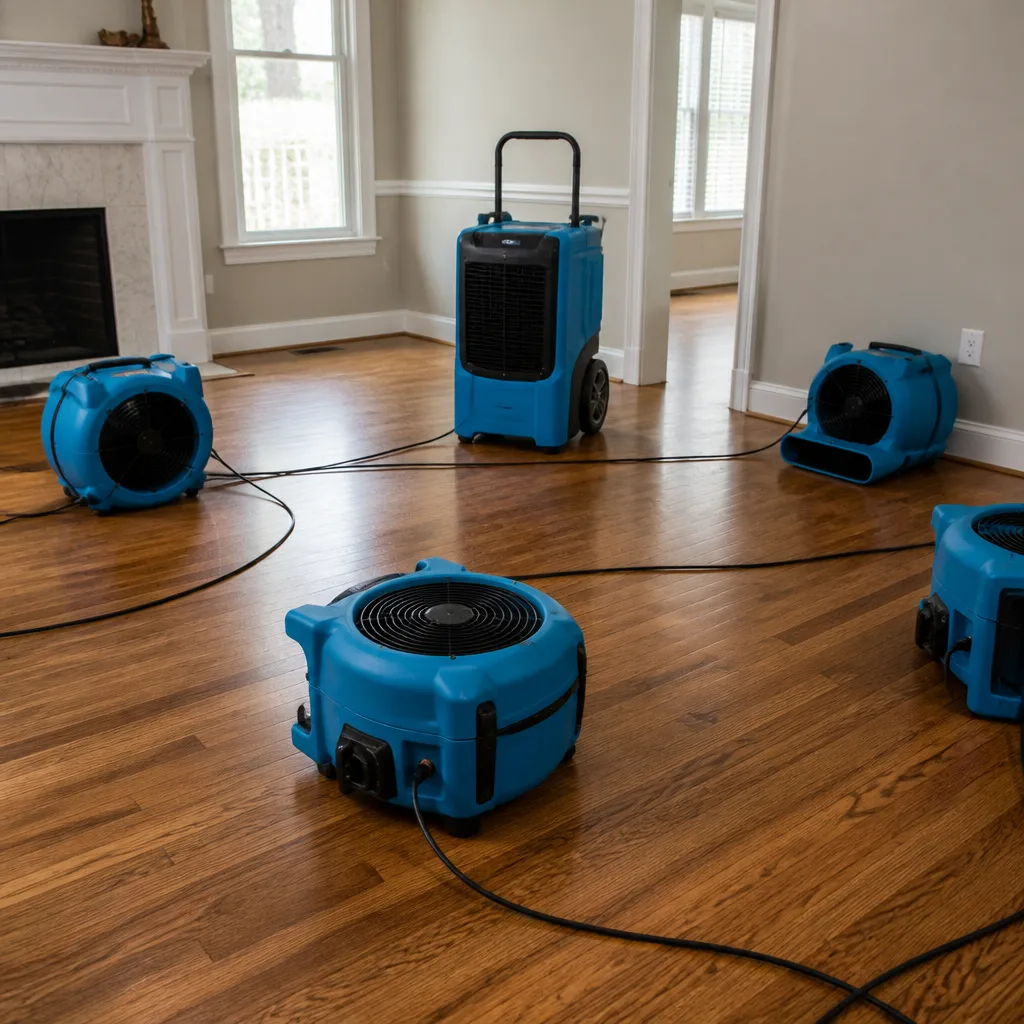
Our Millwood crews run restoration-grade equipment from Phoenix, XPOWER, B-Air, and Injectidry. These aren’t rentals from the hardware store; they’re the same brands used on large commercial loss sites. Low-grain refrigerant dehumidifiers pull moisture out of wall cavities and concrete. HEPA air scrubbers filter airborne spores. Air movers and Injectidry drying systems reach water trapped inside wall cavities without tearing out every square foot of drywall. We keep this equipment stocked locally for Millwood jobs, so there’s no waiting on a shipment when your basement is wet. If something fails mid-job, a replacement arrives the same day, not the same week.
Common Mold Remediation Problems We See in Millwood Homes
- Category 2 water trapped behind finished basement walls. A slow leak behind drywall or a finished panel saturates insulation and framing. The surface looks dry, but the cavity stays wet for weeks. Mold colonizes inside the wall in 24 – 48 hours, and the first visible sign is often a faint musty smell near the baseboard.
- Bleach or paint used on visible mold. It lightens the stain for a few weeks and kills nothing below the surface. Porous drywall and insulation remain colonized. We regularly open walls in Millwood where a previous owner “treated” mold with bleach, and the colony is alive behind the paint.
- Ignored exterior water paths. Millwood’s wooded lots and sloping grades send snowmelt and storm runoff toward foundations. If the downspout dumps water at the foundation or the grade slopes the wrong way, the same basement wall re-wets every spring. We fix the water path or the mold returns.
- Roof leaks tracking down inside walls. Ice dams and flashing failures on Millwood’s colonials and split-levels send water down the interior wall cavity into the basement. The basement looks fine, but the water traveled two floors down and saturated the sill plate. By the time the basement stain shows, the damage is extensive.
Pricing for Mold Remediation in Millwood, NY
Mold inspection with lab testing in Millwood runs $350 – $650. Small removal jobs, like a single wall cavity or a crawlspace spot treatment, run $1,200 – $2,800. Full finished-basement remediation with containment, removal of drywall and insulation, antimicrobial treatment, drying, and rebuild-ready finish runs $3,500 – $6,500. What moves the price: how much wall we open, whether the crawlspace is involved, whether ducts need cleaning, and whether the exterior drainage path needs correction. The price is written before any work starts, texted to your phone as a digital invoice, and the number on that invoice is the number you pay. Call (940) 466-4354 for a free estimate.
We Also Serve Cities Near Millwood
Our crews cover Millwood and the surrounding northern Westchester area daily. We work in Mold Remediation in Millwood and the towns around it: Chappaqua, Mount Kisco, Ossining, and Briarcliff Manor. If you’re in one of those towns and need a mold inspection or removal, call (940) 466-4354 and we’ll have a technician to you quickly.
Serving Millwood, NY - Our Local Coverage Area
We’re based in the Millwood area and know this community well. Use the map below to see our service coverage - if you’re nearby, we can almost certainly help.
FAQs About Mold Remediation in Millwood
Mold colonizes on wet drywall and insulation within 24 to 48 hours. In Millwood’s finished basements, where water sits in wall cavities and the air stays still, that timeline is often the shorter end. If the leak happened more than a day ago, assume mold is present until an inspection proves otherwise. Call (940) 466-4354 for same-day testing.
Yes. We schedule mold inspections in Millwood same-day when you call before early afternoon, and next-morning for calls later in the day. Our technicians are already working in the area most days, so we can often be at your door within hours. Call (940) 466-4354 and a live person will give you a real arrival time.
Category 1 is clean water from a supply line or a faucet. Category 2 is water with some contamination, like a washing machine overflow or a sump pump failure. Category 3 is sewage or outside flood water. Mold can grow from any of them, but categories 2 and 3 require antimicrobial treatment beyond drying. In Millwood, most basement mold we see comes from category 1 supply-line leaks or category 2 sump and drainage failures that sat quietly until mold appeared.
If the mold is only on the surface of sealed wood, metal, or hard tile, we can often clean and treat it without demolition. If it’s on drywall, behind paneling, or inside insulation, those materials are porous and colonized, so they come out. Patching over them just hides the problem. We’ll give you a repair-vs-replace review in writing before any demolition starts, so you know exactly what’s coming out and why.
Low-grain refrigerant dehumidifiers from Phoenix and XPOWER, HEPA air scrubbers, negative-air containment systems, air movers from B-Air, and Injectidry systems for drying inside wall cavities. These are professional restoration-grade units, not consumer dehumidifiers. We follow IICRC, RIA, and IFA standards on every Millwood job.
If you suspect mold in your Millwood home, don’t wait for the stain to spread or the smell to move upstairs. Call (940) 466-4354 now. You’ll get a live person, a written price before any work starts, and a documented plan for getting your home dry and tested clean. That’s how we work in Millwood, every job.
Written by Blake Sorensen, Owner at Wendell Water Damage Restoration, serving Millwood and northern Westchester.