
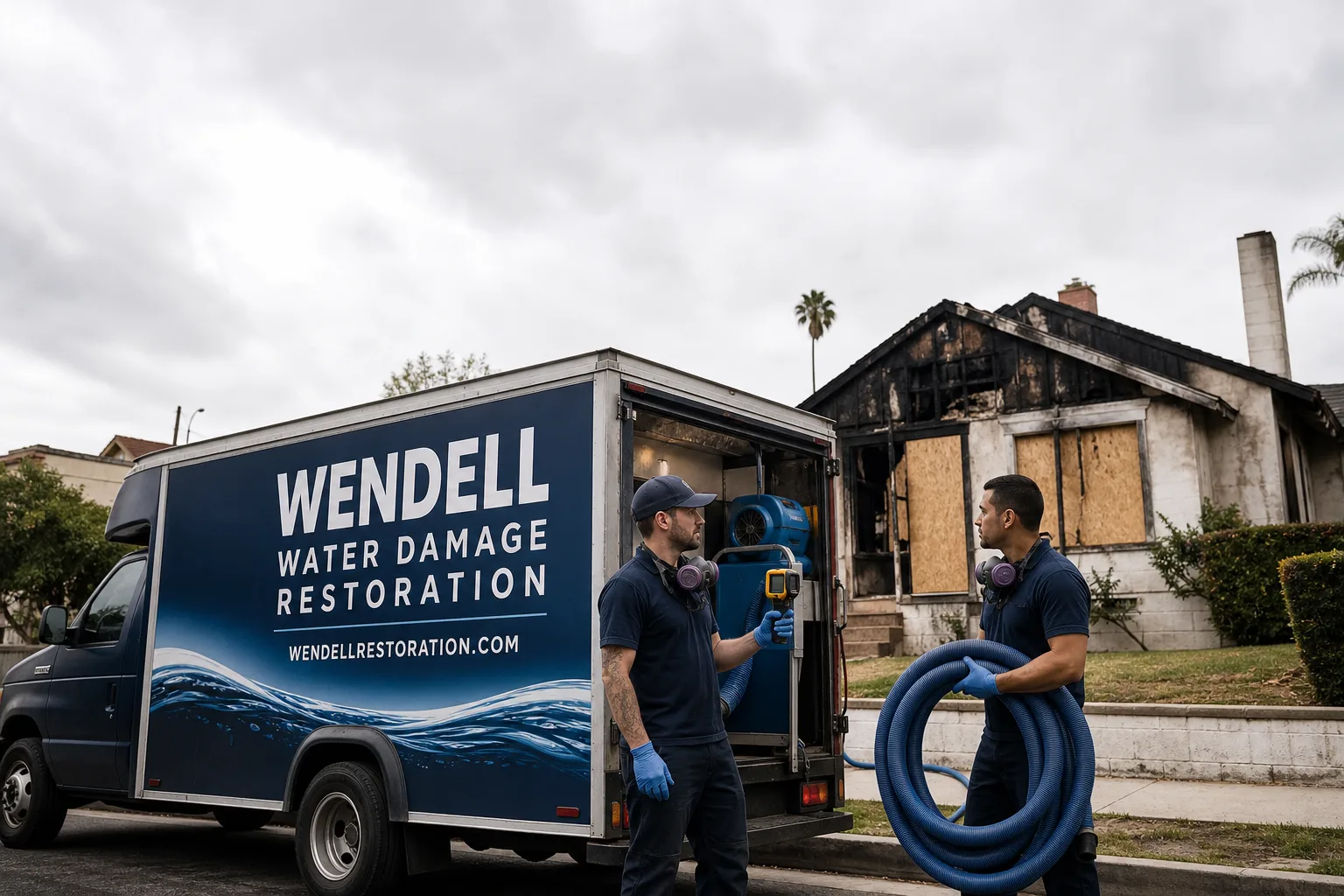
Free visual inspection and a written scope of work before any mitigation begins - photos, moisture readings, and drying logs go in your claim file
The scope we write is the scope we bill. Anything new gets shown to you, in writing, before we touch it.
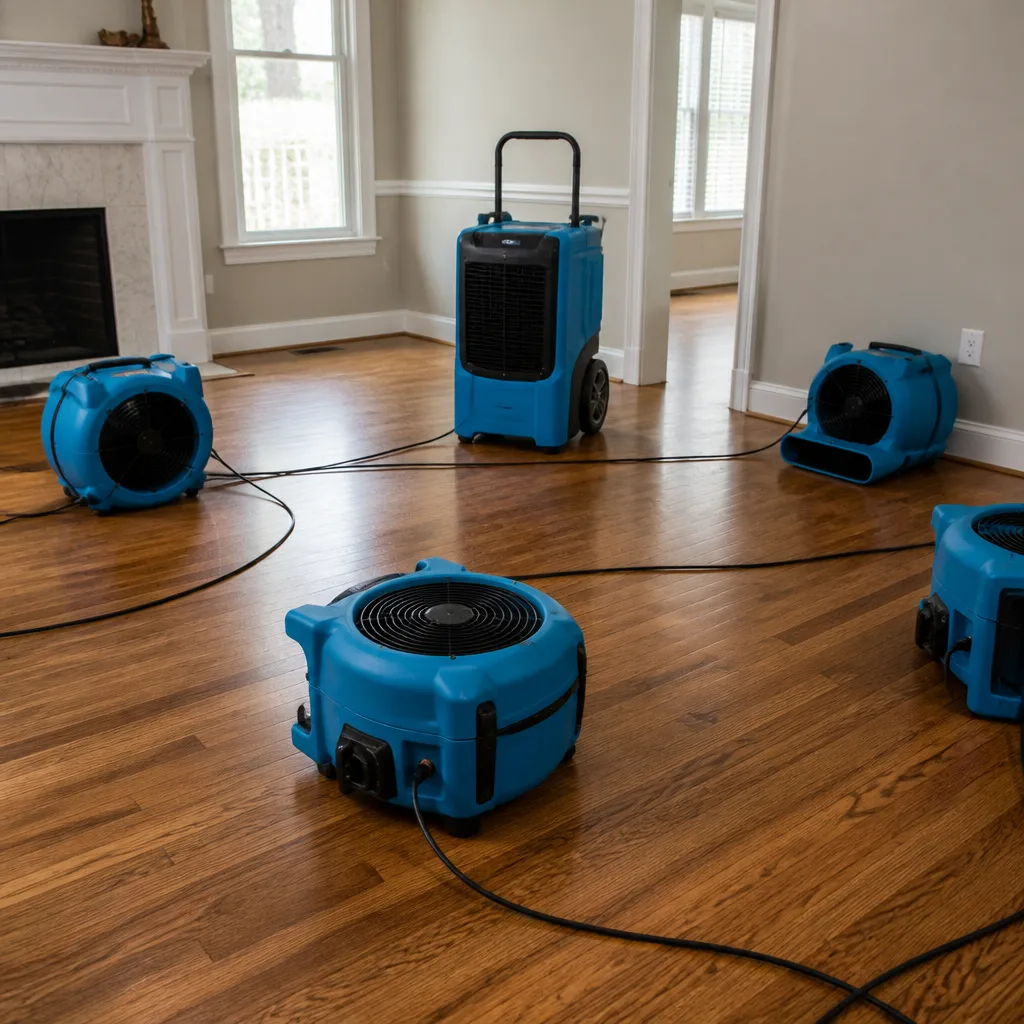

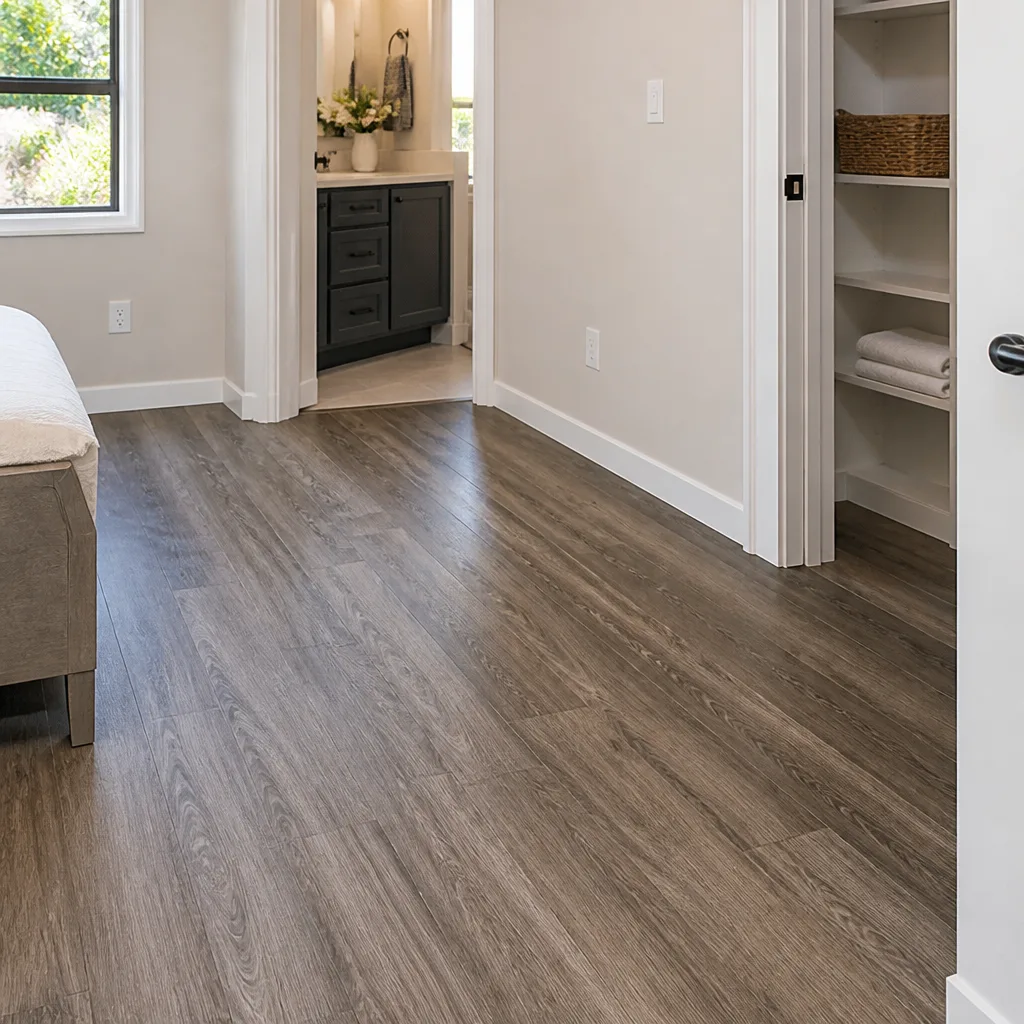

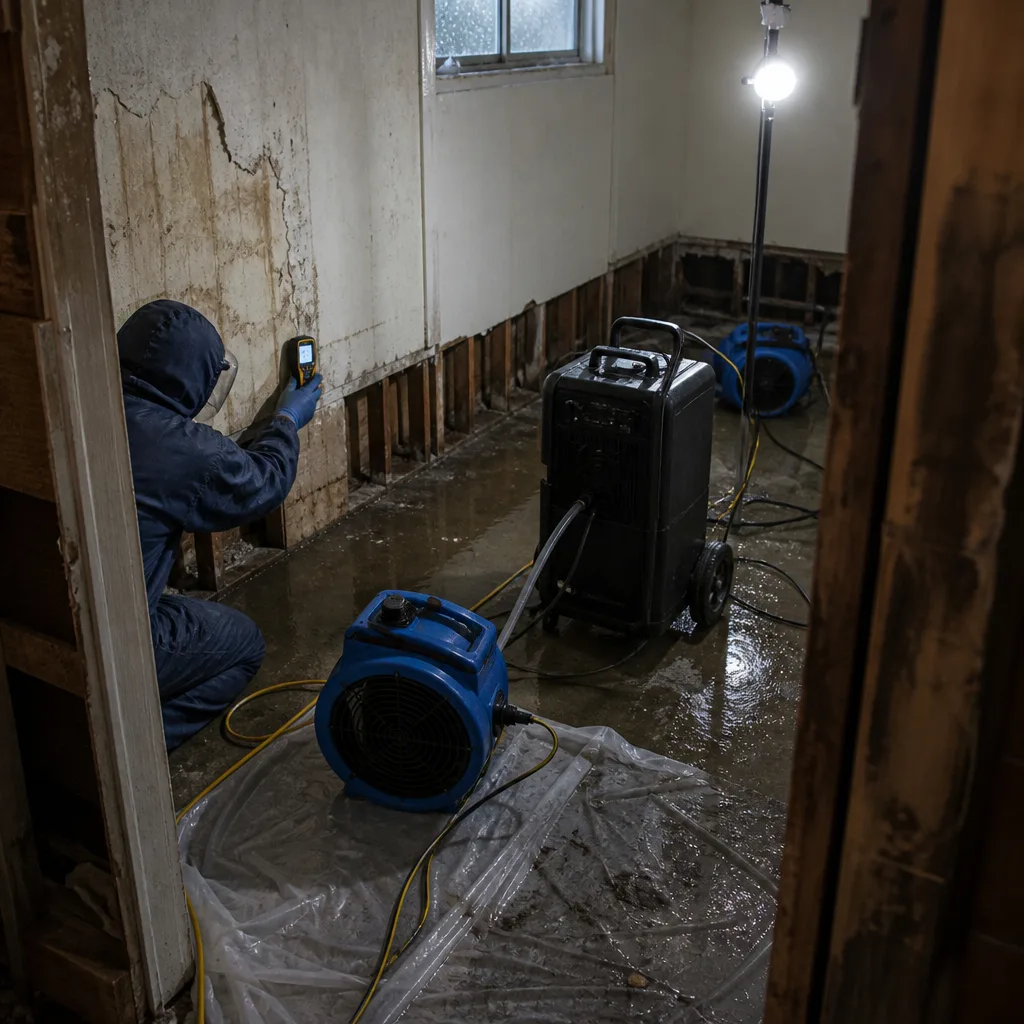 Before
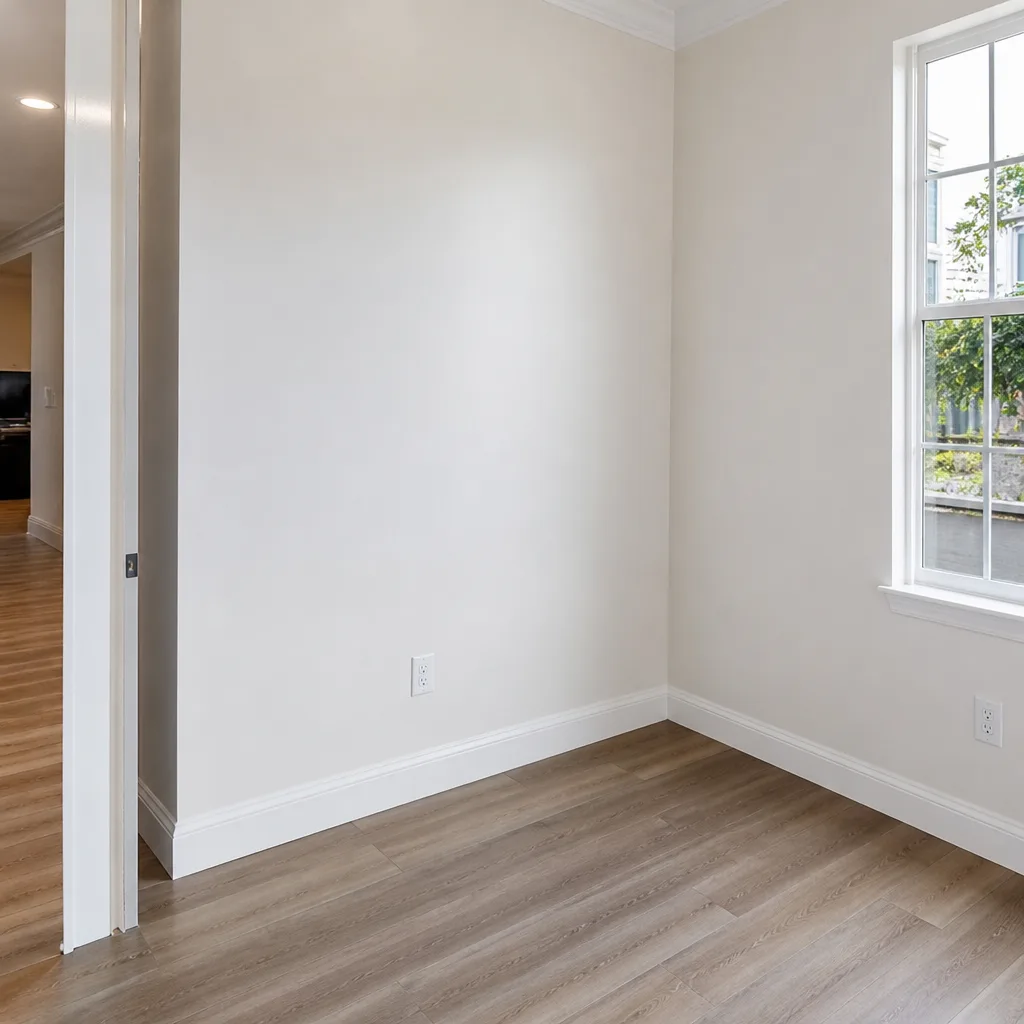 After
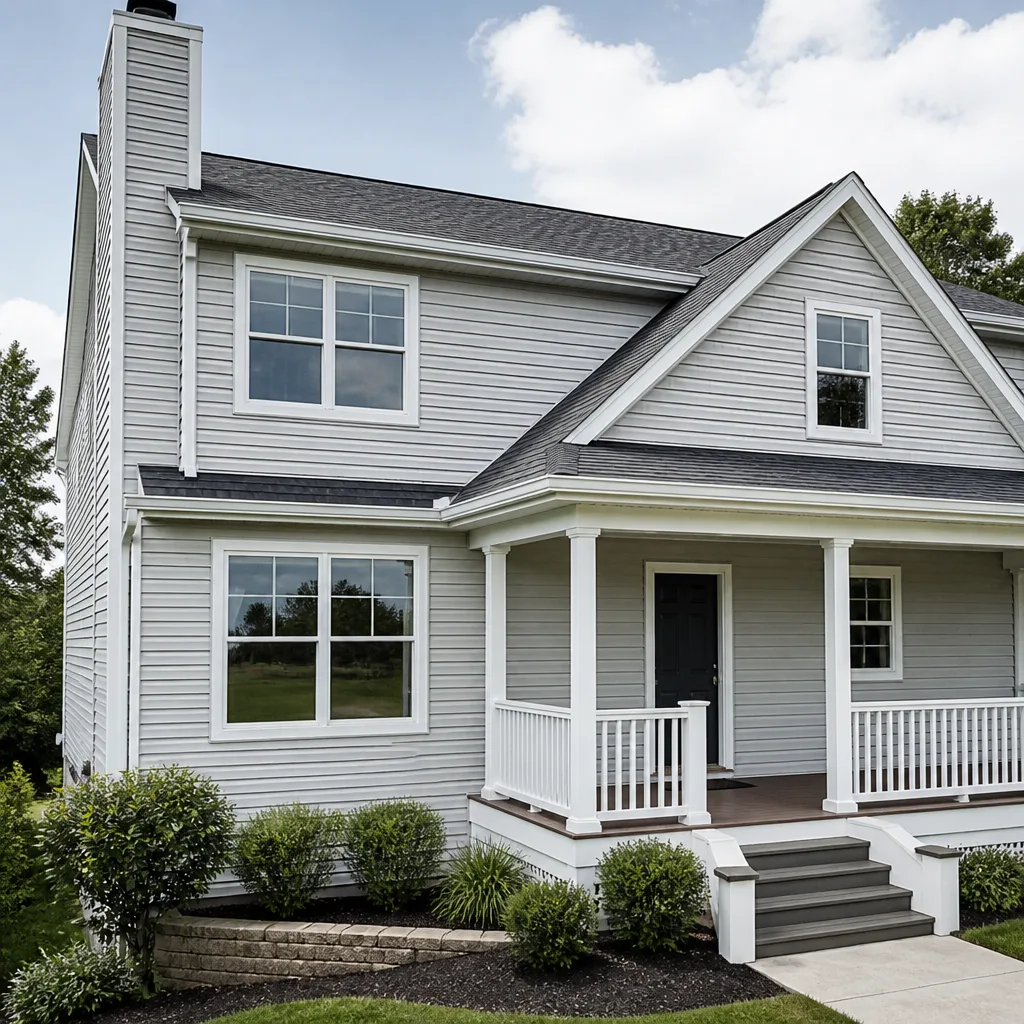
After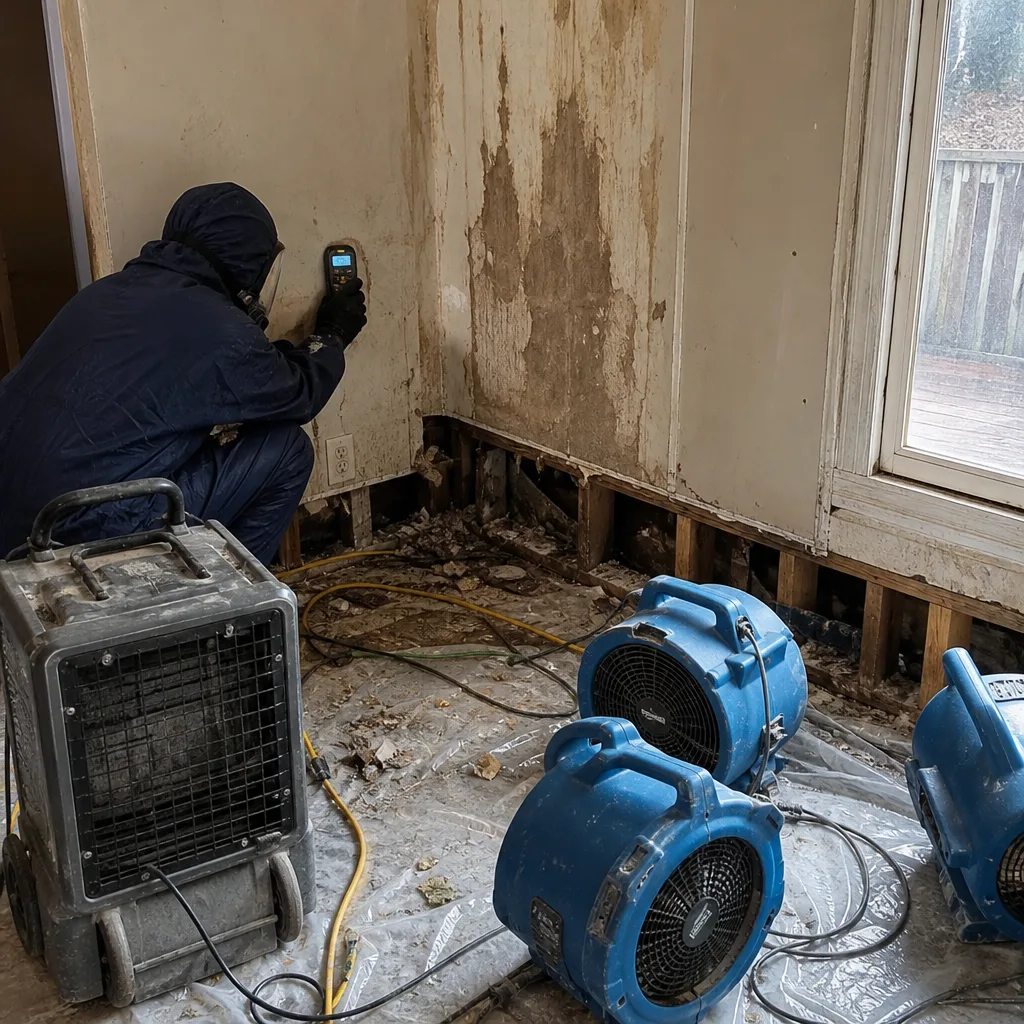 Before
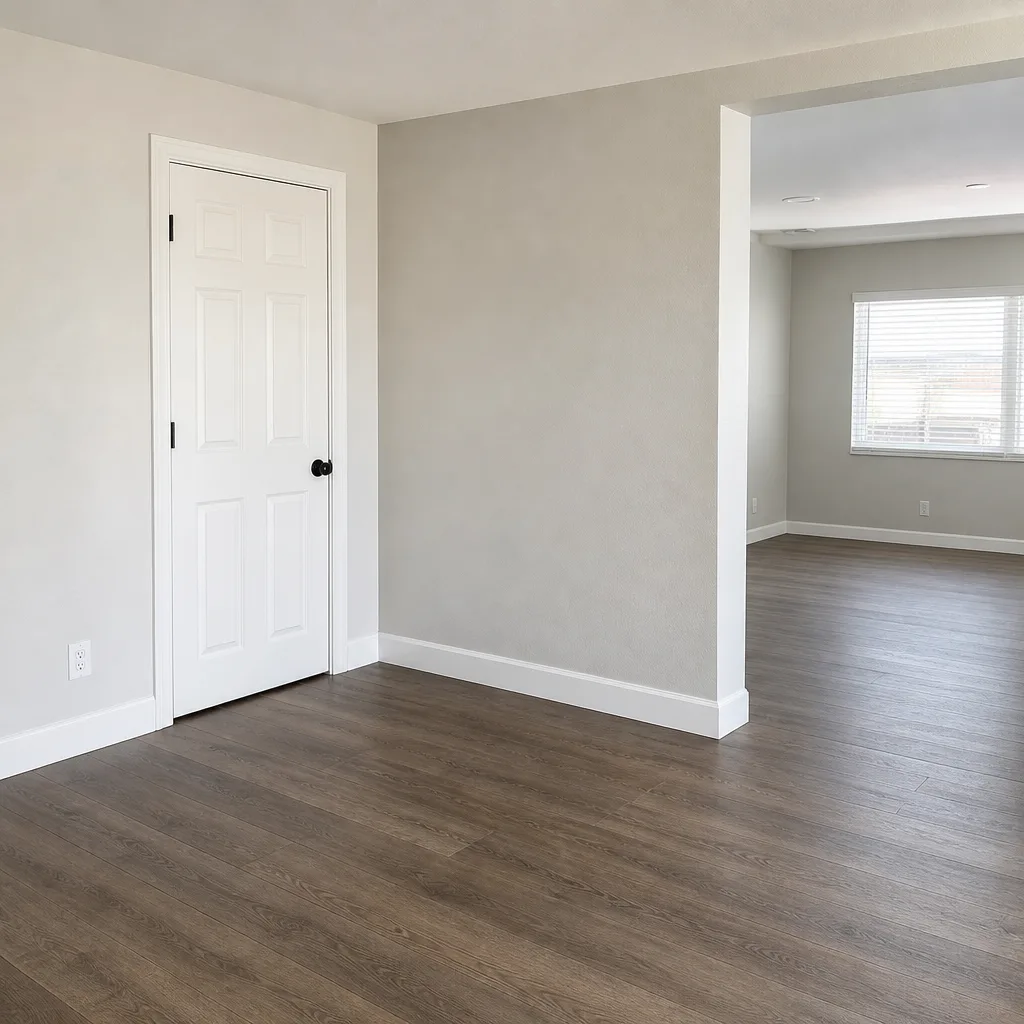 After
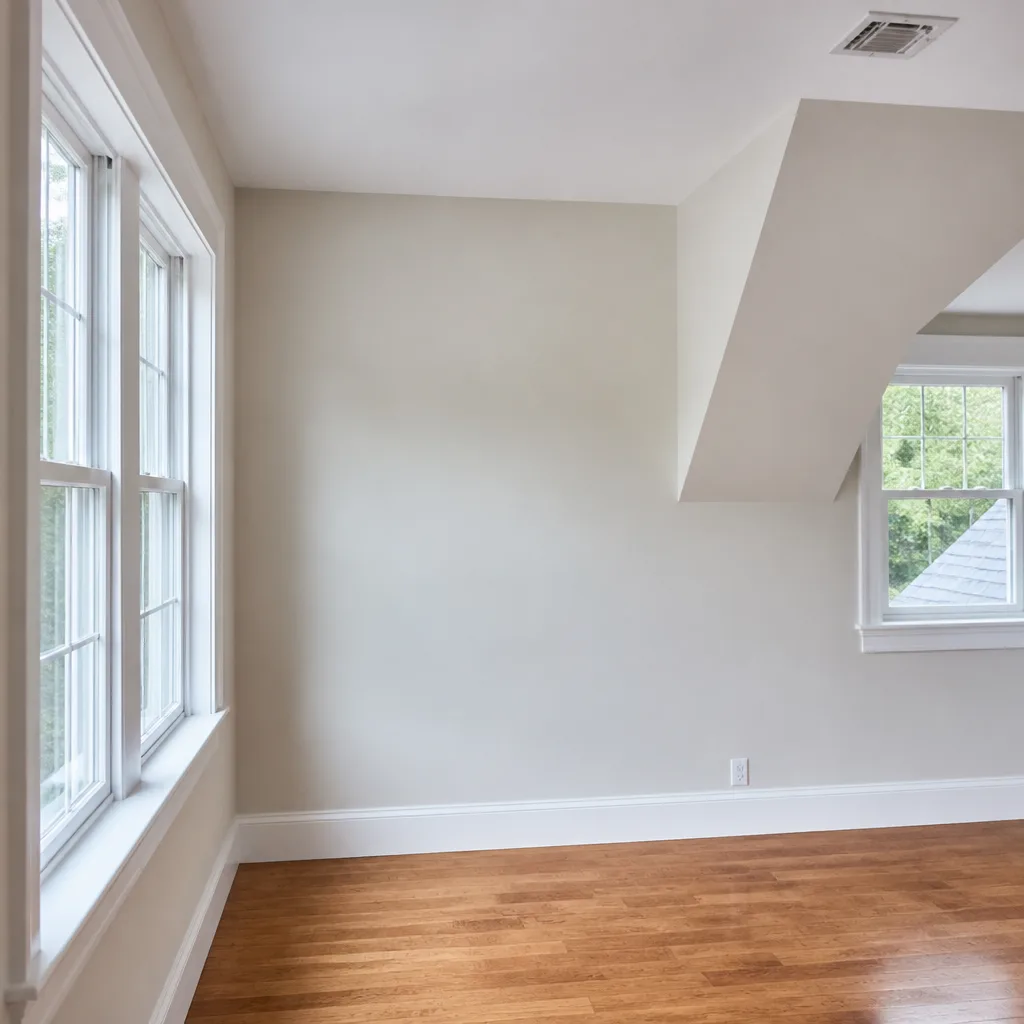
After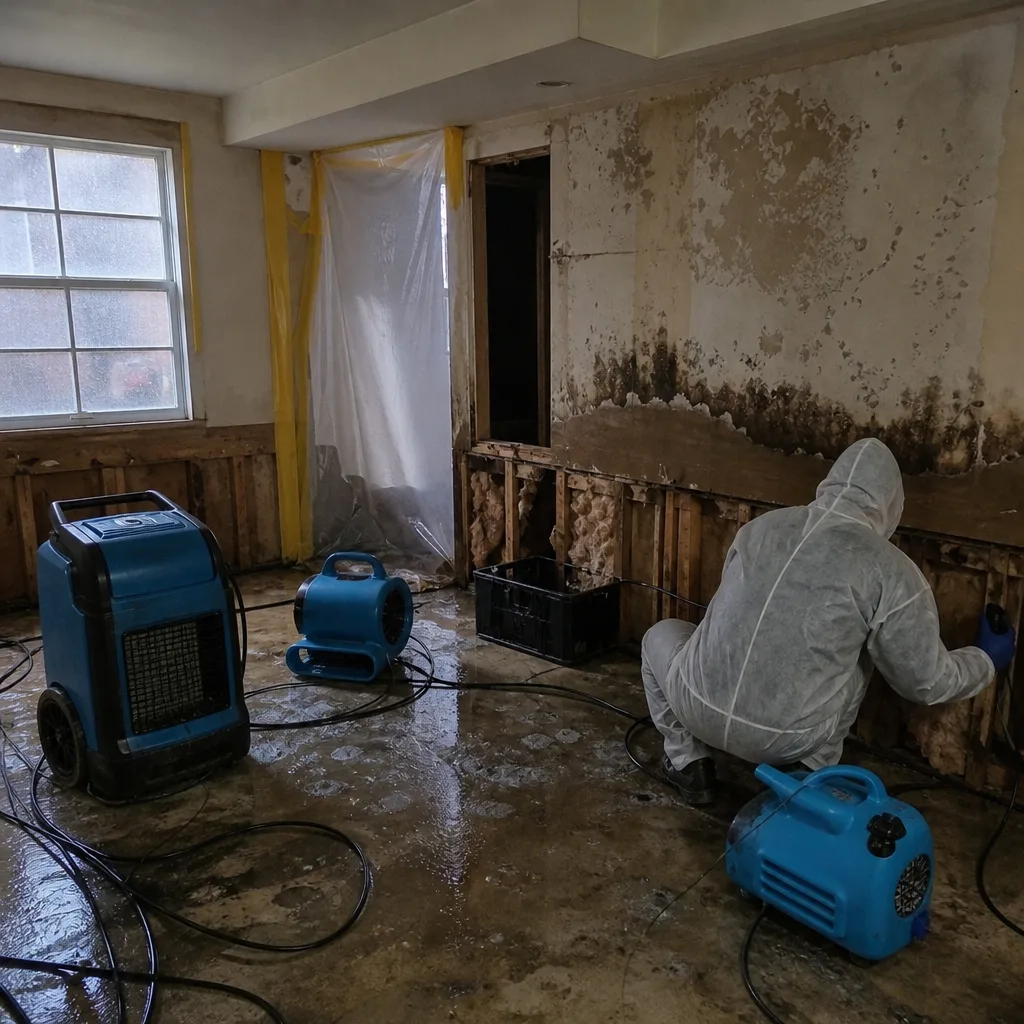 Before
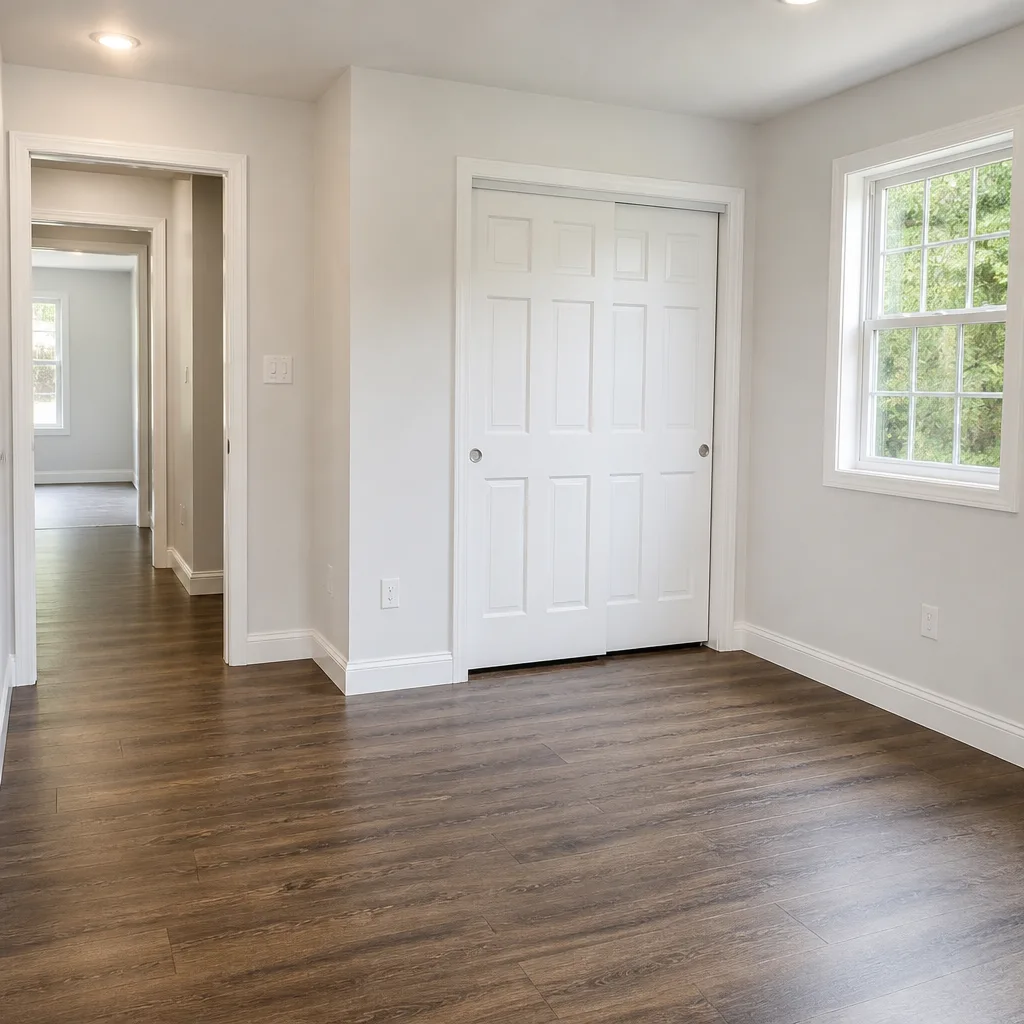 After
AfterFast, Reliable Mold Remediation Across Miami
Mold remediation in Miami averages $1,800 to $6,500 depending on how far the growth has spread, and most homes we treat are back to normal within three to five days. If you’ve spotted dark patches on drywall, smelled that musty odor that won’t leave, or had a leak you couldn’t catch fast enough, we can typically have a background-checked technician at your door within hours, not days. Our crews know Miami’s neighborhoods, from Coral Gables to Kendall, and we understand one thing most national outfits don’t: mold here doesn’t quit just because the visible spot is gone. Call (940) 466-4354 and you’ll get a live person, a straight answer, and a written price before any work starts.
Why Wendell Water Damage Restoration Is Miami’s Preferred Mold Remediation Company
Miami homeowners keep calling us back because we answer the phone. No voicemail, no callback queue, no phone tree. A real person picks up 24/7, and that matters when you’re standing in a bathroom at midnight watching a ceiling stain spread. We tell you what we think over the phone, then put the price in writing before a single tool comes off the truck.
Our technicians follow IICRC, RIA, and IFA standards on every job, using the same professional-grade equipment from Dri-Eaz, Phoenix, and XPOWER that commercial loss sites rely on. That means moisture mapping before we touch anything, containment so spores don’t travel through your home, and drying logs that show the studs are actually dry, not just surface-dry.
Blake Sorensen, who leads our Miami team, set the standard early: if it’s not done right, we make it right. That’s the 365-Day Done Right Promise, and we put it in writing on every job. Miami’s humidity means a rushed mold job shows up again in six weeks. We’d rather do it once.
Mold Removal Specialist in Miami
A Mold Removal Specialist in Miami does more than scrub the spots you can see. We start by finding the moisture source, because mold is a symptom, not the root problem. That means checking supply lines, drain pans, window flashing, and crawl space vents. Then we set containment with negative air pressure so spores don’t drift into your living room while we work. Affected drywall and insulation come out if they’ve wicked moisture past the paper face. We apply antimicrobial treatment to the framing, run continuous dehumidification, and verify the cavity is dry with moisture meters before anything gets closed back up.
Containment and Source Removal
In most Miami homes we treat, mold has spread further behind the drywall than what’s visible on the front. We don’t guess. We cut a small inspection opening, map the moisture with thermal imaging and pin meters, and only remove what’s actually saturated. The goal is surgical removal, not demolition.
Antimicrobial Application and Drying Verification
After removing affected materials, we apply an EPA-registered antimicrobial to the framing and any nearby surfaces. Then we run Dri-Eaz air movers and a Phoenix dehumidifier until the moisture content reads back to pre-loss levels. We hand you the drying logs. You shouldn’t have to take our word for it.
Black Mold Removal in Miami
Black Mold Removal in Miami starts with correct identification and containment, not bleach. Black mold, which is often Stachybotrys chartarum, thrives on materials that stayed wet for days: drywall, ceiling tiles, carpet backing, cabinet bases. Bleach only discolors the surface. It doesn’t kill the roots embedded in porous material, and it definitely doesn’t fix the humidity feeding the colony. We isolate the area with 6-mil poly barriers and negative air, remove the affected materials in sealed bags, treat the framing, and then run continuous dehumidification until the air and the structure both read dry.
When It’s More Than Surface Growth
If you see black staining on baseboards below a bathroom or under a kitchen sink, the moisture source is typically inside the wall cavity. We’ve torn open dozens of these in Miami and found the back side of the drywall fully colonized while the front showed a few small dots. That’s exactly why containment matters as much as removal.
Moisture Source Repair First
We won’t treat black mold and leave the leak that fed it. That’s a guaranteed callback. We identify the plumbing or envelope failure, recommend the repair, and often coordinate directly with your plumber or roofer so the remediation and the fix happen in the right order.
Trusted Brands We Service in Miami
We run Dri-Eaz, Phoenix, and XPOWER equipment on Miami jobs because these are the same brands trusted on hospitals, schools, and commercial loss sites across South Florida. Dri-Eaz dehumidifiers handle the relentless humidity that makes drying a Miami home different from drying a house in Arizona. Phoenix air movers push air through wall cavities and under cabinets where mold hides. XPOWER axial fans move high volumes of air through crawl spaces and attics. We keep spare parts and extra units staged locally, so a failed dehumidifier doesn’t add another day to your project.
Common Mold Remediation Problems We See in Miami Homes
- Mold returning weeks after a “successful” remediation. This is the one we see most in Miami. The visible mold got removed, but nobody ran dehumidification long enough. Miami’s ambient humidity sits above 70% most nights, so surfaces that tested dry in the morning re-wet by evening. Continuous dehumidification is not optional here.
- Bleach treatments that didn’t touch the source. A homeowner or handyman sprays bleach on black spots, the spots fade for two weeks, then come back darker. The mold’s hyphae were still embedded in the drywall paper. Bleach can’t penetrate porous material, and it doesn’t address the moisture that fed the growth.
- Incorrect water classification leaving saturated materials in place. Category 1 is clean water from a supply line. Category 2 carries contaminants, and Category 3 is sewage or floodwater. HEPA vacuuming won’t fix drywall soaked in category 3 water. Those materials have to come out, period. Miami condo and apartment buildings with shared plumbing see this classification done wrong all the time.
- Hidden mold behind kitchen and bath cabinetry. Most Miami homes have cabinetry that sits directly against exterior walls or around plumbing chases. A small supply-line pinhole behind a cabinet base can wick for days before anyone notices. By then the back panel is colonized and the drywall behind it is saturated. Pulling the cabinets is sometimes necessary, but more often we do a targeted pack-out and dry the cavity in place.
Pricing for Mold Remediation in Miami, FL
We Also Serve Cities Near Miami
Our Miami crews run jobs in Miami daily, but we also cover the surrounding metro. If you’re in Miami Beach dealing with a high-rise moisture issue, Coral Gables with an older home’s crawl space, Key Biscayne where coastal humidity accelerates growth, or Hialeah where plumbing chases in block construction hide leaks, we can get there fast. Same team, same written price, same equipment.
Serving Miami, FL - Our Local Coverage Area
We’re based in the Miami area and know this community well. Use the map below to see our service coverage - if you’re nearby, we can almost certainly help.
FAQs About Mold Remediation in Miami
In Miami’s climate, mold spores can germinate within 24 to 48 hours of a water event, and visible colonies often appear within three to five days. Our humidity consistently above 70% accelerates this significantly compared to drier cities. If you’ve had a leak, call (940) 466-4354 immediately, because the clock here moves faster.
Not usually. In our experience across Miami homes, we can often do a targeted pack-out: remove the toe kick and back panel, dry the cavity with Dri-Eaz air movers and a Phoenix dehumidifier, treat the framing, and reinstall. Full cabinet tear-out only happens when the box itself is saturated and delaminating. We’ll show you moisture readings before making that call.
Category 1 is clean water from a supply line or sink overflow. Category 2 carries significant contamination, like washing machine discharge. Category 3 is grossly contaminated, like sewage or storm surge. The category determines what gets dried in place and what gets removed. Category 3 demands disposal of saturated porous materials, no exceptions. Misclassifying this is how mold comes back.
Yes, if the humidity isn’t controlled. Miami’s ambient moisture is high enough on its own to feed mold on any lingering organic material. That’s why we run continuous dehumidification during remediation and recommend homeowners run a dehumidifier or HVAC dehumidification mode in problem areas like laundry rooms, bathrooms, and closets on exterior walls. The 365-Day Done Right Promise covers a free second visit if the mold returns.
Yes, in most cases we can begin same-day containment and moisture mapping when you call before early afternoon. Miami is our home territory, so techs are already staged across the metro. For evening calls, we’re on site first thing the next morning. Call (940) 466-4354 and we’ll give you a live arrival time you can track, not a four-hour window.
Call Wendell for Mold Remediation in Miami
Mold doesn’t wait in Miami, and neither do we. One call to (940) 466-4354 gets you a live person, a written price, and a technician with a live arrival time you can track. We use professional-grade Dri-Eaz and Phoenix equipment under IICRC standards, we document everything with before-and-after photos texted to you, and every job carries the 365-Day Done Right Promise in writing. If you’re watching a stain spread or smelling something that won’t leave, call now. We answer.
Written by Blake Sorensen, Owner at Wendell Water Damage Restoration, coordinating mold remediation across Miami and South Florida.