
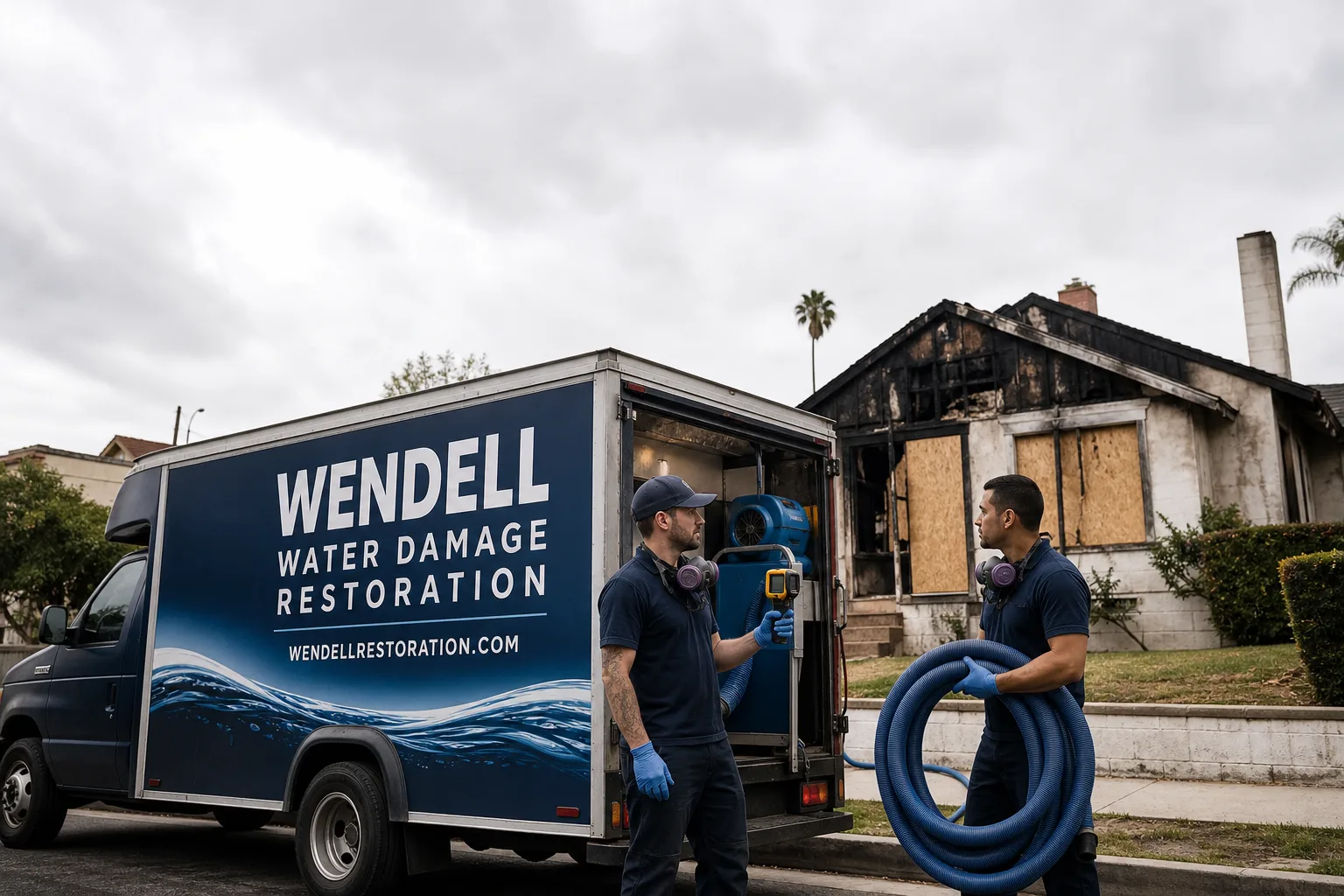
Free visual inspection and a written scope of work before any mitigation begins - photos, moisture readings, and drying logs go in your claim file
The scope we write is the scope we bill. Anything new gets shown to you, in writing, before we touch it.
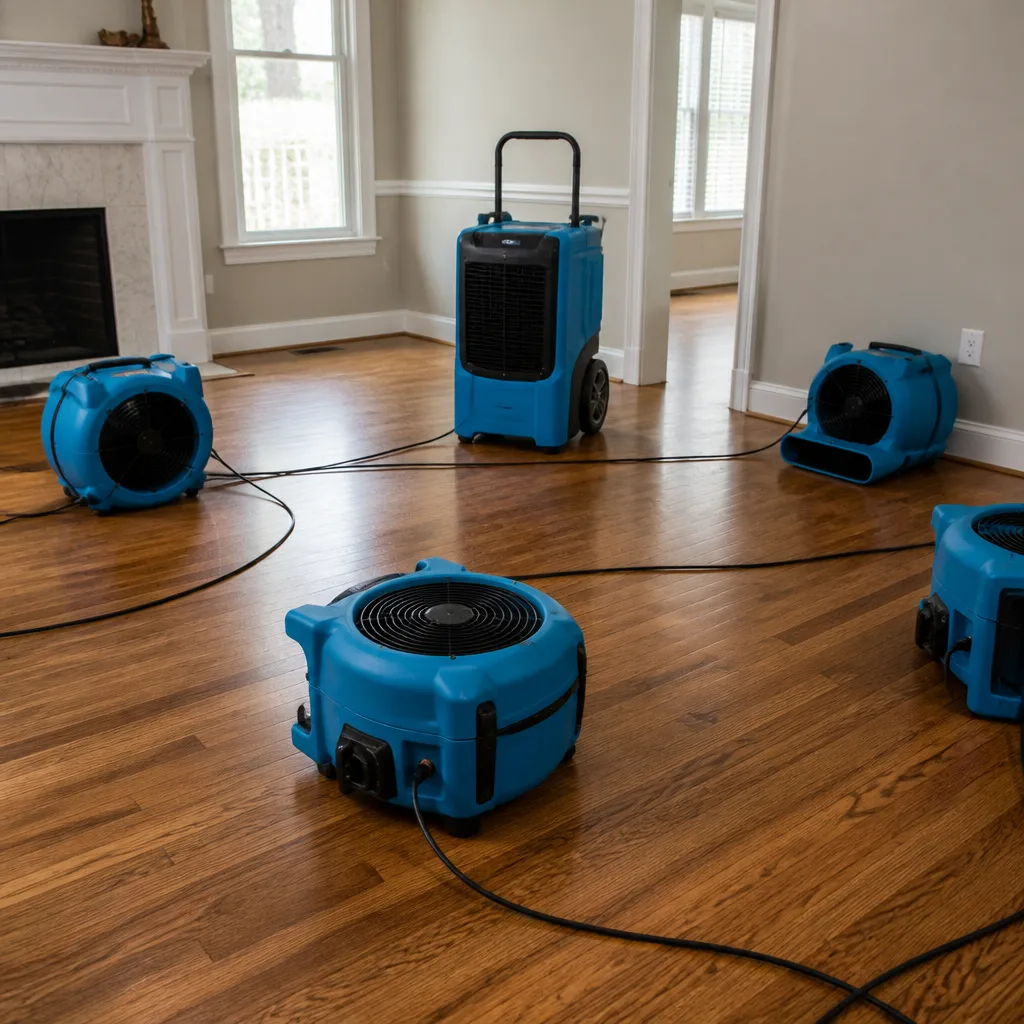



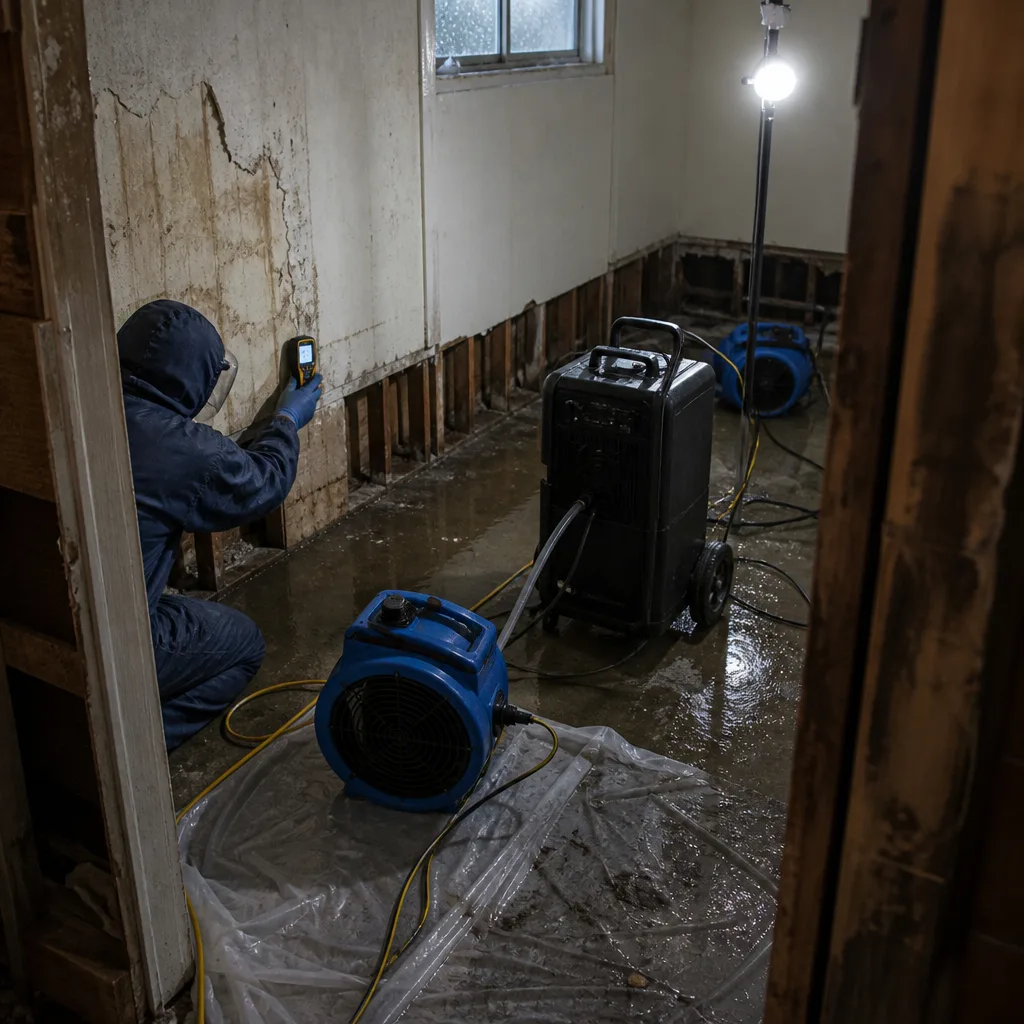 Before
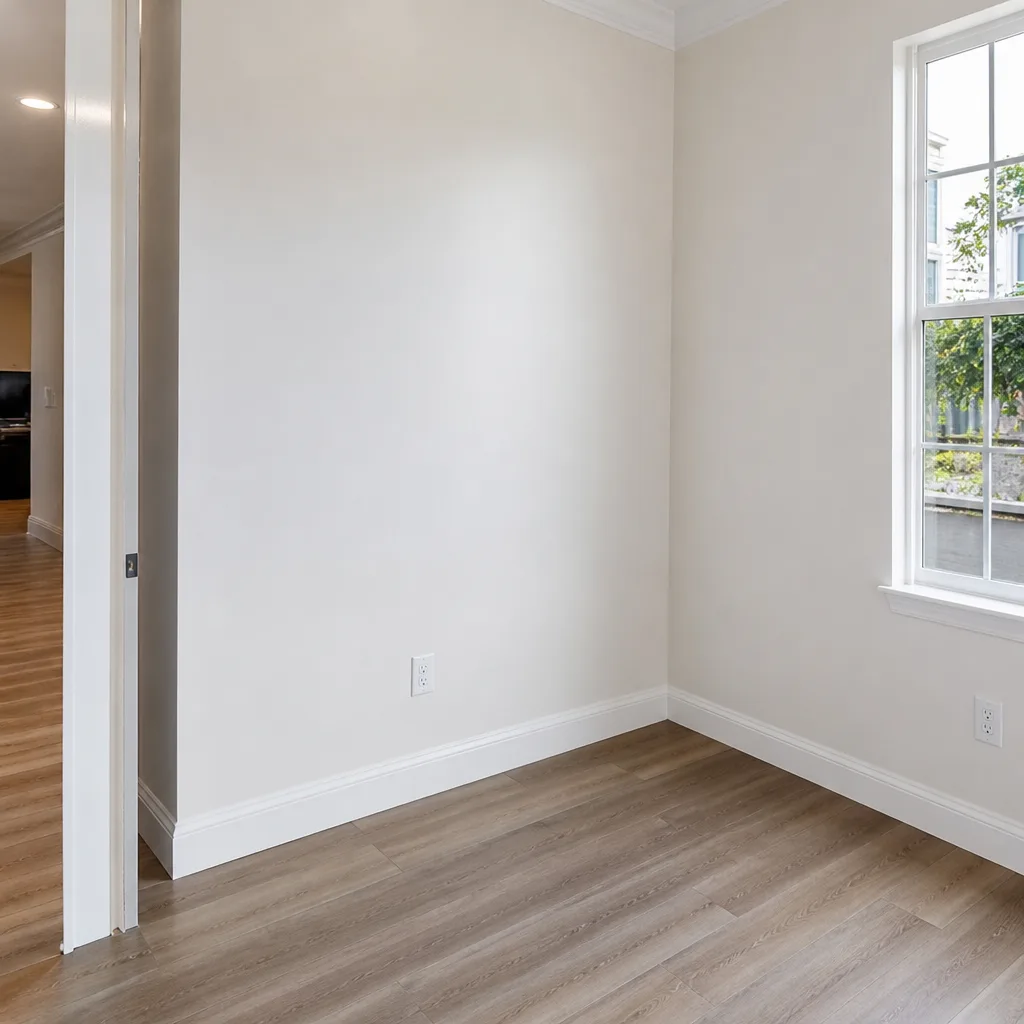 After
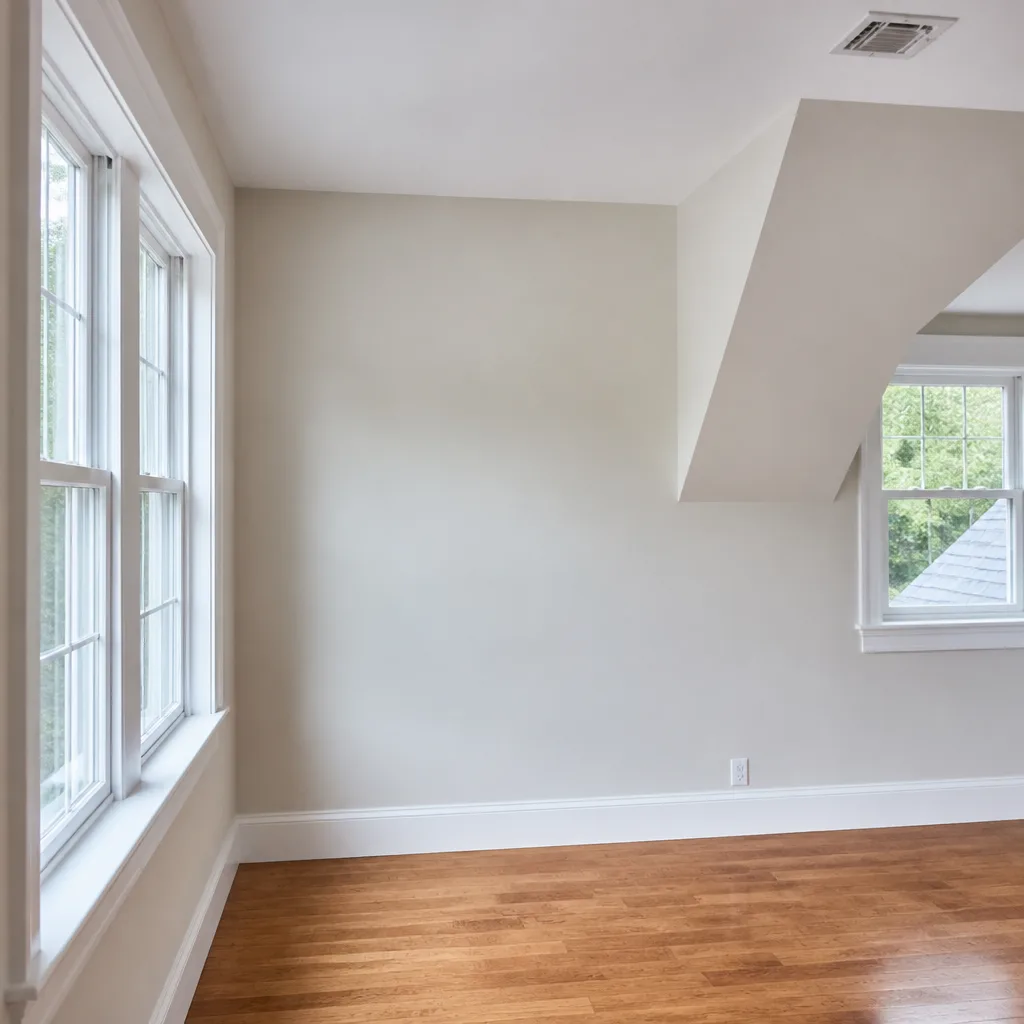
After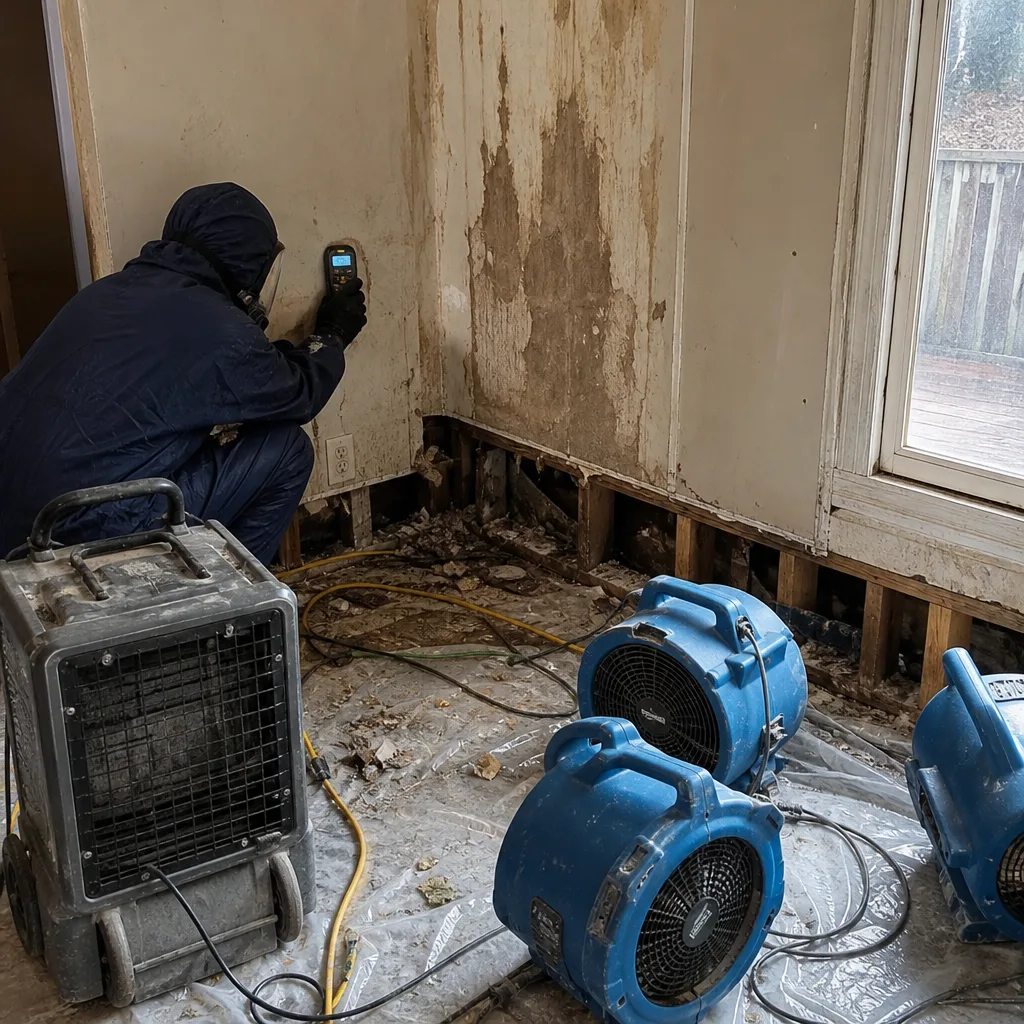 Before
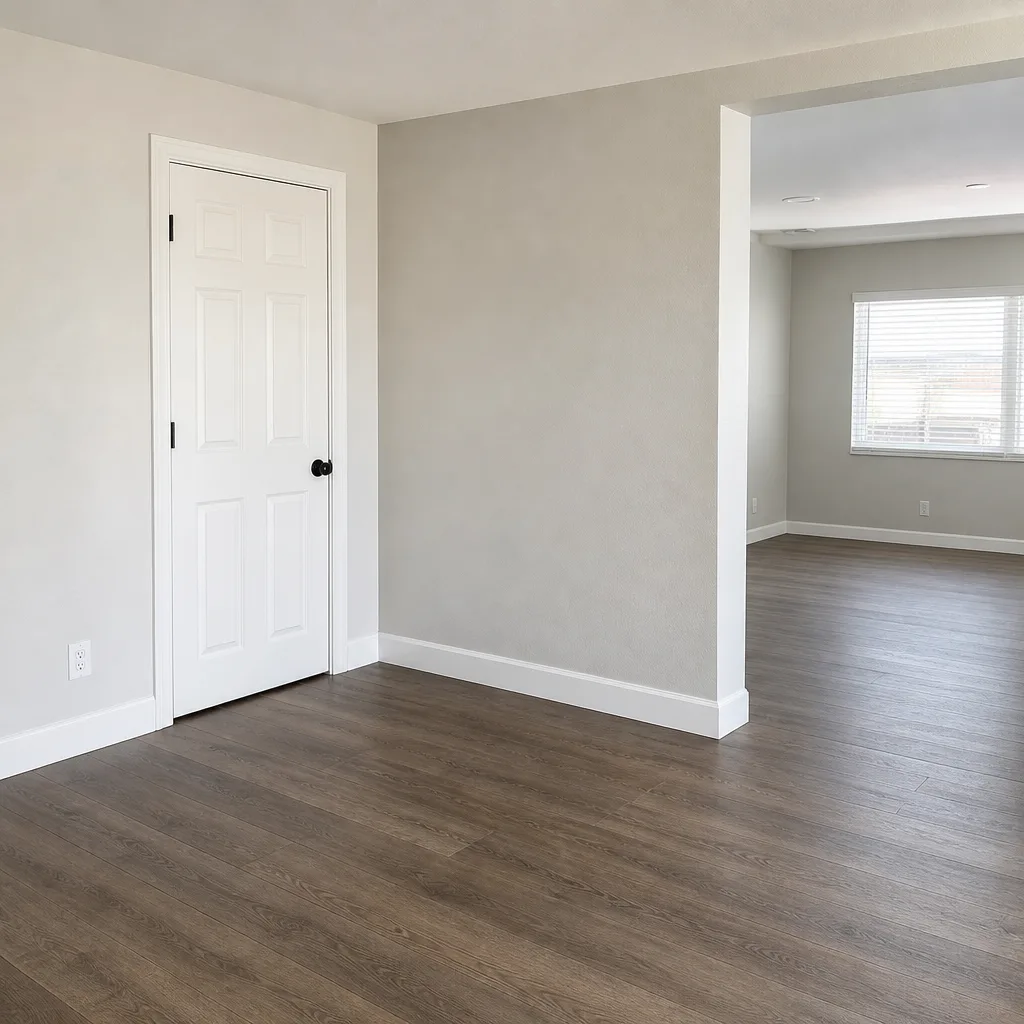 After
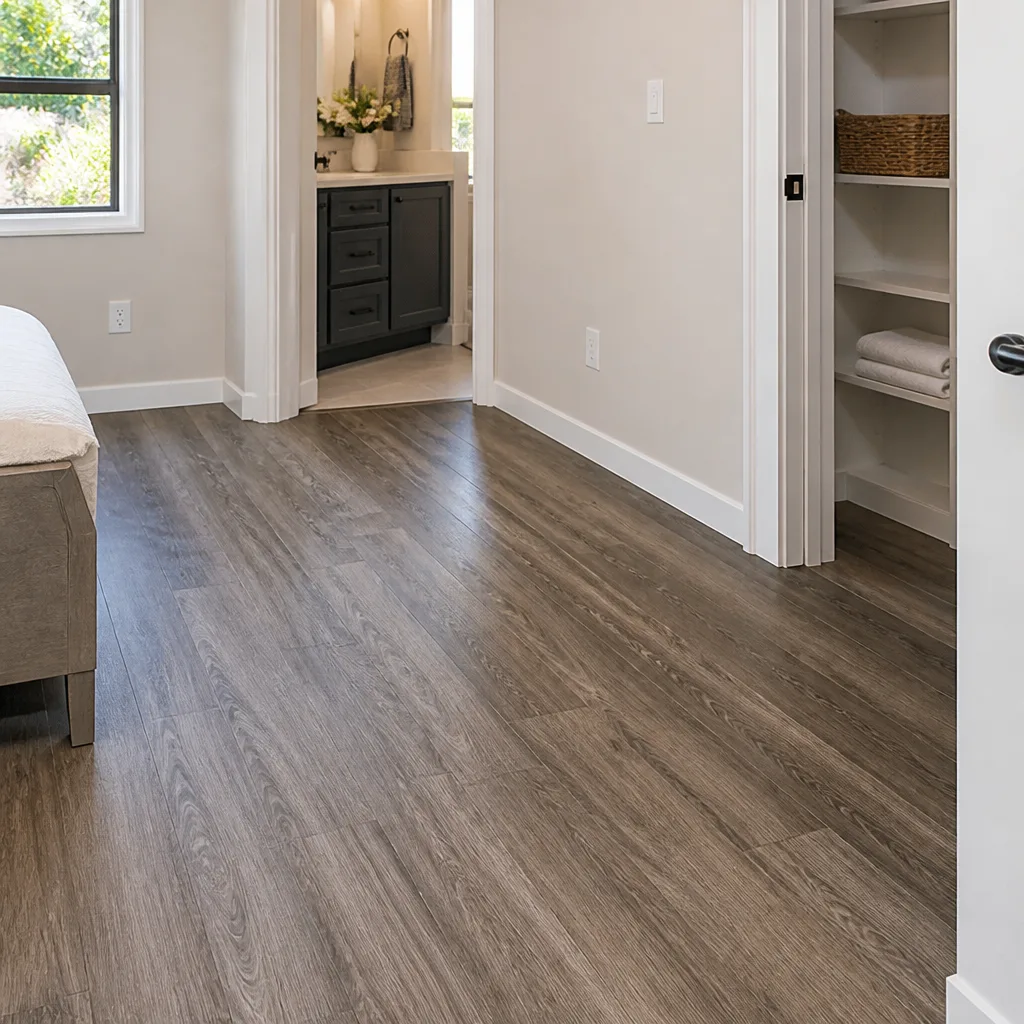
After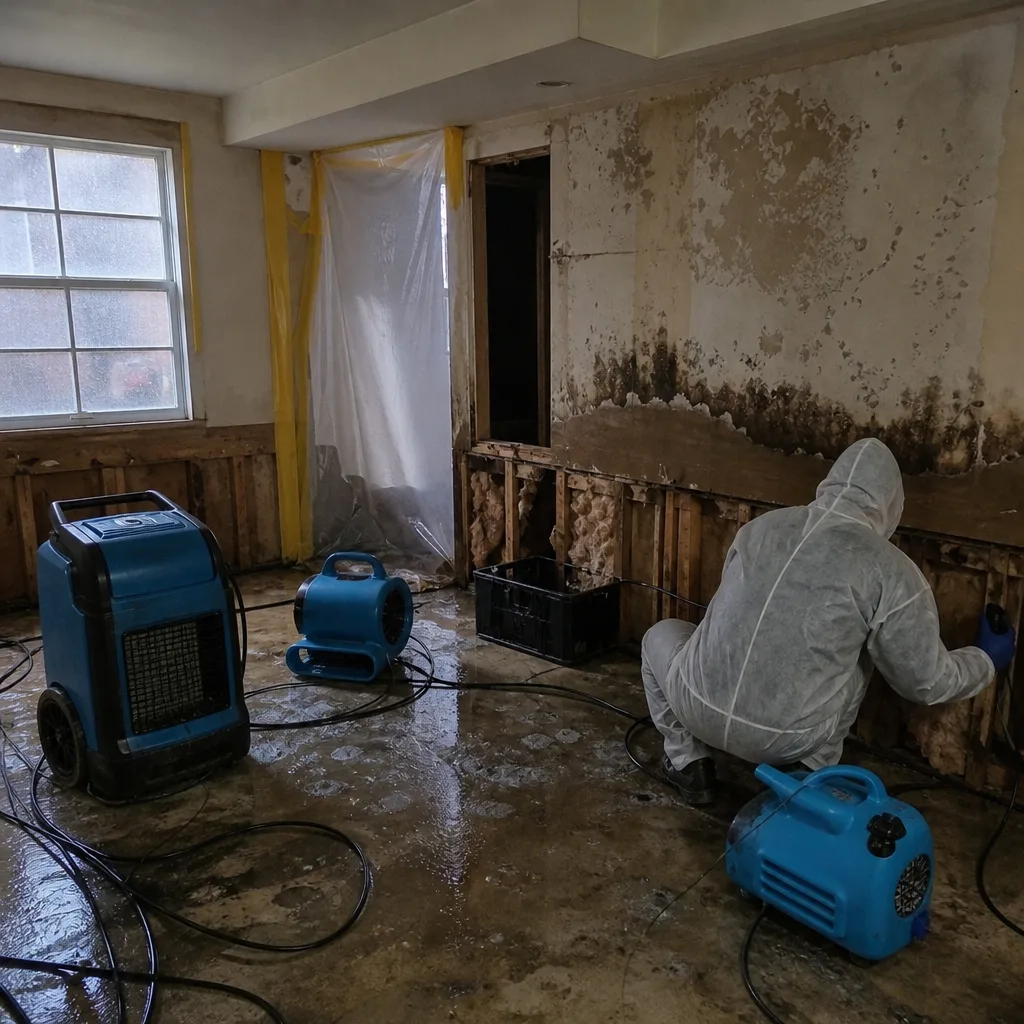 Before
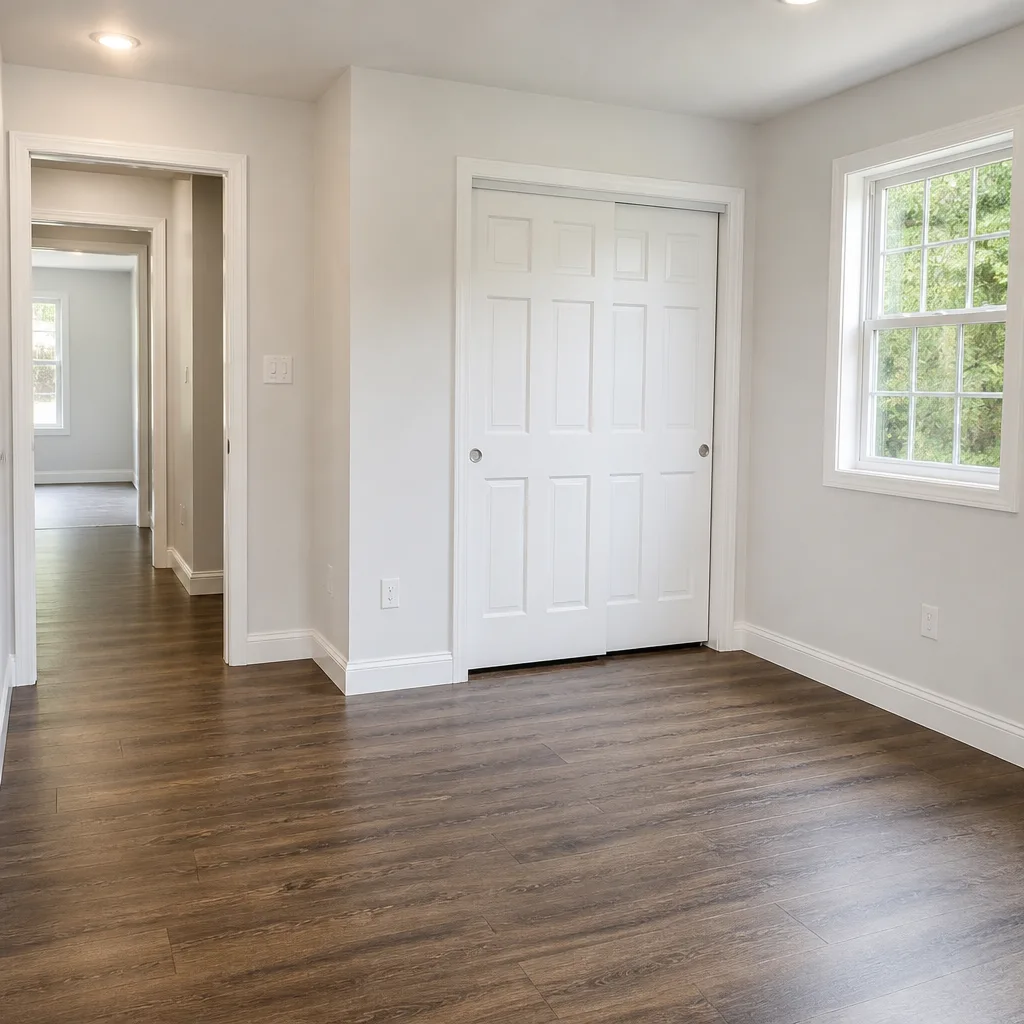 After
AfterFast, Reliable Mold Remediation Across Lenox Hill
If you’re searching for mold remediation in Lenox Hill, the honest first answer is this: most of the mold we find in this neighborhood isn’t on the surface. It’s hiding in the furred-out cavities behind original plaster, behind radiator walls, and along steam risers that have been dripping for weeks before anyone saw a stain. In Lenox Hill’s pre-war co-ops and townhouses along East 60th through 77th, mold problems almost always start inside a wall assembly, not on the paint. That’s why our first step is never a quick spray-and-go. We map the moisture, we find the source, and we put the price in writing before any work starts. Call (940) 466-4354 and a live person answers, day or night.
Why Wendell Water Damage Restoration Is Lenox Hill’s Preferred Mold Remediation Company
We’ve worked in enough Lenox Hill buildings to know that every co-op has a board, every board has rules, and every alteration agreement gets complicated when original plaster is involved. Our technicians understand that a radiator-valve drip on East 72nd is a different job from a shower-pan leak on East 66th. They’re background-checked, uniformed, and they show up with a live arrival time you can track on your phone, not a four-hour window. We hold every Lenox Hill job to The Relay Visibility Guarantee: you know who is coming, when they’ll be there, and exactly what it costs before we ever touch a tool.
Lenox Hill homeowners consistently tell us the same thing: they called us because we answered the phone. Not a voicemail, not a callback queue. A live person at (940) 466-4354. From there, the process is simple. We schedule fast. We text you before-and-after photos while the job is happening. And the written price we give you upfront is the number you pay, every time. That’s backed by our 365-Day Done Right Promise: if it’s not done right, we make it right, in writing, on every single repair.
Mold Inspection in Lenox Hill
Mold inspection in Lenox Hill needs to account for what this neighborhood’s housing stock actually is: pre-war plaster, furred-out walls, and concealed cavities that hide moisture for weeks. A typical mold inspection in Lenox Hill runs $350 to $600, depending on the square footage and how many rooms need moisture mapping. The first thing we do at a mold inspection in a Lenox Hill townhouse is ask where the radiators and risers are, because that’s where the water is, even when the wall looks dry. We use moisture meters and thermal imaging to find saturated cavities behind plaster before we ever open a wall.
Moisture Mapping and Source Finding
Plaster releases moisture slowly. A wall on East 77th can read wet three feet away from the visible stain because the water traveled horizontally through the furring strips. Our inspection includes moisture readings across the full assembly, not just the spot you can see. We trace the source, whether it’s a steam riser, a radiator valve, a bathroom stack, or window flashing.
Documentation for Co-op Boards
Lenox Hill co-op boards want proof. We provide written findings with moisture readings, photo documentation, and a clear scope of what’s wet and what’s affected. That documentation is what lets a board move quickly on a remediation approval instead of sitting on it for weeks.
Mold Removal Specialist in Lenox Hill
A mold removal specialist in Lenox Hill is doing a different job than someone working in a drywalled postwar building in Queens. Here, the challenge is saving original plaster and lath while removing mold from concealed cavities. Mold removal in Lenox Hill typically runs $1,800 to $6,500 for a single-room remediation, depending on how far the moisture has traveled and whether containment is needed. The question we answer most often is whether the plaster has to come out. Often it doesn’t. We can dry the assembly in place with Injectidry wall-panel drying, treat the cavity with antimicrobial, and close the wall without destroying the original detail.
Containment and Antimicrobial Treatment
Before we open a wall, we set containment. That means sealing off the work area with negative air pressure so mold spores don’t spread through your apartment or into the hallway. Then we treat affected surfaces with antimicrobial agents, clean the cavity, and dry the structure to IICRC standards. The goal is a clean, dry wall assembly, not just a clean-looking surface.
Drying in Place vs. Teardown
Tearing out original Lenox Hill plaster is expensive, messy, and often unnecessary. When the water source is Category 1 or 2 (clean water from a radiator or riser, not sewage), structural drying with Injectidry panel drying and Dri-Eaz dehumidification can save the assembly. A co-op board on East 72nd near Third Ave called us about a musty smell in a second-floor bedroom that no surface inspection could explain. Our tech pulled moisture readings across the plaster and found a saturated furred-out cavity behind the radiator wall fed by a pinhole steam-riser leak. We set containment, ran antimicrobial treatment, and dried the assembly with Injectidry wall-panel drying plus Dri-Eaz dehumidification and XPOWER air movers, then verified with daily drying logs that the plaster was back to pre-loss condition before we closed the wall. That wall is still intact today.
Trusted Brands We Service in Lenox Hill
We run Dri-Eaz dehumidifiers, Phoenix air movers, and XPOWER ventilation on Lenox Hill jobs because these are the brands built for commercial loss sites, which means they’re more than enough for your co-op. We keep equipment staged for fast deployment to Lenox Hill, and we follow IICRC, RIA, and IFA standards on every job. When you call, we arrive with the right tools already in the truck, not a trip back to the shop.
Common Mold Remediation Problems We See in Lenox Hill Homes
- Surface-only treatment on plaster blooms. A lot of Lenox Hill mold problems get “fixed” with bleach spray and paint. The mold is in the furred cavity behind the radiator or riser, not on the paint, so it returns within weeks. We always open and treat the cavity, not just the visible stain.
- Skipping moisture mapping because the apartment “looks dry.” Lenox Hill plaster holds water and releases it slowly. The wall can read wet feet away from the visible stain. If we don’t map the moisture, we miss the real extent of the damage and the mold grows back.
- Unnecessary demolition of original plaster. We regularly see contractors tear out pre-war plaster and lath on a Category 1 or 2 water source when structural drying and Injectidry panel drying would have saved the assembly, and saved the board’s alteration agreement from getting triggered.
- Steam-riser and radiator-valve leaks that run for weeks undetected. In buildings along East 60th through 77th, a pinhole leak in a riser can saturate a furred cavity slowly, with no visible sign until mold appears. By the time you see it, it’s been wet for weeks.
Pricing for Mold Remediation in Lenox Hill, NY
We Also Serve Cities Near Lenox Hill
Our crews cover Lenox Hill and the surrounding boroughs. If you’re in Brooklyn, Queens, Manhattan, or The Bronx and dealing with mold, water damage, or a radiator leak that’s been ignored too long, we can help. Learn more about our Mold Remediation process, or see what we do specifically for Mold Remediation in Lenox Hill.
Serving Lenox Hill, NY - Our Local Coverage Area
We’re based in the Lenox Hill area and know this community well. Use the map below to see our service coverage - if you’re nearby, we can almost certainly help.
FAQs About Mold Remediation in Lenox Hill
We can usually have a technician at a Lenox Hill building within 90 minutes to two hours of your call. A live person answers (940) 466-4354 24/7, and we dispatch directly from the New York City office. The faster we get moisture readings on that saturated plaster, the better your chances of saving the wall in place.
No. A steam-riser leak is Category 1 water (clean water from a sanitary source) unless it has been sitting long enough to become contaminated. Even then, it often moves to Category 2, not 3. That matters because Category 1 and 2 water means we can usually dry the plaster in place instead of tearing it out. Call us and we’ll tell you what you’re actually dealing with.
No, not automatically. When the water source is clean (Category 1 or 2) and the cavity hasn’t been wet long enough to rot the lath, we can often dry the assembly with Injectidry panel drying and Dri-Eaz dehumidification, then treat with antimicrobial and close the wall. We only demo when the plaster is structurally compromised or the source is Category 3 sewage. Call (940) 466-4354 and we’ll tell you which path your wall is on.
Yes. We provide written moisture readings, photo documentation, a scope of work, and a drying log that shows the assembly returned to pre-loss moisture levels. This is exactly what Lenox Hill boards and property managers ask for when they need to approve remediation without dragging the process out for weeks.
We map the moisture. Before we look at the mold, we find the water. In Lenox Hill townhouses, that means checking steam risers, radiator valves, and any wall against a bathroom stack. Plaster hides moisture, so we run meters across the full assembly, not just the visible stain. That gives us a real picture of what’s wet, how far it traveled, and what needs to come apart.
Written by Blake Sorensen, Owner at Wendell Water Damage Restoration, serving Lenox Hill with transparent pricing and written guarantees since 2006.
Mold problems in Lenox Hill don’t improve by waiting. If you smell something musty near a radiator wall or see a stain spreading across original plaster, call (940) 466-4354 now. We’ll give you a written price, a live arrival time, and a plan that respects your building’s original character. Free estimates, 365-Day Done Right Promise, and a live person on the phone, always.